

NPC Backstory Planning Resources for Rich Campaigns
Updated on: 2025-12-29
Thoughtful non-player characters and believable histories can lift every tabletop session. This guide shares gentle, practical methods to plan personalities, motivations, and timelines without overloading your notes. You will find simple frameworks, a step-by-step workflow, and curated tools suitable for busy Game Masters. If you have been looking for npc and backstory planning resources that feel manageable and kind to your schedule, this article aims to help.
Table of Contents
- How-To Steps
- NPC and Backstory Planning Resources
- Keeping NPCs Consistent and Memorable
- Inspiration, Props, and Gentle Upgrades
- FAQ
Creating characters who feel real does not need to be complicated. With a few steady habits, a small template, and respectful time management, you can present personalities that players enjoy meeting again. This guide focuses on clear structure, light preparation, and flexible reuse. You will find steps you can follow for new campaigns or mid-season arcs. The aim is a gentle, repeatable process that respects your energy while keeping the table engaged.
How-To Steps
Step 1: Start with a one-line purpose
Begin with a single sentence that states why the character exists in the story right now. For example: “Innkeeper who protects runaways,” or “Archivist who knows a banned route.” Keep it focused on service to the scene, not their whole life. This one line keeps you grounded when improvisation appears. It prevents over-prepping details that never surface and helps you say no to distractions.
Step 2: Add a gentle motive and visible quirk
Choose one internal drive (safety, recognition, debt, curiosity) and one outward signal (a careful pause before speaking, ink-stained hands, a soft laugh). The motive guides decisions. The quirk makes recall easy for you and your players. Keep both subtle and kind. They should offer cues, not caricature. If you are unsure, pick something you can comfortably perform at the table.
Step 3: Sketch a three-beat backstory
Write three short beats: origin, turning point, current situation. One sentence each is enough. For example: “Apprenticed as a scribe; exposed a forgery and lost the post; now collects lost maps.” These beats anchor facts without forcing a novel. They also provide hooks for rumors, favors, and small mysteries the party may explore over time.
Step 4: Map relationships and tensions
List two allies and one strain. The allies might be a guild, a sibling, or a patron. The strain could be rivalry, debt, or a broken promise. Connections make your world feel inhabited and help you improvise new scenes. When players ask for introductions, you already have names and threads that link back to your character’s motive.
Step 5: Prepare two choices and one secret
Write down two likely decisions the character may face when meeting the party, plus one private truth. The choices keep encounters dynamic. The secret is a gentle spark for a later reveal. If the group engages deeply, you have material. If not, nothing is wasted. This small habit turns a simple contact into a future ally, rival, or confidant.
Step 6: Build a calm continuity loop
After each session, add one line to their timeline and adjust the motive if events changed it. Tag the character with theme labels like “trade,” “lost relics,” or “border politics.” These tags make searching easier over months of play. A brief loop protects consistency and keeps your setting coherent without heavy paperwork.
NPC and Backstory Planning Resources
Choosing tools that respect your time can make preparation feel lighter. Below is a compact toolkit you might find comfortable to use and reuse across campaigns. If you prefer paper, a single-page profile works well. You can print a stack and file by location or faction. If you like digital notes, a simple document with consistent headings is just as reliable.
- One-page profile template: Name, purpose line, motive, quirk, three-beat history, allies, tensions, choices, secret, tags.
- Session timeline: A dated list of short updates. One sentence per appearance keeps memory fresh.
- Relationship map: A small diagram connecting key figures by role. Arrows and short labels are enough.
- Tag index: A list of themes that link your cast. This helps you find relevant contacts quickly.
- Voice and manner notes: Three words per character to guide your delivery in a gentle, sustainable way.
This section is a practical companion to npc and backstory planning resources you may already use. You might adapt it to your favorite app or notebook. The goal is not fancy layouts; it is quick recall at the table and calm updates after each session. Consistent headings let you scan faster and prepare with kindness toward your future self.
Keeping NPCs Consistent and Memorable
Consistency helps your world feel steady. A small checklist can support that feeling without pressure. Before a session, read the one-line purpose and motive. During play, mention the quirk once, then let the conversation breathe. After the game, update the timeline with one sentence and review any changed relationships. If the group bonds with the character, consider adding a second quirk or a new ally to show growth.
For memory, repeat the name clearly and offer a physical cue, like a distinct item or greeting. When you return to the character later, echo that cue. It is gentle, familiar, and helps everyone reorient quickly. If you ever feel stuck, lean on your three-beat history. It provides credible answers to new questions without inventing from scratch.
Inspiration, Props, and Gentle Upgrades
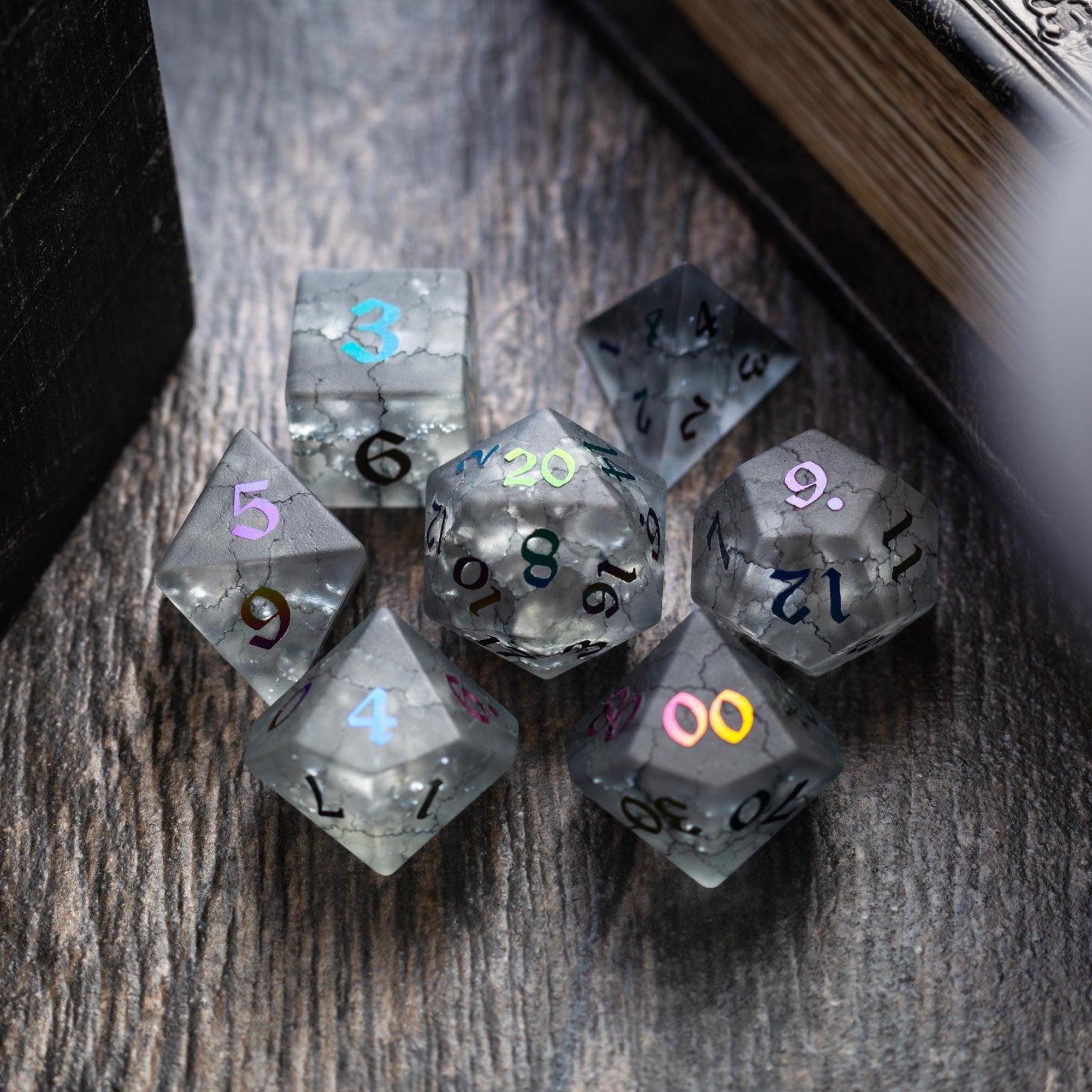
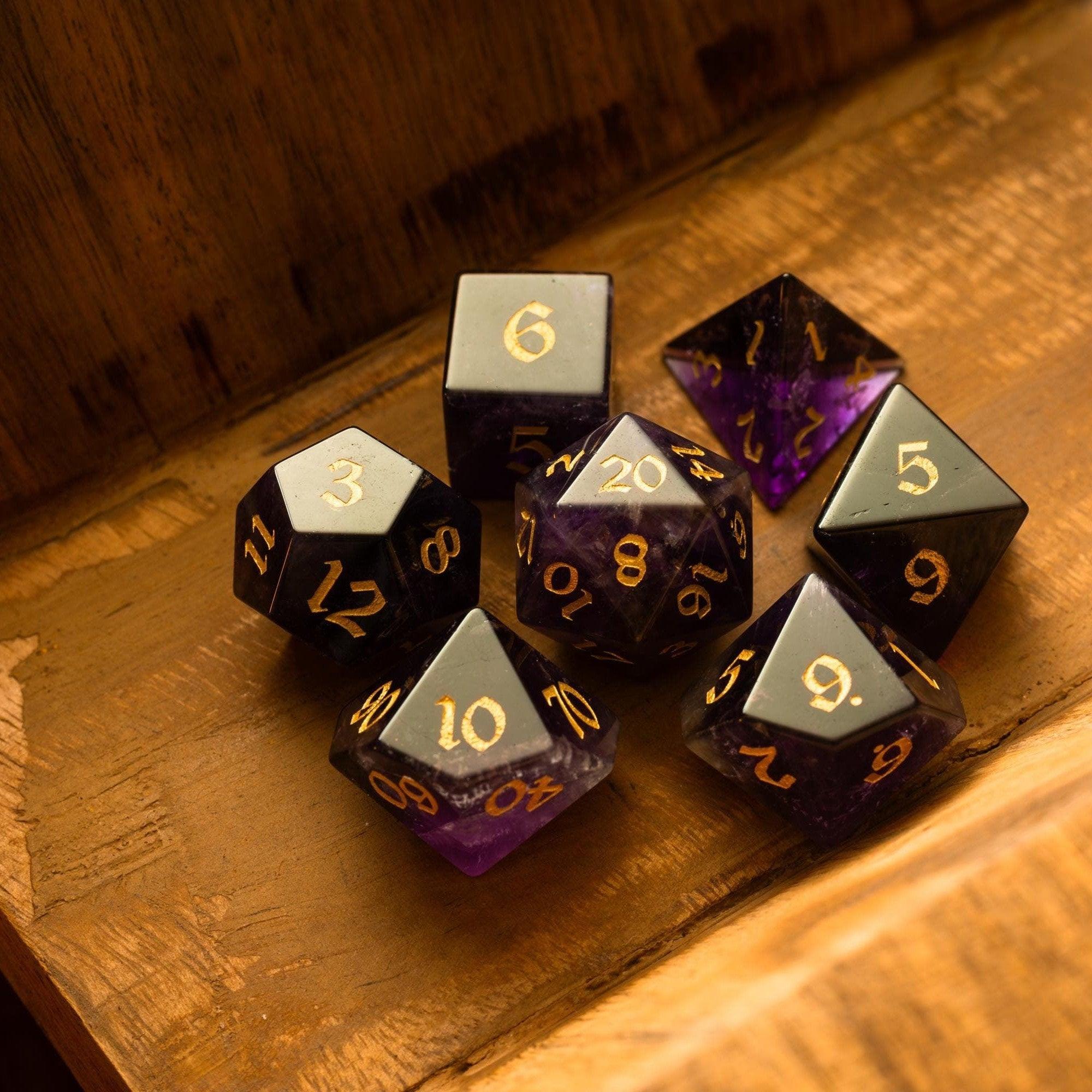
Small sensory touches can make encounters feel special. A unique die, a token, or a bookmark can represent a character or faction at the table. If you enjoy tasteful props, consider browsing pieces that match your setting’s tone. Many Game Masters find that a distinctive set of dice helps them switch into a persona smoothly and with a bit of delight.
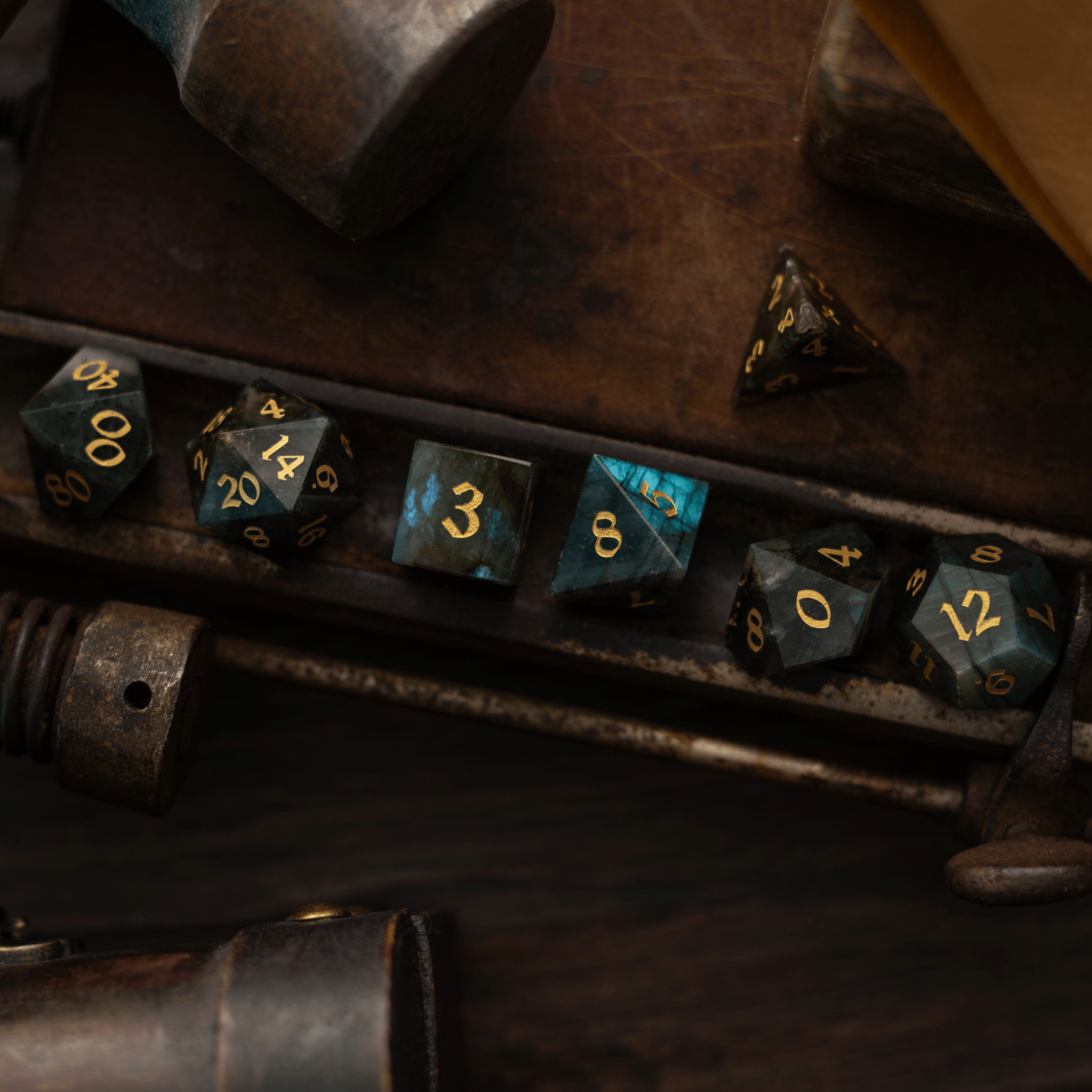
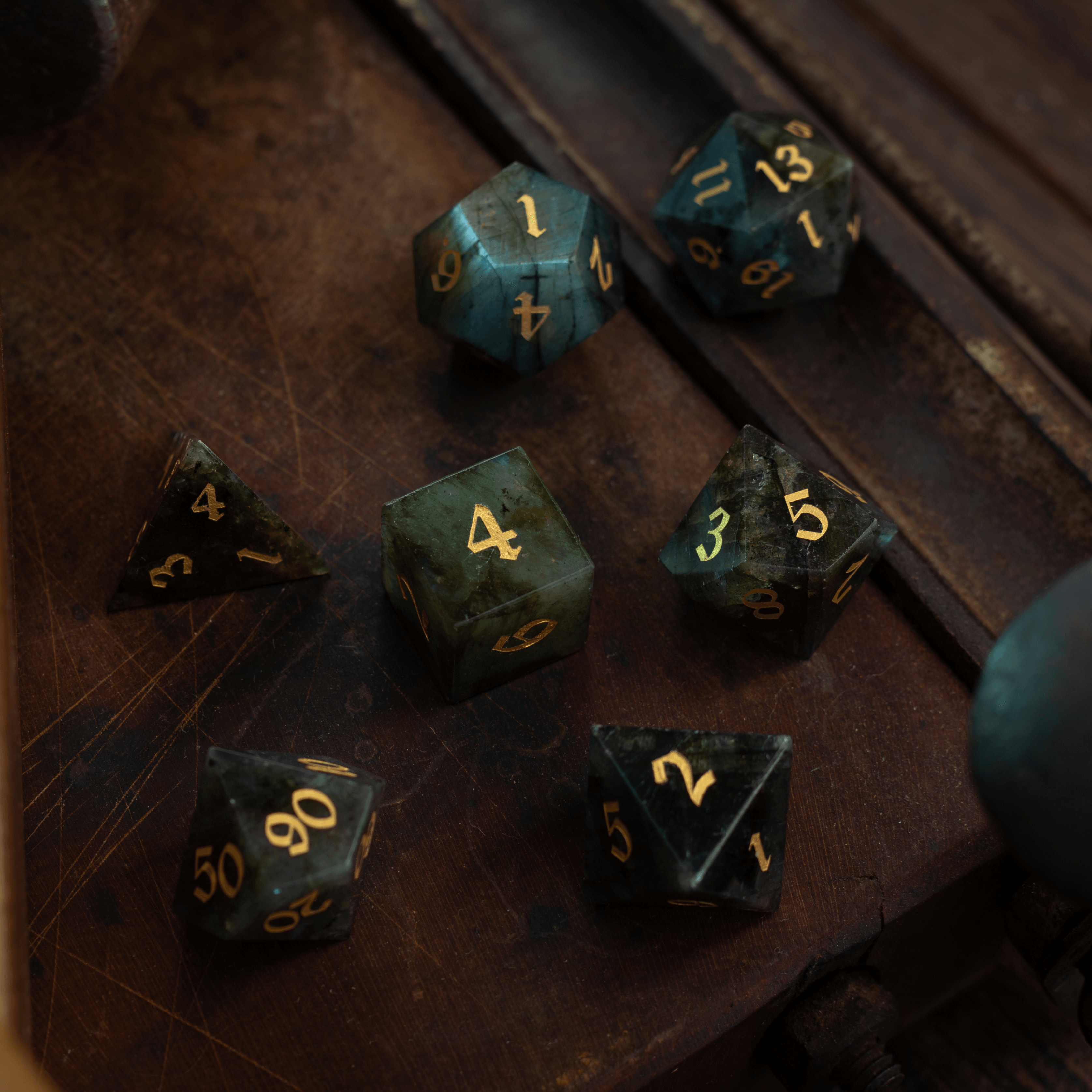
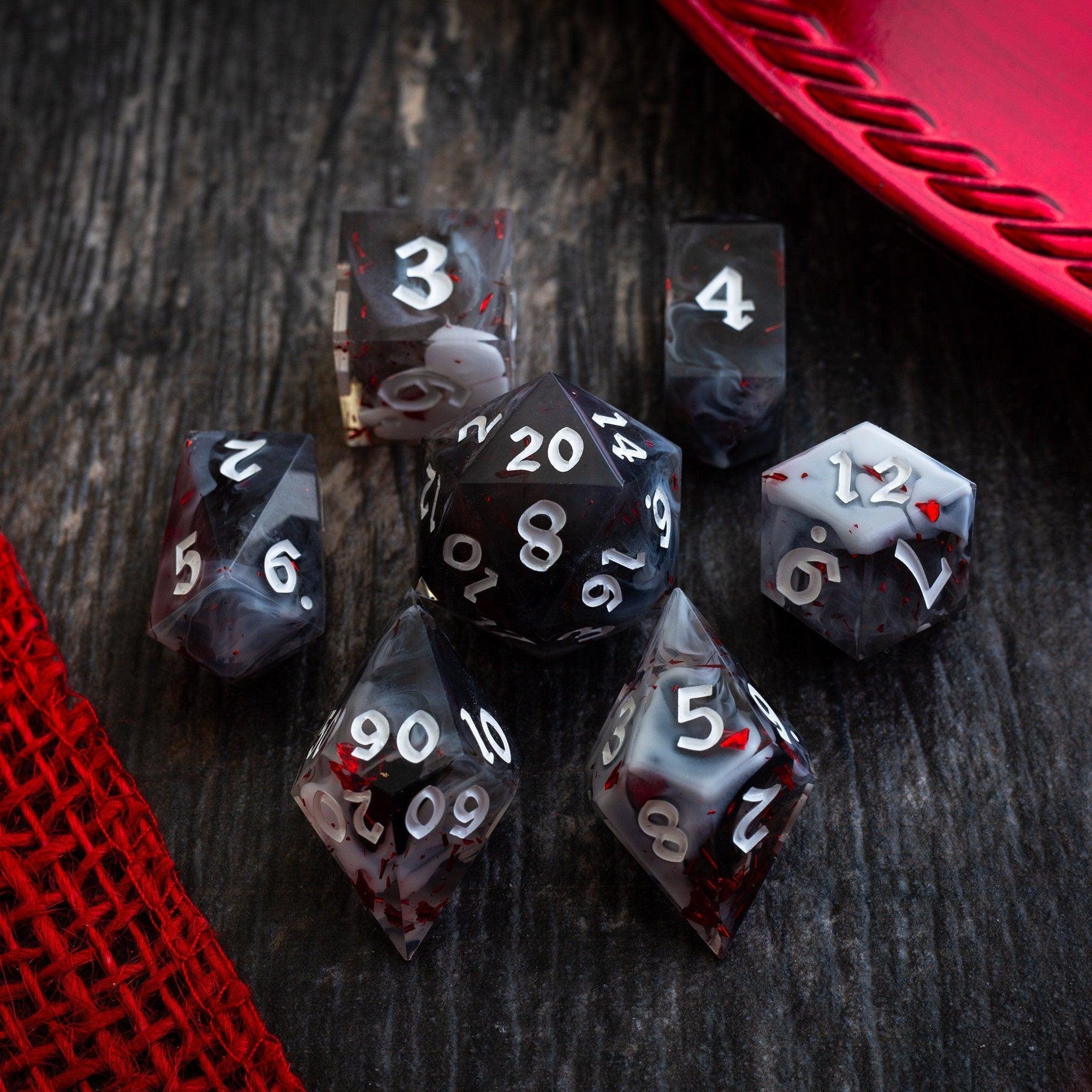
For calm inspiration between sessions, you might explore curated options such as liquid core dice that shimmer like living memories, or the elegant labradorite gemstone set for arcane scholars and court sages. If you prefer to see what is new, the new arrivals page offers seasonal colorways and textures. For tidy table presence, sturdy dice towers can also serve as a subtle prop that signals a character’s entrance.
Props are optional. They are simply a gentle way to keep your tone, themes, and mood consistent without many words.
FAQ
How much backstory is enough for a session?
Three sentences usually suffice: an origin, a defining turn, and the current situation. This gives you truthful answers to common questions while leaving room to discover details with your group. If the character returns often, you can expand slowly with one new beat after each appearance. This steady approach feels natural and keeps preparation kind and sustainable.
How do I keep track of many NPCs without stress?
Use a single-page profile and a short tag list for each character. File profiles by location or faction. After every game, add one timeline sentence and adjust a tag if needed. When a new session starts, search by tag to find relevant contacts. This light routine supports long campaigns without heavy admin work.
What if players ignore the character I prepared?
That is completely fine. Move the unused hook into your bank for later. Many concepts fit a new face, location, or time. If the table shows interest in a different figure, transfer a motive or secret to that person. Your work still matters; it simply finds a new home when the story invites it.













Leave a comment
This site is protected by hCaptcha and the hCaptcha Privacy Policy and Terms of Service apply.