
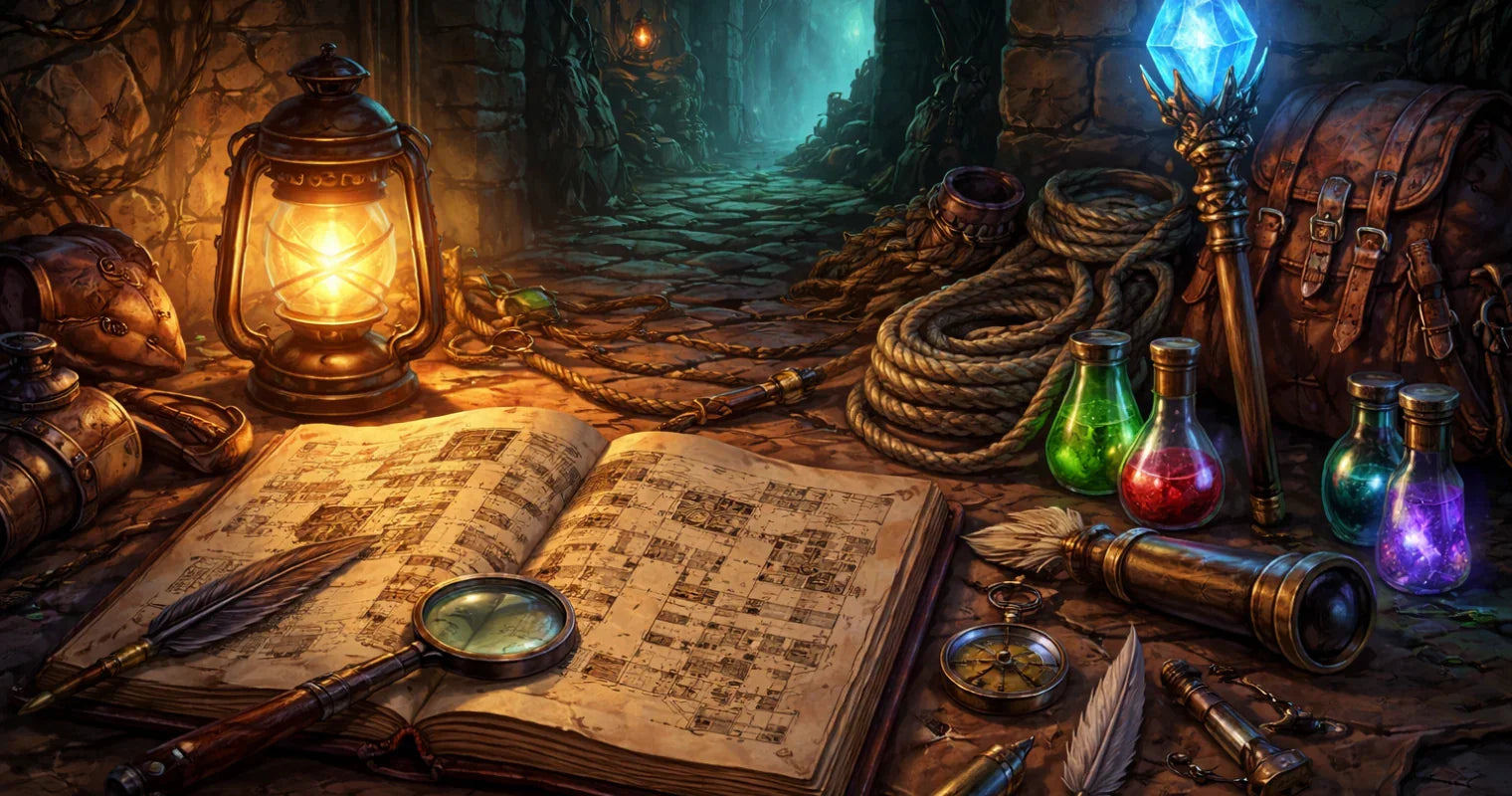
Dungeon Exploration Tools for Role Playing Games Guide
Dungeon exploration is one of the most memorable parts of tabletop roleplaying games. From winding corridors and hidden chambers to forgotten treasures and dangerous traps, every new passage offers players another opportunity to uncover the story. While creativity and teamwork remain the heart of every adventure, the right dungeon exploration tools can make those moments easier to manage, more immersive, and more enjoyable for everyone at the table.
Whether you are a first-time player or an experienced Dungeon Master, a few well-chosen tabletop RPG tools can simplify navigation, improve communication, and help everyone stay focused on the adventure instead of searching through notes or forgetting important details.
Why Preparation Improves Dungeon Adventures
Every group approaches dungeon exploration differently. Some prefer theater of the mind with simple sketches, while others enjoy detailed terrain and miniature-based encounters. Neither approach is better than the other. The best method depends on your group's play style, available table space, and the amount of preparation everyone enjoys.
Preparing your exploration tools before the session helps reduce interruptions by making it easier to:
-
Keep track of explored rooms
-
Monitor party resources
-
Remember ongoing effects
-
Visualize combat and movement
-
Organize important notes
-
Maintain the pace of the adventure
A well-prepared table gives players more time to focus on solving puzzles, interacting with the environment, and making meaningful decisions throughout the dungeon crawl.
It is also important to remember that tools support gameplay. They never replace good storytelling, communication, or creative problem solving.
Essential Tools for Navigating and Managing Dungeon Crawls
The best dungeon exploration tools are the ones that solve common problems without slowing down the game. Many groups begin with only a few basic supplies and gradually add accessories that match their preferred style of play.
Dungeon Maps
Maps remain one of the most valuable tools in any role playing games guide.
A map helps players understand:
-
Room layouts
-
Passage connections
-
Secret areas
-
Elevation changes
-
Points of interest
-
Escape routes
Some Dungeon Masters reveal maps one room at a time, while others allow players to draw their own based on descriptions. Both methods encourage careful exploration and teamwork.
For virtual campaigns, digital maps can serve the same purpose while keeping hidden areas concealed until they are discovered.
Miniatures and Tokens
Miniatures help everyone understand where characters, monsters, and important objects are located.
They become especially useful when:
-
Multiple enemies appear
-
Positioning matters
-
Hazards cover specific areas
-
Players split into groups
-
Large encounters become crowded
Miniatures do not have to be expensive. Coins, paper standees, or homemade tokens work perfectly well for many groups.
Character Sheets and Exploration Notes
Exploration often involves collecting clues that become important much later in a campaign.
Keeping organized notes allows players to remember:
-
Puzzle clues
-
NPC conversations
-
Locked doors
-
Hidden passages
-
Treasure locations
-
Active quests
Many players assign one person to record discoveries while another tracks supplies and party objectives.
Light Source Tracking
Darkness is a classic part of D&D exploration, making light management an important part of many dungeon adventures.
Tracking light sources helps create meaningful decisions about:
-
Torch duration
-
Lantern fuel
-
Magical illumination
-
Visibility
-
Stealth opportunities
Condition rings can be a helpful tabletop accessory for marking characters carrying light sources or indicating temporary effects without cluttering the play area.
Using Maps, Terrain, Miniatures, and Tracking Aids Effectively
Visual tools should support the story rather than distract from it.
Terrain Pieces
Terrain adds depth by representing walls, doors, bridges, staircases, and environmental hazards.
Terrain is especially useful when adventures include:
-
Multi-level rooms
-
Traps
-
Collapsing structures
-
Rivers
-
Lava flows
-
Difficult terrain
Simple printed maps often provide all the information a group needs, while elaborate terrain works well for sessions where visual immersion is part of the fun.
Tracking Conditions
Many dungeon encounters involve temporary effects that are easy to forget.
Examples include:
-
Poisoned
-
Restrained
-
Invisible
-
Concentrating on spells
-
Exhaustion
-
Ongoing damage
Condition rings help players and Dungeon Masters quickly recognize these effects without repeatedly checking notes.
Organized Dice Rolling
Dungeon exploration frequently requires ability checks, saving throws, and combat rolls.
Using a dice tray helps:
-
Keep dice contained
-
Protect the gaming surface
-
Prevent accidental rerolls
-
Reduce table clutter
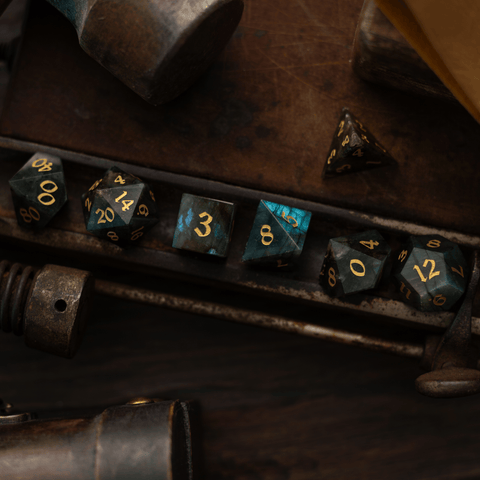
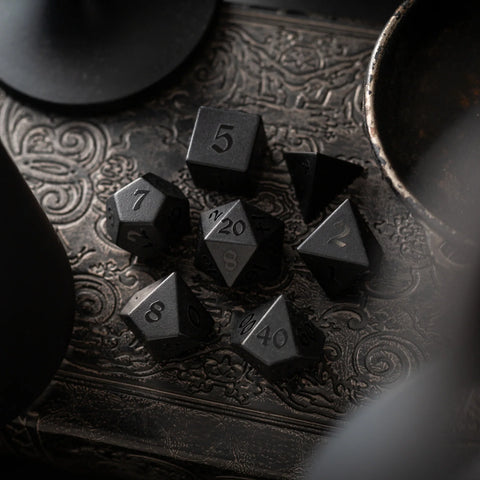
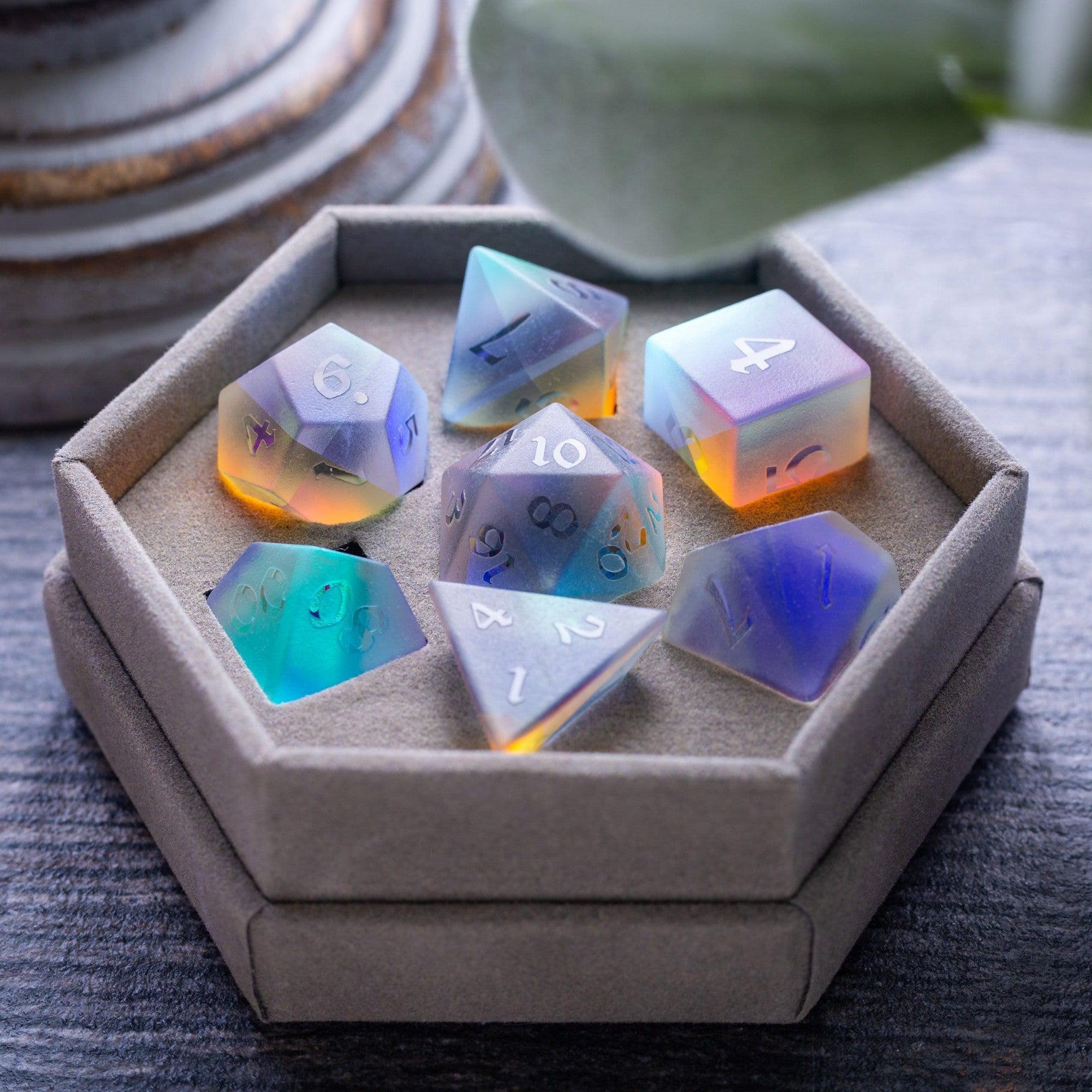
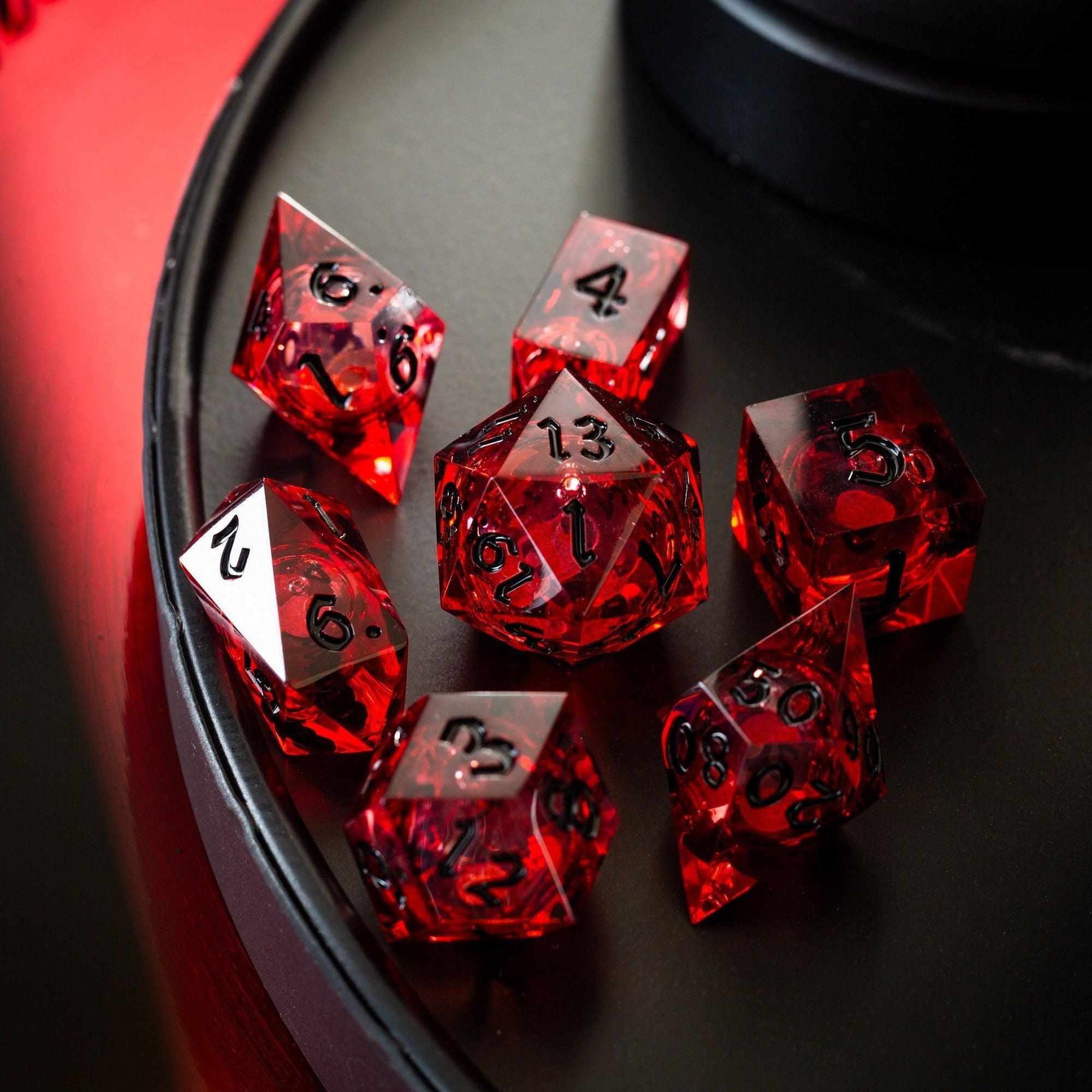
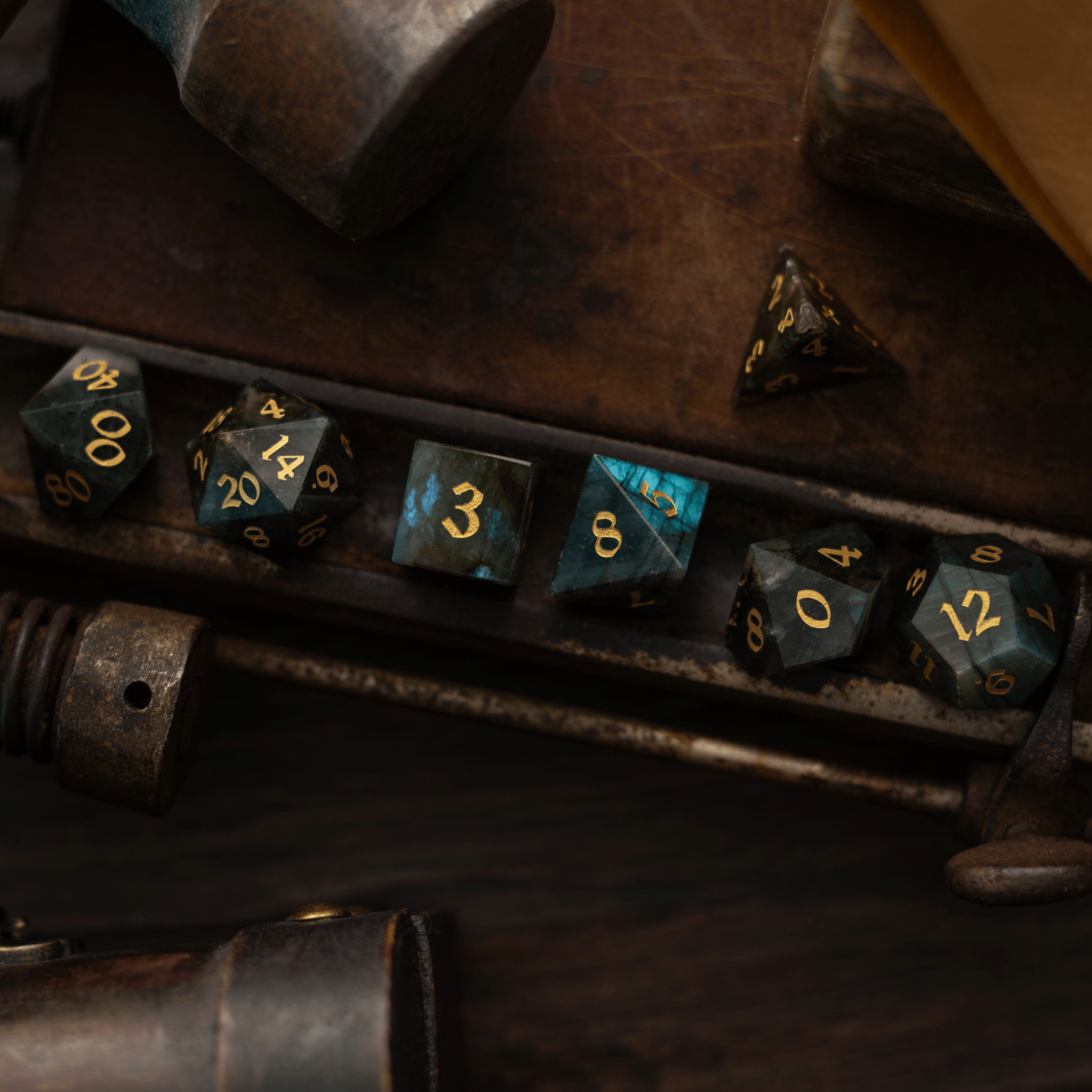
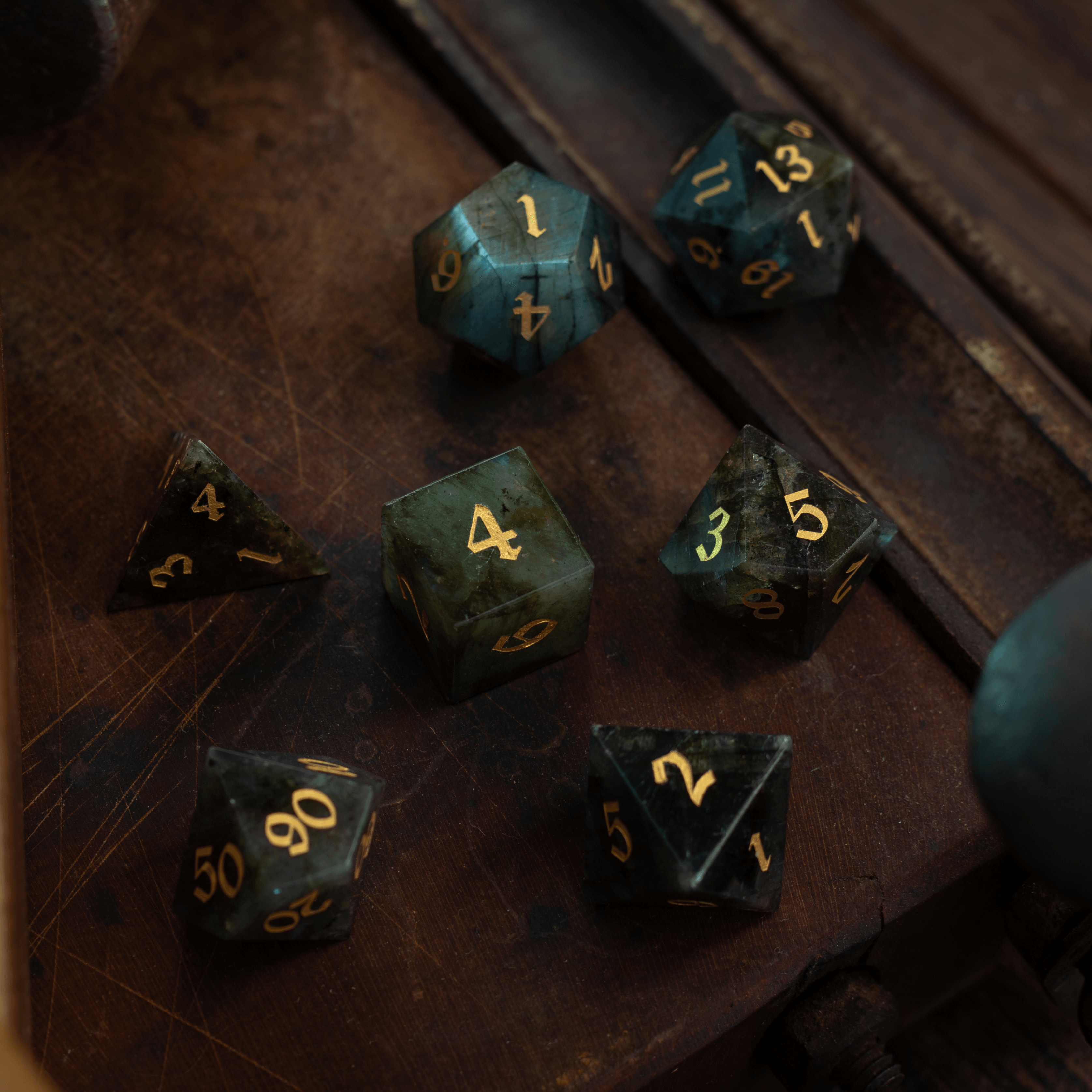
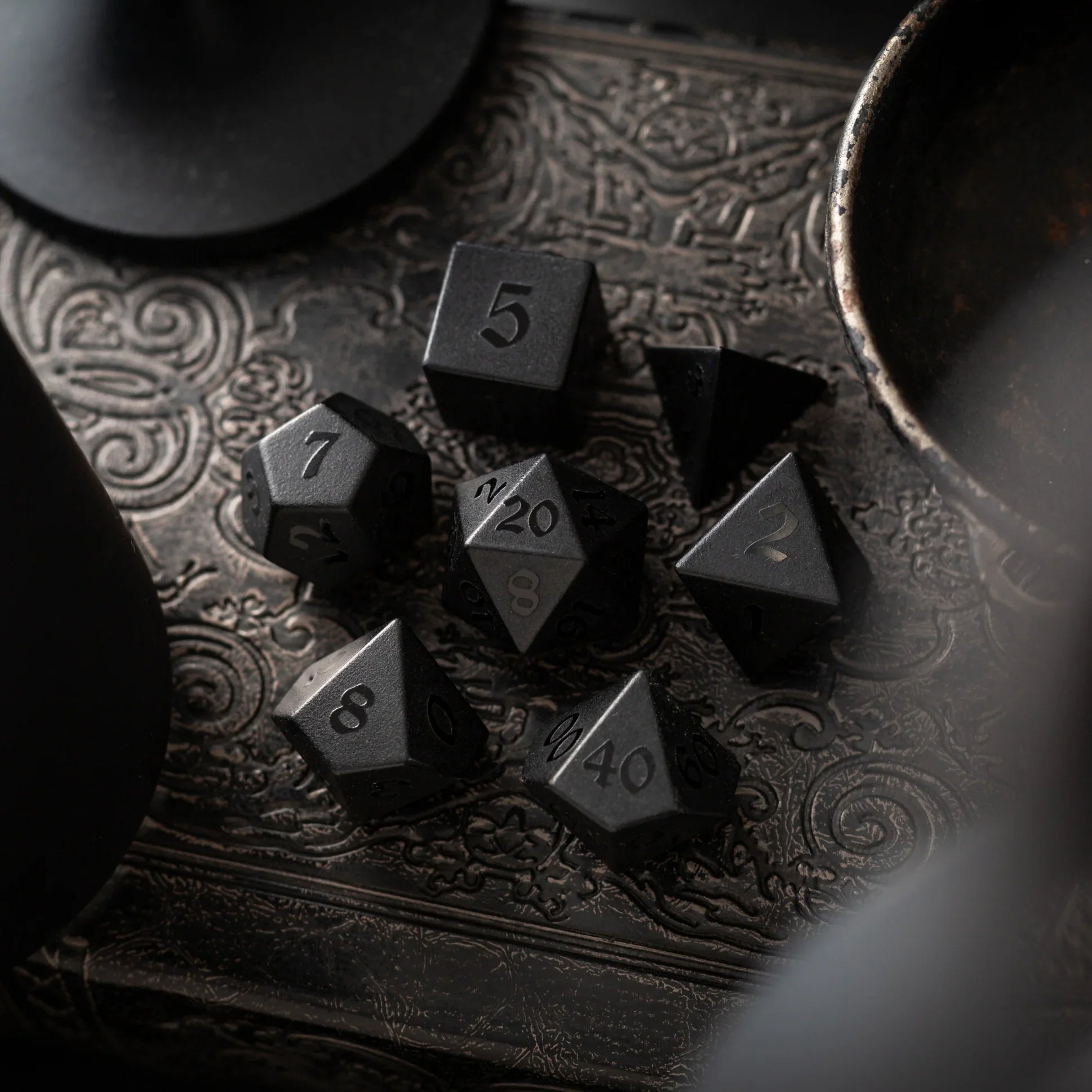
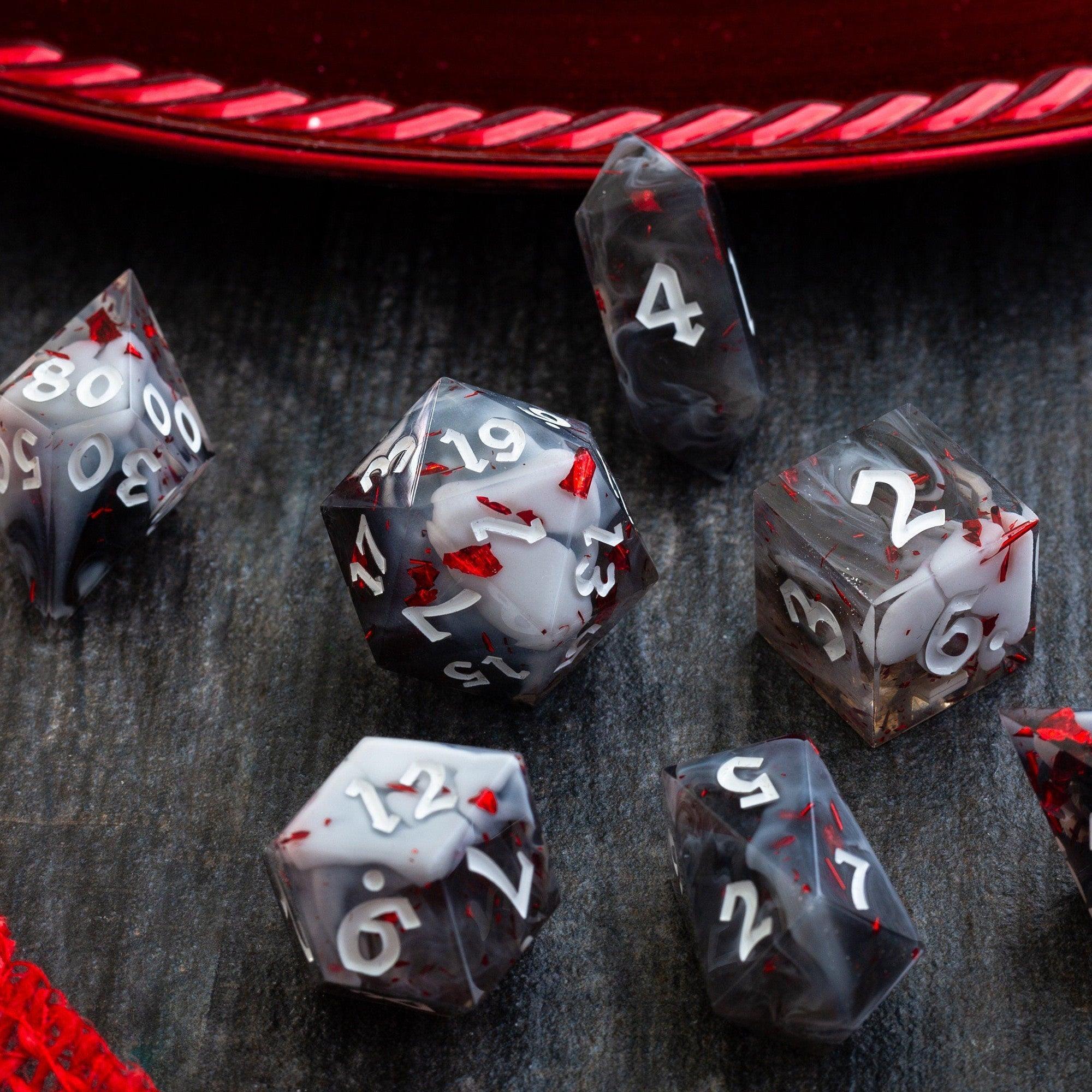
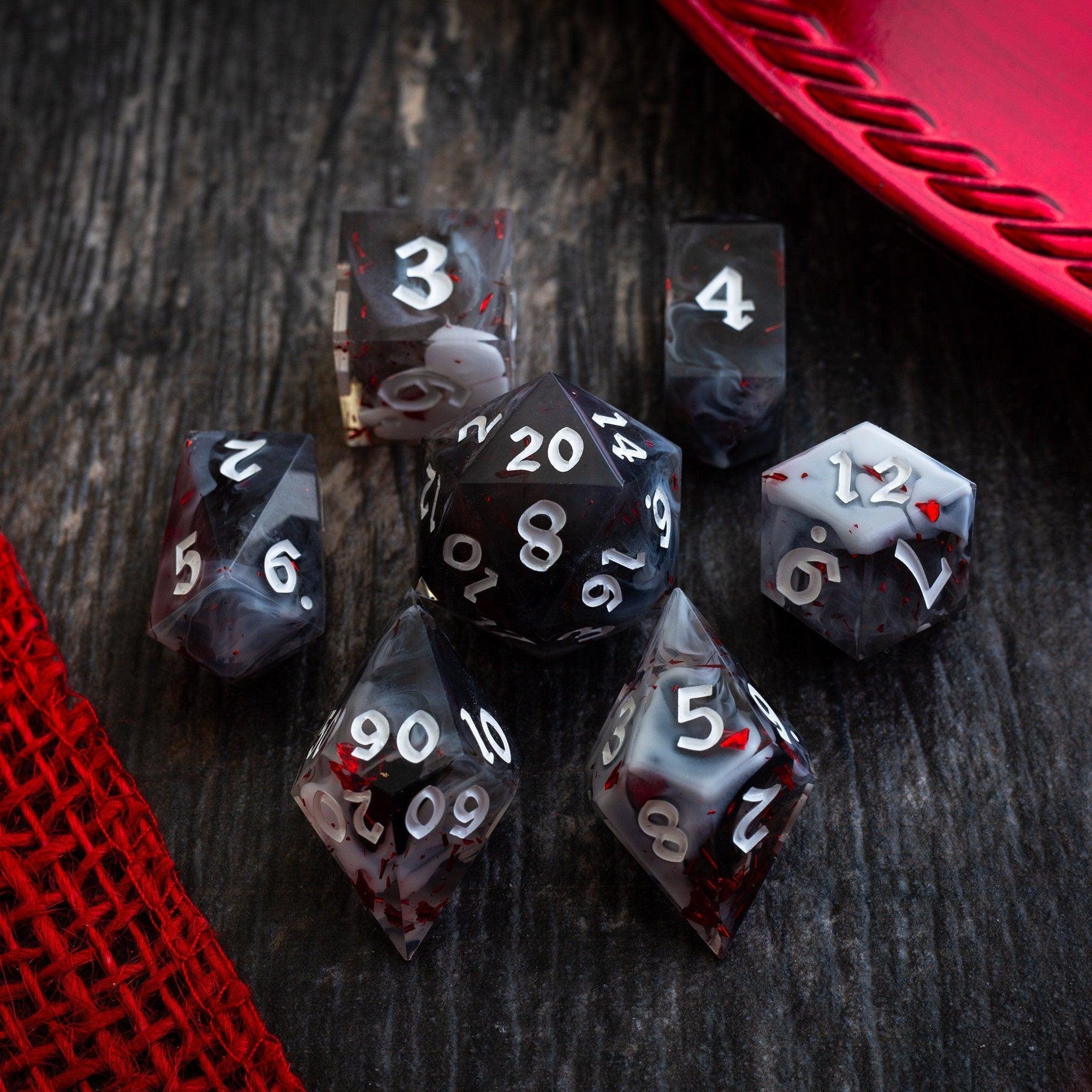
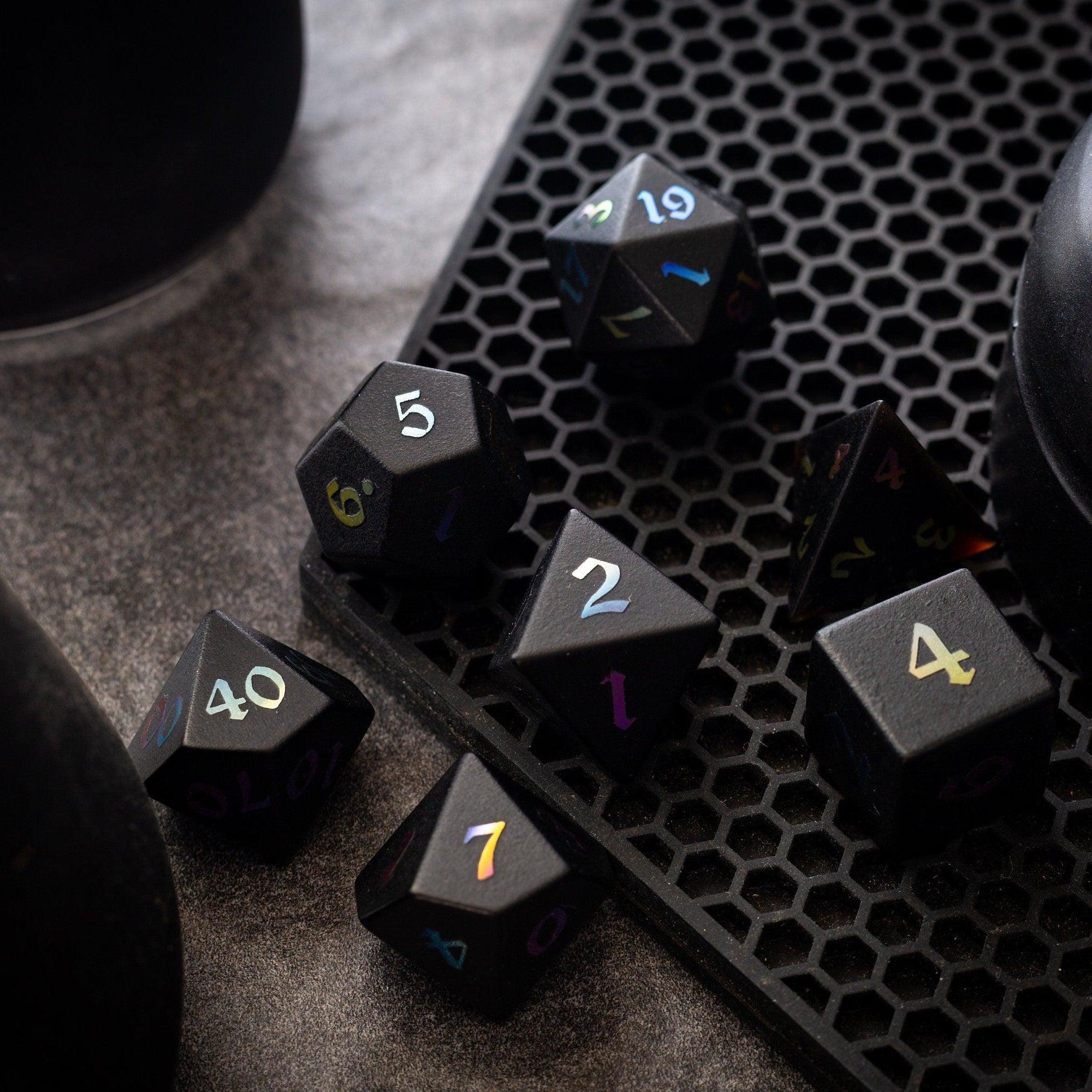
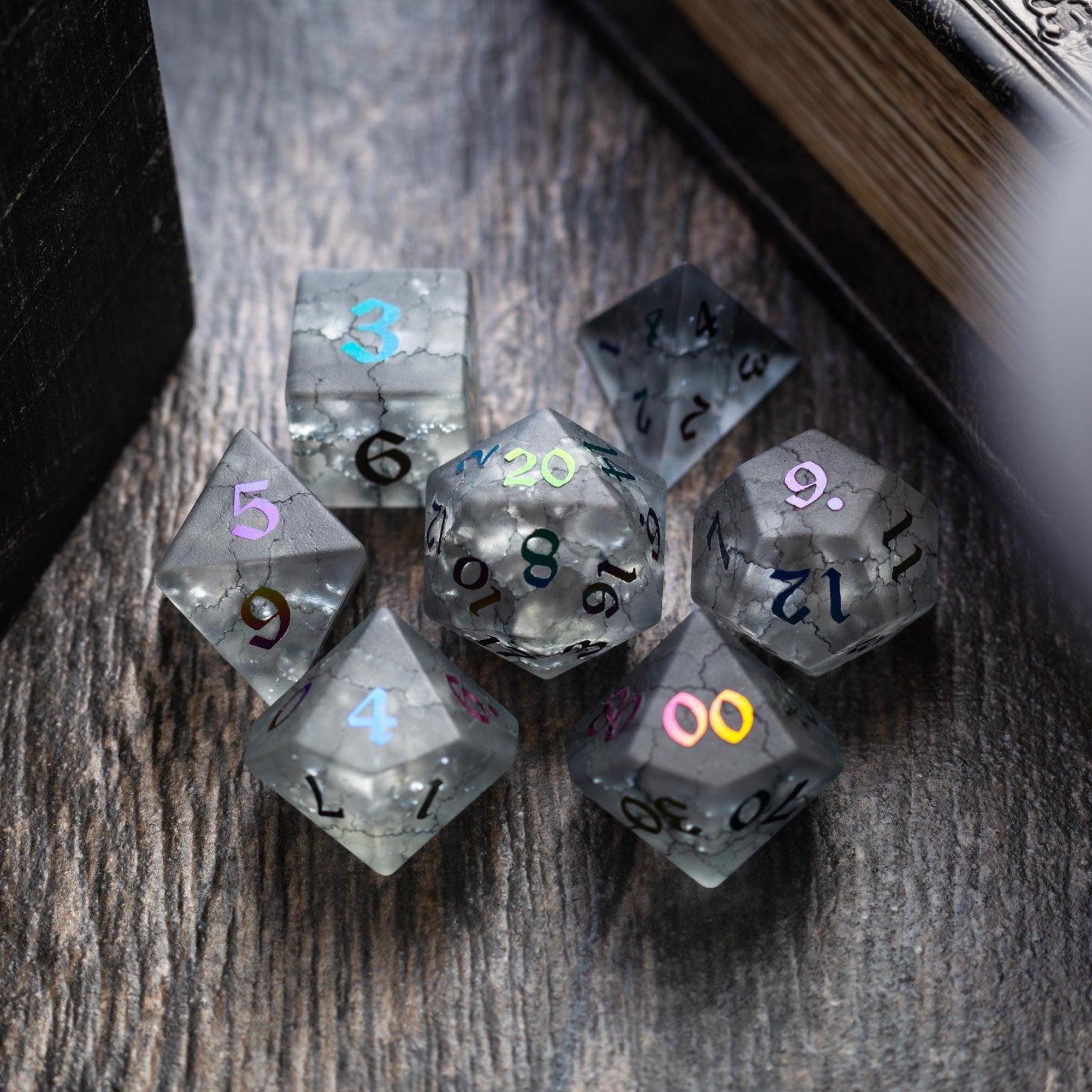
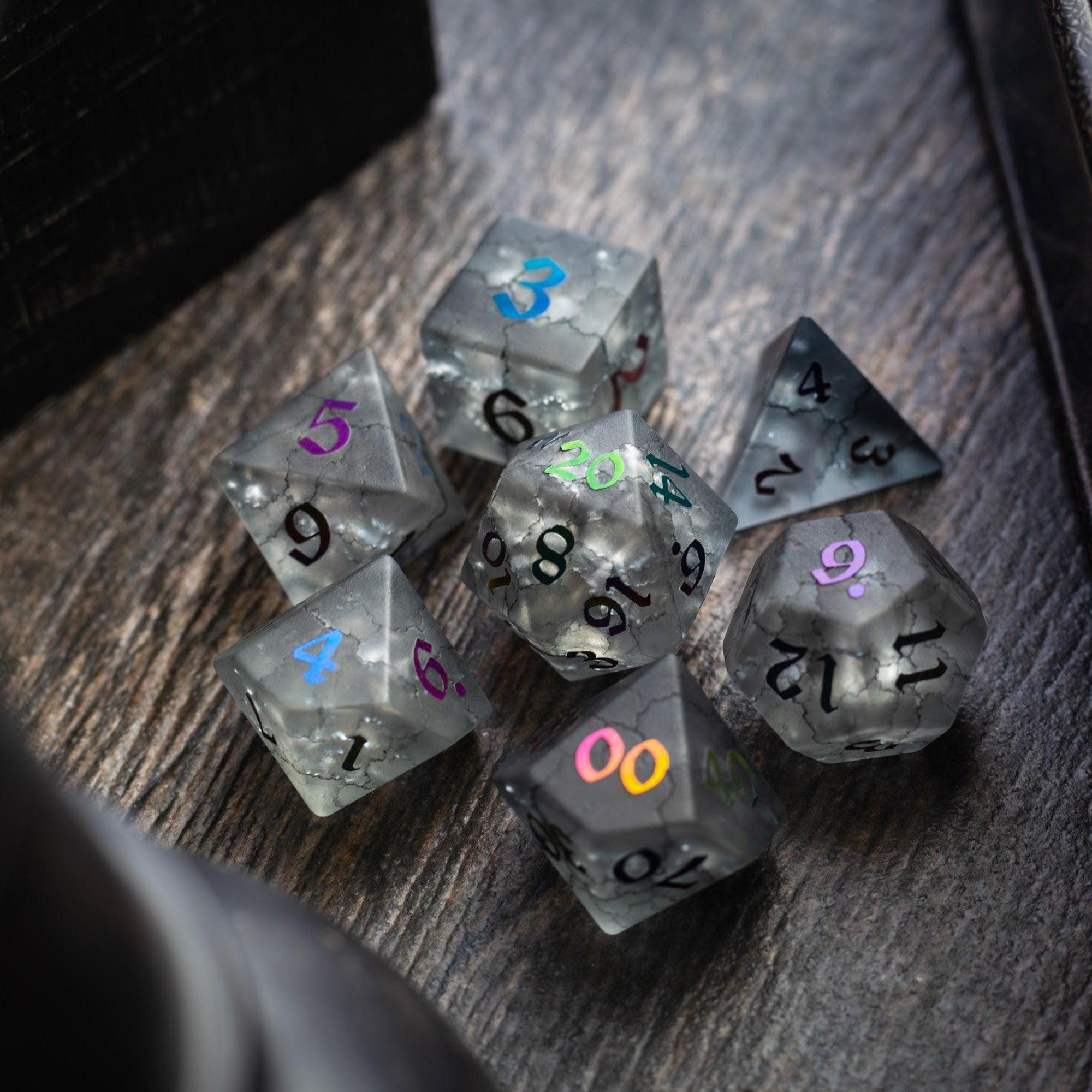
Groups using premium gemstone, resin, or metal dice often appreciate a padded tray that helps protect both the dice and the table during long sessions.
In crowded gaming spaces, a dice tower provides controlled rolling while keeping shared maps and miniatures undisturbed.
Dungeon Exploration Tools Comparison
| Tool Type | Primary Purpose | Advantages | Ideal Use Case |
|---|---|---|---|
| Dungeon maps | Navigation | Keeps players oriented and reduces confusion | Any dungeon crawl |
| Miniatures or tokens | Position tracking | Improves combat and movement clarity | Tactical encounters |
| Terrain pieces | Visual immersion | Makes environments easier to understand | Important battles or set pieces |
| Character notes | Information management | Preserves clues and objectives | Long campaigns |
| Dice trays | Organized rolling | Protects dice and reduces clutter | Small or crowded tables |
| Dice towers | Controlled rolling | Keeps rolls consistent and contained | Large groups |
| Condition rings | Status tracking | Quickly identifies ongoing effects | Combat and exploration |
| Initiative or tracking cards | Resource management | Helps everyone follow turns and effects | Complex encounters |
Organizing Exploration Resources for Smoother Gameplay
Organization becomes increasingly important as campaigns grow longer.
Consider keeping exploration supplies together in a single location before each session.
Helpful items include:
-
Character sheets
-
Maps
-
Pencils
-
Tokens
-
Condition markers
-
Rule references
-
Initiative tracker
-
Spell cards
-
Notebooks
Some Dungeon Masters also prepare encounter folders so room descriptions, monster statistics, and treasure lists are immediately available when players reach a new area.
Keeping frequently used accessories within easy reach reduces downtime and helps maintain the adventure's momentum.
Tips for Balancing Immersion with Efficient Table Management
Immersion does not require elaborate props or expensive accessories.
Many unforgettable campaigns rely on vivid descriptions and imaginative players rather than highly detailed terrain.
A few practical habits can improve both immersion and efficiency:
-
Reveal information gradually.
-
Avoid overwhelming players with unnecessary details.
-
Let maps support the narrative instead of replacing descriptions.
-
Encourage players to maintain shared notes.
-
Keep frequently used tools organized.
-
Allow creativity even when players move beyond prepared maps.
-
Adapt your exploration style to the group's preferences.
Every table develops its own rhythm. Some groups enjoy detailed tactical movement, while others focus on storytelling with only occasional visual aids.
Common Dungeon Exploration Mistakes to Avoid
Even experienced groups occasionally make exploration more difficult than necessary.
Some common mistakes include:
-
Relying entirely on visual tools instead of descriptions
-
Forgetting to track light sources or resources
-
Allowing notes to become disorganized
-
Overcomplicating simple encounters with excessive terrain
-
Hiding too much information from players
-
Ignoring player creativity when solving obstacles
-
Bringing unnecessary accessories that slow setup
The goal is not to use every available tabletop gaming accessory, but to select tools that genuinely improve your group's experience.
Quick Dungeon Exploration Checklist
Before your next adventure, review this simple checklist.
-
Map prepared or ready to reveal
-
Character sheets updated
-
Miniatures or tokens available
-
Dice organized
-
Dice tray or dice tower ready
-
Condition rings nearby
-
Pencils and note-taking supplies prepared
-
Exploration resources tracked
-
Important rules bookmarked
-
Players understand the exploration style for the session
Every dungeon tells a different story, and every group discovers its own favorite way to explore it. Some adventures come alive with carefully placed terrain and detailed dungeon mapping, while others rely on imagination, simple sketches, and collaborative storytelling. The most effective tabletop RPG tools are the ones that help your group stay organized without limiting creativity. Whether that means using a notebook to track clues, condition rings to monitor ongoing effects, premium gemstone, resin, or metal dice for memorable rolls, or a dice tray to keep exploration running smoothly, thoughtful preparation can make every RPG exploration session feel more engaging. Choose the tools that fit your table, adapt them to your campaign style, and let the focus remain where it belongs: discovering the mysteries waiting beyond the next dungeon door.








Leave a comment
This site is protected by hCaptcha and the hCaptcha Privacy Policy and Terms of Service apply.