
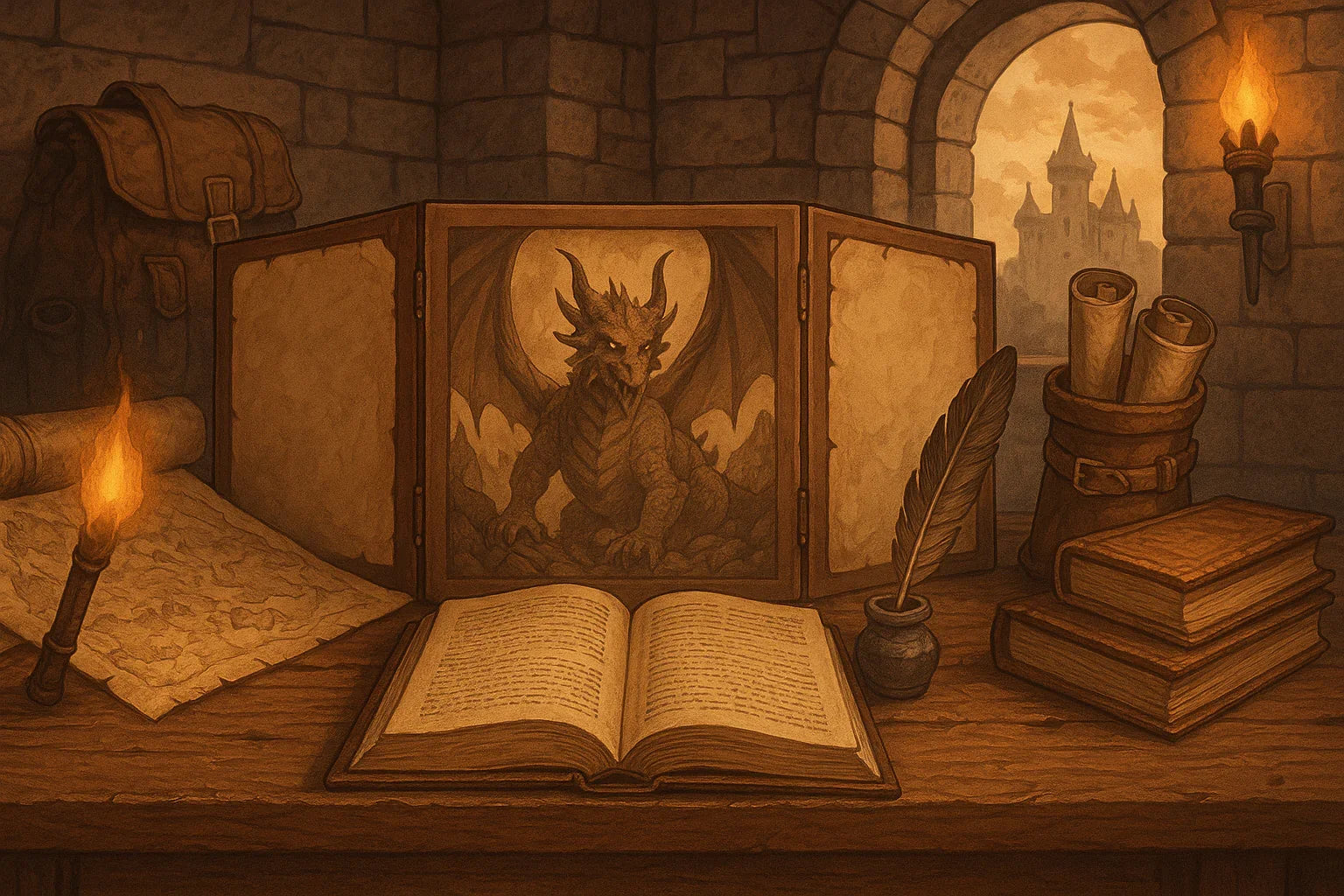
Roleplaying Game Resources: A GM Guide to Essential Tools
Updated on: 2025-12-02
Finding the right tools for tabletop play can feel overwhelming. This guide offers a calm, practical approach to choosing helpful materials, organizing your prep, and running smoother sessions with less stress. You will learn how to avoid common myths, follow a simple step-by-step plan, and build a kit that fits your table’s style and budget. Gentle suggestions and clear examples aim to save you time while keeping the spotlight on shared creativity.
- Choosing the right tools
- Myths vs. Facts
- Step-by-Step Guide
- Frequently Asked Questions
- Summary & Key Takeaways
If you are looking for roleplaying game resources that make play smoother, it may help to focus on comfort, clarity, and ease of setup. Many groups benefit from a lightweight mix of printable trackers, a few tactile accessories, and a short prep routine that respects everyone’s time. The ideas below are meant to be adaptable, so you can choose what fits your table rather than feel pressured to use everything.
Choosing Roleplaying Game Resources: What Matters
It can be helpful to start with your table’s goals. Do you want faster combat, deeper roleplay, or easier session prep? Matching tools to a goal keeps your kit focused and respectful of everyone’s energy.
Consider compatibility. Ensure any adventure, map, or rules aid supports your game system and your group’s experience level. If your players are new, simpler materials and clear reminders can reduce confusion.
Think about accessibility. Large, high-contrast fonts, concise reference cards, and tactile tokens support a wide range of players. Physical aids can improve clarity, especially when the table gets lively.
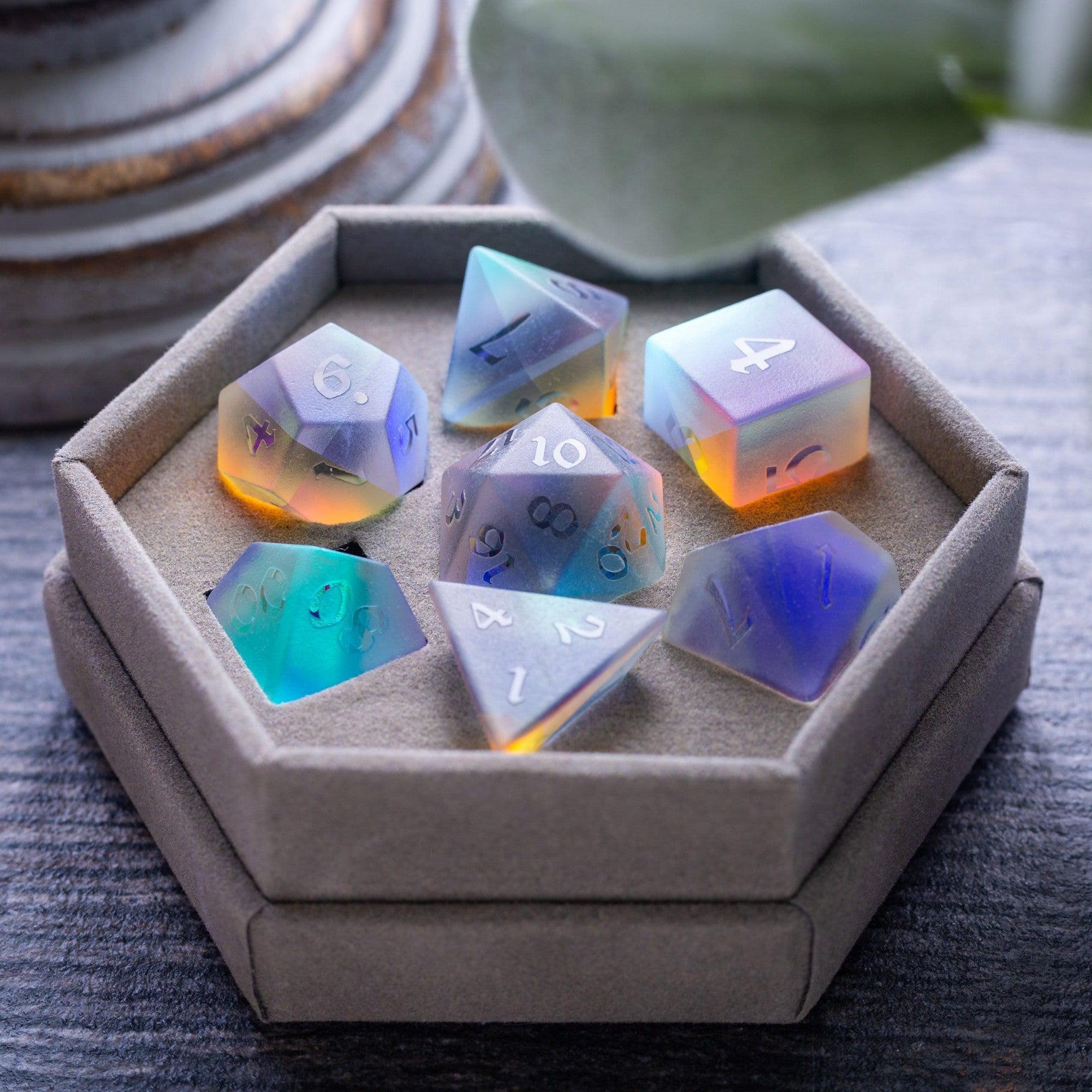
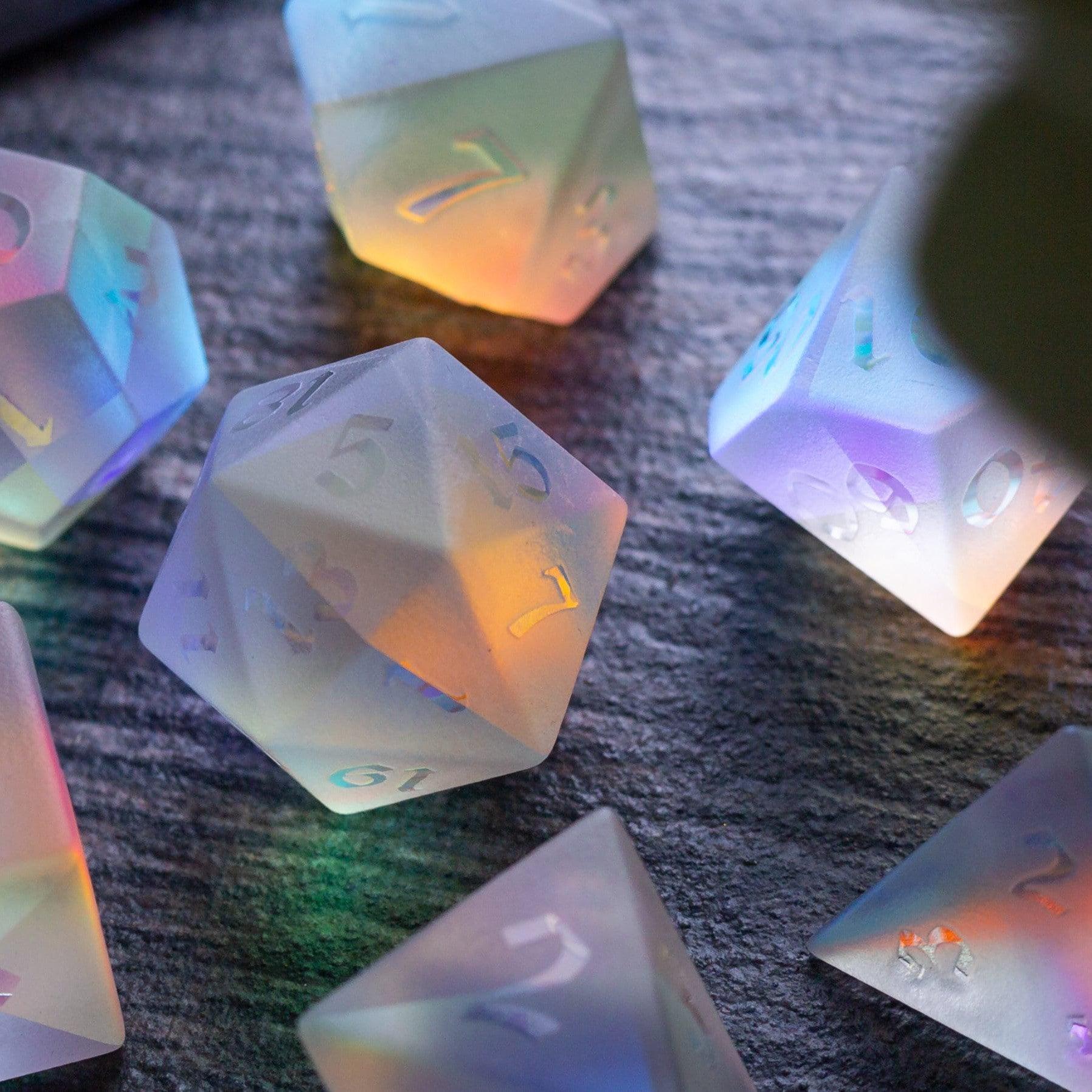
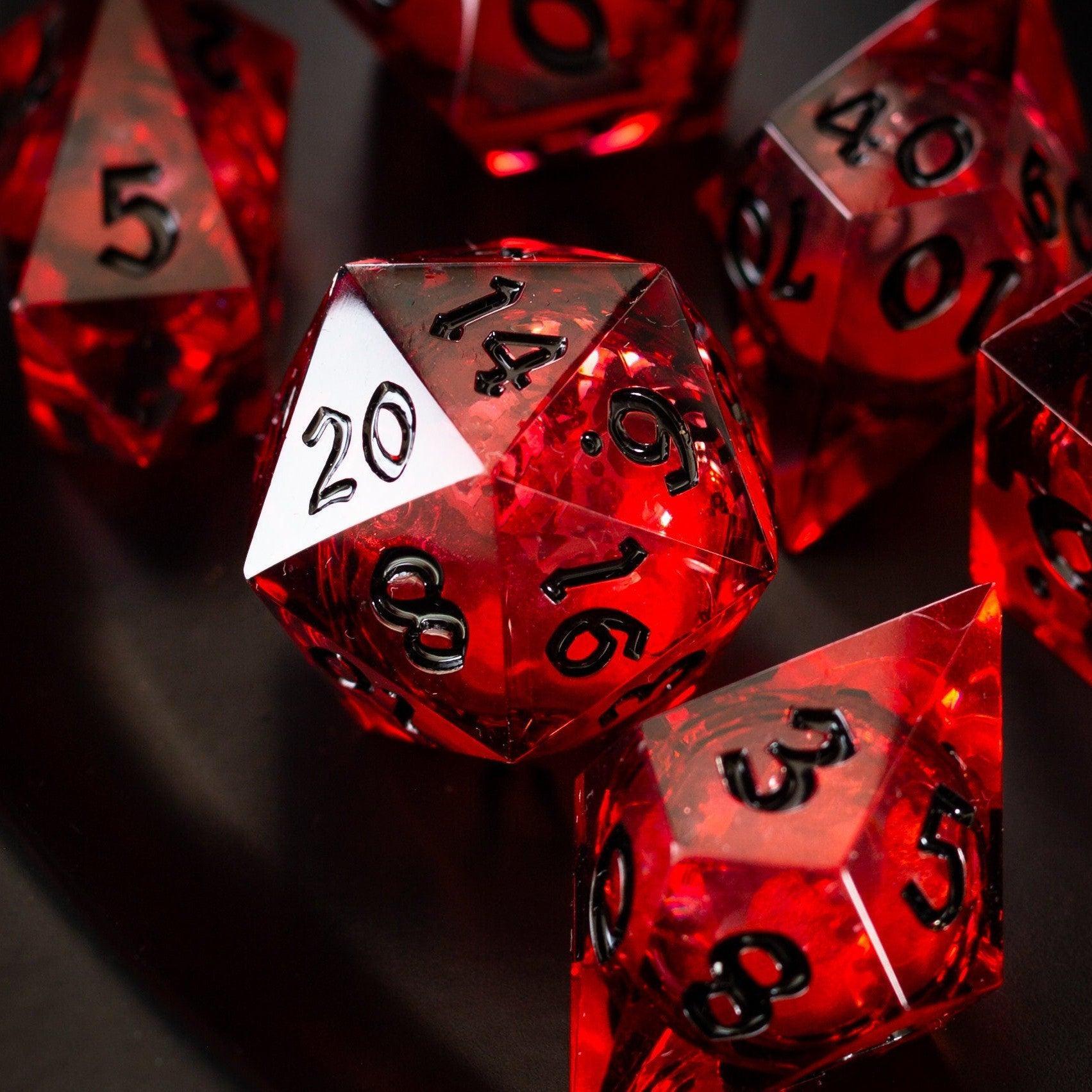
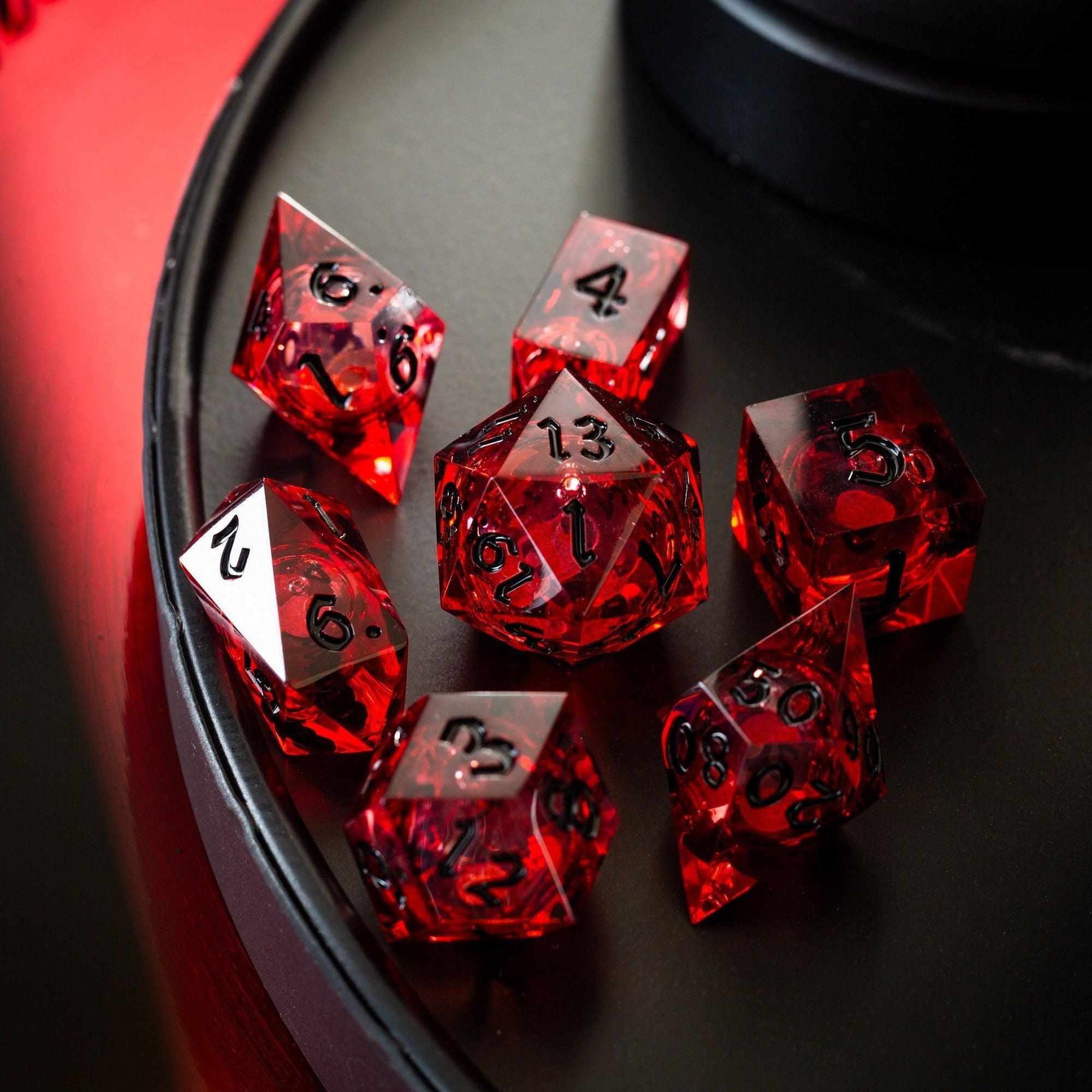
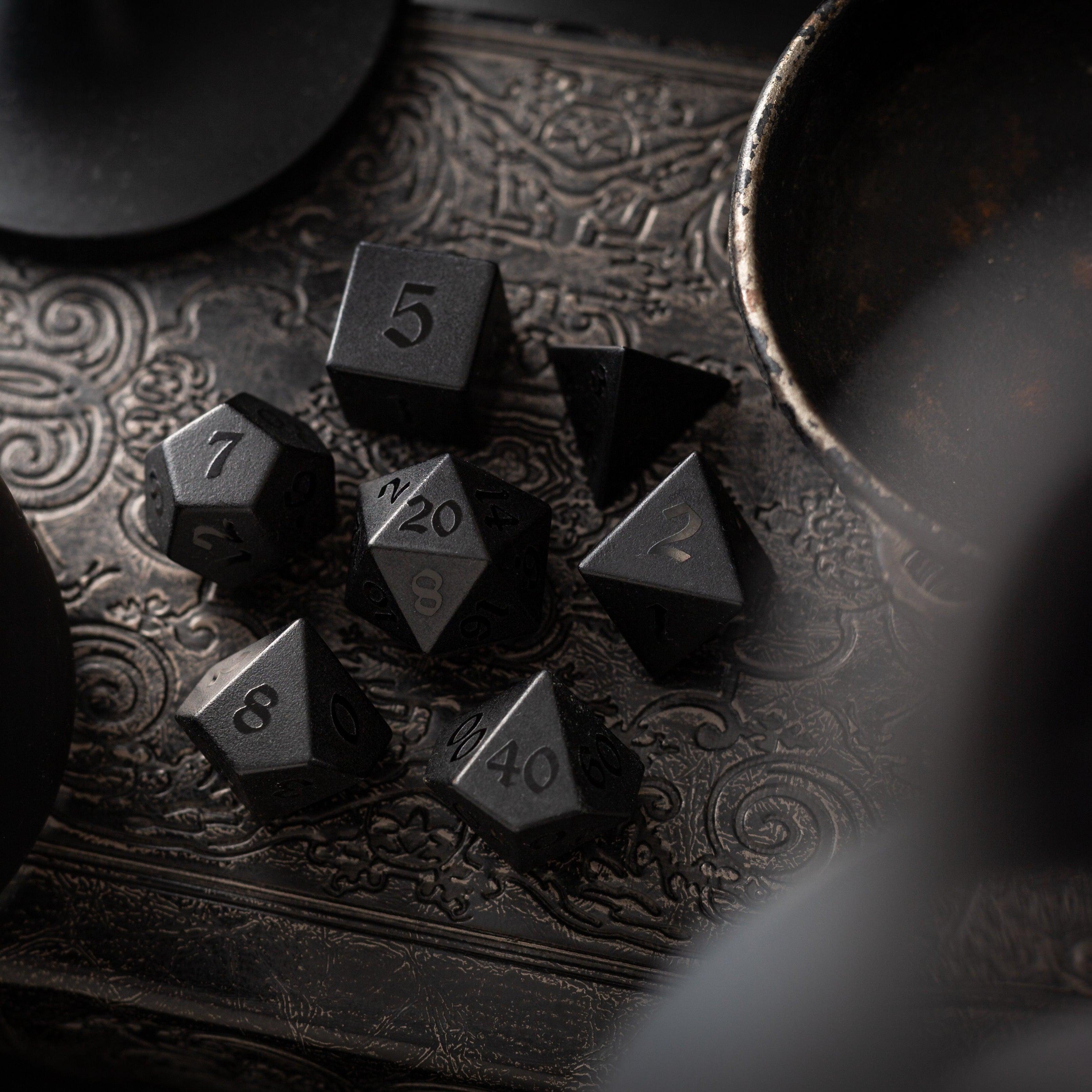
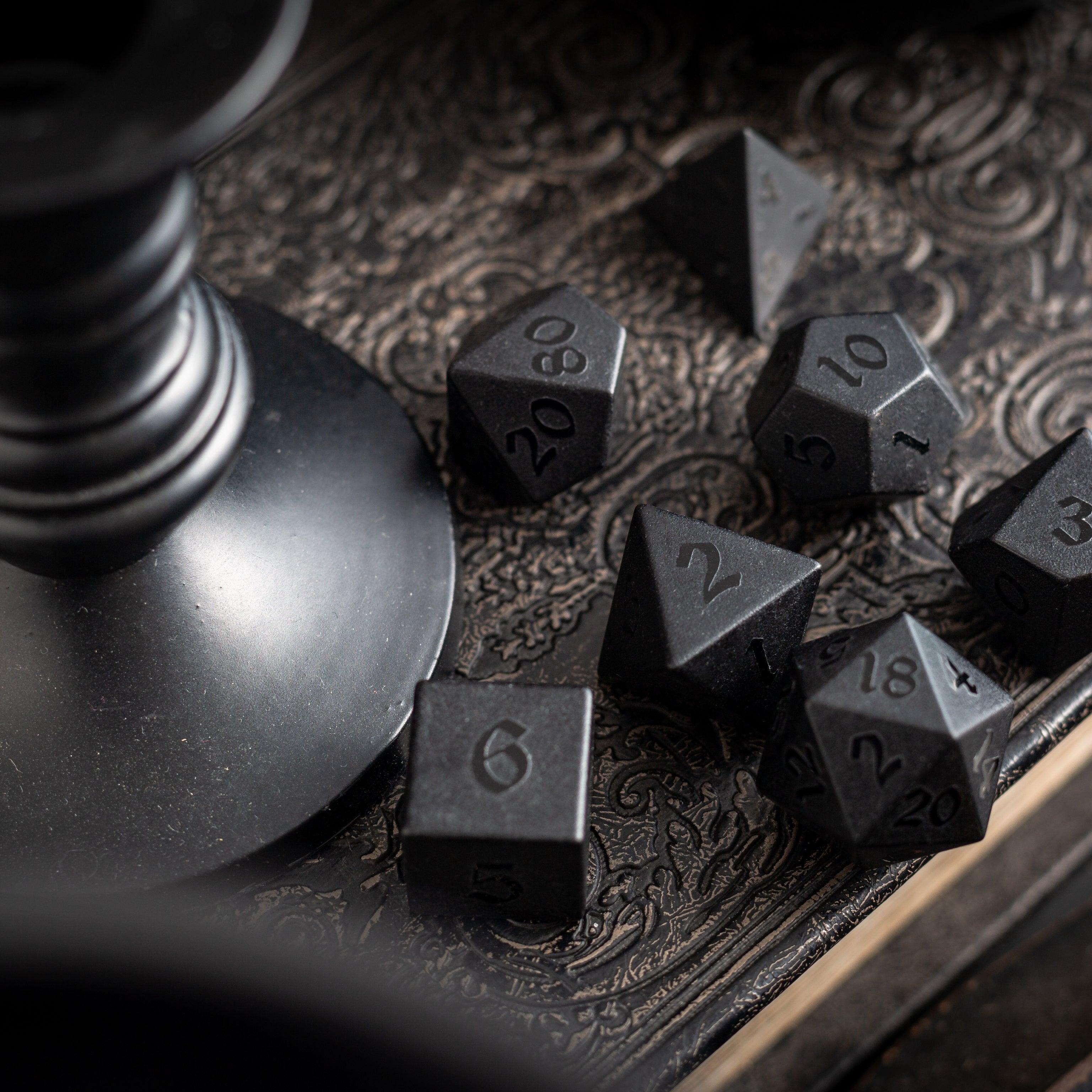
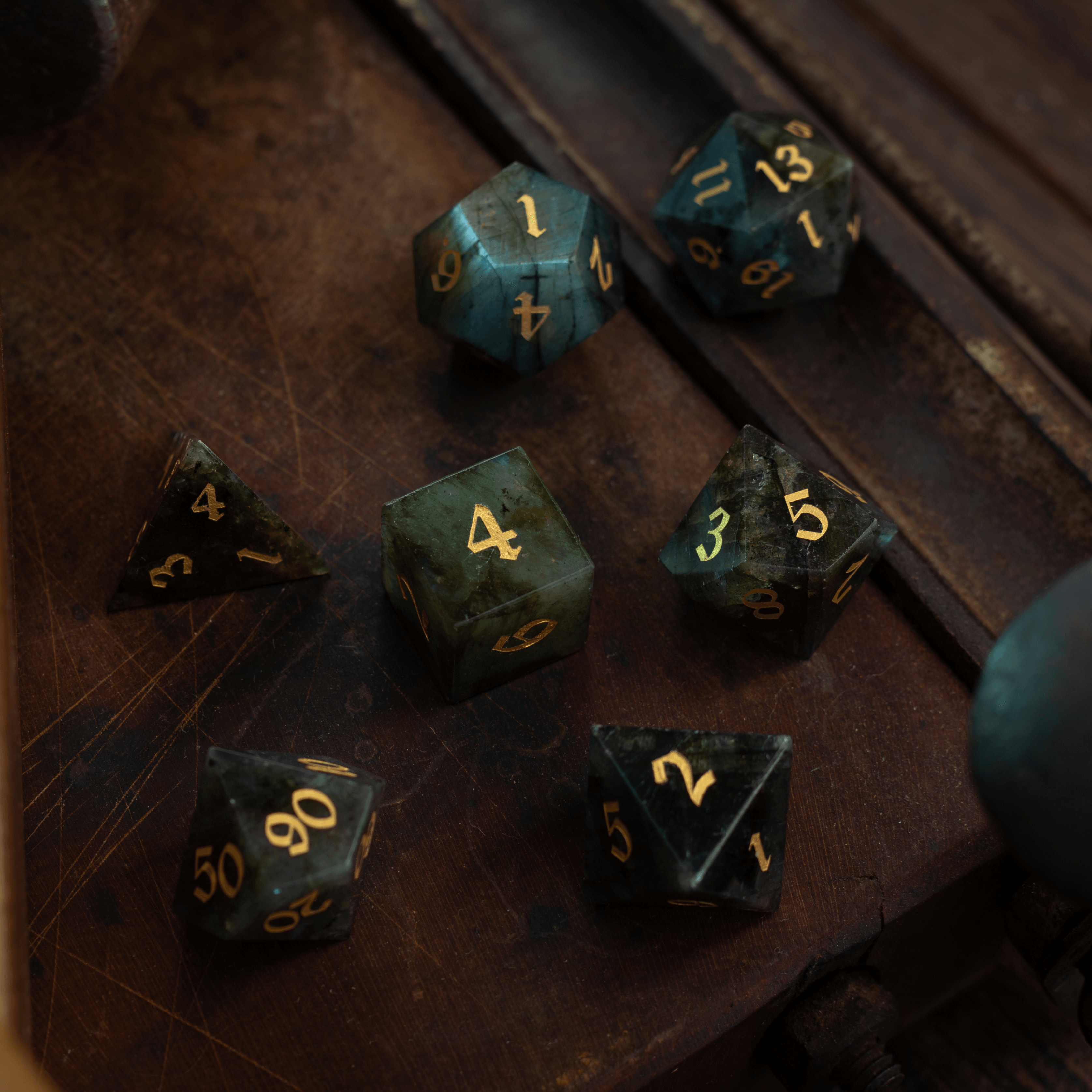
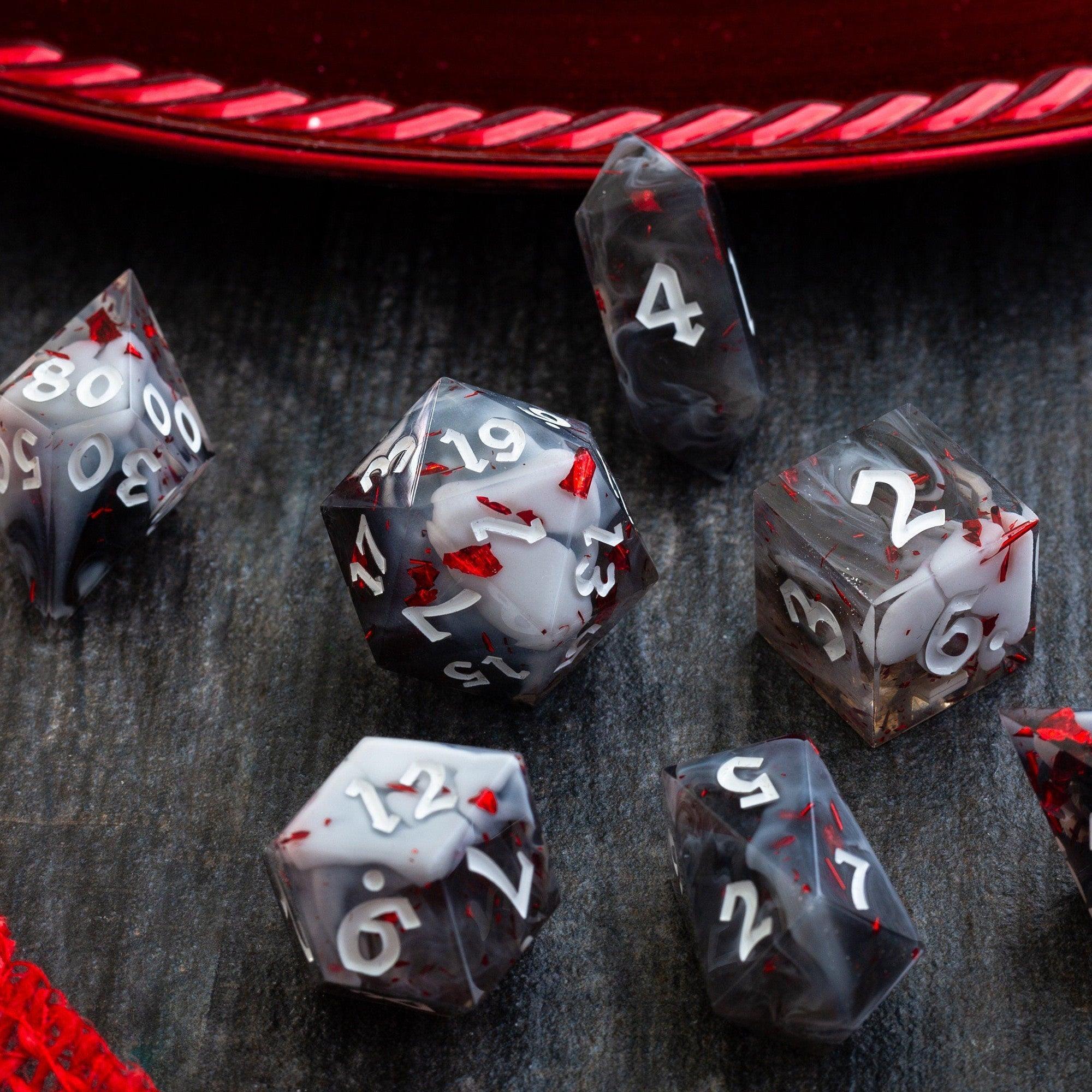
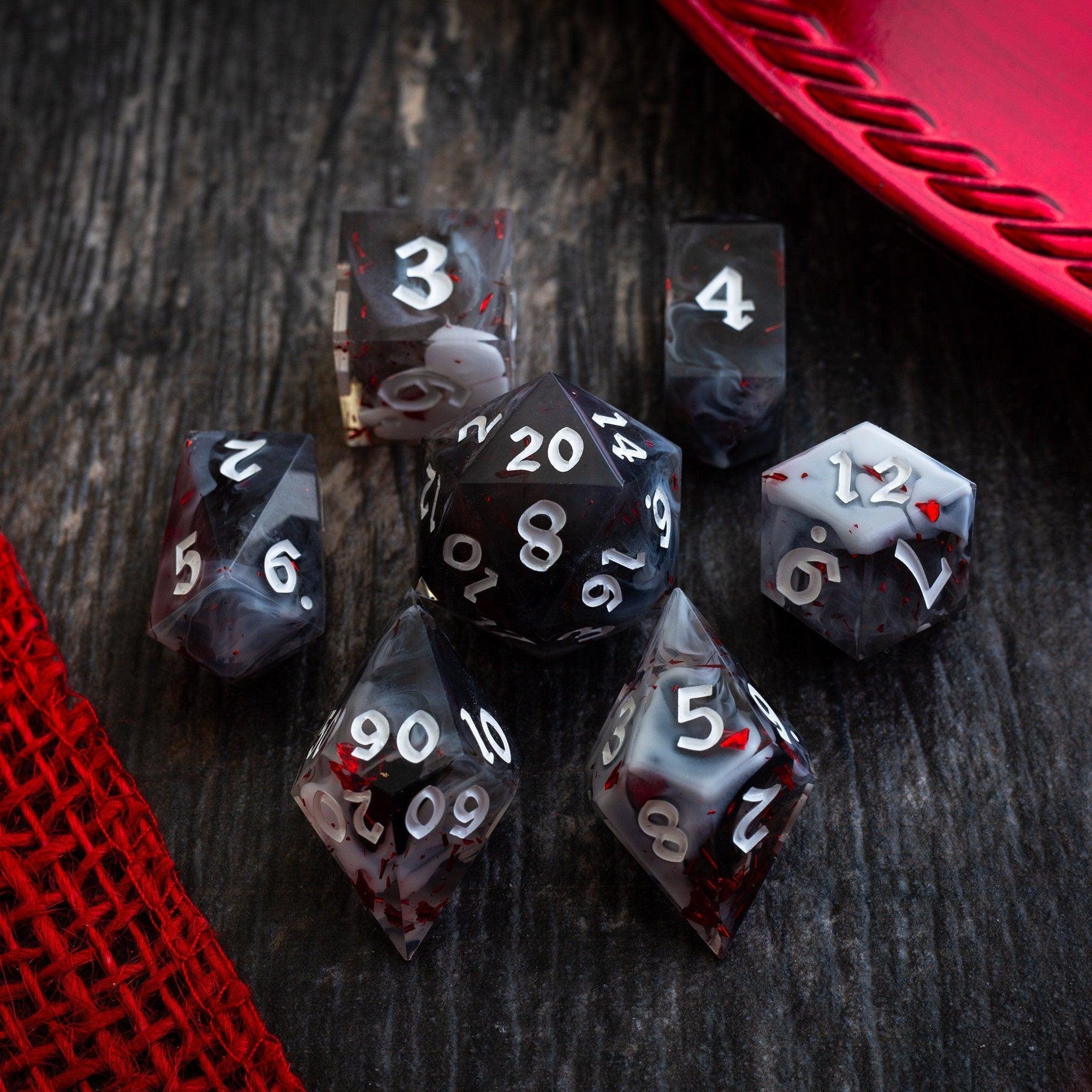
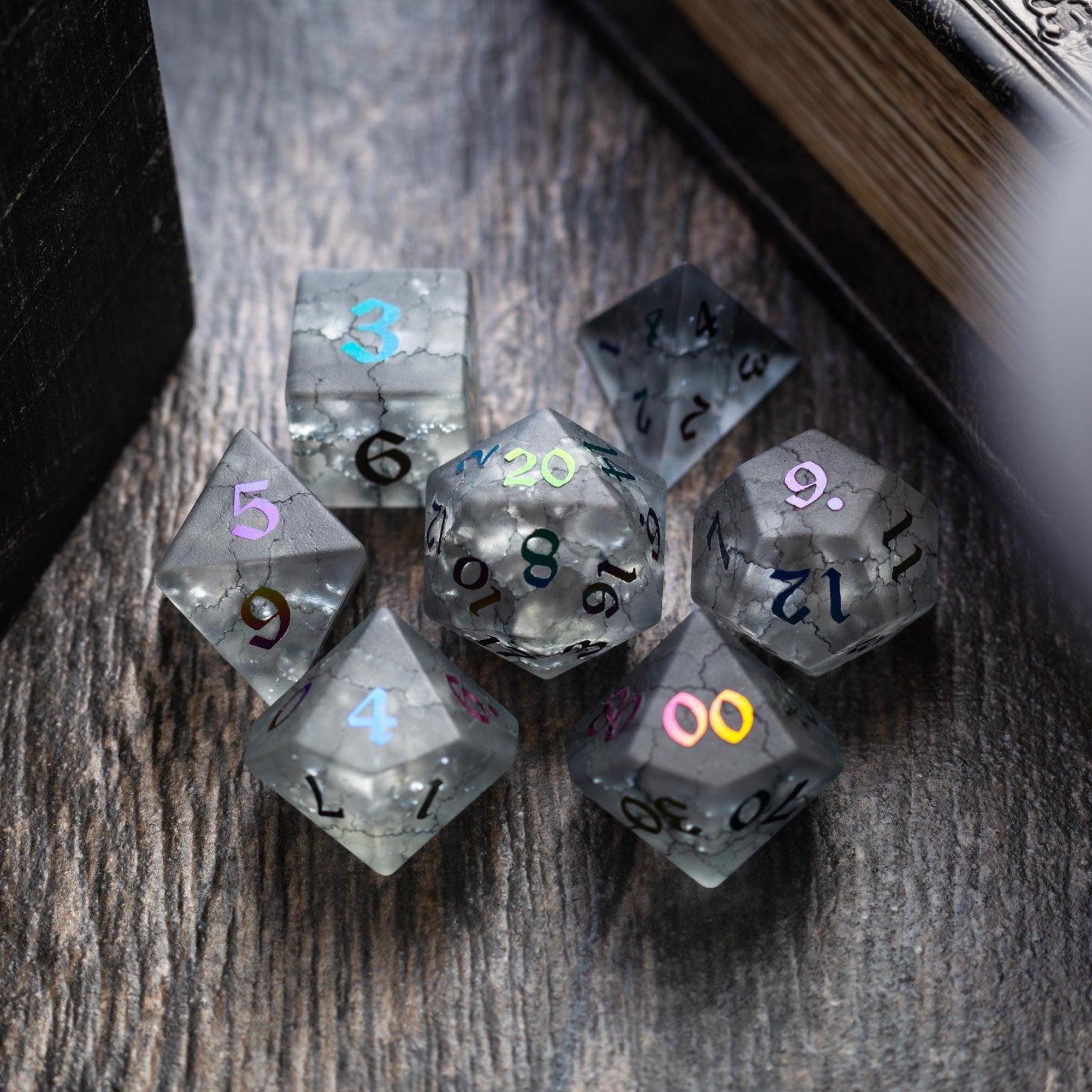
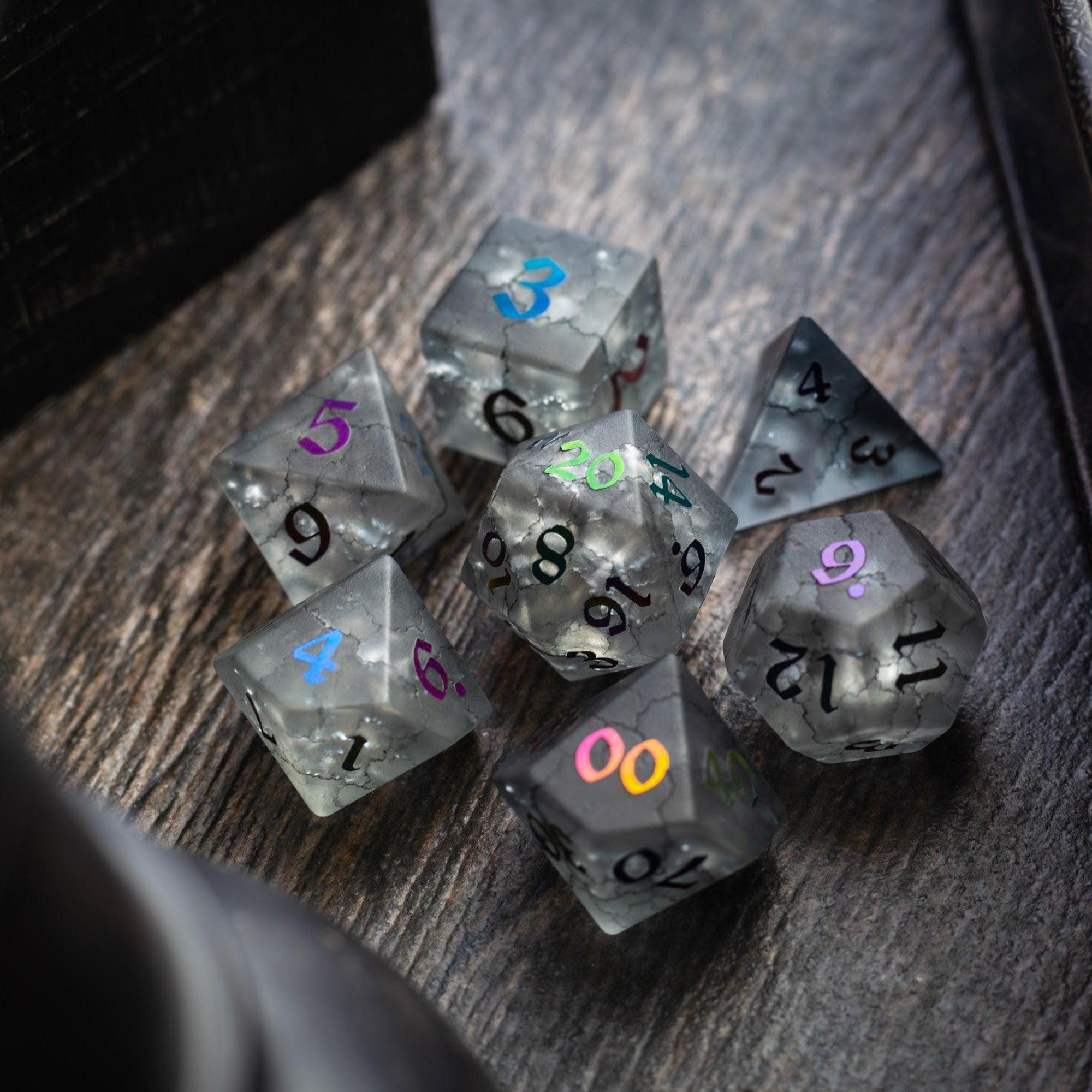
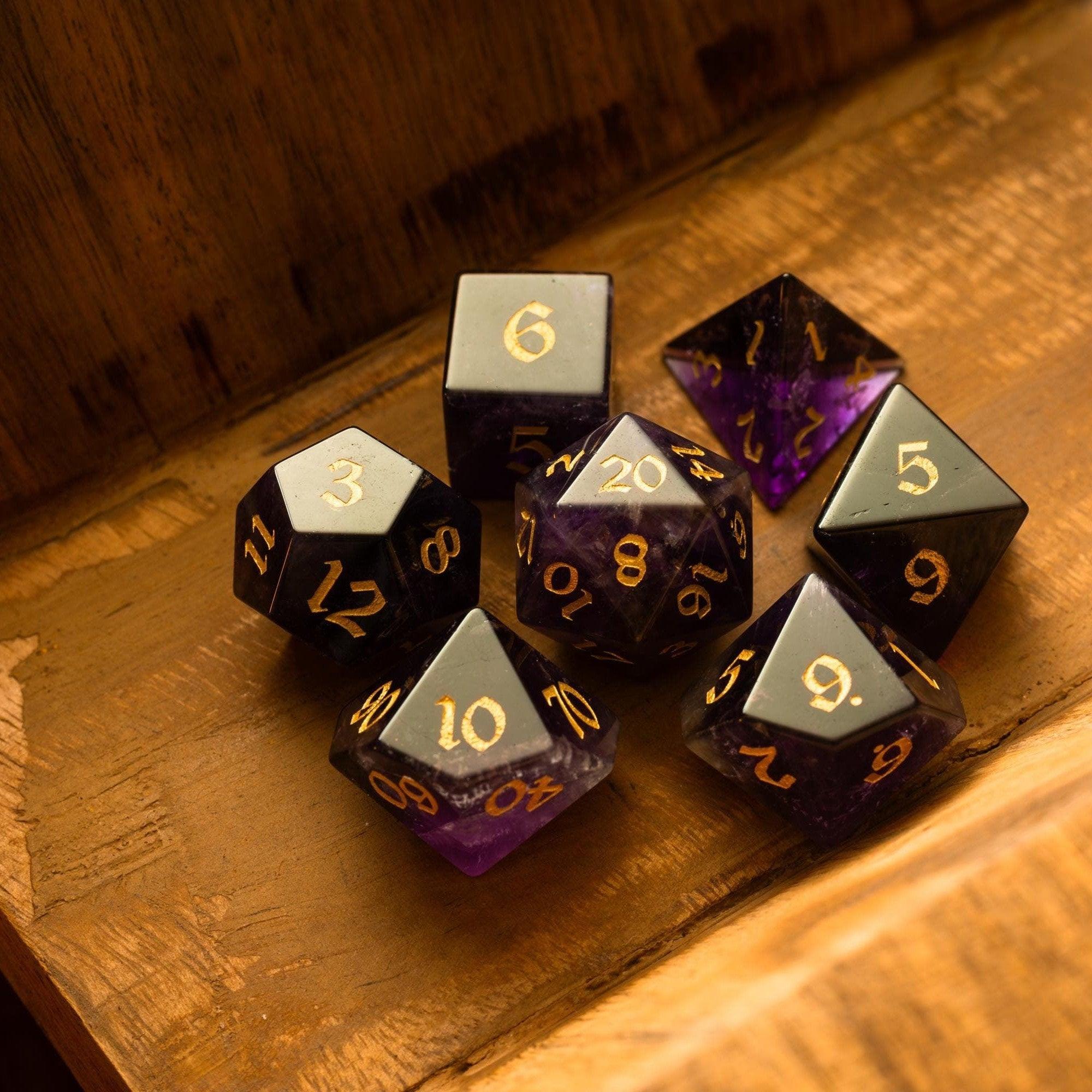
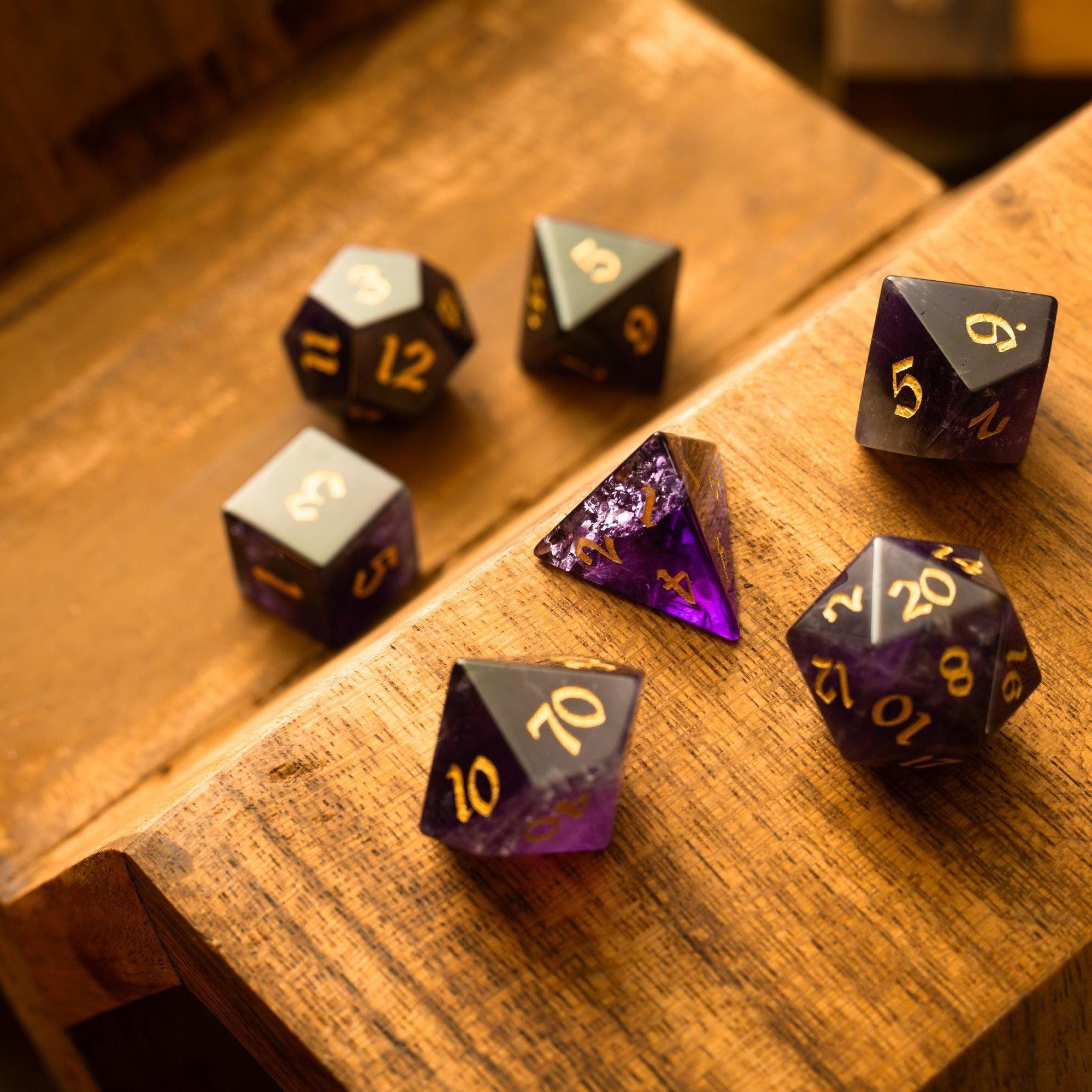
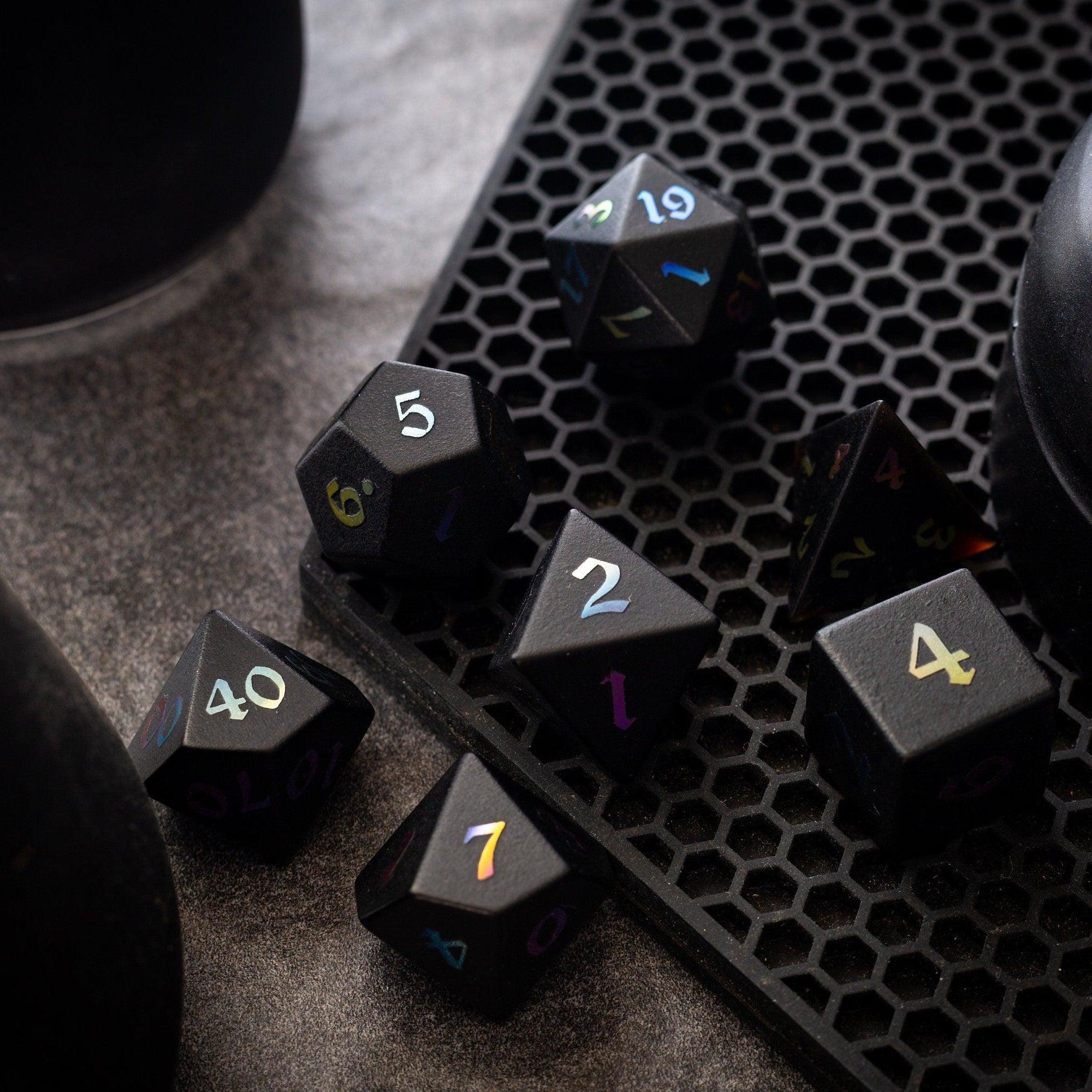
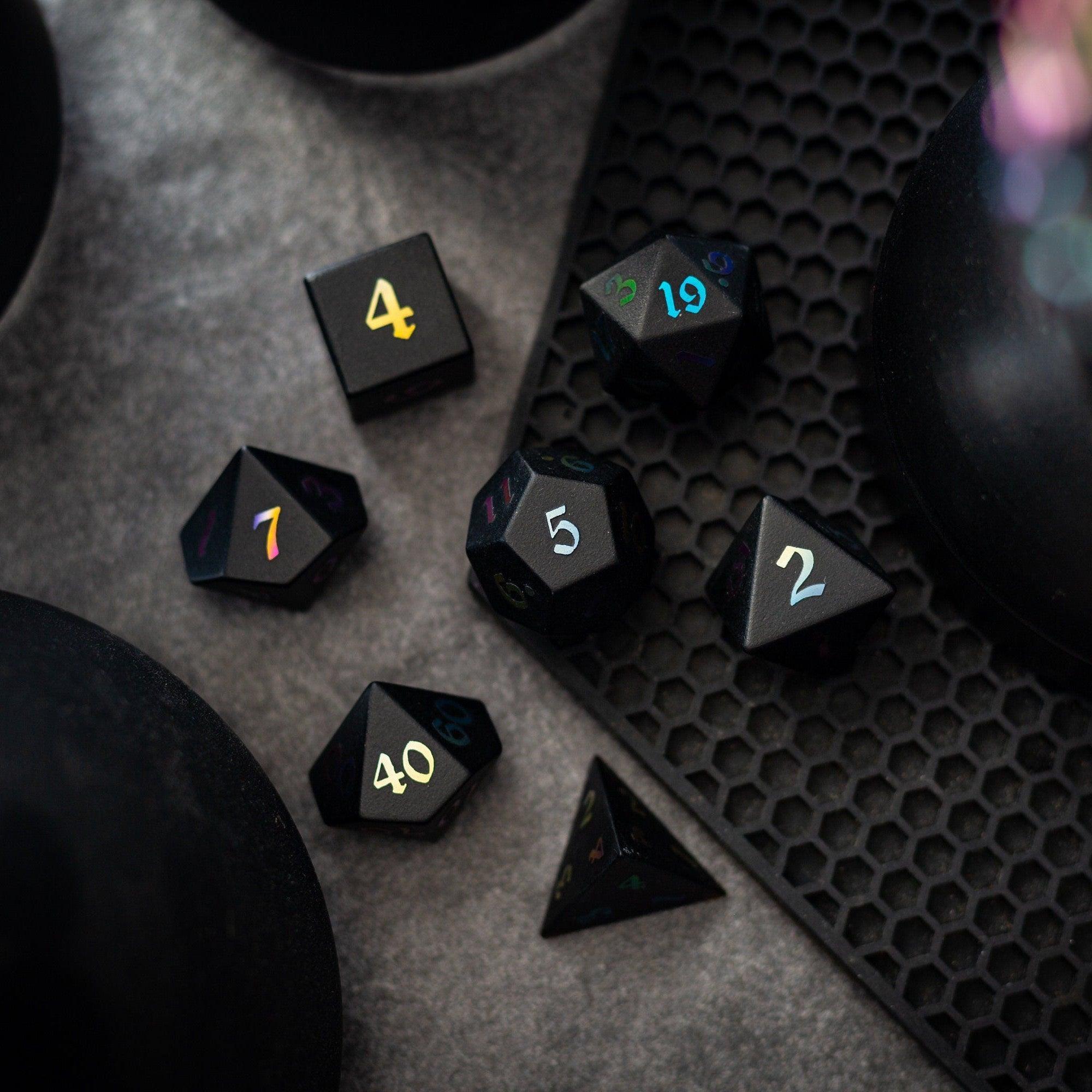
Balance digital and physical items. Digital sheets and random generators are excellent for speed. Physical components can add presence. For example, a sturdy tower can make rolling faster and fairer, while quality dice improve readability. If you enjoy beautiful, tactile accessories, you might like browsing curated sets such as Gemstone Dice or the shimmering movement of Liquid Core Dice. For consistent rolls and to protect your surfaces, a reliable Dice Towers option may also be helpful.
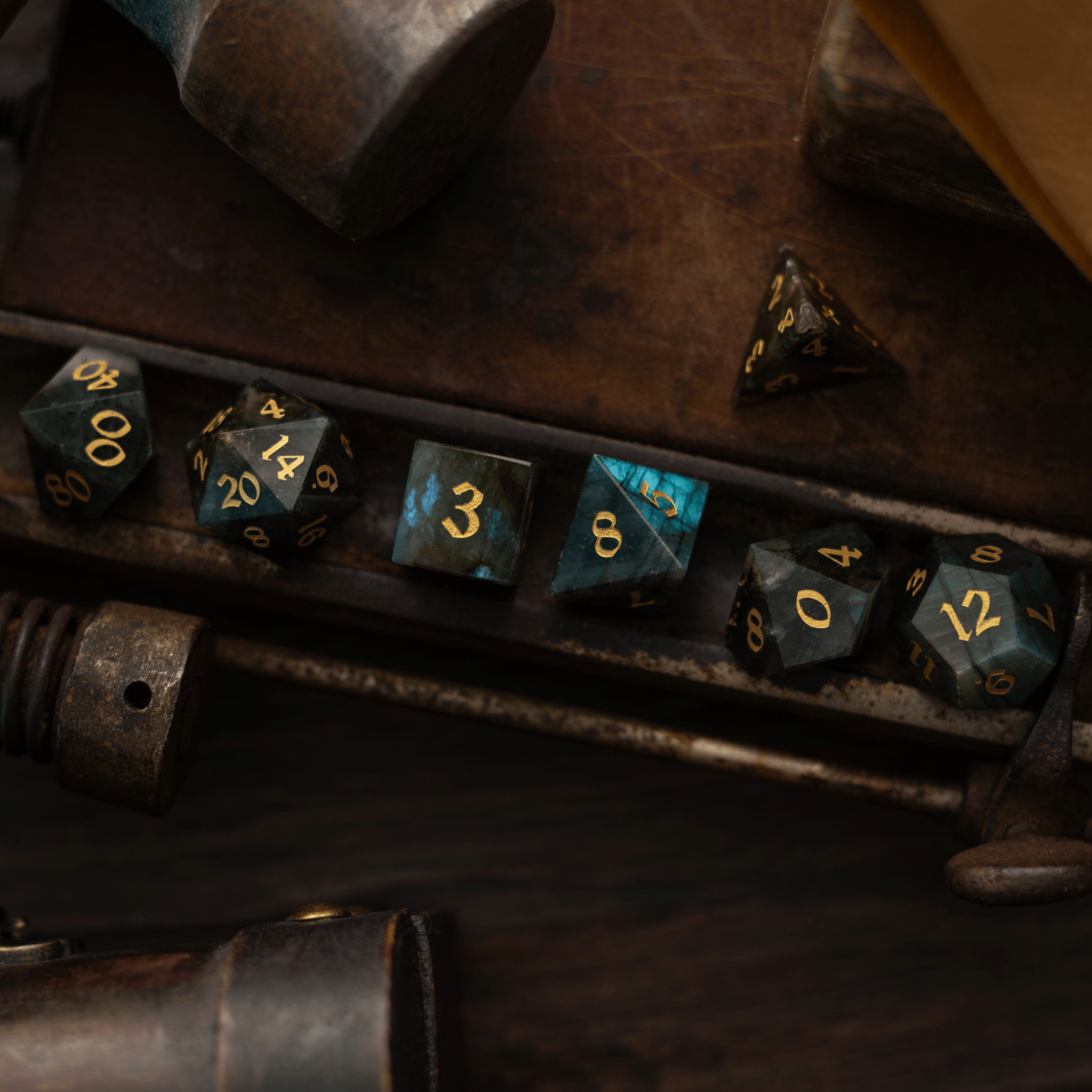
Prioritize readability and durability. Short, clean reference sheets prevent page-flipping. Dry-erase tracking boards or laminated initiative cards last longer and adapt to different encounters. For tactile clarity, premium sets like a distinctive Labradorite set can be both functional and inspiring.
Choose quality over quantity. A focused kit—one rules summary, one initiative method, and one map style—often works better than a crowded table. This reduces decision fatigue and keeps play flowing.
Finally, involve your group. Ask what slows them down and what they enjoy. A brief check-in may reveal simple improvements, such as clearer spell tracking or a shared safety checklist for respectful play.
Myths vs. Facts
-
Myth: You need expensive accessories to run a great game.
Fact: A minimal kit—clear notes, printable trackers, and any fair rolling method—can support excellent sessions. -
Myth: More tools always improve play.
Fact: Too many items can slow things down. A small set that your table uses well is often best. -
Myth: Only the game master benefits from aids.
Fact: Player-facing tools like concise spell cards, condition rings, and readable dice help everyone. -
Myth: Digital tools replace physical components entirely.
Fact: Hybrid tables are common. Digital sheets and physical tokens can work together smoothly. -
Myth: Prep must take hours to be effective.
Fact: A focused 30–60 minute routine can set up scenes, stakes, and surprises without overwork. -
Myth: You must customize every resource from scratch.
Fact: Starting with templates and then tailoring small parts saves time and preserves energy.
Step-by-Step Guide
-
Define one session goal.
Choose a gentle focus, such as “speed up combat” or “spotlight character bonds.” This keeps your kit aligned with what matters most.
-
Set a prep time limit.
Give yourself 45 minutes. Spend 15 on scene outlines, 15 on encounters or conflicts, and 15 on props and trackers. A timer encourages clarity.
-
Create a one-page table brief.
List house rules, safety reminders, initiative method, and key shortcuts. Keep it visible for quick reference.
-
Assemble clear trackers.
Use a small dry-erase board or index cards for initiative, conditions, and time-of-day. Color coding can be helpful without being distracting.
-
Curate NPC and encounter notes.
Prepare three short NPCs with motives and quirks. For conflicts, write stakes and a graceful exit, so scenes can end with momentum.
-
Choose tactile aids with purpose.
Readable dice, a tidy rolling area, and a simple token set help streamline decisions. Keep the table neat so everyone can follow the action.
-
Pack and review.
Place your brief, trackers, and accessories in a small pouch. Do a 2-minute review and note one backup hook in case plans change.
Frequently Asked Questions
How many tools do I need to start?
It may be easiest to begin with a very small set: one-page rules reminders, one initiative method, and a simple tracker. Add new items only when a clear need appears at your table. Comfort and clarity are more helpful than volume.
What is a simple way to track conditions and time?
A compact dry-erase board divided into three areas—initiative, conditions, and scene clock—works well. Color markers aid readability, and erasable tokens or rings keep the table tidy. Many groups find that less visual clutter leads to smoother turns.
How can I make sessions friendlier for new players?
Short reminders, clear dice, and patient pacing often make the most difference. Offer one-page character help, explain options gently, and check in after the first scene. If you use accessories, prioritize visibility and simplicity over spectacle.
Summary & Key Takeaways
- Align tools with a single goal per session, such as faster turns or stronger roleplay.
- Favor a small, readable kit over many overlapping items; clarity supports momentum.
- Blend digital convenience with tactile aids when it serves your group’s comfort.
- Use short trackers and a one-page brief to minimize page-flipping and confusion.
- Invite feedback and refine slowly; small improvements lead to steady progress.
When chosen with care, roleplaying game resources can reduce friction and support shared imagination. A considerate, lightweight approach respects time, attention, and energy—so everyone can enjoy the story together.


Leave a comment
This site is protected by hCaptcha and the hCaptcha Privacy Policy and Terms of Service apply.