
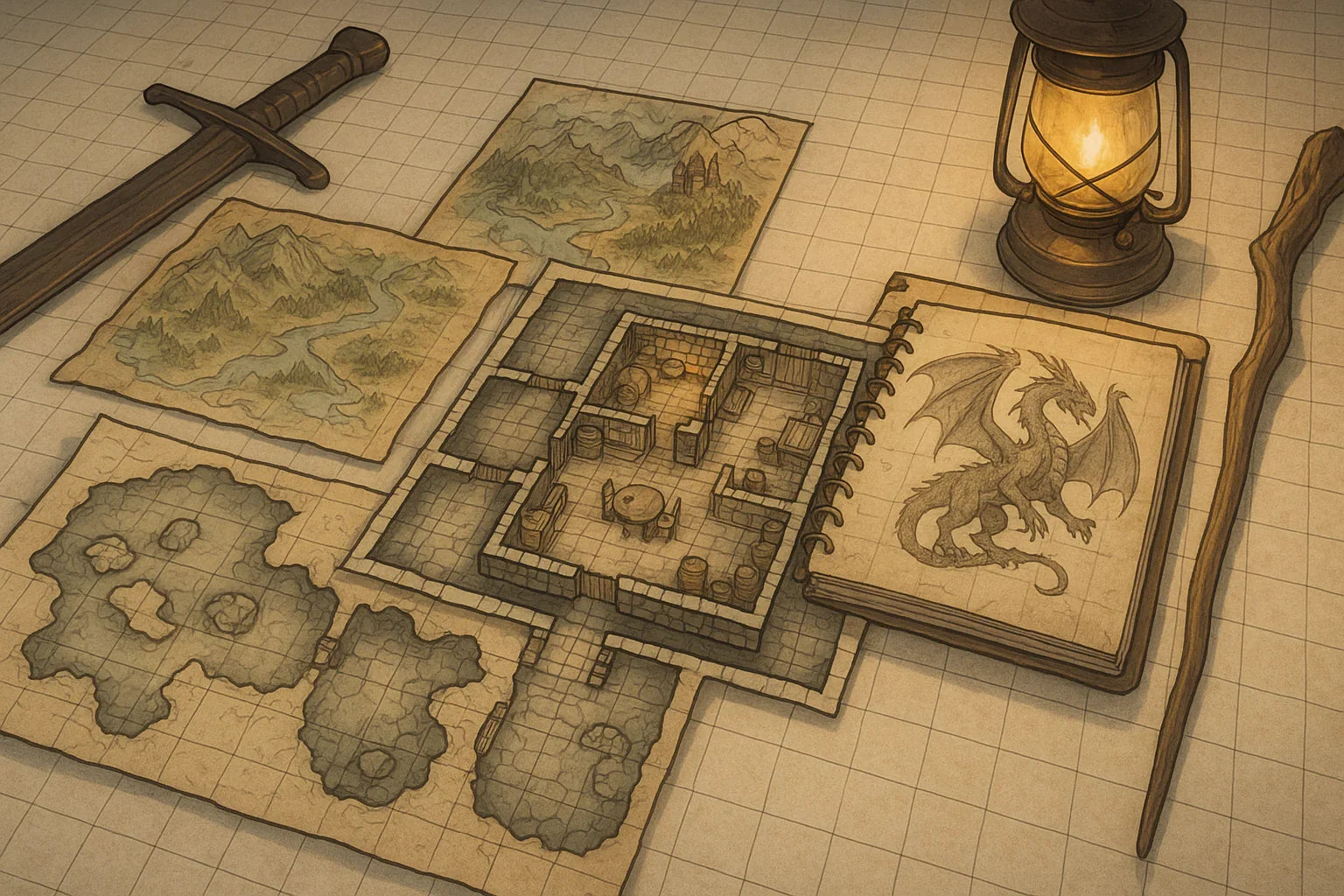
Maps and Battle Mats for Gaming: Elevate Your Campaign

Whether your adventuring party is exploring ancient ruins, defending a mountain pass, or sneaking through a bustling marketplace, visual aids can make every encounter easier to understand and more exciting to play. Maps and battle mats for gaming help players picture their surroundings, track movement, and make tactical decisions without replacing the imagination that makes tabletop roleplaying games so enjoyable.
While many memorable campaigns rely entirely on theater of the mind, others benefit from adding a battle map or reusable mat to clarify combat, exploration, and positioning. These tools are completely optional, but they can improve organization and reduce confusion, especially during complex encounters.
This guide explores the different types of tabletop battle mats, their materials, maintenance, and practical tips for choosing the right option for your gaming group while helping you create smoother, more immersive adventures.
Why Visual Play Aids Improve Tabletop Campaigns
Maps give players a shared understanding of the world around them. Instead of repeatedly describing distances or room layouts, a Dungeon Master can simply point to the map.
Using RPG maps can provide several benefits:
-
Clarifies character and monster positions
-
Makes movement easier to track
-
Supports tactical gameplay during combat
-
Helps players visualize dungeons, towns, and wilderness areas
-
Reduces confusion during complex encounters
-
Encourages teamwork and strategic planning
For groups that enjoy miniatures, battle mats also provide a stable surface where characters and terrain pieces can remain organized throughout a session.
Keeping a dice tray beside the play area can further reduce clutter by containing rolls without interfering with miniatures or terrain. It also helps maintain an organized table during busy encounters.
Maps and Battle Mats Are Helpful, Not Required
Some roleplaying groups enjoy detailed visual layouts every session, while others prefer describing scenes through conversation alone.
Neither approach is better.
Many Dungeon Masters switch between both styles depending on the situation. A dramatic roleplaying scene may need no map at all, while a complicated castle siege becomes much easier to manage with tabletop gaming maps.
The best approach depends on:
-
Group preferences
-
Campaign style
-
Available table space
-
Preparation time
-
Whether combat focuses on tactics or narrative storytelling
Adding maps should support your game rather than slow it down.
Common Types of Maps and Battle Mats
Different campaigns call for different mapping tools. Understanding the strengths of each option helps you choose what fits your table.
Dry Erase Battle Mats
Dry erase mats are among the most flexible options for tabletop RPGs.
Dungeon Masters can quickly draw:
-
Dungeon rooms
-
Caverns
-
Roads
-
Taverns
-
Wilderness encounters
-
Custom battlefields
After the session, the surface wipes clean and is ready for the next adventure.
Dry erase mats work especially well for campaigns with unpredictable exploration or improvised encounters.
Printed Battle Mats
Printed D&D battle mats feature permanent artwork depicting forests, cities, deserts, caverns, or other environments.
Advantages include:
-
Attractive artwork
-
Minimal preparation
-
Consistent terrain
-
Easy setup
Many Game Masters build a collection of printed maps for frequently visited locations.
Modular Map Tiles
Modular systems use separate pieces that connect to create larger battlefields.
These allow DMs to:
-
Expand dungeons as players explore
-
Rearrange encounters
-
Build unique layouts every session
-
Store pieces efficiently
Modular maps work well for campaigns featuring frequent exploration.
Digital Maps
Virtual tabletops have made digital fantasy maps increasingly popular.
Digital maps are useful for:
-
Online campaigns
-
Hybrid play
-
Animated environments
-
Fog of war
-
Dynamic lighting
-
Easy storage
Even in-person groups sometimes display digital maps on a television or monitor placed flat on the gaming table.
Understanding Grid Options
Not every map uses the same layout.
Square Grids
Square grids are the standard choice for many fantasy RPG systems, including Dungeons & Dragons.
They simplify:
-
Movement
-
Spell ranges
-
Area effects
-
Tactical positioning
Hex Grids
Hex grids reduce diagonal movement questions and often work well for:
-
Wilderness travel
-
Large-scale exploration
-
Skirmish games
Gridless Maps
Some groups prefer beautiful artwork without visible grids.
Gridless maps support:
-
Narrative-focused play
-
Flexible movement
-
Cinematic encounters
Miniatures can still be used by estimating distances rather than counting spaces.
Choosing between square, hex, or gridless formats depends on the rules you use and the experience your group enjoys.
Choosing the Right Map for Your Campaign
Instead of asking which map is best, consider which one best supports your style of play.
Questions to ask include:
-
How often do you use tactical combat?
-
Do you improvise encounters frequently?
-
Will you travel with your gaming supplies?
-
How much storage space do you have?
-
Do you play in person or online?
-
Do you use miniatures regularly?
Campaigns featuring sprawling wilderness exploration may benefit from large regional RPG maps, while dungeon-heavy adventures often shine with reusable battle mats.
Dungeon Masters who enjoy tactical combat sometimes pair organized maps with condition rings to clearly track effects like stunned, poisoned, or restrained without cluttering the battlefield.
Maps and Battle Mats Comparison
| Type | Material | Portability | Durability | Ideal Use | Maintenance |
|---|---|---|---|---|---|
| Dry Erase Mat | Laminated surface or vinyl | Easy to roll or fold | Good with proper care | Custom encounters and improvisation | Clean after use with appropriate markers |
| Printed Map | Paper, laminated paper, or fabric | Varies by size | Moderate | Prepared adventures and recurring locations | Store flat or rolled to prevent damage |
| Modular Tiles | Cardboard, plastic, or foam | Compact storage | Varies by material | Expanding dungeons and changing layouts | Keep pieces organized and dry |
| Digital Maps | Digital files | Extremely portable | Not affected by physical wear | Online or hybrid games | Organize files and update software as needed |
Each option offers different advantages depending on your campaign, table size, and preferred style of play. No single format is universally better for every gaming group.
Organizing Encounters for Better Tactical Gameplay
Good encounter organization helps the game flow naturally.
Consider these simple practices:
-
Prepare maps before players arrive
-
Keep frequently used maps together
-
Label reusable encounter pieces
-
Organize miniatures by creature type
-
Leave room beside the map for character sheets
-
Avoid overcrowding the table
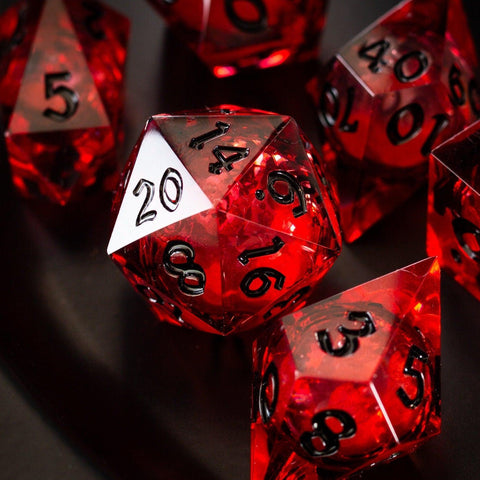
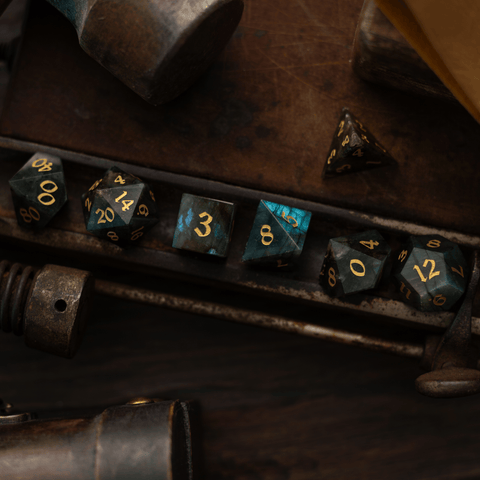
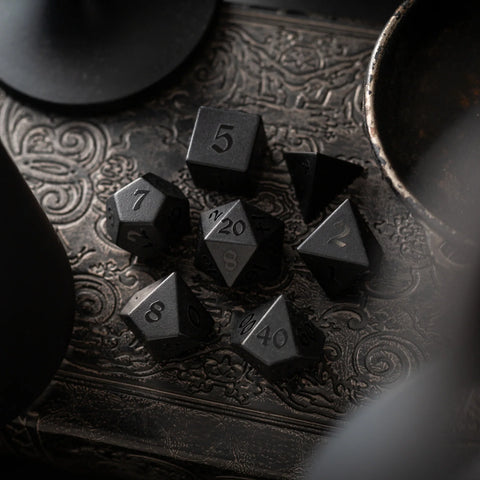
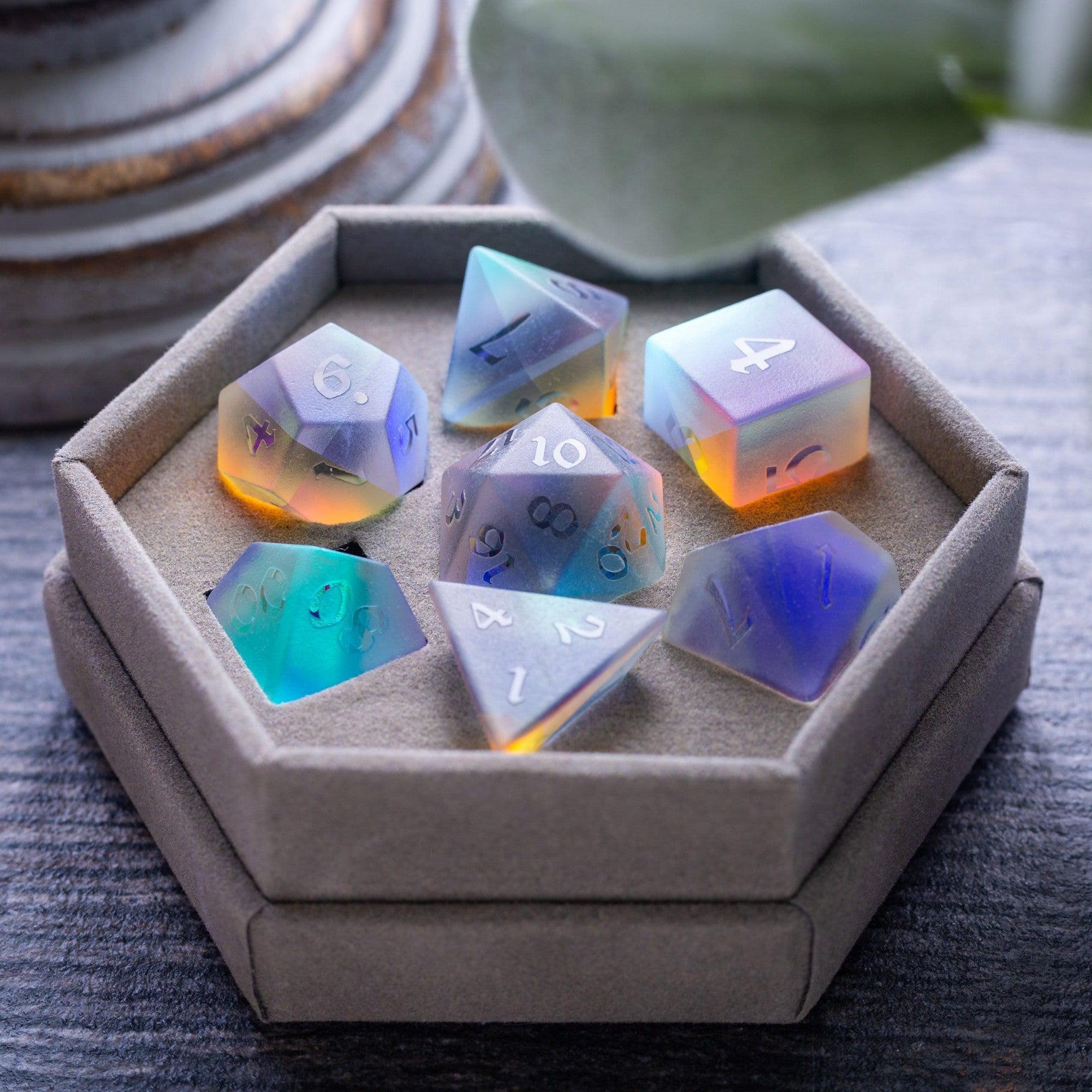
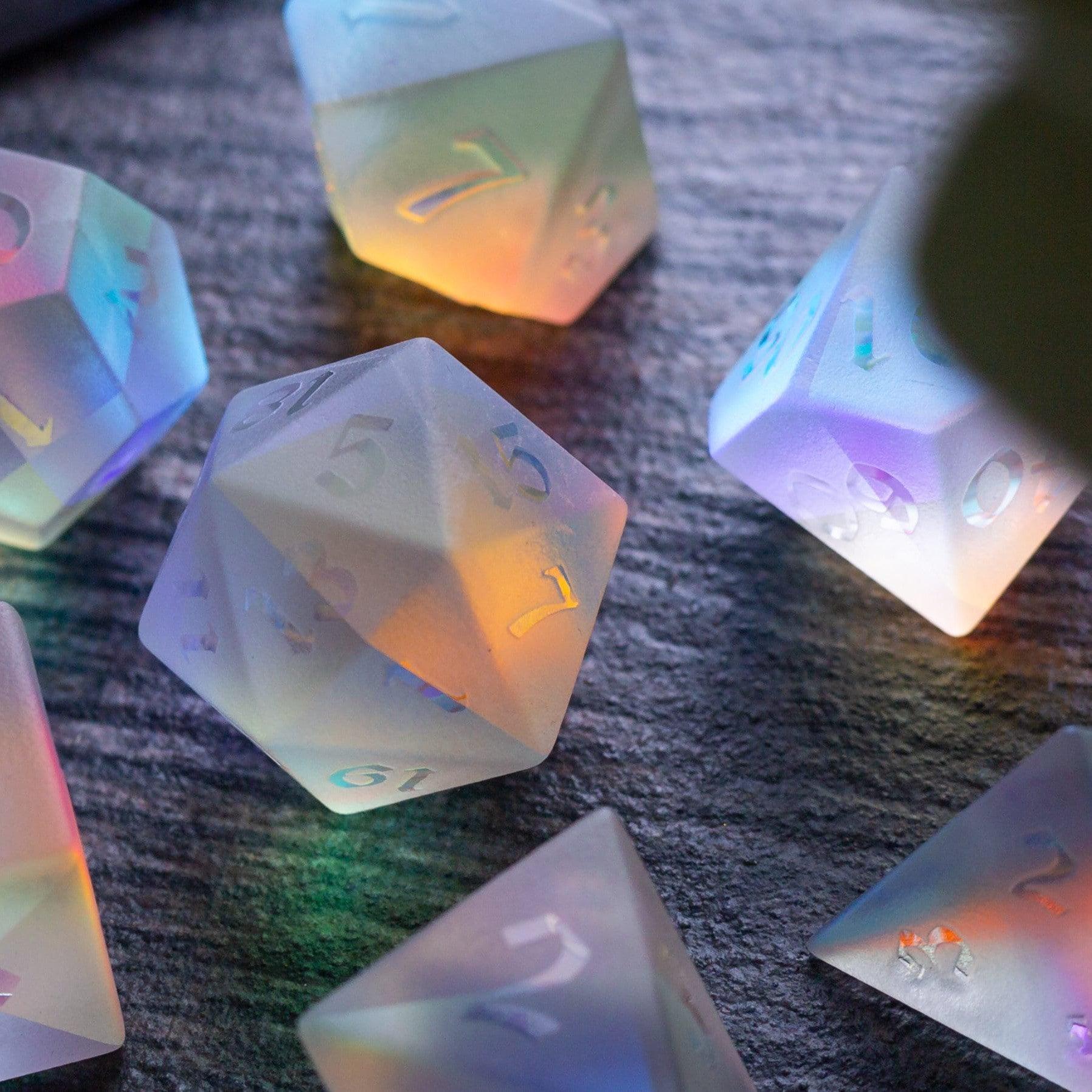
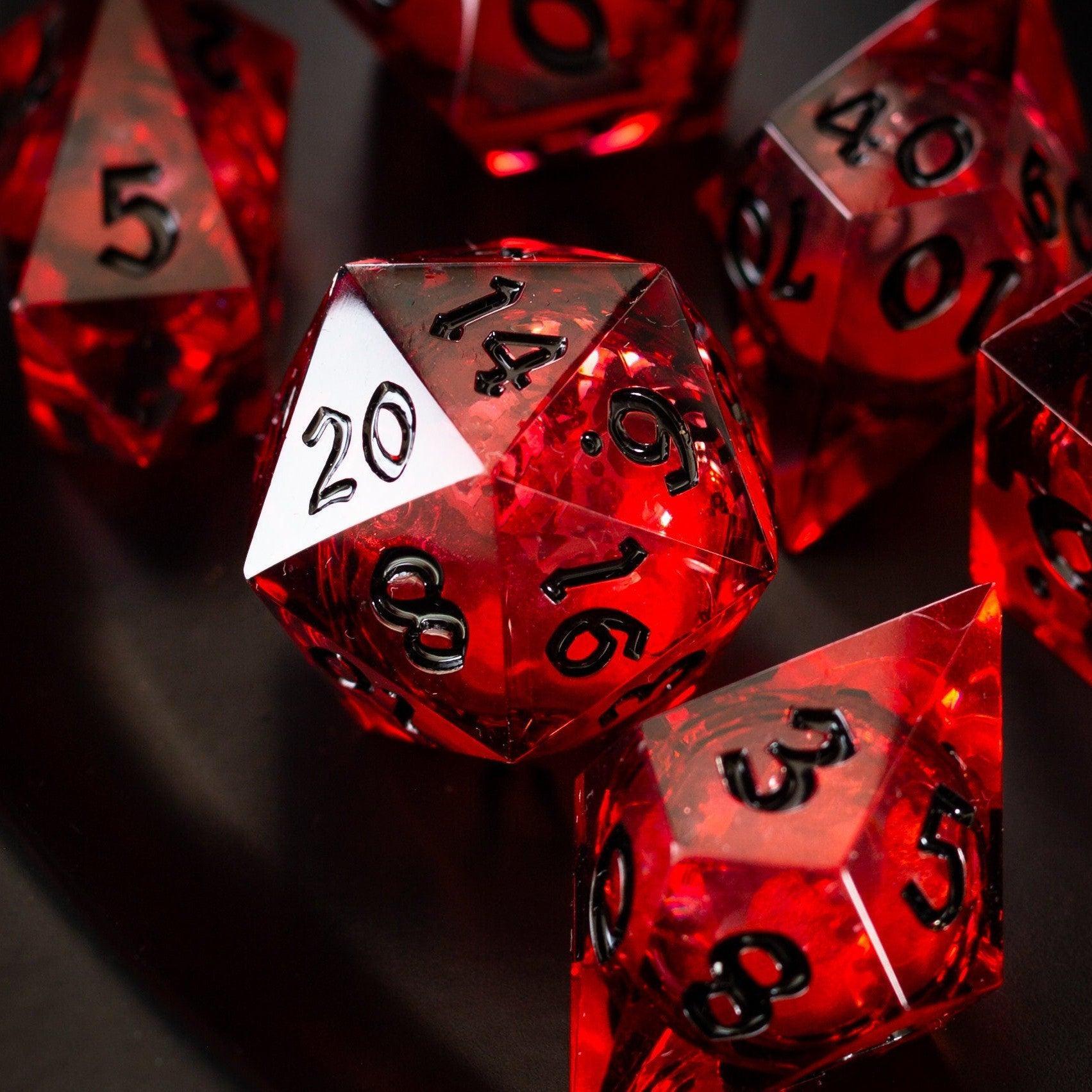
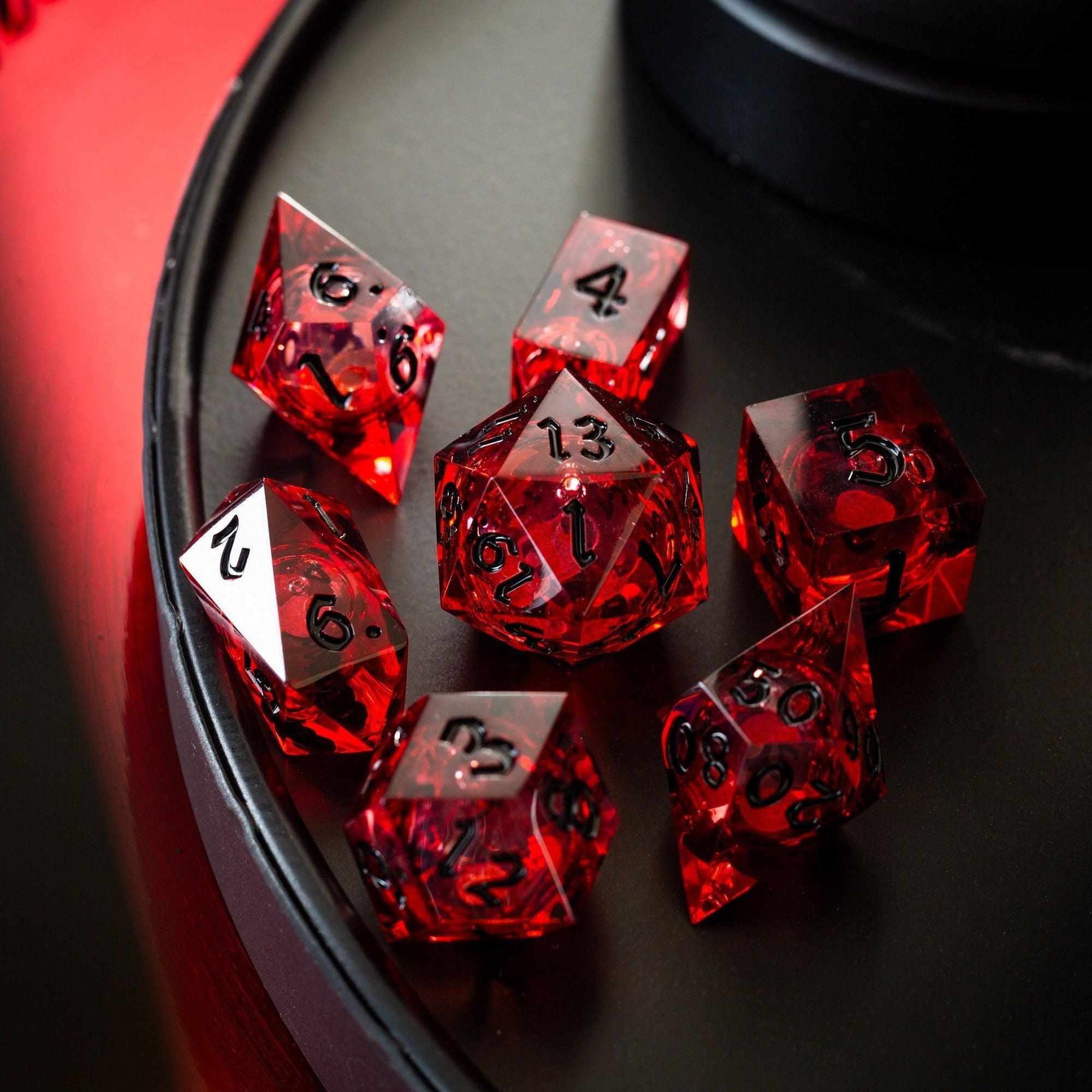
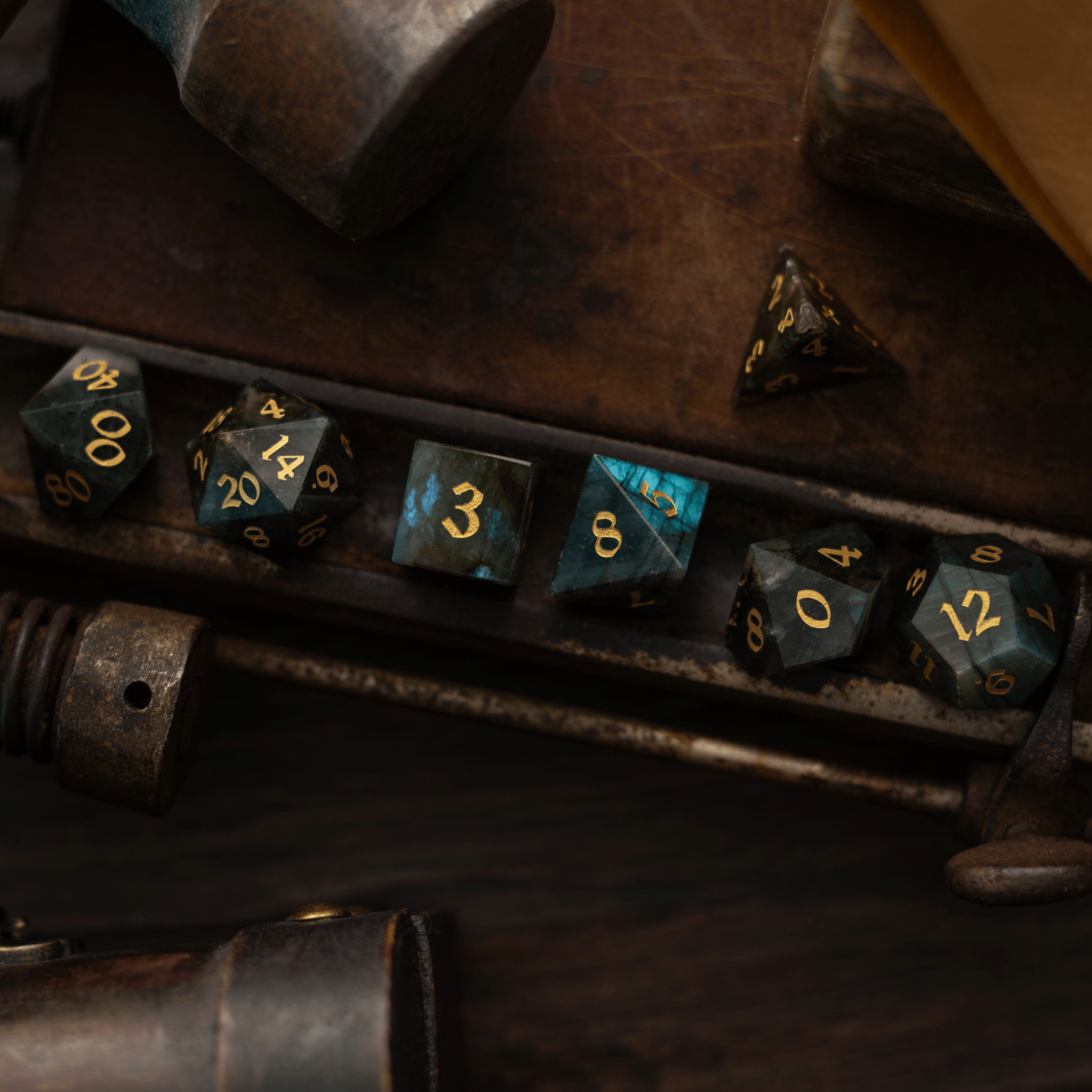
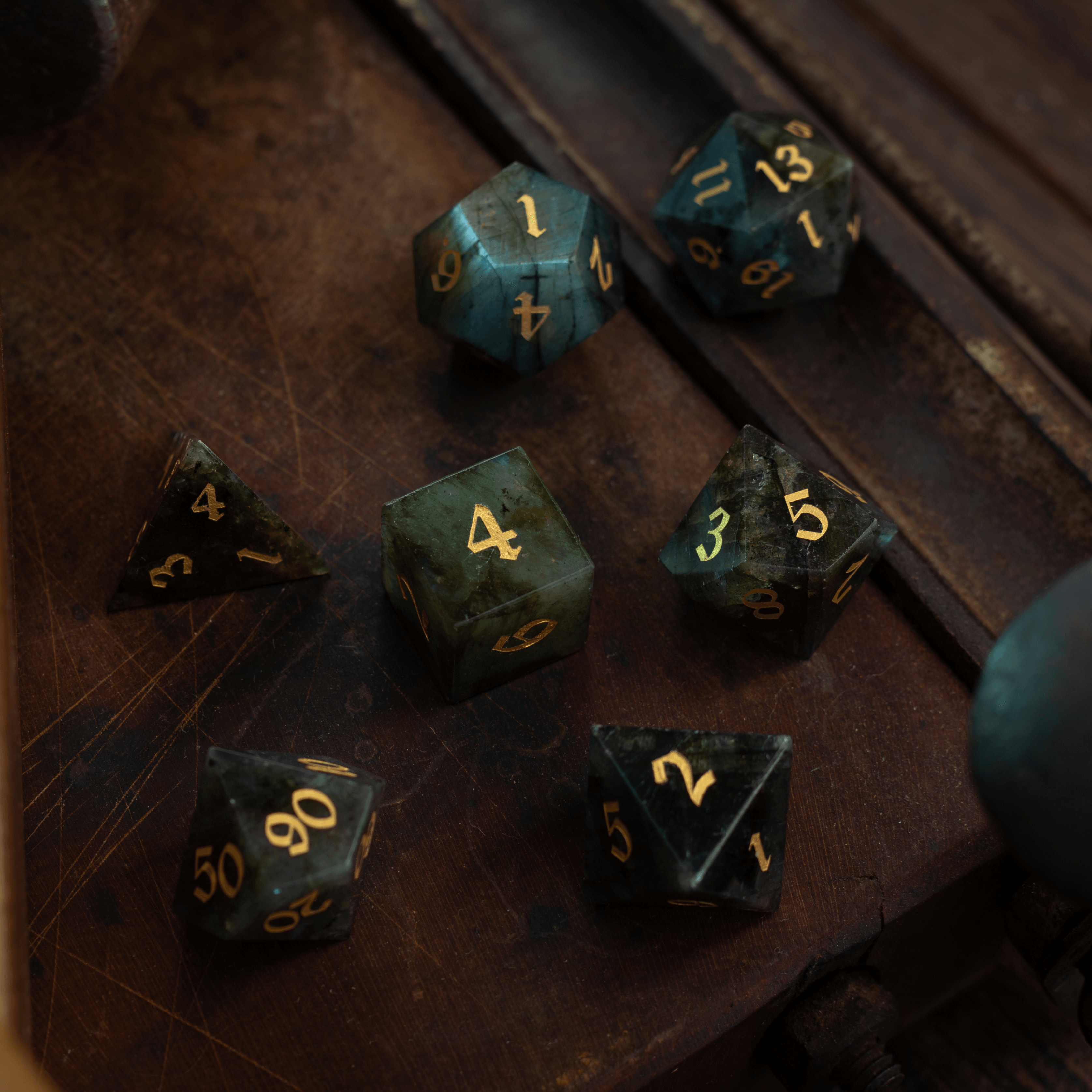
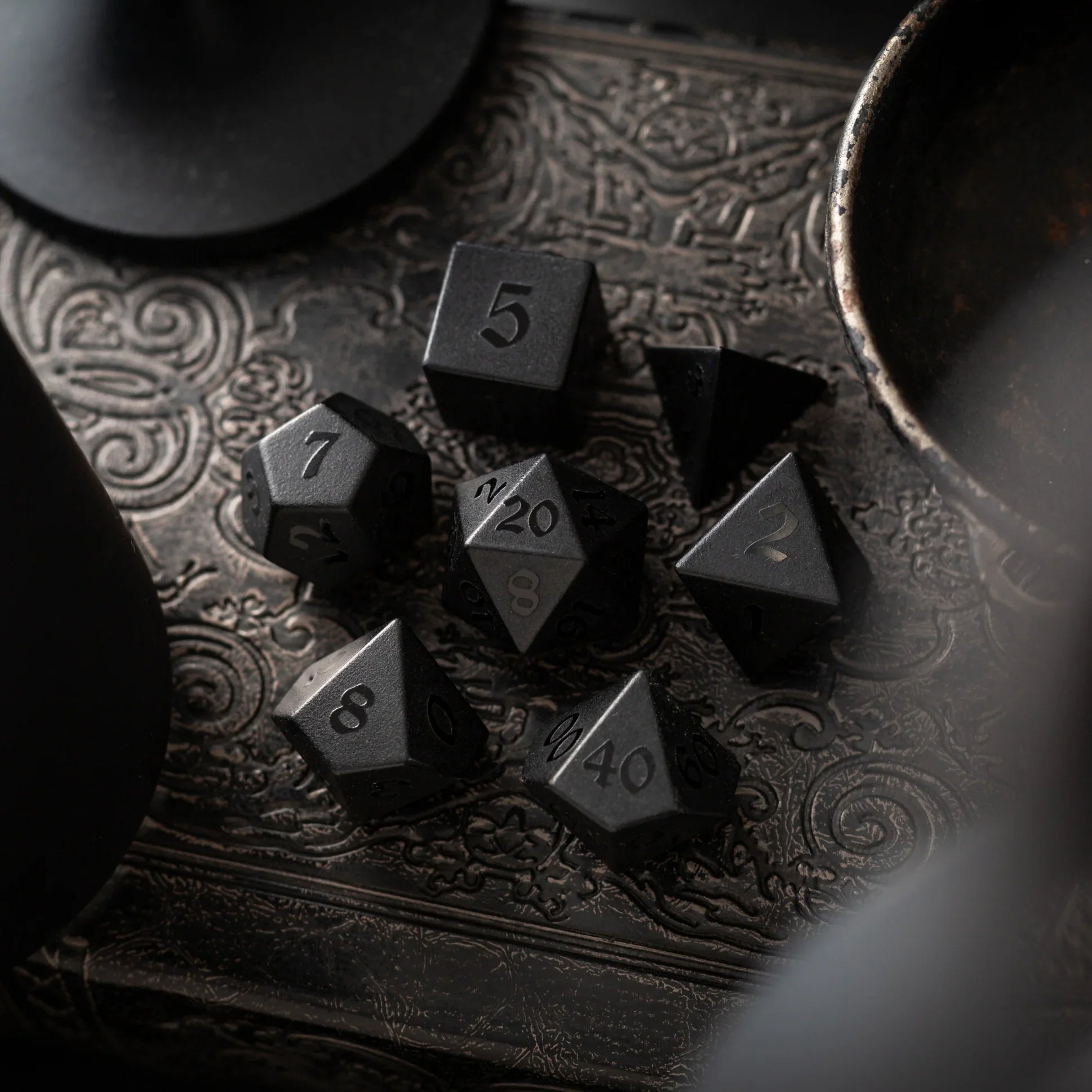
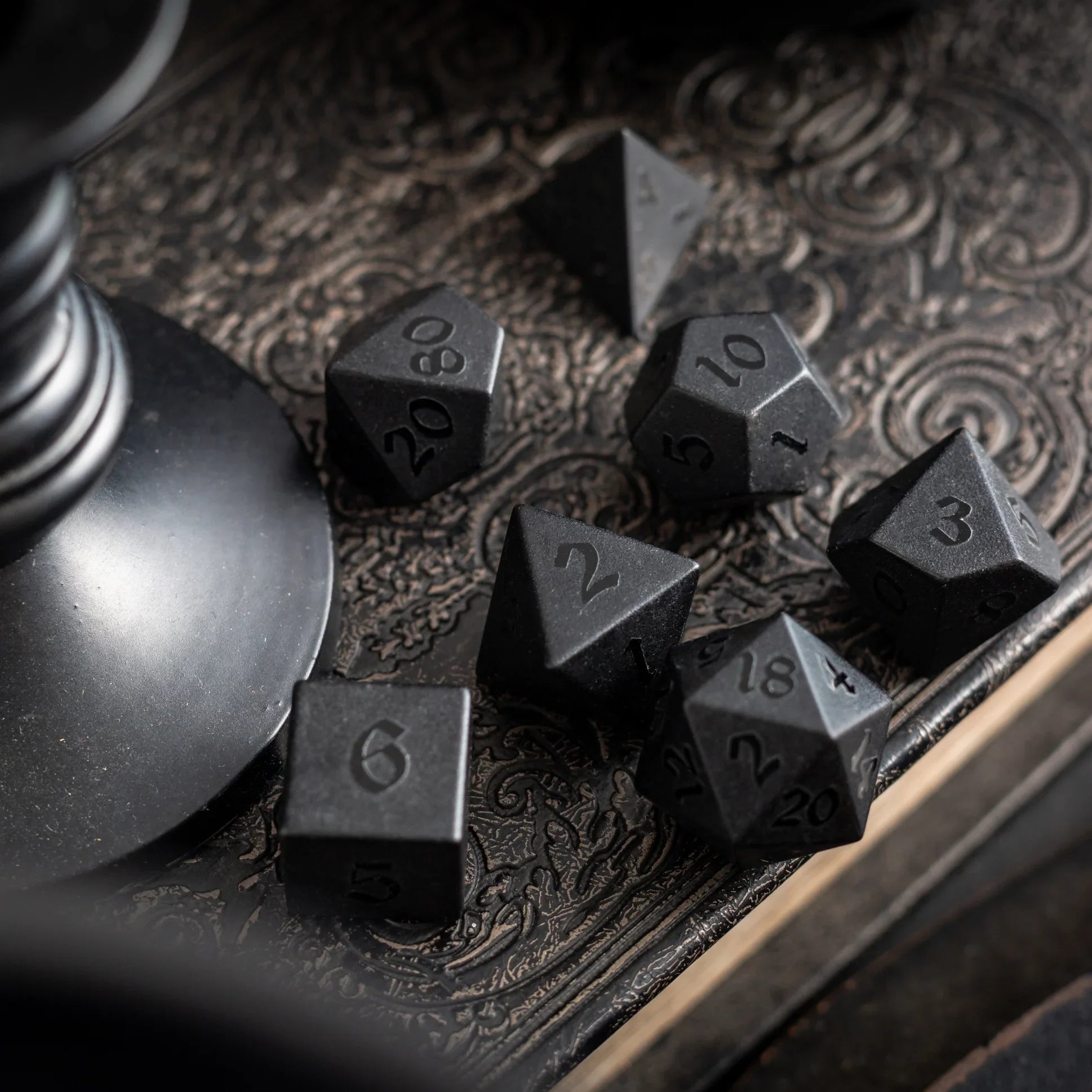
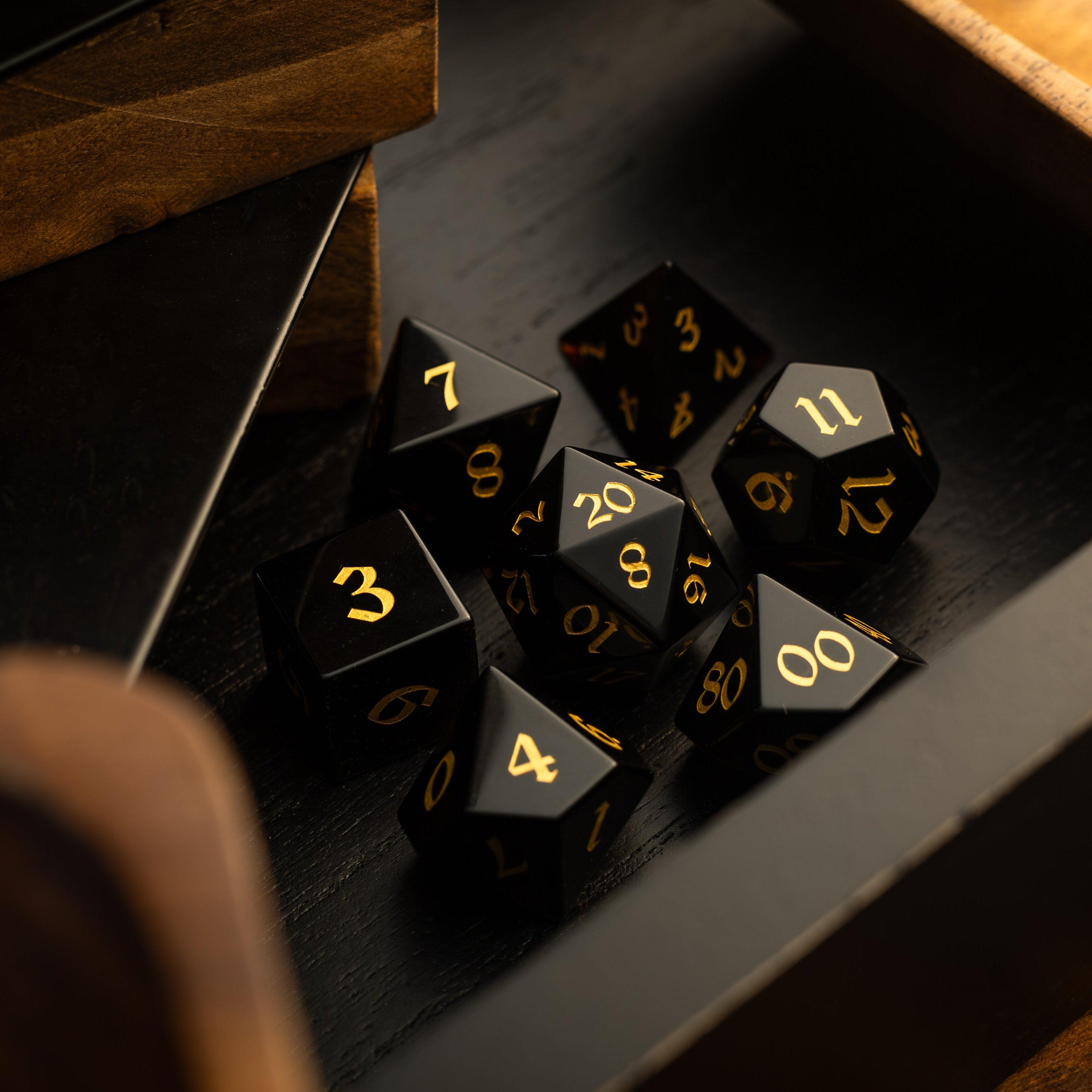
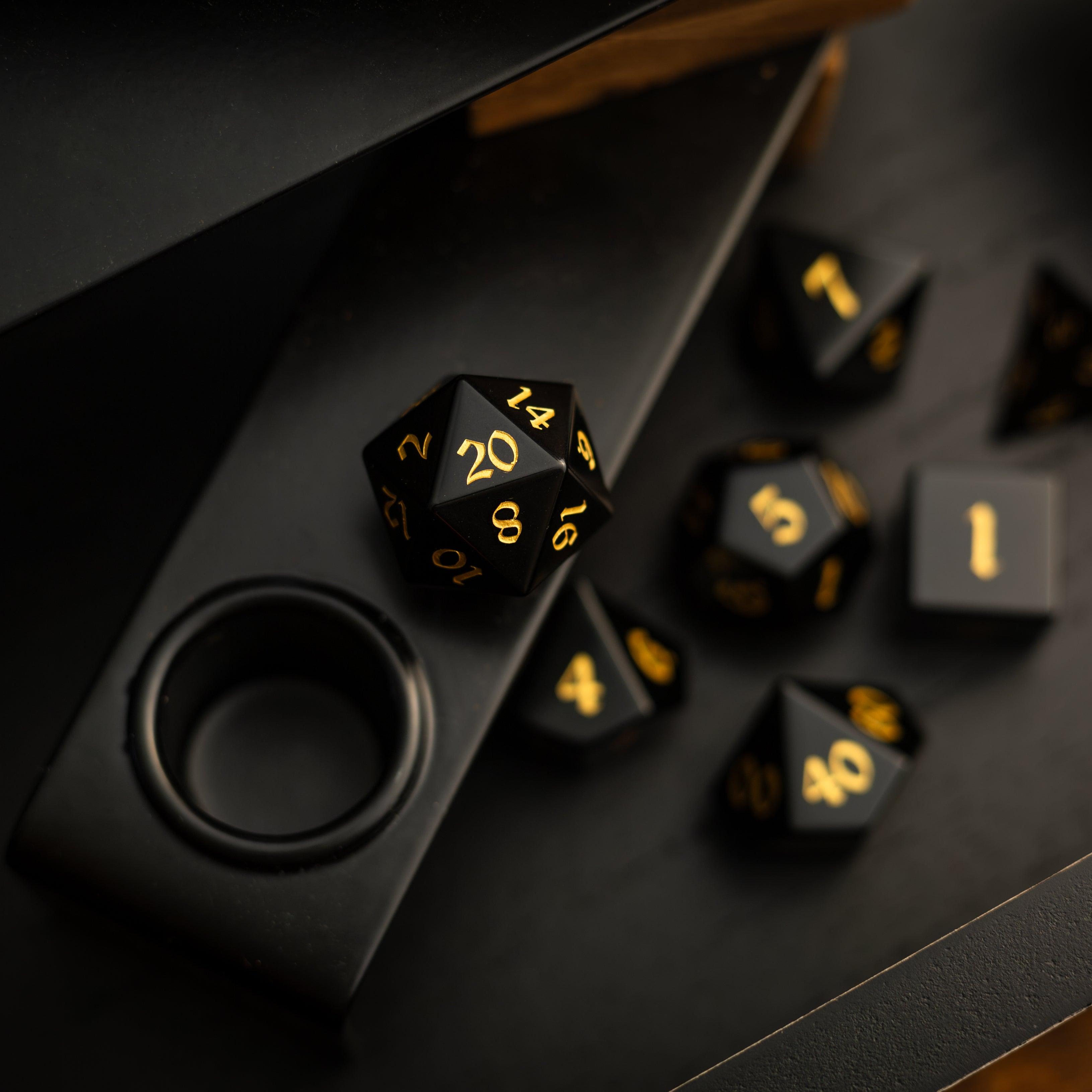
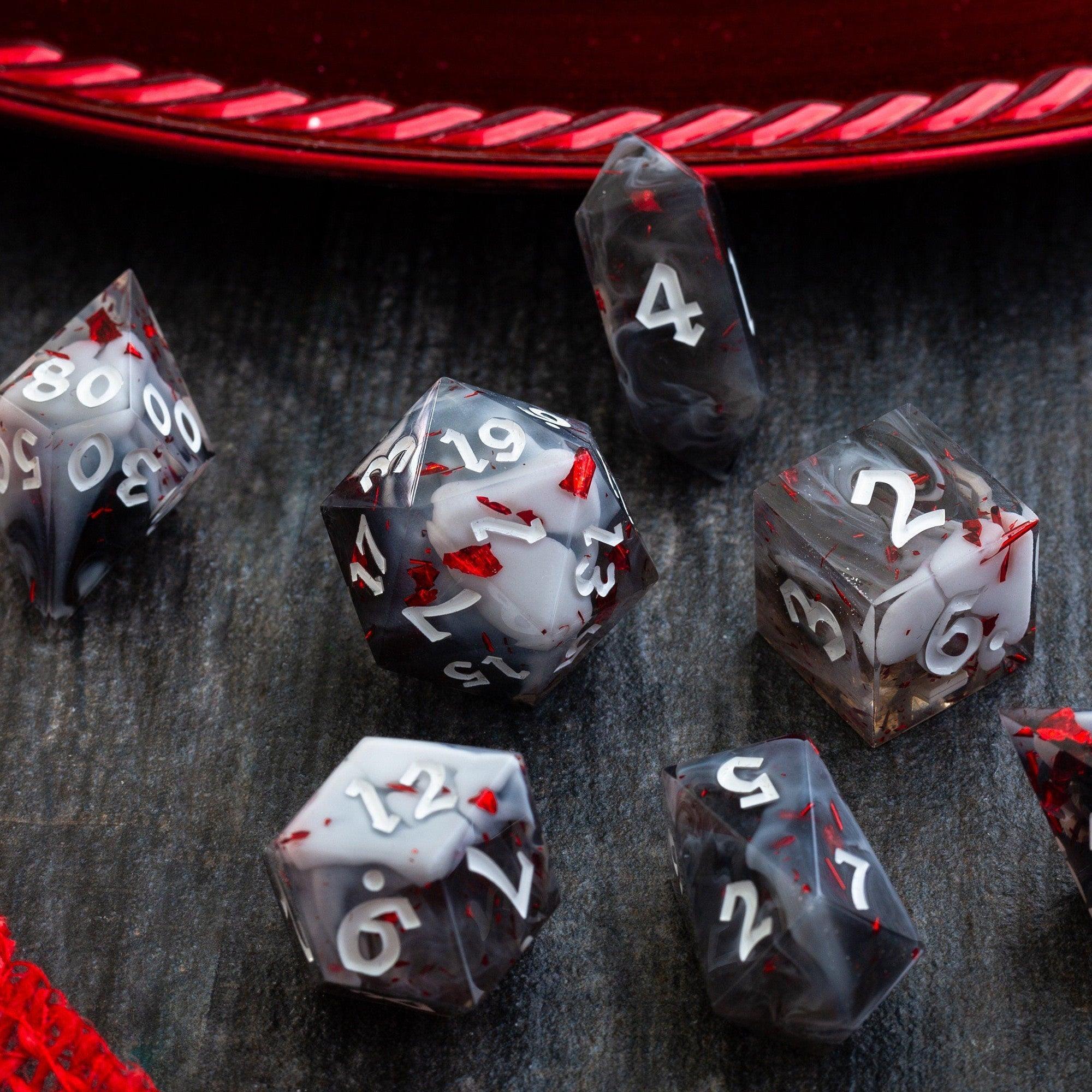
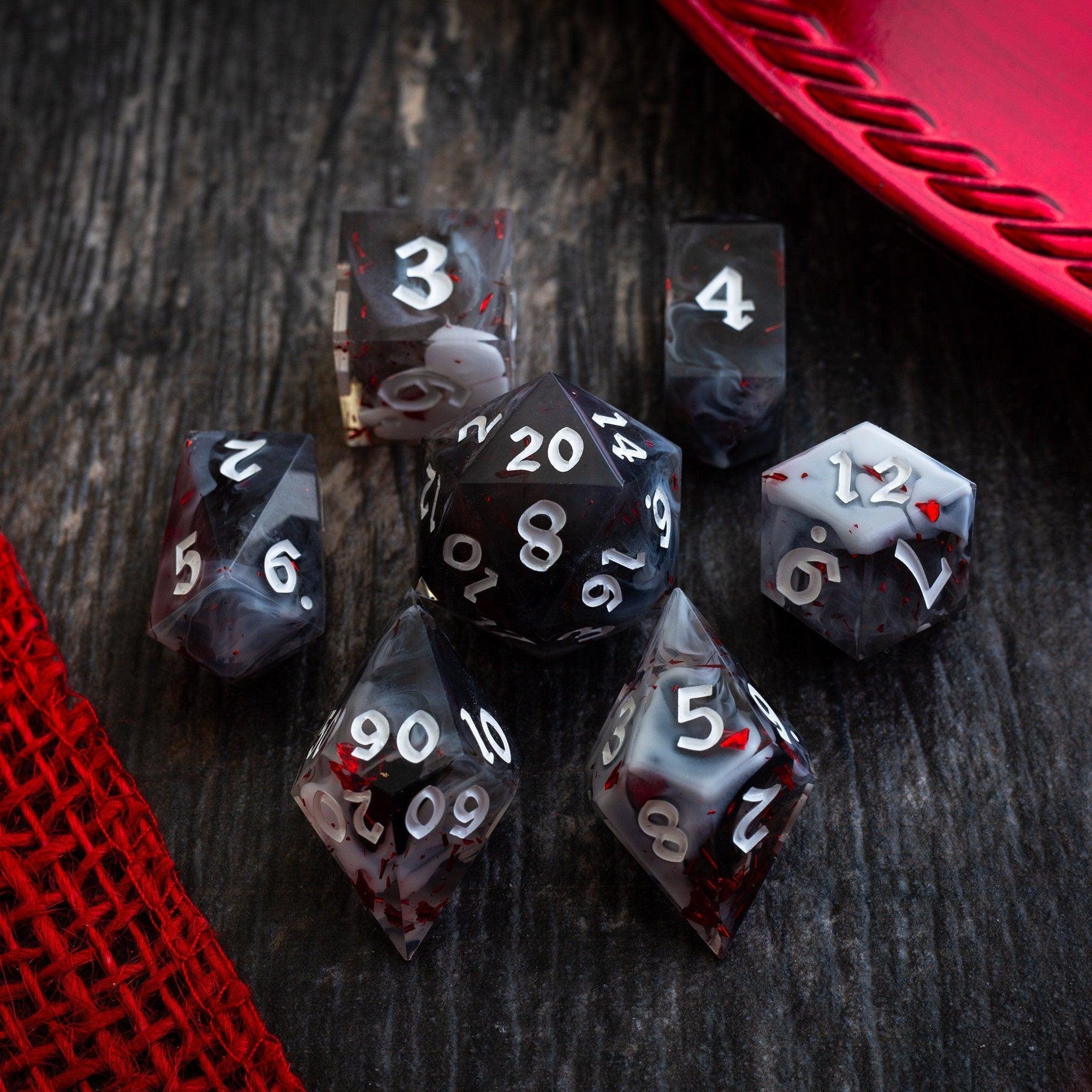
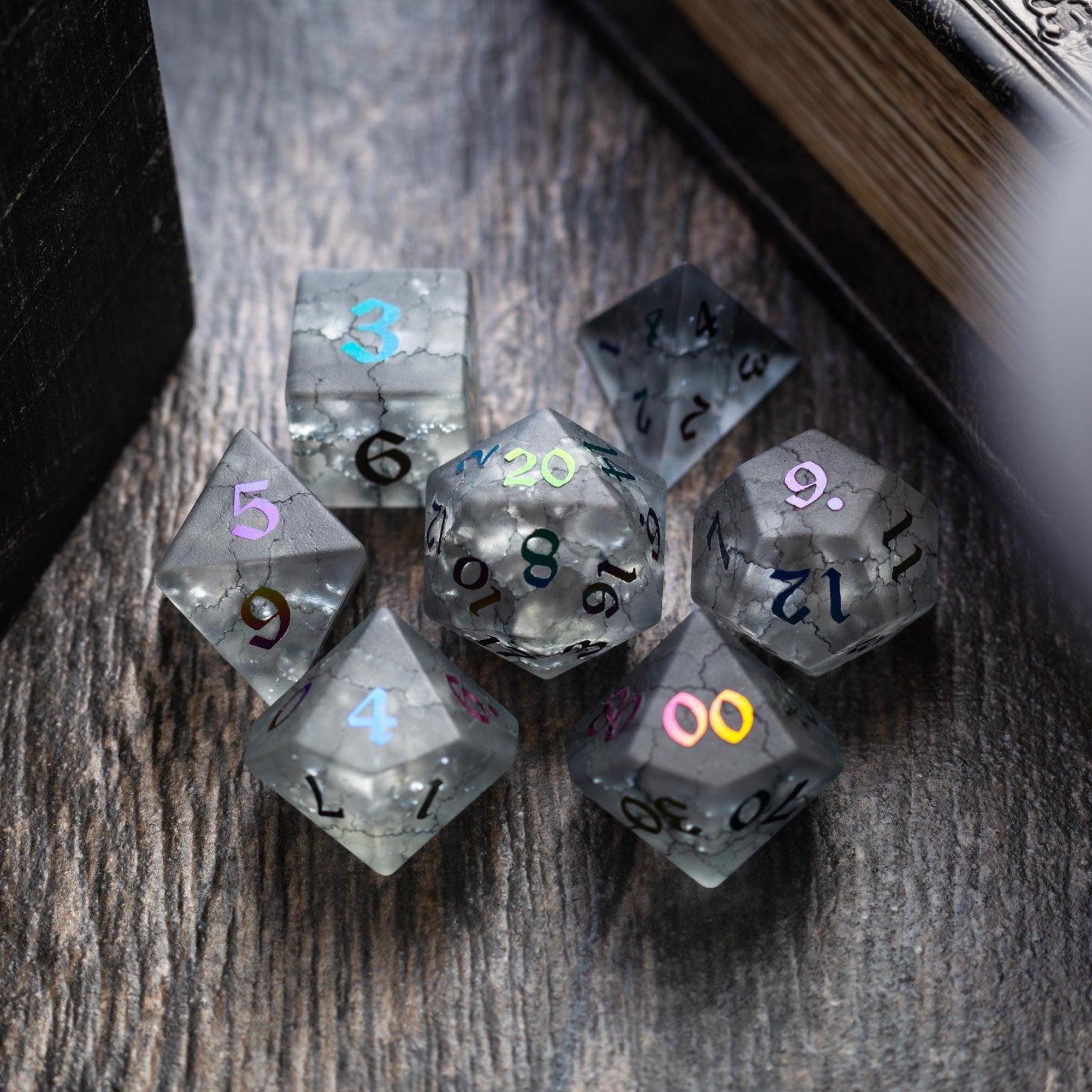
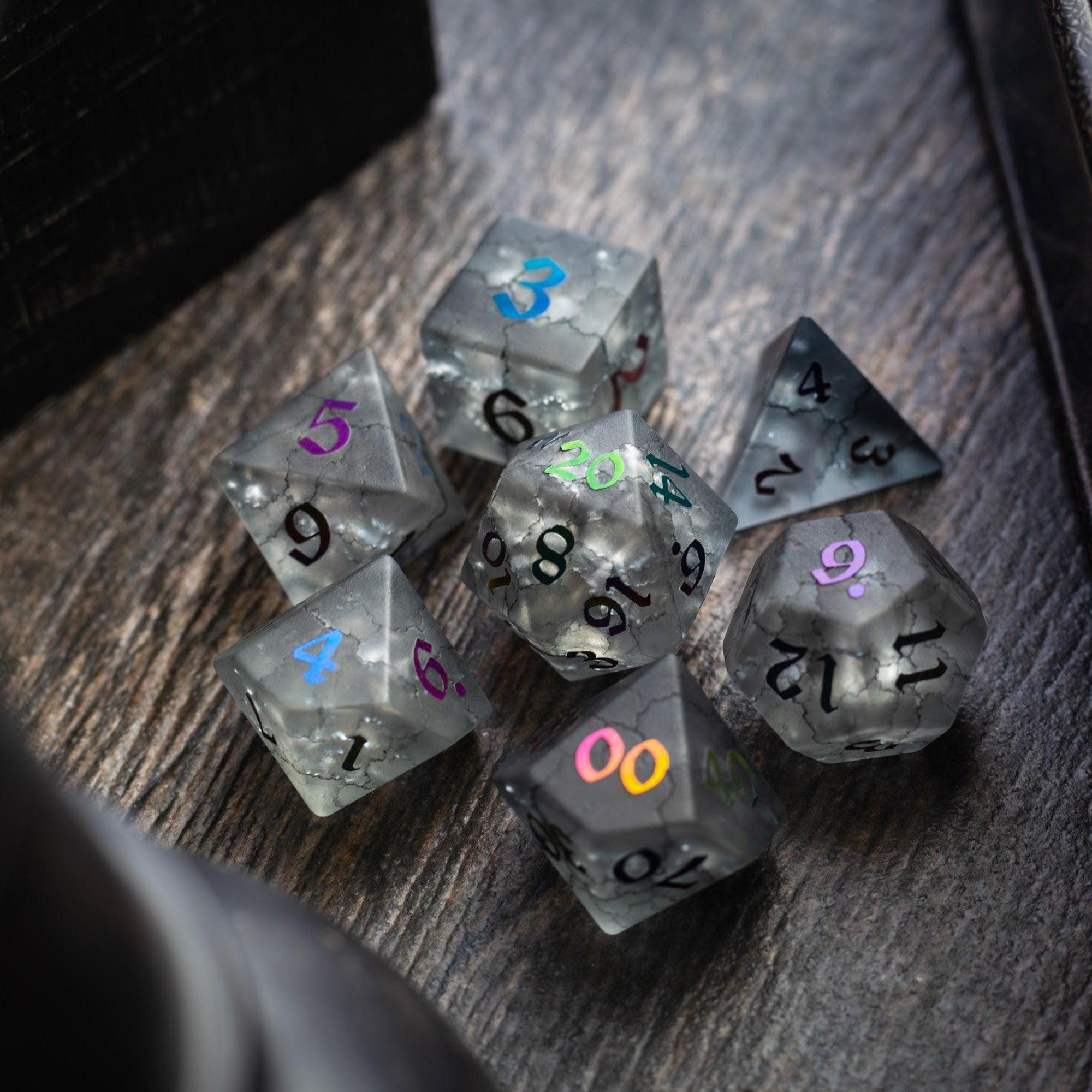
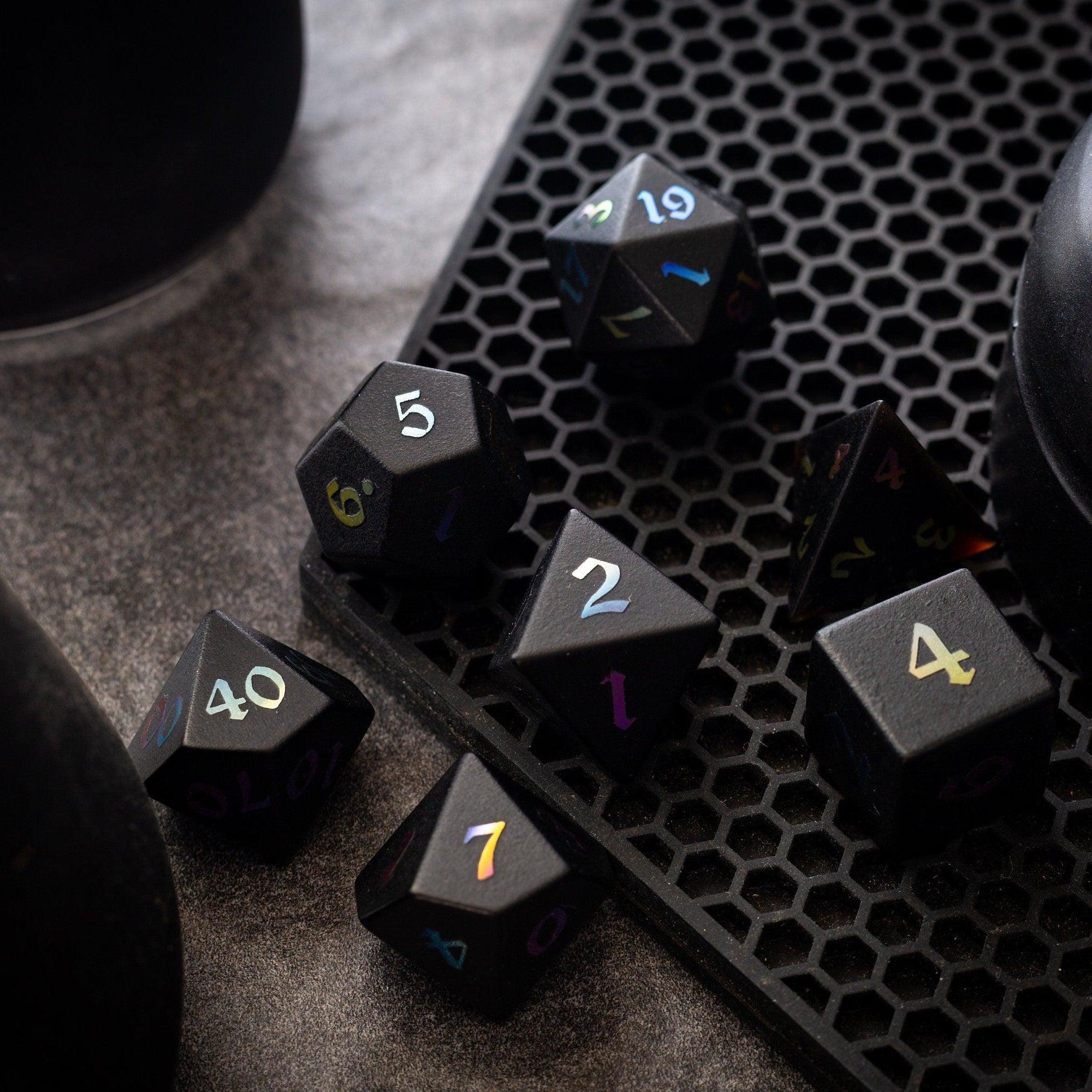
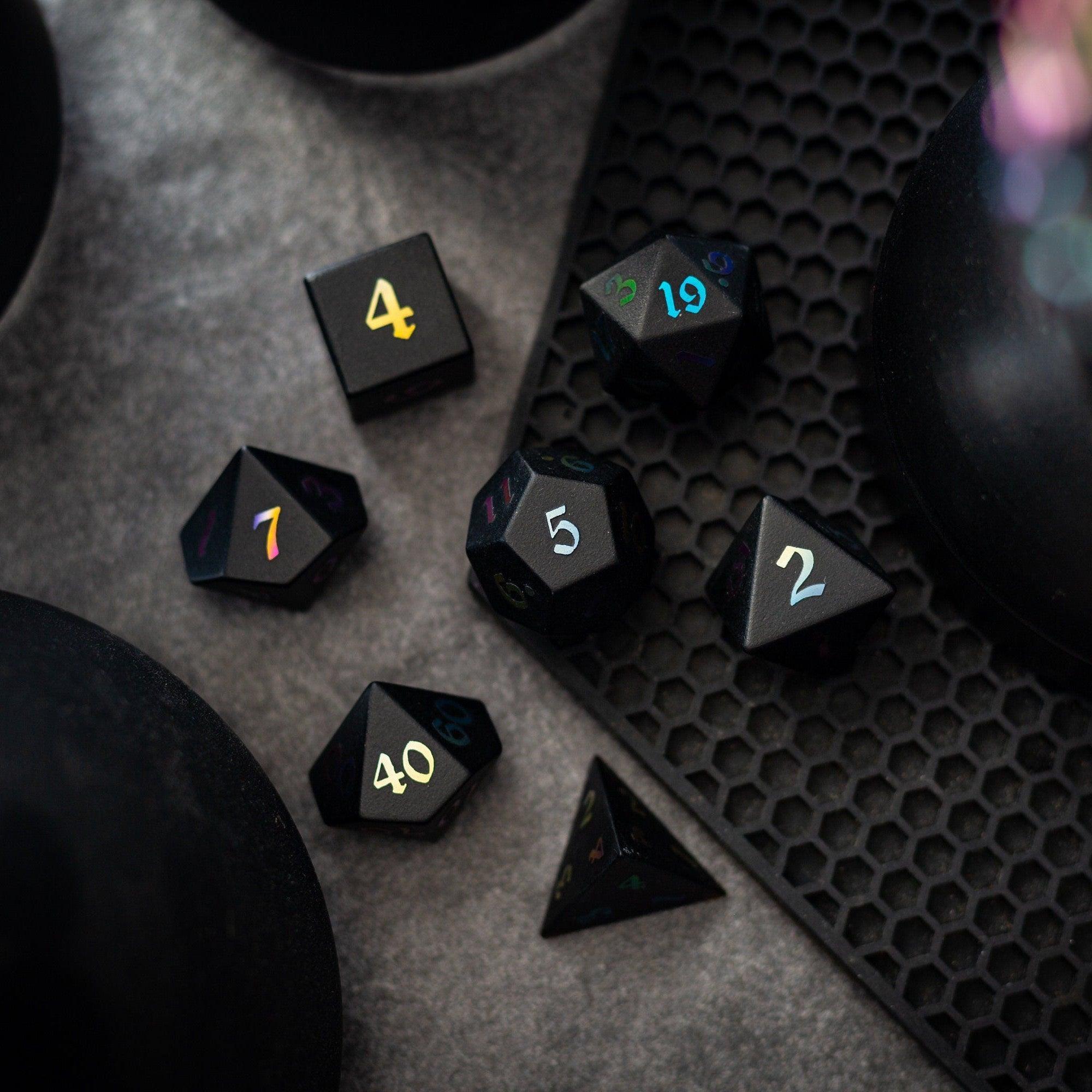
Using a dice tower can also help keep rolls contained without knocking over miniatures or shifting terrain. This is especially useful when using heavier premium gemstone, resin, or metal dice during crowded combat encounters.
Caring for Maps and Battle Mats
Proper care helps your mapping tools last through many adventures.
Clean Surfaces Promptly
If using dry erase mats:
-
Erase markings after each session
-
Use the recommended markers
-
Avoid leaving ink on the surface for long periods
Store Carefully
Depending on the material, store maps:
-
Rolled inside protective tubes
-
Flat in storage folders
-
Inside map cases
-
In protective sleeves
Avoid folding maps that are designed to remain flat whenever possible.
Protect During Play
Food and drinks can accidentally damage maps.
Simple habits help reduce wear:
-
Keep beverages away from the play area
-
Wipe spills immediately
-
Store maps only after they are completely dry
Common Mistakes When Choosing Battle Mats
New Dungeon Masters sometimes purchase the first mat they see without considering how they'll actually use it.
Common mistakes include:
-
Buying oversized mats that do not fit the gaming table
-
Choosing artwork that limits encounter variety
-
Ignoring storage requirements
-
Using permanent markers on reusable mats
-
Overcrowding the map with unnecessary scenery
-
Assuming every session requires a battle mat
Remember that visual aids should simplify play, not create additional work.
Quick Battle Mat Buying Checklist
Before selecting a battle mat or gaming map, consider the following:
-
Does it fit your available table space?
-
Will it work with your preferred RPG system?
-
Do you want square, hex, or gridless layouts?
-
Is it easy to transport?
-
Can it be stored safely?
-
Does it suit your campaign style?
-
Will you frequently create custom encounters?
-
Is maintenance simple for your gaming routine?
Answering these questions helps narrow your choices without focusing on features you may never use.
Every tabletop adventure tells a different story, and the tools that support those stories can be just as varied. Some groups thrive with beautifully illustrated fantasy maps, while others appreciate the flexibility of reusable tabletop battle mats or the convenience of digital play spaces. Choosing the right option comes down to your group's style, available space, and the kind of adventures you enjoy creating together.
As your campaign grows, thoughtful organization can make every session smoother. A well-placed battle mat, premium dice suited to your favorite character, condition rings that keep ongoing effects easy to follow, and a dice tray or dice tower that keeps the play area tidy all contribute to a more organized gaming experience without taking the focus away from the adventure itself. When chosen with your table's needs in mind, maps and battle mats for gaming become valuable companions that support storytelling, encourage tactical gameplay, and help every journey feel memorable from the first encounter to the final victory.

Leave a comment
This site is protected by hCaptcha and the hCaptcha Privacy Policy and Terms of Service apply.