
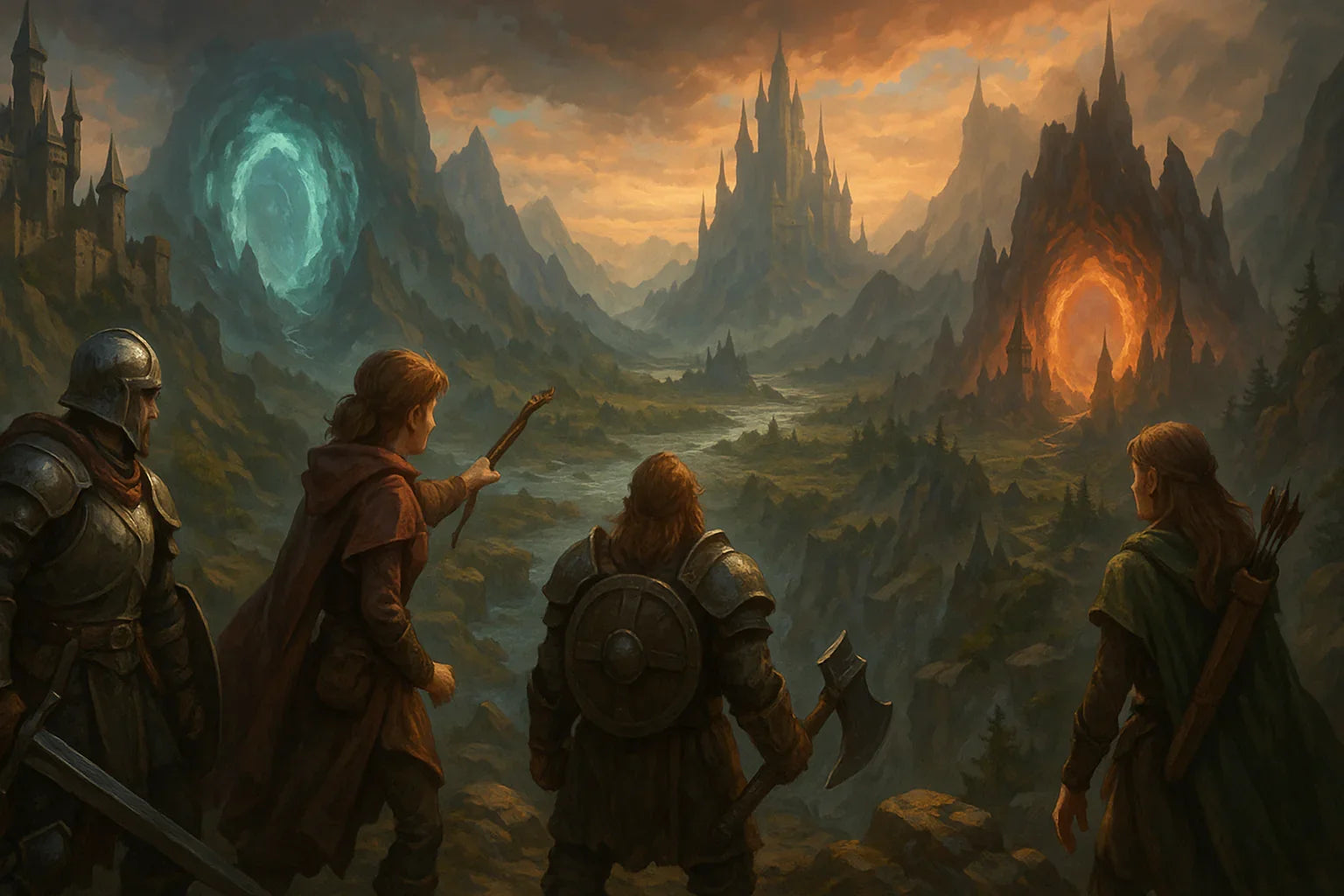
Expansions for Fantasy Board Games Unlock New Realms
Updated on: 2025-12-02
Want to level up your fantasy game nights without buying a whole new box? This guide shows you how to pick add-ons that actually enrich theme, streamline play, and keep your table coming back for more. You’ll see common pitfalls, smart comparison tips, and budget-friendly ways to extend a campaign or co-op adventure. Plus, we’ll suggest tactile upgrades—like premium dice—that make every roll feel epic.
Table of Contents
- Introduction
- Common Challenges
- Comparison: board game expansions for fantasy settings
- Summary & Recommendations
- Q&A
If you love board game expansions for fantasy settings, you’ve probably felt that spark when a beloved world opens up with new quests, characters, and treasure. The right add-on can refresh a campaign, deepen co-op teamwork, and add replay value without relearning an entire system. The trick is choosing well. In this guide, we’ll break down what to look for, how to avoid bloat, and where a small upgrade can make a big difference—especially for groups who care about theme, pace, and the tactile joy of rolling beautiful dice.
We’ll focus on practical wins: faster setup, clearer progression, smoother difficulty, and components that make the table feel magical. You’ll find side-by-side pros and cons, straightforward buying tips, and ideas to keep your party engaged whether you play weekly or only on special nights.
Common Challenges
Fantasy add-ons promise richer stories and bigger moments—but they can backfire if they’re not a good fit. Here are the top issues and simple fixes.
Challenge 1: Content Bloat
Problem: A box adds more cards, tokens, and modules than you’ll ever use, slowing setup and burying the fun under upkeep.
Solution: Favor modular expansions. Look for add-ons you can toggle per session (new heroes, a scenario pack, a market deck). If the expansion includes multiple modules, commit to just one at a time. Store unused bits separately and add them only when your group asks for variety.
Challenge 2: Rule Overload
Problem: A thick rulebook or clashing mechanics create analysis paralysis.
Solution: Scan the learning curve. Good add-ons include quick-start guides, reference cards, or icon reminders. If an expansion introduces a new resource or phase, confirm it doesn’t interrupt your game’s core rhythm. Your test: can you explain the new mechanic in two sentences? If not, try a lighter pack first.
Challenge 3: Power Creep and Balance
Problem: New heroes, spells, or loot overshadow the base content, making wins feel easy and hollow.
Solution: Look for published balance notes, errata, or designer tips. A well-tuned fantasy expansion usually trades raw power for interesting trade-offs—like stronger skills with cooldowns or event timers that raise tension. Start with mixed decks (old and new content together) and track win rates for a few sessions. If you’re steamrolling, scale difficulty up one notch.
Challenge 4: Theme Dilution
Problem: Extra content breaks your world’s tone, turning epic fantasy into a kitchen sink.
Solution: Choose add-ons that deepen the existing lore—more side quests in the same region, villains tied to the main arc, or gear that reflects your world’s magic system. If you want variety, pick a self-contained scenario pack so you can swap “flavor modes” without confusing the campaign timeline.
Challenge 5: Table Fatigue
Problem: Longer sessions and more shuffling wear out your group.
Solution: Use “session caps.” Add a single module per night and set a 90–120 minute timebox. Tools help too: card trays, dice towers, and clear player aids cut down on overhead. And yes—great dice matter. Swapping to readable, weighty sets keeps excitement high and faster to parse at a glance. For immersive options, browse gemstone dice or add a smooth, stable roll with dice towers.
Comparison: board game expansions for fantasy settings
When you’re deciding between fantasy add-ons, it helps to sort them by the type of upgrade they offer. Use the quick comparisons below to match an expansion to your table’s goals.
Story Modules vs. Mechanical Modules
- Story modules add scenarios, narrative arcs, side quests, and NPCs.
- Mechanical modules add systems—crafting, weather, event decks, or new phases.
Choose story modules if your group craves lore and character growth. Pick mechanical modules if you want fresh puzzles and higher skill expression.
Big-Box Campaigns vs. Small Pack Additions
- Big-box campaigns:
- Pros: Deep narrative, legacy-style progression, lots of content in one go.
- Cons: Higher cost, longer teach, more storage, harder to table often.
- Small pack additions:
- Pros: Lower price, quick to learn, easy to mix in, great for testing.
- Cons: Less content per pack, may need multiple to feel substantial.
A simple rule: if your group meets regularly and loves long arcs, big-box works. If you meet sporadically or teach new players often, small packs shine.
Co-op Focus vs. Competitive Focus
- Co-op add-ons:
- Pros: Sharper teamwork, boss fights, and event pressure.
- Cons: Risk of quarterbacking if rules get dense.
- Competitive add-ons:
- Pros: More viable strategies, asymmetric powers, meta shifts.
- Cons: Power creep can appear; watch for runaway leaders.
Ask: will your group have more fun beating the world together or outwitting each other with new tools? Match the expansion to that vibe.
Art and Components: Do They Matter?
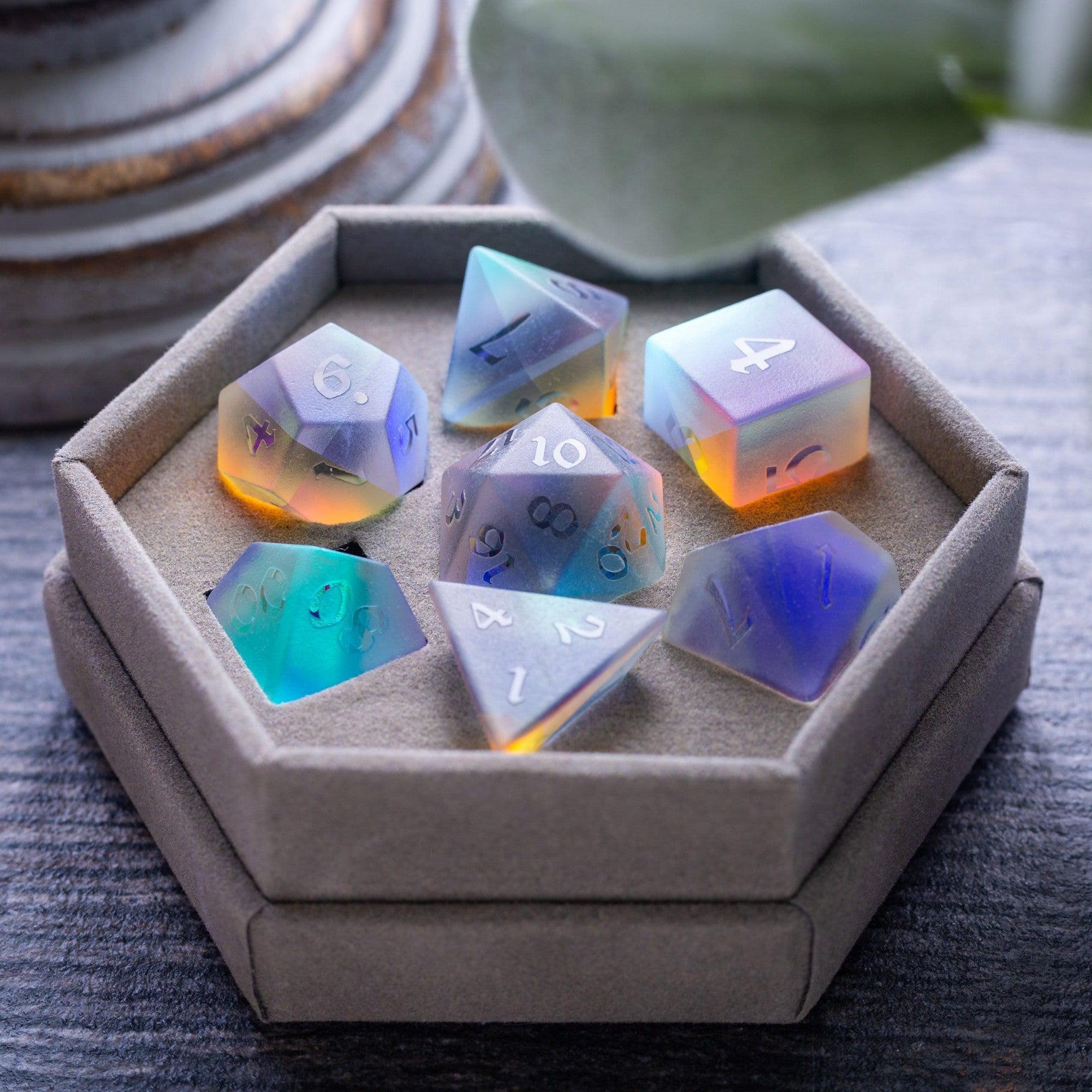
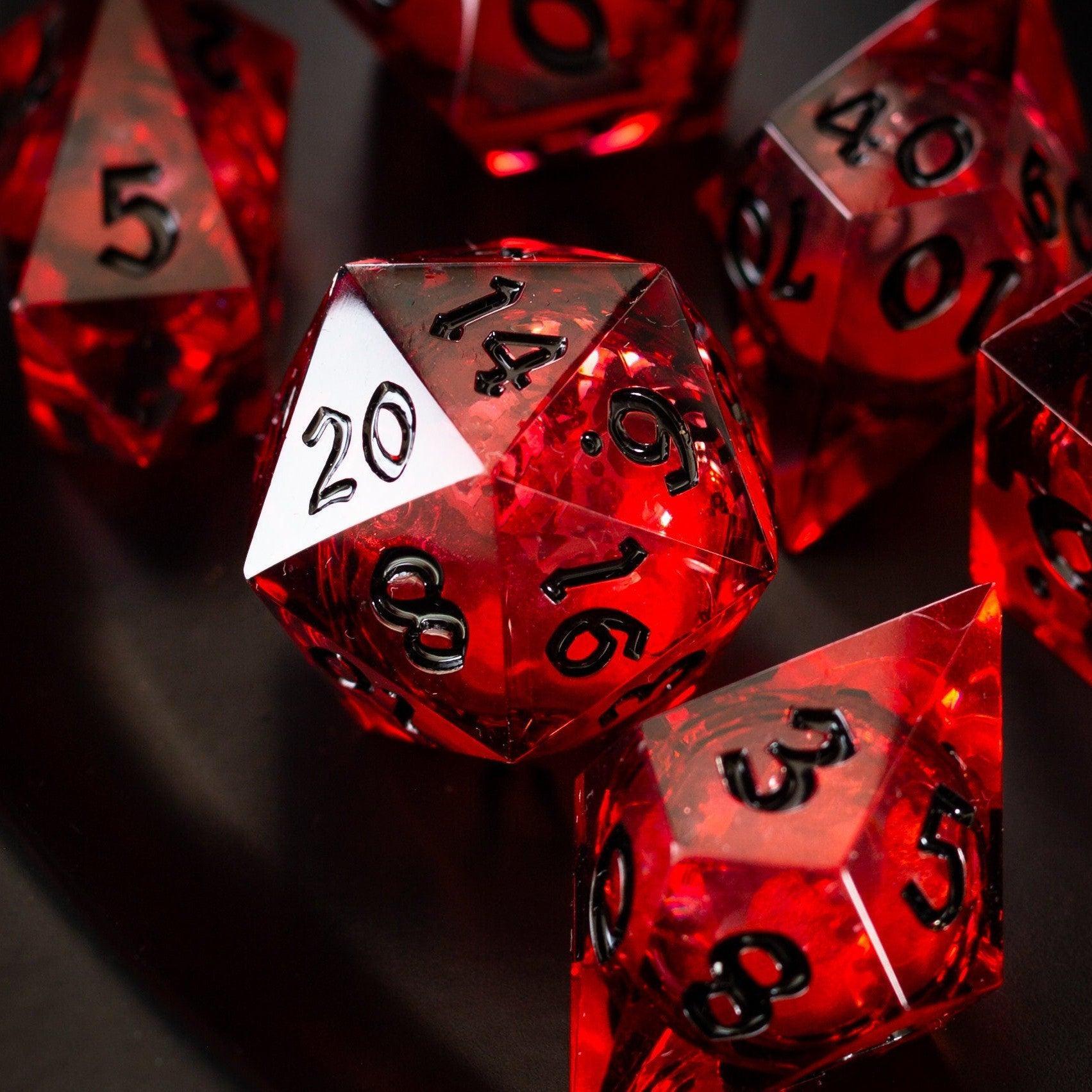
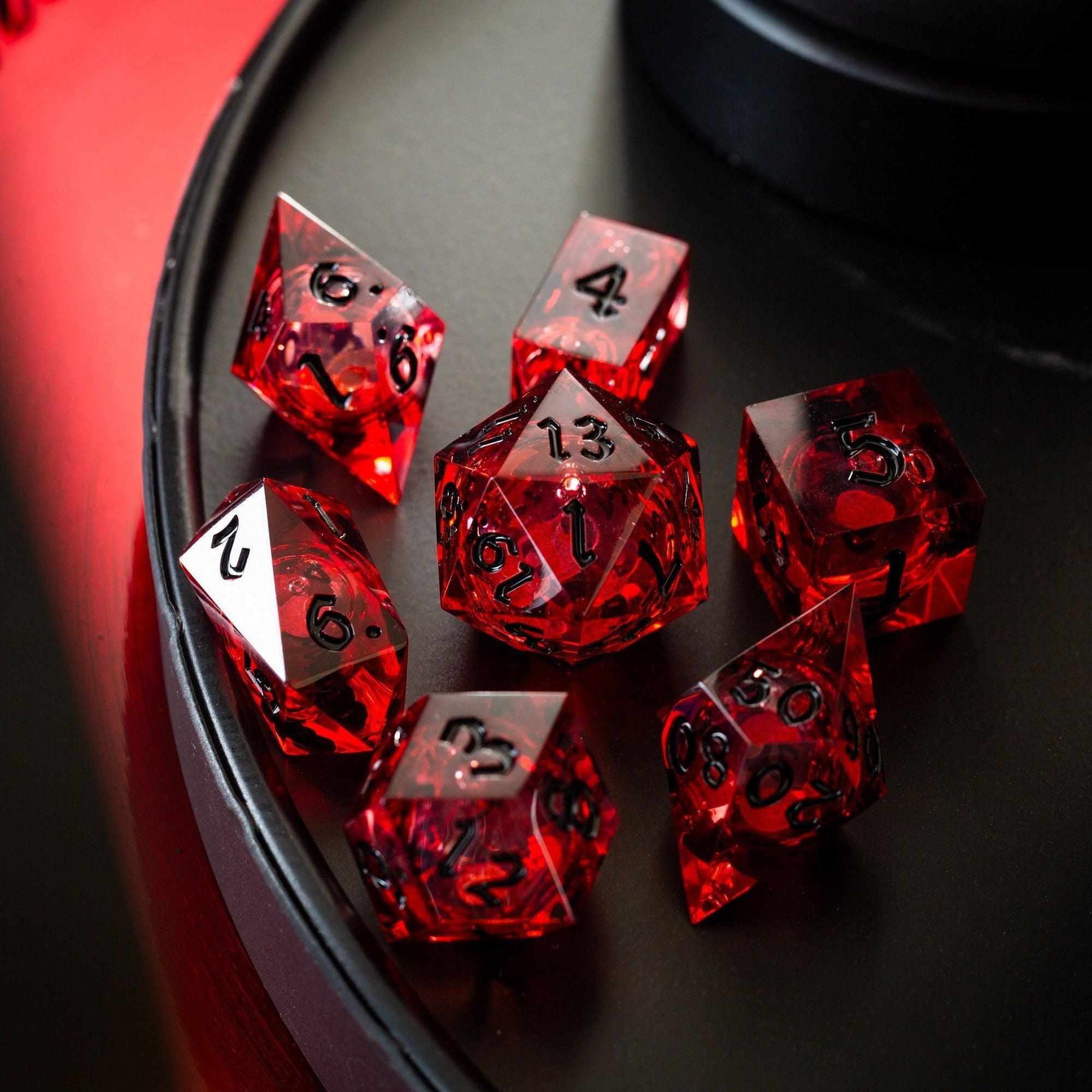
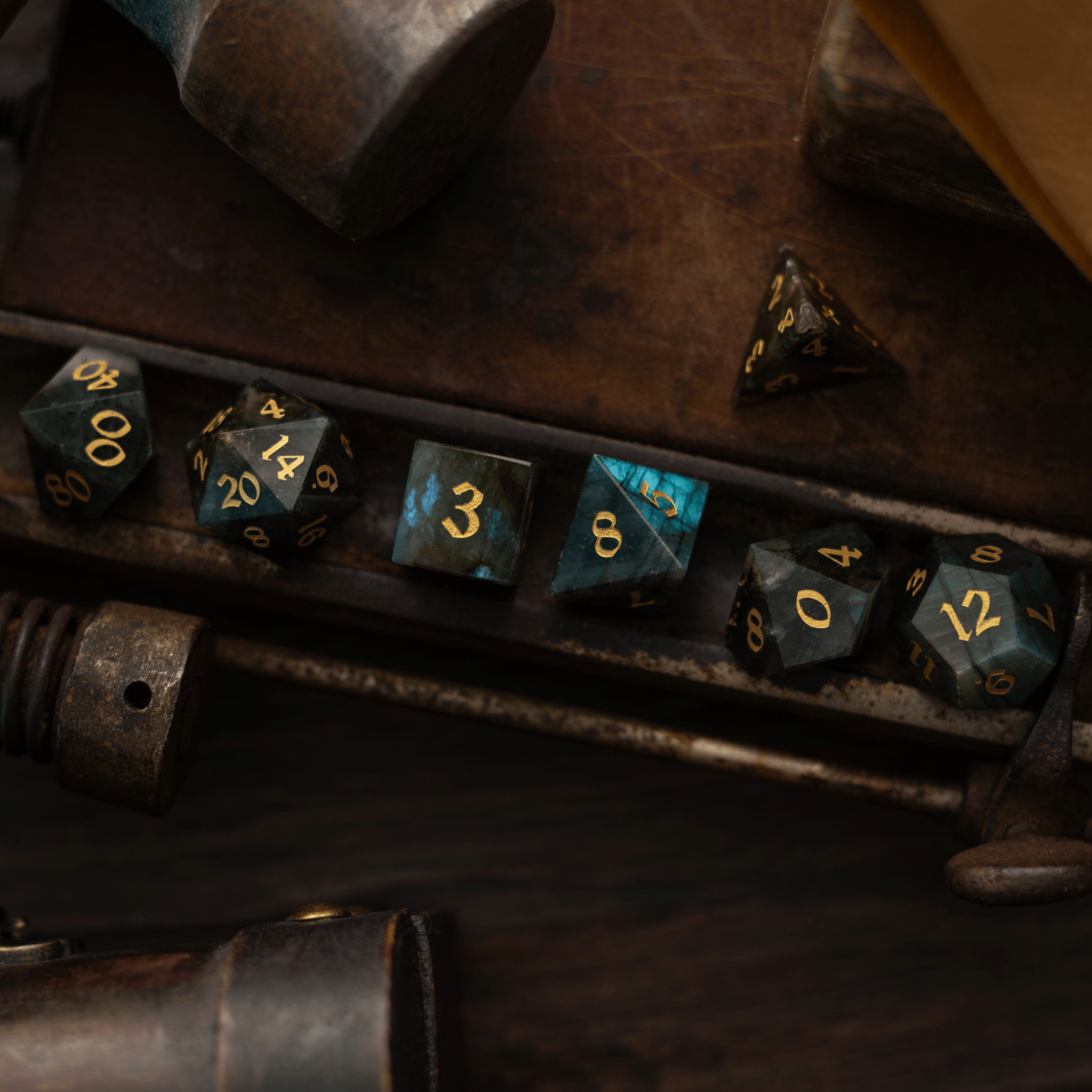
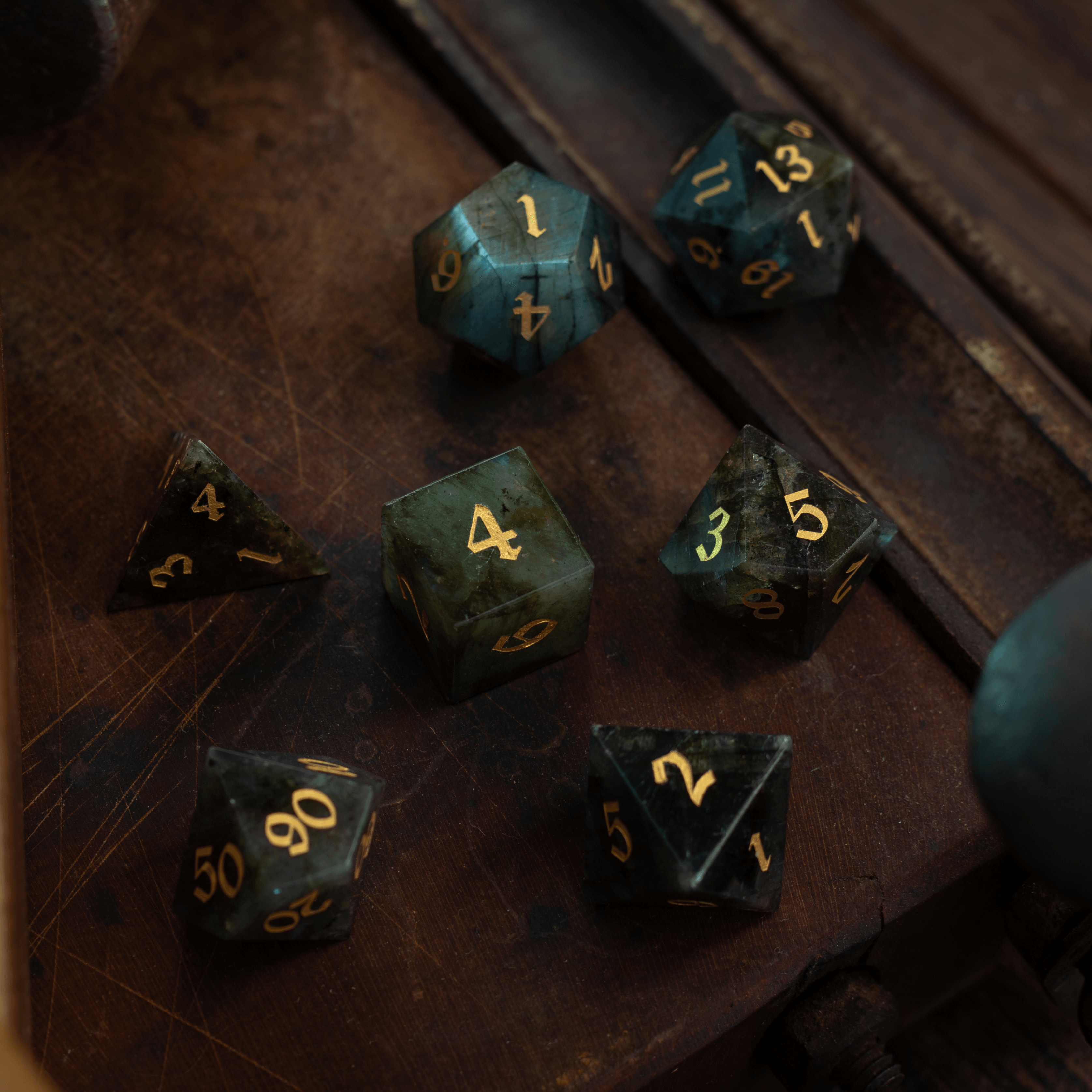
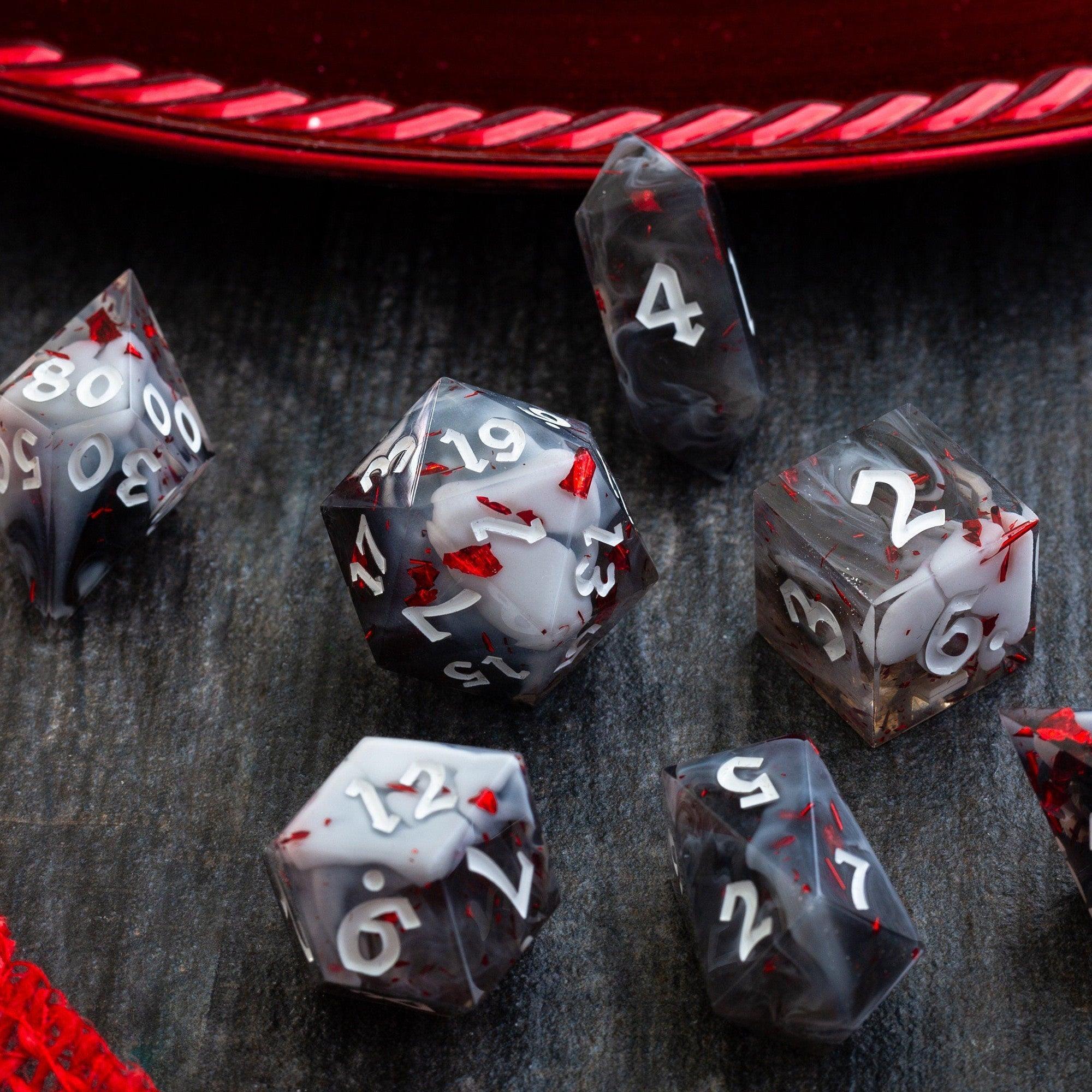
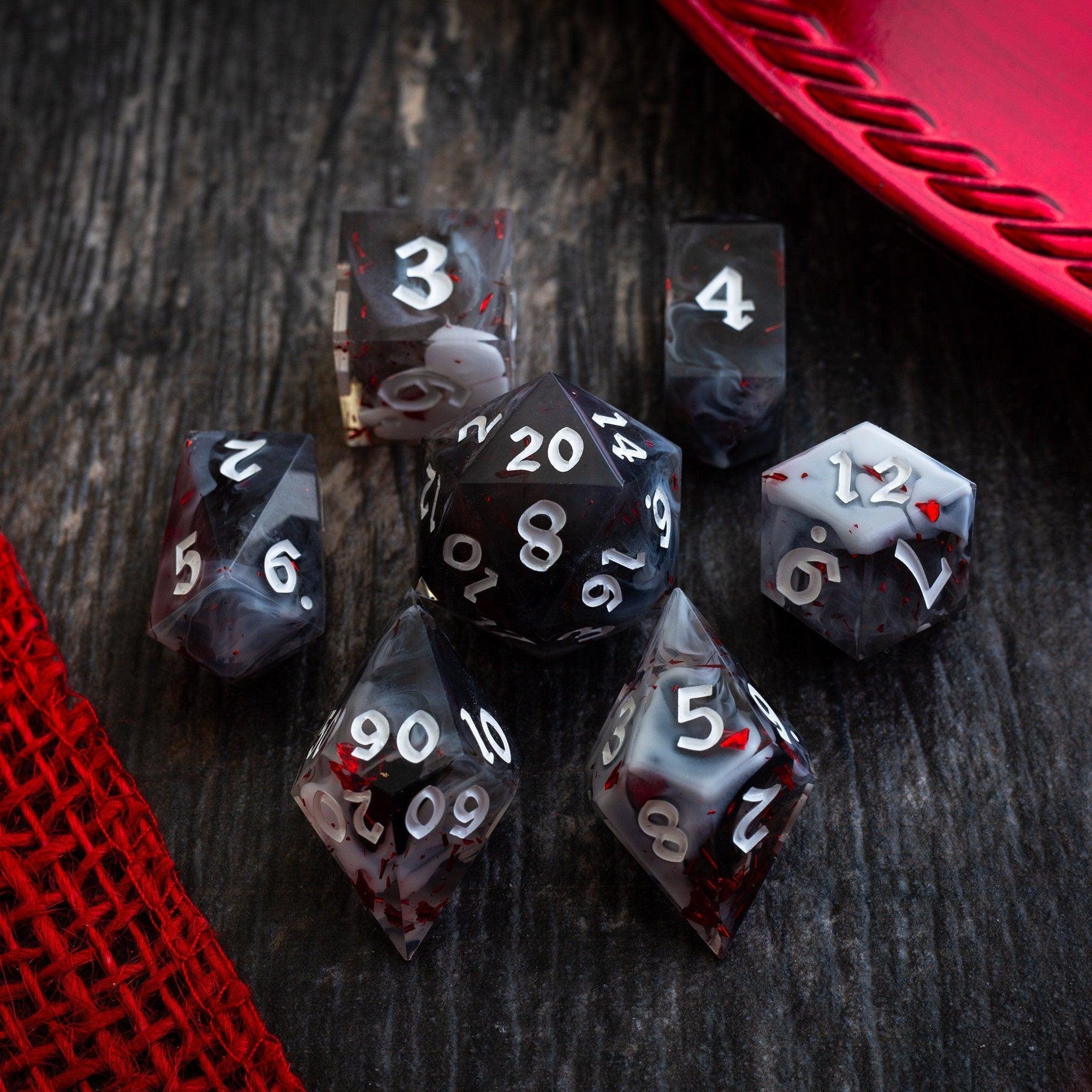
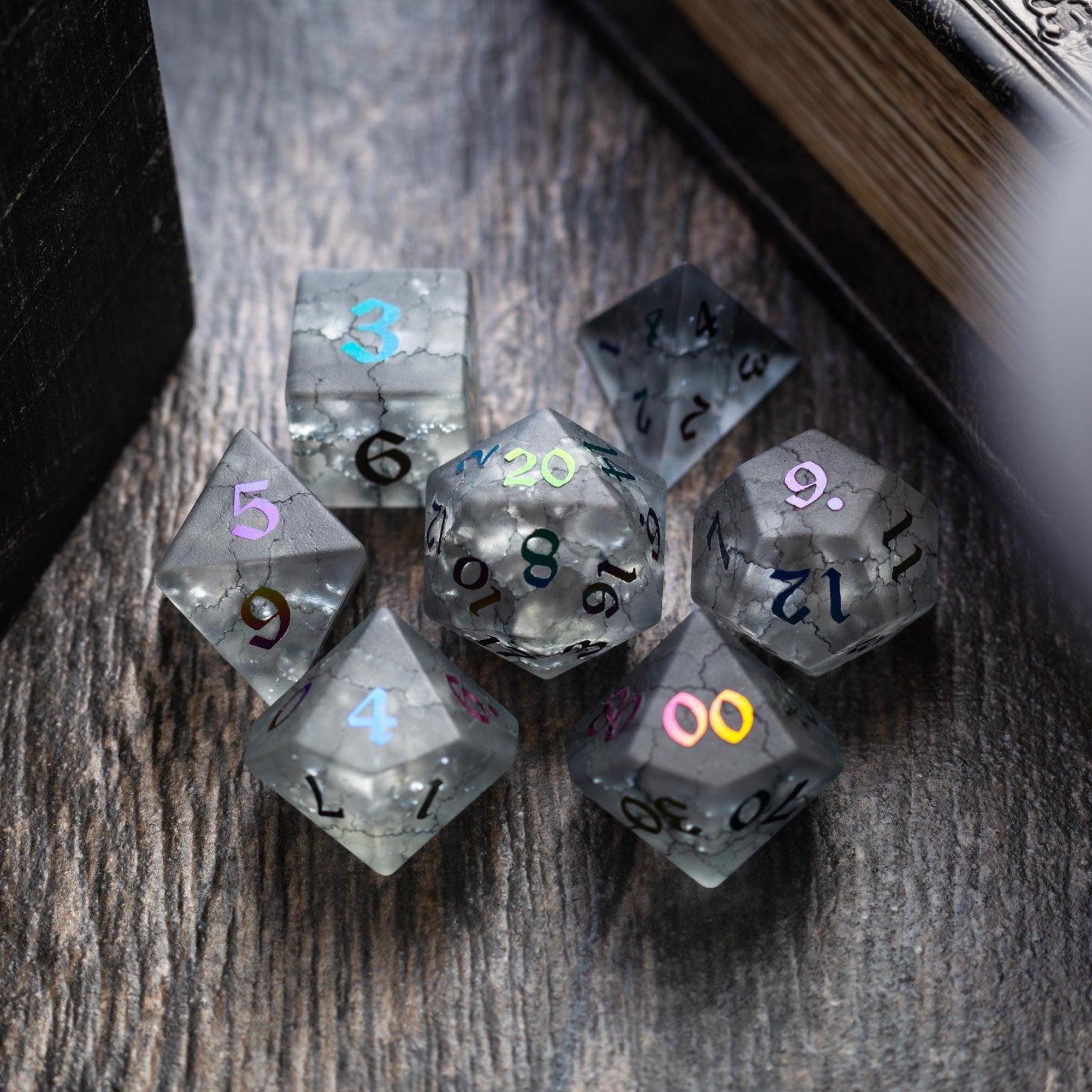
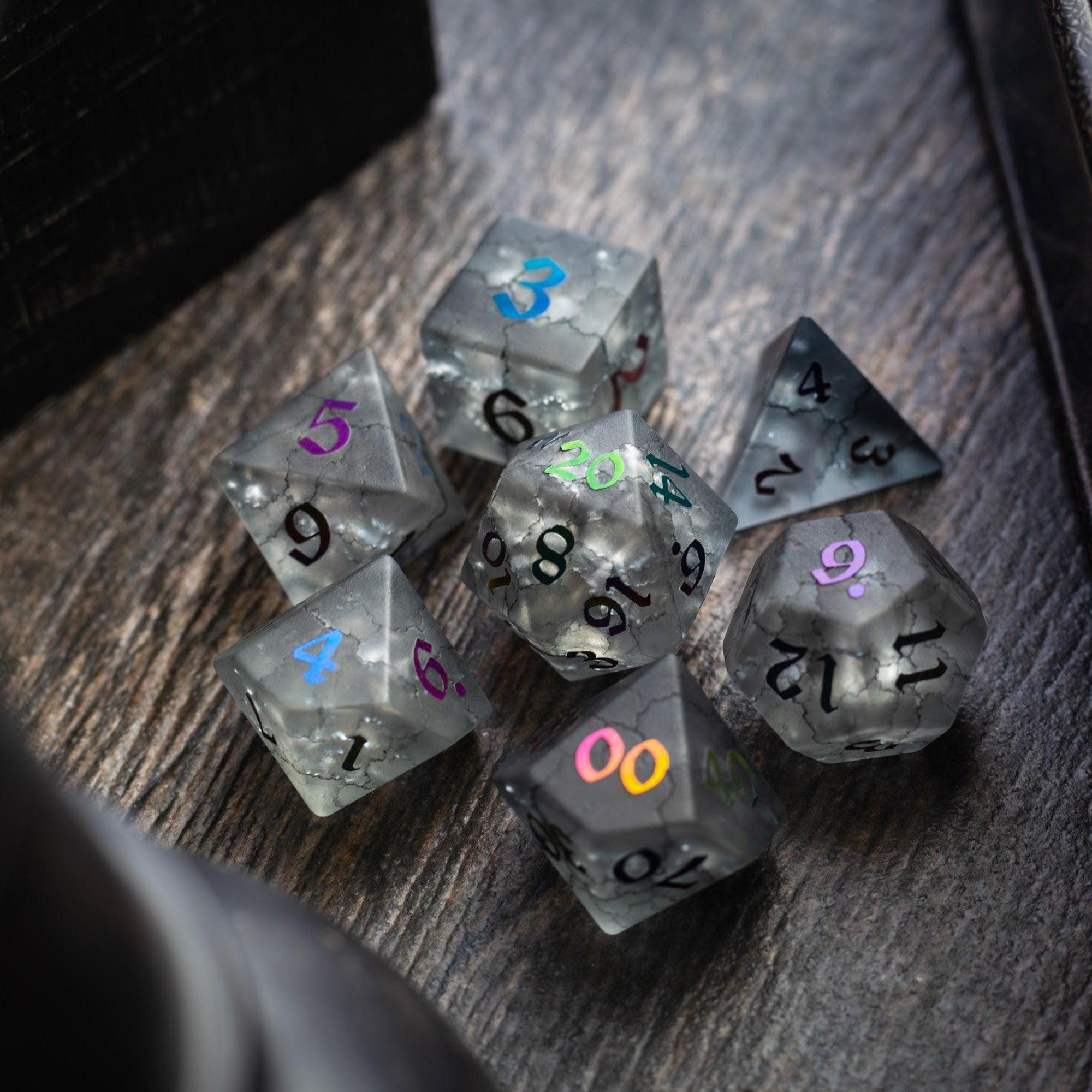
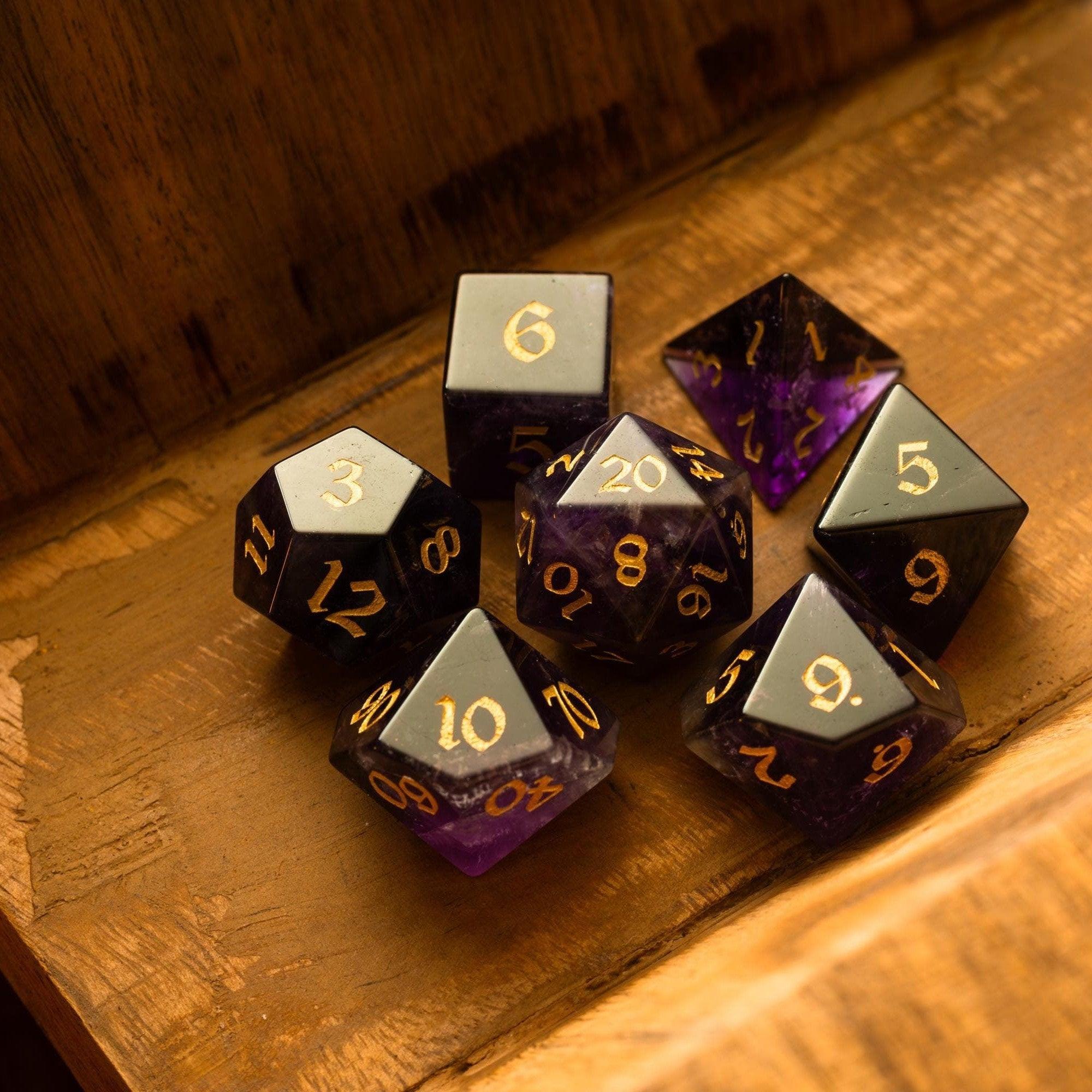
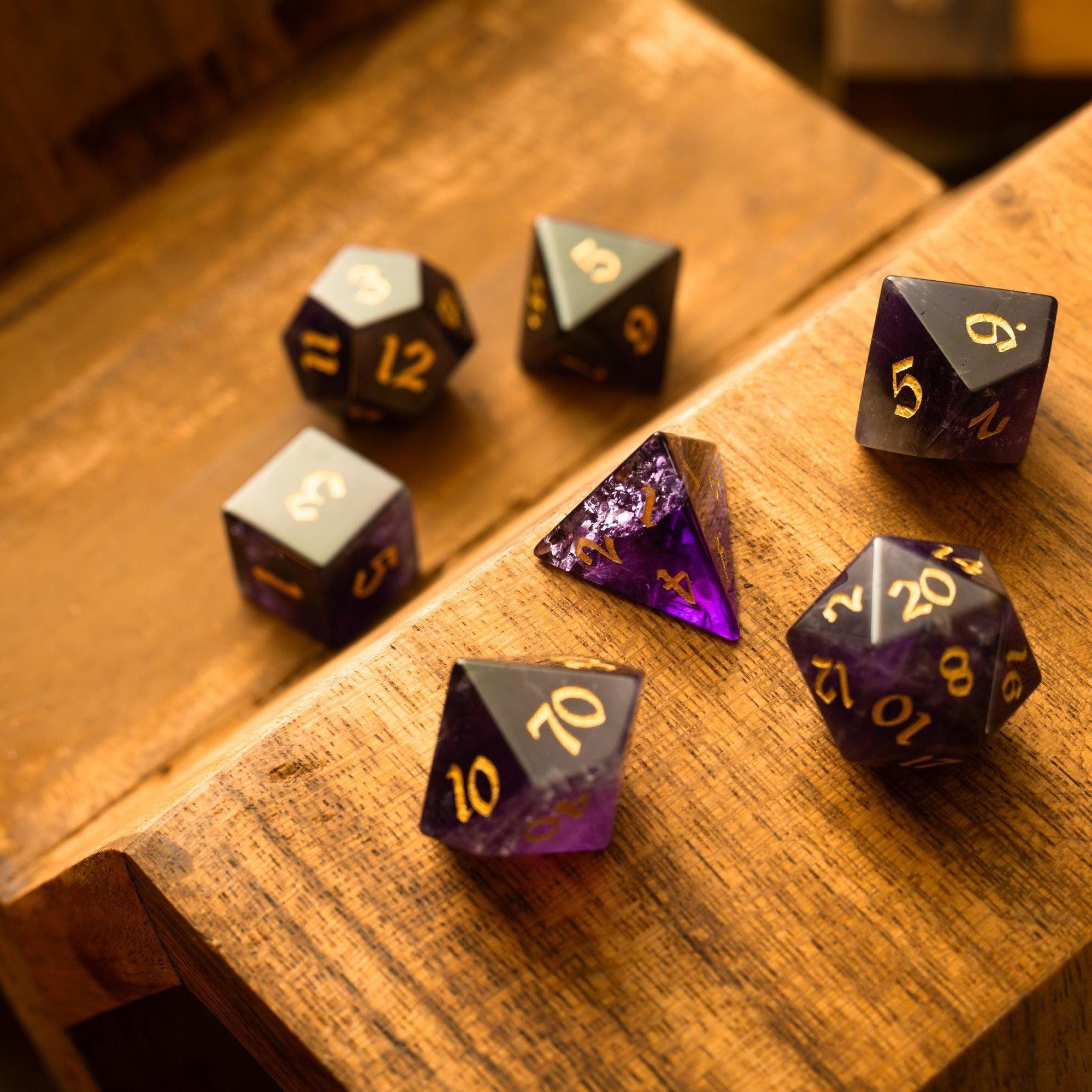
Absolutely. Fantasy thrives on mood. Premium components—thicker cards, miniatures, and especially dice—make every turn feel more cinematic. If you want a subtle but instant upgrade, try a visually striking set such as the labradorite gemstone set or add shimmer to spellcasting with liquid core dice. A small tactile lift can do as much for immersion as a full narrative add-on.
Solo and Two-Player Considerations
- Solo: Seek expansions that include AI tweaks, scenario timers, or streamlined setup. Clear turn references are key.
- Two-player: Look for balanced scaling rules, tension levers (event frequency), and tightly tuned encounter decks.
If an add-on lists recommended player counts or special solo rules, that’s a strong sign it was thoughtfully designed.
Ease of Setup and Storage
- Pros of modular insert-friendly packs: Faster table time, fewer missing pieces, clean teardown.
- Cons of scattershot components: More shuffling, higher table clutter, harder teach.
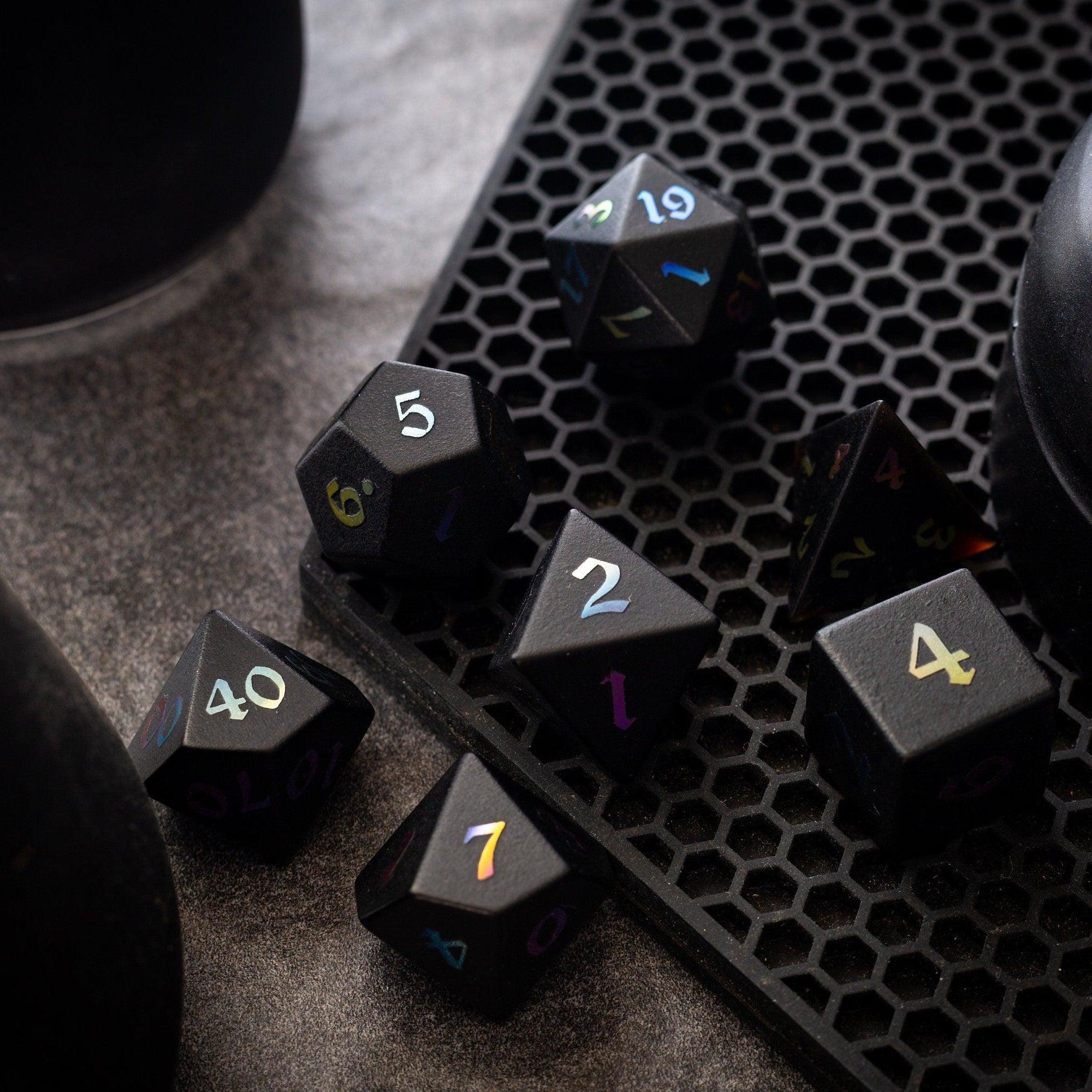
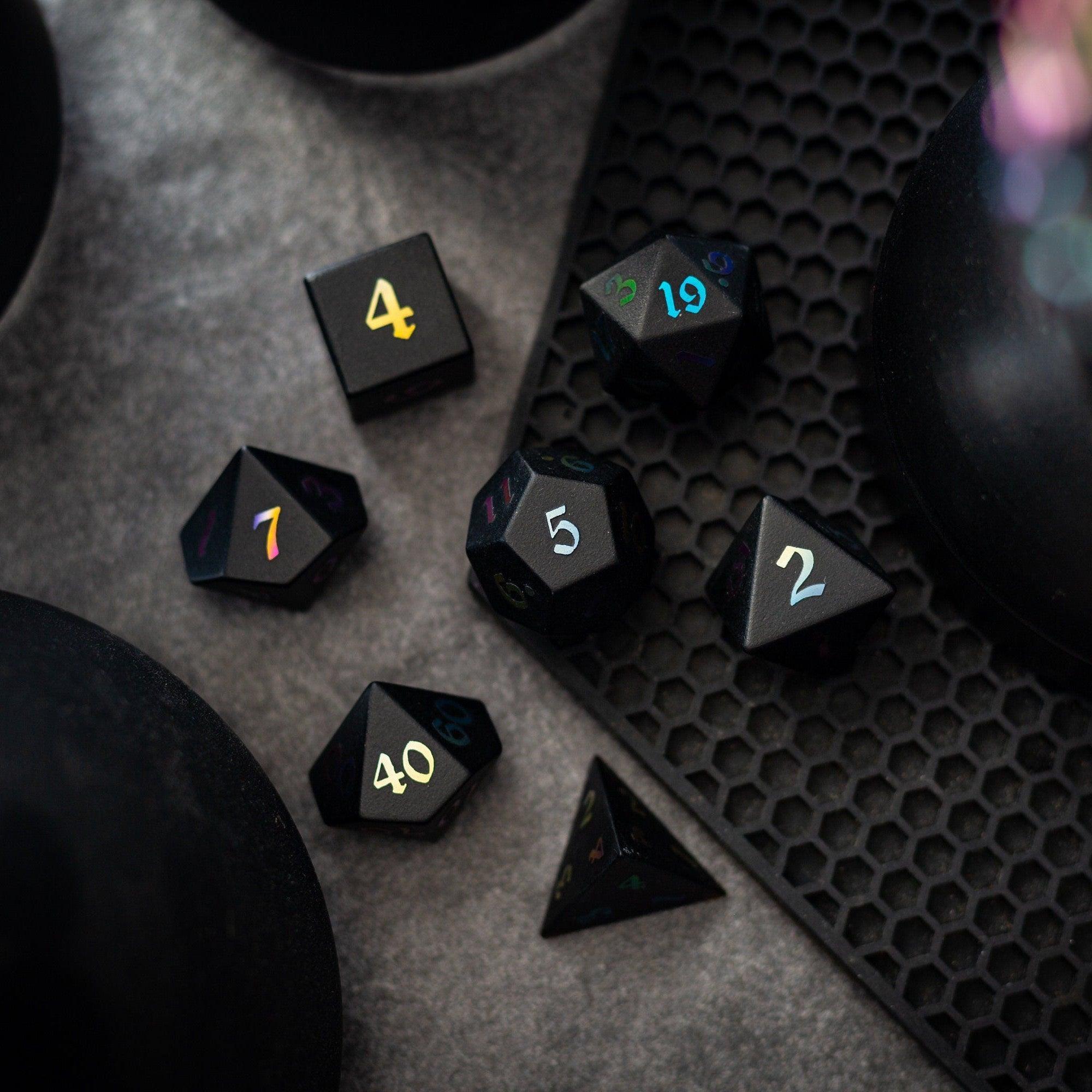
Before buying, check how the add-on stores: separate tuckboxes, labeled dividers, or icon-coded backs. And consider a finishing touch with high-contrast, legible dice like the Lightning Glass set—easy to read under moody dungeon lighting.
Summary & Recommendations
Choosing fantasy add-ons is easier when you map them to what your table enjoys most. If you love lore, go for scenario packs that deepen the main arc without adding a ton of rules. If your crew thrives on strategy, pick mechanical modules that increase decision space but pass the “two-sentence teach” test. Either way, avoid bloat by adding one module at a time and measuring how often it hits the table.
- Start with modular packs to keep setup light and choices fresh.
- Favor balanced additions that trade power for interesting decisions.
- Use session caps to prevent fatigue and maintain pacing.
- Upgrade the tactile experience for instant immersion—dice, trays, towers.
When you pick board game expansions for fantasy settings thoughtfully, you extend your game’s life without overwhelming the group. Want a small, satisfying boost before your next quest? Explore the latest arrivals for a thematic match in new releases or choose a set that complements your world’s magic, like shimmering stones or arcane hues.
Q&A
How do I know an expansion will get played often?
Look for three green flags: modular content you can slot in without a full reteach, a playtime that matches your group’s usual session length, and components that store cleanly. If an add-on lets you enjoy the core game with minimal overhead, it’ll hit the table more. As a rule, try a single module for two or three sessions, then decide whether to fold in more.
Should I buy multiple small add-ons or one big box?
It depends on your cadence. If you meet irregularly or teach new players, several small packs are ideal—light to learn, easy to mix, and cheaper to test. If your group loves long arcs and consistent campaigns, a big-box expansion can deliver a richer story and better progression. Not sure? Start small, measure play frequency, then step up to a large box if your table craves depth.
What table accessories boost immersion for fantasy games?
Readable, thematic dice and clean roll management make a huge difference. Try a shimmering set that matches your world’s vibe (storm, arcane, or ancient relic). For a crowd-pleasing upgrade, roll with labradorite gemstone dice or keep the table flowing with sturdy dice towers. If you prefer vivid effects, scan the liquid core collection or browse the wider gemstone range for a perfect thematic match.



Leave a comment
This site is protected by hCaptcha and the hCaptcha Privacy Policy and Terms of Service apply.