
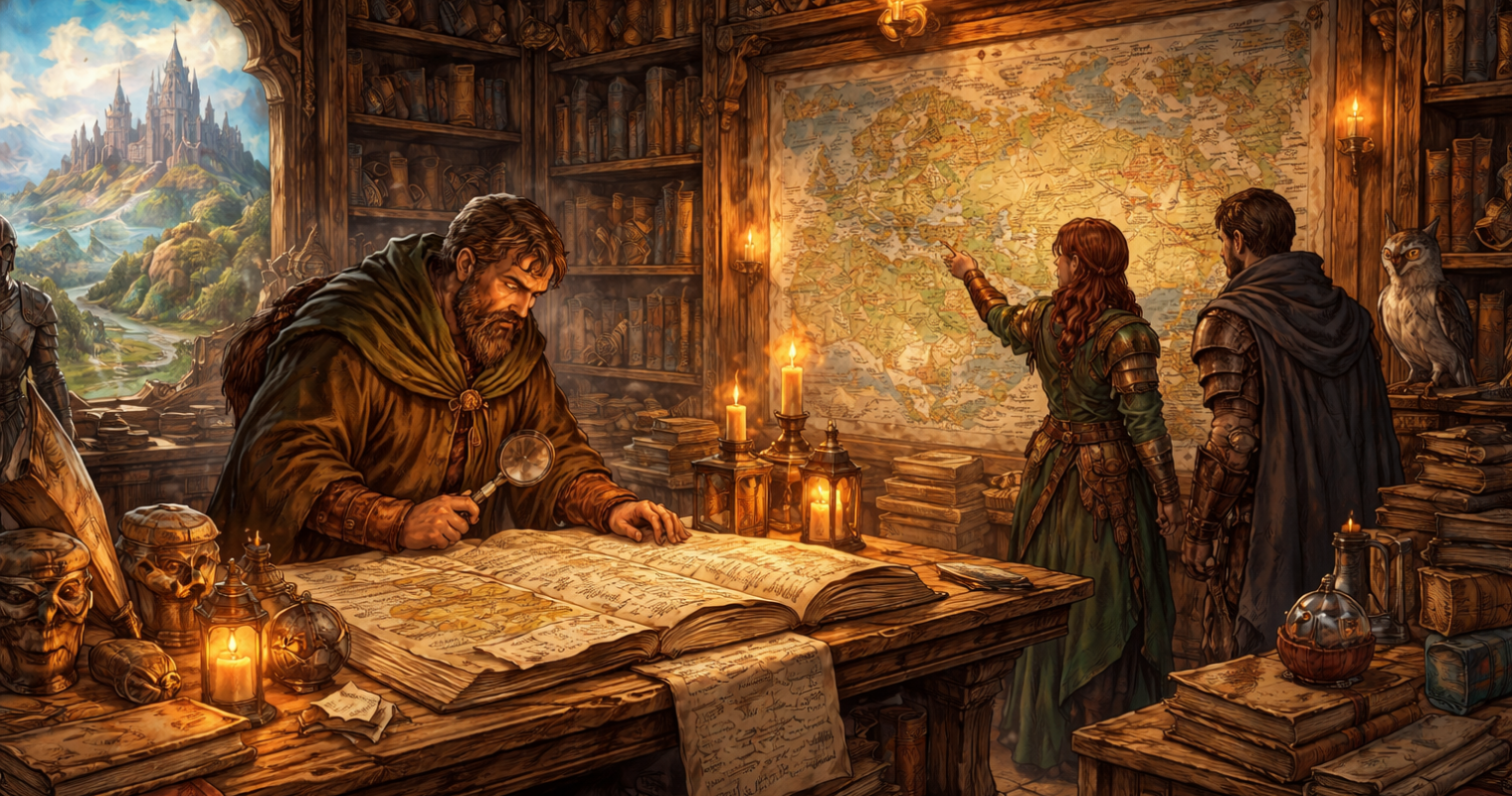
Robust Setting Reference Resources for RPG Campaigns
Updated on: 2025-12-22
Thoughtful preparation turns good game nights into great ones. This guide shows a gentle, practical way to organize setting reference materials that support fast rulings, rich worldbuilding, and relaxed play. You will learn how to choose what to keep at hand, how to file it so you can find it, and how to maintain the system with very little effort. The aim is to reduce stress, save time, and keep your table immersed.

Well-chosen setting reference resources for RPG campaigns can make every session run smoother. A curated library helps you settle rules quickly, recall key lore without breaking the flow, and keep players immersed. You do not need a wall of books or dozens of open tabs. You only need the right documents, filed in a way your future self can use in thirty seconds or less. The steps below are designed to be calm, clear, and kind to your time. Feel free to adapt them to your table’s pace, genre, and comfort level.
How-To Guide: Setting Reference Resources for RPG Campaigns
Step 1: Define your campaign needs
Begin with a short list. What rules decisions slow you down? What topics come up every session? Note common checks, travel pace, healing, light sources, languages, or factions. Then list the lore that matters: the map scope, important NPCs, current arcs, and any calendar or moon phases you track. Keep this list to one page. It will guide what you keep within arm’s reach and what can live farther away. Clarity here prevents clutter later.
Step 2: Build a core rules shelf
Choose a single, authoritative source for each rules area you reference often. For example: combat actions, conditions, spell timings, resting, and equipment. Flag pages with sticky tabs or print a two-page quick sheet. If you prefer digital, save a bookmarked PDF with a contents pane. Keep errata and house rulings right behind the official page, so the decision path is easy to follow. When in doubt, simplify and keep only one version visible.
Step 3: Organize world lore and timelines
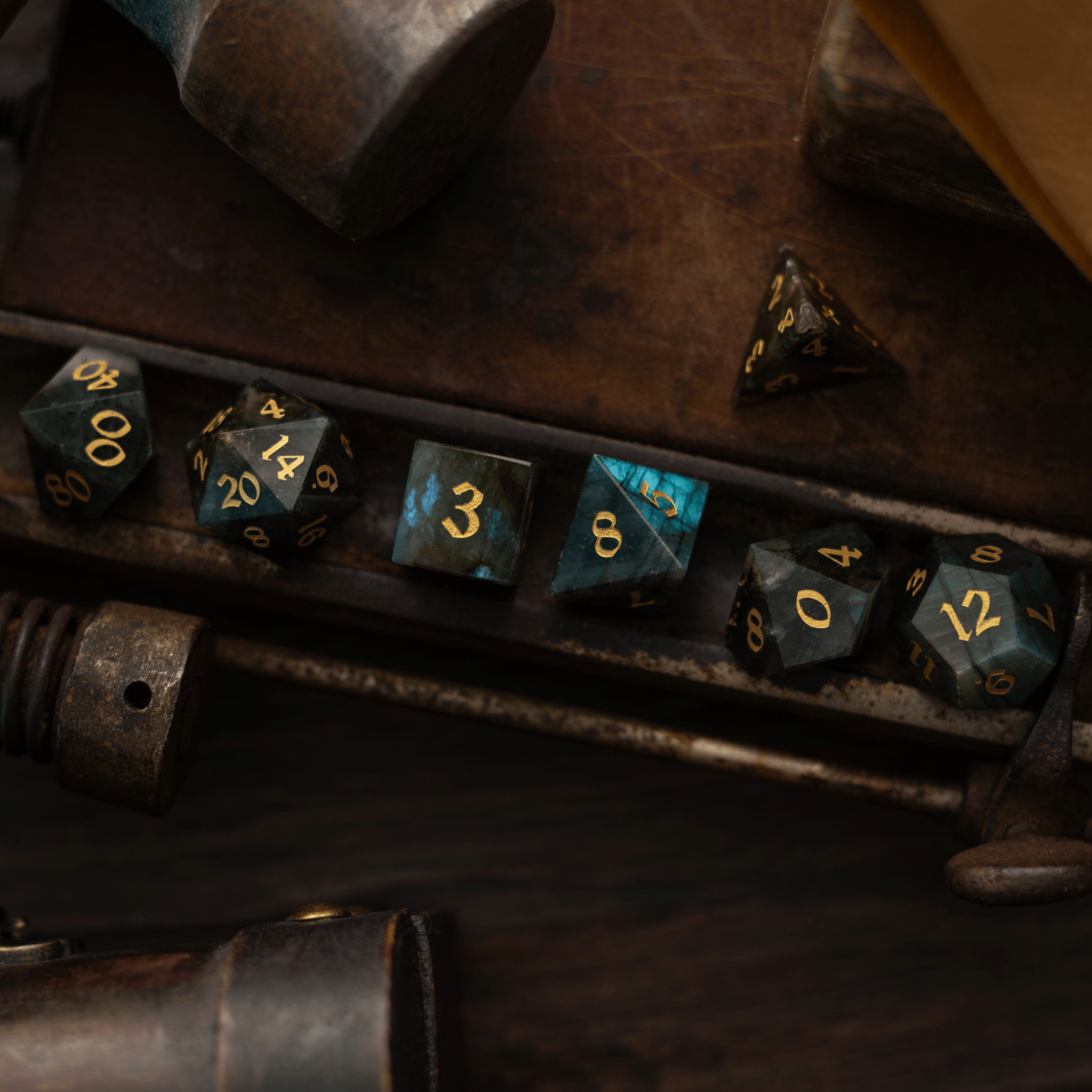
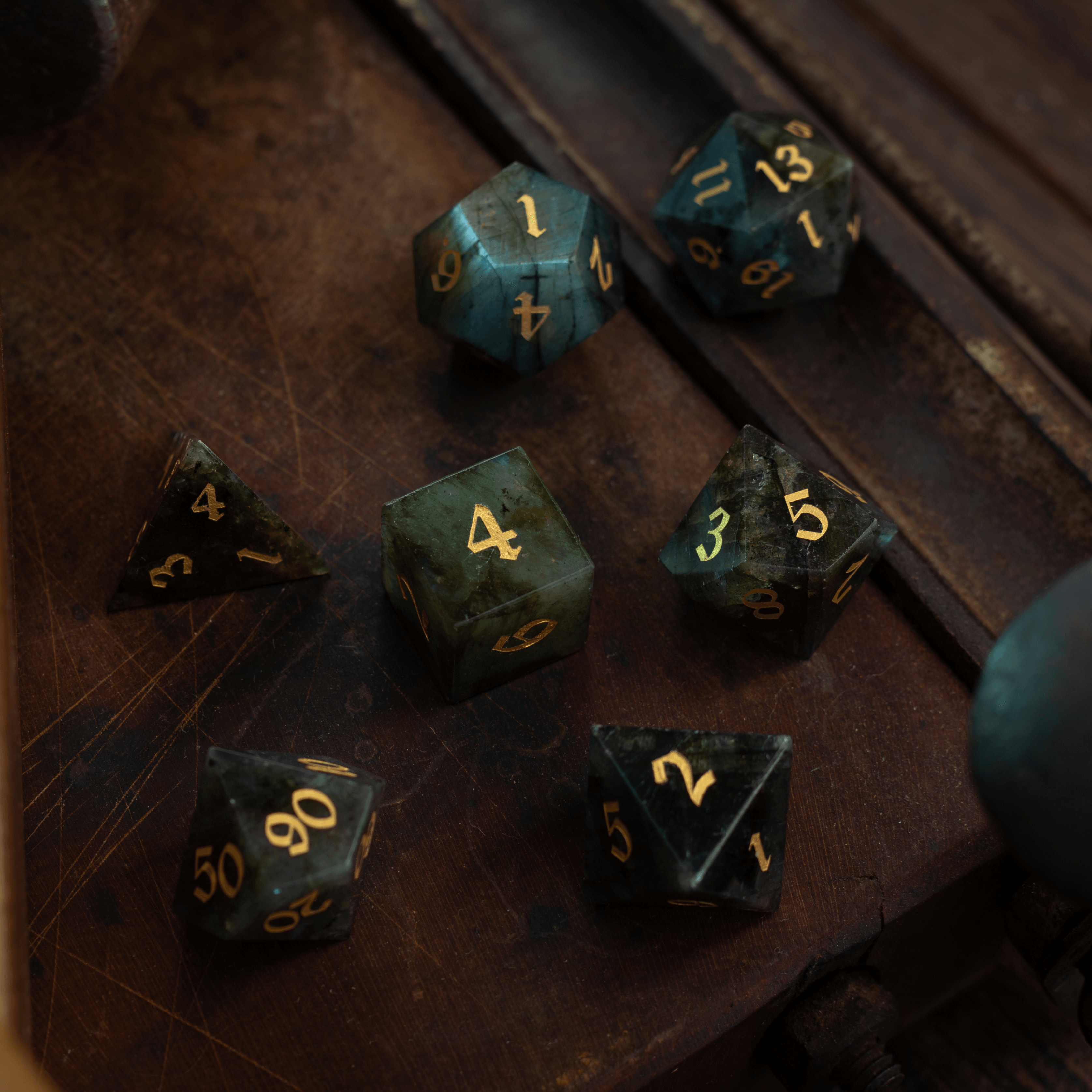
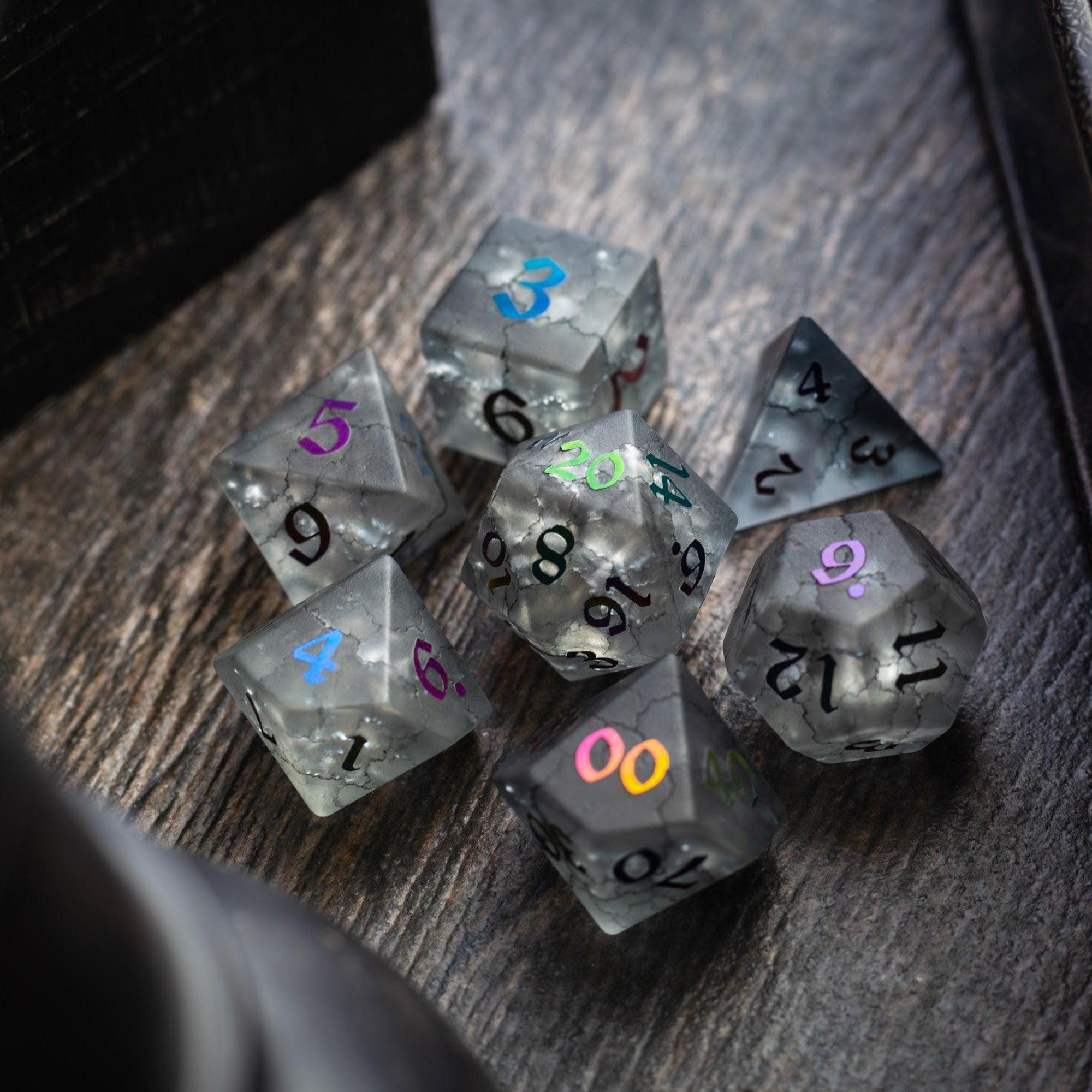
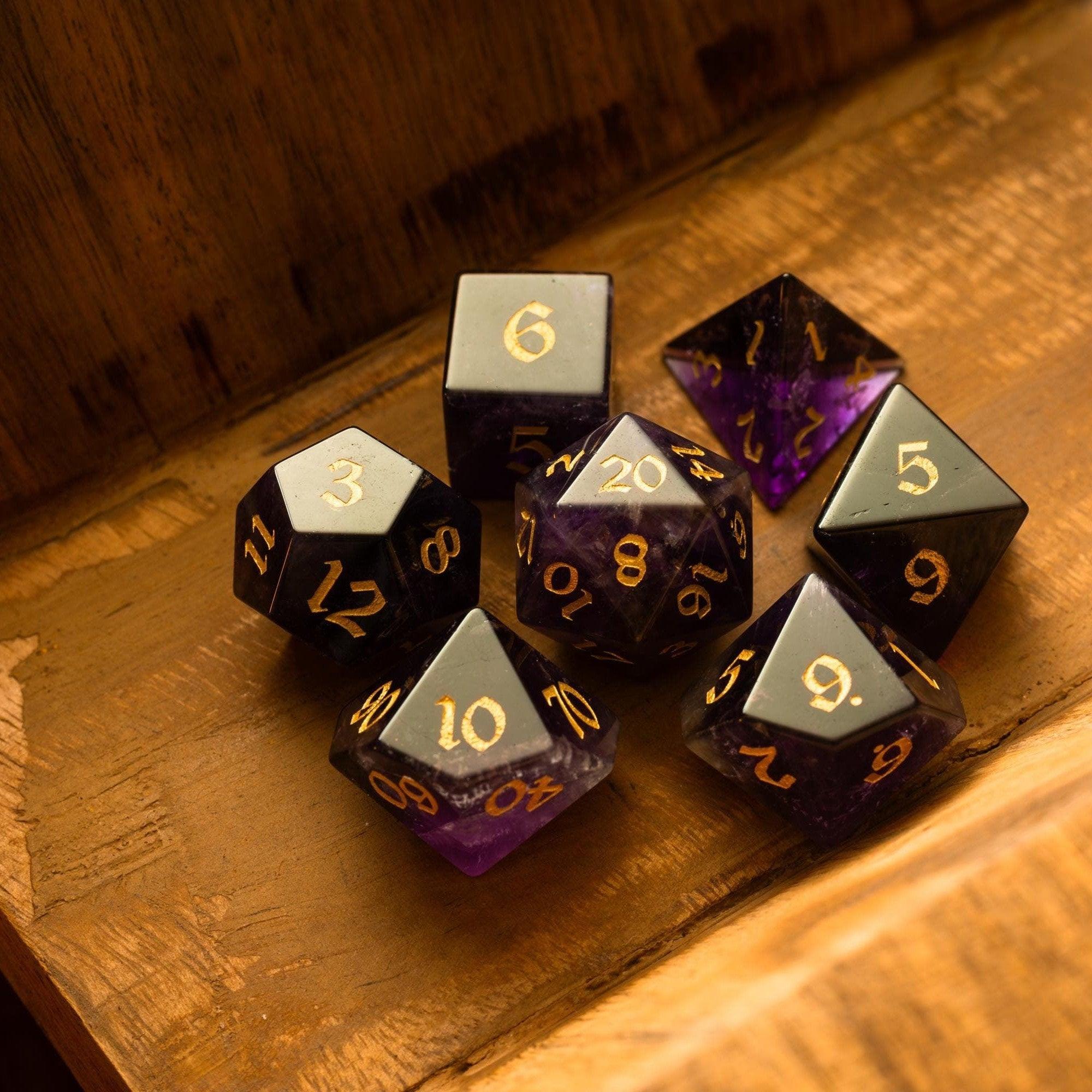
Split lore by how you use it at the table. Put session-critical facts up front: a small regional map, current quest goals, and today’s NPC roster with one-line motives. Behind that, keep your timeline and a short glossary of names, places, and factions. Use consistent labels like “NPC–Ally,” “NPC–Rival,” or “Site–Dungeon.” For tactile sessions, a sturdy card holder or a slim binder helps. If you enjoy table aesthetics, a tasteful set like a labradorite dice and box can double as an elegant organizer for initiative or NPC cards.
Step 4: Create quick-reference tools
Make a single-page cheatsheet for each repeating task: travel, downtime, social scenes, and exploration. Each sheet should fit on one side with bullet steps and simple outcomes. Add a compact conditions list and a table of common DCs. If you roll in the open, a steady setup such as dice towers keeps the space neat and prevents table sprawl. Keep pencils, index cards, and a spare bookmark in the same pouch so you can reset the table in moments.
Step 5: Curate encounter and GM aids
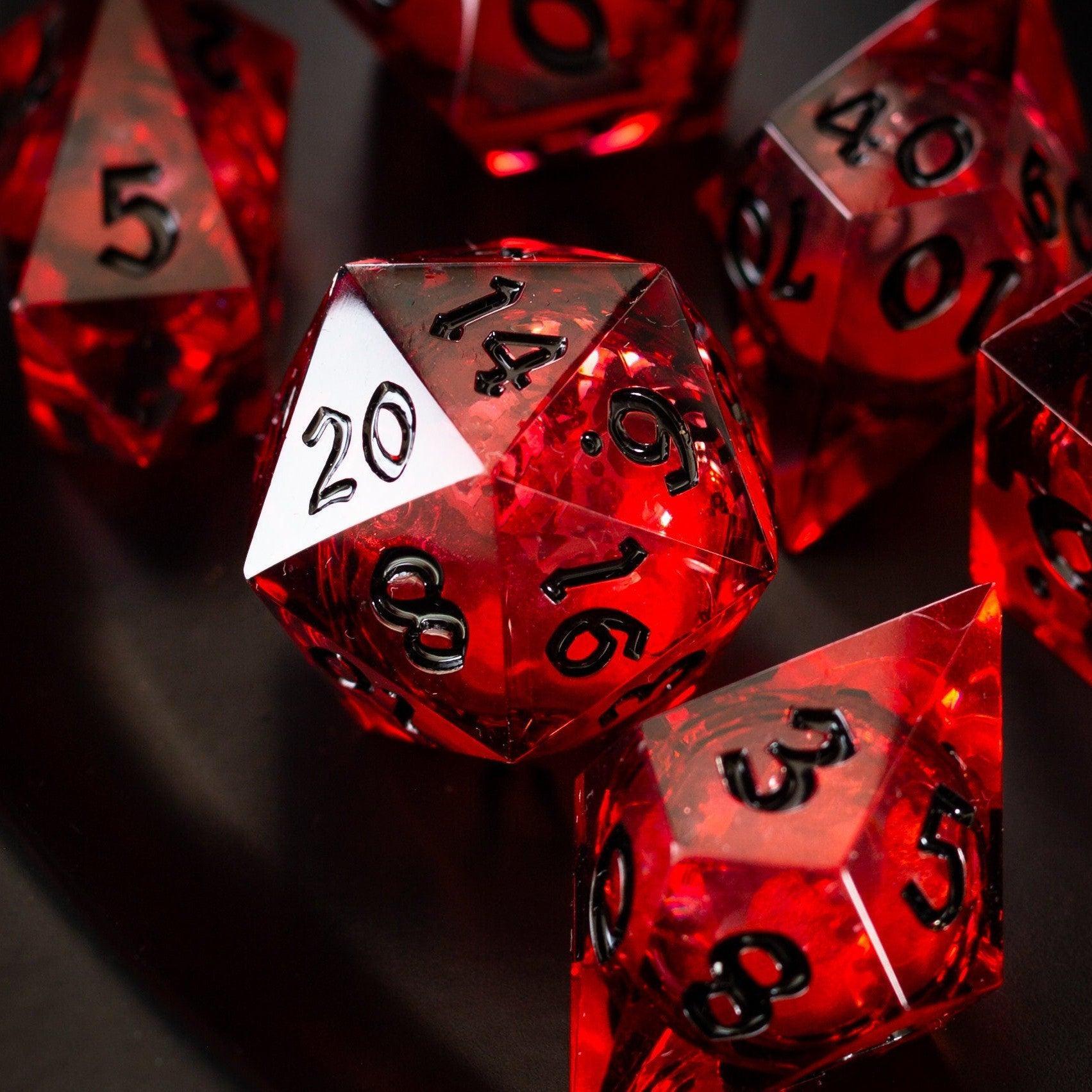
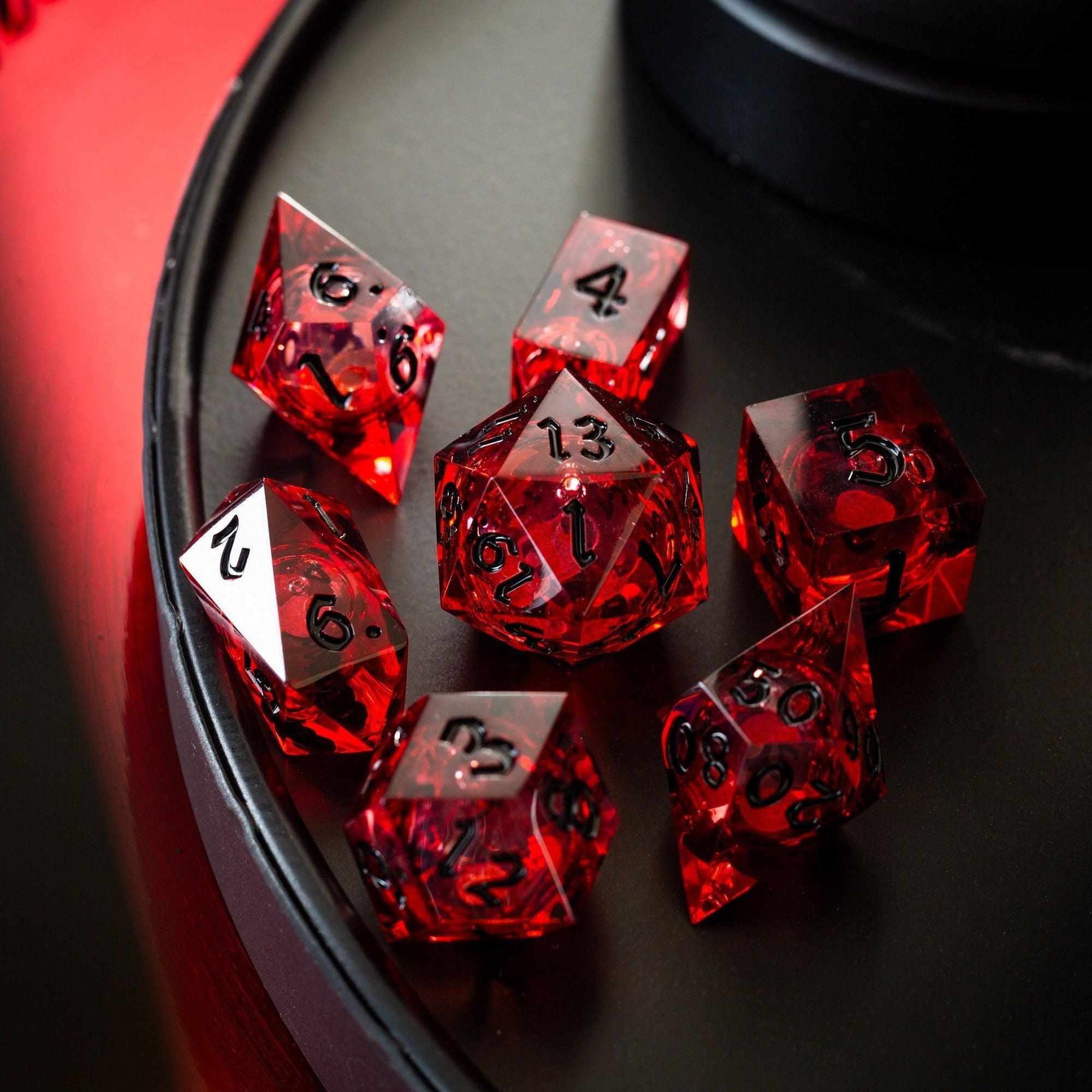
Encounters run best when their essentials fit on half a page. List creature names, AC/HP, signature abilities, and tactics in plain language. Place terrain notes and environmental effects in a shaded box. Keep a separate column for “escalations” if the scene stretches long. For inspiration, maintain a small stack of evocative prompts and sensory cues. If you enjoy a bit of spectacle for milestone fights, distinctive pieces like liquid core dice can mark the moment without adding complexity.

Step 6: Set up tidy digital folders
Create a lightweight folder tree that mirrors your physical system. For example: 01 Rules, 02 Lore, 03 Encounters, 04 Tools, 05 Archive. Within each, use short, plain file names like “Conditions-Quick.pdf” or “NPCs-Region-West.docx.” Pin your current session’s notes to the top. Add a “Read Next” folder with PDFs or clippings you plan to review. Keep it small. The goal is to open three items or fewer to run any scene.
Step 7: Maintain, review, and retire
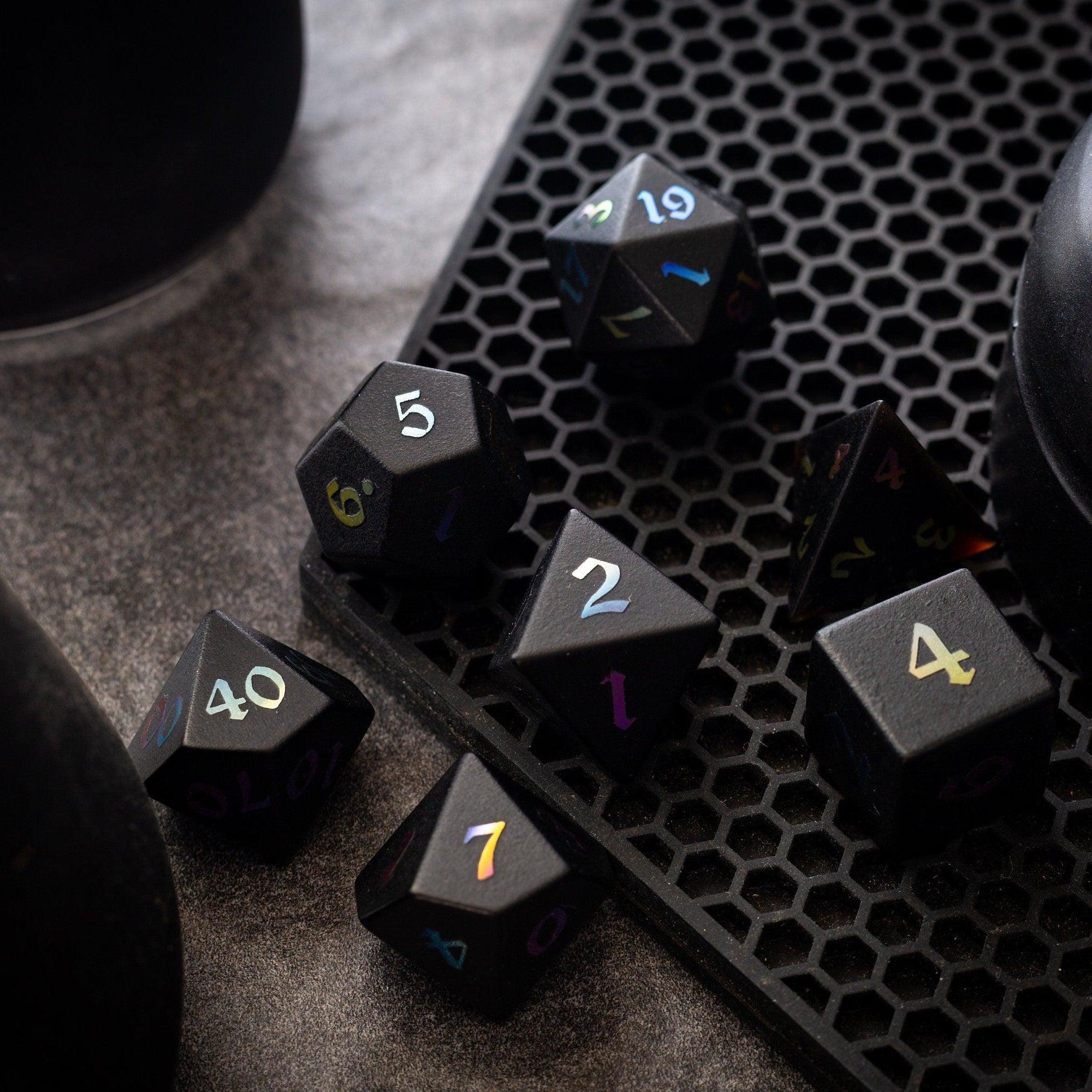
After each session, spend five minutes filing. Move spent hooks to the archive, add one line to your timeline, and flag any ruling that needs follow-up. Every four sessions, prune duplicate materials and update your index page. As your story grows, your setting reference resources for RPG campaigns will remain lean and easy to navigate. If you like refreshing the table vibe with a new color or texture, a quick browse of new arrivals can offer just the right touch without changing your system.
Common Questions Answered
How many books or PDFs do I really need?
Most tables run smoothly with one primary rules source, one setting booklet or wiki, and a single-page GM screen you made yourself. Extra books are wonderful for inspiration, but they do not need to sit open during play. If you find yourself flipping often, distill those pages into your own two-page summary. The fewer sources you consult in the moment, the faster your rulings and the calmer the pacing will feel to everyone.
Should I go digital, physical, or hybrid?
Choose the format that reduces friction for you. Physical notes are great for quick scanning and shared table focus. Digital files are excellent for search and backups. A hybrid approach works well: keep your one-page sheets and current map on the table, and store deep lore and bestiary PDFs on a tablet. The key is to avoid duplication. Keep one “live copy” of each resource so updates are always clear.
What belongs in player-facing references?
Share only what helps players make informed choices without spoiling discovery. A short region primer, a pronunciation list for names, common laws or taboos, and a visual of calendar or festivals are excellent. Keep secret clocks, foreshadowing notes, and enemy tactics in your private files. If you offer handouts, use one side of a page and simple fonts. Players appreciate clarity and will engage more when the information is easy to absorb.








Leave a comment
This site is protected by hCaptcha and the hCaptcha Privacy Policy and Terms of Service apply.