
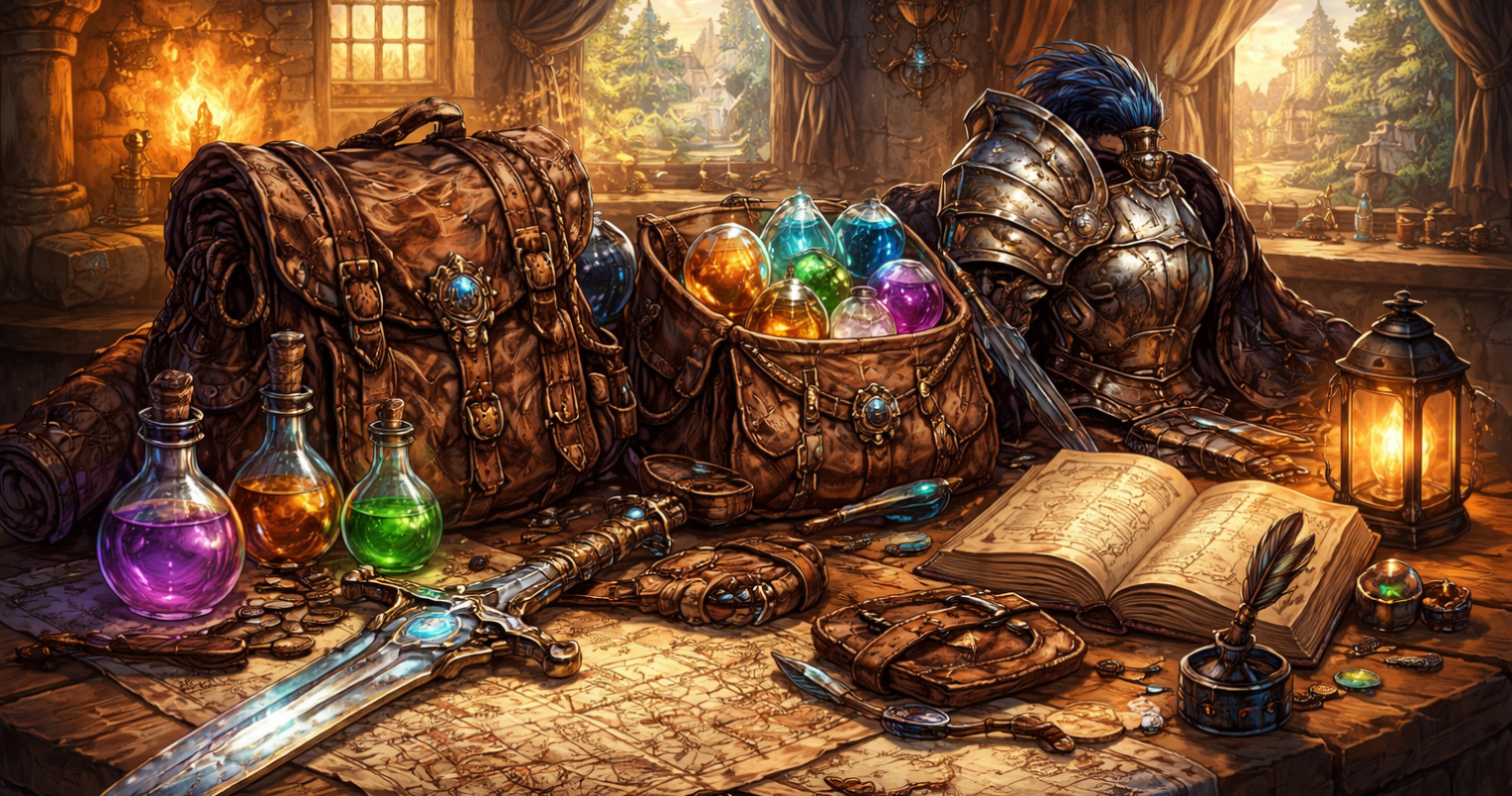
Smart Fantasy RPG Gear Recommendations for Better Table Rolls
Updated on: 2025-12-22
Looking for gear that makes your tabletop nights smoother, faster, and more fun? This friendly guide breaks down what to buy first, how to upgrade smartly, and how to care for your tools so they last. You’ll learn how to choose dice, trays, towers, storage, and accessories that fit your style and budget. Plus, you’ll get practical steps you can follow today and a quick FAQ for common questions.
- Your fantasy RPG gear recommendations, simplified
- How-To Steps
- Budget vs. premium builds
- Care and maintenance
- FAQ

If you’ve ever arrived at a session juggling loose dice, crumpled character sheets, and a borrowed pencil, you already know: the right tools transform game night. This guide covers practical choices for dice, trays, towers, storage, and table add‑ons, so you can focus on story and strategy. We’ll show you what to buy first, where to invest next, and how to avoid common pitfalls—plus, you’ll find fantasy RPG gear recommendations that scale with your budget and style.
Your fantasy RPG gear recommendations, simplified
Before you buy shiny upgrades, get the foundations right. Here’s a clear way to think about your kit:
Start with essentials. You’ll want at least one complete polyhedral dice set (d4 to d20), something to roll on, and a simple storage solution. An affordable resin set plus a compact tray is perfect for new players or side characters. If you want a bit of flair right away, a single statement set can double as a personal ritual every time you roll.
Upgrade for comfort and speed. After a few sessions, prioritize tools that save time. Dice towers keep rolls contained and readable. Dry‑erase trackers and initiative cards reduce page flipping. A larger tray helps if you like rolling multiple dice pools. Consider a standout set for your main character and a utility set for quick math or advantage/disadvantage rolls.
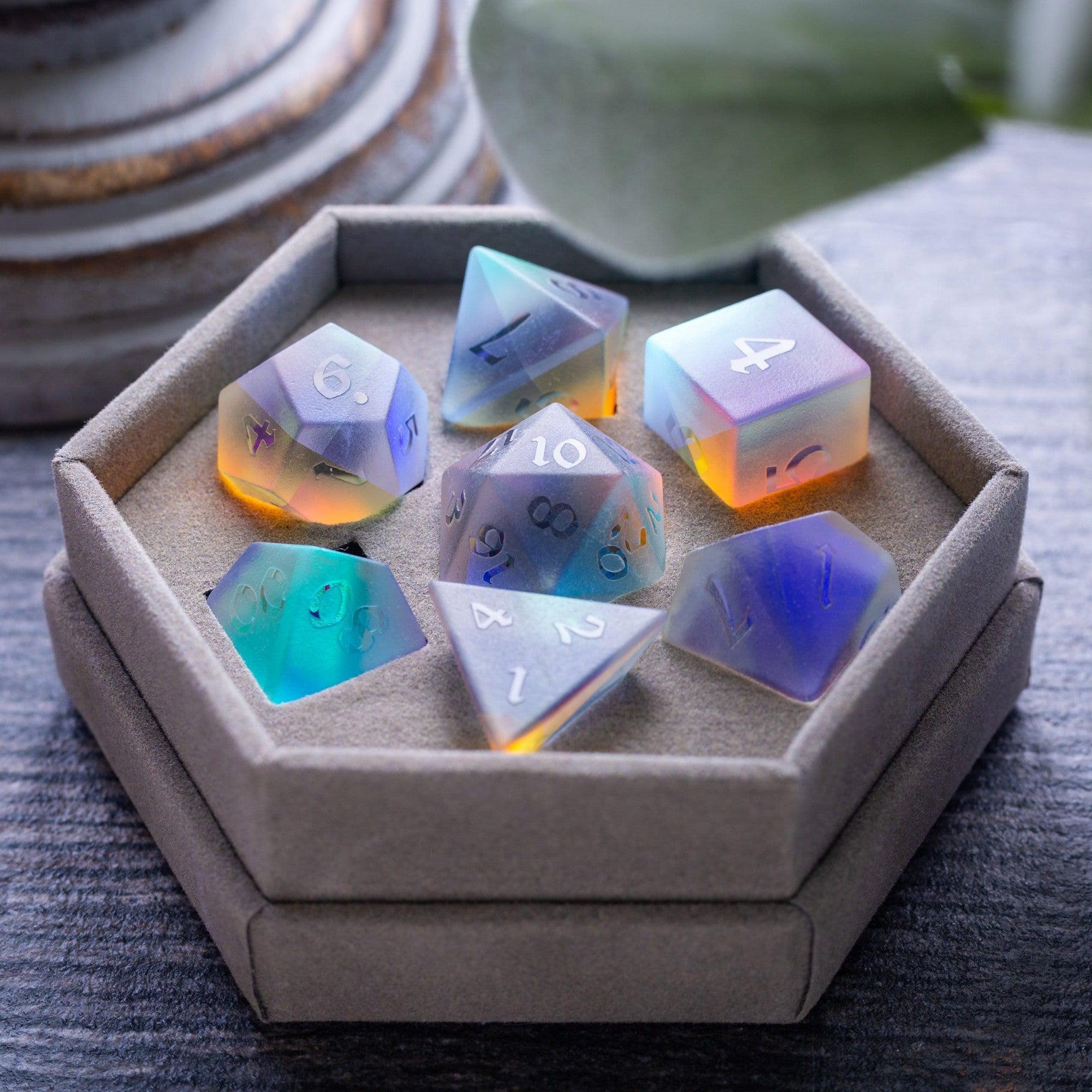
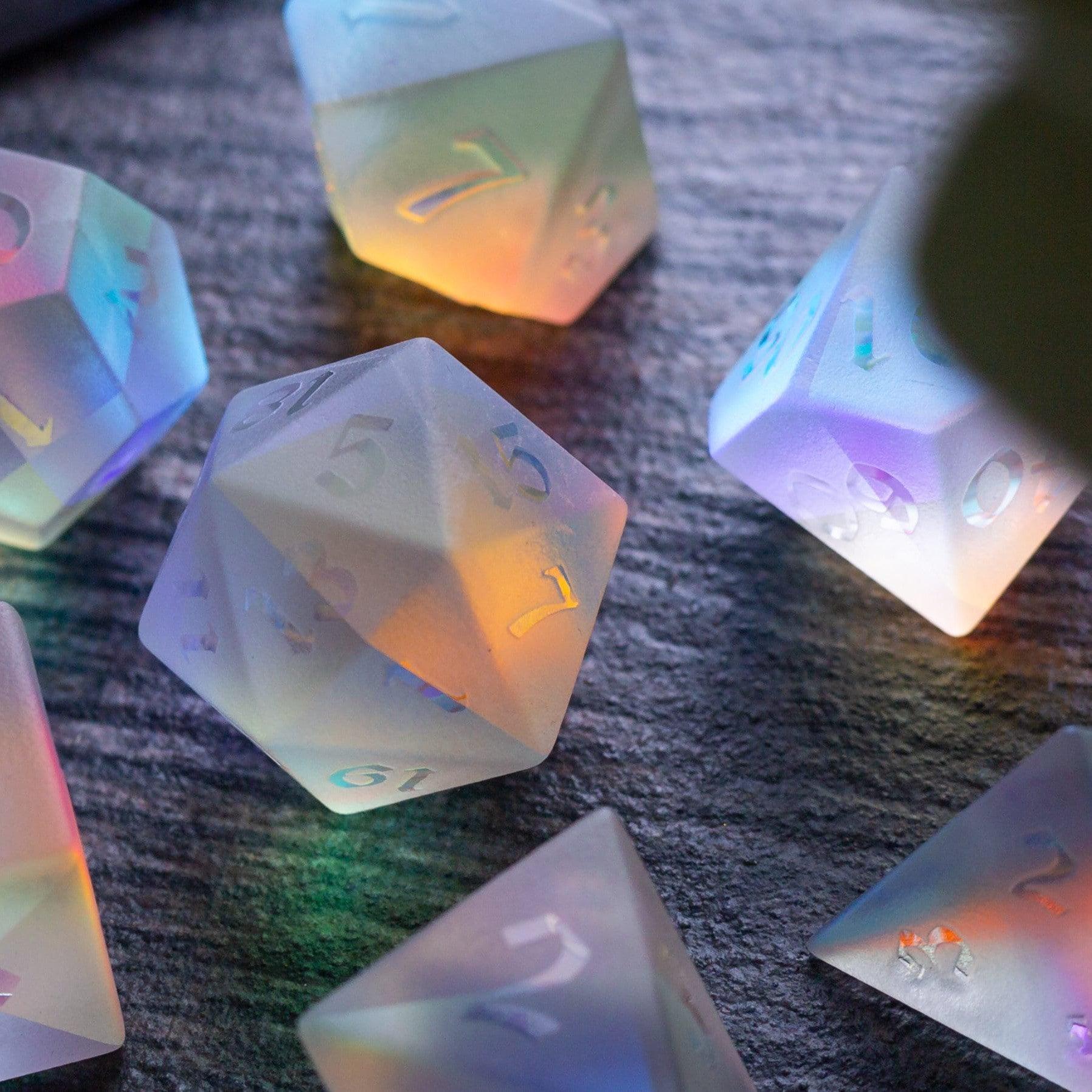
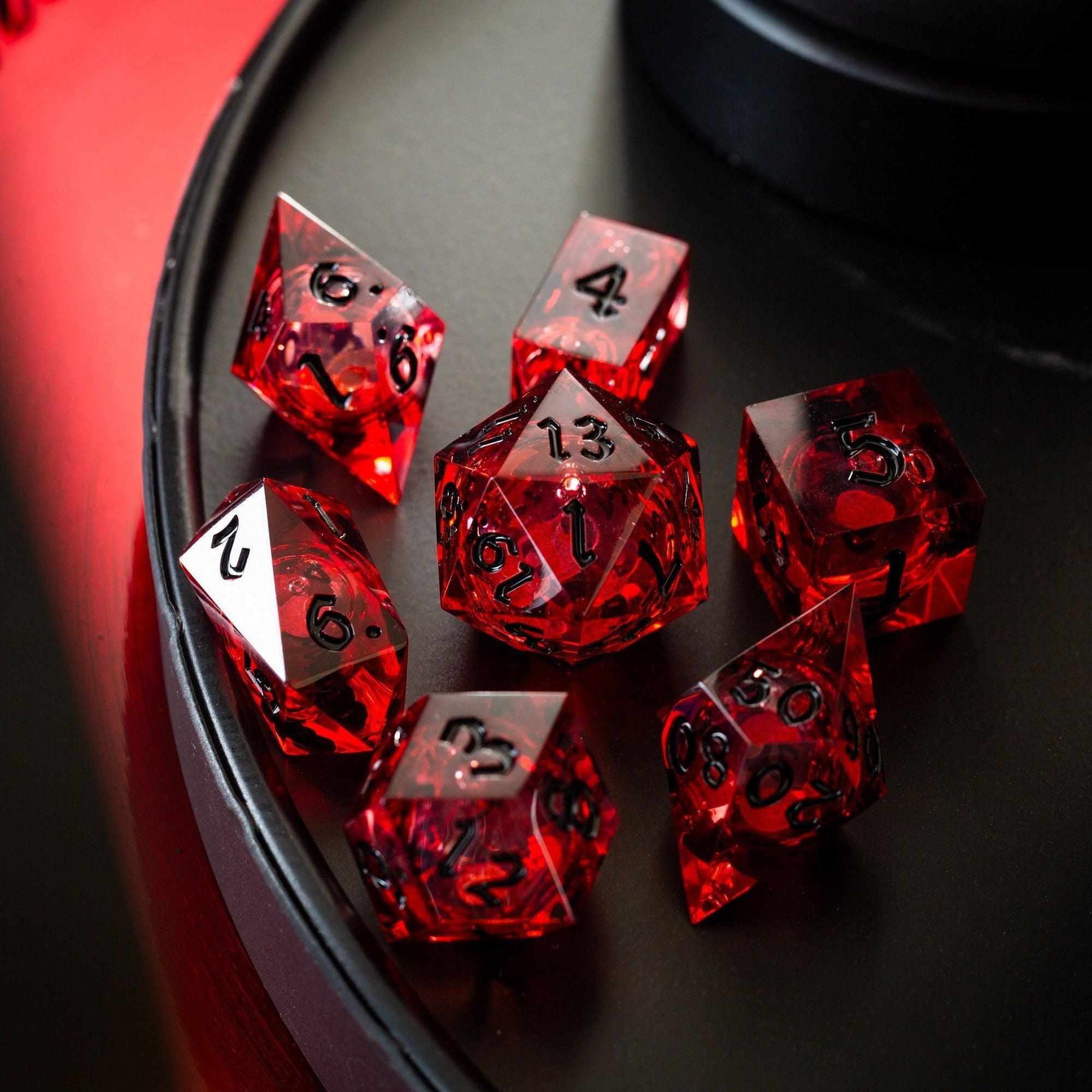
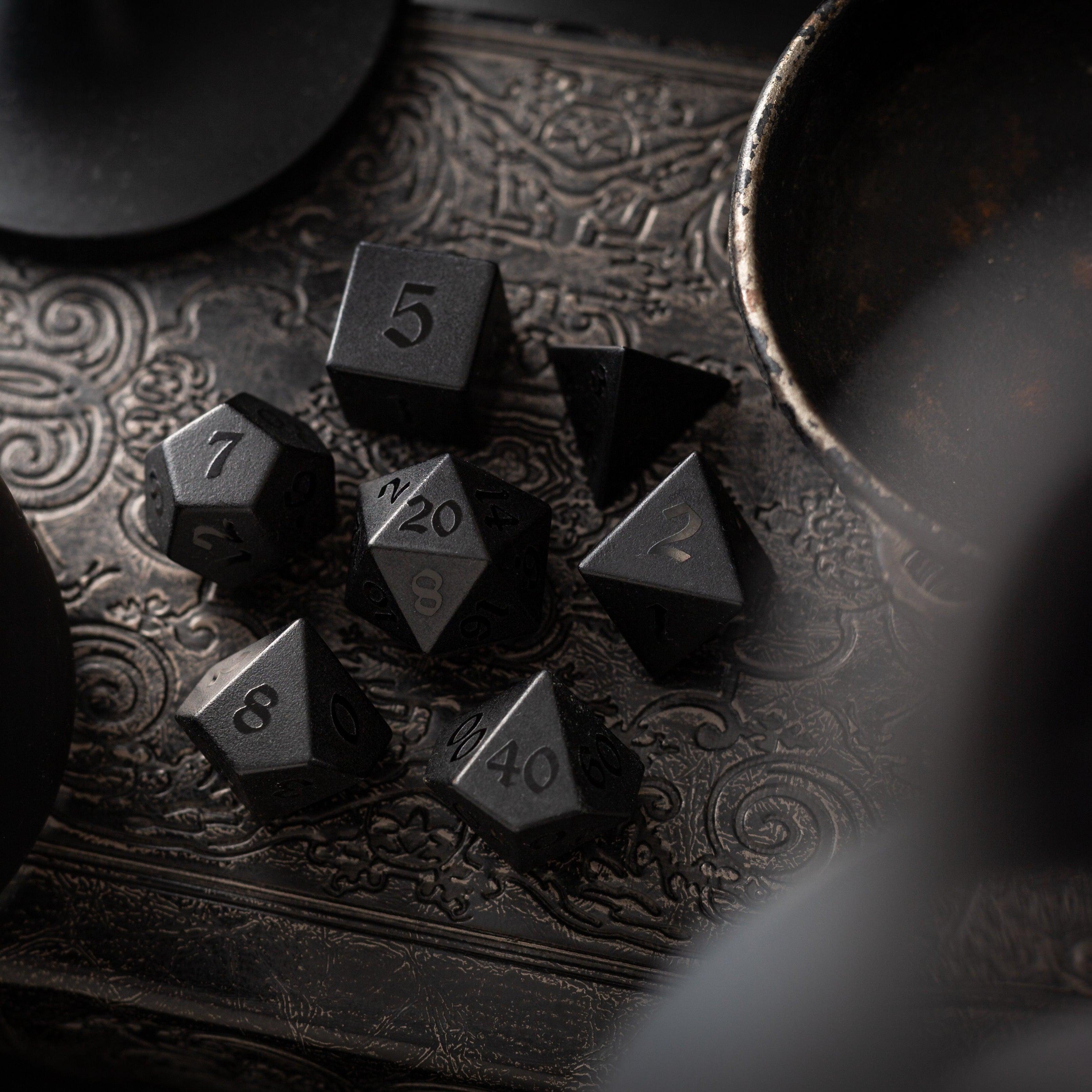
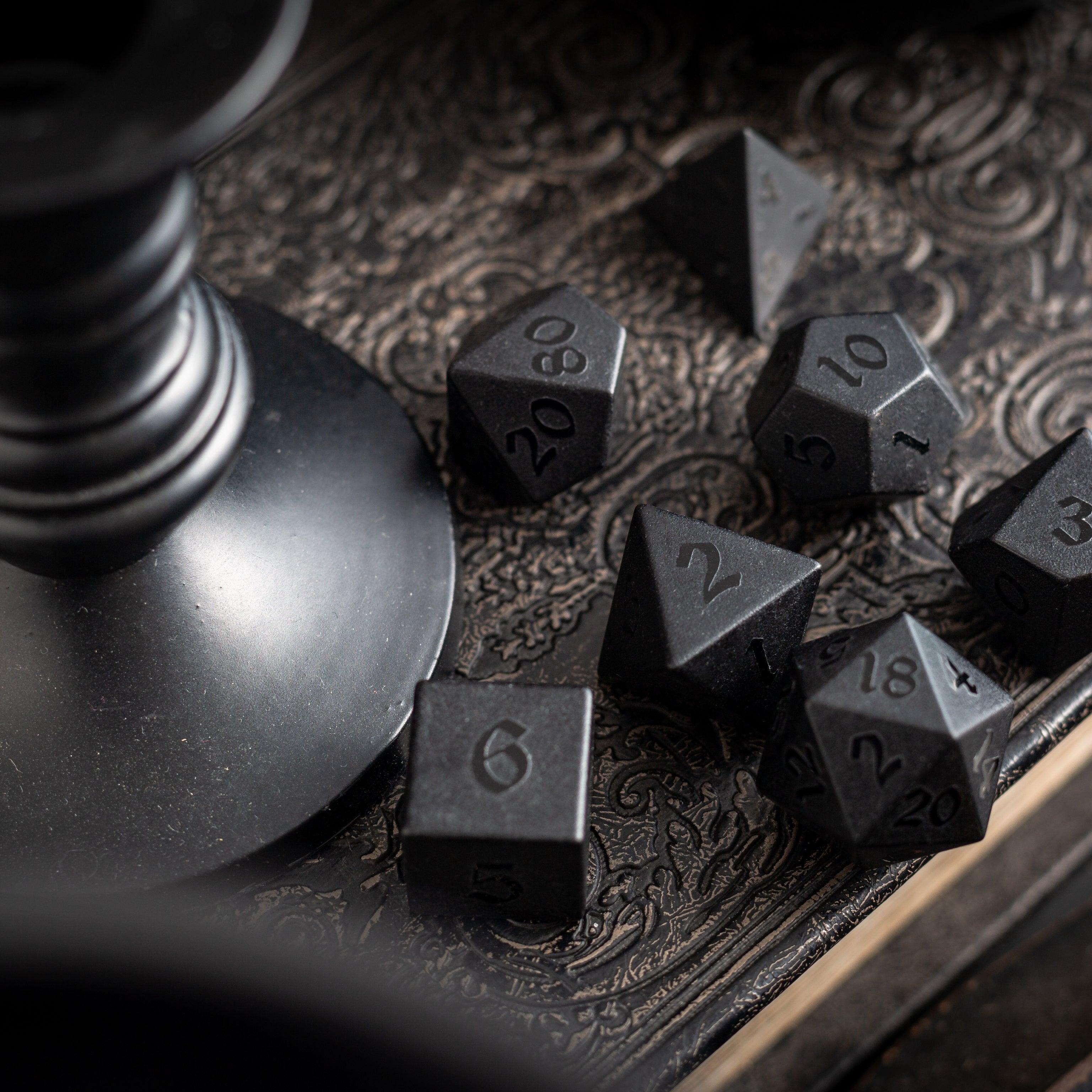
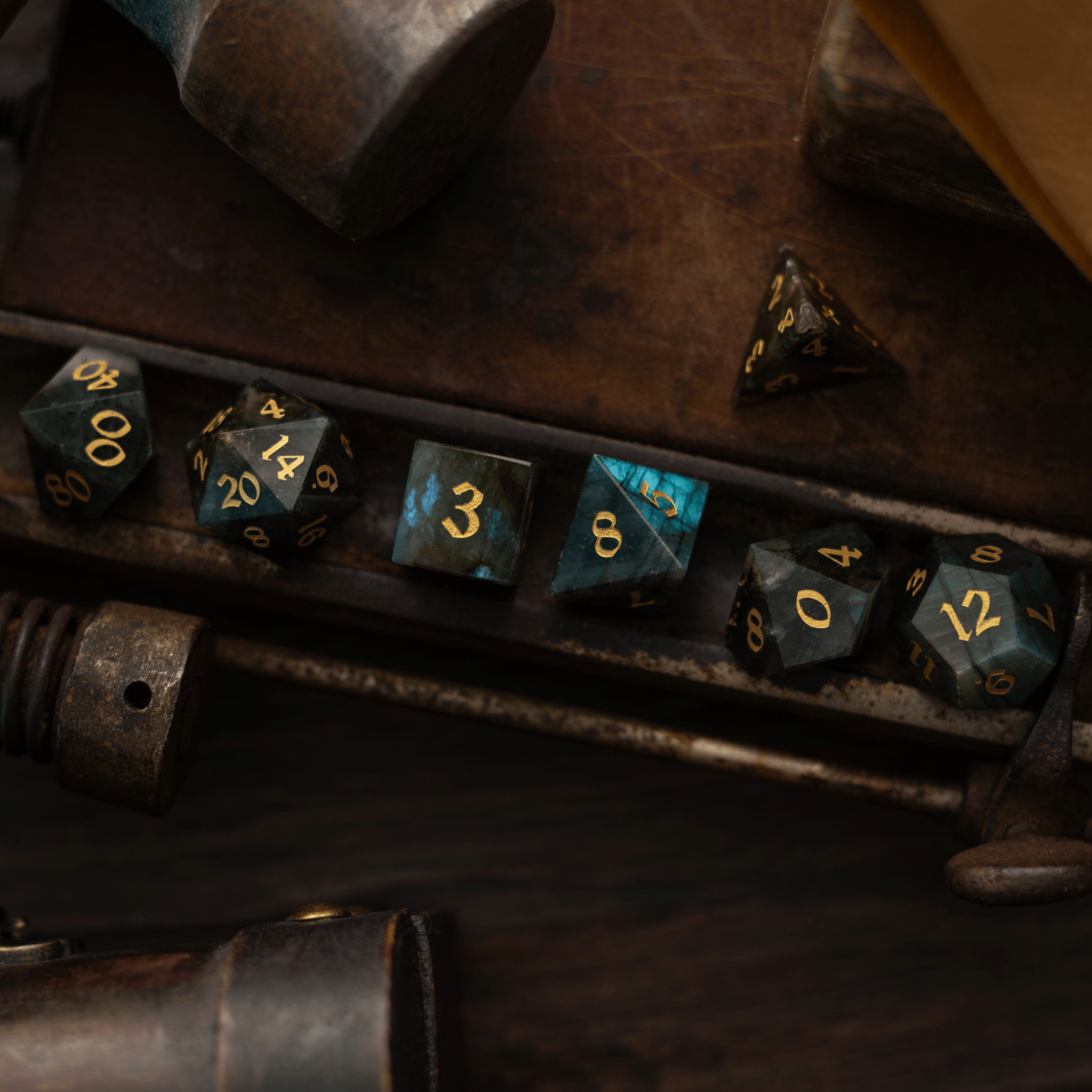
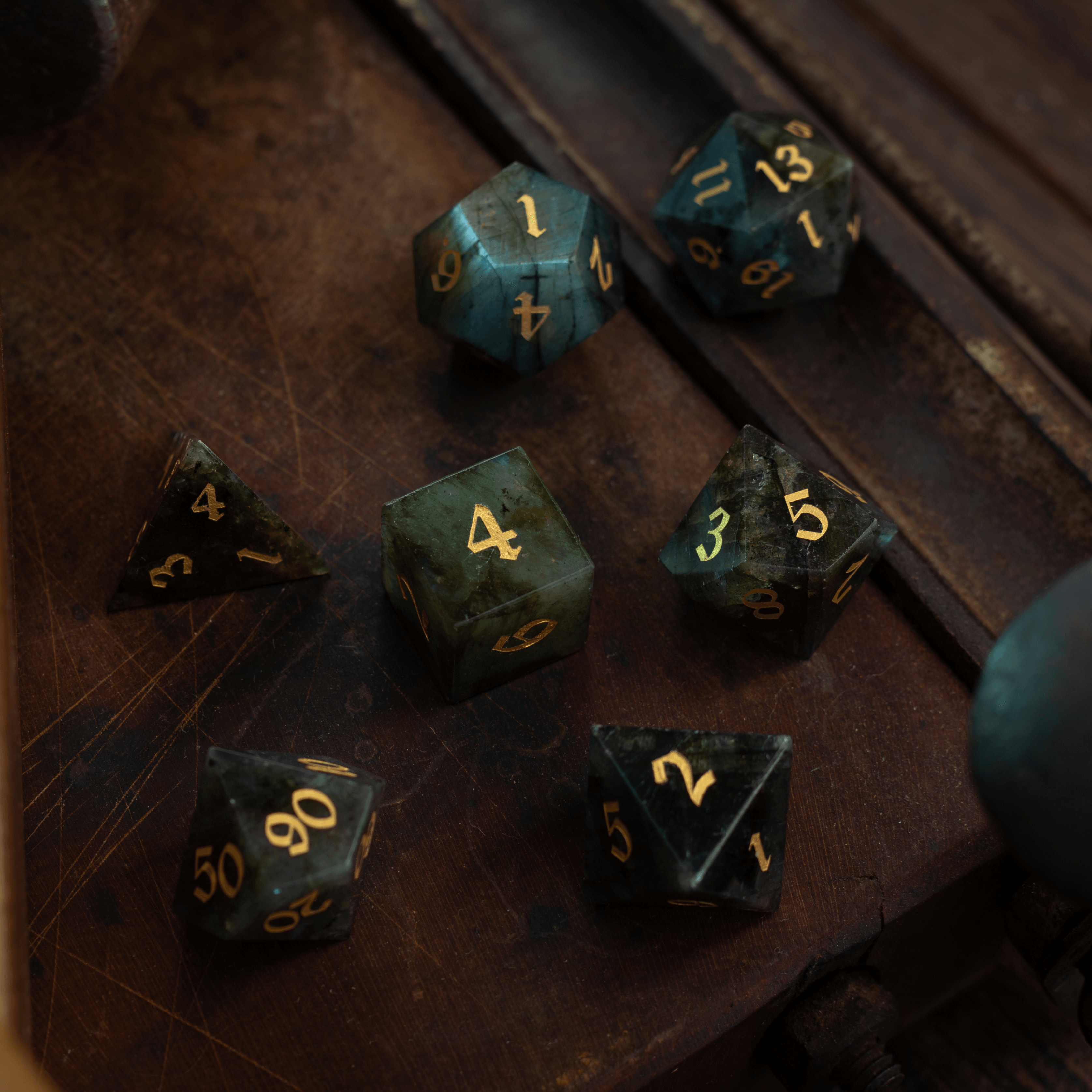
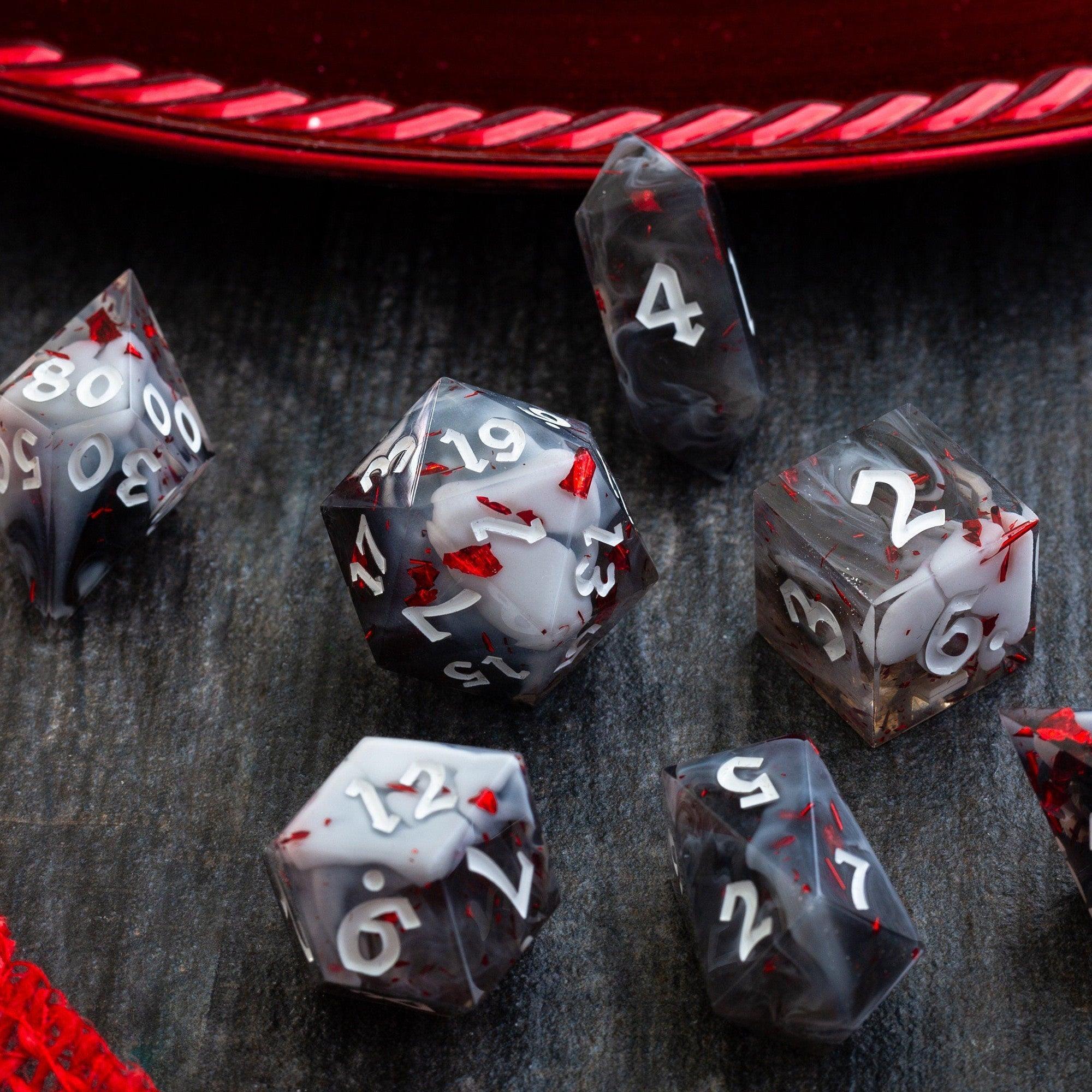
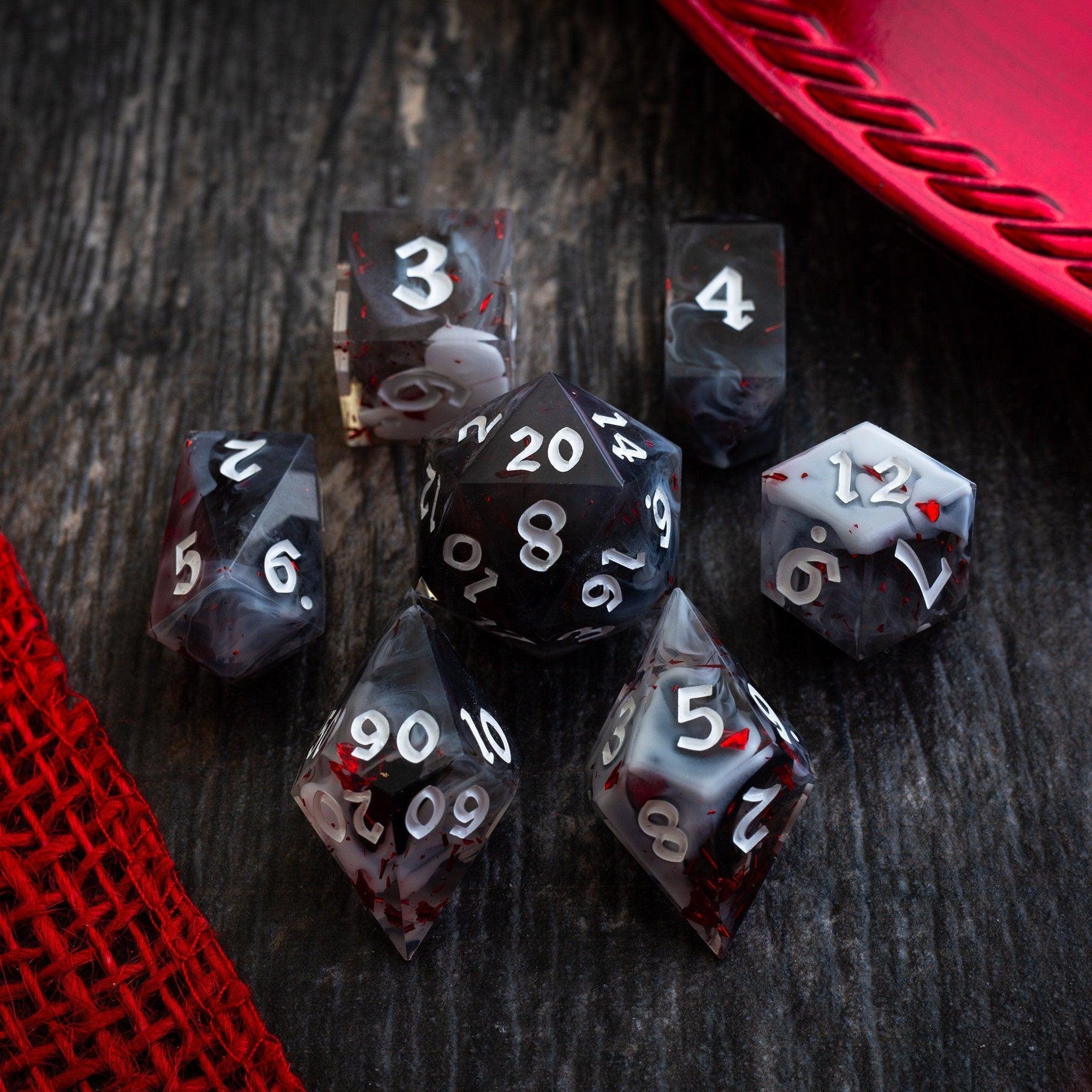
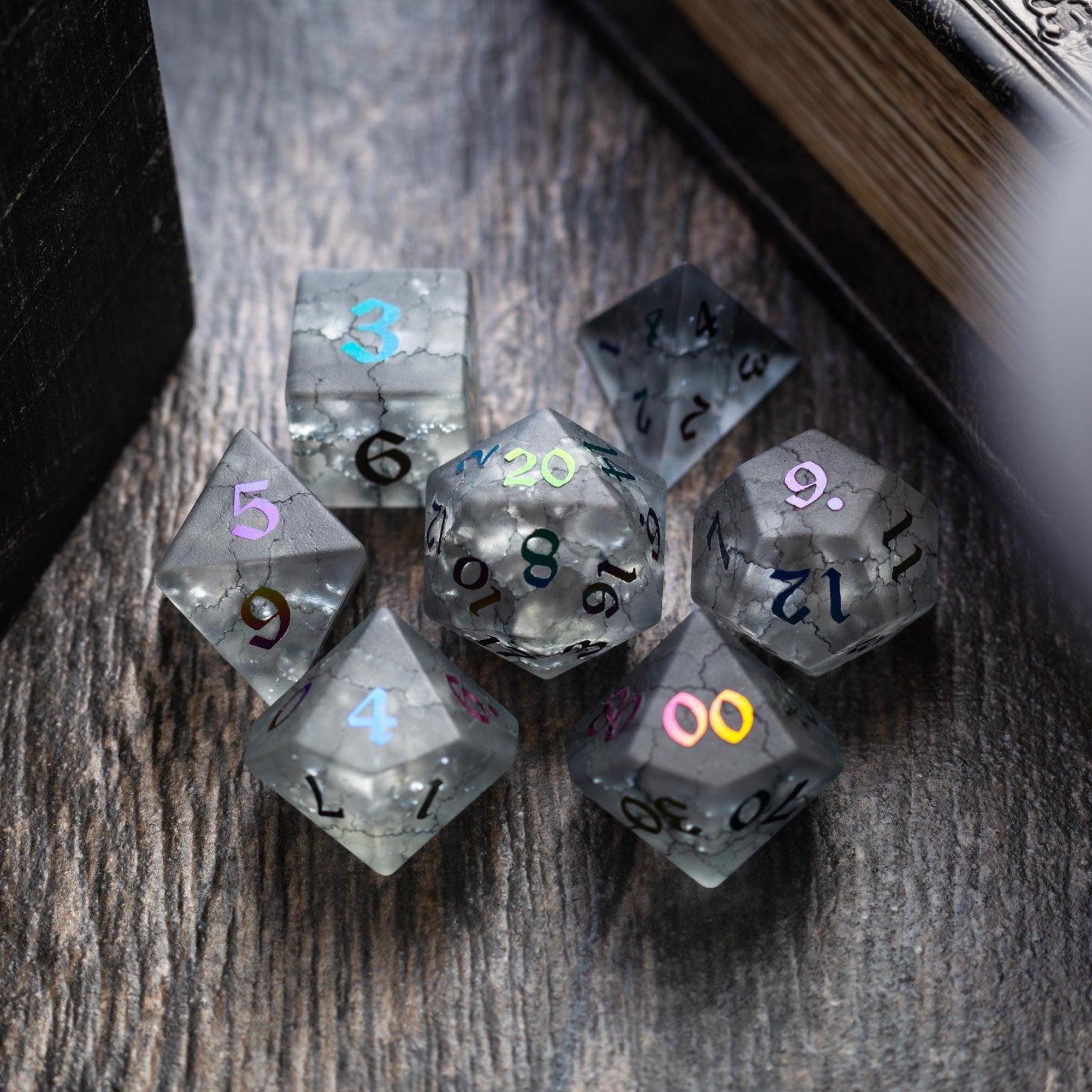
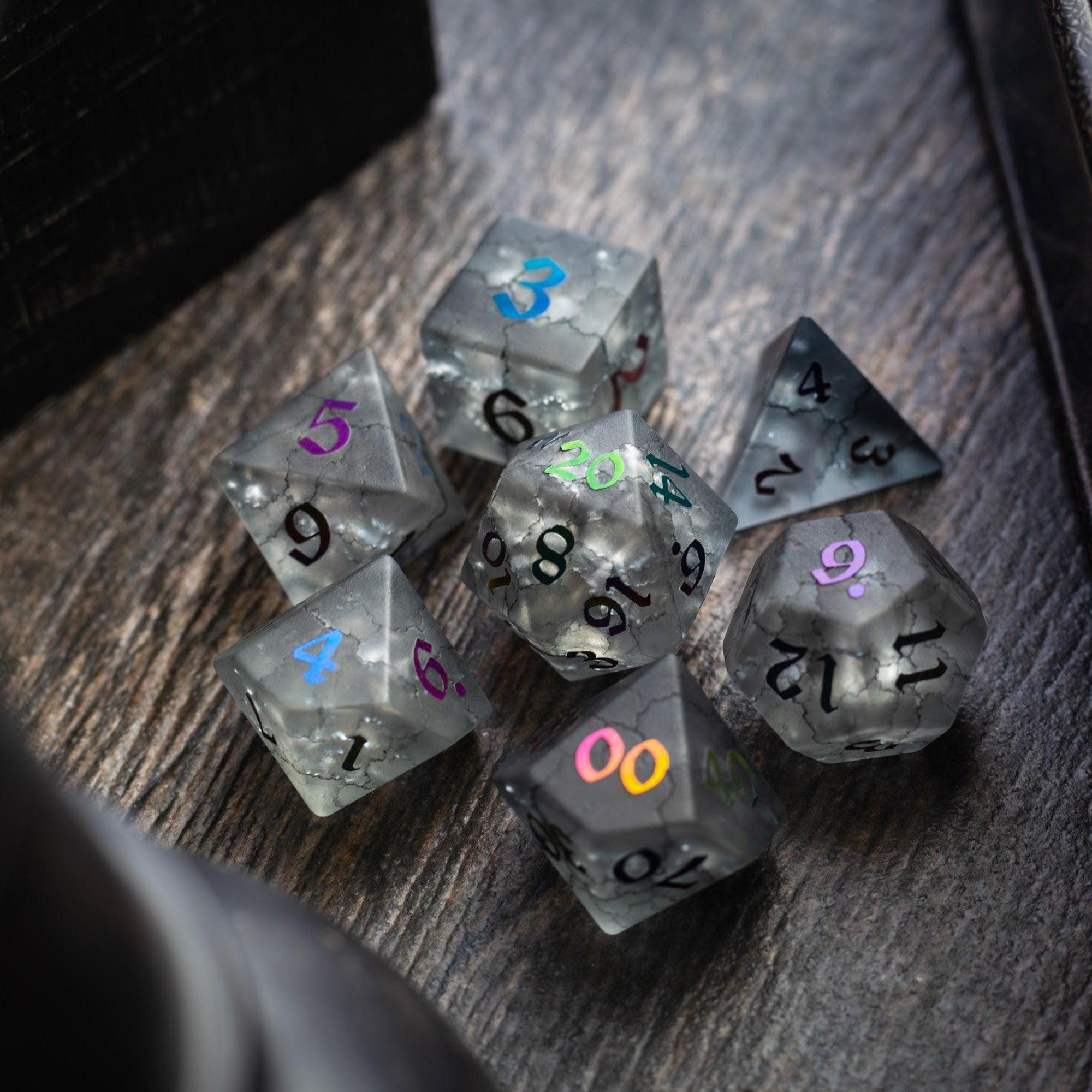
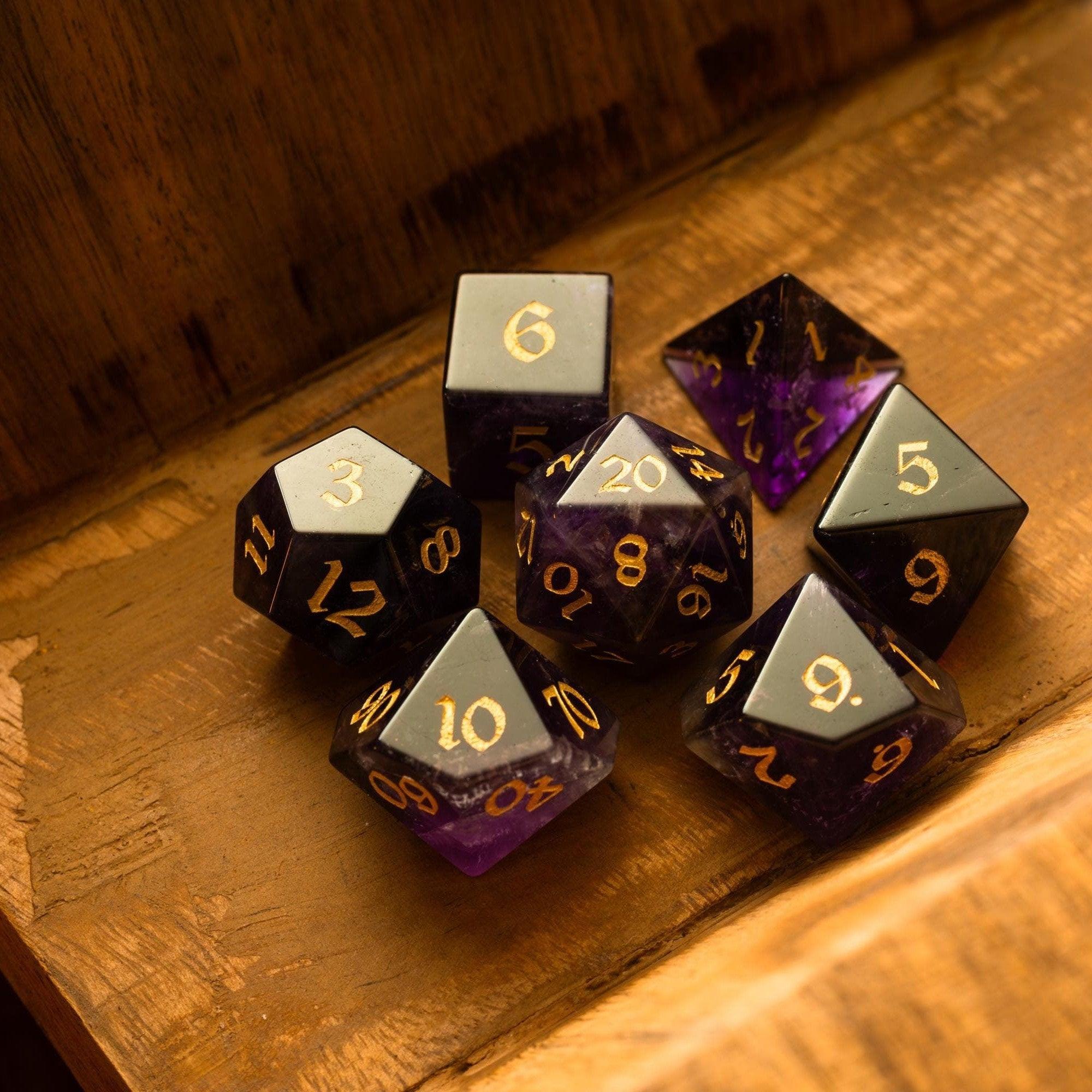
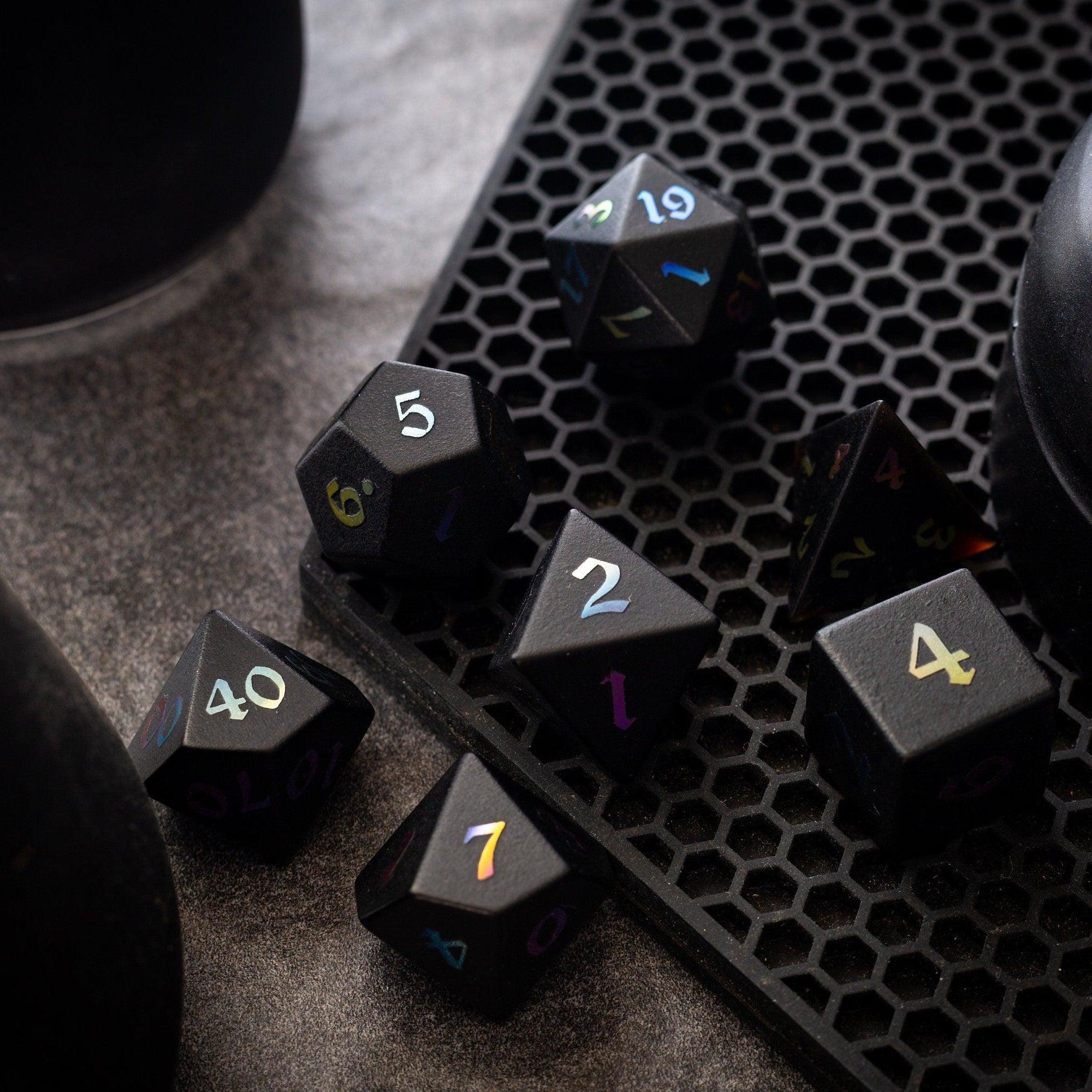
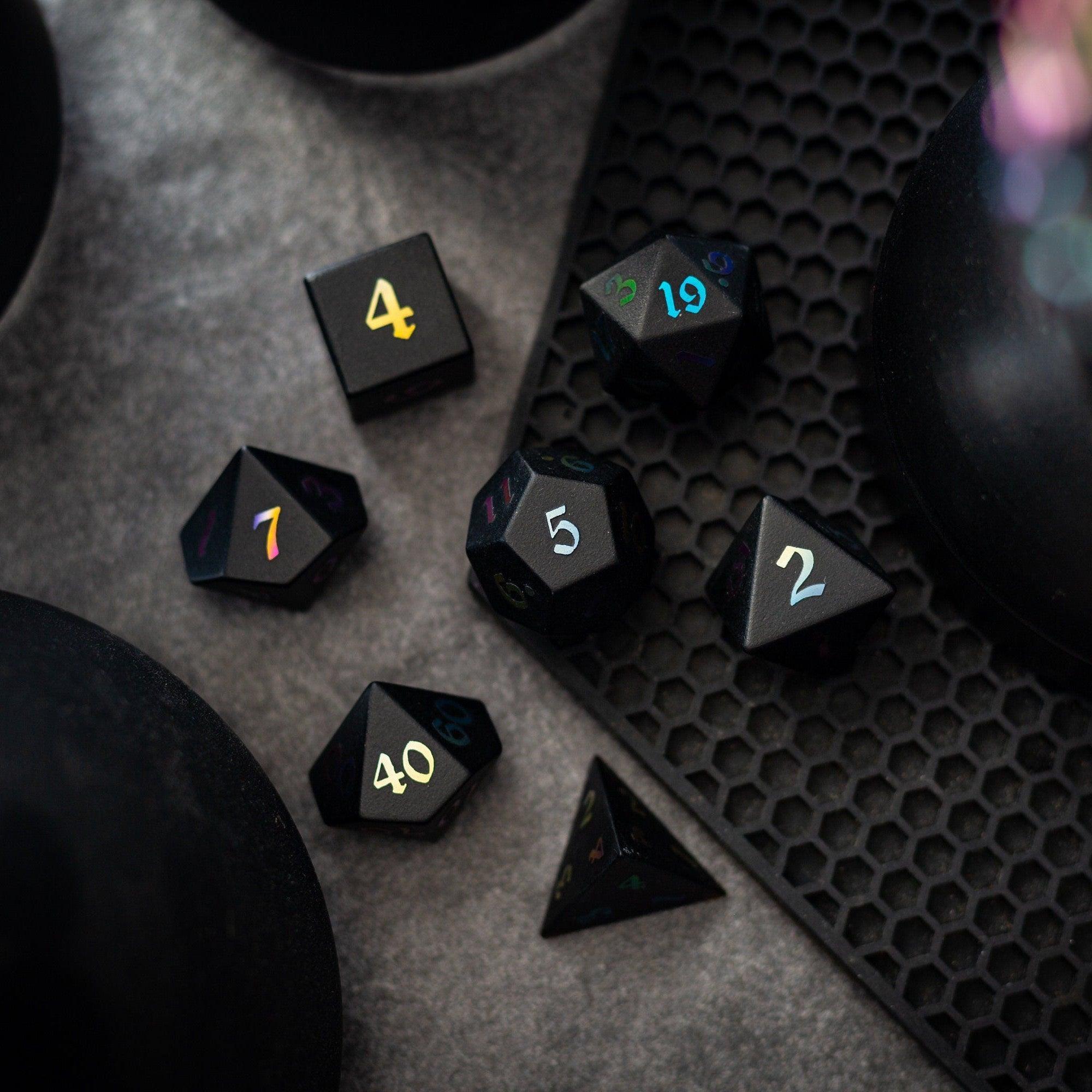
Personalize the vibe. Your table is part of the story. Color palettes, textures, and materials can echo your character or campaign theme. For moody, arcane energy, a dark glass or obsidian look is dramatic. For nature‑themed characters, greens, aurora sheens, and earthy tones feel grounded. You can explore curated options like Bestsellers for a quick style scan or check a specific hero piece like the shimmering Labradorite set if you want a tactile upgrade that doubles as display.
Keep it table‑friendly. Heavy dice are satisfying, but give them a forgiving surface. Towers and trays protect tables, reduce noise, and keep everyone’s focus on the story—no more crawling under chairs to recover a runaway d20.
How-To Steps
Follow these steps to build a kit that feels intentional and lasts.
-
Define your play pattern. Are you a weekly player, an every‑other‑month adventurer, or a GM running multiple campaigns? Frequent play calls for durable materials, quick‑read numerals, and a reliable tower. Casual schedules can focus more on aesthetics and a compact setup.
-
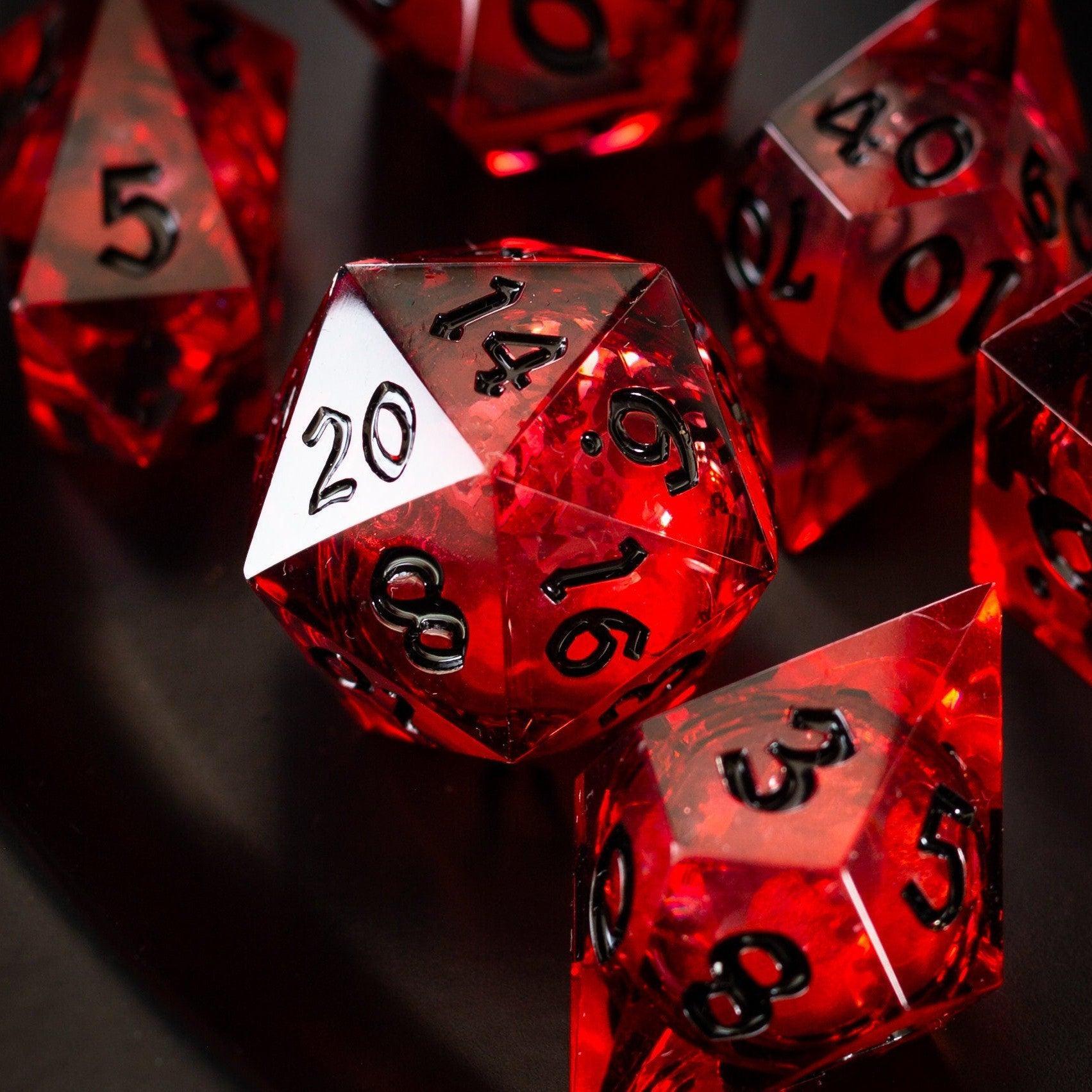
Pick two dice sets: a main and a utility. Your main set should match your character’s theme and be easy to read at a glance. Your utility set should be neutral, high‑contrast, and ready for damage bursts. If you love visual drama, a liquid‑core design like the Orange Liquid Core set is eye‑catching and rolls smoothly in a tray or tower.
-
Choose your roll surface. A felt or leather‑lined tray reduces bounce and noise. If your group rolls lots of dice at once, go for a wider tray or a tower that feeds into a tray. Towers shine at crowded tables where space is tight; check out sturdy options via the Dice towers collection.
-
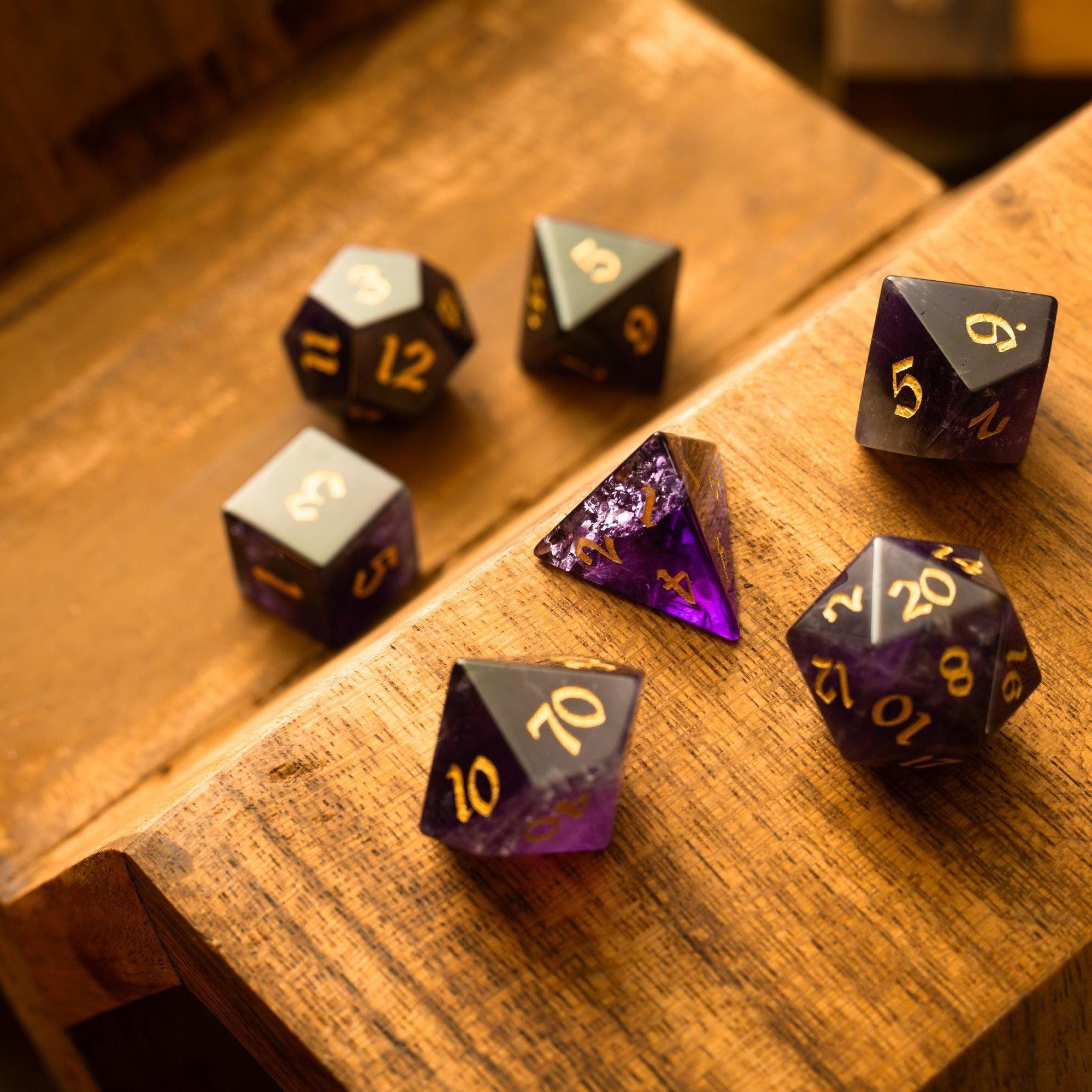
Dial in the materials. Resin is lightweight, affordable, and versatile. Glass brings crisp edges and a satisfying heft. Gemstone offers a premium feel and beautiful depth. If you’re exploring glass and gemstone aesthetics, compare glimmering finishes with a hero piece like the Labradorite set or browse Bestsellers to see what appeals in daylight vs. lamplight.
-
Plan storage and transport. A padded case or hinged box protects edges and paint fill. If you bike or commute to games, a compact case that fits dice, pencils, and minis prevents last‑minute scavenging. Keep a small microfiber cloth in the case to wipe fingerprints and dust.
-
Add one “fun” item with a job. A tower for fairness, a themed set that signals “boss battle,” or a high‑contrast set for quick checks. For a dramatic moment maker, the Orange Liquid Core set adds a kinetic focal point without sacrificing readability.
-
Test readability and feel. In normal room light, roll a handful and glance. If you can’t read results instantly, try higher contrast numbering or a different finish. Listen for noise, feel the weight, and check bounce. The best set is the one you enjoy using every session.
-
Set a maintenance routine. Wipe gear after sessions, keep trays out of direct sun, and store dice in a dry box. If you GM, create a wrap‑up ritual: dice back in case, tray dusted, initiative cards stacked. A two‑minute habit saves your edges and your time.

Budget vs. premium builds
You don’t need to spend big to get a polished setup. Here are two balanced paths that both feel great at the table.
Starter build (value‑first): One high‑contrast resin set, one budget tray, a pencil case, and a small microfiber cloth. Add a second resin set later for damage rolls. This keeps costs low while solving the biggest problems: dice readability and roll control.
Style build (mid‑range): One themed resin set plus one statement piece for your signature character, a sturdier tray, and a tower for crowded tables. If you want an elegant upgrade that reads clearly in low light, consider a dark, polished look from a curated collection of table favorites via Bestsellers. For a dramatic mid‑session spotlight, a kinetic set like the Orange Liquid Core set adds wow without complexity.
Premium build (display‑worthy): One gemstone or glass set that doubles as décor, a tower that feeds into a padded tray, and a dedicated case. A premium set becomes part of your ritual—it invites careful play and slows the moment before a big roll in the best way. If you favor luminous, shifting color and a refined hand feel, the Labradorite set is a standout centerpiece.
Care and maintenance
Good gear lasts when you treat it right. These tips keep everything rolling smoothly and looking sharp.
- Use the right surface. Roll on felt, leather, or a padded tray. Avoid hard, abrasive surfaces that can scuff edges or rub paint fill.
- Wipe and store. After each session, wipe dice and tray with a soft cloth. Store in a dry, lined case away from direct sunlight. Heat and UV can dull finishes over time.
- Rotate sets. If you love heavy materials, rotate between sessions so you’re not putting repeat pressure on the same edges week after week.
- Protect paint fill. Don’t use alcohol or harsh cleaners. If a number loses contrast, a gentle paint‑fill touch‑up can help, but test first on a tiny area.
- Keep the table calm. Towers and trays prevent dice collisions with minis, glasses, and snacks. If your group likes a tidy play space, browse functional options under Dice towers to keep rolls contained.
When in doubt, choose clarity and comfort over flash. A kit you trust will help you focus, think faster, and savor the suspense before every roll. Use these fantasy RPG gear recommendations as a baseline, then layer in personality one thoughtful piece at a time.
FAQ
How many dice sets do I actually need?
Two sets cover most tables: a main set that fits your character and a neutral, high‑contrast utility set for quick math and damage pools. If you play spellcasters or heavy hitters, a third set for area‑of‑effect or advantage rolls keeps the pace snappy. Over time, add a special set for boss fights or milestone moments so your table feels cinematic.
Do I need a dice tray or a dice tower?
At least one rolling surface is essential. A tray is the most versatile choice—quiet, compact, and table‑safe. A tower adds fairness and control when space is tight or you often roll many dice at once. If you’re choosing only one, start with a padded tray; add a tower later if your table is crowded or you want perfectly contained rolls.
What’s the difference between resin, glass, and gemstone dice?
Resin is light, affordable, and comes in endless styles—great for big collections. Glass offers crisp edges and a satisfying heft with a refined look. Gemstone brings a premium, natural depth and a cool hand feel. Any of the three can be table‑safe as long as you use a padded surface and store them carefully. If you want to compare textures and finishes, browse curated options in Bestsellers for a quick overview.


Leave a comment
This site is protected by hCaptcha and the hCaptcha Privacy Policy and Terms of Service apply.