
Prehistoric D&D Settings: Ideas for Stone Age Campaigns

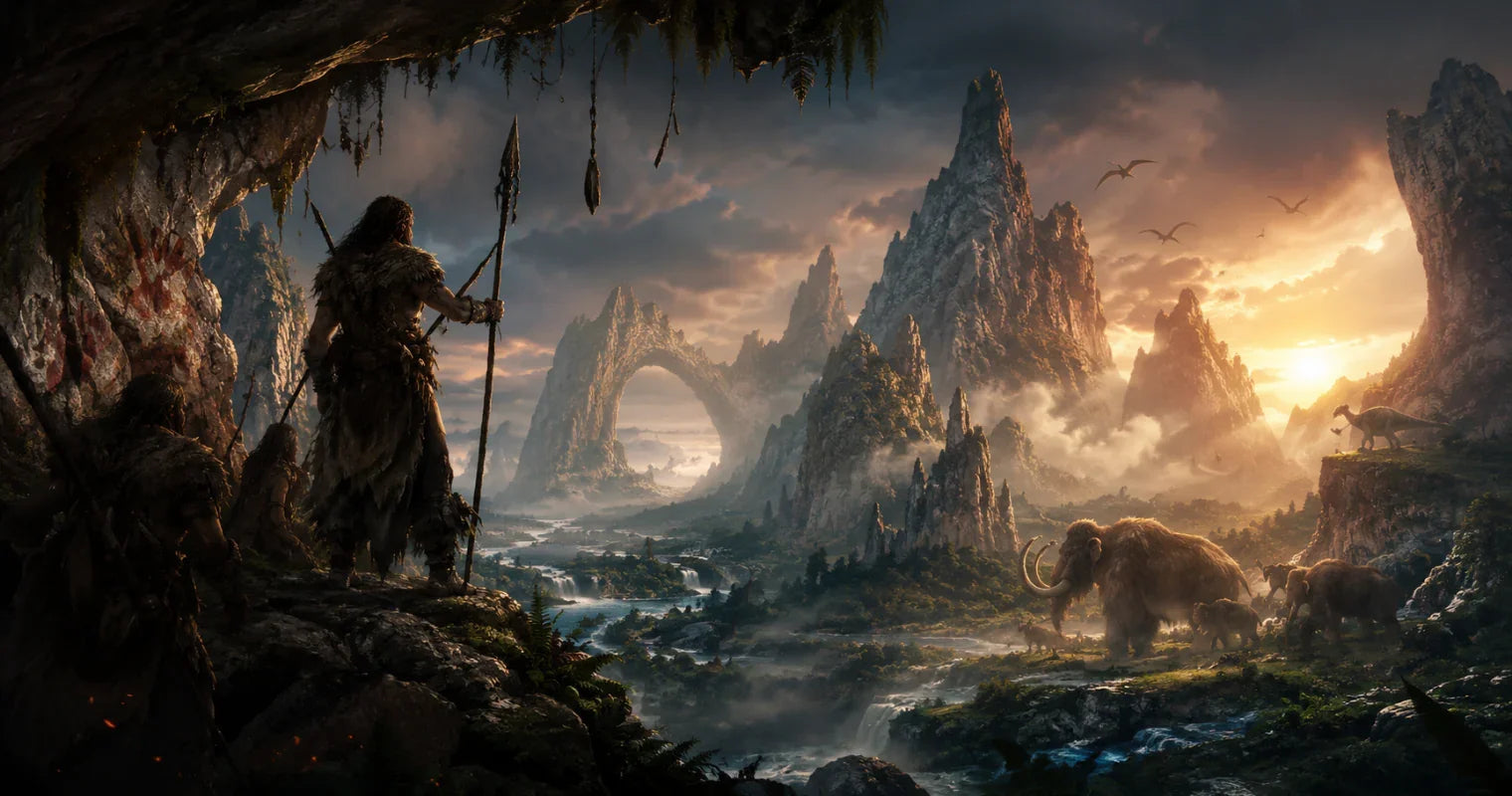
There’s something unforgettable about a world where civilization is still young, where towering beasts roam untouched wilderness, and where every firelit camp feels like a fragile refuge against the dark.
A prehistoric fantasy campaign brings Dungeons & Dragons back to raw survival and primal wonder. Instead of bustling kingdoms and crowded cities, players explore endless forests, volcanic valleys, frozen tundras, and ancient swamps filled with creatures no one fully understands. Weapons are carved from bone and obsidian. Spirits whisper through the trees. Magic feels mysterious and dangerous rather than academic.
For Dungeon Masters looking to create a fresh experience, prehistoric D&D opens the door to survival-focused storytelling, tribal politics, ancient myths, and exploration-driven adventures unlike traditional medieval fantasy settings.
What Makes a Stone Age D&D Setting Unique?
A stone age D&D campaign feels different because the world itself is untamed. Nature is powerful, unpredictable, and often terrifying.
In many traditional fantasy settings, roads connect kingdoms and knowledge is widely shared. In a primitive fantasy setting, entire regions remain unexplored. Every mountain range may hide forgotten ruins or sleeping monsters. Every river crossing could become a life-or-death challenge.
Key elements that define prehistoric D&D include:
-
Limited technology and scarce resources
-
Dangerous wilderness filled with predators
-
Tribal societies and oral traditions
-
Ancient spirits, primal magic, and mysterious rituals
-
Survival-focused exploration
-
Massive creatures that dominate the landscape
Without advanced armor, castles, or organized armies, even small victories feel meaningful. Players become hunters, explorers, protectors, and storytellers trying to survive in a world that doesn’t care whether they live or die.
Core Themes of a Prehistoric Campaign
Survival Against Nature
A dnd survival campaign thrives when nature itself becomes part of the adventure.
Food shortages, harsh storms, freezing nights, and dangerous terrain can create tension without constant combat. Crossing a canyon or surviving a blizzard may become just as memorable as fighting monsters.
Simple details help reinforce the atmosphere:
-
Tracking footprints through mud
-
Protecting campfires during heavy rain
-
Hunting giant beasts for food and supplies
-
Finding clean water deep in hostile territory
These challenges make players feel connected to the world in a very physical way.
Discovery and Exploration
Prehistoric settings are perfect for exploration-heavy storytelling.
The world should feel ancient and mysterious, with forgotten caves, towering ruins, and sacred landmarks scattered across the wilderness. Even experienced adventurers should feel small compared to the scale of the environment.
One valley may contain glowing crystals worshipped by local tribes. Another may hide colossal skeletons from creatures long extinct.
This sense of discovery is what makes prehistoric dnd so exciting.
Spiritual Beliefs and Primal Magic
Magic in a Stone Age world often feels older and more instinctive than traditional fantasy spellcasting.
Instead of formal wizard schools, magic may come from:
-
Animal spirits
-
Ancestor worship
-
Ancient songs and rituals
-
Volcanic energy
-
Celestial events
-
Dreams and visions
Druids, shamans, and spirit speakers become central figures within tribal societies.
Liquid core dice can fit beautifully into this atmosphere. Their swirling interiors can resemble trapped elemental energy, glowing swamp magic, or mysterious prehistoric rituals tied to ancient spirits.
Humanity Versus Massive Beasts
Nothing captures primal fantasy like facing creatures far larger and stronger than the players.
A mammoth crashing through a snowstorm or a massive reptilian predator emerging from jungle fog instantly creates tension and excitement.
Boss encounters in these campaigns should feel huge, dangerous, and unpredictable.
Oversized resin chonk dice can make these moments feel even more dramatic at the table. Rolling a massive die during a prehistoric monster encounter adds a tactile sense of weight and danger that fits the atmosphere perfectly.
Prehistoric Setting Ideas
Ice Age Wilderness
Frozen plains stretch endlessly beneath gray skies while woolly mammoths migrate across the horizon.
Survival becomes a constant challenge as players battle cold temperatures, hunting shortages, and predators lurking in snow-covered forests.
This setting works especially well for gritty exploration campaigns.
Volcanic Jungles
Dense jungles grow around rivers of lava and smoking mountains.
Ancient reptiles dominate the landscape while tribes worship volcanic spirits and fire-born gods. Eruptions can reshape entire regions overnight.
Resin dice with fiery reds, smoky blacks, or molten orange swirls fit naturally into this kind of harsh prehistoric environment.
Mammoth Plains
Wide open grasslands filled with giant herds create opportunities for nomadic adventures, mounted travel, and territorial conflicts between clans.
Players may escort migrating tribes or defend settlements from enormous predators following the herds.
Ancient Swamp Civilizations
Not all primitive societies need to feel simple.
A prehistoric swamp kingdom built atop massive trees or ancient stone platforms can feel mysterious and sophisticated in its own way. Tribal leaders may protect sacred relics older than recorded history.
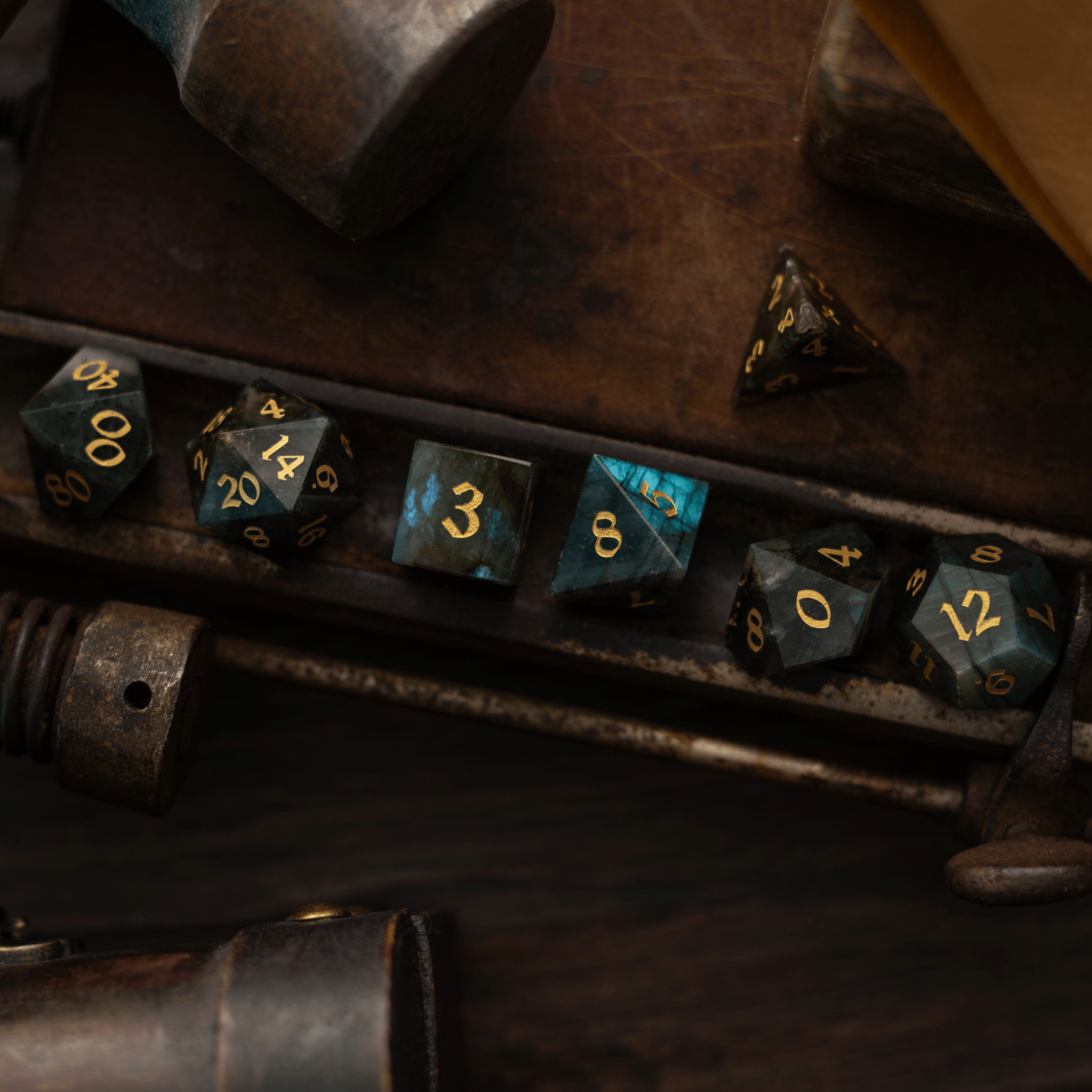
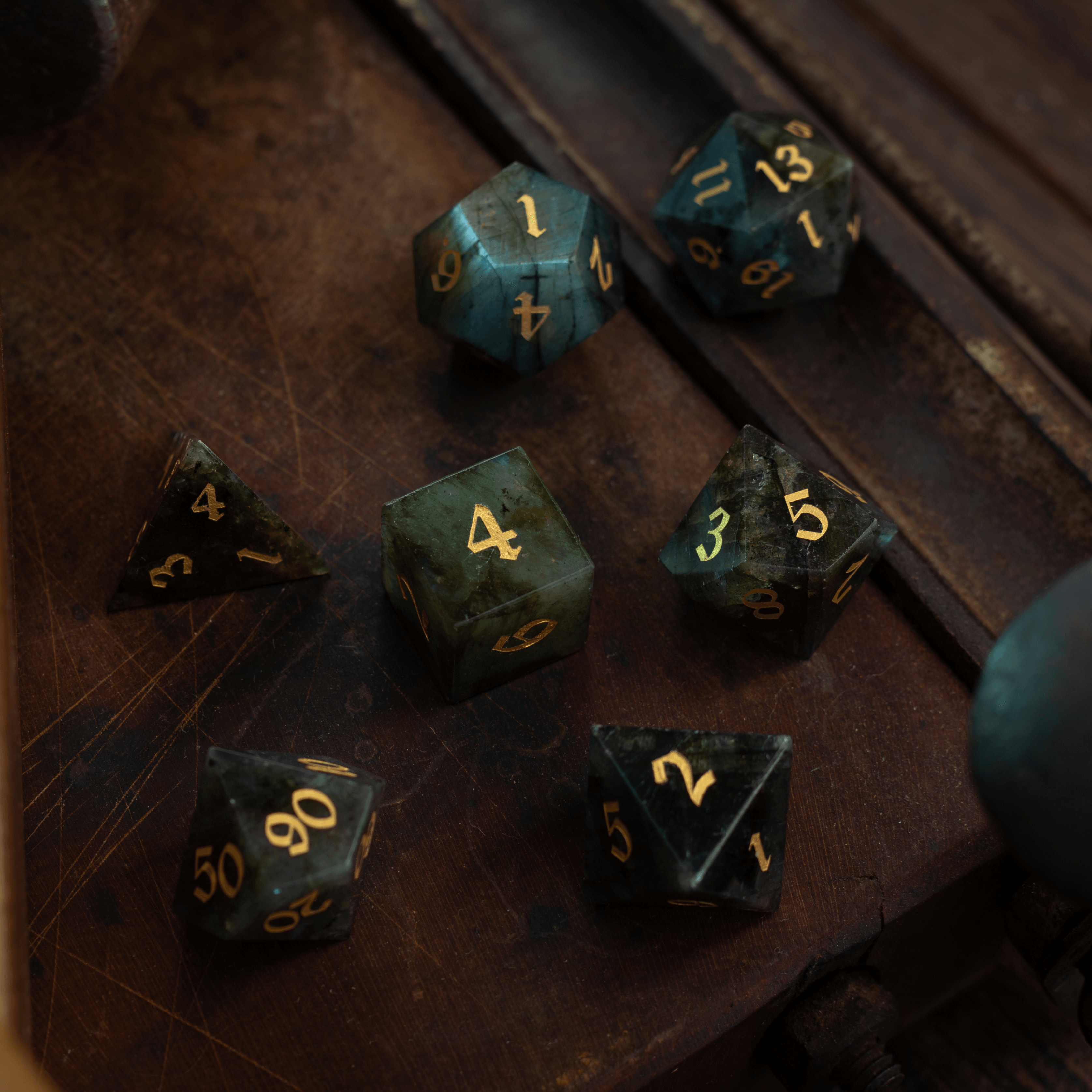
Earth-toned gemstone dice work especially well for characters tied to ancient forests, spirits, or druidic traditions. Natural textures and muted colors help reinforce the feeling of a world shaped by stone, bone, and wilderness.
Stone Age Campaign Ideas Table
|
Setting Concept |
Main Threat |
Adventure Hook |
|
Frozen Mammoth Tundra |
Starvation and giant predators |
Escort a migrating tribe through deadly winter territory |
|
Volcanic Jungle Realm |
Eruptions and reptilian beasts |
Recover sacred eggs stolen from a fire spirit temple |
|
Endless Stone Desert |
Water scarcity and sandstorms |
Discover why ancient wells are suddenly drying up |
|
Swamp of Whispering Spirits |
Cursed magic and disease |
Investigate ghostly voices calling travelers into the marsh |
|
Isle of Ancient Titans |
Colossal monsters |
Hunt a legendary beast before it destroys coastal villages |
|
Forest of Living Totems |
Hostile spirit guardians |
Negotiate peace between rival clans and ancient forest spirits |
Primitive Weapons, Tools & Survival
Weapons in a primitive fantasy setting should feel handmade and personal.
Characters may use:
-
Obsidian spears
-
Bone knives
-
Stone axes
-
Hunting slings
-
Wooden shields reinforced with hide
-
Primitive traps and snares
Crafting becomes an important part of gameplay.
Instead of visiting blacksmith shops, players gather materials directly from the wilderness. A slain beast may provide bone for weapons, fur for clothing, or teeth for ceremonial decorations.
This creates a strong connection between survival and progression.
Monsters That Fit the Setting
Prehistoric campaigns allow Dungeon Masters to use creatures that feel ancient, primal, and terrifying.
Excellent monster choices include:
-
Dinosaurs
-
Saber-toothed predators
-
Giant insects
-
Mammoths
-
Dire wolves
-
Primitive dragons
-
Elementals tied to storms or volcanoes
-
Ancient spirits guarding sacred lands
Even familiar D&D monsters can feel fresh when adapted to a primitive world.
A troll living beneath icy cliffs or a hydra lurking in a prehistoric swamp instantly gains new flavor through the setting alone.
Tribal Cultures & Factions
Tribal societies add emotional depth and political tension to prehistoric campaigns.
Different clans may compete over:
-
Hunting grounds
-
Sacred sites
-
Water sources
-
Spiritual beliefs
-
Ancient artifacts
-
Seasonal migrations
Not every tribe should feel hostile or violent. Some may value storytelling, trade, or spiritual wisdom above combat.
Interesting tribal roles can include:
-
Beast tamers
-
Spirit callers
-
Hunters
-
Bone crafters
-
Fire keepers
-
Oral historians
These cultures help make the world feel alive and interconnected.
Roleplay Opportunities in a Primitive World
Stone age settings naturally encourage character-focused storytelling.
Without large cities or constant distractions, smaller moments become more meaningful.
Characters may:
-
Share stories around campfires
-
Perform tribal ceremonies
-
Debate spiritual beliefs
-
Fear strange omens
-
Form hunting bonds
-
Protect vulnerable clan members
A dnd survival campaign works best when players feel emotionally connected to their group and environment.
Resin dice inspired by forests, rivers, ash, or glacial ice can subtly reinforce those themes at the table. Matching a character’s dice to their tribe, homeland, or spiritual identity adds another layer of immersion without needing elaborate props.
Making Exploration Feel Dangerous
Danger in prehistoric campaigns should feel unpredictable.
The wilderness itself becomes part of the challenge.
Environmental Hazards
Use hazards like:
-
Sudden floods
-
Quicksand
-
Wildfires
-
Freezing temperatures
-
Rockslides
-
Toxic plants
-
Volcanic ash clouds
Limited Supplies
Food, fire, and shelter matter in a primitive world.
Players may need to make difficult choices about:
-
Carrying resources
-
Risking dangerous hunts
-
Traveling at night
-
Protecting injured allies
Unpredictable Creatures
Not every monster should attack immediately.
Some beasts stalk the party from a distance. Others defend territory or react to fear. Treating creatures like animals instead of simple combat encounters makes the world feel more believable and tense.
Tips for Dungeon Masters
Keep the World Mysterious
Avoid explaining everything.
Ancient ruins, giant skeletons, and spirit-filled caves become more memorable when players slowly uncover their secrets over time.
Use Atmosphere Constantly
Small environmental details create immersion:
-
Cracking ice beneath footsteps
-
Distant roars echoing through fog
-
Ash falling from volcanic skies
-
The smell of rain and wet earth
-
Flickering torchlight inside caves
Atmosphere is one of the strongest tools in prehistoric fantasy storytelling.
Balance Survival and Fun
Survival mechanics should create tension without becoming exhausting.
Focus on meaningful challenges rather than constant punishment. Resource scarcity works best when it pushes creative decisions instead of slowing the game down.
Encourage Creative Problem-Solving
Primitive worlds naturally reward clever thinking.
Players may:
-
Build traps instead of fighting directly
-
Negotiate with tribes
-
Use terrain creatively
-
Tame creatures
-
Harness natural hazards against enemies
These solutions help prehistoric campaigns feel different from standard dungeon crawls.
Conclusion
Prehistoric fantasy offers something many traditional D&D settings don’t: a feeling that the world is still wild, mysterious, and largely unknown.
A stone age dnd campaign transforms familiar adventures into stories of survival, exploration, tribal loyalty, and primal magic. Every fire matters. Every hunt feels dangerous. Every distant roar in the dark becomes a reason to grip the edge of the table a little tighter.
Whether your players are crossing frozen mammoth plains, surviving volcanic jungles, or uncovering forgotten spirit temples deep within ancient forests, prehistoric D&D creates adventures that feel raw, immersive, and unforgettable.
Sometimes the best fantasy stories begin long before kingdoms rise, when the wilderness still rules the world and legends are only just beginning.


















Leave a comment
This site is protected by hCaptcha and the hCaptcha Privacy Policy and Terms of Service apply.