
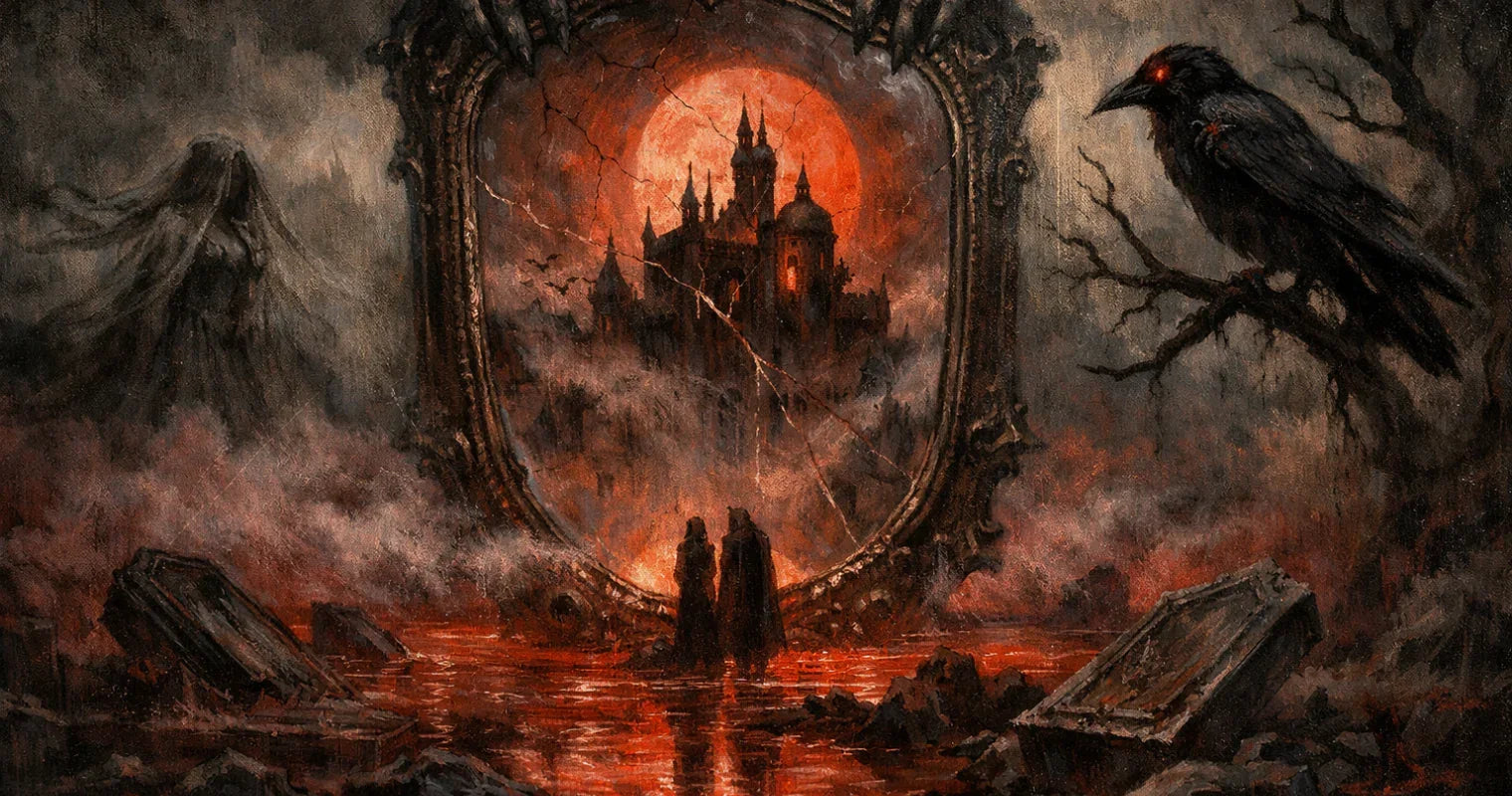
Ravenloft: Heir of Strahd Guide for Players and Dungeon Masters

Ravenloft is not the kind of place heroes simply visit. It is the kind of place that watches them arrive.
A Ravenloft campaign built around Heir of Strahd invites players into a world of mist, old grief, haunted roads, and choices that rarely feel clean. Unlike a traditional fantasy adventure where brave heroes march toward glory, gothic horror DnD asks a different question: what will your characters become when hope is scarce?
For players and Dungeon Masters, Ravenloft offers one of the most memorable styles of Dungeons & Dragons. It blends mystery, survival, emotional roleplay, and creeping dread into a campaign experience where every candlelit room might hide a secret.
What Makes Ravenloft Different?
Most D&D adventures are built around exploration, treasure, monsters, and heroic victories. Ravenloft has those elements, but it changes the mood completely.
In Ravenloft, the world feels trapped. The weather presses close. The roads feel too quiet. Help is hard to find, and even victory can carry a cost.
A strong dnd horror campaign focuses on:
-
Suspense instead of constant action
-
Moral choices instead of easy answers
-
Investigation instead of rushing forward
-
Isolation instead of heroic comfort
-
Atmosphere instead of endless combat
That does not mean Ravenloft should be miserable. The best horror campaigns still have humor, friendship, courage, and warmth. Those bright moments matter more because the darkness around them feels real.
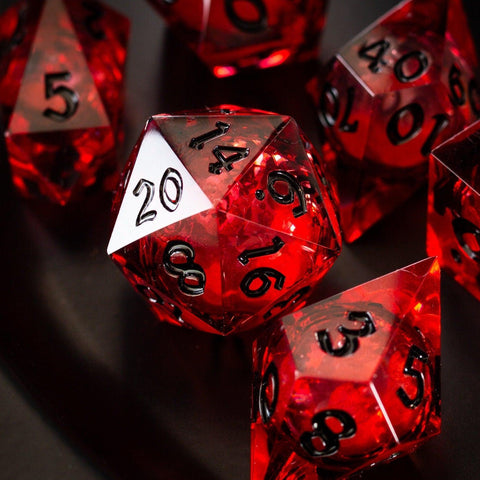
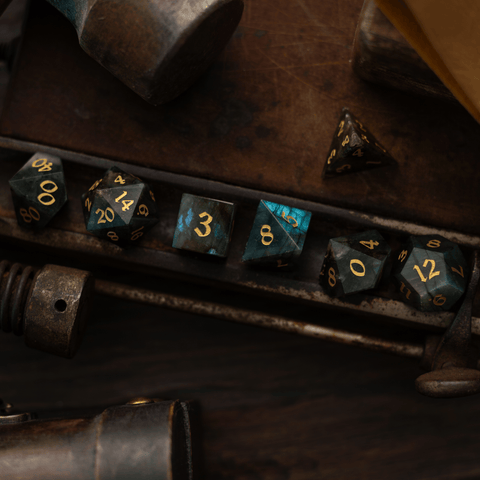
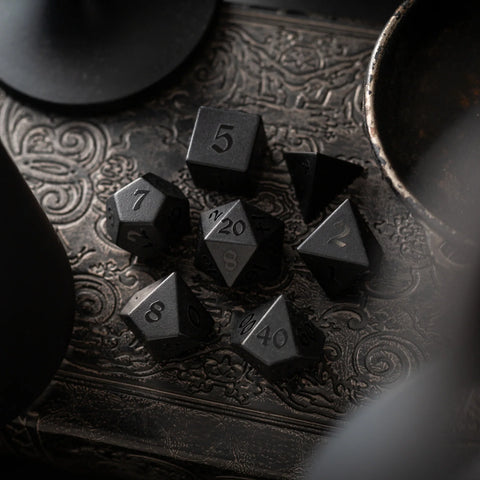
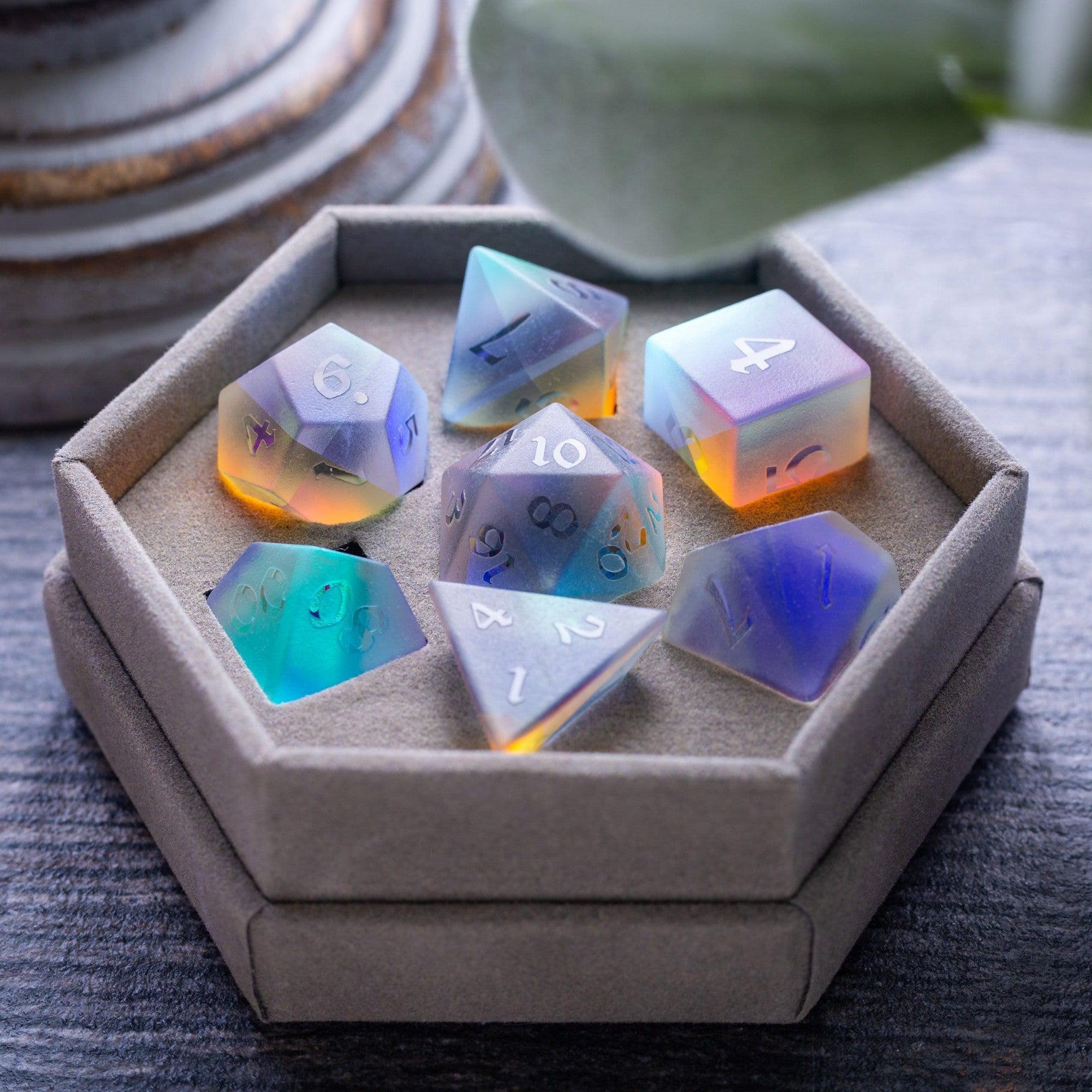
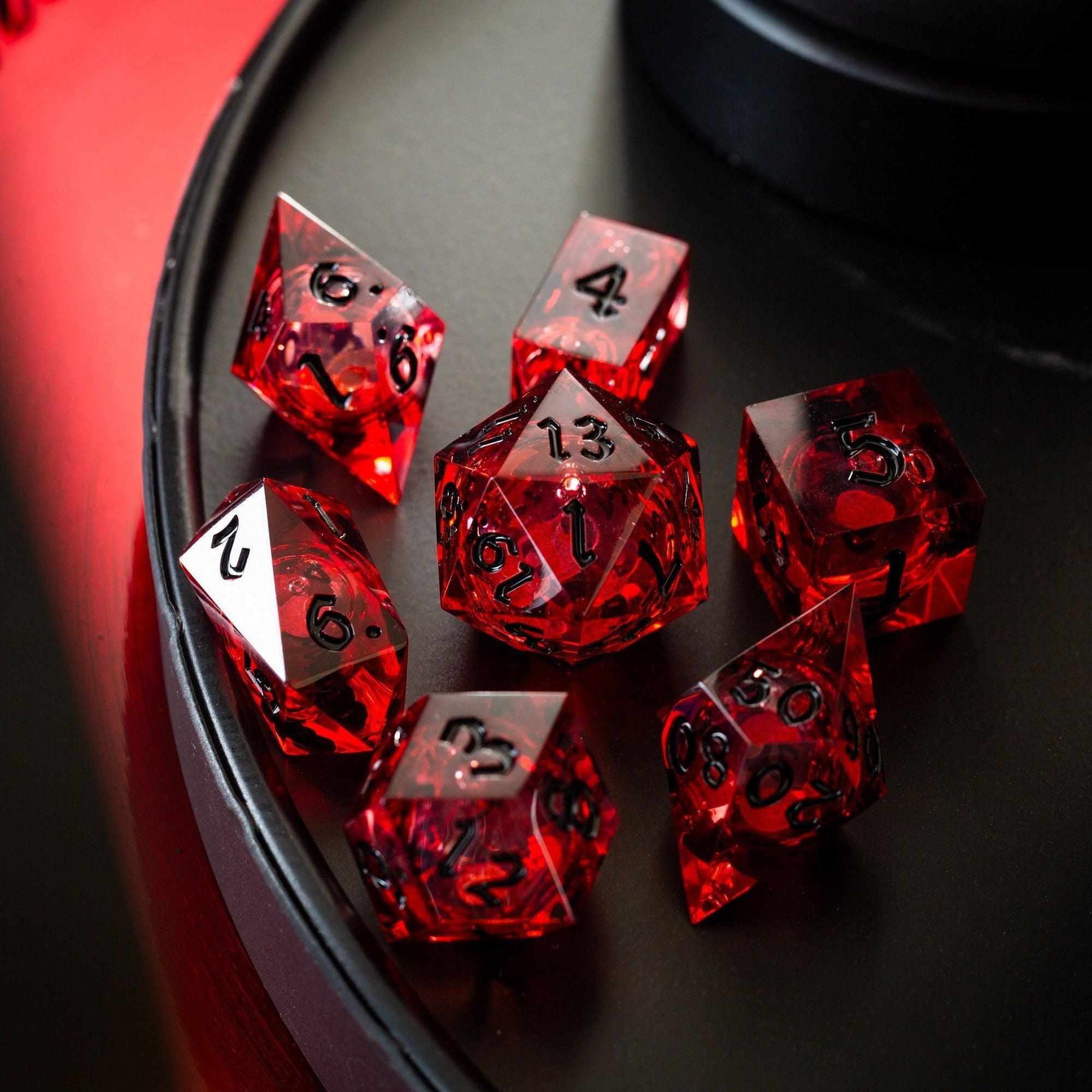
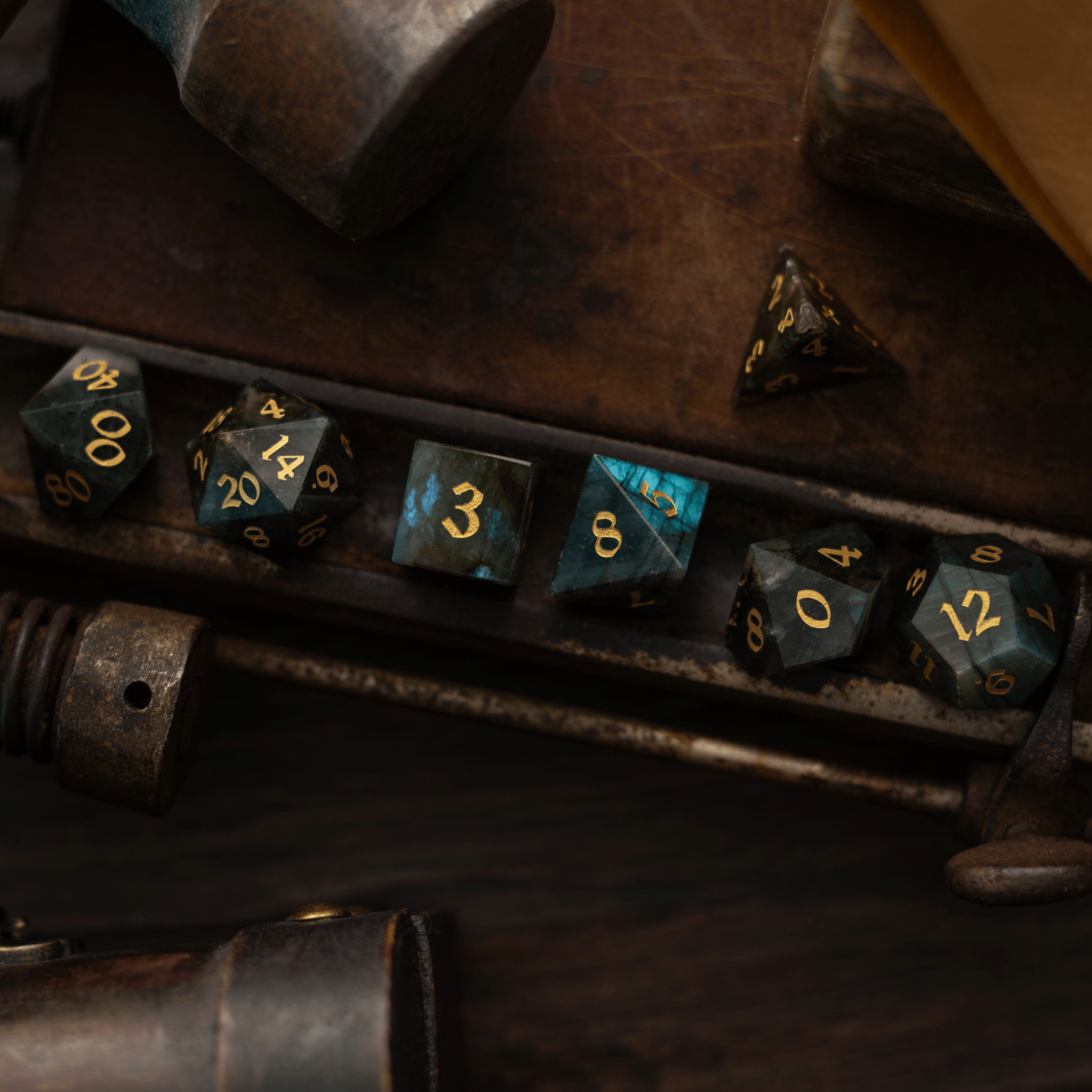
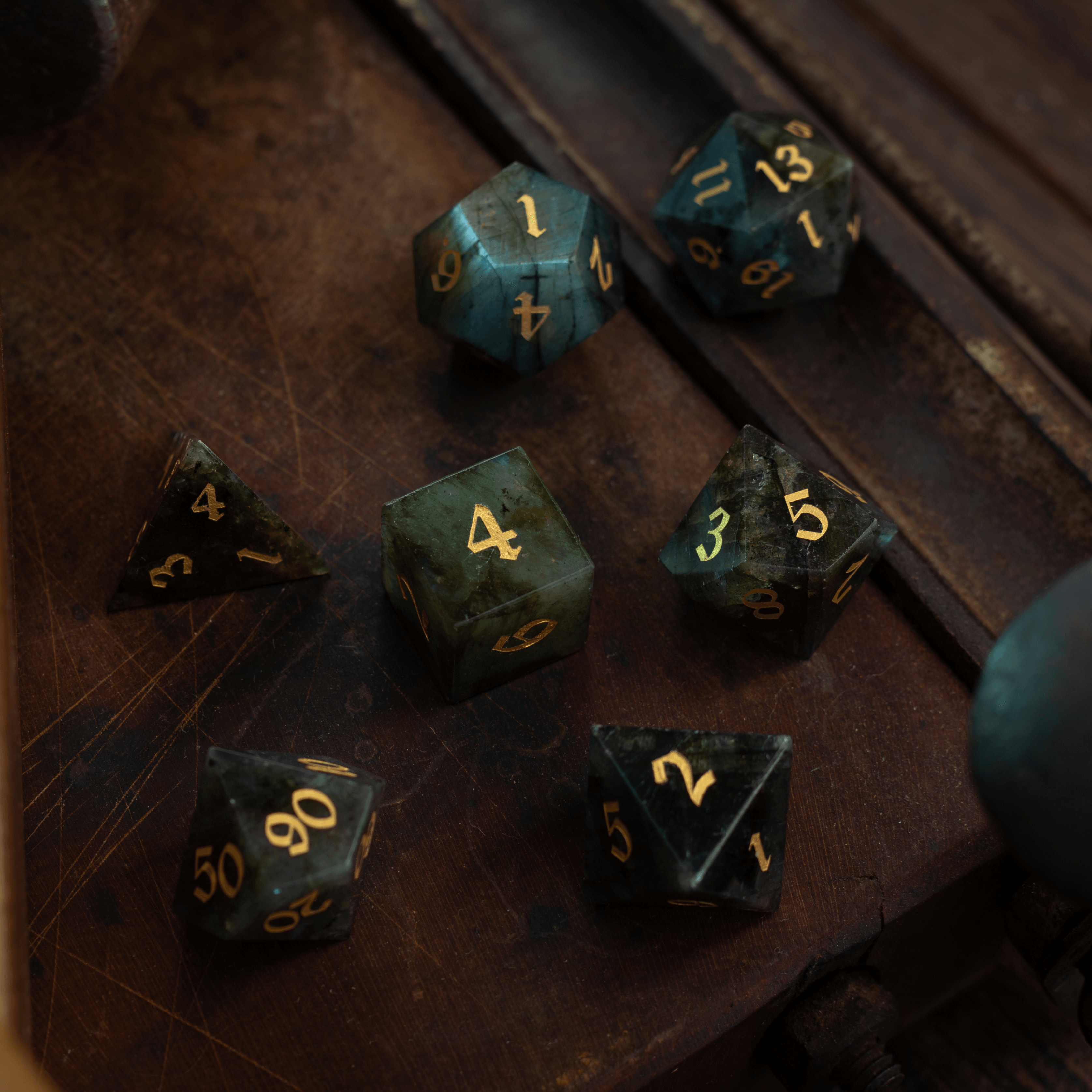
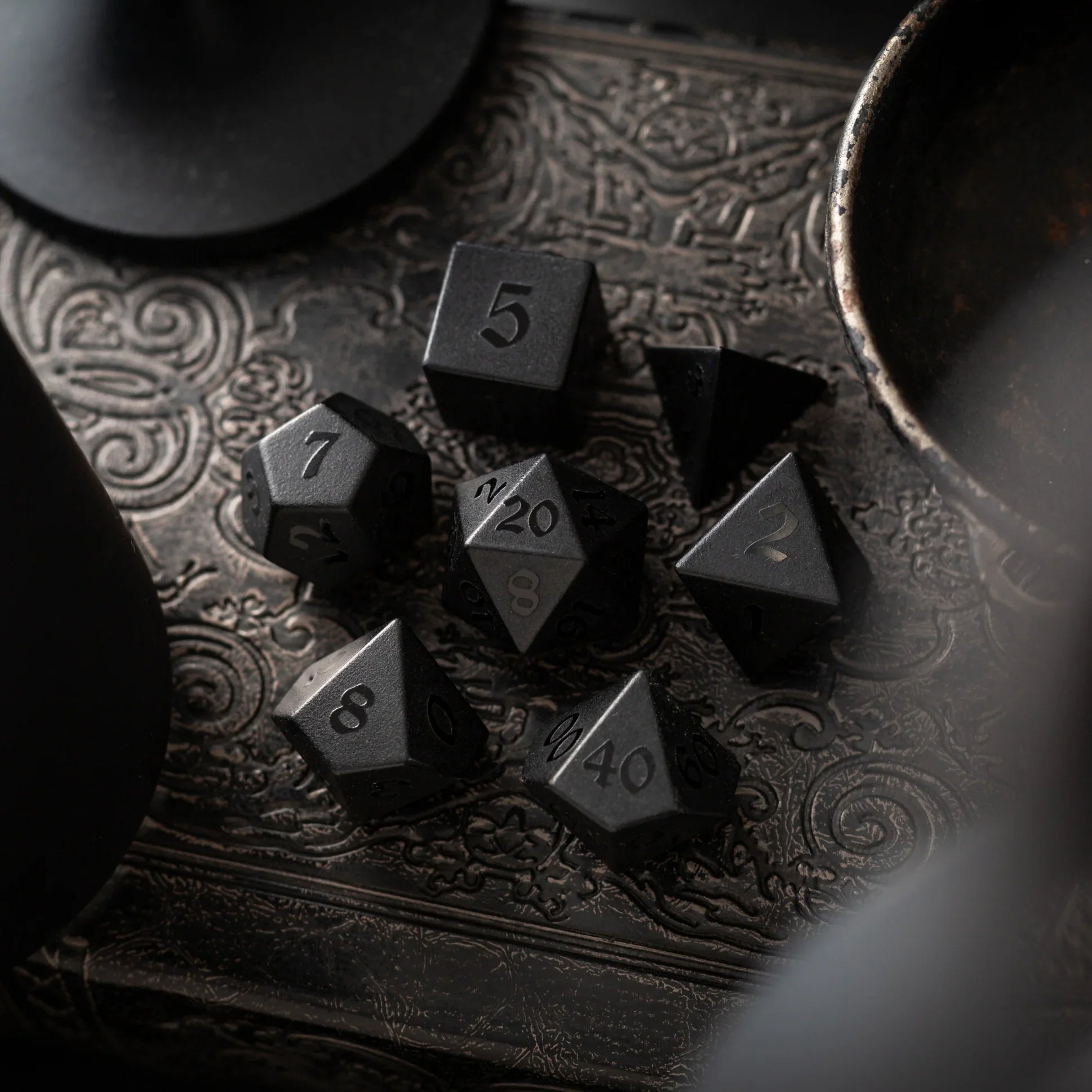
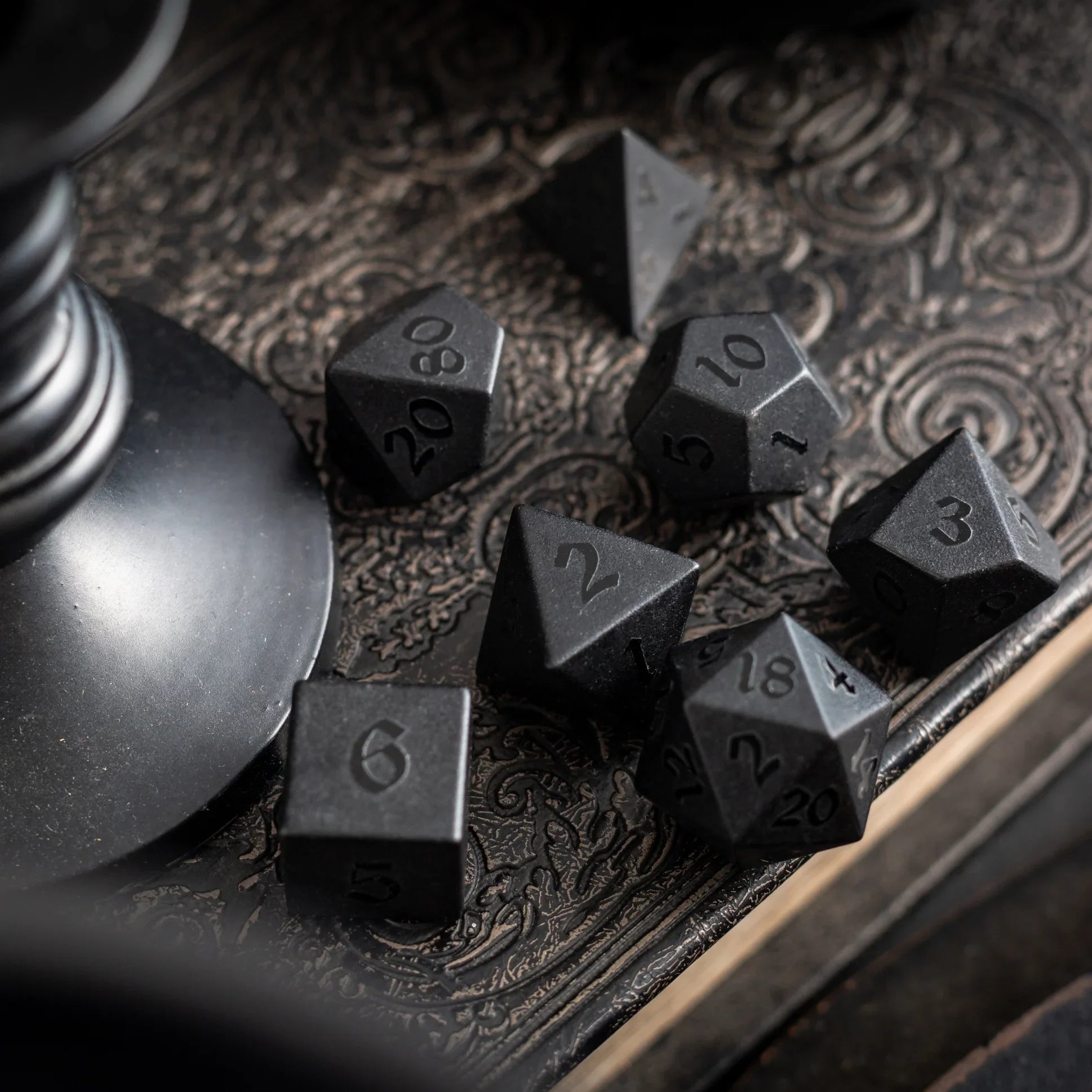
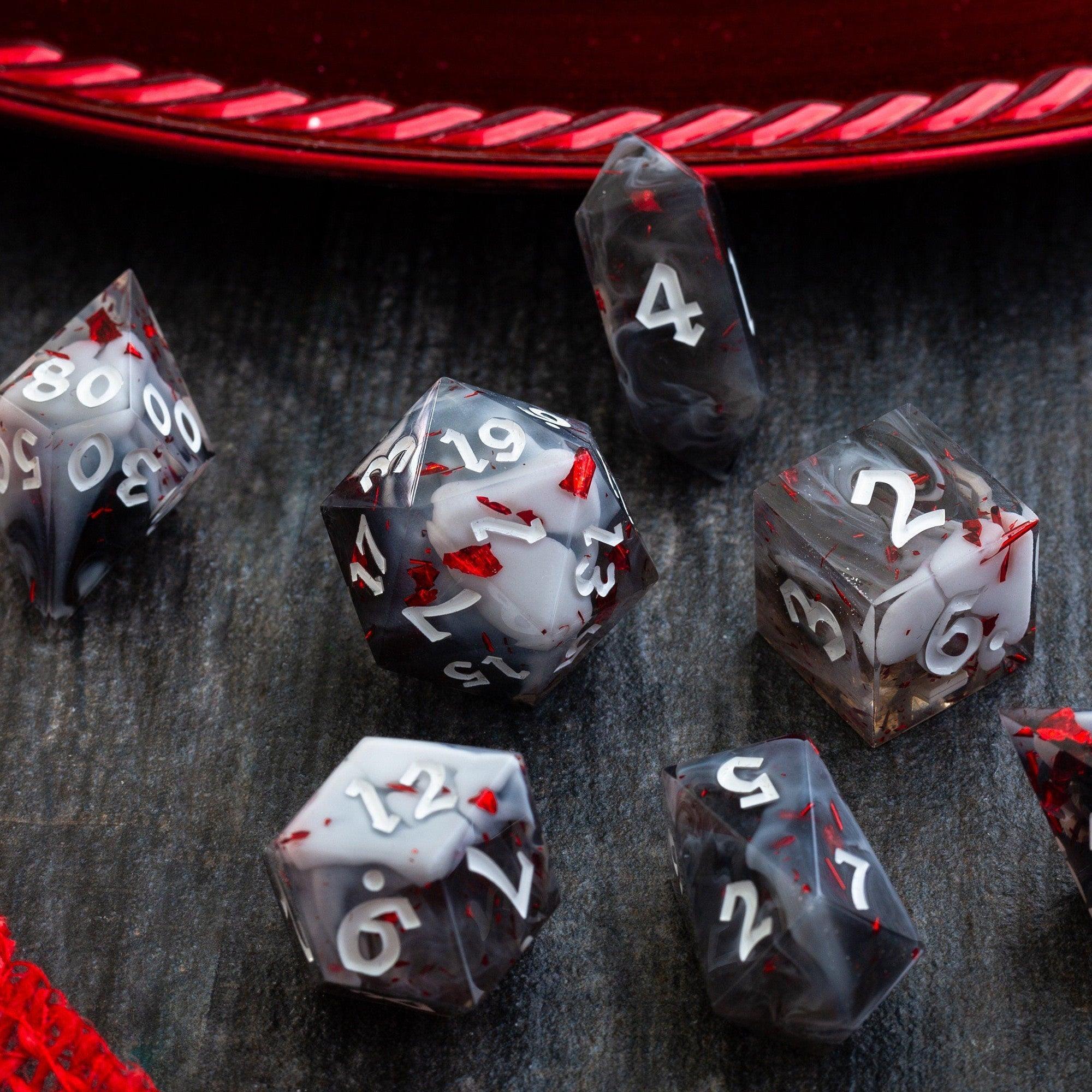
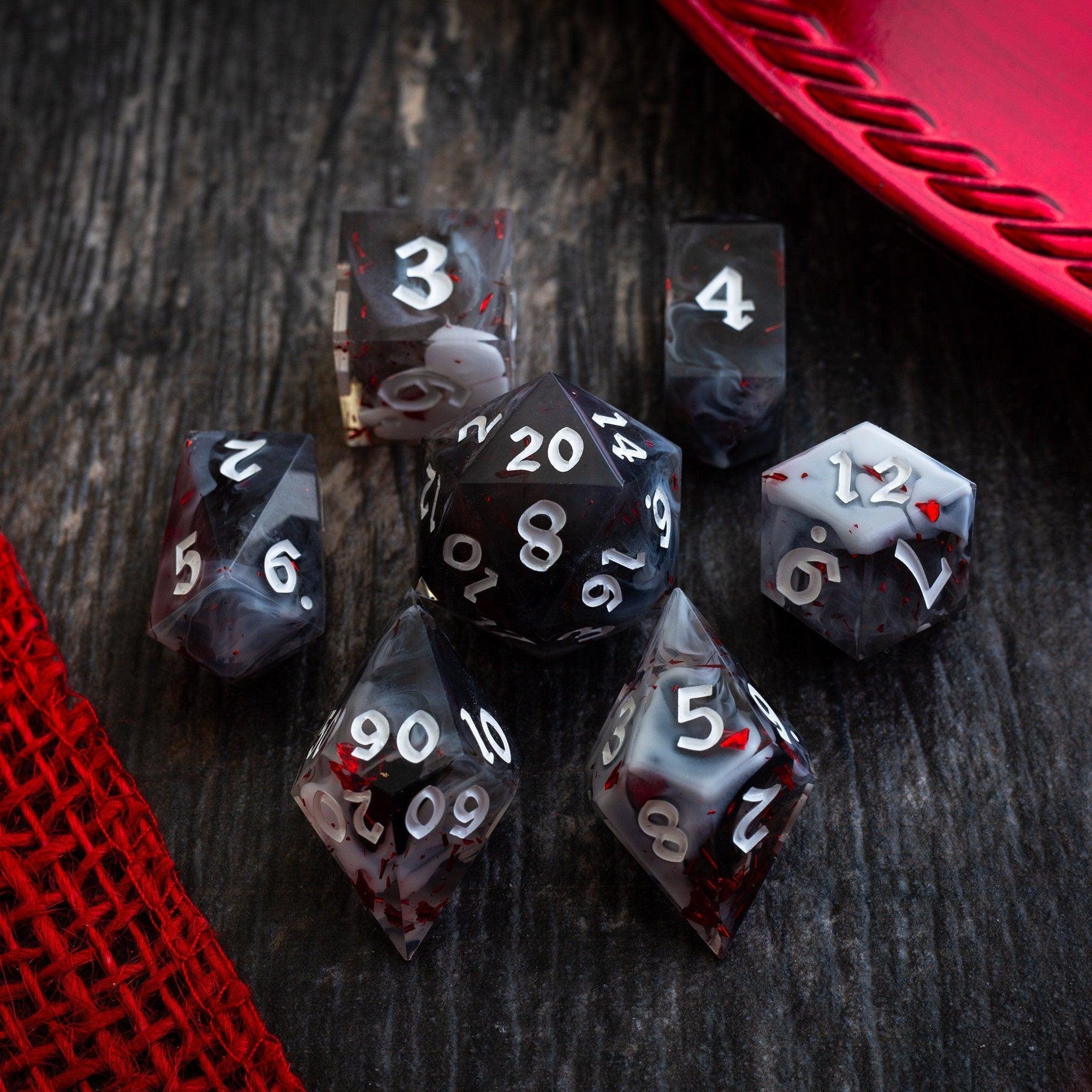
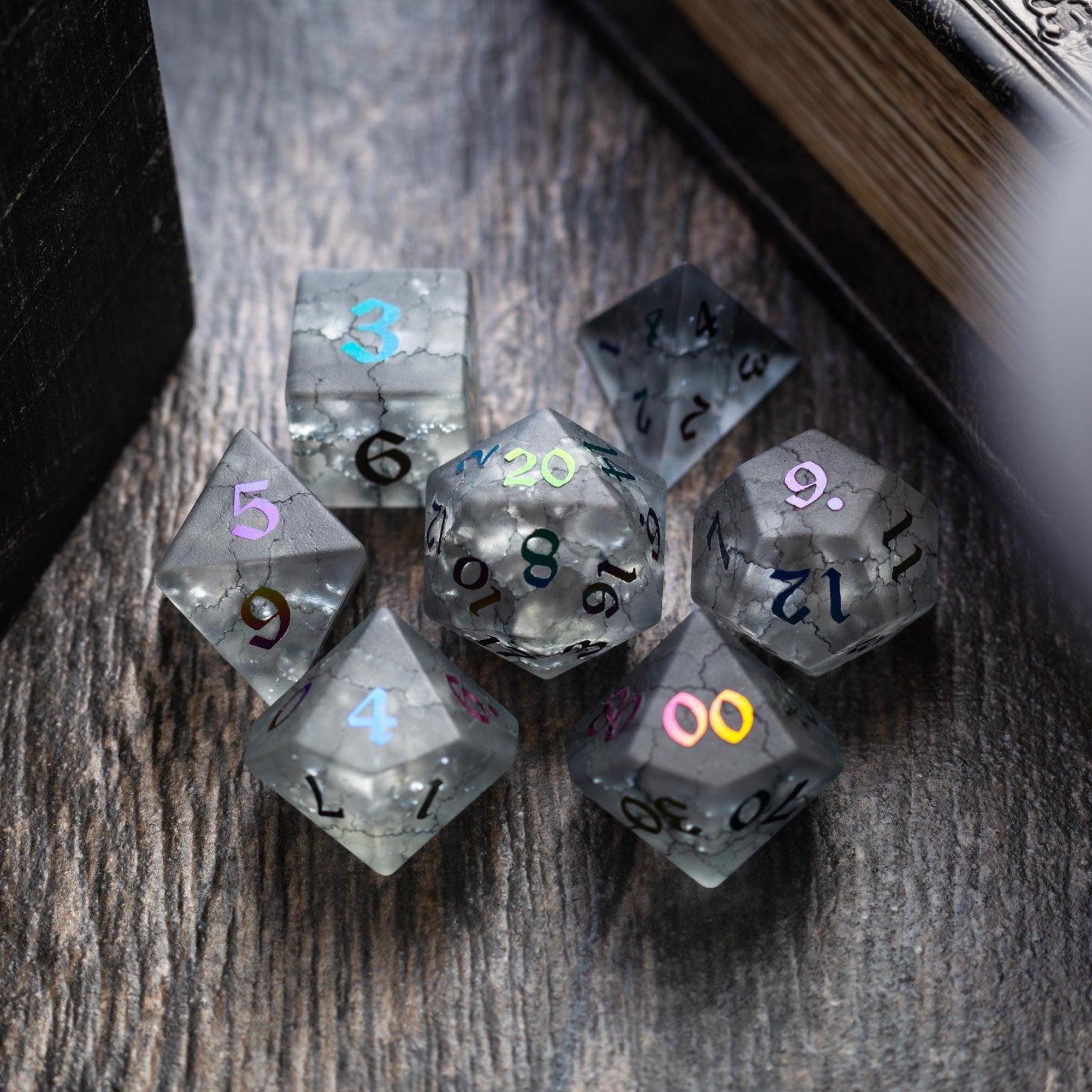
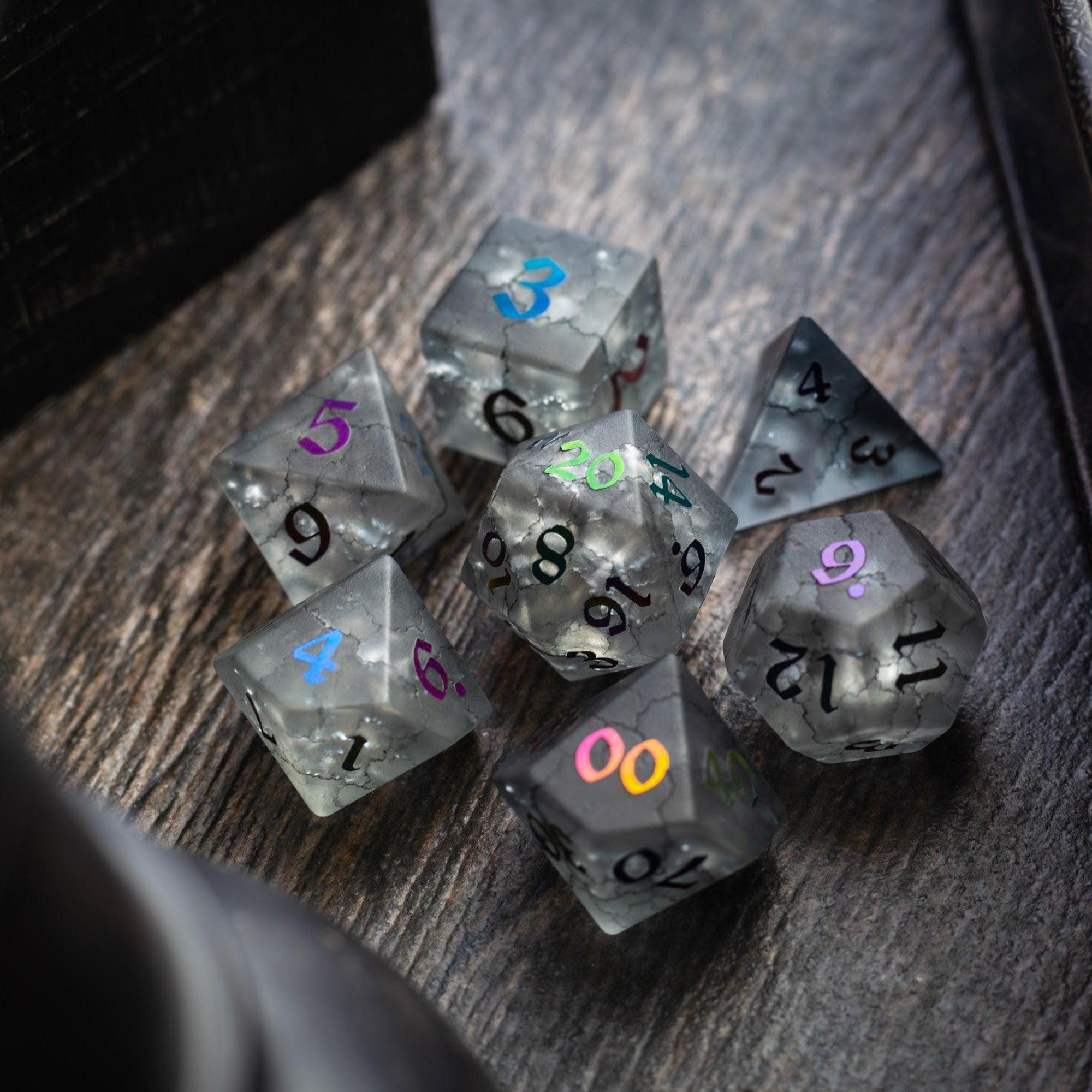
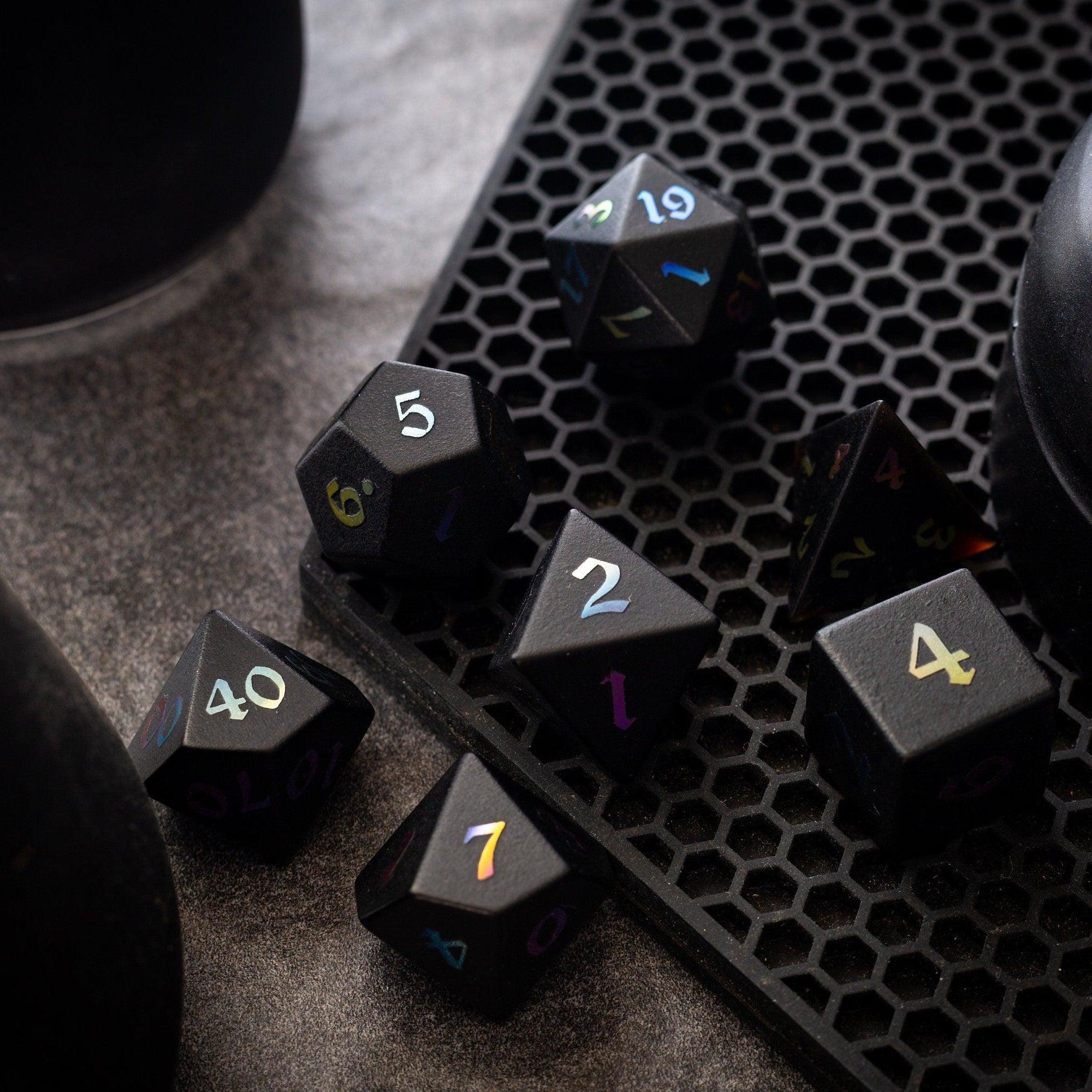
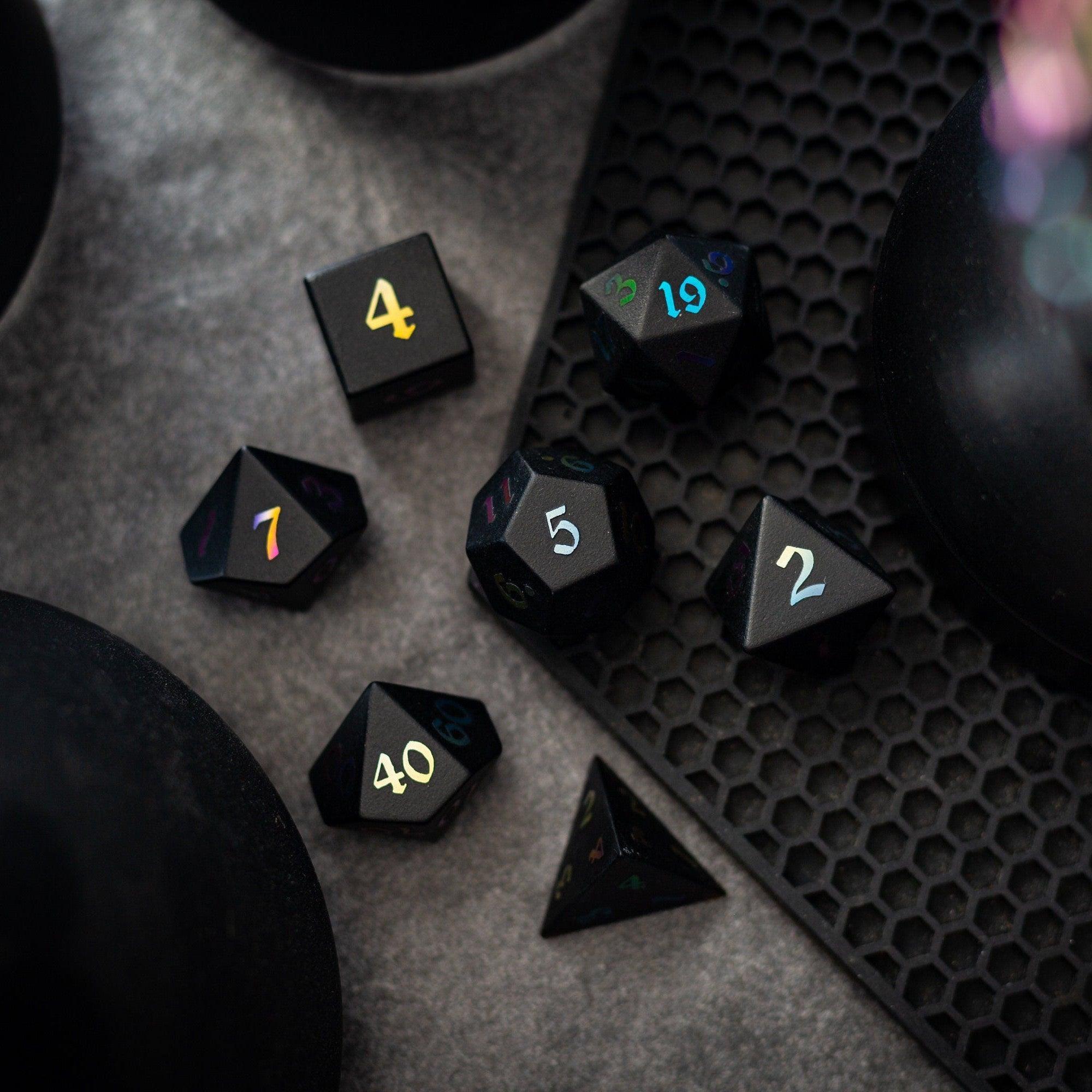
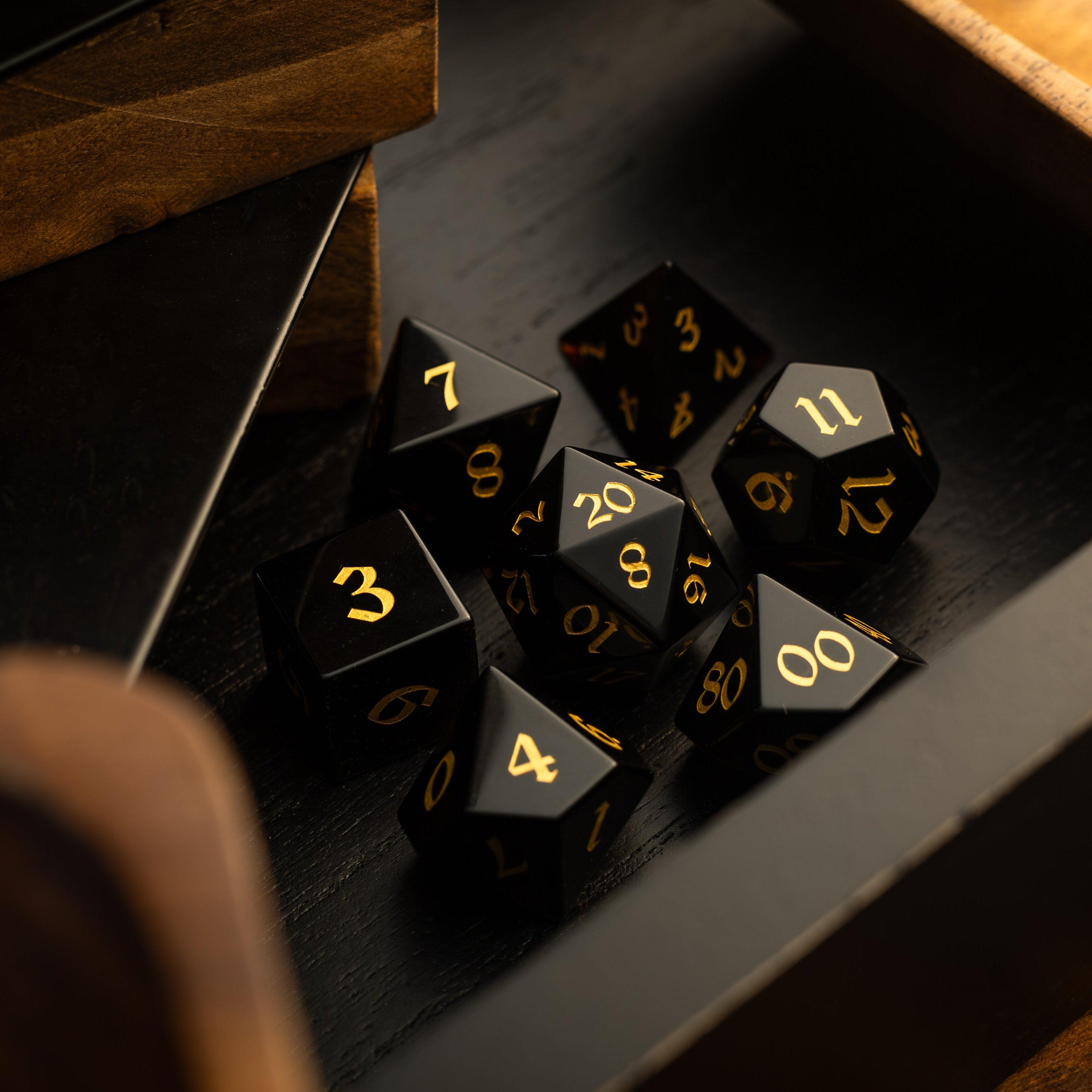
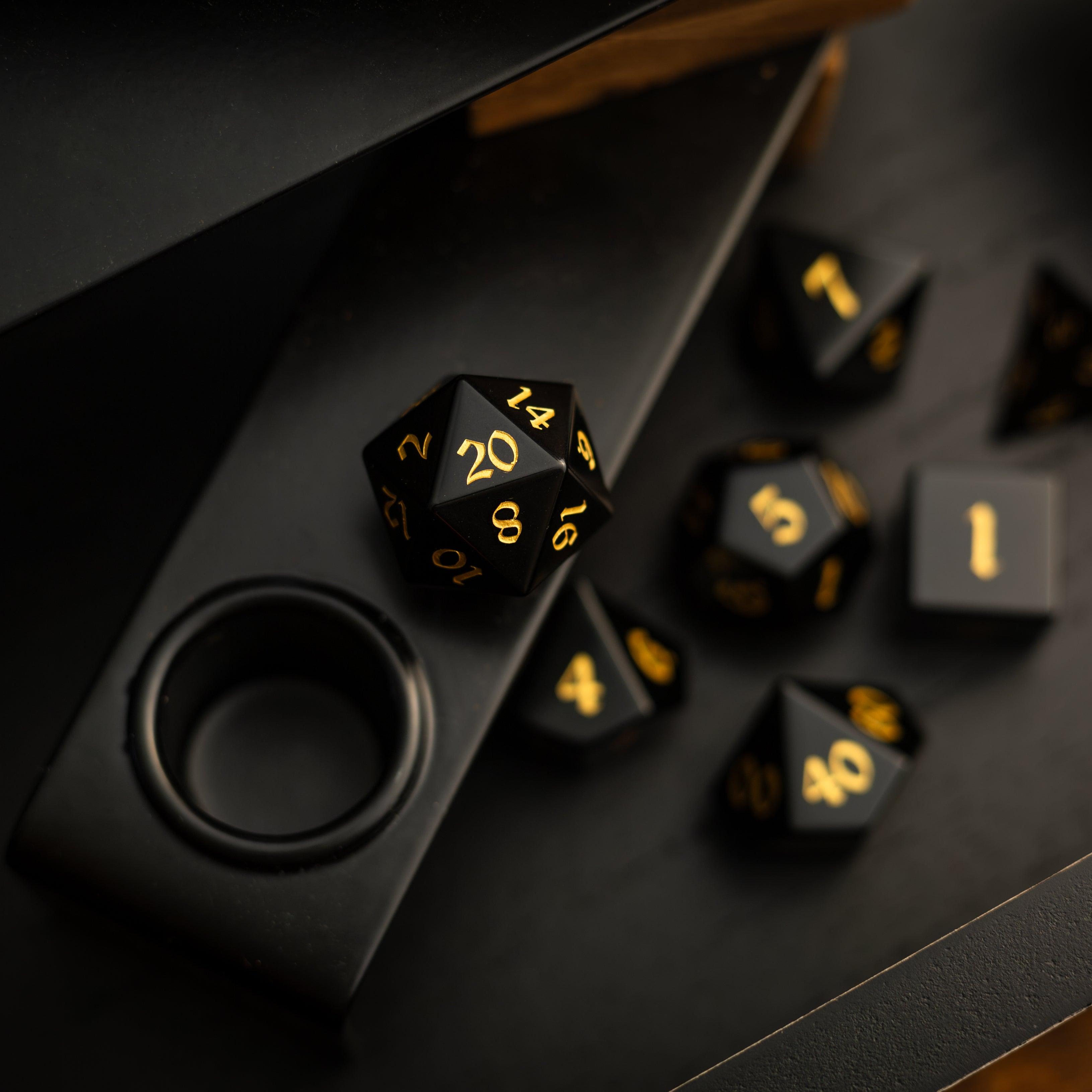
A set of dark gemstone dice, misty liquid core dice, or shadowy resin dice can help set the mood at the table without saying a word. In a Ravenloft game, even the sound of dice rolling can feel like a candle flickering in the dark.
Understanding the World of Ravenloft
Ravenloft is a collection of nightmare realms known as the Domains of Dread. Each domain has its own flavor of horror, its own cursed history, and often a powerful figure bound to it. These figures are known as Darklords.
The Mists are one of Ravenloft’s most iconic features. They do not simply block roads. They separate worlds, swallow travelers, and remind characters that escape may not be as simple as walking away.
Barovia, the land most closely tied to Strahd von Zarovich, is the classic image of Ravenloft: lonely villages, haunted forests, ancient castles, suspicious locals, and a sense that the past is never truly buried.
For a spoiler-free Ravenloft guide, the most important thing to understand is this: Ravenloft is not just a setting. It is a mood. It is a promise that choices matter, fear has weight, and every victory feels earned.
Ravenloft Campaign Advice Table
|
Situation |
Recommended Approach |
Why It Works |
|
Exploration |
Stay cautious |
Danger can appear anywhere, even in quiet places |
|
Roleplay |
Build relationships |
Allies, trust, and local knowledge matter |
|
Investigation |
Gather clues carefully |
Information is often stronger than brute force |
|
Combat |
Pick battles wisely |
Survival is not guaranteed in gothic horror |
|
Horror Scenes |
Lean into tension |
Suspense makes the world feel alive |
|
Villain Encounters |
Stay composed |
Fear is powerful, but panic creates mistakes |
|
Downtime |
Reflect as a party |
Emotional moments deepen the campaign |
Creating Characters for Heir of Strahd
Great Ravenloft characters are not just powerful. They are vulnerable, driven, and emotionally grounded.
When building a character for Heir of Strahd, think beyond class and combat role. Ask what would make your character keep going when the road turns cold and the village doors close.
Strong character ideas include:
-
A monster hunter with a personal code
-
A cleric questioning their faith in a land of silence
-
A rogue who hides fear behind humor
-
A noble trying to restore a fallen family name
-
A wizard obsessed with forbidden history
-
A fighter protecting someone weaker than themselves
Personal fears are also useful. Your character does not need to be terrified all the time, but they should have something that gets under their skin. Fear of failure, abandonment, undeath, corruption, darkness, or losing control can all create great roleplay moments.
For the table, resin dice with smoky colors or dark gemstone dice can match this kind of character well. A haunted investigator, cursed noble, or grim monster hunter feels right at home with dice that look like they were pulled from a forgotten manor drawer.
Tips for Players
Ravenloft rewards players who listen, investigate, and work together.
This is not the best place for reckless lone-wolf behavior. Splitting the party, mocking every threat, or treating every NPC like a quest dispenser can weaken the mood quickly.
Good player habits include:
-
Take notes on names, locations, and clues
-
Respect the horror tone without derailing it
-
Let your character feel fear without becoming useless
-
Talk with the party before dangerous choices
-
Pay attention to NPC behavior
-
Save resources when the situation feels uncertain
Most importantly, buy into the story. Horror roleplaying works best when players allow the world to feel dangerous. That does not mean giving up control. It means letting tension matter.
Tips for Dungeon Masters
A strong Ravenloft DM does not need to scare players every minute. In fact, constant fear becomes exhausting. The trick is pacing.
Let quiet moments breathe. Describe the smell of old wood, the way a candle gutters without wind, or how a villager lowers their voice when a certain name is spoken.
Useful DM techniques include:
-
Use sensory details instead of long lore dumps
-
Give NPCs secrets, fears, and motives
-
Let players uncover horror through clues
-
Balance danger with moments of safety
-
Keep combat meaningful rather than constant
-
Ask players about comfort levels before heavy horror themes
Atmosphere comes from consistency. A Ravenloft campaign should feel like the world remembers every tragedy. Old portraits, locked rooms, abandoned shrines, and whispered rumors can do more than another random monster fight.
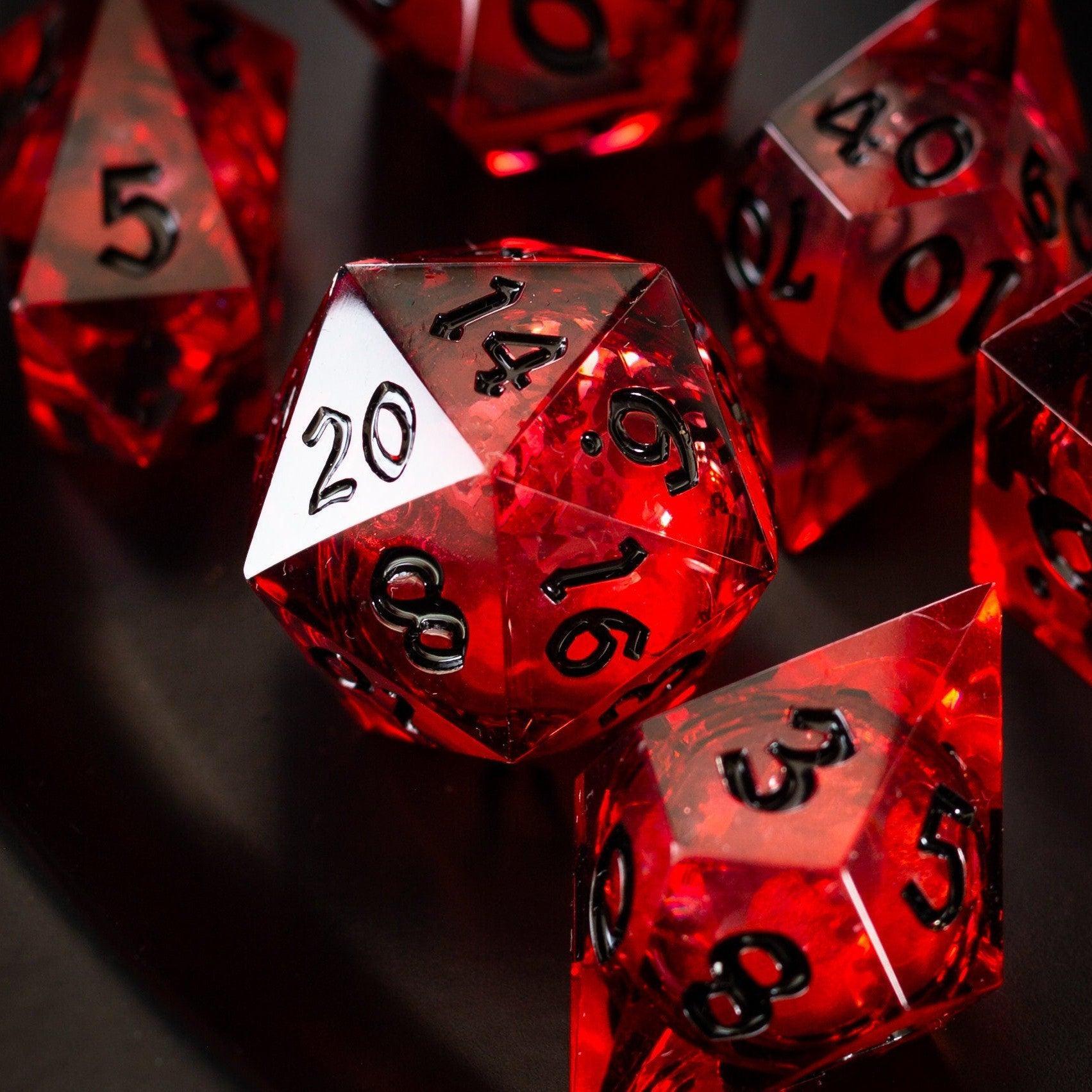
Liquid core dice are a great table prop for these scenes. Their swirling centers can reflect the feel of supernatural mist, strange visions, or fate turning slowly beneath the surface.
The Role of Strahd in Gothic Horror
Strahd von Zarovich remains one of D&D’s most iconic villains because he is not just a powerful enemy. He is a presence.
In gothic horror, the villain often represents more than danger. Strahd represents obsession, control, pride, and the inability to let the past die. His influence can be felt even when he is not physically present.
A good Strahd guide does not need to reveal secrets to explain his power. What matters is how he shapes the tone of the campaign. The land feels like it bends around him. People speak of him carefully. His shadow reaches into politics, fear, history, and personal choice.
For Dungeon Masters, the key is restraint. Do not overuse him. Let his reputation do some of the work. A single rumor, letter, distant silhouette, or formal invitation can create more dread than constant appearances.
Running Memorable Horror Sessions
Horror in D&D is not about taking fun away from the players. It is about making choices feel tense and meaningful.
To run better horror sessions, focus on:
-
Tension building: Let players sense danger before it appears.
-
Environmental storytelling: Use rooms, objects, and weather to reveal history.
-
Mystery design: Give clues in layers, not all at once.
-
Emotional stakes: Threaten things characters care about, not just hit points.
-
Player investment: Tie personal backstories into the campaign’s themes.
A resin chonk die can be especially fun for dramatic moments. Save it for a major saving throw, a climactic confrontation, or the roll that decides whether the party escapes the manor before the doors slam shut.
Common Mistakes in Horror Campaigns
Even a great Ravenloft campaign can lose its edge if the tone is handled carelessly.
Overusing Combat
Too many fights can make horror feel routine.
Solution: Use fewer encounters, but make each one matter. Let some threats be avoided, studied, or survived rather than defeated.
Ignoring Atmosphere
If every room is described the same way, the setting loses power.
Solution: Add small details. Sounds, smells, shadows, old letters, and strange silences all help.
Removing Player Agency
Horror should make players nervous, not helpless.
Solution: Give meaningful choices. Even grim choices are better than no choices.
Revealing Mysteries Too Quickly
A rushed mystery loses its grip.
Solution: Let clues build slowly. Reward careful investigation and good questions.
Making Everything Dark All the Time
Constant misery can flatten the story.
Solution: Include warmth, humor, loyalty, and small victories. Hope makes horror sharper.
Why Ravenloft Continues to Endure
Ravenloft lasts because it gives D&D something deeper than another battlefield. It gives players a place where courage feels fragile, kindness feels brave, and every decision carries emotional weight.
A good Ravenloft campaign creates stories players remember years later. Not just because they fought monsters, but because they stood together in a world that wanted them afraid.
That is the heart of gothic horror DnD. It is not about being powerless. It is about finding courage when power is not enough.
Conclusion
Heir of Strahd is a chance to step into the Mists and tell a story filled with dread, mystery, loyalty, and hard-won hope.
For players, it is an invitation to create characters with fears, flaws, and reasons to keep walking the dark road. For Dungeon Masters, it is a chance to build suspense through atmosphere, consequence, and unforgettable choices.
Ravenloft is dangerous, but that is what makes it powerful. The best stories here are not about fearless heroes. They are about frightened people who choose to be brave anyway.
Light the candle. Gather the party. Let the Mists roll in.


Leave a comment
This site is protected by hCaptcha and the hCaptcha Privacy Policy and Terms of Service apply.