Exploring Eberron: A Beginner’s Guide to Airships, Artificers, and Adventure

Eberron is one of the most exciting campaign settings in Dungeons & Dragons because it feels familiar and completely different at the same time. It still has dragons, ancient ruins, lost magic, heroic quests, and dangerous monsters, but it wraps them in a world of soaring airships, magical trains, spy networks, dragonmarked houses, living constructs, and mysteries left behind by a devastating war.
For new players, the Eberron campaign setting can feel like fantasy with the speed turned up. It has the wonder of classic D&D, but with more intrigue, more invention, and more “what happens next?” energy. If the Forgotten Realms often feels like mythic medieval fantasy, dnd Eberron feels like pulp adventure, noir mystery, and magical industry all rolled into one.
This beginner-friendly Eberron guide will walk you through the big ideas: Khorvaire, airships, the Lightning Rail, dragonmarked houses, artificers, Eberron races, and the kinds of adventures that make this setting so memorable.
What Makes Eberron Different?
The biggest thing to understand about Eberron is that magic is not just hidden away in dusty towers. It is part of daily life.
Eberron is built around the idea of “wide magic.” That means low-level magic is common enough to shape transportation, communication, medicine, business, and warfare. Not everyone is a mighty wizard, but magical services are woven into society.
In Eberron, you might see:
-
A magewright repairing streetlamps with cantrips
-
A skycoach gliding between towers in Sharn
-
A dragonmarked healer running a professional clinic
-
A warforged veteran searching for purpose after the Last War
-
A detective chasing clues through a rain-soaked city district
-
An artificer building a strange device powered by dragonshards
That blend of magic and technology gives Eberron 5e a unique identity. It is not modern science fiction, but it does feel more advanced than a typical medieval fantasy world.
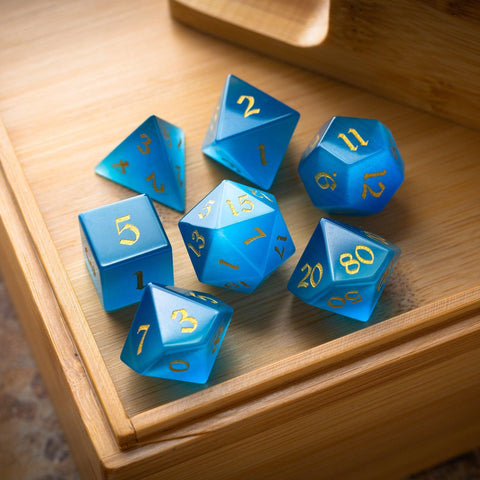
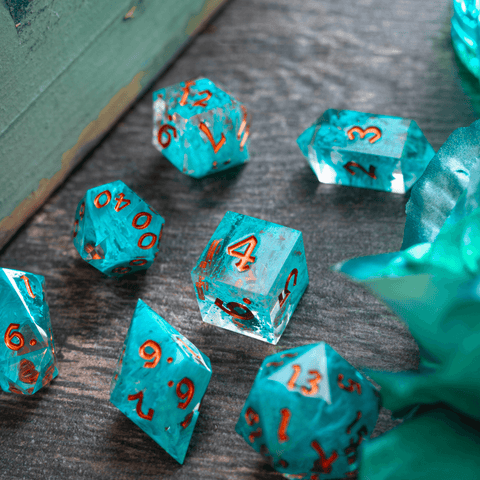
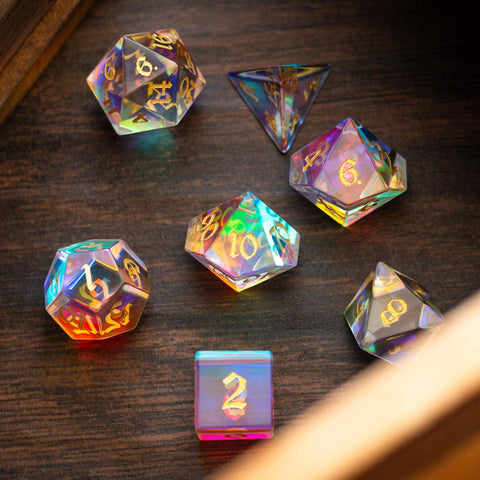
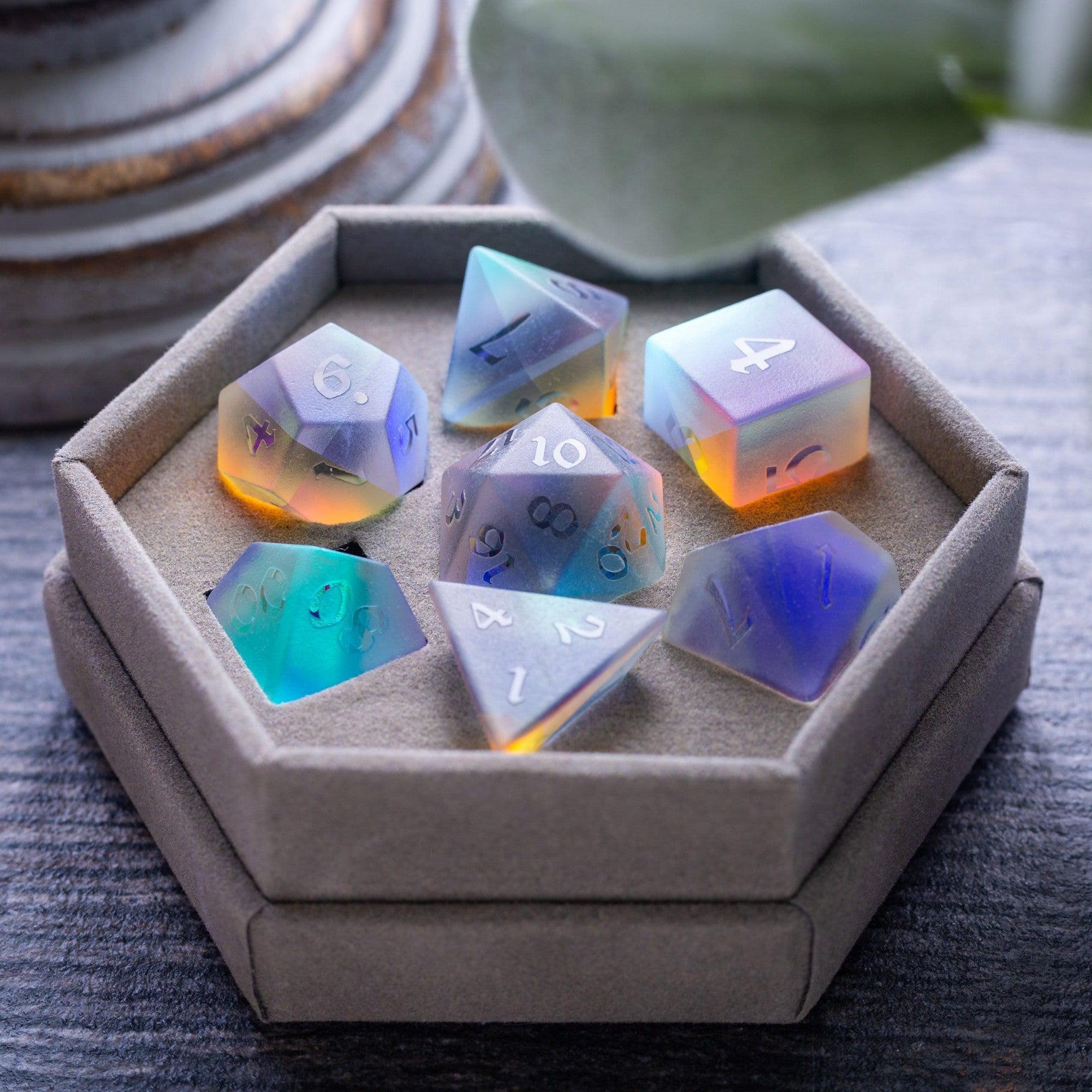
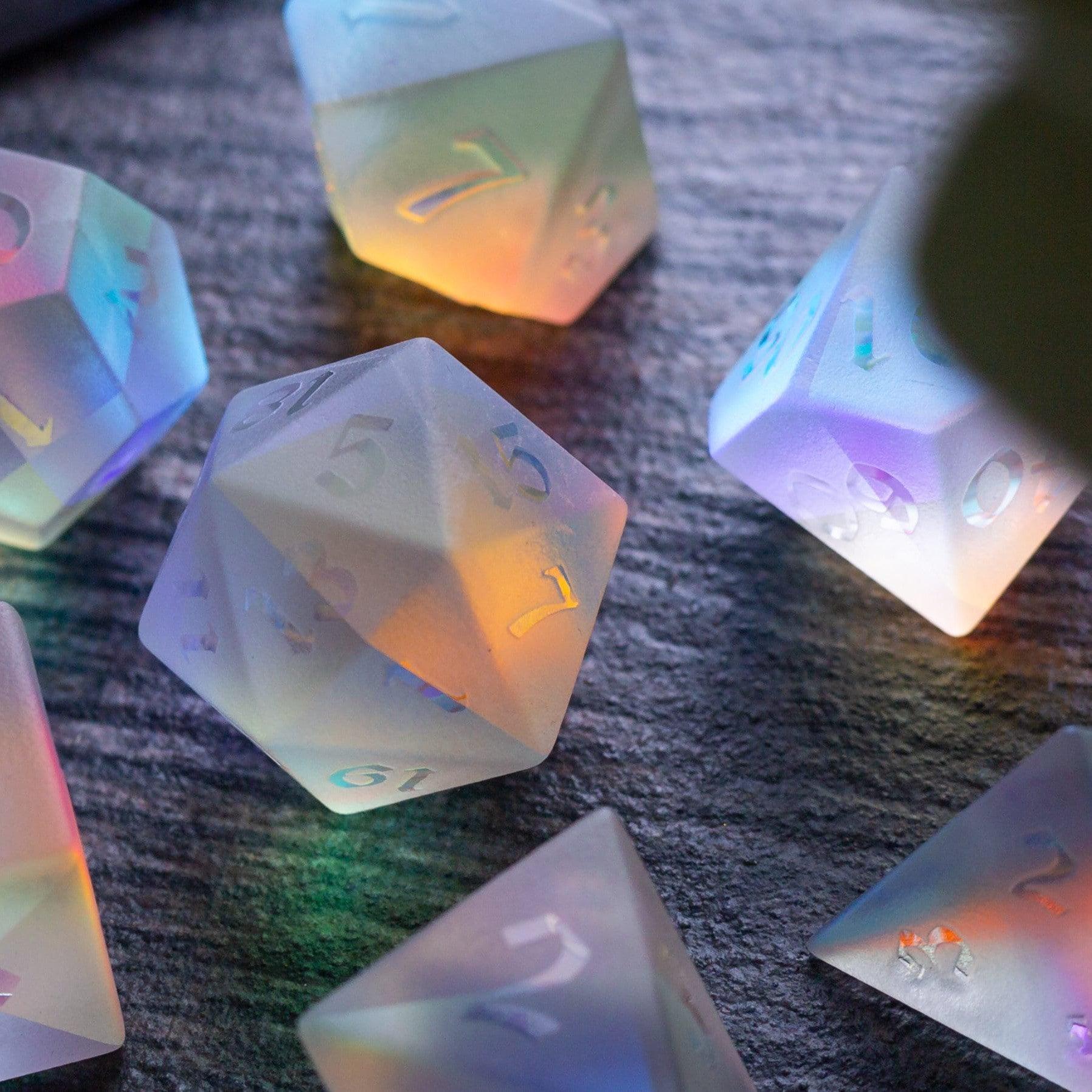
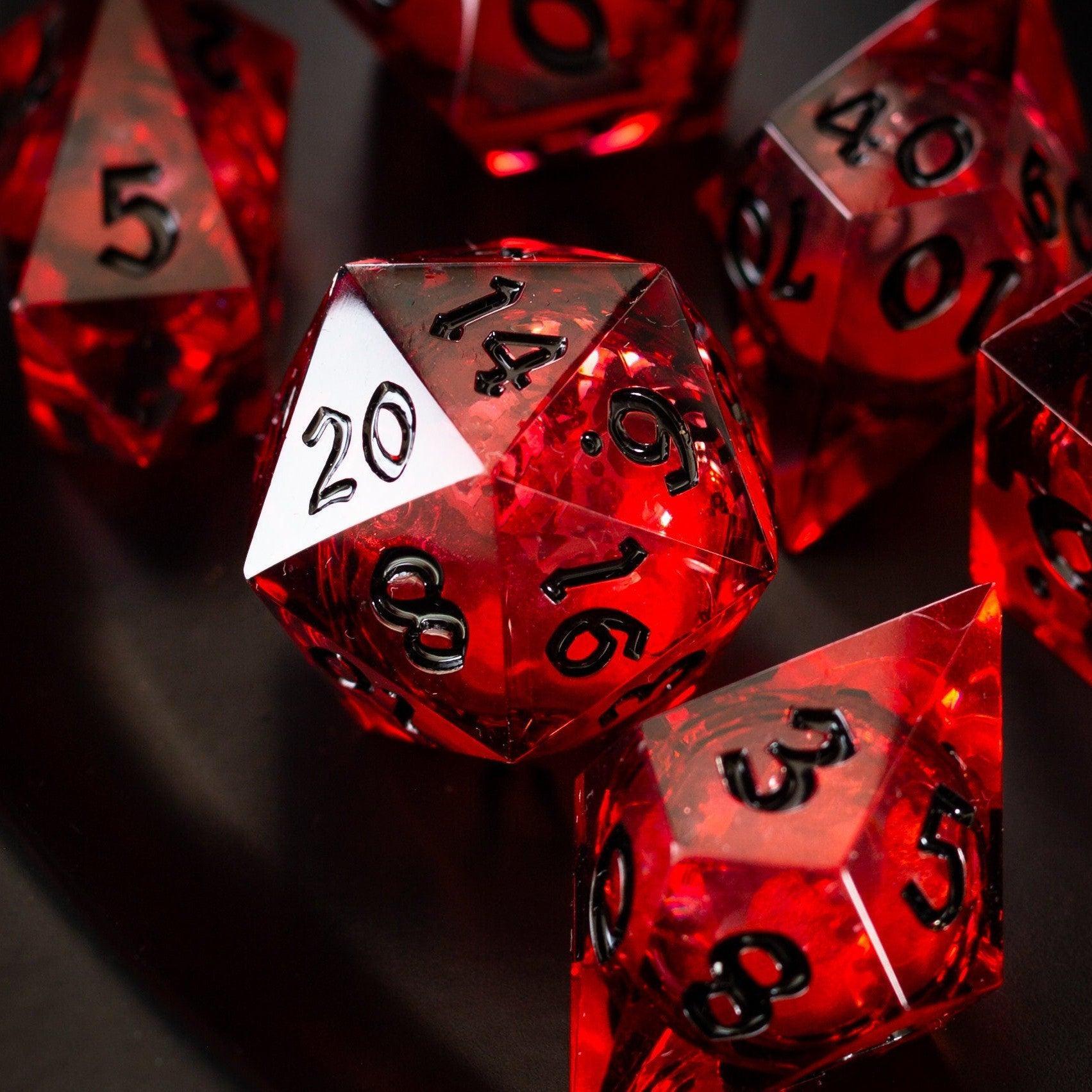
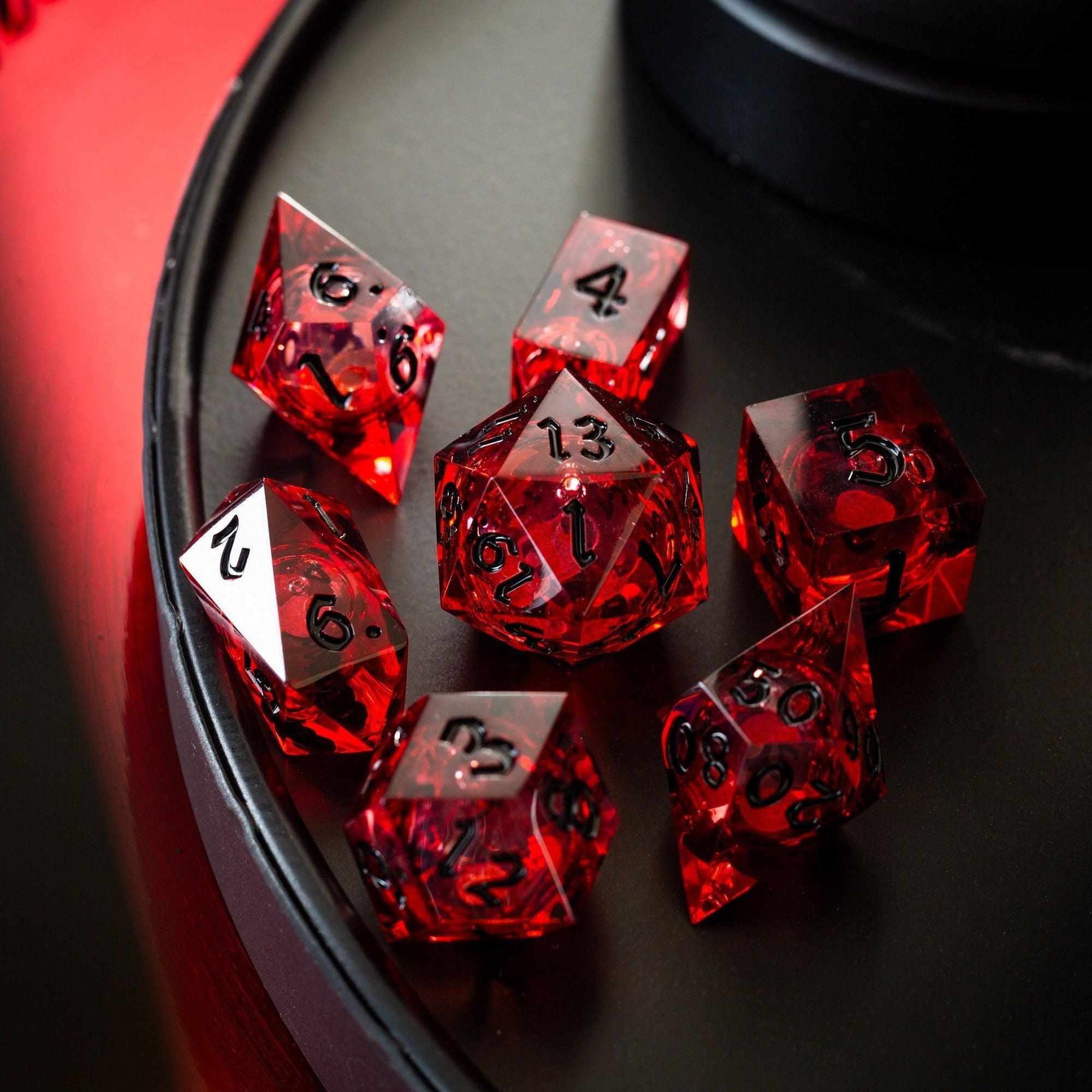
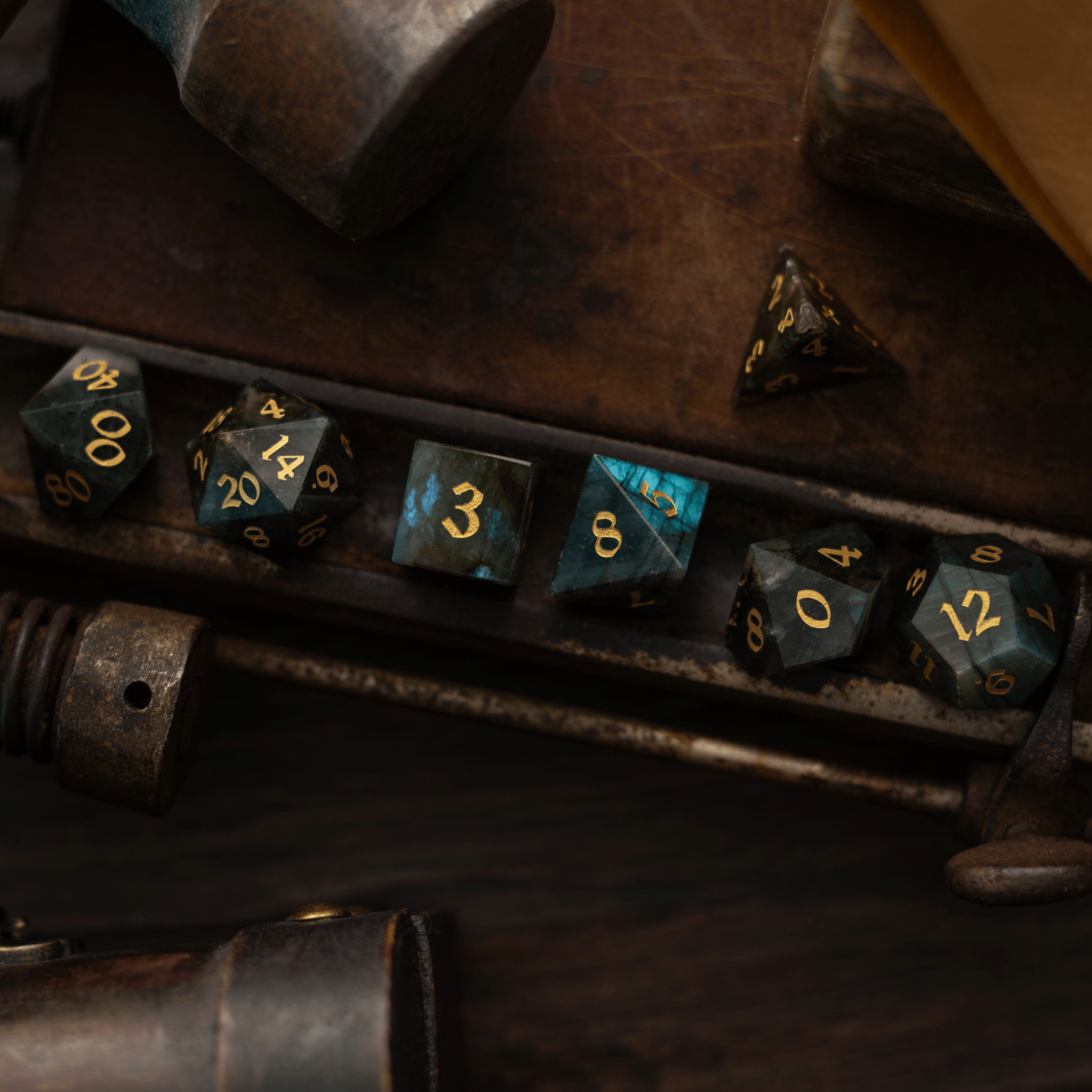
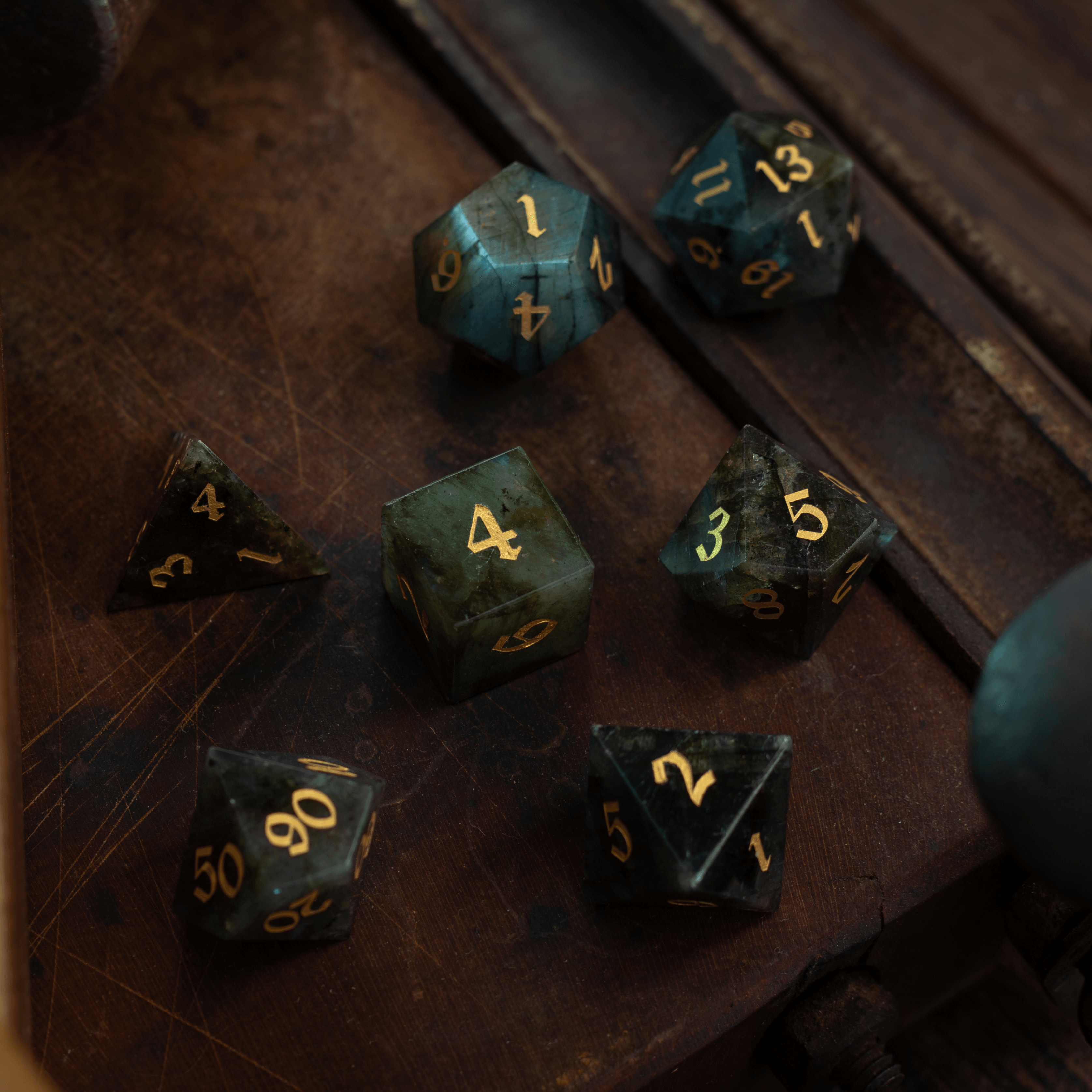
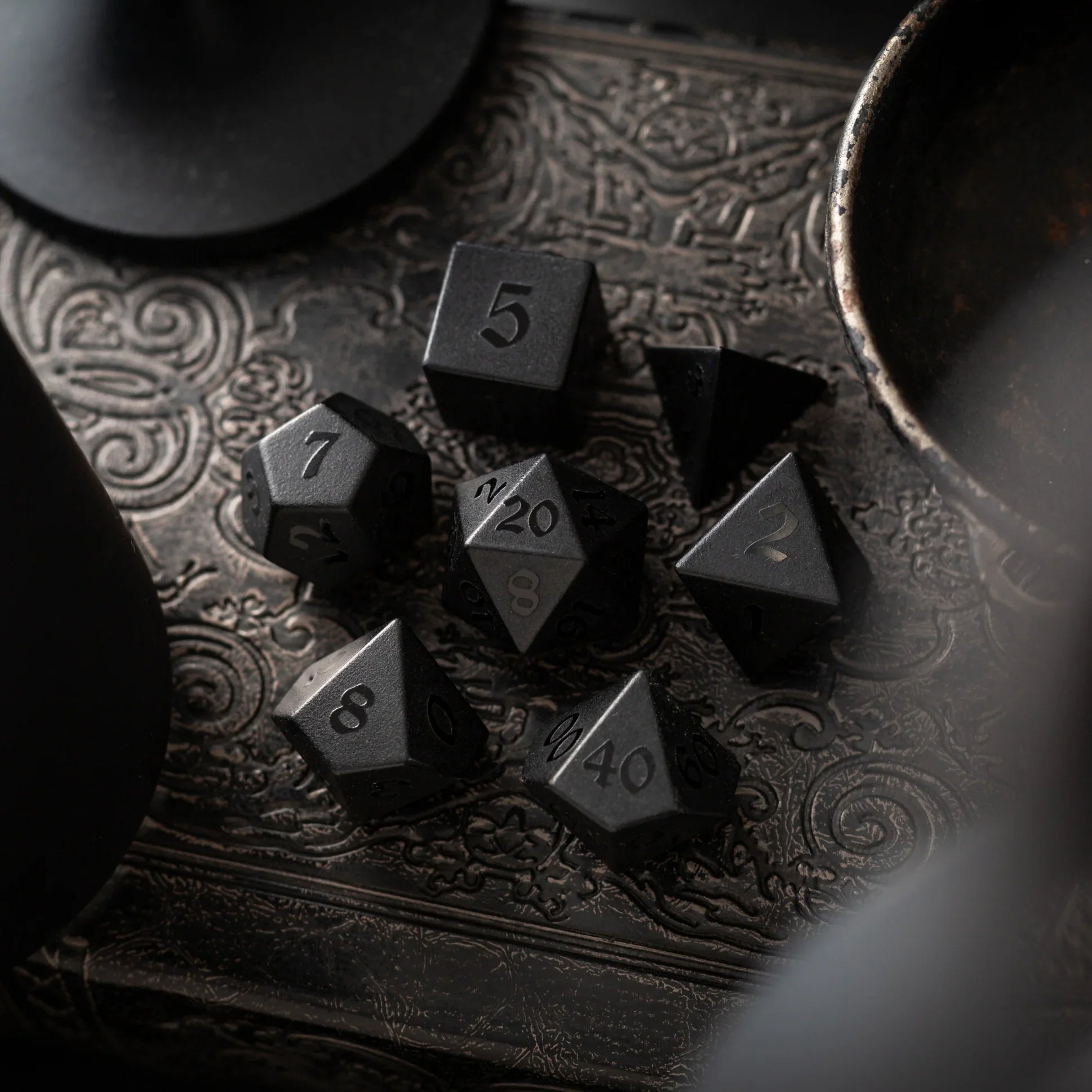
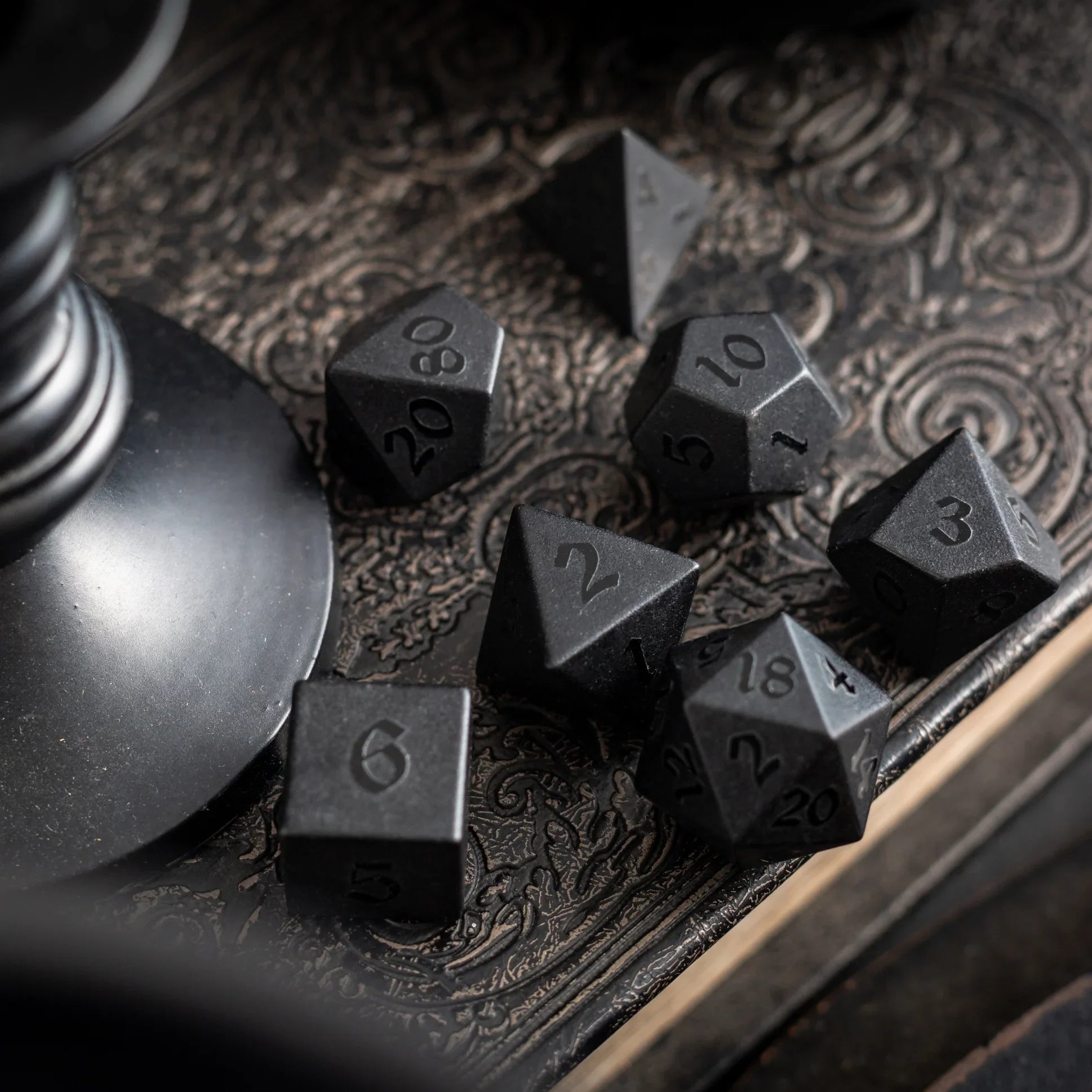
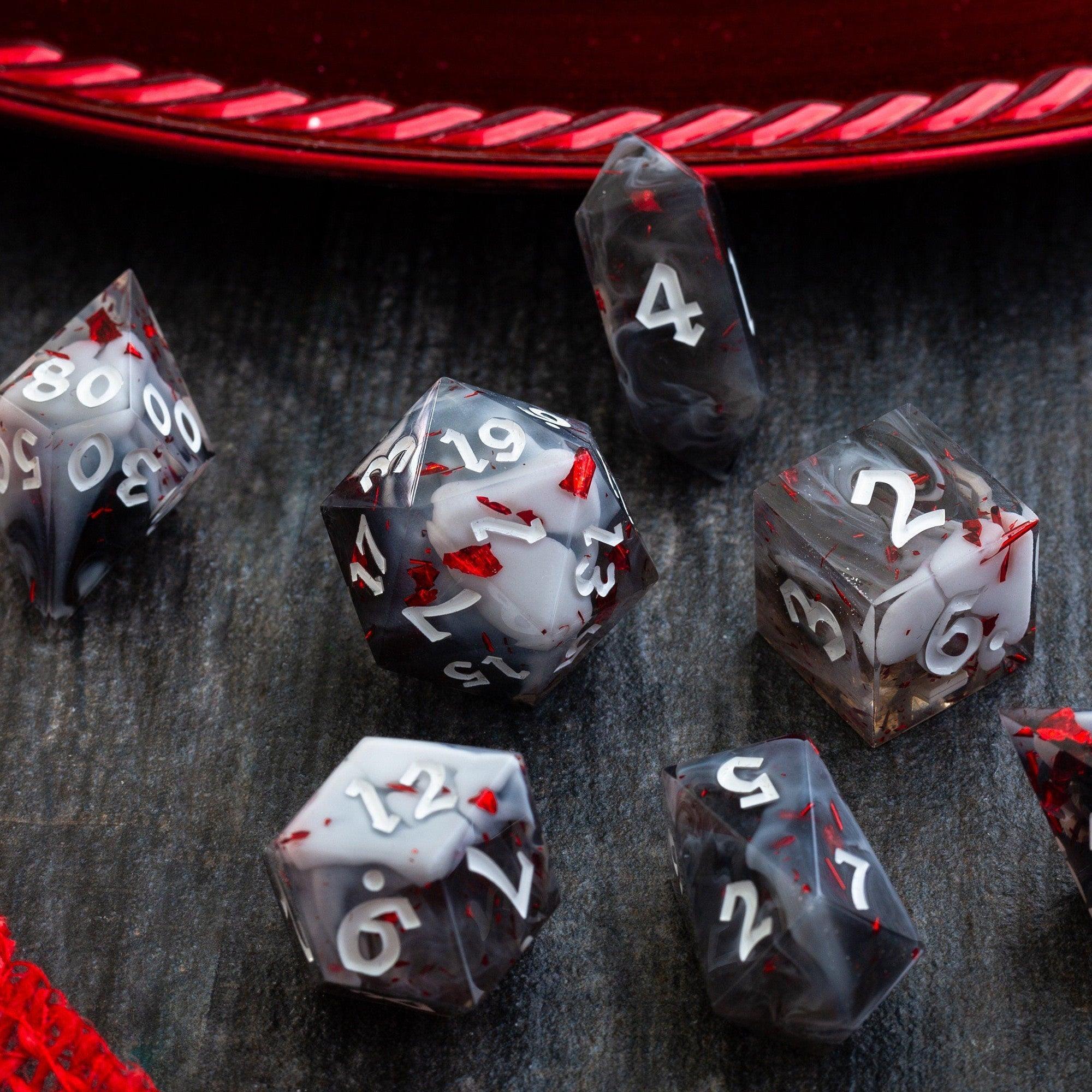
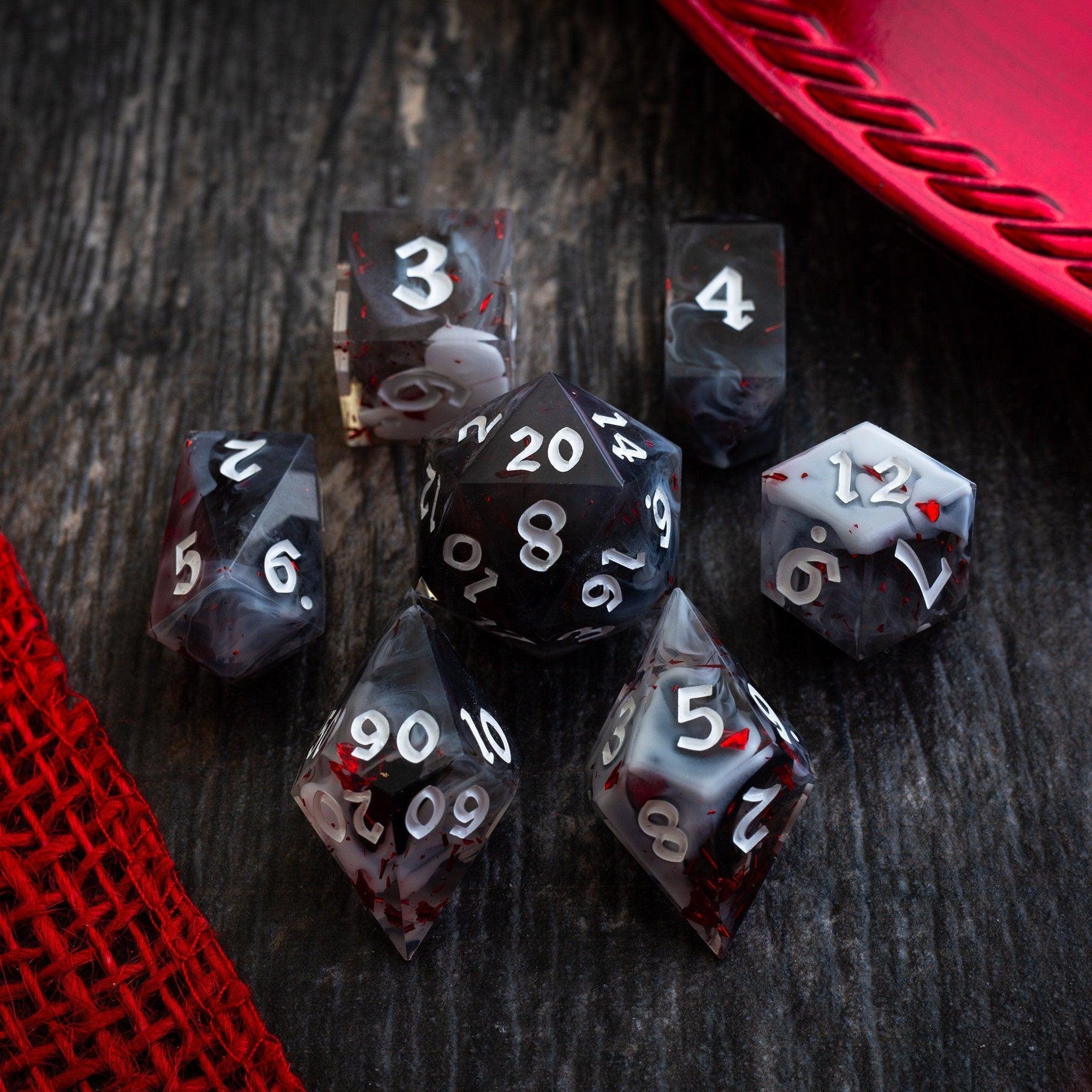
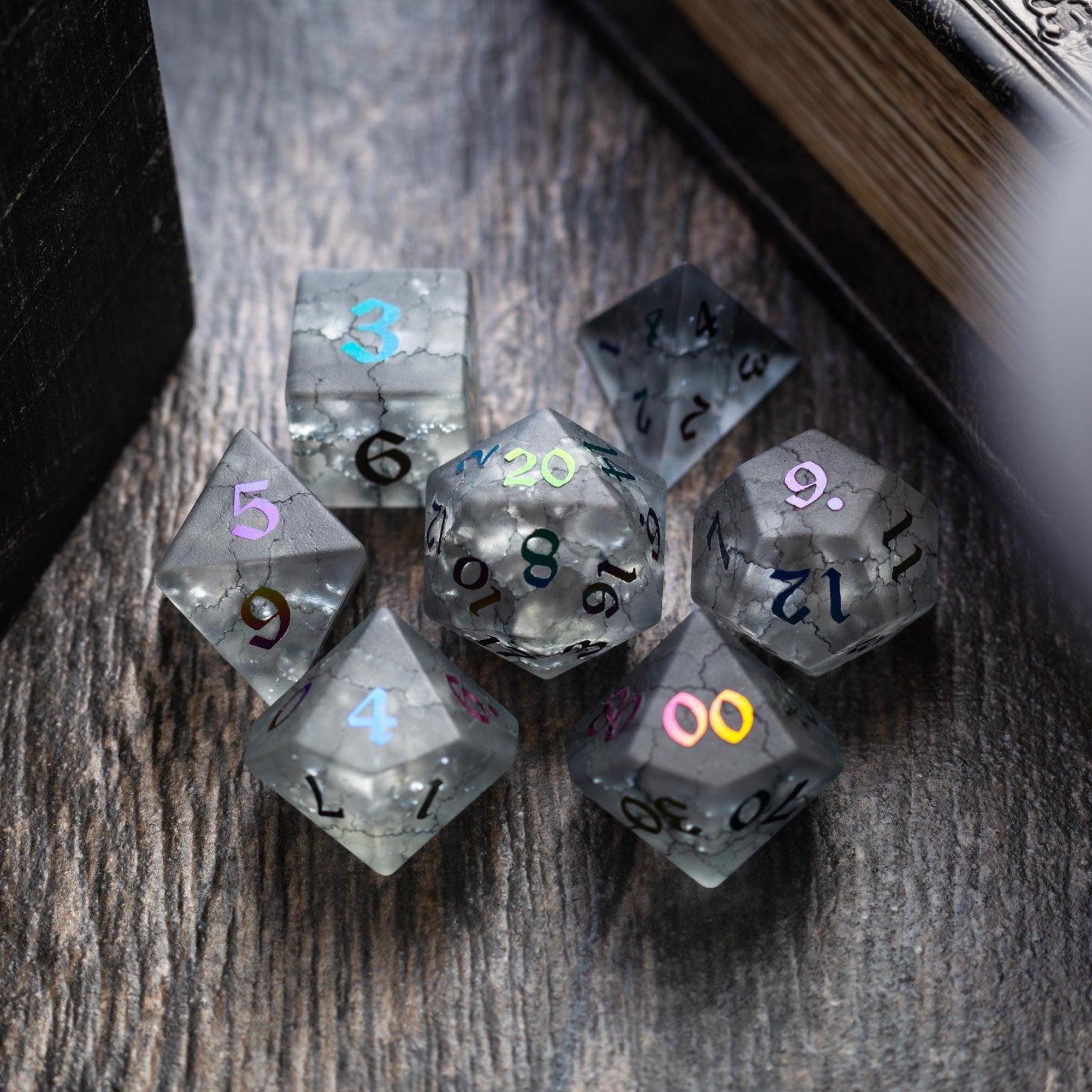
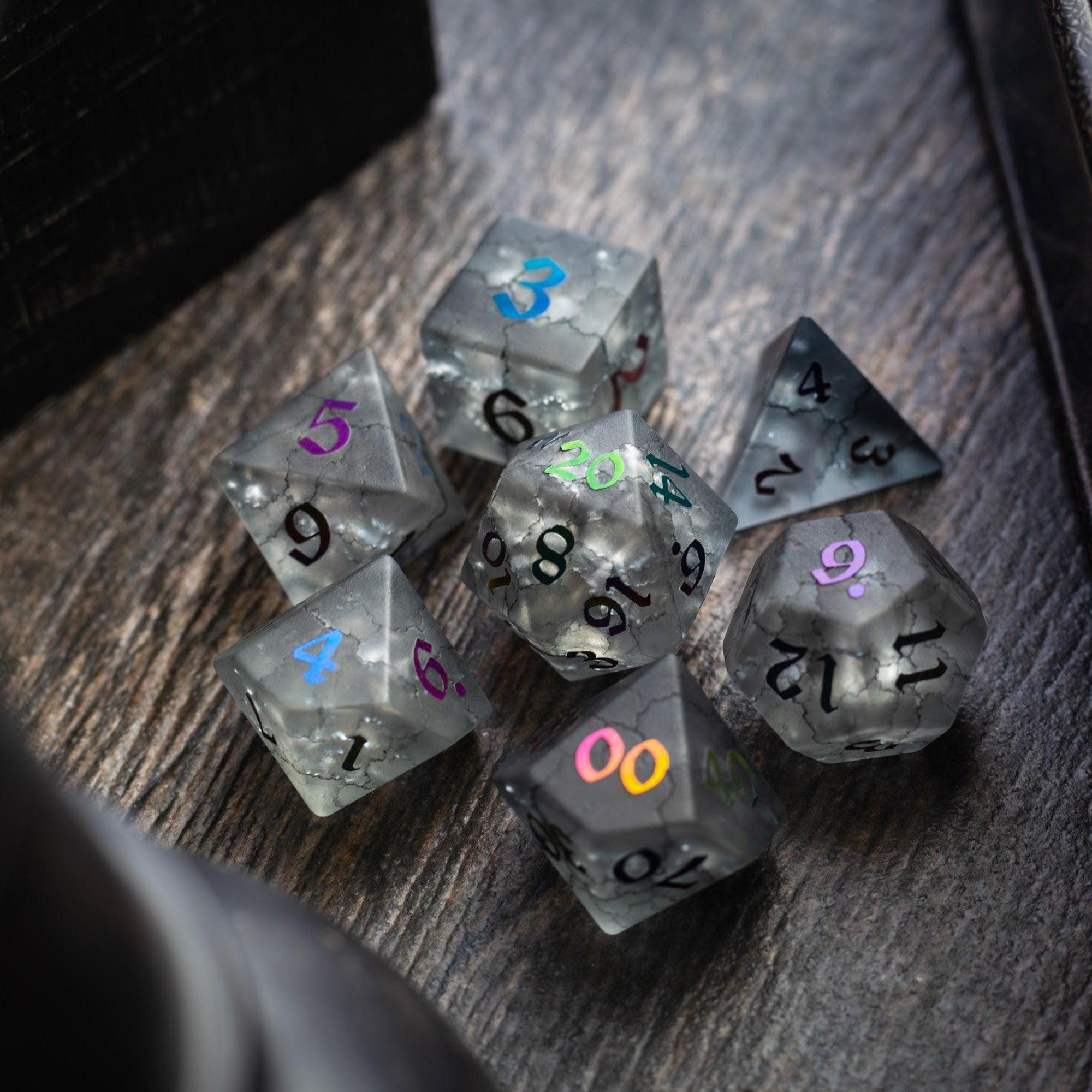
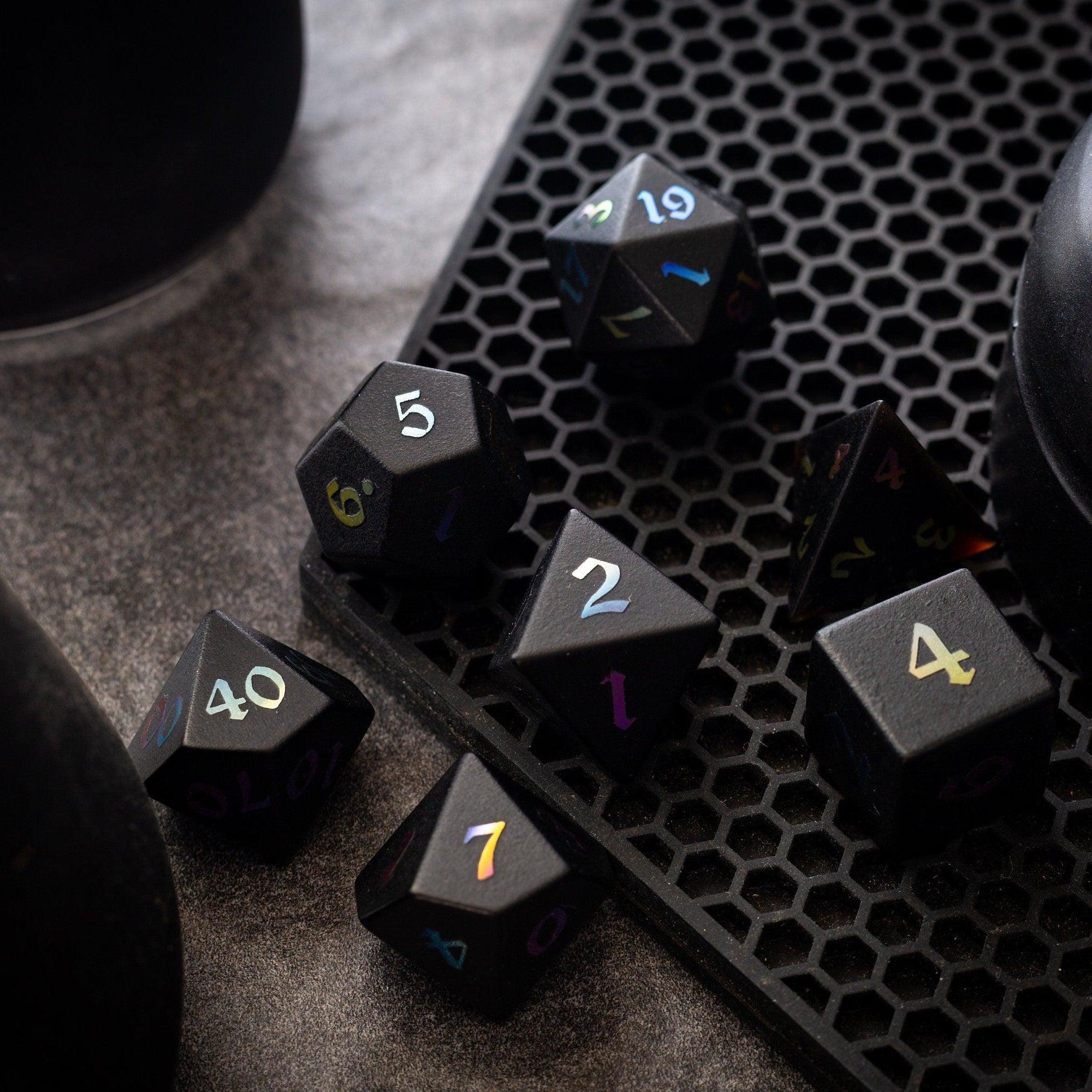
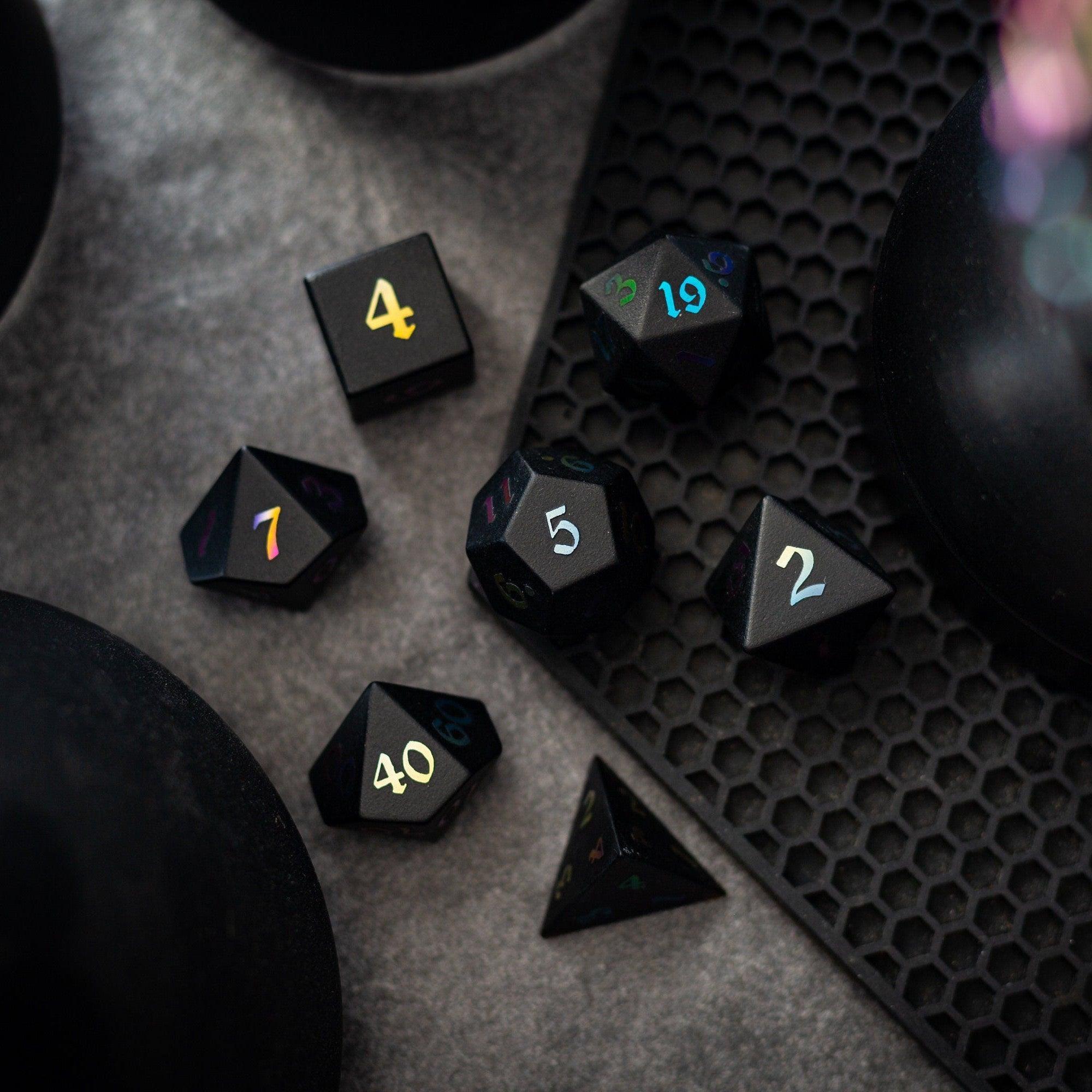
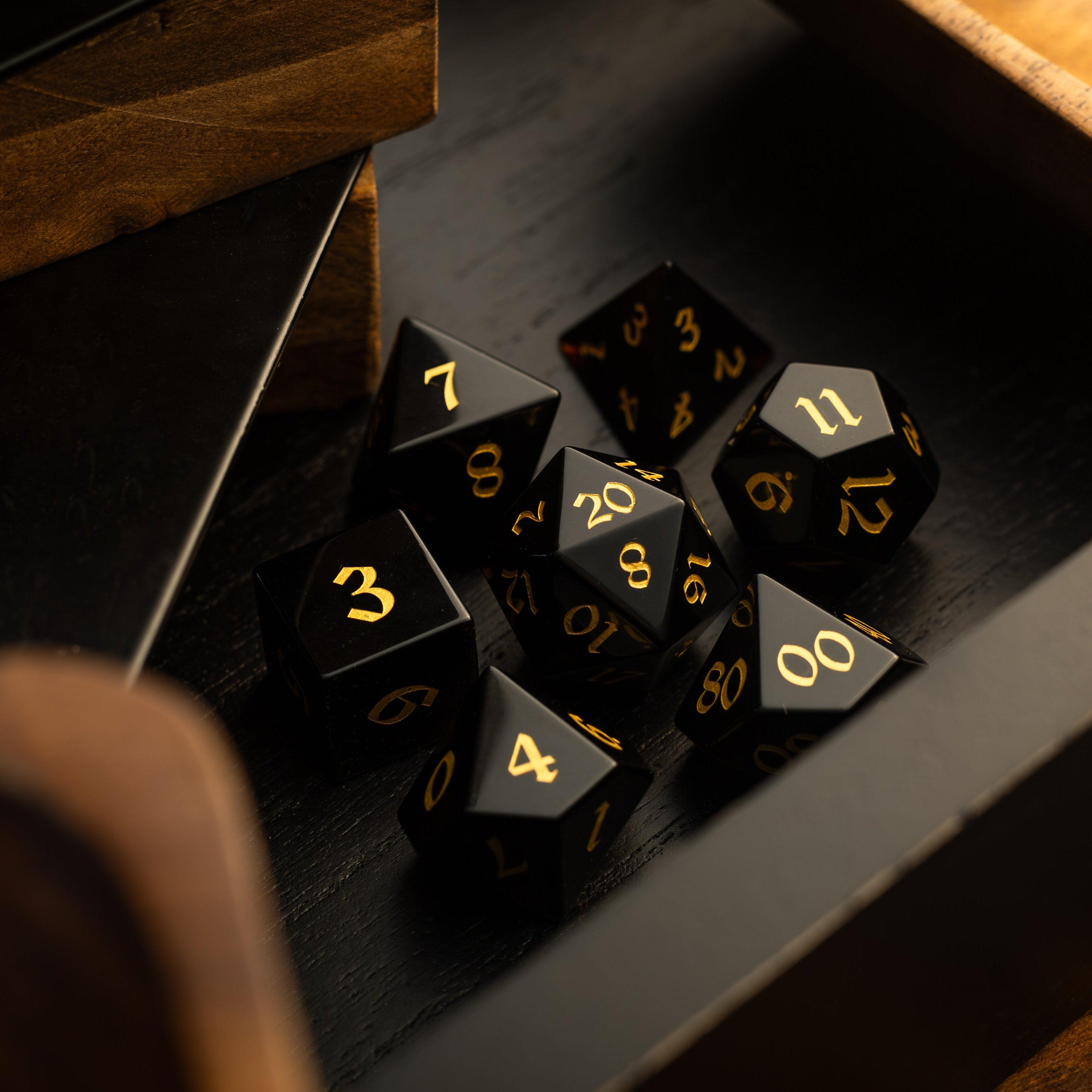
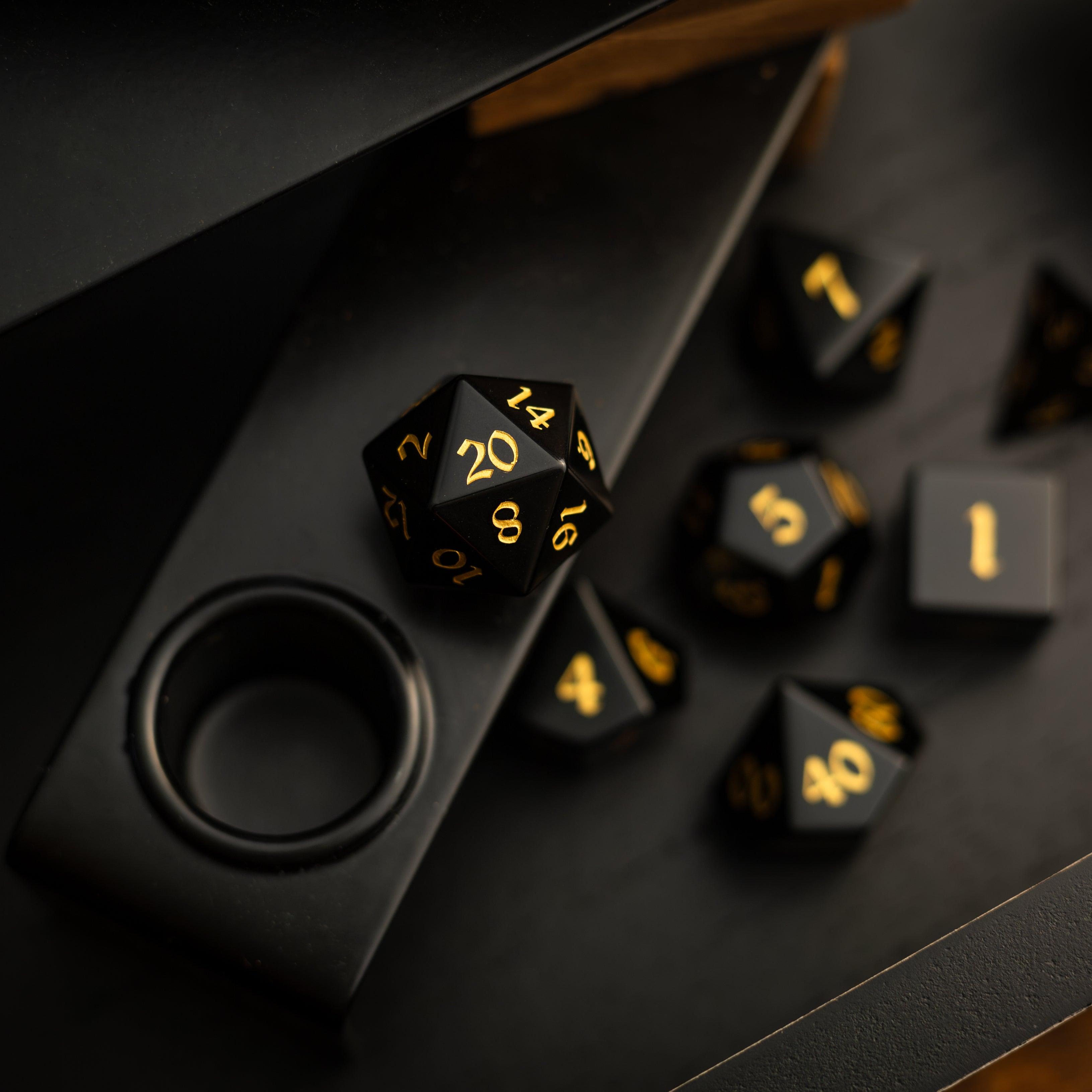
At the table, this tone pairs beautifully with thematic dice. Gemstone dice can feel like polished dragonshards or ancient relics, while liquid core dice match the strange motion of arcane engines and magical inventions. Resin dice work well for explorers, spies, and treasure hunters crossing Khorvaire in search of danger.
Understanding the World of Khorvaire
Khorvaire is the main continent where most Eberron adventures begin. It is a land shaped by kingdoms, old grudges, magical industry, and the scars of the Last War.
The Last War was a massive conflict that lasted over a century. It ended with the Treaty of Thronehold, but peace in Khorvaire is fragile. Nations still distrust each other. Veterans carry trauma. Political factions scheme in secret. The ruined nation of Cyre, now called the Mournland, stands as a terrifying reminder that no one fully understands what magic can do when pushed too far.
Important regions and nations include:
-
Breland, a powerful nation known for Sharn, the City of Towers
-
Aundair, famous for arcane learning and magical tradition
-
Thrane, ruled by faith and tied to the Church of the Silver Flame
-
Karrnath, a militaristic nation with a grim history of undead soldiers
-
The Mournland, the magical wasteland where Cyre once stood
-
The Talenta Plains, home to halfling dinosaur riders
-
The Mror Holds, dwarven lands filled with wealth and deep secrets
Khorvaire is not just a map. It is a pressure cooker. Every border, house, and faction can become a story hook.
Eberron Feature Comparison Table
|
Feature |
Traditional Fantasy |
Eberron |
|
Travel |
Horses, ships, caravans |
Lightning Rail, elemental airships, skycoaches |
|
Magic |
Rare, mysterious, often hidden |
Common in everyday services and industry |
|
Tone |
Heroic fantasy and ancient prophecy |
Pulp adventure, noir mystery, political intrigue |
|
Economy |
Medieval kingdoms and guilds |
Magically industrialized commerce |
|
Conflict |
Ancient evils and dark lords |
Rival nations, conspiracies, war fallout |
|
Characters |
Knights, wizards, clerics, rogues |
Artificers, spies, warforged, dragonmarked heirs |
Airships and the Lightning Rail
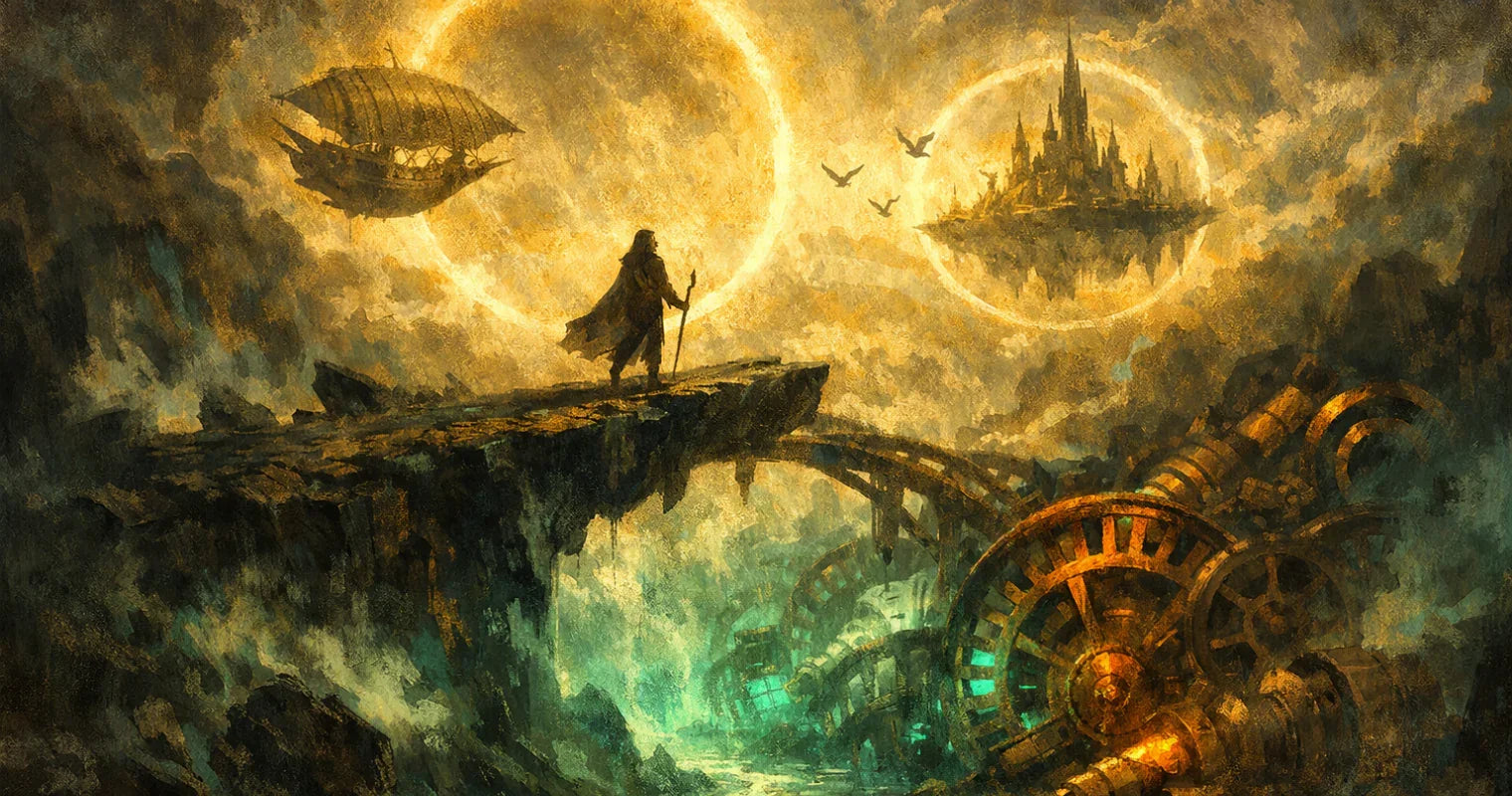
Eberron airships are one of the setting’s most iconic images. These vessels are often powered by bound elementals and controlled through magical techniques connected to dragonmarked houses. They let campaigns move fast, both literally and narratively.
The Lightning Rail is another major symbol of the setting. It connects important cities across Khorvaire and makes travel feel grand, cinematic, and dangerous.
Transportation in Eberron is not just background detail. It can drive entire adventures:
-
A murder mystery aboard the Lightning Rail
-
An airship hijacking above the mountains
-
A chase across Sharn’s towers
-
A sabotage plot involving rival dragonmarked houses
-
A dangerous expedition into the Mournland
-
A smuggling job through stormy skies
For big travel scenes, resin chonk dice make great “moment dice” for dramatic rolls, like steering an airship through a storm or making one last leap onto a moving rail car.
Dragonmarked Houses Explained
Dragonmarks are magical birthmarks tied to specific bloodlines. These marks grant powers connected to certain services, and over time, the families who carried them became the dragonmarked houses.
The dragonmarked houses are not exactly nations, but they are incredibly powerful. They control industries like healing, travel, security, communication, hospitality, and crafting. In many ways, they are magical corporations with political influence.
Some major examples include:
-
House Cannith, tied to crafting, invention, and the creation of the warforged
-
House Orien, connected to travel and the Lightning Rail
-
House Lyrandar, known for airships, weather control, and elemental vessels
-
House Jorasco, associated with healing
-
House Sivis, tied to communication and messages
-
House Kundarak, known for banking, vaults, and security
Dragonmarked houses are central to the Eberron campaign setting because they give DMs easy access to intrigue. A house might hire the party, betray them, protect them, or try to cover up a scandal before it spreads.
Artificers and Magical Innovation
The Eberron artificer is one of the best class matches in all of D&D. Artificers are magical inventors who create enchanted tools, alchemical devices, arcane armor, constructs, and clever solutions to impossible problems.
In Eberron, artificers do not feel unusual. They feel necessary. This is a world where magic powers transportation, security systems, weapons, communication, and industry. An artificer might be a battlefield engineer, a House Cannith prodigy, a treasure hunter, a repair specialist, or a curious inventor who keeps building things that probably should not exist.
At the table, artificers are especially fun because their magic can be described with personality. A spell might look like a rune-powered gauntlet, a humming crystal lens, a clockwork beetle, or a vial of glowing liquid.
Liquid core dice are a perfect fit for this style of play. The swirling center feels like a tiny arcane engine, especially when an artificer activates a strange device or identifies a mysterious relic.
Popular Eberron Character Options
Eberron races help the setting stand apart from traditional fantasy. They add themes of identity, survival, transformation, and belonging.
Warforged
Warforged are living constructs created for battle during the Last War. Now that the war is over, many are trying to understand freedom, purpose, and personhood. They are one of the most iconic parts of Eberron 5e.
Changelings
Changelings can alter their appearance, making them excellent spies, performers, investigators, and social characters. They fit perfectly into noir stories filled with secrets and false identities.
Shifters
Shifters have bestial traits and a strong connection to primal instincts. They work well for scouts, rangers, barbarians, rogues, and characters caught between civilization and the wild.
Kalashtar
Kalashtar are linked to dream spirits called quori. They bring psychic themes, spiritual conflict, and strange mysteries into a campaign.
These options make Eberron adventures feel different from standard dungeon crawls. They invite players to ask deeper character questions, like “Who made me?” “Who am I really?” or “What happens when the world fears what I am?”
Running Adventures in Eberron
Eberron is built for motion. Campaigns can jump from rooftop chases to ancient ruins, from political banquets to monster-haunted wastelands, from airship battles to back-alley investigations.
Great Eberron adventures might include:
-
Treasure hunts for lost Dhakaani relics
-
Expeditions into Xen’drik ruins
-
Spy missions between rival nations
-
Noir mysteries in Sharn
-
Airship journeys across dangerous skies
-
Dragonmarked house power struggles
-
Mournland survival missions
-
Artificer experiments gone horribly wrong
-
Ancient prophecy tied to dragons and fiends
For players, resin dice with bold colors can match the adventurous spirit of Khorvaire explorers. Gemstone dice feel right for ancient vaults, dragonshard mysteries, and relic-heavy campaigns.
Why Players Love Eberron
Players love Eberron because it gives them room to be creative. You can play a classic sword-wielding hero, but you can also play a warforged detective, a changeling spy, a dragonmarked heir, an airship pilot, or an artificer with a bag full of unstable inventions.
Eberron also gives DMs a huge range of tones. A single campaign can include:
-
Action-packed pulp adventure
-
Dark urban mystery
-
Political conspiracy
-
Ancient ruin exploration
-
Magical disaster survival
-
Emotional stories about war and identity
That flexibility is one reason Eberron remains so beloved. It gives your table permission to mix genres while still feeling like D&D.
Tips for New Eberron Dungeon Masters
If you are new to running Eberron, start small. You do not need to explain every nation, house, and ancient secret in session one.
Try these simple tips:
-
Begin in one strong location, like Sharn or a Lightning Rail route
-
Use the Last War as background tension, not a history lecture
-
Introduce one dragonmarked house at a time
-
Make magic feel useful, practical, and slightly mysterious
-
Blend action scenes with secrets and difficult choices
-
Let players discover the world through play
A great first adventure might be as simple as a missing passenger on the Lightning Rail, a stolen dragonshard prototype, or a warforged veteran asking the party to investigate a forgotten battlefield.
Conclusion: A World Built for Wonder
Eberron is not just “D&D with trains.” It is a setting about invention, identity, mystery, ambition, and the cost of progress. It gives players airships, artificers, dragonmarked houses, warforged heroes, noir secrets, magical cities, and ancient dangers waiting beneath the surface.
For anyone who wants a D&D world beyond traditional fantasy, the Eberron campaign setting is absolutely worth exploring. It offers fast-moving adventure, rich character ideas, and enough mystery to keep a campaign alive for years.
Whether your party is chasing villains across Sharn, boarding an elemental airship, digging through ruins, or rolling gemstone dice over a map of Khorvaire, Eberron has a way of making every session feel like the start of something unforgettable.

Leave a comment
This site is protected by hCaptcha and the hCaptcha Privacy Policy and Terms of Service apply.