

D&D Initiative Tracker Guide: Master Turn Order and Faster Combat

Combat is one of the most exciting parts of Dungeons & Dragons. A monster crashes through the door, spells light up the room, swords come out, and everyone at the table suddenly wants to know one thing:
“Whose turn is it?”
That question sounds simple, but if the group loses track of initiative, combat can slow down fast. Players miss turns. The Dungeon Master forgets a monster. Conditions get dropped. Someone spends five minutes deciding what to do because they did not realize their turn was coming up.
A good dnd initiative tracker fixes a lot of that. It keeps the table focused, helps everyone prepare, and turns chaotic encounters into smooth, exciting battles. You do not need a complicated system either. A notebook, index cards, a dry-erase board, or a simple dnd combat tracker can make a huge difference.
This guide will walk through how initiative works in D&D 5e, how to track turn order, and how to improve combat flow dnd groups can actually feel at the table.
Understanding Initiative in D&D 5e
Initiative decides the order of turns in combat. When combat starts, every creature involved rolls a d20 and adds its Dexterity modifier. The Dungeon Master may roll once for a group of similar monsters or roll separately for important enemies.
The result creates the dnd initiative order.
Combat then moves in rounds. A round represents about six seconds in the game world. During each round, every creature gets one turn in initiative order. Once everyone has acted, the next round begins and the same order repeats.
On a typical turn, a character may use:
-
One action
-
One bonus action, if they have an ability that uses one
-
Movement
-
One reaction outside their turn, when triggered
-
Free interaction with an object, within reason
Initiative matters because it gives combat structure. Without a clear dnd turn order, battles can feel messy and unfair. With a visible tracker, everyone knows when their moment is coming.
Common Combat Tracking Problems
Even experienced groups run into combat confusion. Most problems come from the same few places.
Players may forget their turn because the order is not visible. DMs may skip a monster when tracking too many enemies. Conditions like frightened, stunned, poisoned, or restrained can get lost between rounds. Concentration spells may continue longer than they should because no one remembered to check them.
Long decision times are another common issue. If a player only starts thinking when their turn begins, combat slows down for everyone.
A good dnd combat management system helps prevent:
-
Forgotten turns
-
Missed reactions
-
Confusion about who acts next
-
Lost spell durations
-
Overlapping monster actions
-
Players checking out between turns
The goal is not to rush people. The goal is to keep everyone aware and ready.
Combat Tracking Methods Comparison Table
|
Method |
Advantages |
Best For |
|
Written List |
Simple, free, and easy to update |
Small groups |
|
Initiative Cards |
Easy to rearrange and visible behind a DM screen |
In-person games |
|
Dry-Erase Tracker |
Flexible and reusable |
Regular campaigns |
|
Digital Tracker |
Fast automation and condition tracking |
Online games |
|
Shared Display |
Everyone can see the order |
Large groups |
There is no single perfect initiative tracker 5e groups must use. The best system is the one your table will actually remember to use.
A handwritten list works great for a casual table. Initiative tents are excellent for in-person play because players can see who is coming up next. Digital tools are helpful when running large battles online. A shared display is especially useful when your group has several players, summoned creatures, or multiple enemy types.
How to Speed Up Turn Order
The easiest way to improve turn order is to announce who is acting now and who is next.
For example:
“Elaria, you’re up. Brom, you’re on deck.”
That one habit gives the next player time to plan. It also keeps the whole table aware of the current scene.
Other simple dnd combat tips include:
-
Keep the tracker visible
-
Remind players when they are next
-
Encourage players to know their main attack or spell options
-
Roll attack and damage dice together when possible
-
Limit side conversations during active combat
-
Use average monster damage when speed matters
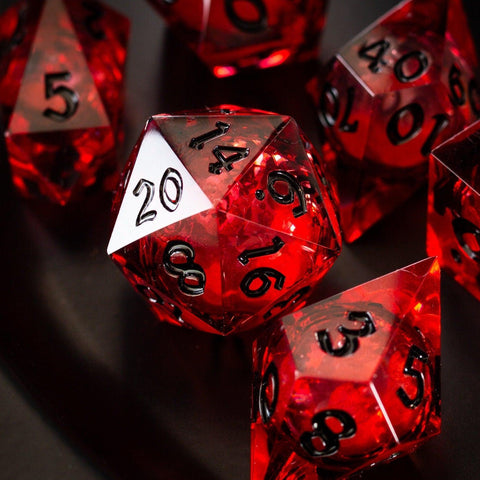
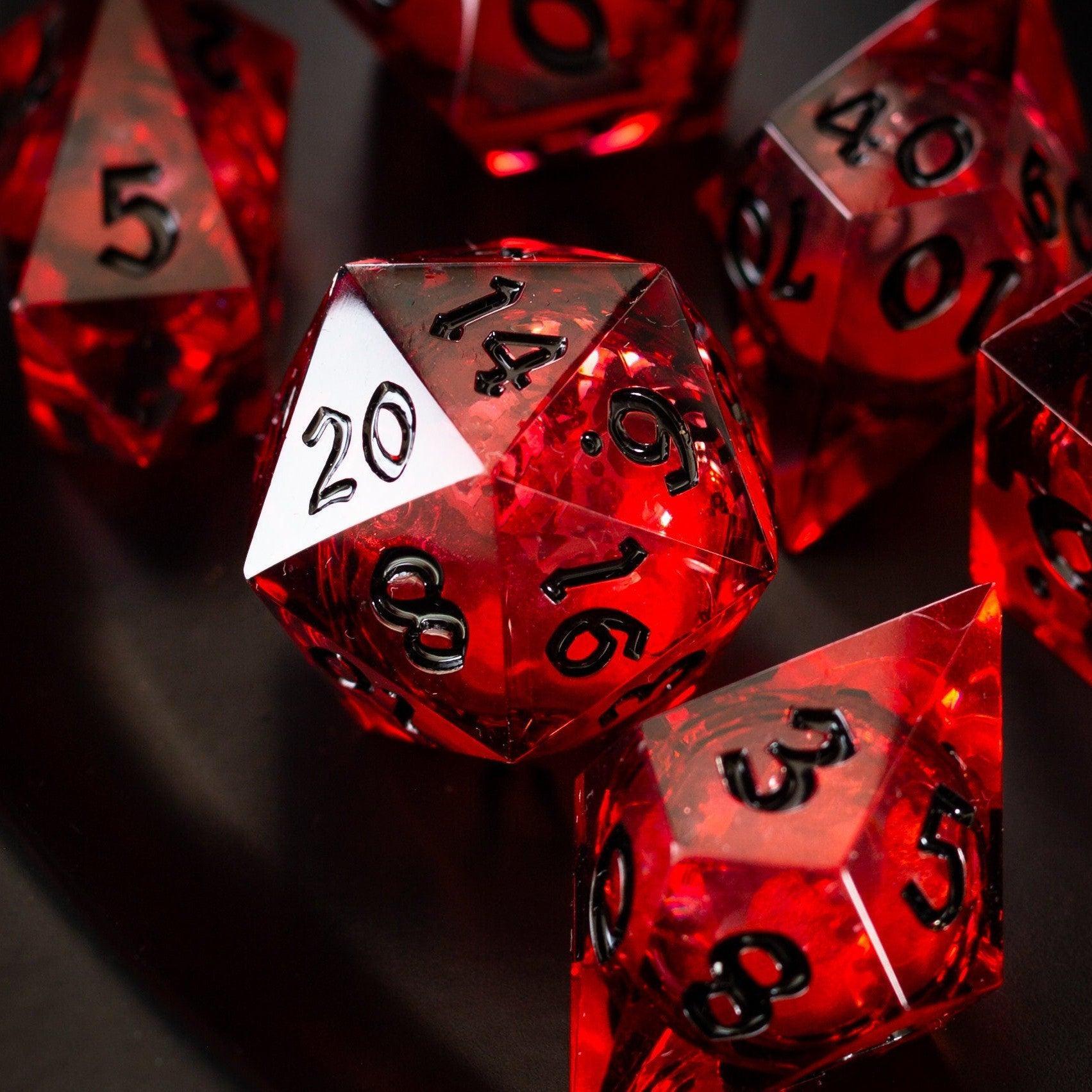
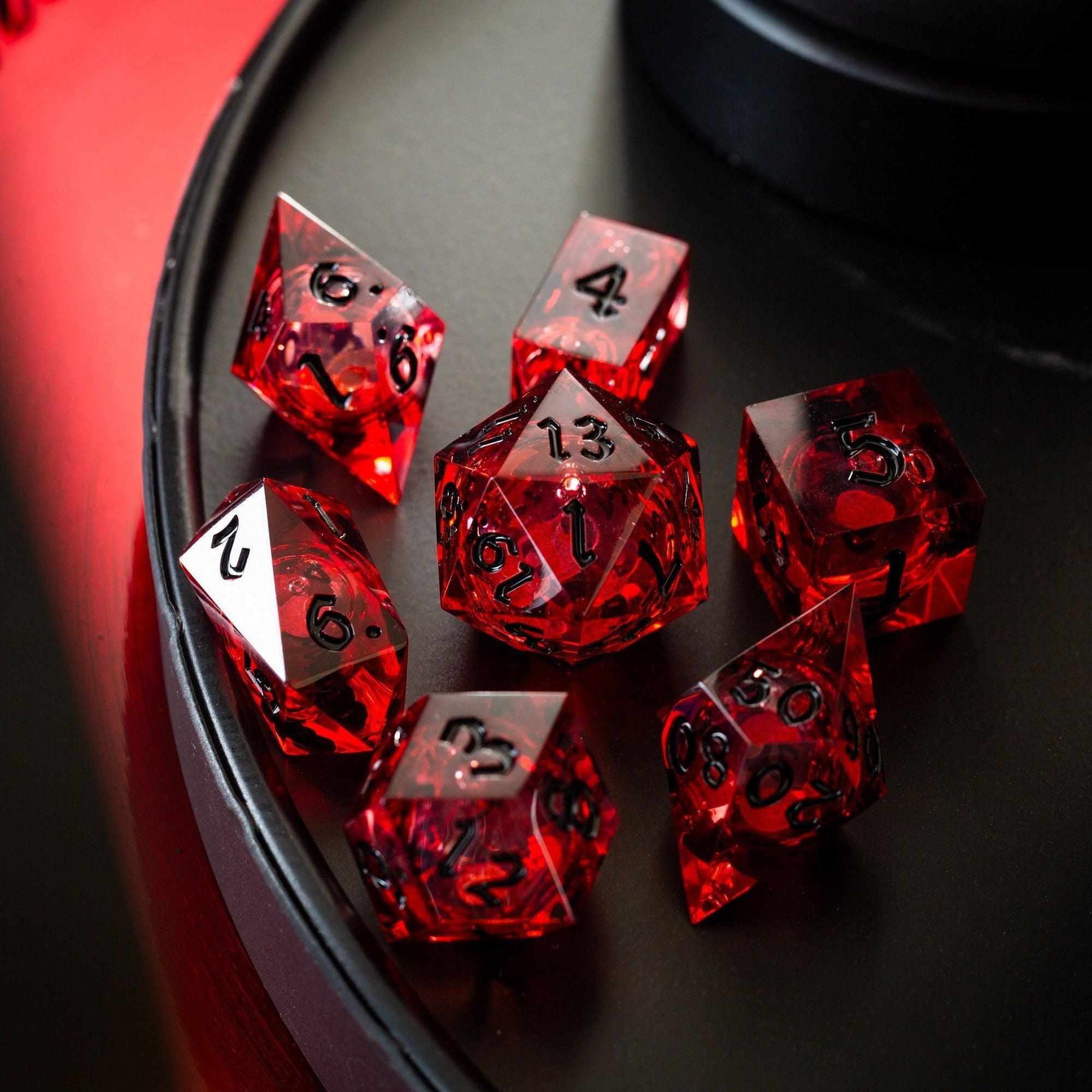
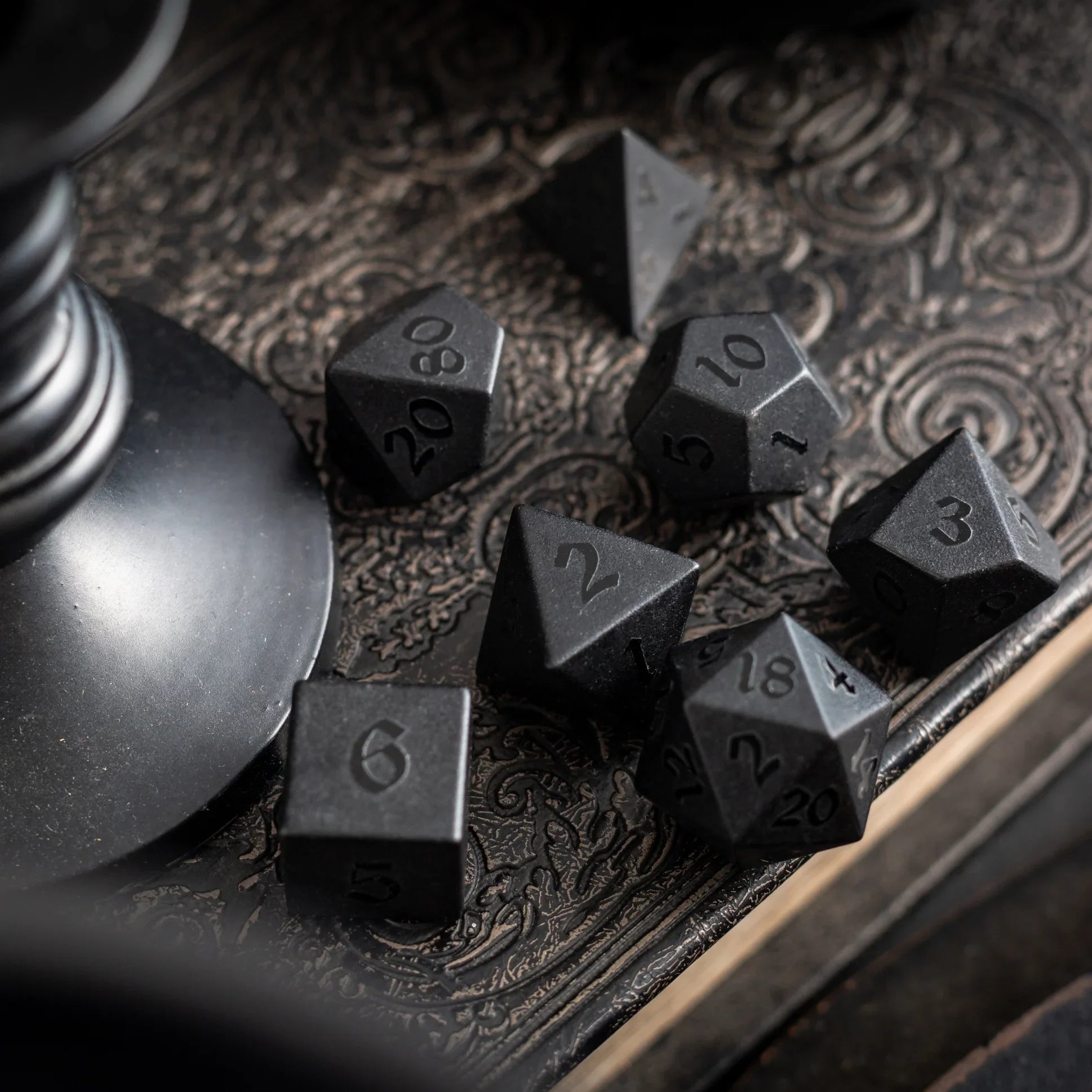
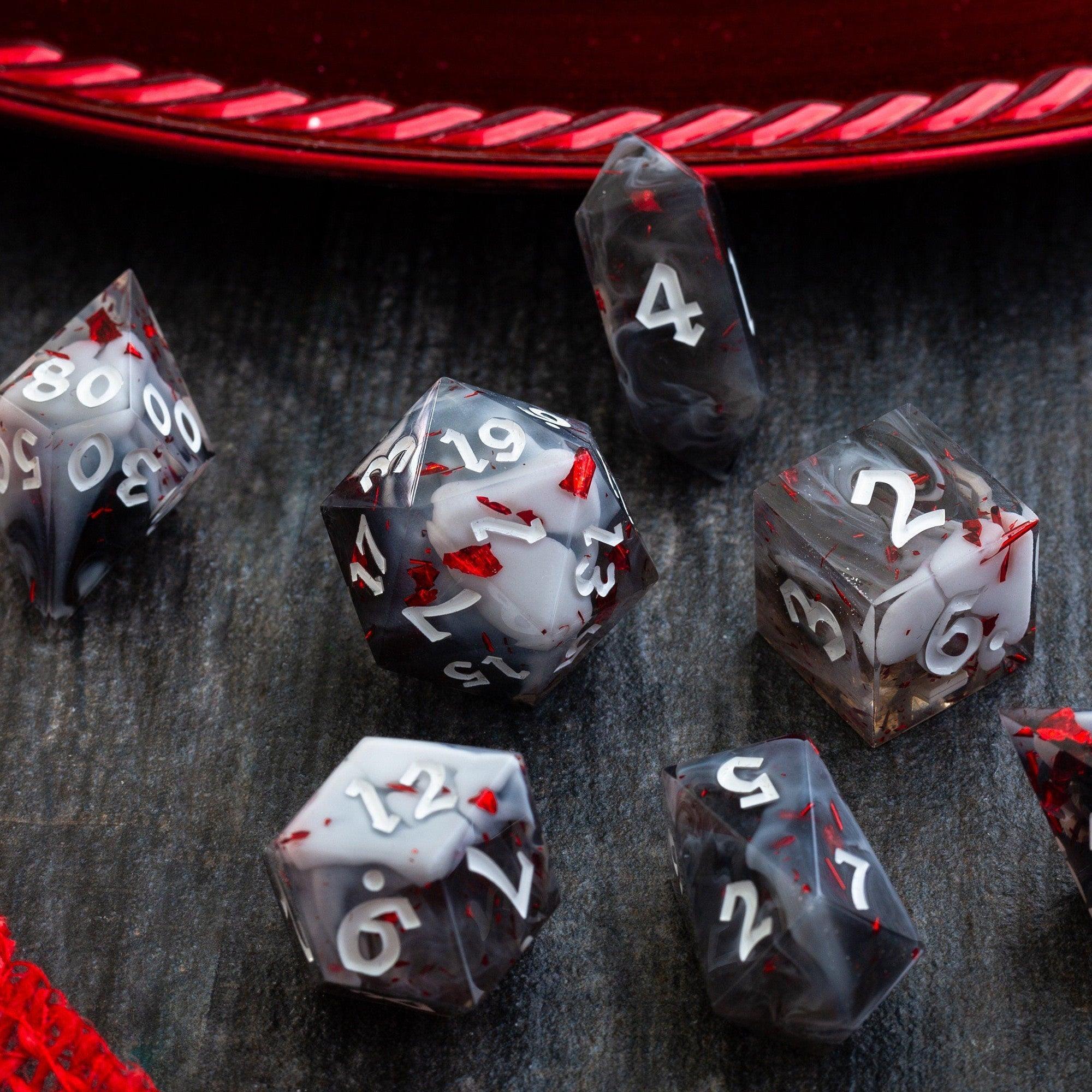
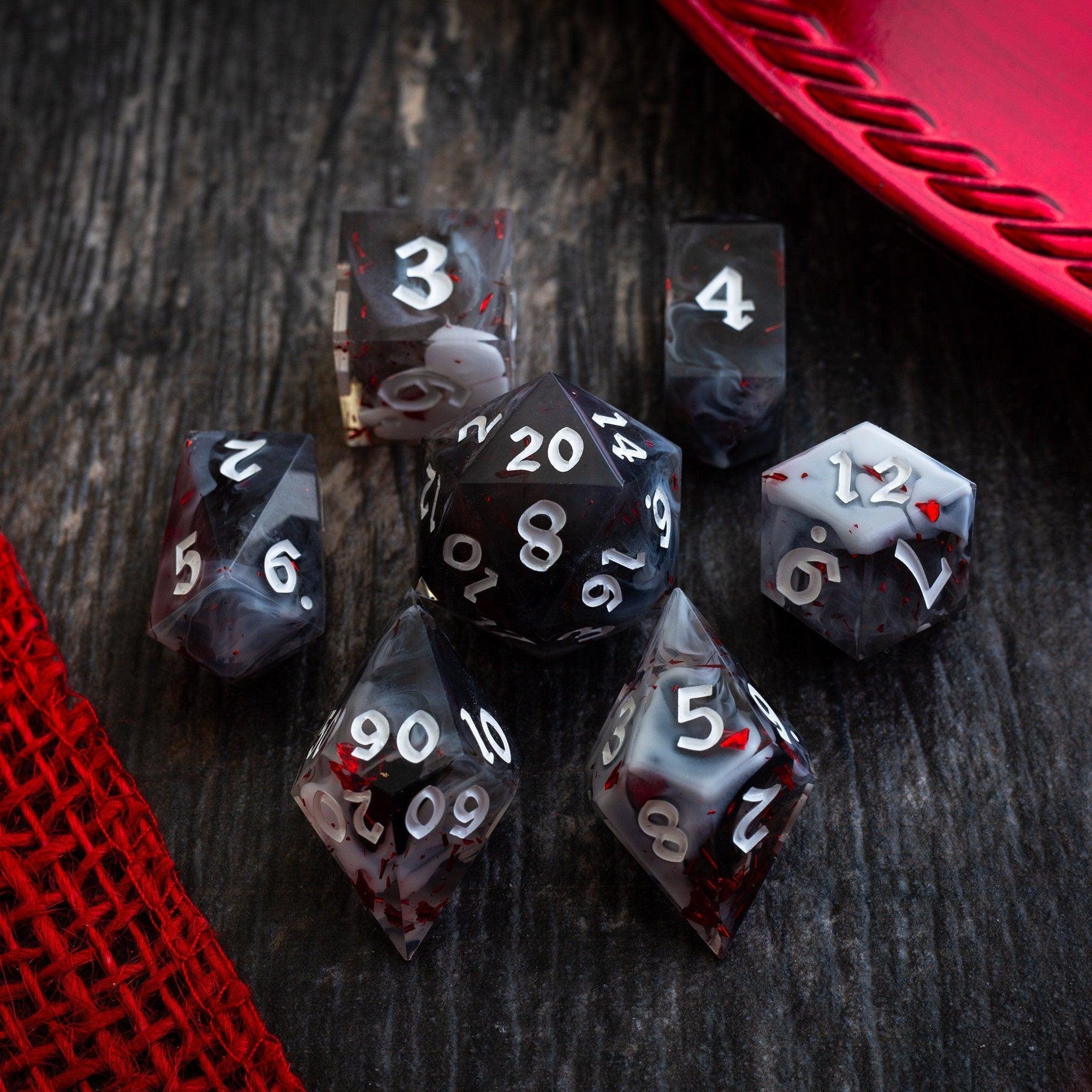
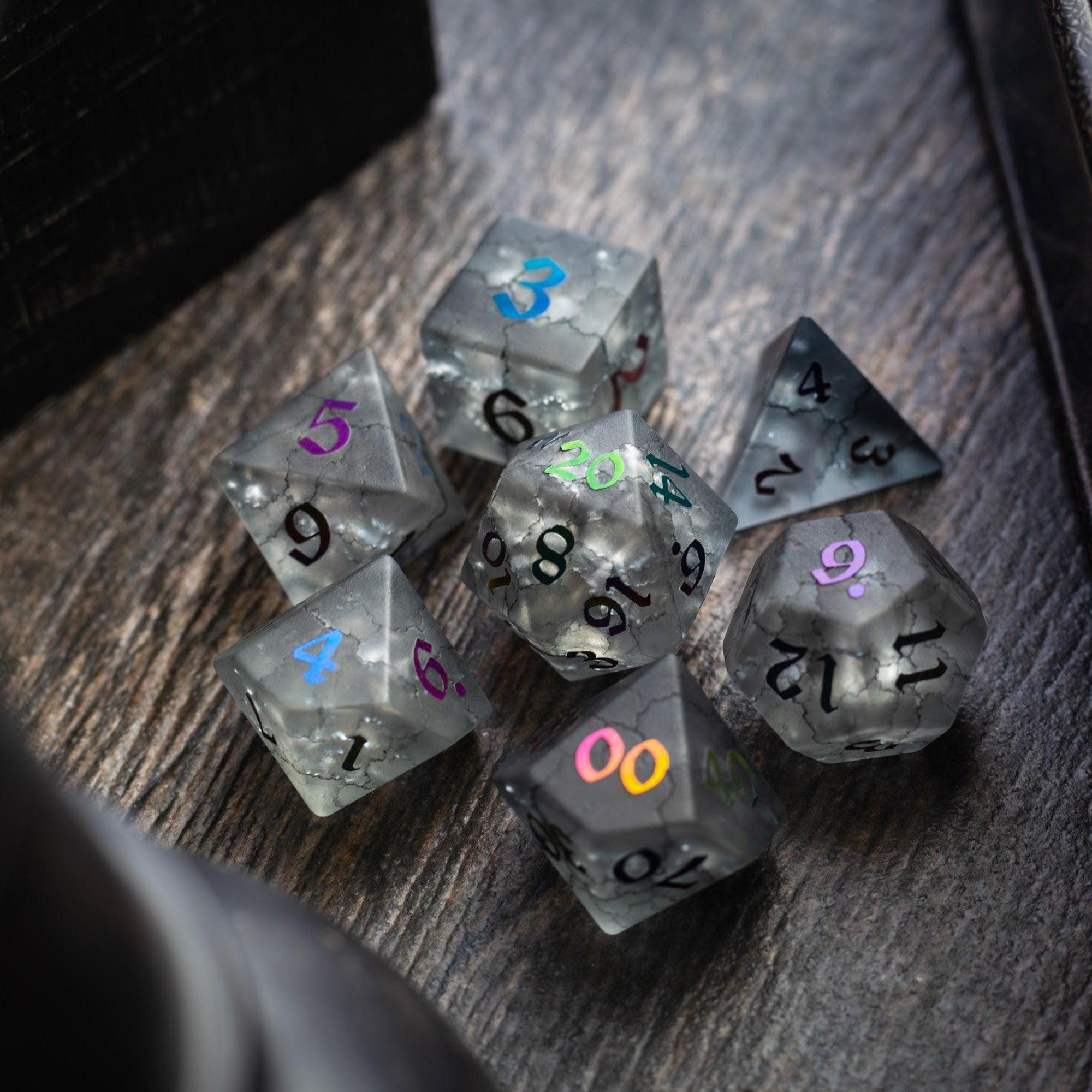
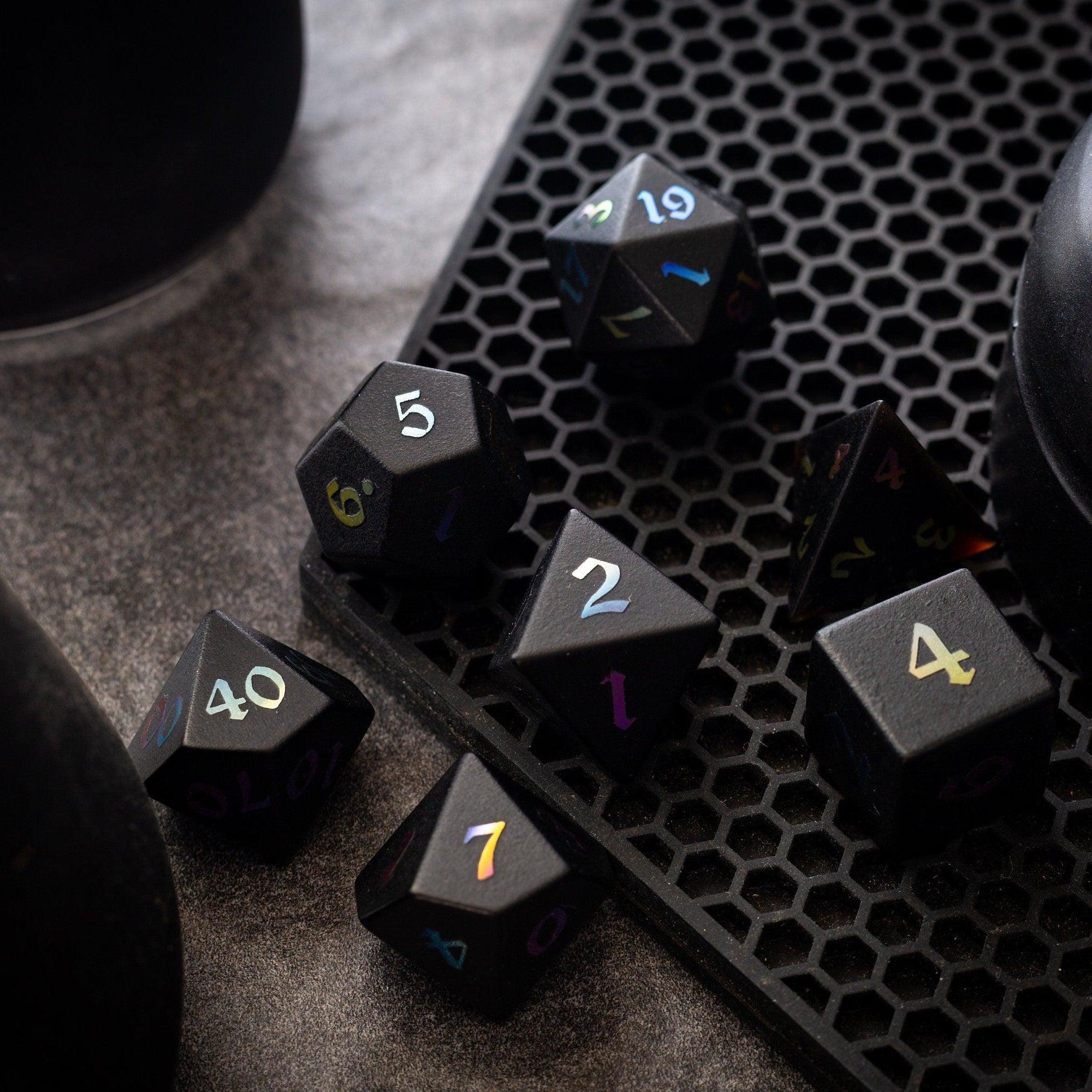
Dice can also help keep things organized. Bright resin dice are great for frequent initiative and attack rolls because they are easy to grab and read. A larger resin chonk die can make initiative rolls stand out at the table, especially when the whole group is rolling at once.
Tracking Conditions and Effects
Conditions and temporary effects are where combat often gets messy.
A creature might be concentrating on bless. Another might be restrained. A monster may be frightened until the end of a player’s next turn. Someone may have advantage on their next attack. These details matter, but they are easy to forget.
Track effects directly beside the creature’s name in initiative order.
Example:
-
Mira: concentrating on bless
-
Goblin Boss: frightened, ends after Thorn’s turn
-
Thorn: has inspiration
-
Ogre: slowed, 2 rounds left
This keeps the information where you need it most.
For concentration spells, mark the caster clearly. If that character takes damage, the table knows a Constitution saving throw may be needed to maintain concentration.
For spellcasters, liquid core dice can add a little fun to those big magical moments without slowing the game down. They are especially satisfying for spell attacks, saving throw moments, or dramatic concentration checks.
Dungeon Master Combat Management Tips
Dungeon Masters have the hardest job during combat. You are tracking monsters, terrain, tactics, conditions, player questions, and pacing all at once.
For better dnd encounter management, simplify where you can.
Group similar enemies together in initiative. Instead of rolling separately for six skeletons, roll once for all skeletons. This makes the fight faster and easier to manage.
For larger encounters, divide enemies into clear groups:
-
Skeleton Archers
-
Skeleton Soldiers
-
Necromancer
-
Summoned Spirit
This gives the battlefield structure without overwhelming you.
If a monster has legendary actions, write them directly under that monster’s initiative entry. Since legendary actions happen after other creatures’ turns, a small reminder prevents you from forgetting them.
You can also use tokens, colored rings, sticky notes, or small marks on your tracker to show conditions. The less you have to hold in your head, the better your combat pacing will be.
Player Habits That Improve Combat Flow
Players can help combat move just as much as the Dungeon Master.
Good player habits include:
-
Planning your action before your turn
-
Knowing your most common abilities
-
Reading your spells before casting them
-
Rolling damage with your attack roll
-
Paying attention during other turns
-
Asking quick rules questions when needed
-
Having your dice ready
A player does not need to know every rule perfectly. They just need to know their character well enough to make choices without freezing every turn.
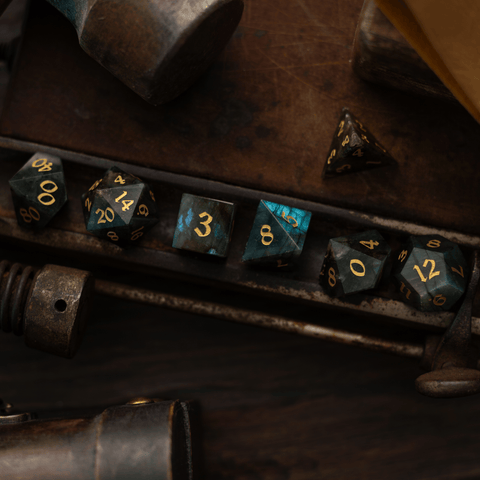
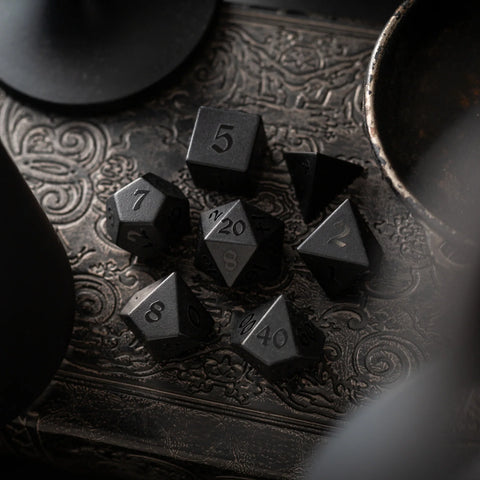
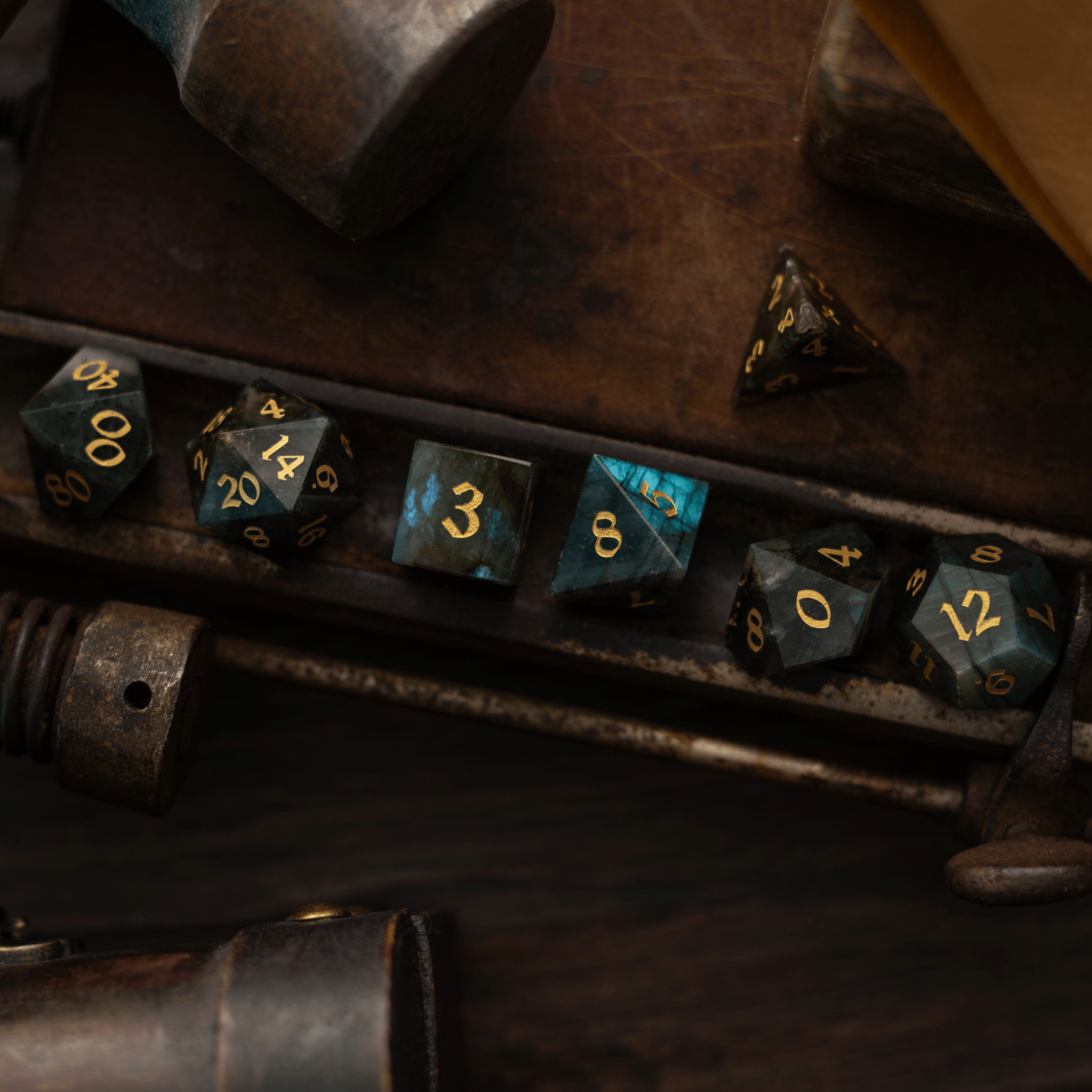
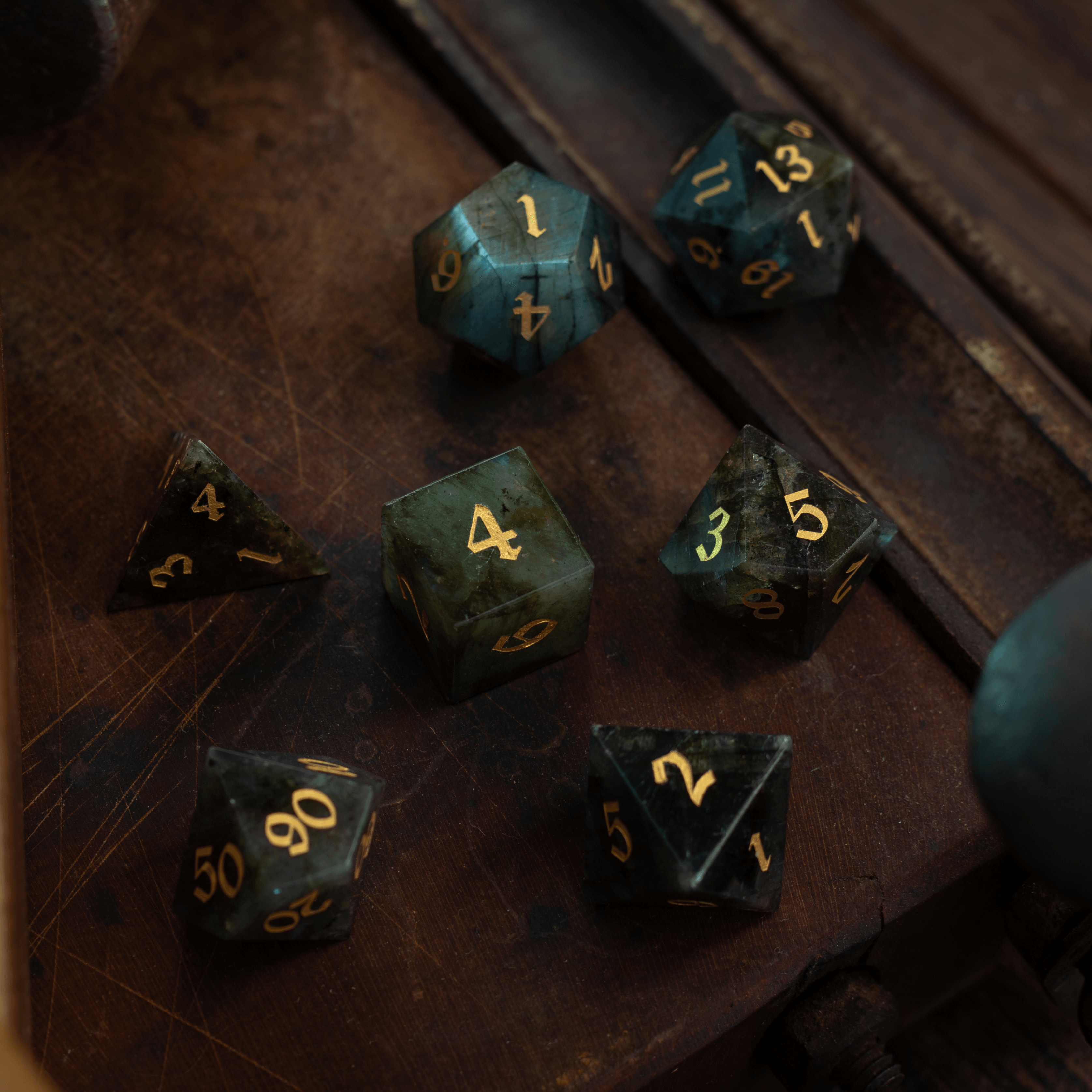
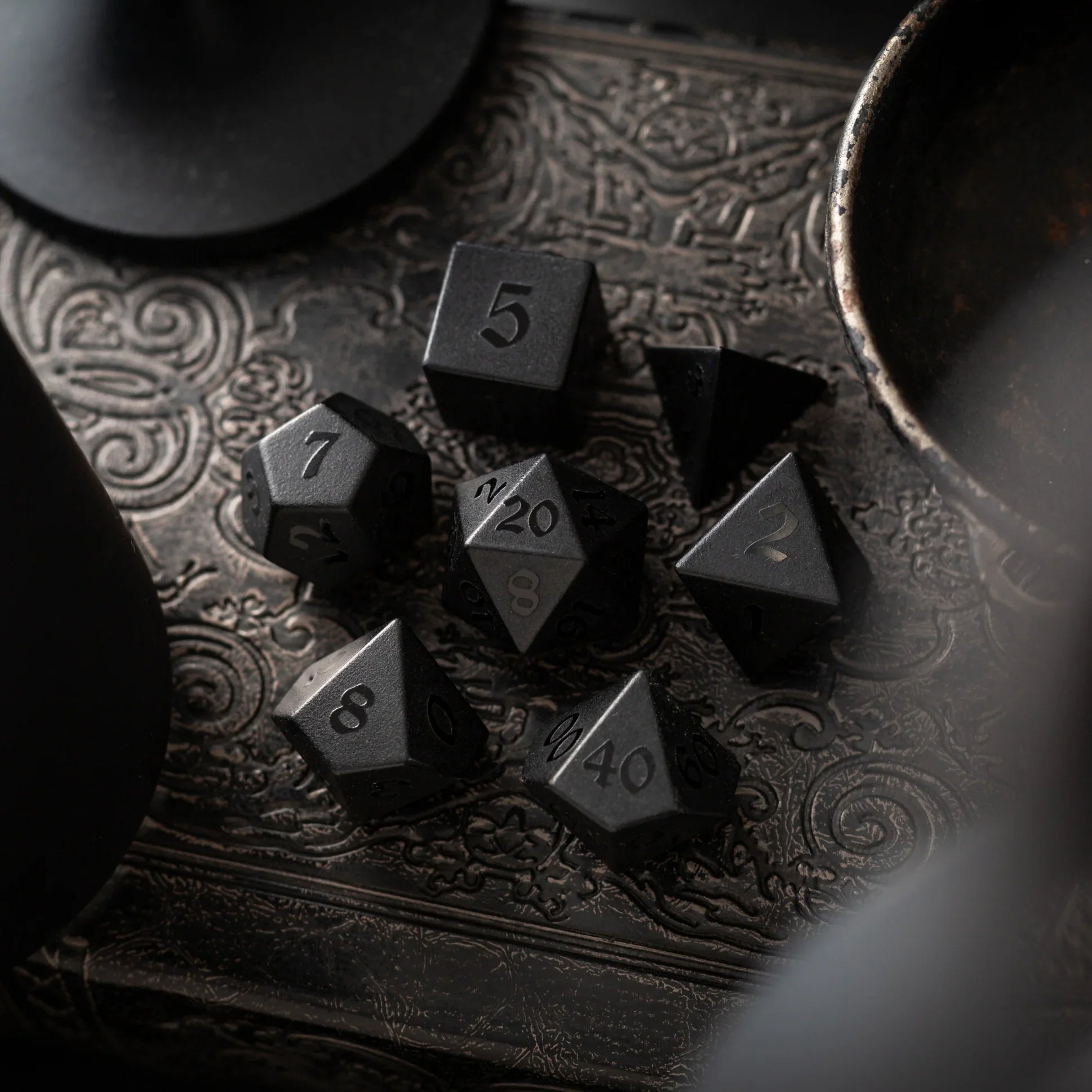
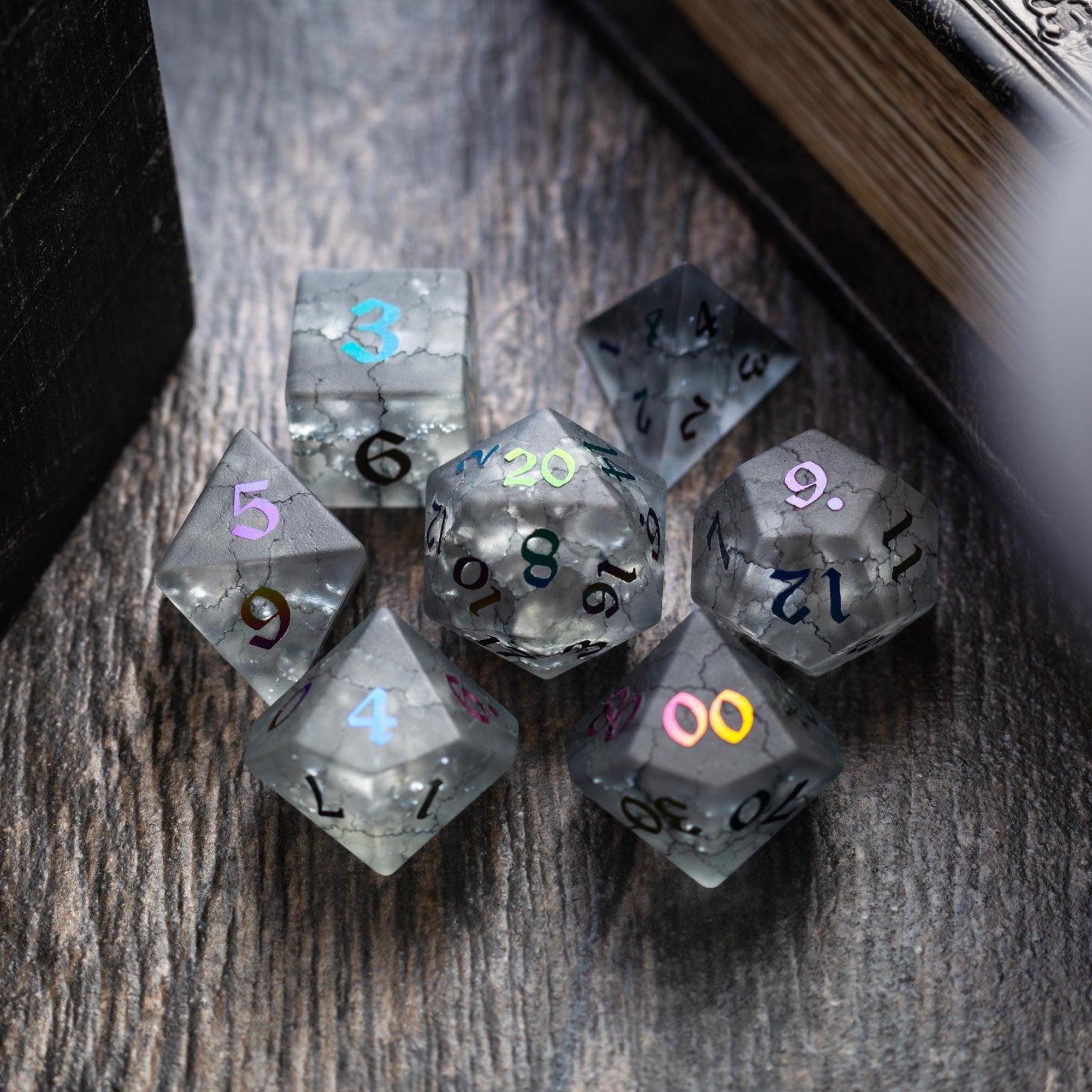
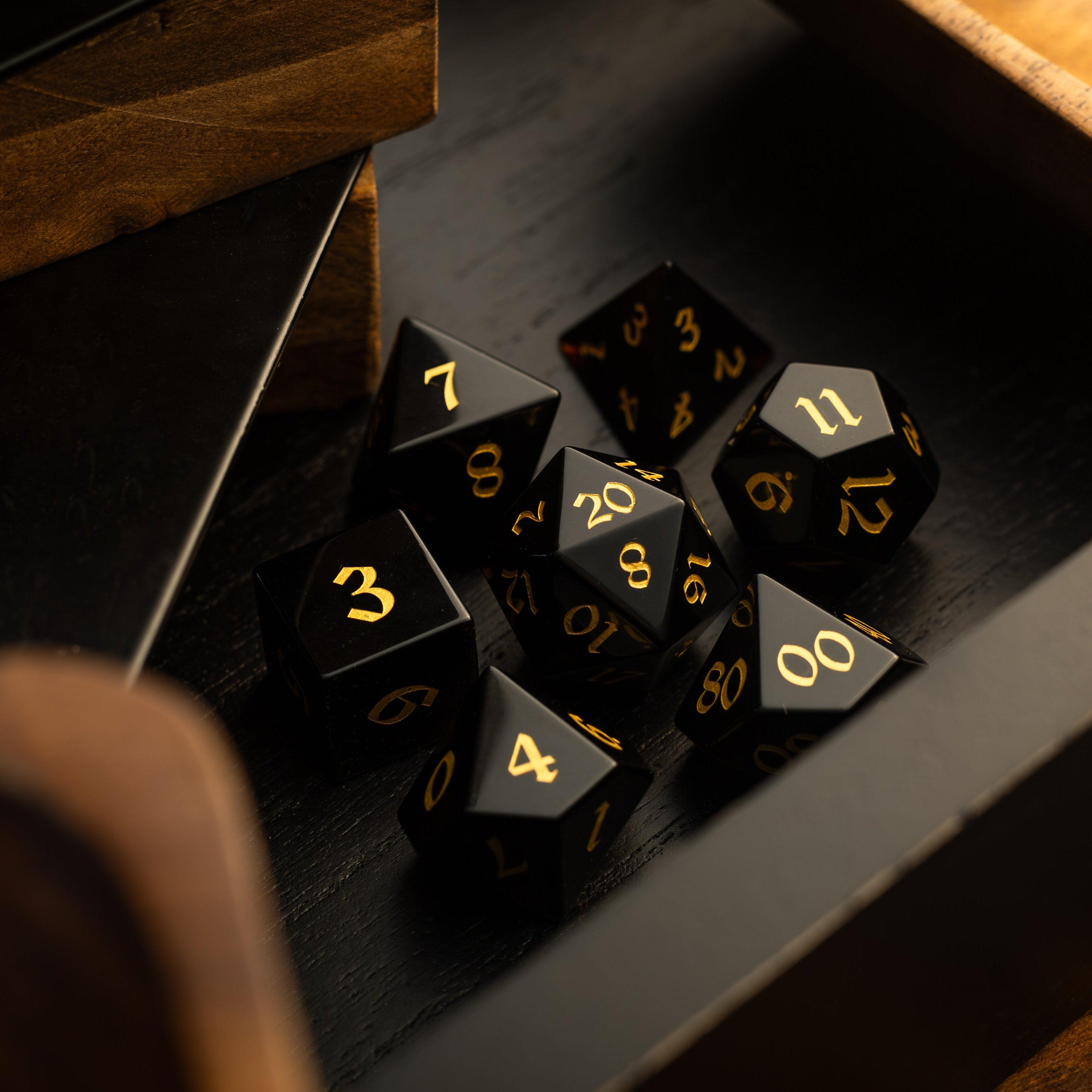
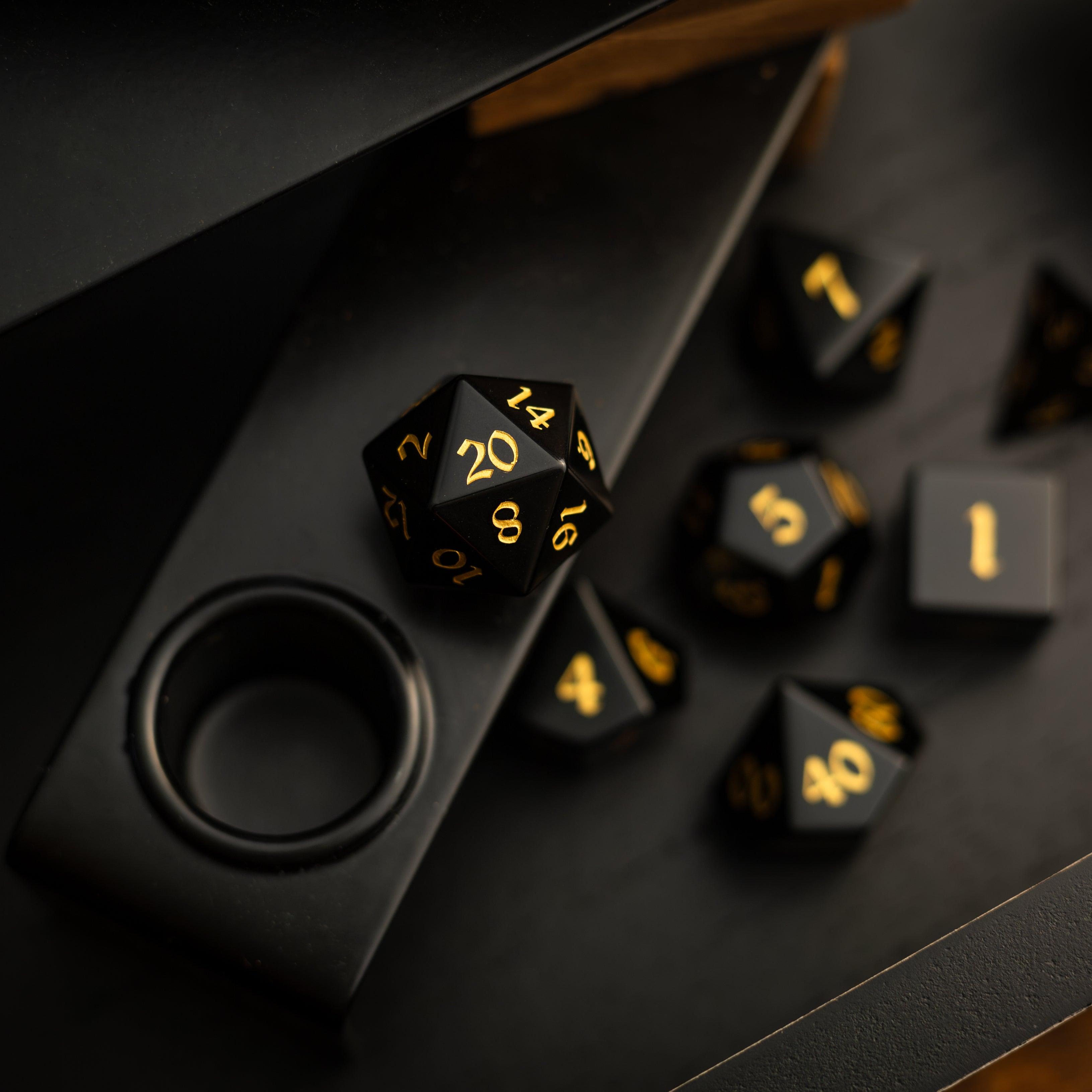
Gemstone dice are perfect for major character moments, like a clutch saving throw, a powerful smite, or the attack that might finish the boss. For everyday combat rolls, resin dice are light, readable, and easy to keep moving across the table.
Common Initiative Mistakes
Even good groups make initiative mistakes. The fix is usually simple.
Skipping players happens when initiative is hidden or messy. Keep the order visible and use a clear marker for the current turn.
Forgetting reactions happens when players are not watching the battlefield. Remind players that reactions can happen outside their turns, especially for opportunity attacks, shield, counterspell, and class features.
Losing track of effects happens when durations are not written down. Add short notes beside the affected creature.
Overcomplicating the tracker happens when the system becomes harder than the combat. Use only the details you need. A clean tracker beats a fancy one that slows everyone down.
Good dnd combat management is about clarity, not perfection.
Digital vs Physical Initiative Tracking
Digital trackers are great for online games, large encounters, and automatic condition tracking. They can save time if the group already plays on a virtual tabletop.
Physical trackers are better for tables that like tactile play. Index cards, whiteboards, and initiative tents are easy to adjust and do not require screens.
A whiteboard works well for groups that enjoy seeing everything at once. Index cards are great because you can rearrange them instantly. Initiative tents are useful because both the DM and players can see turn order.
A simple dnd combat guide rule is this: use digital tools when they reduce work, and use physical tools when they improve table awareness.
Keeping Combat Exciting Without Rushing
Fast combat is not always good combat. If players feel pressured, they may stop being creative. The best combat flow balances speed with drama.
Give players room to describe cool actions. Let tactical choices matter. Allow big moments to breathe.
At the same time, keep the battle moving. Remind players what they see. Announce who is next. Summarize the battlefield when things get confusing.
Try lines like:
“Two goblins are still standing, the bridge is burning, and the ogre is badly wounded. Kael, you’re up.”
That kind of recap keeps tension high and helps the player act with confidence.
Combat should feel dangerous, cinematic, and organized. A good tracker supports that feeling instead of getting in the way.
Find the Tracker That Fits Your Table
The best dnd initiative tracker is not always the fanciest one. It is the one your group understands, uses consistently, and can see when combat gets busy.
Start simple. Try a written list, index cards, a dry-erase board, or a shared digital tracker. Pay attention to where your table slows down, then adjust.
Great dnd turn order tracking is not about rushing players through their choices. It is about helping everyone stay engaged, prepared, and involved in the action.
When initiative is clear, combat feels better. Players know when their turn is coming. Dungeon Masters spend less time fixing mistakes. Conditions are easier to remember. Big rolls feel more dramatic. Every character gets their moment to shine.
And that is what a strong combat system should do: keep the table focused on the adventure, not the confusion.




Leave a comment
This site is protected by hCaptcha and the hCaptcha Privacy Policy and Terms of Service apply.