
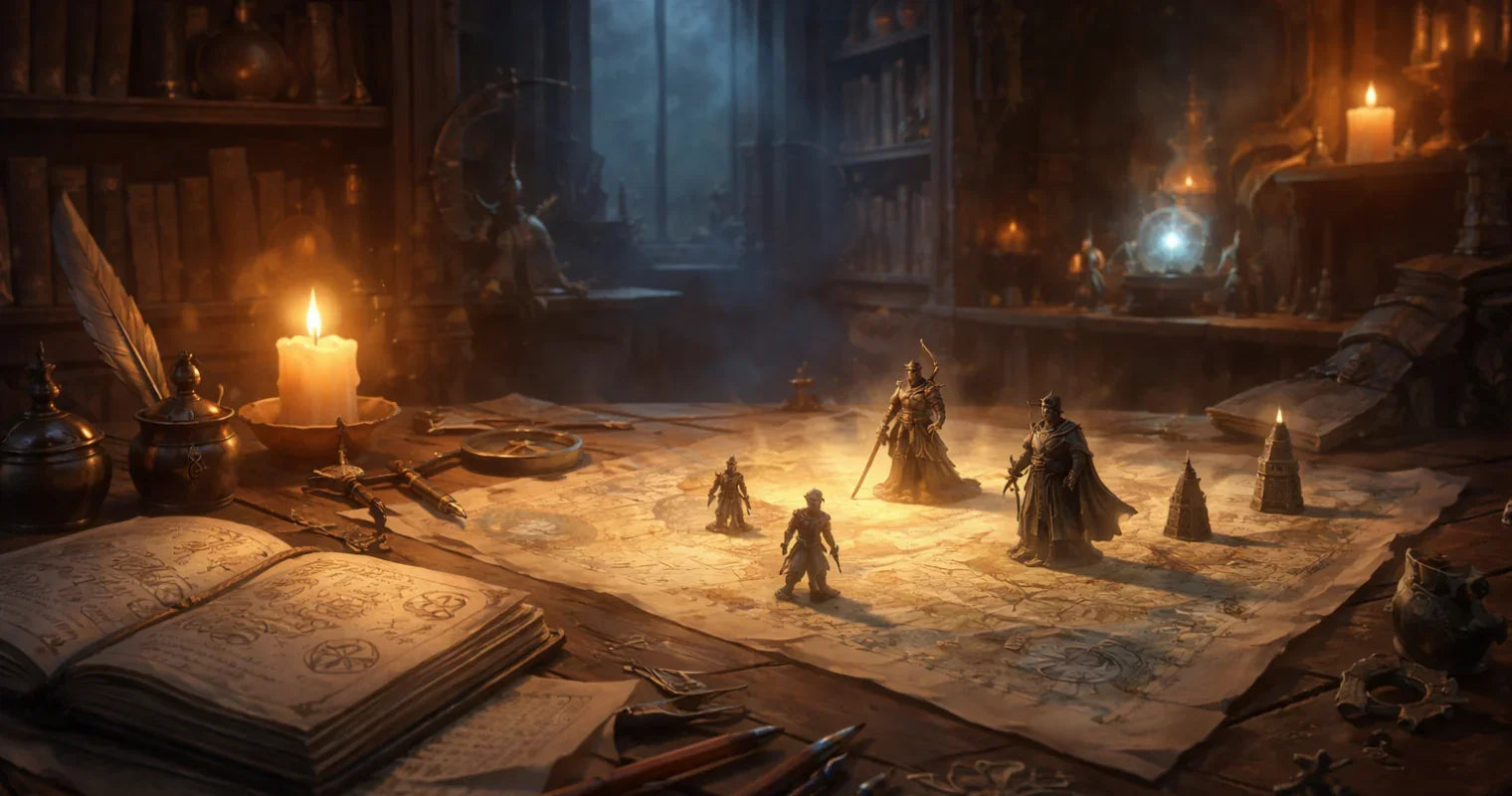
Practical Tips for Dungeons and Dragons Gameplay Mechanics
Updated on: March 16, 2026
Understanding the core systems that drive Dungeons and Dragons is essential for creating engaging campaigns and memorable experiences at your table. This guide walks you through the fundamental mechanics that make the game tick, from action economy to skill checks, helping both new and experienced players level up their gameplay. Whether you're a Dungeon Master or a player looking to deepen your knowledge, you'll discover practical insights that transform how you approach each session.
- Did You Know?
- Understanding Core Gameplay Systems
- Action Economy and Turn Structure
- Skill Checks and Ability Modifiers
- Expert Tips for Better Play
- Personal Anecdote
- Combat Mechanics Explained
- Summary and Takeaways
- Frequently Asked Questions
Did You Know?

- The advantage and disadvantage system was introduced in Fifth Edition to streamline resolution mechanics and reduce modifier bloat.
- Action economy is often the deciding factor in combat encounters, not raw damage output or character level.
- The twenty-sided die has been the foundation of tabletop role-playing games since the very beginning of the hobby.
- Proficiency bonuses increase as your character levels up, creating a natural power progression that feels rewarding.
- The standard difficulty class scale ranges from ten (easy) to thirty (nearly impossible), giving Dungeon Masters clear guidance.
Understanding Core Gameplay Systems
When you sit down at a Dungeons and Dragons table, you're engaging with a set of interconnected systems designed to create drama, uncertainty, and fun. The beauty of gameplay mechanics for D&D lies in their balance between structure and flexibility. The core mechanics provide guardrails while leaving plenty of room for creativity and improvisation.
At their heart, these systems revolve around the twenty-sided die. Nearly every action with an uncertain outcome gets resolved by rolling this iconic die, adding relevant modifiers, and comparing the result to a difficulty class. This simple framework generates endless possibilities. Whether your rogue is sneaking past guards, your wizard is casting a spell under pressure, or your barbarian is intimidating a noble, the same fundamental mechanic applies.
The beauty of this approach is consistency. Players quickly learn how the system works, which means they can focus on storytelling and character development rather than memorizing complex rules. The mechanics become transparent, almost invisible, allowing the narrative to shine through.

Action Economy and Turn Structure
Action economy is perhaps the most critical concept in combat. On your turn, you get one action, one bonus action, one movement, and one reaction. This structure creates interesting tactical choices and prevents any single character from dominating every encounter.
Your action is your main activity. This might be attacking with a weapon, casting a spell, dashing to cover, or using an object. Your bonus action is something faster, like drawing a weapon or using a class ability. Movement lets you reposition around the battlefield, and reactions happen on other creatures' turns, like opportunity attacks or shield spells.
This framework forces meaningful decisions. Do you move closer to the enemy or stay back? Do you attack twice with your action or cast a spell? These choices create tension and engagement. Players can't just do everything they want, which makes their decisions matter.
Understanding action economy helps you build better encounters as a Dungeon Master. An enemy with multiple attacks per turn isn't necessarily stronger than you think—the real power lies in giving enemies actions, bonus actions, and reactions that create interesting problems for the party to solve.
Skill Checks and Ability Modifiers
When uncertainty enters the picture, you make a skill check. You roll a twenty-sided die, add your relevant ability modifier and proficiency bonus if applicable, and compare the result to the difficulty class set by the Dungeon Master.
Your ability modifiers come from your six core abilities: Strength, Dexterity, Constitution, Intelligence, Wisdom, and Charisma. Each ability ranges from three to twenty, with ten being average. The modifier is calculated by subtracting ten from your ability score, then dividing by two. So a Strength of sixteen gives you a plus three modifier.
Skills are specific applications of abilities. Acrobatics uses Dexterity. Insight uses Wisdom. Persuasion uses Charisma. If you're proficient in a skill, you add your proficiency bonus on top of the ability modifier. Proficiency represents training and expertise, making skilled characters genuinely better at their specialties.
This system creates clear differentiation between characters. A character with high Intelligence and Arcana proficiency will identify magical items easily, while a character without that combination will struggle. The mechanics support character identity and specialization.
Expert Tips for Better Play
- Use advantage and disadvantage sparingly but effectively. These mechanics create dramatic moments when the outcome genuinely matters, so save them for situations where circumstance truly affects the challenge.
- As a Dungeon Master, set difficulty classes based on the task itself, not the character's level. A complexity ten task is complexity ten regardless of who attempts it, though higher ability modifiers make success more likely.
- Remember that not every action needs a roll. If the outcome doesn't matter or failure isn't interesting, let players succeed automatically and move the story forward.
- Encourage creative solutions to problems. The mechanics are guidelines, not limitations. If a player proposes something clever, consider how to make it work rather than shutting it down with rules.
- Track conditions carefully during combat. Conditions like prone, restrained, and invisible dramatically affect tactics and turn structure, so managing them well makes combat feel dynamic and consequential.
- Understand that your proficiency bonus applies to attack rolls, ability checks, and saving throws where you're proficient. This single number helps your character scale with experience.
Personal Anecdote
I'll never forget the session where my understanding of gameplay mechanics fundamentally changed how I ran the game. I was deep into a dungeon crawl with my party, and they encountered a locked door. The rogue stepped forward to pick the lock, and I just automatically said "roll a check." My player rolled poorly, and everyone moved on to the next scene.
But after the session, I realized something. The lock-picking didn't matter to the story. The party had multiple ways to get through the door, and a failed check didn't create a more interesting situation—it just created frustration. That's when I learned that mechanics should serve the narrative, not replace it.
The next session, when they encountered another locked door, I described the situation and asked what they wanted to do. When they tried to pick it, I told them it would take about ten minutes and they'd need to make a check. They rolled, and because the check was meaningful—it determined whether guards arrived—tension filled the table. The mechanics created a better story because they were applied purposefully.
Combat Mechanics Explained
Combat in Dungeons and Dragons follows a specific structure that keeps things fair and exciting. When a fight breaks out, everyone rolls initiative, adding their Dexterity modifier. Higher initiative means you act sooner in combat rounds.
During your turn in combat, you make an attack roll by rolling a twenty-sided die and adding your attack bonus. Your attack bonus comes from your ability modifier plus your proficiency bonus. The target's armor class determines the difficulty you need to beat. If you succeed, you roll damage.
Damage rolls use different dice depending on your weapon. A longsword deals one ten-sided die plus your ability modifier. A dagger deals one four-sided die. Magic increases these damage die or adds flat bonuses. Your Constitution modifier determines your hit points, and damage reduces your current hit points.
When your hit points reach zero, you start making death saving throws. You roll a twenty-sided die—no modifiers. Rolling ten or higher counts as a success, and rolling nine or lower counts as a failure. Three successes means you stabilize; three failures means you die. This system creates dramatic moments where everyone watches your rolls with bated breath.

Understanding these mechanics helps you engage with combat strategically. Cover gives bonuses to armor class. Higher ground provides advantage on attack rolls. Concentration checks determine if spells break when you take damage. These rules create a tactical puzzle where clever positioning and spell selection matter as much as raw damage output.
Many new players make the mistake of thinking combat is just about rolling to hit and dealing damage. But the real game emerges in the choices about positioning, ability usage, and resource management. Do you cast a spell that requires concentration, knowing you might lose it? Do you move toward the enemy or maintain distance? These decisions drive engagement.
Summary and Takeaways
Mastering the core gameplay mechanics for D&D transforms your experience at the table. These systems aren't obstacles to storytelling—they're the foundation that makes storytelling possible. By understanding action economy, skill checks, and combat structure, you gain the tools to create meaningful challenges and interesting choices for every session.
The key takeaway is this: mechanics serve narrative purpose. When you understand why a rule exists and how it creates dramatic tension or interesting choices, you can apply it effectively. Whether you're a Dungeon Master crafting encounters or a player optimizing your character, this knowledge deepens your engagement with the game.
Remember that the rules exist to enable fun, not constrain it. If a rule creates confusion or kills the moment, you can always adjust it. But before you change something, understand why it exists. The designers of Dungeons and Dragons have spent decades refining these systems, and there's usually wisdom in their design choices.
Your next session awaits. With this knowledge in hand, you're ready to create moments that your group will remember for years to come. The dice are in your hands—now roll with confidence.
Frequently Asked Questions
What is the most important mechanic in Dungeons and Dragons?
Action economy is arguably the most important mechanic because it controls the pace of combat and forces meaningful decisions. Every character gets the same limited resources per turn—one action, one bonus action, one movement, and one reaction. This creates balance and makes tactical choices consequential. Understanding how to use your turn efficiently separates good players from great ones.
How do ability modifiers affect gameplay?
Ability modifiers are added to most rolls in the game, from attack rolls to skill checks to saving throws. A higher modifier means you're more likely to succeed at tasks related to that ability. For example, a character with a plus four Dexterity modifier will almost always succeed at sneaking tasks, while a character with a minus one Dexterity modifier will struggle. This system makes character choices meaningful and rewards specialization.
Why do some creatures have advantage or disadvantage on rolls?
Advantage and disadvantage replace the old system of numerical bonuses and penalties. When you have advantage, you roll the twenty-sided die twice and use the higher result. With disadvantage, you roll twice and use the lower result. This creates a dramatic effect—advantage roughly gives you a plus five modifier, while disadvantage is roughly a minus five modifier. This system is simpler than tracking multiple bonuses while creating exciting moments when they matter.
Can I ignore mechanics if they slow down gameplay?
Absolutely, as long as the entire table agrees. Many experienced groups skip certain rules or streamline mechanics to keep the game moving. However, before you ignore a rule, understand why it exists. Some mechanics create strategic depth that enhances gameplay. Others are genuinely optional. The rulebooks offer variants for exactly this reason. The best approach is to try the rules as written, then adjust what doesn't work for your group.
How do I know when to call for a skill check versus allowing automatic success?
Call for a skill check when the outcome is uncertain and failure creates an interesting situation. If a task is trivial for the character attempting it, let them succeed automatically. If failure would just frustrate players without advancing the story, don't call for a check. Reserve checks for moments where the outcome matters and creates drama. This approach keeps the game moving while making rolls feel significant.
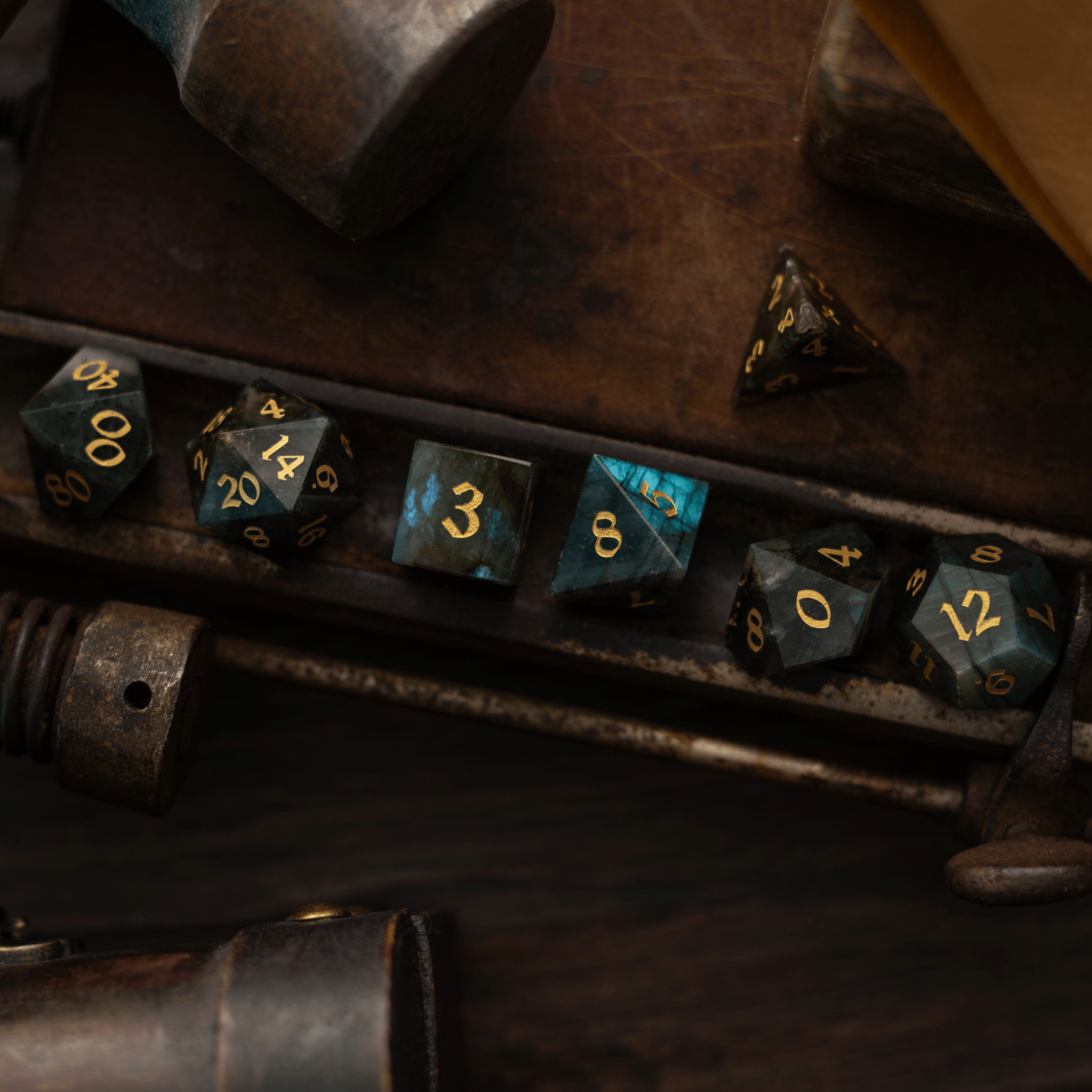
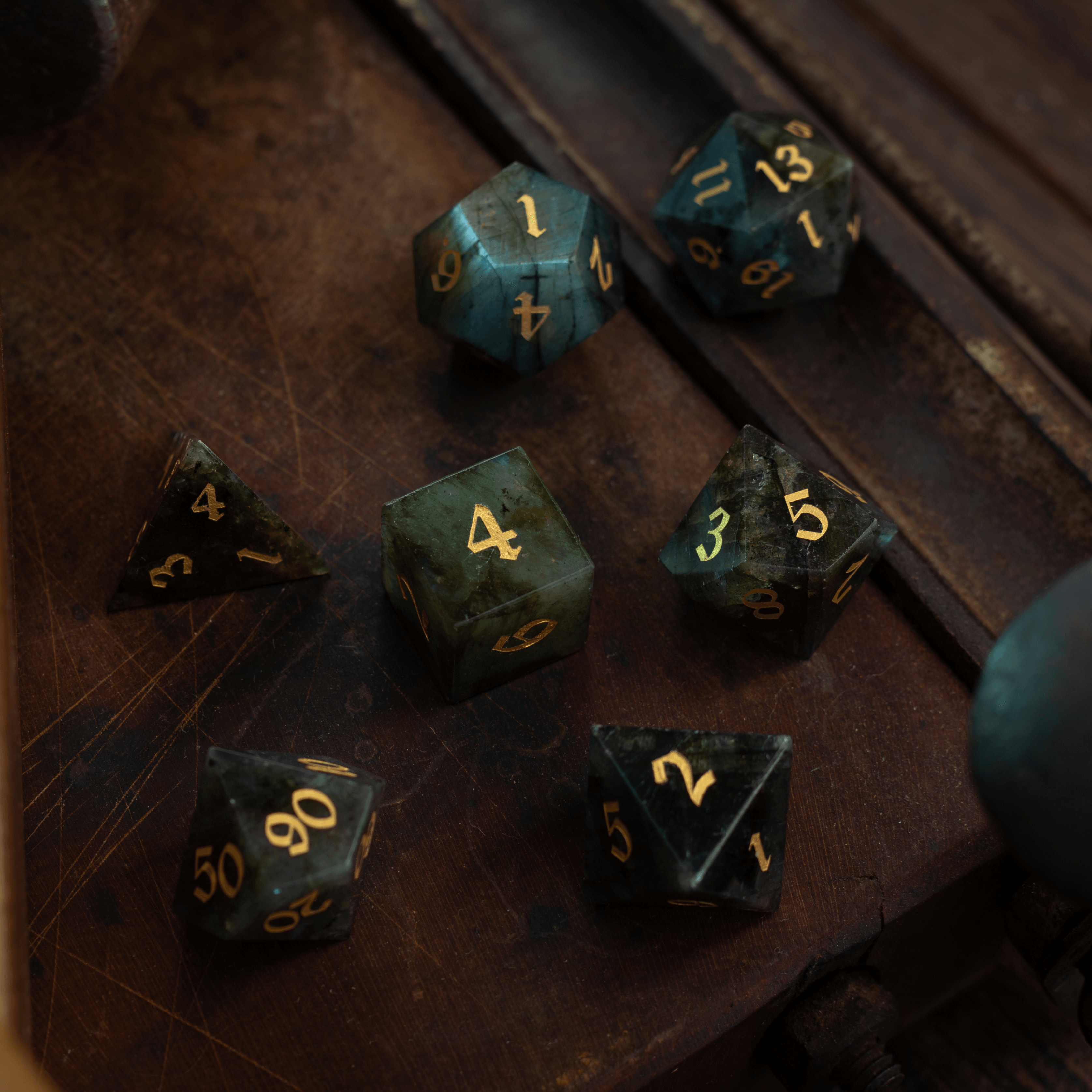
Consider adding quality gaming pieces to enhance your sessions. Beautiful gemstone dice sets can make rolling even more satisfying, while handmade resin dice bring artistry to your table. Explore our complete dice collection to find the perfect set for your group, or check out special discounts on dice bundles.















Leave a comment
This site is protected by hCaptcha and the hCaptcha Privacy Policy and Terms of Service apply.