Mastering Magic Item Creation A Practical GM Guide
Understanding Magic Item Creation Basics
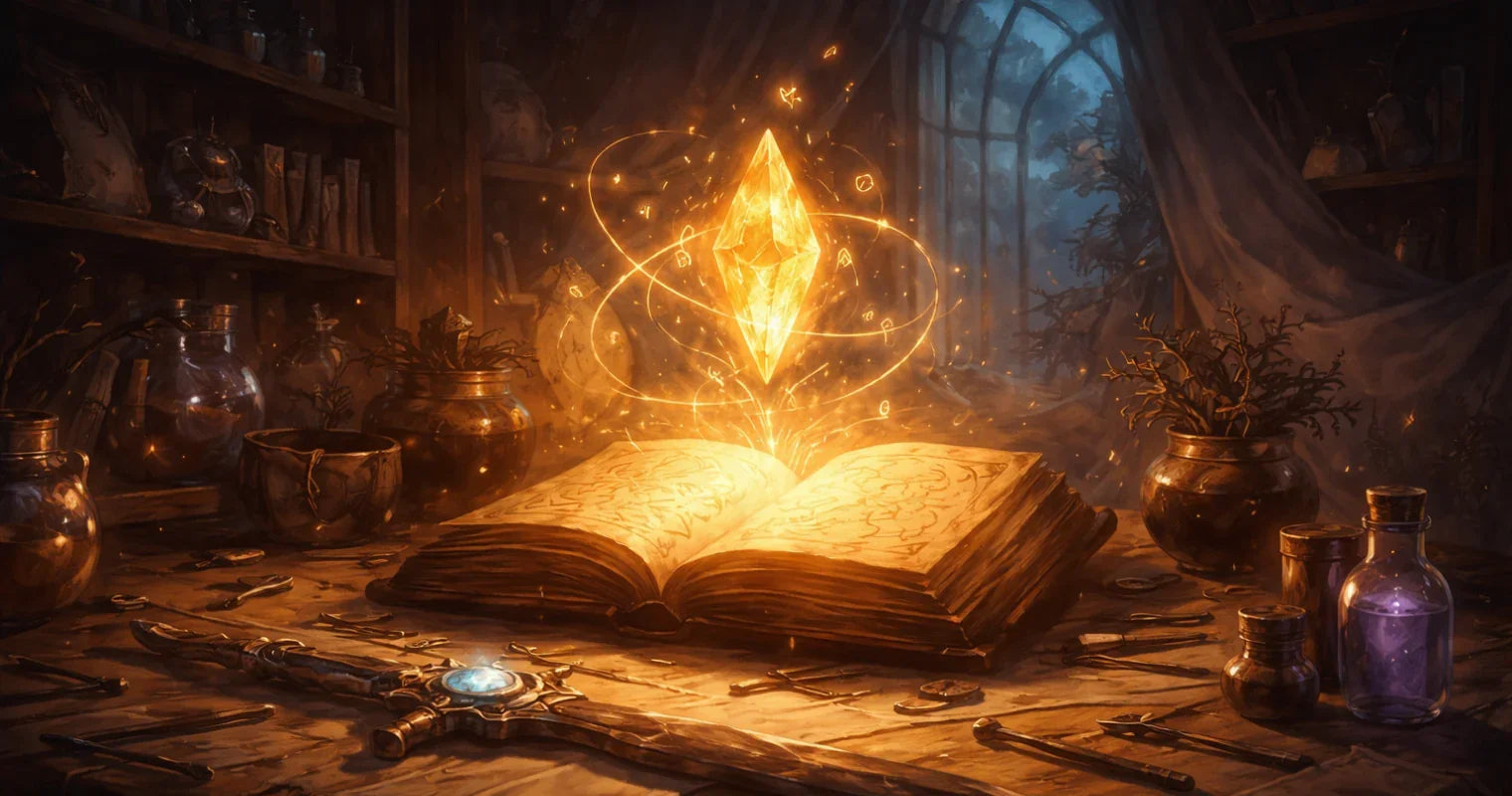
When you're diving into the world of crafting enchanted equipment for your tabletop games, it's important to understand what you're actually building. Magic item creation isn't just about slapping a cool name on a sword and calling it a day. It's about designing something that tells a story, fits within your game world's rules, and genuinely excites your players.
Think of each magical object as having three core components: its mechanical effect, its narrative purpose, and its visual identity. The mechanical effect is what it actually does in gameplay terms. The narrative purpose is why it exists in your world and what makes it special. The visual identity is how players imagine it and what makes it feel real to them.
Start by asking yourself simple questions. What problem does this item solve? Who would want to use it? What makes it different from a regular, non-magical version? These questions help you build items that feel purposeful rather than arbitrary.
Common Challenges and Smart Solutions
Game masters and players often hit some predictable speed bumps when designing magical equipment. Understanding these challenges helps you sidestep them and create items that actually work well in your game.
Challenge One: Overpowered Items That Break Your Game
One of the biggest headaches is accidentally creating something that's way too strong. You design what seems like a cool ability, players get their hands on it, and suddenly nobody's interested in anything else. The solution is to build in natural limitations. Maybe the item requires attunement, has charges that recharge slowly, or only works under specific conditions. These constraints keep the power level in check while maintaining what makes the item exciting.
Challenge Two: Items That Sound Cool But Don't Get Used
You've created this gorgeous, thematically perfect magical item, and your players completely ignore it. This usually happens when the item's benefits aren't clear or when it solves a problem nobody actually has. The fix is playtesting and clarity. Be specific about what the item does. Use language your players understand. Make sure the benefit connects to challenges they actually face in your game.
Challenge Three: Forgetting About the Story
Sometimes we get so caught up in mechanics that we forget these items exist in a living world. A magical item that appears from nowhere feels hollow. Instead, think about where it came from. Who created it? What's its history? What legends surround it? This narrative layer transforms a mechanical object into something your players will care about emotionally.

Comparing Different Approaches
There are several ways to approach the design process, and each has strengths and weaknesses. Understanding your options helps you choose the right method for your situation.
Mechanics-First Design
Pros: You ensure the item works well within your game rules and doesn't break balance. The mechanical function is crystal clear to players. It's easier to test and refine.
Cons: You might end up with something that feels mechanical and lifeless. The item could end up solving a problem nobody has. Story and theme can feel tacked on.
Story-First Design
Pros: Your items feel alive and interesting. Players connect with them emotionally. They naturally fit into your world. They inspire creative uses beyond their mechanical function.
Cons: You might struggle to translate cool ideas into workable mechanics. Power balance takes careful management. It's easy to overcomplicate things.
Combination Approach
Pros: You get the best of both worlds. Items feel mechanically solid and narratively compelling. You catch problems early by testing both aspects together.
Cons: It takes more time and thought. You need to juggle multiple considerations at once.
Most successful item creation uses the combination approach. Start with a cool concept, immediately think about how it works mechanically, then layer in the story elements. This balanced method creates items that are both fun to play and exciting to experience.
Practical Tips for Designing Memorable Items
Here's where theory meets practice. These are concrete strategies that work in real games with real players.
First, use descriptive language that creates mental images. Instead of "increases damage by two," try "the blade hums with energy and leaves trails of light in the air." Instead of "you get plus one to armor class," try "protective runes glow whenever danger approaches." These descriptions make mechanics feel magical rather than mathematical.
Second, consider size and rarity carefully. A common magical item should feel special but achievable. A rare item should make players excited but not immediately overpowered. An artifact should genuinely change the campaign trajectory. Think about what level of rarity matches what you're creating.
Third, build in opportunities for player interaction. Can they discover hidden properties? Can they level up the item through use? Can they learn its history over time? Items that grow and evolve with your campaign become infinitely more interesting than static ones.
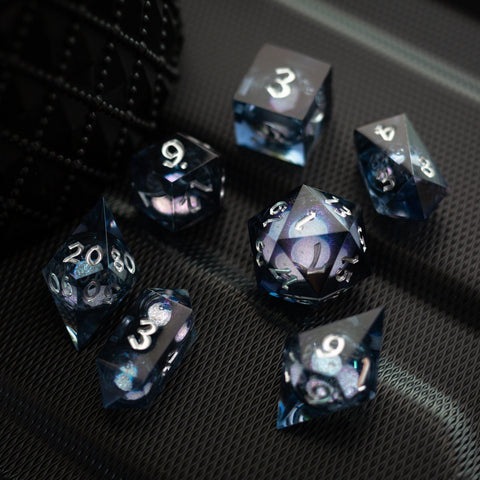
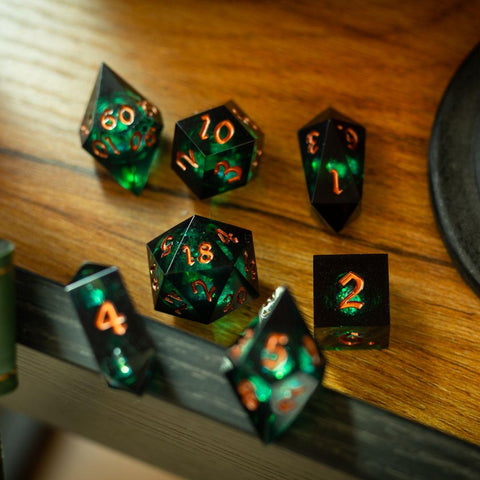
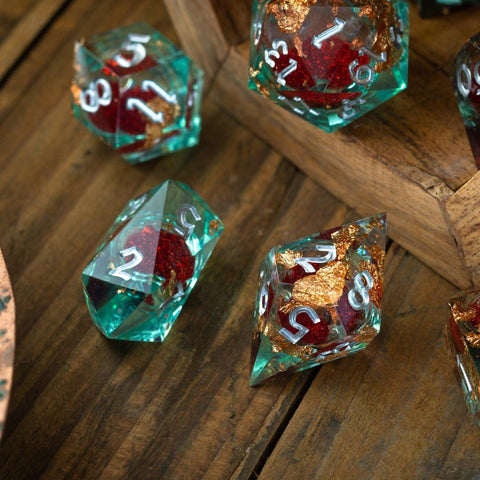
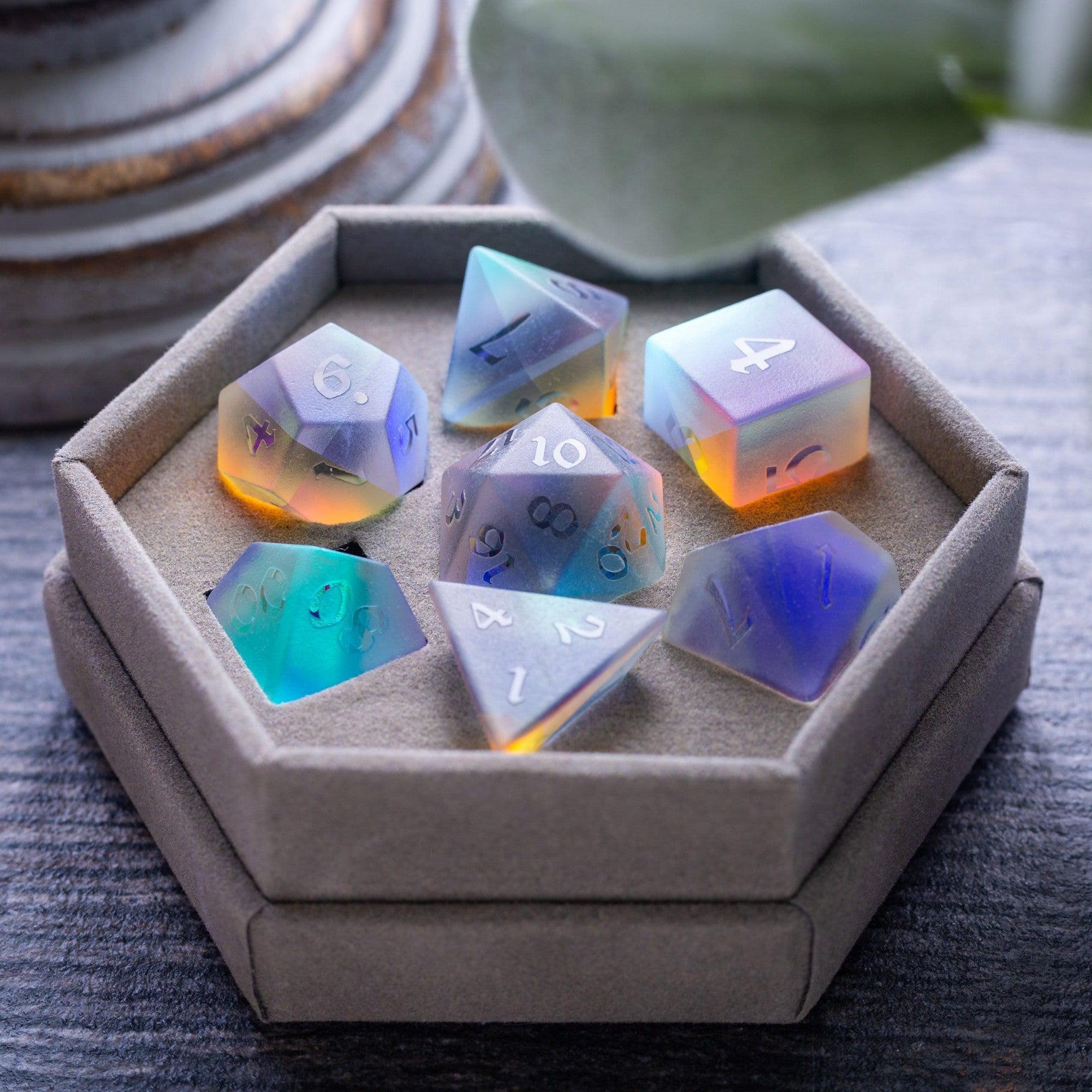
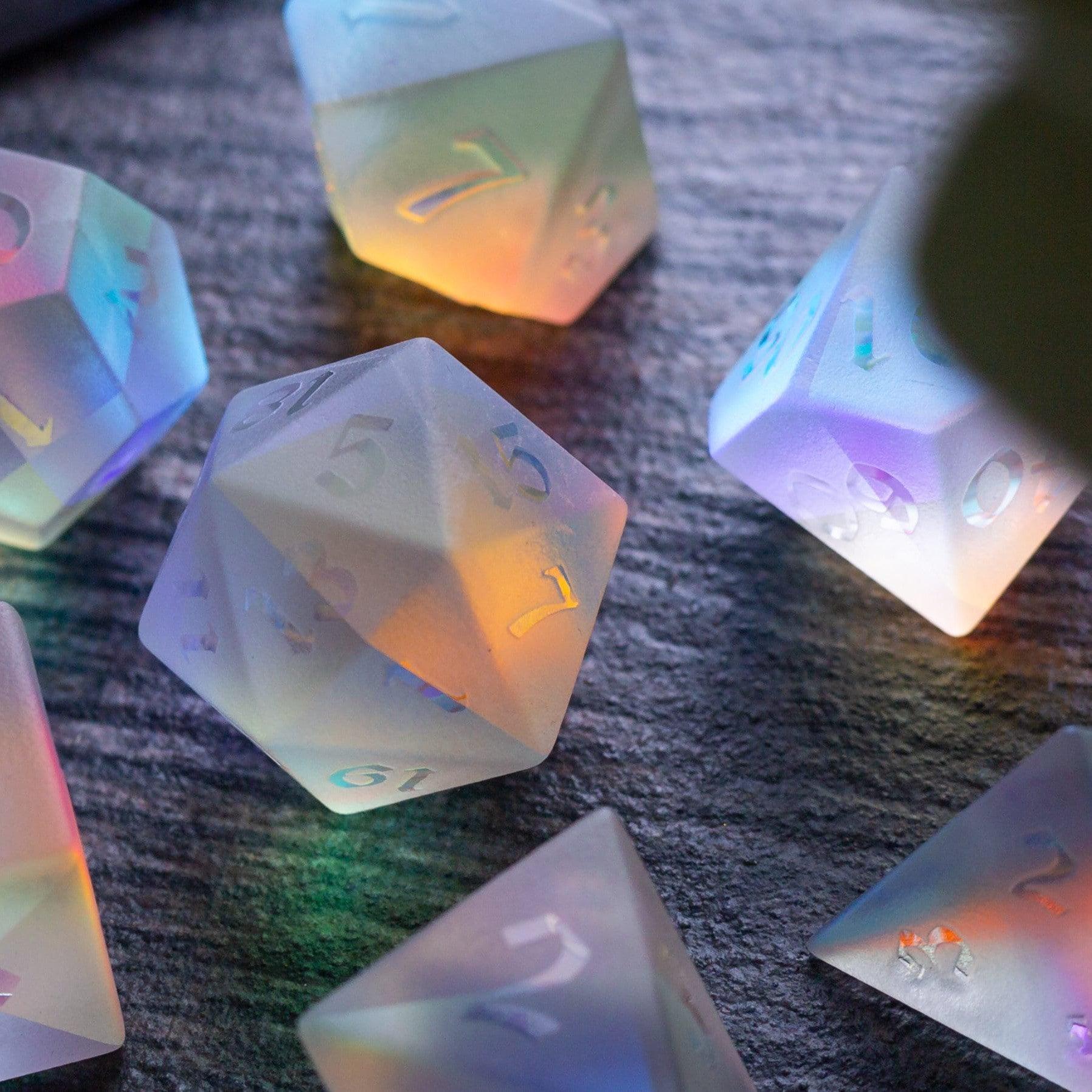
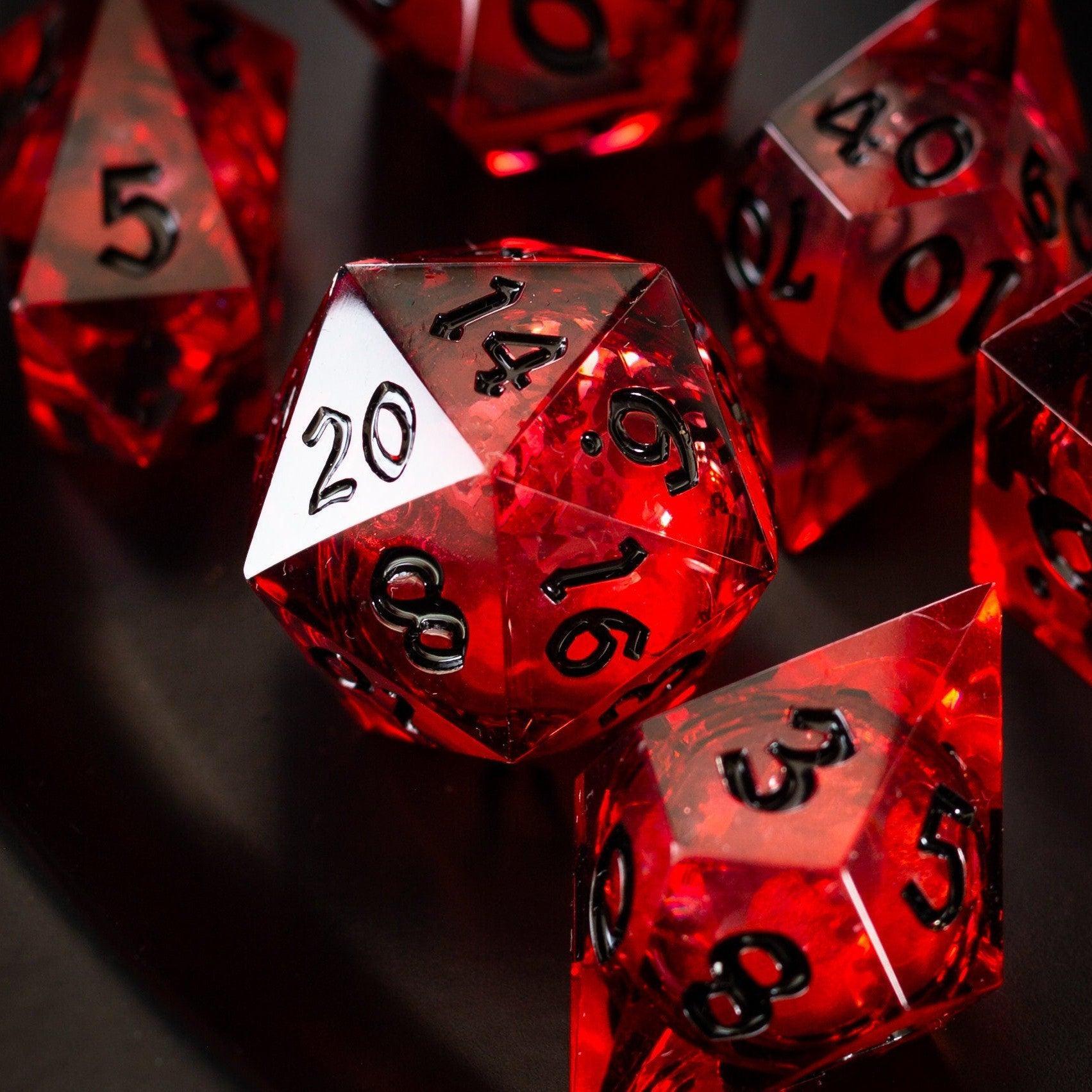
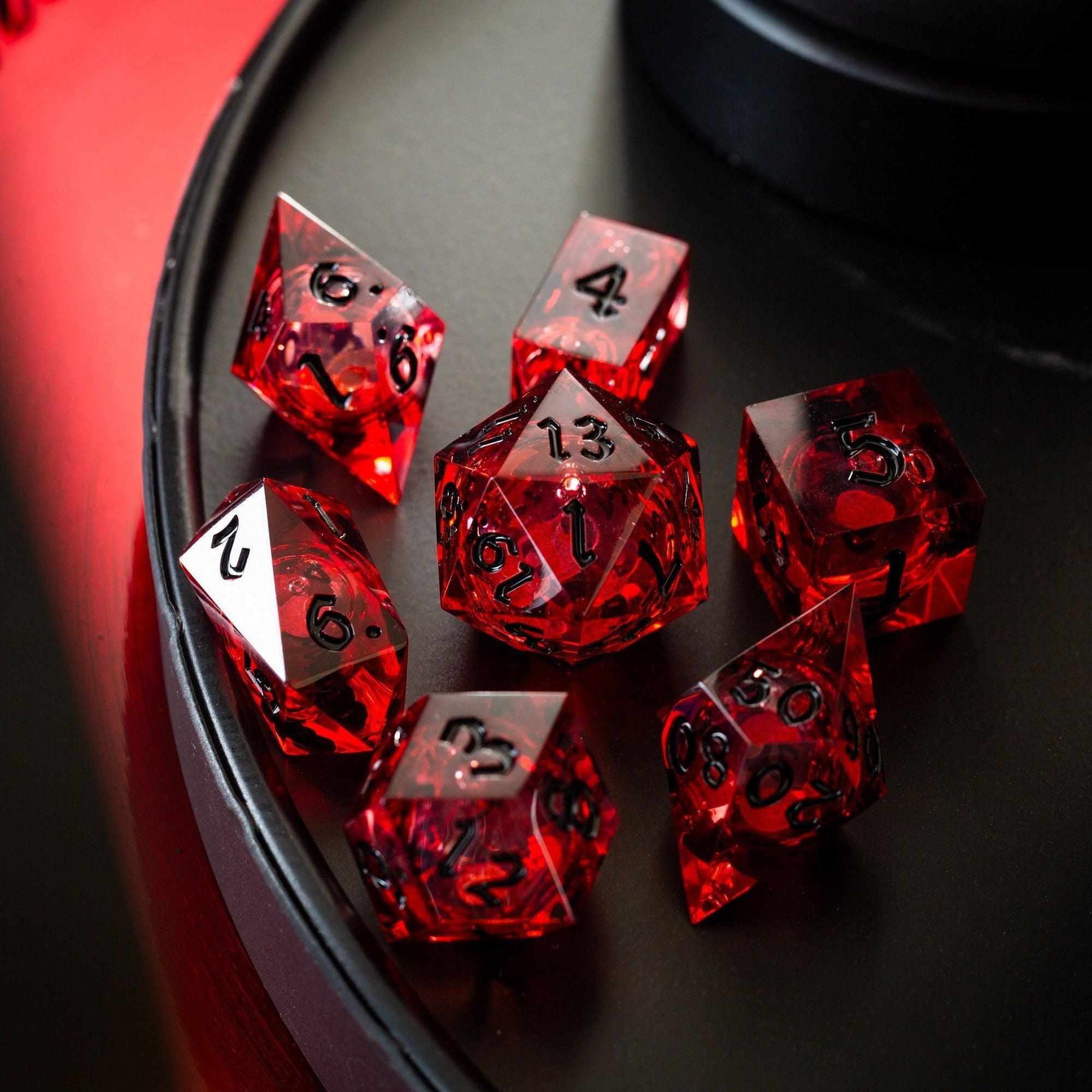
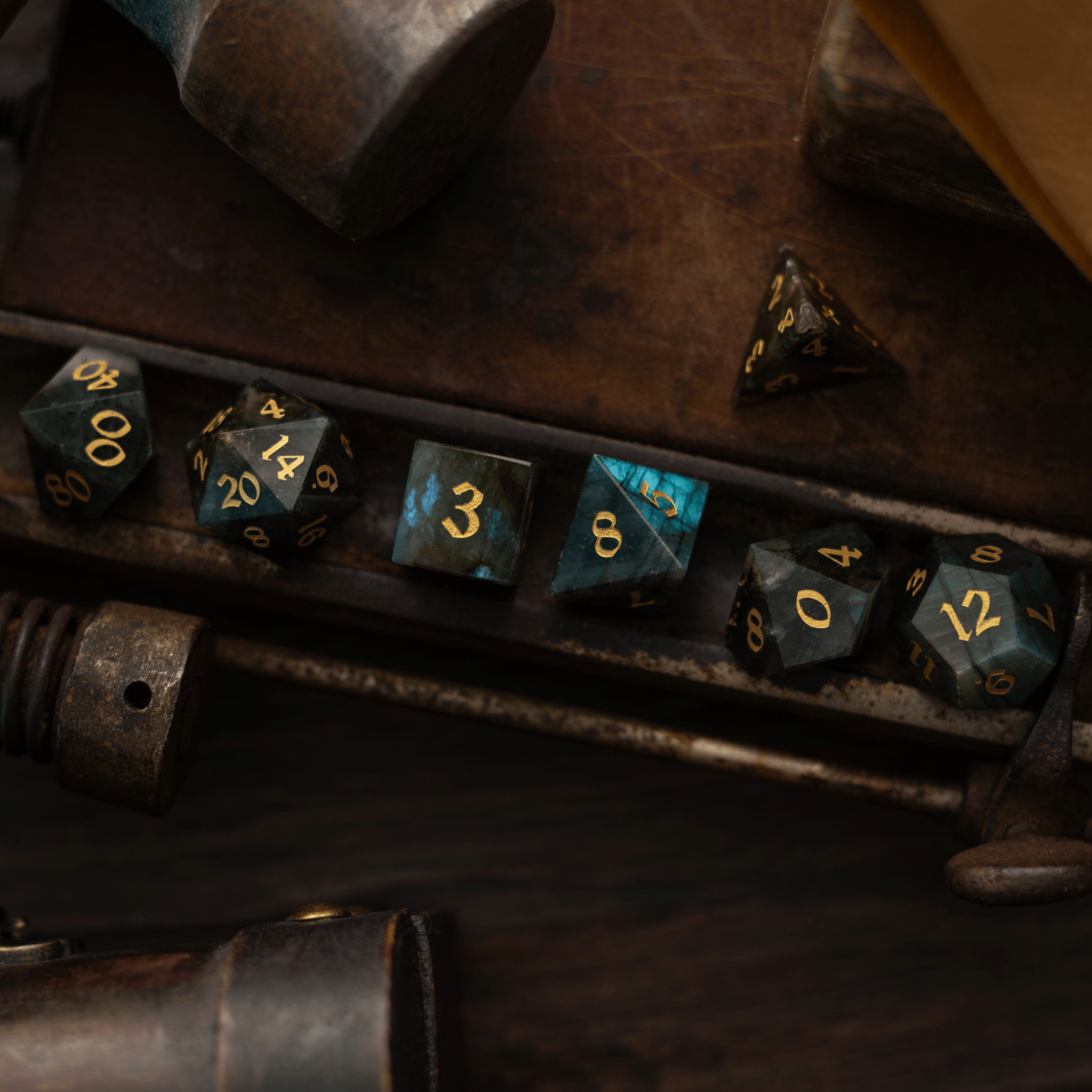
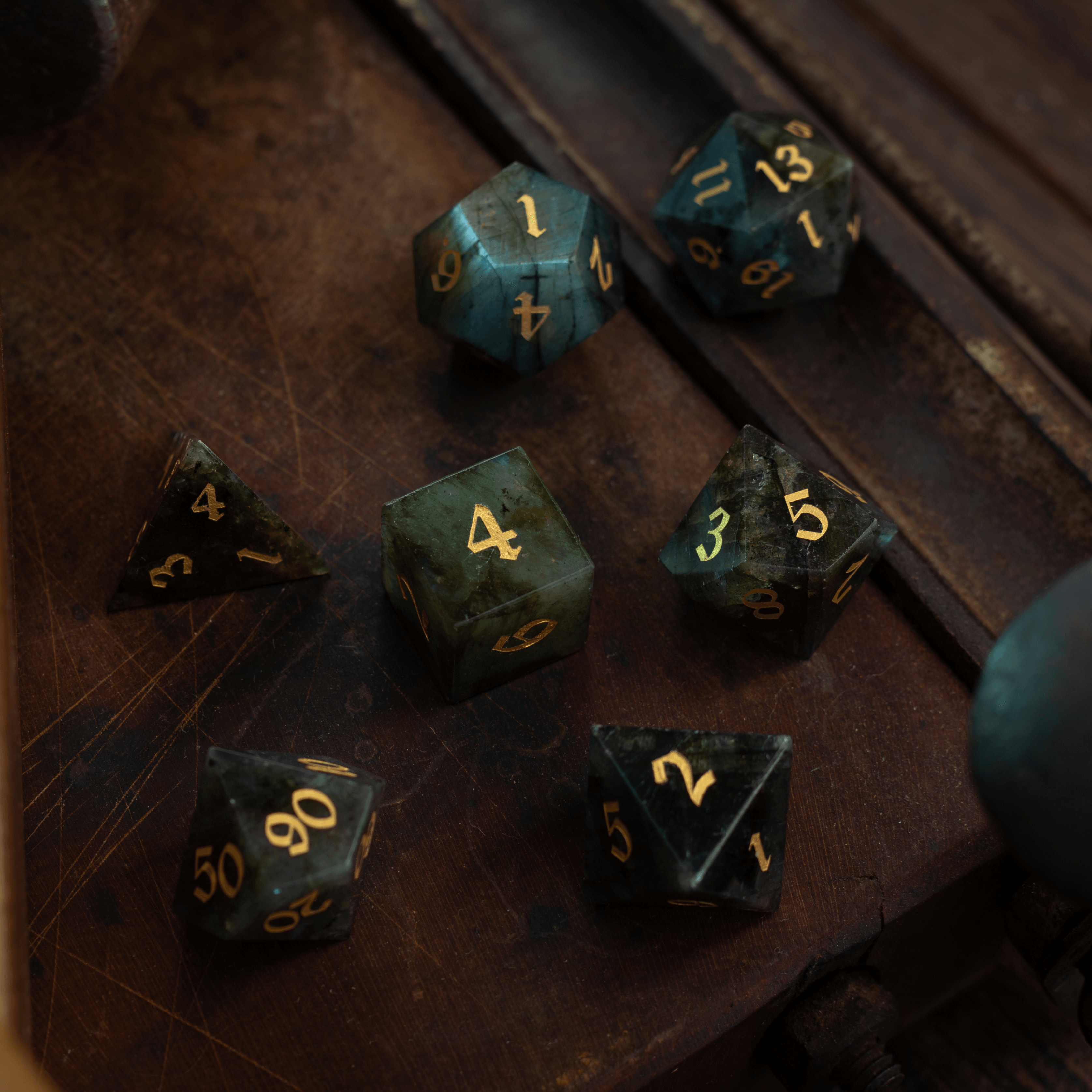
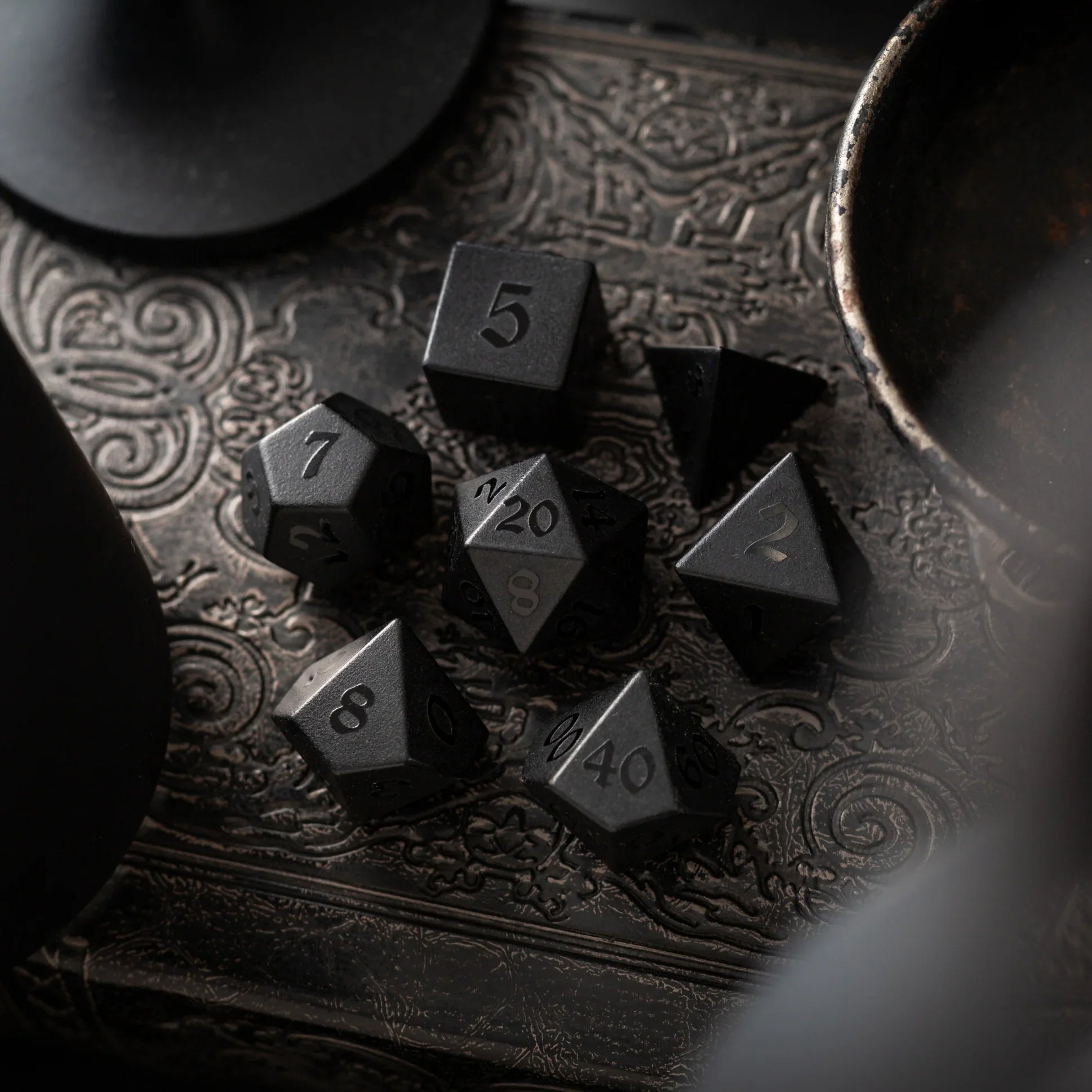
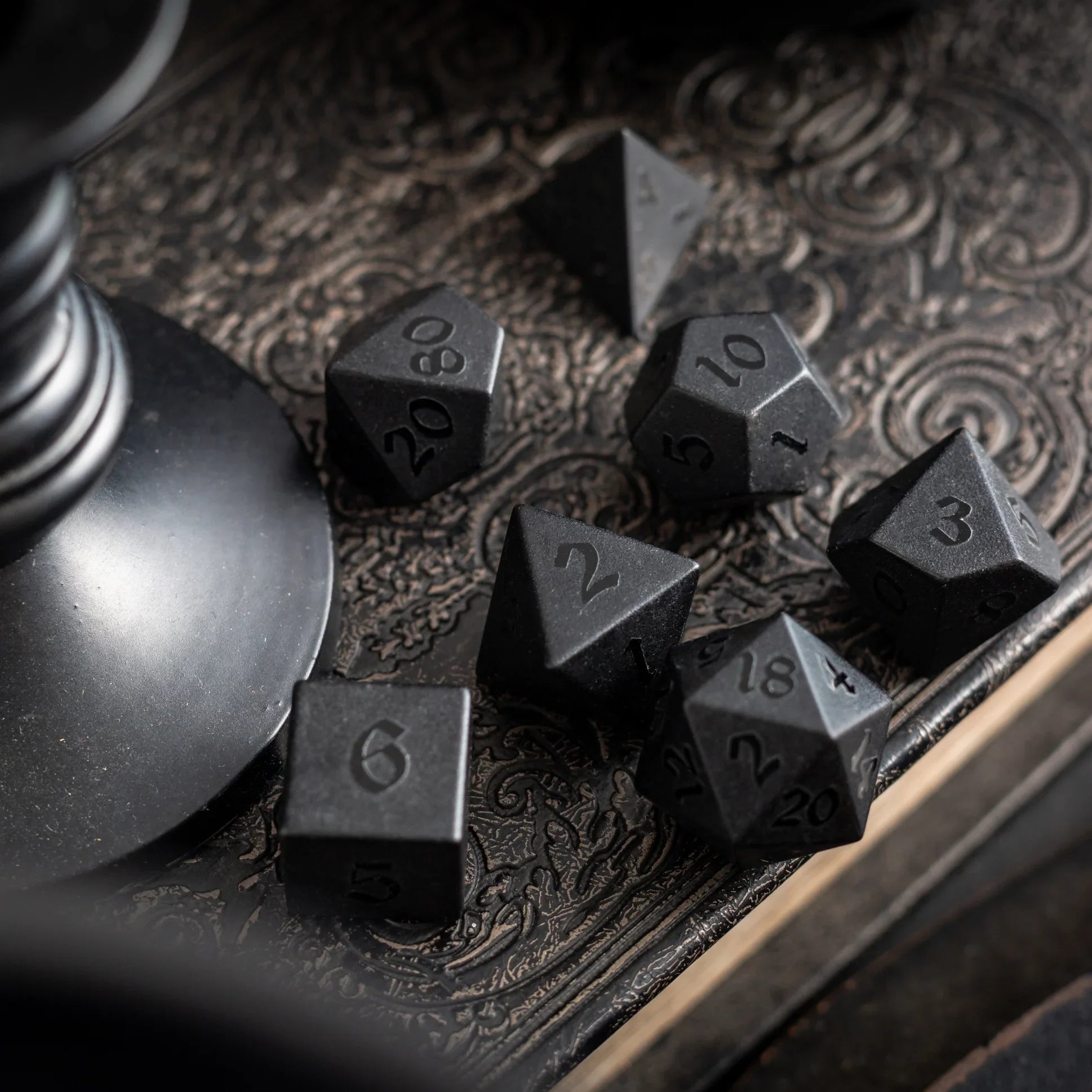
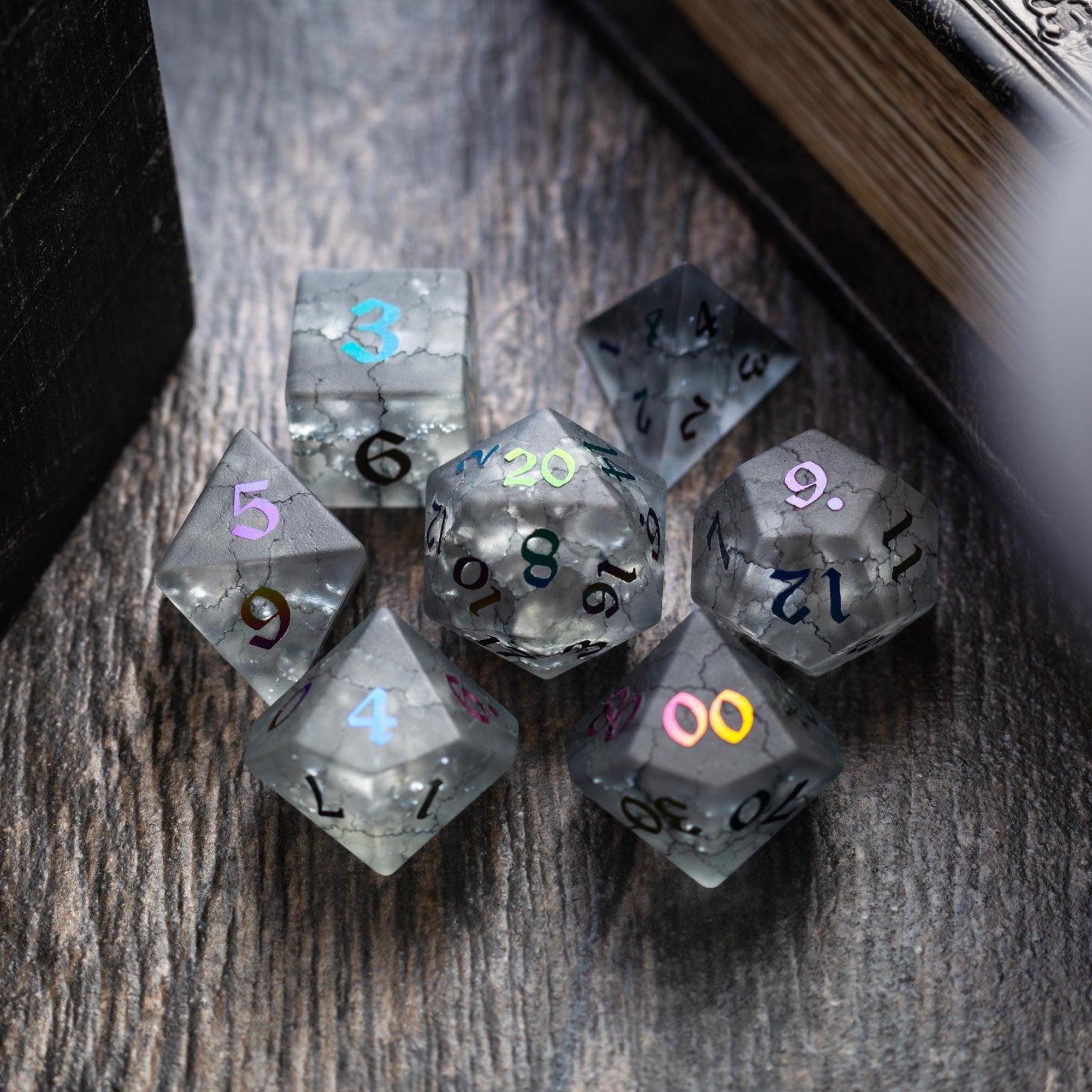
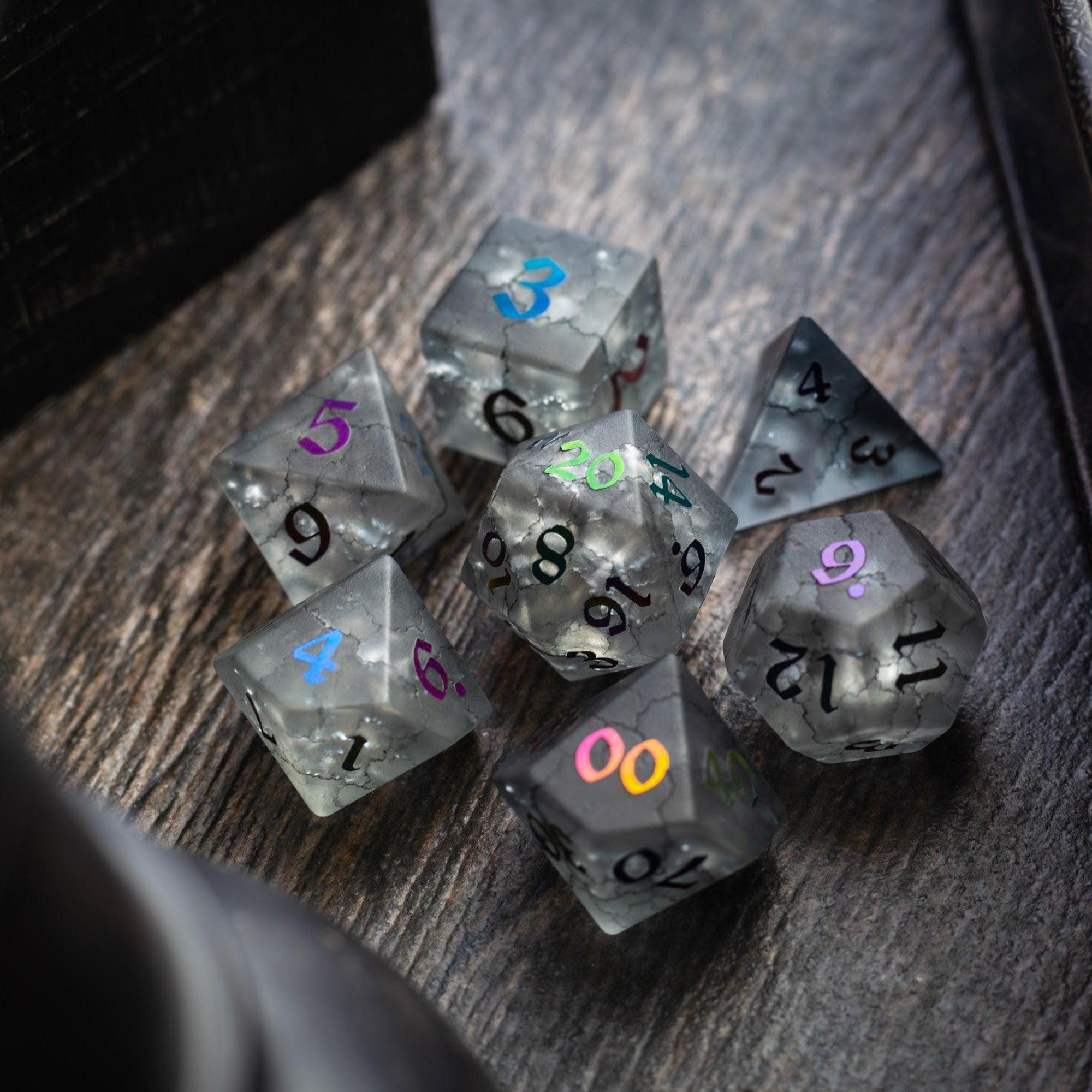
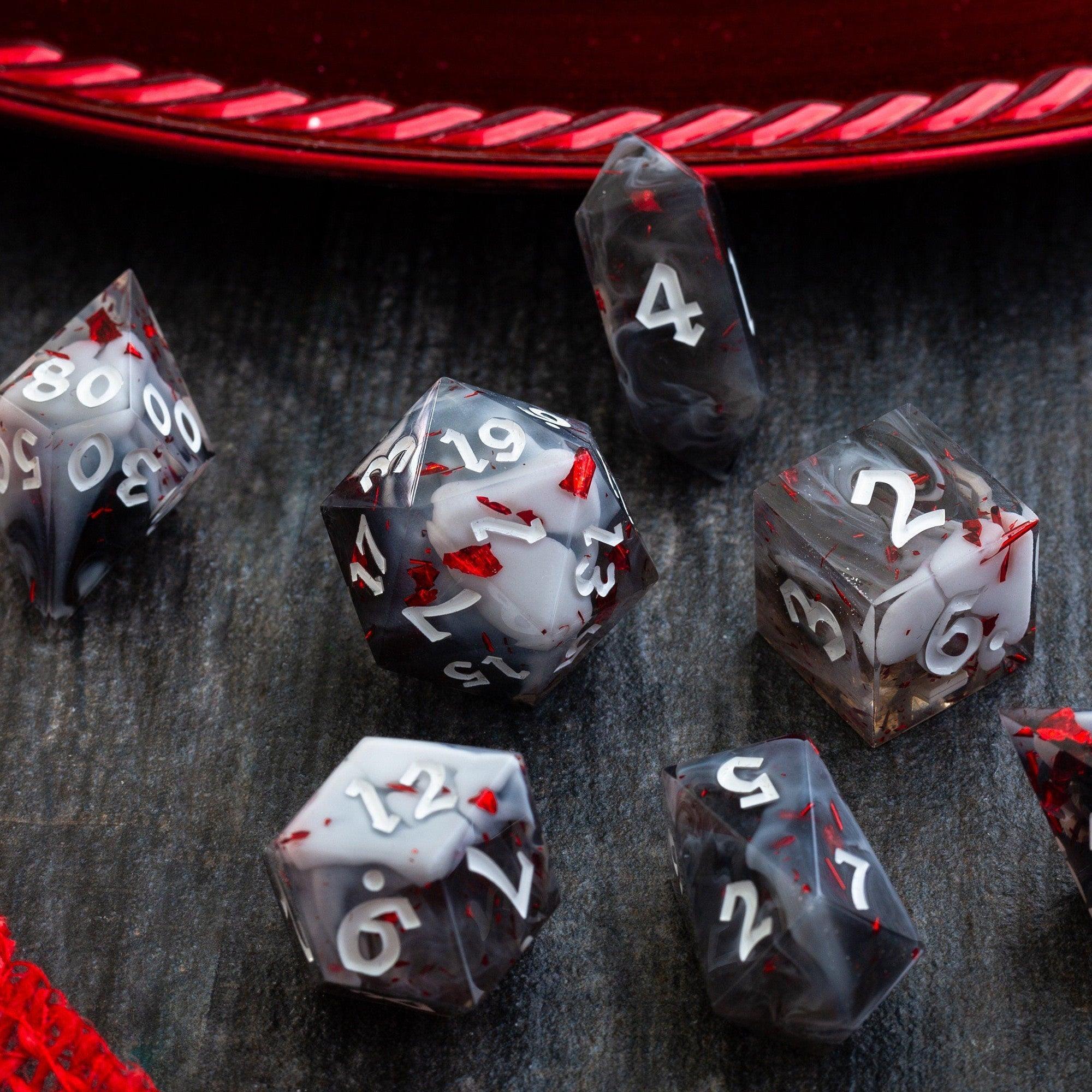
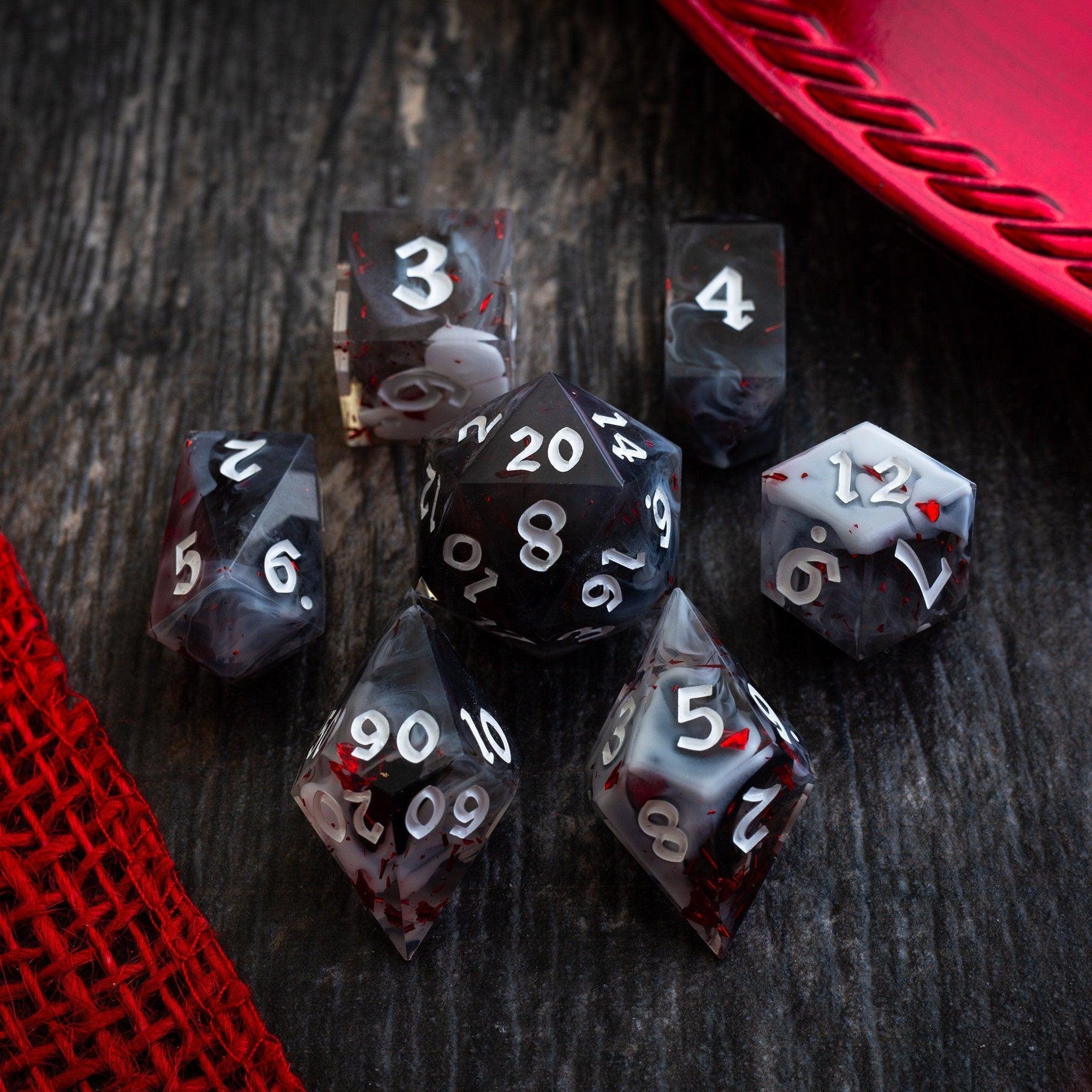
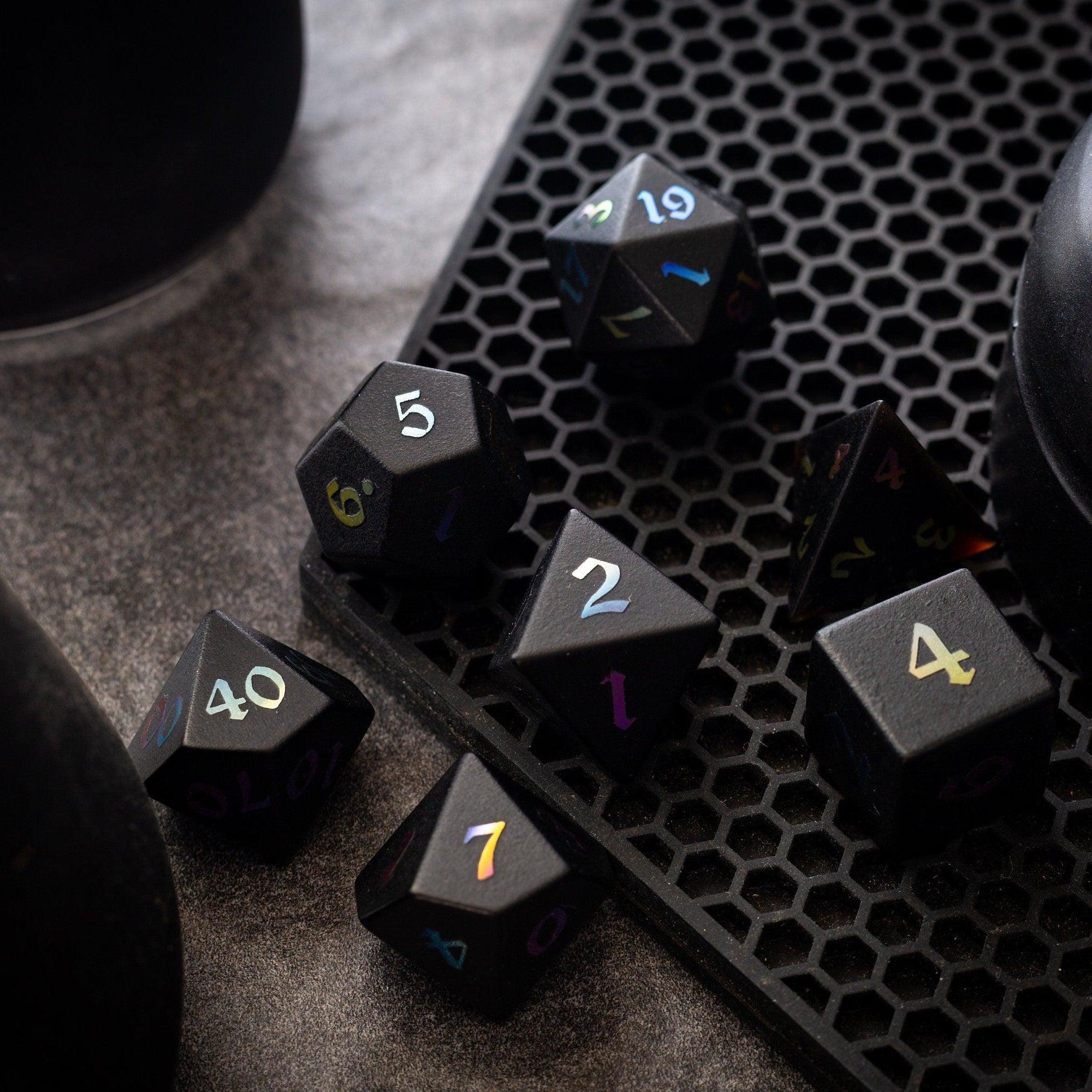
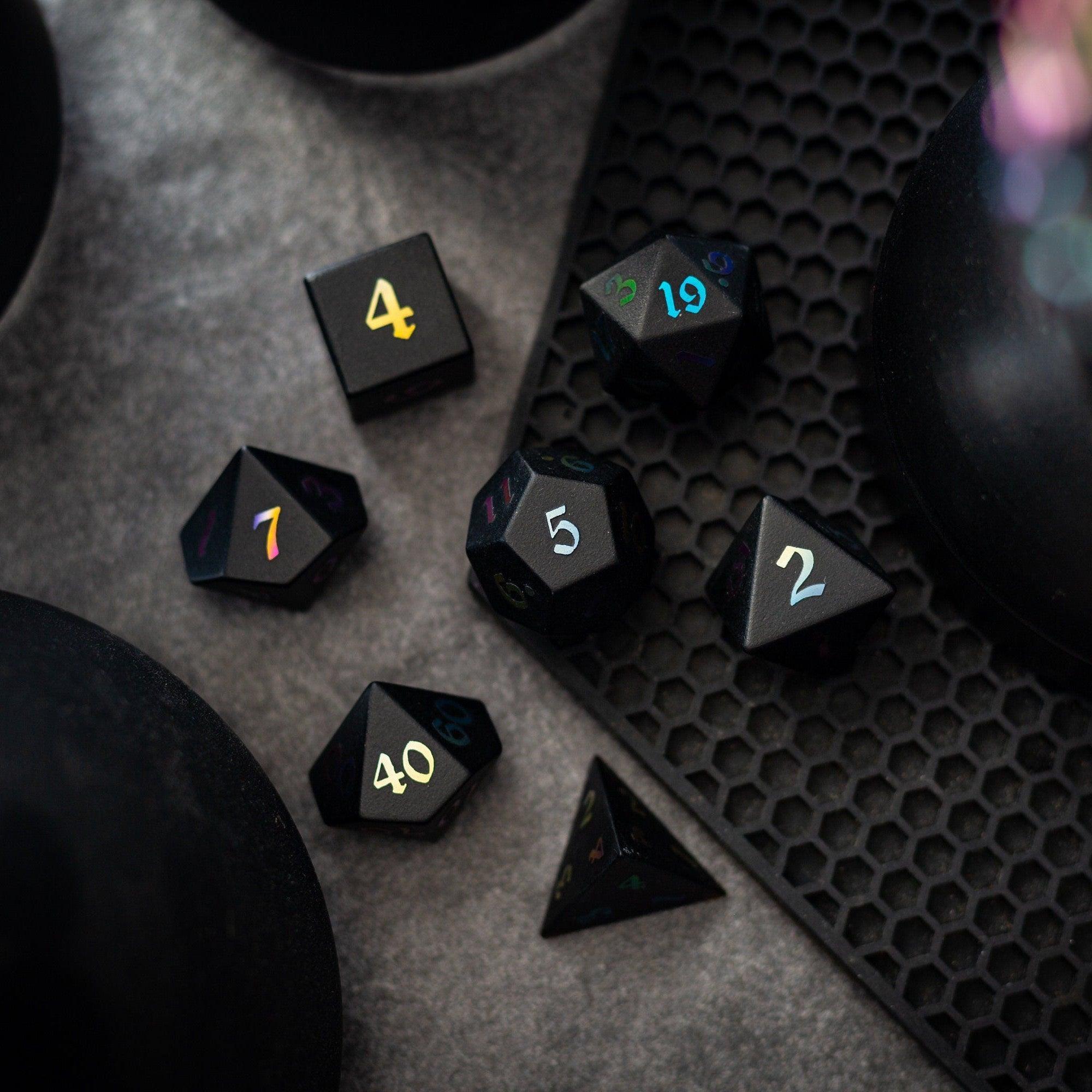
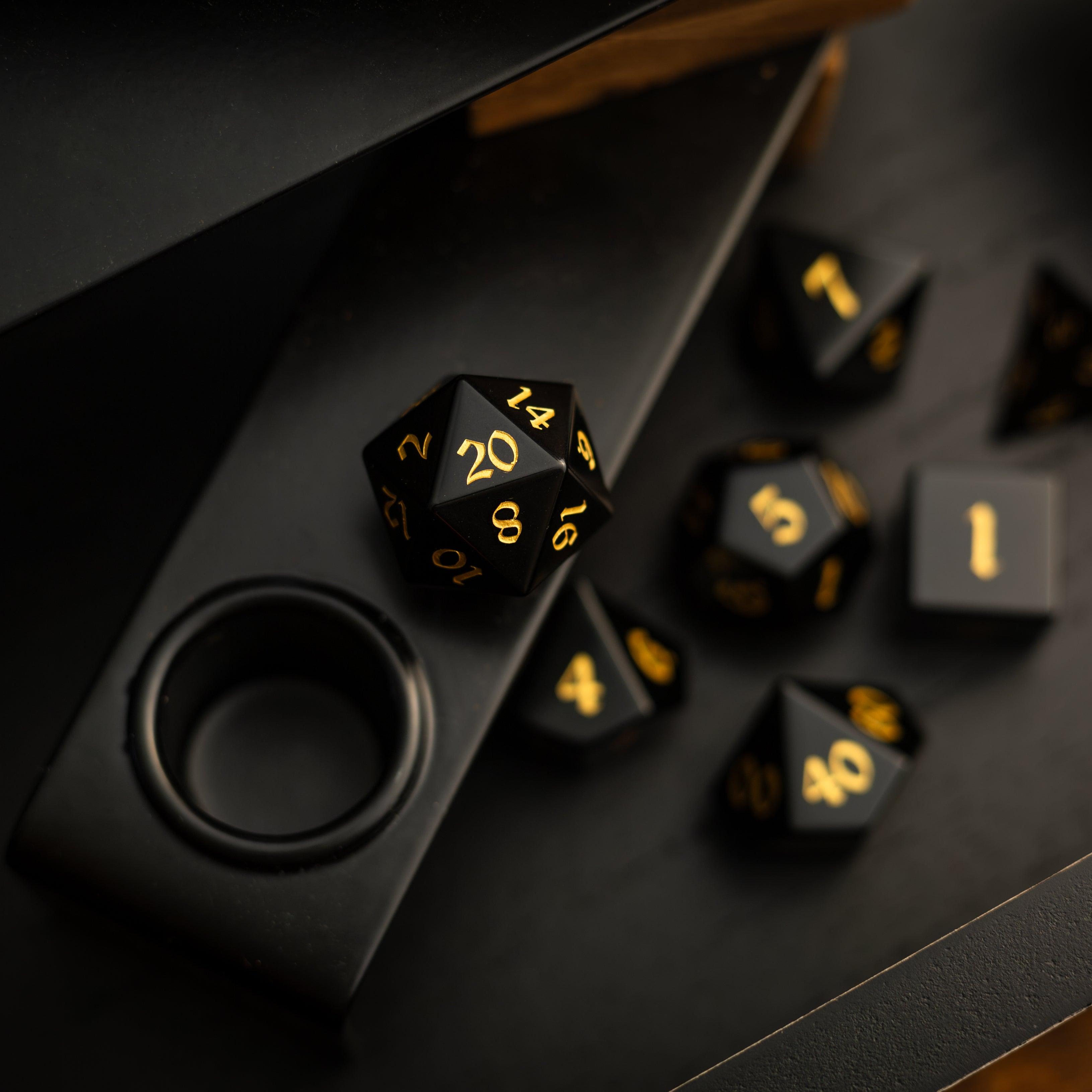
Fourth, think about visual representation. If your game has physical components like dice or miniatures, consider how the item would look. Speaking of which, when you're building your game table, quality components matter. Gemstone dice sets and beautifully crafted dice enhance the entire experience and help you visualize your magical world more vividly.

Balancing Power and Fun
This is where the real art happens. Every magical item sits on a spectrum between power and accessibility. Too much power, and it dominates play. Too little, and nobody cares.
The solution is tiering your items by impact level. Utility items solve logistical problems but don't affect combat directly. Combat items make fights more interesting but don't make winning automatic. Game-changing items significantly alter what's possible in your world and should come with built-in risks or costs.
Another strategy is relative balance. An item doesn't need to be perfectly balanced against every other item. It just needs to make sense for its rarity level and the challenges it faces. A rare item that's stronger than a common item makes sense. A common item that's stronger than a legendary item doesn't.
Also consider your player group's style. Some groups want items that enable creative problem-solving. Others want items that make them feel genuinely powerful. Some want items with interesting roleplay opportunities. Your items should align with what your group actually enjoys.
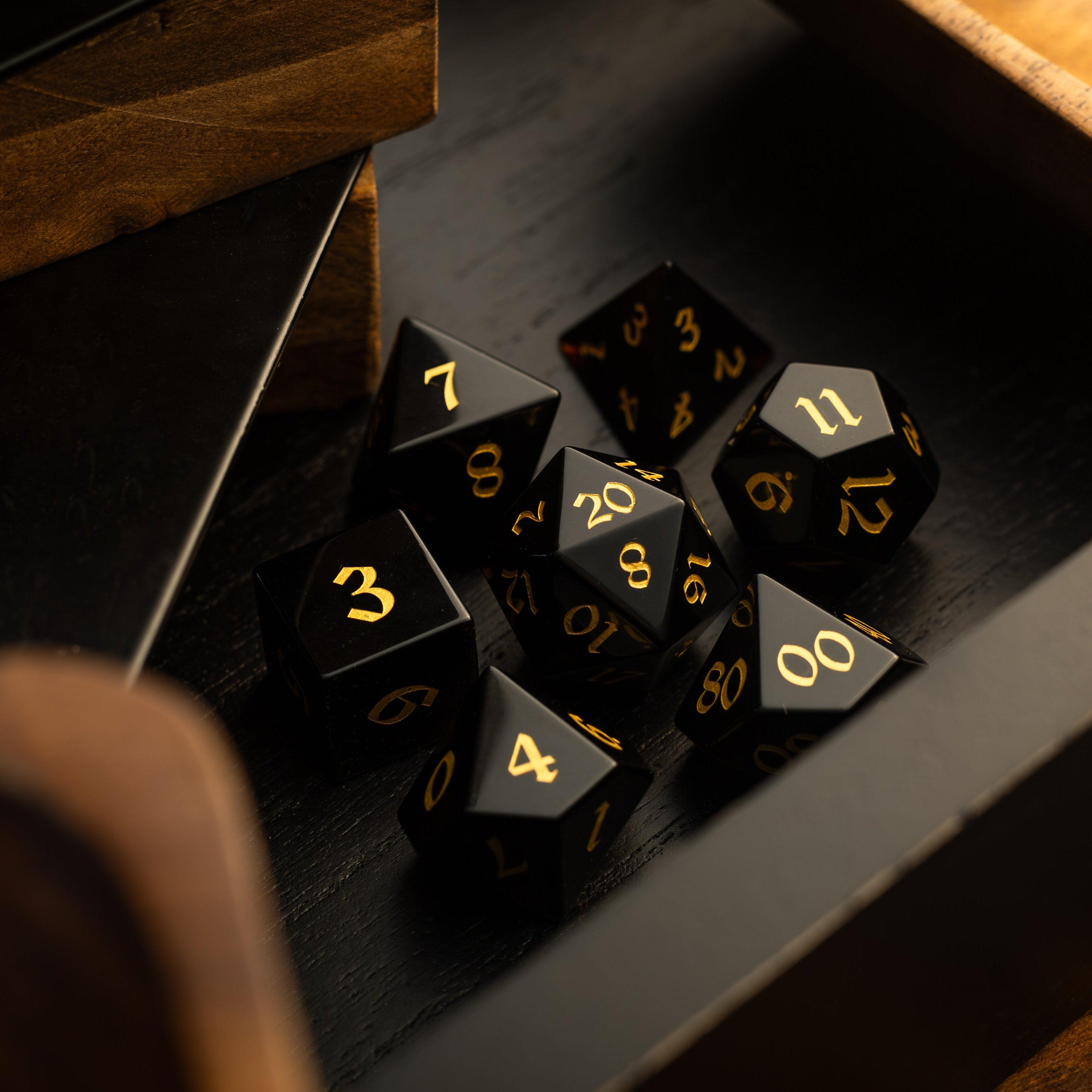
If you're looking to deepen the aesthetic and strategic experience of your game sessions, explore quality dice collections. Gemstone dice with matching boxes add visual elegance while you're rolling for those important magical item effects.
Summary and Recommendations
Creating magical items successfully means balancing mechanics, narrative, and player expectations. Start with a clear concept, build in mechanical limits, and always ground your creations in your world's story. Test your ideas with your actual players and be willing to adjust based on their feedback.
The best magical items are the ones your players talk about months later. They're the ones that inspire creative solutions, feel connected to the world, and give players something meaningful to work toward. They're not necessarily the most powerful or the most complicated. They're just the most thoughtfully designed.
Remember that creating magical items is an iterative process. Your first draft probably won't be perfect, and that's completely okay. The items your table ends up loving will be refined versions that evolved based on actual gameplay. Embrace that process, stay flexible, and keep your focus on what makes your players excited.
Whether you're designing legendary weapons, powerful artifacts, or simple utility items, approach each one with intention. Think about what it means in your world. Consider how it affects your game mechanically. Make sure your players understand what it does. And always, always connect it back to the story and themes that make your campaign special.
Frequently Asked Questions
How do I know if my magical item is too powerful?
Ask yourself if the item solves too many problems at once or if it makes other character abilities irrelevant. Playtest it with your group. Watch how often it gets used and whether it dominates decisions. If players always choose this item over everything else, it's probably too strong. Consider adding restrictions like attunement requirements, limited charges, or specific conditions for use. Balance comes from testing, not just theory.
Should every player get a magical item at the same time?
Not necessarily. Real treasure doesn't distribute equally. However, make sure every player gets something special eventually. You might give one character a powerful weapon while another gets a utility item they love. The variety keeps things interesting. Just avoid situations where one player feels completely left behind. Track what each character has received over your campaign and balance it out naturally through play.
Can I change or balance an item after giving it to players?
Yes, but communicate openly. If you realize an item is problematic, talk to the player before making changes. You might adjust it together, add new limitations, or discuss alternative solutions. Most players understand that game balance matters and will work with you to fix issues. Transparency builds trust, and trust makes these conversations much easier.
How detailed should my magical item descriptions be?
Detailed enough to be clear, but not so detailed that you overwhelm players. Include appearance, mechanical function, and any special properties. Use evocative language that helps players visualize the item. For complex items, write it out. For simpler items, a couple of sentences might be plenty. Your description should answer the basic questions: what is it, what does it do, and why does it matter?
For inspiration while designing, you might gather your creative team around a beautiful gaming table. Enhance that environment with quality dice that match your campaign's aesthetic. Browse options like Runic Dice collections to find pieces that inspire your creative process and represent the magical themes you're building into your world.

Leave a comment
This site is protected by hCaptcha and the hCaptcha Privacy Policy and Terms of Service apply.