
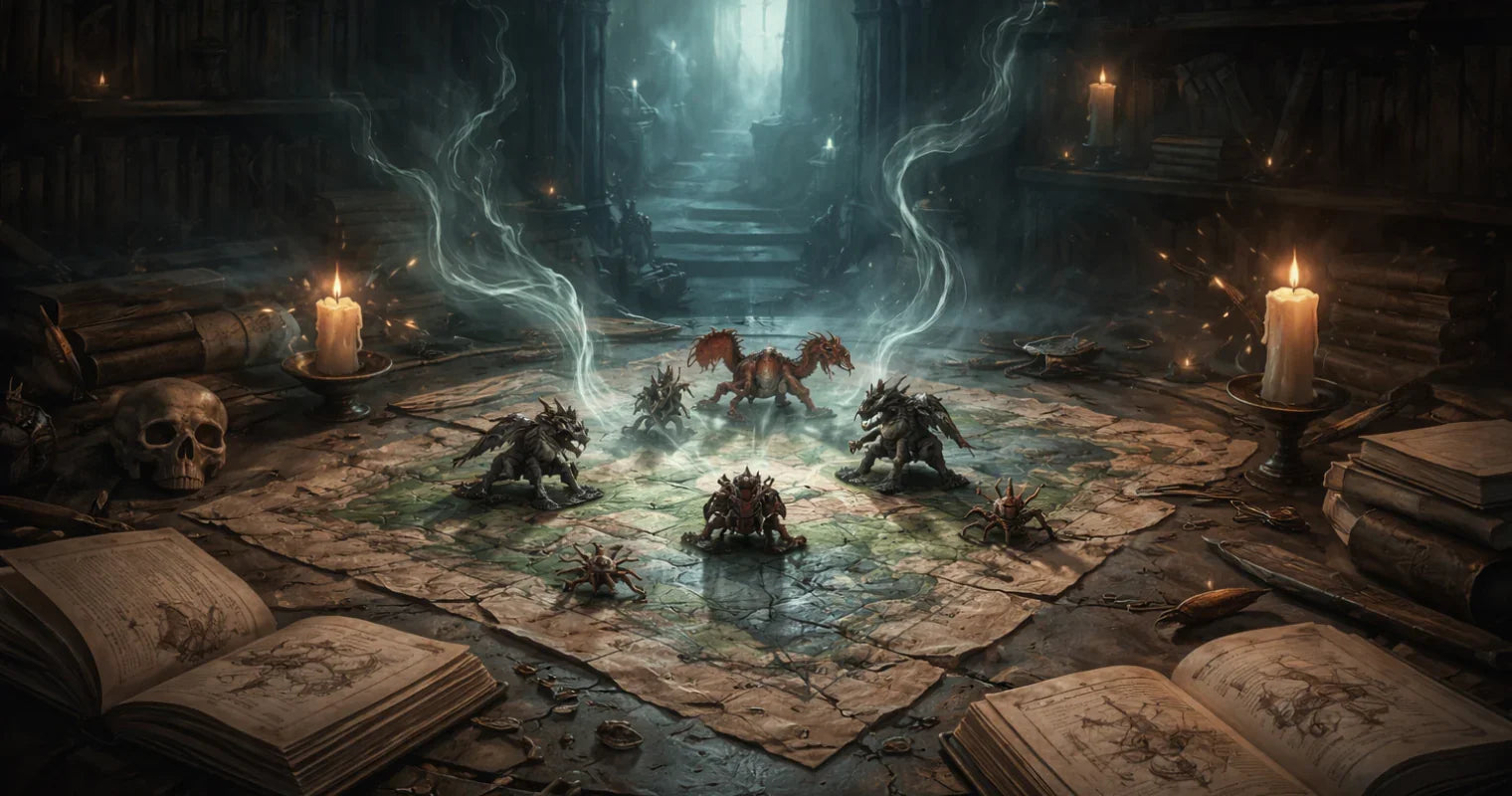
From stat blocks to tactics Unpacking DnD monster features
Updated on: March 16, 2026
Understanding creature characteristics in Dungeons and Dragons opens up a whole new dimension to your gameplay. From resistances and immunities to special abilities and legendary actions, learning how monsters work makes you a stronger player and dungeon master. This guide walks you through the essential traits that define your enemies and allies, helping you leverage them strategically in every encounter.
- Essential Tips for Understanding Creature Traits
- Detailed Step-by-Step Process
- Damage Resistances and Immunities
- Special Abilities Explained
- Legendary Actions and Lair Actions
- Frequently Asked Questions
- Summary and Takeaway
Essential Tips for Understanding Creature Traits

When you're preparing for your next adventure in Dungeons and Dragons, knowing the ins and outs of monster characteristics can be the difference between victory and defeat. Whether you're a dungeon master crafting encounters or a player strategizing your next move, these traits shape how combat unfolds.
- Read the Stat Block Carefully – Every trait listed in a creature's stat block serves a purpose. Don't skip the fine print; those details often determine whether your spell lands or your weapon bounces off harmlessly.
- Identify Damage Types Early – Before combat starts, check which damage types your enemy resists or is immune to. This helps you and your party choose appropriate spells and weapons from the start.
- Watch for Condition Immunities – Some monsters can't be charmed, frightened, or paralyzed. Knowing this prevents you from wasting actions on spells that won't work.
- Understand Ability Scores – A creature's strength, dexterity, constitution, intelligence, wisdom, and charisma determine saving throws and spell difficulty classes. Higher scores mean tougher opponents.
- Note Senses and Perception – Monsters might have darkvision, truesight, or blindsight. Understanding what they can perceive helps you plan ambushes or hiding strategies.
- Review Movement Speed and Form Abilities – Can your enemy fly, swim, or squeeze through tiny spaces? These mobility options change tactical positioning completely.
- Study Saving Throws Bonuses – Some creatures excel at resisting specific types of magic. A monster with a plus-five constitution saving throw will likely shrug off poison spells.
Detailed Step-by-Step Process
Let's break down how to analyze and use creature characteristics effectively during your campaign:
Step 1: Locate the Stat Block
Find your creature's stat block in the Monster Manual, your dungeon master's guide, or online resources. The stat block contains all the information you need about that enemy. Take a moment to familiarize yourself with its layout before diving into specifics.
Step 2: Check Armor Class and Hit Points
Start with the basics. The armor class tells you how difficult the creature is to hit, while hit points show how much damage it can take. These numbers help you estimate encounter difficulty and plan your party's approach.
Step 3: Review Ability Scores and Modifiers
Each ability score—strength, dexterity, constitution, intelligence, wisdom, and charisma—affects the creature's performance in different areas. A high strength modifier means powerful melee attacks. High wisdom suggests good perception checks. These details matter.
Step 4: Identify Damage Resistances, Vulnerabilities, and Immunities
This section is crucial. Resistances mean the creature takes half damage from specific sources. Vulnerabilities mean it takes double damage. Immunities mean it takes no damage from certain types. Understanding these prevents wasted effort and helps you adapt mid-combat.

Step 5: Note Condition Immunities
Monsters might be immune to being charmed, frightened, paralyzed, petrified, or poisoned. If your strategy relies on a condition effect and the creature is immune, you'll need plan B ready to go.
Step 6: Review Senses and Special Traits
Look for darkvision, blindsight, tremorsense, or truesight. Check for innate spellcasting, legendary resistances, or unique passive abilities. These traits often define what makes that creature special and dangerous.
Step 7: Study Actions and Reactions
Here's where combat gets interesting. What attacks does the creature have? Can it cast spells? Does it have special reactions? These actions determine how it behaves during your encounter and how much damage it can deal each round.
Step 8: Learn Legendary Actions and Lair Actions
Powerful creatures often have legendary actions that let them take extra turns. Lair actions might give them environmental advantages. Understanding these mechanics prepares you for extended, challenging fights.
Damage Resistances and Immunities
One of the most important aspects of monster characteristics involves how creatures interact with different damage types. Resistances, vulnerabilities, and immunities create tactical depth and force players to think strategically about their spell and weapon choices.
A creature with fire resistance takes half damage from fire-based attacks. If you're a wizard relying solely on fireball spells against a red dragon, you're in trouble. That dragon has fire immunity, meaning your spells deal zero damage. Understanding these mechanics means you'll prepare better action economy and resource management.
Some creatures have unusual resistances. A ghost might be immune to nonmagical weapon damage, meaning your fighter's sword bounces right off unless it's been magically enhanced. A construct might resist psychic damage because it lacks a mind to affect. These details reward players who read carefully and think creatively.
Vulnerabilities work the opposite way. If a creature has cold vulnerability, cold damage deals double harm. Exploiting vulnerabilities—when you discover them—can turn a difficult fight into a manageable one. Some players enjoy the detective work of learning what hurts a particular enemy.
Special Abilities Explained
Beyond standard attacks and damage, creatures often possess special abilities that make them unique and memorable opponents. These might include spellcasting, regeneration, invisibility, or shape-shifting powers.
A vampire's regeneration ability means it regains hit points each turn unless it took radiant damage or damage from a holy water source. Understanding these conditions prevents frustration when your attacks seem to have no lasting effect. A creature with invisibility can't be targeted by attacks you can't see. Casting detect magic or dispel magic might counteract these abilities.
Spellcasting creatures are particularly dangerous because they operate differently than melee combatants. A lich casting power word kill or a wizard using lightning bolt poses unique threats. Knowing which spells they can cast helps you anticipate their moves and prepare appropriate reactions.
Some abilities interact with your party in unexpected ways. A creature with the ability "anyone within thirty feet who ends their turn within the aura must make a constitution saving throw" creates a persistent threat that affects everyone, not just one target. These area-based abilities require tactical repositioning and creative problem-solving.

Legendary Actions and Lair Actions
Challenge rating five creatures and above often have legendary actions, which let them take extra turns within the combat round. These represent powerful, experienced monsters that operate on a different level than common enemies.
Legendary actions typically include movement, attacking, or using abilities. A dragon might move its full speed, tail attack, and use a wing buffet all in one legendary action. These abilities activate outside of the creature's main turn, making powerful monsters feel truly dangerous and active throughout combat.
Lair actions are environmental effects that a creature can activate while fighting in its home territory. A dragon in its mountain lair might cause rock pillars to rise, create difficult terrain, or trigger magical effects tied to that location. These actions turn the environment into a weapon and make home-field advantage genuinely matter.
Understanding these mechanics helps you prepare harder-hitting encounters that feel epic and challenging rather than simple hit-point sponges. A monster that acts three times per round—with its main turn, a legendary action, and a reaction—feels dangerous in ways that pure hit points alone can't convey.
When you're running encounters in your campaign, consider including creatures with interesting action economies. Your players will remember battles where the enemy felt intelligent, dangerous, and memorable—not just a bag of hit points.
Frequently Asked Questions
What's the Difference Between Resistances and Immunities?
Resistances mean a creature takes half damage from that source. If a troll takes cold resistance and you hit it with a cold spell for twenty damage, the troll only takes ten damage. Immunity means no damage at all. A fire elemental with fire immunity takes zero damage from fire spells regardless of how powerful they are. Always check your creature's stat block to know which applies.
How Do I Use Monster Characteristics to Balance My Campaign Encounters?
Start by understanding your party's abilities and typical damage output. If everyone uses fire spells, encounter creatures with fire resistance or immunity. If your party lacks healing, include creatures that deal consistent damage. Mix in monsters with varied resistances and abilities to keep encounters fresh and challenging without feeling unfair.
Can Players Learn Monster Characteristics During Combat?
Absolutely. When a fire spell bounces off a creature harmlessly, smart players realize it has fire immunity. After an ice spell works perfectly, they'll try more cold damage. This discovery process makes encounters feel dynamic and rewarding when players figure out enemy weaknesses through observation and experimentation.
What Are Condition Immunities and Why Do They Matter?
Condition immunities prevent spells or abilities that impose conditions like charm, frighten, paralyze, petrify, or poison from working. A creature immune to being frightened can't be scared by a fear spell, even if the spell normally works on that creature type. These immunities prevent entire spell lines from becoming useless in certain encounters.
How Do I Track Legendary Actions During Combat?
Keep the creature's stat block visible at all times. Most dungeon masters write or draw reminders about legendary actions available each round. Some use tokens or notes to track when legendary actions have been used. Many experienced dungeon masters simply remember, but writing it down prevents mistakes and keeps combat flowing smoothly.
Summary and Takeaway
Mastering creature characteristics transforms you into a better dungeon master and a sharper player. These features—from damage resistances and condition immunities to special abilities and legendary actions—define how monsters behave, attack, and challenge your party.
Start by reading stat blocks carefully. Understand the basics: armor class, hit points, and ability scores. Then dive deeper into resistances, immunities, and special traits. Study actions and legendary abilities. This knowledge helps you build better encounters, run combat smoothly, and create memorable experiences for your table.
Remember that creatures aren't just hit point totals to reduce to zero. They're opponents with strengths, weaknesses, and unique abilities. When you leverage these characteristics thoughtfully, your game becomes richer, more tactical, and genuinely thrilling. Your players will remember encounters where they had to think strategically about exploiting vulnerabilities or working around resistances far longer than they'll remember simple combat grind.
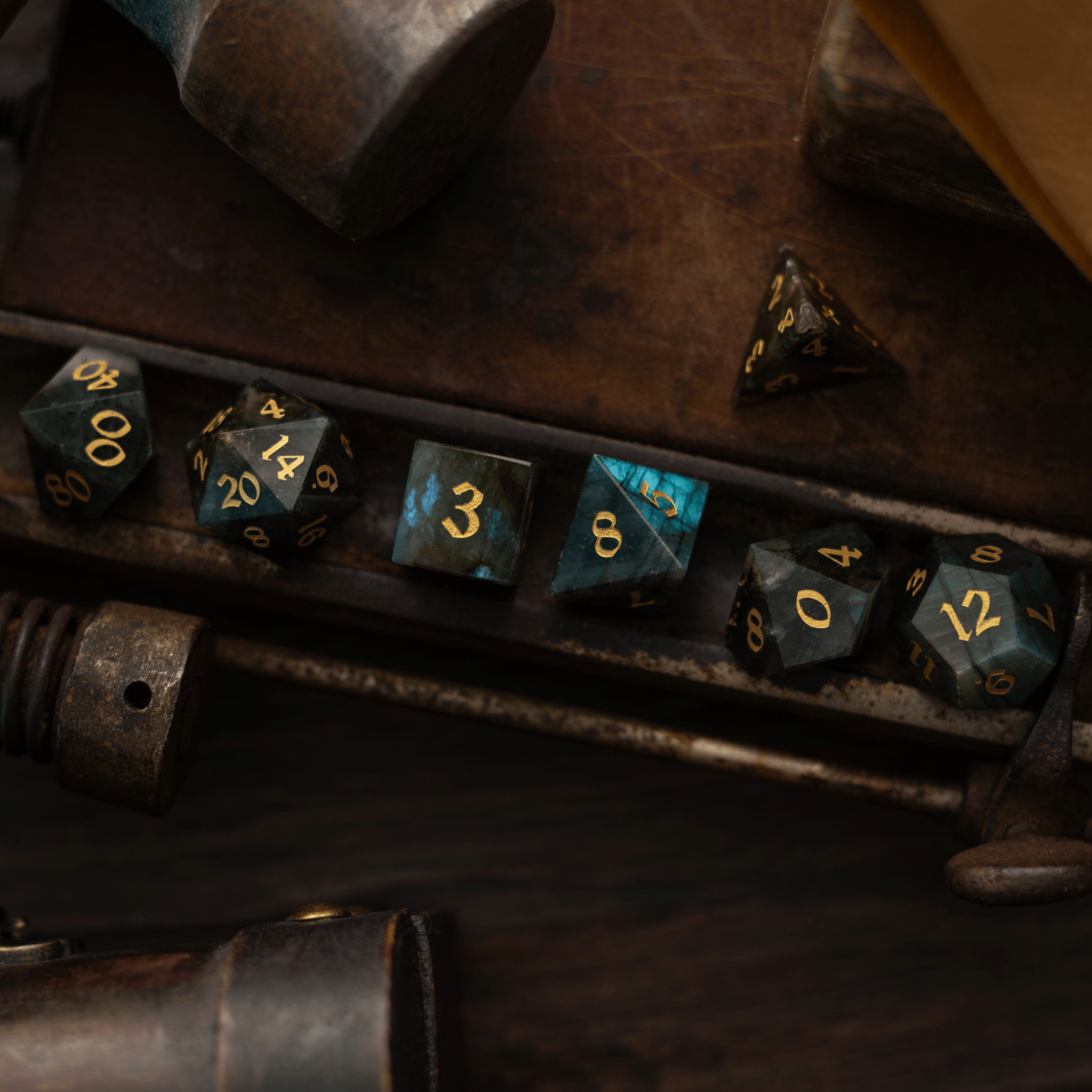
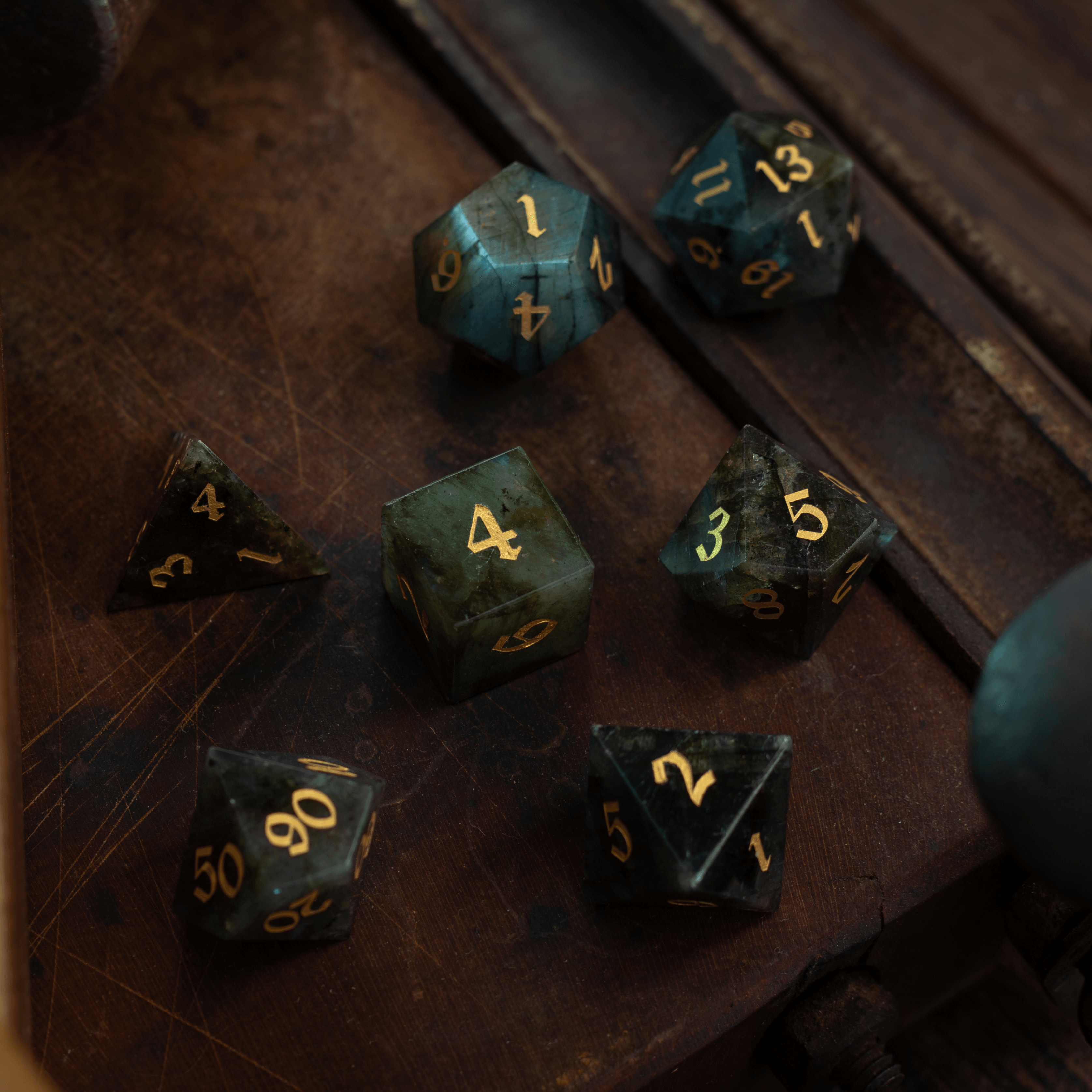
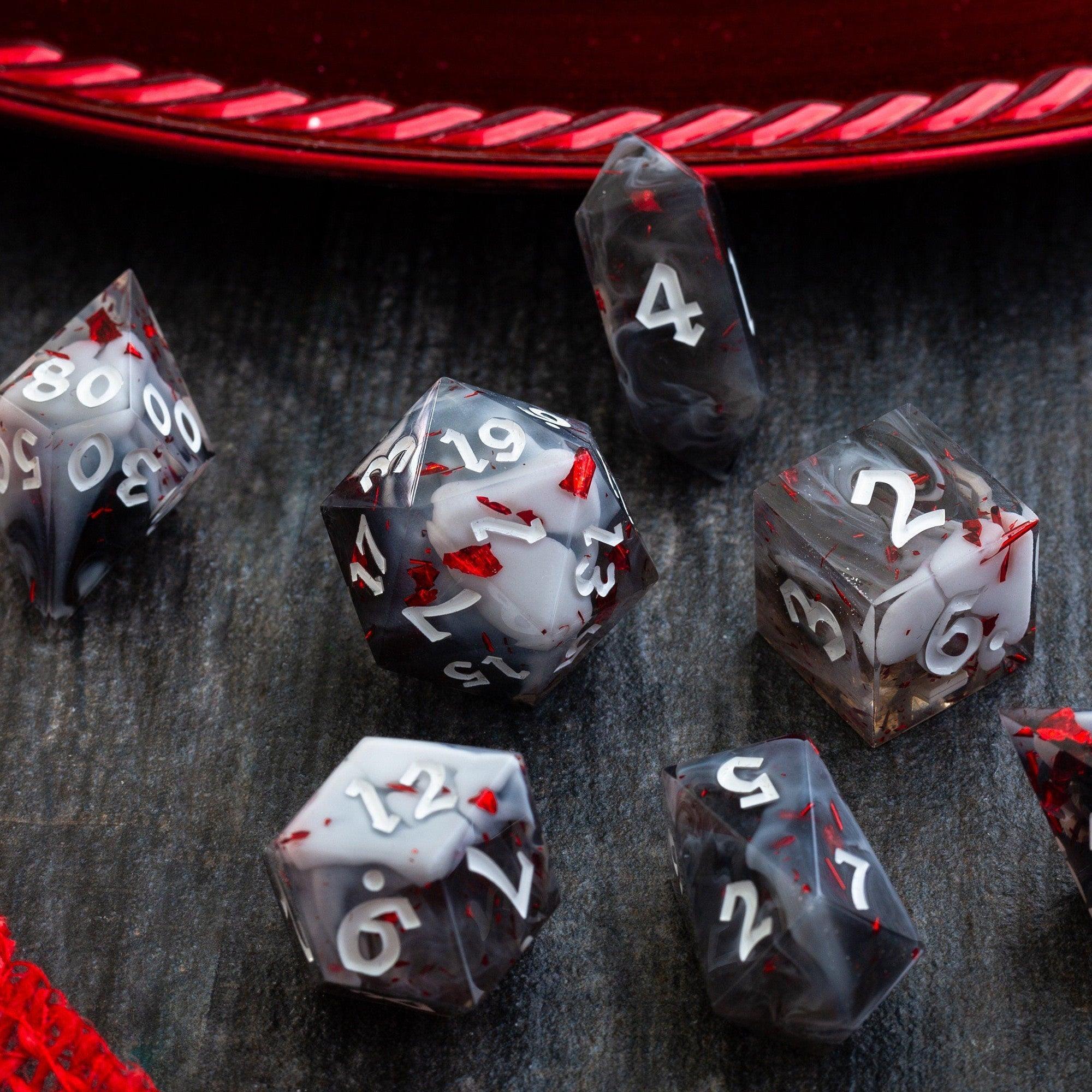
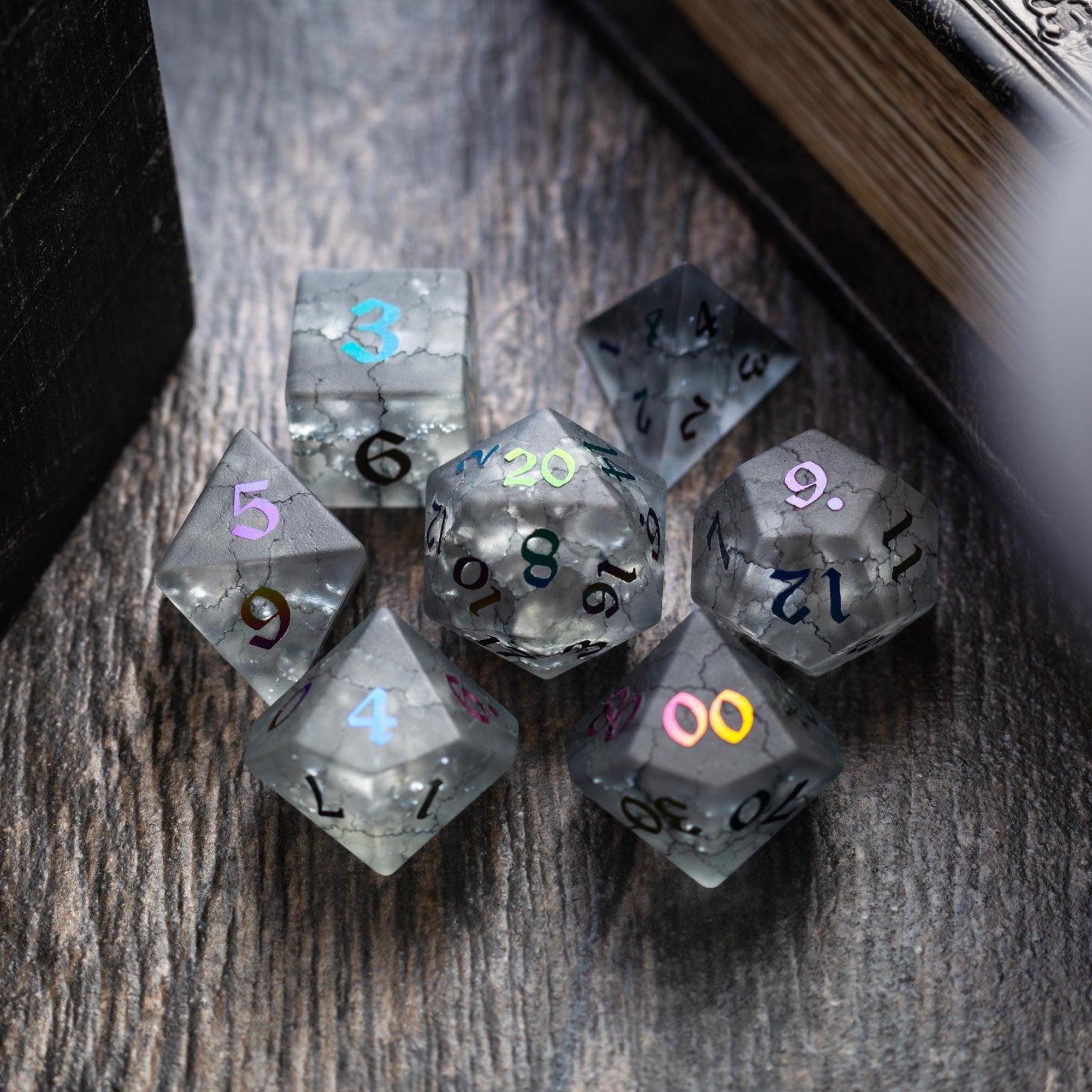
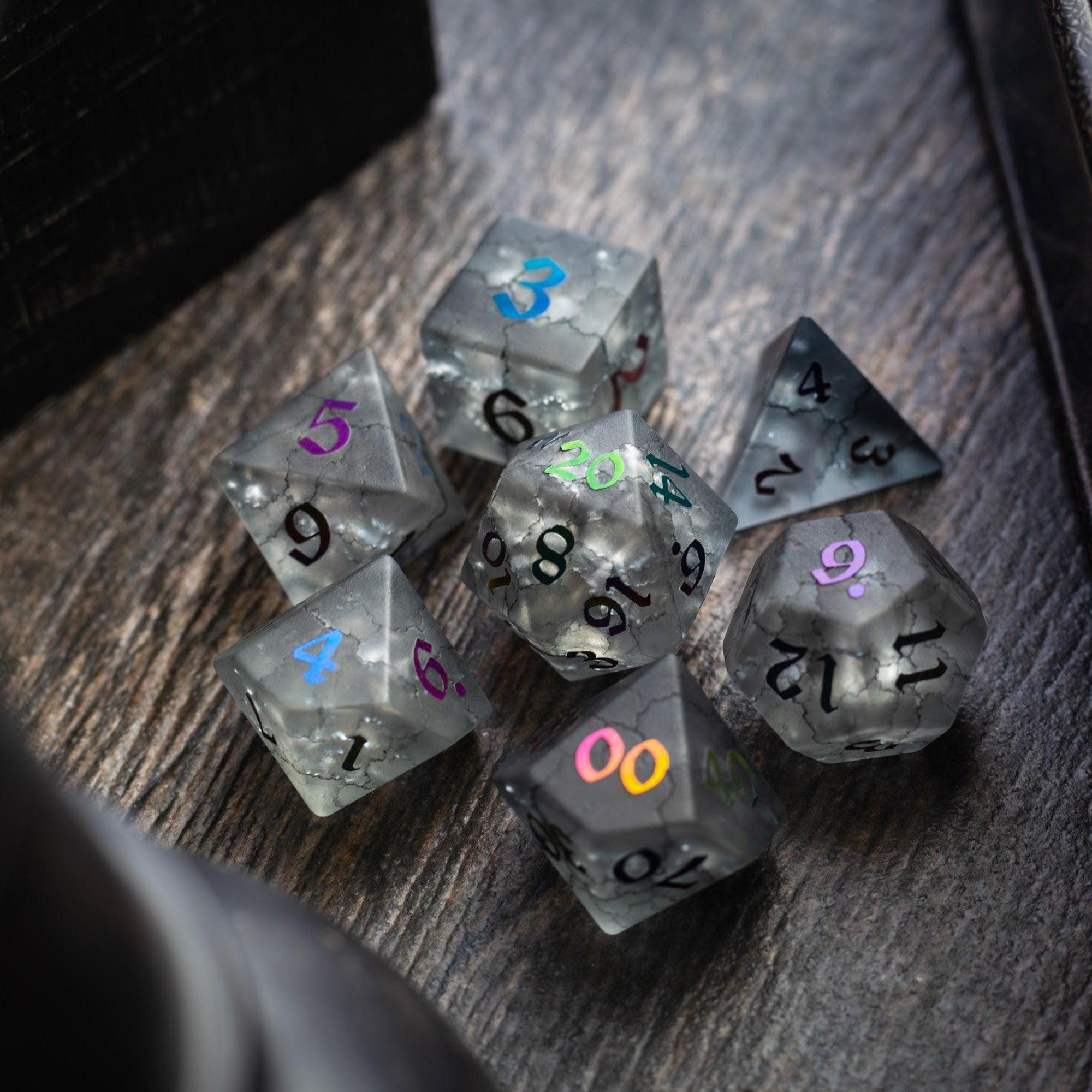
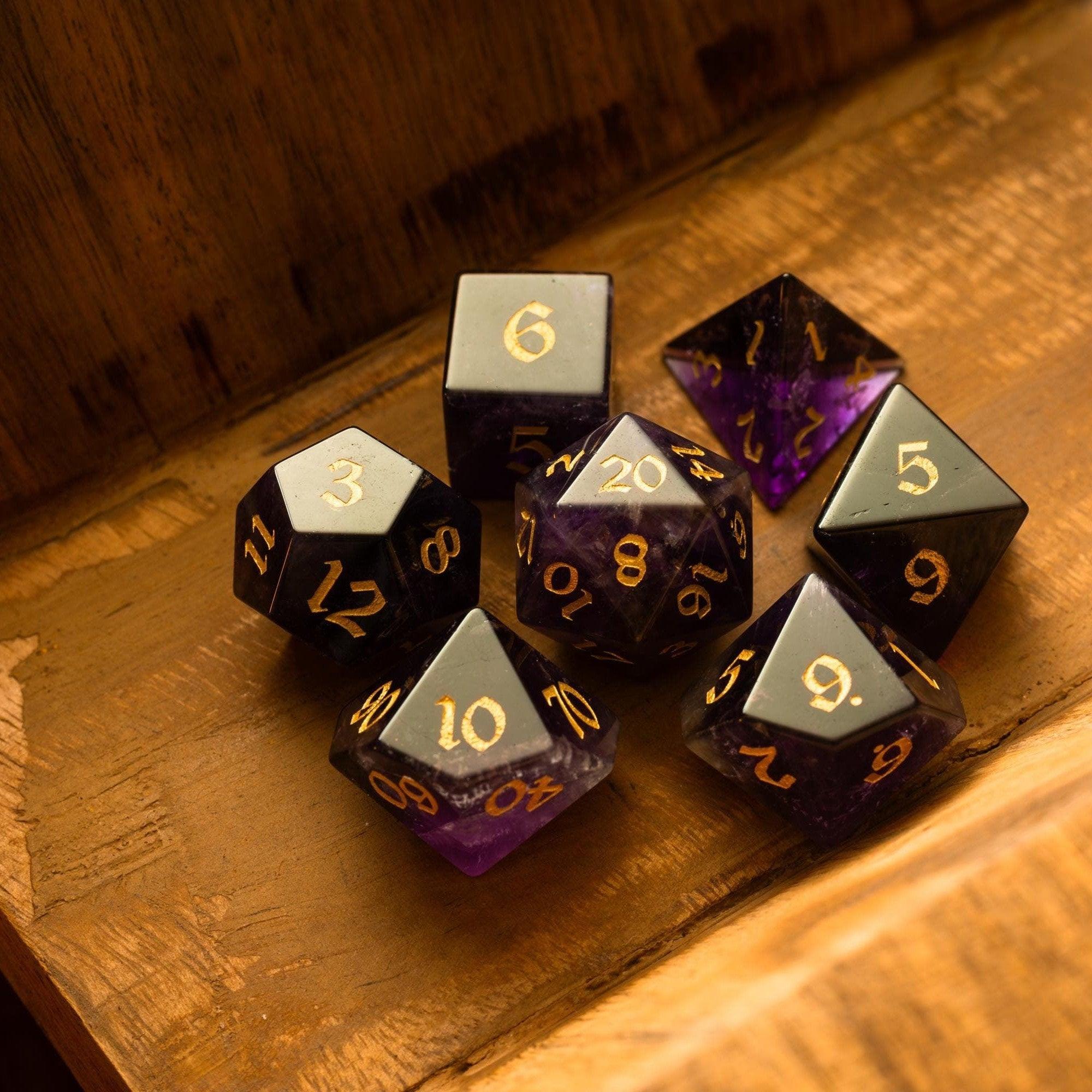
If you're looking to enhance your tabletop experience even further, consider upgrading your gaming gear with beautiful gemstone dice sets or exploring our collection of sharp-edge resin dice. Quality dice make every roll feel important and exciting. Whether you prefer handcrafted resin designs like our Dark Dream set or elegant gemstone options, the right dice add magic to your table.
Now go forth and create encounters that challenge your players' tactics and creativity. Study those creature characteristics, understand what makes each monster tick, and build battles that your table will discuss for years to come. Your next campaign awaits, and with this knowledge, you're ready to run it with confidence and style.











Leave a comment
This site is protected by hCaptcha and the hCaptcha Privacy Policy and Terms of Service apply.