
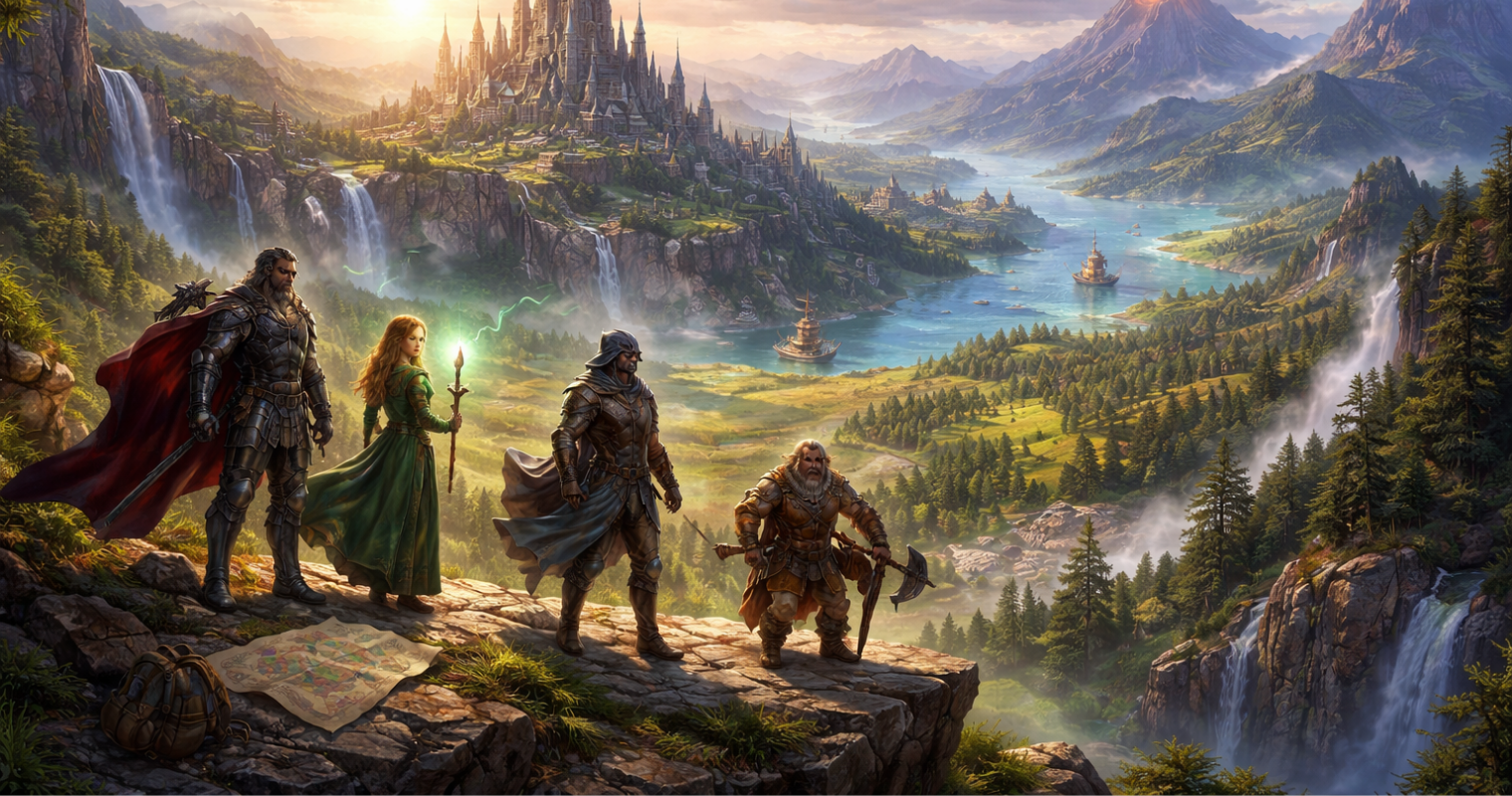
Practical Campaign Setting References for RPG Worldbuilding
Updated on: 2025-12-22
Curating campaign setting references for RPG can feel overwhelming, especially when ideas come from books, maps, podcasts, and your players. This gentle guide offers a clear structure to gather, tag, and verify world lore so your table always has reliable details. You will find practical steps, templates, and tips to keep your notes consistent and your prep time short. By the end, you will have a calm, repeatable process that supports creative play and leaves room for improvisation.
Table of Contents

When you build a tabletop world, inspiration can arrive from many places—classic fantasy novels, historical atlases, mythic bestiaries, travel diaries, and even your group’s favorite TV episodes. Without a plan, those insights scatter across folders and sticky notes. This article offers a simple, respectful approach that treats your source material with care, credits it appropriately, and turns it into easy-to-use tools at the table. You will learn how to centralize your notes, set lightweight standards, and give your players just enough detail to feel grounded while keeping the focus on the adventure. The result is a collection of trustworthy references that speeds prep and reduces decision fatigue during play.
How-To Steps
-
Define your scope in one sentence. Write a single guiding line for your world, such as “A coastal realm of fractured trade cities, haunted by storm spirits.” Use it to decide whether a new note fits. If a source does not serve this vision, kindly set it aside for future campaigns. A clear scope keeps your citations lean and your tone consistent.
-
Create one home for everything. Choose a single folder or notebook for worldbuilding. Inside, use three top-level sections: People, Places, and Powers. Add a short “Sources” page that lists where your information comes from. Keeping everything in one place reduces the urge to hunt through scattered documents when you need a quick fact.
-
Adopt a simple filename and note template. For each entry, include: Title, One-sentence summary, Tags, Source (author and work), and GM notes. Aim for brief, plain language. The template keeps entries uniform so you can skim them quickly during sessions and spot what matters most.
-
Tag for retrieval, not decoration. Choose 8–12 tags you will actually use—such as geography, faction, folklore, travel hazard, economy, and magic. Avoid creating new tags on a whim. Fewer tags make searching easier and help you see patterns across your setting, like how trade routes connect to conflicts.
-
Separate “canon” from “draft.” Mark each note as Draft, Playtested, or Canon. After a session, promote notes that worked well and revise the ones that confused players. This gentle feedback loop improves clarity, and your reference file becomes more reliable with every game night.
-
Use short citations. When you pull from a published work or a public domain source, record a simple citation. For example, “Inspiration: 19th-century maritime logs.” Keep it brief and factual. This honors your influences and helps you recall why a detail belongs in your world.
-
Write player-facing summaries. For every city, villain, or artifact, add a two-sentence version that players can read without spoilers. You might place these in handouts or session recaps. Clear summaries reduce confusion and let the group re-enter the story quickly each week.
-
Link ideas across your notes. Add a line at the end of each entry: “Related: River Pilgrims, Drowned Archive.” These cross-links turn isolated notes into a living network, making it easier to connect plot hooks and travel routes as your campaign grows.
-
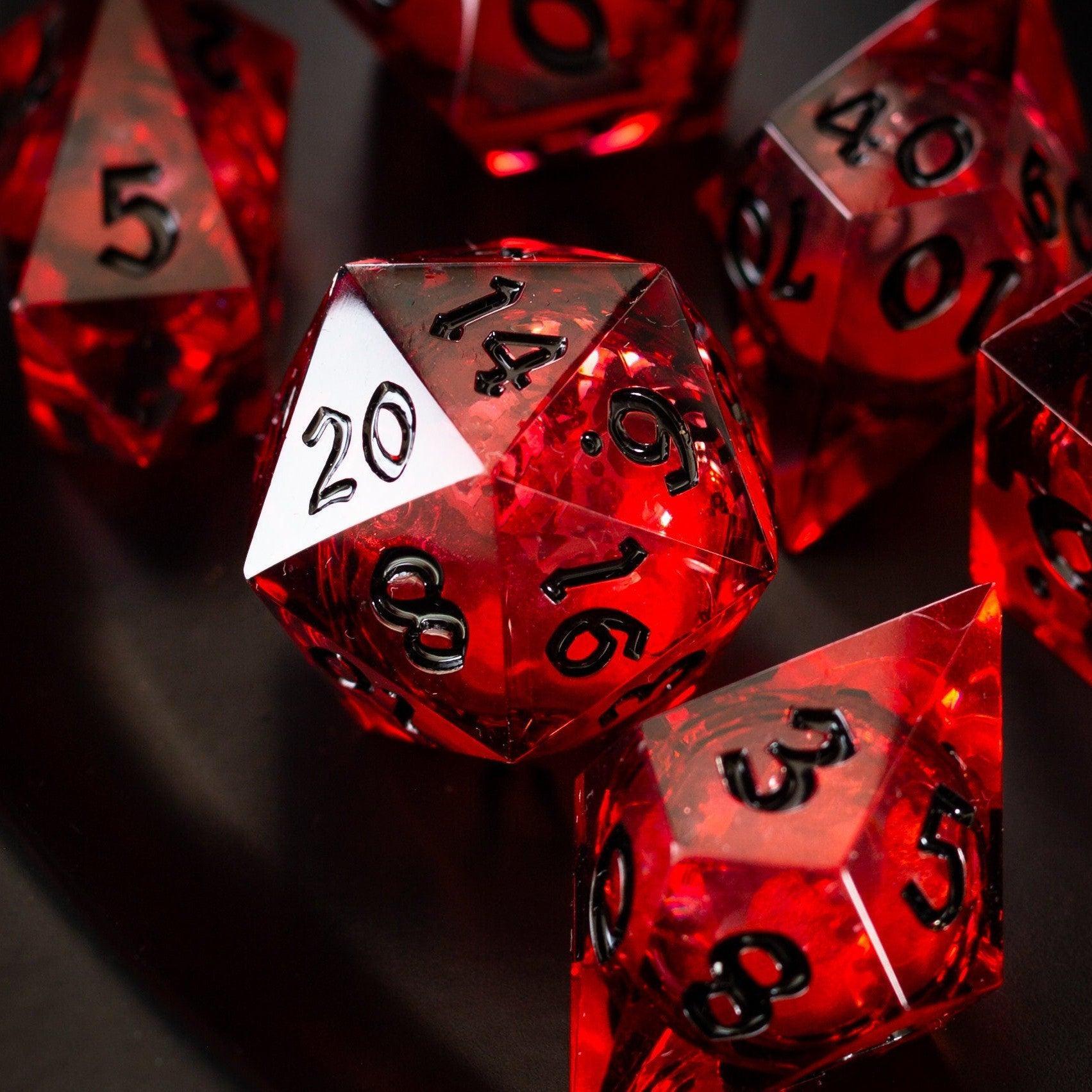
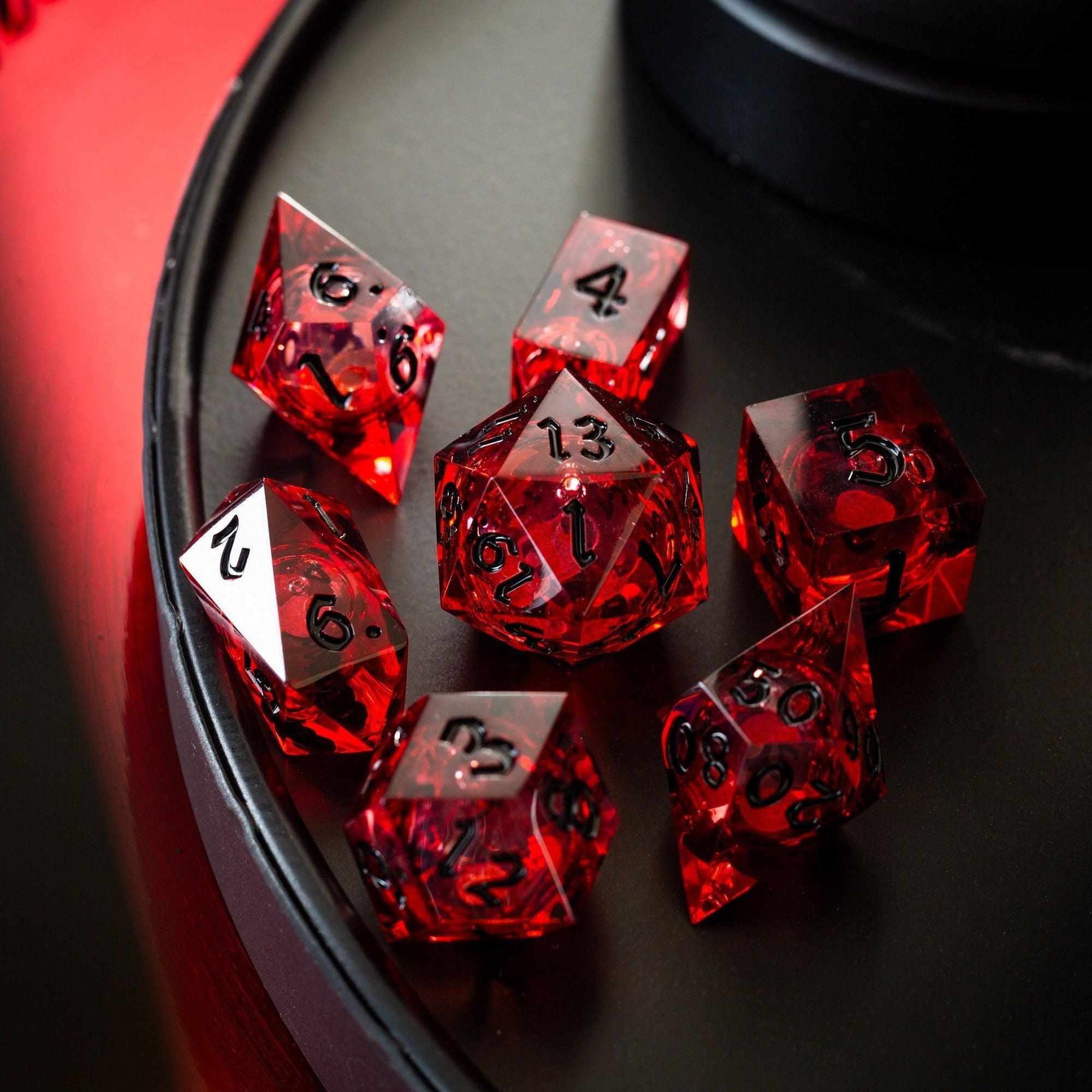
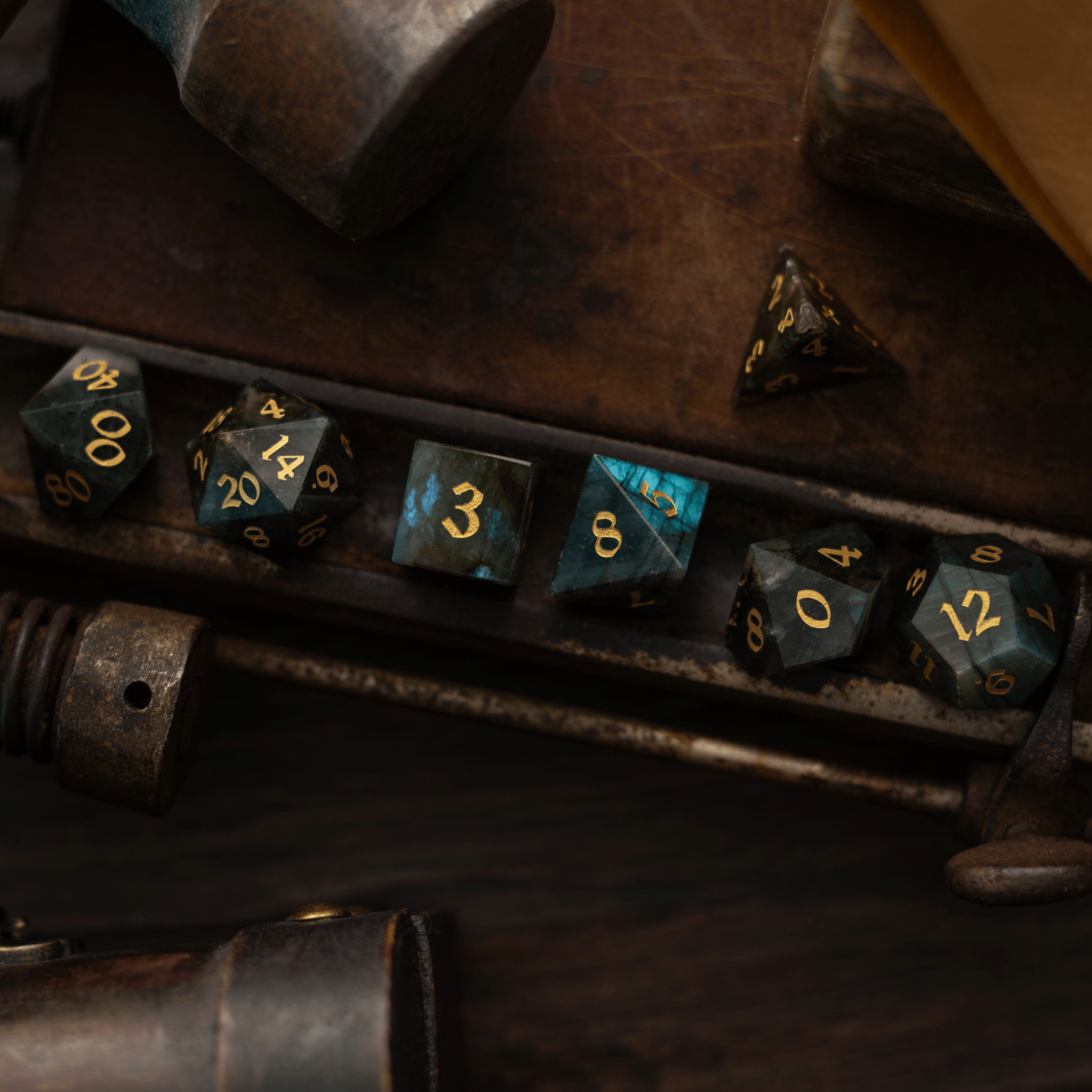
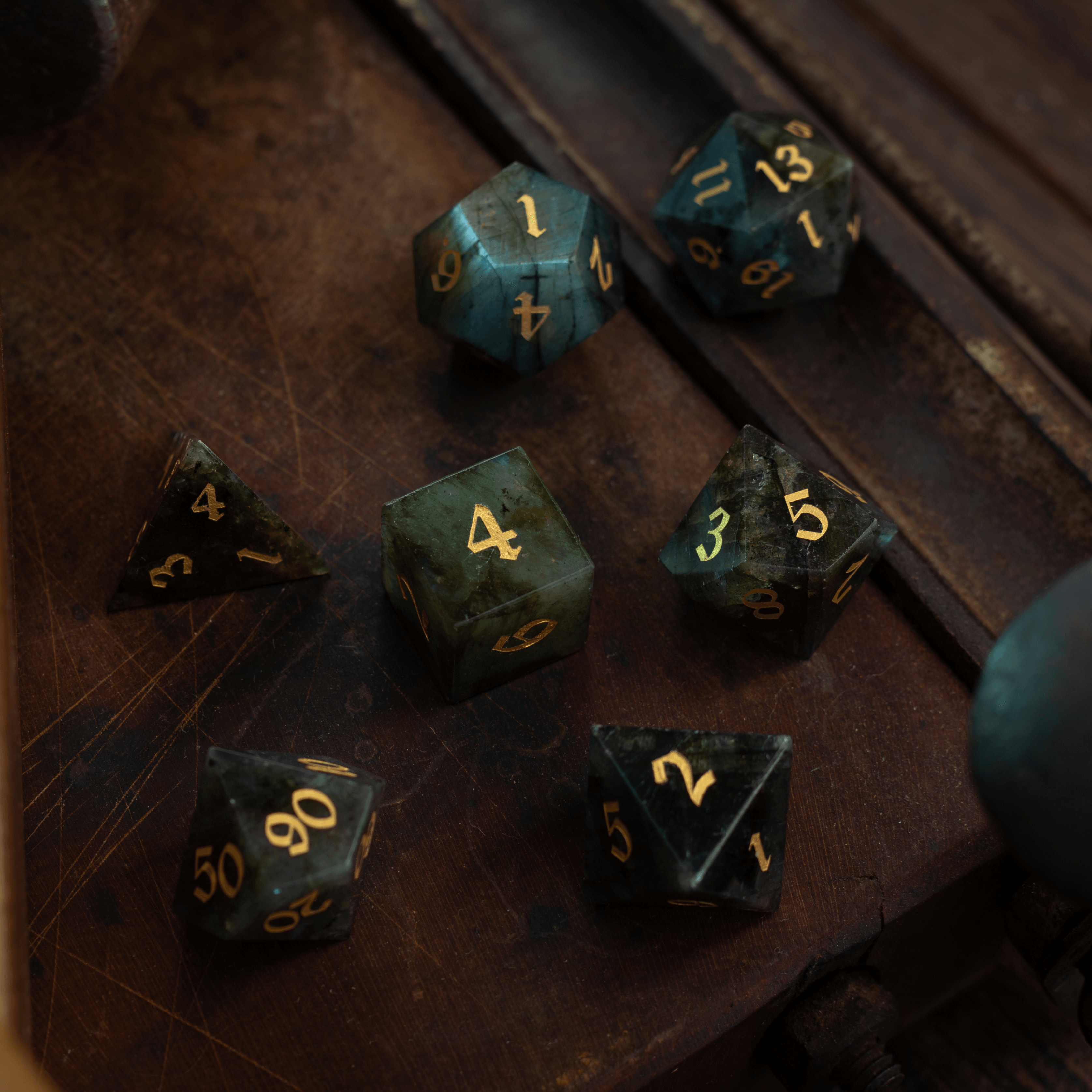
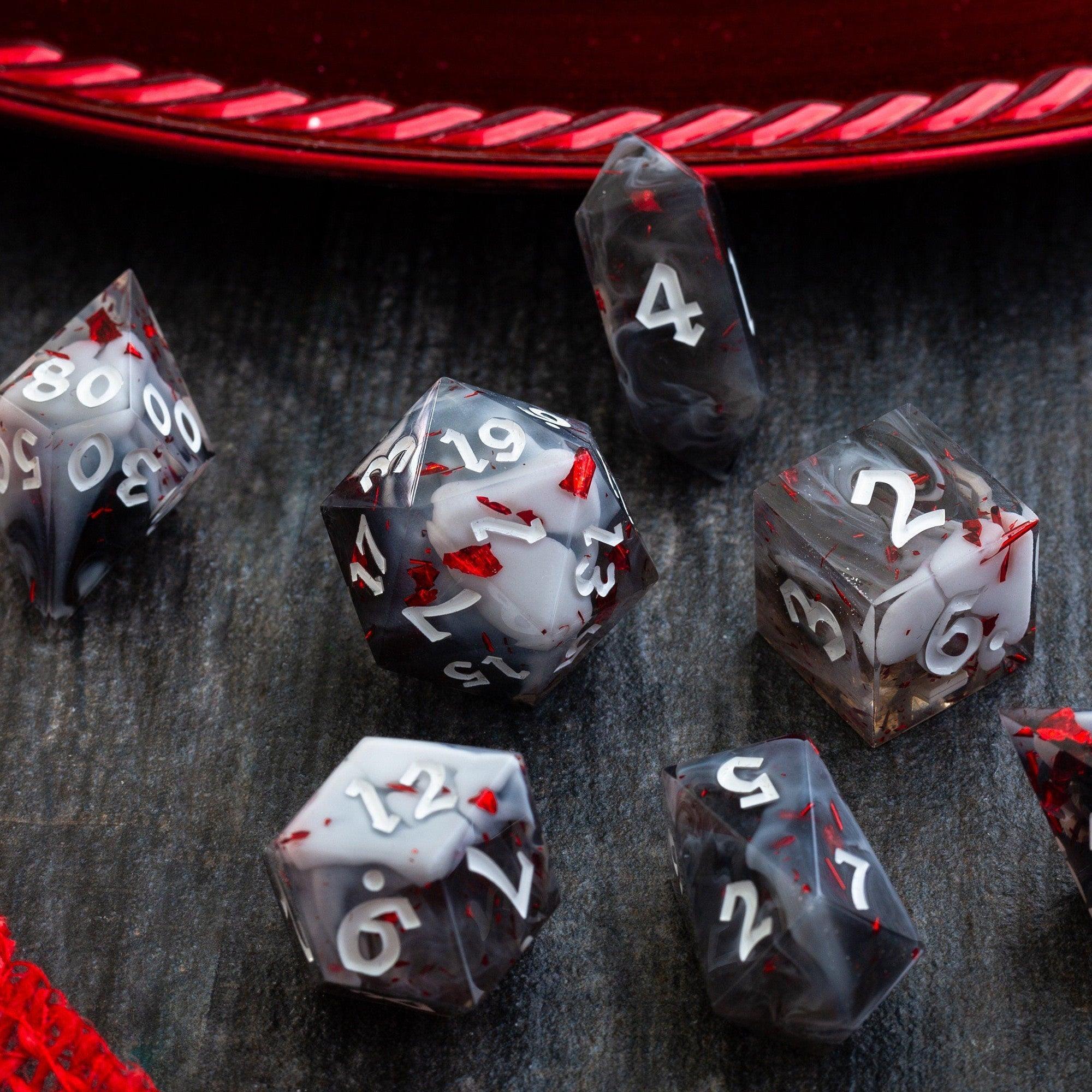
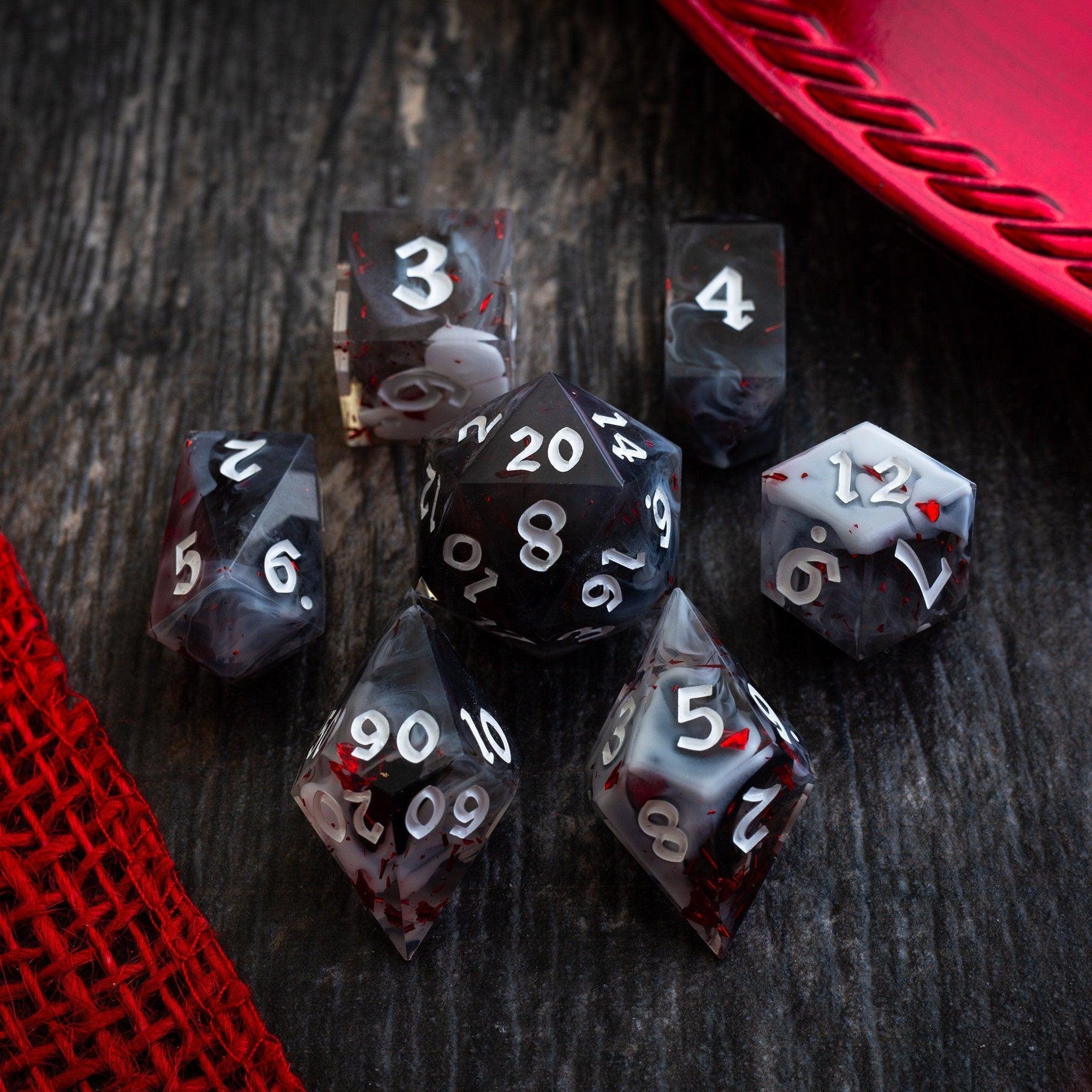
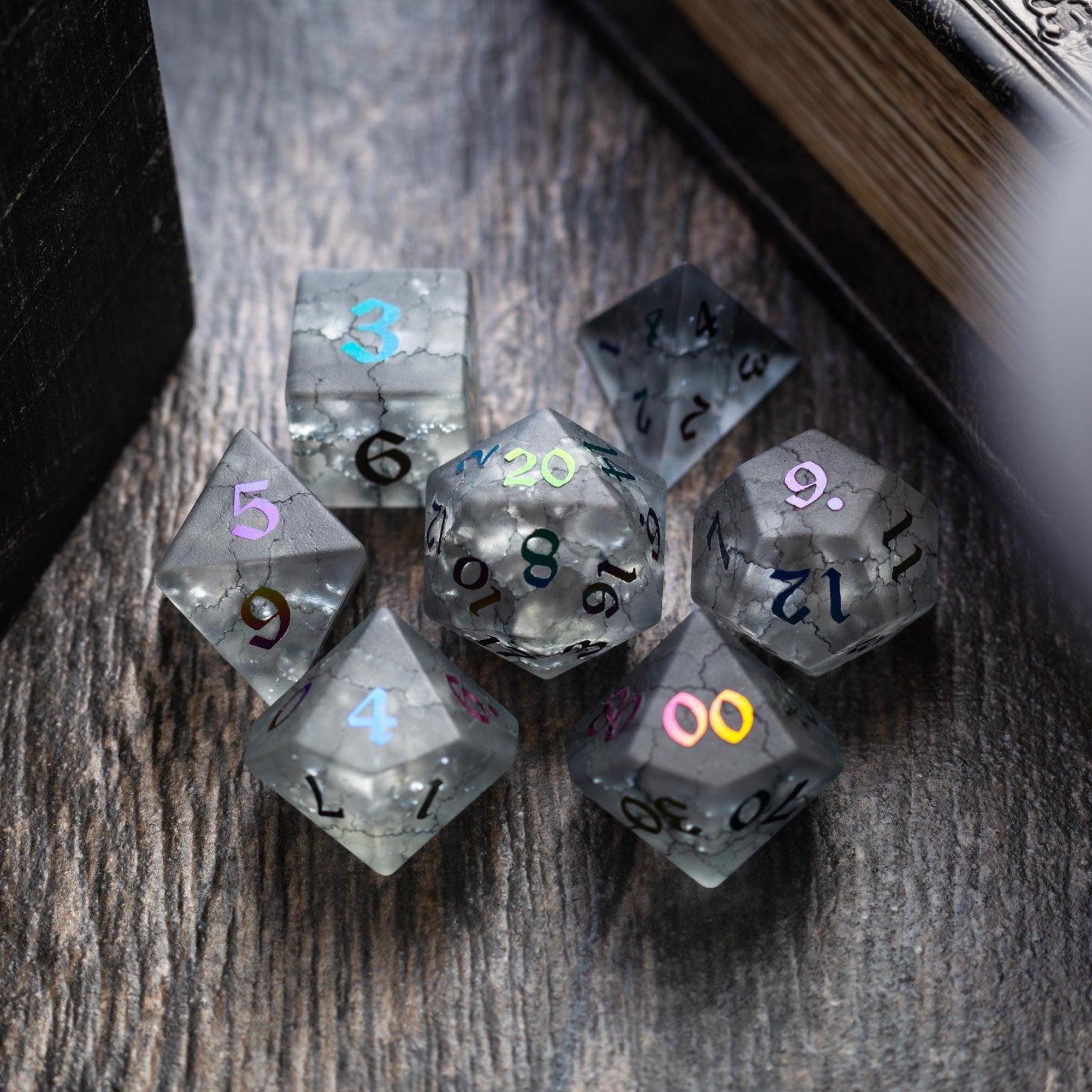
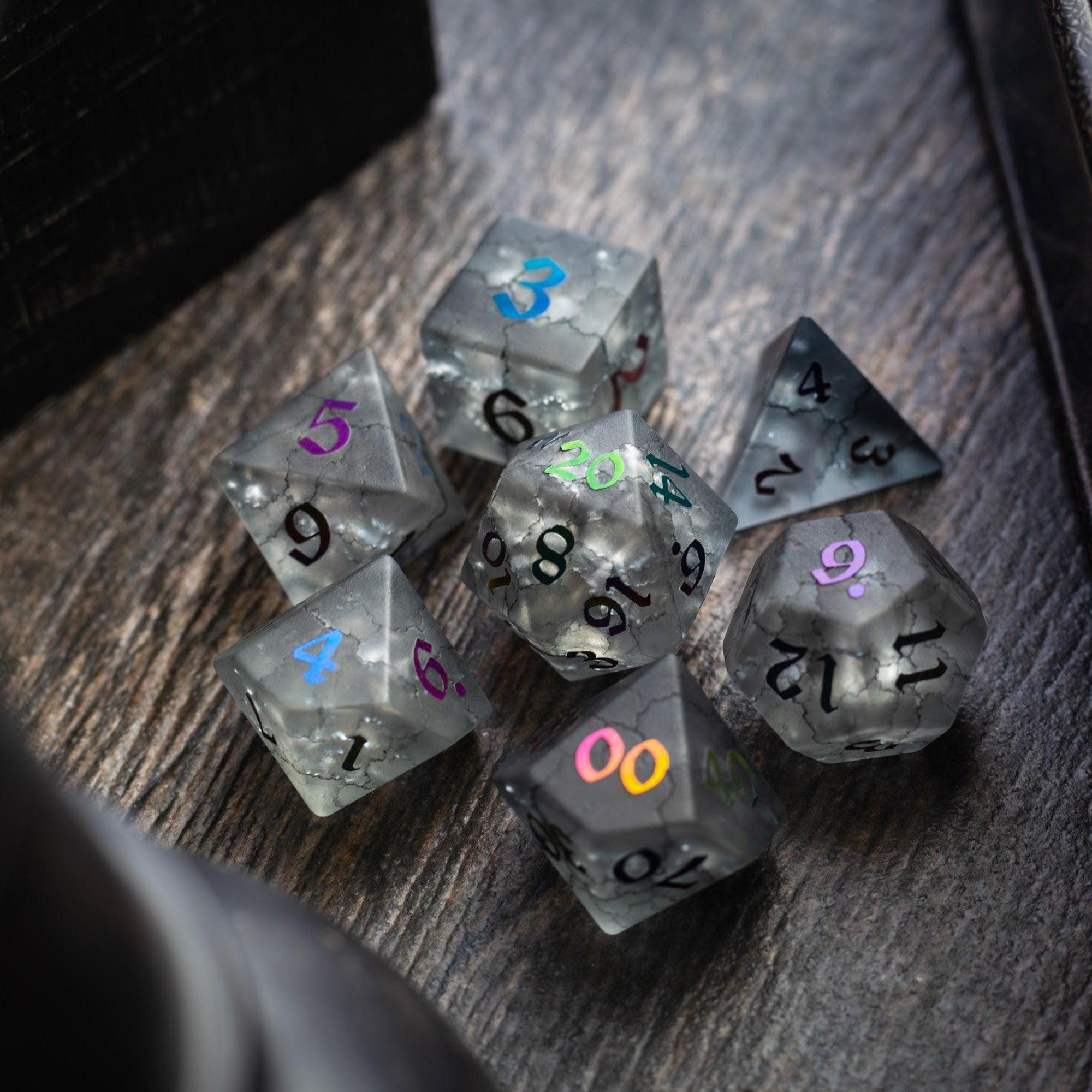
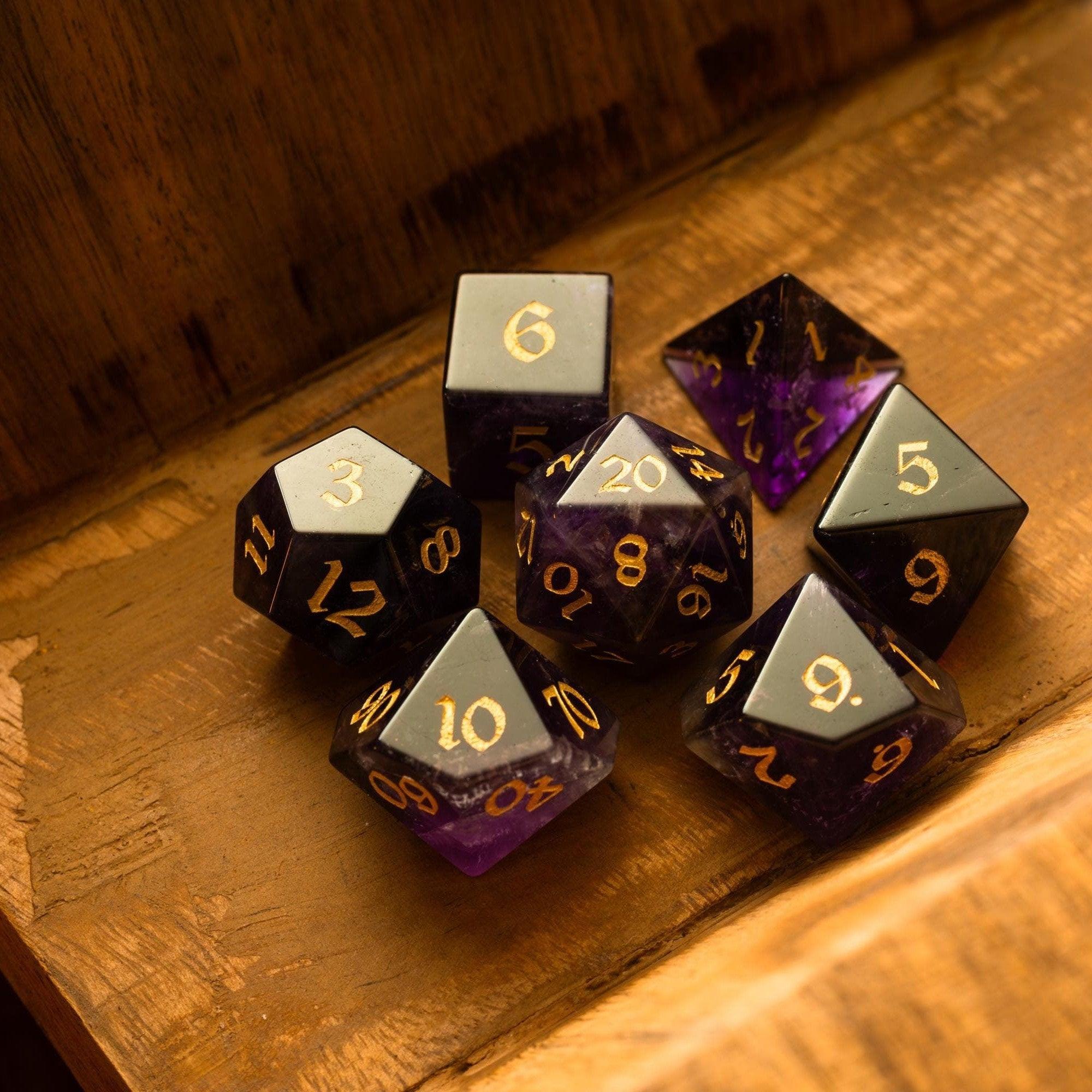
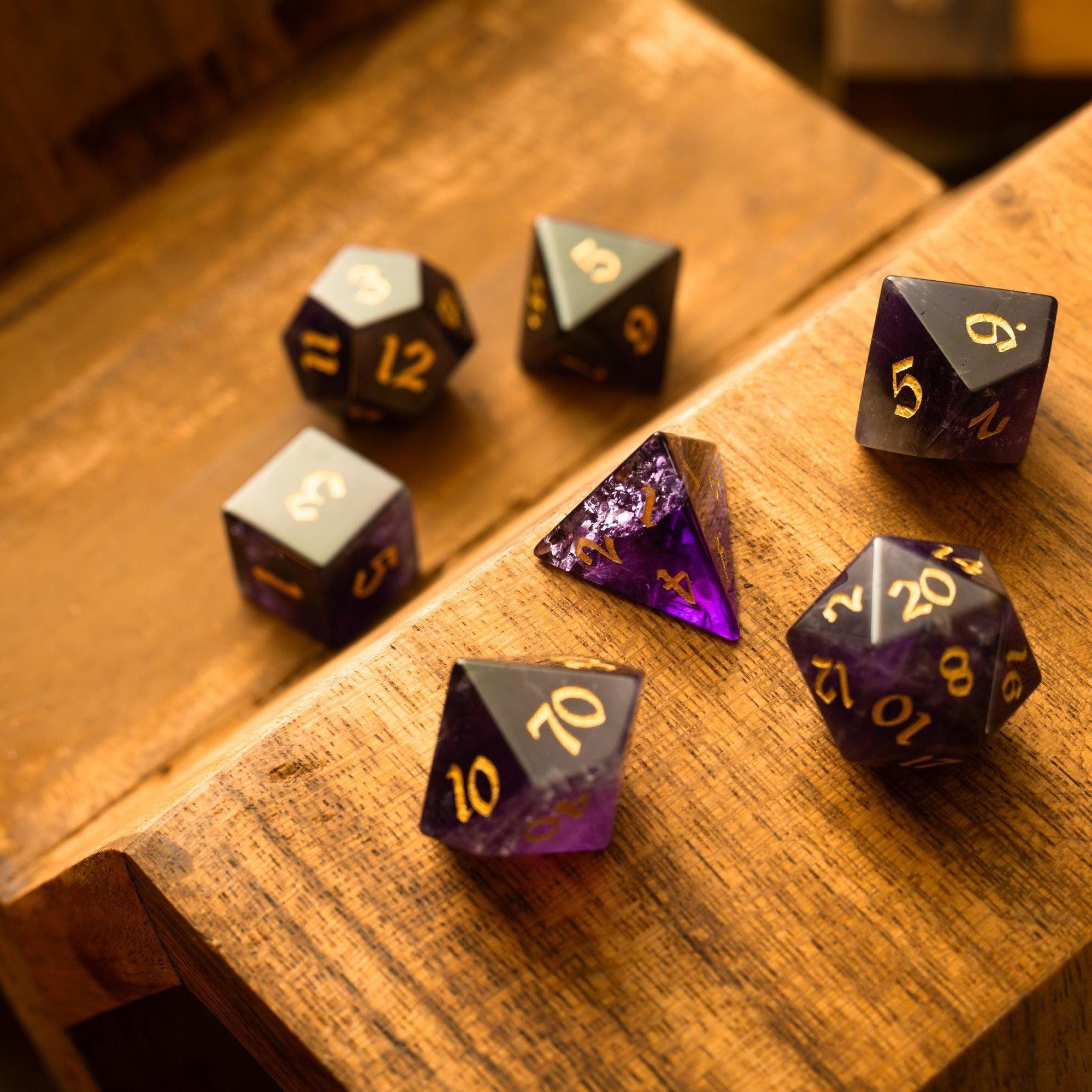
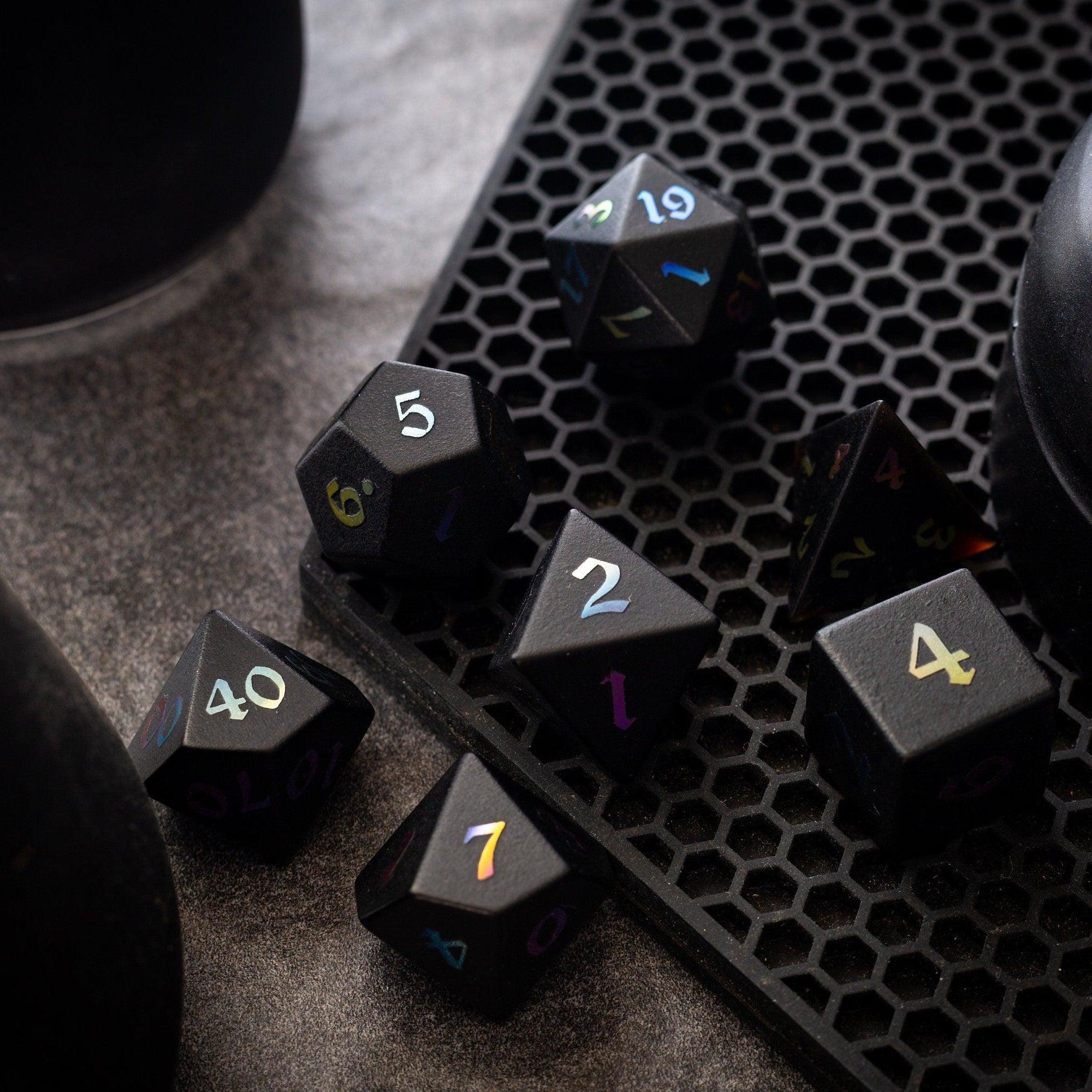
Bring the world to the table with tactile cues. A few thematic accessories can reinforce mood and help everyone remember key factions or regions. If you wish, explore curated items like dice collections, a shimmering starlit resin set, an elegant gold gemstone set, or sturdy dice towers. Thoughtful props can become gentle anchors for your setting’s themes.
-
Schedule a calm weekly review. Each week, spend 20 minutes filing new ideas, promoting notes from Draft to Playtested, and pruning duplicates. This light routine keeps your archive tidy and ensures your references stay fresh, accurate, and easy to use during preparation.

Using campaign setting references for RPG: Best practices
Even a great archive can become hard to use if entries grow long or inconsistent. To keep things helpful, prioritize clarity over completeness. Aim for brief paragraphs, plain vocabulary, and one actionable hook per note. If a detail does not affect a scene, consider moving it to the bottom or saving it for later.
Balance breadth and depth. A small number of well-developed regions usually serves the table better than a vast map filled with sparse notes. Depth creates trust. When players learn that your places have consistent rules, they engage with confidence and begin to make meaningful choices.
Invite player feedback. After sessions, ask what was memorable or unclear. If a location felt confusing, simplify the summary and add a sensory cue such as “smell of rain-soaked cedar” or “lanterns tinted blue.” Sensory anchors help players recall lore without needing long recaps.
- Keep names readable and distinct. Avoid sound-alike city names.
- Show consequences. If a faction suffers a setback, update its entry.
- Limit secrets. Hide only what must be revealed later at the table.
- Use session recaps to confirm which facts are now “canon.”
When you draw from history or myth, adapt rather than transplant. Choose an idea—like river trade guilds—and reinterpret it through your world’s tone. Swap resources, rename places, and alter customs so the concept serves your table’s story rather than mimicking a single source. This approach honors inspiration while maintaining an original voice.
Finally, consider your pacing. If a chapter of lore does not guide the next session, condense it. Keep one hook per scene and one conflict per region. This gentle restraint gives players room to act, while your reference file stays compact and accessible. When the story expands, your notes will have a stable foundation to support it.
FAQ
What counts as a “reference” for a tabletop setting?
Any source that informs your world’s people, places, or powers can qualify. That might be a map you sketched, a museum guide, a public domain folktale, or an encounter idea from an old adventure you own. Record enough detail to remember why you chose it and how it supports your scope.
How do I avoid infringing on published worlds?
Use broad ideas, not distinctive names or verbatim text. Change proper nouns, redesign factions, and rewrite descriptions in your own words. When in doubt, lean on public domain materials and your original concepts. Short, factual citations can remind you where ideas came from without copying protected elements.
How can I keep players from feeling overwhelmed by lore?
Share information on a “need to know” basis. Offer two-sentence summaries for places and people, surface one sensory detail per scene, and keep deeper notes for the GM section. During play, let decisions reveal more of the world naturally, and move unused details to an appendix for later.







Leave a comment
This site is protected by hCaptcha and the hCaptcha Privacy Policy and Terms of Service apply.