
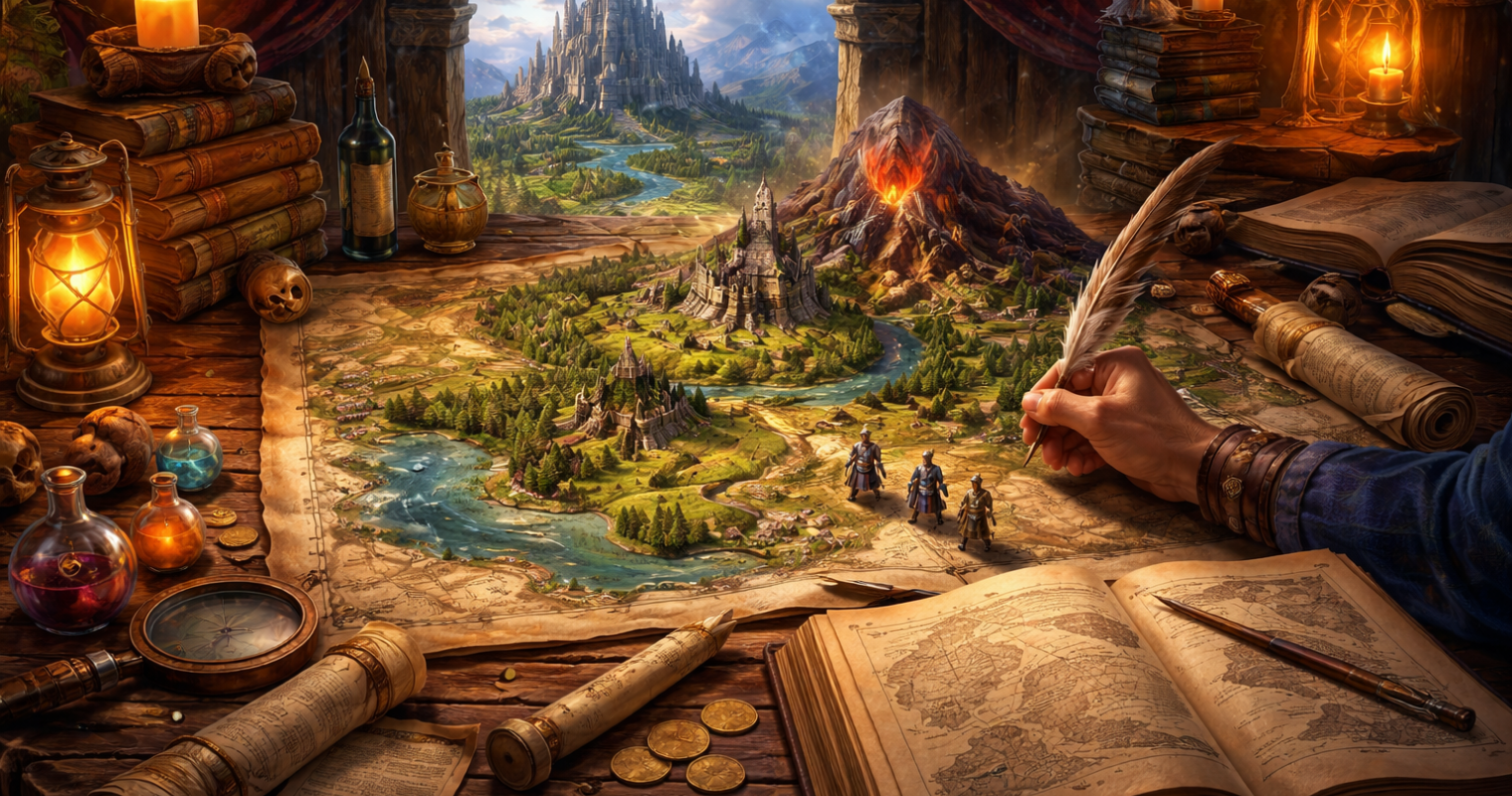
Dungeon and World Building Tools for Creative Campaigns
Updated on: 2025-12-22
Prepping an RPG session shouldn’t feel like homework. This friendly guide shows you how to choose, combine, and use modern prep helpers to design memorable maps, encounters, and lore in less time. You’ll get clear benefits, a practical step-by-step workflow, and answers to common questions—so you can spend more time playing and less time second-guessing your prep. Stick around for pro tips, tool pairings, and ways to keep your table engaged from session zero to the final boss.

If you’ve ever stared at a blank page before game night, you’ll appreciate how dungeon and world building tools can turn fuzzy ideas into playable adventures. The right mix of map creators, encounter builders, and lore organizers helps you prep smarter, not harder. In this guide, we’ll cover the biggest wins you can expect, a simple workflow you can follow today, and a short list of tool features to prioritize for a smooth, repeatable prep routine.
Key Benefits
- Save time with structure: Generators and templates kickstart maps, NPCs, and quests so you never start from zero.
- Consistent world logic: Region tags, faction notes, and timeline tools make your setting feel cohesive across sessions.
- Better pacing: Encounter builders help you balance difficulty, spotlight each character, and avoid lulls.
- Visual clarity at the table: Clean battlemaps and handouts reduce confusion and speed up play.
- Easier collaboration: Shared docs and wikis let co-GMs or rotating DMs align on tone, lore, and stakes.
- Less burnout: A repeatable, modular system keeps prep fun, even during busy weeks.
- Improved memory: Tagged notes and searchable databases mean you can find that tavern owner’s name in seconds.
- Player immersion: Props, tokens, and beautiful dice add tactile joy and reinforce your game’s aesthetic.
Best dungeon and world building tools for smooth campaign prep
When choosing your toolkit, prioritize flexibility over flash. It’s tempting to chase shiny features, but the best setup is the one you’ll use every week. Look for these traits:
- Fast start: Templates for hex maps, city blocks, dungeons, and settlements.
- Linked notes: Pages that reference each other (regions to factions, NPCs to scenes).
- Export options: Easy printing or image export for handouts and virtual tabletops.
- Tagging and filters: Find every “undead cult” hook or “mountain pass” location in a click.
- Collaboration: Share view-only lore or spoilers with your players when the time’s right.
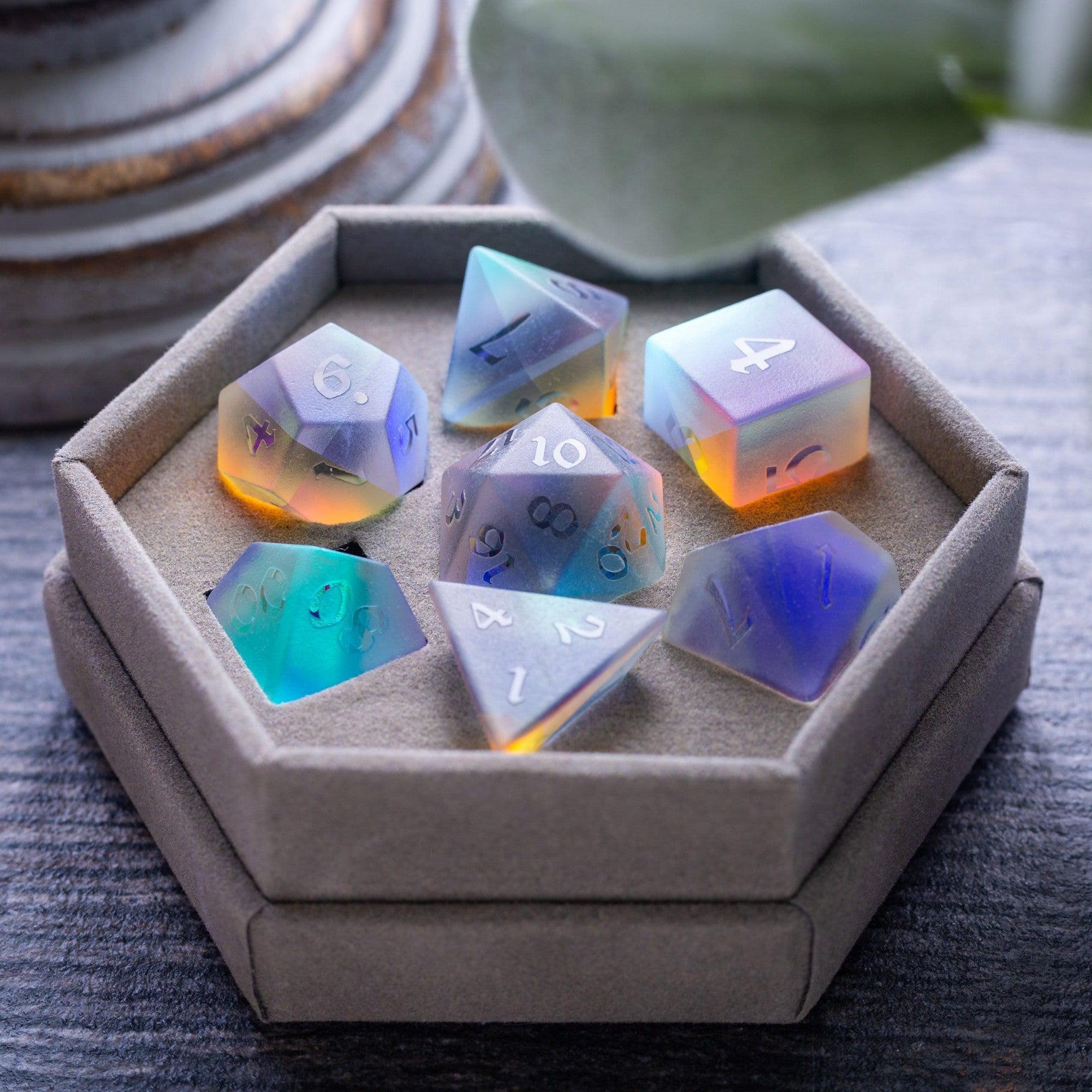
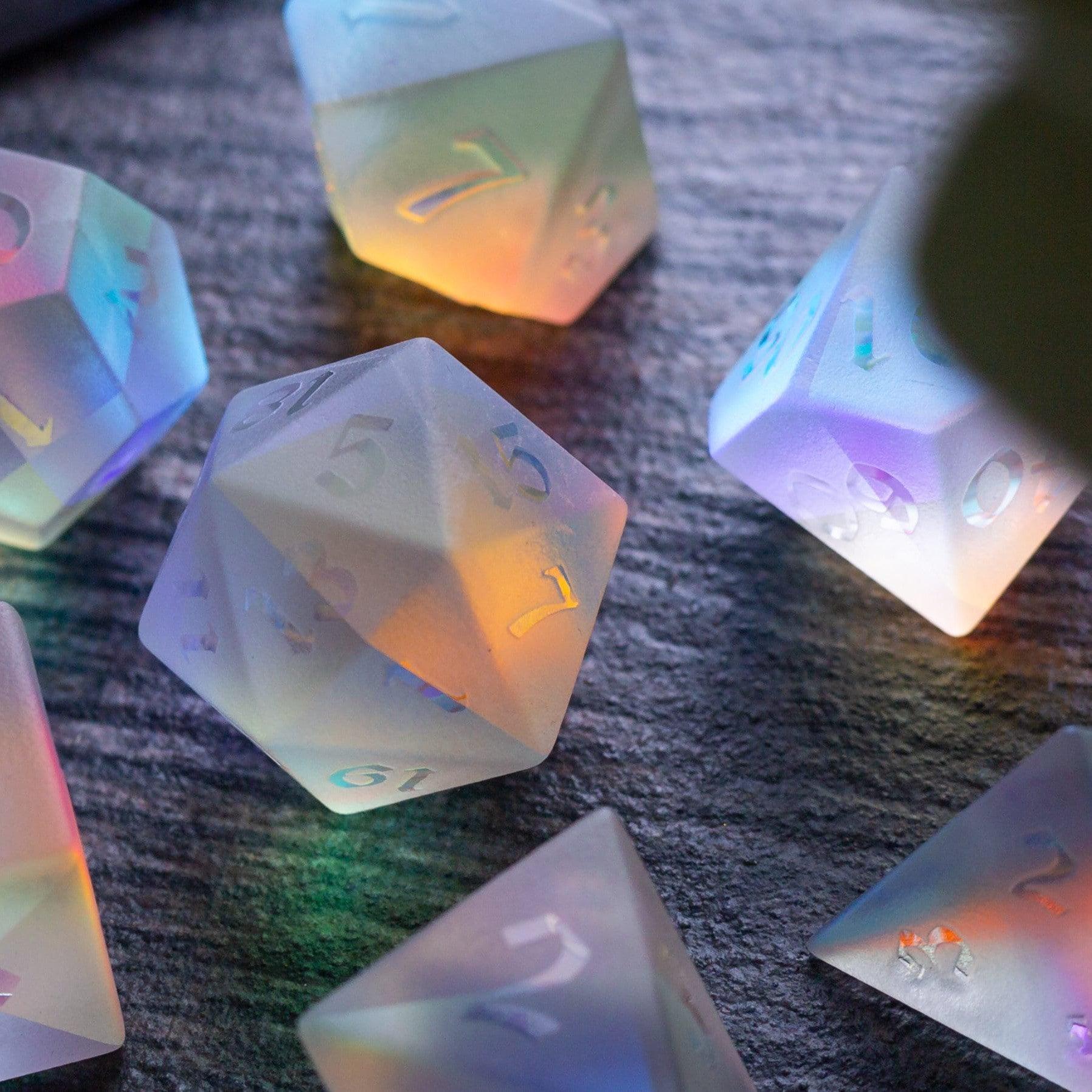
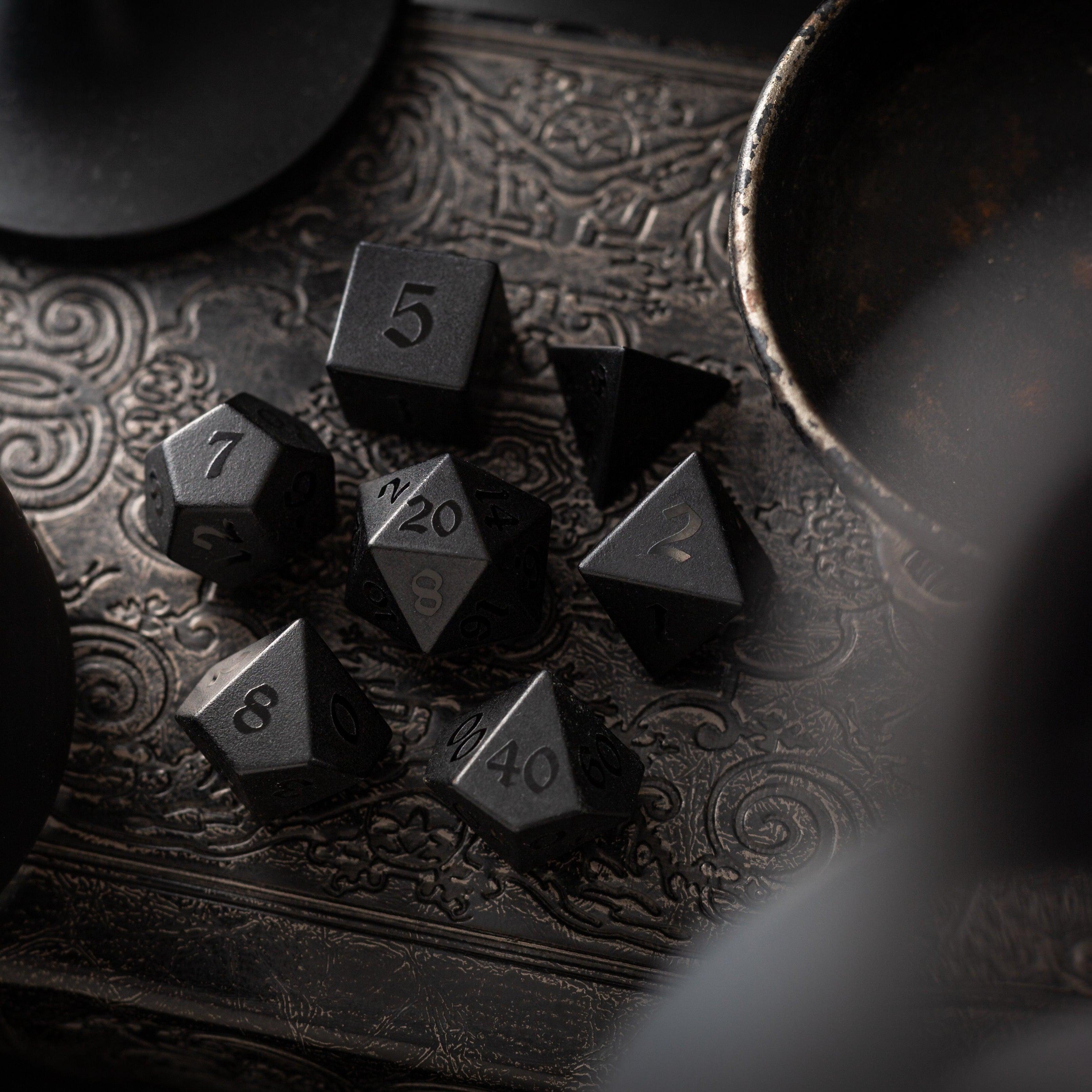
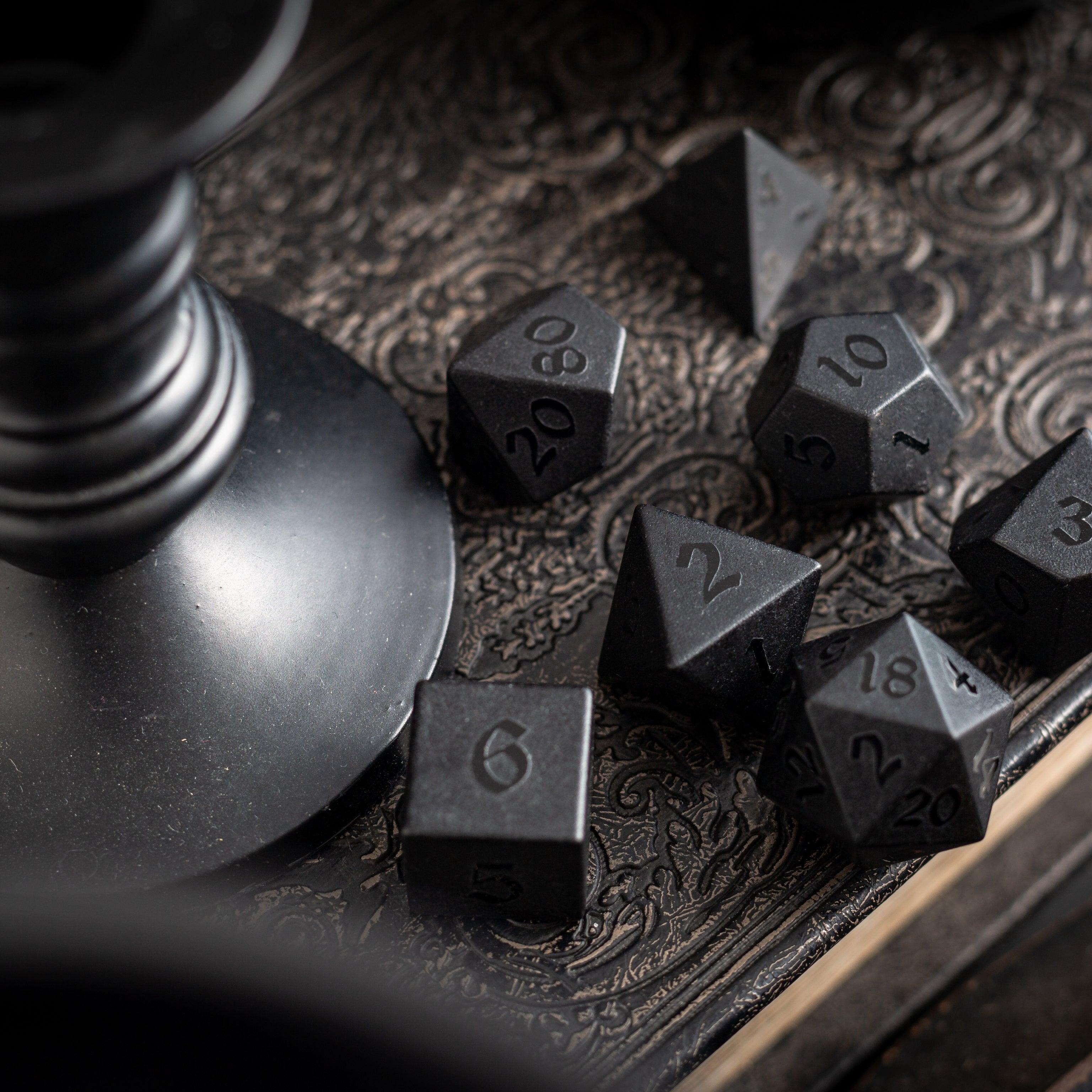
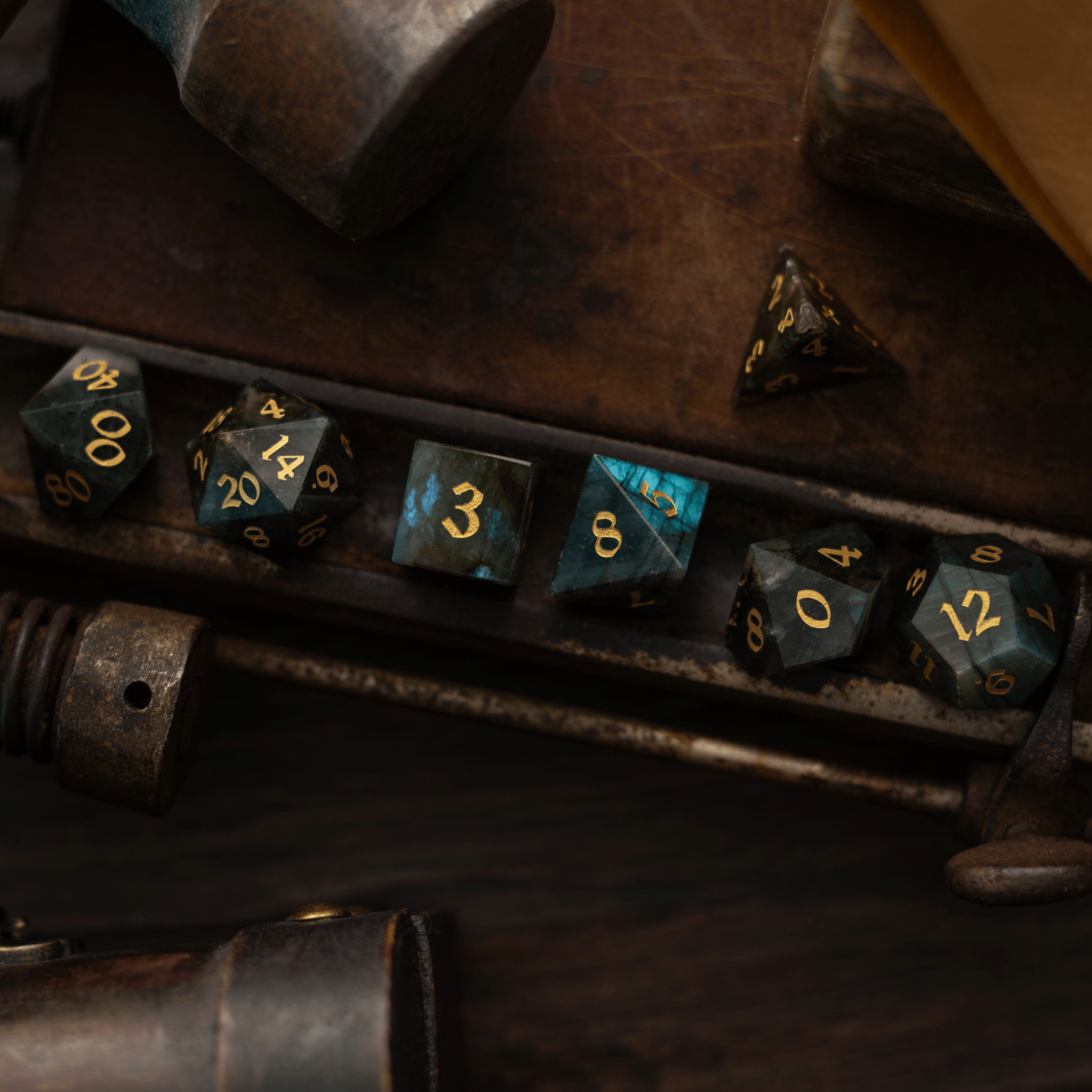
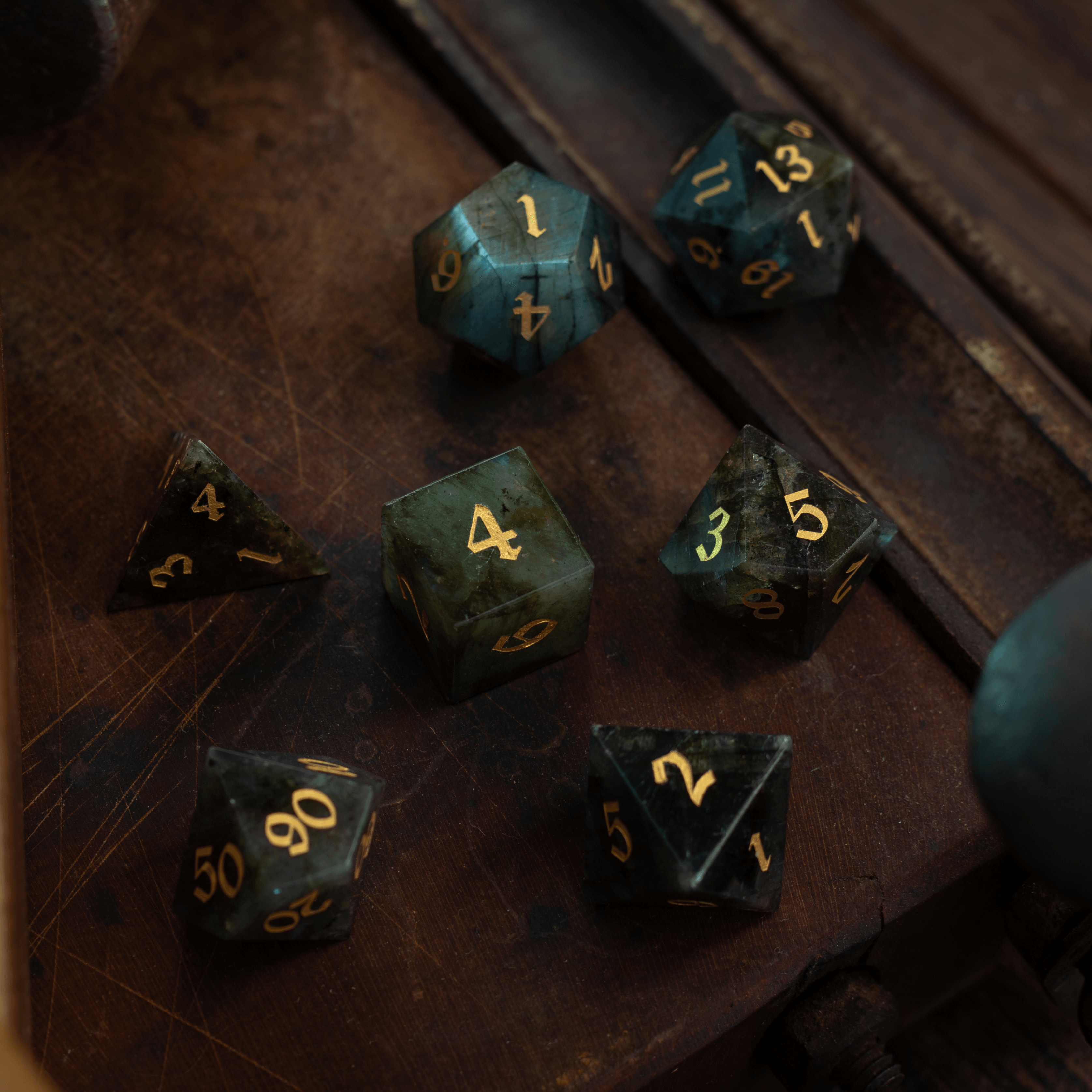
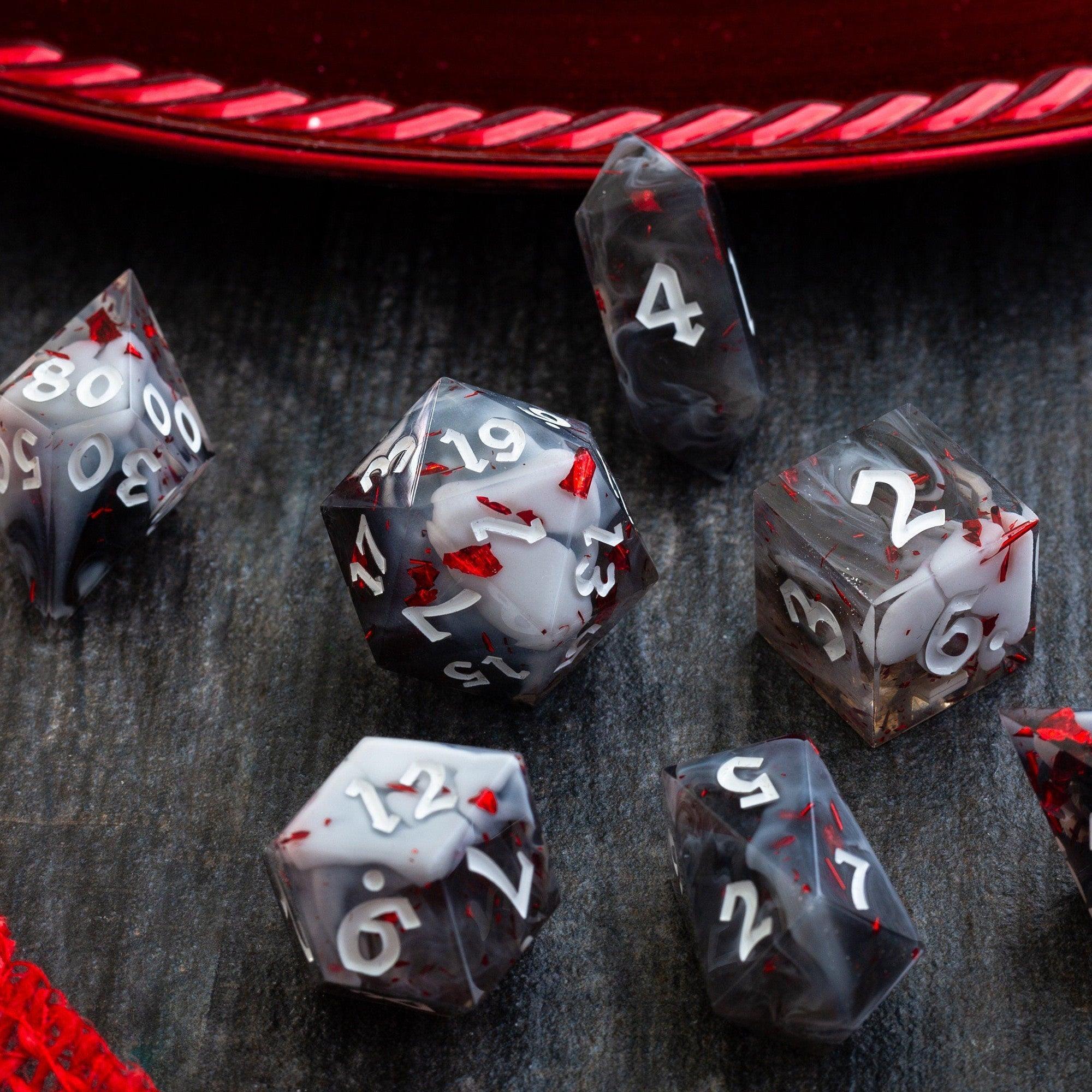
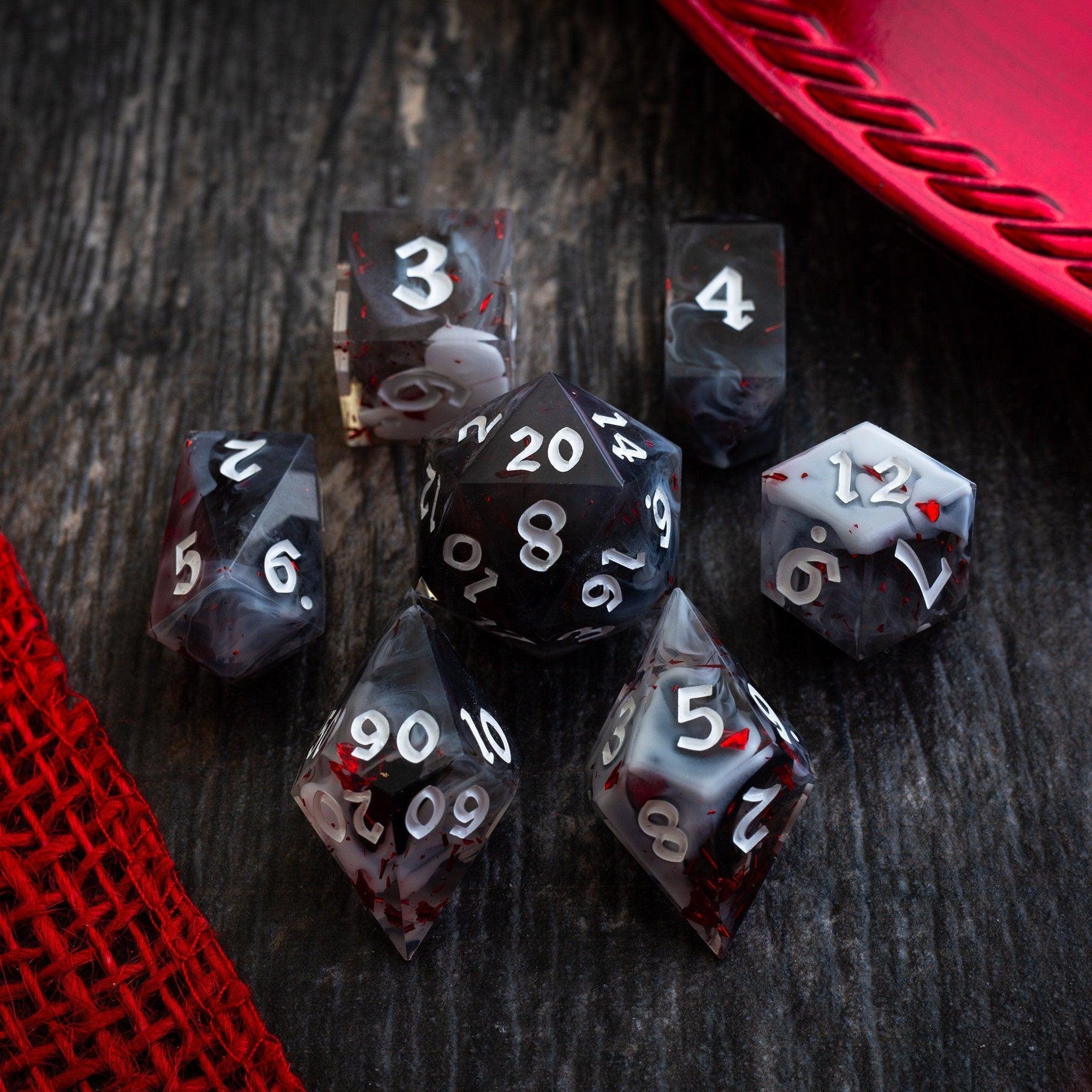
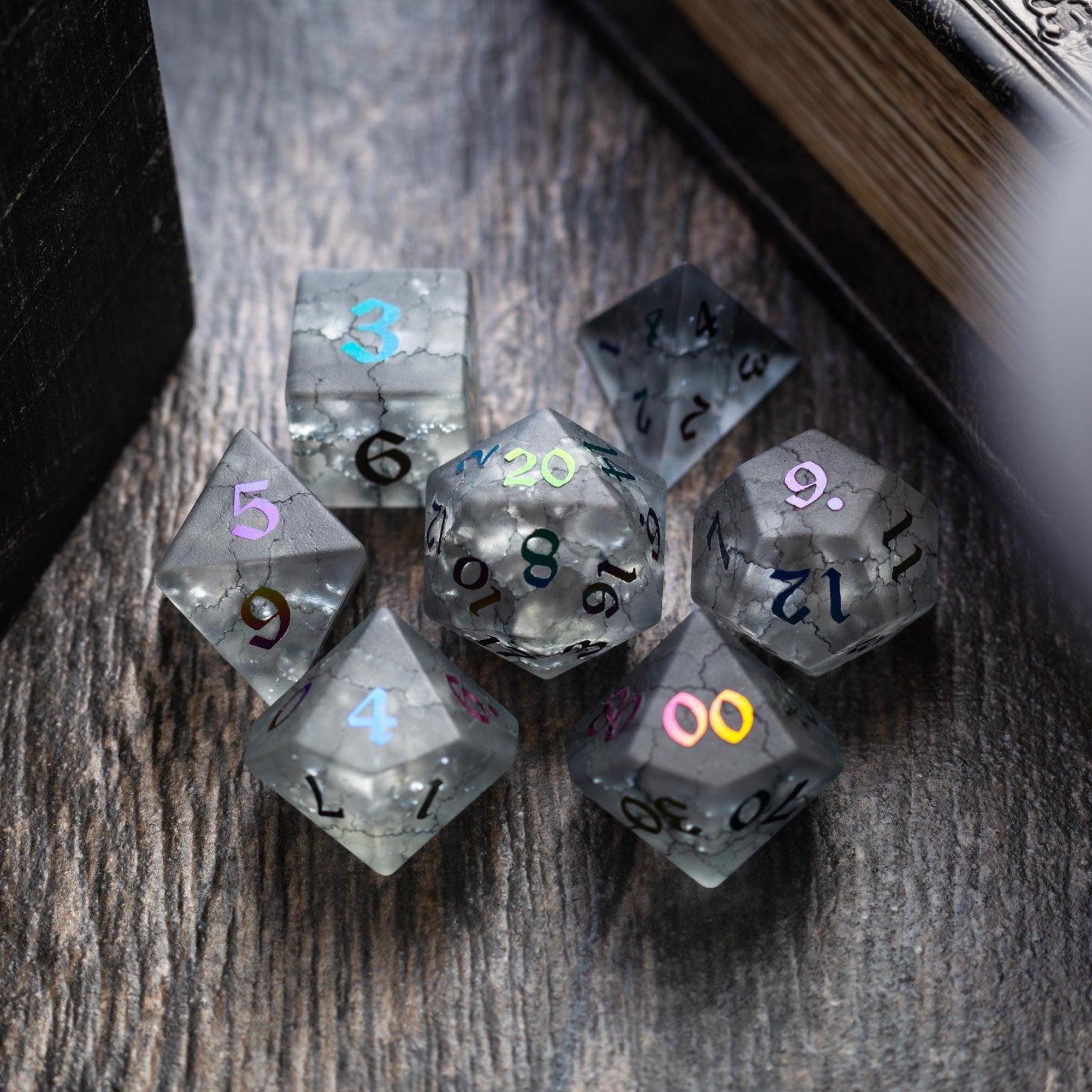
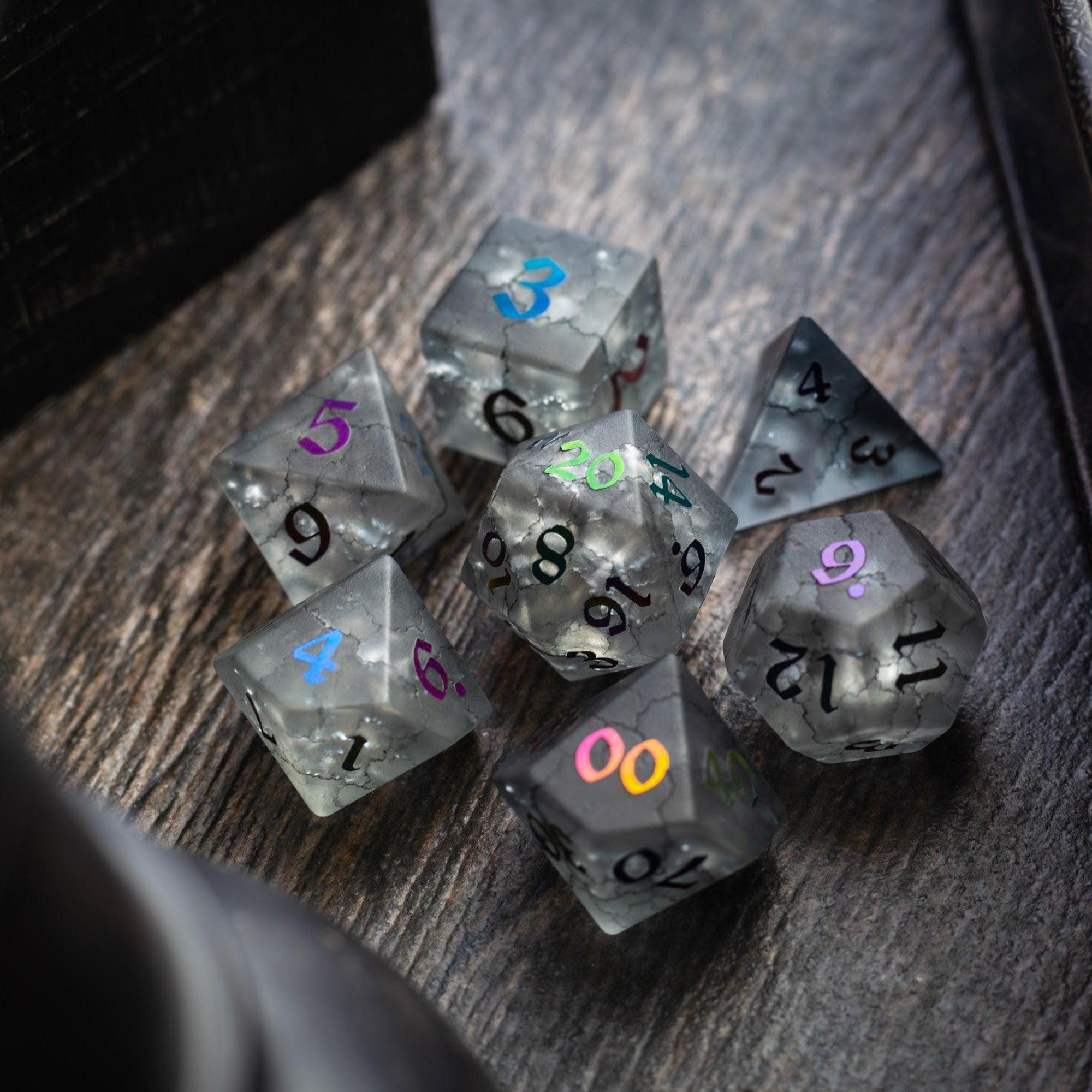
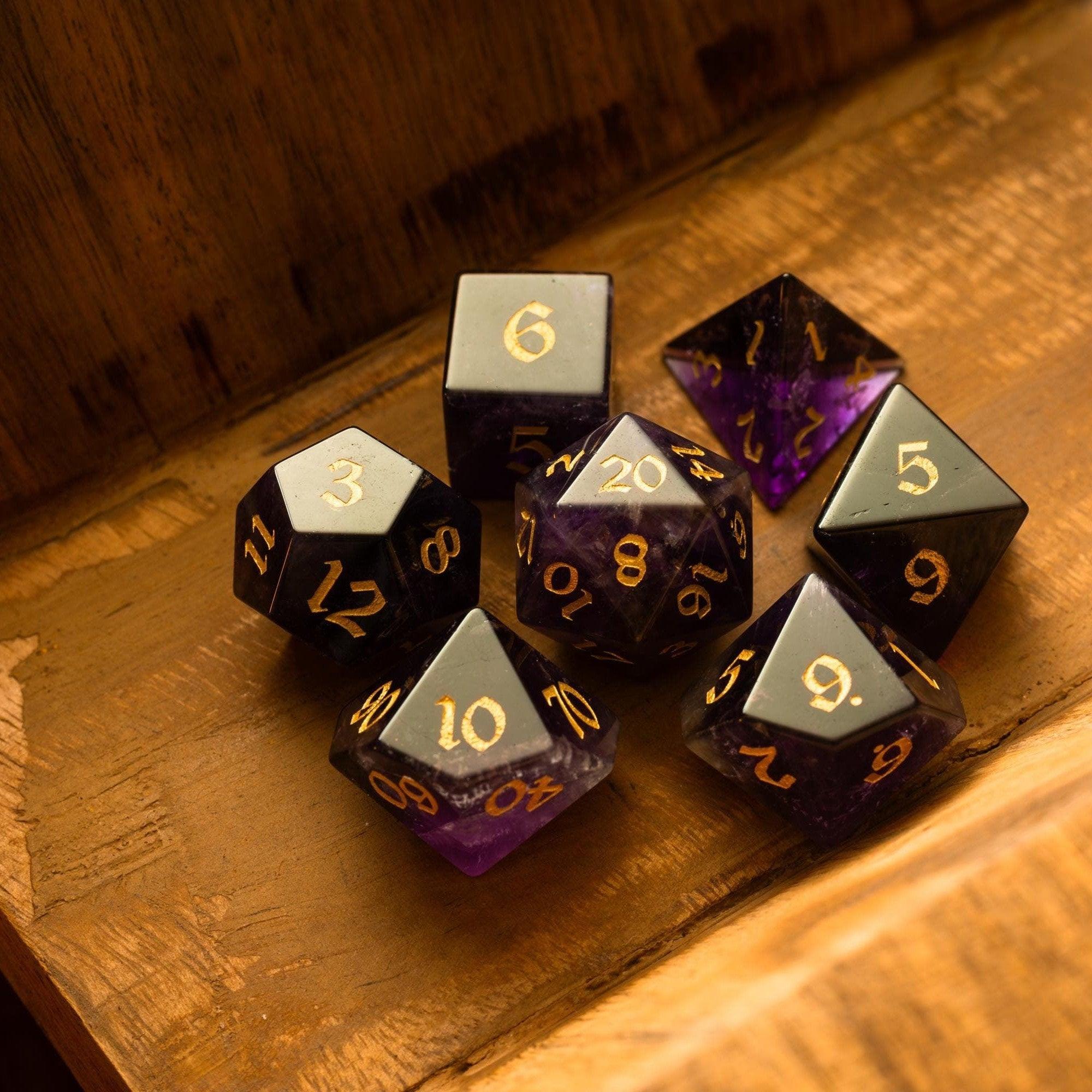
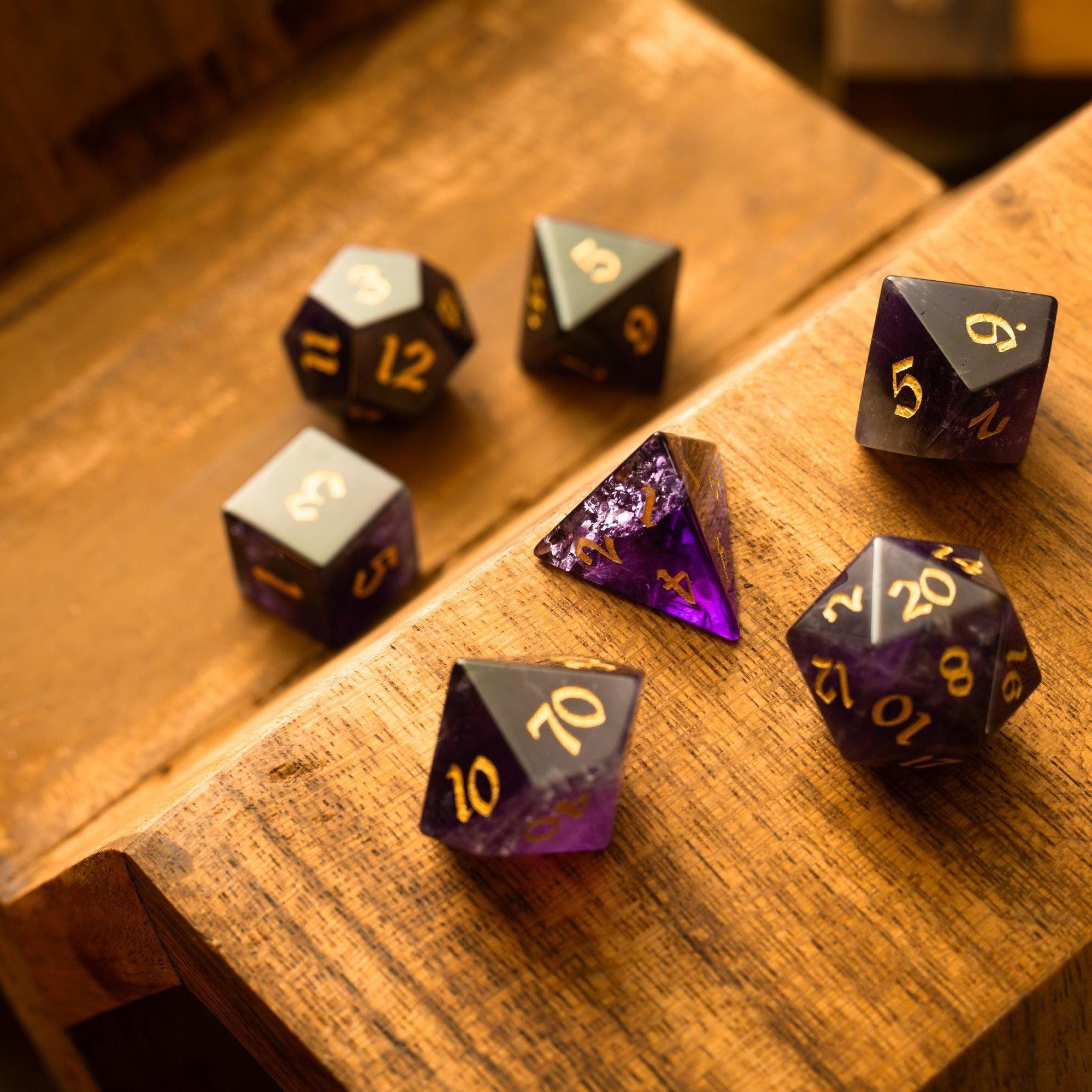
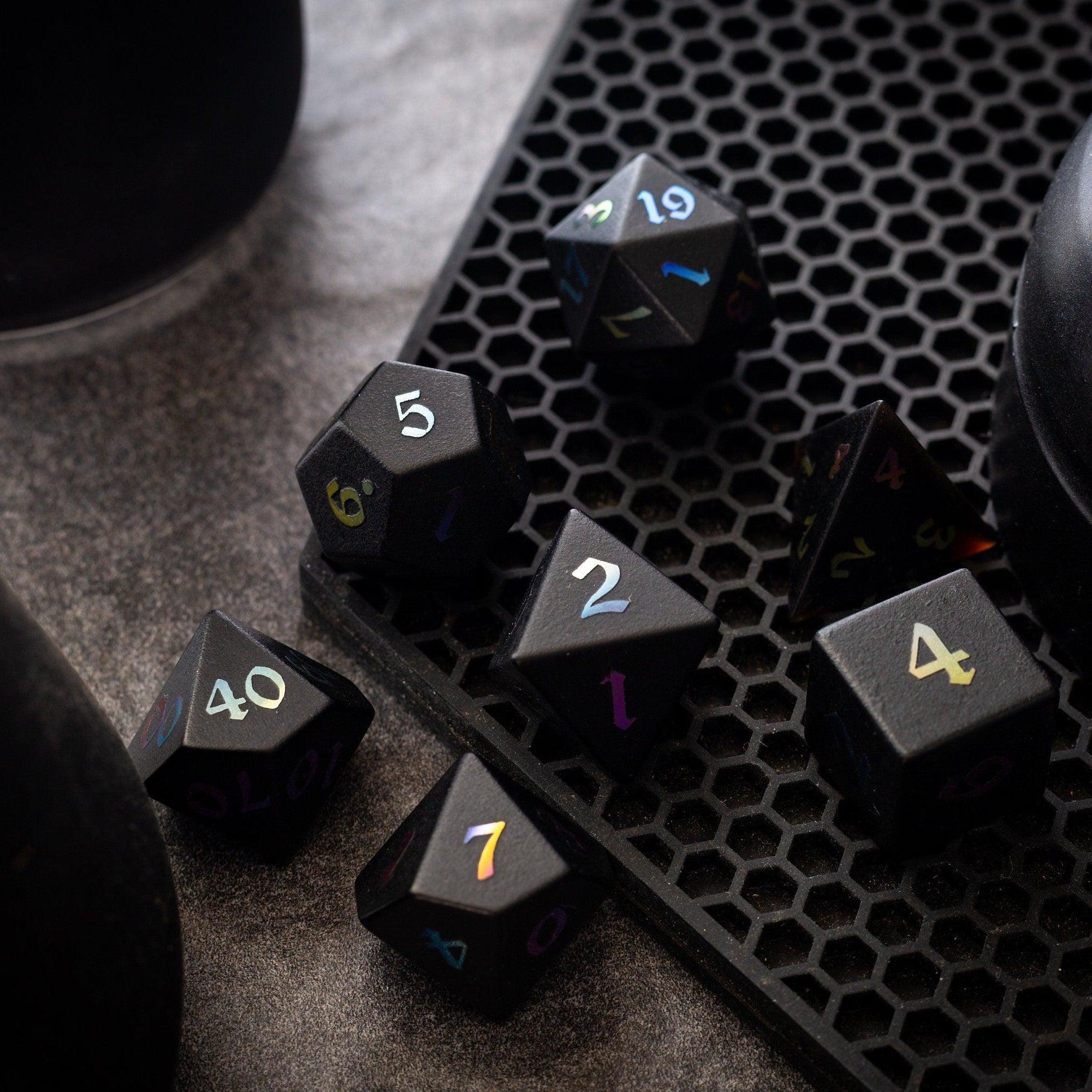
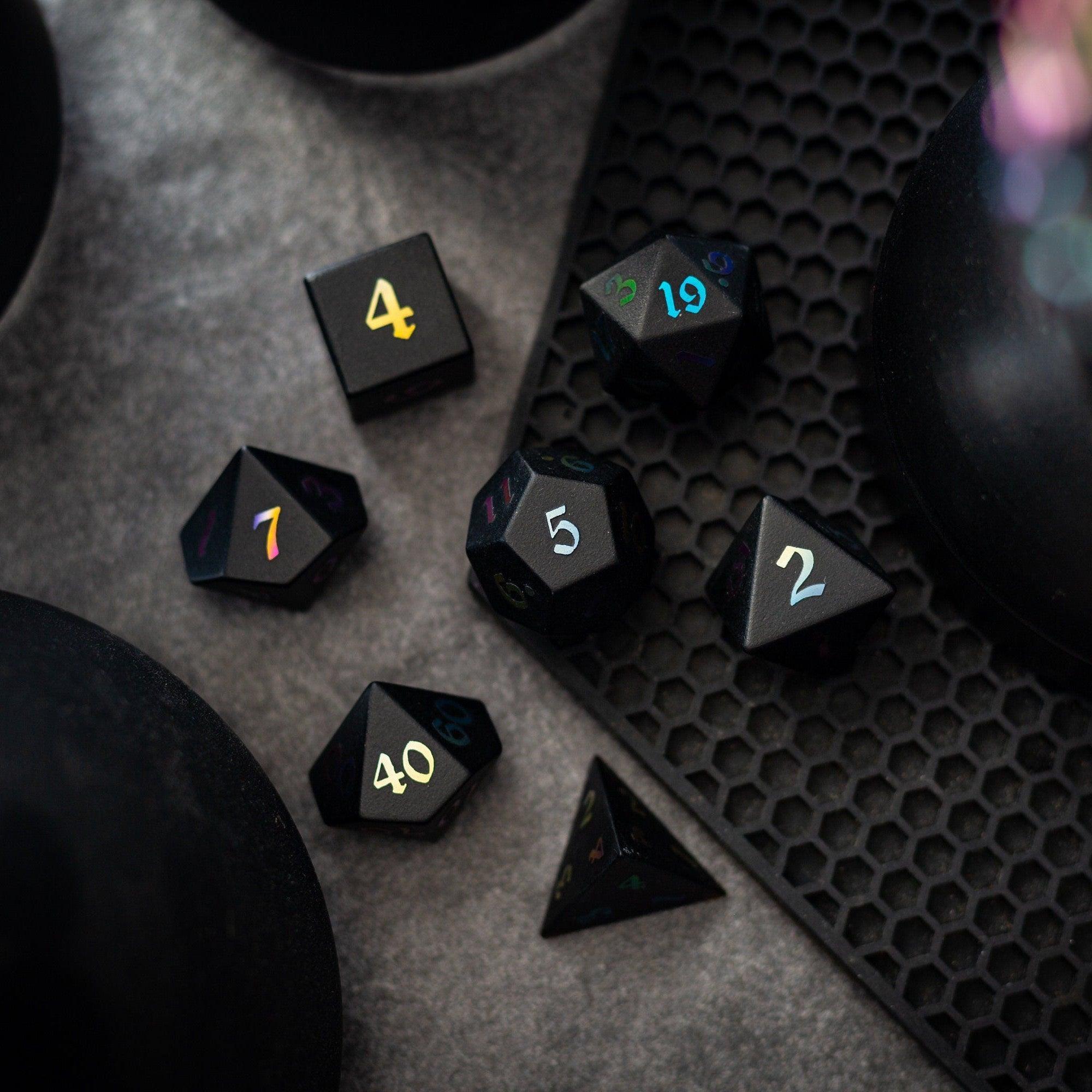
Don’t overlook physical elements that anchor the vibe at your table. A neat tray, a clean mat, and a standout set of dice can reduce clutter and signal “it’s game time.” If you love a premium feel, browse gemstone dice that match your world’s theme—icy blues for frost realms, deep greens for forest sagas, or smoky blacks for shadowy intrigue.
For high-contrast rolls that pop on stream or at a busy table, a striking option like a green gemtone set doubles as a conversation starter and a session ritual. And if you want rock-solid roll control, a dedicated tower prevents cocked dice and speeds up combat; check out sturdy, themed dice towers to keep the action flowing.
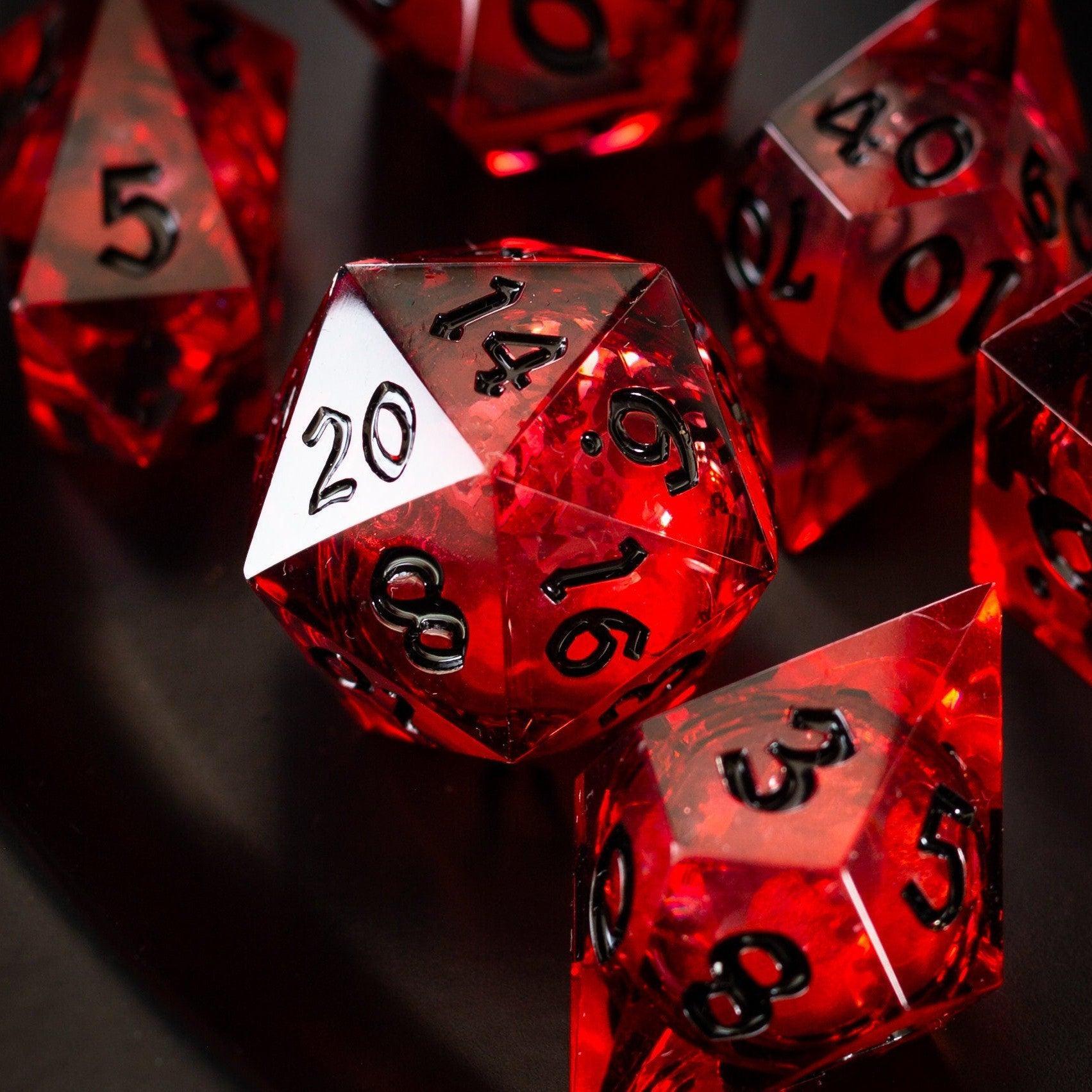
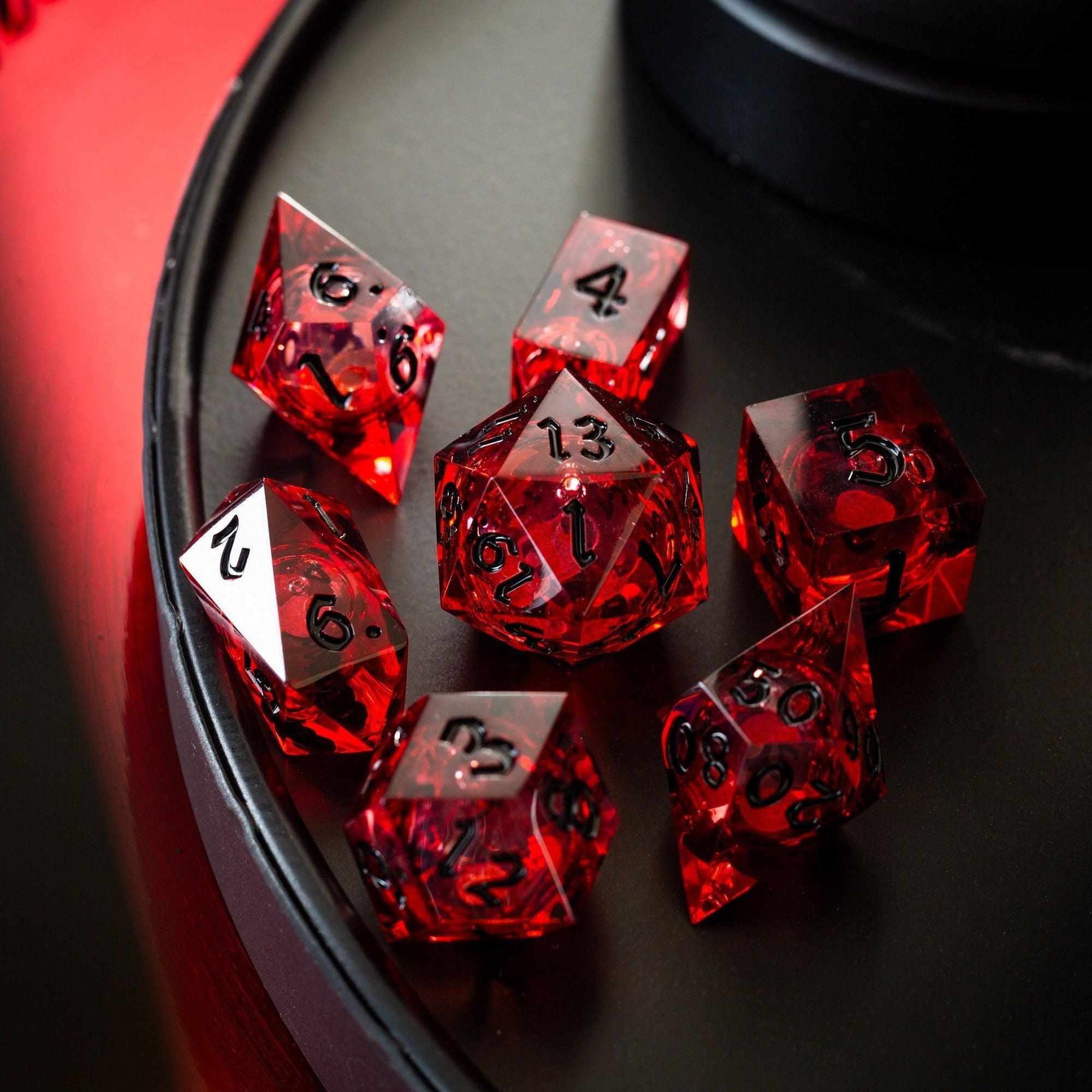
If your group is into dramatic reveals, shimmering liquid core dice add flair to crits and boss fights. Little touches like these build anticipation and make your sessions feel special, with or without complex digital tools.

Step-by-Step Guide
Step 1: Pick your scope and theme
Decide what you’re building this week: a region for travel, a city quarter for intrigue, or a single multi-level dungeon. Write one sentence that nails tone and conflict, like “A storm-torn coastline where rival salvage crews race to plunder a sunken temple.” Tag a few themes (storm, salvage, ancient ward) so your notes and generators stay on message.
Step 2: Sketch your world map
Start with broad strokes. Drop in 3–5 major landmarks that explain the culture and risks: a lighthouse-turned-fort, a reef of shipwrecks, and a cliffside monastery. Connect them with believable routes and obstacles. Add one weather effect and one resource to justify why people live here. Keep it rough, you’re designing a playground, not a museum exhibit.
Step 3: Build factions, regions, and hooks
Create three factions with clear goals and levers: “We protect trade,” “We guard relics,” “We loot with flair.” Give each a symbol, a signature tactic, and a charming contact. Now seed 5–7 hooks that force choices: escort a relic under fire, sabotage a salvage barge, or parley with a stormcaller monk. Link each hook to a location so travel has purpose.
Step 4: Design dungeons that serve the story
Layout follows logic. Ask: Why was this built? Who uses it now? What happens if the party leaves? Sketch 2–3 set-piece rooms (a flooding archive, a warded reliquary, a barnacle-choked bell tower) and bridge them with short connectors. Use environmental hazards as pacing tools: rising water, howling winds, or collapsing catwalks that force snap decisions.
Step 5: Playtest and iterate fast
Run a 15-minute solo pass. Can you explain the premise in two lines? Can the party reach a meaningful choice in 10 minutes? If not, cut filler or front-load a strong hook. During play, mark confusion points and dead air. After the session, update your tags and add a “What changed?” note so continuity stays crisp next week.
Step 6: Polish, package, and share
Export a clean player map, list three rumors, and write a one-paragraph recap to kick off the next session. Store NPC names, stat references, and treasure parcels on a single page. If you like a little table theater, pick dice that match the vibe—stormy grays for sea arcs or verdant greens for druid tales—to reinforce your theme without saying a word.
FAQ Section
How do I avoid over-prep when I have great generators?
Set a time box and a deliverable list before you start (for example: one map, three hooks, one villain agenda, two set-piece rooms). Generators are powerful, but they can tempt you to keep spinning. Treat them like spice, not the meal. When your deliverables are done, stop, print or export, and trust yourself to improvise the rest.
What’s the best way to keep players engaged between sessions?
End sessions on a decision. Send a simple recap with three choices and a deadline, and ask players to vote out of game. Offer a small, consistent perk for quick responses (first initiative, a rumor, or a helpful contact). Share one evocative visual or prop per week to keep the world alive—maps, a “found” letter, or a photo of your table setup to prime excitement.
Do I need paid apps, or can I prep with free tools?
You can prep excellent games with free options. Prioritize tools that export well and support linking/organization. If you do pay, pick one upgrade that removes friction you feel every week—like faster map export or better collaboration—so the value shows up every session. Your process matters more than the price tag.
Wrapping up: choose a simple workflow, stick to your tags and themes, and keep your table feel consistent with tactile touches that spark excitement. If you’re choosing dungeon and world building tools for the first time, start small, iterate for two sessions, and only add features once they earn their keep. You’ll find your rhythm fast—and your players will feel the difference.


Leave a comment
This site is protected by hCaptcha and the hCaptcha Privacy Policy and Terms of Service apply.