
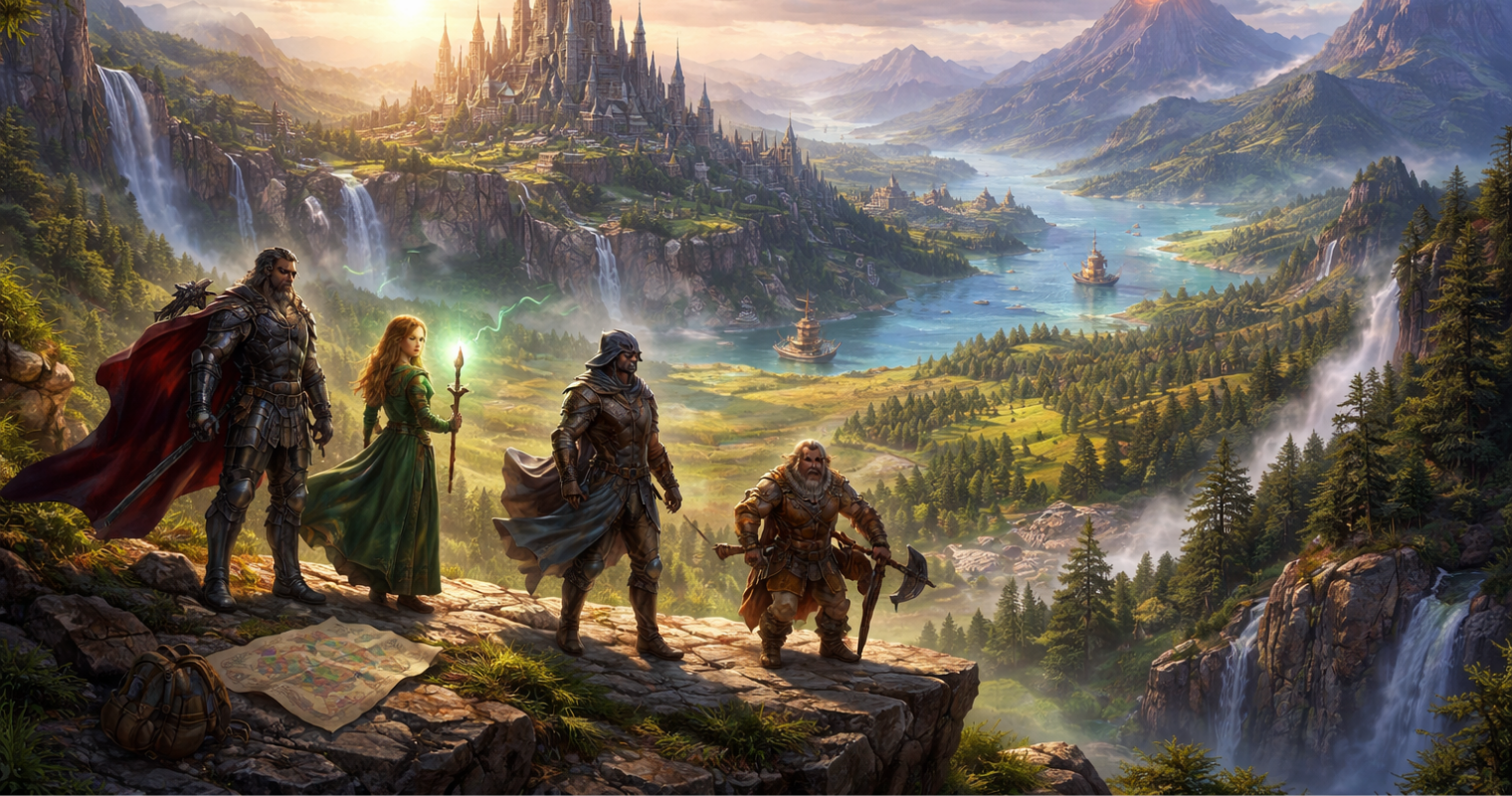
World Building and Campaign Settings Design Principles
Updated on: 2025-12-22
Want a setting your players can’t wait to explore? This guide shows you how to shape a believable world, keep prep light, and run sessions that feel connected. You’ll learn a step-by-step process, from defining your theme to plotting your first adventures and tracking change over time. Use the tools here to build lore that matters at the table and keeps your story moving.

If you’ve ever stared at a blank page wondering where to start, you’re not alone. Great campaigns don’t begin with encyclopedias; they begin with a focused idea, a few strong locations, and conflicts that matter to your group. In this guide, we’ll walk through practical steps to make world building and campaign settings design feel simple, playful, and collaborative. You’ll keep what works, cut what doesn’t, and let your table shape the rest. Think of this as a flexible toolkit you can use for any system, any genre, and any schedule.
How-To Guide for world building and campaign settings design
Step 1: Choose a clear theme and tone
Decide what your setting is about in one sentence. Is it a frontier of sky islands where trade guilds rule? A coastal realm rebuilding after a storm of monsters? Pick a tone too: hopeful, grim, whimsical, or epic. This one-two punch is your compass. It keeps lore purposeful and keeps you from writing a novel instead of prepping the next session.
- Theme example: “Exploration and found family on a broken archipelago.”
- Tone example: “Hopeful with flashes of danger and wonder.”
- Litmus test: If an idea doesn’t serve your theme or tone, it’s optional.
Step 2: Sketch the map at a usable scale
Draw a rough region that fits 3–5 travel days across. Add only what the party can reach soon: two settlements, one wild zone, one mystery. Mark routes and obstacles. You can layer detail later as they explore. Keep distances simple (by road, by river, by air) so you can judge travel with ease during play. If you like props, simple handouts or accessories like dice towers can make navigation and rolling feel tactile and fun.
- Anchor points: Home base, rival stronghold, hidden site, safe haven.
- Travel friction: Weather, tolls, broken bridges, prowling beasts.
- Add one rumor per location to spark curiosity.
Step 3: Build cultures, factions, and tensions
Pick three groups with different goals. Decide what each values, what they want next, and what they’re willing to risk. Give each a friendly face, a fixer, and a threat. You don’t need long histories—behavior and pressure tell the story at the table. Tie each faction to a place on your map so movement changes the social landscape.
- Values: Tradition vs. innovation, duty vs. freedom, profit vs. honor.
- Resources: Food, rare ore, protected routes, secret knowledge.
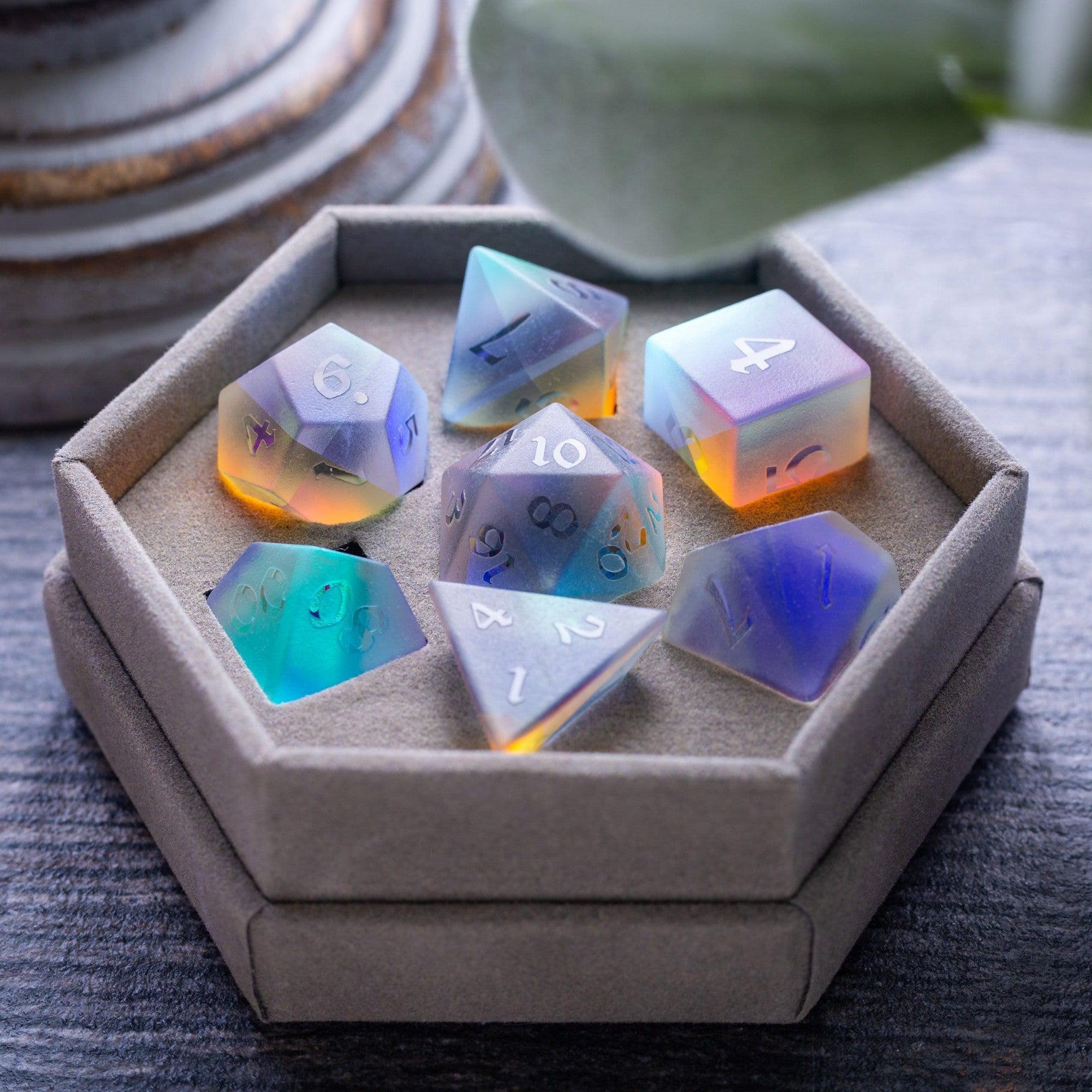
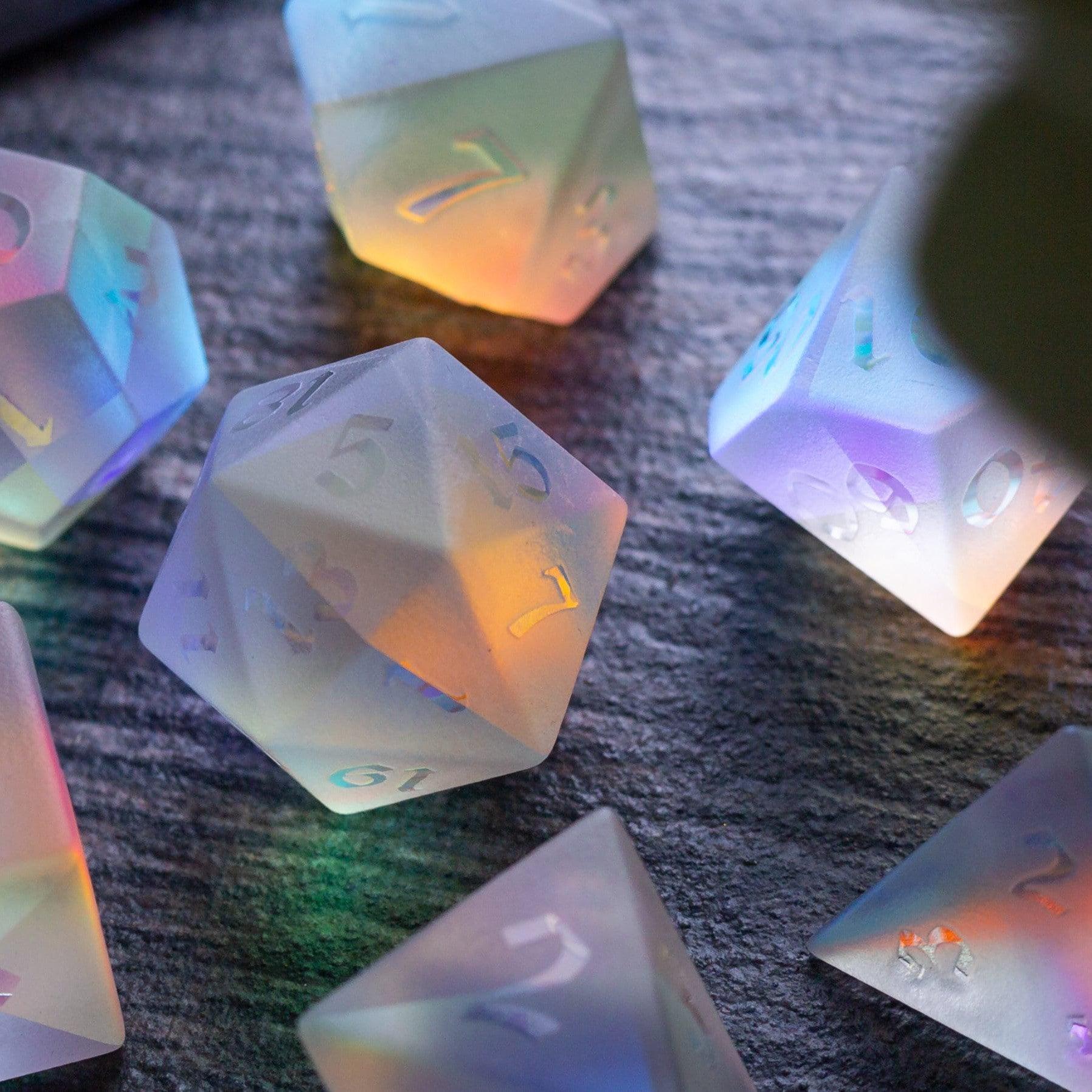
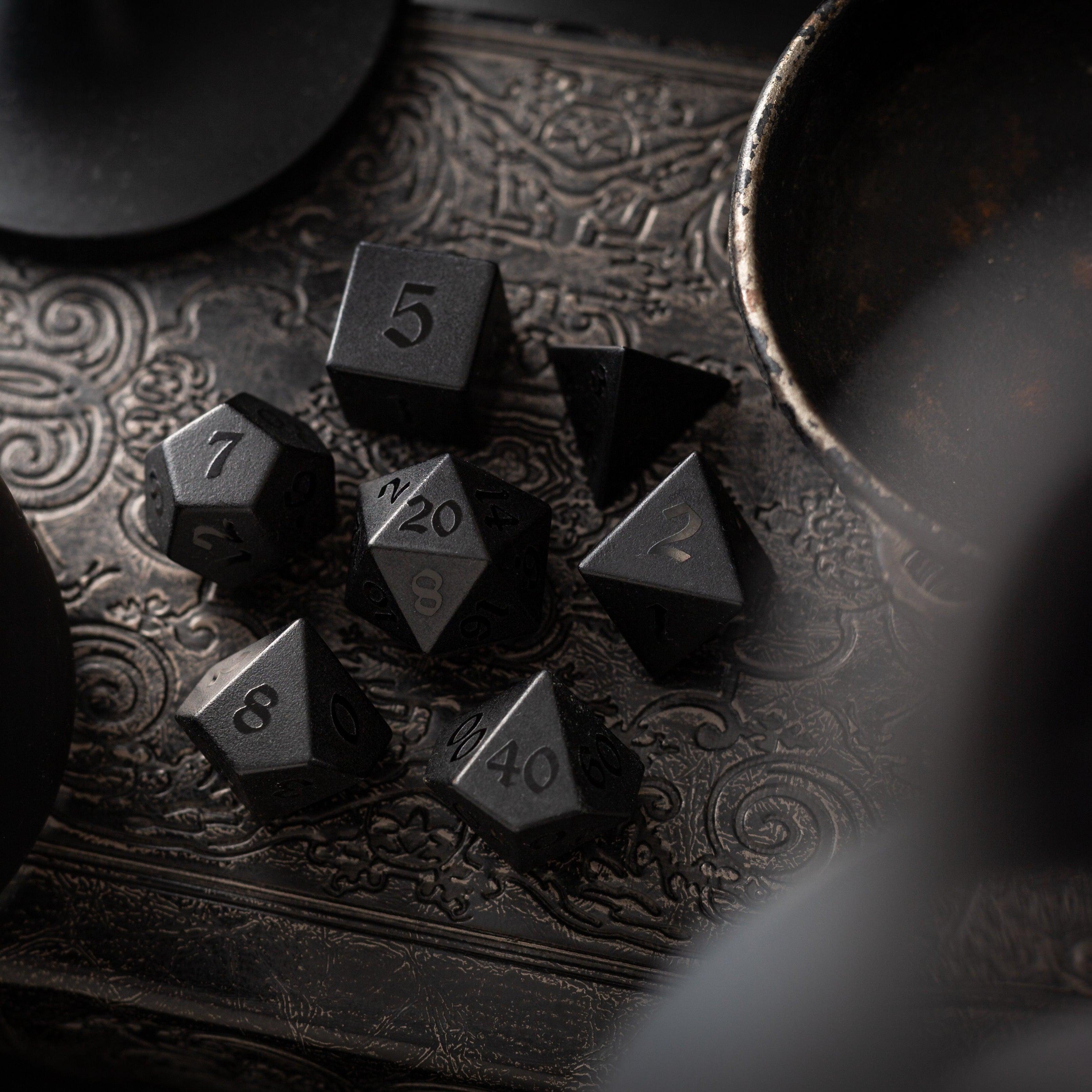
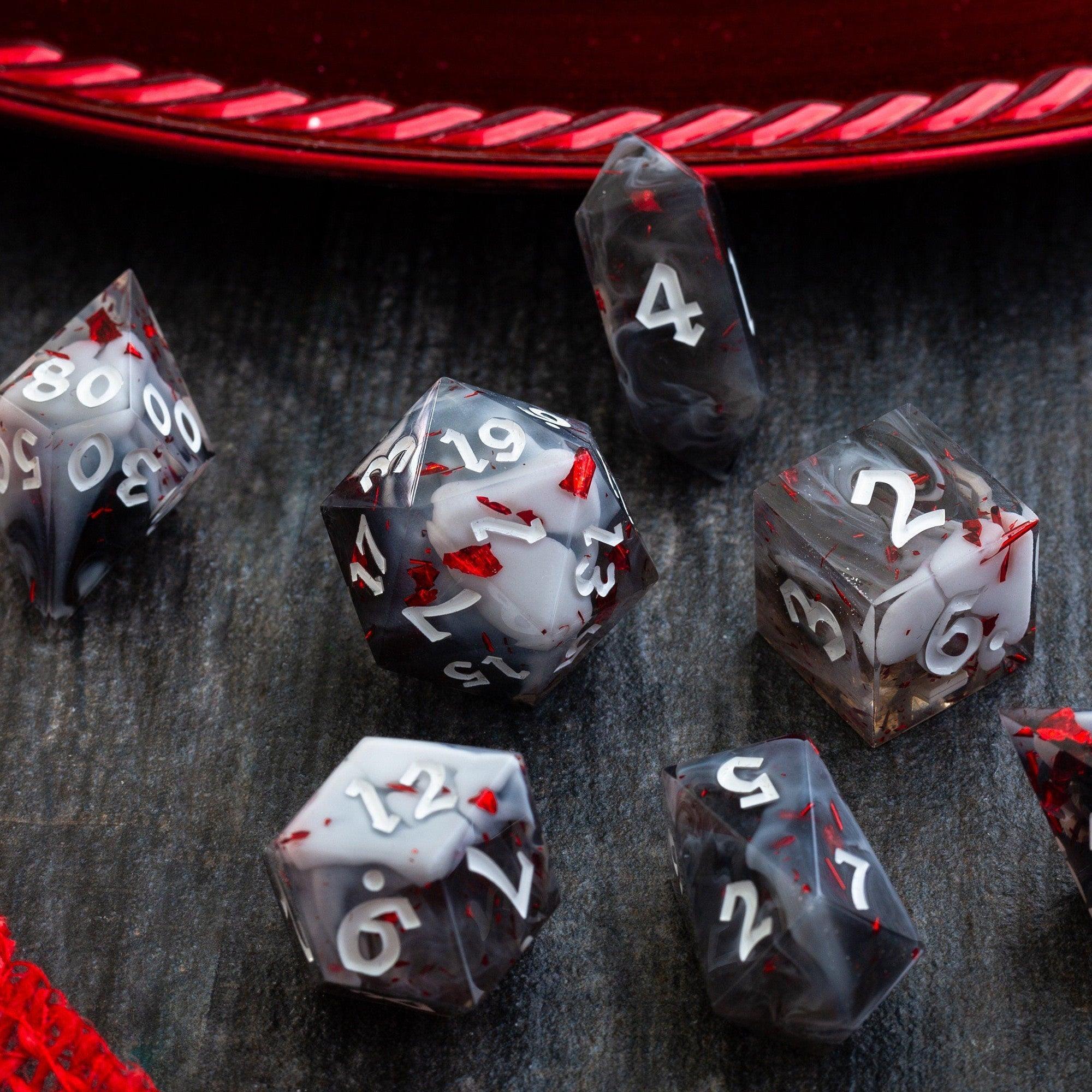
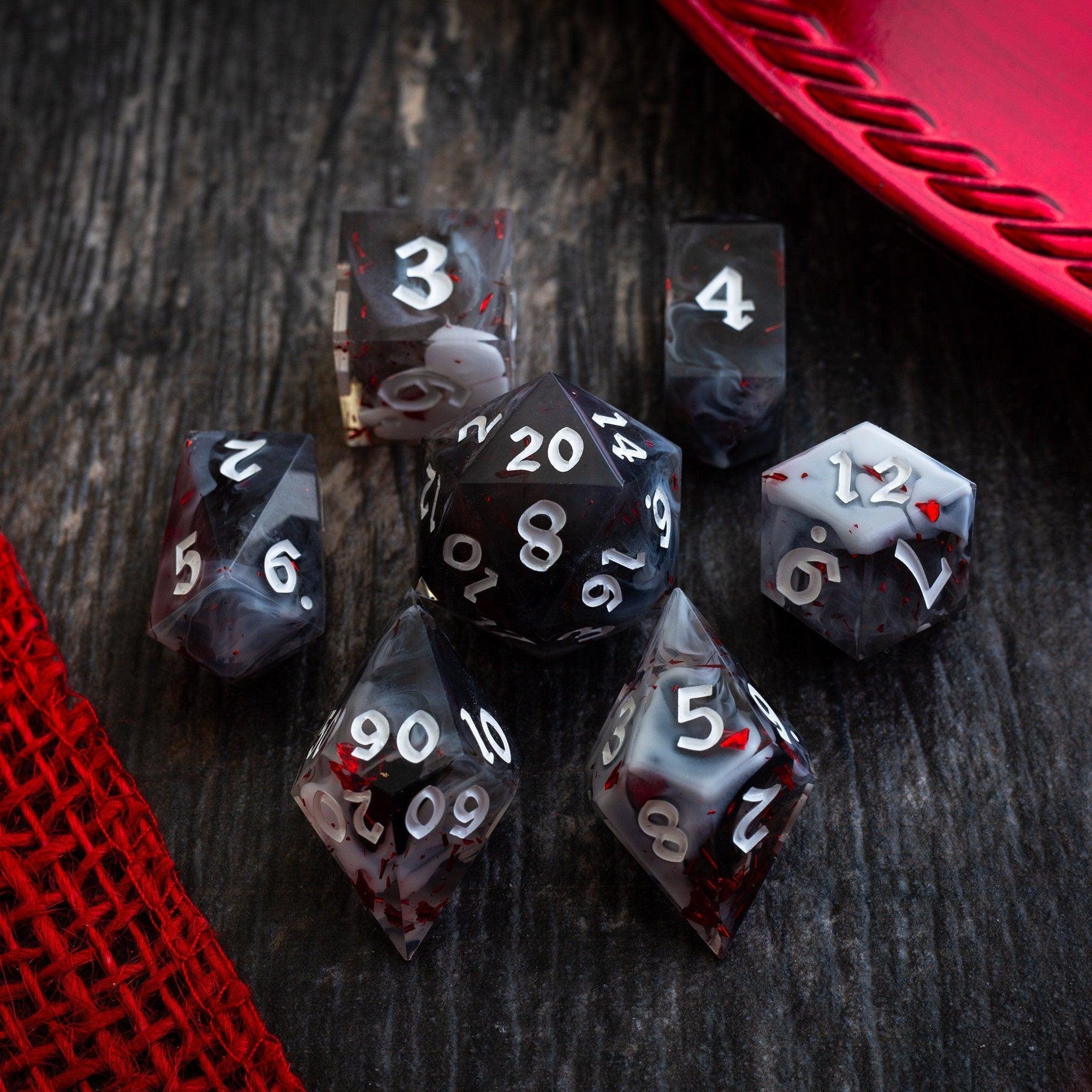
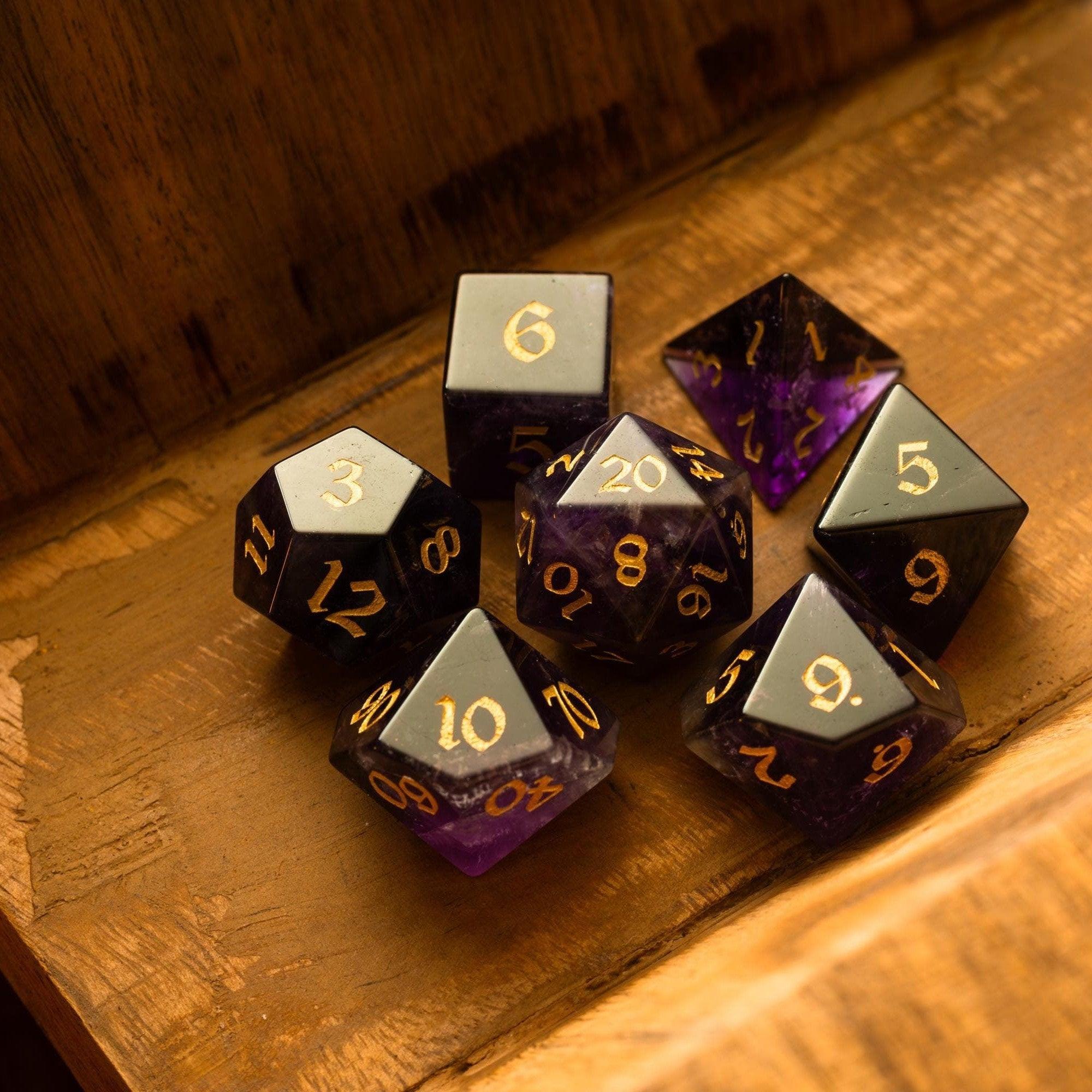
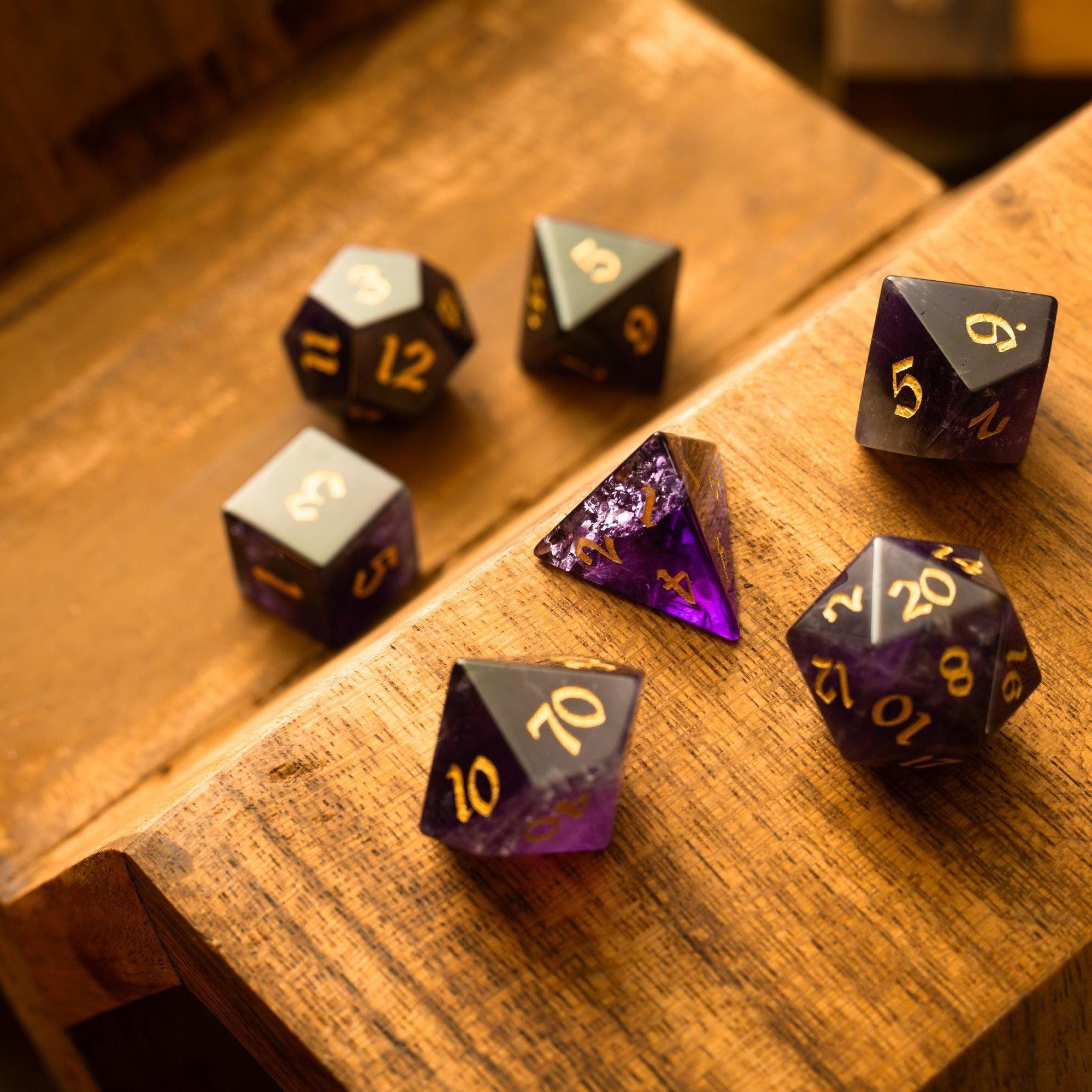
- Vibes: Let props like elegant gemstone dice inspire a culture’s style or status.
Step 4: Define magic, tech, and economy
Decide how power works and what it costs. Magic might be common but risky, rare and revered, or regulated by guilds. Tech might be windships, clockwork, or simple carts. Economy flows from those choices: who controls fuel, components, or training? Set one or two constraints so choices matter and rewards feel meaningful.
- Power with a price: Spells leave marks, devices need rare batteries, favors accrue debt.
- Availability: Can anyone learn, or is there licensing and testing?
- Markets: What’s scarce here? What’s abundant?
Step 5: Create NPCs and quest hooks
Write five NPC seeds with a name, a motive, and a quirk. Then give each a hook that points to your locations. Keep them short, punchy, and portable. A patron who pays in secrets. A captain seeking a lost map. A scholar who insists the ruins are alive. Tie rewards to your world’s economy or reputation to make outcomes land.
- Hook board: One personal favor, one moral dilemma, one “get rich fast.”
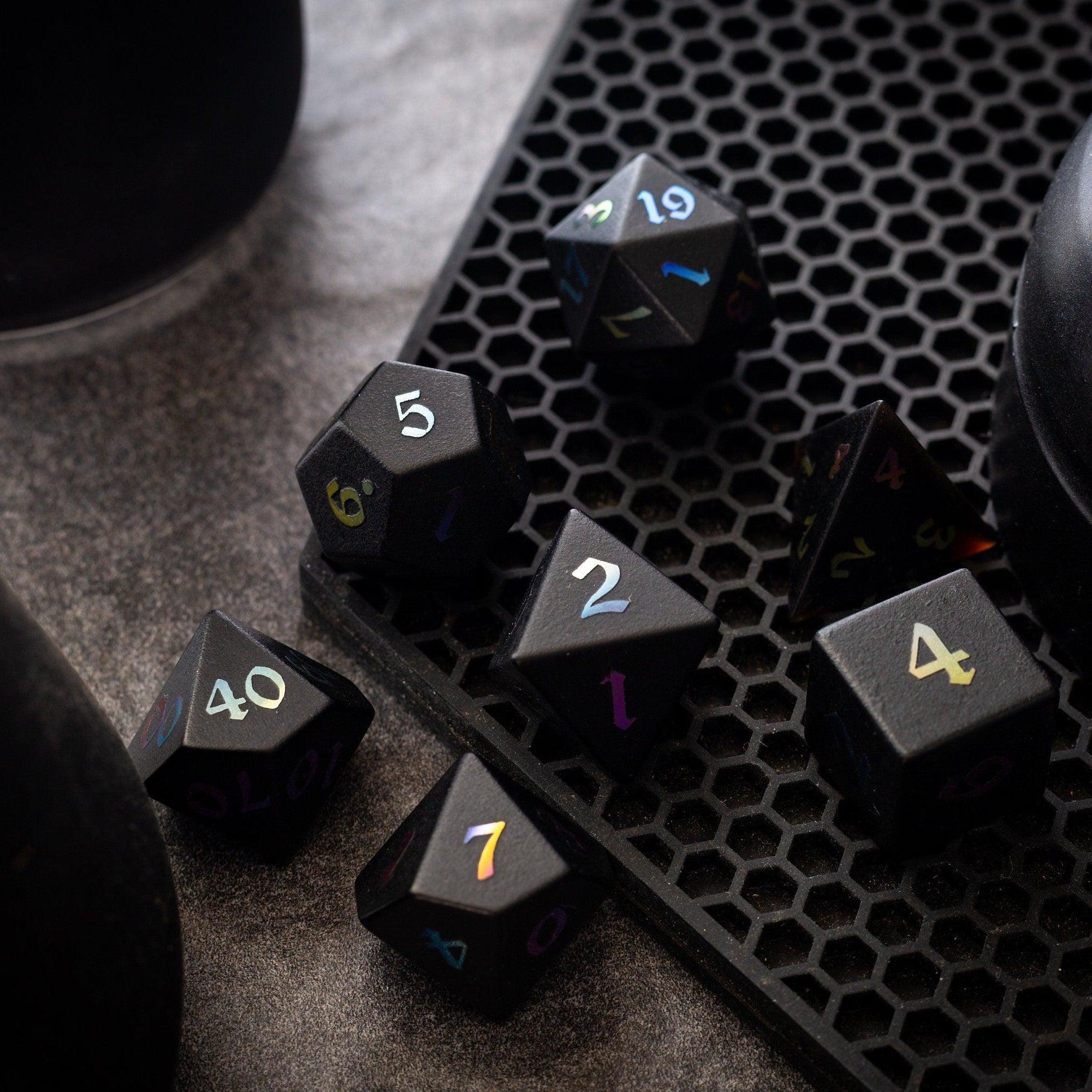
- Signal scenes: Let rolls and props set the mood—try a luminous Starlit Rift set for cosmic moments.
- Consequences: Each hook should change a faction clock or map tag.

Step 6: Align expectations before you play
Hold a quick conversation about themes, tone, and boundaries. Share your region map, the three factions, and a one-page overview. Ask players what they want more of (mystery, exploration, intrigue, combat) and what they want less of. Agree on pacing and spotlight. This keeps everyone rowing in the same direction and reduces mid-campaign surprises.
- Session zero checklist: Tone, lines, preferred challenges, character ties.
- Group goals: Pick one shared objective to unite the party.
- Feedback loop: Invite check-ins after each session.
Step 7: Plan your first three adventures
Think in arcs, not episodes. Start with a strong opening, a midpoint twist, and a consequence that reshapes the map or a relationship. Prep only what you need to run the next session plus a page of clues that can point in multiple directions. When players surprise you, reward it by advancing clocks and changing the world.
- Adventure beats: Hook → Discovery → Escalation → Choice → Shift.
- Reusable pieces: NPC motivations, portable hazards, versatile locations.
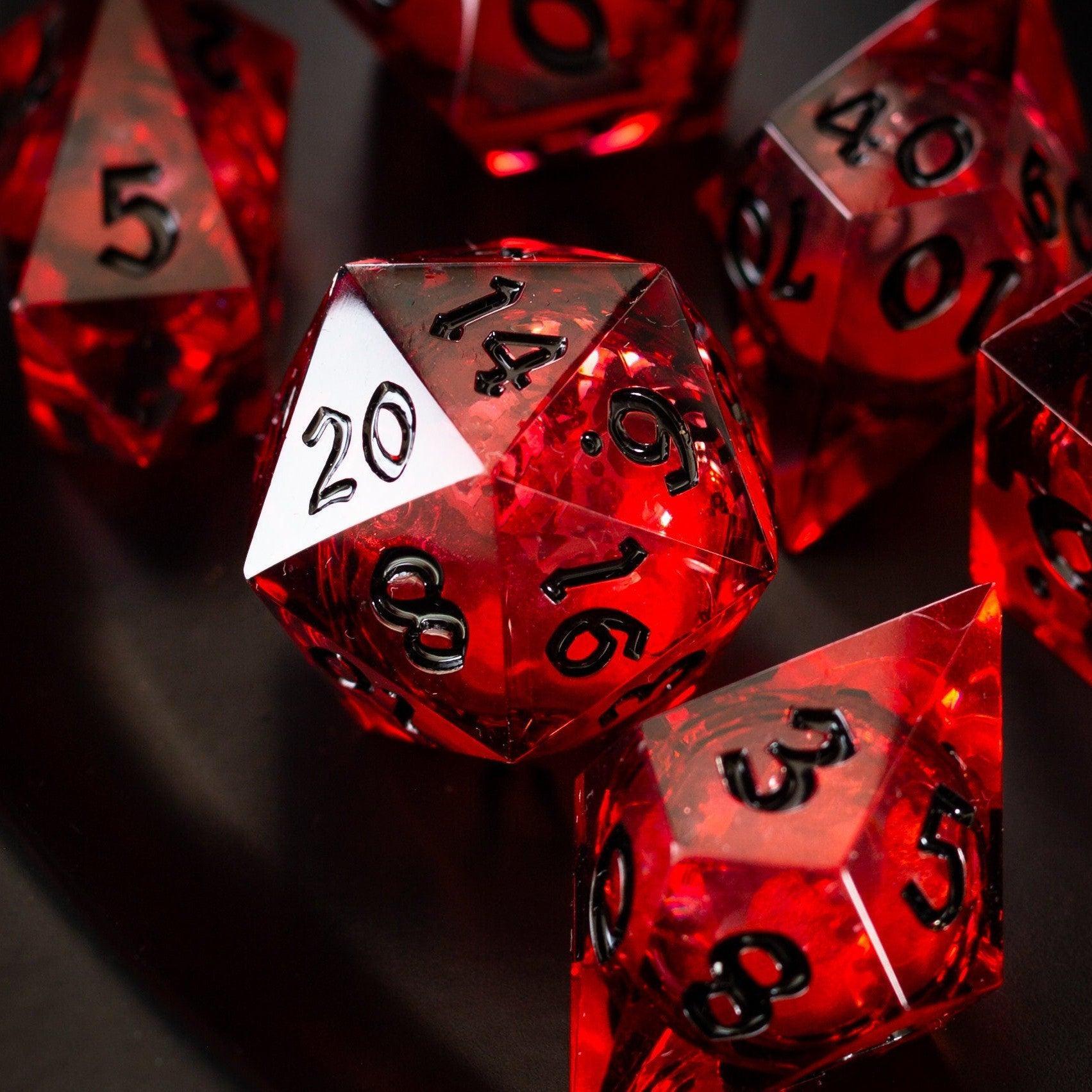
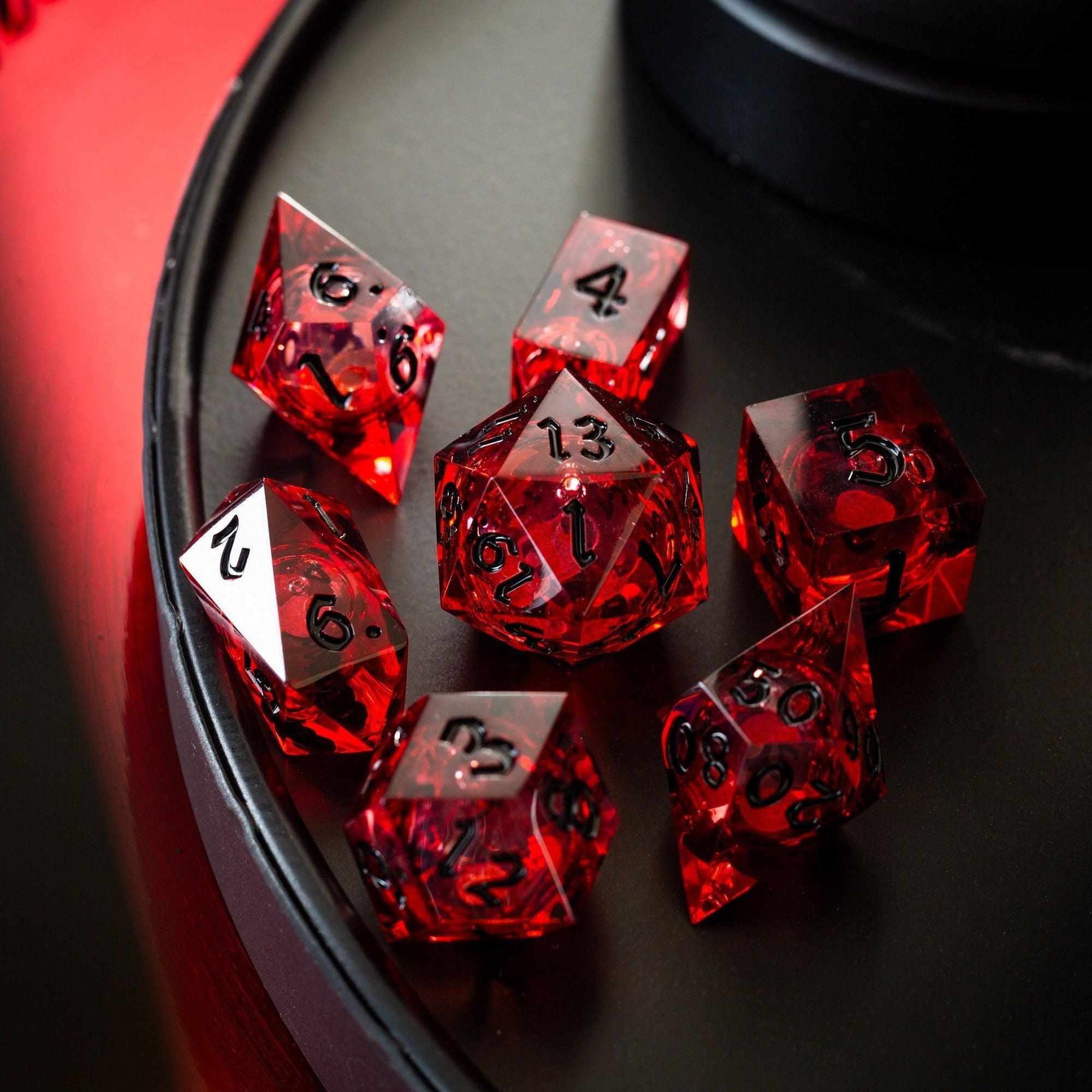
- Table flair: Swapping to flashy liquid core dice can signal a high-stakes scene.
Common Questions Answered
How much detail should I prep before session one?
Enough to spark choices, not enough to box you in. Aim for a theme line, a tone note, a regional map, three factions, five NPCs, and three hooks. That’s a solid launch pad. You can build deeper histories and new regions between sessions, guided by what your players chase.
What tools do I actually need to start?
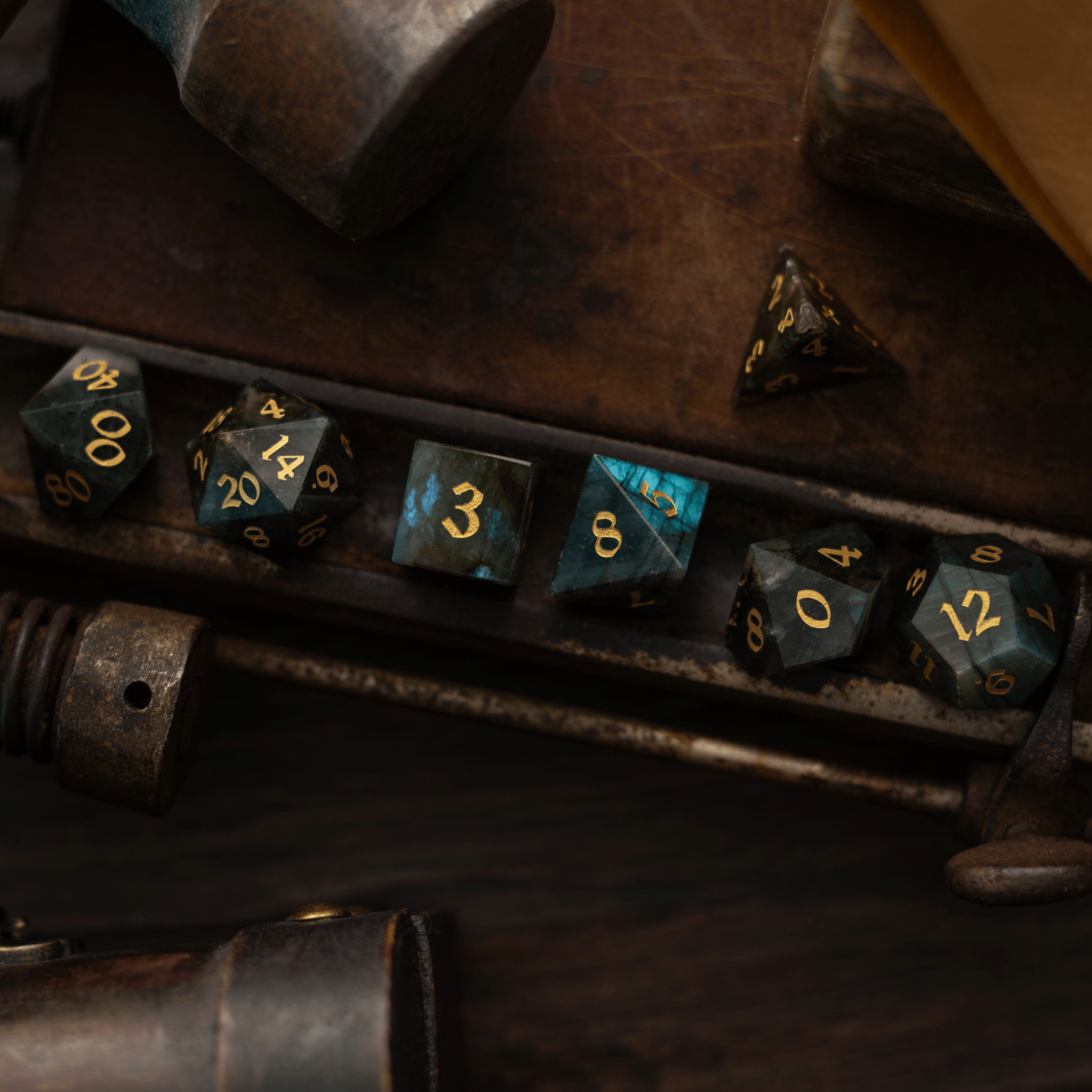
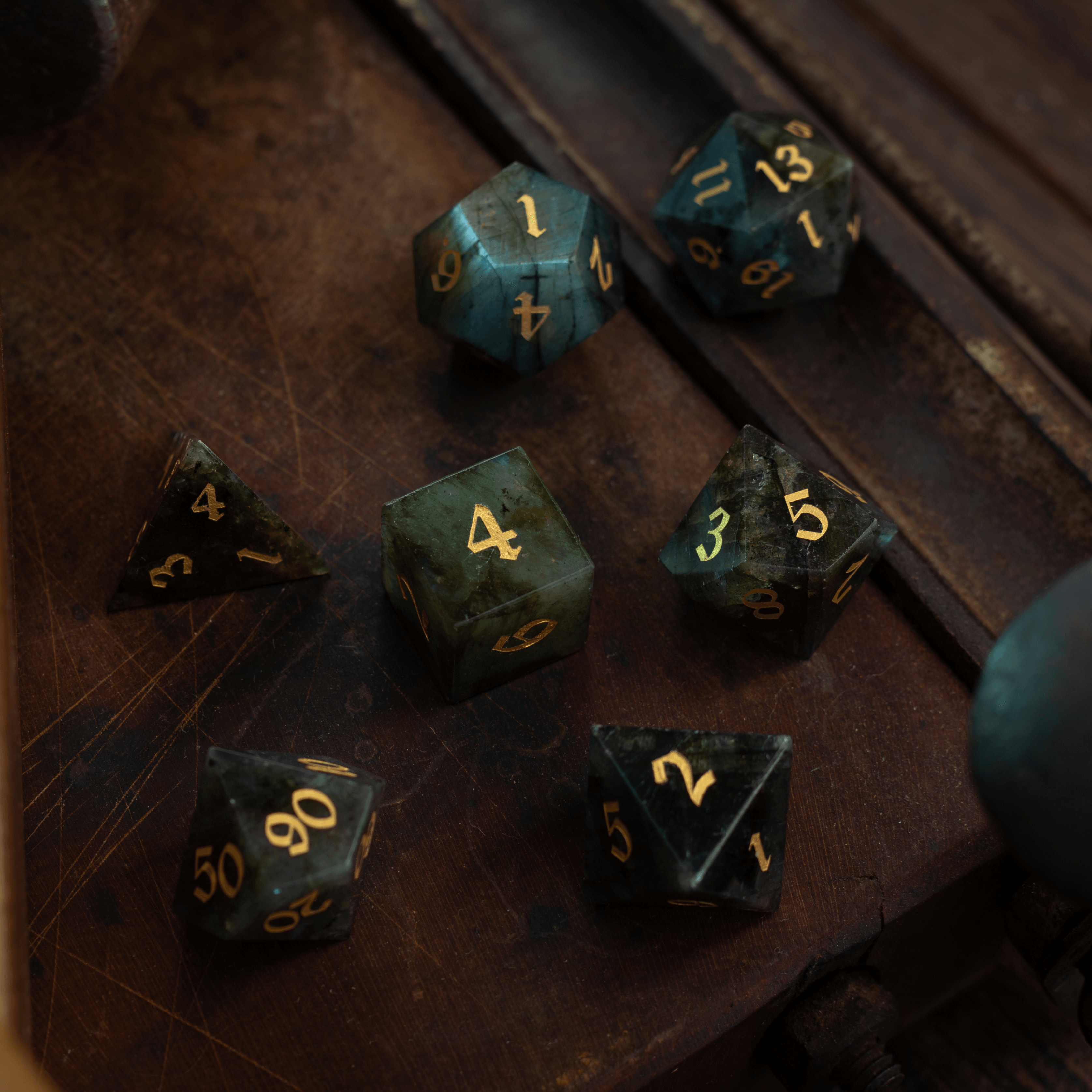
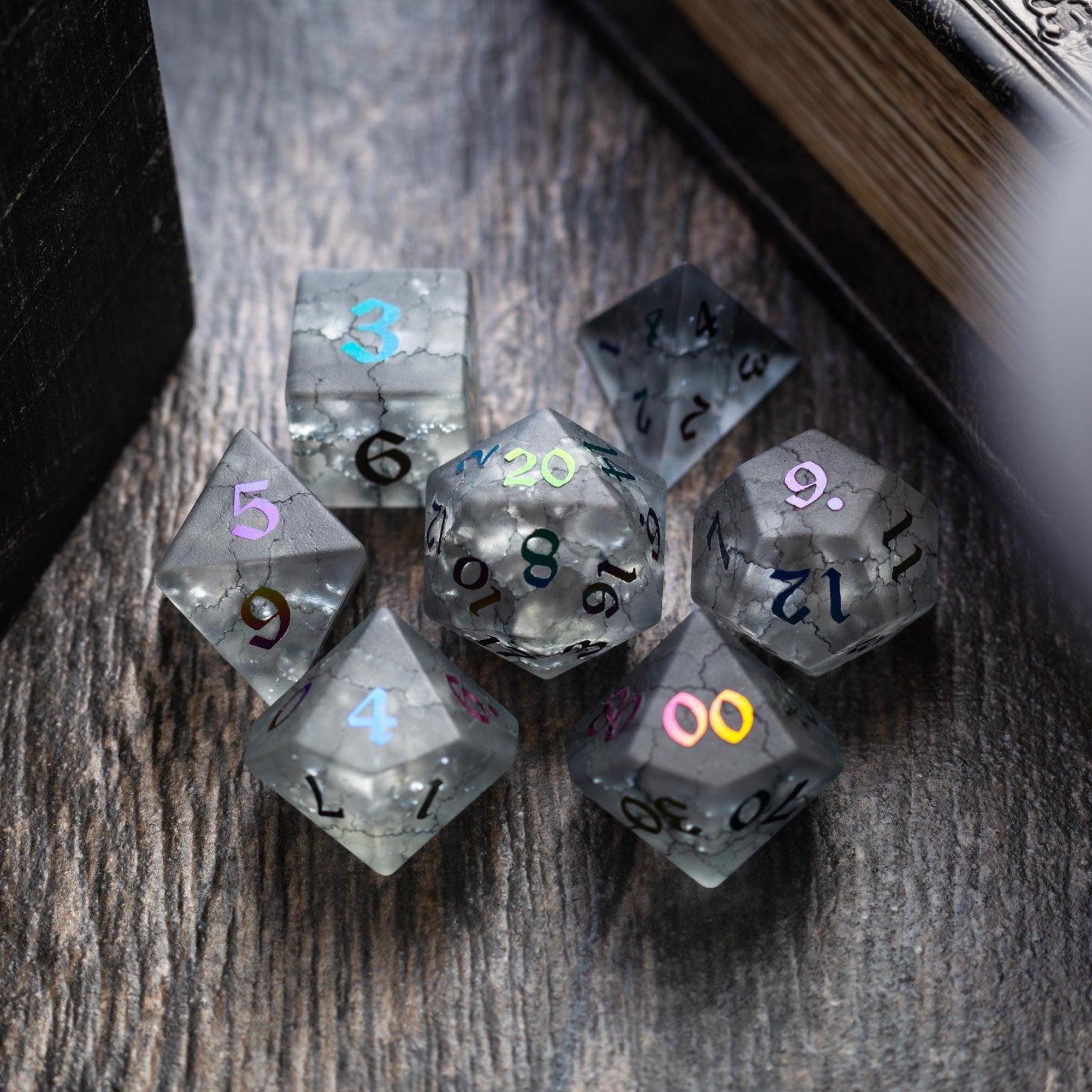
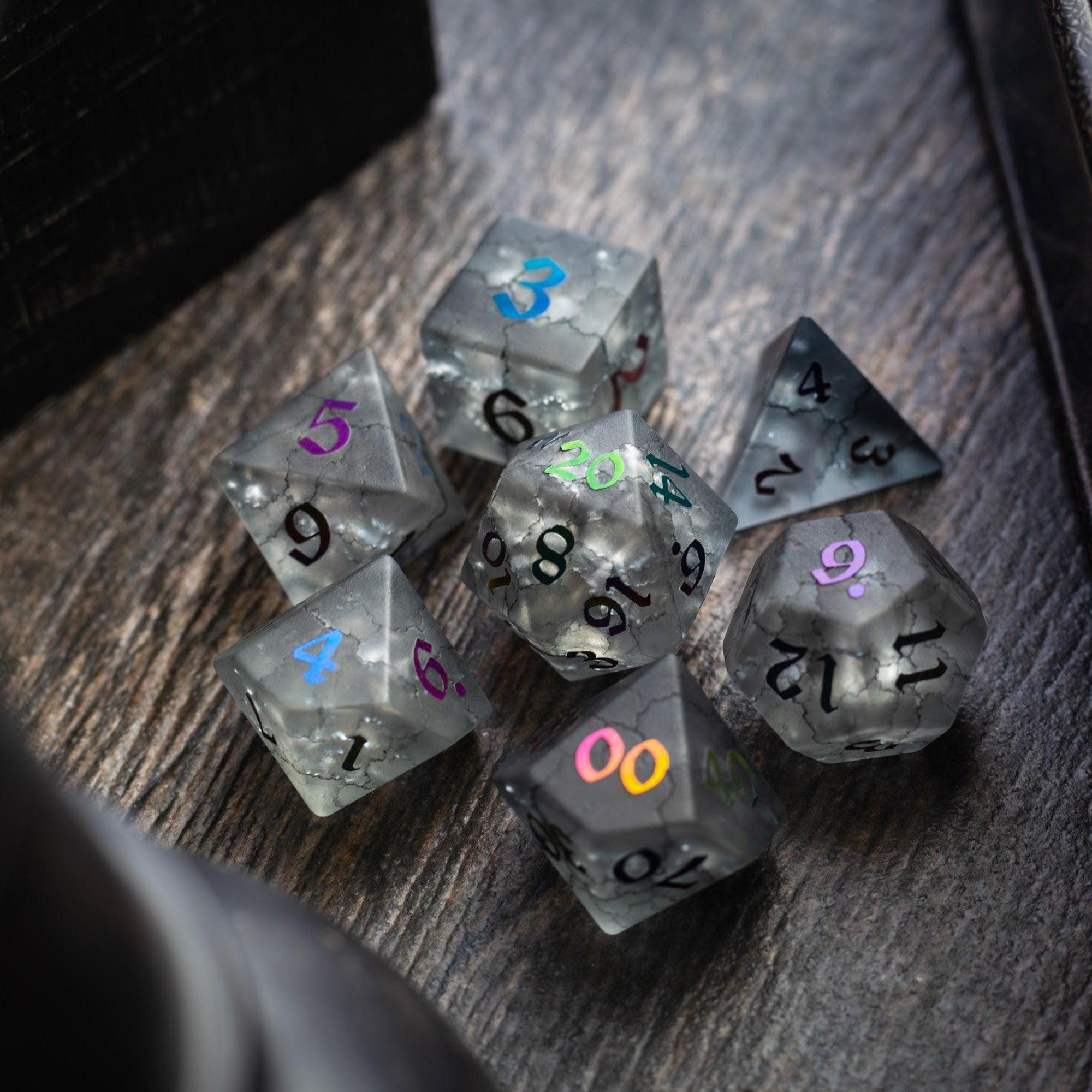
You can begin with a notebook, pencils, and your favorite dice. A simple folder or digital doc can track factions and clocks. If you enjoy a bit of table presence, browse sets like the shimmering gemstone dice or the striking Starlit Rift set to match your setting’s vibe. Keep it light; the best tool is the one you’ll use.
How do I handle players going off the map?
Embrace it. Promote an unplaced idea from your notes and drop it in their chosen direction. Re-skin a location, rename its NPCs, and tie it back to a known faction so consequences still ripple. Update your map after the session and add a rumor pointing toward the next meaningful site.
How do I balance mystery with clarity?
Give clear choices with unclear outcomes. Share what’s visible—guards, storms, prices, posted laws—and hide what requires investigation—motives, secret doors, true costs. Put at least three clues to each mystery in different places so players can succeed even if they miss one.
If you’re ready to level up your world building and campaign settings design, start small, keep stakes visible, and let the table’s curiosity do the heavy lifting. And when you want a tactile spark for your next scene or session, explore polished options like artful gemstone dice to match the mood of your world.




Leave a comment
This site is protected by hCaptcha and the hCaptcha Privacy Policy and Terms of Service apply.