

Pathfinder Gameplay Tutorials to Improve Every Session
Understanding the Pathfinder System
Pathfinder gameplay tutorials often emphasize that this tabletop role-playing system builds upon established mechanics while introducing unique features that set it apart. The game combines structured rules with creative storytelling, allowing players to develop characters with depth and personality. Many newcomers find the rule set initially complex, but understanding the core concepts makes everything more manageable.
The foundation of Pathfinder rests on the d20 system, where a twenty-sided die determines success or failure for most actions. Your character sheet contains essential information including abilities, skills, feats, and equipment. These elements work together to define what your character can accomplish during adventures. Taking time to understand how these pieces connect will greatly improve your gameplay experience.
Character attributes form the backbone of your capabilities. Strength, Dexterity, Constitution, Intelligence, Wisdom, and Charisma each influence different aspects of your character's performance. Rather than viewing these as isolated numbers, consider how they represent your character's fundamental nature. A high Strength score suggests physical prowess, while high Intelligence indicates intellectual capability. These choices shape not only mechanics but also roleplay opportunities.
Common Mistakes to Avoid
Many players beginning with Pathfinder gameplay tutorials stumble by ignoring skill allocation. Some assume combat skills matter most and neglect social or knowledge-based abilities. This approach limits your character's versatility and can make certain encounters frustrating. A well-rounded skill distribution allows you to handle diverse situations your Game Master presents.
Another frequent error involves misunderstanding feat selection. Feats provide powerful customization options, yet new players sometimes choose feats that don't align with their character concept or tactical preferences. Take time to read feat descriptions carefully and consider how they complement your overall build. Speaking with your Game Master about expectations helps ensure your choices feel meaningful within the campaign.
Equipment management often catches players off guard. Many overlook weight limits and encumbrance rules, which can significantly impact character movement and effectiveness. Tracking inventory carefully prevents mid-adventure surprises. Additionally, understanding your equipment's mechanical benefits helps you leverage resources intelligently during play.
A subtle mistake involves underestimating the importance of initiative and turn order. Combat becomes chaotic without clear understanding of when actions occur. Familiarizing yourself with the action economy—knowing how many actions you get each turn—prevents wasted opportunities and keeps combat flowing smoothly.
Finally, many learners overlook spell preparation mechanics if playing a prepared caster. Wizards and clerics must select spells before resting, limiting flexibility during the day. Understanding these limitations helps you prepare strategically for expected encounters.
Buyer's Checklist for Getting Started
Before diving into your first adventure, ensure you have these essential items:
- Complete rule book: Access to the core Pathfinder rules ensures you can verify mechanics during play
- Character sheet: A printed or digital sheet keeping your character information organized
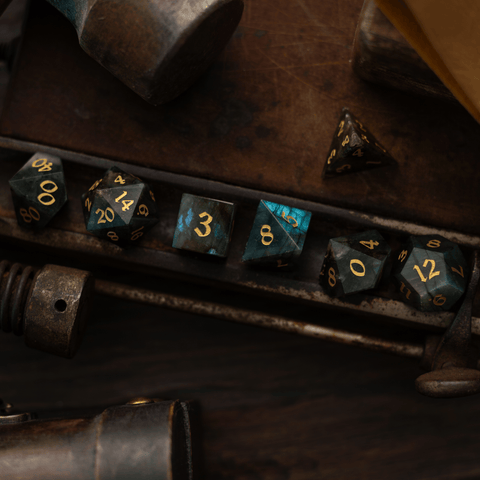
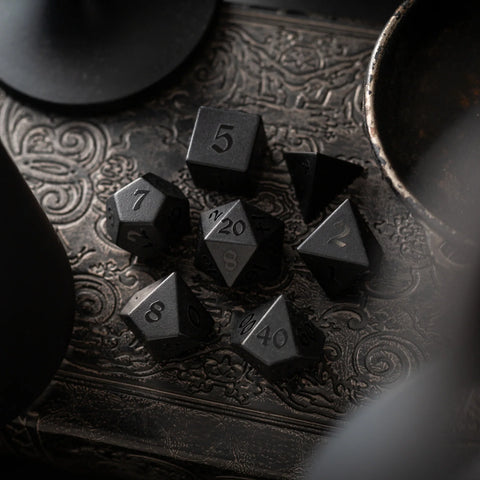
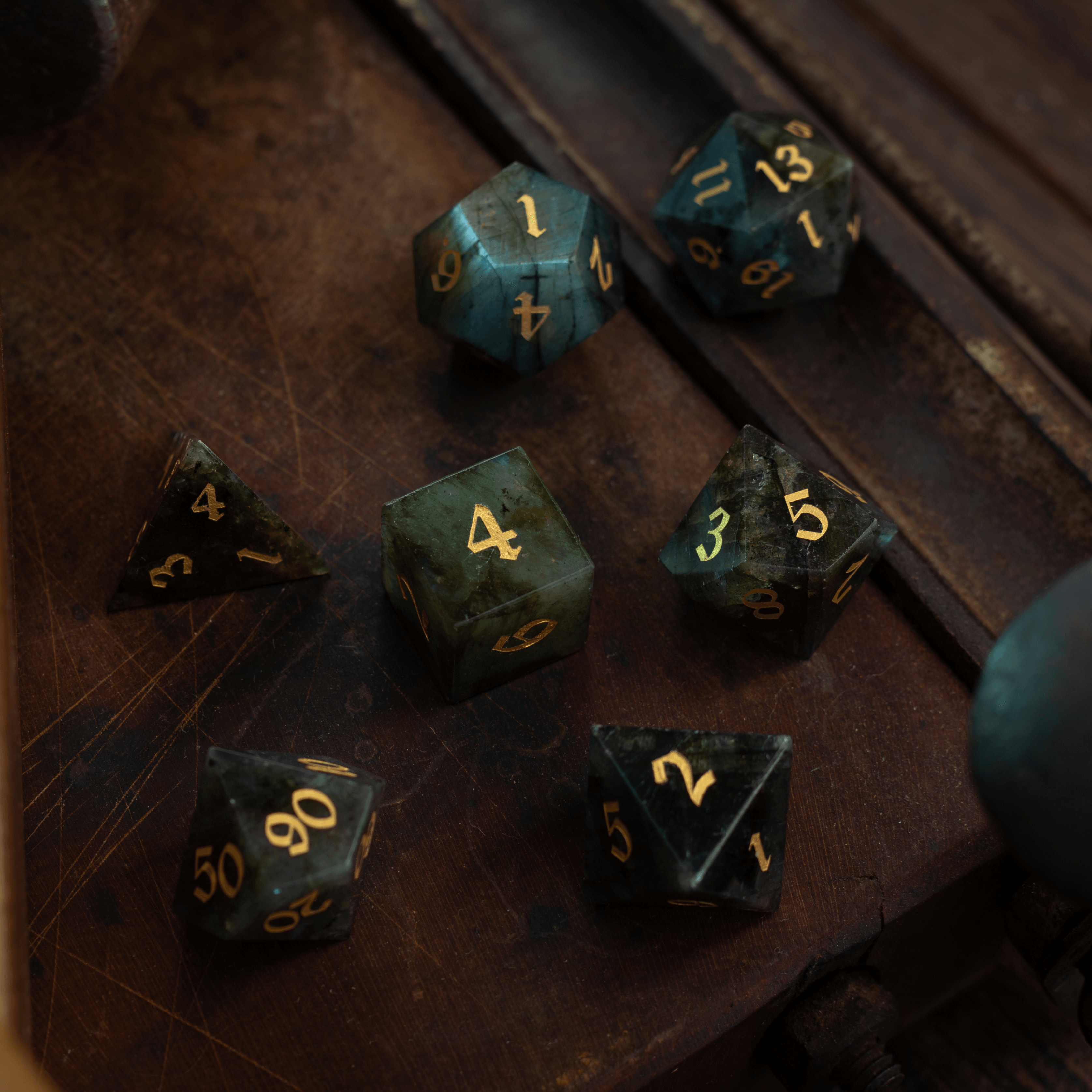
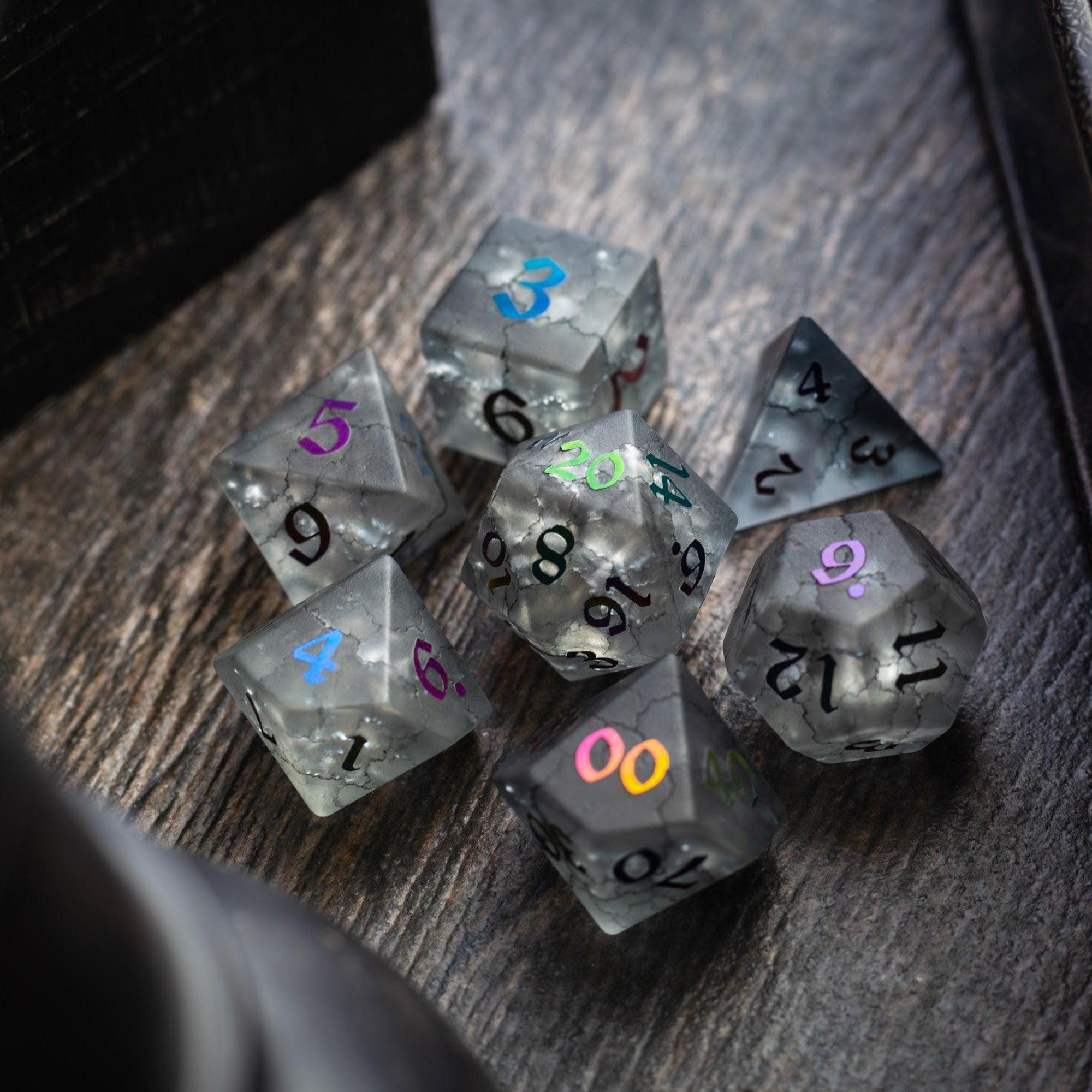
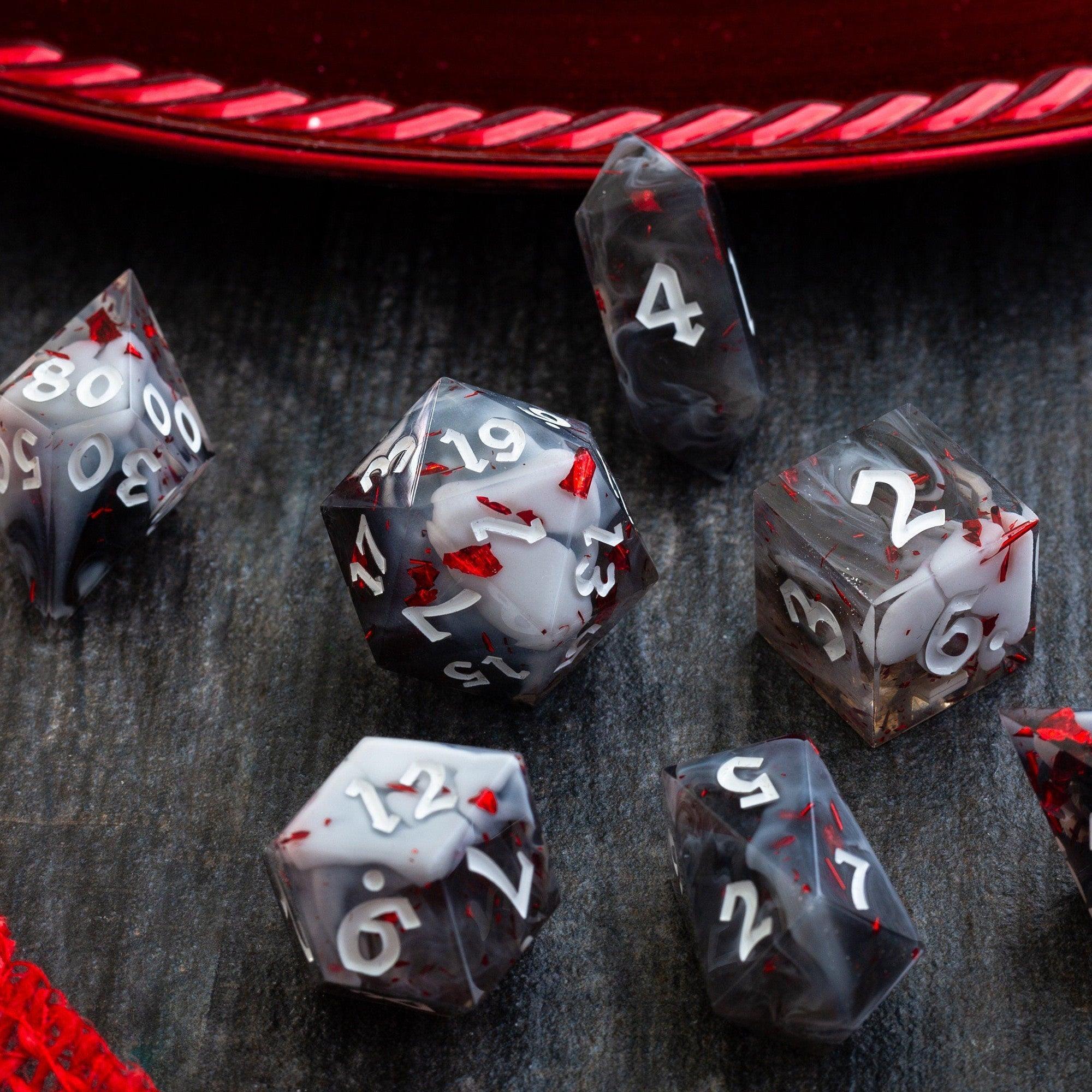
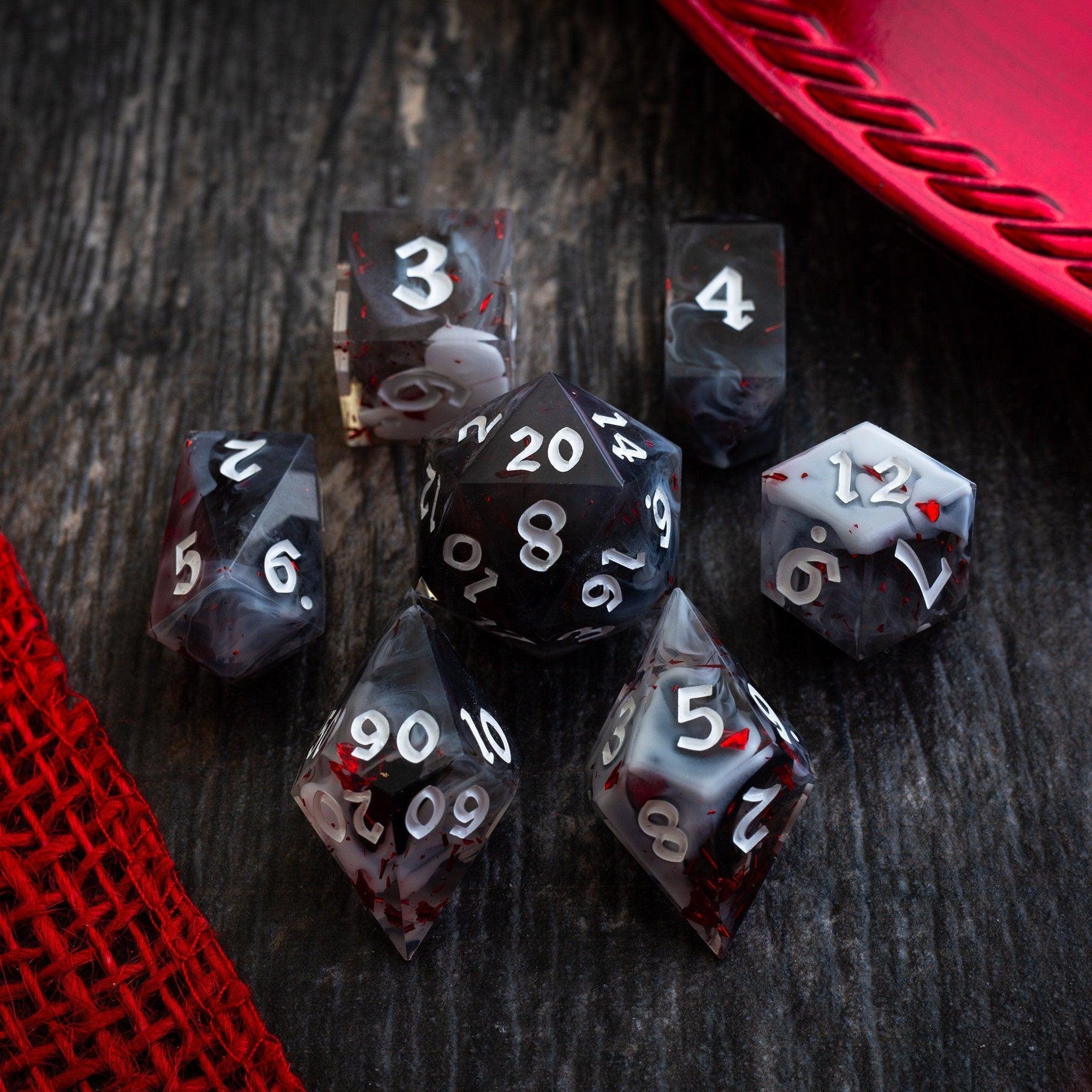
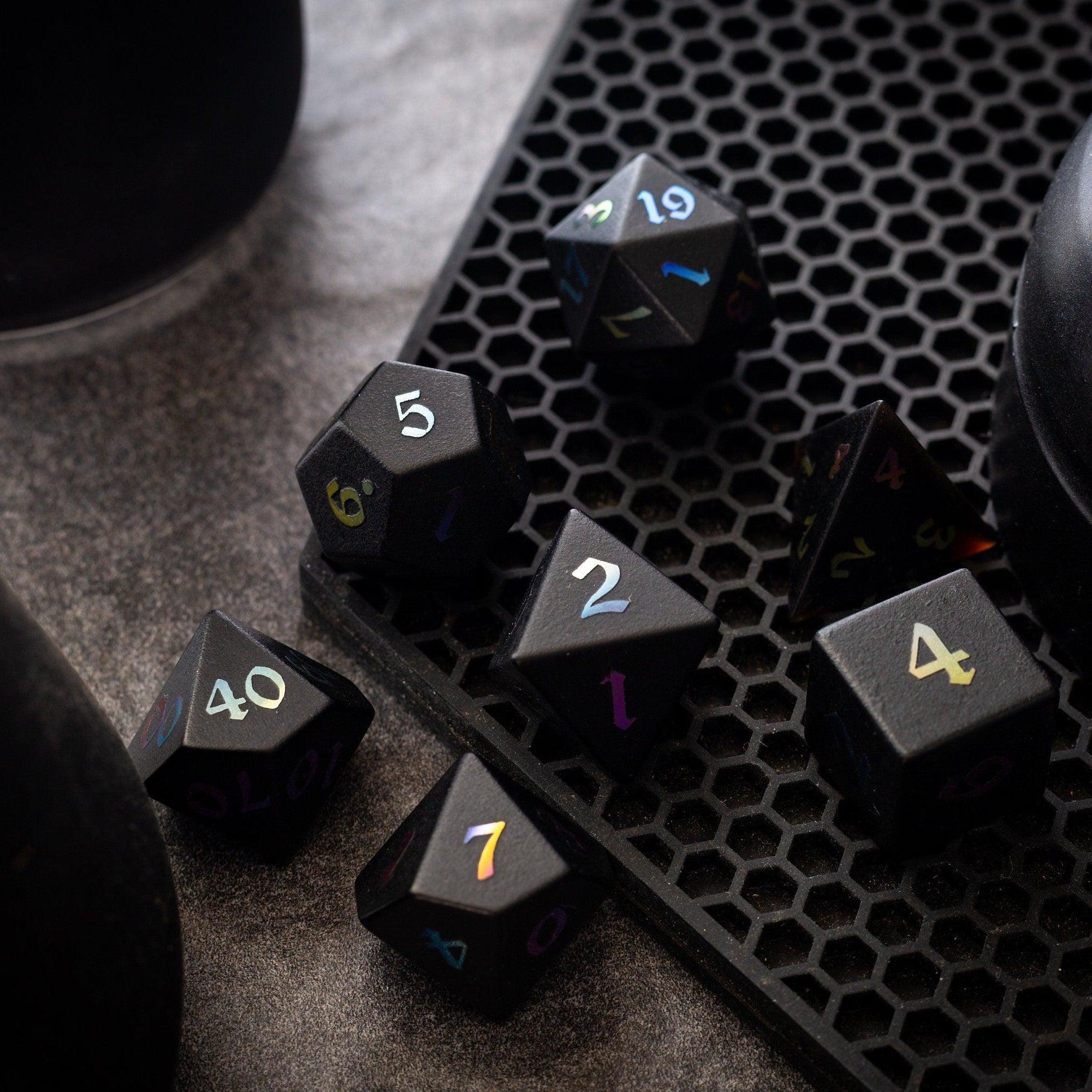
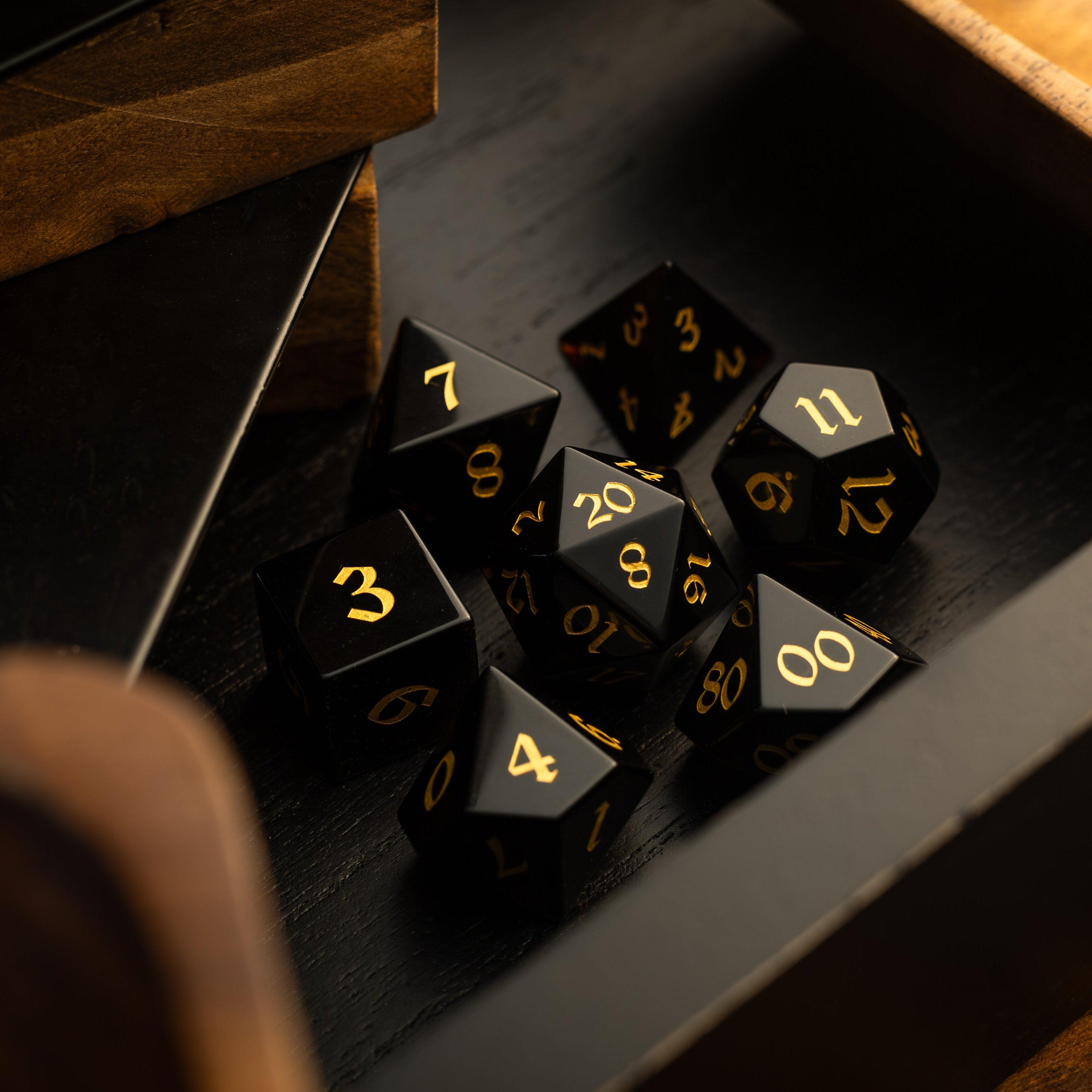
- Polyhedral dice set: A complete set of dice including d4, d6, d8, d10, d12, and d20 for resolving actions
- Character creation guide: A reference specifically for building new characters step by step
- Notebook: For tracking spells, special abilities, and adventure notes
- Miniature or token: A visual representation of your character for the game board
- Game group: Ideally between three and six players plus a Game Master
- Commitment to learning: Patience with yourself as you master new systems
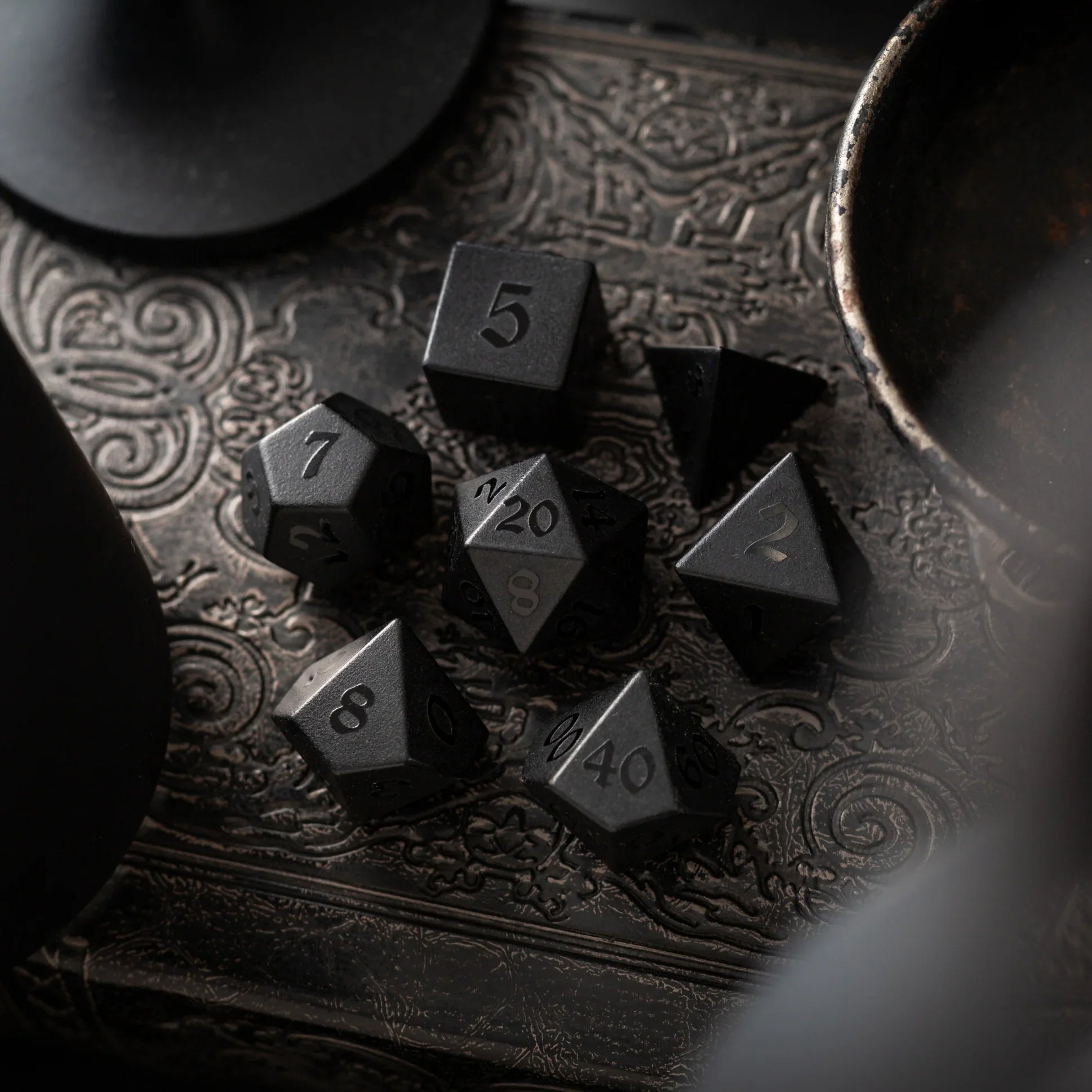
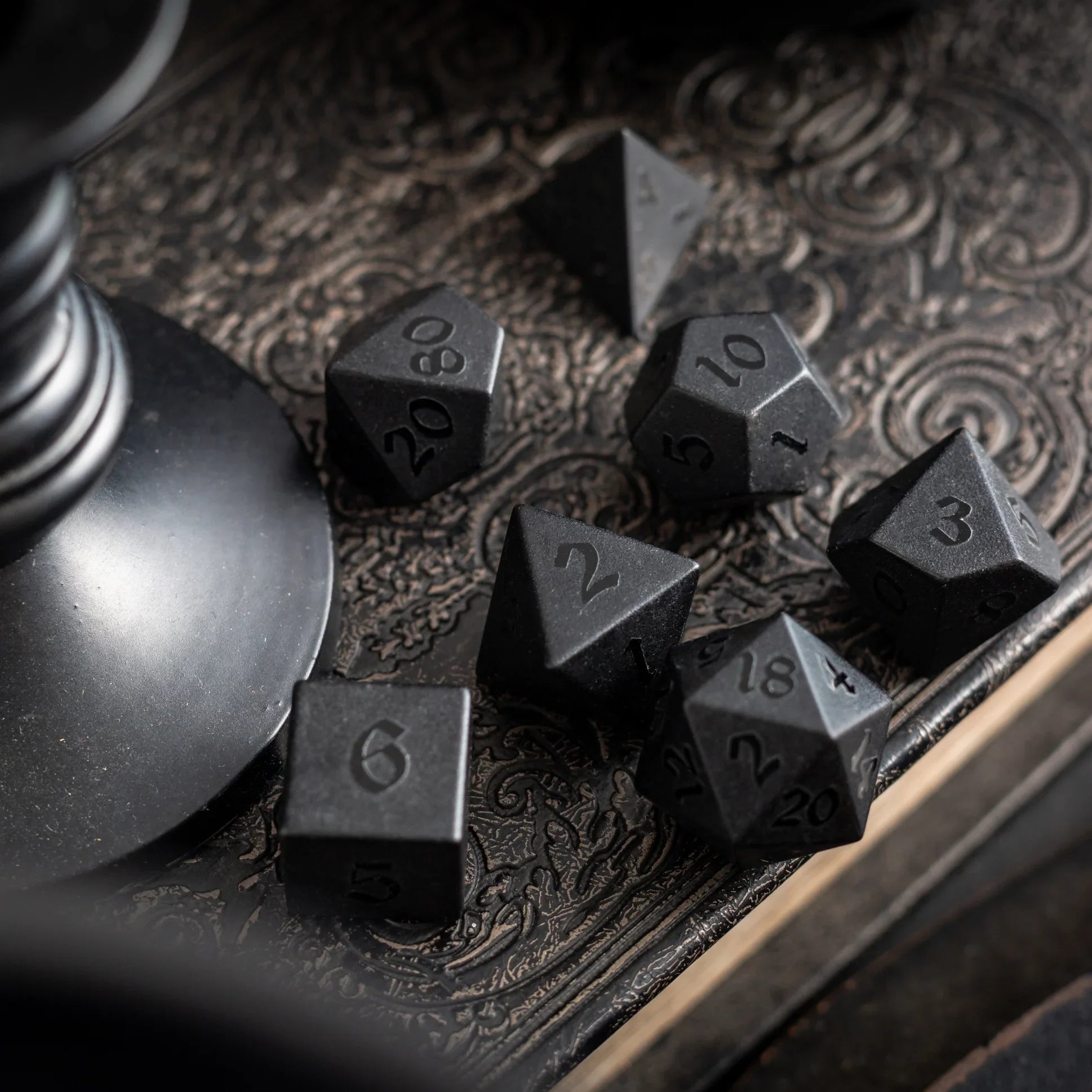
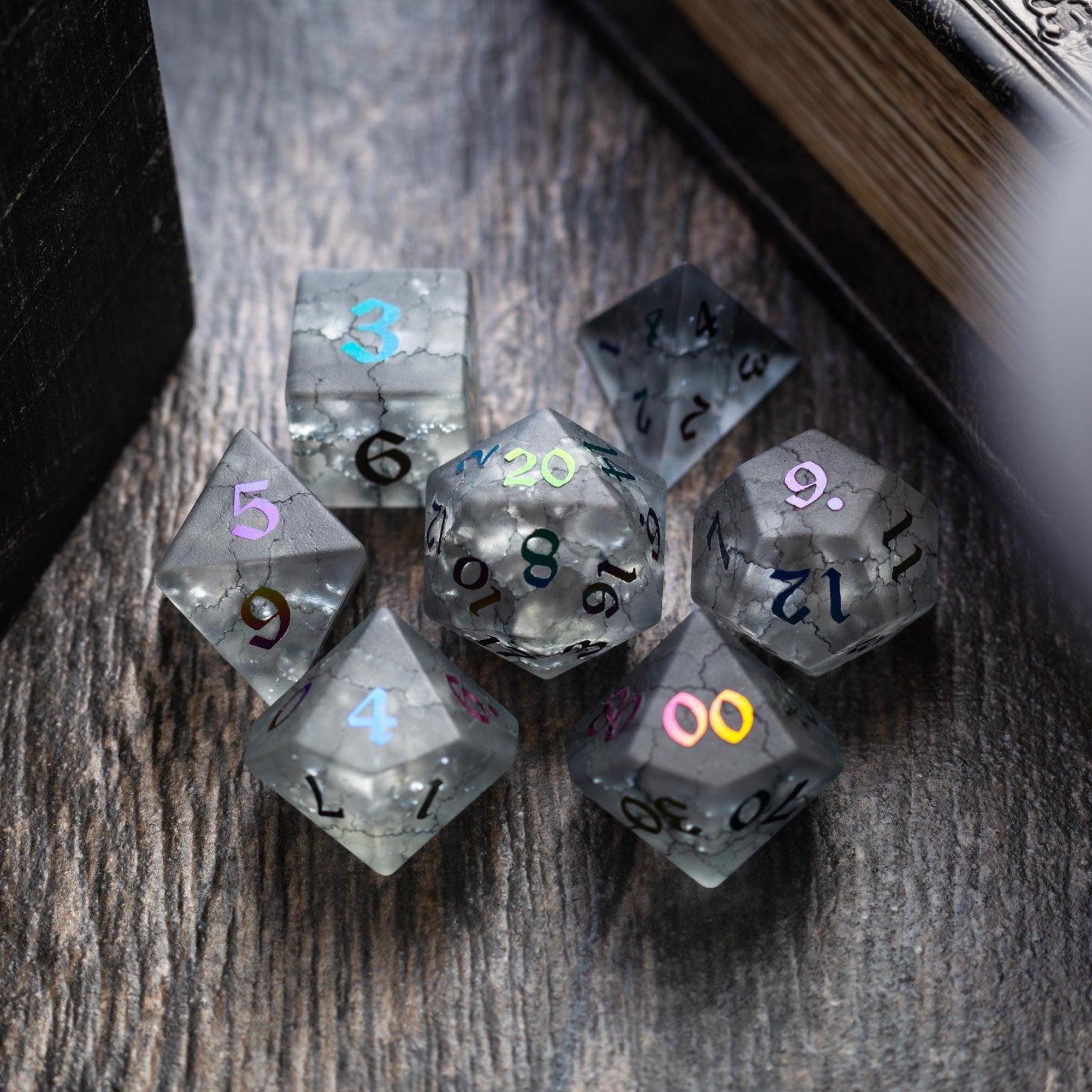
Consider investing in a dice collection that resonates with your character concept. Many players find that having quality dice enhances the gaming experience and creates memorable moments. A beautiful dice set can serve as a physical connection to your character throughout your adventure.
Building Your First Character
Character creation represents your first major milestone when engaging with Pathfinder gameplay tutorials. Start by choosing a race that appeals to you both mechanically and narratively. Different races provide ability modifiers and special traits that influence gameplay. Rather than optimizing purely for power, select a race whose culture and appearance inspire your imagination.
Next, select your character class, which defines your primary role and capabilities. Warriors excel in combat through martial prowess, wizards manipulate magic through intellect, rogues blend stealth with precision strikes, and clerics balance healing with divine power. Each class offers distinct gameplay experiences, so consider what playstyle excites you most. Your Game Master can suggest classes that fit well within the campaign setting.
After selecting race and class, assign ability scores. Many Game Masters offer methods ranging from rolling dice to point-buy systems. Discuss your character concept with the group to ensure your ability allocation supports your intended playstyle. Remember that personality and roleplay matter equally to mechanical optimization.
Combat Mechanics and Tactics
Combat unfolds through a structured turn-based system that requires understanding action types. Each turn grants you one standard action, one move action, and one swift action, along with unlimited free actions. Knowing which activities consume which action types prevents confusion and keeps combat moving efficiently.
Attack rolls determine whether your actions hit their targets. Roll a d20 and add relevant modifiers, then compare the total to your opponent's Armor Class. Understanding how armor, shields, and defensive spells affect this calculation helps you predict outcomes. Discussing tactics with allies before combat starts enables coordinated strategies and better group performance.
Damage resolution follows successful attacks. Different weapons and spells deal varying damage types and amounts. Rolling damage dice and adding modifiers determines how much harm you inflict. Tracking enemy health across rounds of combat keeps everyone engaged and helps the Game Master manage encounter difficulty appropriately.
Spellcasting Fundamentals
If your character possesses spellcasting abilities, understanding spell mechanics becomes essential. Spells require components, which might include verbal speech, somatic gestures, material items, or arcane focus objects. Certain situations prevent casting if components are unavailable. For instance, being silenced blocks verbal components while being bound prevents somatic gestures.
Saving throws represent a target's resistance to magical effects. When you cast a spell with saving throw allowed, targets roll to resist partial or full effects. Understanding which saves apply to your spells helps predict enemy responses. Some creatures have stronger defenses against certain save types, requiring tactical awareness.
Spell preparation differs between spontaneous and prepared casters. Prepared casters like wizards must select spells during rest, while spontaneous casters like sorcerers can cast any spell they know. These mechanics significantly influence tactical flexibility during adventuring days.
Frequently Asked Questions
What should I read first when learning Pathfinder gameplay tutorials?
Start with the Getting Started section of the core rulebook, then focus on your character class rules before learning combat mechanics. Reading your character sheet line by line helps you understand what each number represents. Your Game Master can clarify complex interactions as they arise during actual play.
How can I improve my understanding of Pathfinder rules during gameplay?
Keep your rulebook and character sheet within reach during sessions. Don't hesitate to ask your Game Master for clarification on mechanics you find confusing. Most groups appreciate players asking questions rather than making incorrect assumptions. Taking notes about rulings helps you remember them for future sessions.
Are there resources beyond the core rulebook for learning Pathfinder gameplay?
Yes, numerous supplementary books explore advanced topics, additional character options, and expanded rules. Online communities offer guides, forums, and video tutorials created by experienced players. Many Game Masters provide house rules or modifications, so understand your specific table's conventions. Starting with the core rules provides a solid foundation before exploring supplementary materials.
What is the best way to organize my character information?
Use a formatted character sheet template that groups related information logically. Consider digital tools that calculate modifiers automatically, reducing mathematical errors during play. Keep spell lists, feat descriptions, and skill details readily accessible. A well-organized character sheet prevents delaying the game while searching for crucial information.
How can I enhance my tabletop experience beyond the rulebook?
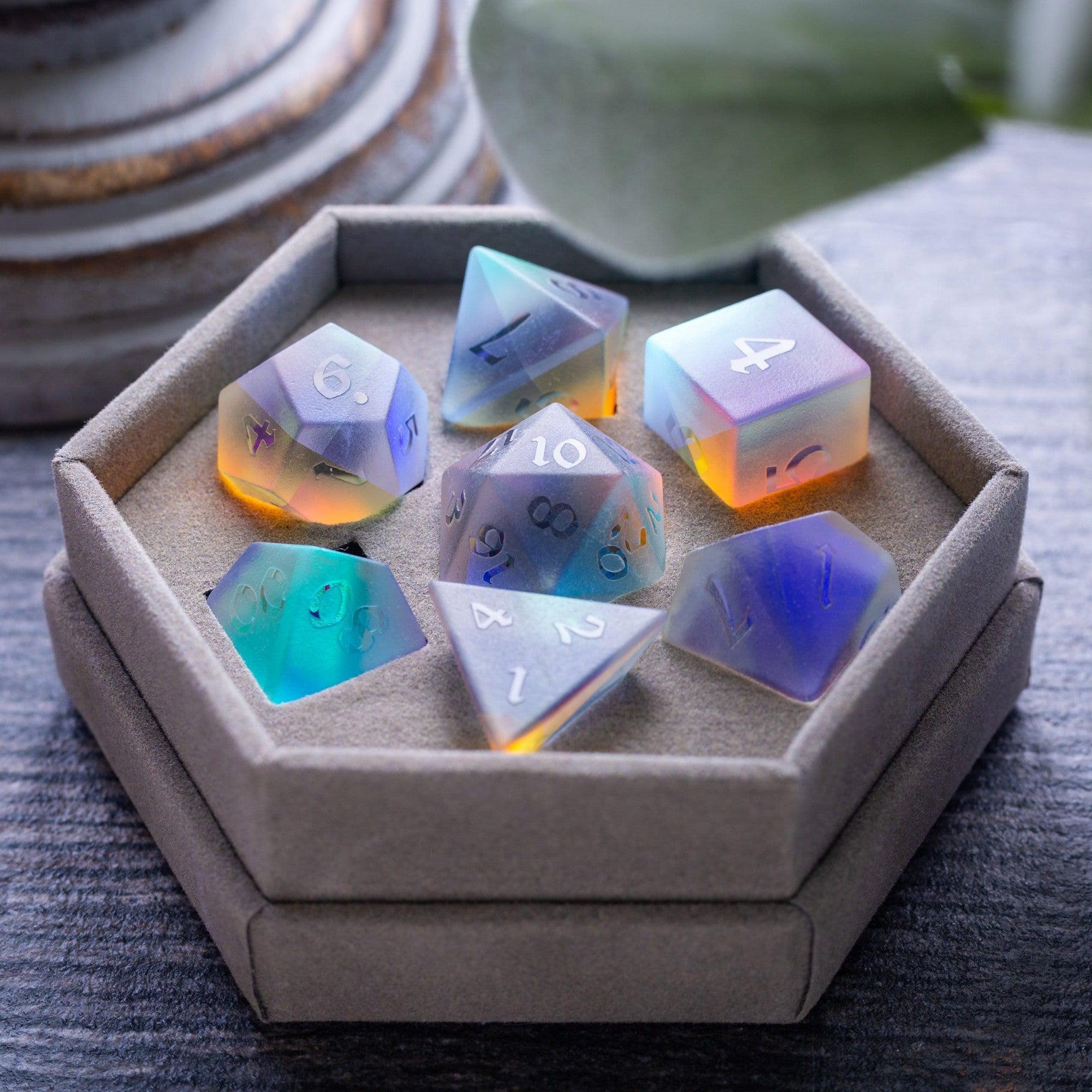
Investing in quality gaming supplies elevates enjoyment significantly. A beautiful gemstone dice set creates memorable moments when rolling for important actions. Detailed miniatures or character portraits help visualize your character. A comfortable gaming space with good lighting and snacks encourages longer, more enjoyable sessions.
Wrap-Up and Final Thoughts
Mastering Pathfinder gameplay tutorials takes time and patience, but the journey proves deeply rewarding. You will discover a rich world of possibilities within the structured rules, where mechanical depth and creative storytelling intertwine. Remember that every experienced player once felt overwhelmed by the complexity, so extend yourself grace during the learning process.
Focus on understanding core concepts before diving into advanced options. Your Game Master serves as your guide through this learning journey, so communicate openly about areas where you feel uncertain. Many groups develop house rules that simplify certain mechanics, creating a customized experience that suits their preferences.
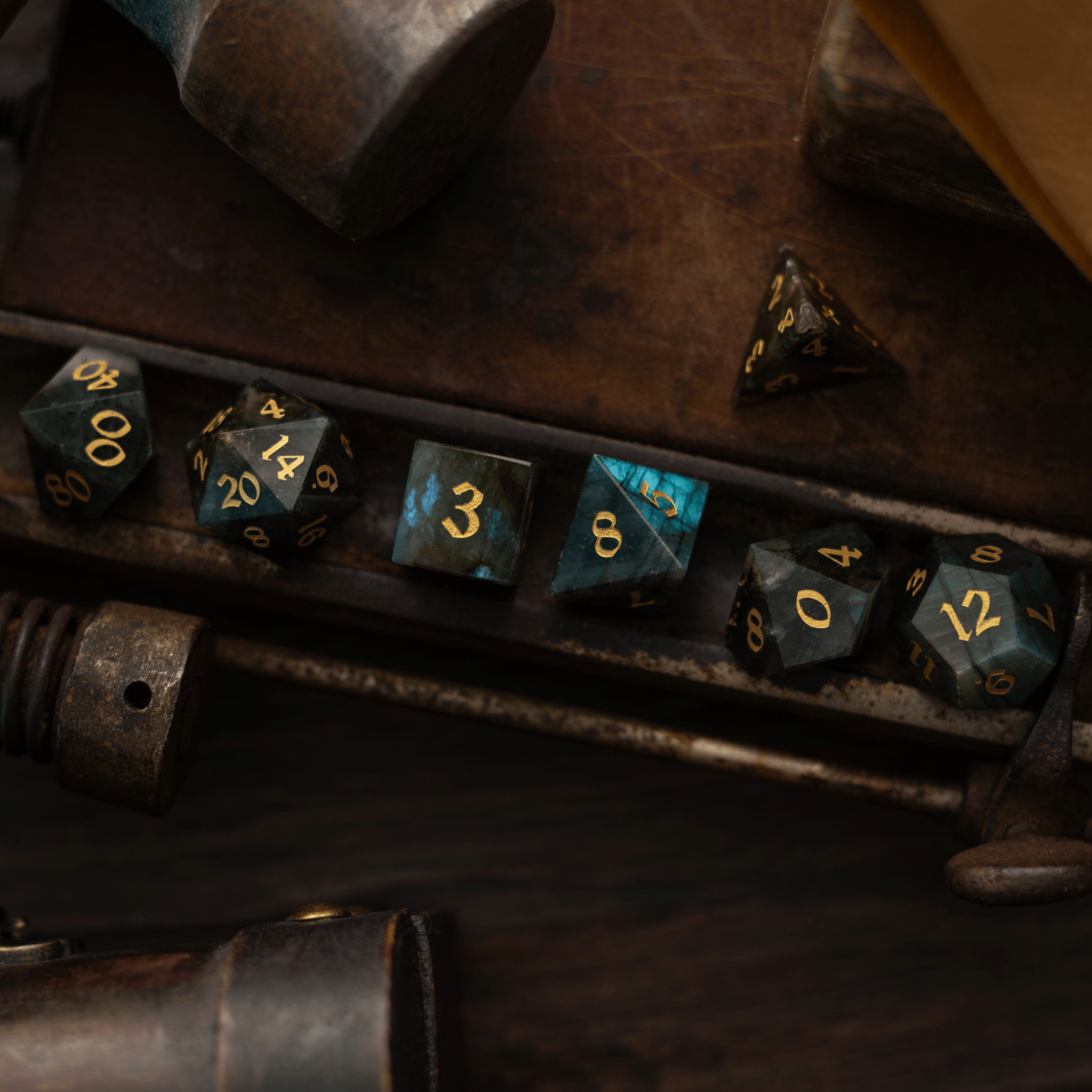
Consider exploring different dice options as you develop your character. The tactile experience of rolling quality dice creates a stronger connection to your character and the game world. Different players find joy in different aspects—whether tactical combat, intricate character development, or creative storytelling—so discover what excites you most.
The community surrounding Pathfinder embraces newcomers warmly, understanding that everyone begins their journey without experience. Attend gaming sessions with enthusiasm and curiosity. Ask questions when mechanics confuse you. Celebrate both successes and failures as they create memorable stories your group will discuss for years.
Your adventure awaits, and with these foundational concepts guiding your way, you are well-prepared to face whatever challenges your Game Master presents. The combination of structured rules and boundless creativity makes Pathfinder an endlessly engaging experience. Welcome to a community that celebrates imagination, strategic thinking, and shared storytelling.







Leave a comment
This site is protected by hCaptcha and the hCaptcha Privacy Policy and Terms of Service apply.