
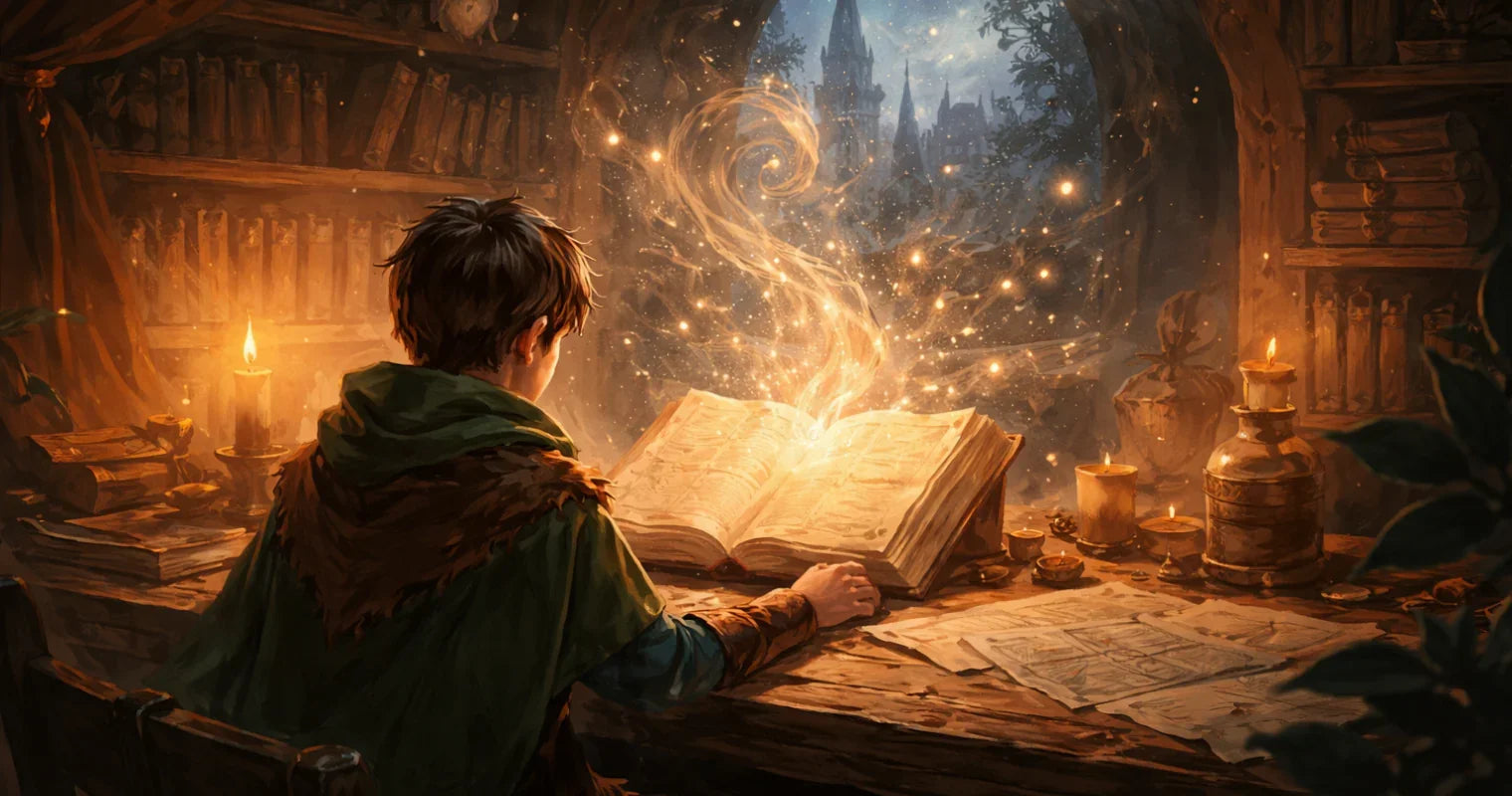
D&D 5e Rules Mastery: Essential Guide for Beginner GMs

Becoming a Dungeon Master for the first time can feel intimidating. Many new GMs worry that they need to memorize every rule in the game before running a session. The good news is that you don't.
Most successful campaigns rely on a small group of core mechanics that appear again and again during gameplay. Once you understand these fundamentals, you'll be ready to guide adventures, run combat encounters, and keep your players engaged.
This beginner DM guide focuses on the most important D&D 5e rules you'll actually use at the table. Instead of trying to master hundreds of pages of material, you'll learn the essentials that help you run sessions confidently from day one.
The Golden Rule: Keep the Game Moving
One of the best dnd game master tips is surprisingly simple: don't stop the game for every rules question.
Players would rather continue an exciting scene than spend ten minutes searching through rulebooks.
When a situation comes up and you're unsure of the exact rule:
-
Make a reasonable ruling
-
Explain your decision briefly
-
Keep the session moving
-
Look up the official rule after the game
This approach helps maintain momentum and keeps everyone focused on having fun.
Remember, your job isn't to be a walking encyclopedia of dungeons and dragons rules. Your job is to create an enjoyable experience for your players.
Understanding Ability Checks
Ability checks are among the most common dnd 5e rules you'll use.
Whenever a player attempts something difficult or uncertain, you can ask for an ability check.
Examples include:
-
Climbing a slippery wall
-
Jumping across a gap
-
Convincing a guard to help
-
Searching a hidden compartment
-
Recalling ancient lore
The player rolls a d20 and adds the relevant ability modifier.
When Should You Call for a Roll?
A good rule of thumb is:
Don't ask for a roll if success is guaranteed or failure has no meaningful consequence.
For example:
-
Walking across an empty room doesn't require a roll.
-
Picking a difficult lock during a tense escape probably does.
Understanding Difficulty Classes (DCs)
The Difficulty Class represents how hard a task is.
Common examples:
-
DC 10: Easy
-
DC 15: Moderate
-
DC 20: Difficult
You don't need perfect DC calculations. Choose a number that feels reasonable and move forward.
Skill Checks Made Simple
Skill checks are specialized ability checks connected to specific skills.
New Dungeon Masters often overcomplicate them. In practice, they're straightforward tools that support storytelling.
Common skills you'll use frequently include:
Perception
Used when characters notice something.
Examples:
-
Spotting hidden enemies
-
Hearing footsteps
-
Noticing a secret door
Investigation
Used when characters actively search for clues.
Examples:
-
Examining a crime scene
-
Studying a puzzle
-
Looking for hidden mechanisms
Persuasion
Used for social interaction.
Examples:
-
Negotiating with merchants
-
Convincing guards
-
Gaining information from NPCs
Stealth
Used when characters try to avoid detection.
Examples:
-
Sneaking through a castle
-
Following someone unnoticed
-
Hiding from monsters
Athletics
Used for physical challenges.
Examples:
-
Climbing
-
Swimming
-
Grappling
Skill checks aren't obstacles designed to stop players. They're opportunities to create interesting outcomes and memorable moments.
Saving Throws Explained
Among all dnd saving throws, a few appear more often than others.
Saving throws occur when characters react to danger rather than actively attempting something.
Dexterity Saves
These represent quick reactions.
Examples:
-
Dodging a fireball
-
Avoiding a falling trap
-
Escaping an explosion
Constitution Saves
These represent physical endurance.
Examples:
-
Resisting poison
-
Enduring disease
-
Maintaining concentration on spells
Wisdom Saves
These represent mental resilience.
Examples:
-
Resisting fear
-
Avoiding magical charm effects
-
Fighting off mental influence
A simple way to remember saving throws:
Ability checks are things characters choose to do.
Saving throws are things that happen to them.
Mastering Advantage and Disadvantage
Advantage and disadvantage are among the best mechanics in D&D because they simplify decision-making.
Advantage
Roll two d20s and use the higher result.
Examples:
-
Attacking an unaware enemy
-
Receiving significant assistance
-
Benefiting from favorable circumstances
Disadvantage
Roll two d20s and use the lower result.
Examples:
-
Fighting in darkness
-
Shooting at long range
-
Attempting tasks under difficult conditions
This system eliminates countless small modifiers and keeps gameplay fast.
Whenever you're unsure how to reward creativity or represent difficulty, advantage and disadvantage are often excellent solutions.
Running Combat Without Stress
Many beginner Dungeon Masters worry about dnd combat rules more than anything else.
Fortunately, combat follows a predictable structure.
Initiative
At the start of combat, everyone rolls initiative.
Highest result acts first.
Continue in descending order until every participant has taken a turn.
Movement
Characters can move during their turn.
They can often split movement before and after actions.
Actions
Most turns revolve around a single action.
Common actions include:
-
Attack
-
Cast a spell
-
Dash
-
Dodge
-
Help
-
Hide
Bonus Actions
Some class features and spells allow bonus actions.
Not every character uses one every turn.
Reactions
Reactions happen outside a character's turn.
The most common example is an opportunity attack.
As a new GM, focus on turn order and player choices rather than memorizing every combat option.
Common Rules New GMs Overthink
Stealth
You don't need complicated calculations.
Ask for a Stealth roll and compare it to enemy awareness.
Surprise
Simply determine whether one side was unaware of danger when combat began.
If so, surprised creatures lose actions during the opening moments.
Opportunity Attacks
These happen when creatures leave an enemy's reach without taking precautions.
Keep it simple and move on.
Cover
Use broad categories:
-
Half cover
-
Three-quarters cover
-
Full cover
Don't spend time measuring every angle.
Improvised Actions
Players will always attempt unexpected things.
When they do:
-
Decide what ability applies
-
Set a reasonable DC
-
Ask for a roll
That's usually enough.
Quick Reference Table
| Rule | What It Does |
|---|---|
| Ability Check | Resolves uncertain actions |
| Skill Check | Specialized ability check |
| Saving Throw | Resists harmful effects |
| Initiative | Determines turn order |
| Advantage | Roll twice, take higher |
| Disadvantage | Roll twice, take lower |
Tools That Help New GMs Stay Organized
Organization reduces stress behind the screen.
Helpful tools include:
-
Session notes
-
Initiative trackers
-
Character sheets
-
Encounter summaries
-
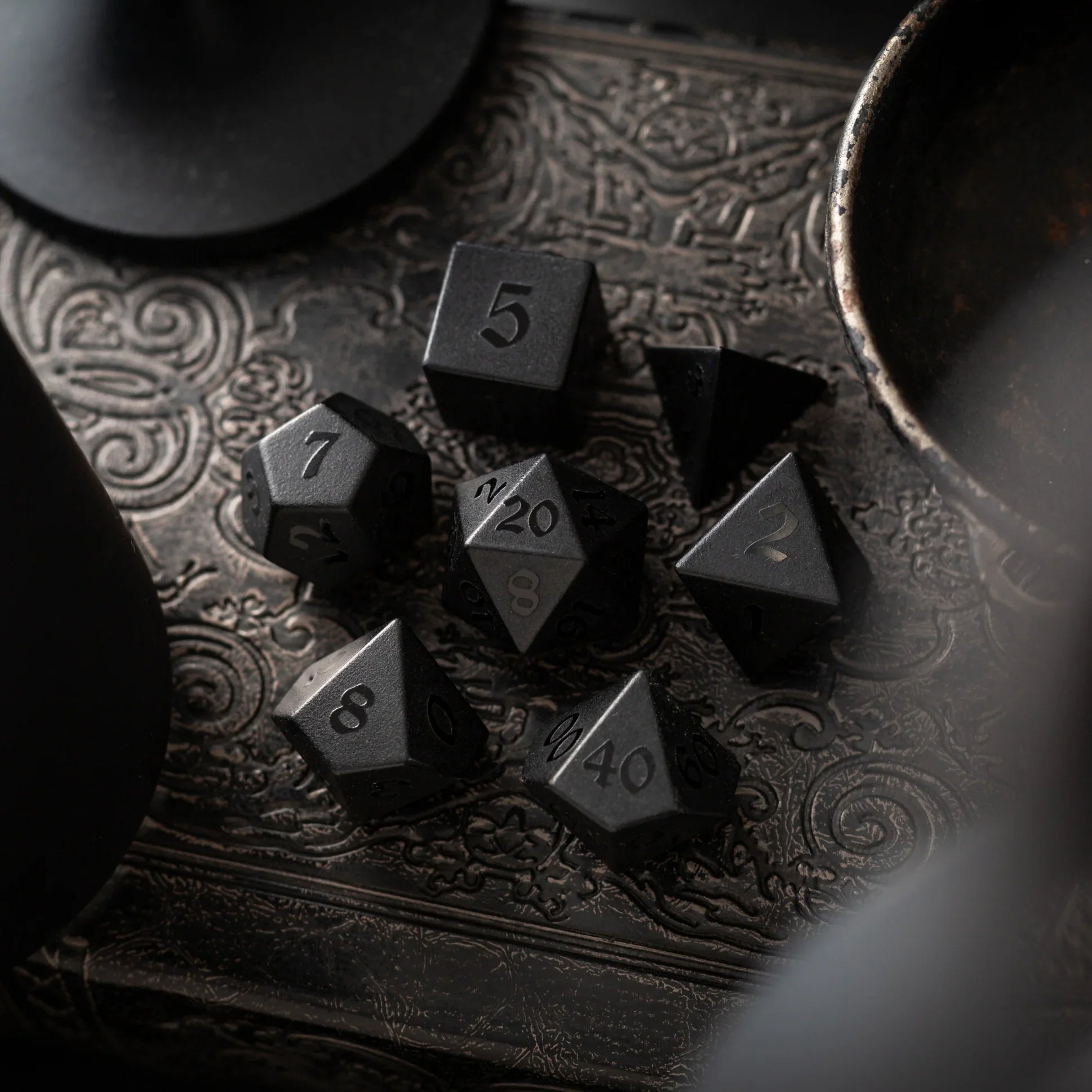
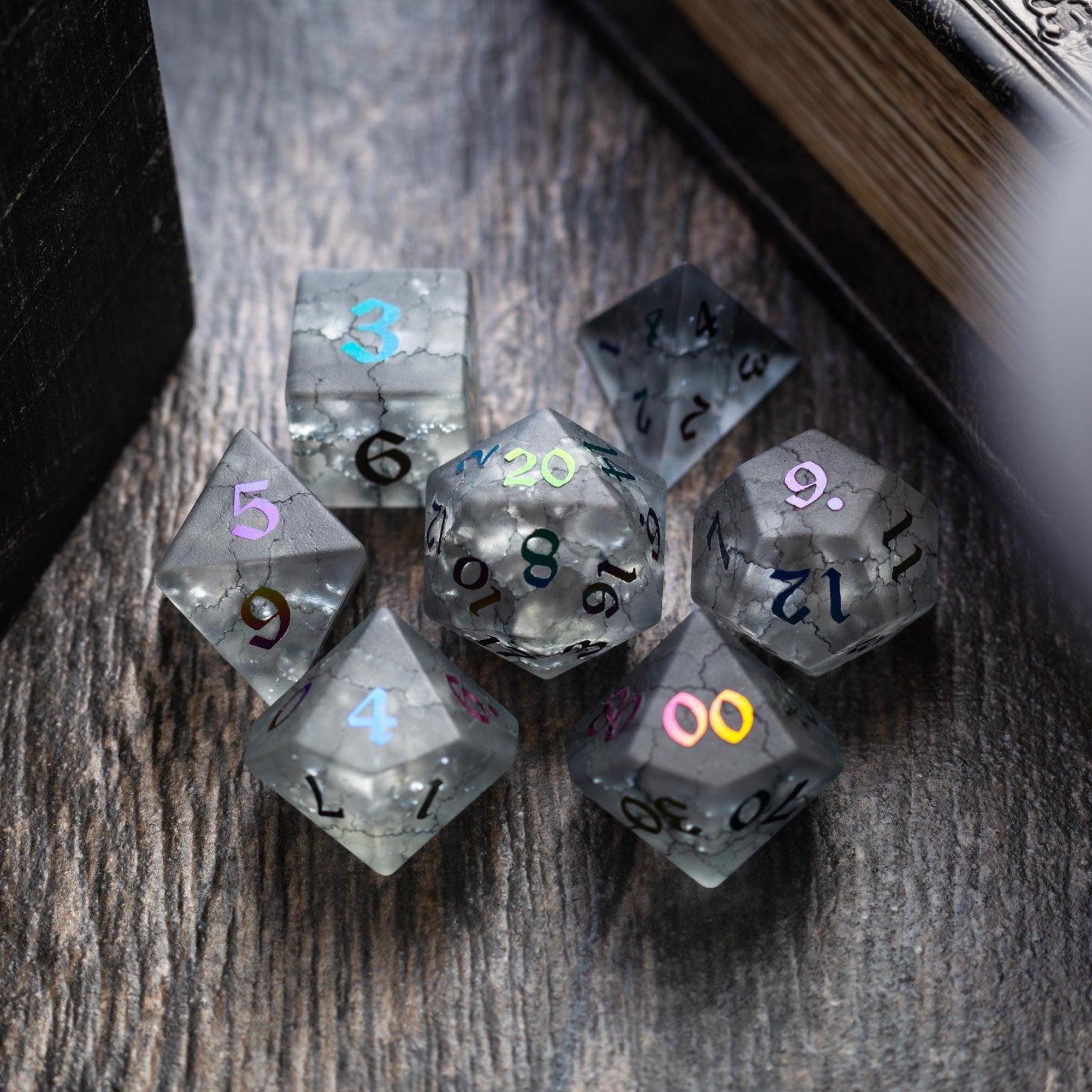
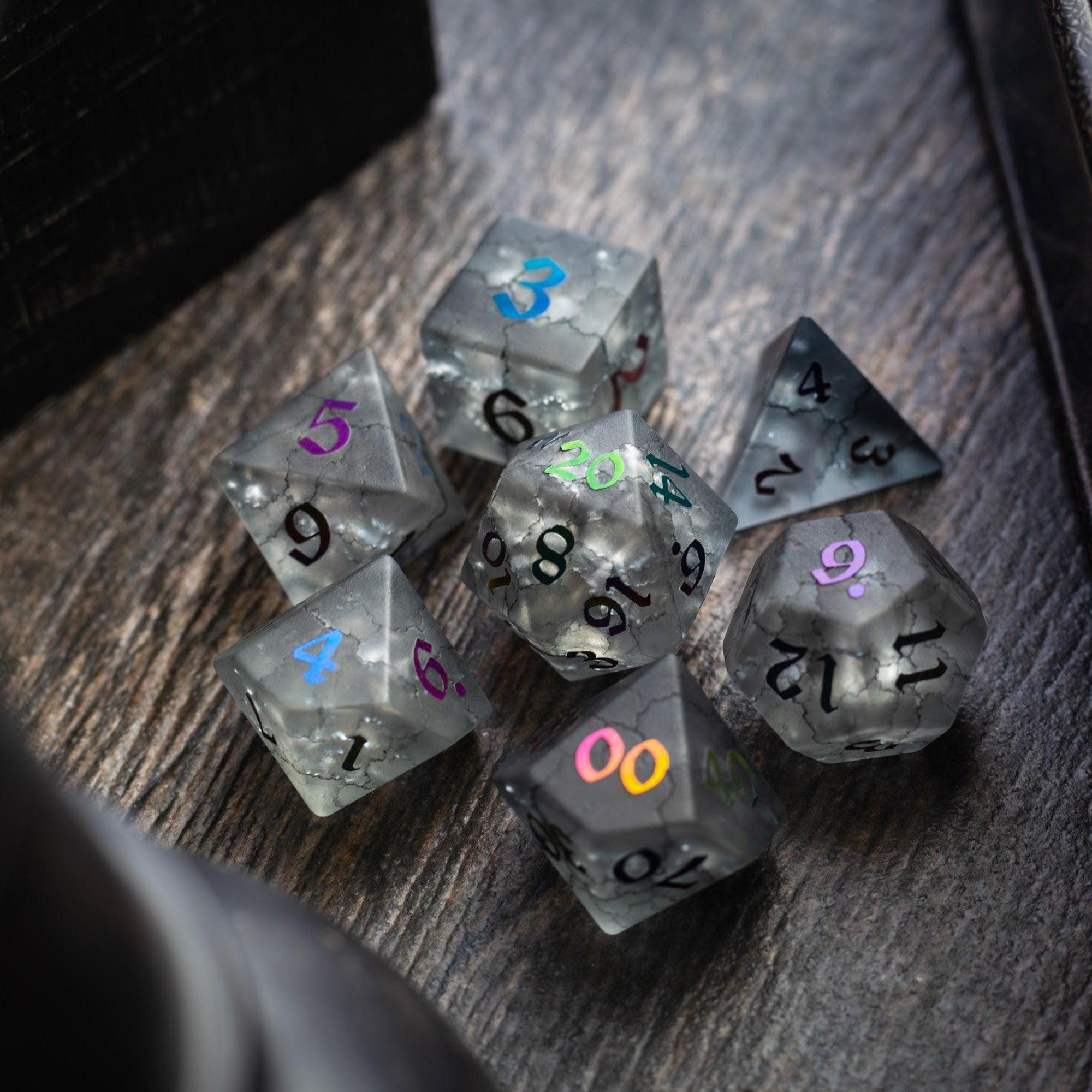
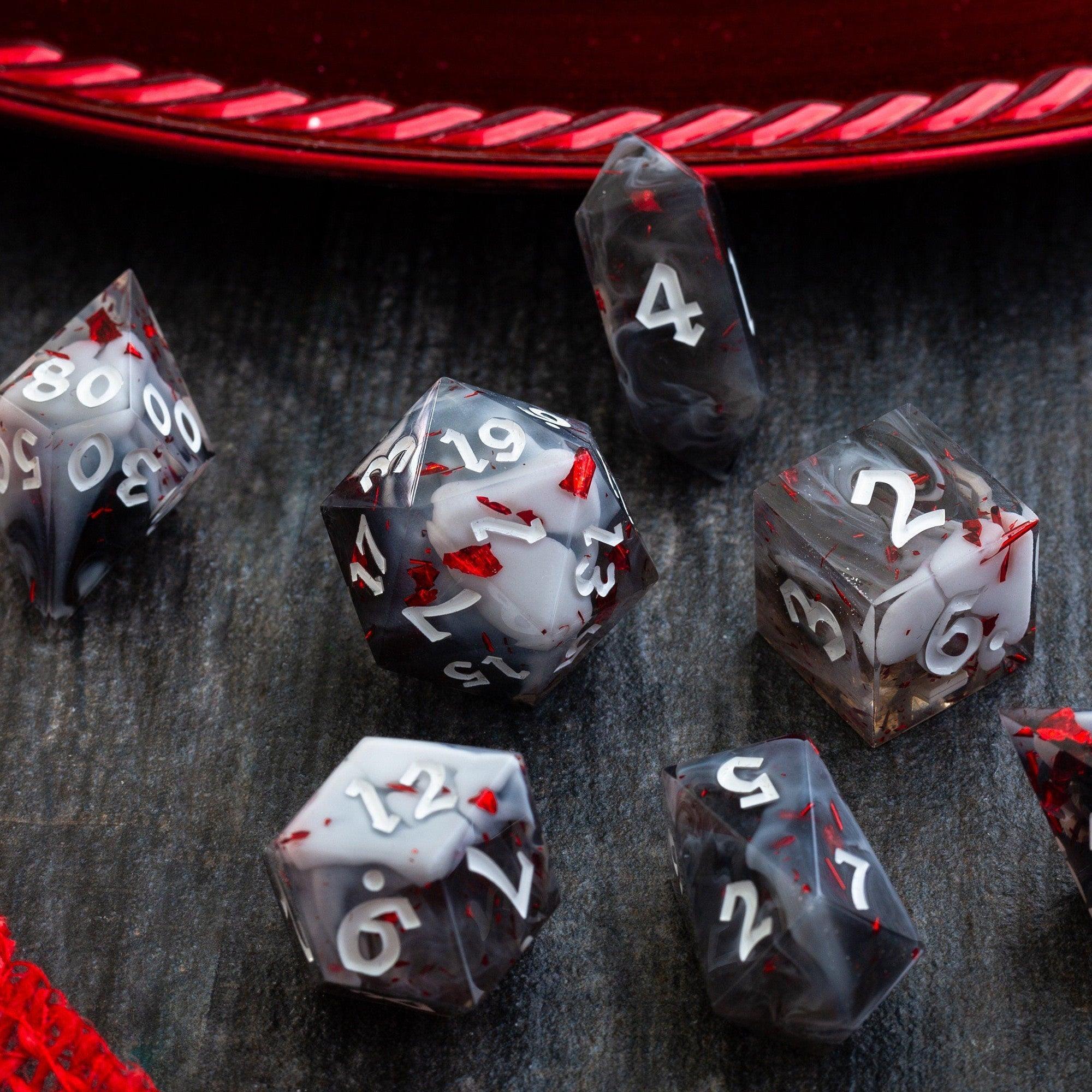
Organized dice storage
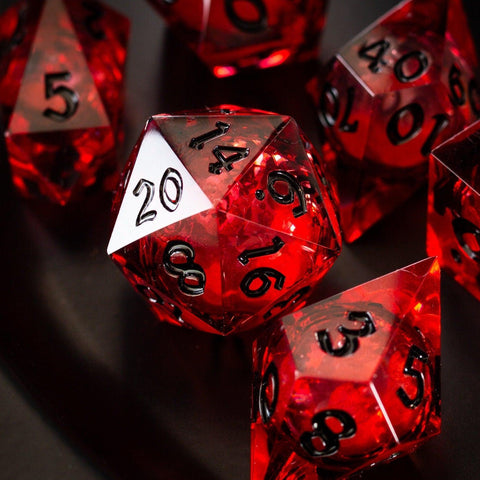
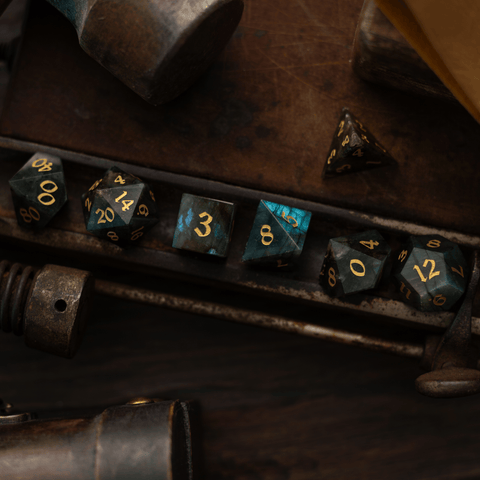
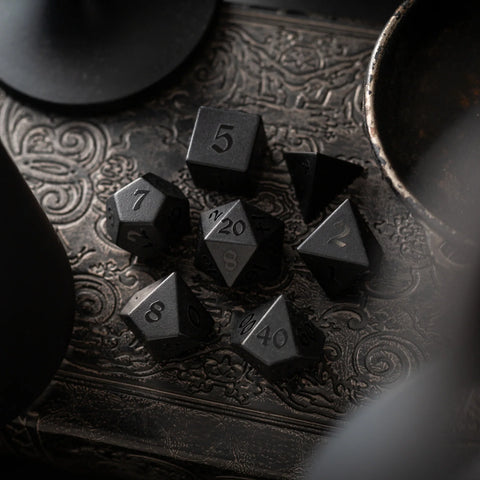
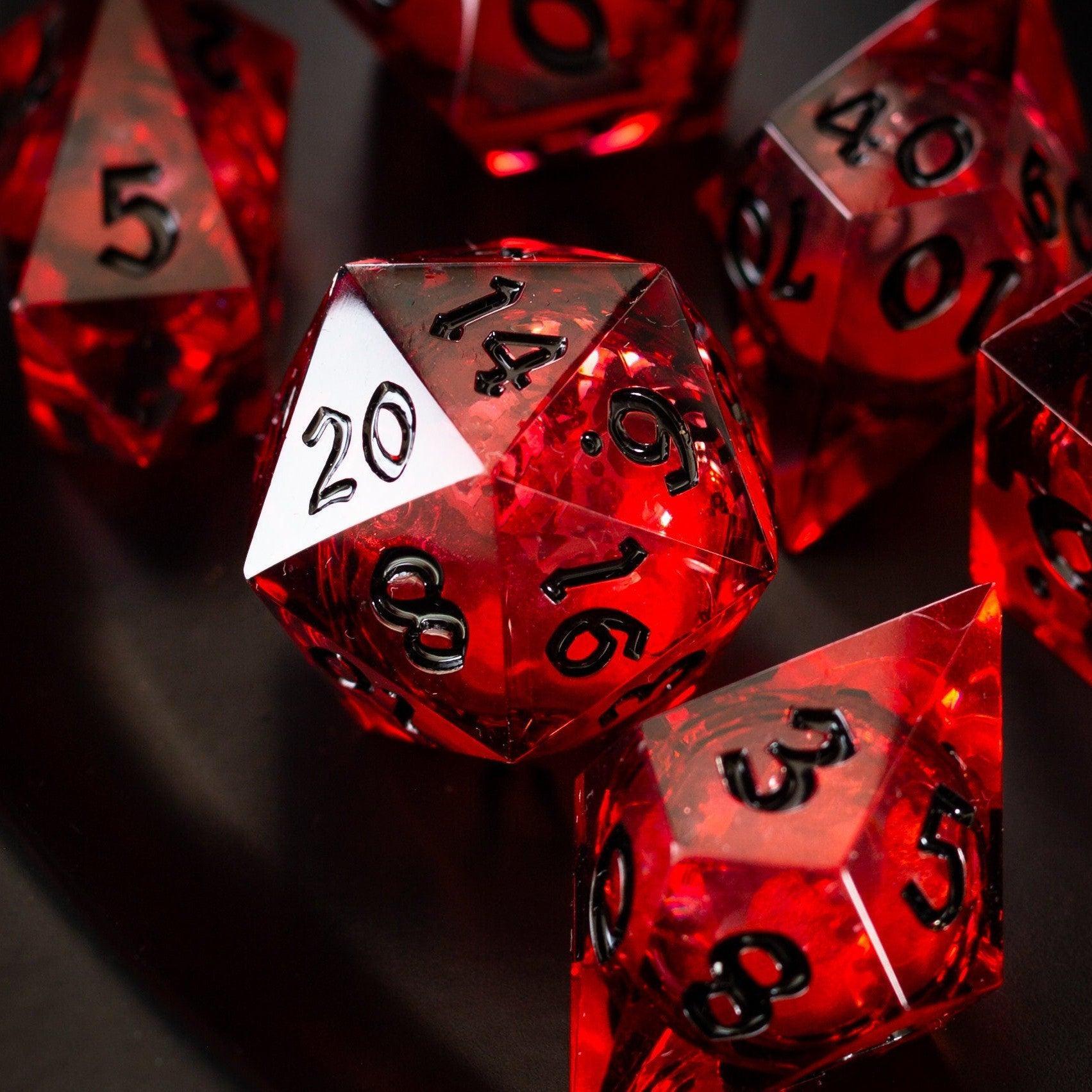
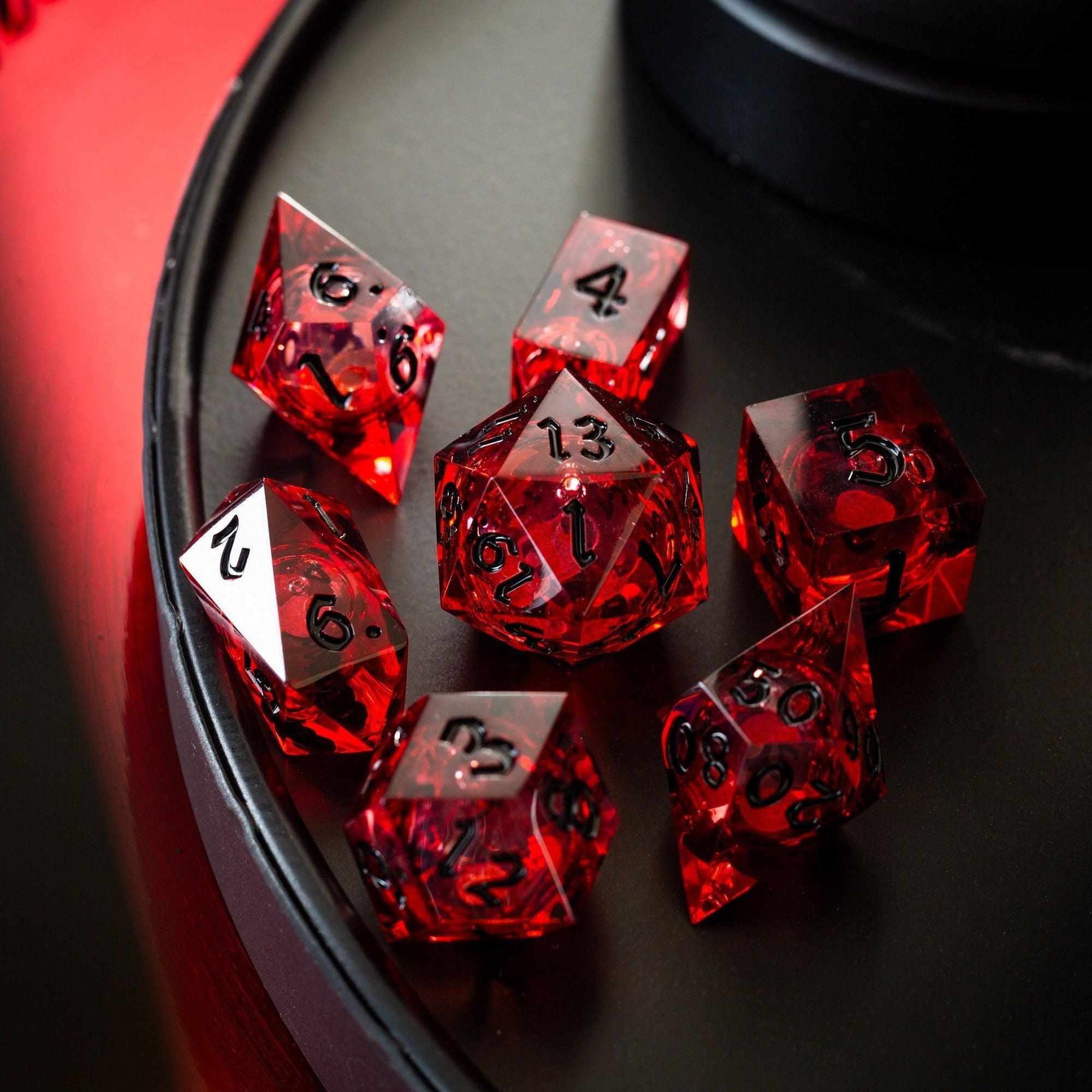
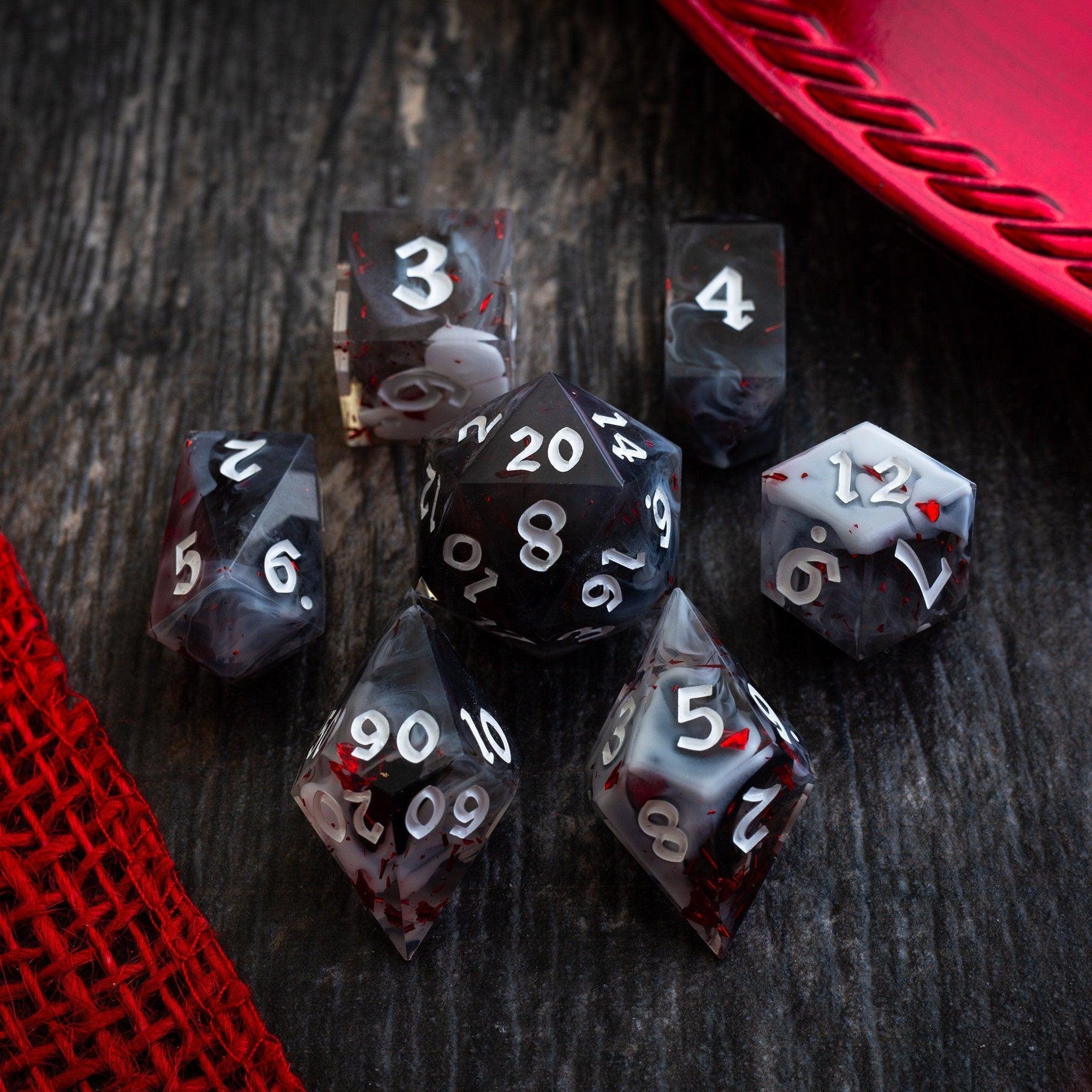
Many Dungeon Masters enjoy using dedicated dice sets for different encounters or NPC groups. For example, a set of Pink Blossom Resin Dice can be reserved for friendly NPC interactions, while Green Glitter Liquid Core Dice help track major villains or magical encounters.
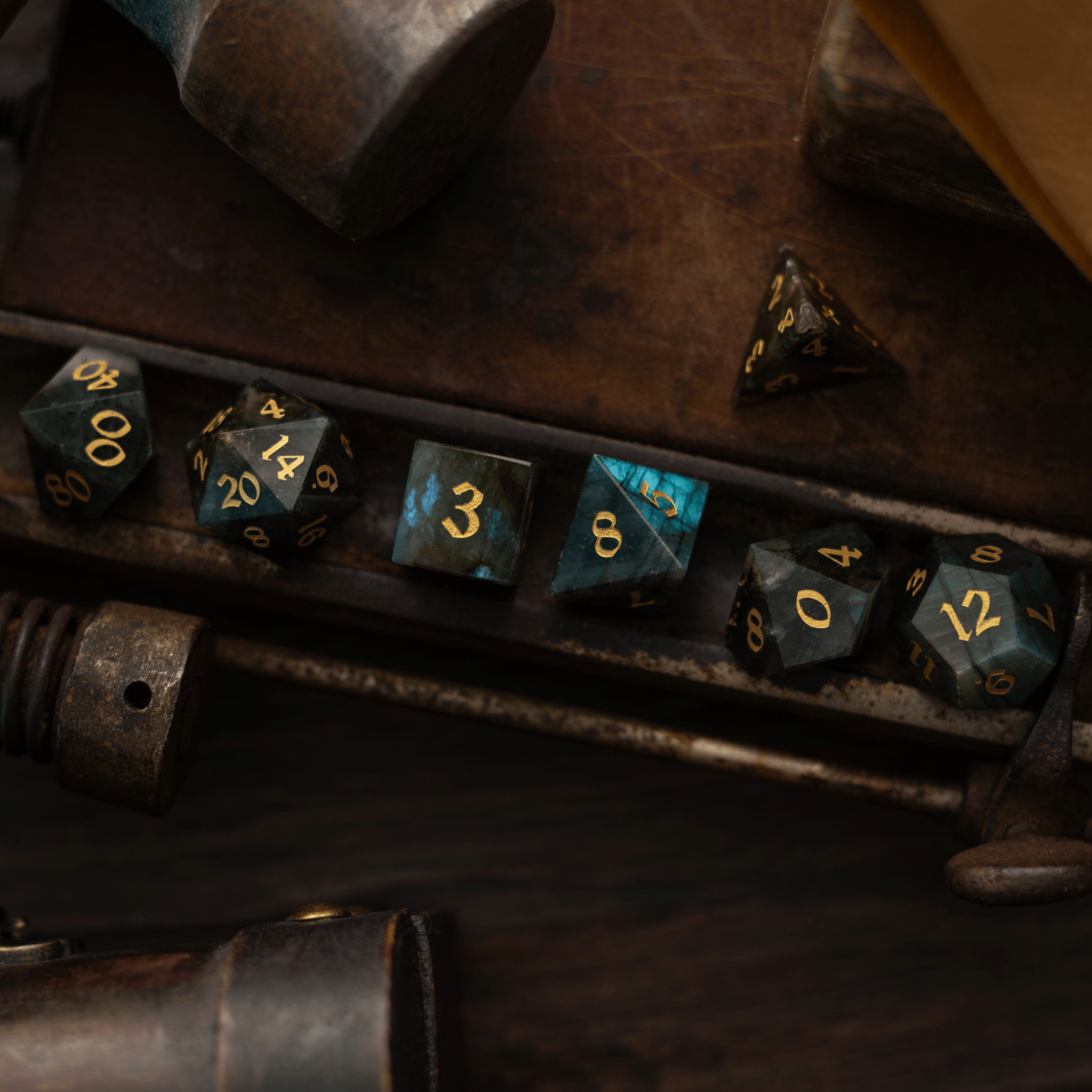
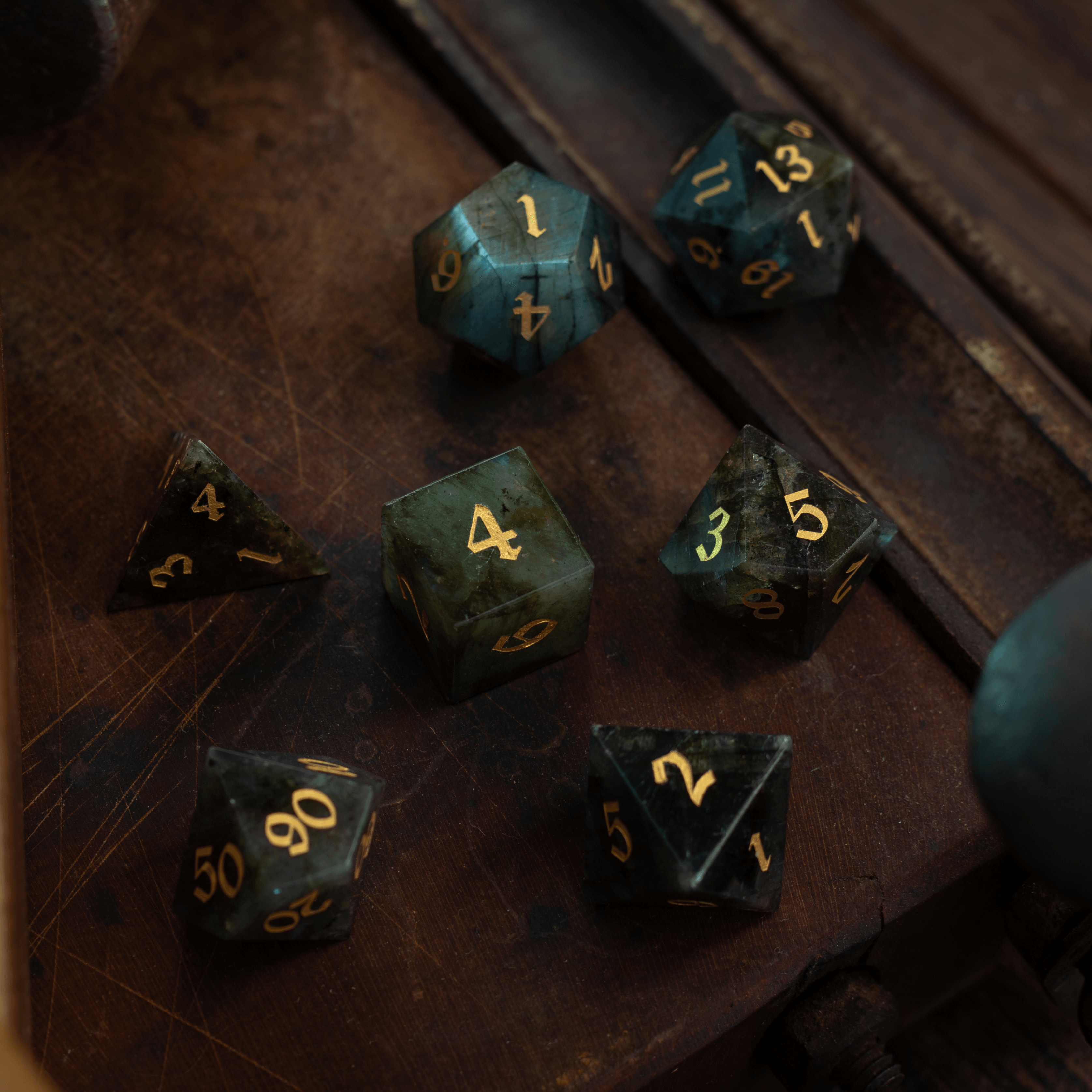
For GMs who enjoy visual organization, Dwarf Cut Green Glass Dice are easy to distinguish on the table, and Yooperlite Dice can serve as a special set for important story moments.
The goal isn't collecting equipment. It's reducing confusion and helping sessions run smoothly.
Mistakes Every New GM Makes
Every experienced Dungeon Master has made these mistakes.
Use this checklist to avoid the most common ones:
Common Beginner Errors
-
Trying to memorize every rule
-
Looking up rules too often
-
Saying "no" too quickly
-
Overplanning every possibility
-
Forgetting player agency
-
Making combat encounters too complicated
-
Rushing roleplaying scenes
-
Being afraid to improvise
Better Alternatives
-
Learn the core mechanics first
-
Make temporary rulings
-
Encourage creativity
-
Prepare situations, not scripts
-
Let players influence the story
-
Keep encounters simple
-
Allow conversations to breathe
-
Trust your instincts
Building Confidence Behind the Screen
The most important dnd 5e rules are not the obscure edge cases hidden deep in a rulebook. They're the fundamentals you'll use every session: ability checks, skill checks, dnd saving throws, initiative, advantage, disadvantage, and basic dnd combat rules.
As a beginner dungeon master, your goal isn't perfection. Your goal is creating an adventure that keeps players engaged and excited for the next session.
Focus on understanding the core mechanics, making fair rulings, and maintaining momentum. The rest will come naturally with experience.
Every veteran GM started exactly where you are now, sitting behind the screen, wondering if they knew enough to run a game.
The truth is that if you can guide a story, listen to your players, and apply these essential rules with confidence, you're already ready to begin.








Leave a comment
This site is protected by hCaptcha and the hCaptcha Privacy Policy and Terms of Service apply.