
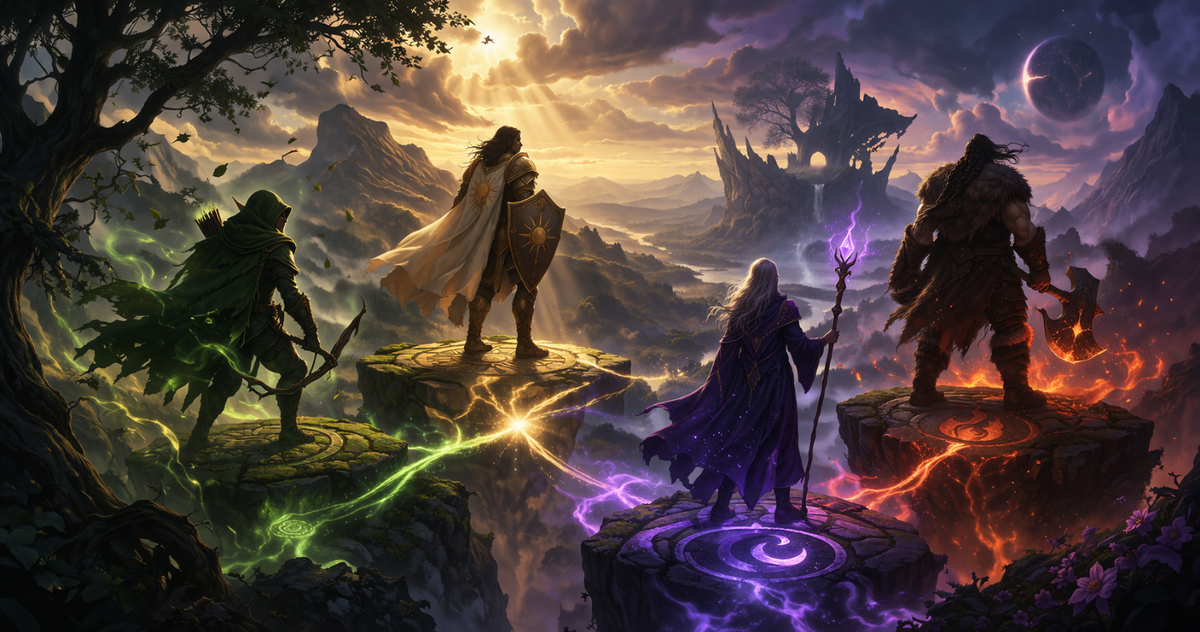
Pathfinder Character Builds: Smart Role Combos for Any Party

A great Pathfinder party works because each character brings something useful to the group. A Champion can protect vulnerable allies, a Wizard can reshape the battlefield, a Rogue can handle skills and scouting, and a Cleric can provide healing and support. The strongest Pathfinder character builds are rarely about doing everything alone. They are about choosing a role you enjoy and finding ways to help the rest of the party succeed.
This Pathfinder character guide focuses on beginner-friendly Pathfinder Second Edition builds and party synergy rather than complicated optimization. Pathfinder's remastered core rules provide extensive character customization through ancestries, backgrounds, classes, feats, spells, and archetypes, so there are many ways to fill the same party role.
Understanding Pathfinder Party Roles
Pathfinder does not require a fixed tank, healer, and damage-dealer setup. Still, thinking about what your character contributes can make party building much easier.
Frontline Defender
Frontline characters stay close to dangerous enemies and make it harder for those enemies to reach more vulnerable allies. Champions and Fighters are natural choices, while Barbarians and some other martial builds can also operate effectively on the front line.
A good defender relies on armor, positioning, reactions, Athletics actions, shields, or other abilities that discourage enemies from freely moving around the battlefield. Pathfinder does not use a traditional MMO-style threat system, so simply having high defenses does not force enemies to attack you.
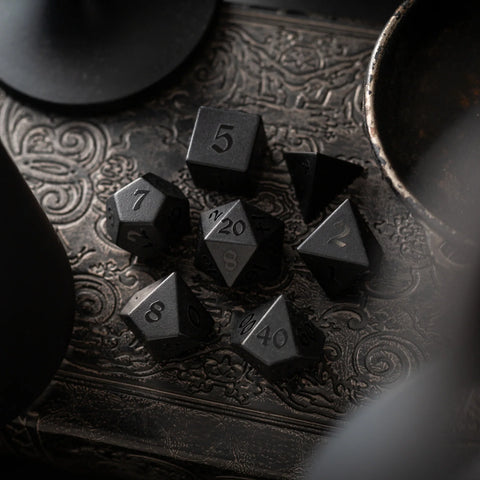
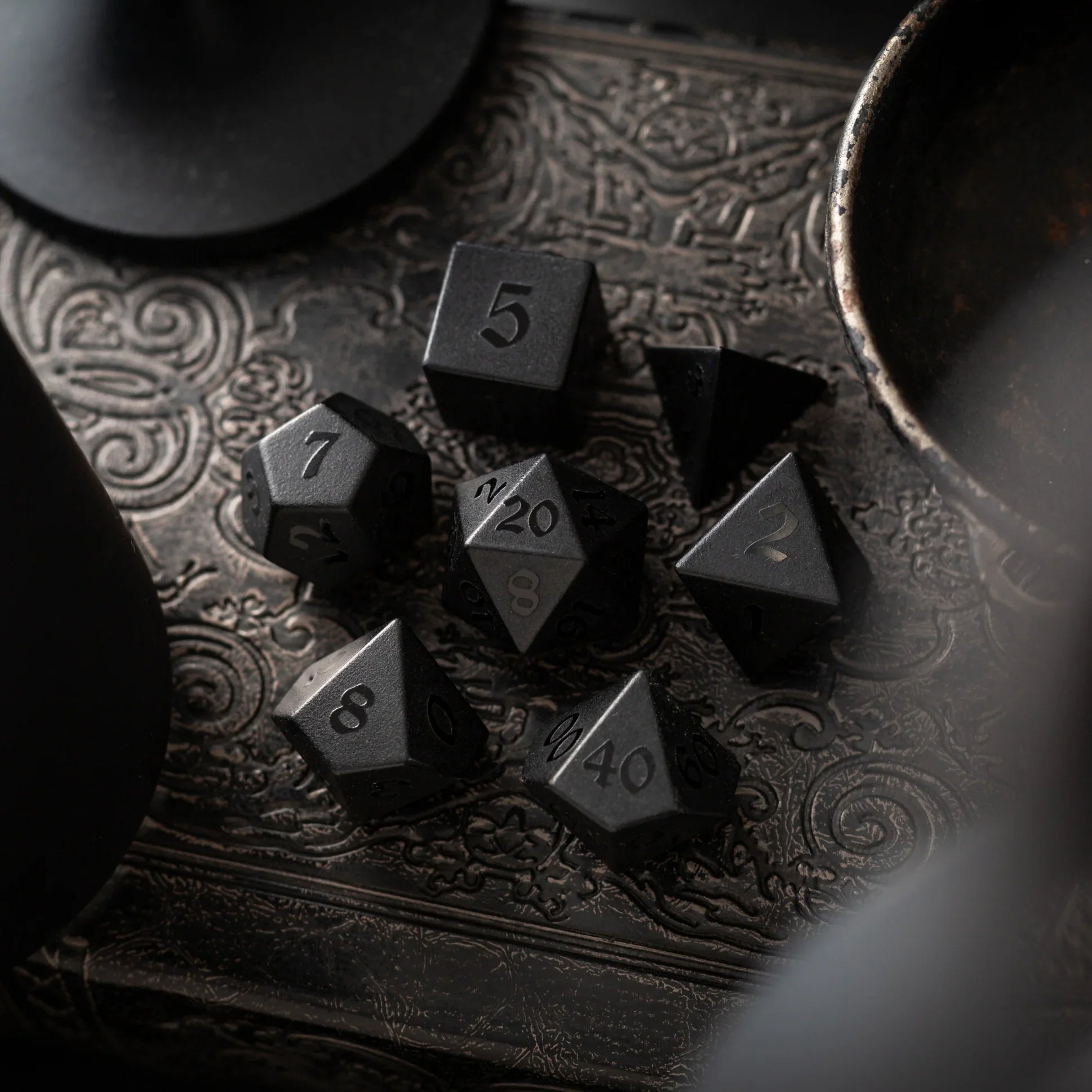
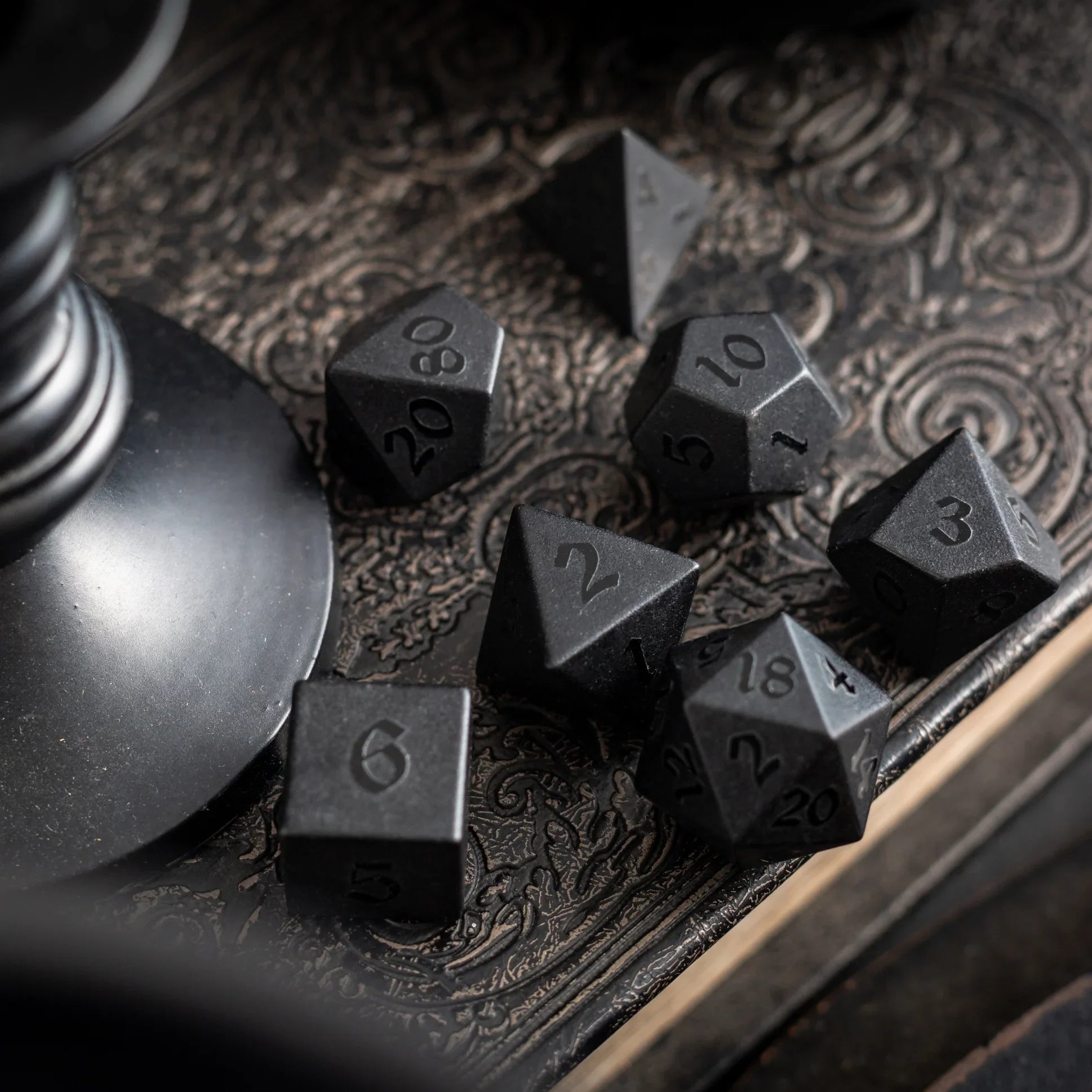
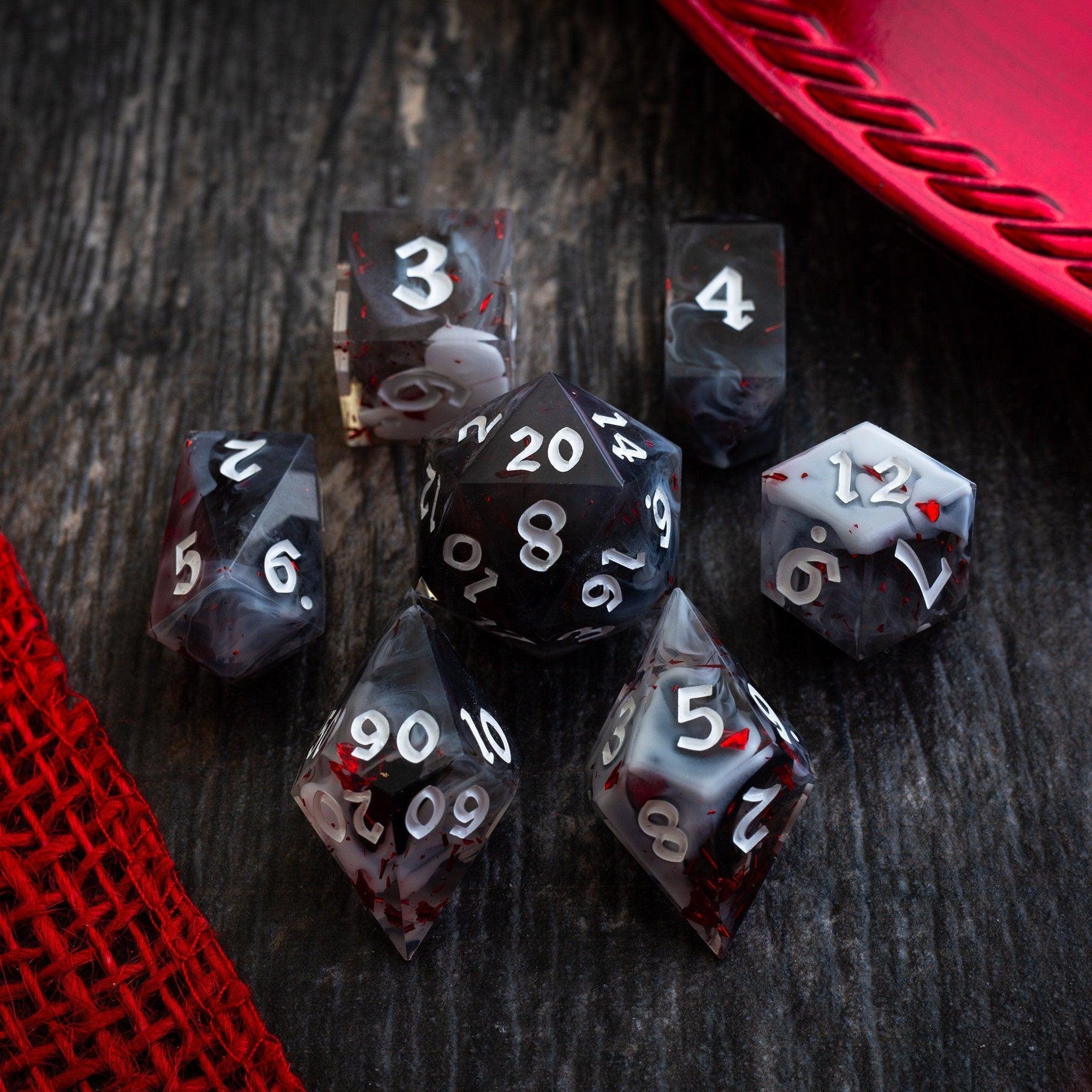
Large resin chonk dice can fit the physical, heavy feel of a frontline warrior without changing how the character plays.
Damage Dealer
Damage-focused builds help remove threats efficiently. Fighters can specialize in accurate weapon attacks, Rangers can focus their attention on chosen prey, Rogues can take advantage of off-guard enemies, and Barbarians bring powerful melee pressure.
Good damage is not only about one spectacular attack. Reliable accuracy, positioning, teamwork, and knowing when to spend actions attacking can matter just as much.
Support and Healer
Support is broader than restoring Hit Points. Clerics, Bards, Druids, and other spellcasters can heal, improve allies, hinder enemies, remove harmful conditions, and solve problems with utility magic.
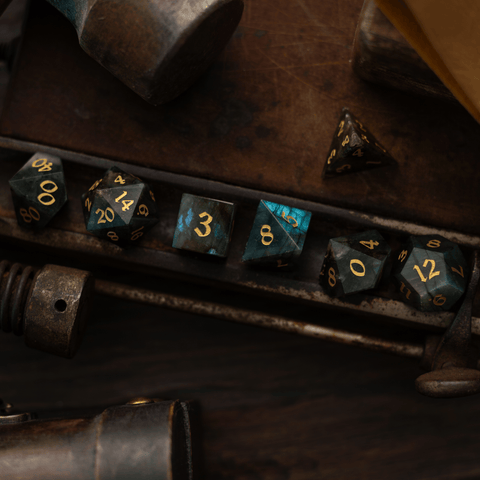
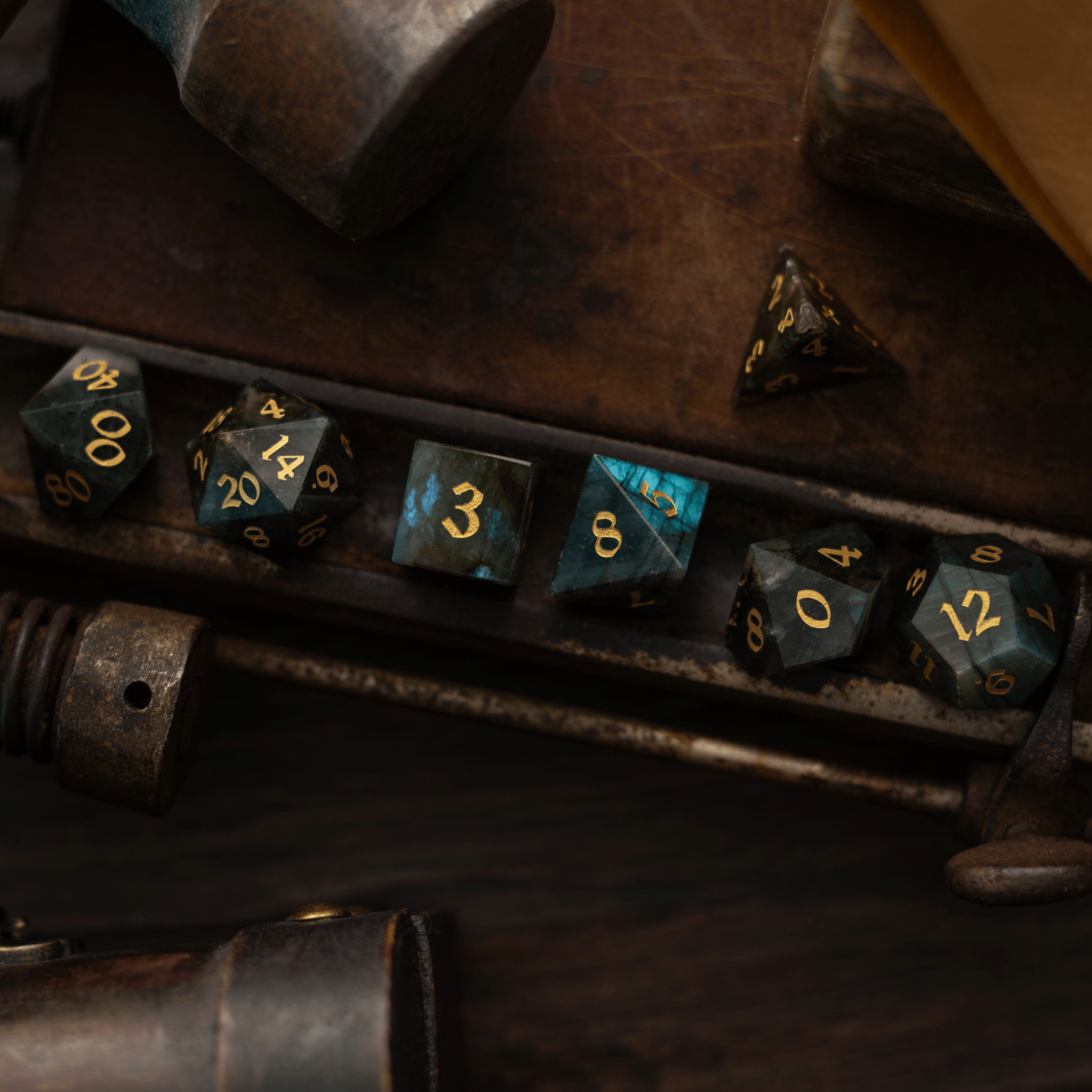
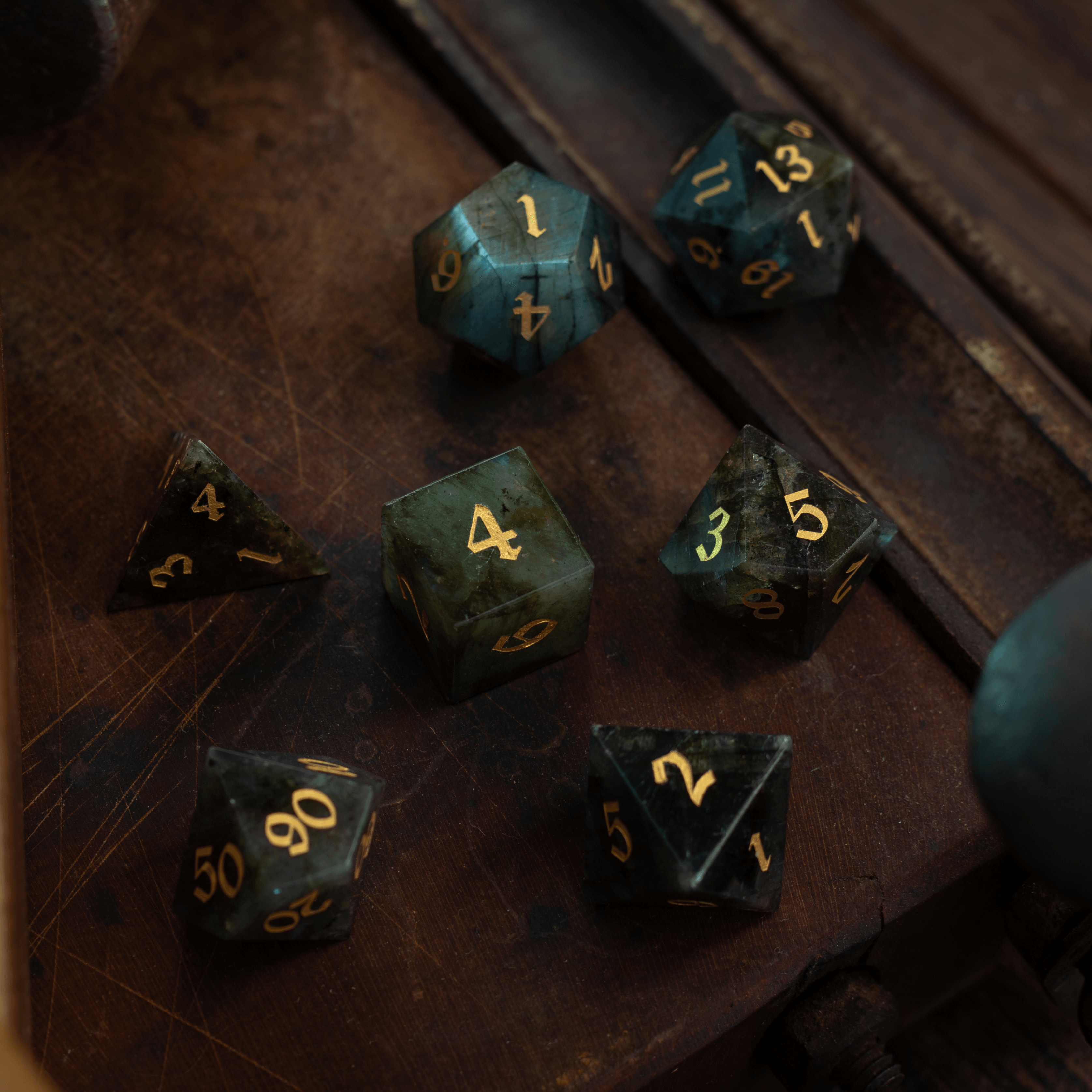
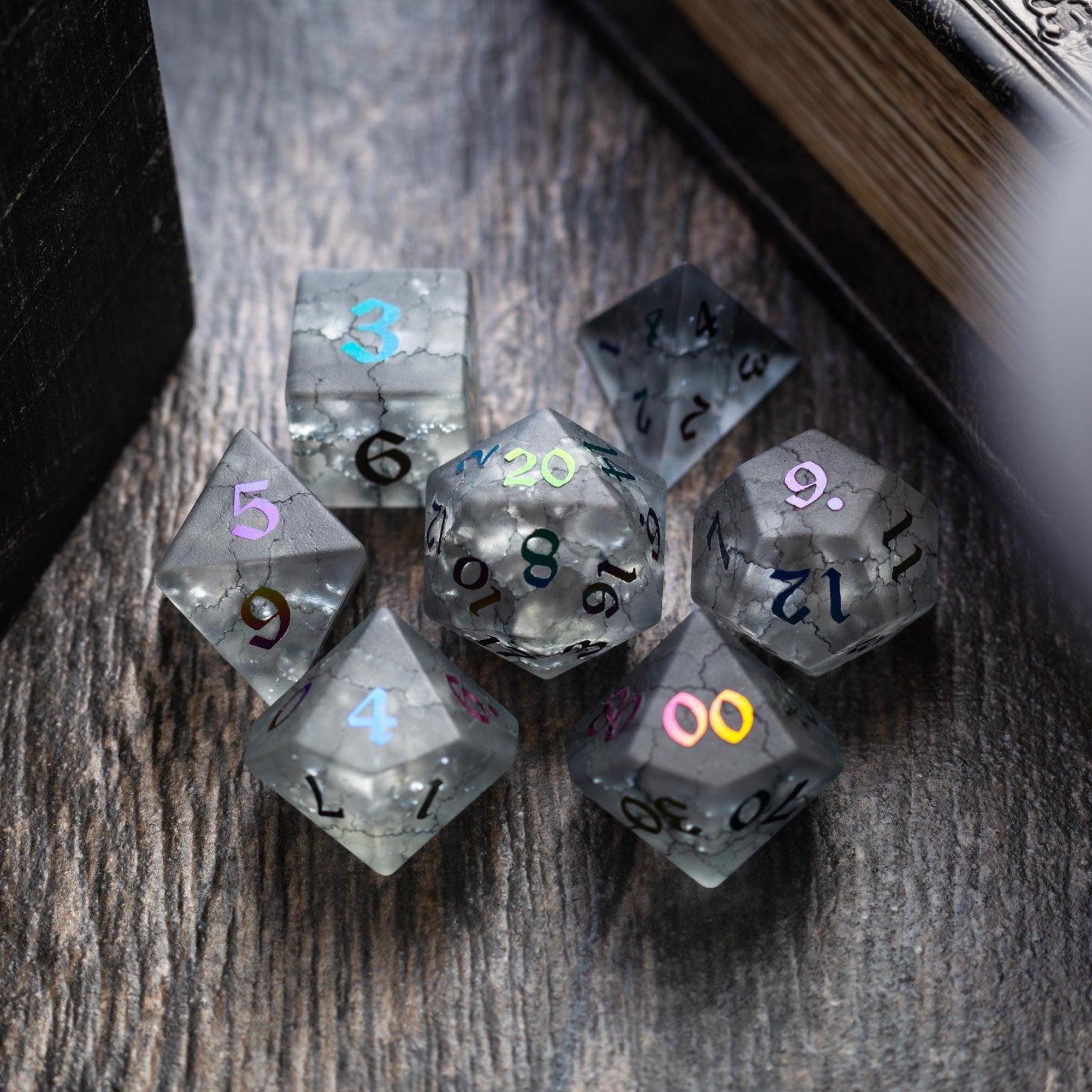
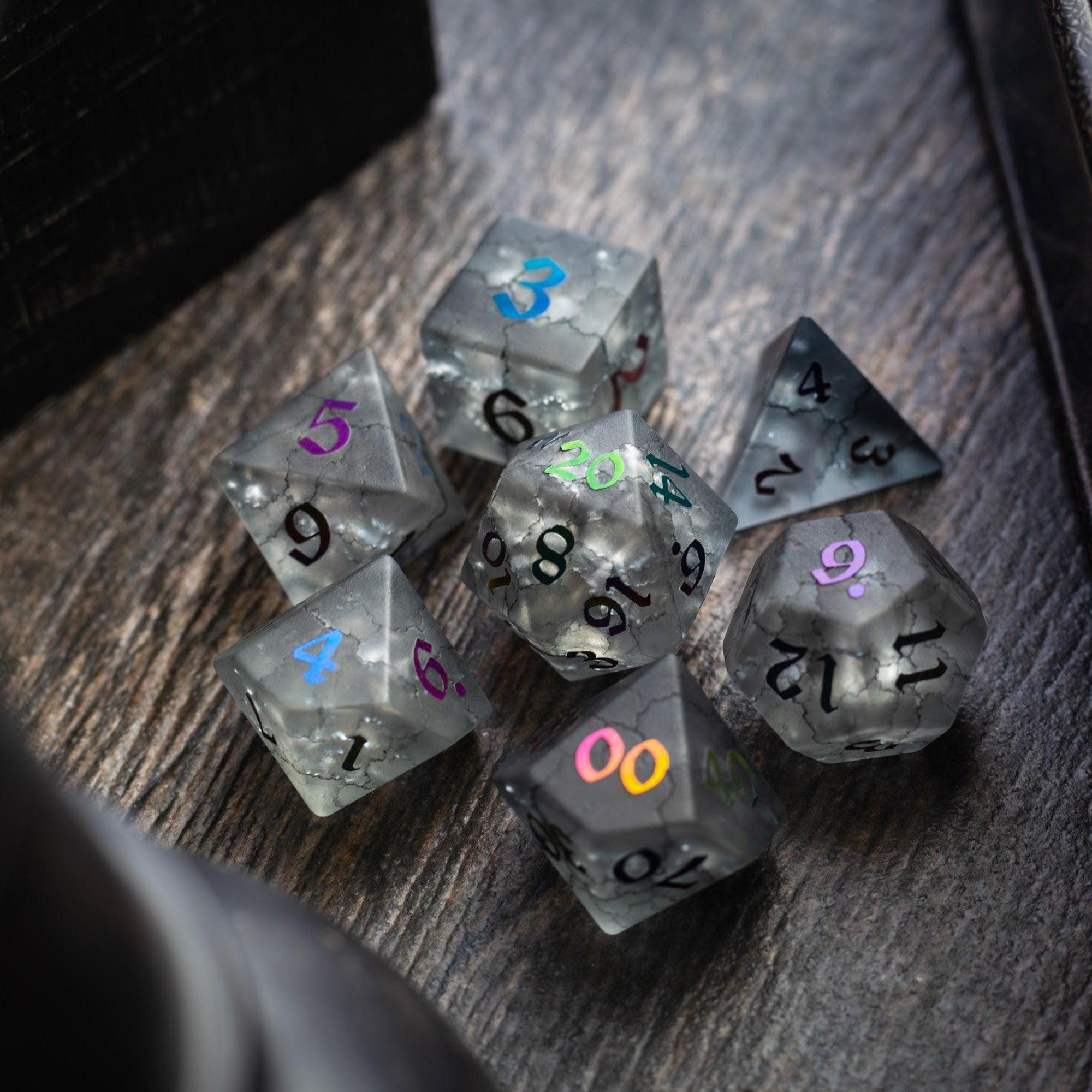
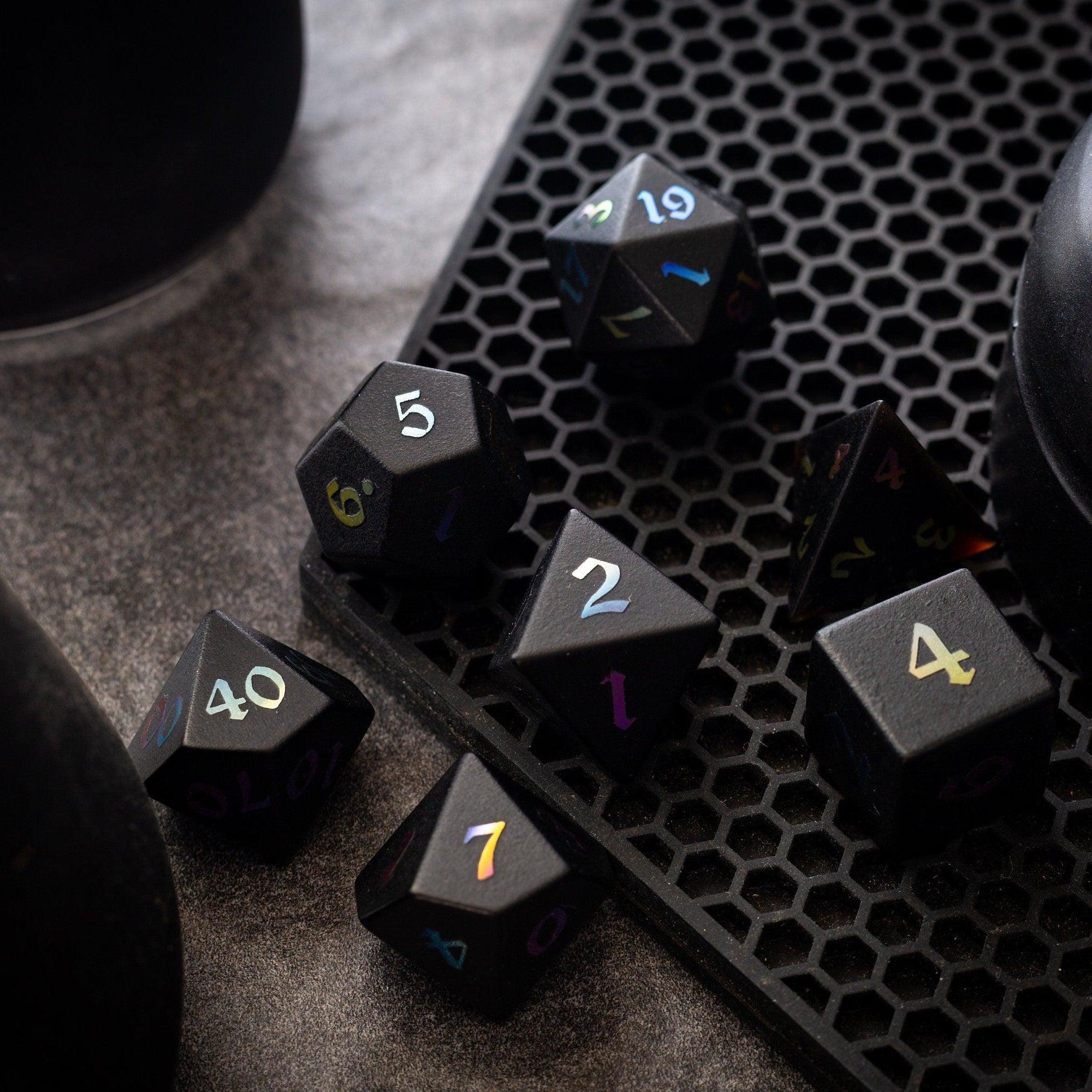
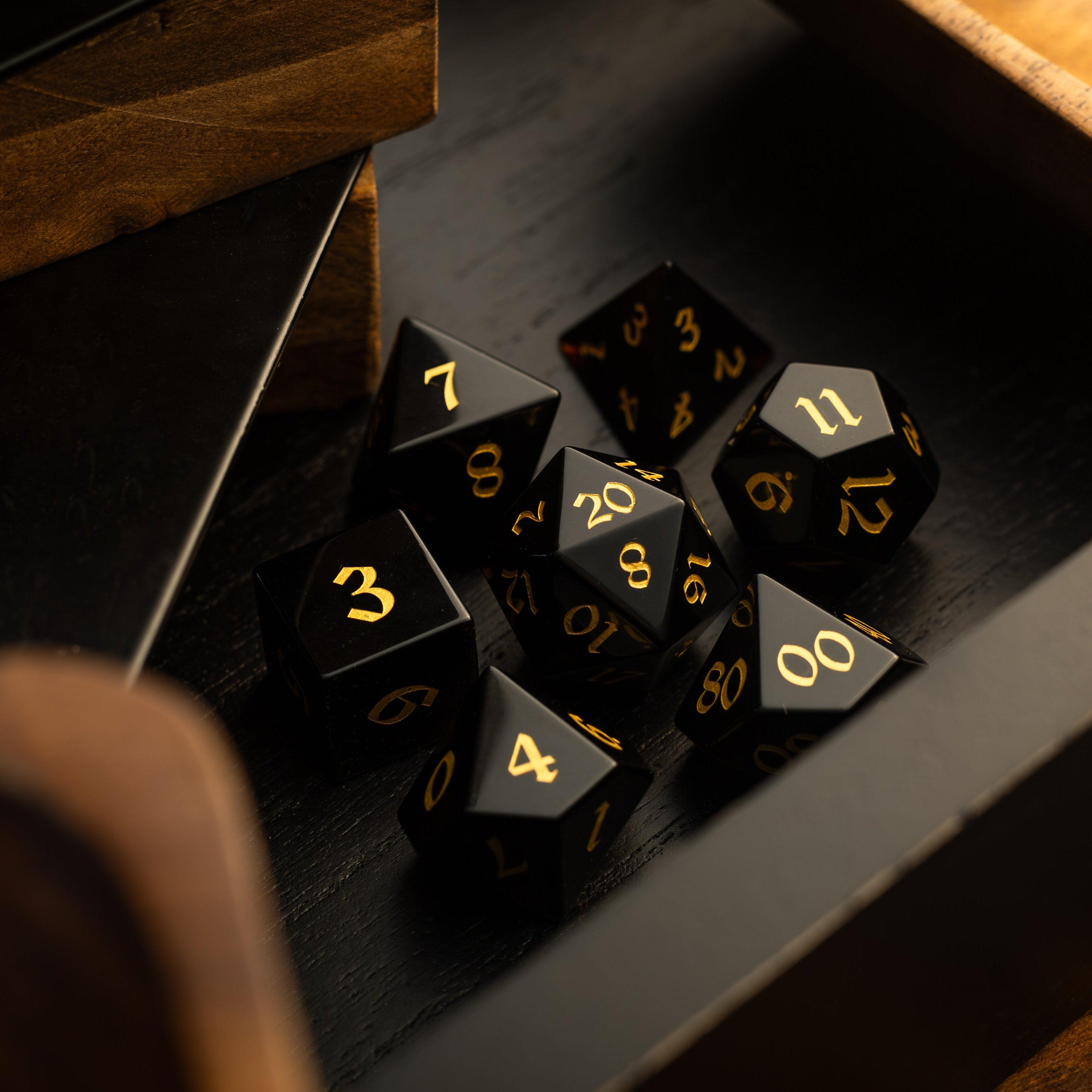
Gemstone dice can suit divine or scholarly characters, especially when you want your tabletop accessories to reflect the character's theme.
Skill Expert and Scout
Some Pathfinder character builds contribute most when the party needs information or a solution outside direct combat. Rogues and Investigators are obvious skill-focused options, but Rangers, Bards, Monks, and many other classes can invest heavily in useful skills.
A scout may use Stealth to move carefully, Survival to track creatures, Thievery to deal with locks and traps, or social skills to gather information. The best choice depends on the campaign and the rest of the party.
Spellcaster and Battlefield Control
Control-focused spellcasters can influence where enemies move and how effectively they act. Instead of spending every turn on direct damage, they may create difficult terrain, impose conditions, protect an area, or otherwise give allies a tactical advantage.
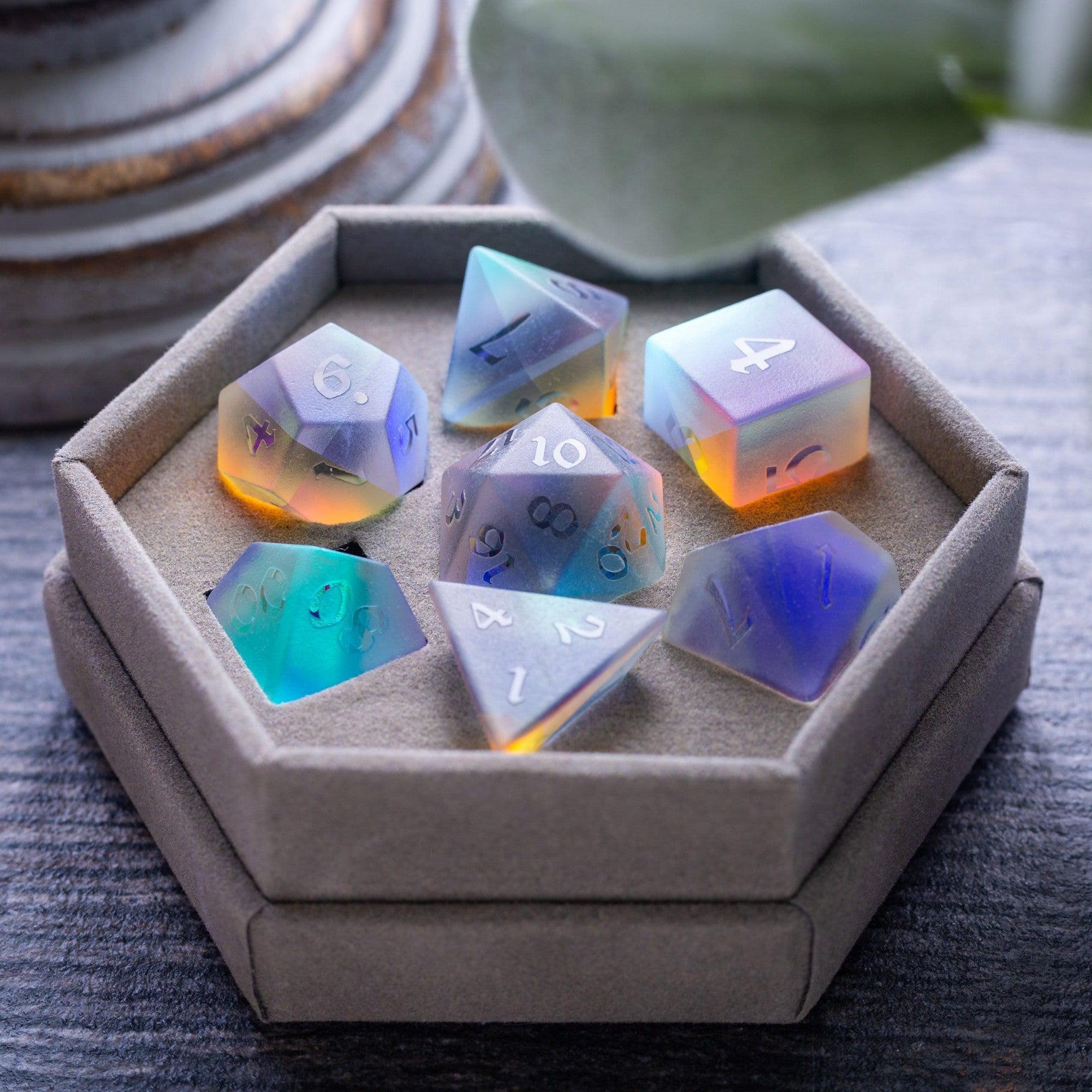
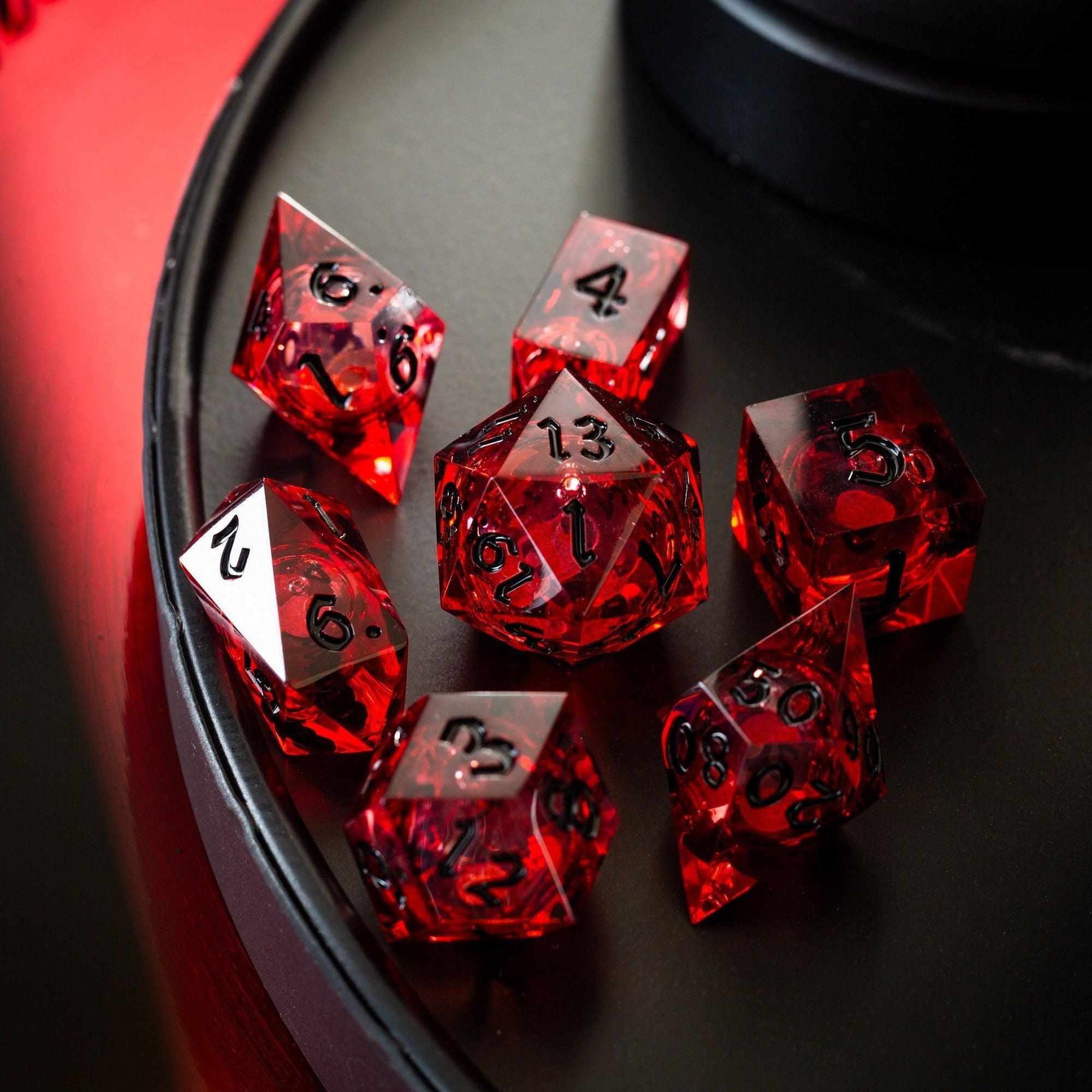
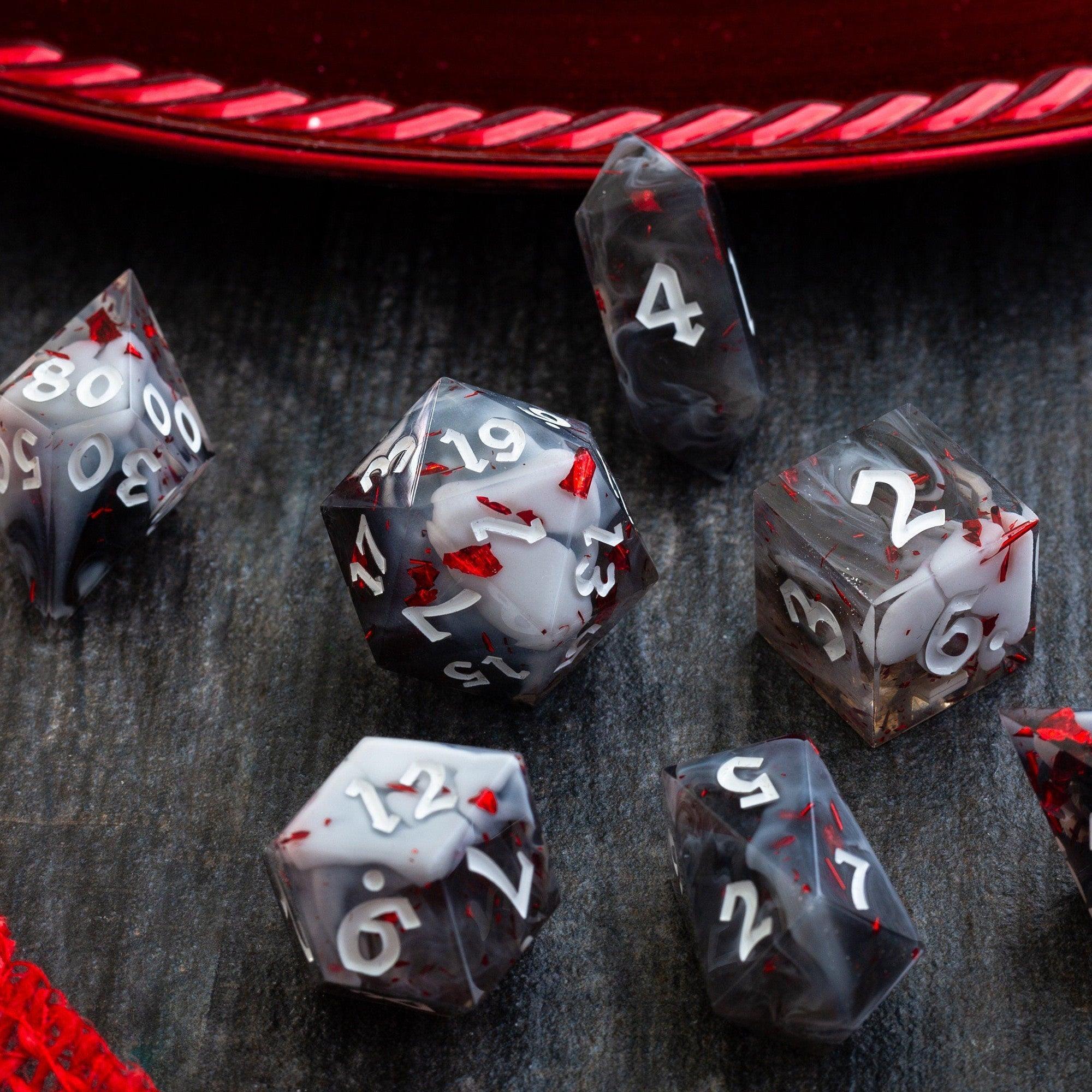
Liquid core dice are a natural thematic match for arcane, elemental, and other magic-focused characters.
Best Martial Builds for Team Protection
Champion Build
The remastered Champion remains one of Pathfinder's strongest defensive classes, with excellent armor and abilities built around protecting allies and following the Champion's deity and tenets.
Beginner-Friendly Champion Concept
- Use a shield and one-handed weapon.
- Stay close enough to allies to make defensive abilities useful.
- Prioritize positioning and protection instead of chasing every enemy.
- Choose feats that support the defensive style you want to play.
This approach gives a new player a clear job while still leaving room to learn Pathfinder's tactical combat system.
Fighter Build
Fighters are flexible martial characters and are included among the core remastered classes in Player Core. A Fighter can become a shield defender, two-handed weapon specialist, archer, duelist, or maneuver-focused combatant.
For a teamwork-focused build, consider Athletics actions such as Trip or Grapple when appropriate. Making an enemy off-guard or restricting its options can create openings for the entire party.
Barbarian Build
Barbarians bring durability and aggressive melee pressure. The remastered Barbarian appears in Player Core 2, alongside Champion, Investigator, Monk, Sorcerer, and other updated classes.
A Barbarian does not automatically force enemies to attack them, so positioning still matters. Work with defenders, healers, and control characters rather than assuming high Hit Points alone will protect the party.
Strong Spellcaster and Support Builds
Cleric Support Build
Clerics are dependable choices when a party needs divine magic, healing, and support. A beginner does not need to spend every action healing. Contributing damage, using buffs or utility spells, and helping allies before they fall can be equally valuable.
Wizard Battlefield Control Build
Wizards reward players who enjoy planning and having different magical tools available. A control-focused Wizard can prepare spells for movement control, defensive protection, utility, and area effects rather than relying entirely on direct damage.
The important lesson is that a spell does not need to deal damage to change a fight. Making several enemies waste actions can sometimes help the party more than damaging one target.
Bard Support Build
Bards are strong teamwork-focused characters because they combine occult spellcasting, useful skills, and composition abilities. They work especially well for players who want to contribute during combat while remaining useful in exploration and social scenes.
Druid Versatility
Druids can support several different party needs through primal magic and their chosen character options. Depending on the build, a Druid might focus on healing, offensive magic, battlefield control, animal companions, or transformation. This flexibility makes the class useful when a party needs someone capable of covering more than one area.
Pathfinder Build Comparison Table
| Build Type | Party Role | Strengths | Playstyle |
| Champion | Defender | Defense, ally protection | Protective and tactical |
| Fighter | Martial Specialist | Accuracy, flexibility, maneuvers | Direct and tactical |
| Barbarian | Frontline Damage | Damage, durability | Aggressive |
| Cleric | Support | Healing, divine magic, utility | Dependable |
| Wizard | Control/Utility | Spell selection, battlefield control | Strategic |
| Rogue | Skills/Damage | Skills, mobility, precision | Clever and flexible |
| Bard | Support/Skills | Buffs, skills, occult magic | Adaptable |
| Druid | Hybrid Utility | Primal magic, healing, control | Flexible |
Flexible Hybrid Character Builds
Pathfinder character builds do not need to stay inside simple role categories. Archetypes allow characters to add new abilities while keeping their primary class progression. The remastered core books include multiclass options and numerous other archetypes for character customization.
Battle Casters
Characters that mix weapons and magic can create interesting tactical choices. A Magus is the clearest dedicated example, while martial characters can gain magical options through appropriate archetypes and spellcasters can invest in options that improve their performance near the front line.
Skill-Focused Support Characters
Support does not need to mean healing. Characters trained in Medicine, Diplomacy, Intimidation, Recall Knowledge skills, or other useful areas can create advantages before, during, and after combat.
How to Build Around Party Synergy
Cover Important Gaps
Before finalizing your build, ask what your group can already handle. If nobody has reliable healing, Medicine training or healing magic may be valuable. If the party lacks scouting, consider Stealth or Perception-focused options. If enemies regularly overwhelm the back line, stronger battlefield control may help.
Do Not Fear Overlapping Roles
Two characters sharing a role is not automatically a problem. Two martial characters can use different weapons and tactics, while two spellcasters can prepare very different tools. What matters is whether the group has enough answers for the challenges it expects to face.
Combine Abilities Creatively
Pathfinder rewards characters who create opportunities for one another. A martial character can Trip an enemy to make it easier for allies to attack. A spellcaster can limit enemy movement while the frontline controls the safest path forward. A support character can improve an ally before that ally attempts an important attack or skill check.
These combinations are often more effective than four characters independently repeating their strongest individual action.
Common Beginner Build Mistakes
Trying to Do Everything Alone
Trying to cover every possible role can leave a character without a clear strength. Pick a few things you want your character to do well and trust other players to contribute their specialties.
Ignoring the Three-Action Economy
Pathfinder's three-action system encourages varied turns. Attacking repeatedly is not always the best choice because the multiple attack penalty normally makes later attacks less accurate. Movement, skill actions, raising a shield, supporting an ally, or repositioning can produce a stronger turn.
Overcomplicating Builds Too Early
You do not need an elaborate archetype combination to make an effective character. Pathfinder already provides substantial customization through class feats, skill feats, ancestry feats, and other choices. Start with a clear concept and add complexity when you understand what your character needs.
Choosing Power Over Fun
The best Pathfinder class builds are not simply the ones with the strongest numbers. A mechanically effective character still needs to be enjoyable for you to play through exploration, combat, roleplaying, and an entire campaign.
Build a Character the Whole Party Can Use
Effective Pathfinder character builds begin with a simple question: what can this character contribute when the party needs help? Your answer might be frontline protection, reliable weapon damage, healing, battlefield control, scouting, social skills, or a combination of several strengths.
Build around that purpose, coordinate with your group, and leave room for your character to grow. Pathfinder's character system offers enough flexibility that you rarely need one exact class or build to make a party work. A clear role, useful teamwork, and a character you genuinely enjoy playing will take you much further than chasing a supposedly perfect build.






Leave a comment
This site is protected by hCaptcha and the hCaptcha Privacy Policy and Terms of Service apply.