
D&D Fan Events Guide: How to Find Great Games, Conventions, and Communities

D&D fan events are gatherings where people play Dungeons & Dragons, meet other tabletop gamers, and share their love of fantasy storytelling. They range from beginner one-shots at game stores to large gaming conventions and online sessions.
You do not need a regular group, an elaborate costume, or years of experience to attend. This guide covers where to look, how to choose a game, and what to expect.
Why D&D Fan Events Matter
A home campaign usually involves the same players for months. Public games let you meet people with different styles, learn from other Dungeon Masters (DMs), and try adventures you might never play at home. They can also be a practical way to find a regular gaming group.
For beginners, a welcoming event provides something a rulebook cannot: a chance to ask questions and learn by playing. For veterans, it offers fresh ideas and potential friends.
Types of D&D Fan Events
Gaming Conventions
Tabletop conventions bring several parts of the hobby together. Depending on the organizer, you might find scheduled D&D adventures, beginner sessions, miniatures workshops, cosplay, panels, artists, and dice vendors. Larger events such as Gen Con let attendees search event listings and sign up for specific games.
Check registration details carefully. Some conventions require a general admission badge plus a separate ticket for an RPG session. Popular tables may fill before the event, so reserving a seat early is worth the effort.
Local Game Store Events
Game stores and gaming cafés may host learn-to-play nights, weekly campaigns, open tables, and one-shot adventures. They are useful for meeting nearby players.
Ask the organizer whether newcomers can join, if characters are provided, and whether the session is free. Registration rules vary by event.
D&D Adventurers League
Adventurers League is D&D's official organized play program. It uses shared campaign rules so eligible characters can participate in adventures with different DMs and groups. This can be useful if you travel or cannot attend the same table every week.
Character options and advancement follow the current program documents, which can differ from a home campaign. Before creating a character, check the Adventurers League resources and ask which campaign the table is running.
Online Campaigns and Communities
Online D&D events are an alternative when local options are limited. You can find one-shots and ongoing campaigns through Discord communities and virtual tabletop platforms such as Roll20. Some games use voice chat, while others also require a digital character sheet or virtual tabletop account.
Check each listing for schedule, playstyle, age requirements, and cost.
One-Shot Nights and Fantasy Gatherings
A one-shot is an adventure intended to finish in a single session, although some run longer. It is often the easiest way to try D&D without joining a long campaign. Public one-shots can feature mysteries, dungeon crawls, comedy, or combat-heavy stories.
Cosplay meetups, Renaissance festivals, and fantasy gatherings may also appeal to D&D fans, but they do not always offer actual games. Check the schedule if you want to play.
How to Find D&D Events Near You
Start with these reliable options rather than waiting to hear about an event by chance:
- Use the official D&D Event Finder. Search by location to see participating Wizards Play Network stores and listed D&D events. Not every independent meetup appears there.
- Contact game stores. Ask about upcoming sessions, registration, open seats, and whether supplies are provided.
- Search community spaces. Look for local tabletop groups on Meetup, Facebook, Reddit, and Discord. Libraries, universities, and community centers may also offer gaming nights.
- Browse convention event catalogs. Filter by RPG system, date, experience level, and available tickets when those options are provided.
- Look for online games. The official D&D Group Finder explains how to find groups through the D&D Discord. Roll20 also offers Looking for Group listings.
Before signing up, message the host: "I'm new to public D&D games. Is this session suitable for beginners, and should I bring a character?" It can prevent confusion.
Which D&D Event Is Right for You?
| Event Type | Best For | What to Check |
|---|---|---|
| Large convention | Meeting many players and trying different games | Badges, event tickets, scheduling |
| Local game store | Finding nearby players | Open seats, experience level |
| Adventurers League | Organized games across different tables | Current character and campaign rules |
| Online game | Playing remotely | Time zone, platform, cost |
| One-shot night | Trying D&D without a long commitment | Session length, character requirements |
What to Expect at Your First D&D Event
Most public sessions begin with introductions, a quick explanation of the adventure, and any table rules. Players may have very different levels of experience, so it is fine to ask how something works. You need neither a character voice nor every rule memorized.
Ask in advance about start time, session length, accessibility needs, age limits, and content boundaries. If you are uncomfortable with a theme, speak privately with the organizer or DM. A good event should make expectations clear and treat players respectfully.
What to Bring
- A character sheet, if the organizer requests one
- A pencil and notebook for notes
- Water and any permitted snacks
- A phone or device if your character sheet is digital
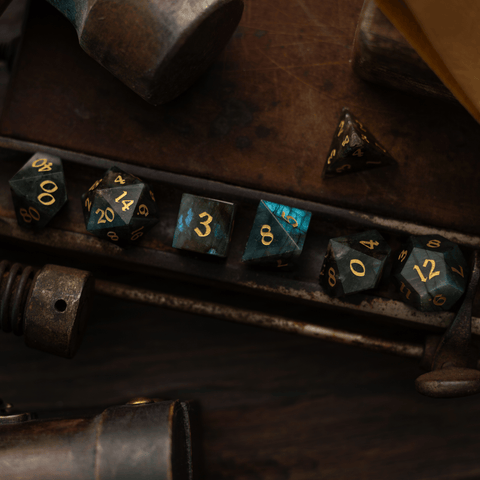
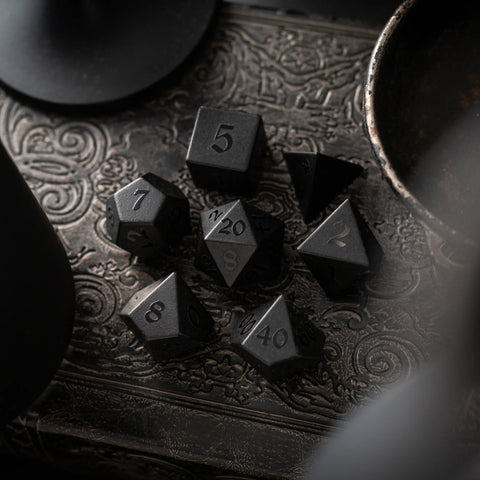
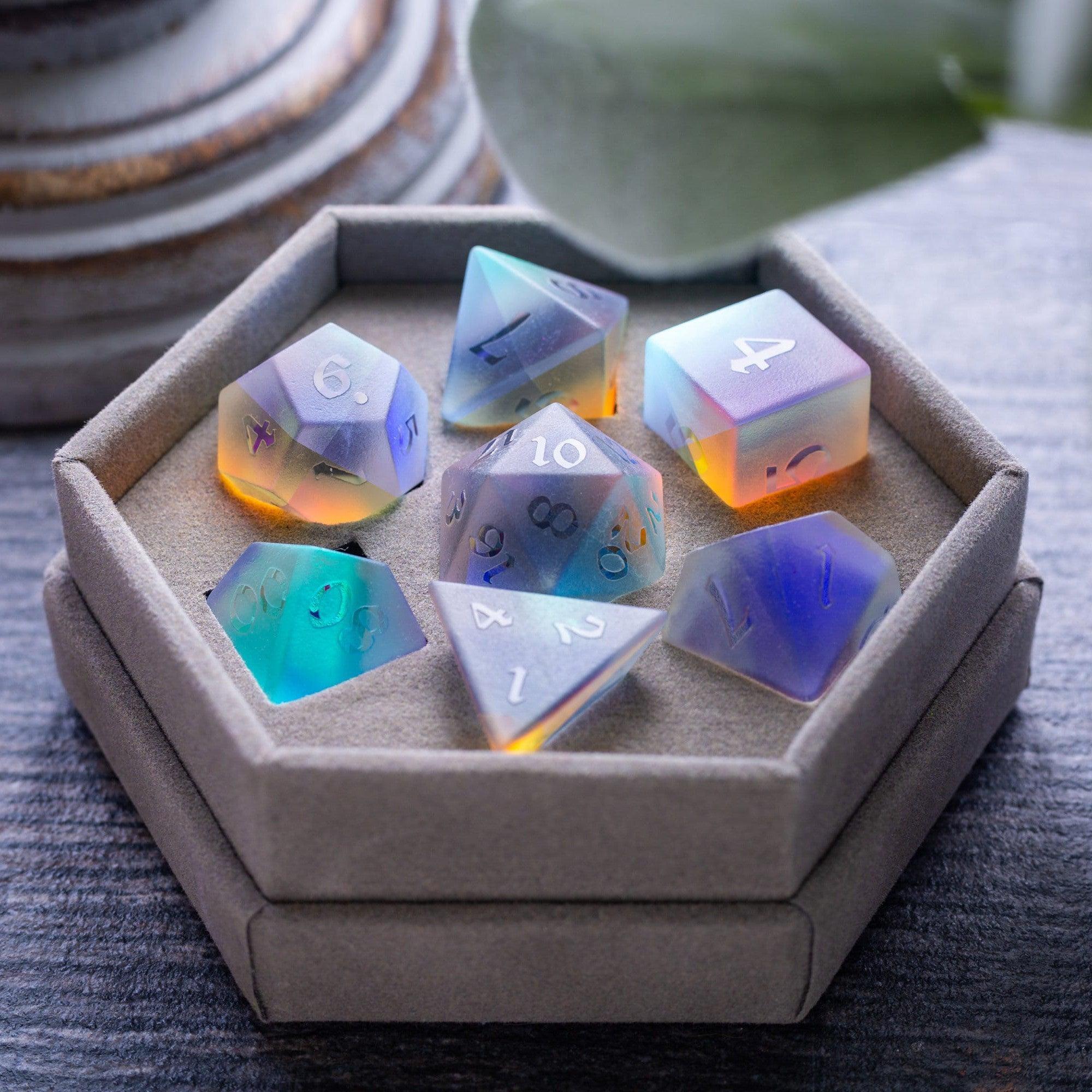
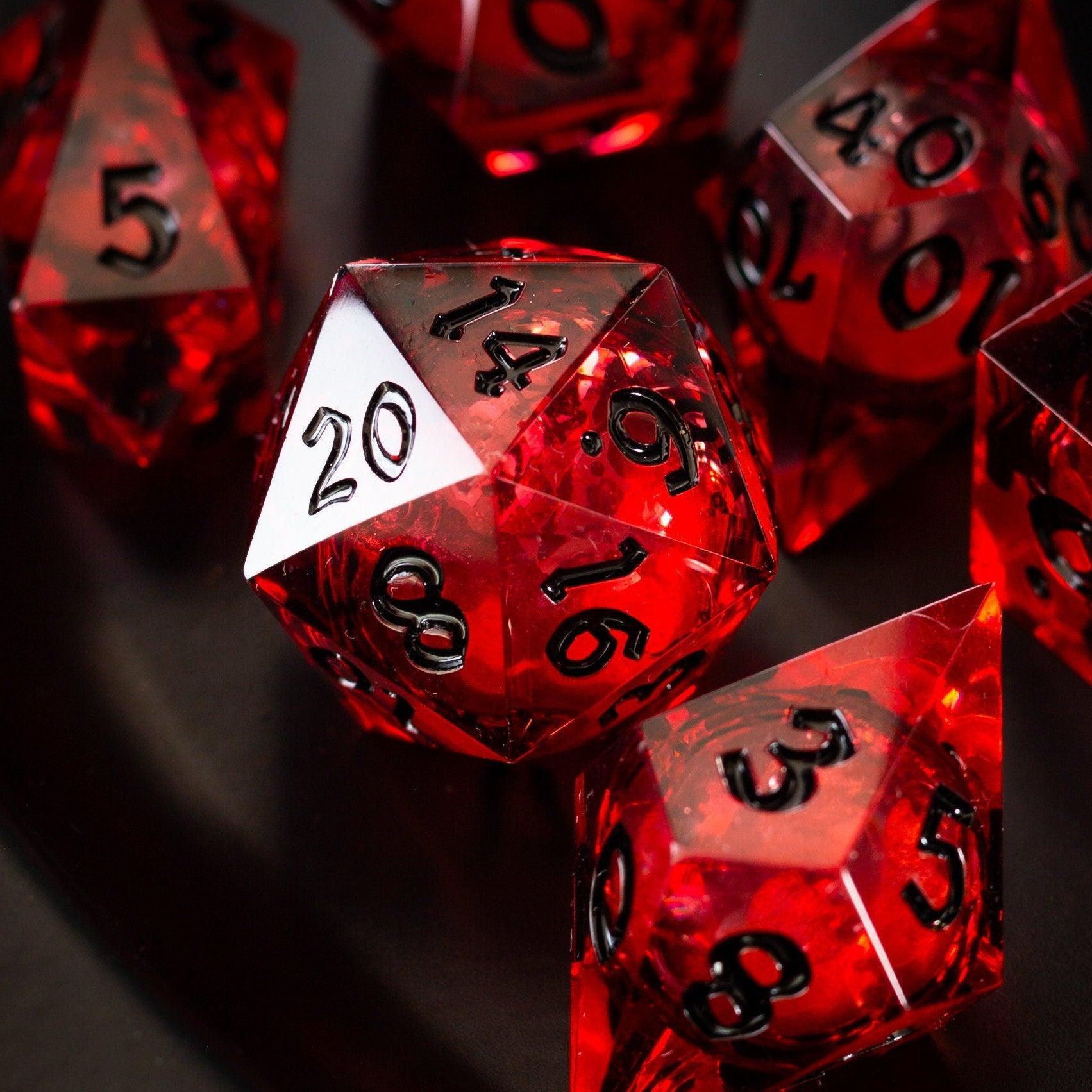
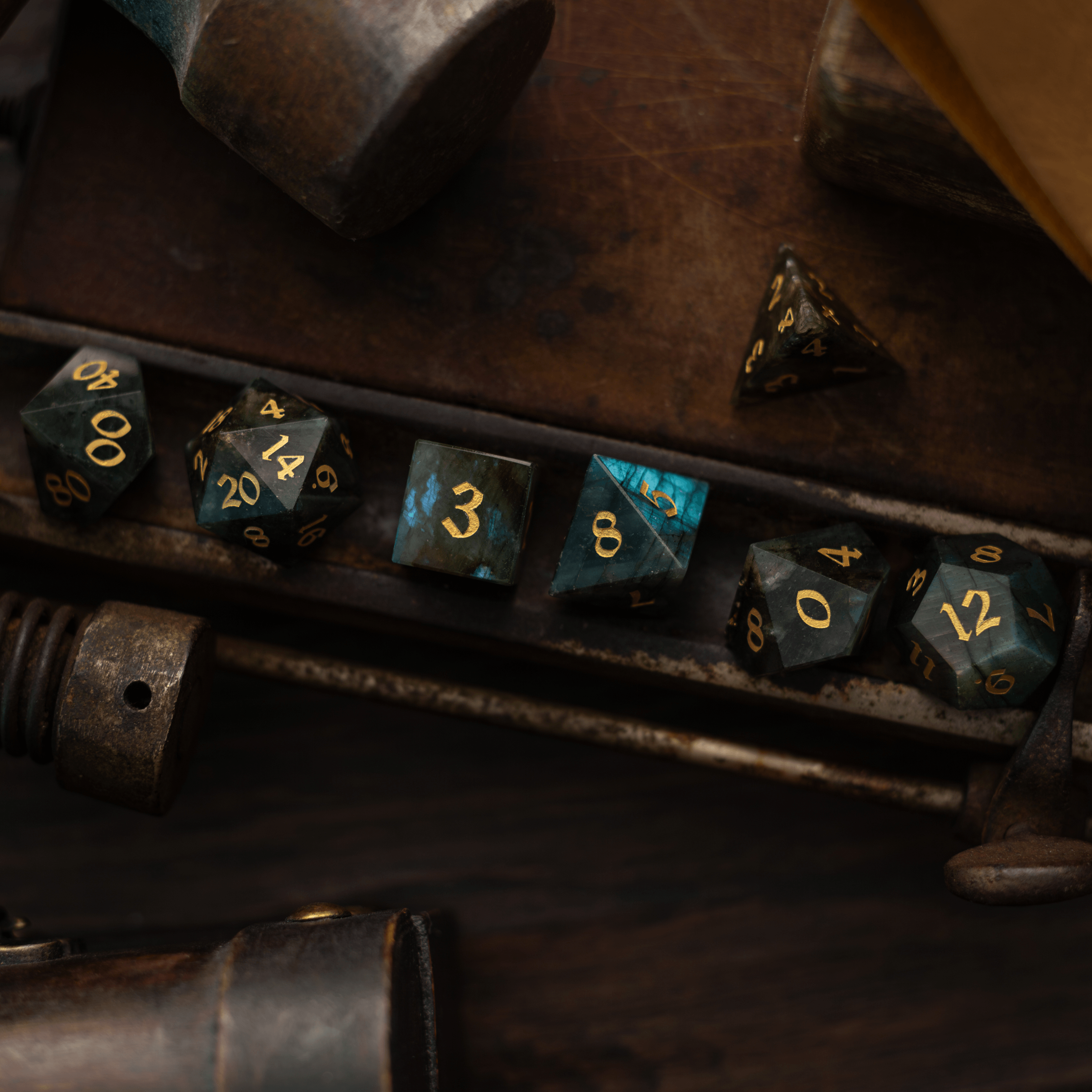
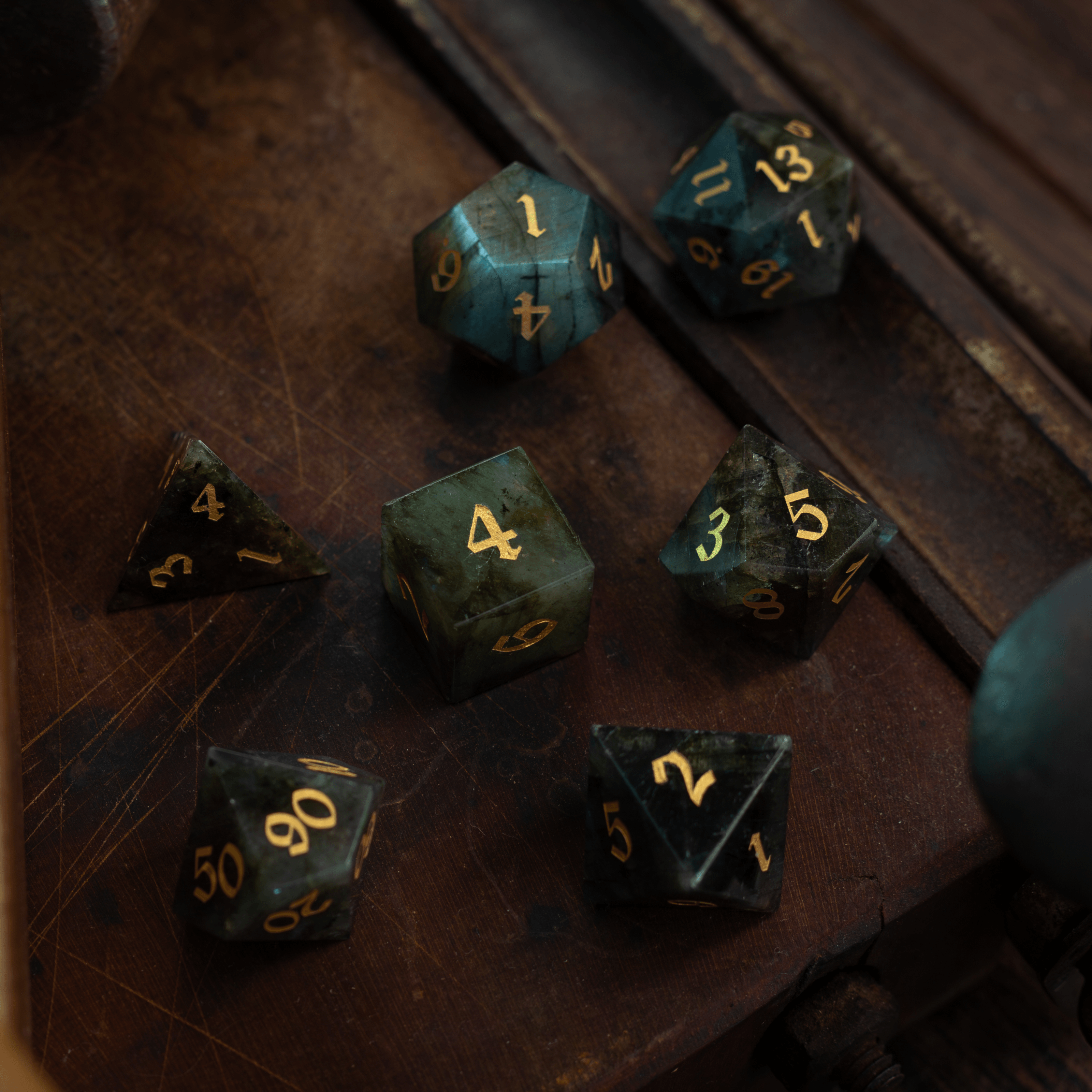
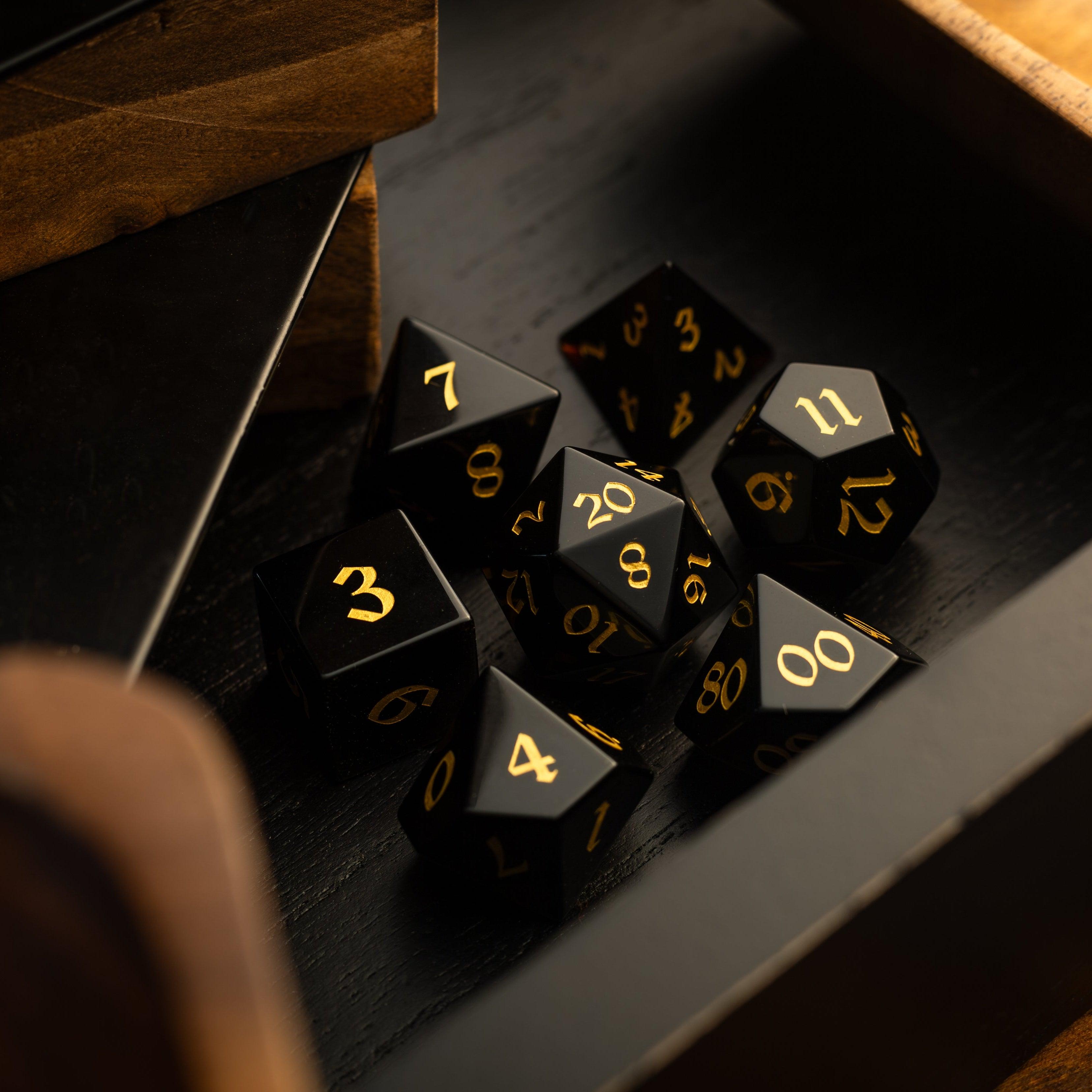
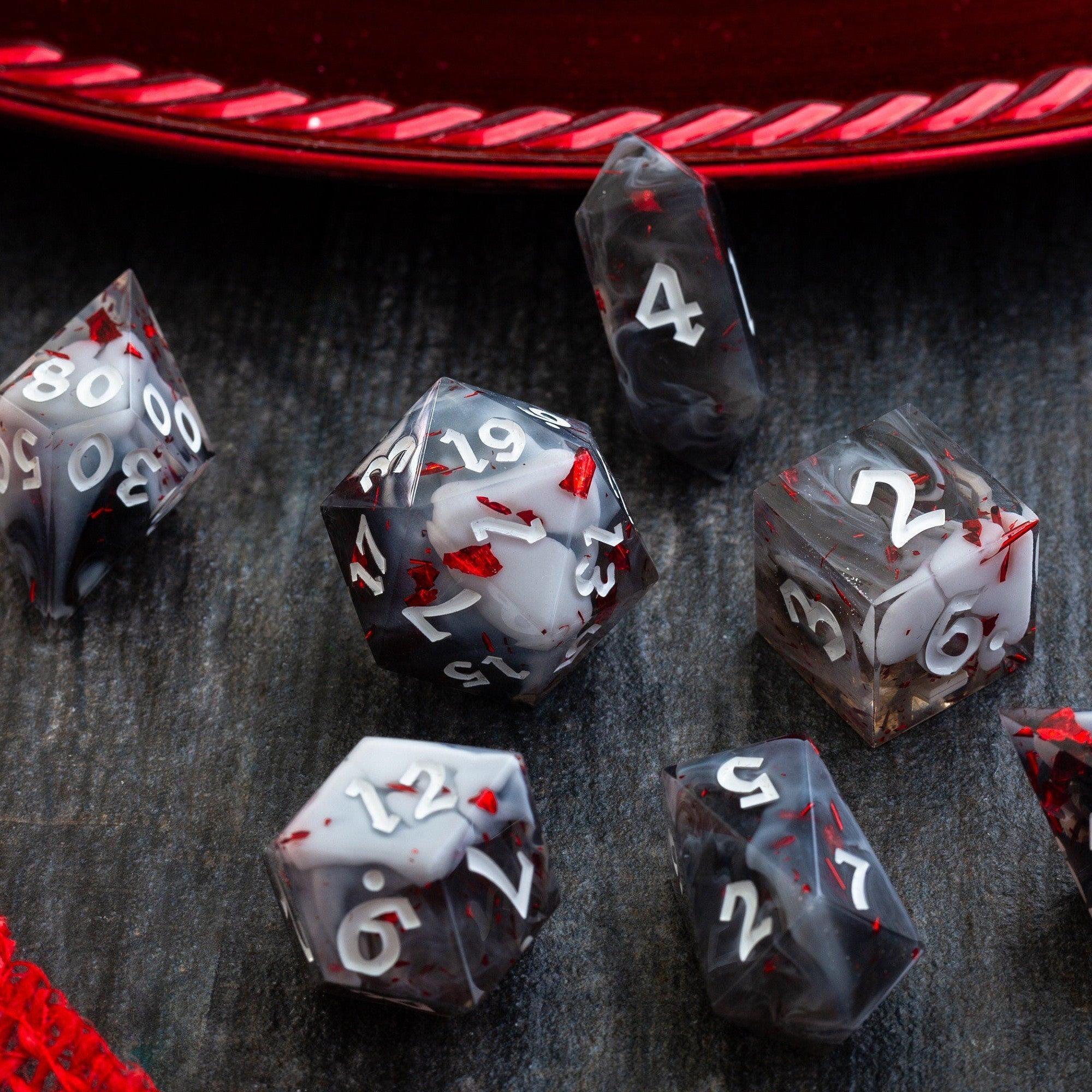
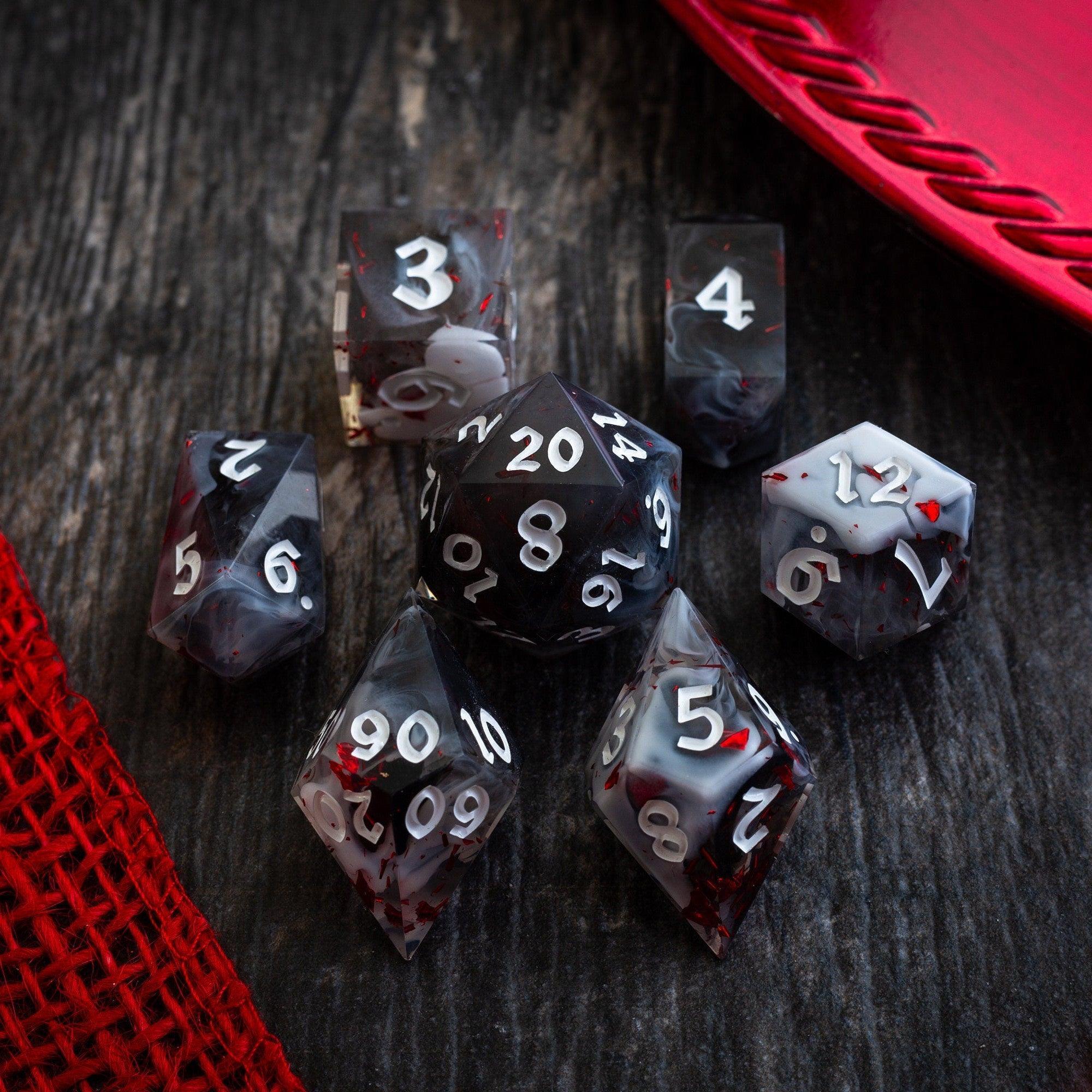
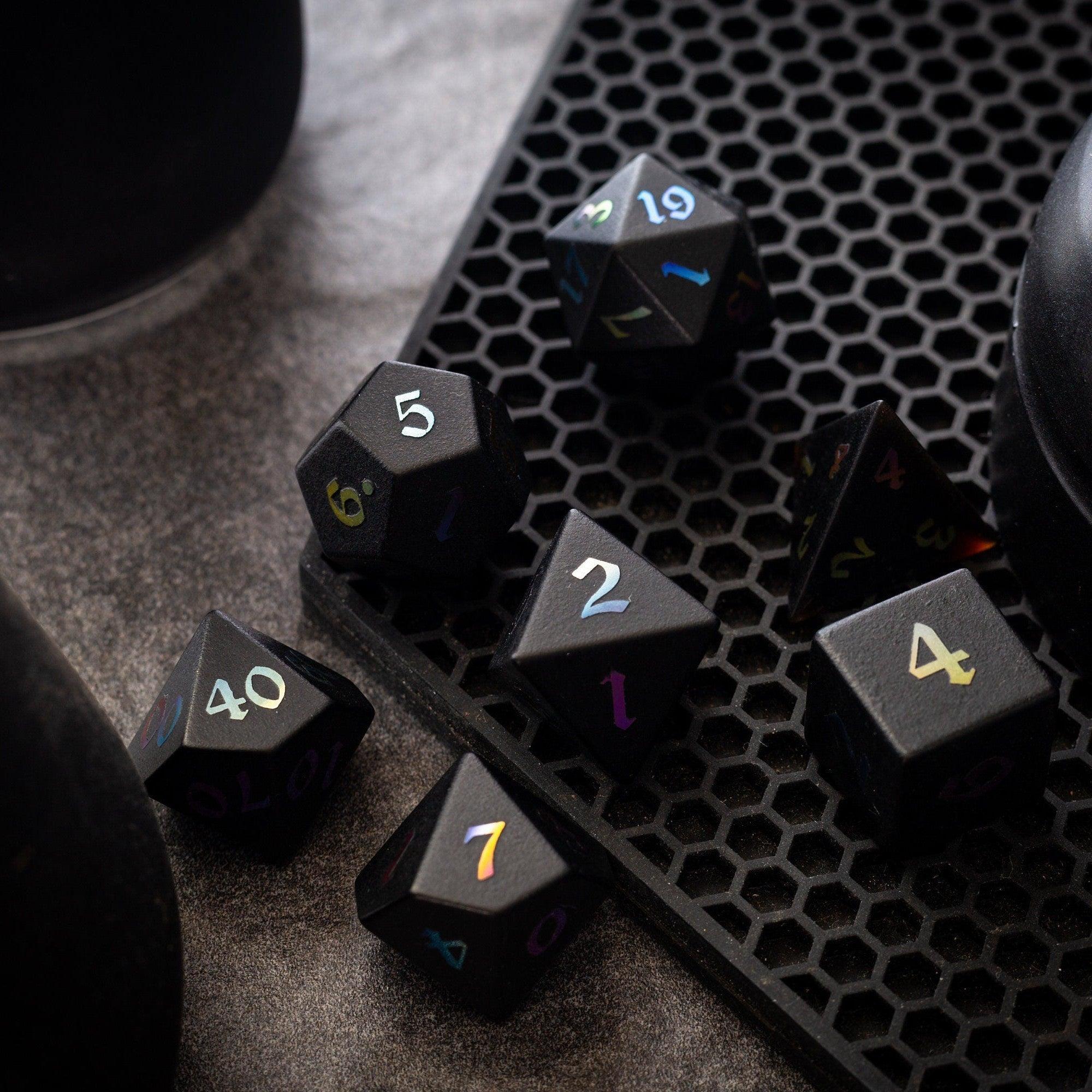
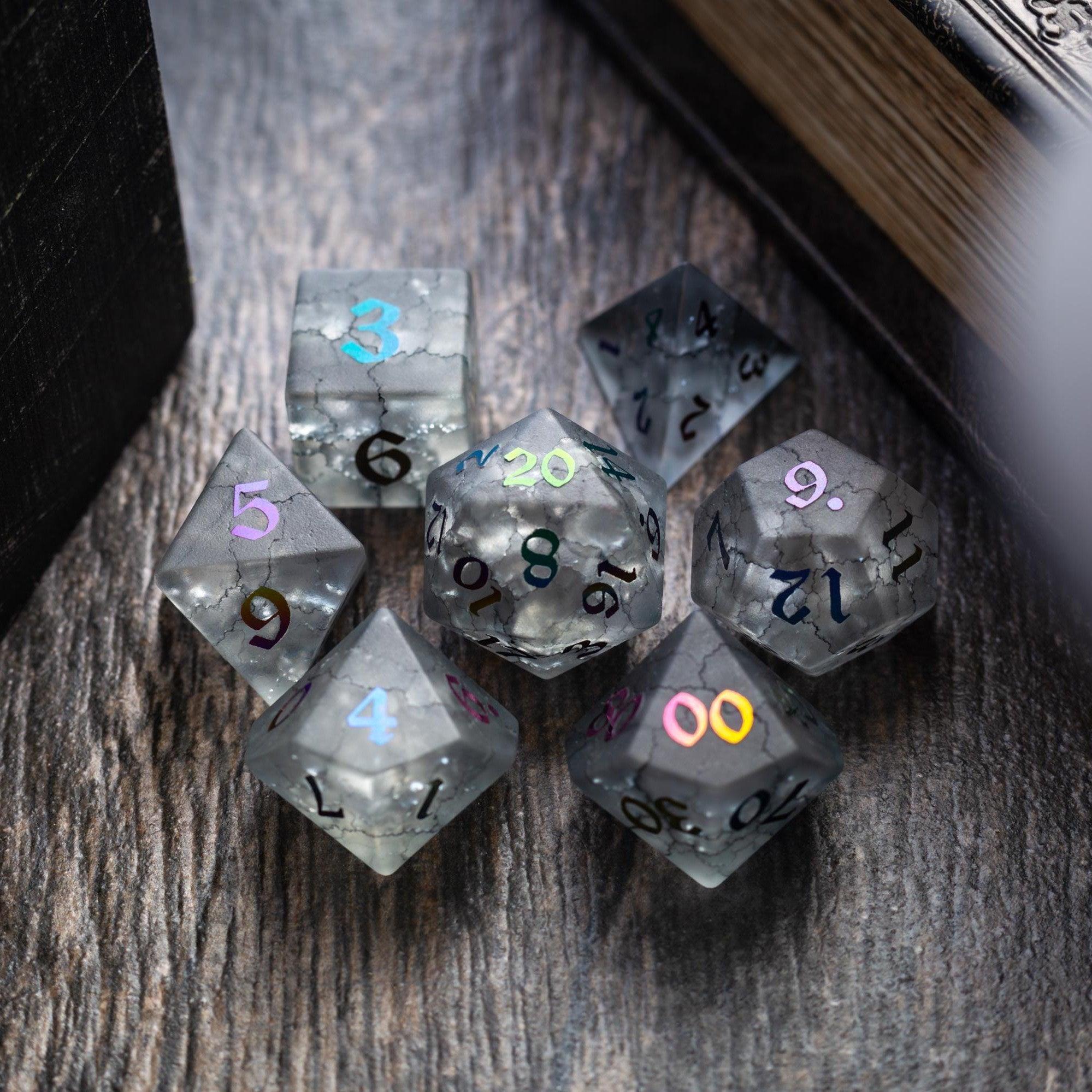
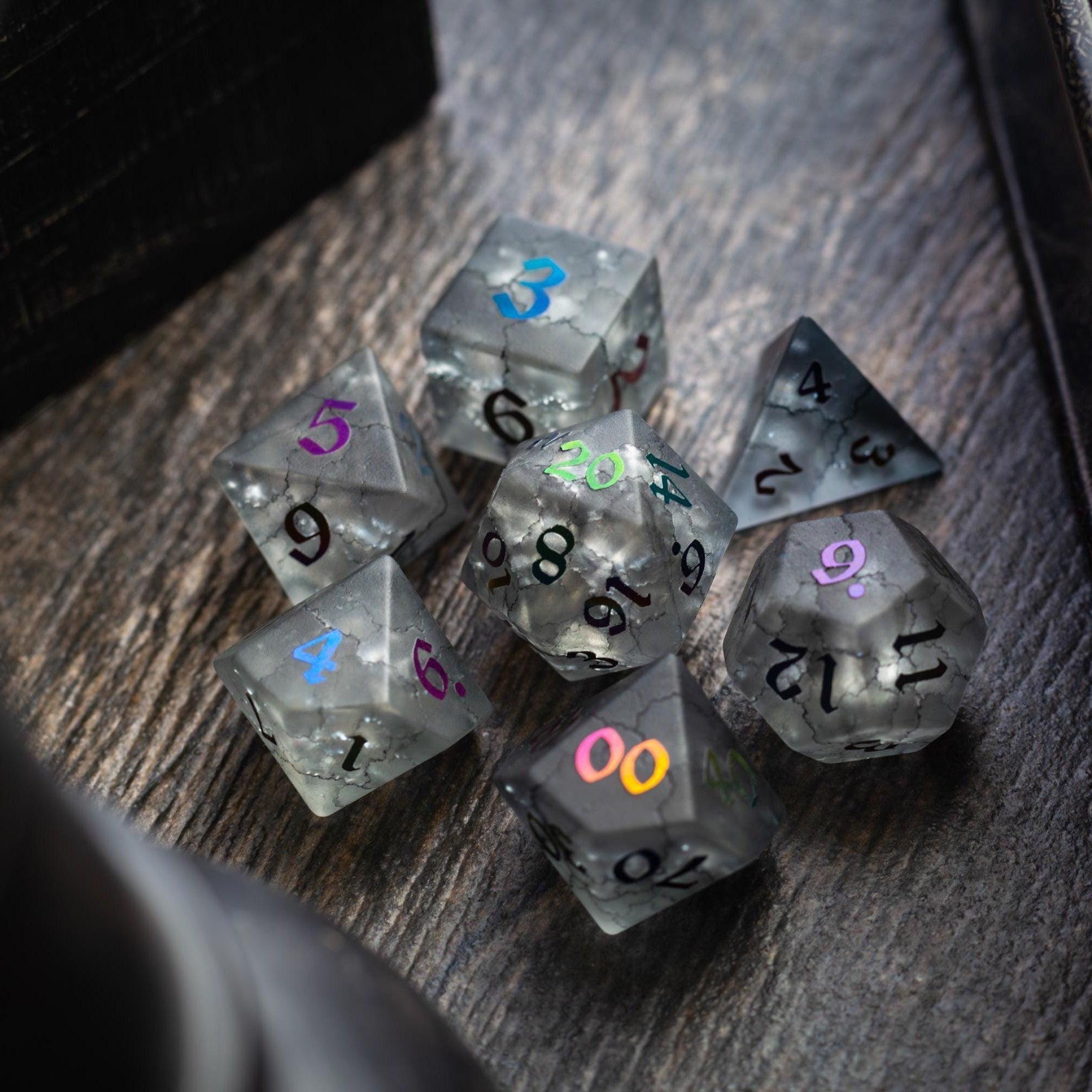
- A polyhedral dice set, unless dice will be provided
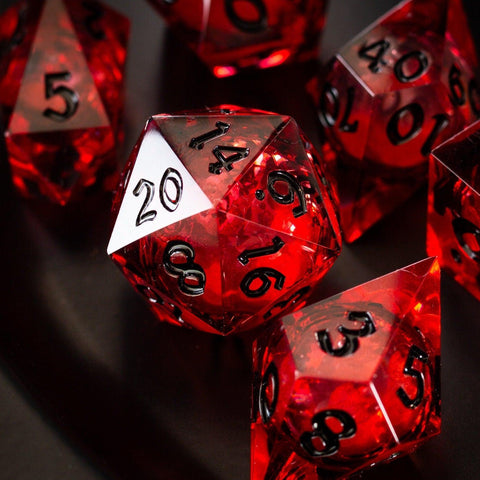
Bringing your own dice can make a session feel personal, but expensive accessories are not necessary. If you prefer something colorful, resin dice are one option. A dice tray also keeps rolls on the table.
Simple Table Etiquette
Arrive on time, share the spotlight, listen when others speak, and keep your turns moving. Ask before handling another player's miniatures or dice. Avoid making choices for someone else's character, and remember that disagreements with fictional characters should not become arguments between players.
Benefits of Attending D&D Conventions and Meetups
Fan events offer more than a few hours of adventure. Playing with unfamiliar people can help you get comfortable introducing yourself, cooperating with a party, and trying new roleplaying styles. You might see a DM handle combat pacing in a way you want to use or meet players interested in starting a home campaign.
You can also discover what kind of table suits you. One group might prefer puzzles and careful planning, while another enjoys character drama and jokes. There is room for different playstyles, and finding a good fit matters more than joining the first available campaign.
Tips for Dungeon Masters Running Public Games
Public sessions benefit from clear expectations and tight pacing. Let players know the adventure's theme, expected length, character level, and any content limits before the game starts.
- Welcome newcomers: Explain core actions briefly and offer pre-generated characters when practical.
- Plan for the clock: Prepare a clear opening, a few meaningful encounters, and an ending that fits the scheduled slot.
- Protect player choice: Give the party genuine options without requiring one specific solution.
- Share attention: Invite quieter players into scenes without pressuring them to perform.
- Finish cleanly: Leave time for questions, packing up, and the next group using the space.
A clever negotiation or difficult choice can be as memorable as a boss fight.
Common Mistakes to Avoid
Do not schedule games back-to-back without checking travel time and breaks. At conventions, make sure an admission badge actually covers the session you want. For online games, confirm the time zone and test your microphone or tabletop access beforehand.
Most of all, do not assume every table follows your home rules. Ask when uncertain, respect the host's guidance, and remember that cooperative play is more important than winning an argument.
Frequently Asked Questions About D&D Events
Can I attend a D&D event alone?
Yes. Many public tables are designed for individuals signing up separately. Confirm that the event has an open seat and accepts new players.
Do I need to know the D&D rules?
Not for sessions labeled beginner-friendly. The DM can explain basic actions as you play. Read the listing first, because some events expect experienced players.
Are D&D fan events free?
Some are free, while others charge for admission, a reserved seat, or a paid DM. Always check the complete cost before registering.
Find Your Next D&D Table
The best D&D fan event is one that fits your schedule, interests, and comfort level. A local one-shot might lead to a regular group. A convention could introduce a new favorite playstyle. An online game might be the easiest way to meet other adventurers.
Start with one event, ask a few questions, and come ready to collaborate. You do not have to be an expert to join the story.







Leave a comment
This site is protected by hCaptcha and the hCaptcha Privacy Policy and Terms of Service apply.