

Navigating DnD Campaign Settings Across Realms
Updated on: March 16, 2026
Building your own fantasy world doesn't have to be overwhelming. Whether you're a seasoned Game Master or just starting your tabletop adventure, choosing the right backdrop for your story is crucial. This guide walks you through exploring popular fantasy worlds, creating your own unique setting, and bringing it all to life with immersive details that'll keep your players coming back for more.
- Exploring Popular Fantasy Worlds
- Building Your Custom Fantasy Setting
- Bringing Your World to Life
- Frequently Asked Questions
Exploring Popular Fantasy Worlds

When you're thinking about Dungeons and Dragons campaign settings, you've got incredible options at your fingertips. The most famous worlds like the Forgotten Realms, Eberron, and Greyhawk have shaped tabletop gaming for decades. These established backdrops come with rich histories, detailed maps, and pre-written adventures that make Game Master preparation way easier.
The Forgotten Realms is probably the most accessible choice for newcomers. It's got familiar fantasy tropes, iconic cities like Waterdeep, and plenty of published material to draw from. Eberron flips the script by blending fantasy with noir and steampunk elements, giving your campaign a completely different vibe. Greyhawk feels more grounded and gritty, perfect if you want a world where heroes feel like underdogs fighting against real odds.
Each of these worlds brings something different to your table. You're not locked into one approach either. Many Game Masters mix elements from multiple settings or use them as inspiration while crafting something entirely their own. The key is finding what resonates with you and your players.

If you want to dive deeper into established worlds, check out the full range of gaming accessories that can help bring these settings to life at your table.
Building Your Custom Fantasy Setting
Creating your own fantasy realm is where the magic really happens. You don't need a decade of worldbuilding experience to create something memorable. Start with the basics: What's the overall tone? Are we talking high fantasy adventure, dark and brooding, comedic chaos, or something in between?
Step One: Establish Your World's Foundation
Begin with geography. Sketch out your continents, major cities, and regions. You don't need detailed maps right away. A rough drawing showing where mountains, forests, and water bodies sit gives your players context and helps you stay consistent. Think about climate zones too. Deserts, tundras, and jungles all create different challenges and aesthetics for your campaign.
Step Two: Define Your Magic System
How does magic work in your world? Is it rare and powerful, or commonplace? Can anyone learn it, or do only certain races access it? Your magic system shapes everything from society structure to economy. A world where magic is abundant plays completely differently than one where spellcasters are hunted or revered as gods.
Step Three: Create a Power Structure
Who runs things? Kings, councils, corporations, or warlords? Your political landscape drives conflicts and gives players goals beyond just defeating monsters. Include details about how different factions relate to each other. Are there alliances? Ancient rivalries? This creates natural tension that enriches your D&D campaign settings and gives your story depth.
Step Four: Develop Your Cultures and People
What do different regions value? How do people dress, celebrate, and interact? Culture makes your world feel alive. Elves in your world might be industrious traders instead of nature-loving forest dwellers. Dwarves could be merchants rather than miners. Breaking stereotypes creates a world that feels fresh and surprising.
Step Five: Populate Your World with Mysteries
The best campaign settings have secrets waiting to be uncovered. Ancient ruins, forgotten civilizations, prophecies, and lost magic give your players reasons to explore and investigate. You don't need everything figured out immediately. Leave gaps for discovery and improvisation.

Bringing Your World to Life
Creating a setting is one thing. Making it feel real at the table is another. The difference between a flat world and an immersive experience comes down to sensory details and consistent storytelling.
Describe what your players see, hear, and smell. Instead of saying "you arrive at a tavern," try "The weathered sign creaks above the door while warm light spills onto the cobblestone street. You smell bread baking next door and hear laughter mixed with a bard's off-key lute playing inside." That's immersion. Small descriptions transform a generic location into somewhere memorable.
Keep a document or notebook tracking important details about your world. Write down NPC names, faction motives, location descriptions, and any rules unique to your setting. This consistency prevents awkward contradictions and helps you improvise confidently when your players inevitably go off script.
Your players will drive the story in unexpected directions. That's the beauty of tabletop gaming. Embrace it. A flexible Game Master who can adapt their carefully planned world to player choices creates better experiences than someone rigidly following an outline. Your D&D campaign settings should feel like they belong to the whole group, not just you.
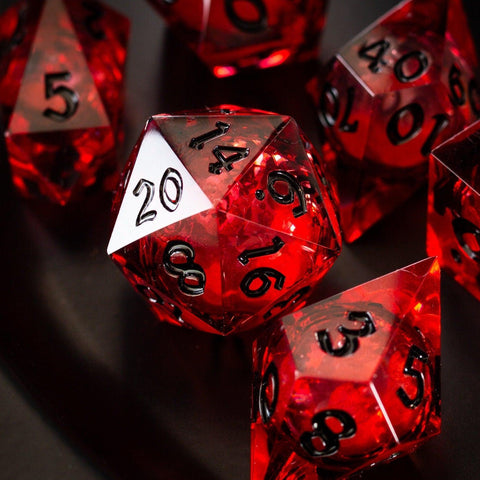
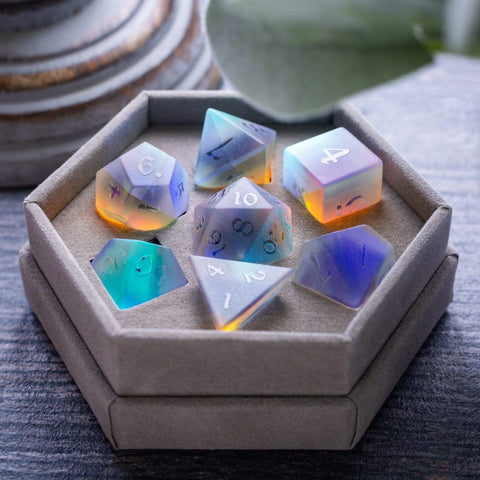
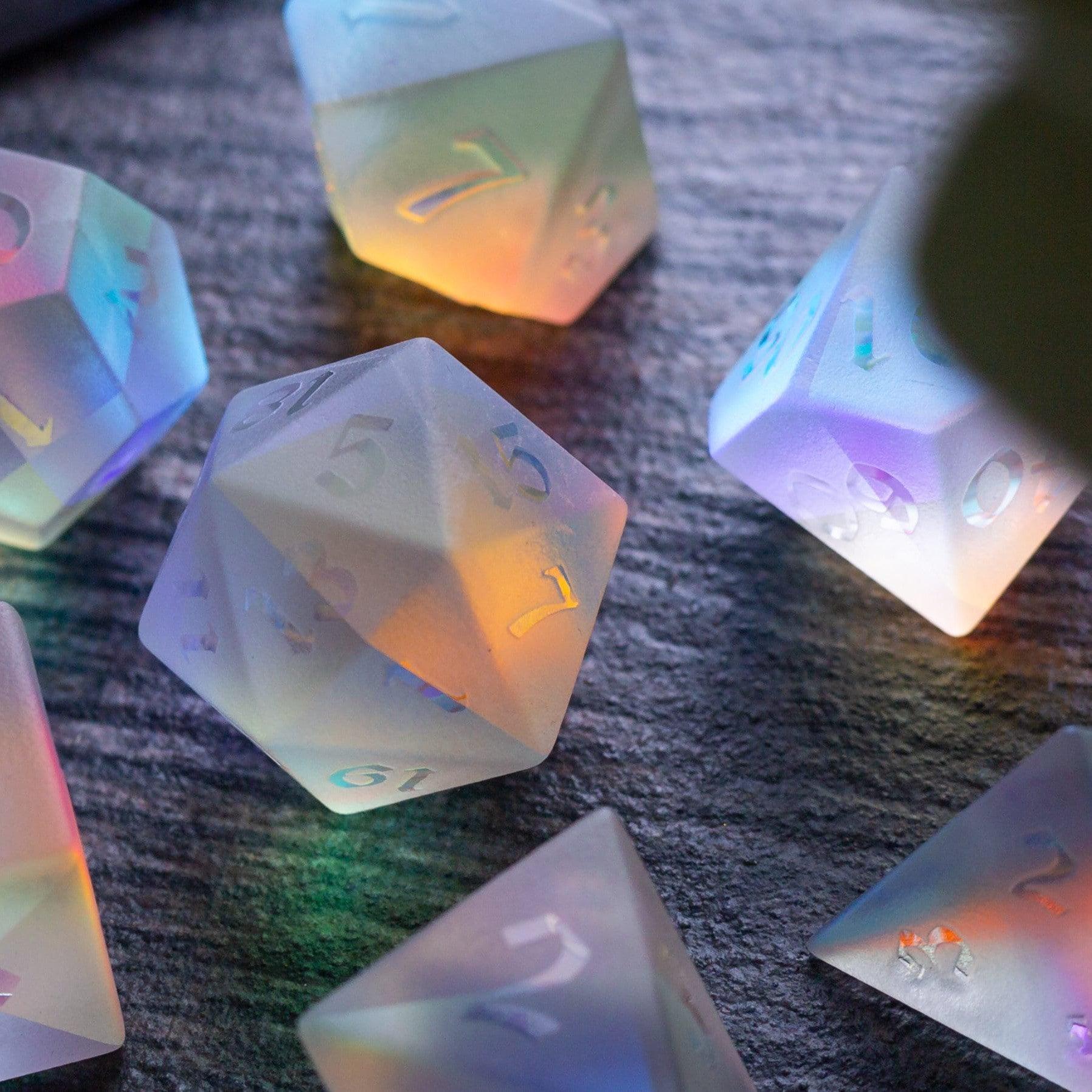
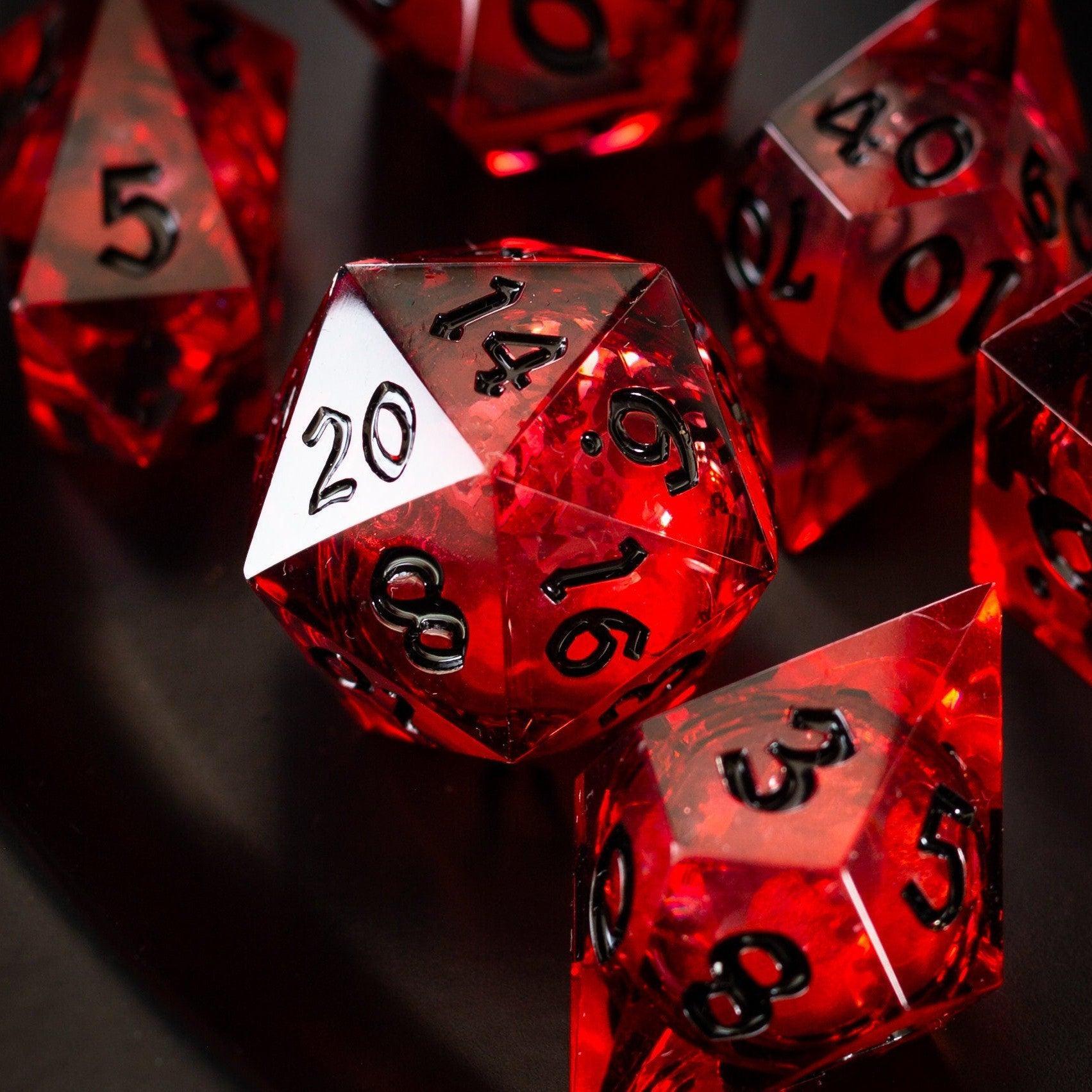
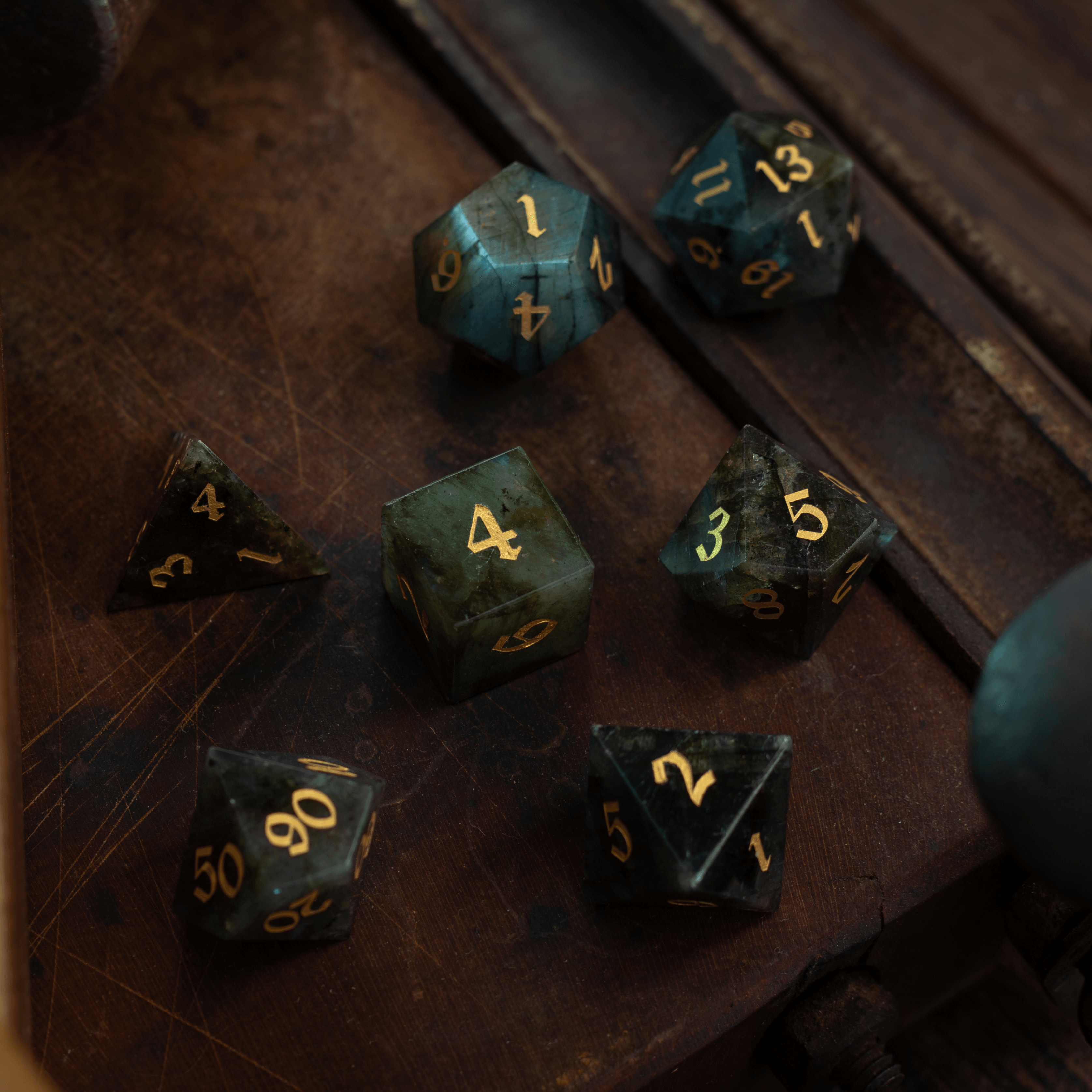
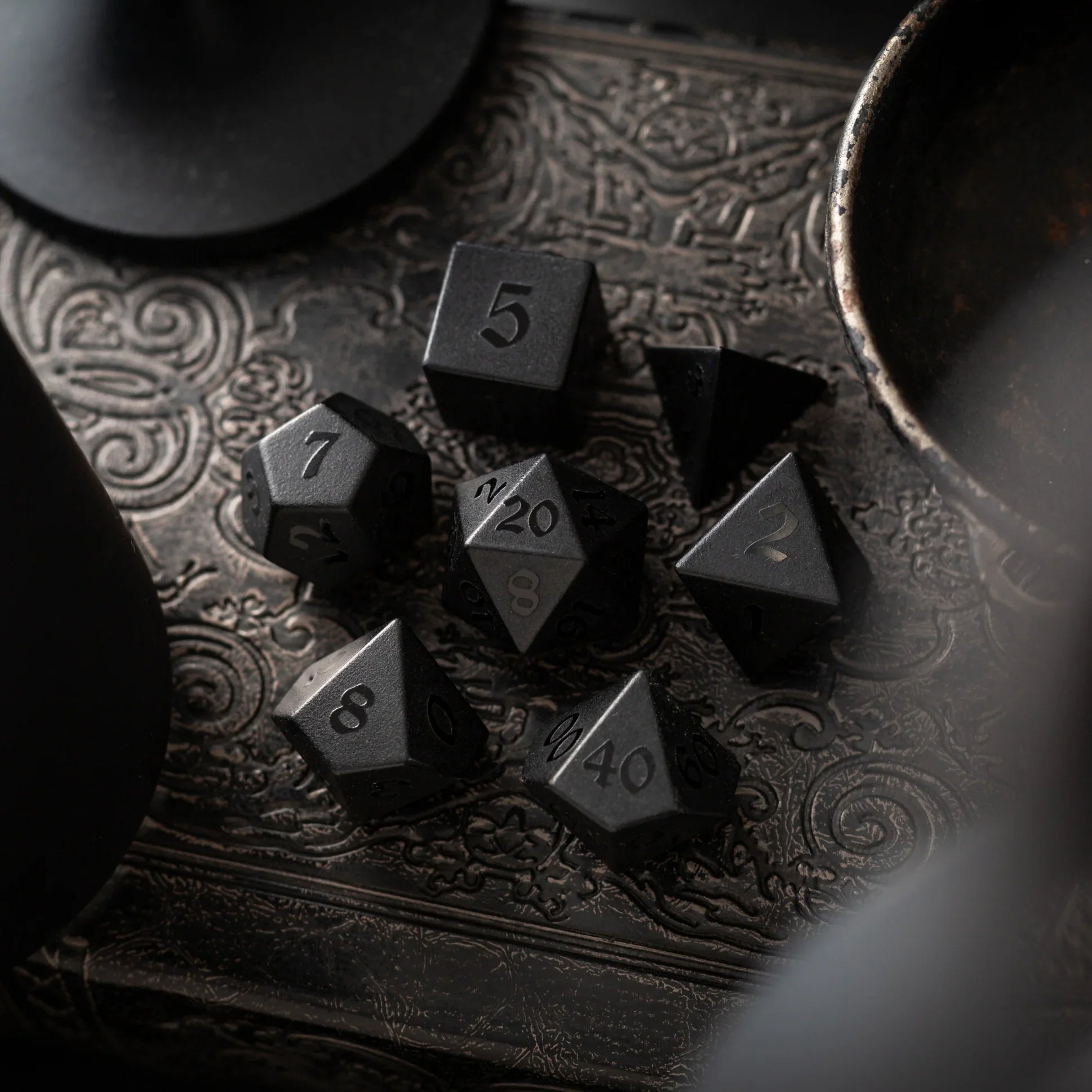
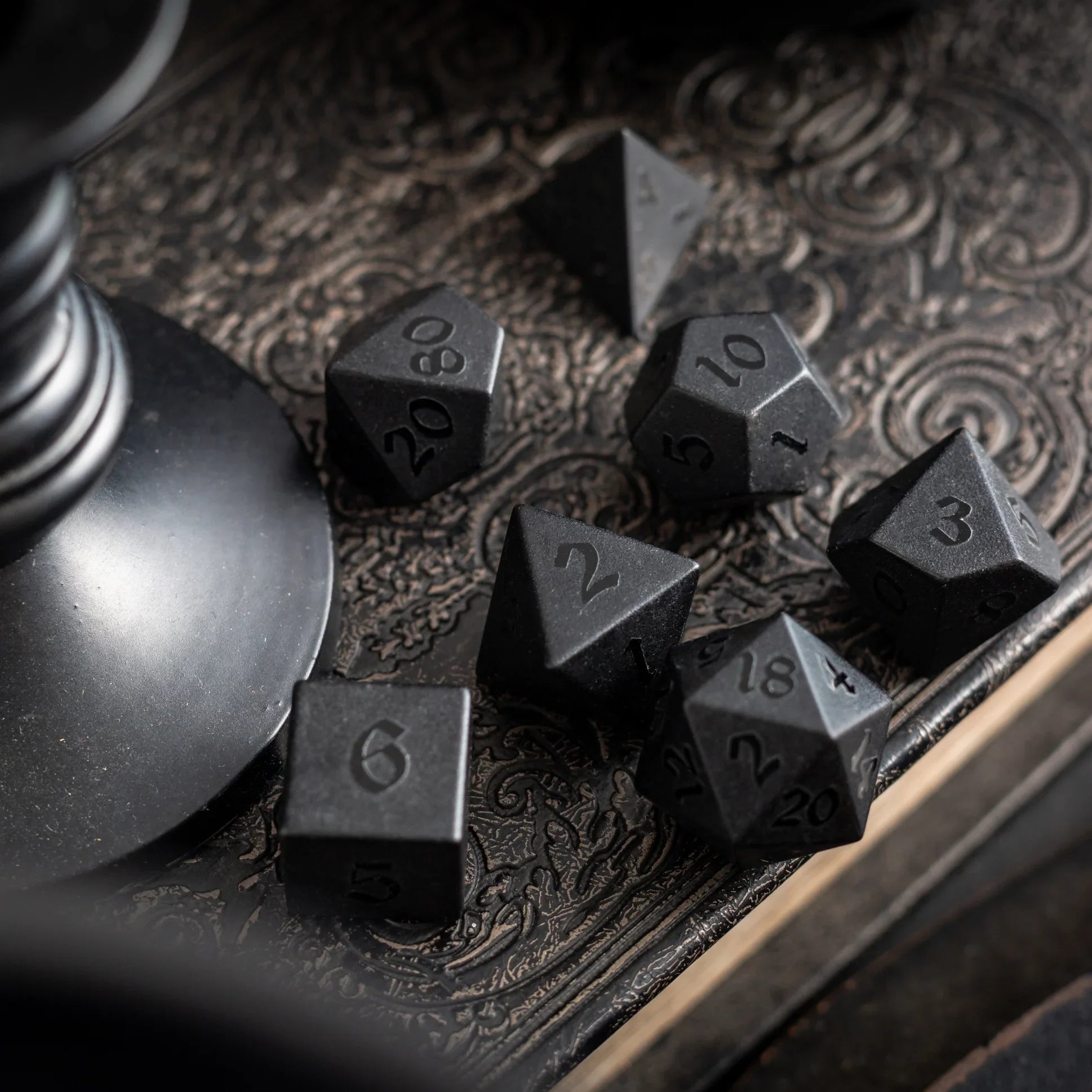
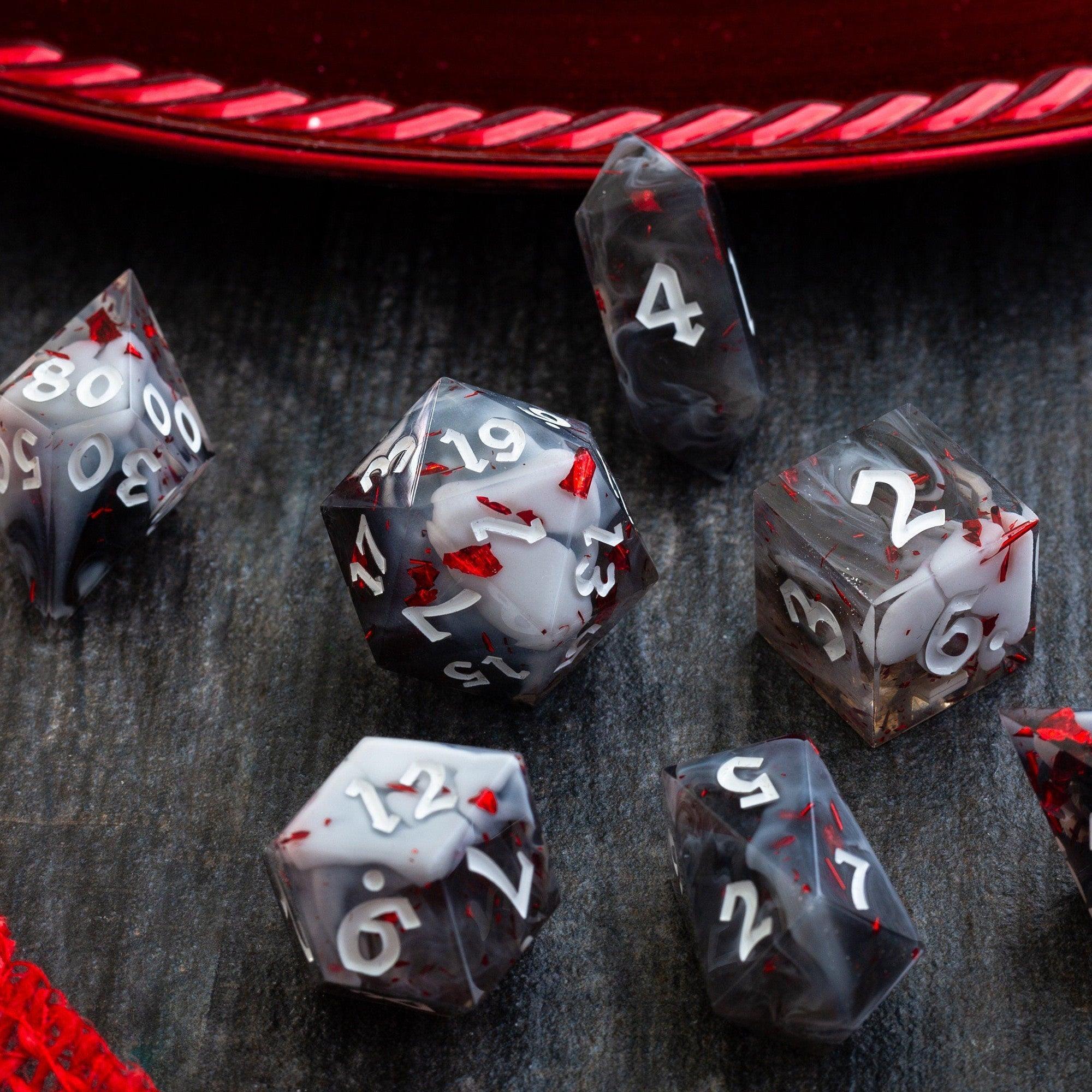
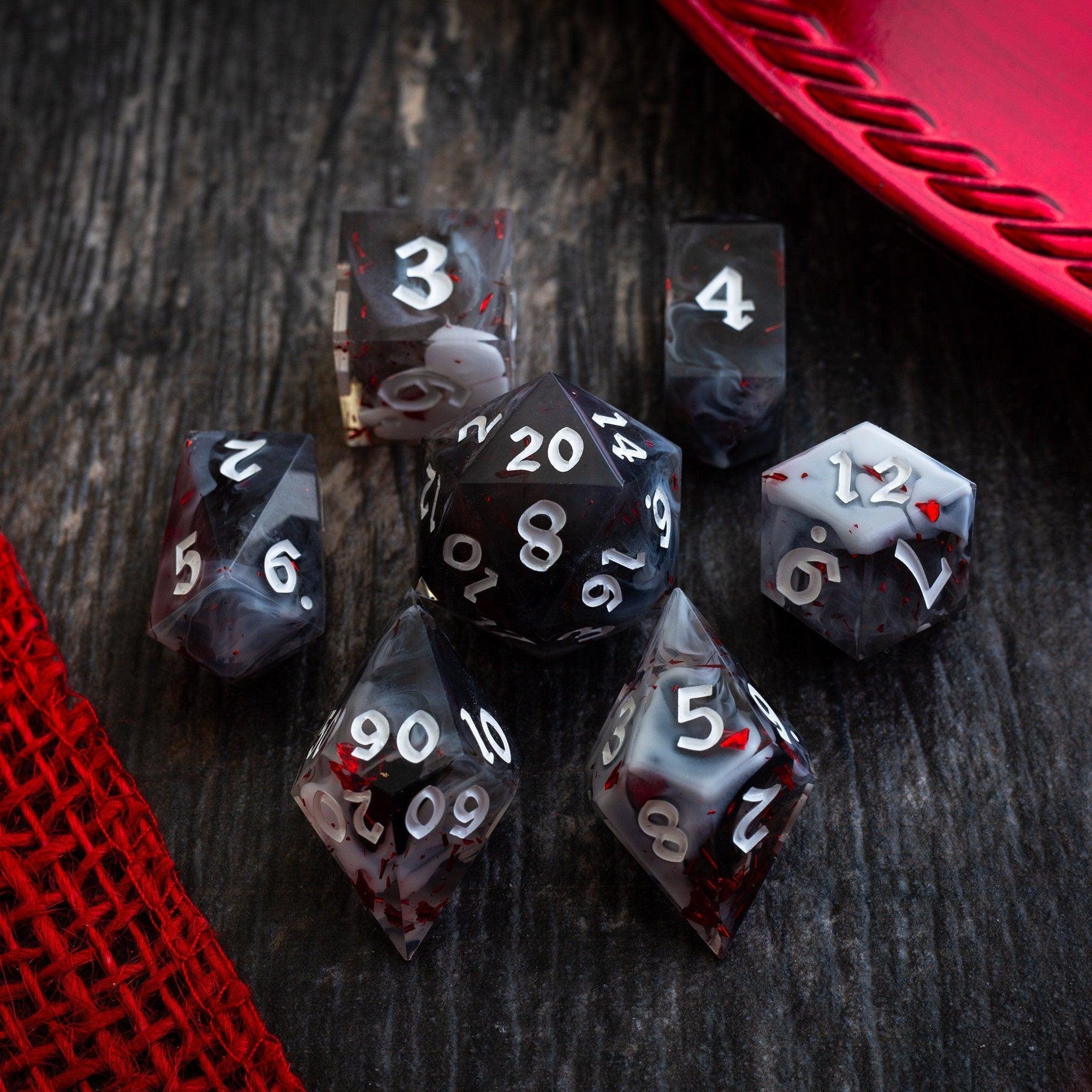
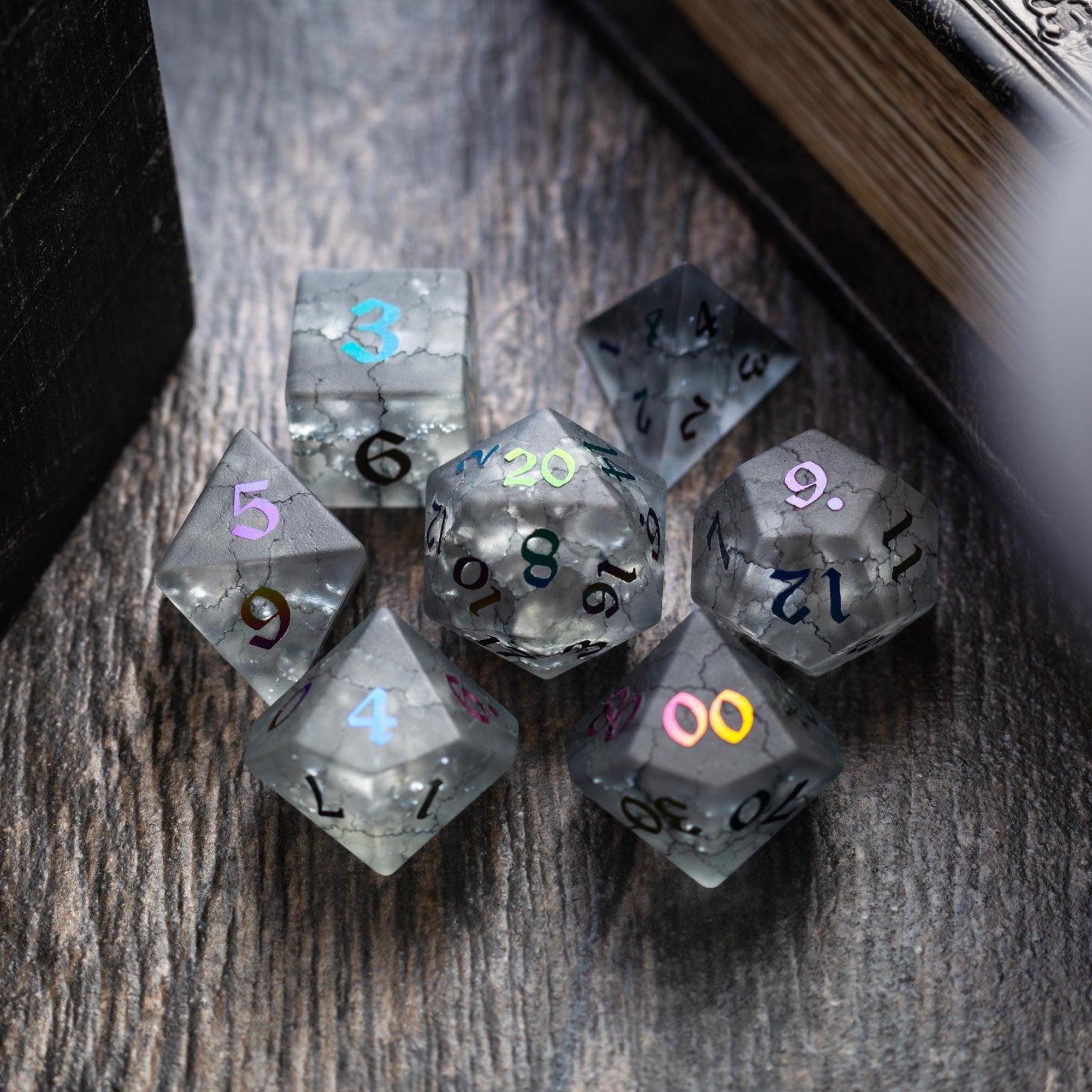
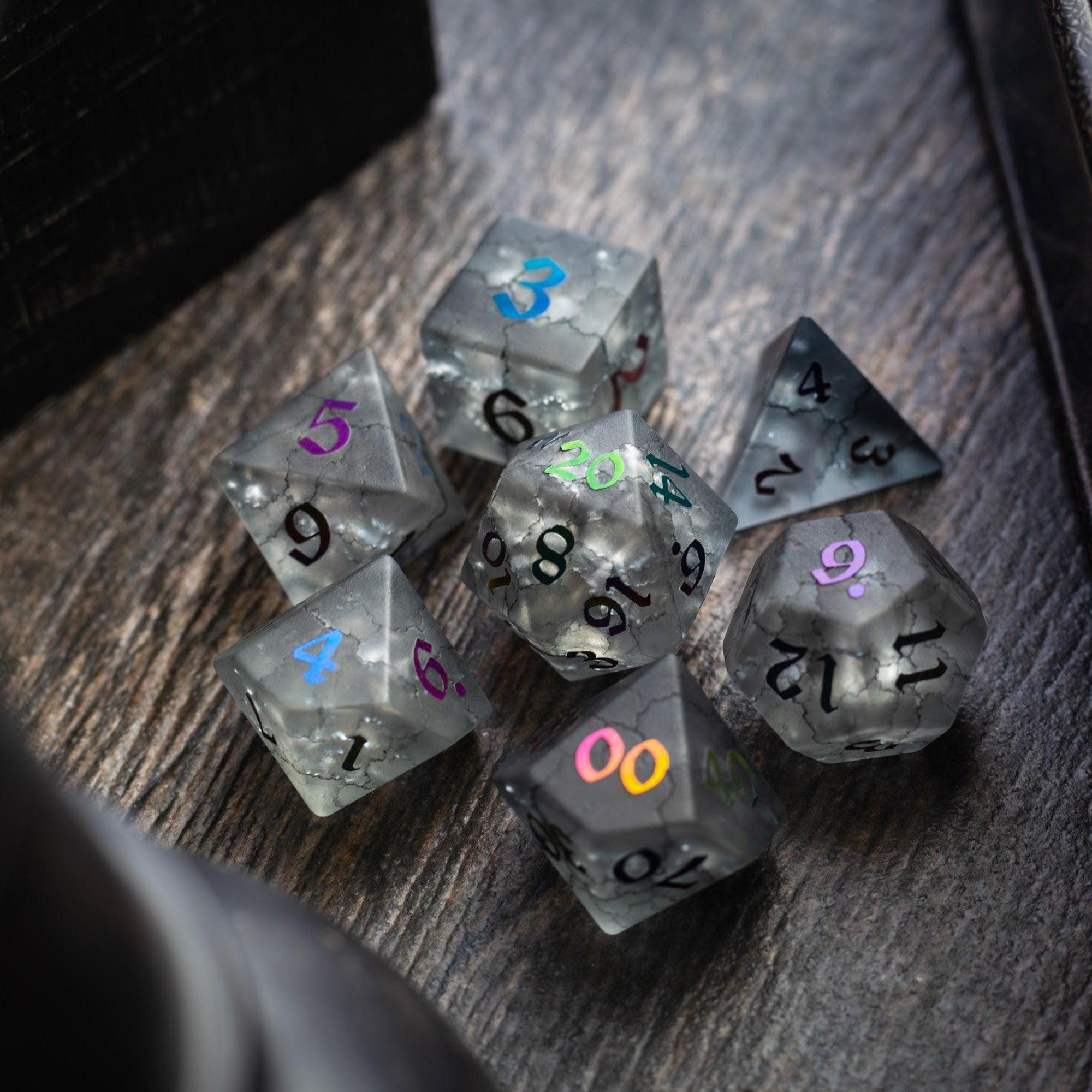
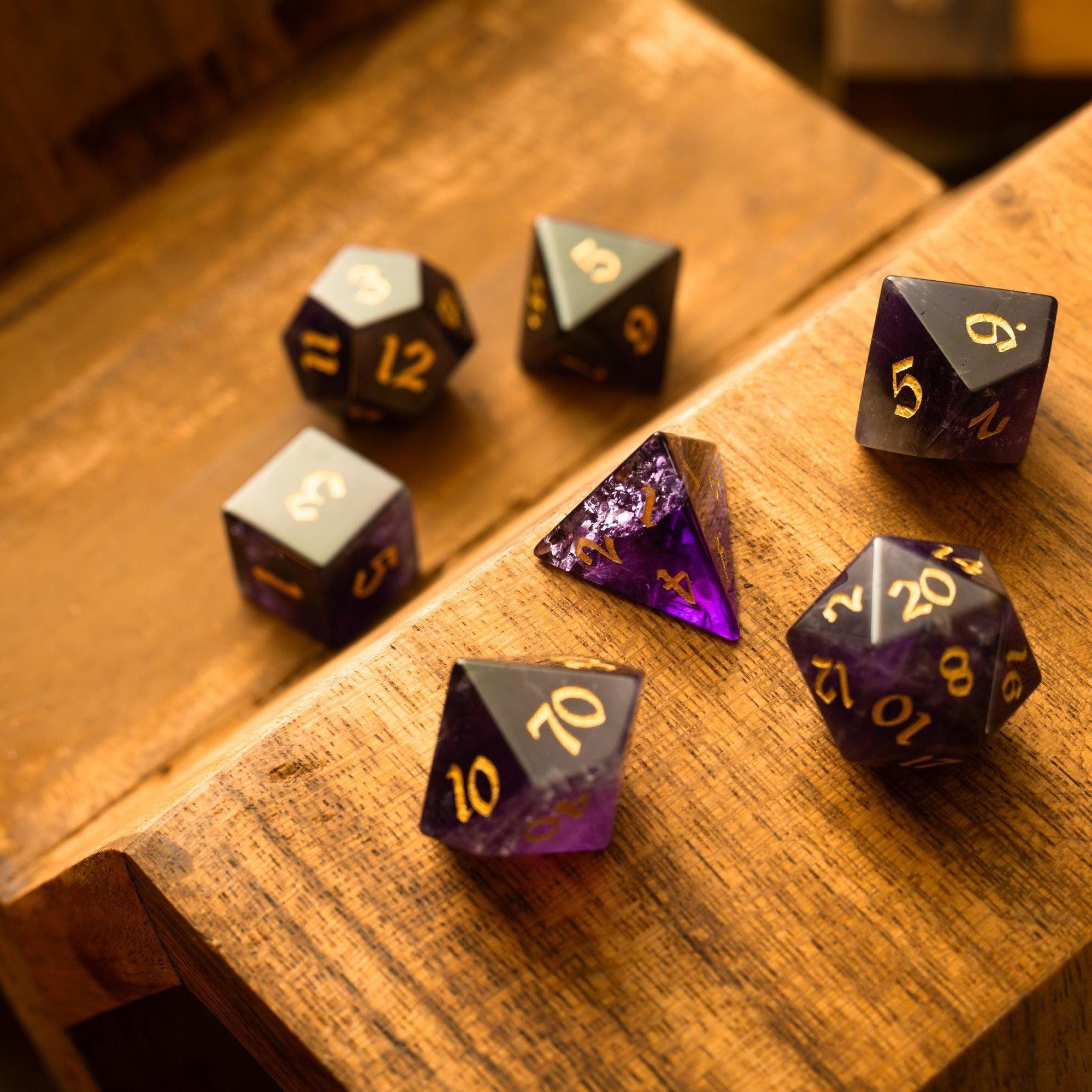
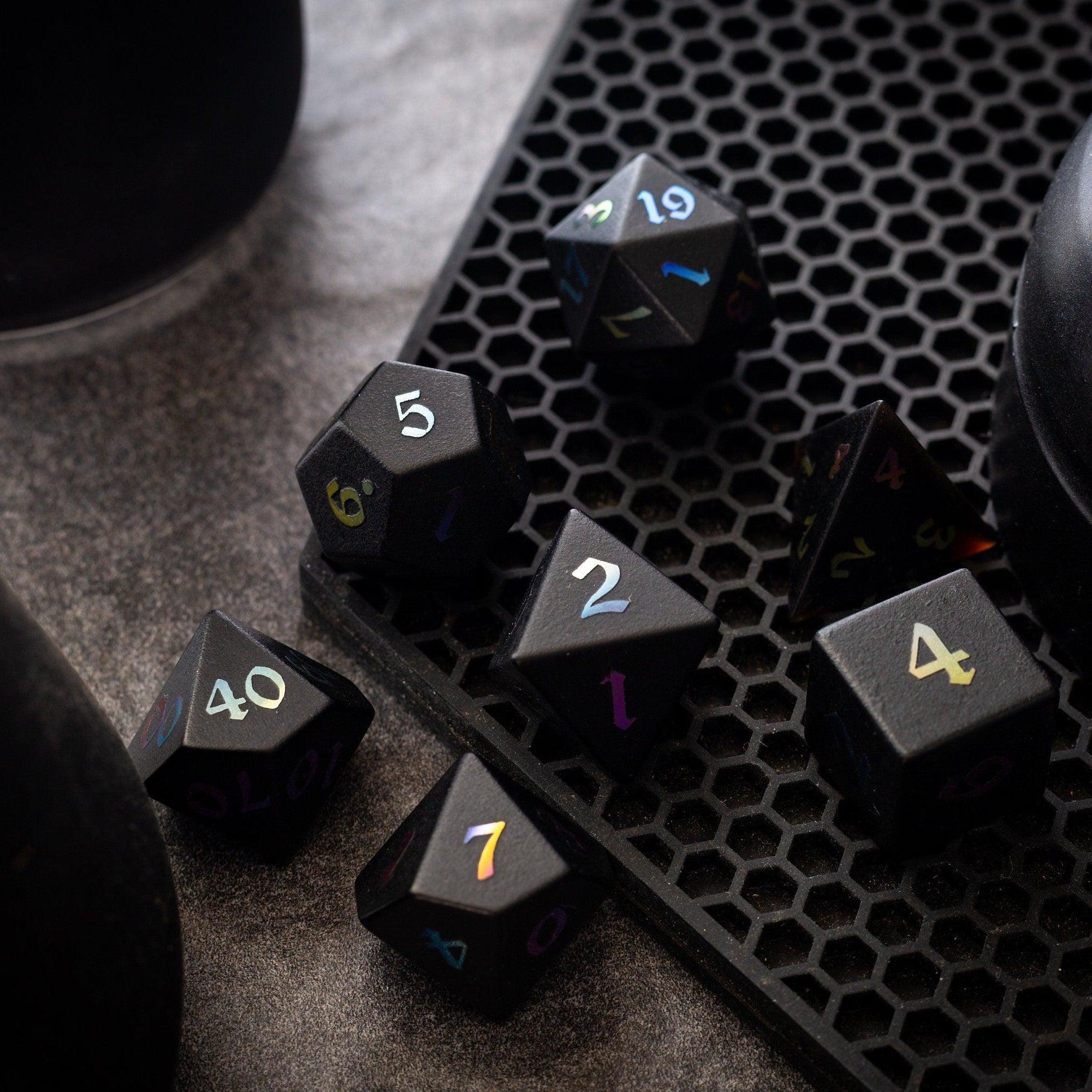
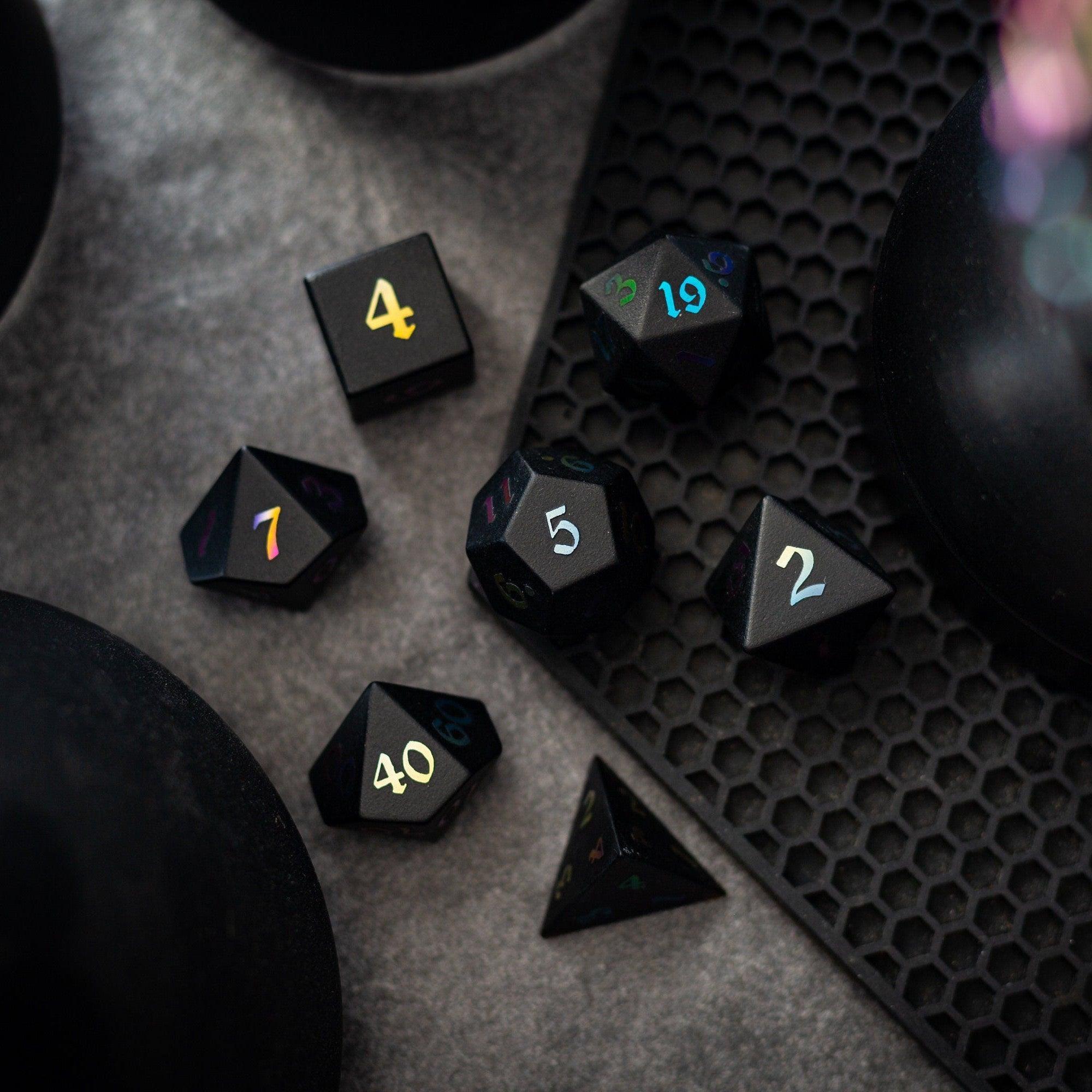
Consider using quality dice sets to bring an extra layer of tactile authenticity to your sessions. The right tools at your table genuinely enhance immersion.
Building Atmosphere Through Sound and Aesthetics
Don't underestimate the power of background music and visual elements. Low-volume ambient music sets the mood. Different tracks for different locations help reinforce where your players are. Some Game Masters use miniatures, battle maps, or even props to ground the fantasy world in tangible elements your players can see and interact with.
Take your time developing your world. Great campaign settings evolve. You'll discover new elements as you play, and your players will influence what becomes important. The collaborative nature of tabletop gaming means your setting grows organically alongside your story.
Frequently Asked Questions
How long should it take to build a campaign setting from scratch?
There's no set timeline. You can start playing with basic framework elements and flesh out details as you go. Many experienced Game Masters spend weeks or months developing a world, but you can absolutely begin with just a region, a few cities, and some character concepts. Depth builds naturally through play. Start small and expand as your confidence grows and your players show interest in specific areas.
Can I mix elements from different published settings?
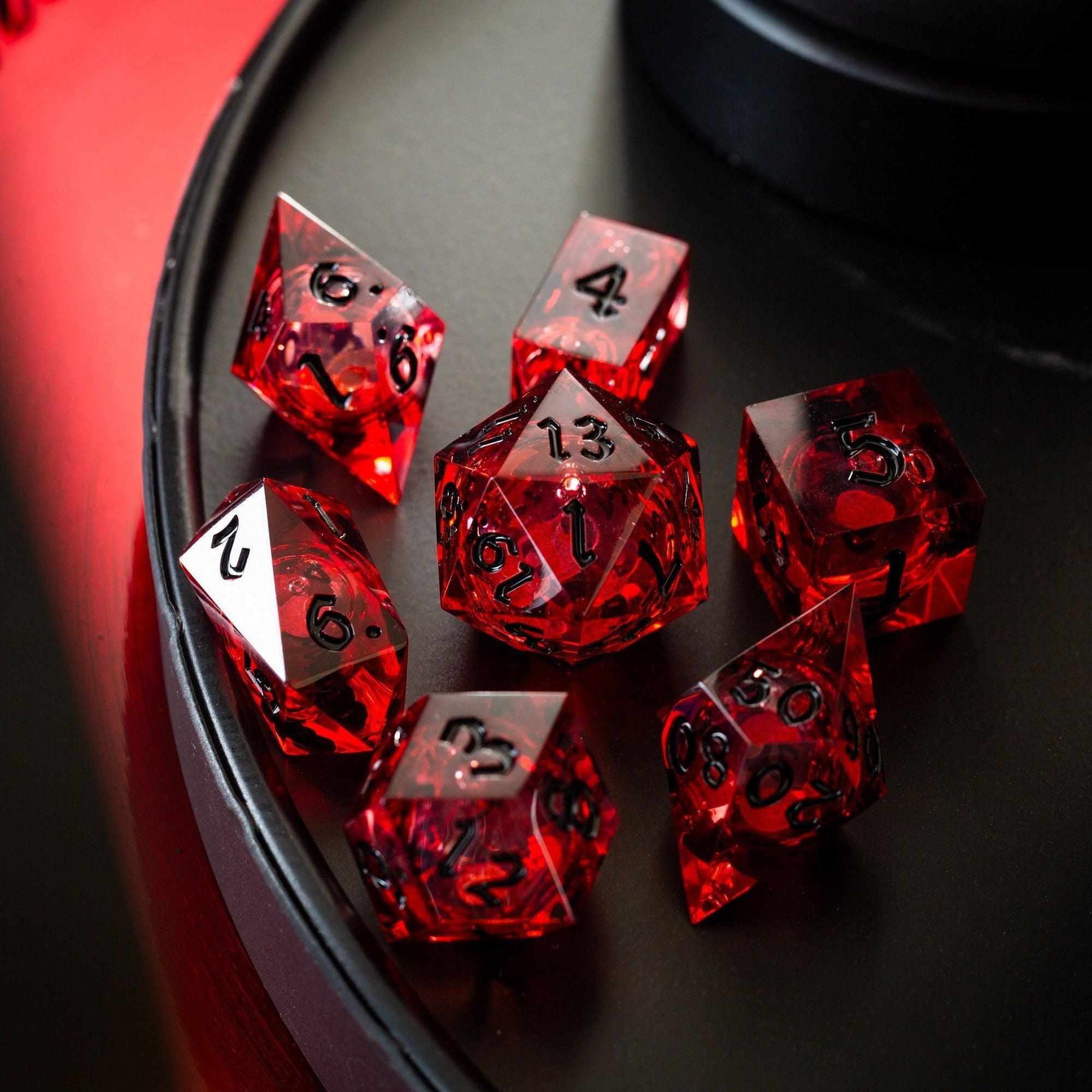
Absolutely. Taking the city design from one world, the magic system from another, and the political structure from a third creates something unique that's entirely yours. This is called kitbashing in the hobby, and it's a perfectly valid approach. Just make sure you understand each element well enough to run it consistently at your table. You might even grab some beautiful dice for those moments when fate decides your world's direction.
What's the most important element of a fantasy setting?
Consistency. More important than elaborate worldbuilding is the ability to keep your setting internally logical and stick to established rules. Players don't need a thousand-year history. They need to understand how your world works and trust that you'll play by those rules fairly. Build your world with enough detail to feel real, but leave room for improvisation and player agency. The best campaign settings feel like living, breathing worlds where anything could happen because the foundation is solid enough to support surprise and spontaneity.
Should I write everything down?
It helps tremendously. Keep organized notes about geography, NPCs, factions, and unique rules. This doesn't mean writing a novel. Bullet points and brief descriptions work fine. When you need to reference something quickly during play, having notes available prevents contradictions and keeps the game flowing smoothly. Digital tools, spreadsheets, or even a simple notebook all work equally well.
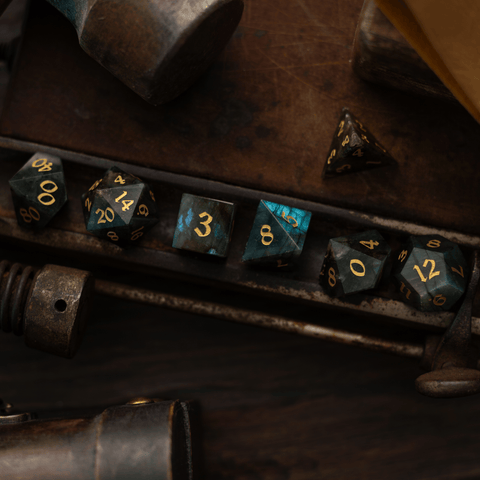
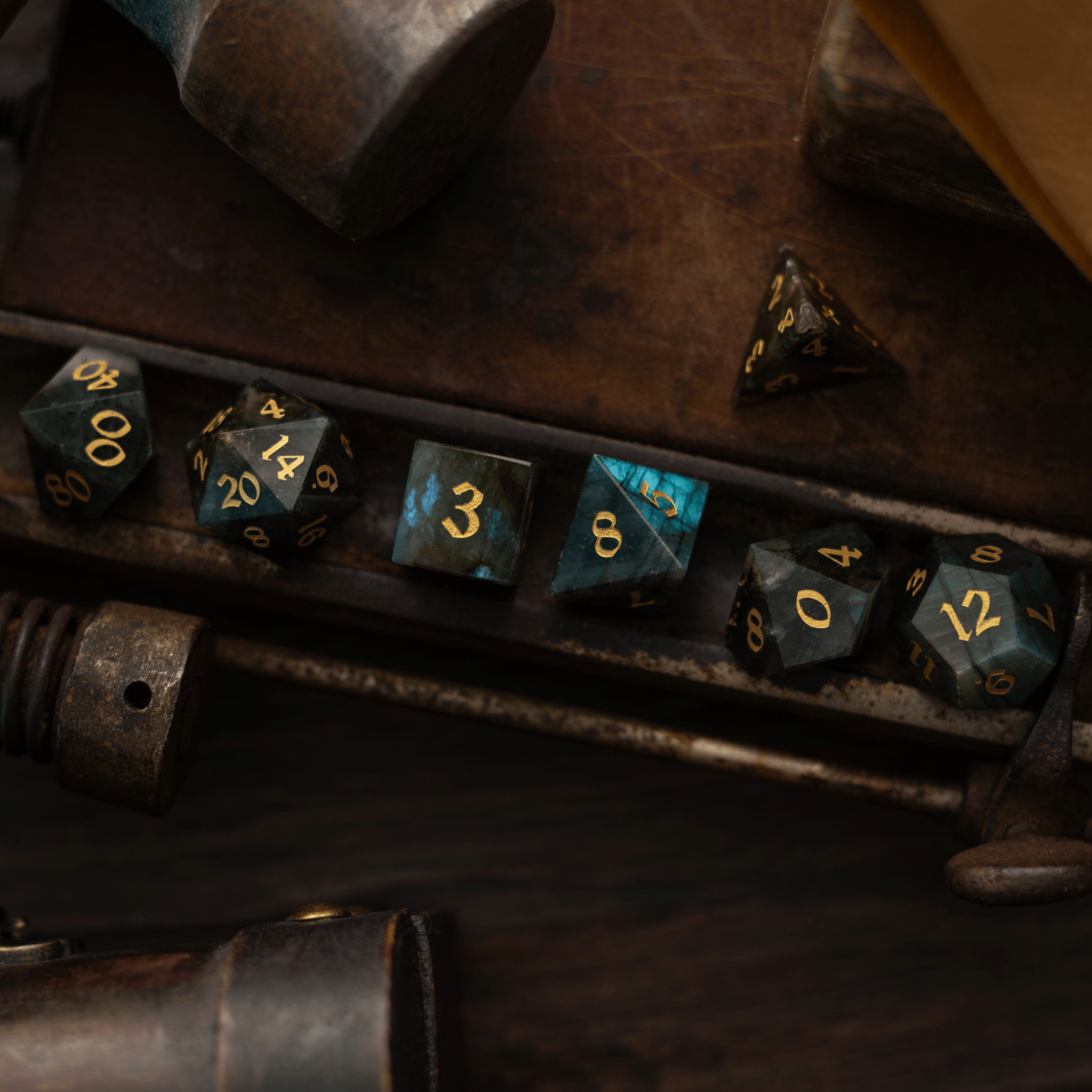
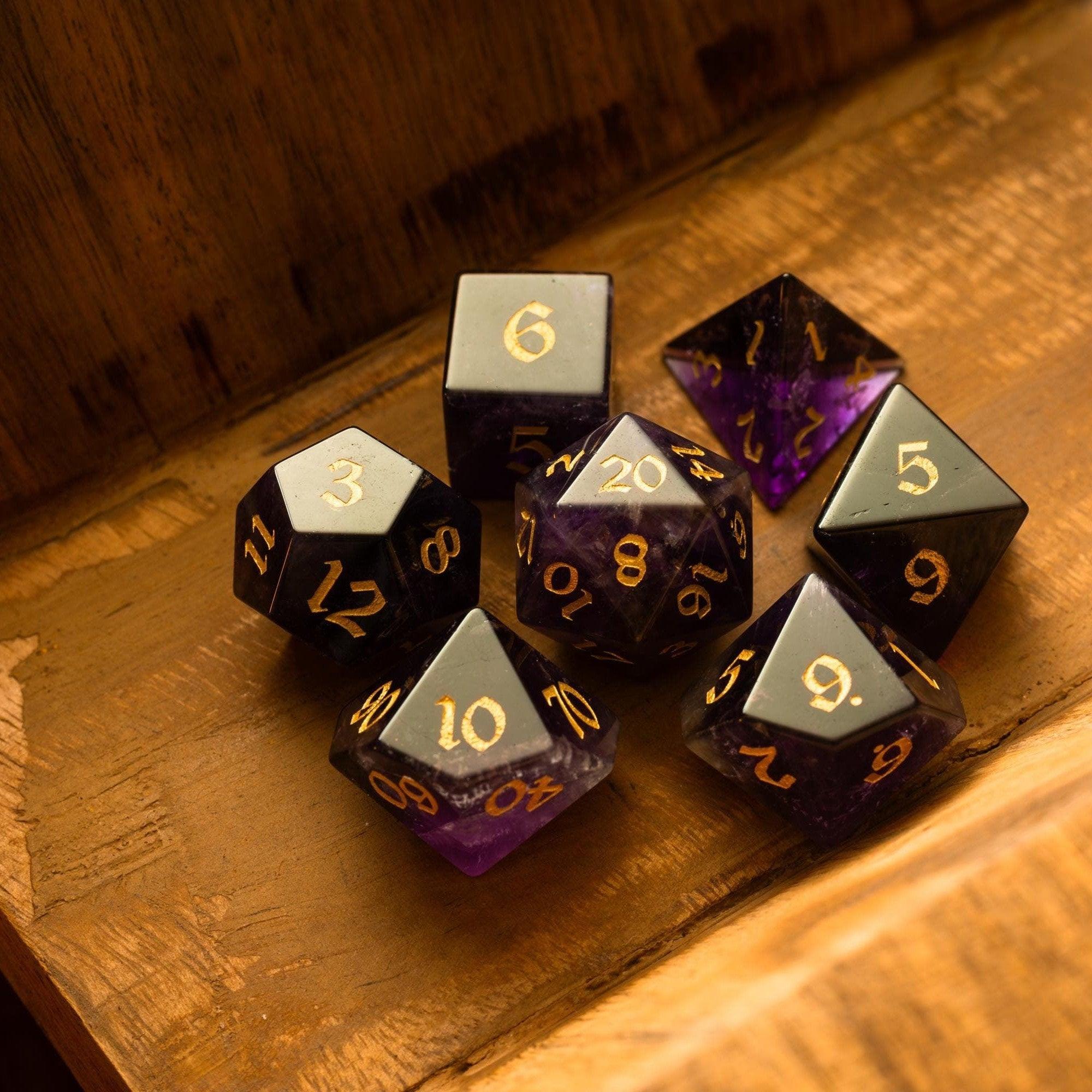
Explore our gemstone dice collection while you're planning your next adventure, and remember that the best D&D campaign settings are the ones your players actually want to explore.

Leave a comment
This site is protected by hCaptcha and the hCaptcha Privacy Policy and Terms of Service apply.