
Dungeons and Dragons Battle Mechanics for Fair Encounters
Updated on: March 16, 2026
Mastering combat systems in tabletop role-playing games can feel overwhelming, but understanding the core mechanics makes every encounter more exciting and rewarding. Whether you're a seasoned game master or stepping into your first campaign, learning how combat resolution works transforms your gameplay experience. This guide breaks down everything you need to know to run engaging battles, make smart tactical decisions, and keep your table entertained. We'll walk you through the essential rules, strategies, and tips that'll have you rolling dice with confidence in no time.
Buyer's Checklist: Getting Started with Combat Systems

Before diving into your next battle encounter, here's a handy checklist to ensure you've got everything prepared and ready to go:
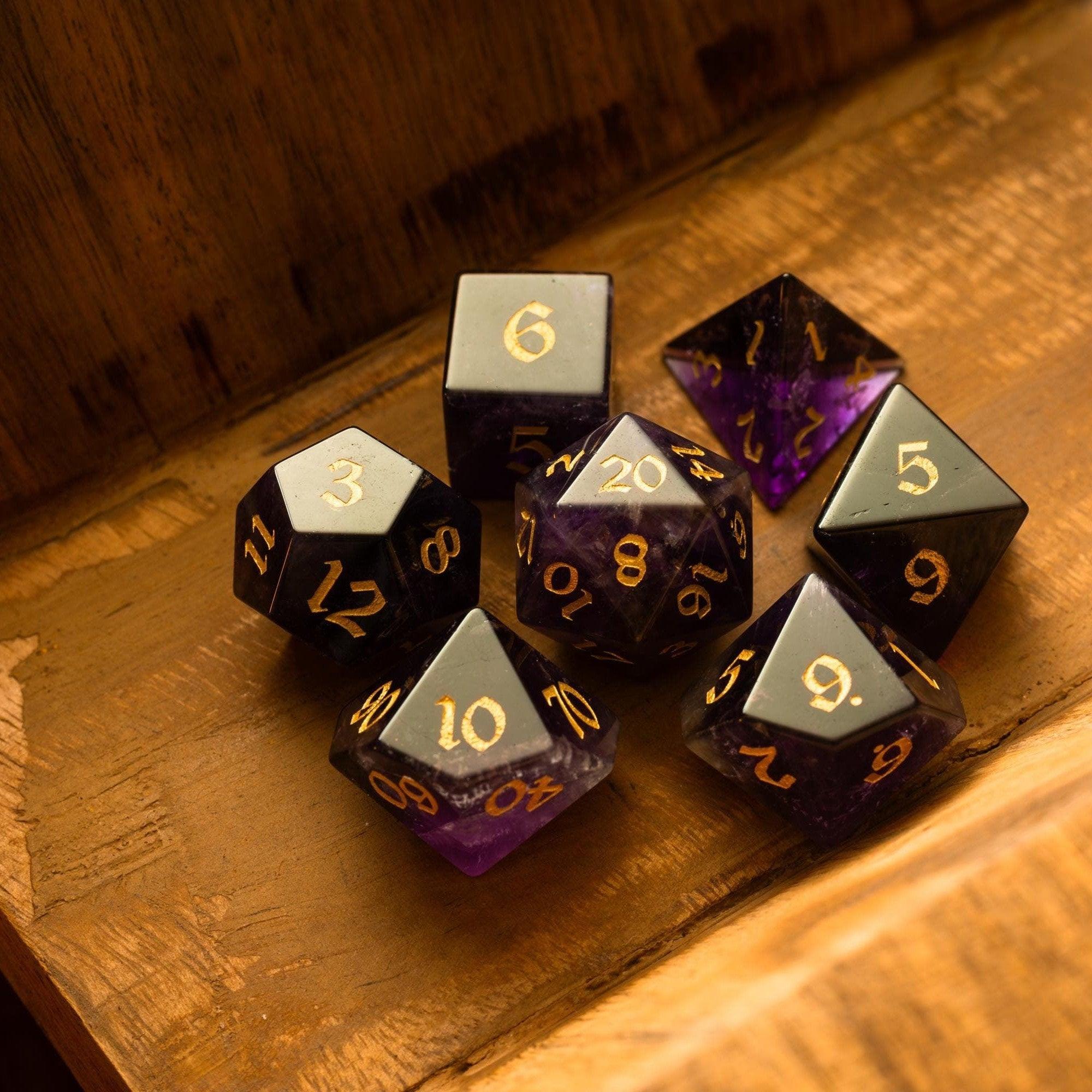
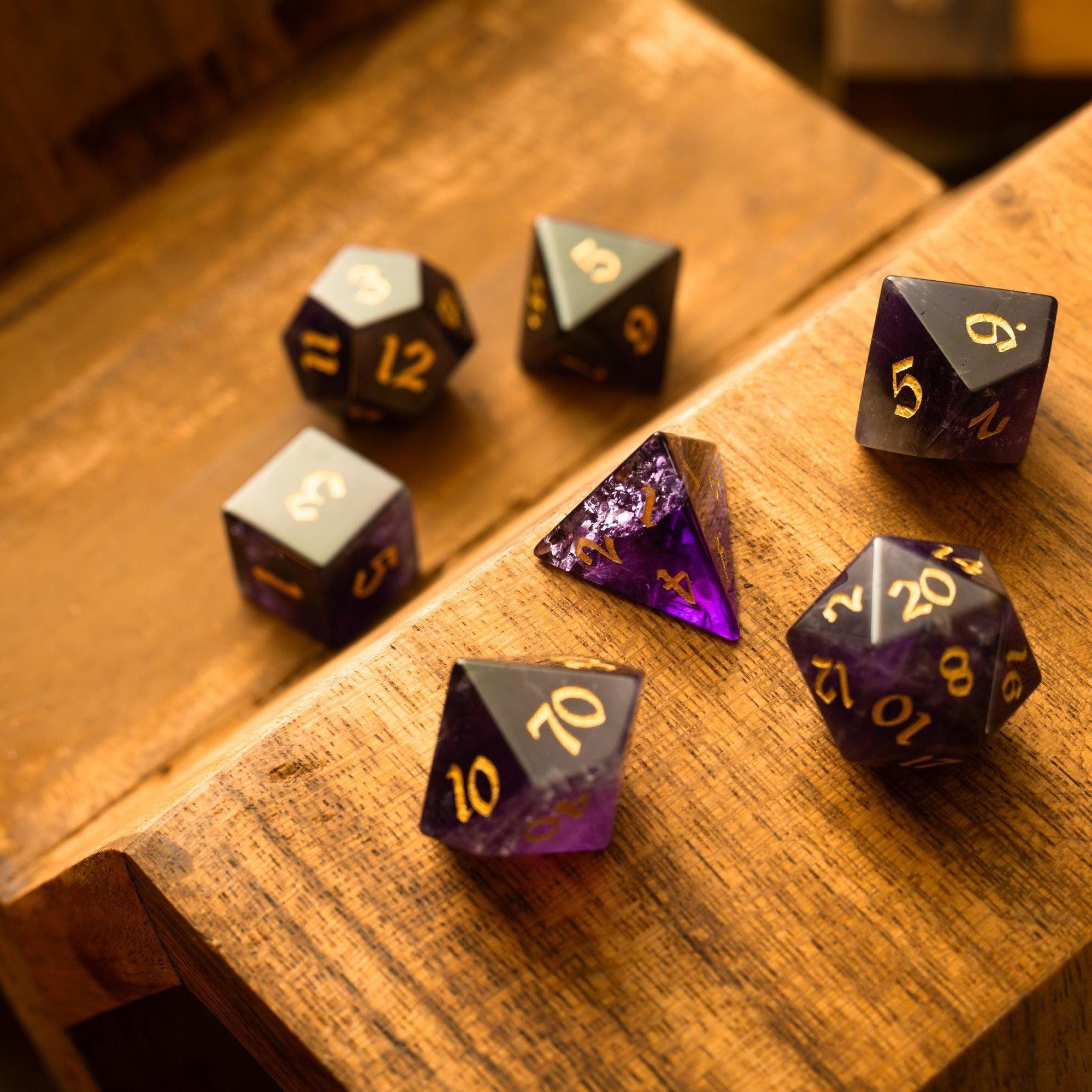
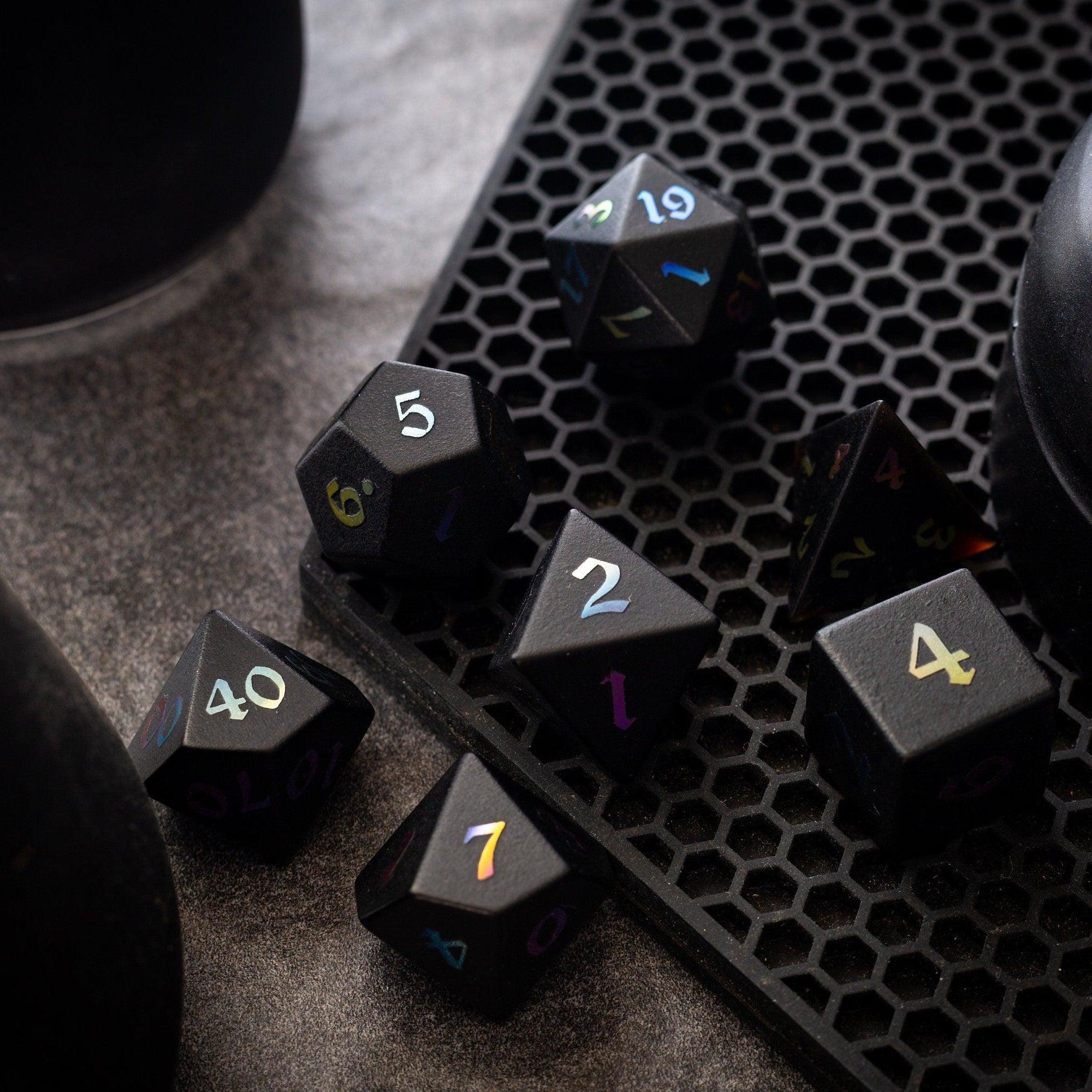
- Gather polyhedral dice or invest in a quality set that feels good in your hands
- Have character sheets printed and filled out completely
- Review initiative rules and have a clear turn order system
- Prepare enemy stat blocks and write down armor class values
- Understand attack rolls, damage calculations, and saving throws
- Set up a battle grid or map to track positioning
- Know the action economy and how many actions each turn allows
- Familiarize yourself with special abilities and condition effects
- Plan encounter difficulty based on party level and size
- Have backup enemy options in case combat ends quickly
Having this foundation ready before combat begins means you'll spend less time flipping through rules and more time enjoying the story. Your players will appreciate the smooth flow of a well-prepared encounter.
Step-by-Step Guide to Understanding Combat Resolution
Step 1: Initiative and Turn Order
Combat begins the moment conflict breaks out. Everyone involved rolls initiative, which is typically a twenty-sided die roll plus a modifier from their character sheet. This determines the order in which combatants act during each round. The creature with the highest result goes first, and play proceeds down the list until everyone has taken their turn. This establishes clarity and fairness, preventing arguments about who acts when.
Initiative isn't just about rolling dice randomly—it reflects your character's readiness and awareness. Dexterity-based characters move sooner, while slower, strength-focused warriors might wait their turn. Understanding this dynamic helps players build characters with tactical advantages in mind.
Step 2: Understanding Actions During Your Turn
Each turn, a character gets one action, one bonus action, and movement. Your action might be attacking, casting a spell, or interacting with an object. The bonus action is a smaller activity that doesn't take the full action economy. Movement lets you reposition on the battlefield, and some characters even get extra movement through special abilities.
This structure keeps combat flowing smoothly while maintaining tactical depth. Players can't just attack twice and cast a spell on the same turn, which prevents overpowering combatants and keeps encounters balanced.
Step 3: Making Attack Rolls and Calculating Hit Results
When your character attacks, you roll a twenty-sided die and add your attack modifier. This total gets compared to the target's armor class. If you meet or exceed that number, you hit! If you fall short, your attack misses entirely. It's straightforward, but understanding this mechanic is crucial to D&D battle mechanics and combat success.
Attack modifiers come from your strength or dexterity plus your proficiency bonus if you're trained with that weapon. Magic items might add bonuses too. The armor class depends on what armor someone wears or their natural defenses. A character in full plate has high armor class, while a wizard in cloth might have a lower number.
Step 4: Rolling Damage and Resolving Combat Effects
Once you hit, you roll damage using the weapon's damage dice. A sword might deal one eight-sided die of damage, while a greatsword uses a ten-sided die. Add your relevant modifier to the total, and that's how much health your opponent loses.
Some attacks have special effects beyond damage. A poison weapon might cause ongoing damage. A spell could knock someone down or prevent them from moving. These effects add flavor and strategic depth to every encounter.

Step 5: Managing Health, Conditions, and Combat Status
Everyone starts a battle with their maximum hit points. As they take damage, subtract that amount from their total. When someone reaches zero hit points, they fall unconscious and begin making death saving throws. Three successes means they stabilize, while three failures means they're gone for good.
Conditions like poisoned, charmed, or stunned change how a creature functions in combat. A stunned opponent can't move or use actions. Understanding these effects lets you make informed tactical decisions during encounters. Your game master will tell you which conditions apply and what they mean for your character.

Step 6: Using Special Abilities and Spellcasting
Most characters have abilities beyond basic attacks. Spellcasters cast spells that might damage enemies, heal allies, or control the battlefield. Fighters have special combat maneuvers. Rogues sneak attack for extra damage. Understanding what your character can do lets you make clever tactical decisions that turn battles in your favor.
Many abilities require saving throws from your target. They roll a die plus a modifier, and if they meet or exceed the difficulty class you set, they resist or avoid the effect partially or completely. This gives enemies a fighting chance and makes victories feel earned.
Frequently Asked Questions About Combat Systems
What does armor class mean and why is it important?
Armor class is a number representing how hard someone is to hit in combat. It combines your armor's protective value with your dexterity modifier. Heavy plate armor gives high armor class because it's physically tough, while cloth offers minimal protection. Your attack roll must equal or exceed the target's armor class to land a hit. This mechanic creates tension and makes combat feel risky and rewarding.
How do critical hits work in tabletop combat?
A critical hit happens when you roll a natural twenty on your attack die. Instead of just hitting, you roll damage dice twice and add the total, dealing massive damage to your target. This represents your weapon finding a vulnerable point. Critical hits are thrilling moments that players love, and they remind everyone that luck plays a role in any fight. Some characters have abilities that expand their critical hit range for added tactical options.
What's the difference between saving throws and attack rolls?
Attack rolls are when you actively try to hit someone with a weapon or spell. The attacker rolls the die and adds their modifier. Saving throws happen when something dangerous occurs and the target tries to avoid or resist it. They roll the die plus their relevant modifier and try to meet a difficulty class. Saving throws represent your character's ability to dodge, endure, or resist effects through their own actions rather than relying on armor or evasion alone.
How can I make my combat encounters feel more engaging and interesting?
Great battles involve more than just rolling dice. Use environmental features like difficult terrain, walls for cover, and hazards that affect movement. Give enemies varied abilities so combat doesn't feel repetitive. Describe actions dramatically so players feel the impact of their decisions. Balance enemy numbers carefully so encounters feel challenging but winnable. Mix combat types—sometimes battles are about survival, other times about protecting someone or reaching a location. Variety keeps your table engaged and excited for the next encounter.
What happens if my character dies in combat?
When you hit zero hit points, you fall unconscious and start making death saving throws. Your companions can use healing magic or potions to bring you back to consciousness. If you fail three death saving throws before getting healed, your character dies permanently. Some campaigns allow resurrection magic to bring characters back, while others treat death as final. Talk with your game master about their rules on character death before playing.
How do I understand and use advantage and disadvantage in my favor?
Advantage means you roll two dice instead of one and use the higher result. Disadvantage means you roll two dice and use the lower result. These mechanics reward clever positioning and tactical thinking. Standing in difficult terrain might give enemies disadvantage on attacks against you. Using a special ability might grant advantage on your saving throw. Understanding when you gain these benefits lets you make strategic decisions that improve your survival odds in dangerous situations.
Making Your Combat Experience Unforgettable
Learning D&D battle mechanics opens up endless possibilities for adventure and excitement. Whether you're commanding an army, defending a village, or dueling a powerful wizard, understanding how combat works makes every encounter meaningful. The mechanics create structure that lets imagination flourish, turning simple dice rolls into epic stories your friends will remember for years.
Practice these concepts during your next few sessions, and soon they'll feel natural. You'll stop thinking about rules and start thinking about strategy, storytelling, and fun. Your confidence will grow with each battle, and you'll find yourself making creative decisions that surprise everyone at the table, including yourself.
Remember, the best combats aren't always about winning—they're about creating memorable moments. Whether your character triumphs gloriously or falls dramatically, the story you build together matters most. Embrace the uncertainty that dice rolling brings, and you'll discover why tabletop gaming has captivated players for decades.
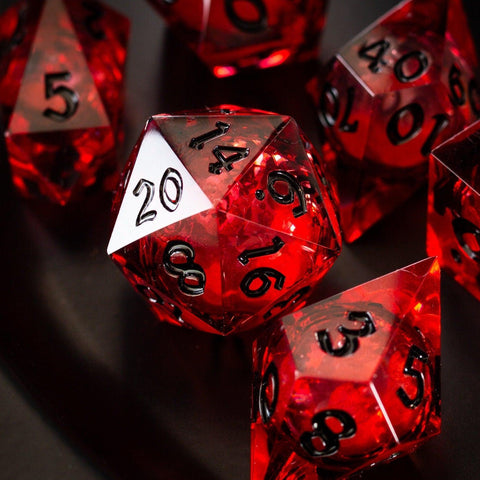
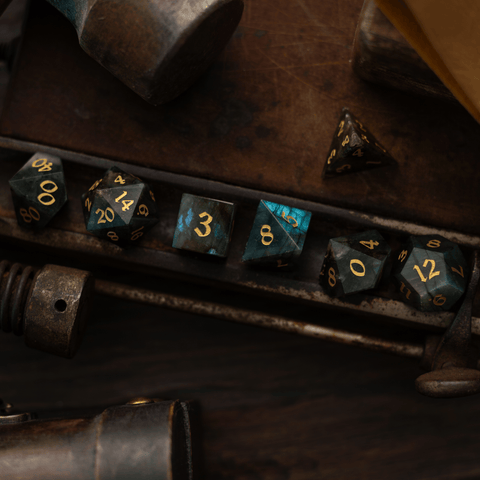
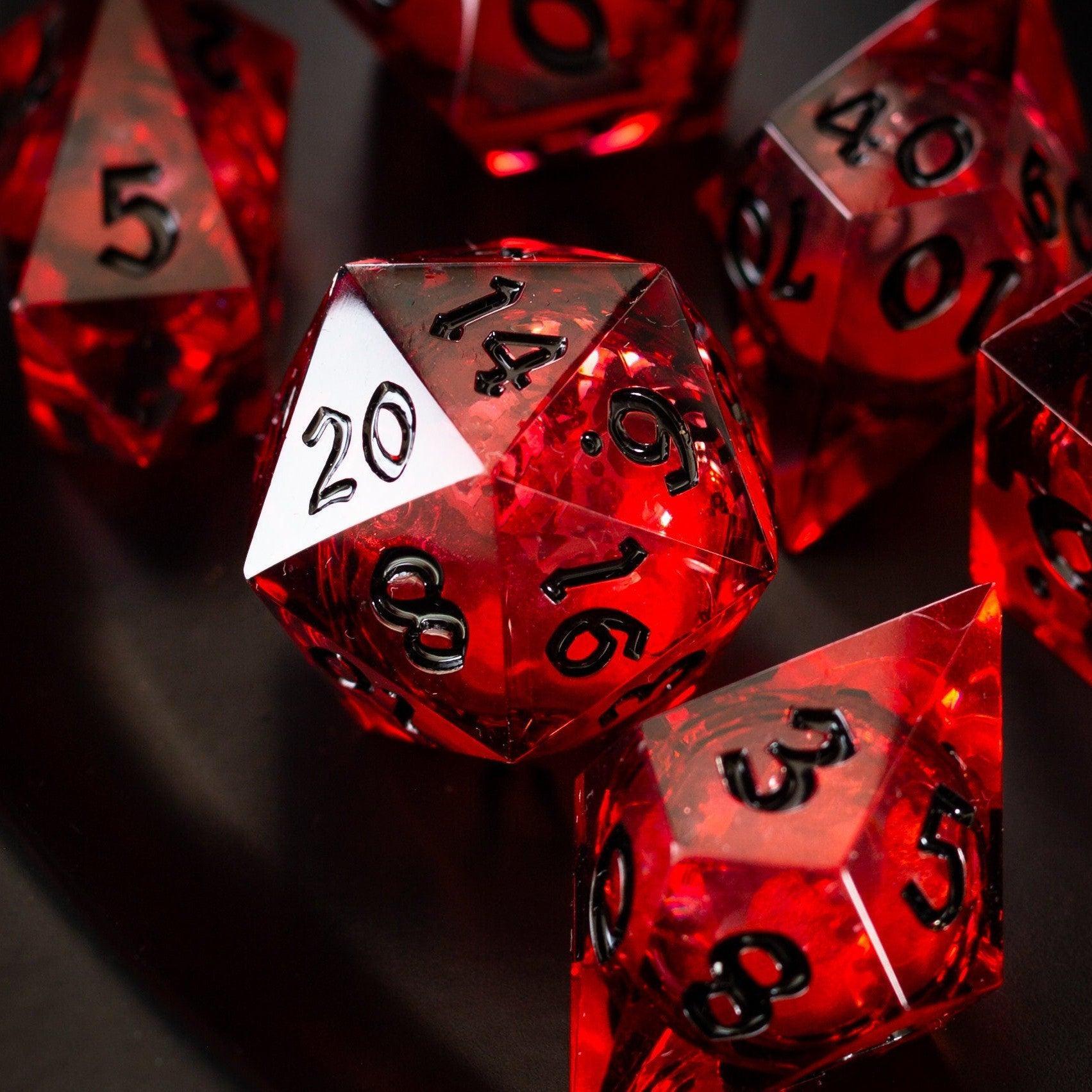
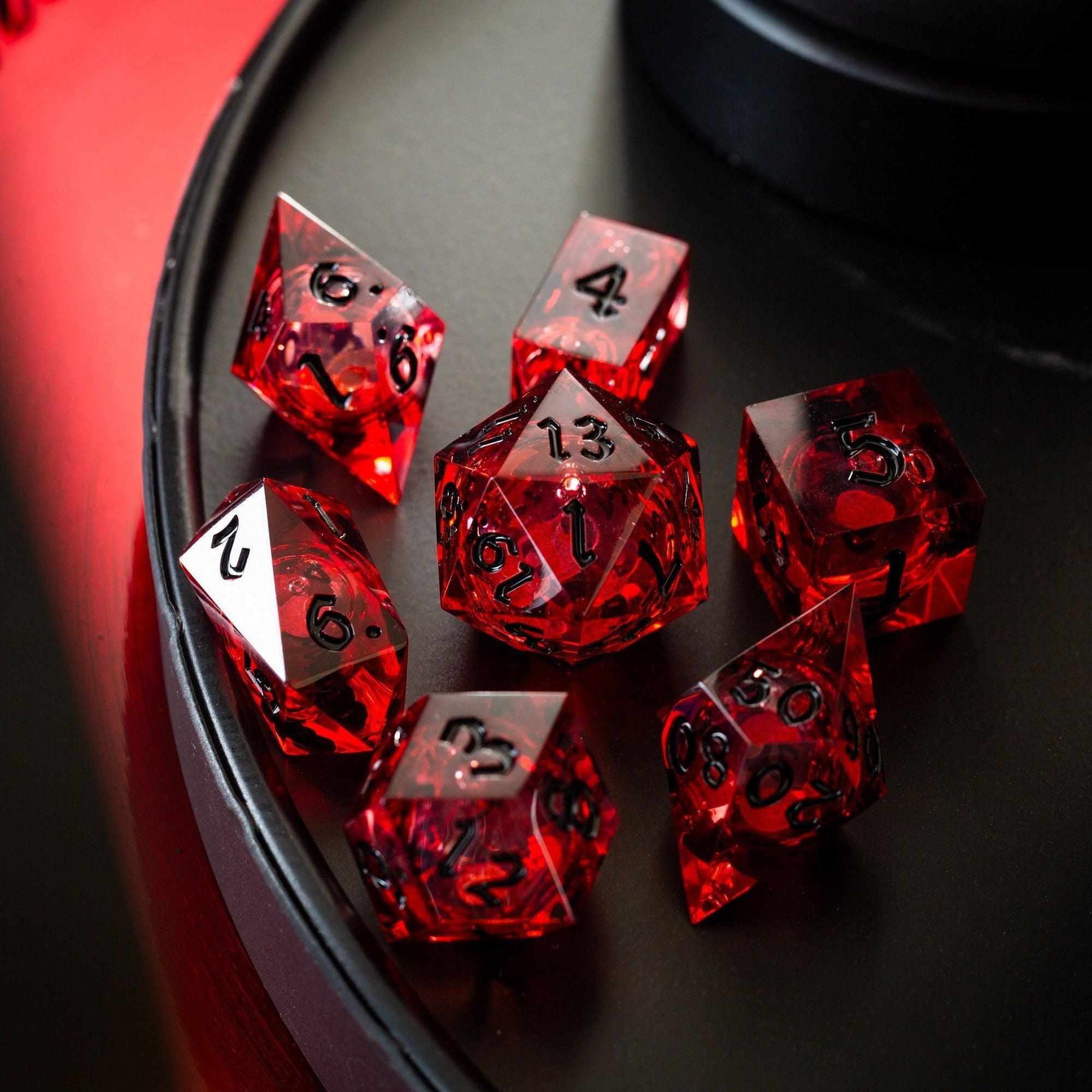
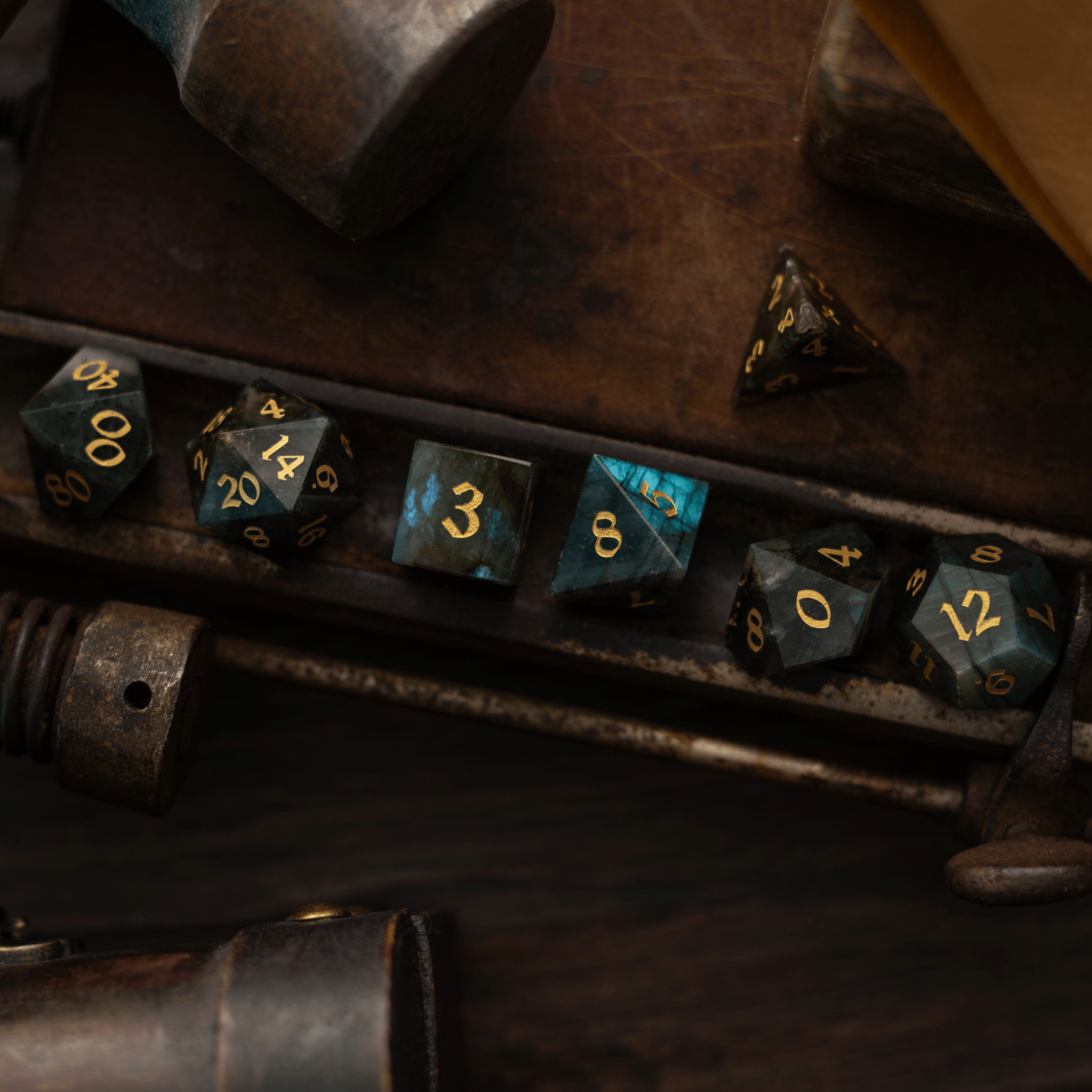
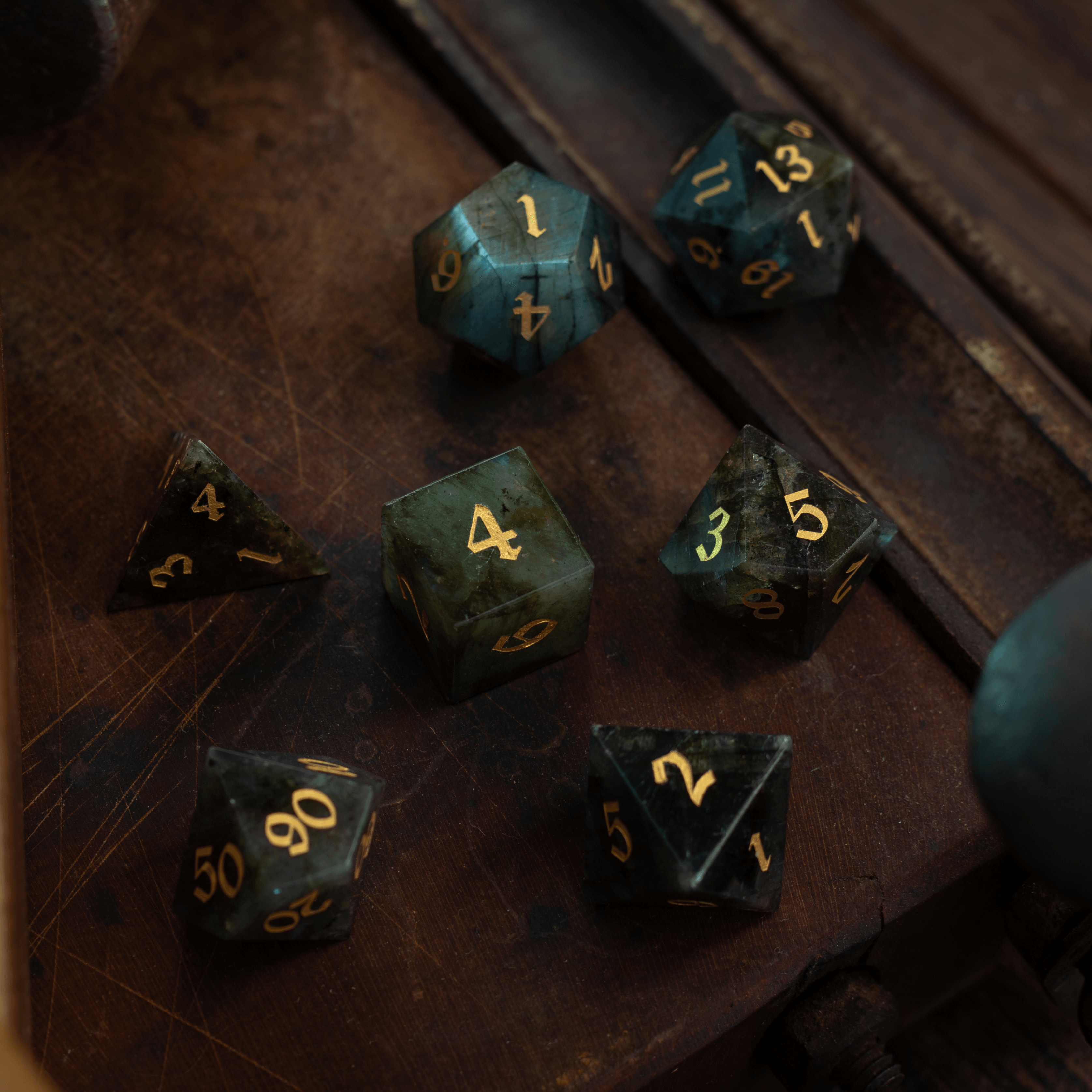
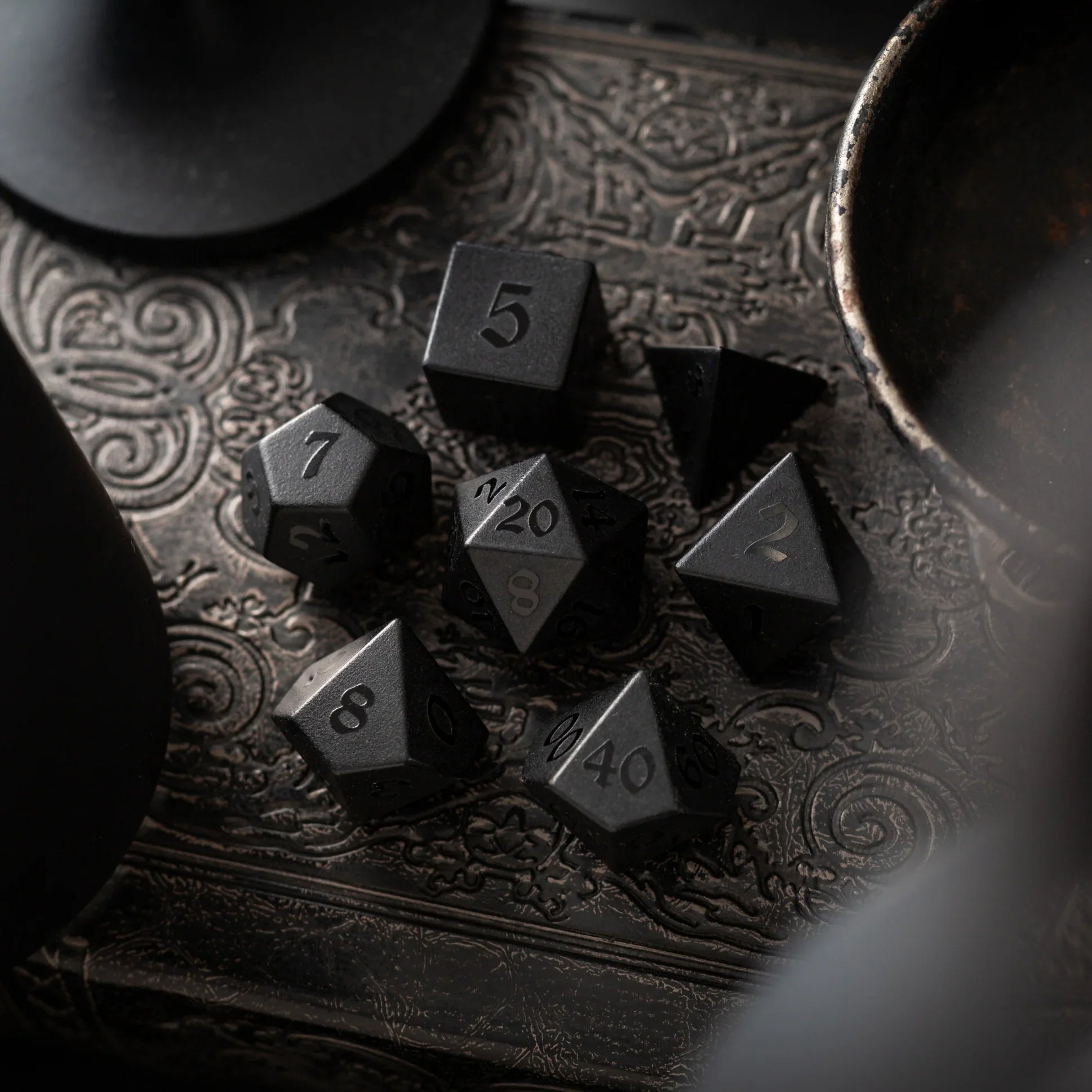
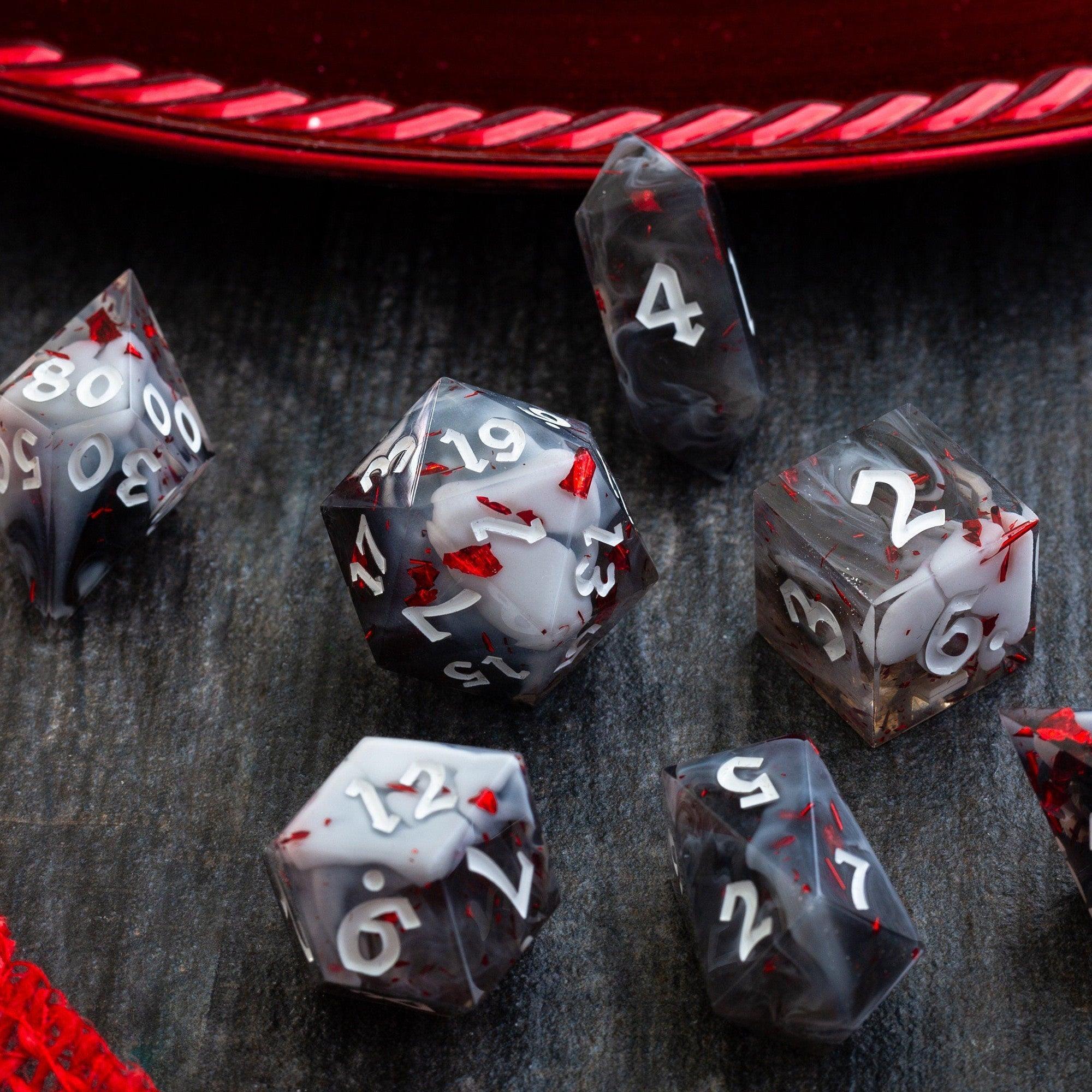
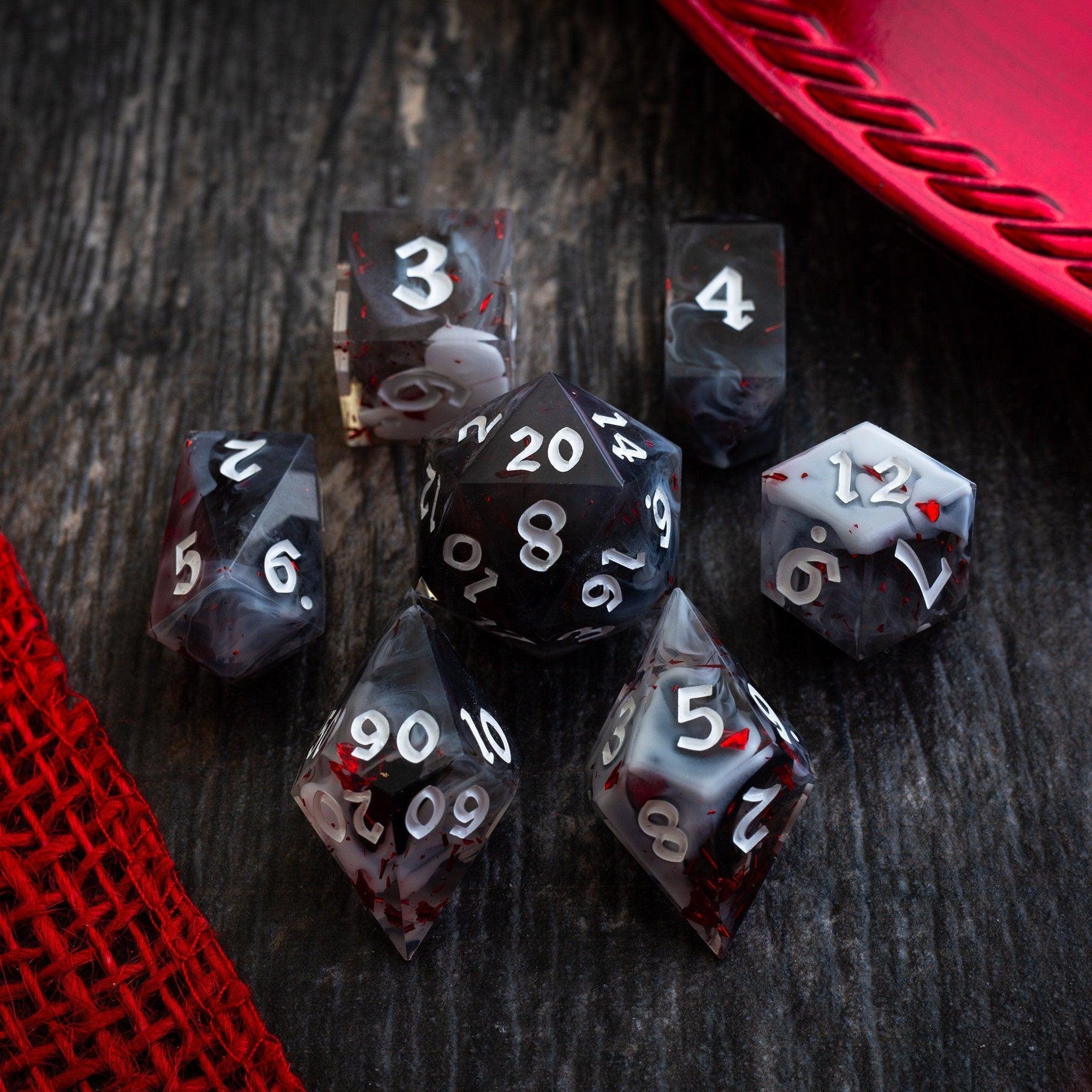
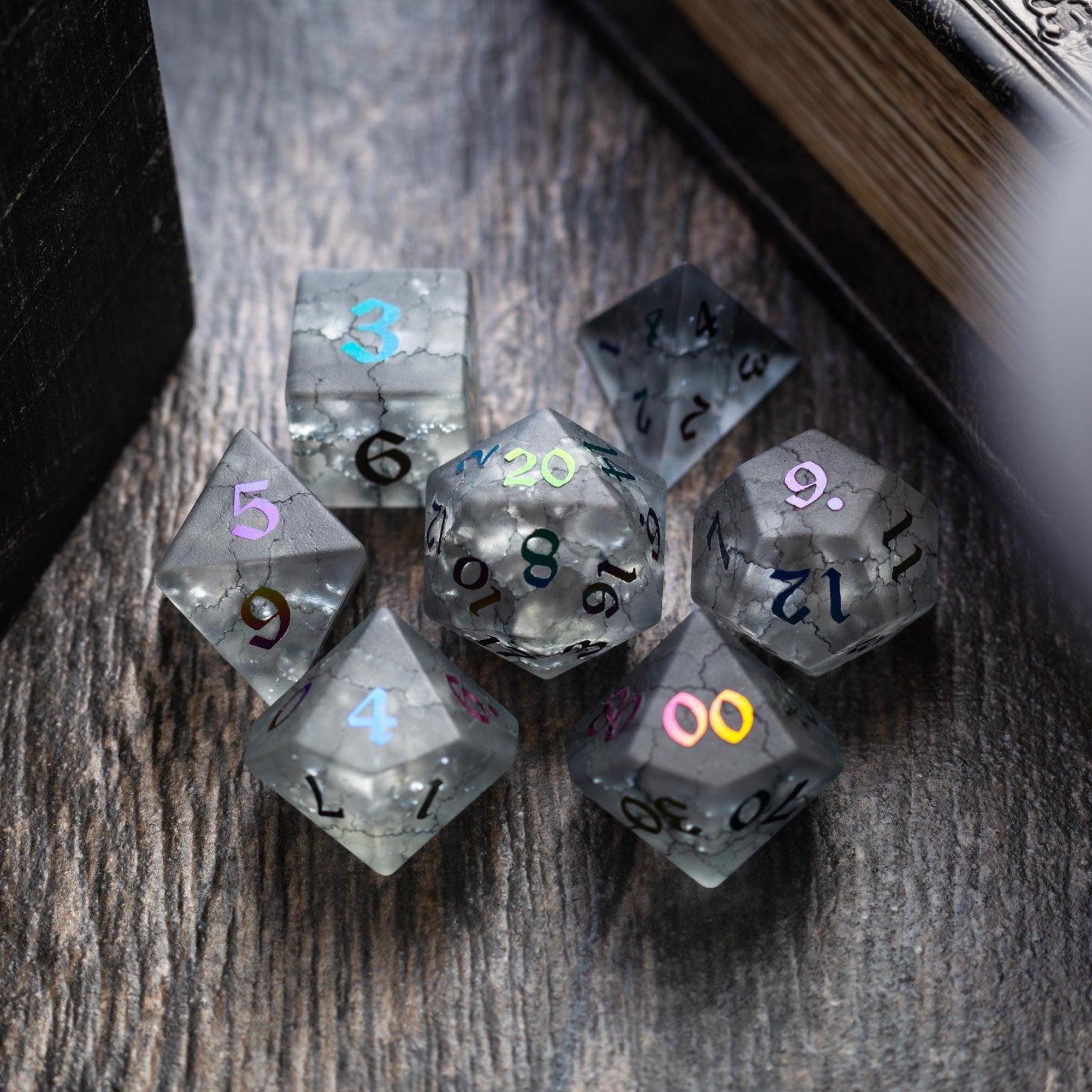
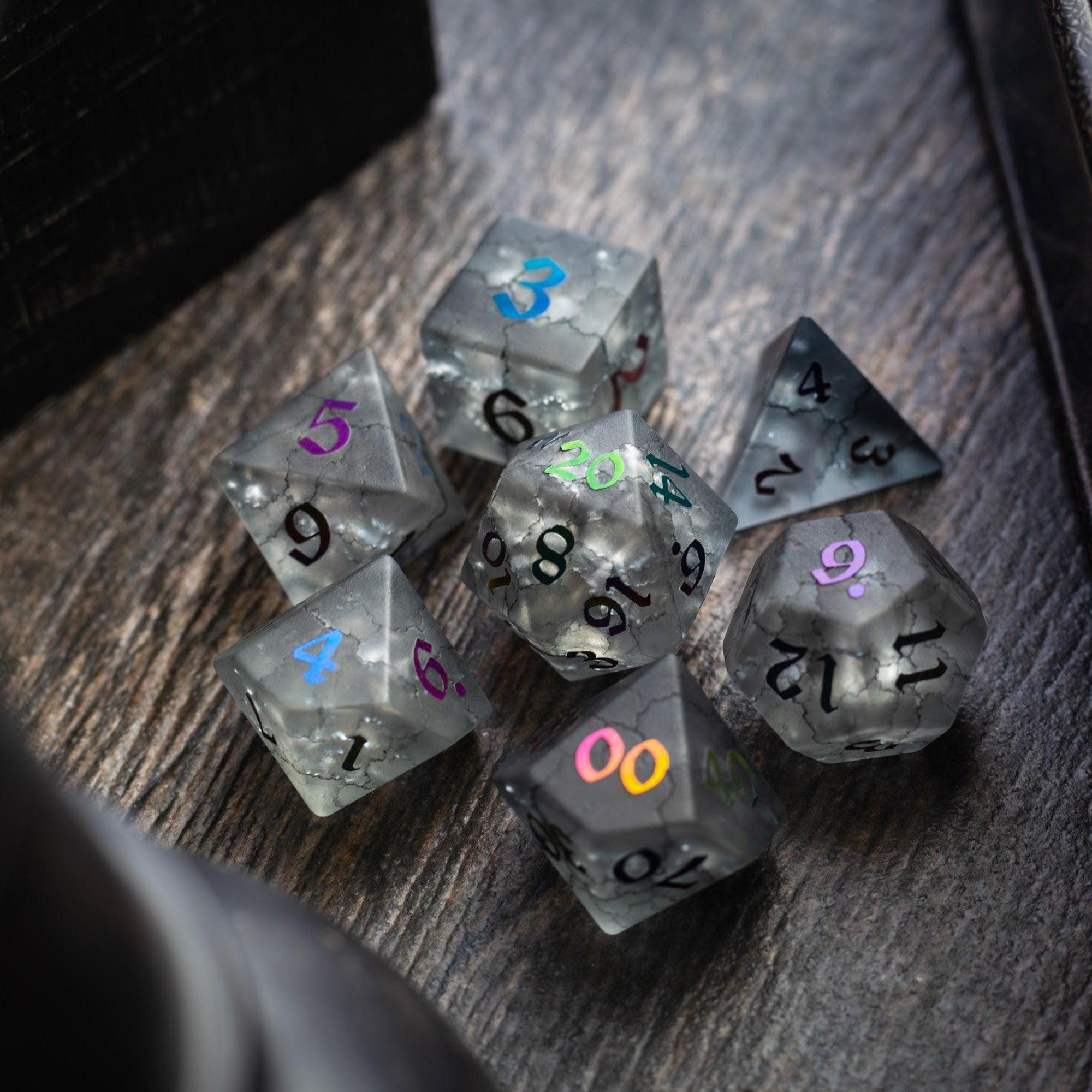
If you're looking to enhance your gameplay experience, consider investing in quality gemstone dice that make rolling feel special and meaningful. Premium dice sets add a tactile pleasure to every roll, turning simple mechanics into a satisfying ritual. You might also explore handmade resin dice sets that combine beautiful aesthetics with reliable performance during intense combat encounters.
Take time to understand your character's abilities, discuss tactics with your fellow adventurers, and trust the dice. Every roll tells a story, and every battle teaches you something new about the game and yourself as a player. Step into your next encounter with confidence, knowing that you understand the fundamentals that make combat exciting and fair for everyone involved.






Leave a comment
This site is protected by hCaptcha and the hCaptcha Privacy Policy and Terms of Service apply.