
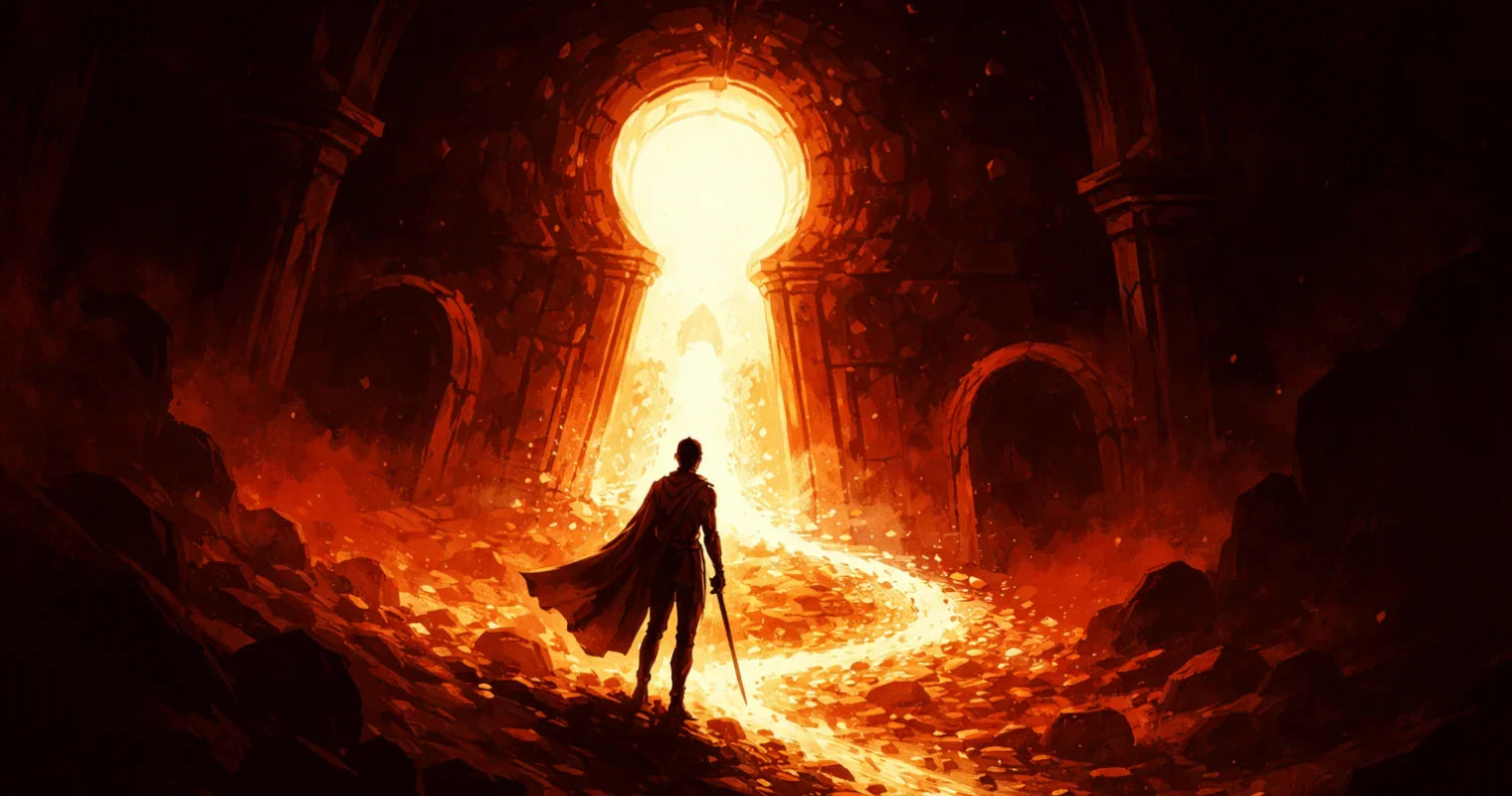
Dungeons & Dragons Backgrounds: Rich Origins for PCs
What Are D&D Character Backgrounds?
A background in Dungeons and Dragons is essentially your character's life story before they became an adventurer. It's the answer to the question: "Who were you before you picked up a sword or started casting spells?" Your background tells the Dungeon Master and your fellow players where you came from, what you've experienced, and why you're now adventuring alongside them.
Mechanically, backgrounds provide your character with skill proficiencies, languages, and special features that reflect their past. You might gain proficiency with certain tools, speak an additional language, or have a special ability that comes directly from your background experience. But beyond the mechanics, your background is a storytelling tool that brings your character to life.
Think of your D&D character background as the foundation for everything else. Your class tells us what you can do. Your background tells us who you are and why you do it. It's the difference between a generic fighter and a scarred war veteran who's trying to find redemption, or between a simple wizard and a scholar who's obsessed with uncovering forbidden knowledge.
Why Backgrounds Matter in Your Game
You might wonder if backgrounds are really that important, especially if you're focused on combat and adventure. Here's the truth: a well-developed background transforms your D&D experience from a fun game into an immersive story you'll remember for years.
Your background creates roleplay opportunities. When your character encounters a situation that connects to their past, you can make choices based on who they actually are, not just what's mechanically optimal. This leads to surprising moments, meaningful character development, and stories that feel authentic to the world you're exploring together.
Backgrounds also help your Dungeon Master create better adventures. If your character background includes a rival nobleman, a missing sibling, or a debt to a crime lord, your DM can weave those threads into the campaign. Suddenly, you're not just completing random quests. You're pursuing personal goals that matter to your character on a deep level.
For your fellow players, your character's background provides context for your actions and helps them understand your motivations. It explains why you make the decisions you do and creates opportunities for meaningful party interactions. When everyone at the table has invested in their character backgrounds, the entire game becomes richer and more engaging.
How to Choose and Develop Your Background
Starting with an official background from the Player's Handbook is a great way to begin. Options like the Soldier, Criminal, Noble, or Folk Hero each come with built-in features and skill proficiencies. You can choose one that resonates with how you envision your character, then customize it to match your specific concept.
Think about what role your character played before becoming an adventurer. Were they respected in their community or outcast? Did they leave voluntarily or were they forced to flee? Understanding these basic elements helps flesh out your character's motivations and personality.
Consider the personality traits, ideals, bonds, and flaws that accompany most backgrounds. These aren't just mechanical features. They're prompts for developing a three-dimensional character. Your bond might be to a loved one, to an organization, or to a principle you believe in. Your flaw might be a vice, a fear, or a weakness that creates interesting roleplay moments.
Don't be afraid to ask your Dungeon Master if you can modify an existing background or create something entirely custom. Most DMs appreciate when players invest thought into their characters and are willing to work with you to create something that fits your vision and serves the campaign.
Step-by-Step Process for Creating Your Own Background
Step 1: Define Your Core Concept
Start by answering this simple question: what was your character's life like before adventuring? You don't need every detail yet, just a clear picture. Were they a merchant's child? A street orphan? A temple acolyte? This core concept becomes the foundation for everything else.
Step 2: Identify Key Events
What major events shaped your character? Perhaps they witnessed something traumatic, achieved something remarkable, or made a choice that changed everything. These pivotal moments inform your character's personality and motivations. You might have two or three key events that explain who your character has become.
Step 3: Determine Your Motivation
Why are you adventuring now? Are you seeking revenge, redemption, wealth, or knowledge? Are you running from something or toward something? Your motivation drives your character's choices and creates hooks for your DM to use in the campaign. Explore our collections while you're thinking about your character's journey.
Step 4: Choose Skill Proficiencies
Select two or three skills that reflect your background experience. A street orphan might have Stealth and Insight. A scholar might have Investigation and Arcana. These choices should feel authentic to your character's past and make sense for how they've lived.
Step 5: Create Relationships
Who did your character care about? Are they still in contact? Did something happen to them? Creating bonds to other characters or important figures in the world makes your character feel connected to the setting. These relationships often become adventure hooks that pull you deeper into the campaign.
Step 6: Establish a Personal Flaw or Weakness
Perfect characters are boring. What makes your character vulnerable? Maybe they're haunted by guilt, struggle with trust, have a vice they can't overcome, or harbor a fear that affects their choices. These flaws create compelling roleplay moments and opportunities for character growth.

Common Questions About Backgrounds
Can I change my background during the campaign?
Absolutely! Some campaigns involve your character discovering new aspects of themselves or making choices that shift their perspective. Talk with your Dungeon Master about any changes you're considering. They might incorporate your character's evolution into the story, creating meaningful plot developments that reflect your character's growth. This is actually one of the most rewarding parts of long-term campaigns.
Do I need a detailed background, or is a basic one enough?
It depends on what you enjoy. Some players love creating elaborate backstories with multiple chapters, while others prefer working with a simple concept and developing details through play. There's no wrong approach. Start with what feels right for you, and remember that you can always add more depth as the campaign progresses. Your background is a living thing that can evolve alongside your character.
How do I make sure my background doesn't overshadow the campaign?
The key is balance. Your background should enhance the campaign, not dominate it. Work with your DM to identify which elements of your background are important to explore in the story. Make sure your personal goals complement the party's overall objectives. A great background creates opportunities for adventure, but it shouldn't require the entire campaign to revolve around your character. Remember, you're part of a party, and everyone's story matters.
What if my background conflicts with the campaign setting?
This is where communication matters most. Before finalizing your background, discuss the campaign setting with your DM. If you've created a background that doesn't fit, work together to adjust it. Maybe your character came from a different region, or perhaps the details of their past can be modified while keeping the core concept intact. Your DM will usually help you find a solution that works for everyone.
Should I share my full background with the party?
You don't need to reveal everything at once. Your background can unfold gradually as you play. Some secrets or surprising revelations about your past can create wonderful roleplay moments when they're discovered during the campaign. That said, anything that directly affects party dynamics or creates group conflict should probably be discussed before the game starts.
Building a compelling D&D character background is one of the most rewarding parts of the game. It transforms your character from a collection of stats into a person with history, motivation, and depth. Whether you're starting your first campaign or your tenth, taking time to develop a thoughtful background will enrich your experience and create memorable moments for everyone at the table.
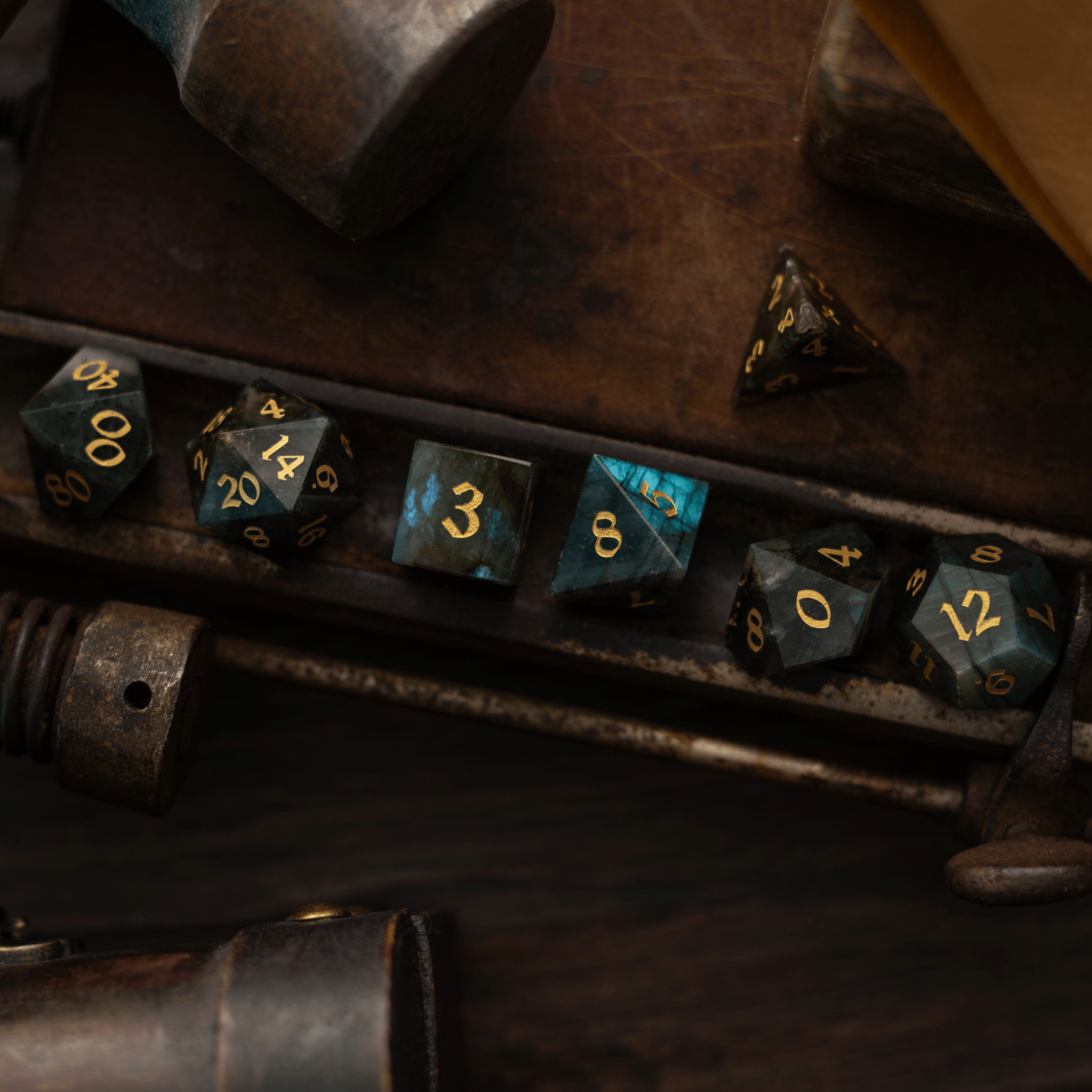
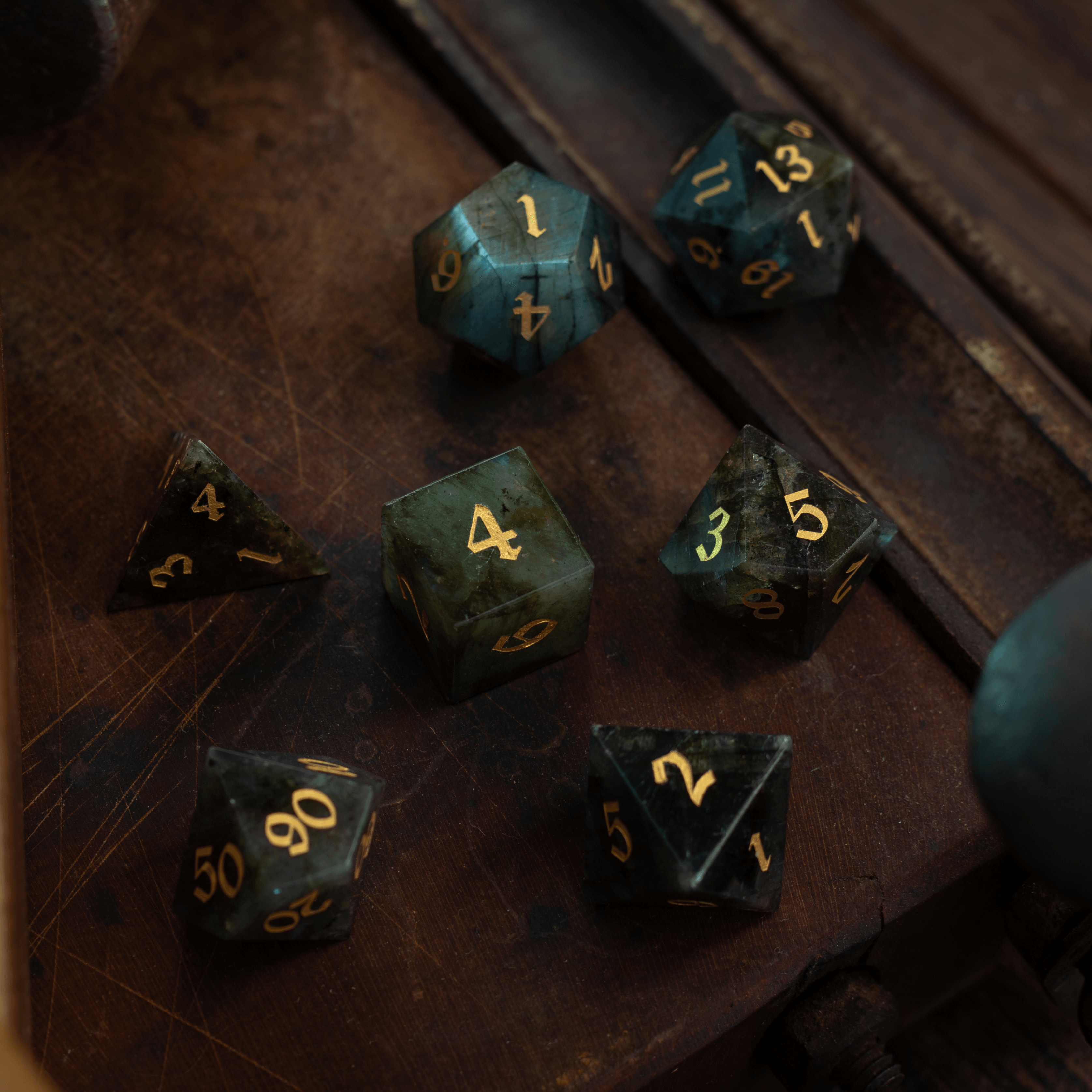
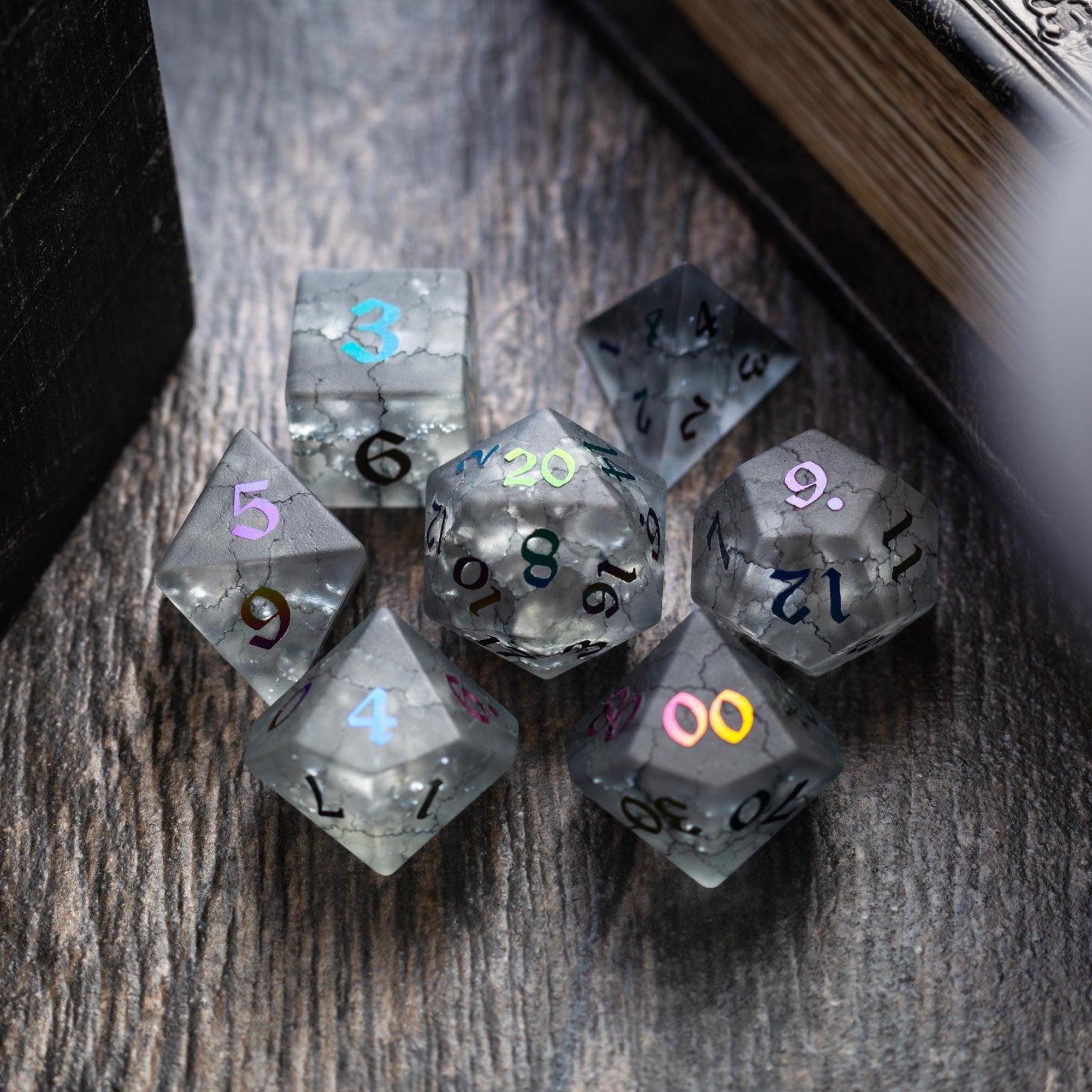
As you begin your next adventure, remember that your character's background isn't just backstory. It's the foundation for the hero you're about to become. Embrace the details, lean into the roleplay, and discover what makes your character uniquely yours. When you're ready to roll the dice, beautiful gemstone dice sets can help bring those crucial moments to life. Your character deserves nothing less than a truly epic story.
















Leave a comment
This site is protected by hCaptcha and the hCaptcha Privacy Policy and Terms of Service apply.