

Mythos and Faction Lore Deep Dives for RPG Worldbuilding
Updated on: 2025-12-23
This guide explores how structured setting studies and faction analysis turn ordinary campaigns into memorable stories. You will learn practical steps for research, organization, and session prep that respect your table’s style. We also compare popular approaches so you can choose what fits your group. If you are curious about lore and faction deep dives for roleplaying games, this article offers a gentle, step-by-step path to richer worlds.
- Deep Dives & Worldbuilding
- Common Challenges
- Comparison Section
- Summary & Recommendations
- Questions & Answers

Many game groups enjoy a living world that reacts to their choices. A bit of thoughtful preparation can make that happen without overwhelming anyone at the table. This article offers a caring, methodical approach to explore setting history, rival groups, and the social fabric that ties everything together. You will find quick frameworks, light research habits, and tools to keep notes tidy. Whether you run published settings or homebrew, these steps support smoother sessions, clearer stakes, and a kinder play experience for everyone.
How lore and faction deep dives for roleplaying games enrich play
Focused world lore and faction study helps you present believable motives and consequences. Instead of random encounters, characters meet people with goals, resources, and weaknesses. This gives every scene a sense of purpose. For example, if a merchant guild funds a private guard, players may negotiate, infiltrate, or build alliances instead of fighting on sight.
When you explore setting history, keep notes short and meaningful. A timeline with five to seven key events is usually enough. Add one sentence on how each event affects the present day. If an empire collapsed a century ago, note what remained: roads, coins, or customs. These artifacts give you instant hooks during play. You can say, “The inn’s ledger uses old imperial script,” and your group will feel the world’s depth without a long lecture.
Faction analysis works well with a simple sheet for each group:
- Name and purpose: What do they want this month?
- Resources: People, money, secrets, or magic.
- Pressure: What threatens them right now?
- Signal: A small detail players can notice (insignia, slang, rituals).
This brief format keeps your focus on play and not on pages of prose.
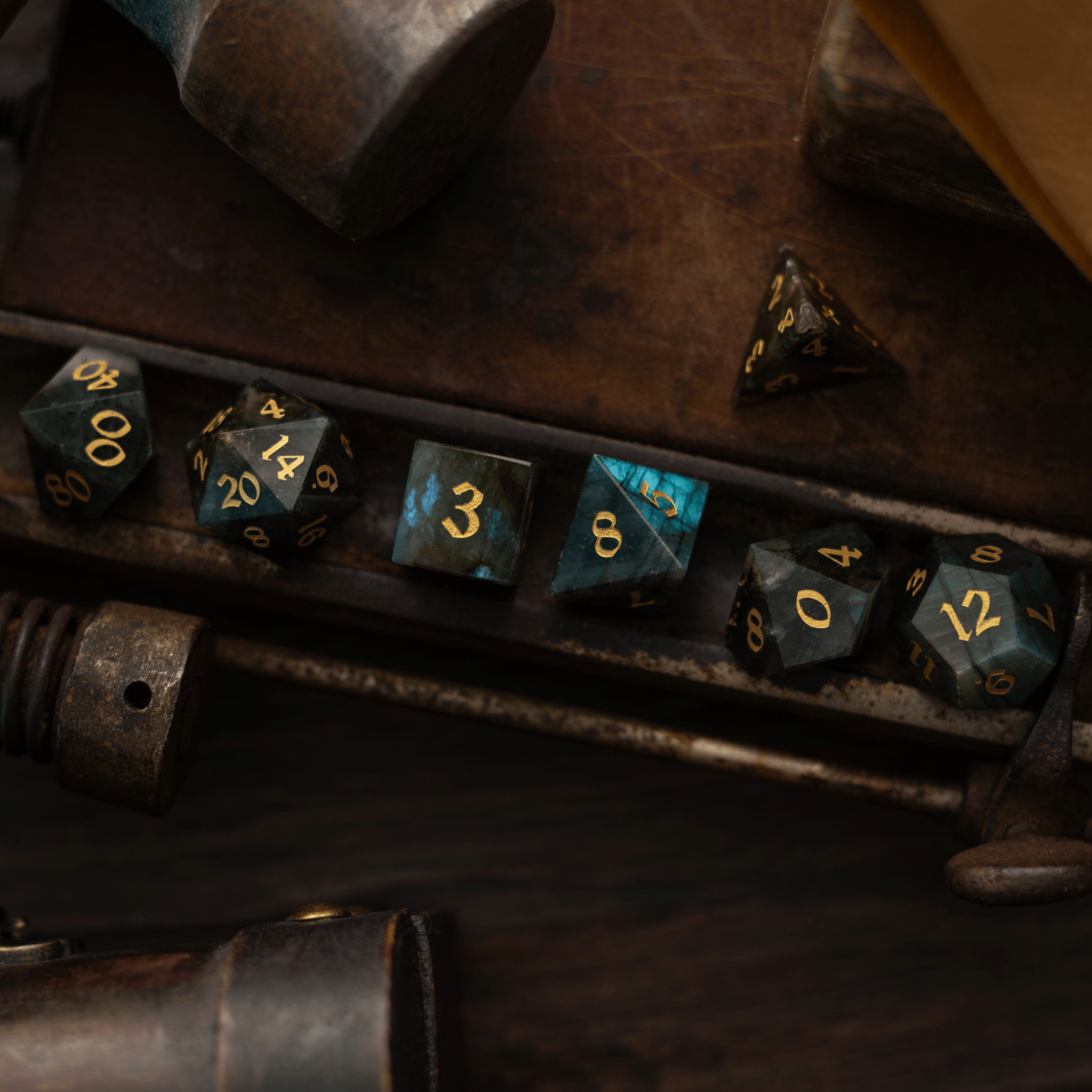
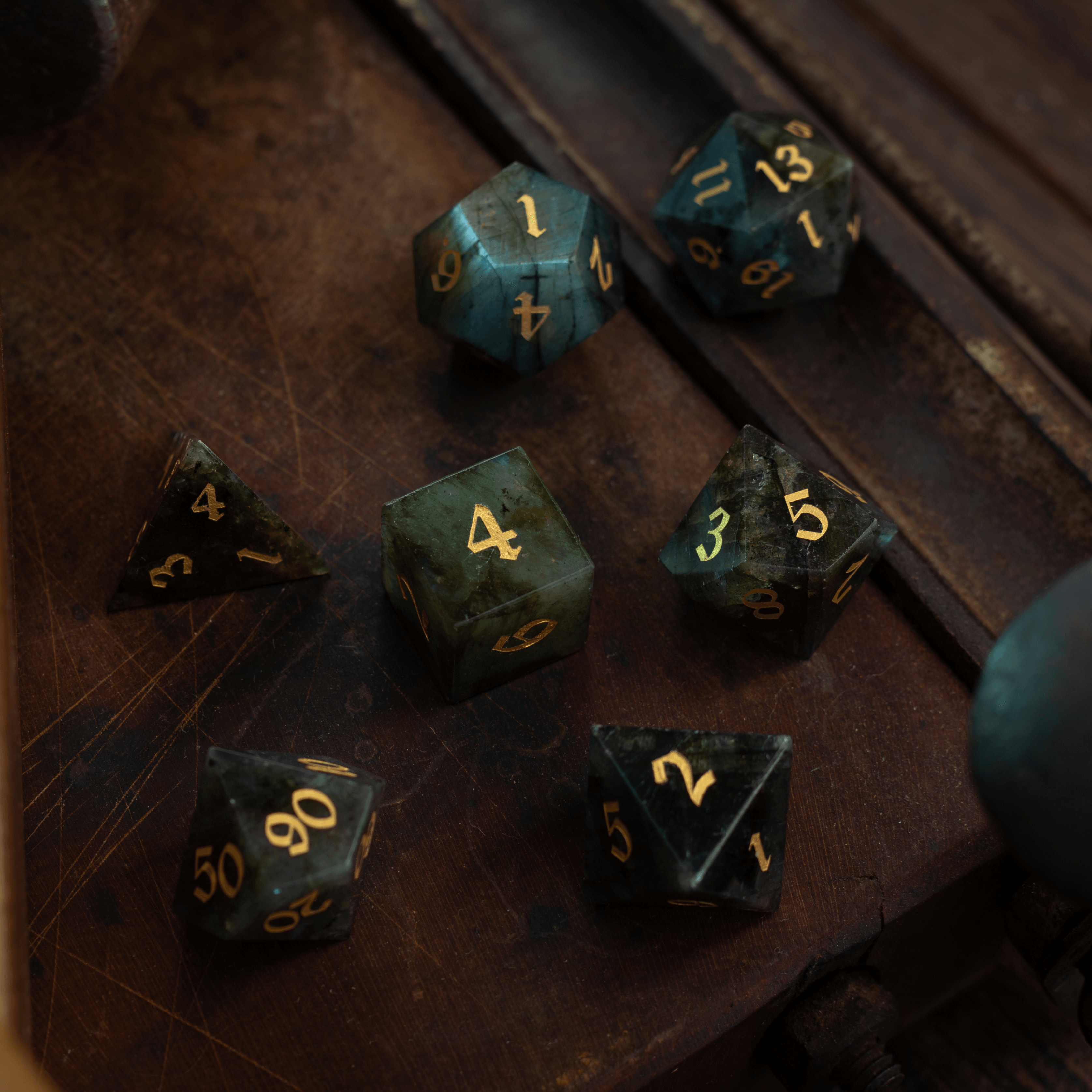
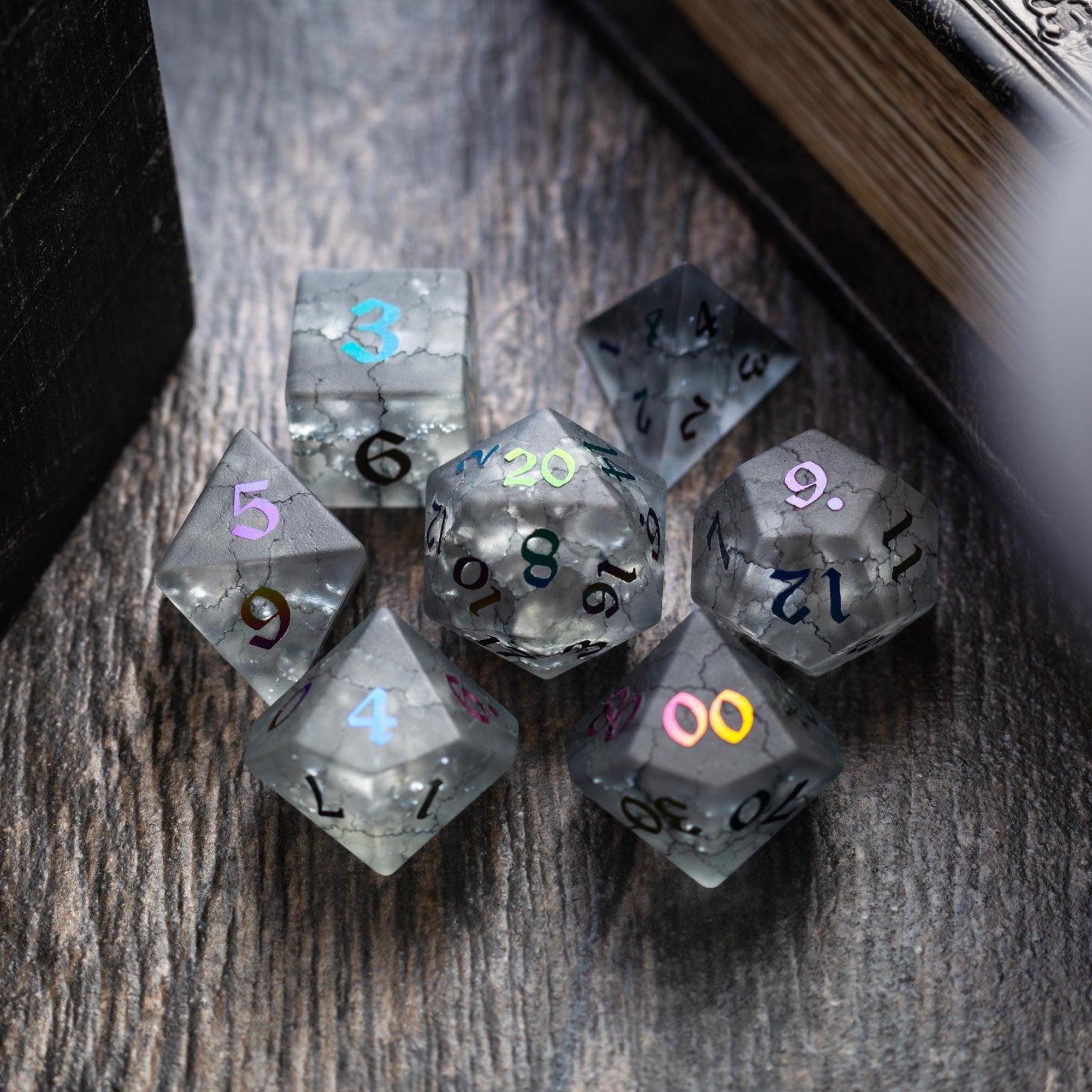
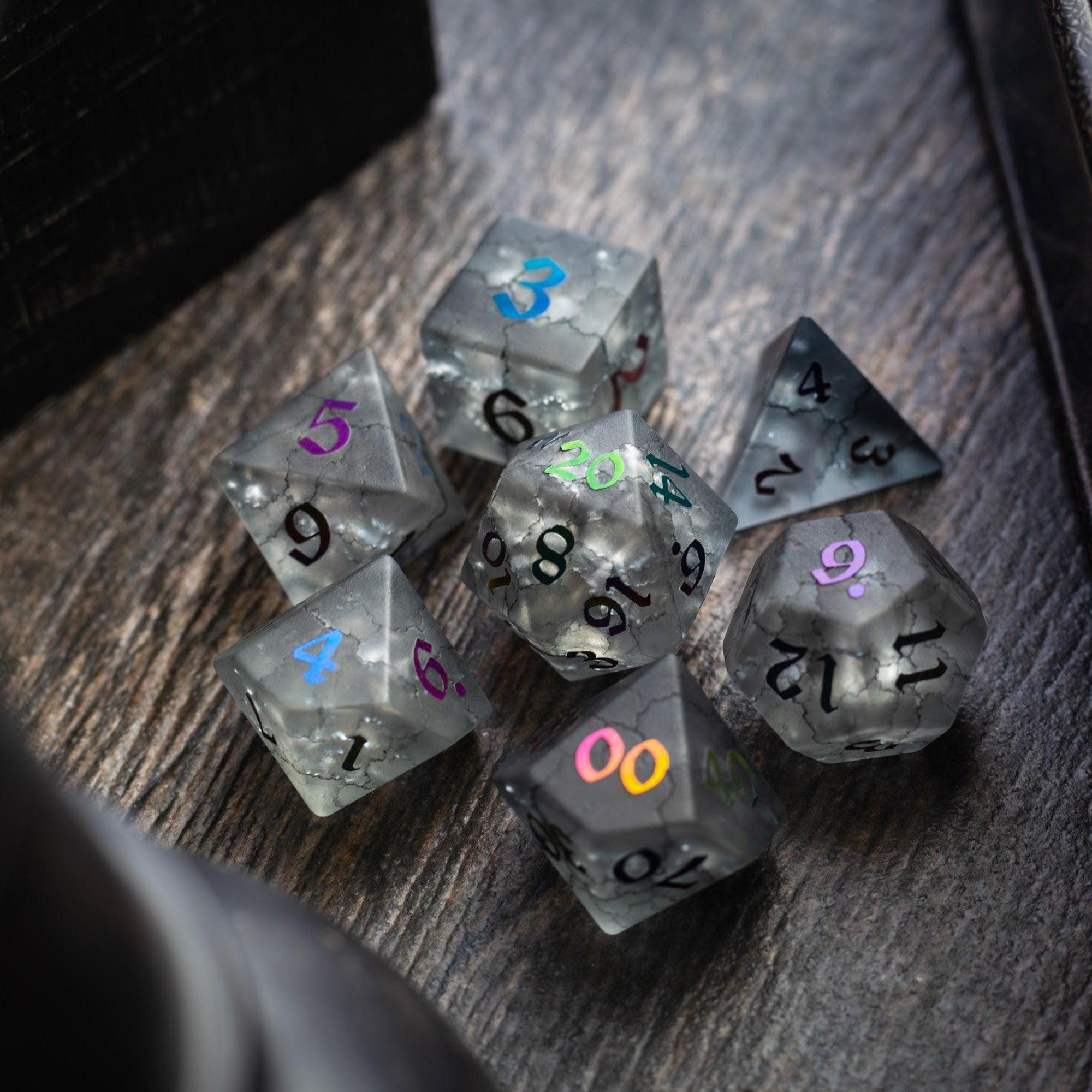
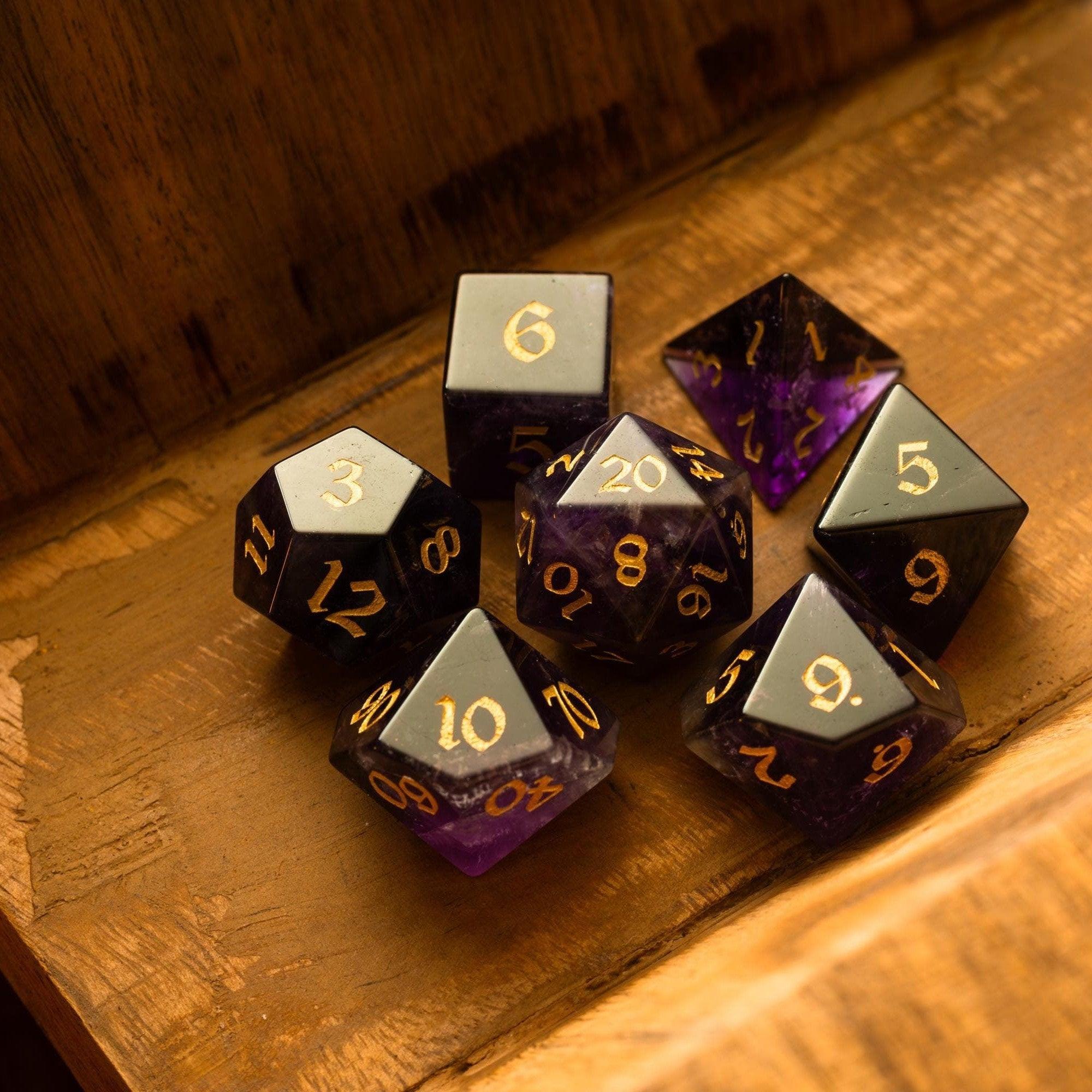
Props and tactile elements can also reinforce theme. If your campaign centers on ancient ruins or sparkling vaults, a special set of gemstone dice can mirror that mood at the table. Visual cues gently remind players of the world’s tone and history without any extra narration.
Common Challenges
Many game masters and storytellers face similar obstacles when diving into setting lore and factions. Here are a few gentle solutions that respect your time and your group’s preferences.
-
Challenge: Information overload.
Solution: Cap yourself at one page per topic. Use three layers: a one-line summary, three bullet facts, and one example hook. Anything beyond that can wait until players show interest. This keeps prep light and helps you improvise confidently. -
Challenge: Analysis paralysis.
Solution: Set a 25-minute timer. In that session, pick one faction, list its immediate goal, and create two ways the party might learn about it. Stop when the timer ends. Next session, move to another group. Small steps build a sturdy world over time. -
Challenge: Inconsistent details across sessions.
Solution: Adopt a living index. Keep a single “World Notes” file with headings for Places, People, and Factions. After each game, write three quick sentences about what changed. If you prefer physical tools, a compact note card deck works too. -
Challenge: Players forget who is who.
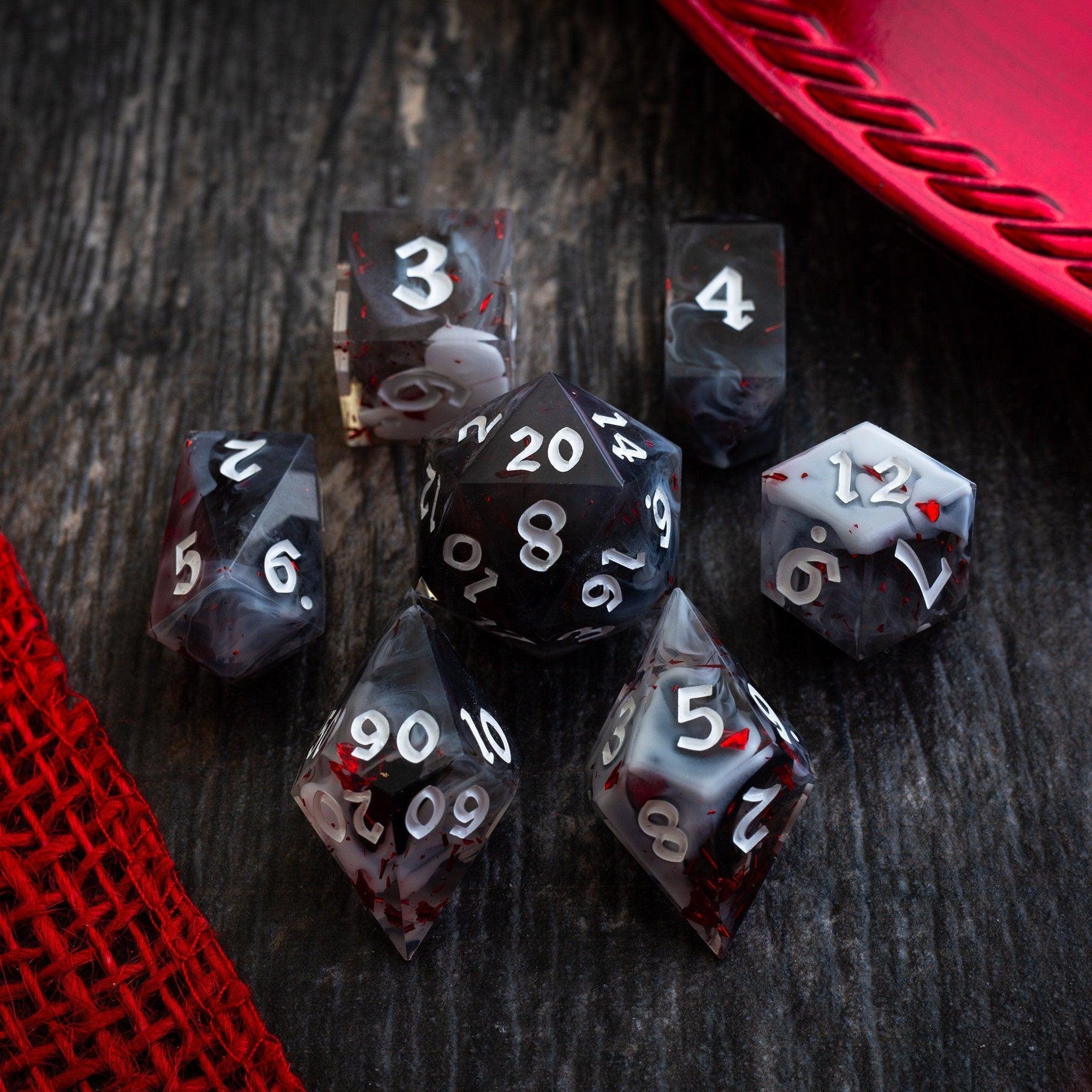
Solution: Offer simple table aids. A short handout with faction logos or slogans can help. A small tray or tower for rolling can also serve as a visual anchor; consider a tidy setup alongside sharp-edge resin to reinforce the style of your campaign. -
Challenge: Balancing combat with diplomacy.
Solution: Add non-combat clocks. Track four segments for “trust,” “fear,” or “public rumor.” Each scene ticks a box. When a track fills, a social shift occurs. This gives momentum to conversations and helps combat feel like one option among many.
Comparison Section
Approach: Top-Down Worldbuilding
- Pros: Clear themes, unified tone, easy to maintain continuity.
- Cons: Can feel abstract early on; heavy up-front prep if not limited.
Approach: Bottom-Up Worldbuilding
- Pros: Immediate relevance to the party, quick prep, organic growth.
- Cons: Long-term plot can wobble without a light spine to guide it.
Scope: Broad Factions vs. Local Crews
- Broad Factions Pros: Big stakes, lasting impact, flexible story arcs.
- Broad Factions Cons: Can overshadow personal stories if not tempered.
- Local Crews Pros: Intimate drama, memorable NPCs, faster sessions.
- Local Crews Cons: Risks feeling small unless connected to wider currents.
Using Physical Cues
- Pros: Reinforces mood, aids memory, invites table engagement.
- Cons: Too many props can distract; choose one or two signature items.

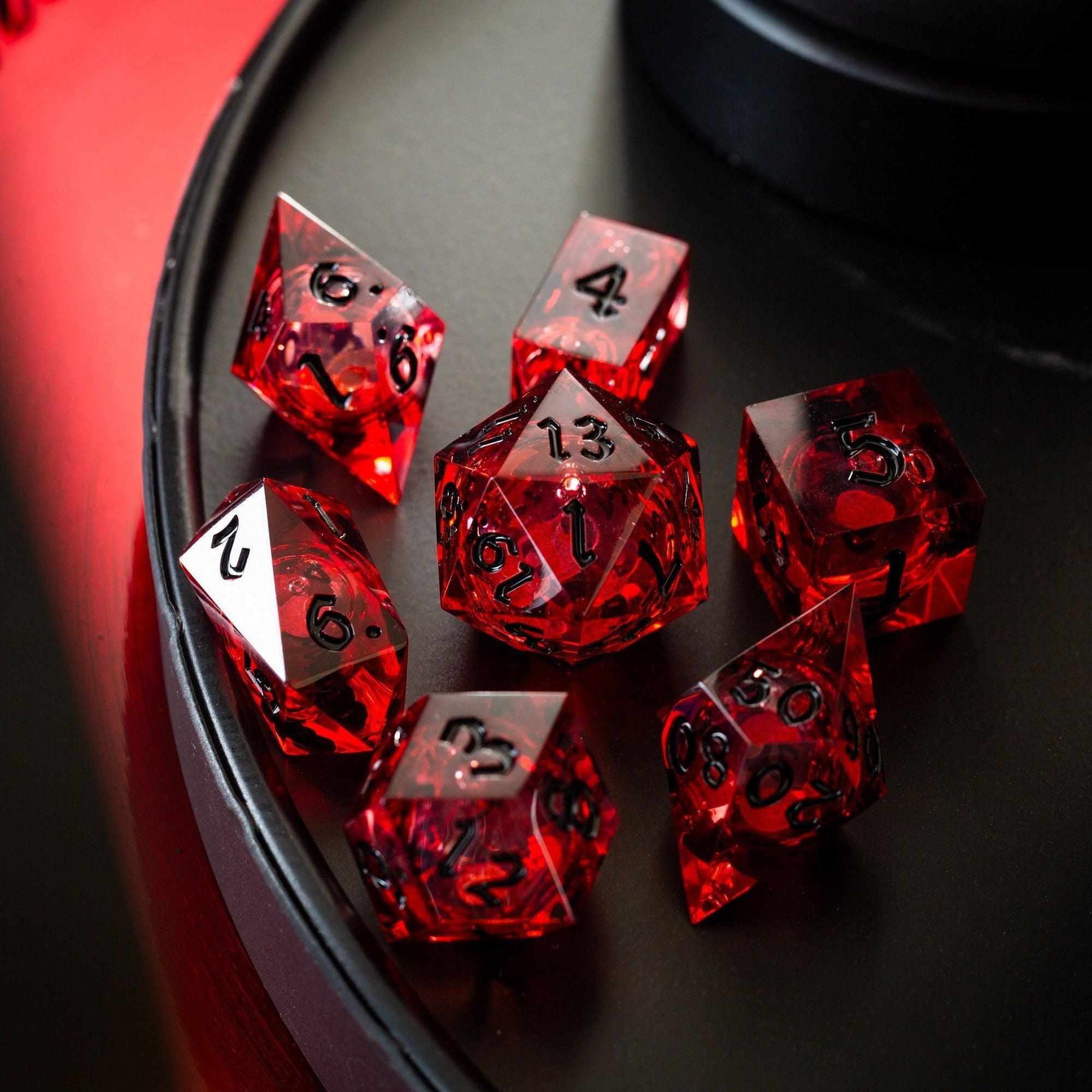
If you like a bit of sparkle that hints at arcane currents, consider the gentle motion of liquid core dice to echo shifting politics or unstable alliances. Visual metaphors like this can make factions feel alive in subtle ways.
Summary & Recommendations
Curating setting history and analyzing rival groups does not need to be heavy. A short timeline, compact faction sheets, and a living index will carry most campaigns. Start small, and let player choices guide which topics deserve more attention. As you refine your notes, use simple signals—insignia, slang, or a signature color—to make each group distinct at the table.
If you would like one gentle plan to try this week, use the “1–3–1” method. Write one sentence on your setting’s core tension. Add three factions with a single short-term goal each. Close with one hook that puts two groups on a collision course. That is all you need for a lively session. If you prefer a tactile spark for inspiration, the shifting sheen of Labradorite dice can remind everyone of hidden truths beneath calm surfaces.
With consistent habits and kind pacing, lore and faction deep dives for roleplaying games can stay light, friendly, and fun. Choose the scope that respects your time, keep notes concise, and let the world respond to your players with warmth and clarity.
Questions & Answers
How much setting detail is enough for a home game?
Enough is what you can summarize in a minute. Aim for a five-point timeline, three active factions, and one pressing conflict that binds them. Anything else can wait until curiosity arises at the table. This balance keeps prep gentle while still giving you solid hooks and consistent tone.
What is a simple process for researching factions?
Use the “Goal–Resource–Pressure” loop. Define a near-term goal, list two resources, and note one pressure that might force action. Then add a single visible signal, like a motto or color. Stop there. If players show interest, expand with one new detail after the session. For a touch of table presence, a gleam of gemstone dice or a bold set from the collections page can serve as a memory cue.
How do I keep lore consistent across sessions?
Adopt a post-session debrief. Write three sentences: what changed, which faction advanced, and what new clue appeared. Store these under a stable index with tags for People, Places, and Groups. When a contradiction appears, favor the version that supports current player choices and clarity. If you like tangible focus tools, you might enjoy rolling story beats with a special set that fits your theme from the gemstone dice line.











Leave a comment
This site is protected by hCaptcha and the hCaptcha Privacy Policy and Terms of Service apply.