Curating Fantasy Art Books for RPG Inspiration at the Table
Fantasy roleplaying games thrive on imagination, but even the most experienced Game Master occasionally benefits from a spark of visual inspiration. A striking castle perched on impossible cliffs, an ancient forest glowing beneath moonlight, or a mysterious traveler cloaked in enchanted armor can all become the starting point for unforgettable adventures.
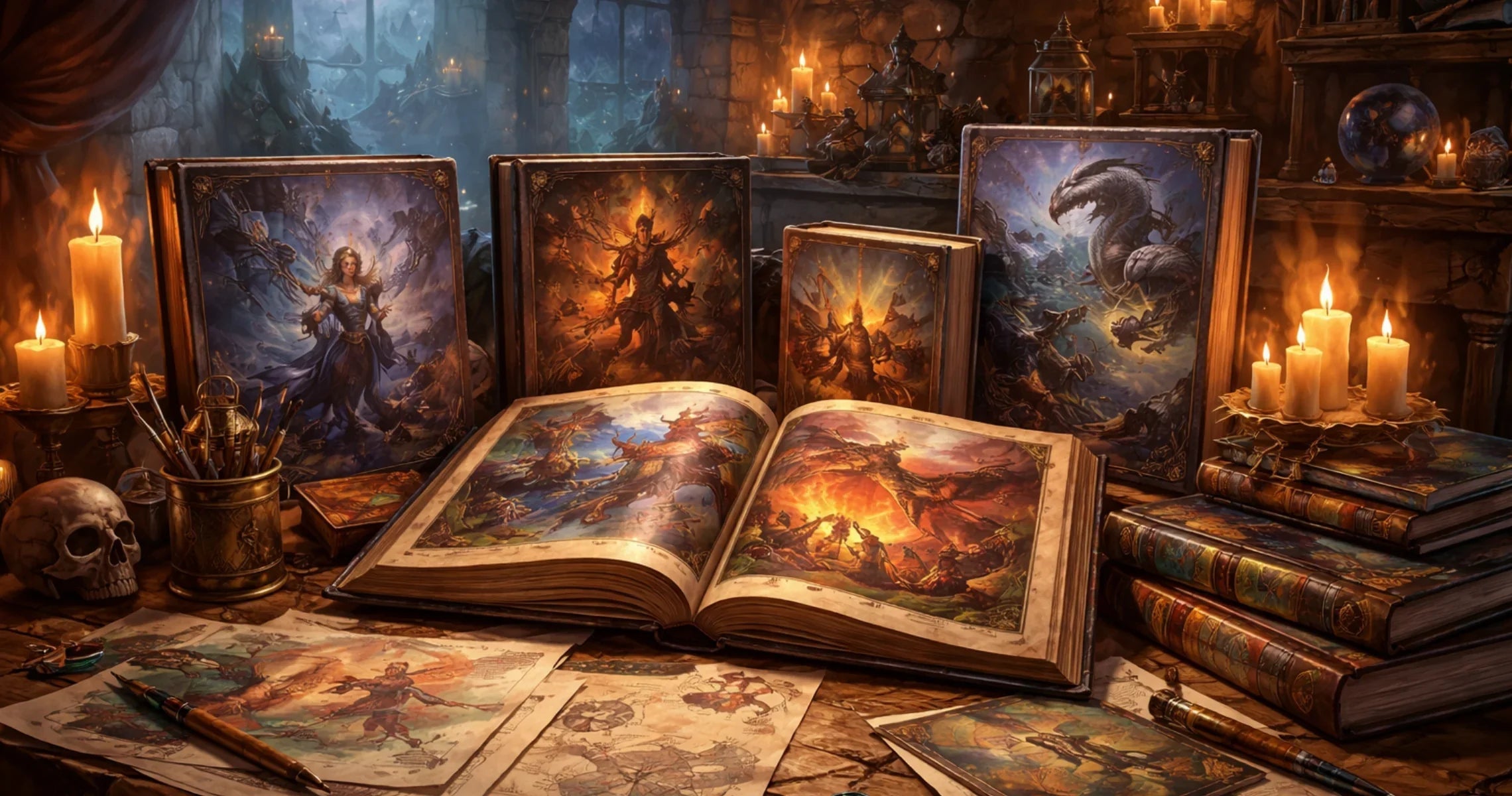
Fantasy art books provide a rich collection of visual ideas that encourage creativity without dictating how a campaign should unfold. They are creative reference tools rather than official game resources, allowing players and Game Masters to develop original worlds, memorable characters, and engaging stories inspired by beautiful artwork instead of predefined settings.
Whether you're preparing your first campaign or expanding a world that has grown over years of play, thoughtfully curated fantasy art books can become valuable companions for RPG inspiration and long-term campaign planning.
Why Visual References Strengthen Worldbuilding and Storytelling
Many Game Masters begin planning with maps, notes, or encounter ideas. Adding visual references introduces another layer of creativity by helping transform abstract ideas into vivid locations and memorable scenes.
Instead of simply describing a mountain kingdom, a single piece of fantasy illustration may inspire details such as towering stone bridges, banners waving in icy winds, or ancient statues carved into the cliffs.
Visual references also encourage consistency throughout a campaign. When every city, faction, or wilderness region has a distinct visual identity, players often remember them more clearly.
Benefits of using fantasy artwork include:
-
Creating memorable locations
-
Inspiring unique NPC appearances
-
Developing believable cultures
-
Designing atmospheric dungeons
-
Generating adventure hooks
-
Improving scene descriptions during play
-
Supporting long-term RPG worldbuilding
Artwork can also inspire emotional tone. Bright, colorful landscapes may encourage hopeful adventures, while darker paintings filled with twisted forests or forgotten ruins naturally suggest mystery and danger.
Choosing Fantasy Art Books That Match Your Campaign Style
Not every fantasy art collection serves the same purpose. Some emphasize sprawling landscapes, while others showcase creatures, armor, architecture, or imaginative character designs.
Selecting books that complement your campaign helps keep your creative references focused.
Landscape and Environment Collections
These books feature breathtaking scenery such as:
-
Mountain kingdoms
-
Ancient forests
-
Desert civilizations
-
Floating islands
-
Frozen wastelands
-
Underground cities
They are excellent resources for fantasy worldbuilding because they encourage Game Masters to think beyond simple maps and imagine how environments influence culture, trade, and adventure.
Character-Focused Collections
Books centered on heroes, villains, travelers, and royalty help inspire:
-
NPC appearances
-
Noble families
-
Mercenary companies
-
Adventuring parties
-
Religious leaders
-
Legendary champions
Rather than copying a character directly, focus on individual details like clothing, posture, equipment, or expressions to create someone entirely original.
Creature and Monster Artwork
Fantasy creatures often inspire encounters long before game statistics are chosen.
A painting of a towering beast covered in glowing crystals might become:
-
A sacred guardian
-
A misunderstood ancient spirit
-
A mountain-dwelling predator
-
The centerpiece of an exploration quest
By separating visual inspiration from game mechanics, you remain free to adapt creatures for your own campaign.
Concept Art Collections
Books filled with fantasy concept art often showcase rough sketches, alternate designs, and environmental studies.
These collections are especially useful because they reveal multiple interpretations of similar ideas, encouraging flexibility instead of imitation.
Using Artwork to Inspire Locations, NPCs, Monsters, Factions, and Adventures
One illustration can generate an entire evening of tabletop play.
Instead of asking, "What adventure should I run?" try asking, "What story could explain this image?"
Locations
A single castle illustration may inspire:
-
Political intrigue
-
Forgotten dynasties
-
Magical disasters
-
Hidden libraries
-
Secret underground passages
NPCs
Portrait artwork can quickly establish memorable personalities.
Look for details such as:
-
Clothing style
-
Facial expressions
-
Jewelry
-
Weapons
-
Body language
-
Companion animals
Each visual clue can suggest motivations, occupations, or hidden secrets.
Monsters
Rather than reproducing an existing creature, consider:
-
What habitat would support it?
-
Why do local people fear it?
-
Is it truly hostile?
-
What legends surround it?
These questions help transform artwork into original encounters.
Factions
Architecture, banners, uniforms, and symbols often reveal the identity of entire organizations.
A single illustration might inspire:
-
Knightly orders
-
Merchant guilds
-
Wizard academies
-
Rebel alliances
-
Ancient cults
Adventures
Many Game Masters keep a notebook beside their favorite fantasy art books and record immediate ideas.
For example:
"A ruined lighthouse appears abandoned, but every full moon it guides ghost ships carrying forgotten kings."
A brief observation like this can evolve into an entire campaign arc.
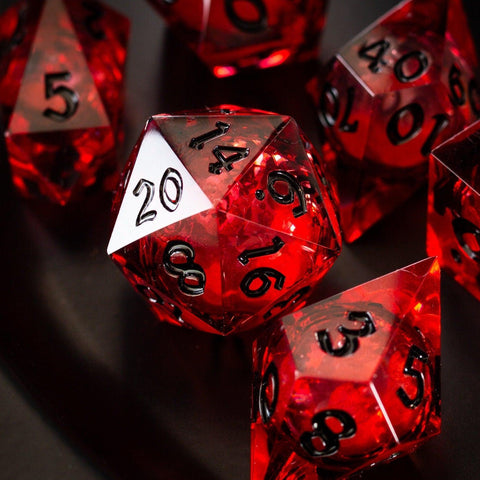
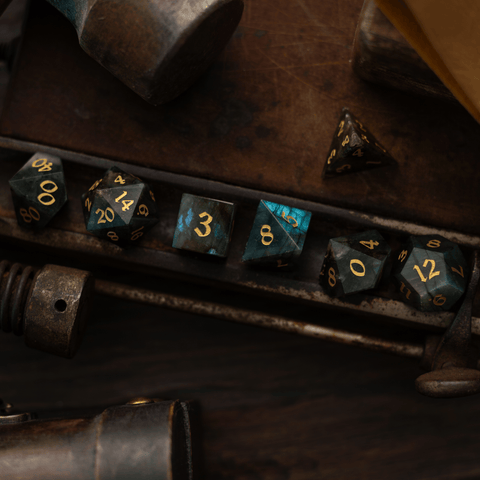
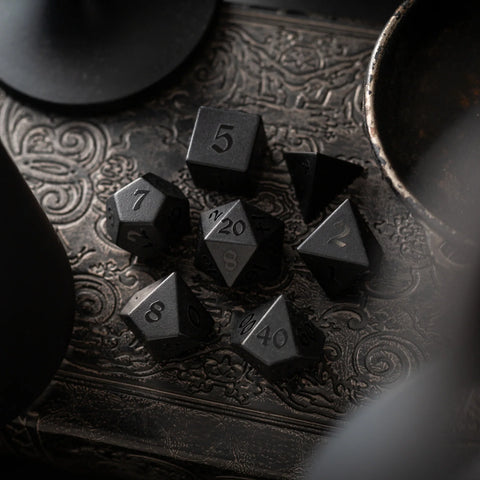
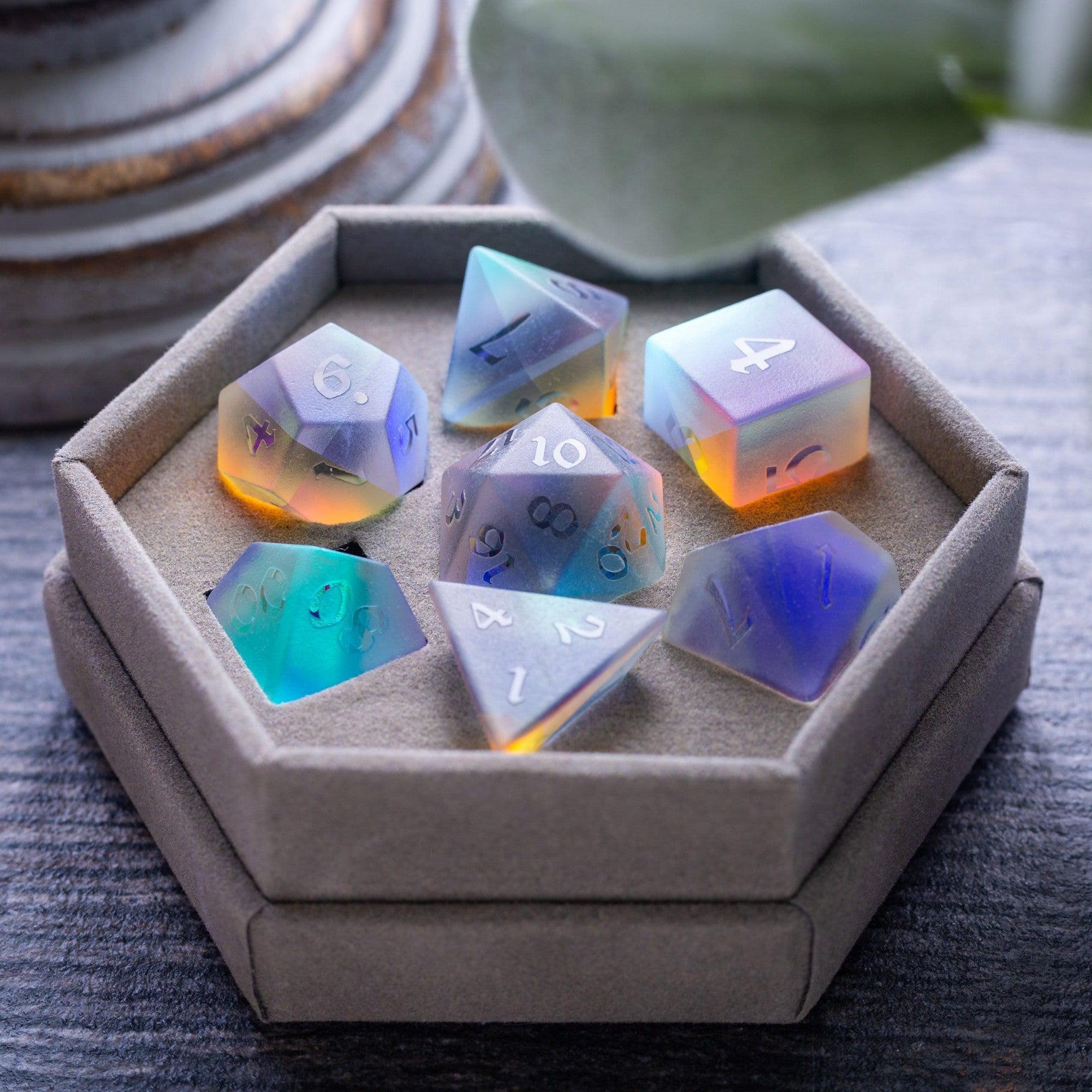
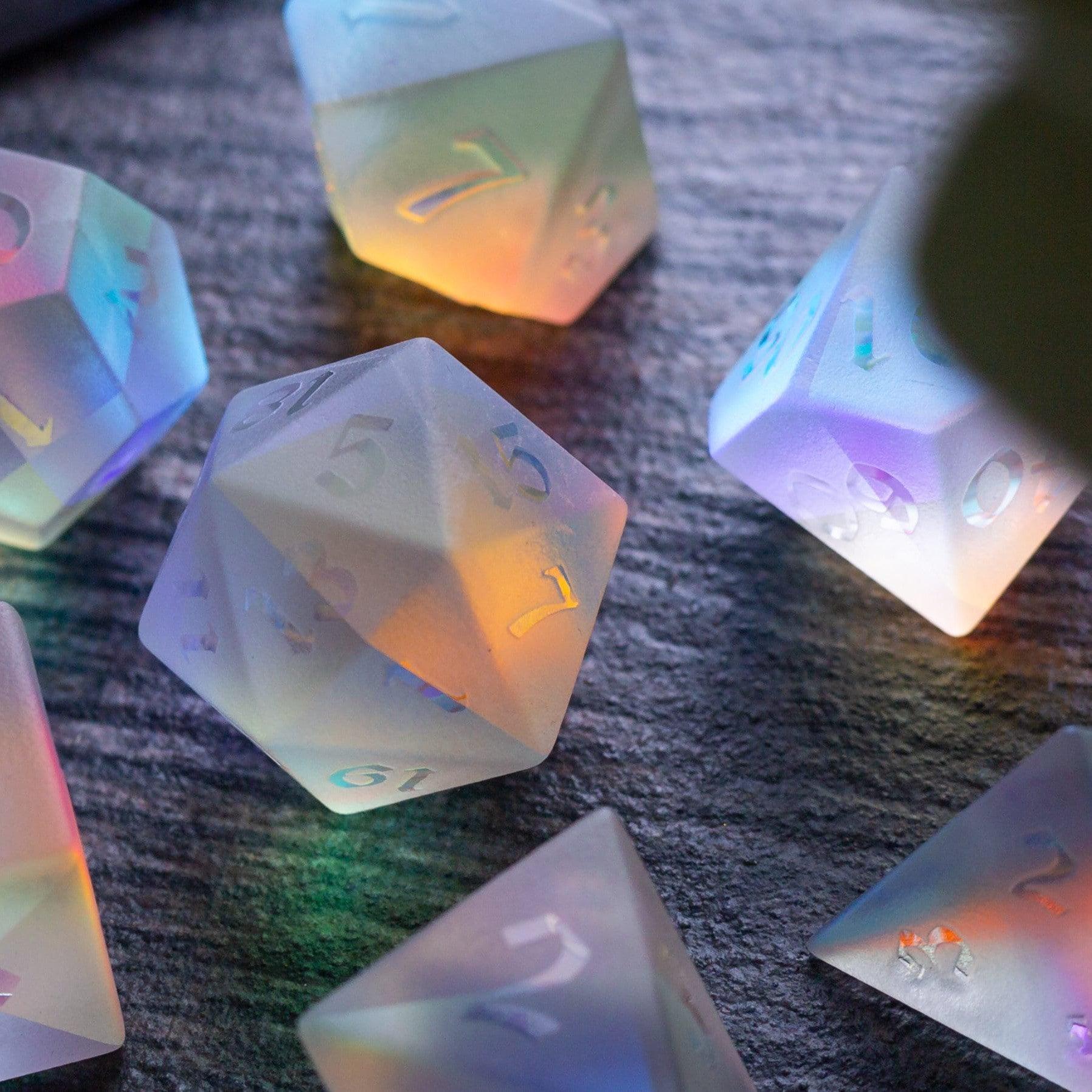
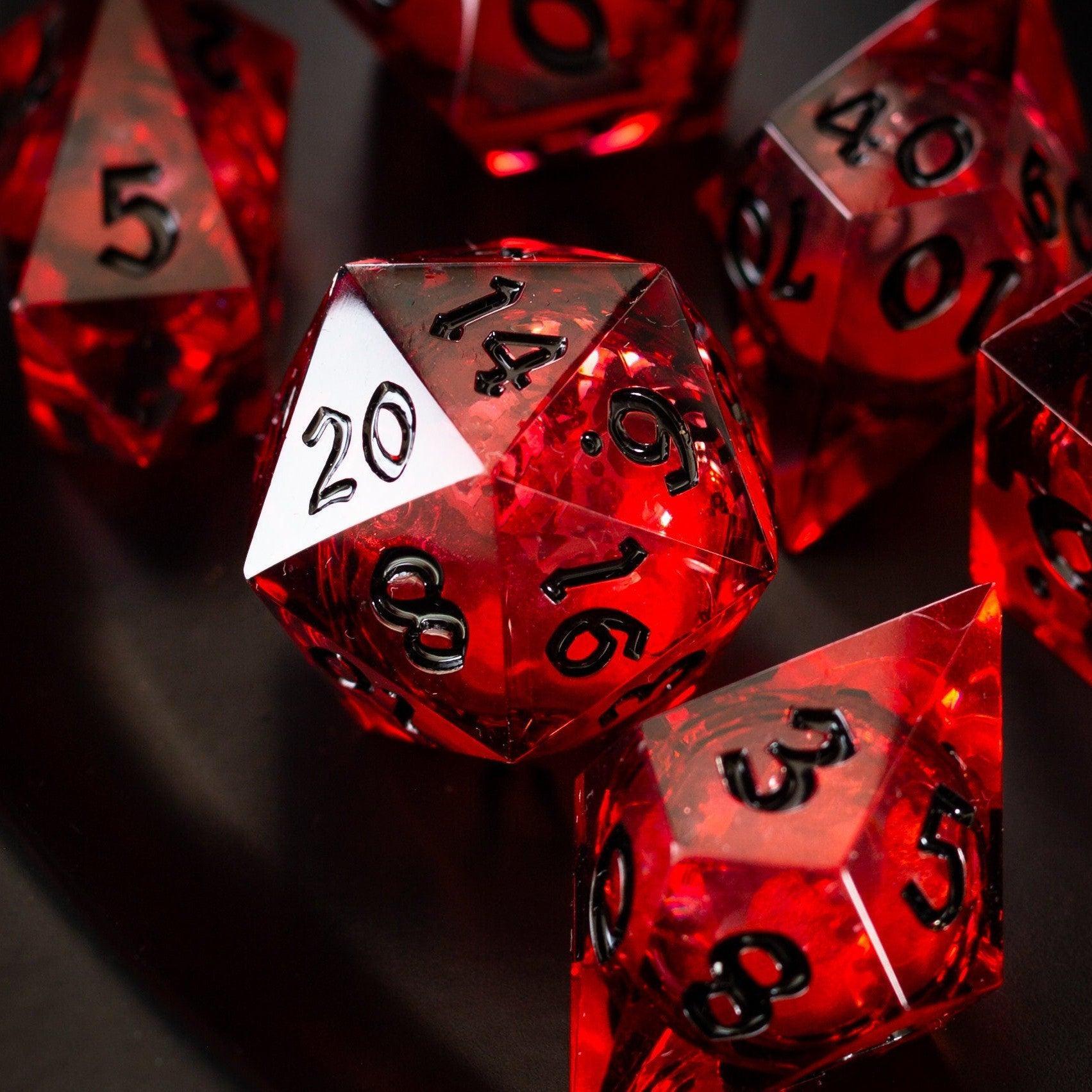
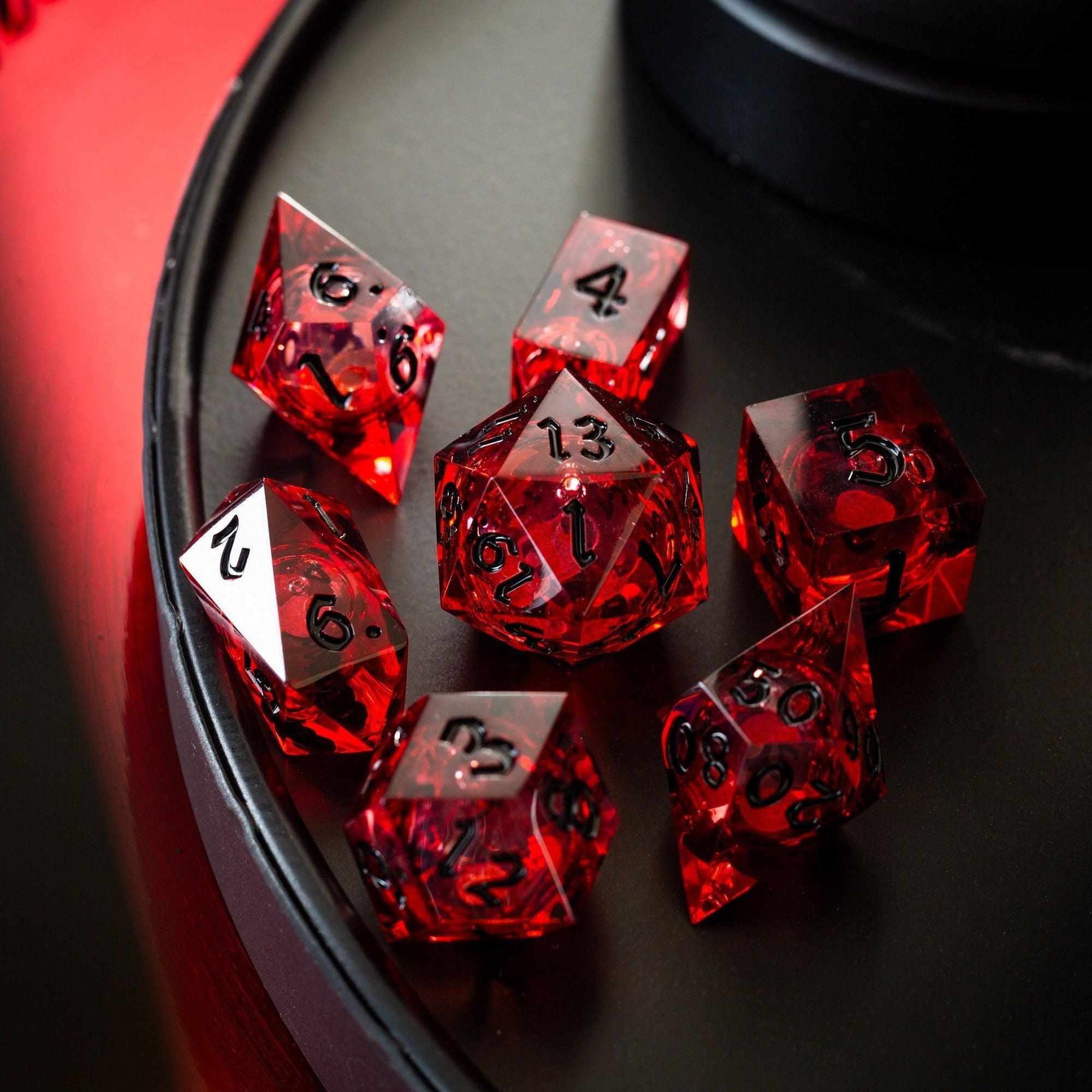
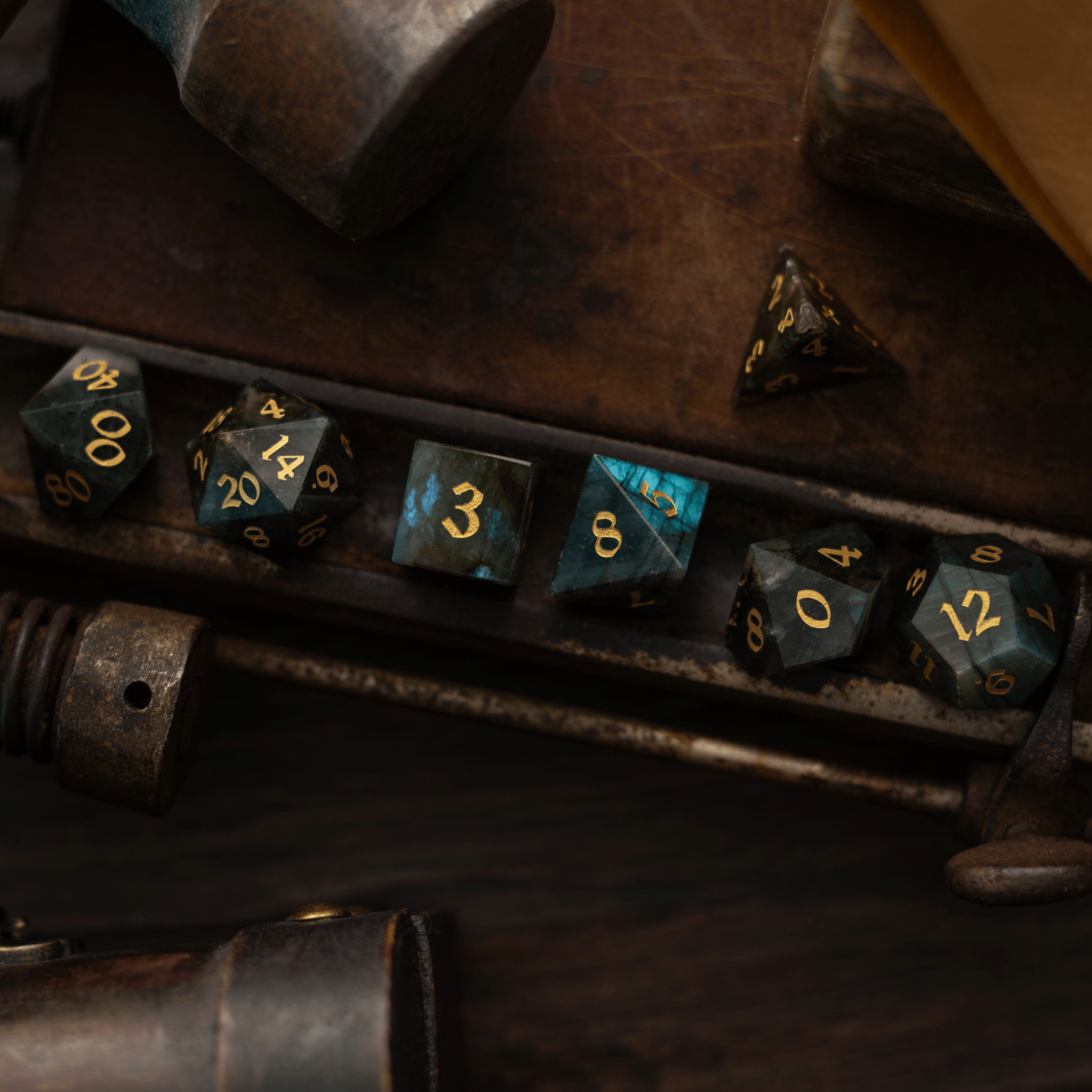
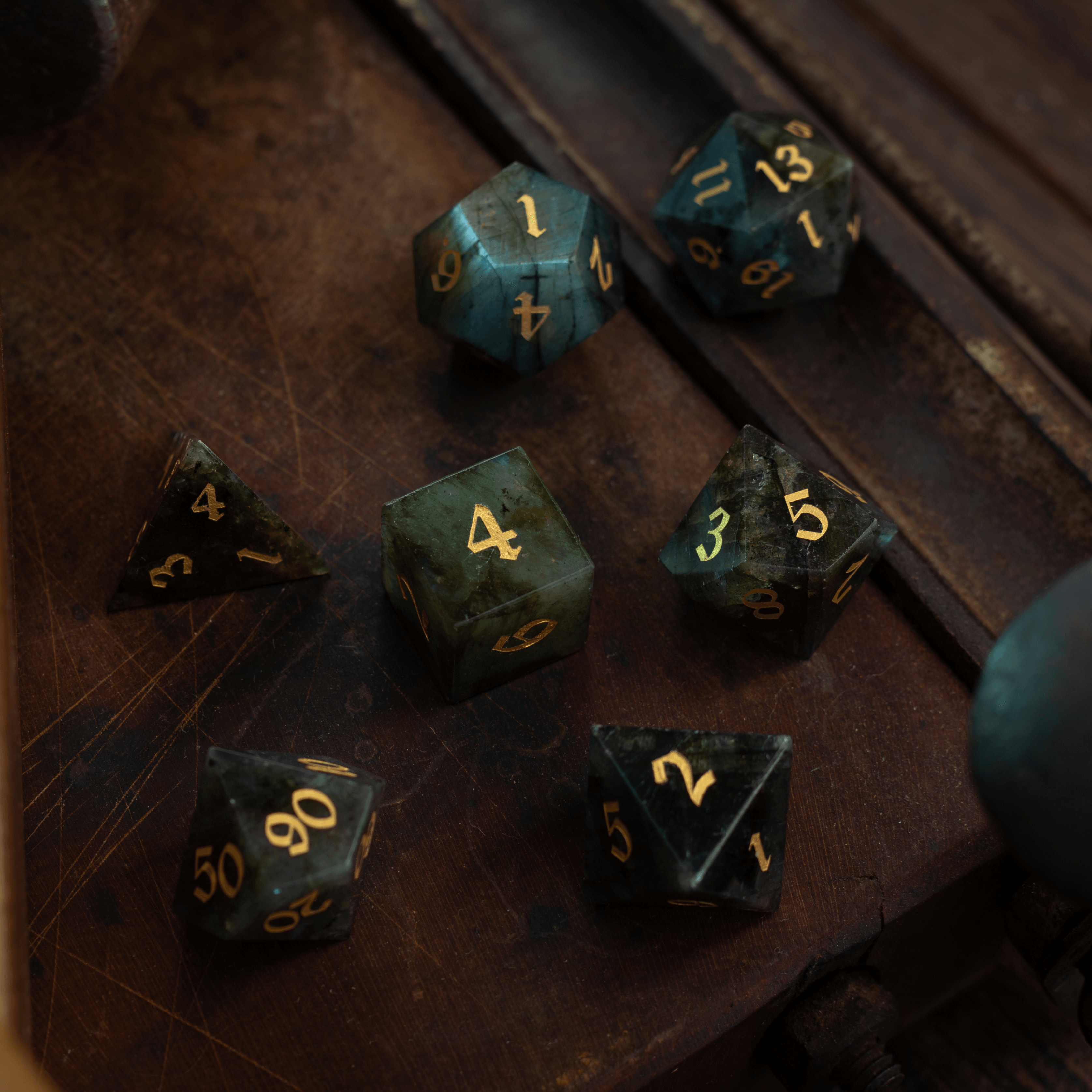
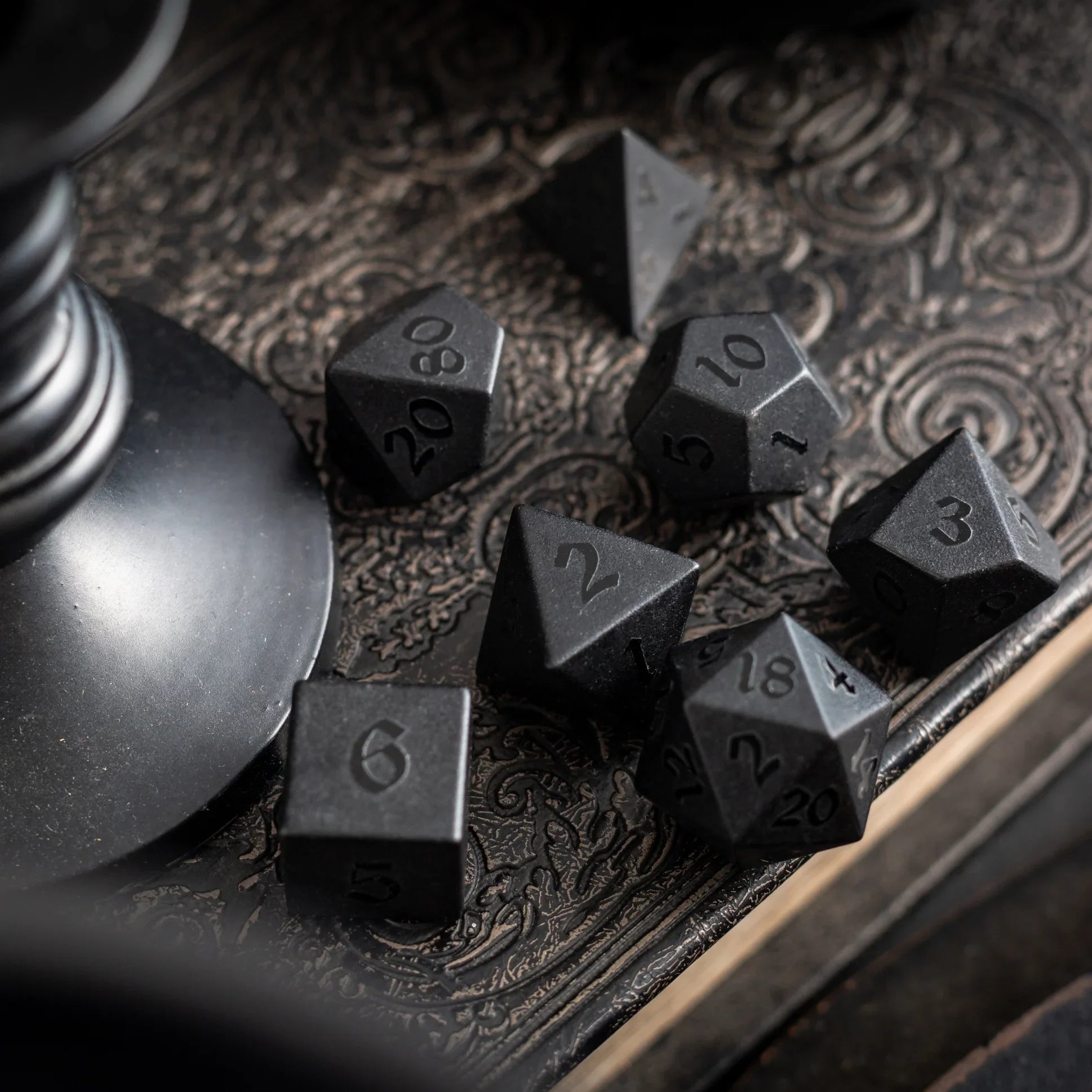
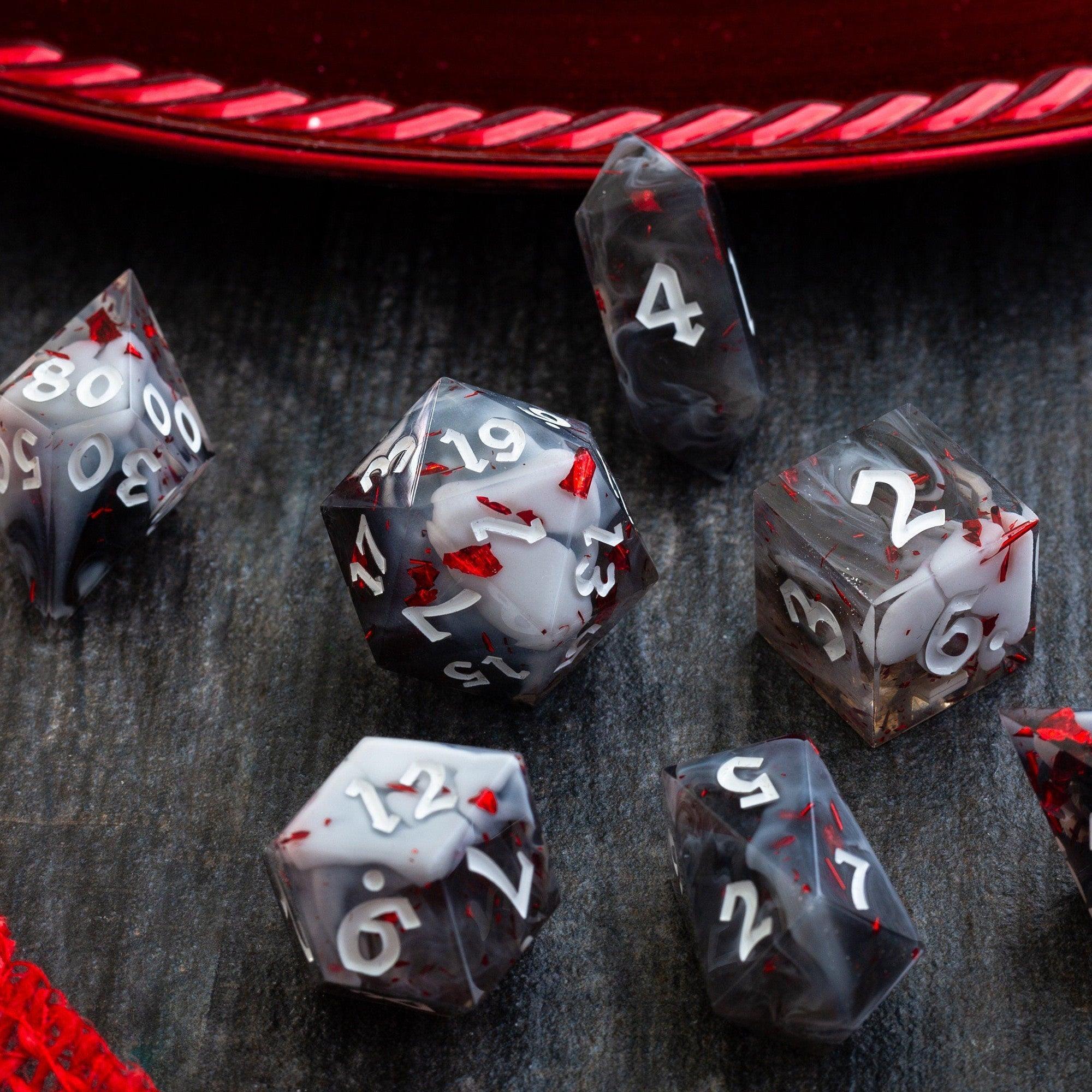
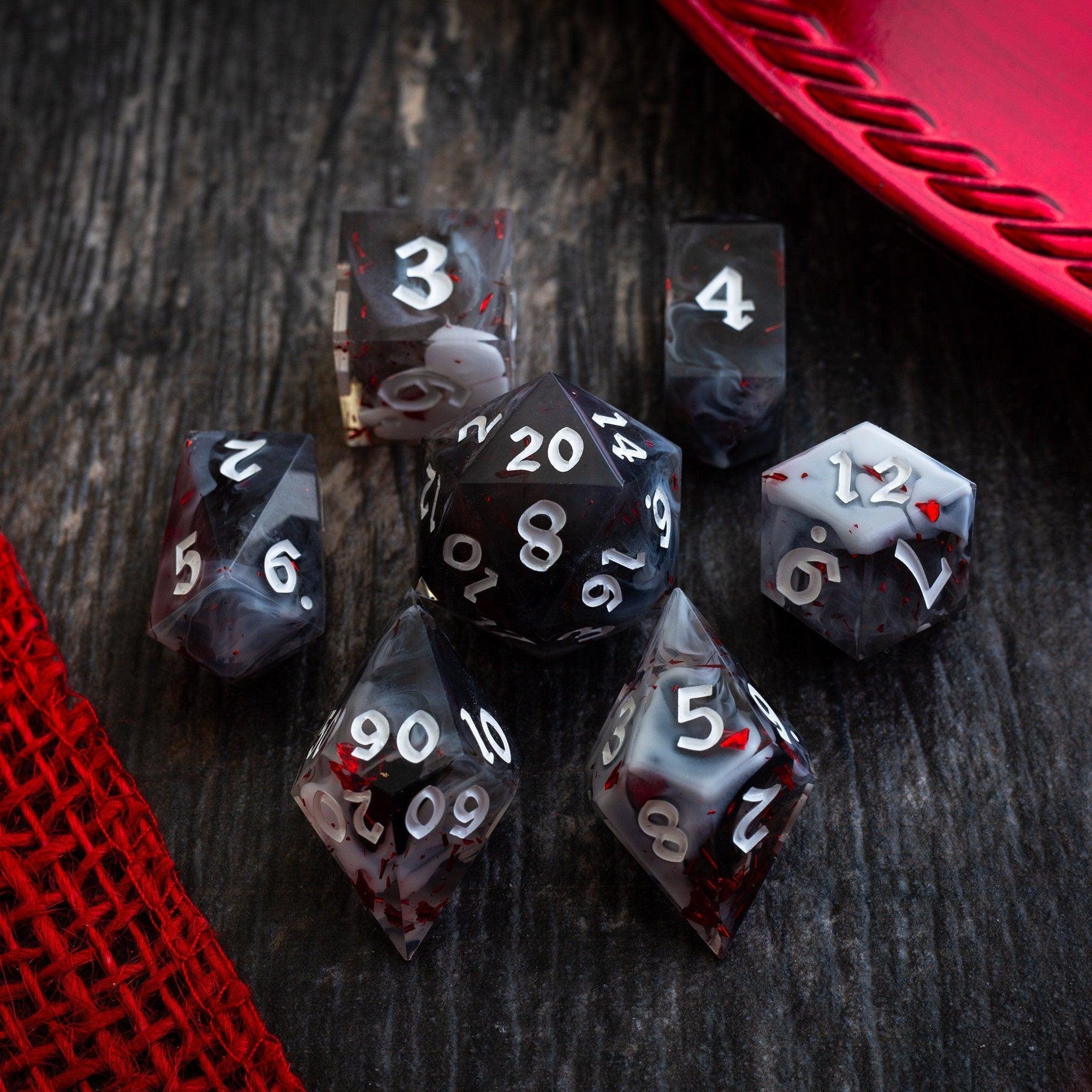
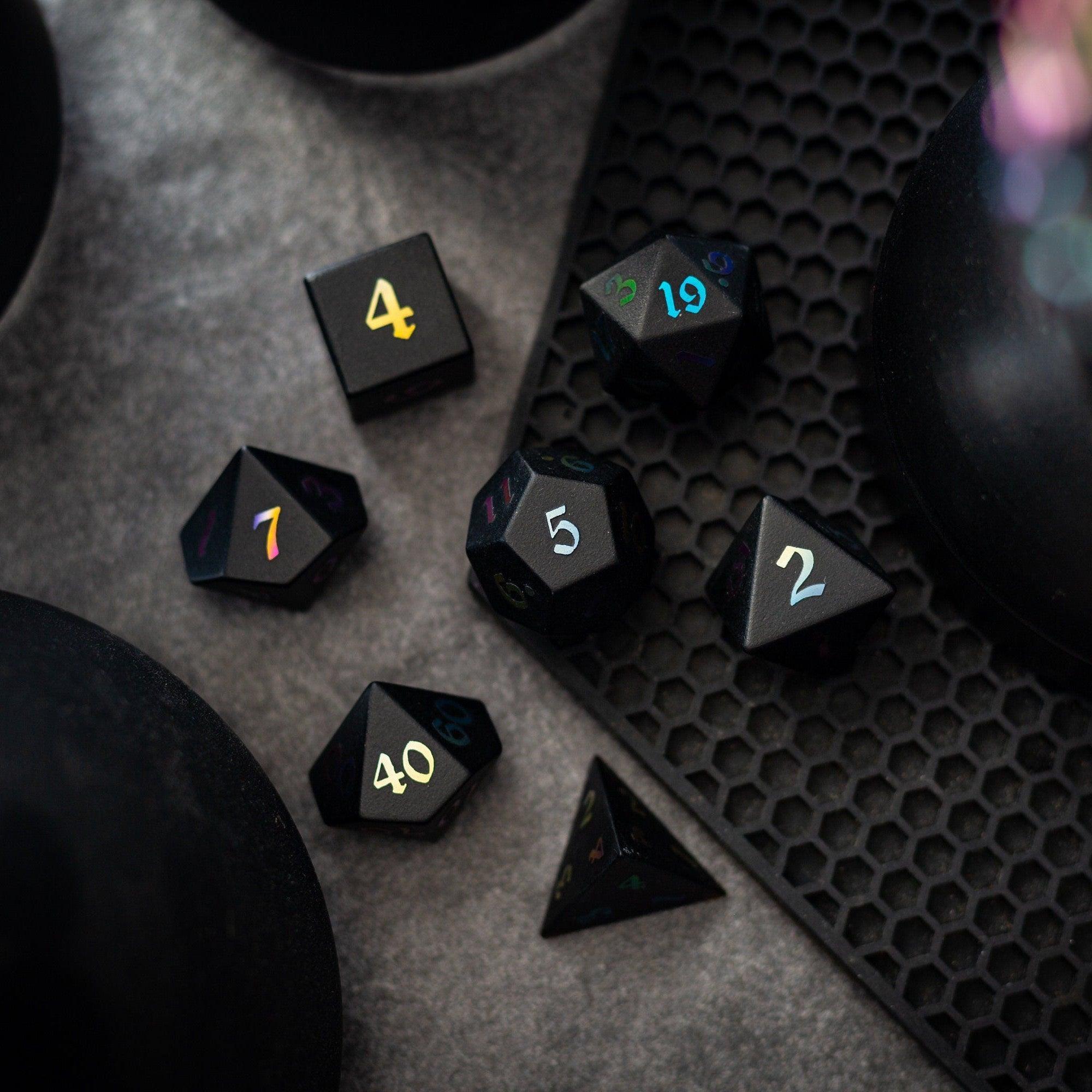
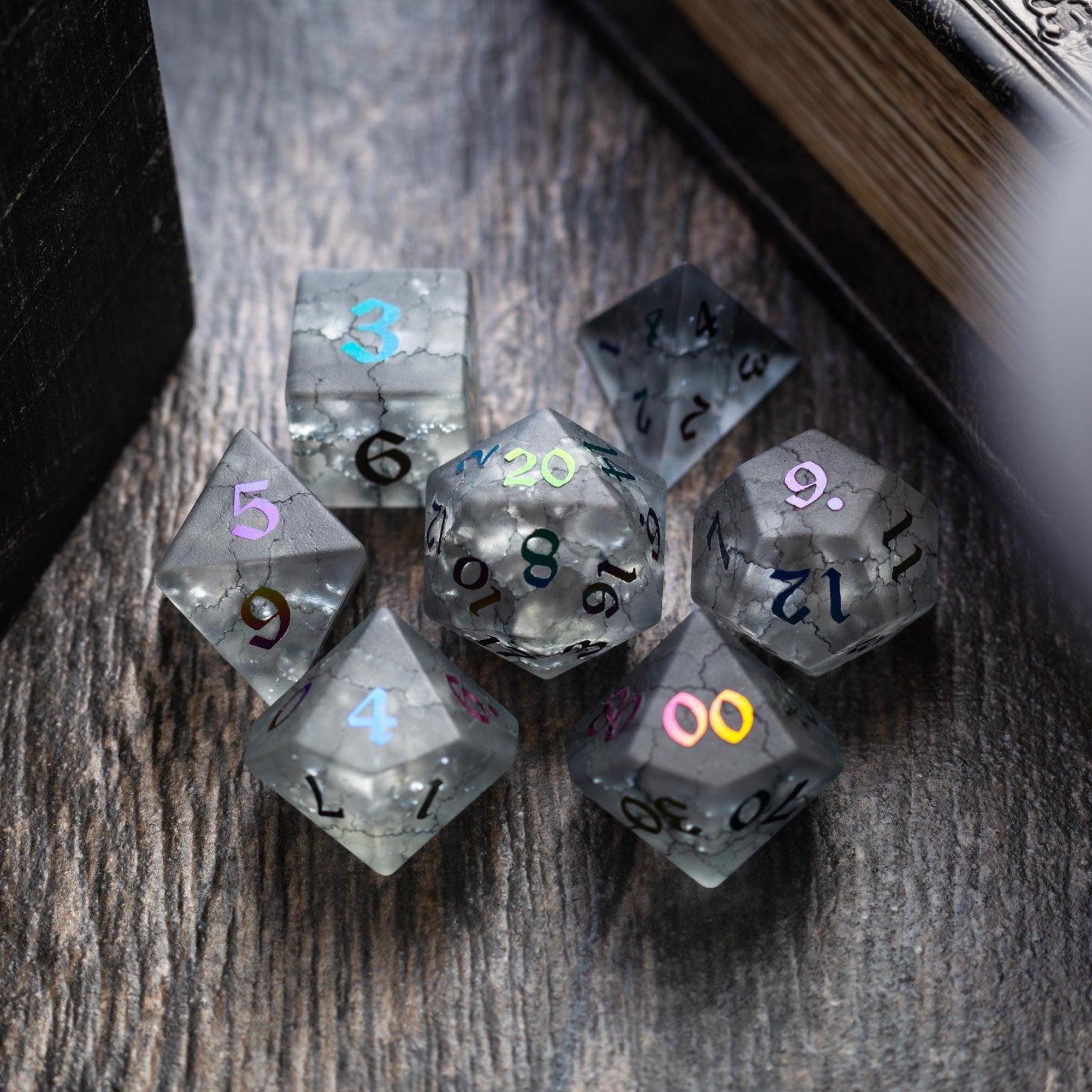
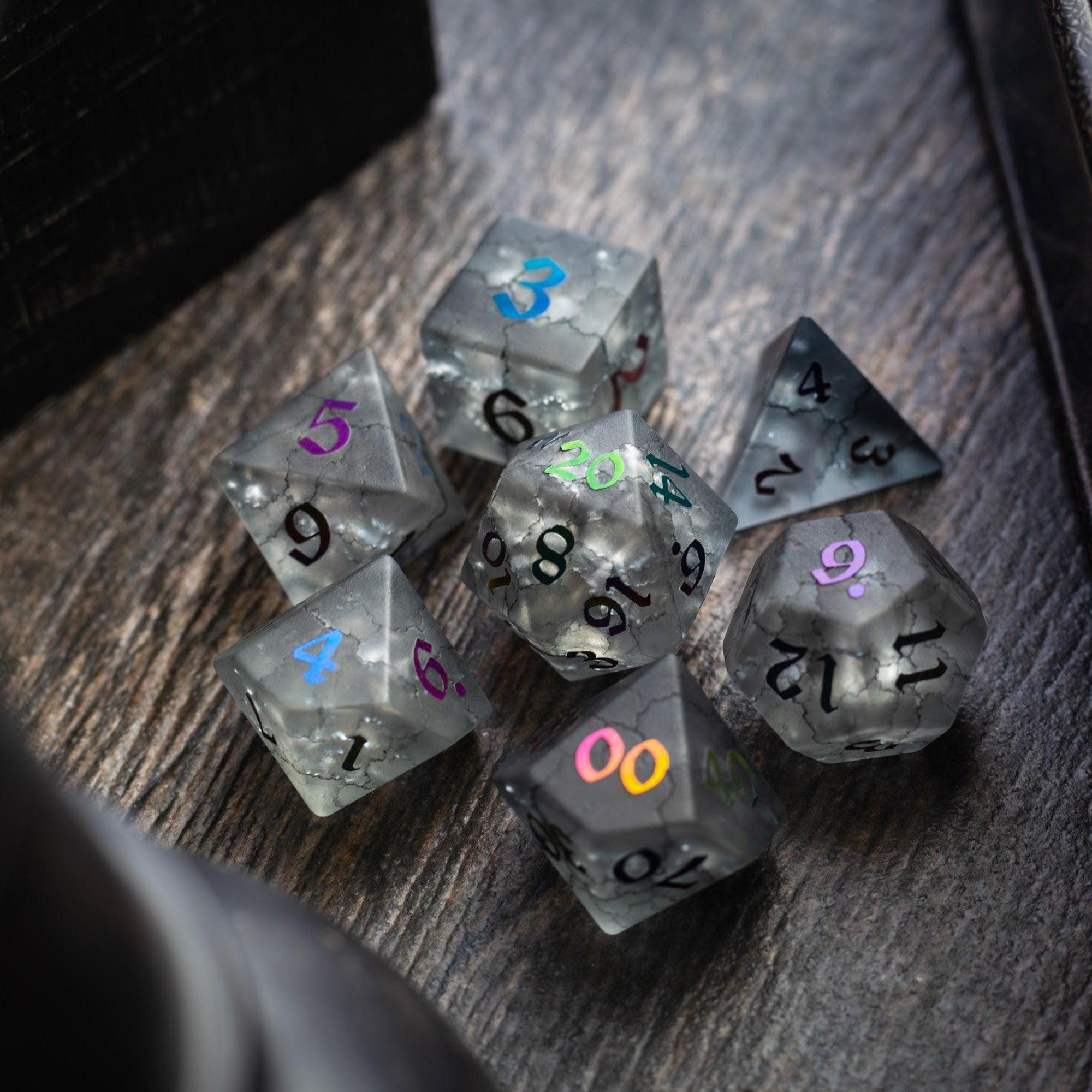
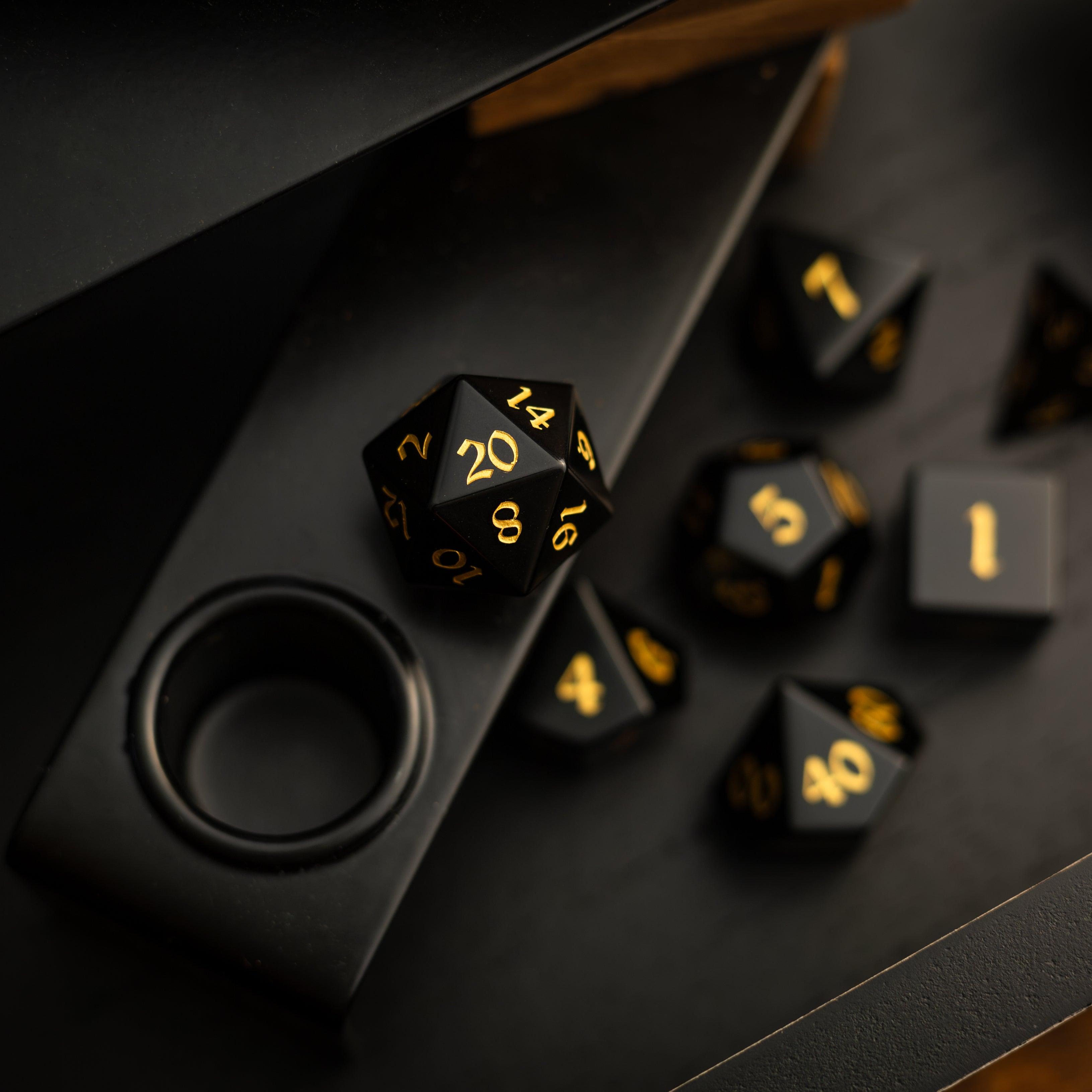
During preparation, organizing maps, artwork, notes, and a set of premium gemstone or resin dice on the table creates a workspace that supports creative thinking. Many Game Masters also keep a dice tray nearby to prevent notes and visual references from becoming cluttered while rolling during planning sessions.
Fantasy Art Book Comparison
| Art Style | Inspiration Focus | Ideal Users | Strengths | Campaign Applications |
|---|---|---|---|---|
| Landscape Collections | Regions and environments | Game Masters | Strong environmental storytelling | Kingdoms, wilderness, travel |
| Character Illustration | Heroes and NPCs | Players and DMs | Distinct personalities | NPC creation, player inspiration |
| Creature Art | Monsters and wildlife | Encounter designers | Memorable creature concepts | Boss encounters, ecosystems |
| Fantasy Concept Art | Early creative ideas | Worldbuilders | Multiple interpretations | Cities, factions, magical artifacts |
| Mixed Fantasy Anthologies | Wide variety of subjects | Beginners | Broad creative inspiration | General campaign planning |
No single style is objectively better than another. The most useful collection depends on the type of stories you enjoy telling.
Organizing Visual Inspiration for Long-Term Campaigns
Great ideas often appear unexpectedly, making organization just as important as inspiration.
Consider creating separate reference folders for different campaign elements.
Examples include:
-
Cities
-
Villages
-
Forests
-
Monsters
-
NPC portraits
-
Magical artifacts
-
Architecture
-
Clothing
-
Vehicles
-
Weather
Many Game Masters also create campaign journals where artwork references sit alongside notes about kingdoms, quests, and recurring characters.
Bookmarks or sticky tabs make it easier to revisit favorite illustrations without interrupting session preparation.
As campaigns grow, visual organization saves time and helps maintain consistency across dozens of adventures.
When preparing large encounters inspired by dramatic artwork, a dice tower can keep important rolls contained while preserving the atmosphere around carefully arranged maps, books, and notes.
Respecting Artistic Influence While Creating Original Adventures
Fantasy artwork should inspire creativity rather than replace it.
Instead of copying an image exactly, ask what ideas it communicates.
Perhaps a painting conveys:
-
Isolation
-
Hope
-
Ancient mystery
-
Heroism
-
Corruption
-
Discovery
These themes become the foundation for original adventures.
Likewise, avoid recreating recognizable characters, stories, or settings. Focus on individual concepts instead of complete narratives.
For example:
-
Use the mood of an enchanted forest rather than reproducing the forest itself.
-
Borrow architectural inspiration without recreating an existing city.
-
Adapt clothing styles while inventing new cultures and histories.
This approach keeps your tabletop RPG inspiration fresh while encouraging unique storytelling.
Common Mistakes When Relying on Visual Inspiration
Fantasy art books work best when they enhance creativity instead of limiting it.
Some common mistakes include:
-
Copying artwork too closely
-
Overloading every location with elaborate details
-
Ignoring player creativity
-
Focusing only on appearance instead of story
-
Using inconsistent visual styles without purpose
-
Forgetting that simple scenes can be just as memorable as grand landscapes
Artwork should support your imagination, not replace it.
Quick RPG Inspiration Checklist
Before your next session, ask yourself:
-
Does this artwork suggest an interesting story?
-
What emotions does it create?
-
Who lives here?
-
What happened before the players arrived?
-
What mystery remains unsolved?
-
How might players change this location?
-
Can this image inspire multiple adventures instead of only one?
Keeping this checklist nearby helps transform beautiful illustrations into meaningful adventures.
Creative inspiration can come from many places, and fantasy art books offer one of the most rewarding ways to expand your imagination without placing limits on your storytelling. Whether a single illustration sparks an unforgettable villain, an entire kingdom, or the opening scene of a new campaign, the goal is always to build something uniquely your own.
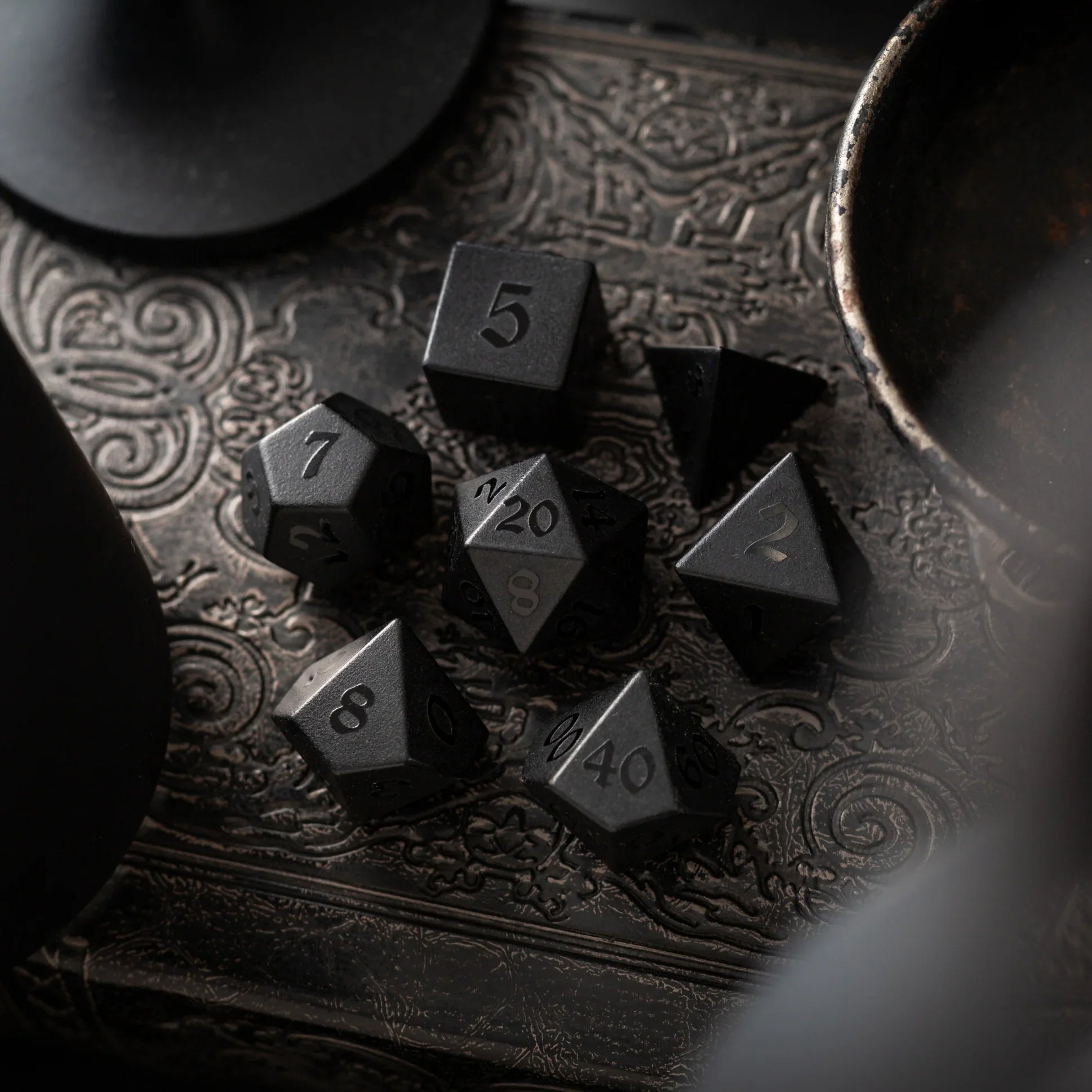
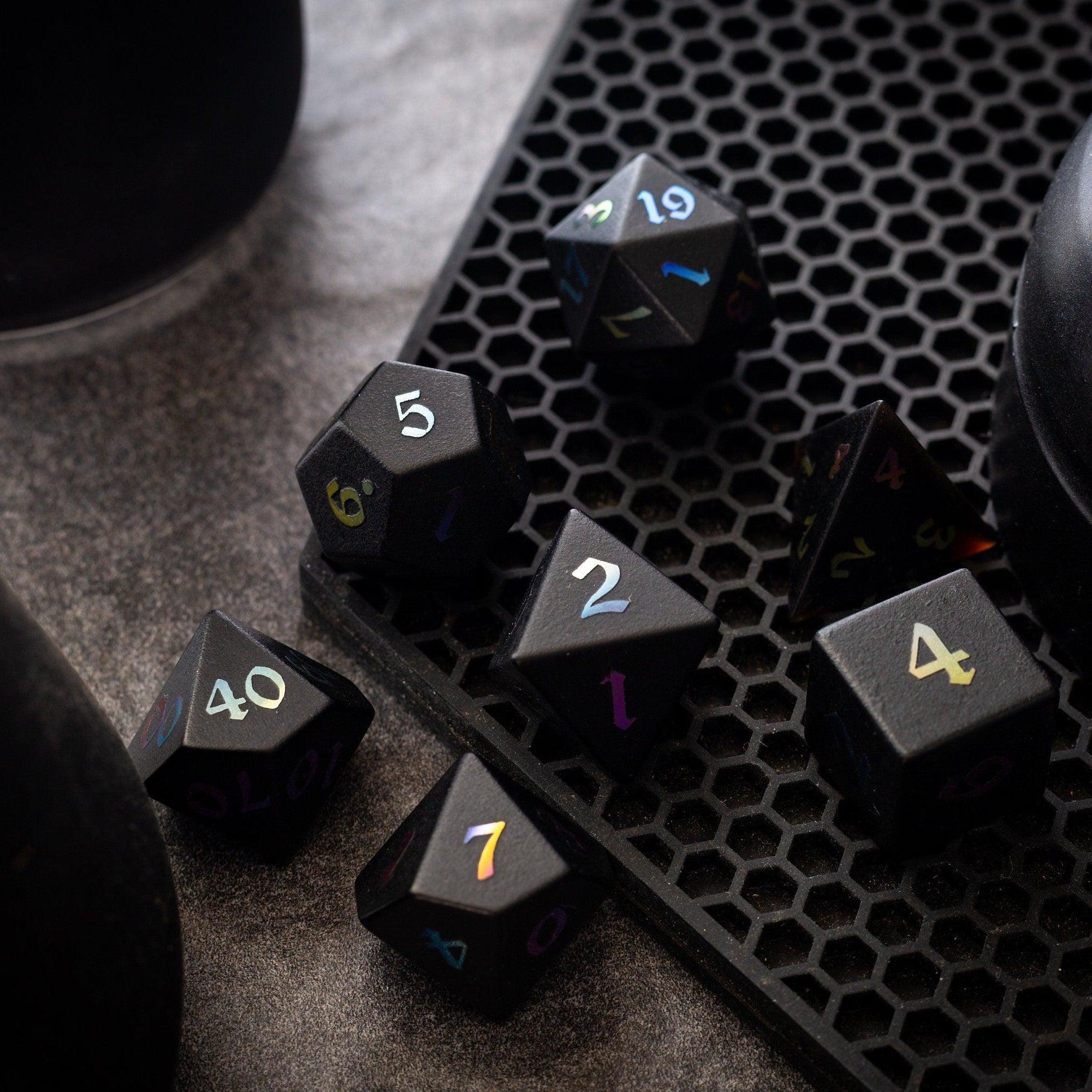
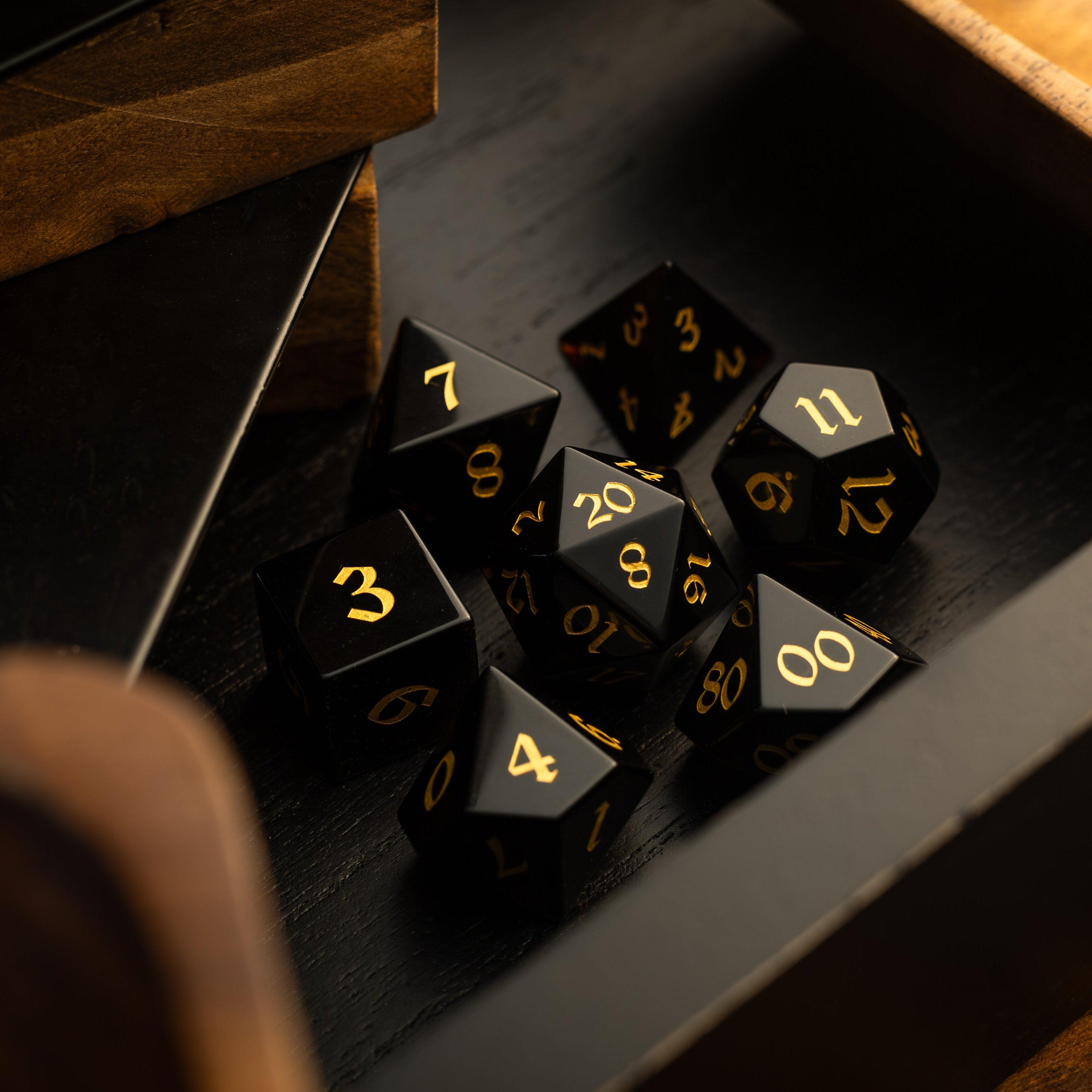
As your collection grows, combine artwork with campaign notes, maps, miniatures, and tabletop accessories in a workspace that encourages creativity. A set of premium metal dice can reinforce the atmosphere of a grim war campaign, while colorful resin dice may better suit whimsical adventures. During complex encounters inspired by dramatic illustrations, condition rings can help track ongoing effects without distracting from the unfolding story. Together, these tools support an organized table while keeping the focus where it belongs: on original characters, memorable worlds, and shared adventures that players will remember long after the final roll.

Leave a comment
This site is protected by hCaptcha and the hCaptcha Privacy Policy and Terms of Service apply.