
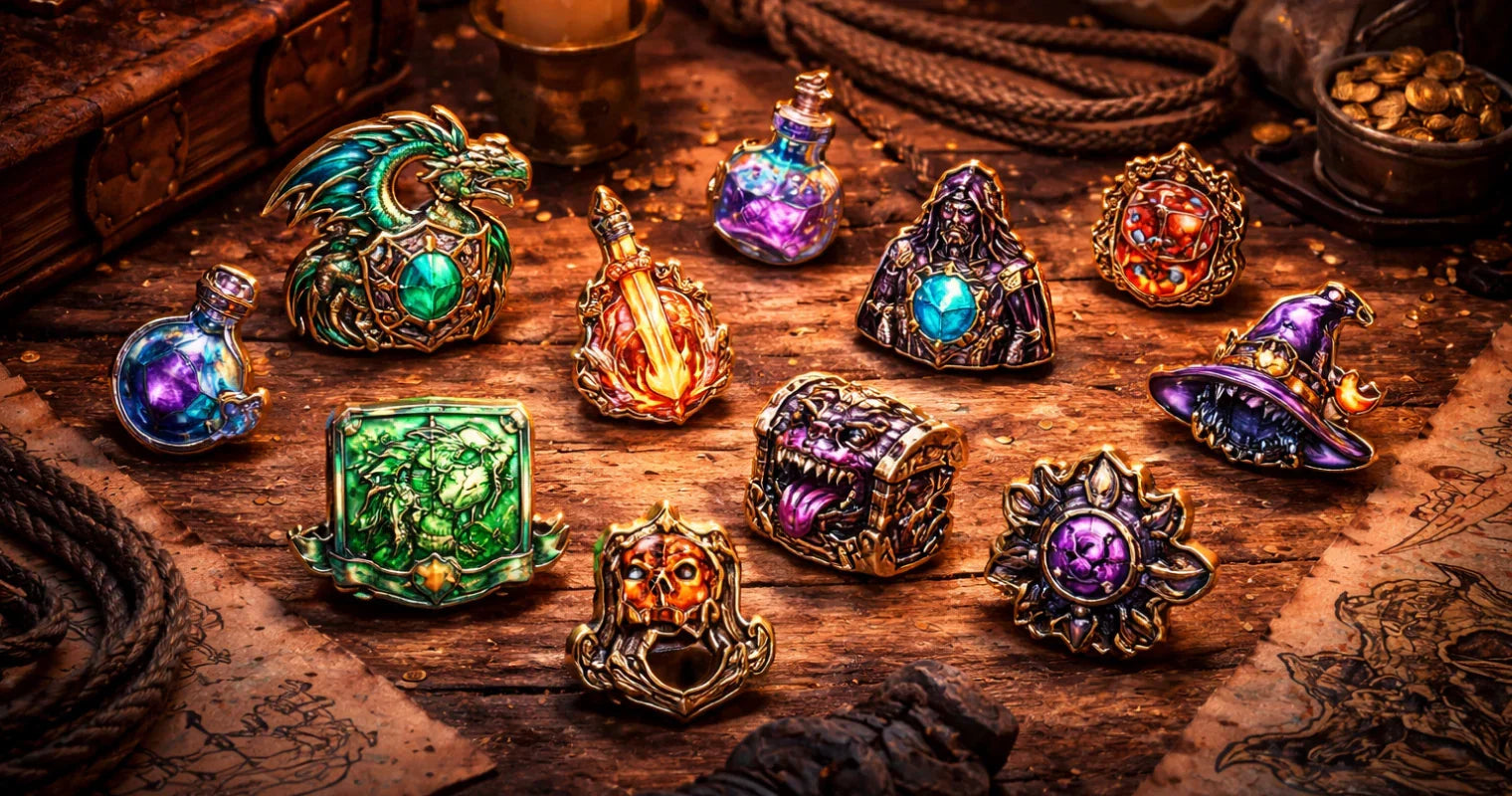
Collectible Pins for Gaming: Elevate Your Tabletop Style
Collecting tabletop-themed accessories is one of the most enjoyable ways to celebrate a favorite hobby outside of game night. While premium dice, miniatures, and accessories often take center stage, collectible pins for gaming have become a popular way for players to express their personalities, commemorate memorable campaigns, and showcase their love for fantasy worlds.
Whether attached to a convention backpack, displayed on a cork board, or decorating a favorite dice bag, collectible pins allow players to carry a small piece of their tabletop adventures wherever they go. From dragons and spellbooks to class symbols and magical artifacts, today's gaming enamel pins feature impressive artwork that appeals to players, collectors, and fantasy fans alike.
Unlike traditional collectibles that remain on a shelf, tabletop gaming pins can become part of your everyday style while still serving as display-worthy pieces for your collection.
Why Tabletop Players Enjoy Collecting Fantasy-Themed Pins
Tabletop roleplaying games encourage creativity and self-expression. Every player develops favorite characters, memorable campaigns, and iconic moments that become part of their gaming journey.
Collecting tabletop gaming pins gives players another way to celebrate those experiences.
Many collectors enjoy pins because they can:
-
Represent favorite fantasy creatures
-
Celebrate character classes or roles
-
Remember conventions and gaming events
-
Display artwork inspired by magical worlds
-
Personalize gaming gear
-
Connect with fellow hobbyists
Unlike larger collectibles, pins are affordable, portable, and easy to display. Building a collection can happen gradually, with each new design representing another adventure or favorite theme.
Many players also enjoy pairing fantasy-themed pins with other gaming accessories, creating a cohesive tabletop aesthetic that reflects their individual interests.
Popular Styles, Materials, and Artistic Designs
The variety available today means there is a collectible pin for nearly every type of tabletop enthusiast.
Fantasy Creature Pins
Some of the most popular fantasy enamel pins feature creatures commonly found in tabletop adventures, including:
-
Dragons
-
Griffins
-
Owlbears
-
Mimics
-
Wolves
-
Phoenixes
These designs often appeal to players who enjoy classic fantasy settings or want artwork inspired by legendary monsters.
Character and Adventure Themes
Many collectors look for pins featuring symbols associated with roleplaying adventures, such as:
-
Swords
-
Shields
-
Spellbooks
-
Potions
-
Treasure chests
-
Arcane runes
-
Magic circles
-
Dice motifs
These designs capture the feeling of tabletop adventures without necessarily referencing a specific game or setting.
Artistic Styles
Collectible pins come in many visual styles, including:
-
Bold cartoon illustrations
-
Detailed fantasy artwork
-
Minimalist symbols
-
Medieval-inspired designs
-
Stained glass effects
-
Vintage antique finishes
Choosing artwork that matches your personal taste often makes a collection feel more meaningful than simply collecting every available design.
Understanding Pin Materials and Construction
Not all collectible gaming merchandise is made the same. Materials and manufacturing techniques influence both appearance and durability.
Soft Enamel
Soft enamel pins feature recessed colored areas with raised metal outlines.
Advantages include:
-
Textured finish
-
Bold colors
-
Affordable production
-
Excellent detail
These remain one of the most common choices for gaming enamel pins.
Hard Enamel
Hard enamel pins have a smooth, polished surface where the enamel sits level with the metal.
Collectors often appreciate them because they offer:
-
Smooth finish
-
Scratch resistance
-
Clean appearance
-
Premium feel
Metal Finishes
Pins are available in a variety of plated finishes, including:
-
Gold tone
-
Silver tone
-
Black nickel
-
Antique bronze
-
Copper
-
Rainbow plating
The finish changes the overall appearance without affecting how the pin functions.
Fastening Styles
Different backings provide different levels of security.
Common fastening options include:
-
Rubber clutch backs
-
Butterfly clutch backs
-
Locking pin backs
-
Magnetic backings for select products
Collectors who frequently attend conventions often prefer locking backs to reduce the chance of accidentally losing favorite pins.
Choosing Pins That Match Your Personality and Favorite Games
Building a collection is more enjoyable when it reflects your own interests instead of simply following trends.
Ask yourself:
-
Which fantasy creatures do you enjoy most?
-
What character class do you play most often?
-
Do you prefer humorous or serious artwork?
-
Which colors fit your existing gaming gear?
-
Are you collecting for display, daily wear, or both?
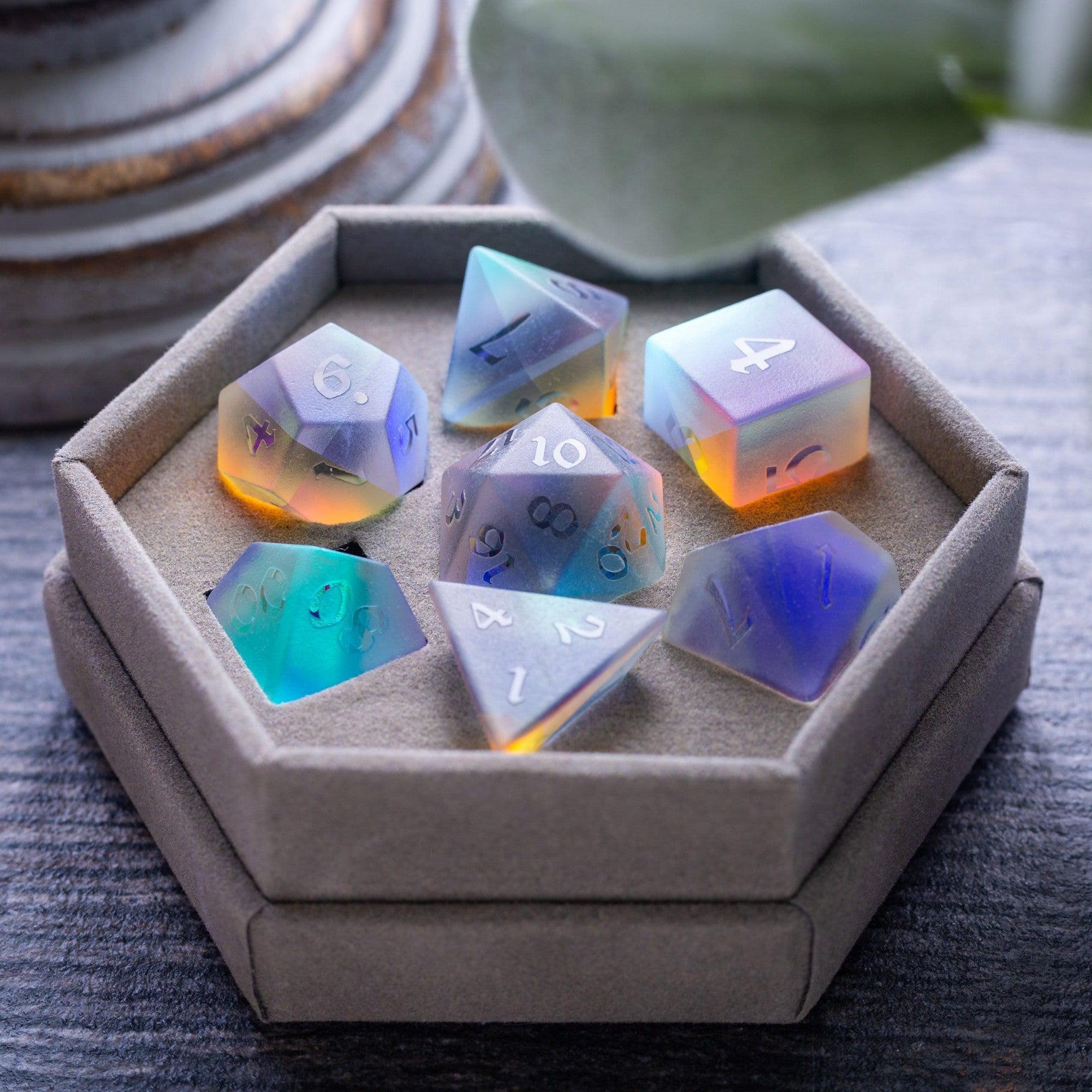
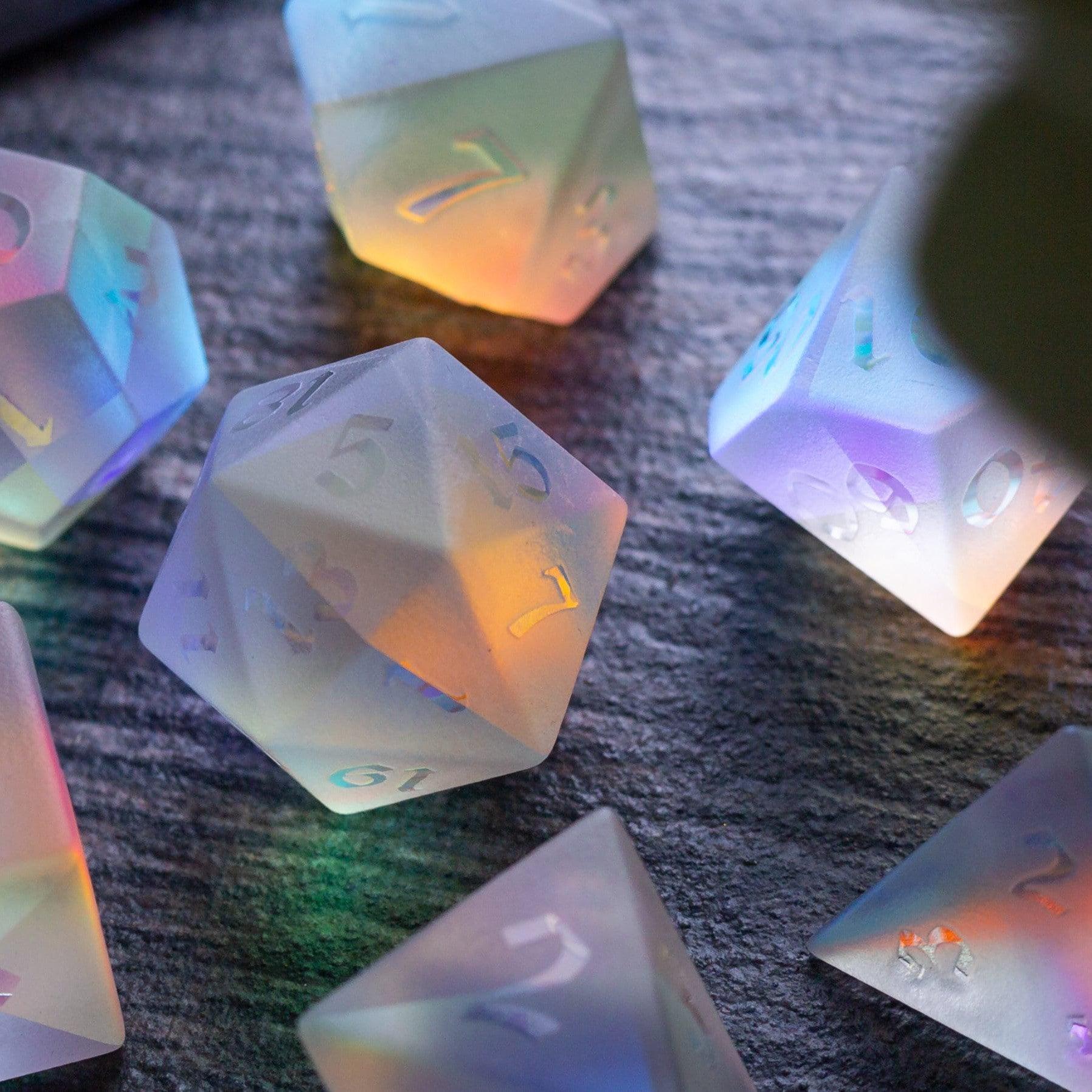
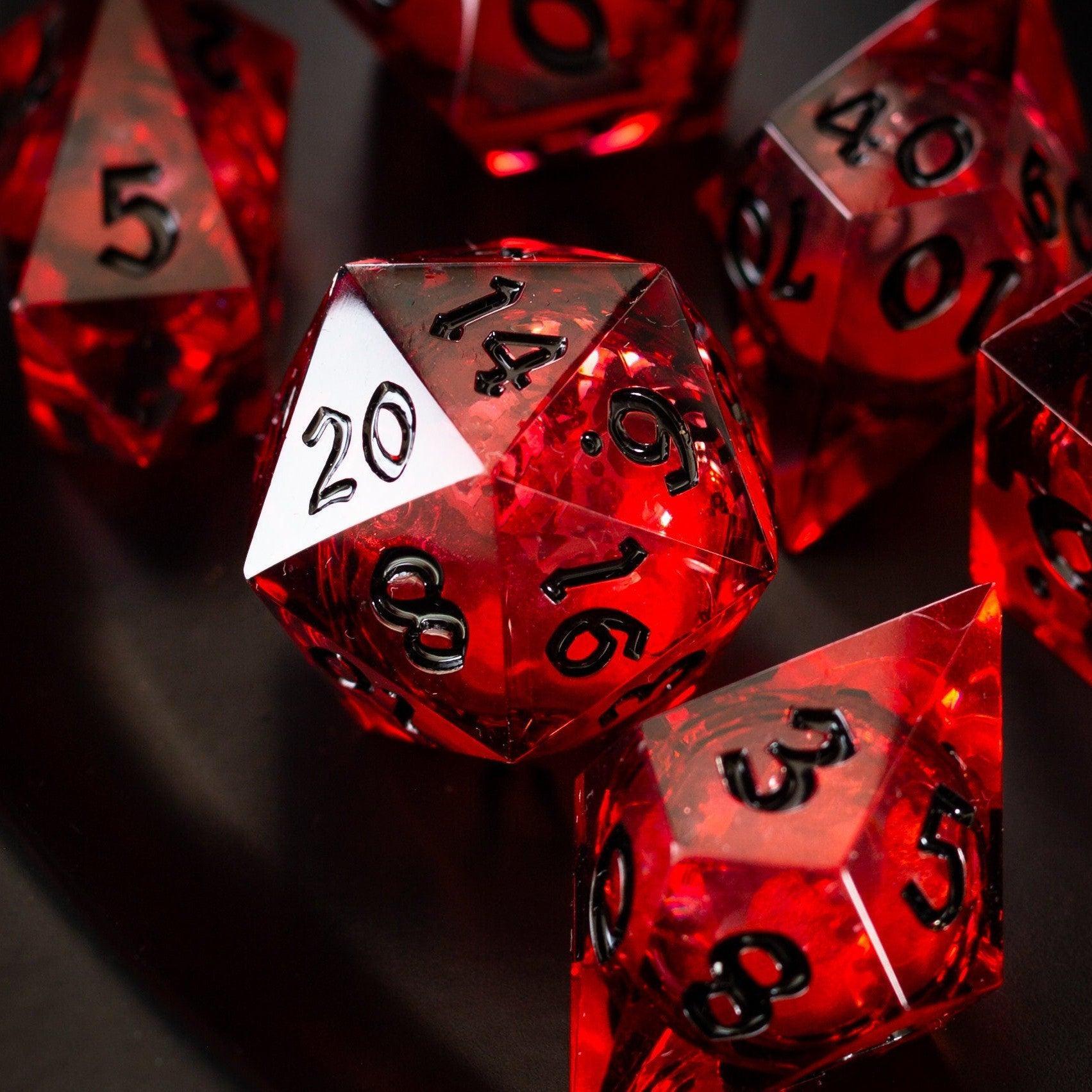
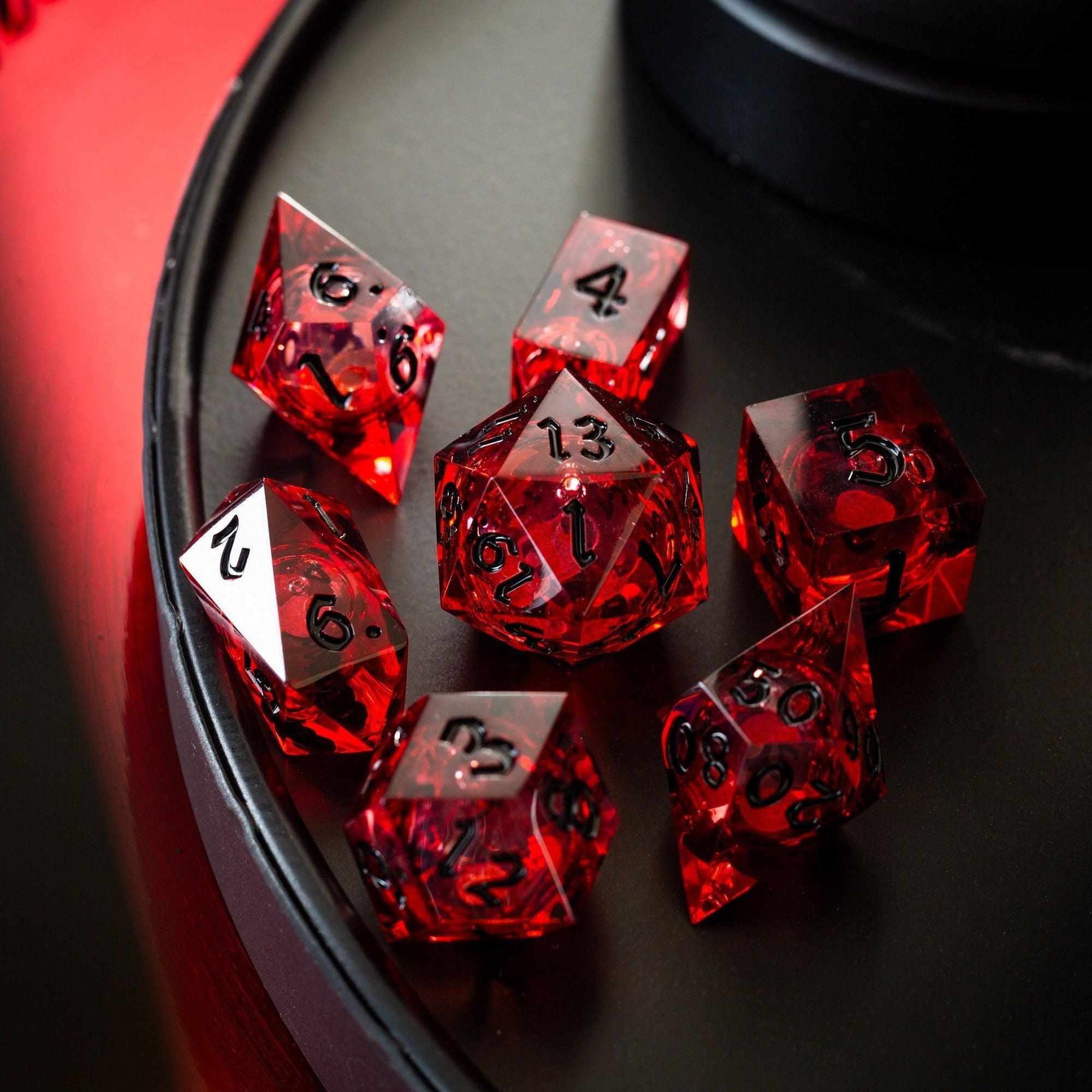
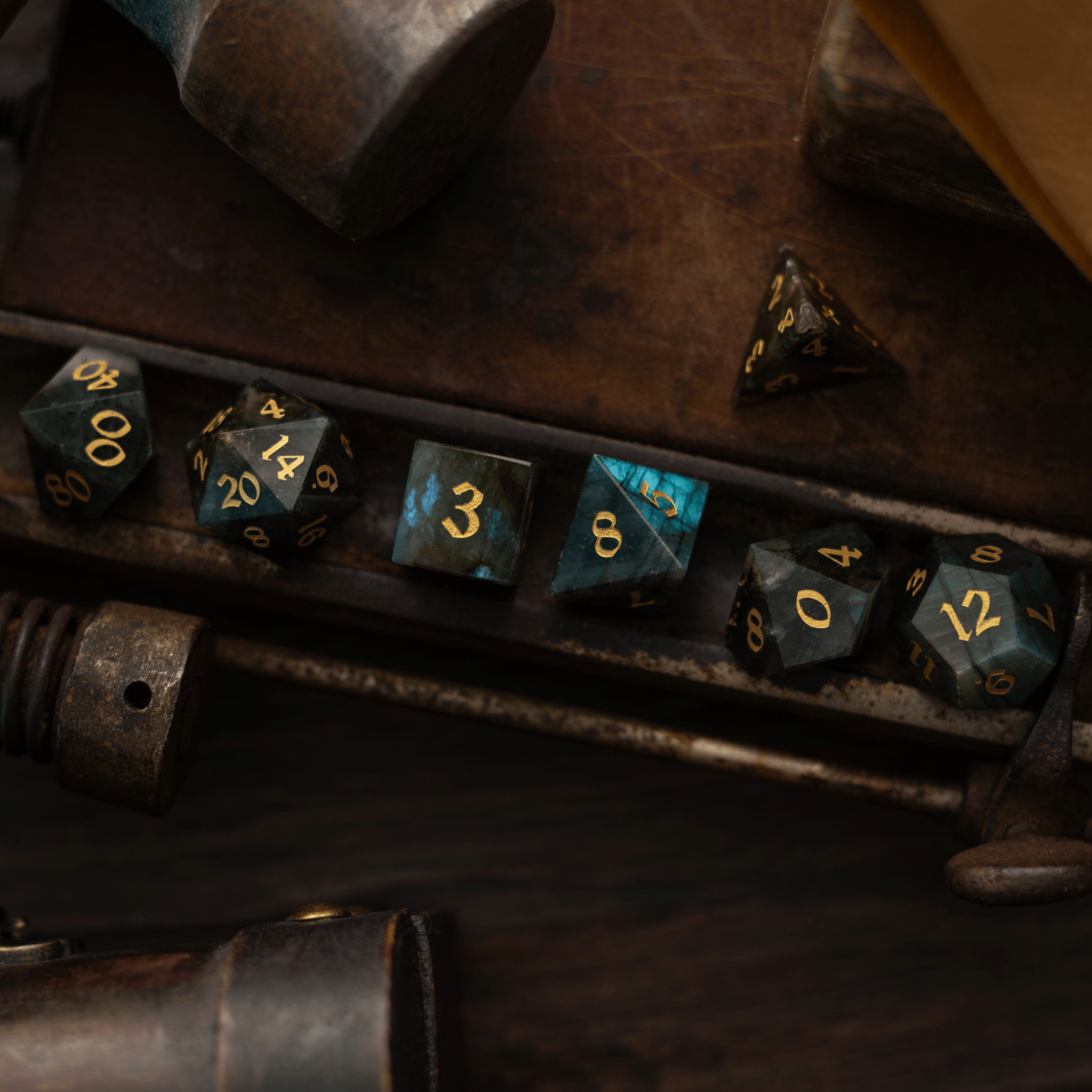
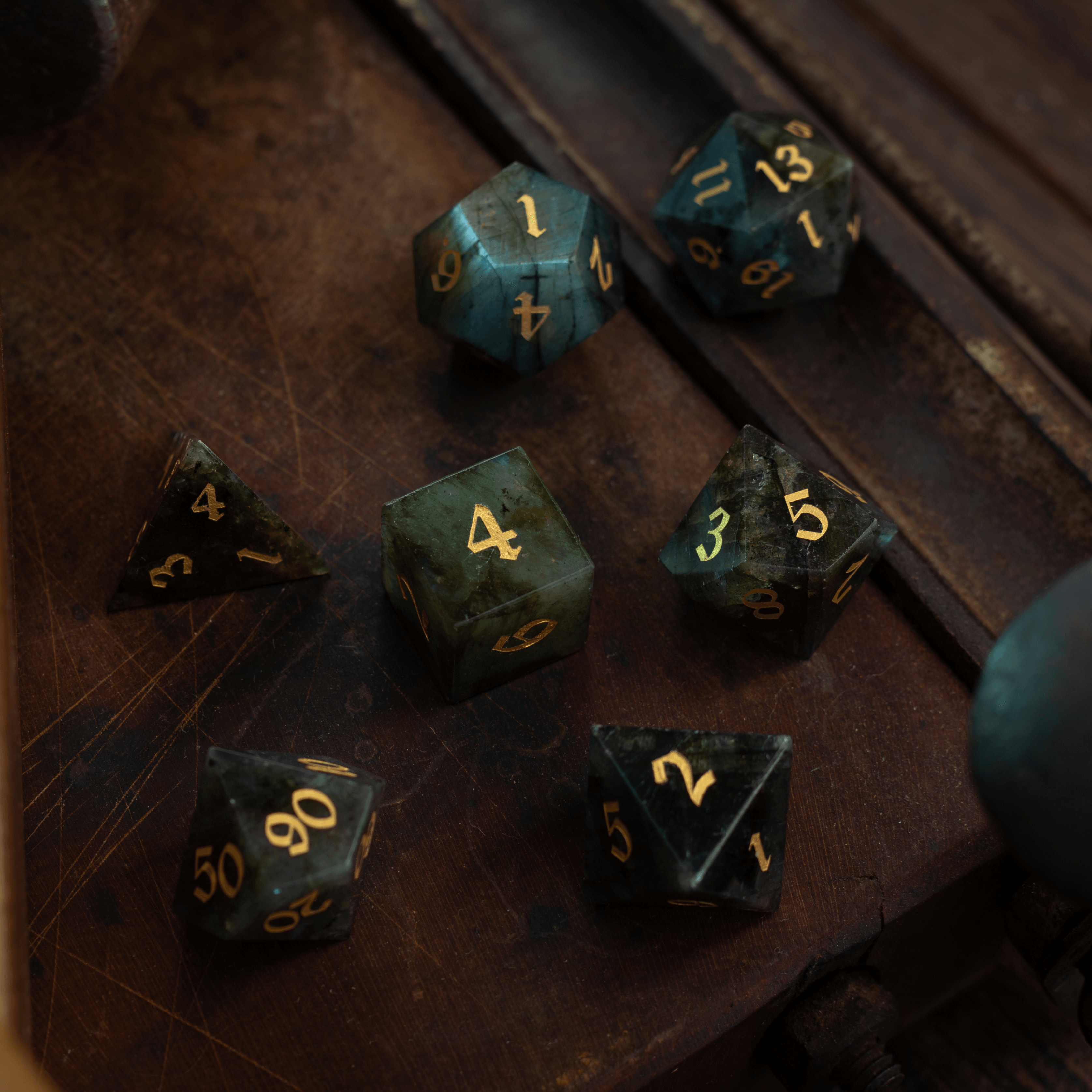
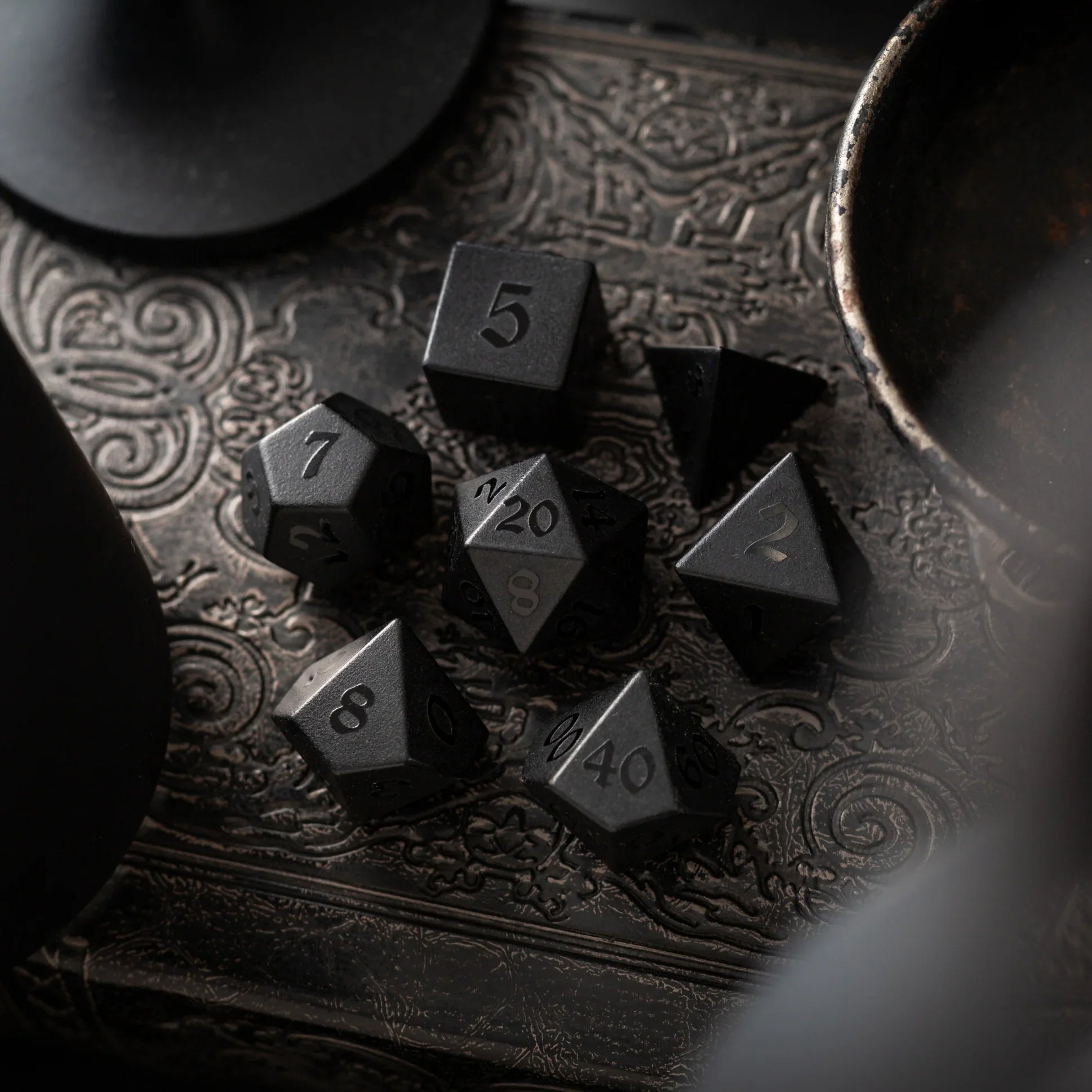
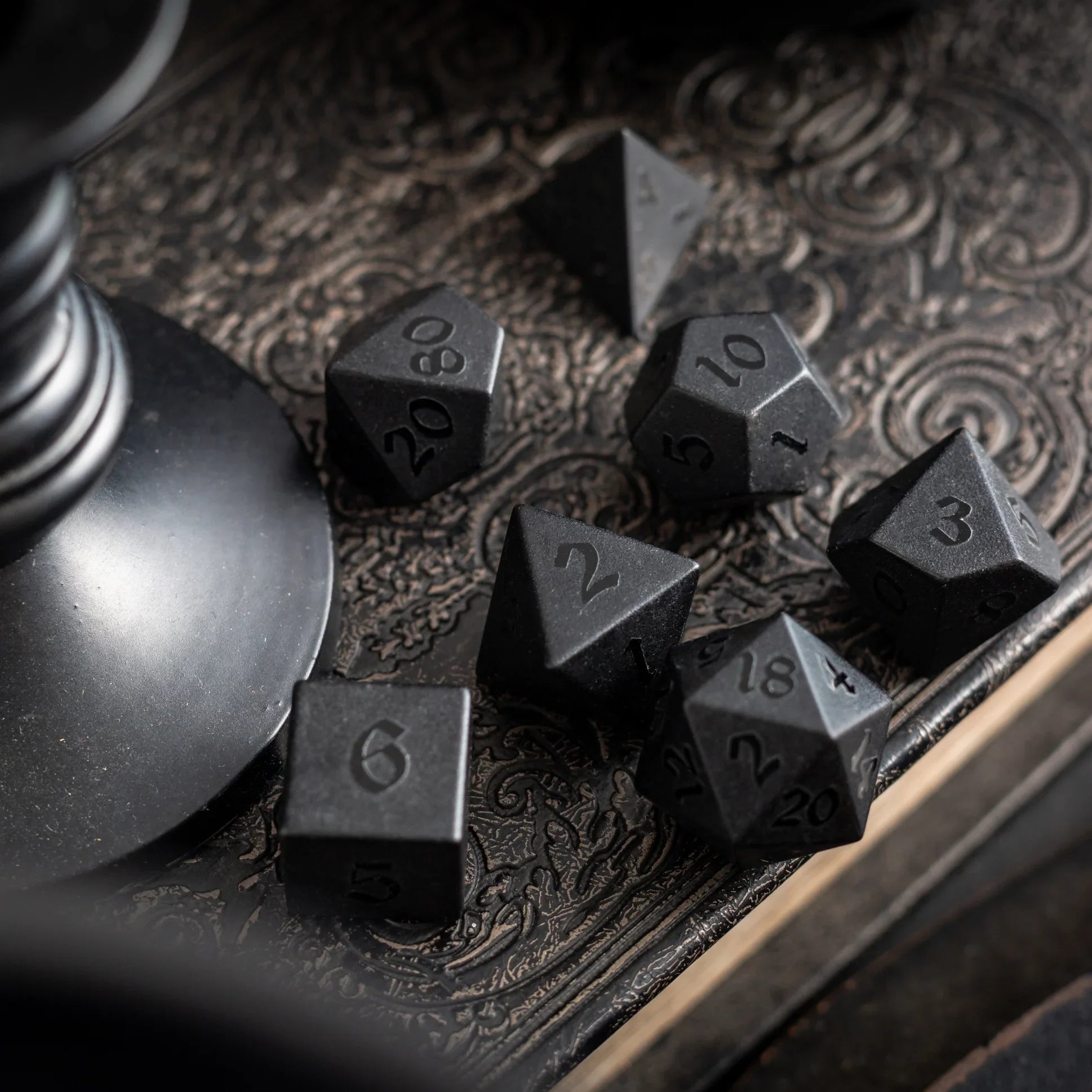
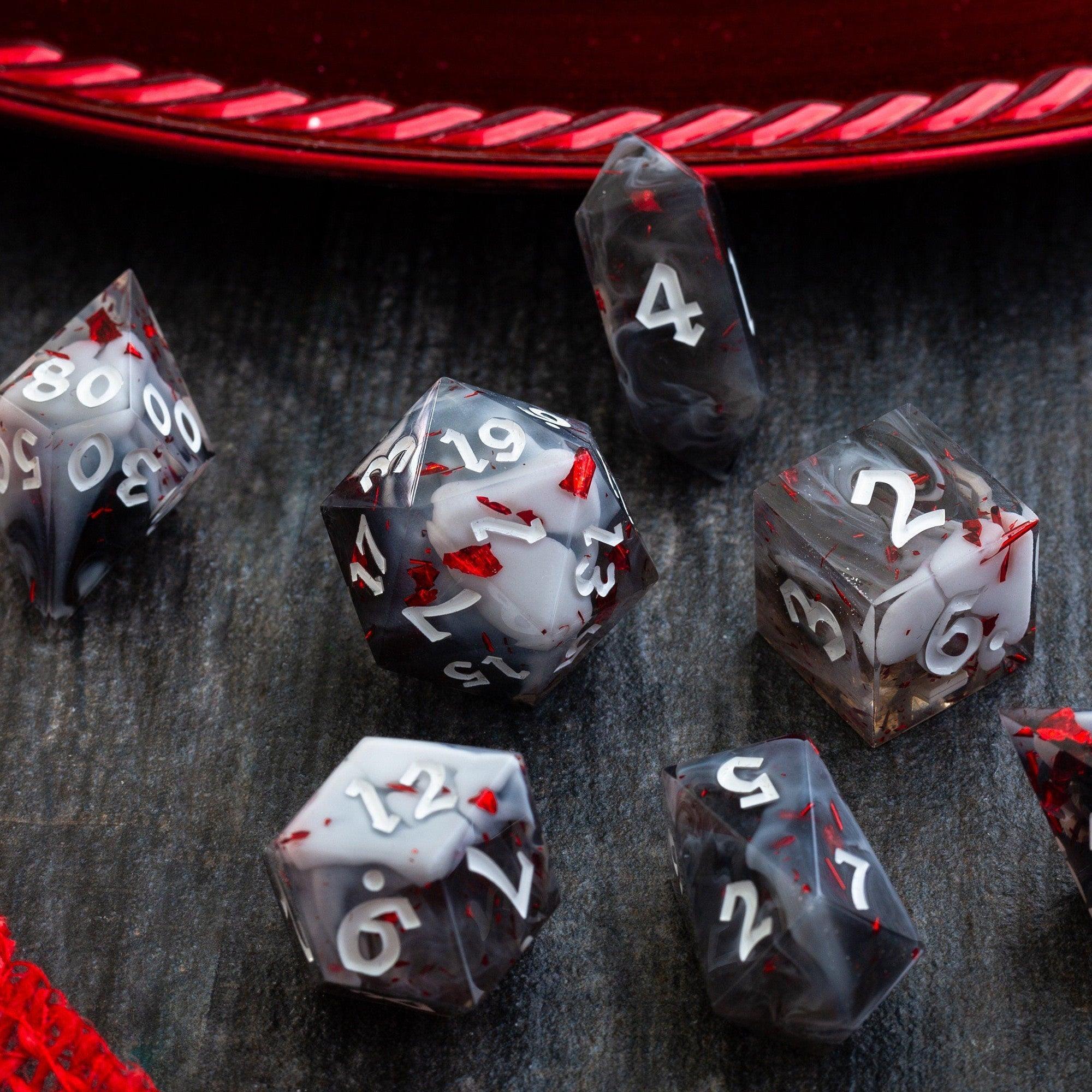
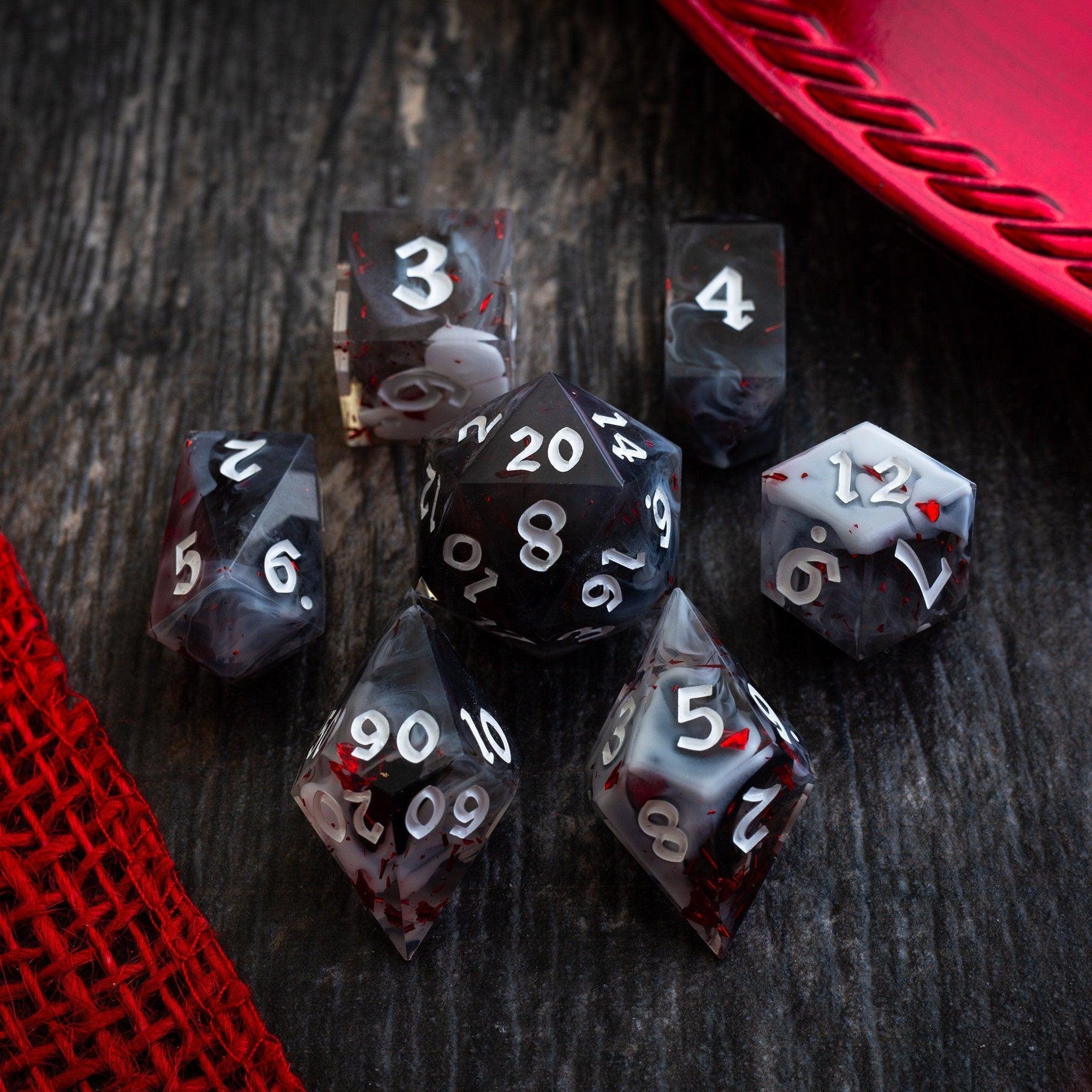
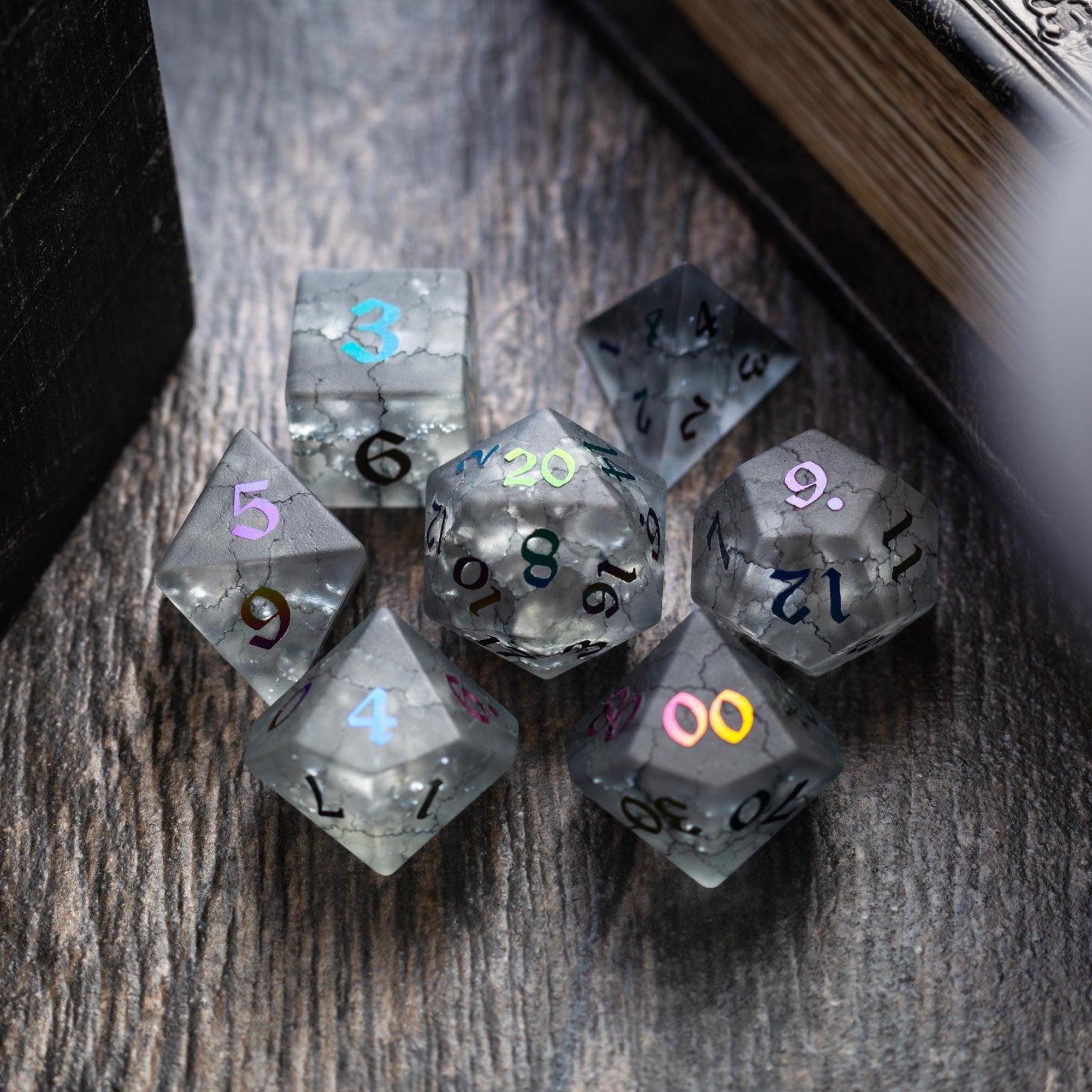
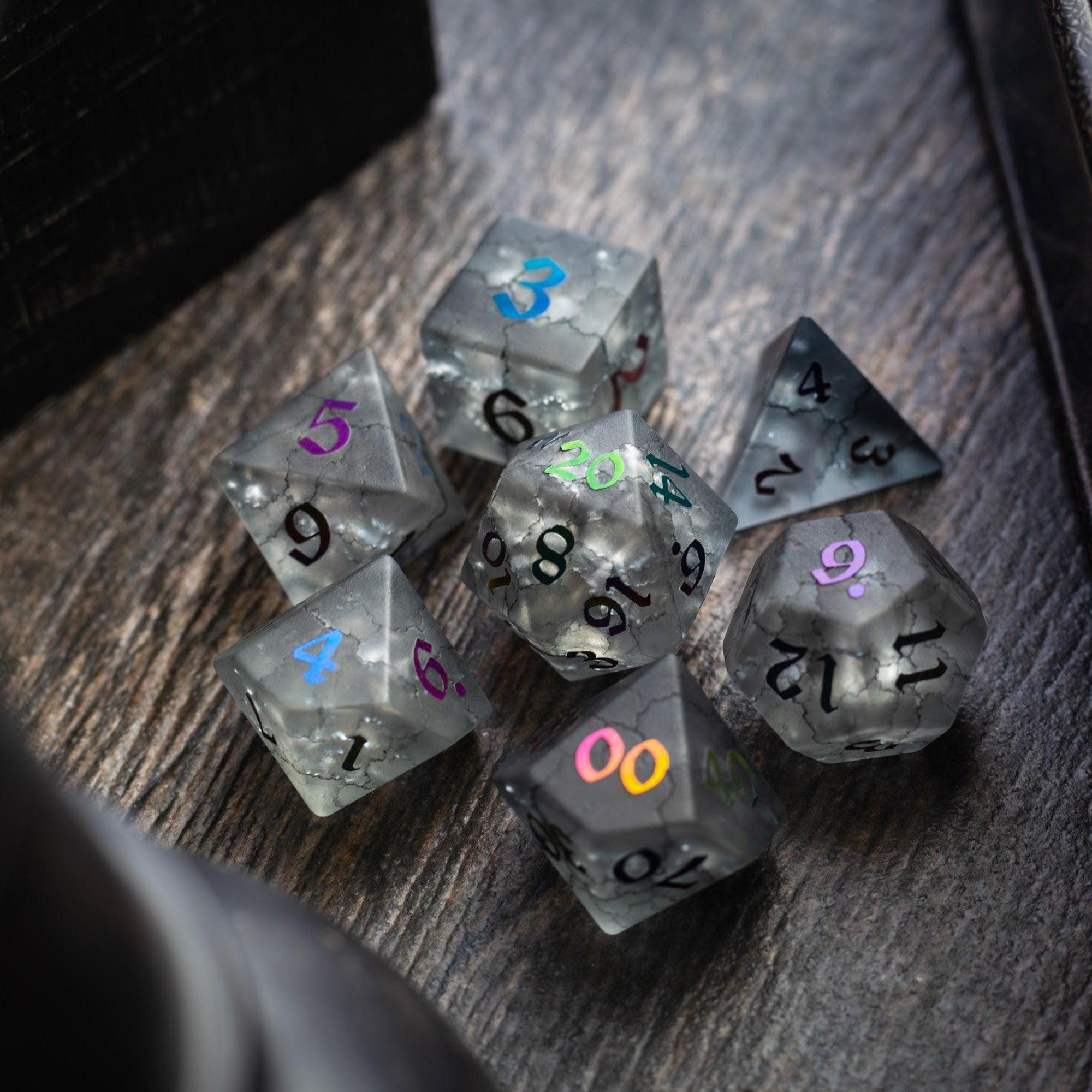
Some players coordinate their D&D pins with the colors of their favorite dice. A wizard-themed pin might pair nicely with an amethyst gemstone dice set, while a dragon design could complement a metal or resin set featuring fiery colors.
Others decorate a dice bag with carefully selected pins that reflect long-running campaigns or memorable player characters, creating a personalized accessory that stands out at every game night.
Collectible Pin Comparison Table
| Feature | Soft Enamel | Hard Enamel | Printed Pins |
|---|---|---|---|
| Surface | Textured | Smooth | Smooth |
| Common Fastening | Rubber or butterfly clutch | Butterfly or locking back | Rubber or butterfly clutch |
| Durability | High | Very high | Moderate |
| Display Options | Cork board, banners, bags, jackets | Display cases, bags, jackets | Display boards, organizers |
| Best For | Everyday collectors | Premium collections | Detailed artwork and colorful illustrations |
No single option is universally better. The best choice depends on your preferred artwork, budget, and how you plan to display or wear your collection.
Remember that collectible value is influenced by craftsmanship, design quality, availability, and personal interest rather than guaranteed rarity or future resale value.
Creative Ways to Display and Wear Gaming Pins
One reason tabletop collectibles remain popular is their versatility.
Collectors display their pins in many creative ways.
Popular display ideas include:
-
Cork boards
-
Fabric banners
-
Shadow boxes
-
Display cases
-
Framed collections
Pins also work well on everyday gaming gear.
Many tabletop players attach them to:
-
Convention backpacks
-
Hoodies
-
Jackets
-
Lanyards
-
Messenger bags
-
Dice bags
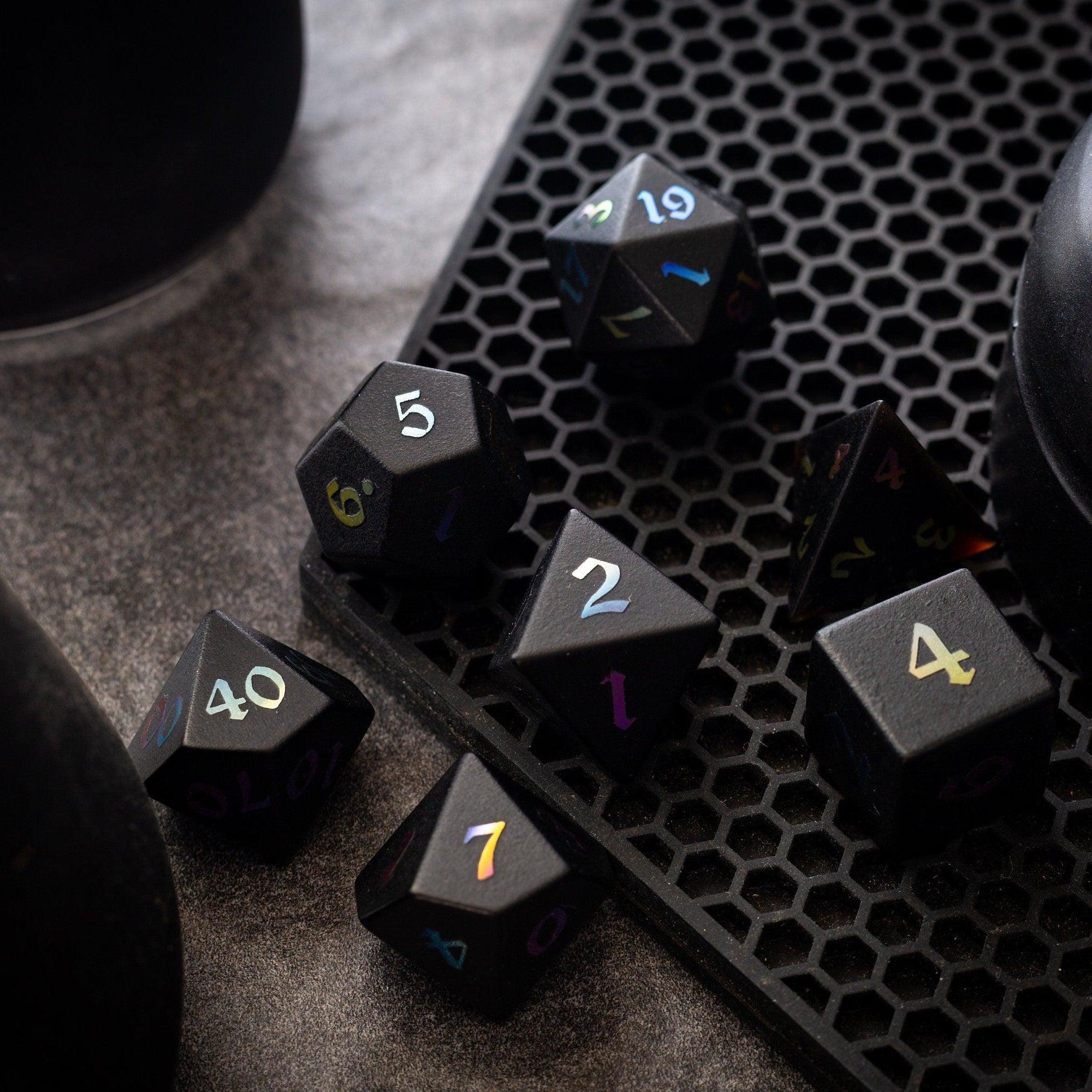
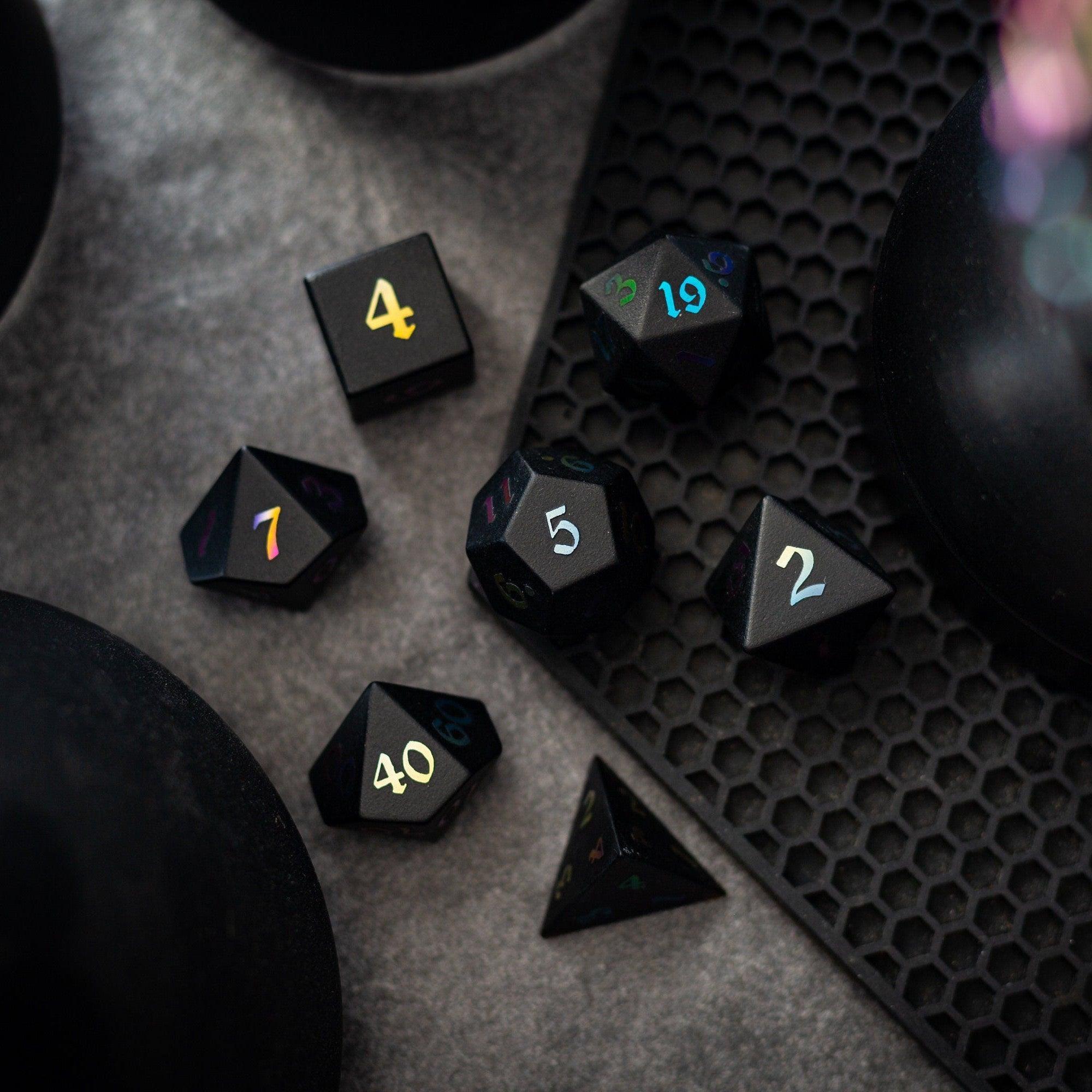
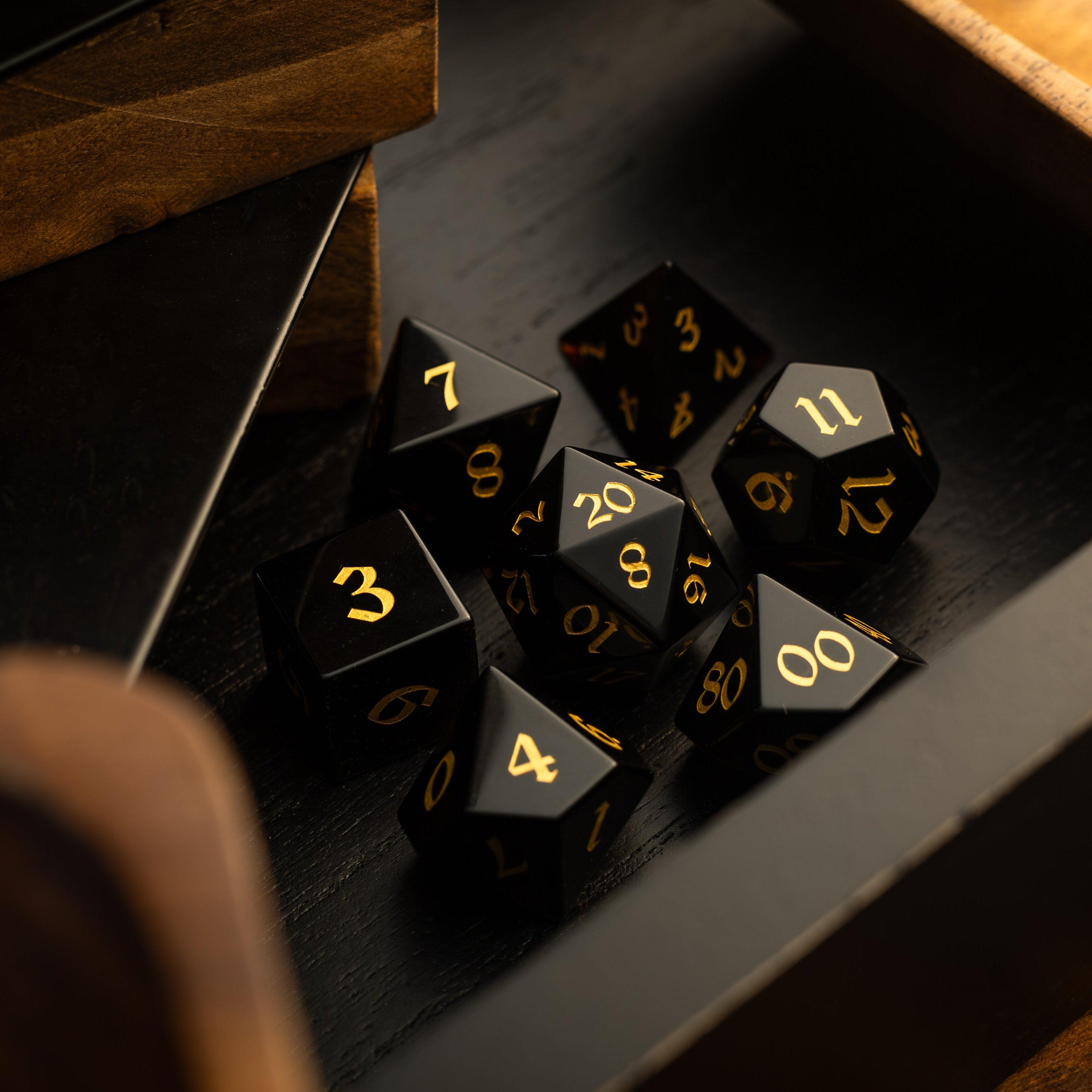
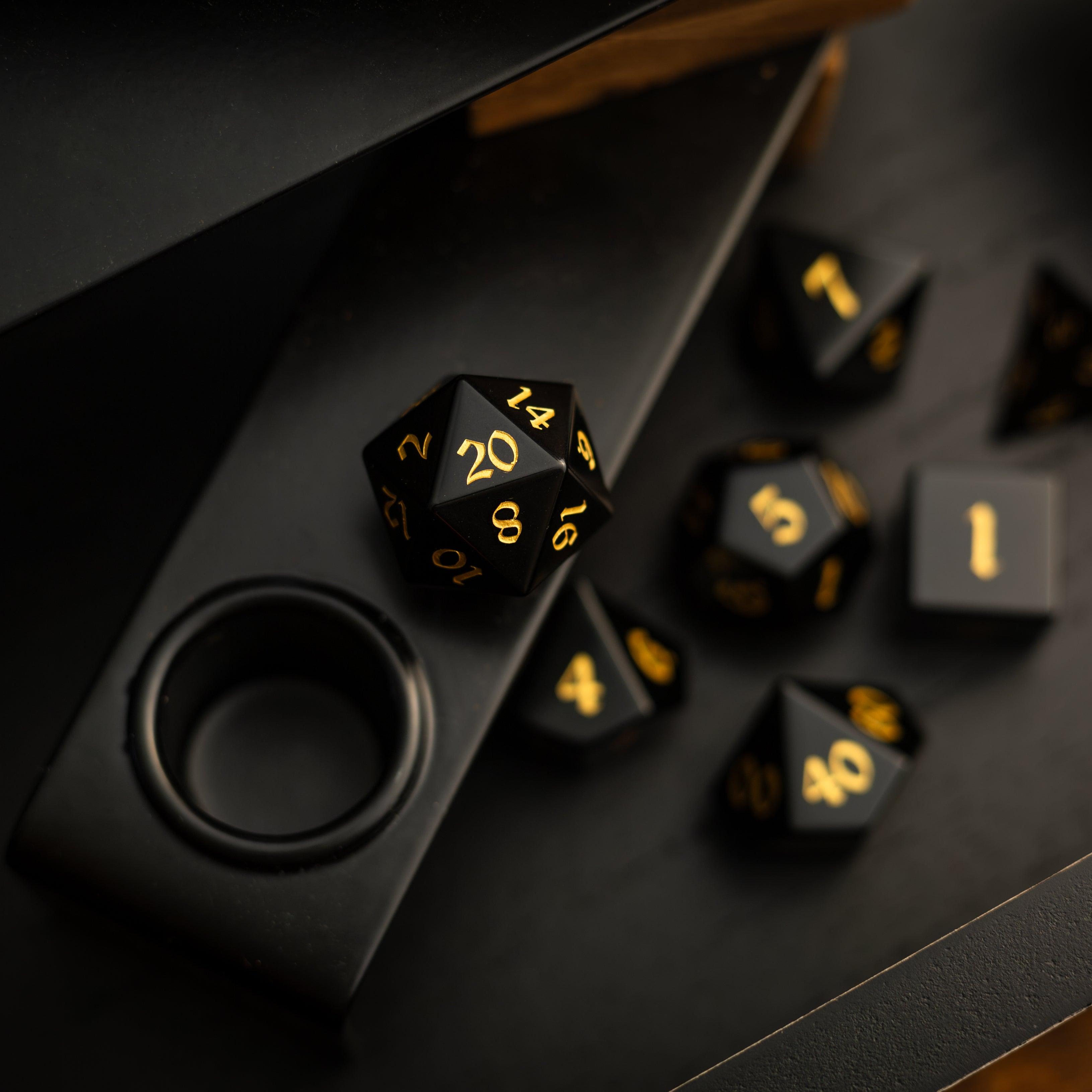
A well-organized dice bag decorated with favorite fantasy pins pairs naturally with quality accessories such as gemstone, resin, or metal dice from Runic Dice, helping create a tabletop setup that feels uniquely personal.
At the gaming table, a coordinated setup can include matching dice trays, dice bags, and other RPG accessories that reflect the same fantasy theme without overwhelming the play space.
Caring for Collectible Enamel Pins
Good care helps preserve both appearance and functionality.
Simple maintenance includes:
-
Wipe pins occasionally with a soft microfiber cloth.
-
Store unused pins in a dry location.
-
Avoid excessive moisture.
-
Replace worn rubber backs.
-
Separate pins during storage to reduce scratching.
Collectors who rotate their displays often keep extra pins inside small organizers or padded storage cases to prevent accidental damage.
If you travel frequently to conventions, checking pin backs before leaving home can help prevent losing favorite pieces.
Common Mistakes New Collectors Should Avoid
Many new collectors make simple mistakes that are easy to avoid.
Some of the most common include:
-
Buying only because something appears popular
-
Ignoring fastening quality
-
Overloading backpacks with too many pins
-
Storing pins loosely where finishes can rub together
-
Forgetting to secure valuable favorites with locking backs
-
Assuming every fantasy design is officially licensed
It is also worth remembering that artwork inspired by fantasy themes is not automatically connected to a particular game or publisher. Always check product descriptions if official licensing matters to you.
Quick Collectible Pin Checklist
Before adding another pin to your collection, consider these questions.
-
Does the artwork match your favorite fantasy themes?
-
Is the material appropriate for how you plan to use it?
-
Are the colors easy to appreciate at a glance?
-
Do you prefer textured or smooth enamel?
-
Is the fastening style secure enough?
-
Will it complement your existing gaming gear?
-
Do you have a safe place to display or store it?
-
Are you choosing it because you genuinely enjoy the design?
A thoughtfully chosen collection tells a story that is uniquely yours. Whether your favorite designs feature dragons, enchanted forests, magical tomes, or heroic adventurers, collectible pins for gaming offer a creative way to celebrate every campaign, convention, and unforgettable character. Combined with carefully chosen gaming accessories such as premium dice, protective dice bags, elegant dice trays, and other tabletop essentials from Runic Dice, these small works of art become part of a gaming experience that reflects your personality as much as your character sheet. As your adventures continue, your collection can grow alongside them, becoming a visual reminder of the worlds you've explored, the friends you've played with, and the stories still waiting to be told.

Leave a comment
This site is protected by hCaptcha and the hCaptcha Privacy Policy and Terms of Service apply.