

MTG Life Counters: A Practical Guide to Tracking Life Totals
Whether you're learning your first game of Magic or sitting down for a four-player Commander marathon, one thing stays constant: your life total matters. Every attack, spell, and ability can change the outcome of a game, making accurate life tracking one of the simplest ways to improve your overall experience.
An effective MTG life counter does more than display a number. It helps players stay focused, prevents disagreements, speeds up gameplay, and keeps everyone on the same page from the opening hand to the final turn.
This guide explains why accurate MTG life totals are important, explores the most common life tracking methods, and offers practical tips for keeping every game organized. Whether you play casually with friends, attend local tournaments, or enjoy long Commander sessions, reliable life tracking MTG habits make every match run more smoothly.
Why Accurate Life Tracking Matters
Life totals are at the center of almost every game of Magic. They determine how aggressively players attack, when they cast defensive spells, and whether risky plays are worth attempting.
Even a small mistake can change the course of a game.
Accurate tracking helps players:
-
Avoid disagreements about previous turns
-
Spend less time correcting mistakes
-
Make faster gameplay decisions
-
Stay focused on strategy instead of remembering numbers
-
Build confidence during competitive events
For newer players, keeping accurate MTG life totals also makes it easier to learn game mechanics. Rather than wondering who gained or lost life during a complicated combat step, everyone can clearly see the current game state.
Commander Games Make Life Tracking Even More Important
Commander starts each player at 40 life instead of 20, and multiplayer games often last much longer than traditional formats.
During these games, players frequently manage:
-
Multiple combat phases
-
Large life swings
-
Lifegain strategies
-
Commander damage
-
Poison counters
-
Numerous triggered abilities
A dependable Commander life counter makes it much easier to follow everything happening around the table without interrupting the flow of the game.
Understanding Different Types of Life Counters
There isn't one perfect life counter for Magic. Different players prefer different styles depending on where and how they play.
Spin-Down Counters
Spin-down dice are one of the most familiar ways to track life.
Many players already own one from prerelease events or starter products.
Advantages
-
Small and portable
-
Easy for beginners
-
No extra accessories required
Limitations
-
Can roll accidentally
-
Easy to bump during gameplay
-
Large life changes sometimes require several adjustments
Mechanical Life Counters
Mechanical counters use rotating dials or wheels to display current life totals.
They allow players to adjust numbers quickly without worrying about accidental movement.
Many competitive players appreciate how clearly the numbers remain visible throughout a game.
Metal Life Wheels
A premium metal Magic life counter combines durability with excellent readability.
The weight helps keep it stable on the table, making accidental movement less likely during busy multiplayer games.
For Commander players who spend several hours in a single match, a sturdy metal counter can become a dependable part of their regular tabletop setup.
Digital Apps
Many smartphone apps offer digital life tracking.
These apps often include features such as:
-
Commander damage tracking
-
Poison counters
-
Multiple player support
-
Dice rolling
-
Match history
Digital tools are especially convenient for pickup games, although some players prefer keeping phones off the table during social game nights.
Pen and Paper
The oldest method still has plenty of advantages.
Writing life totals creates a complete record of every change, making it easier to resolve disagreements later.
Many tournament players continue using pen and paper because it provides a detailed history of the game.
Dice-Based Tracking
Standard dice can also track life totals.
Some players use pairs of ten-sided dice while others combine different dice sizes to represent various values.
This method works well for beginners who don't yet own dedicated Magic: The Gathering accessories, although it requires careful attention to avoid confusion.
Choosing the Right Life Counter for Your Playstyle
The best life counter for Magic depends less on price and more on how you enjoy playing.
Casual Kitchen Table Games
Simple tracking methods usually work perfectly.
Spin-down dice, notebooks, or a basic mechanical counter all keep games moving without adding complexity.
Commander Players
Long multiplayer games benefit from counters that remain easy to read throughout the evening.
Many Commander players also appreciate having room to organize dice, tokens, and counters. A quality dice tray helps keep everything contained, while a premium MTG life counter stays visible even when the battlefield becomes crowded.
Competitive Players
Tournament environments reward precision.
Mechanical counters or written tracking reduce confusion and make verifying life changes much easier if questions arise.
Players Who Travel Frequently
Compact accessories are often the most practical.
Portable life counters fit neatly alongside deck boxes, playmats, and token containers without adding unnecessary bulk.
New Players
Beginners should focus on simplicity.
Easy-to-read tracking allows newer players to spend more attention learning game mechanics instead of managing accessories.
Collectors
Some players enjoy accessories that reflect their personality.
A well-crafted metal life counter alongside premium glass dice or sharp-edge dice creates a cohesive tabletop setup while remaining fully functional during play.
Life Counter Comparison
| Life Counter Type | Best For | Primary Advantage |
|---|---|---|
| Spin-down Counter | Casual play | Simple and portable |
| Metal Life Counter | Commander | Easy-to-read tracking |
| Mechanical Counter | Competitive play | Precise adjustments |
| Mobile App | Quick games | Automatic tracking |
| Pen & Paper | Tournament backup | Detailed game history |
| Dice Tracking | Beginners | Readily available |
Keeping Commander Games Organized
Commander introduces additional layers of tracking beyond simple life totals.
Four players often create a battlefield filled with creatures, tokens, treasures, counters, and ongoing effects.
Organization becomes just as valuable as strategy.
Separate Commander Damage
Commander damage should always be tracked independently from life totals.
Keeping separate records avoids confusion later in long games.
Keep Counters Visible
Every player should be able to glance around the table and quickly identify everyone's life total.
Visible tracking speeds up decision making and reduces repeated questions.
Organize Tokens
Creature tokens, Treasure tokens, and other game pieces can quickly spread across the table.
Small containers or organized trays help keep everything accessible without cluttering the battlefield.
Use Dedicated Dice
Premium resin dice or liquid core dice make attractive token markers while remaining easy to distinguish from life tracking accessories.
Using different colors for different counters also helps reduce mistakes.
Give Every Accessory a Home
Playmats naturally define each player's space.
Adding a dice tray keeps loose dice contained while preventing accidental rolls across important cards and counters.
Life Tracking Mistakes to Avoid
Even experienced players occasionally lose track of life totals.
Fortunately, most mistakes are easy to prevent.
Forgetting Life Changes
Resolve every spell or combat step completely before moving on.
Updating life immediately prevents forgotten triggers later.
Misreading Spin-Down Dice
Spin-down counters aren't arranged numerically like standard dice.
Always double-check the displayed number before announcing your life total.
Playing in a Cluttered Area
An overcrowded battlefield makes everything harder to follow.
Deck boxes, extra sleeves, tokens, and unused dice should stay organized whenever possible.
Losing Track During Combat
Combat often includes multiple attackers, blockers, combat tricks, and triggered abilities.
Pause briefly after combat damage resolves to verify everyone's current life total.
Forgetting Commander Damage
Commander damage is tracked separately for each opposing commander.
Recording it immediately avoids difficult calculations several turns later.
Skipping Confirmation After Large Turns
Life swings of ten or more points happen regularly in Commander.
Simply asking, "We're both at these totals?" takes only a few seconds and prevents misunderstandings.
Accessories That Improve the Experience
Life tracking becomes even easier when your overall play area stays organized.
Several MTG gameplay accessories naturally complement accurate life tracking.
Dice Trays
Dice trays prevent counters and dice from rolling into cards while keeping your tabletop organized throughout longer games.
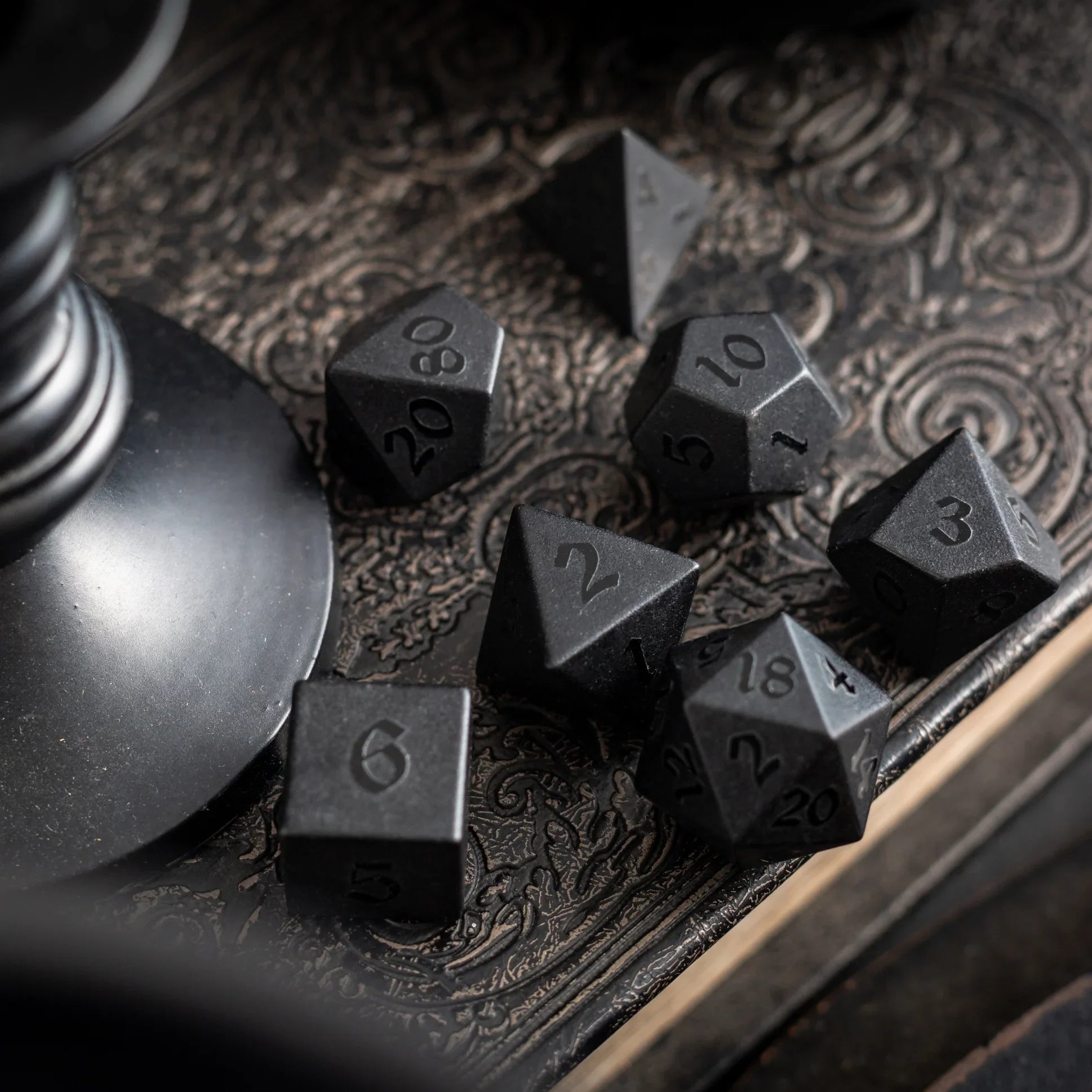
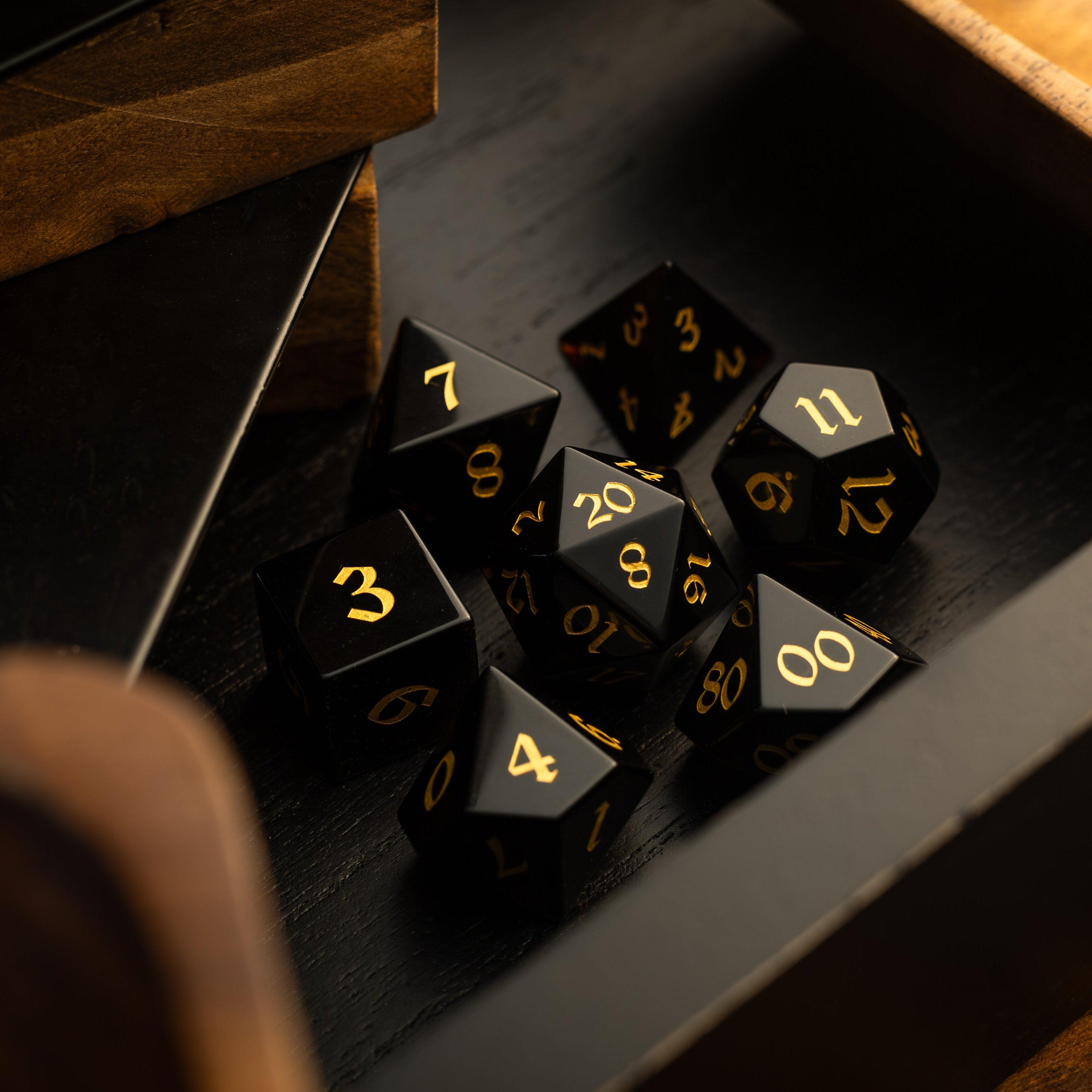
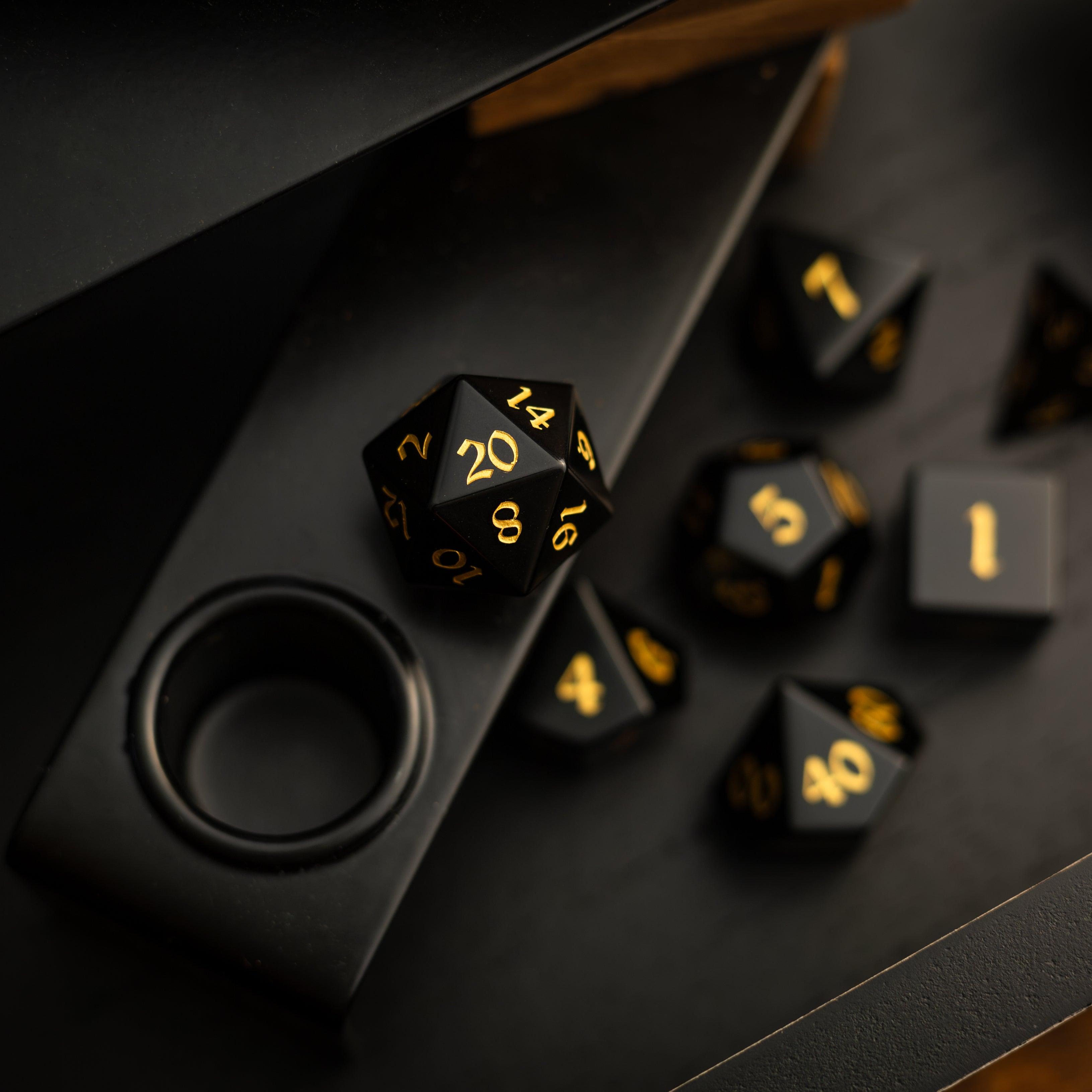
Premium Dice
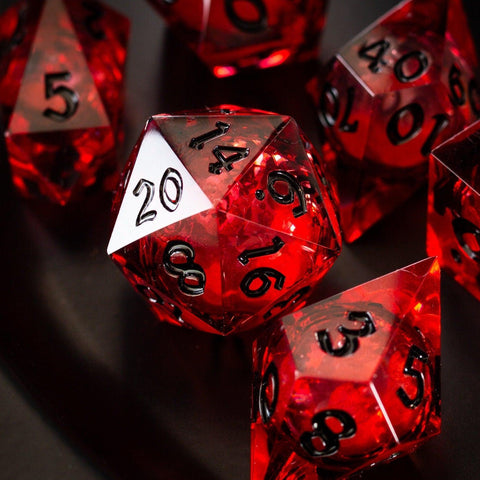
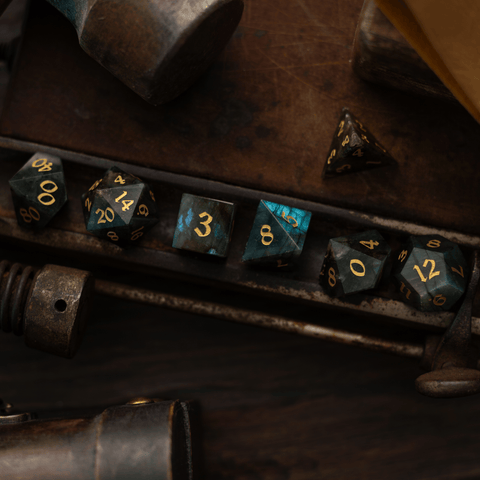
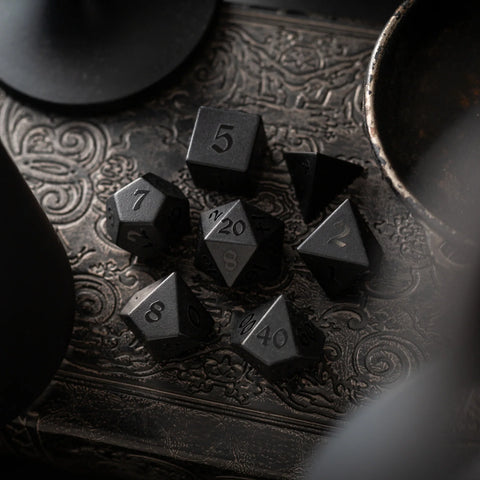
Gemstone dice, and sharp-edge dice aren't only useful for tabletop RPGs. Many Magic players use attractive dice to represent tokens, +1/+1 counters, loyalty counters, or temporary effects.
Deck Boxes
A sturdy deck box protects cards while keeping sleeves, tokens, and life tracking accessories together between games.
Playmats
Playmats create clearly defined play spaces, making it easier to position life counters where everyone can see them.
Storage Cases
Organized storage makes setup faster and reduces the chance of forgetting essential accessories before heading to your local game store.
None of these accessories replace good gameplay habits, but together they help create a cleaner, more enjoyable tabletop experience.
Practical Tips for Better Life Tracking
Building consistent habits is often more important than choosing any particular Magic life counter.
Keep these tips in mind during every game:
-
Confirm life totals after every combat phase.
-
Keep your life counter visible to everyone at the table.
-
Track Commander damage separately from life totals.
-
Update life immediately after each change.
-
Keep tokens and counters organized.
-
Use accessories that reduce tabletop clutter.
-
Double-check totals before ending your turn.
-
Verify large life swings with your opponents.
-
Store your life counter alongside your regular gaming accessories so it's always ready for your next match.
These small habits quickly become second nature and help games flow more smoothly regardless of your preferred format.
Every Life Point Counts
Accurate life tracking is one of the easiest ways to improve every game of Magic. Clear MTG life totals reduce confusion, support fair play, and allow everyone to focus on strategy instead of correcting mistakes.
Whether you prefer a simple spin-down die, a durable metal Commander life counter, pen and paper, or a digital app, the best choice is the one that helps you track life consistently and confidently.
As your tabletop setup grows, thoughtfully chosen Magic: The Gathering accessories like dice trays, organized storage, premium dice, and reliable MTG life counters can make every session feel cleaner and more organized without distracting from the game itself.
In the end, the goal isn't just keeping track of numbers. It's creating a smoother, more enjoyable experience where every player can stay focused on the decisions that make Magic such a rewarding game.













Leave a comment
This site is protected by hCaptcha and the hCaptcha Privacy Policy and Terms of Service apply.