

Monsters for Dungeons and Dragons Balanced Foes Guide
Updated on: 2026-02-05
Creating memorable encounters in your D&D campaign starts with understanding the creatures your players will face. Whether you're a seasoned Dungeon Master or just starting out, learning how to use enemies effectively can transform your game sessions from forgettable to unforgettable. This guide explores everything you need to know about selecting, customizing, and deploying creatures in your tabletop adventures, plus how the right dice can enhance every roll.
- Understanding Creatures for Your Campaign
- Benefits and Reasons to Master Enemy Design
- How to Select the Right Adversaries
- Building Dynamic Combat Encounters
- Customization Tips for Unique Foes
- Frequently Asked Questions
Understanding Creatures for Your Campaign

When you're prepping a D&D session, the creatures you choose set the tone for everything that happens. Think of them as characters with their own motivations, strengths, and weaknesses. Whether you're throwing a goblin ambush at low-level adventurers or orchestrating an epic showdown with a dragon, each enemy encounter tells a story. The right choice can create tension, humor, or genuine danger that keeps your players talking long after the session ends.
Creatures in D&D aren't just stat blocks on a page. They're opportunities to create memorable moments. A simple skeleton encounter becomes legendary when you describe the dust falling from its joints or add a personality quirk that makes it memorable. The difference between a slog and a thrilling session often comes down to how thoughtfully you've chosen and prepared your adversaries.
Benefits and Reasons to Master Enemy Design
Creating Meaningful Challenges
The right creatures push your players without frustrating them. When you understand monster mechanics and how to balance encounters, you're able to craft challenges that feel rewarding to overcome. Players remember victories that felt earned, not hollow ones against trivial foes. By selecting adversaries that match your party's level and capabilities, you ensure every combat feels consequential. This balance keeps everyone engaged and eager for the next session.
Enhancing Storytelling
Enemies aren't obstacles to overcome—they're story opportunities. A well-chosen creature can introduce plot hooks, reveal character motivations, or drive the narrative forward. That vampire threatening the village isn't just a boss fight; it's a chance to explore themes of power, corruption, and redemption. When creatures serve your story, not just your combat encounter quota, your campaign becomes truly immersive. Your players won't just remember defeating enemies; they'll remember the journey that led to those confrontations.
Building Campaign Consistency
When you thoughtfully select adversaries, you create a cohesive world. A mountain region plagued by wyverns feels different from forests filled with fey creatures. This consistency helps your players understand the setting and anticipate challenges. It also makes special encounters stand out. When your players know they typically face certain types of enemies, discovering something unexpected becomes genuinely thrilling.
Keeping Encounters Fresh
Variety prevents your sessions from becoming predictable. Mixing creature types, using terrain strategically, and varying creature abilities means your players can't just rely on the same tactics every time. One combat they're fighting creatures that fly; the next they're dealing with a monster that casts spells. This unpredictability keeps players alert and forces them to think creatively, which makes victories feel more satisfying.
How to Select the Right Adversaries
Choosing creatures for your encounters involves more than just grabbing the Monster Manual and pointing at random entries. Start by considering your party's level, composition, and recent victories or defeats. New adventurers facing their first combat need different enemies than a seasoned group halfway through a campaign. If your players recently dominated a combat, they're ready for a tougher challenge. If they barely survived the last encounter, they need something more manageable.
Think about your campaign's tone and setting. A whimsical, lighthearted campaign might feature clever goblins and trickster fey rather than nihilistic horrors. A dark, serious campaign can explore genuinely frightening creatures and morally complex encounters. Your adversary selection reinforces your campaign's mood and helps players understand what kind of story they're participating in.
Consider creature ecology and motivation too. Why are these enemies here? What are they trying to accomplish? A goblin band defending their lair fights differently than mercenaries hired to capture someone alive. This context helps you roleplay creatures more effectively and makes combat feel like a clash of purposes, not just rolling dice.

Building Dynamic Combat Encounters
A great encounter involves more than powerful creatures. Environmental factors matter tremendously. A narrow corridor creates different tactical challenges than an open battlefield. Difficult terrain, elevation changes, and interactive objects give your players options beyond "attack it until it's dead." When you include environmental elements, combat becomes more interesting for everyone at the table.
Vary creature abilities within an encounter. Having a group of identical creatures fighting can feel repetitive. Instead, include variations: some use ranged attacks, some are tougher, some cast spells. This forces your players to prioritize targets and adapt their strategy mid-combat. It also makes the encounter feel more realistic—enemies rarely come in perfectly uniform groups.
Pacing matters too. Not every round should feel identical. Maybe the first round involves an ambush where enemies have surprise. Maybe reinforcements arrive in round three. Maybe the creature attempts to negotiate or flee when things get desperate. These narrative beats make combat feel like a story moment rather than a mechanics exercise, and that's where the magic happens.
Customization Tips for Unique Foes
The most memorable encounters often feature modified creatures. You don't need to stick rigidly to published stat blocks. Give a standard goblin chieftain an additional ability reflecting their personality. Add extra hit points to a creature that serves a narrative purpose. Swap out spell selections to better reflect a monster's background or role in your story. These small changes make encounters feel fresh even if players have fought similar creatures before.
Consider scaling creatures for your group's needs. If an encounter feels too easy, add hit points or an extra ability. If it's steamrolling your party, reduce damage or remove an action. You're the Dungeon Master—you have the power to create exactly the challenge your table needs. The best encounters aren't perfectly balanced on paper; they're calibrated through experience and adjusted on the fly.
Don't underestimate the power of personality. A creature with distinctive speech patterns, mannerisms, or quirks becomes memorable instantly. That orc commander who laughs at every joke (even bad ones), the ghoul who speaks only in riddles, the necromancer obsessed with proper etiquette—these details transform generic stat blocks into characters your players will discuss for years.
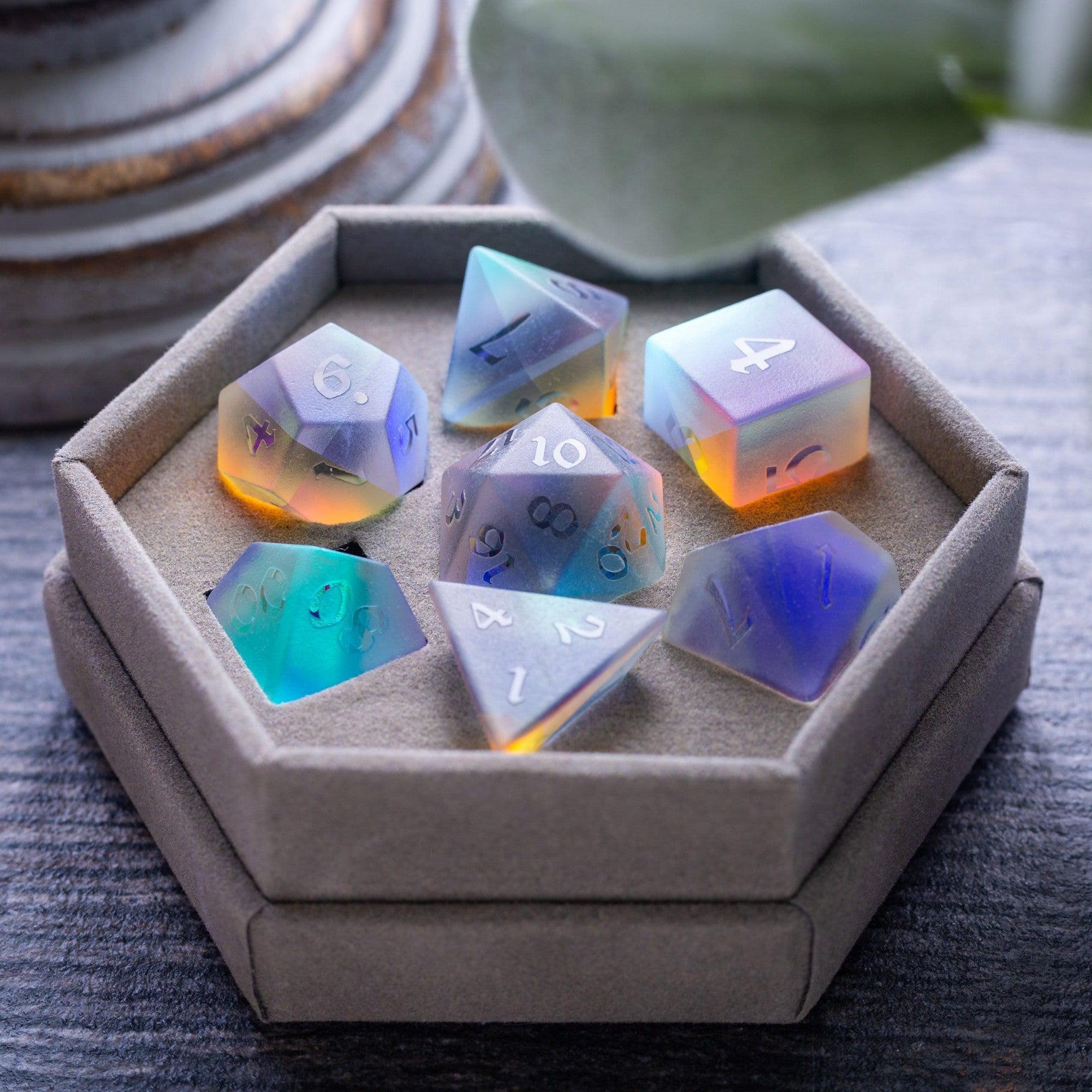
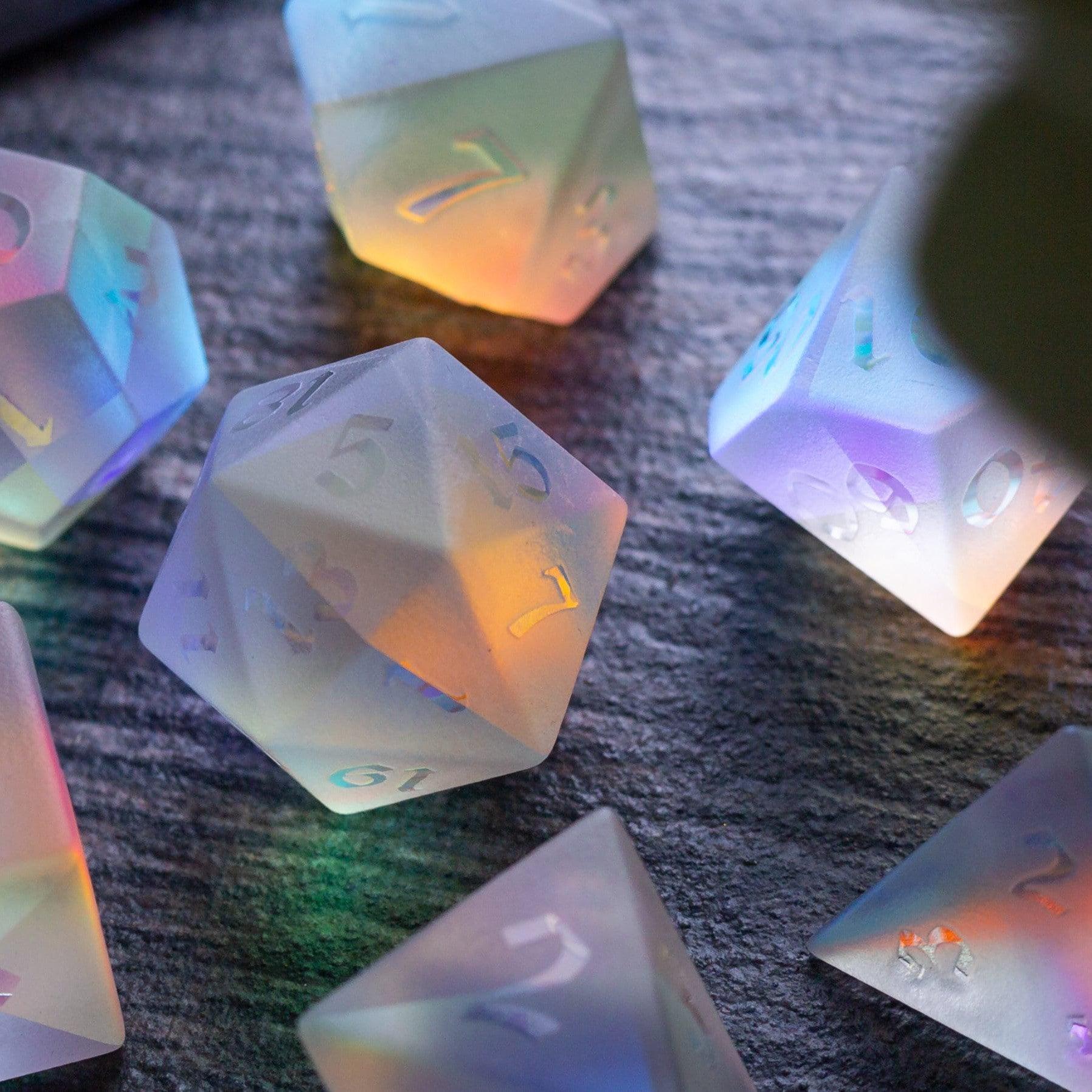
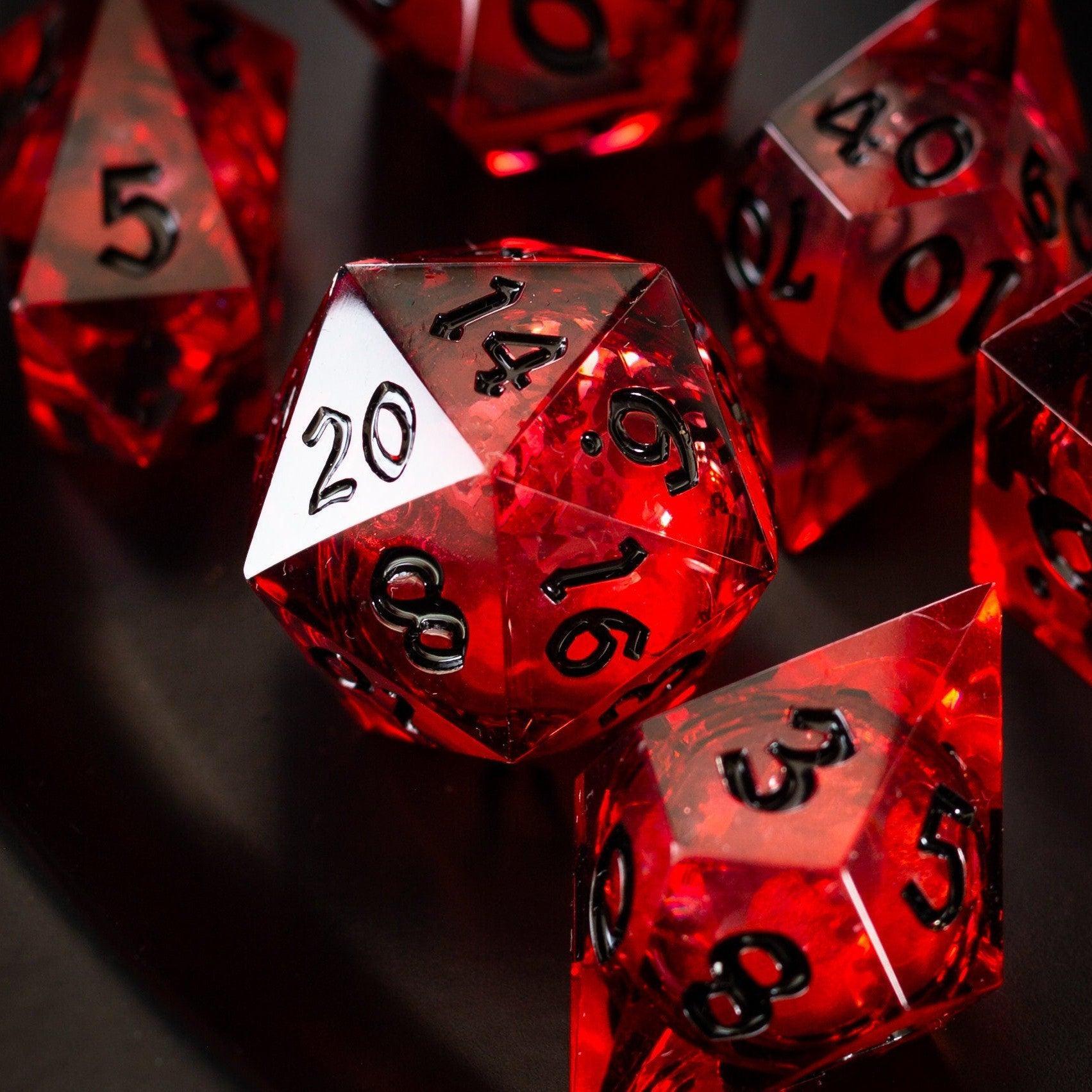
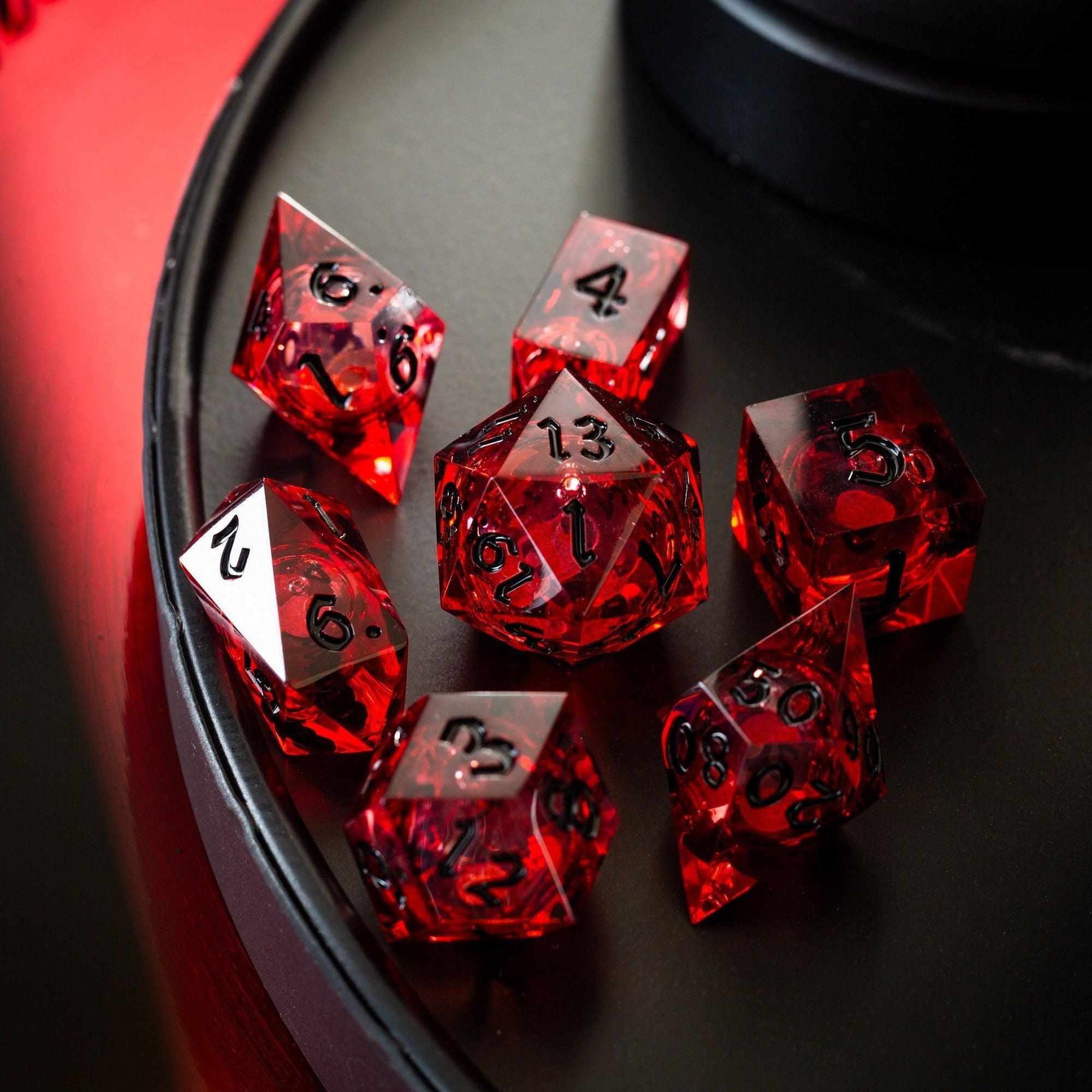
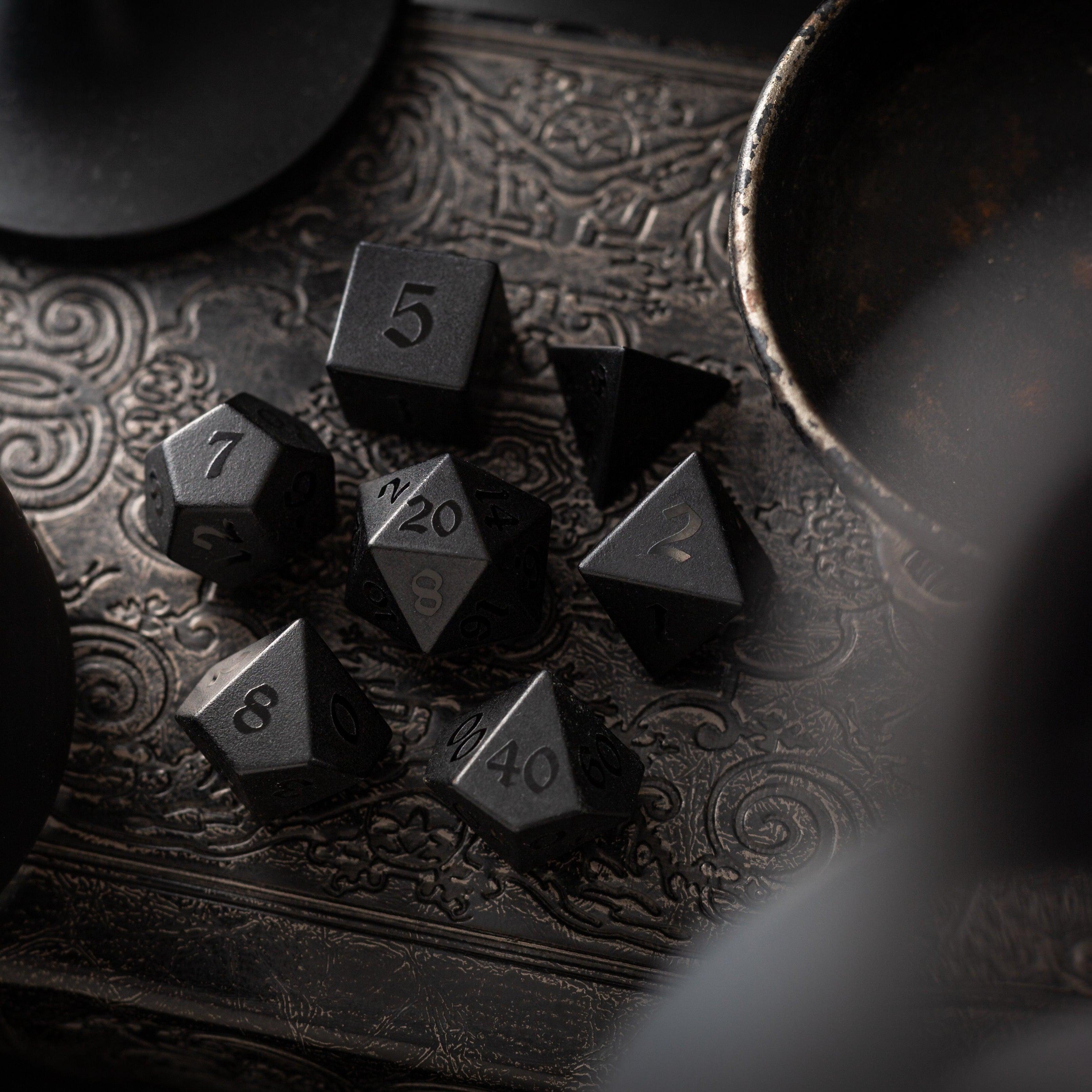
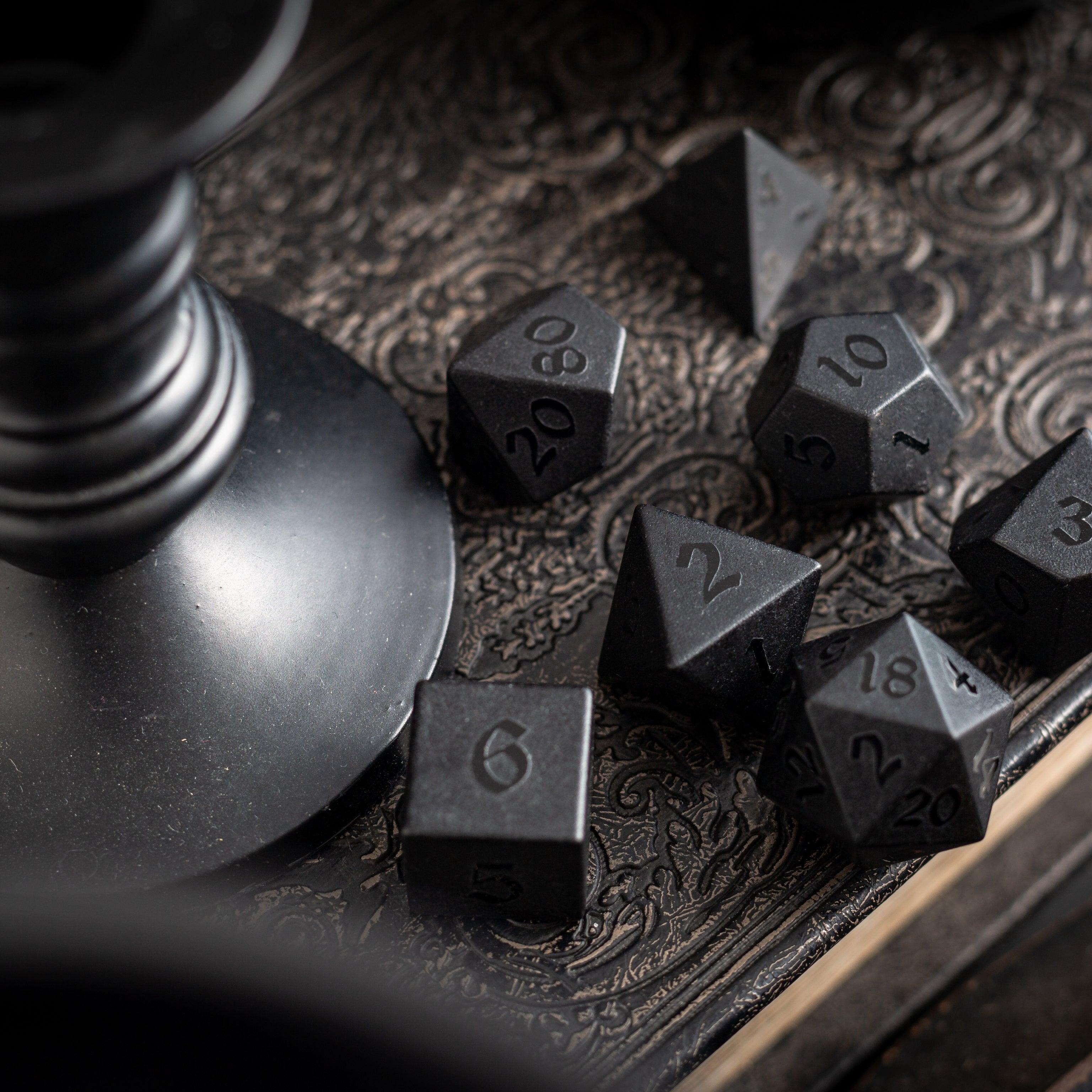
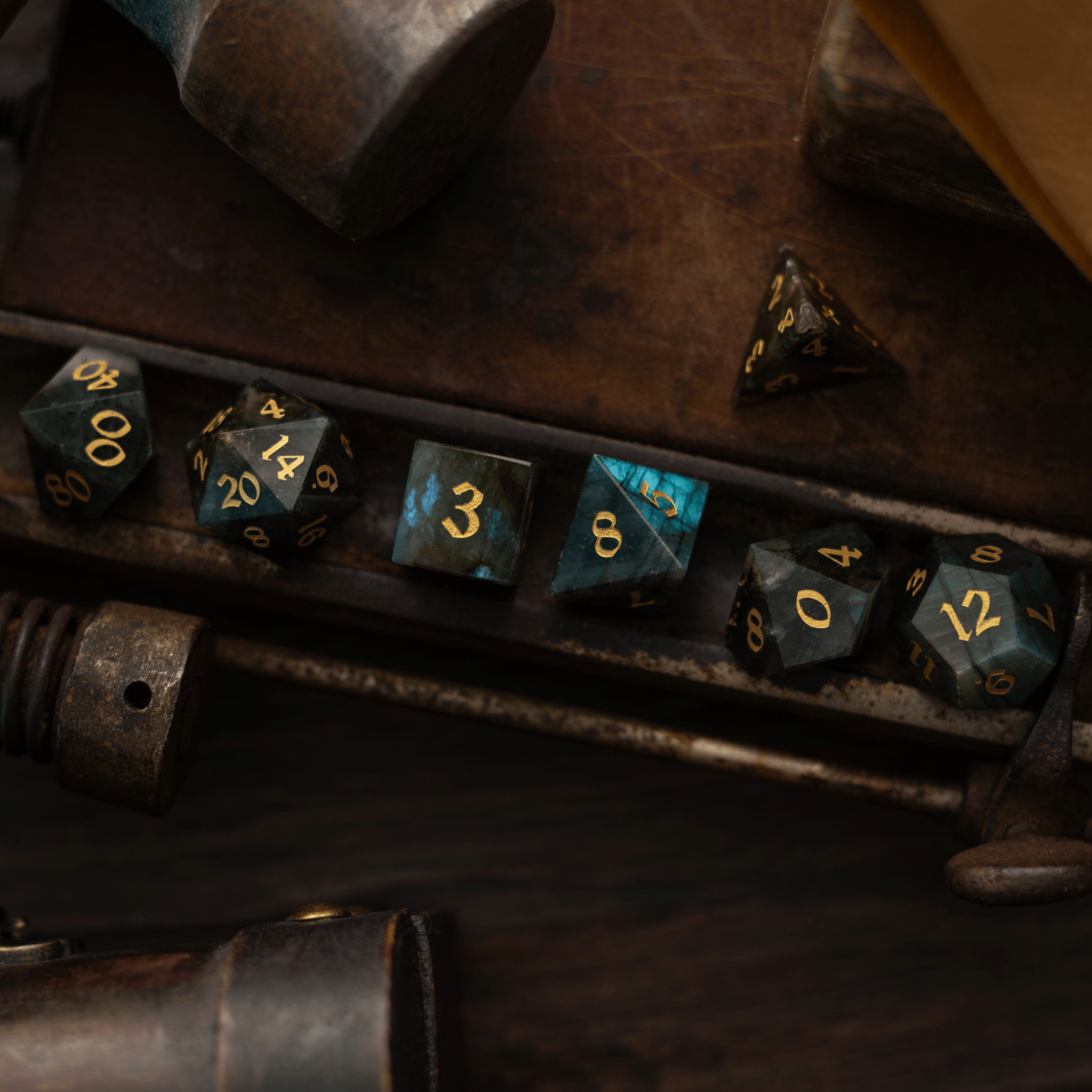
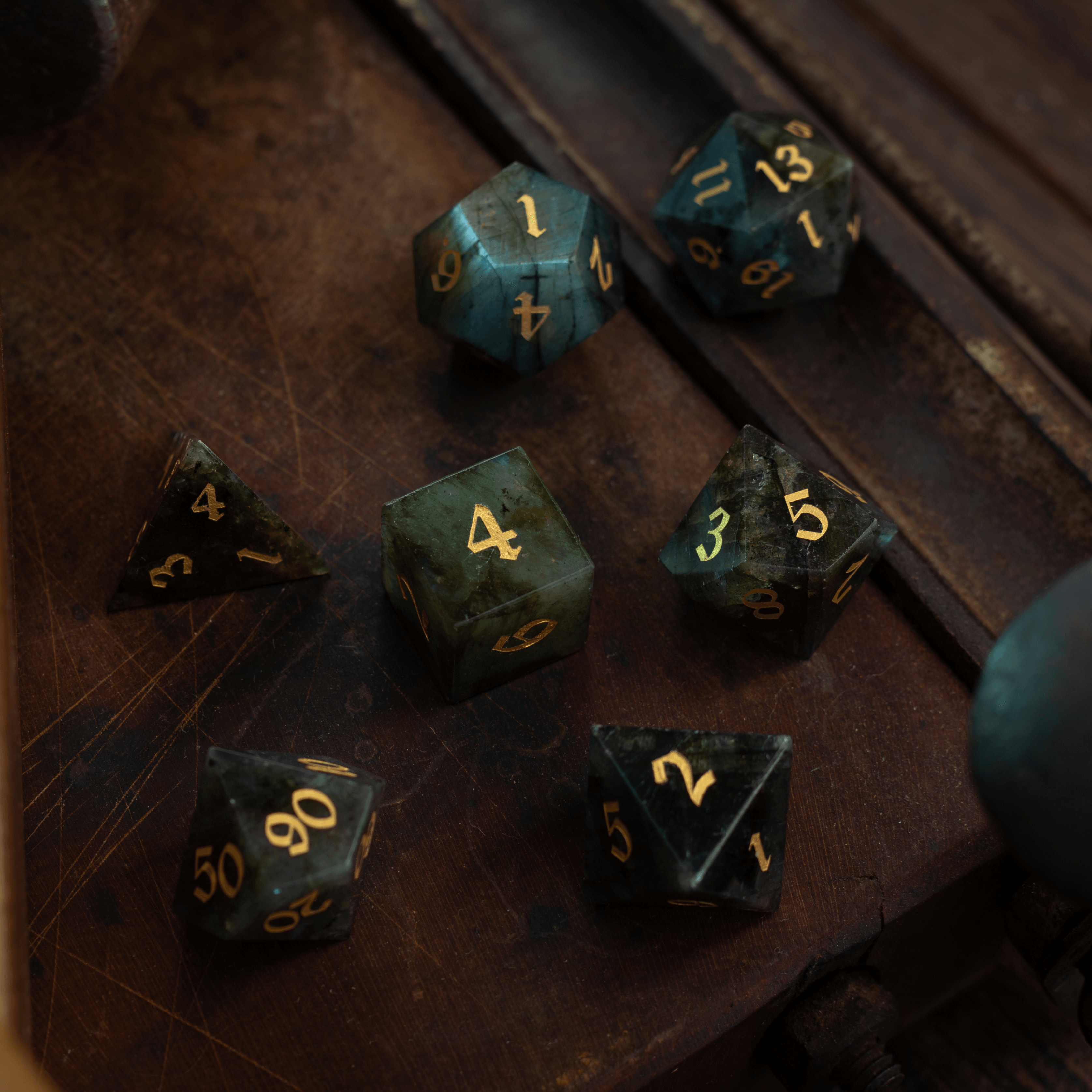
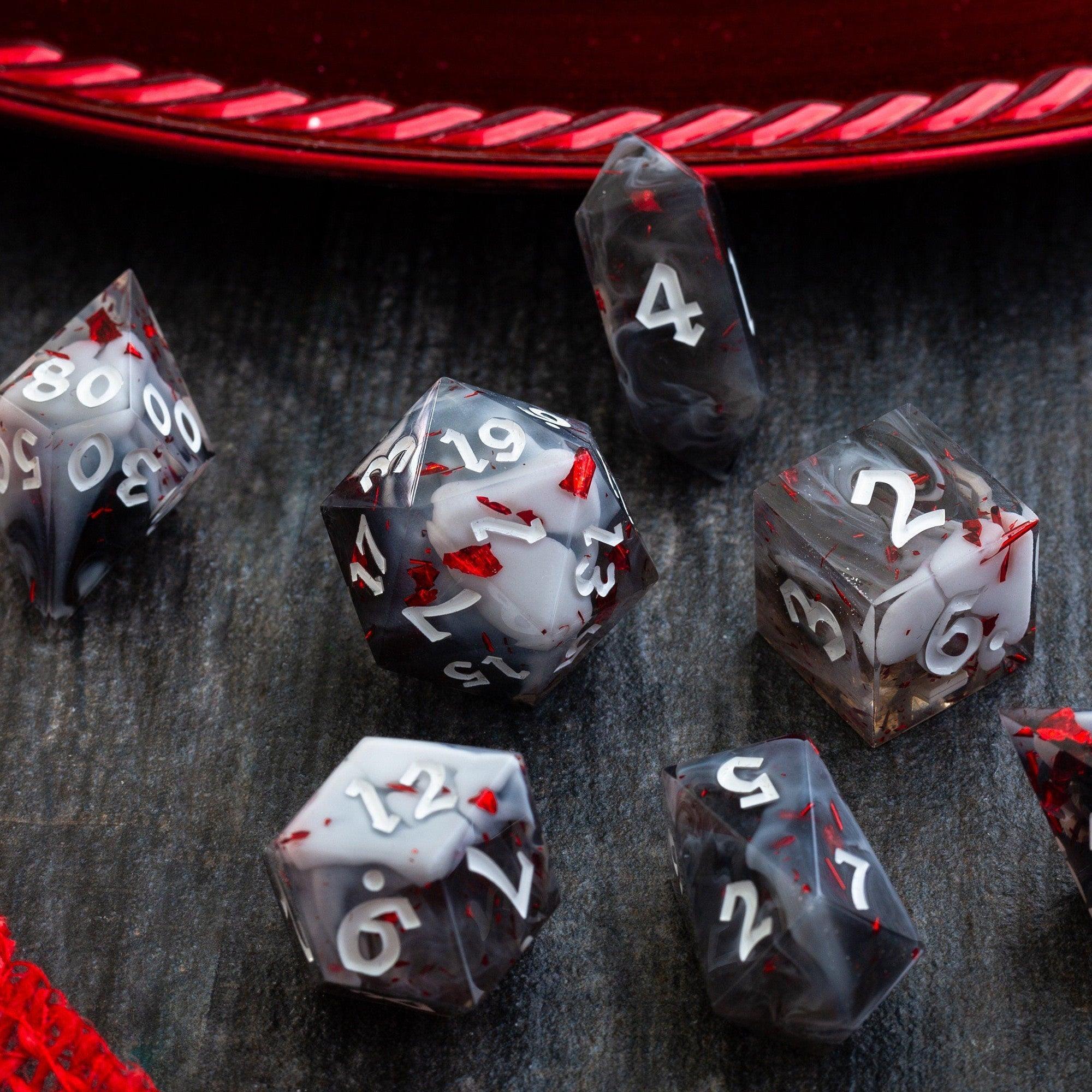
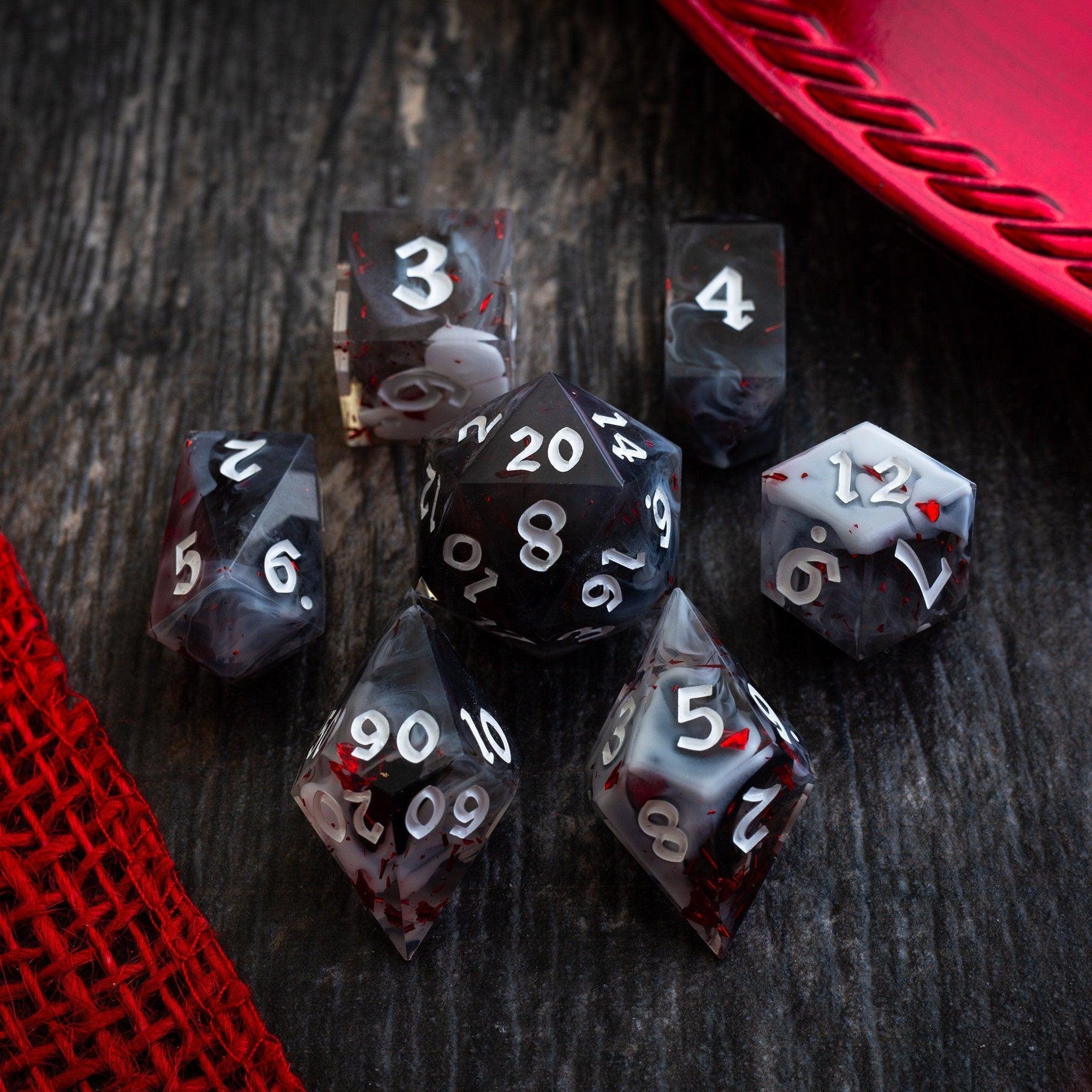
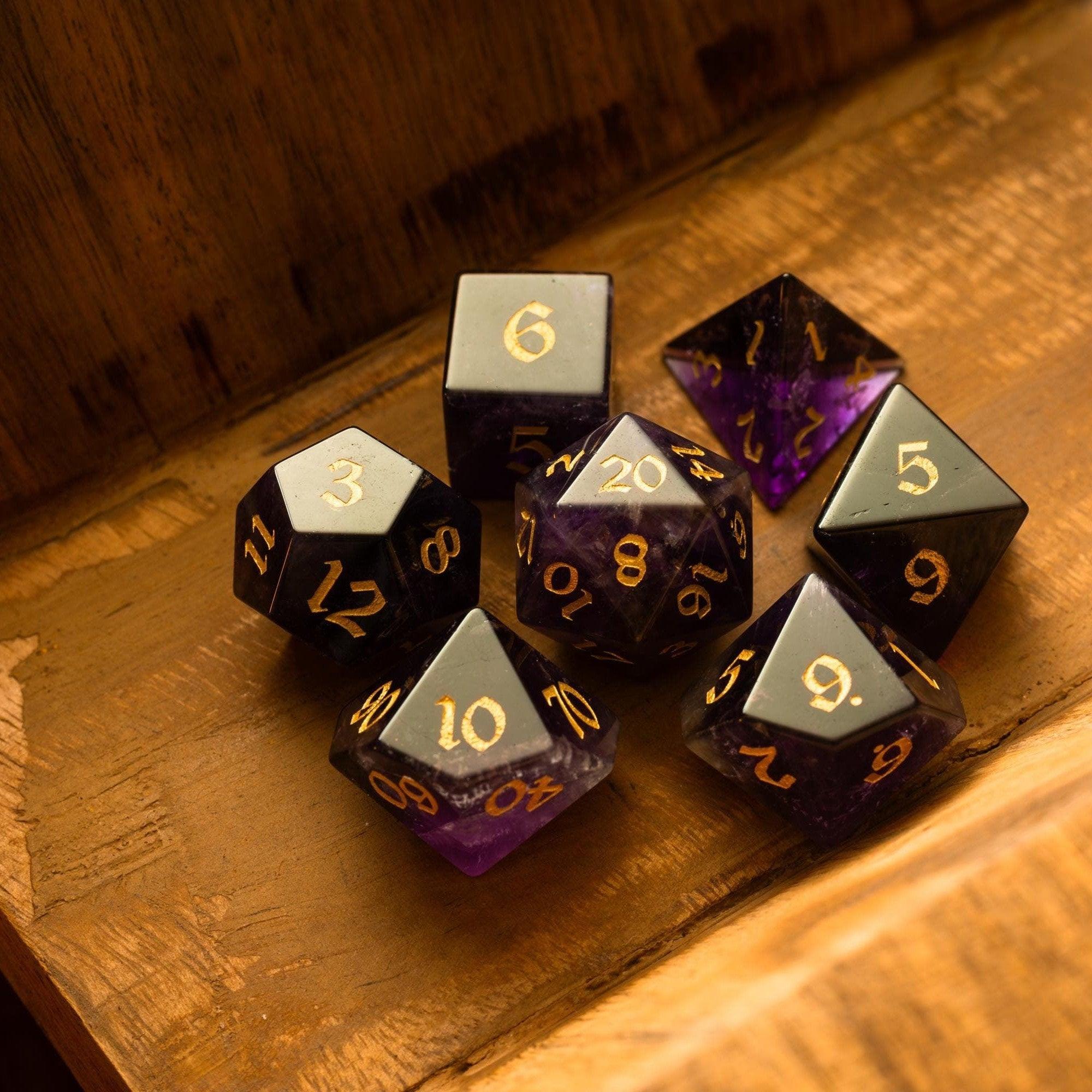
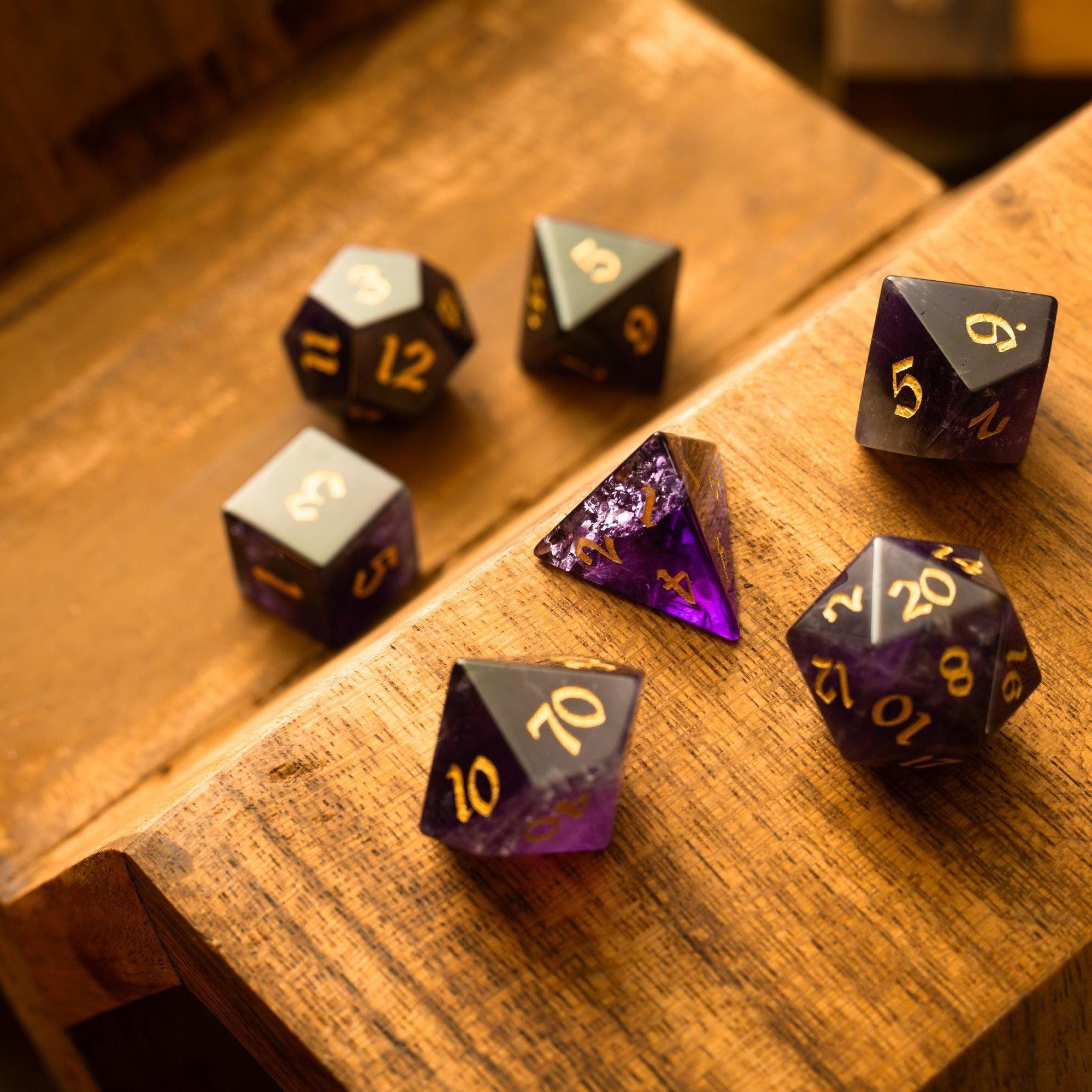
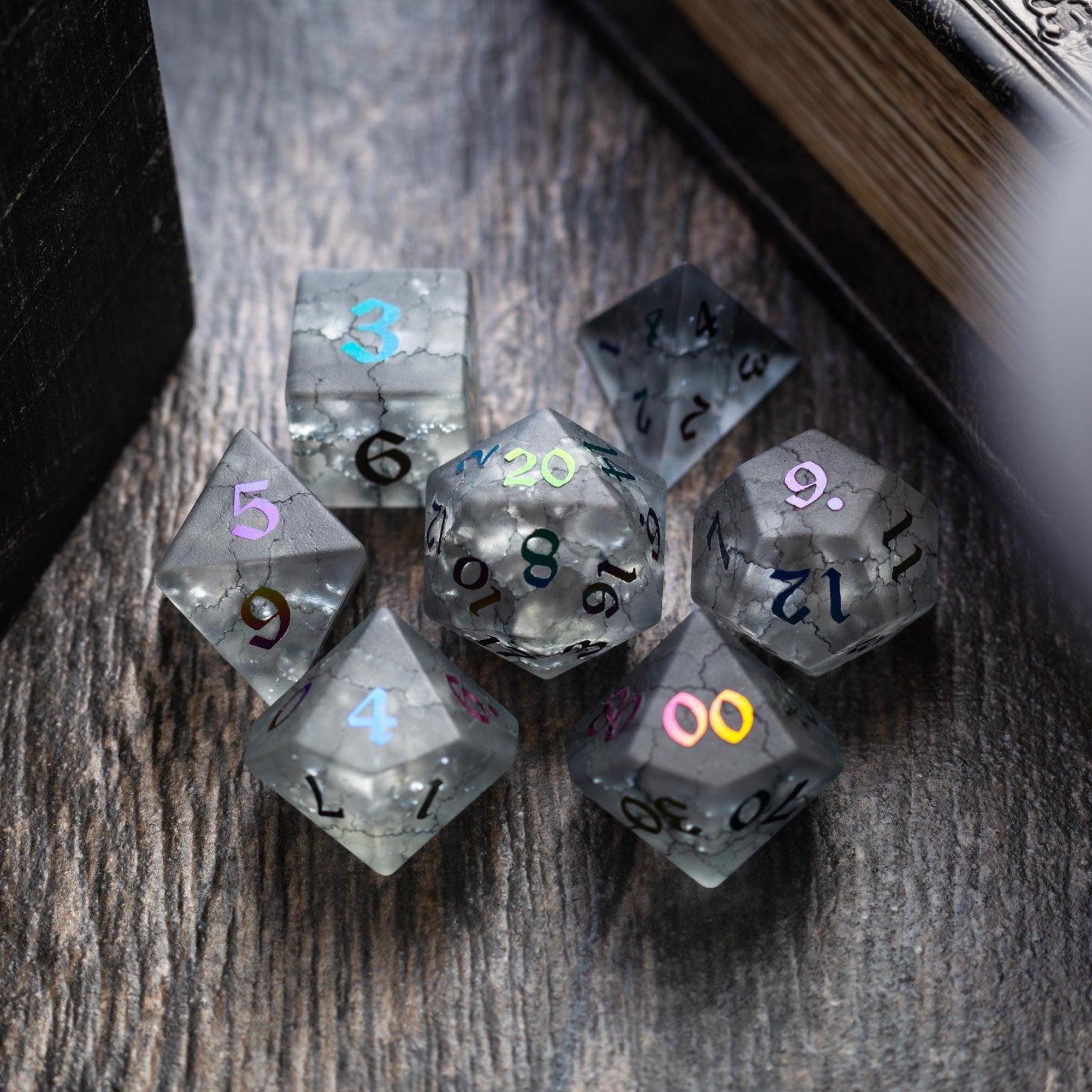
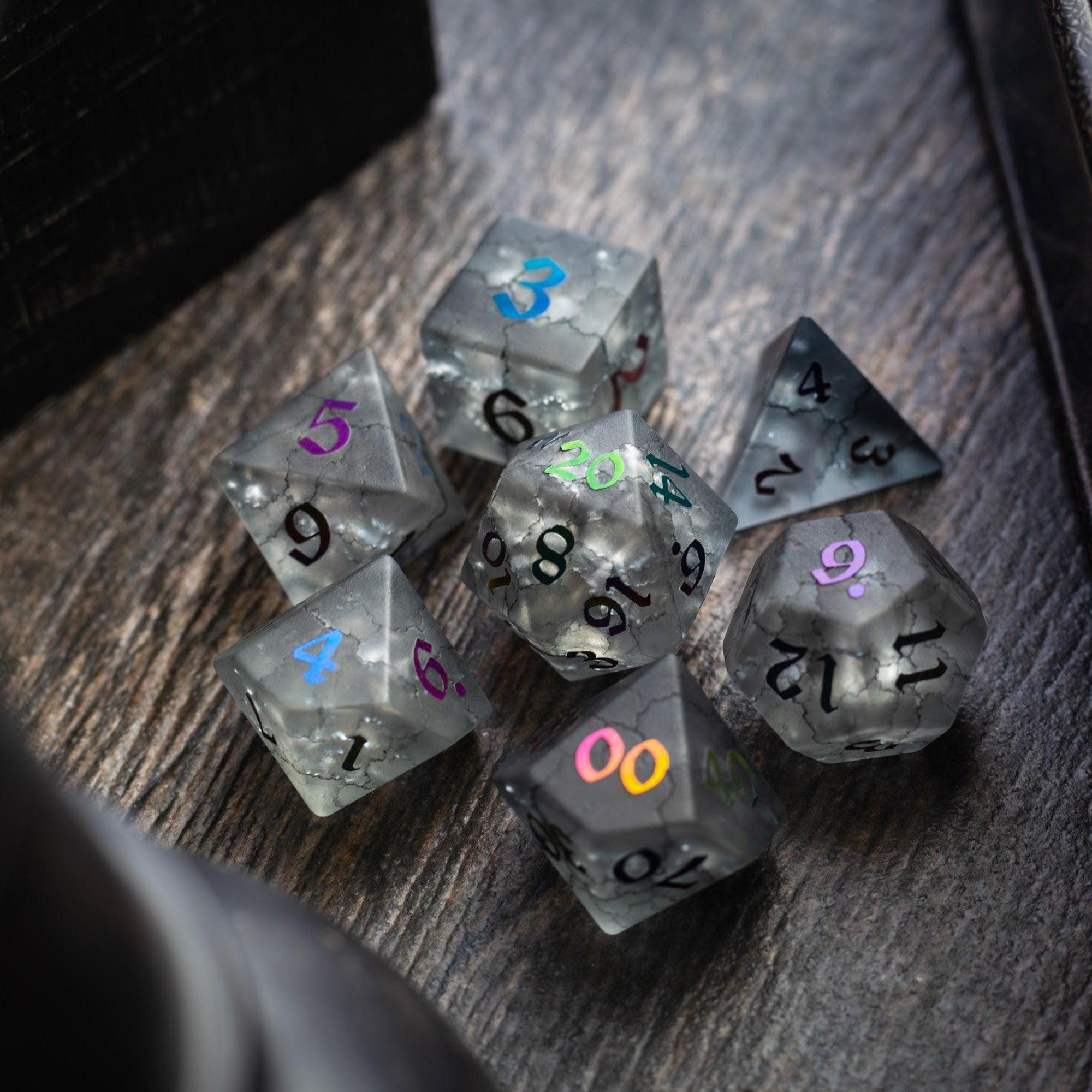
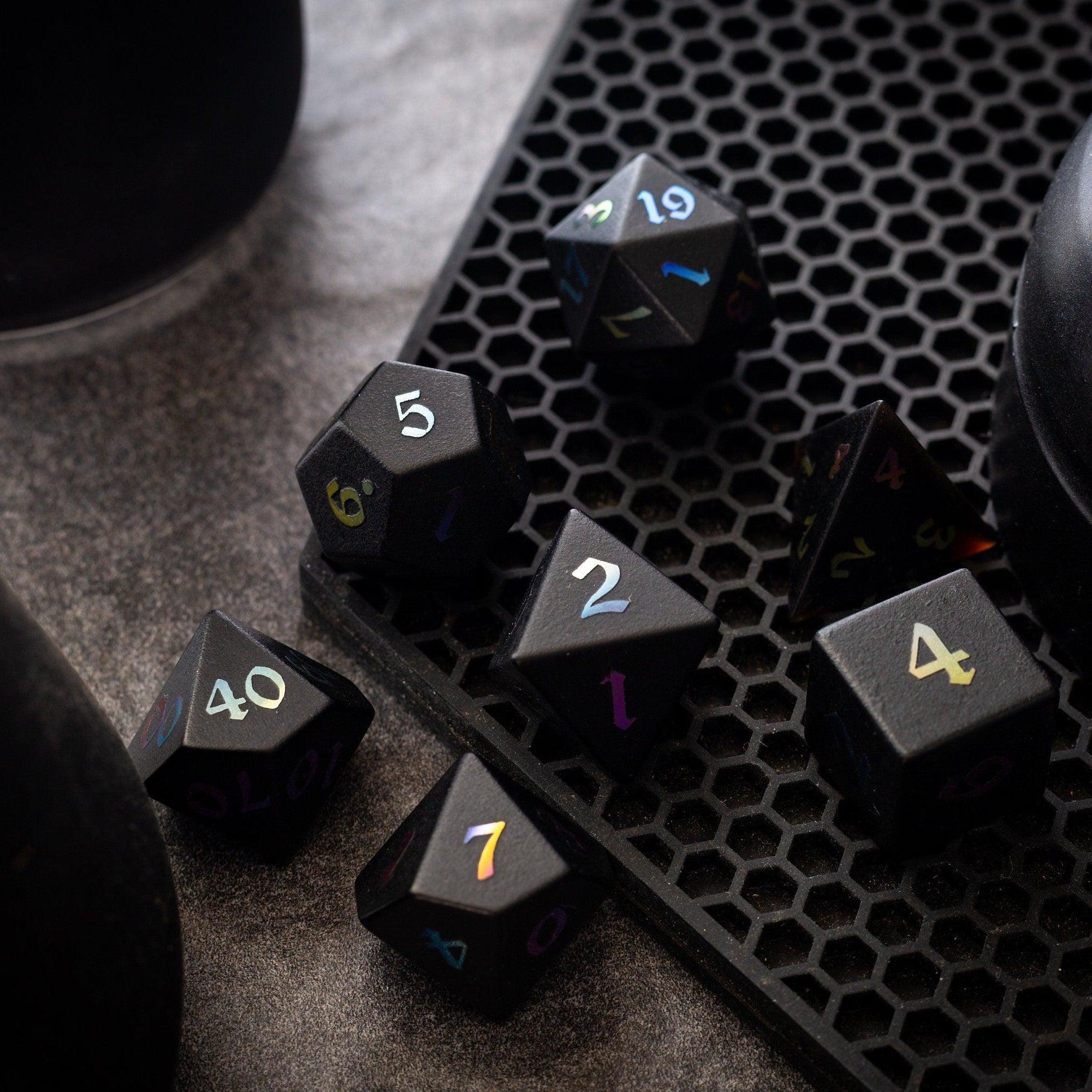
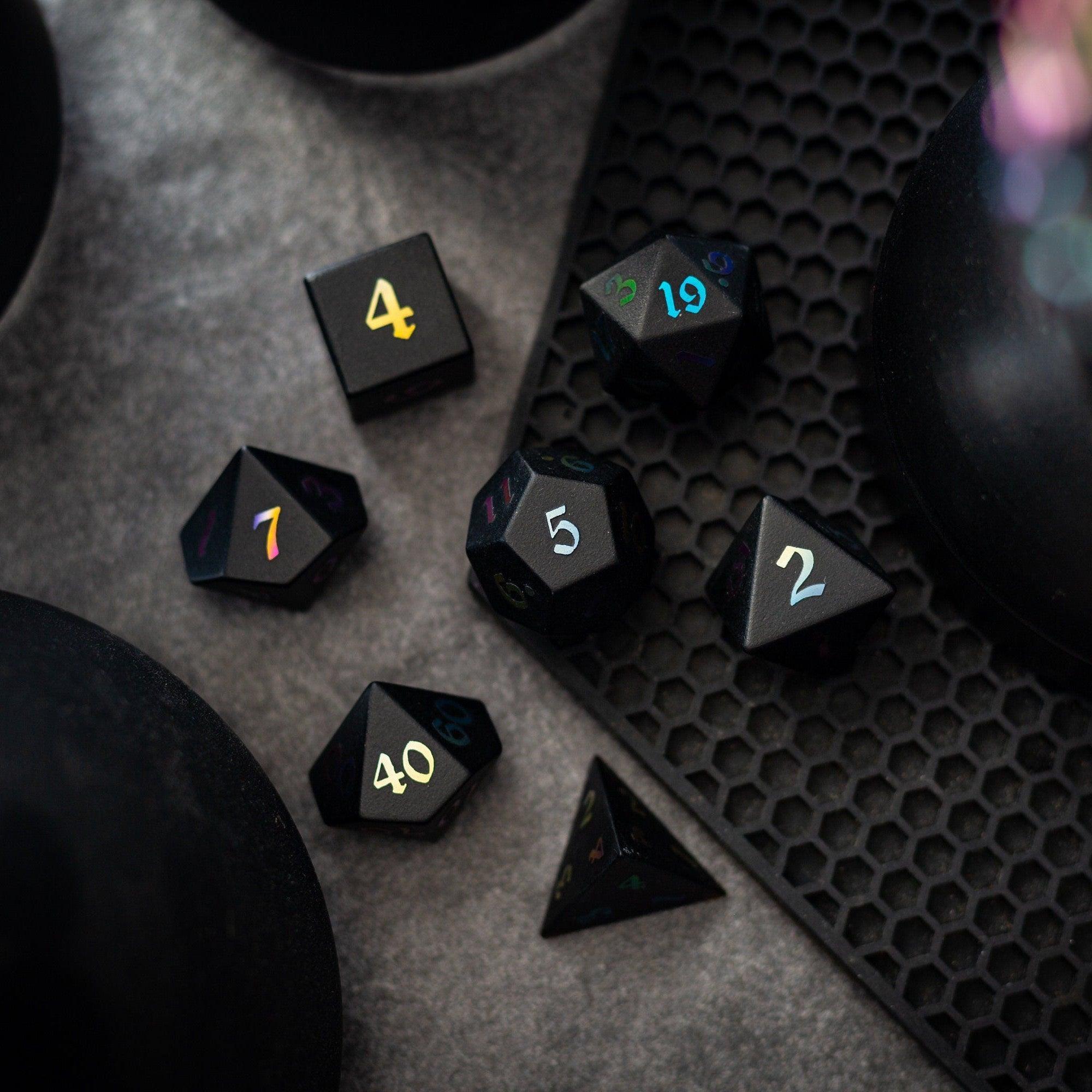
When you're rolling for an important encounter, using quality dice enhances the tension. Consider exploring gemstone dice sets that feel substantial and look impressive at your table. Rolling dice that are beautiful and well-crafted makes every attack roll, save, or damage check feel weighty and important. You might also appreciate hand-made resin dice for special boss encounters that deserve something extra special.
Frequently Asked Questions
How do I know if an encounter with creatures is too difficult?
Signs include your players looking frustrated rather than challenged, repeatedly failing saves or getting hit hard before dealing significant damage back, or characters dropping unexpectedly. An encounter that kills a character might still be fair, but if everyone's frustrated and not having fun, it's too much. You can always adjust during combat by reducing enemy hit points, removing an action, or having enemies retreat. Your job is creating fun, not punishing players.
Should I always use creatures from official sourcebooks?
Not at all! Official creatures are templates and inspiration, not requirements. Modify them liberally. Create entirely new enemies from scratch if inspiration strikes. Your players don't know that a creature isn't official—they only experience what you bring to the table. Homebrewed creatures often become the most memorable encounters because they feel uniquely yours.
How can I make creature encounters feel less like just rolling initiative?
Add narrative framing, environmental complications, and creature personality. Give enemies clear motivations beyond just harming the party. Include terrain features that matter tactically. Have creatures communicate, threaten, beg, or negotiate. When combat feels like a scene in your story rather than a game mechanic pause, it becomes genuinely engaging. Consider using specialty dice for important rolls—the tactile experience adds gravity to critical moments.
Mastering creatures for your D&D campaign transforms you from someone running encounters to someone orchestrating unforgettable moments. By understanding your players' capabilities, crafting meaningful challenges, and infusing encounters with personality and purpose, you'll create sessions that linger in everyone's memory. The creatures you choose aren't just stat blocks—they're the heart of your story. Whether you're facing down a mighty dragon or a group of clever bandits, every encounter is an opportunity to entertain, challenge, and inspire your players. With thoughtful preparation and a willingness to customize, you'll build a campaign nobody wants to end. Don't forget that every roll counts—try exploring premium dice options to make those critical moments feel truly special.

Leave a comment
This site is protected by hCaptcha and the hCaptcha Privacy Policy and Terms of Service apply.