

Character Creation in Dungeons and Dragons A Beginner Guide
Updated on: 2026-02-06
Building your first Dungeons & Dragons character can feel overwhelming, but it's actually one of the most exciting parts of the game. Whether you're rolling up a brave wizard, a cunning rogue, or a noble paladin, character creation is where your adventure truly begins. We'll walk you through the entire process, from ability scores to personality traits, so you'll feel confident sitting down at the table. Ready to bring your hero to life?
- Understanding the Basics of Building a D&D Hero
- Rolling Your Core Ability Scores
- Choosing Your Class and Race
- Crafting Your Character's Backstory
- Selecting Equipment and Gear
- Bringing It All Together
- Frequently Asked Questions
Understanding the Basics of Building a D&D Hero

So you've decided to join a Dungeons & Dragons campaign, and now you're staring at a blank character sheet wondering where to start. Don't worry—you're not alone! Character creation in Dungeons & Dragons is a structured but creative process that's been perfected over decades. Think of it as designing the main character in your own epic story.
The foundation of any D&D character rests on six core ability scores: Strength, Dexterity, Constitution, Intelligence, Wisdom, and Charisma. These numbers, typically ranging from 3 to 18, determine how good your character is at different tasks. A high Strength score makes you incredibly tough in combat, while high Charisma helps you charm your way through tricky situations. Your Dungeon Master (DM) will reference these scores constantly throughout your adventure, so understanding them is crucial.
Before you start rolling dice, chat with your DM and fellow players about what kind of game you're playing. Are you running a gritty, survival-focused campaign or a high-fantasy adventure full of magic and wonder? This conversation will help shape your character creation choices and ensure everyone's on the same page.
Rolling Your Core Ability Scores
The classic method for generating your ability scores involves rolling four six-sided dice, dropping the lowest number, and adding the remaining three. You'll do this six times to get your six core scores. It's exciting, unpredictable, and wonderfully dramatic—just ask any veteran player about their legendary rolls (or terrible ones).
The Rolling Method
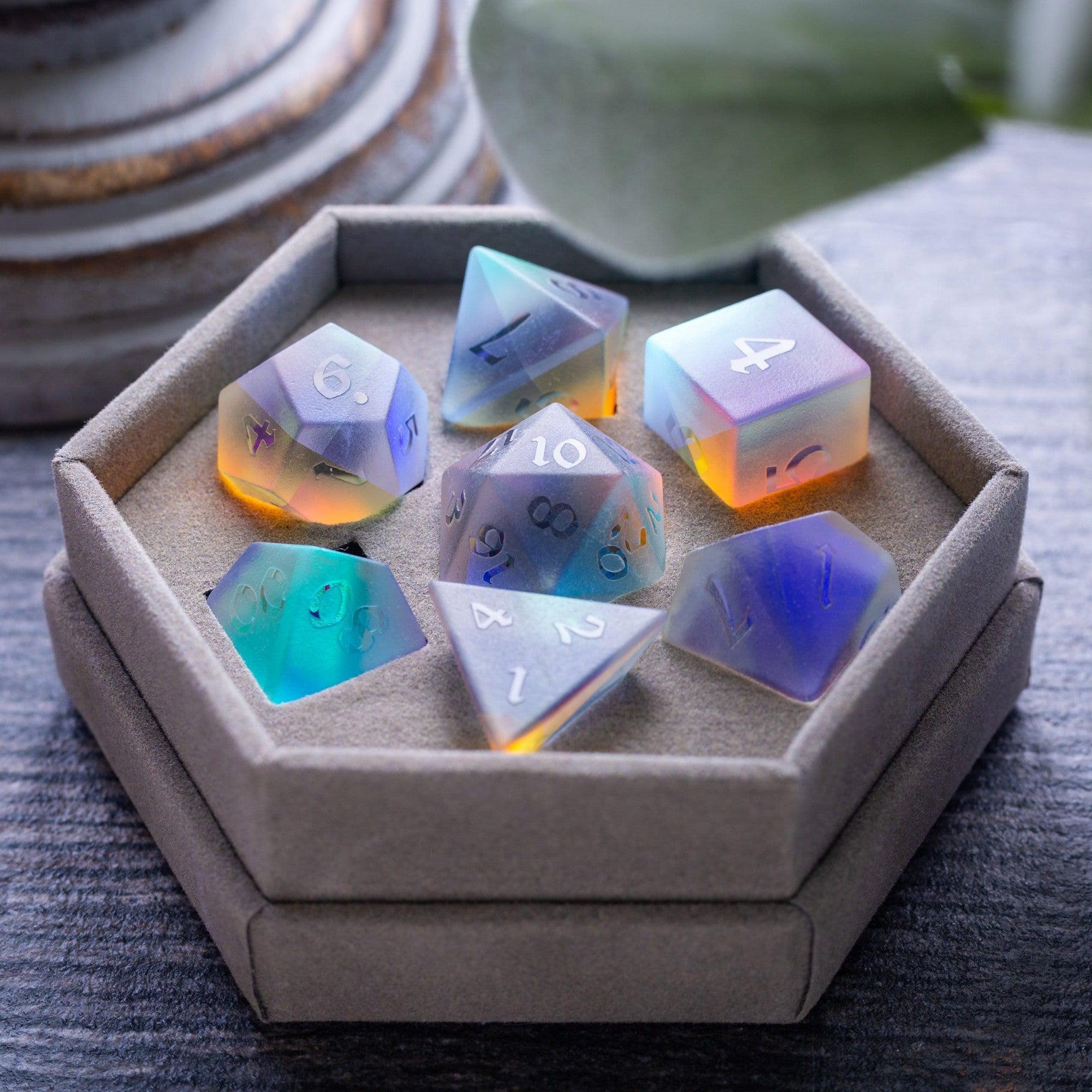
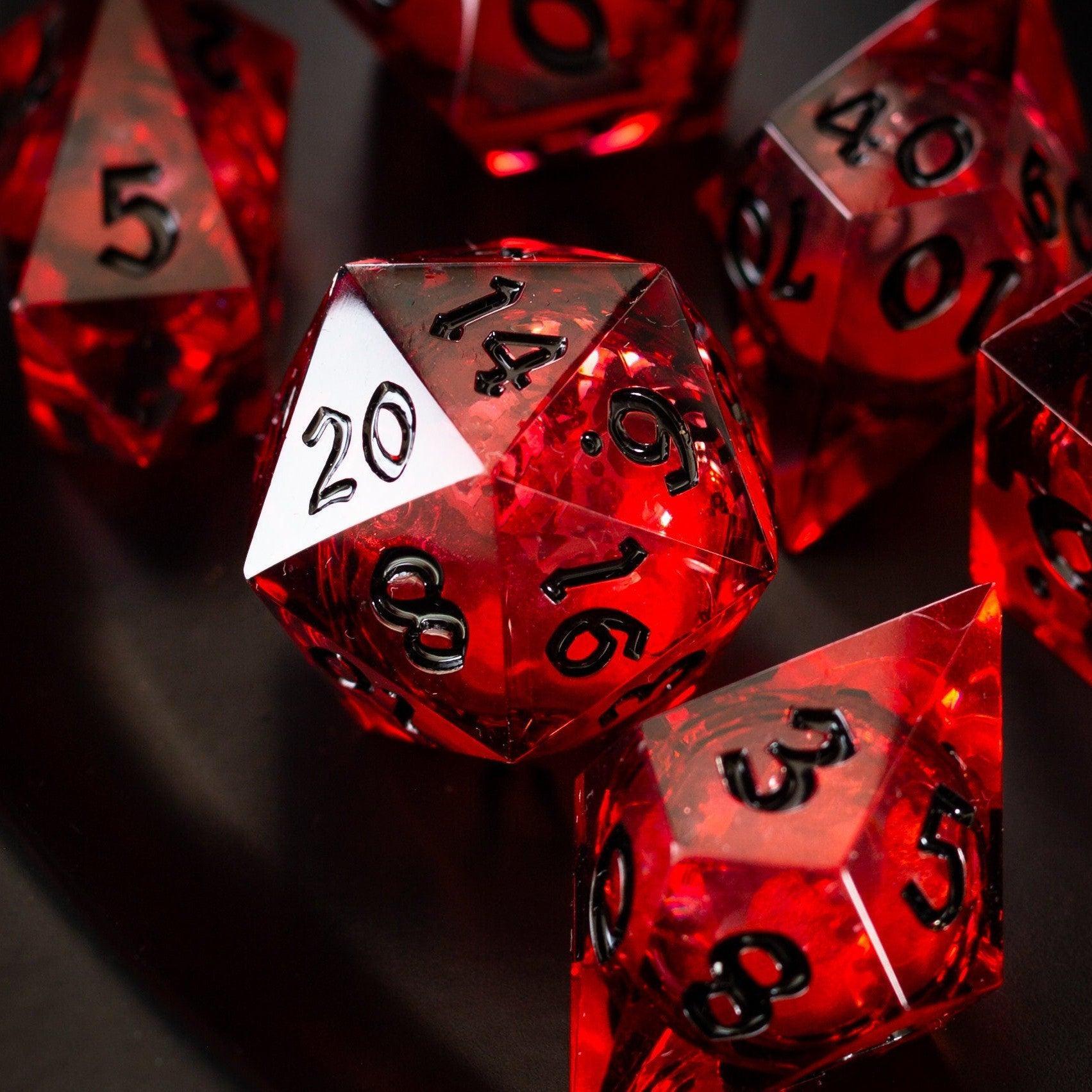
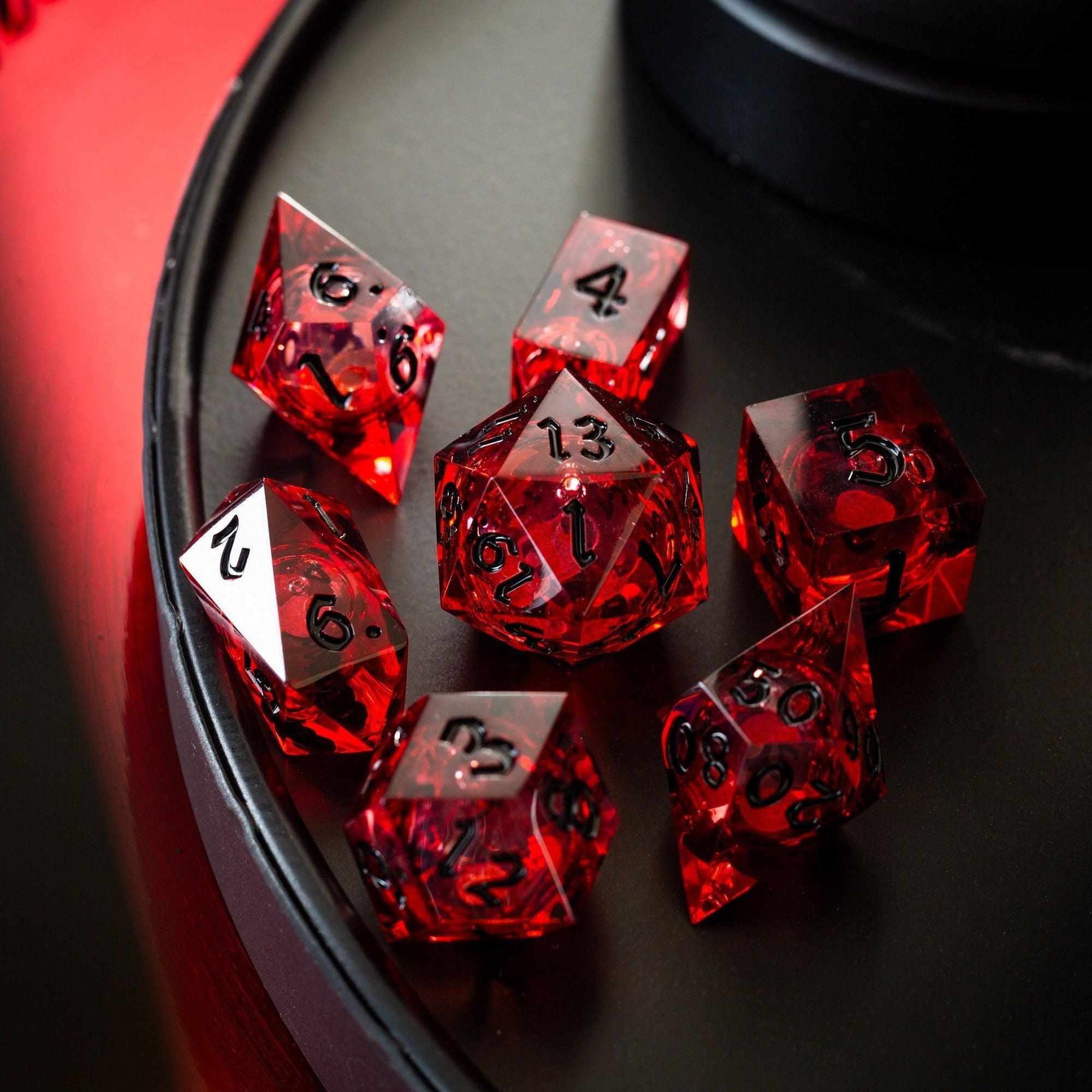
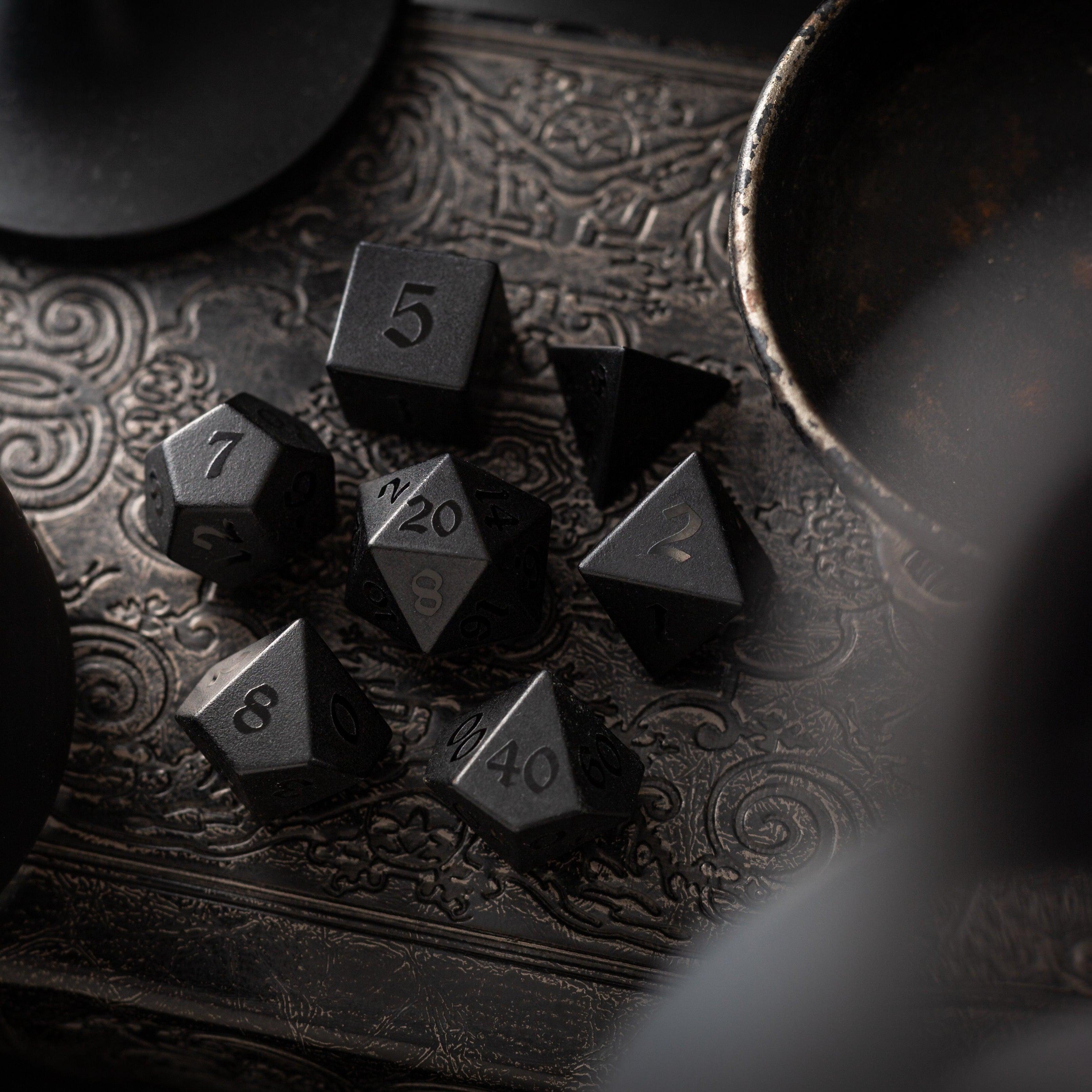
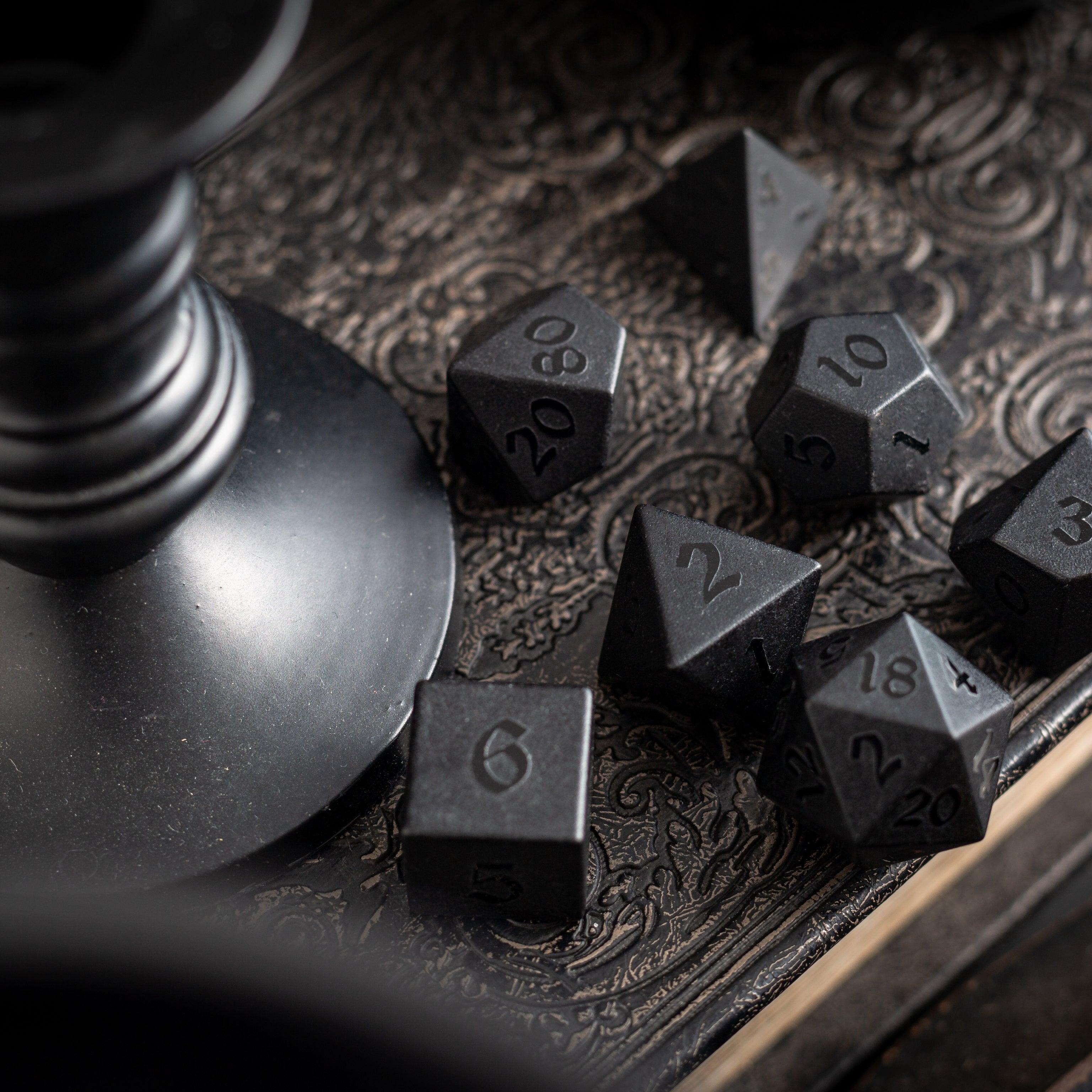
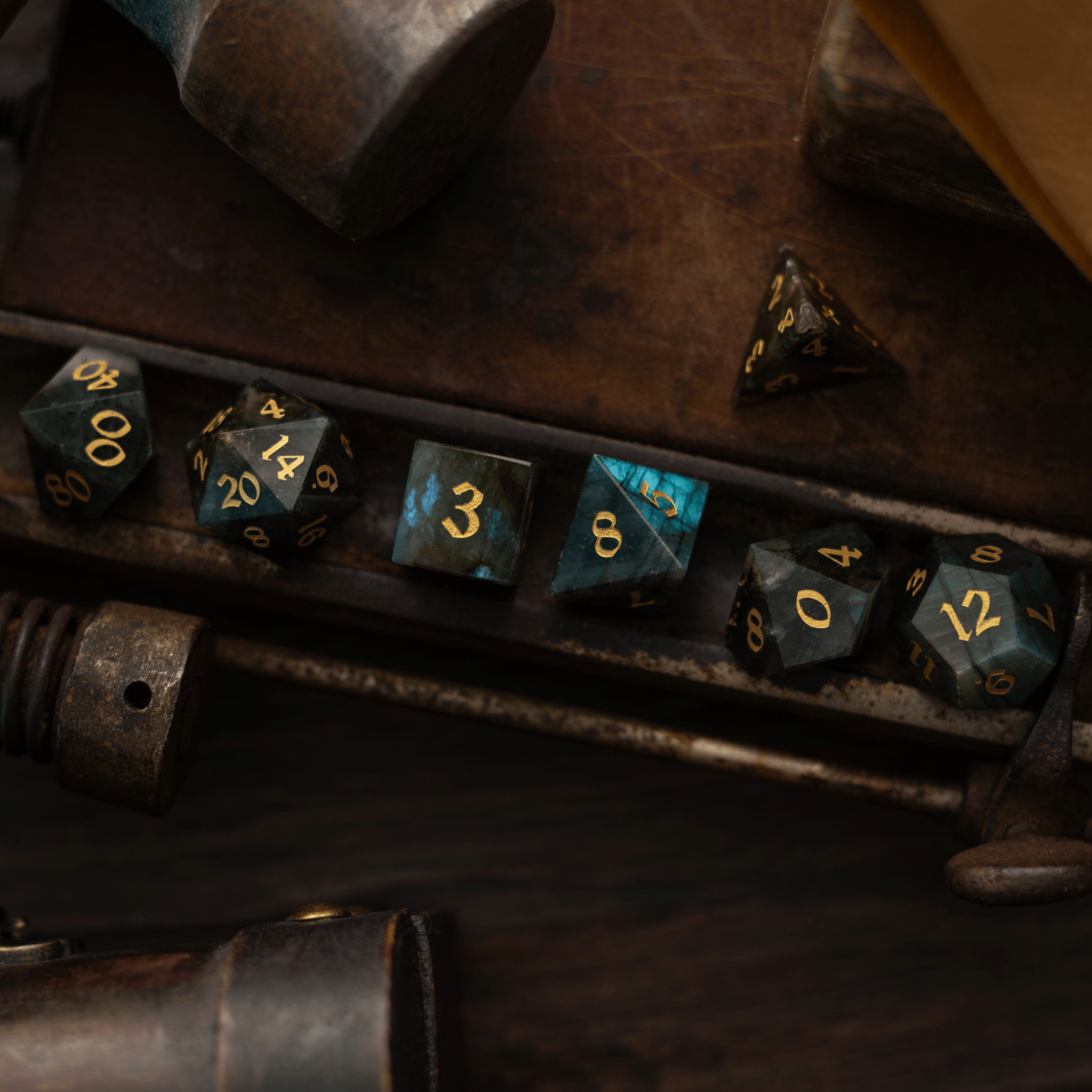
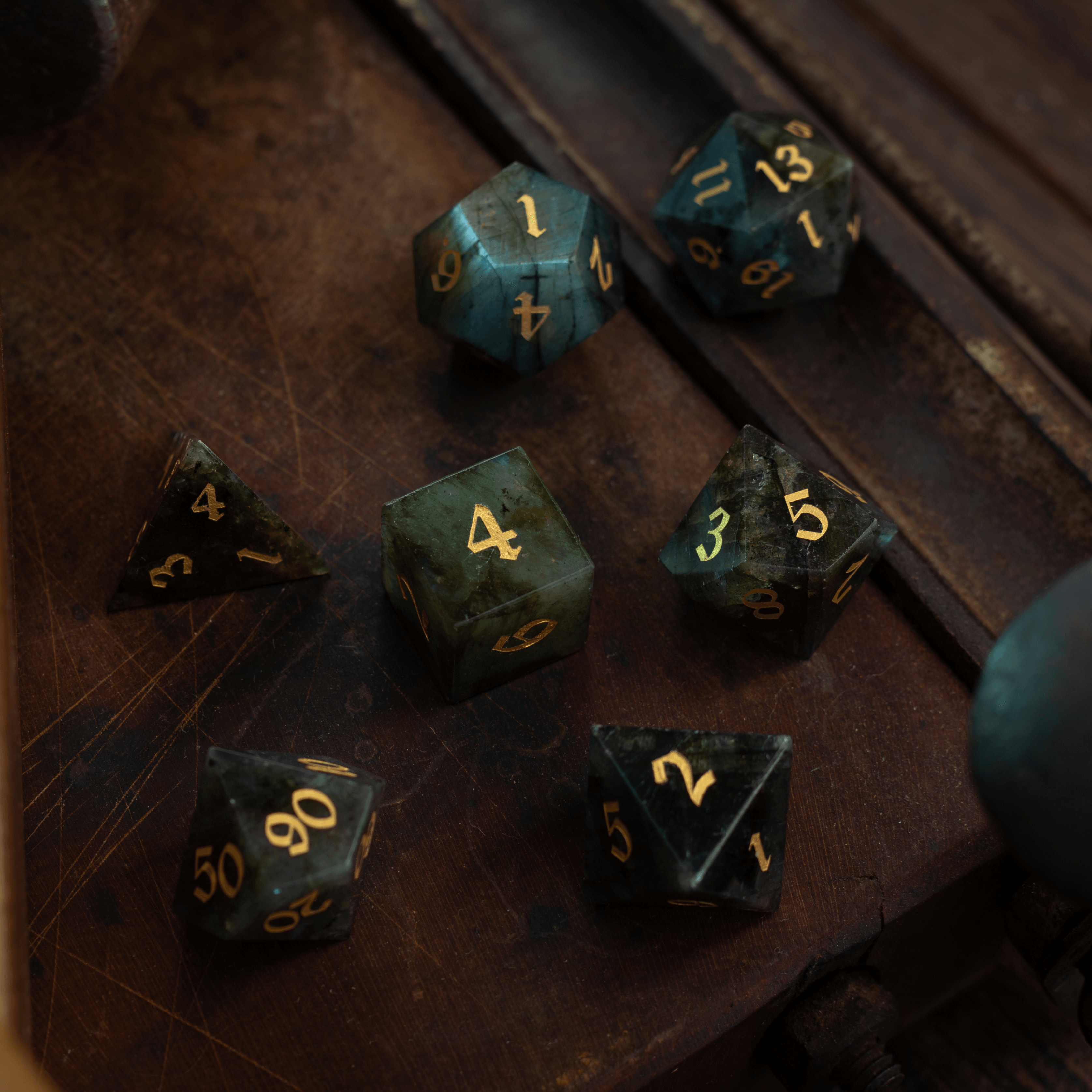
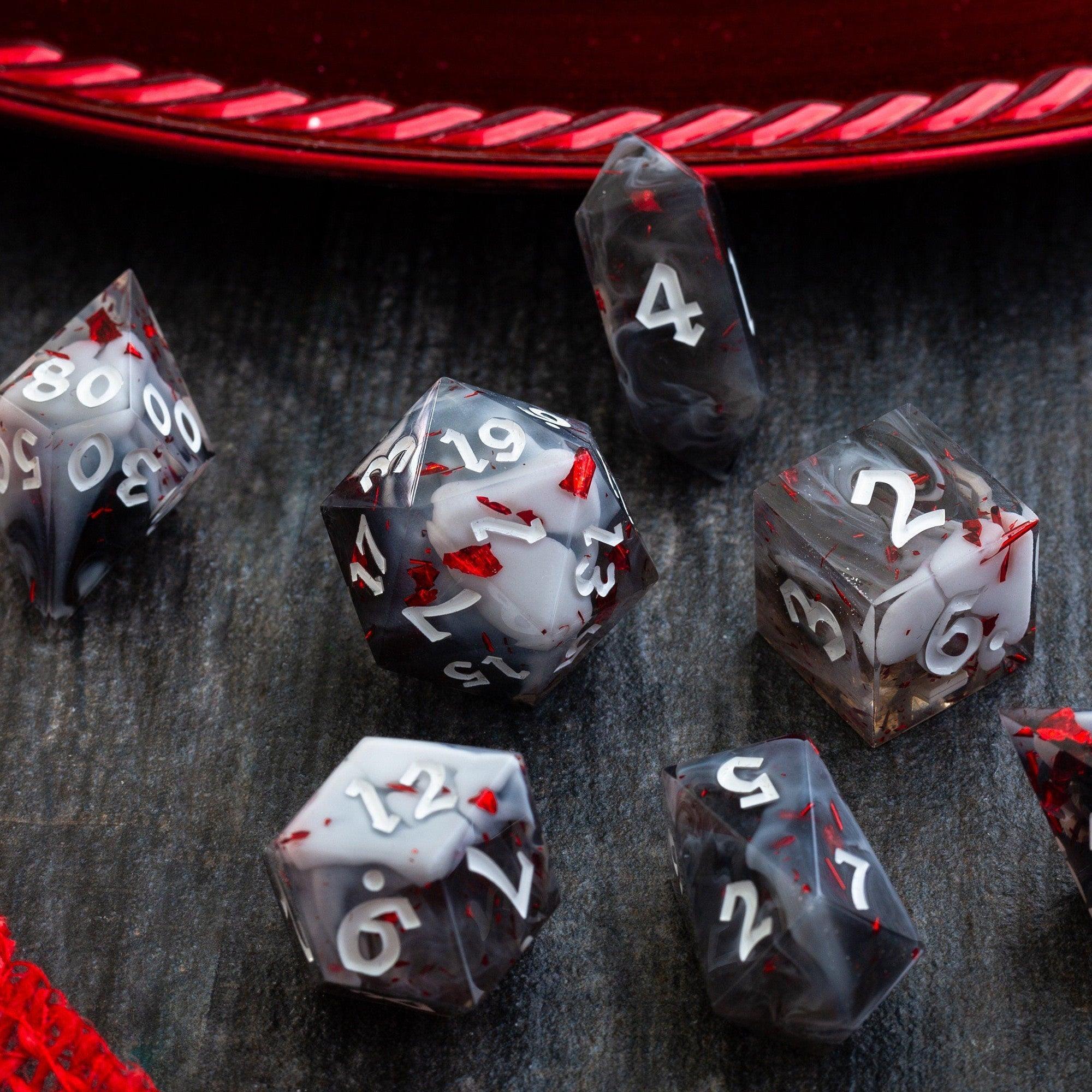
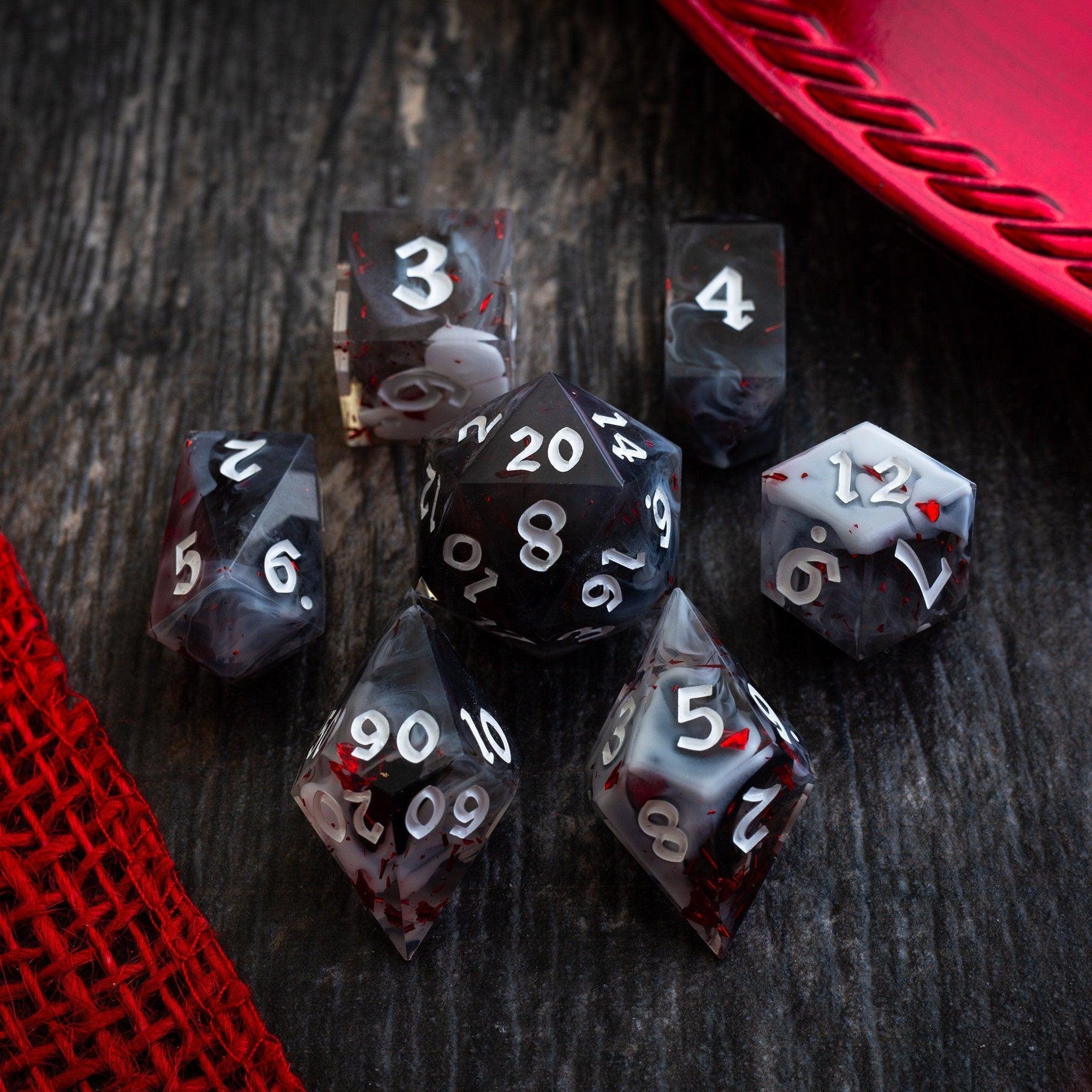
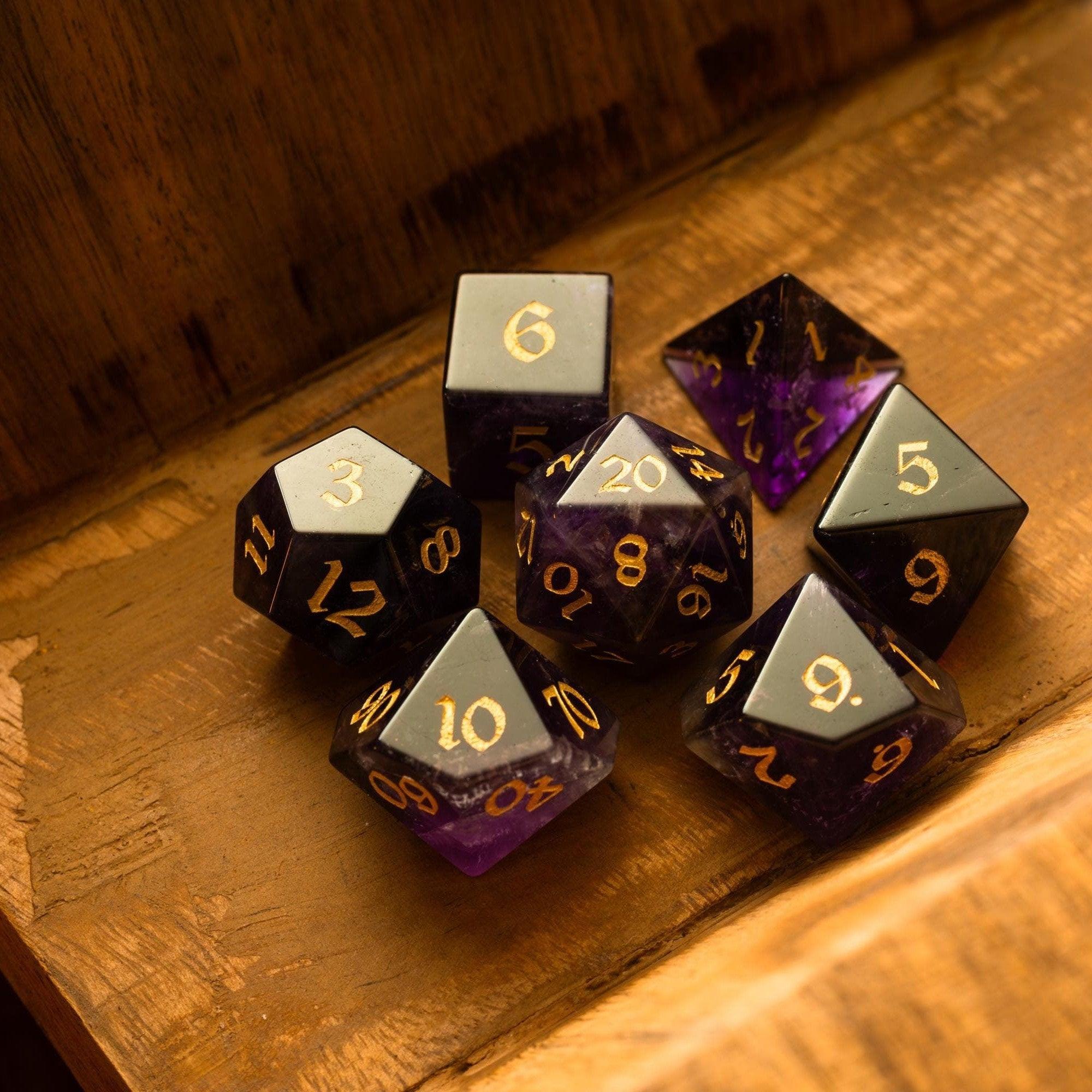
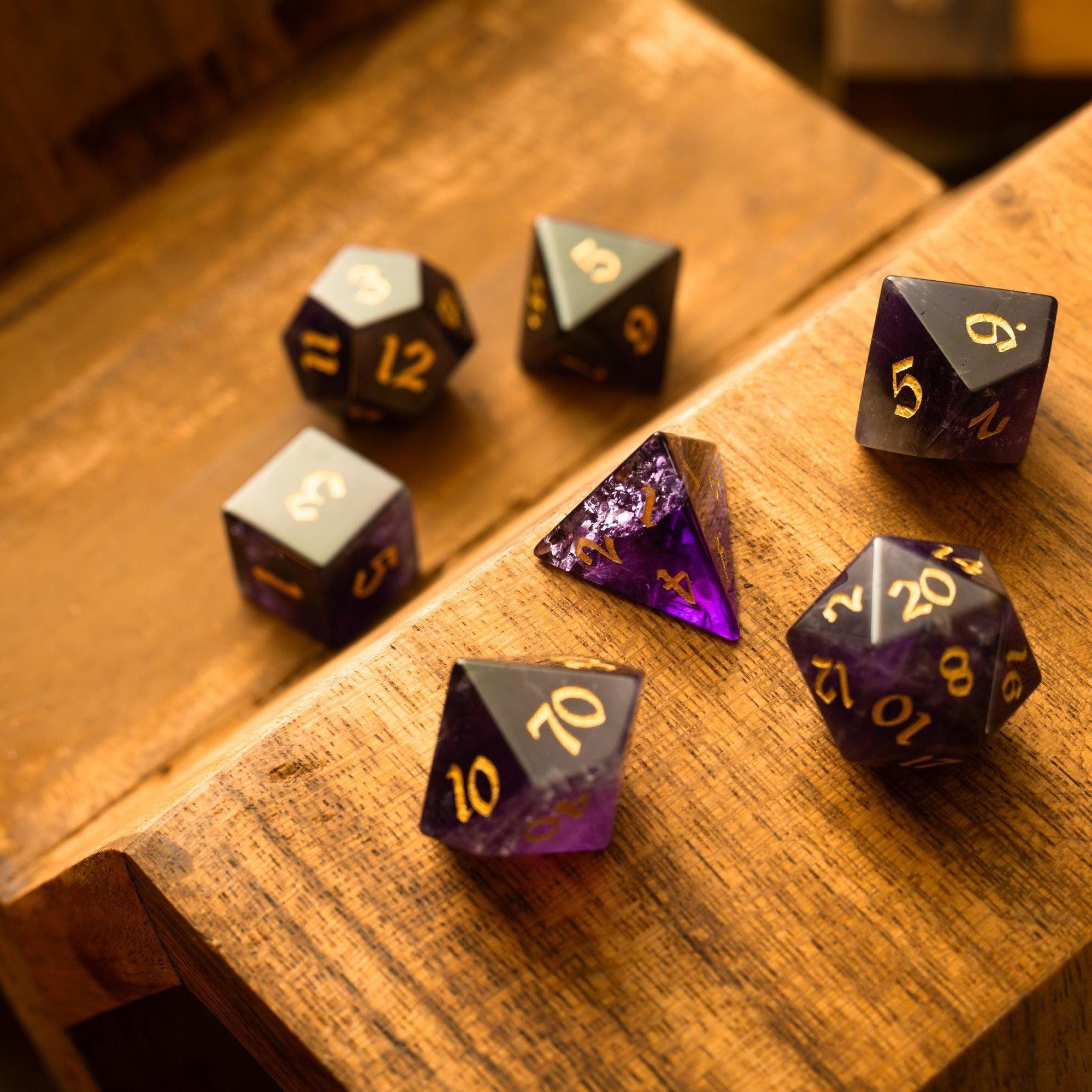
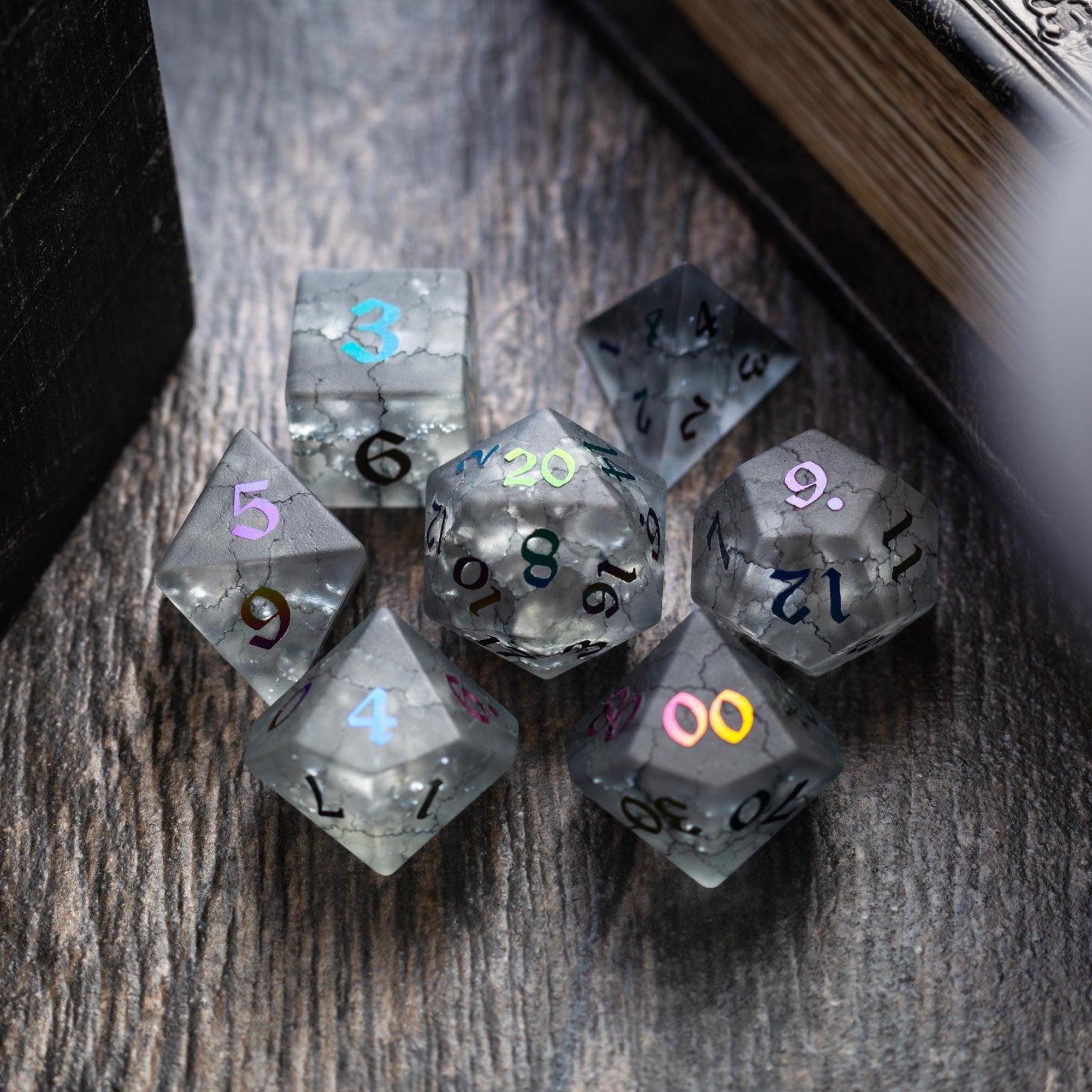
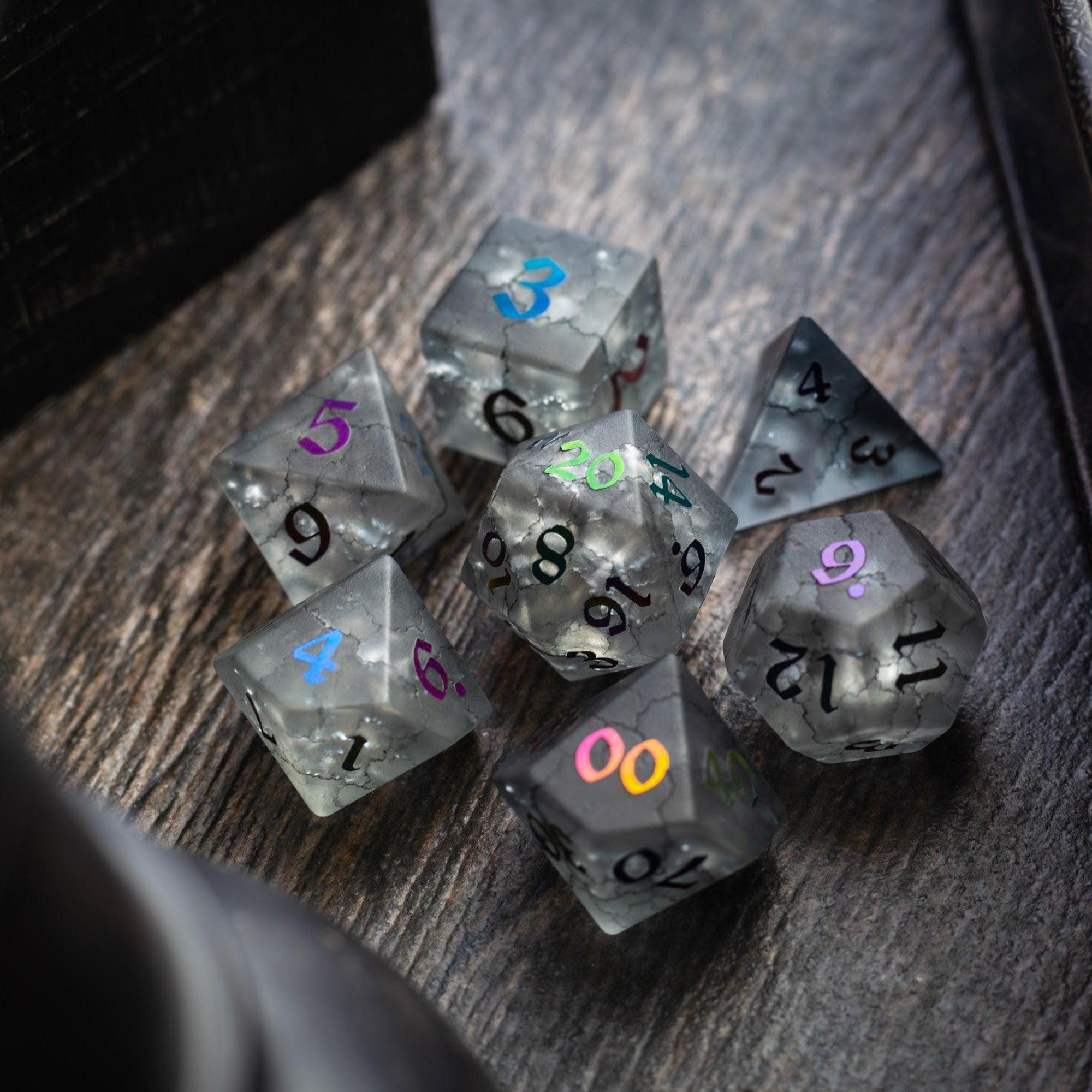
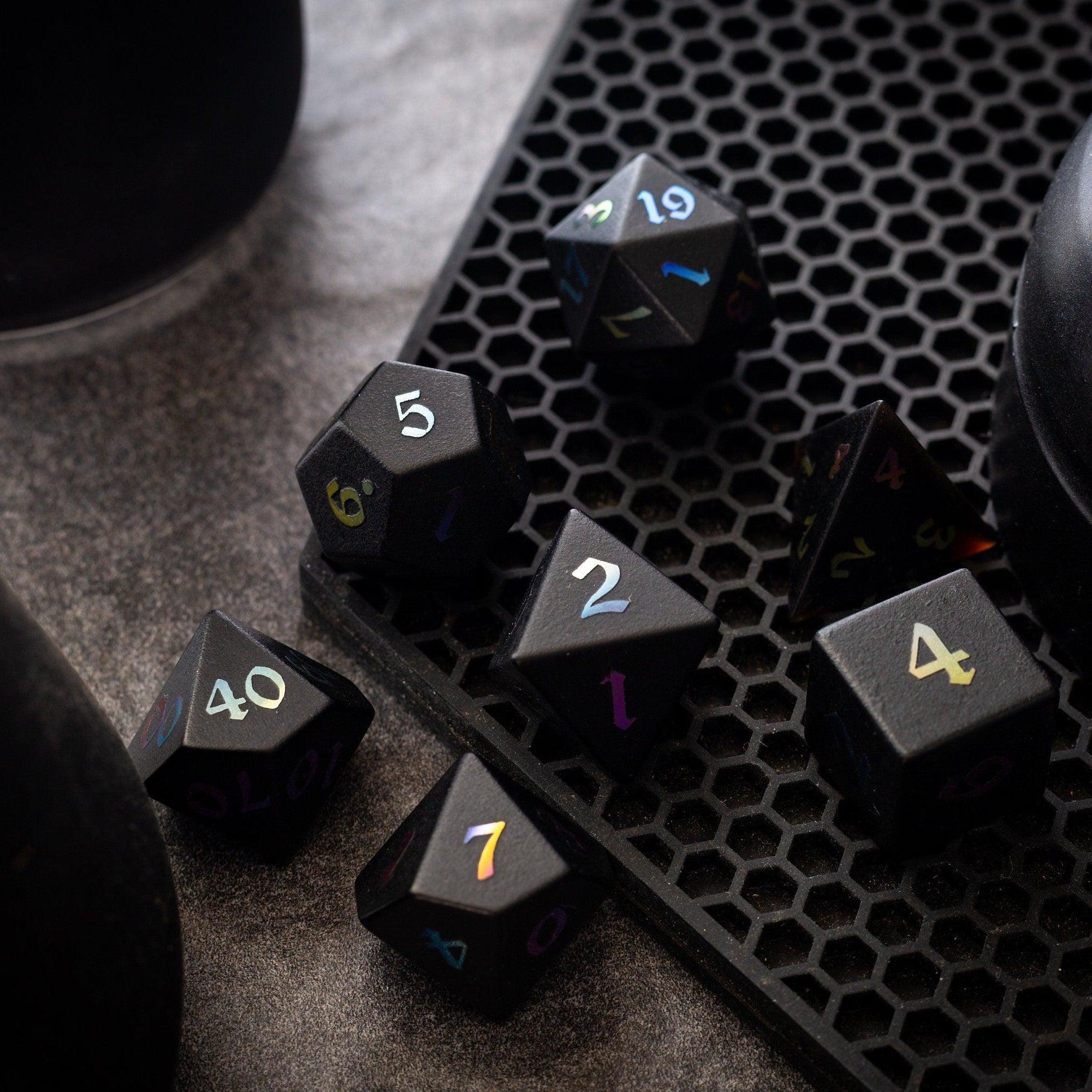
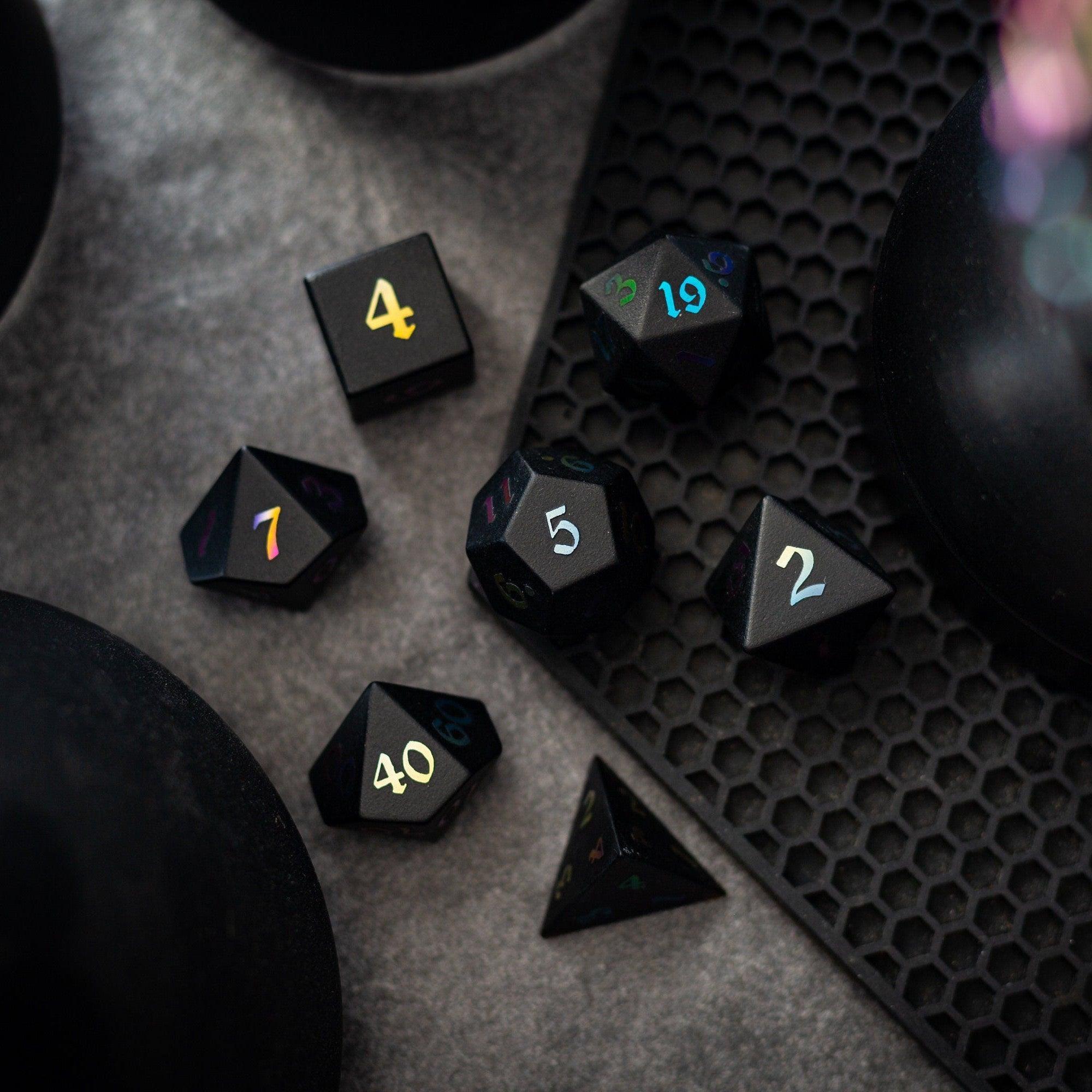
Grab your dice—and while you're at it, consider getting a quality set like a beautiful gemstone dice set to make rolls feel special. Roll 4d6 six separate times, remove the lowest die each time, and add the remaining three. Write down each total. You'll end up with six numbers that you can arrange however you'd like among your six abilities. This gives you agency while keeping an element of chance.
The Standard Array Alternative
If you want more control, use the standard array: 15, 14, 13, 12, 10, and 8. Assign these scores to whichever abilities match your character concept. This method ensures balanced characters and removes the luck factor entirely.
Point Buy System
Some groups prefer point buy, where you start with 27 points and purchase ability scores. Each score costs differently—an 8 costs 0 points, a 15 costs 9 points, and so on. This method demands strategic thinking and appeals to players who love optimization.
Choosing Your Class and Race
Now comes the fun part: deciding who your character actually is. Your class defines your role in the party. Are you a spellcasting wizard who hurls fireballs from the back ranks? A fighter who charges into battle with sword and shield? A cunning rogue who sneaks through shadows? Your class determines your combat abilities, magical powers, and special skills.
Your race adds flavor and mechanical bonuses. A dwarf fighter gets sturdiness and resistance to poison, while a high elf wizard gains extra intelligence and a bonus spell slot. Races aren't just cosmetic—they shape how the world perceives your character and provide mechanical advantages aligned with cultural stereotypes within the D&D universe.
Finding Your Synergy
The best characters combine class and race in ways that feel natural. A half-orc barbarian embodies the fierce warrior stereotype, but don't let that stop you from playing a half-orc bookish cleric. Sometimes the most memorable characters break expectations. Maybe you want an elven barbarian fueled by centuries of pent-up rage, or a gnome fighter who compensates for size with pure determination. The choice is yours.
Consider how your class and race shape your character's abilities. Your racial bonuses stack with your class features, creating unique combinations. A human fighter gets more ability score improvements than others, making them incredibly flexible. A dragonborn paladin radiates magical authority. Think about what resonates with you and your table's style.

Crafting Your Character's Backstory
Your character's backstory breathes life into the numbers on your sheet. Why did your character become an adventurer? What's their greatest fear? Who do they love? These questions matter because they inform how you roleplay and help your DM weave your character into the campaign's narrative.
You don't need a novel-length autobiography. A few compelling details work wonders. Maybe your cleric witnessed a terrible tragedy that awakened their faith in a protective deity. Perhaps your rogue grew up stealing to survive on the streets and sees adventuring as a path to legitimacy. Your wizard might have been expelled from a prestigious academy for pushing magic too far.
Connecting with Your Party
Think about how your character relates to the other party members. Do you have shared history with anyone? Are you natural allies, reluctant companions, or potential rivals turned friends? These relationships create opportunities for incredible roleplay moments and help bind the group together. Your backstory doesn't exist in isolation—it intersects with everyone else's stories at the table.
Leaving Room for Growth
Don't lock your character into a rigid personality. Leave space for your character to evolve through the campaign. Maybe they start cynical but learn to trust their companions. Perhaps they discover hidden depths and untapped potential. The best character arcs emerge from the unexpected moments that happen during play, so write your backstory as a beginning, not an ending.
Selecting Equipment and Gear
Once you've determined your character's core identity, it's time to gear up. Your class determines what weapons and armor you can use effectively. A fighter might carry a longsword and wear plate armor, while a wizard relies on a staff and robes that don't impede spellcasting. Your equipment reflects your character's role and fighting style.
Don't get too caught up in minor gear details during your first session. Pick the essentials: your primary weapon, armor, and a few useful tools relevant to your character's background. A rogue needs lockpicks and rope. A cleric carries healing potions and a holy symbol. A wizard needs a spellbook and components pouch. These items tell your character's story and enable them to accomplish their goals.
The Importance of Quality Components
While we're talking about equipment, nothing sets the mood quite like beautiful dice. Whether you're rolling attack dice during combat or ability checks during tense negotiations, rolling from a quality dice collection makes every moment feel momentous. Premium dice enhance the experience and remind everyone that this is a shared story worth caring about.
Bringing It All Together
Character creation in Dungeons & Dragons is equal parts mechanics and imagination. You've rolled your ability scores, chosen your class and race, crafted your backstory, and selected your equipment. But the real magic happens when you sit at the table and bring your character to life through roleplay, decision-making, and interaction with the world your DM creates.
Don't stress about making the "perfect" character. The best characters often emerge from unexpected combinations and bold choices. Maybe your high-Charisma barbarian becomes the party's unexpected diplomat. Perhaps your timid wizard surprises everyone with ruthless tactical thinking. Your character will evolve and change as the campaign progresses, shaped by victories, defeats, friendships, and challenges you can't predict now.
Remember, you're not alone in this process. Your DM and fellow players want you to succeed and have fun. Ask questions, share your vision, and be open to collaborative storytelling. Character creation is just the beginning of an adventure you'll experience together.
Frequently Asked Questions
What's the difference between ability scores and skill modifiers?
Ability scores represent raw natural talent, while skills are trained proficiencies built on top of those abilities. For example, Strength is an ability score, but Athletics is a skill that uses your Strength modifier. You're proficient in certain skills based on your class and background choices. When you make a skill check, you add both your relevant ability modifier and your proficiency bonus if you're trained in that skill.
Can I change my character after we start playing?
Absolutely! Talk with your DM about what feels right for your character and the campaign. Most DMs allow minor adjustments during your first session before combat begins. As the campaign progresses, significant changes become less practical, but your character will naturally evolve through roleplay and experience. If you're completely unhappy with your character, discuss retirement or switching—most groups accommodate this gracefully.
How detailed should my backstory be?
Your backstory should be detailed enough to guide roleplay decisions and create hooks for your DM, but not so elaborate that you've written a novel. A paragraph or two covering your character's origin, motivation for adventuring, and key relationships works perfectly. Include specific details your DM can use to personalize the campaign experience. Leave some mystery and room for discovery rather than explaining everything upfront.
Should I optimize my character for combat effectiveness?
It depends on your group's style. Some tables love mechanical optimization and character builds. Others prioritize fun roleplay over combat efficiency. Talk with your DM and fellow players about expectations. You can absolutely create an effective character that's also fun and interesting to roleplay—they're not mutually exclusive. The best approach balances character concept with mechanical competence, ensuring you're useful to your party while staying true to your vision.
What if I want to play an unusual race-class combination?
Go for it! While certain combinations feel thematic, unconventional pairings often create the most memorable characters. A dwarven wizard or a tiefling paladin might raise eyebrows, but they can be mechanically sound and narratively compelling. Talk with your DM about how your unusual choice fits into the campaign world. They might help you develop a backstory that explains why your character defies expectations. This collaborative approach often leads to more interesting results than staying strictly conventional.


Leave a comment
This site is protected by hCaptcha and the hCaptcha Privacy Policy and Terms of Service apply.