

Master Dungeons and Dragons Tips for Better Table Play
Updated on: 2026-02-05
Whether you're a seasoned dungeon master or picking up polyhedral dice for the first time, mastering tabletop gaming strategies can transform your gameplay experience. This guide shares practical advice for creating memorable campaigns, building engaging characters, and making those critical rolls count. Learn how to balance storytelling with game mechanics while keeping your table entertained and invested in every adventure.
- Essential Tips for Mastering the Game
- Detailed Step-by-Step Process
- Building Compelling Characters
- Creating Immersive Worlds
- Frequently Asked Questions
- Summary & Takeaway
Essential Tips for Mastering Dungeons & Dragons Tips

Getting the most out of your tabletop experience means understanding what makes great gameplay tick. Here are actionable strategies to elevate your next session:
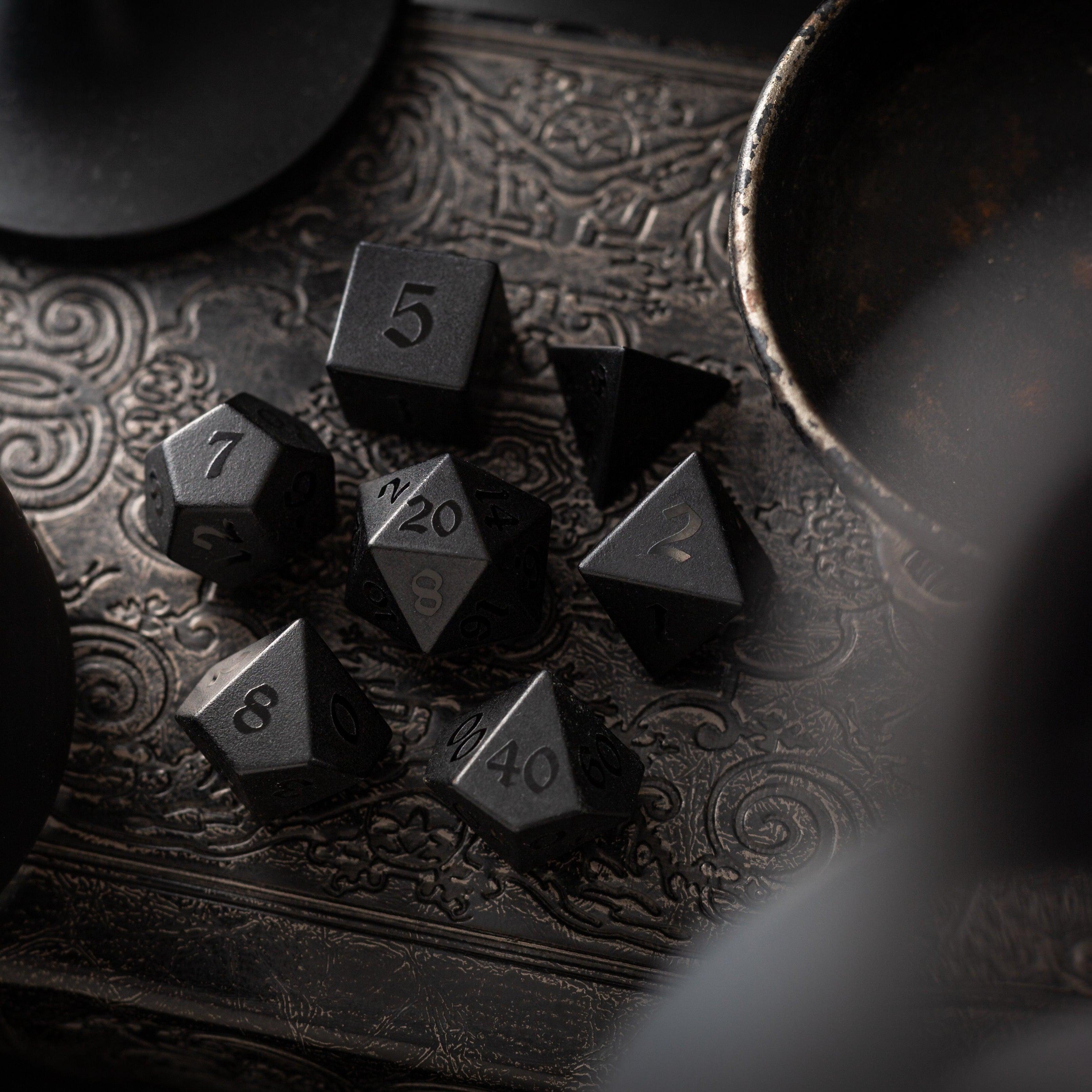
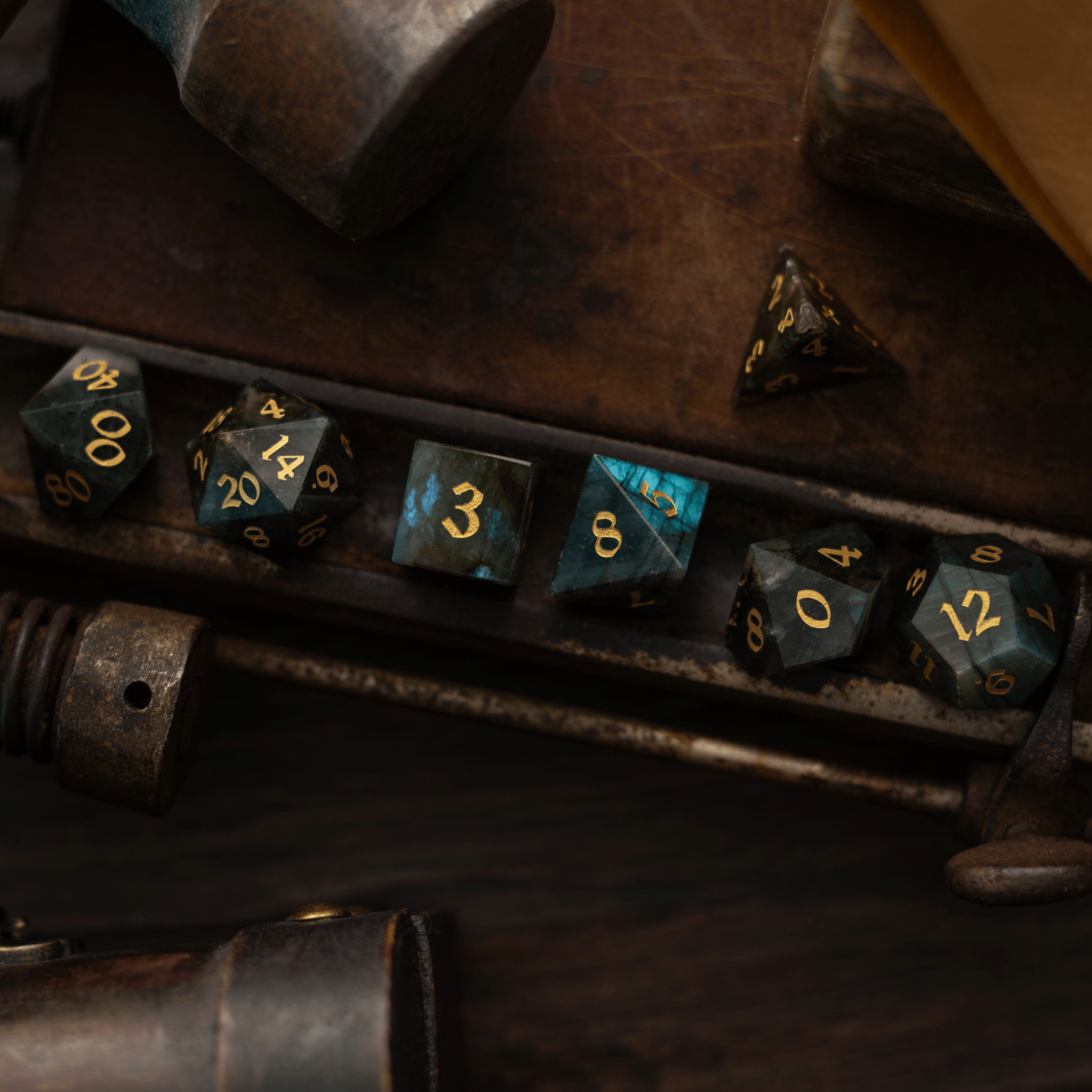
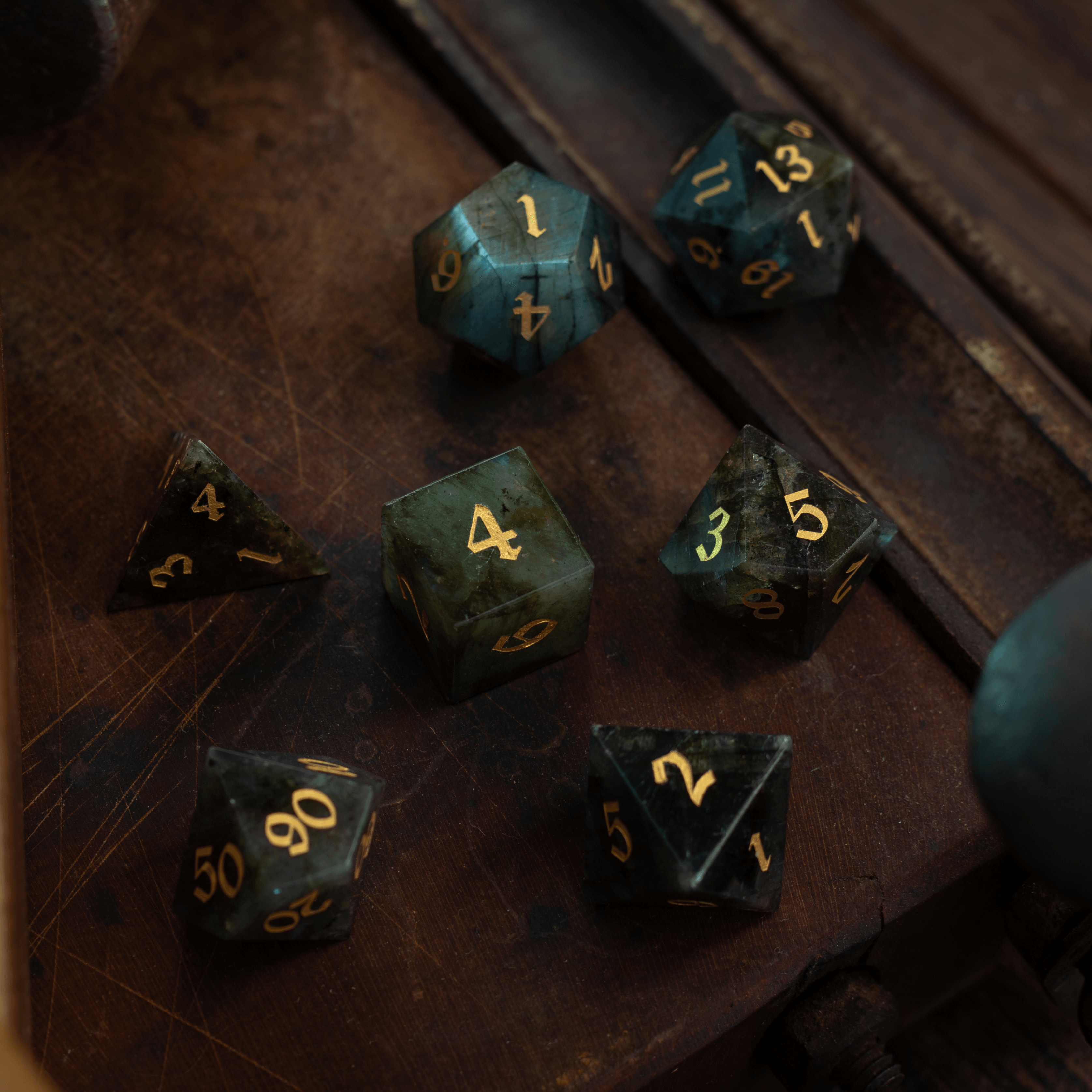
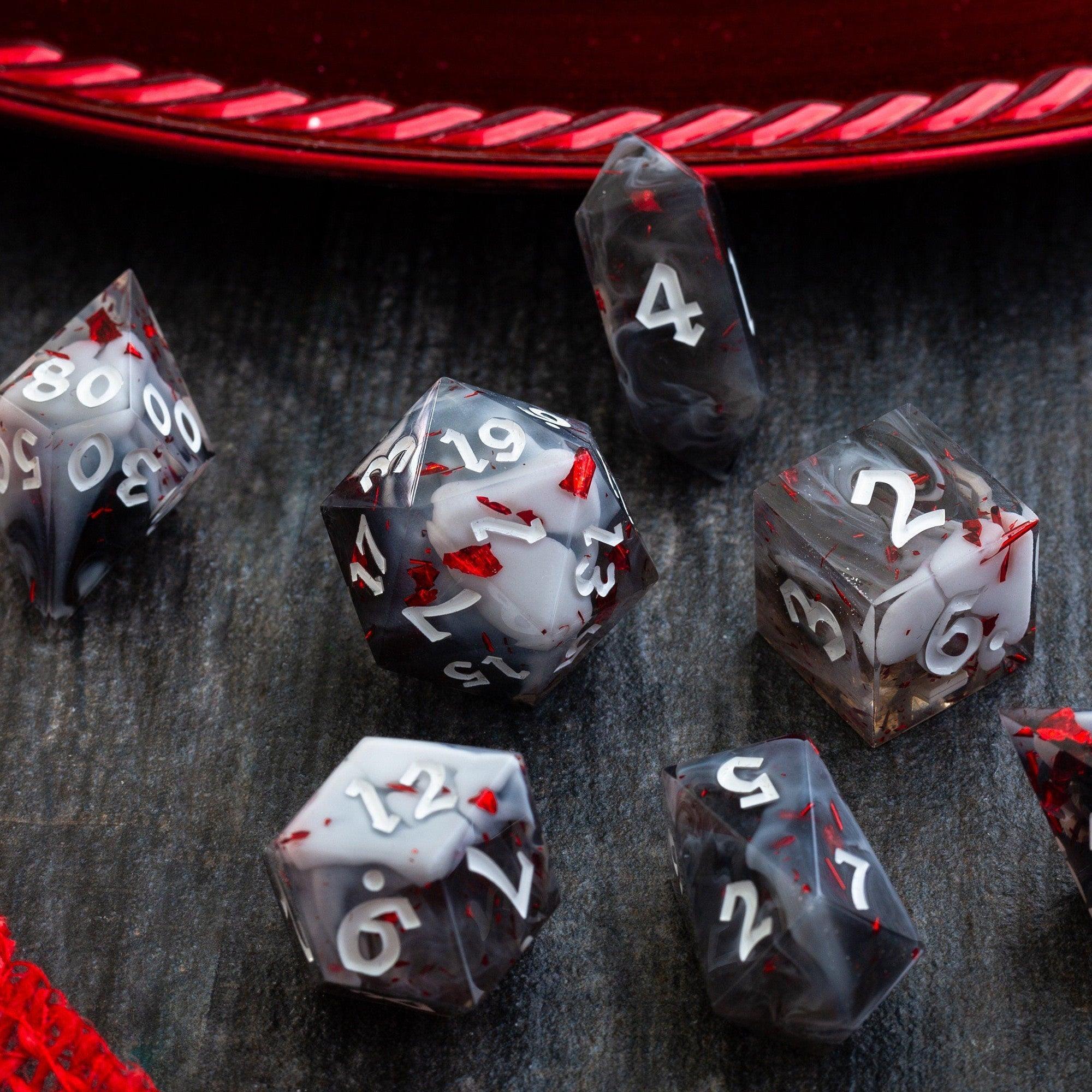
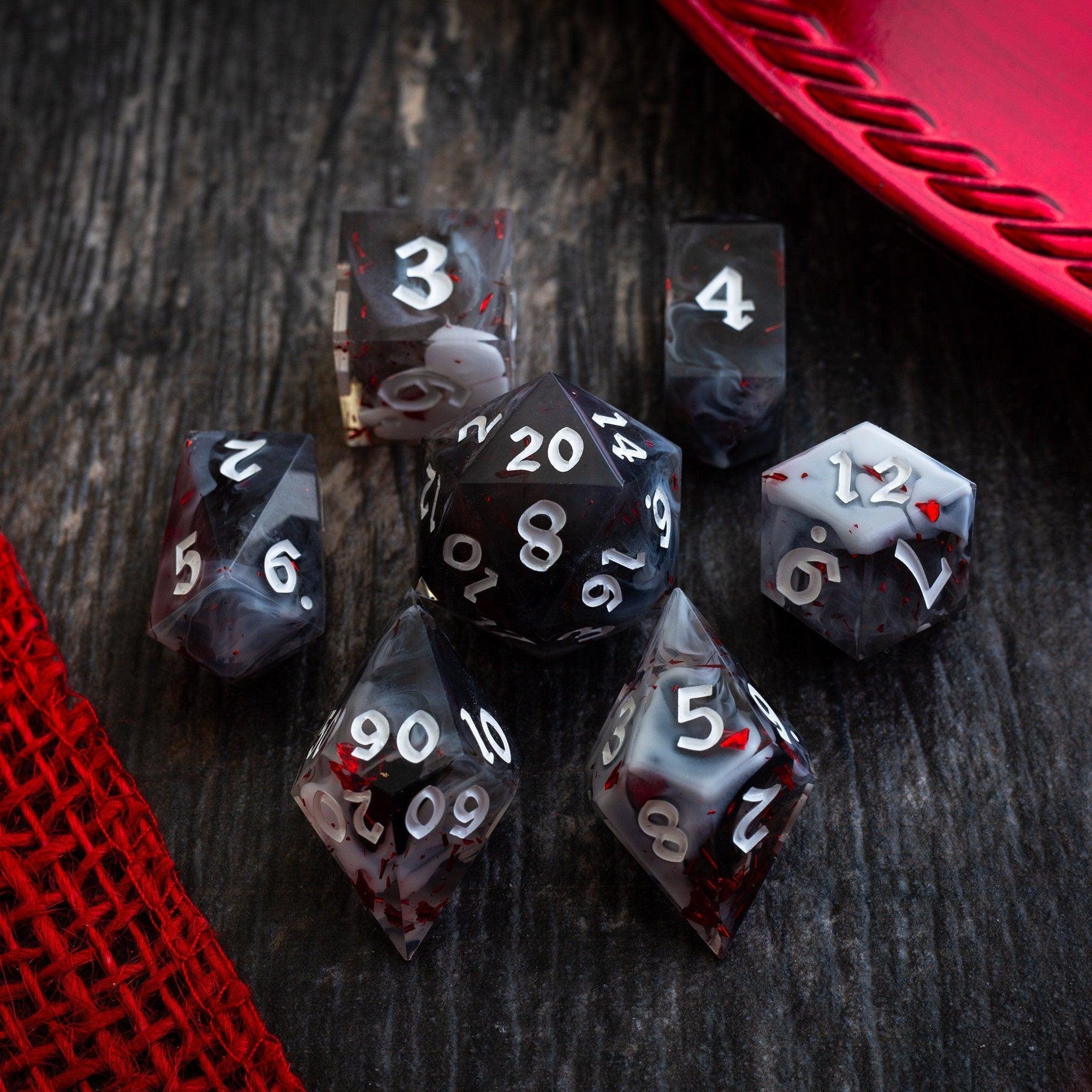
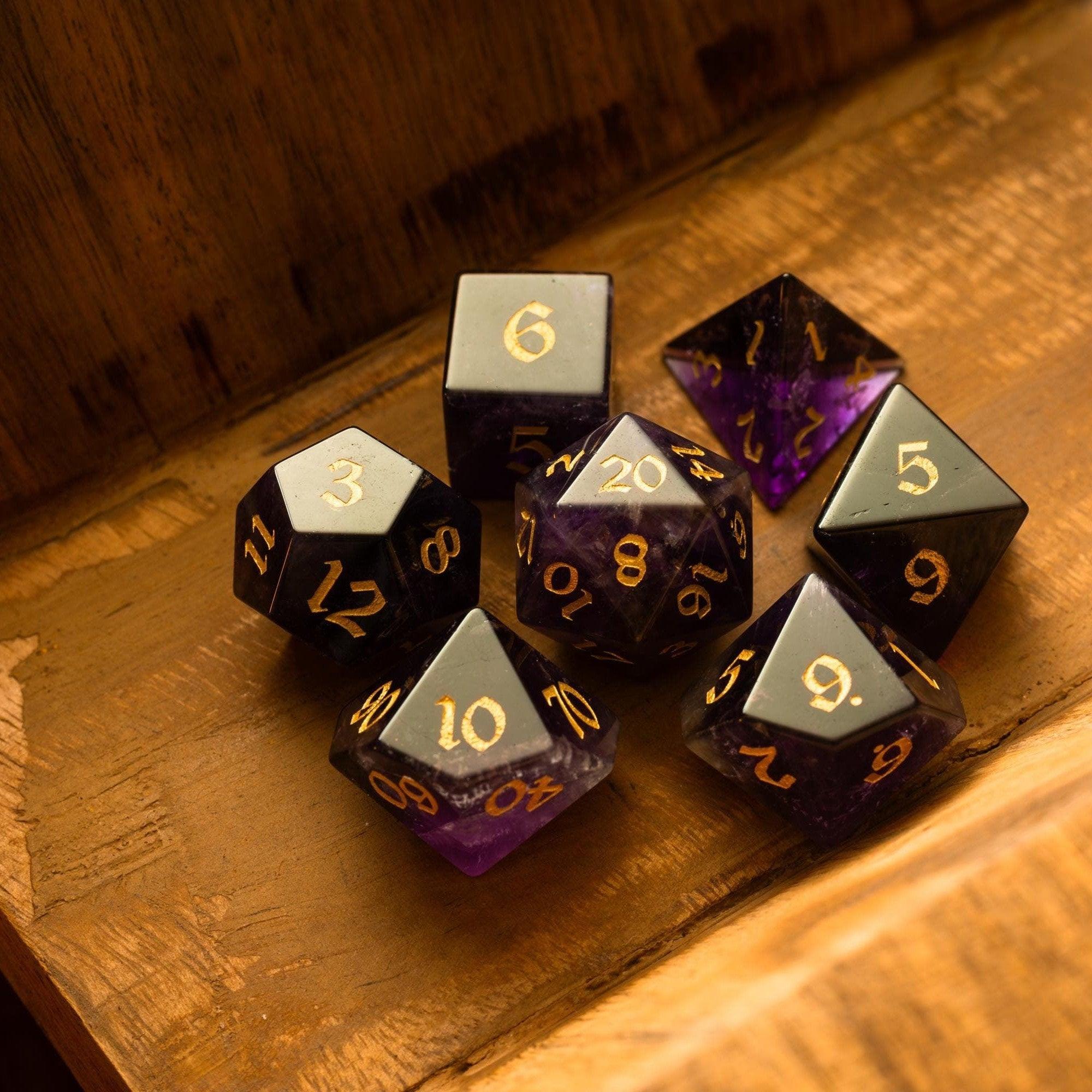
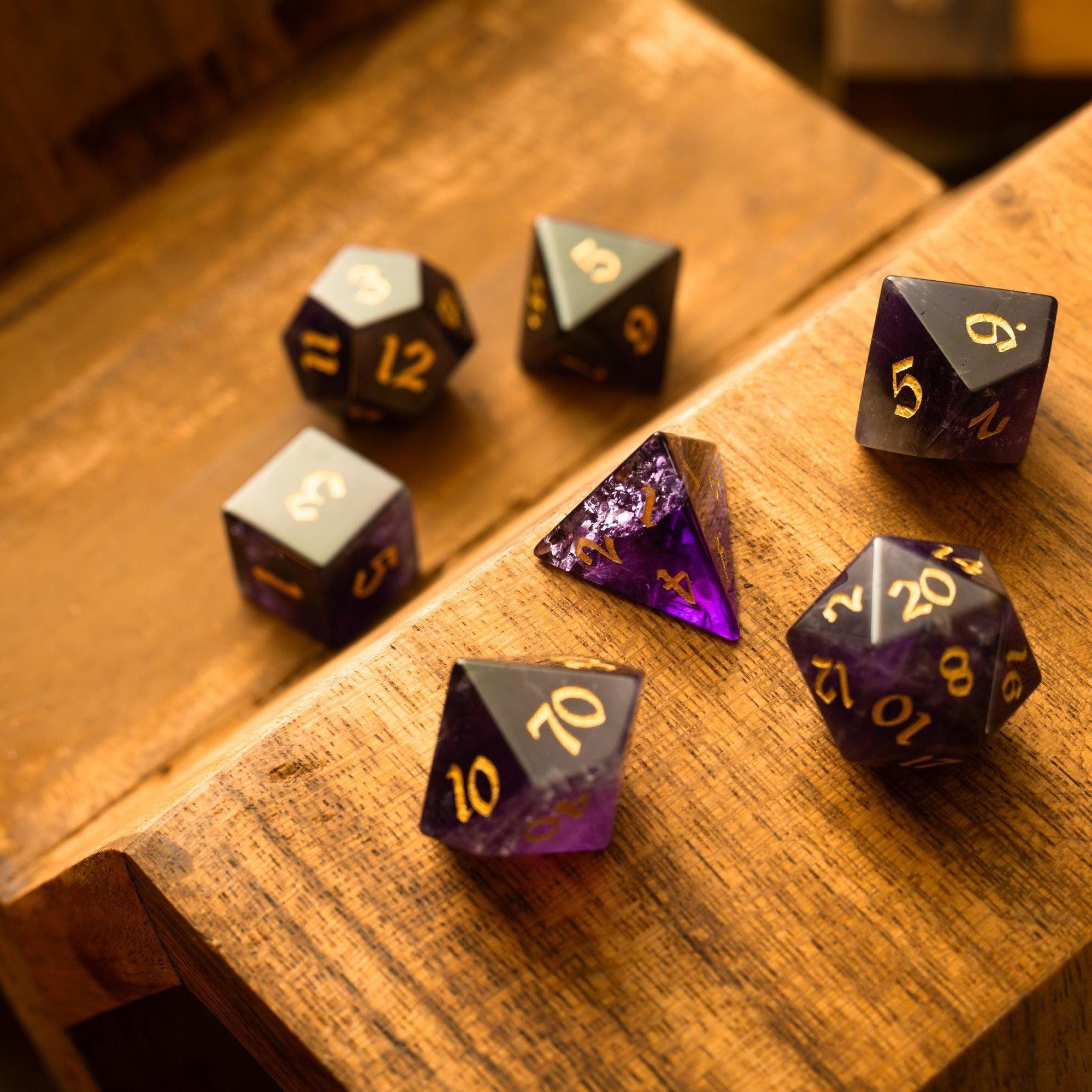
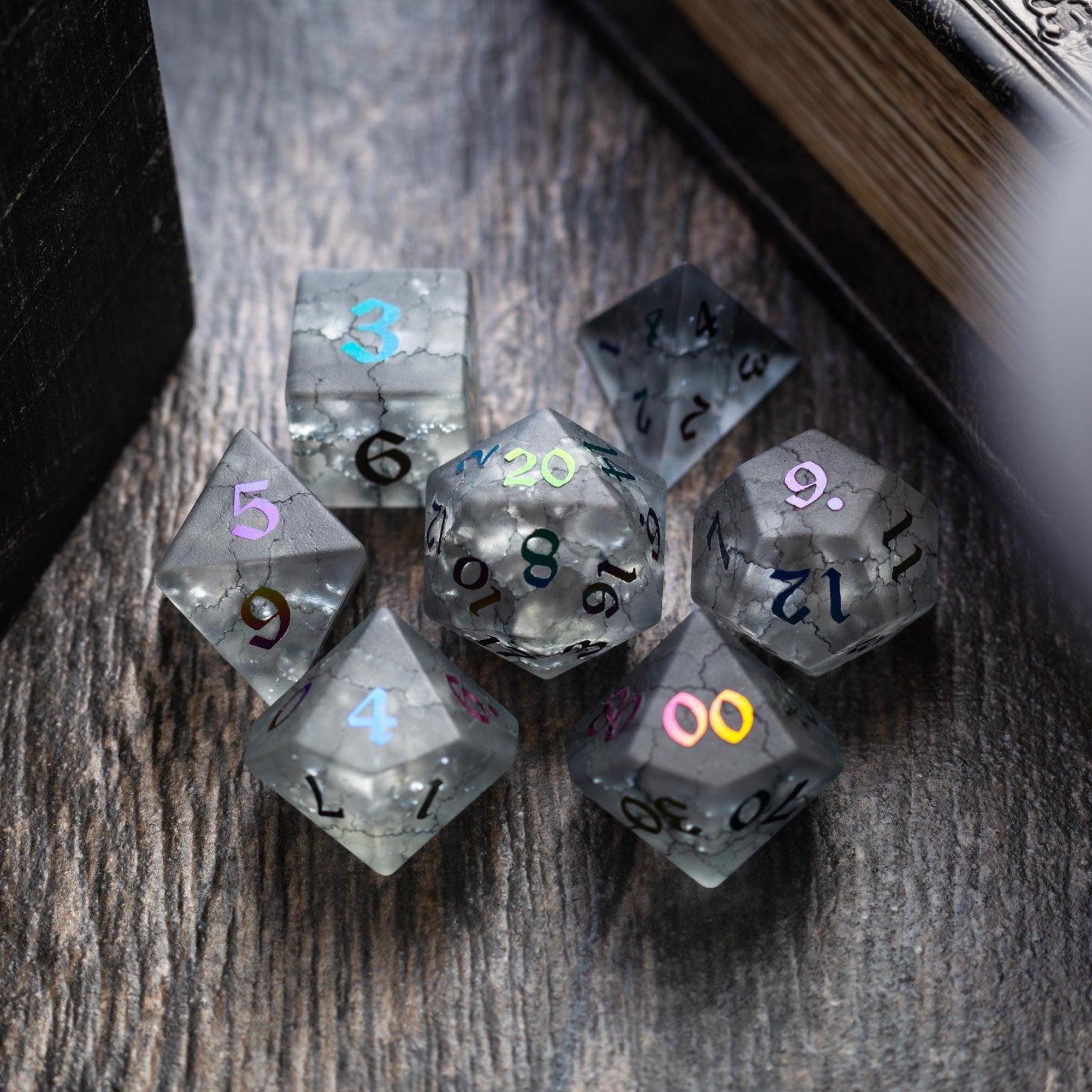
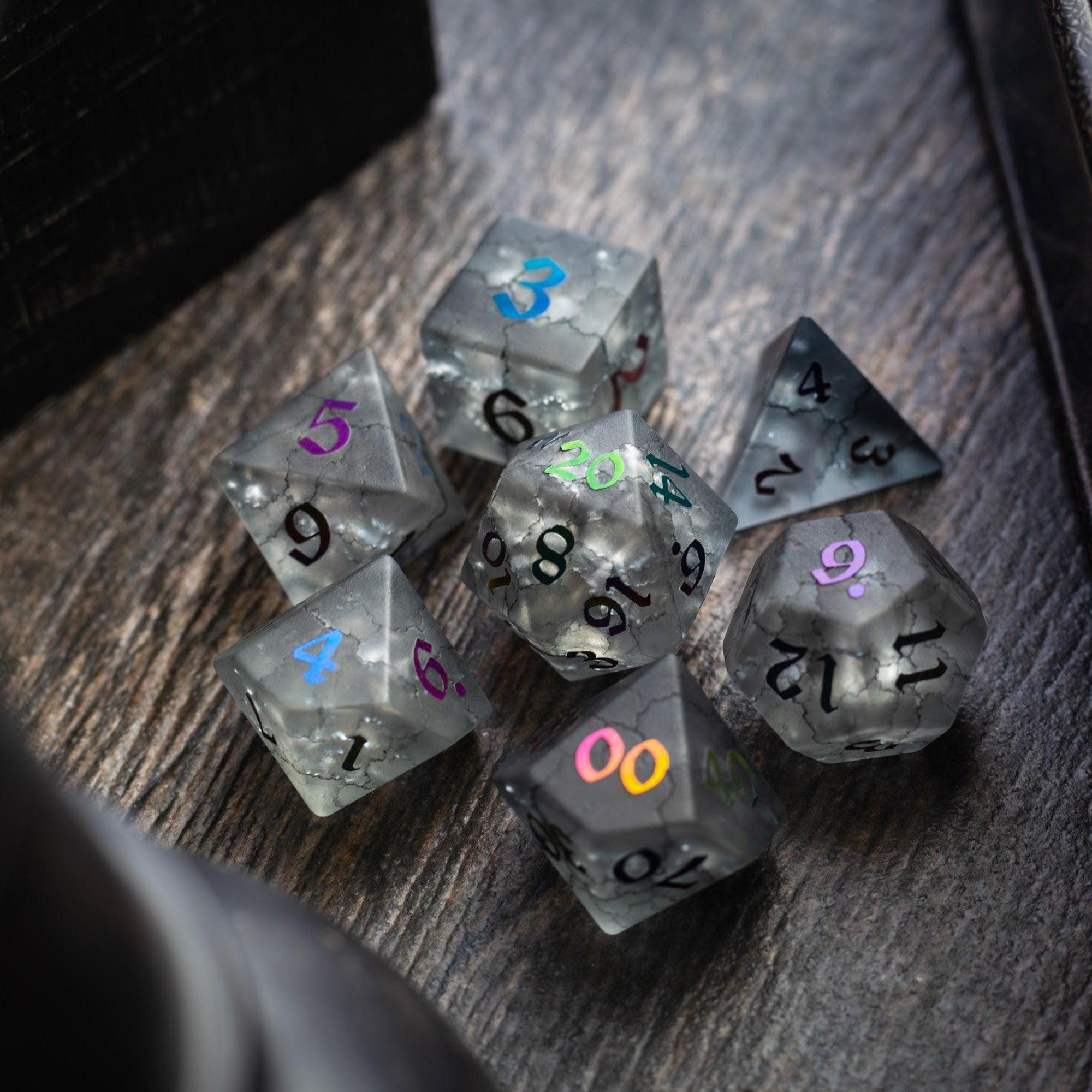
- Invest in quality dice: The right set matters more than you'd think. Premium gemstone dice sets feel incredible in your hand and add authenticity to every roll. Whether you prefer dwarf-cut gemstone designs or classic styles, quality equipment sets the tone for your whole game.
- Prepare, but stay flexible: Map out your main story beats, but leave room for player creativity. Your best moments often come from unexpected directions your adventurers take.
- Listen actively to your players: Pay attention to what excites them during gameplay. Are they more interested in combat, intrigue, or exploration? Tailor your narrative to keep everyone engaged.
- Balance roleplay with mechanics: Don't let rules bog down storytelling, but don't ignore them either. Finding that sweet spot keeps momentum flowing.
- Create meaningful consequences: Player choices should matter. Failed rolls and successful ones alike should reshape your world and advance the story.
- Use visual aids and props: Miniatures, battle maps, and atmospheric music transform your table into a living world. Many players remember sessions with strong sensory elements far longer.
- Build NPC relationships: Give your non-player characters depth and motivations. Players remember quirky shopkeepers and complex villains more than any generic encounter.
- Don't fear improvisation: Your players will always surprise you. Embracing spontaneous moments often creates your most legendary stories.
Detailed Step-by-Step Process for Campaign Success
Running a successful campaign doesn't require years of experience. Follow these practical steps to build something your group will love:
Step One: Define Your Campaign's Core Concept
Start with a single compelling question or premise. Are your adventurers investigating a mysterious curse? Defending a kingdom from invasion? Seeking legendary artifacts? A strong core concept gives every session direction and purpose. Spend time thinking about what excites you as a storyteller—that enthusiasm carries across the table.
Step Two: Establish Your World's Rules and Setting
Decide whether you're using an existing world or creating your own. Talk with your players about tone and themes. Is your world dark and gritty, whimsical and comedic, or something in between? Clear communication prevents disappointment later when someone expected a different experience.
Step Three: Develop Your Main Plot and Secondary Storylines
Plan your primary narrative arc while building flexible side quests. This gives you structure without feeling railroaded. Remember that player agency matters—let their choices open new paths and close others naturally.
Step Four: Create Compelling NPCs with Goals
Every meaningful NPC should want something. Merchants seeking profit, lords protecting their lands, wizards pursuing forbidden knowledge. Characters with motivations feel real and create natural conflict and cooperation opportunities.
Step Five: Prepare Session Materials
Outline each session with key scenes, potential encounters, and NPC dialogue. Keep notes flexible—your players will deviate. The best dungeon masters have contingencies ready but don't force them.
Step Six: Start with Engaging Hooks
Open your campaign with something that immediately grabs attention. Don't spend forty minutes on exposition. Get your adventurers moving toward action within the first session.
Step Seven: Run Sessions with Energy
Show enthusiasm for your world. Use different voices for NPCs, describe scenes vividly, and react authentically to player successes and failures. Your energy directly influences table morale.
Step Eight: Gather Feedback and Adjust
After major story arcs, ask your players what worked and what didn't. Their input helps you run future sessions better. Most groups appreciate dungeon masters willing to evolve their style.

Building Compelling Characters
Whether you're rolling up a new adventurer or crafting NPCs, character depth separates memorable stories from forgettable ones. Start with mechanics—choose your class and stats—but don't stop there. Ask yourself: What does this character want? What do they fear? What would make them compromise their values? Interesting characters have contradictions. They're not perfectly heroic or completely villainous; they're flawed and real.
For player characters, think about motivations that tie into the campaign. Why does your ranger seek vengeance? What drives your cleric's faith? These personal stakes make every story turn matter personally, not just mechanically. NPCs need similar depth. Your innkeeper isn't just a merchant—they're a widowed parent protecting their child, which creates natural conflict when shady characters arrive in town.
One powerful technique: give every character a secret. Something they don't share immediately. As campaigns develop, revealing these secrets creates organic drama and deepens relationships.
Creating Immersive Worlds
World-building doesn't mean creating exhaustive encyclopedias. Focus on what your players will encounter and experience. Develop your immediate setting in detail—the town, the dungeon, the traveling route. You can sketch broader regions lightly at first, then detail them as your adventurers approach.
Consider sensory details. What does your forest smell like? Is the tavern warm and inviting or smoky and dangerous? Sound, smell, taste, and touch make descriptions come alive far better than explaining every geographical fact. Your players will remember the description of a creaking dungeon filled with the stench of decay long after forgetting stat blocks.
Create internal logic for your world. If magic exists, how common is it? How do people react to wizards? What's the economy like? Consistent worldbuilding prevents plot holes and makes everything feel authentic. You don't need every answer immediately, but having a framework keeps you consistent as you play.
Most importantly, make your world reactive. When adventurers burn down the bandit headquarters, that's gone. When they help a town, the locals remember. Dynamic worlds feel alive and make player choices genuinely matter.
Frequently Asked Questions
How do I handle players who go off-script?
First, celebrate it—unpredictable players create the best stories. Prepare flexible encounters that work in multiple scenarios. If adventurers avoid your carefully planned dungeon, throw encounters at them on the road instead. The goal is fun collaborative storytelling, not following a script. Experienced dungeon masters embrace chaos because that's where magic happens.
What should I do if my campaign isn't working?
Talk honestly with your group about what's not clicking. Maybe the pacing feels wrong, or the tone doesn't match expectations. Small adjustments often fix big problems. You might accelerate plot progression, introduce new NPCs, or shift focus to what your players enjoy most. Good campaigns evolve based on group feedback.
How can I make combat more exciting?
Describe action vividly instead of just stating damage numbers. Use interesting terrain and obstacles. Give enemies motivations beyond "fight to the death." Consider that not every combat needs to be deadly—sometimes clever solutions and negotiation create better stories. Vary your encounter types: combat encounters mixed with social challenges and exploration creates rhythm.
What's the best way to balance roleplay and game mechanics?
Use mechanics to support storytelling, not replace it. When someone attempts something, describe what happens, then roll if the outcome's uncertain. Some dungeon masters spend two minutes on combat and twenty minutes describing a tavern scene. Others prefer the opposite. There's no "correct" balance—find what your group enjoys.
How do I keep players invested between sessions?
Send recap messages with cool moments highlighted. Plant hooks that make adventurers curious about what's next. Create consequences for their previous session's choices that come up soon. Personal stakes matter—if an NPC they care about faces danger, they'll show up eager to help.
Summary & Takeaway
Great gaming comes from preparation meeting flexibility, mechanics meeting storytelling, and dungeon master energy meeting player enthusiasm. You don't need years of experience or complicated systems. Focus on creating a world your adventurers care about, giving NPCs genuine motivations, and letting player choices reshape your narrative.
Start with these core ideas: listen to your players, stay flexible despite preparation, describe vividly, make choices matter, and bring genuine enthusiasm to your table. Remember that you're all collaborating to tell a story together. The mechanics serve that purpose—they're not the point themselves.
Your next campaign is waiting. You've got this. Grab quality dice that inspire you, gather your friends, and tell something amazing. The best sessions come from dungeon masters willing to improvise, players brave enough to try unexpected things, and groups committed to having fun together. That's what gaming is really about.
Ready to start your adventure? Check out our full collection of premium dice sets to find the perfect companion for your next campaign.








Leave a comment
This site is protected by hCaptcha and the hCaptcha Privacy Policy and Terms of Service apply.