
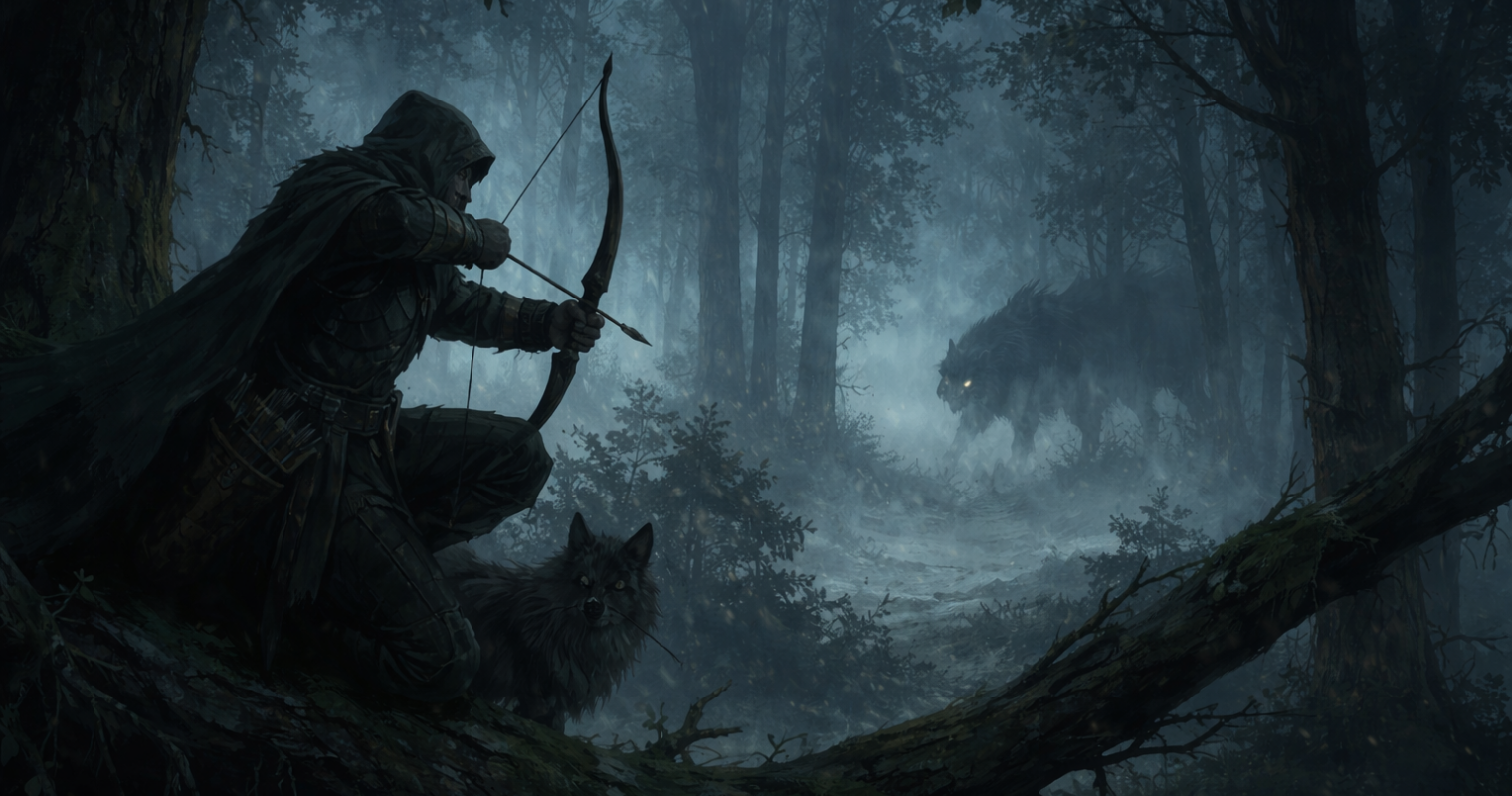
Hunter Ranger Guide for Beginners: Mastering the Ultimate Predator in D&D 5e

The Hunter Ranger in D&D 5e is a versatile combat specialist who excels at tracking creatures, exploiting enemy weaknesses, and dealing consistent weapon damage. Whether you are hunting dangerous monsters, protecting remote settlements, or fighting groups of enemies, the Hunter offers a practical combination of martial combat, wilderness survival, and nature-based magic.
Originally introduced in the 2014 Player’s Handbook, the Hunter received significant updates in the 2024 revised rules, officially labeled D&D 5.5e on D&D Beyond in 2026. The updated subclass offers more flexible combat options and stronger interactions with Hunter’s Mark.
If you enjoy playing a traditional monster hunter, skilled archer, or resourceful wilderness warrior, the Hunter Ranger is an excellent subclass to consider.
Why Play a Hunter Ranger?
Key Benefits
- Consistent Weapon Damage: Deals additional damage without relying entirely on limited-use subclass abilities.
- Versatile Combat Options: Specializes in fighting individual targets or groups of enemies.
- Beginner-Friendly Mechanics: Offers straightforward abilities with manageable resource tracking.
- Monster Knowledge: Discovers enemy resistances, immunities, and vulnerabilities through Hunter’s Mark.
- Survivability and Battlefield Control: Combines defensive abilities, weapon mastery, and effective positioning.
- Flexible Character Builds: Supports archery, two-weapon fighting, and Strength-based melee builds.
Compared to the Beast Master or Gloom Stalker, the Hunter focuses more on adaptable weapon combat than managing an animal companion or specializing in ambushes. This makes it particularly appealing to players who prefer straightforward tactical decisions.
Core Features
Key Mechanics and Abilities
The following Hunter Ranger subclass features use the revised 2024 rules applicable to D&D 5.5e campaigns in 2026.
Hunter’s Lore (Level 3)
While a creature is affected by your Hunter’s Mark, you learn its immunities, resistances, and vulnerabilities. This information helps your entire party make better combat decisions, especially when encountering unfamiliar monsters.
Hunter’s Prey (Level 3)
Choose one of the following combat abilities. You can change your selection whenever you complete a Short Rest or Long Rest.
-
Colossus Slayer: Once per turn, a successful weapon attack deals an additional 1d8 damage against a creature already missing hit points.
- Best For: Sustained damage against bosses and durable enemies.
- Example: Hit an injured dragon with your longbow to apply the additional damage.
-
Horde Breaker: Once on your turn, when you attack with a weapon, you can attack another creature using the same weapon. The second creature must be within 5 feet of the original target, within weapon range, and not previously attacked by you that turn.
- Best For: Fighting clustered enemies and groups of weaker monsters.
- Example: Shoot an orc before making an additional attack against another orc standing beside it.
Defensive Tactics (Level 7)
Choose one defensive ability. You can switch between these options after a Short Rest or Long Rest.
-
Escape the Horde: Enemies have disadvantage on opportunity attacks against you.
- Best For: Mobile archers and hit-and-run melee builds.
-
Multiattack Defense: After a creature hits you with an attack roll, its remaining attack rolls against you during that turn have disadvantage.
- Best For: Surviving encounters with monsters that attack multiple times.
Superior Hunter’s Prey (Level 11)
Once per turn, damaging a creature affected by your Hunter’s Mark allows you to apply the spell’s additional damage to another visible creature within 30 feet of the original target.
This normally deals an additional 1d6 force damage to the secondary creature without requiring another attack roll. You do not transfer Hunter’s Mark to that creature.
- Best For: Encounters involving multiple enemies.
Superior Hunter’s Defense (Level 15)
When you suffer damage, you can spend your reaction to gain resistance against that damage and further damage of the same type for the remainder of the current turn.
- Best For: Surviving powerful attacks, damaging spells, and monster abilities.
Hunter Ranger 2014 vs. 2024 Rules
The original 2014 Hunter included Giant Killer, Steel Will, Volley, Whirlwind Attack, Evasion, Stand Against the Tide, and Uncanny Dodge as subclass options. These options are not part of the revised Hunter subclass. Players using the original fifth-edition rules should follow their campaign’s approved version.
Best Hunter Ranger Build for Beginners
A Dexterity-based archer is a reliable starting build for new Hunter Rangers.
- Ability Scores: Prioritize Dexterity, followed by Wisdom and Constitution.
- Species: Wood Elf, Human, or Halfling.
- Background: Guide for its wilderness skills and suitable ability score options.
- Skills: Perception, Survival, and Stealth.
- Fighting Style: Archery at level 2.
- Hunter’s Prey: Colossus Slayer at level 3.
- Level 4 Feat: Sharpshooter or Ability Score Improvement.
- Primary Weapon: Longbow with Slow weapon mastery.
At level 5, Extra Attack allows you to attack twice with your Attack action. Against a wounded enemy affected by Hunter’s Mark, successful longbow attacks can deal their normal weapon damage, additional Hunter’s Mark damage, and Colossus Slayer damage once per turn.
Best Spells for a Hunter Ranger
- Hunter’s Mark: Adds 1d6 force damage to successful attack rolls against your marked target.
- Goodberry: Provides healing and nourishment during wilderness adventures.
- Cure Wounds: Offers emergency healing for injured allies.
- Longstrider: Increases movement speed without requiring concentration.
- Pass Without Trace: Helps your party avoid detection.
- Spike Growth: Controls enemy movement and punishes creatures crossing hazardous terrain.
Remember that Hunter’s Mark requires concentration, even when cast using the Ranger’s free castings. You cannot maintain it alongside another concentration spell such as Spike Growth. Choose whichever spell offers the greatest benefit during the encounter.
Gear and Dice Recommendations
Suggested Equipment
Weapons
- Longbow (Best for Ranged Builds): Provides reliable ranged damage and access to Slow weapon mastery.
- Shortsword and Scimitar (For Two-Weapon Fighting Builds): Combines Vex and Nick weapon mastery while helping preserve your bonus action for Hunter’s Mark.
- Glaive or Halberd (For Melee Builds with Polearm Master): Provides extended melee reach and tactical positioning options.
Armor
- Studded Leather Armor: An excellent option for Rangers with high Dexterity.
- Breastplate: Provides reliable medium armor protection without imposing disadvantage on Stealth checks.
- Shield: Provides additional AC for one-handed melee builds.
Magic Items
- Bracers of Archery: Adds +2 damage to ranged attacks made with shortbows and longbows.
- Boots of Elvenkind: Silences your footsteps and improves Stealth checks that depend on moving quietly.
- Ring of Resistance: Provides resistance to a specific damage type.
- Cloak of Protection: Grants a +1 bonus to AC and saving throws.
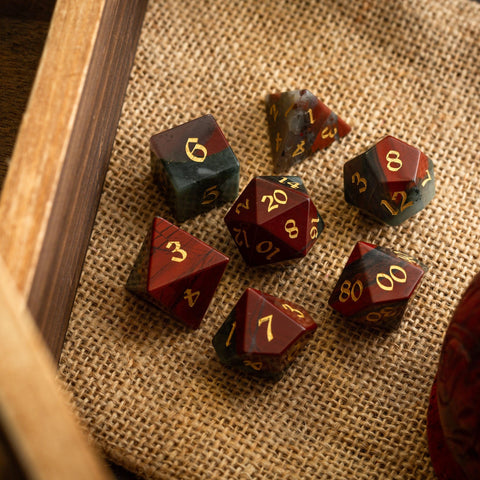
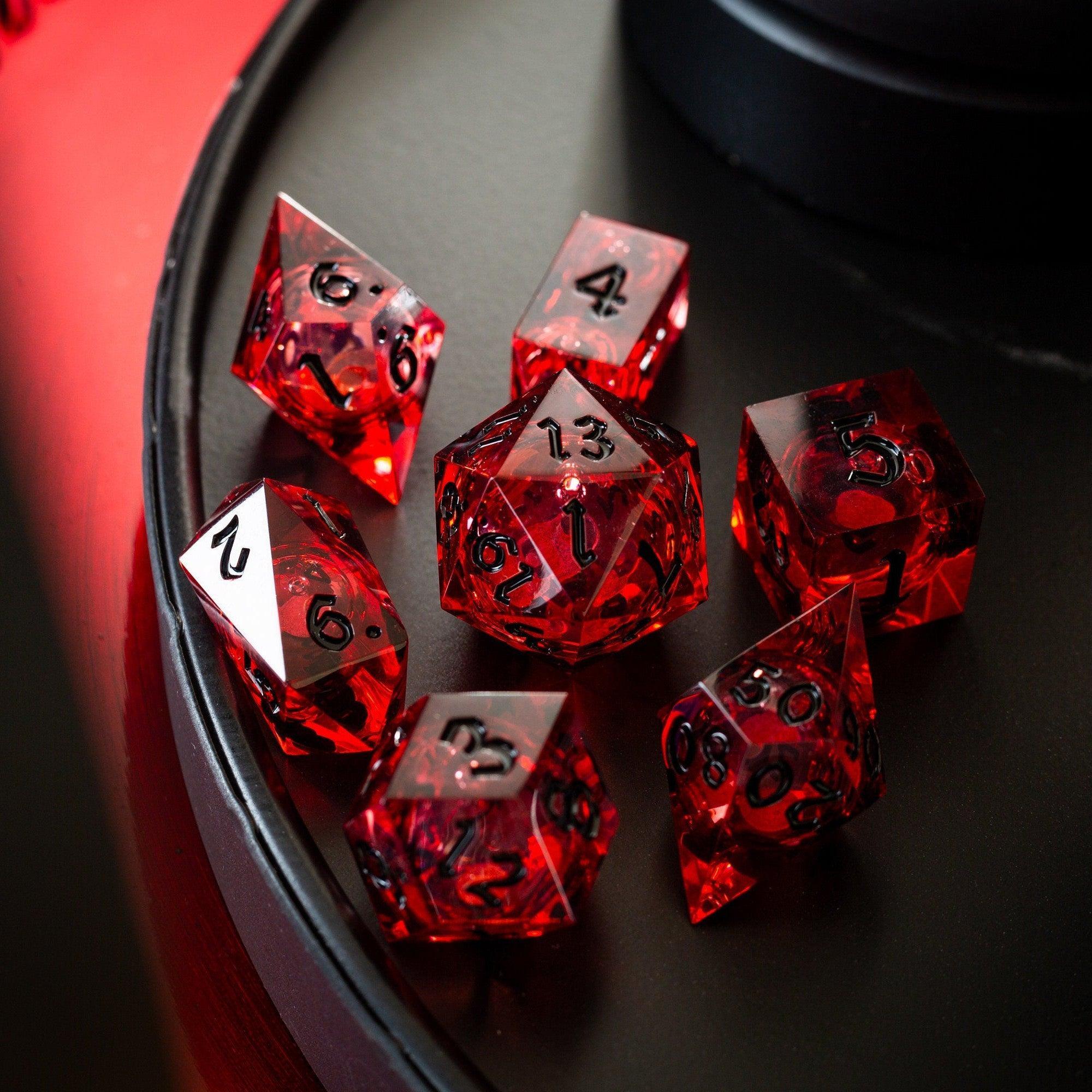
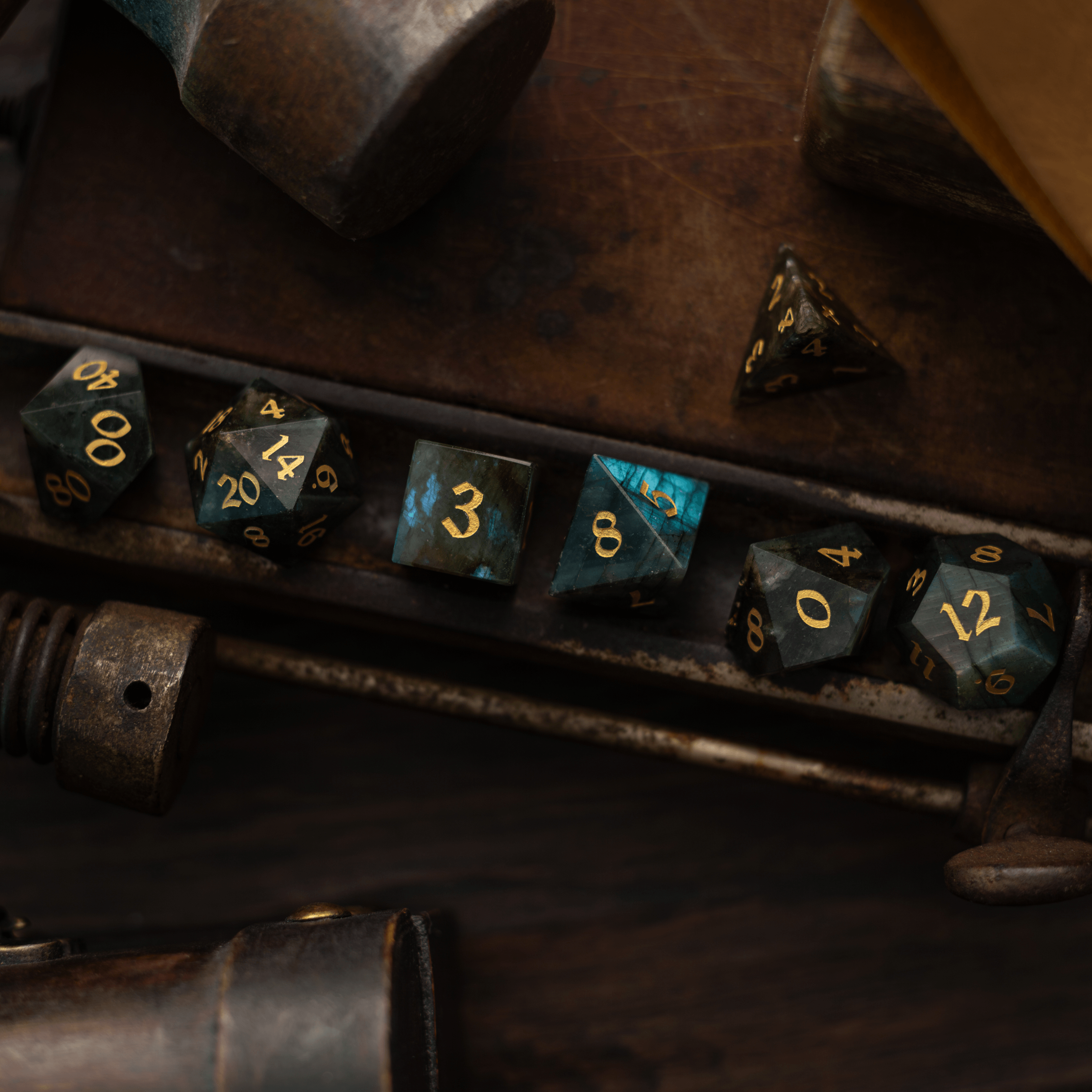
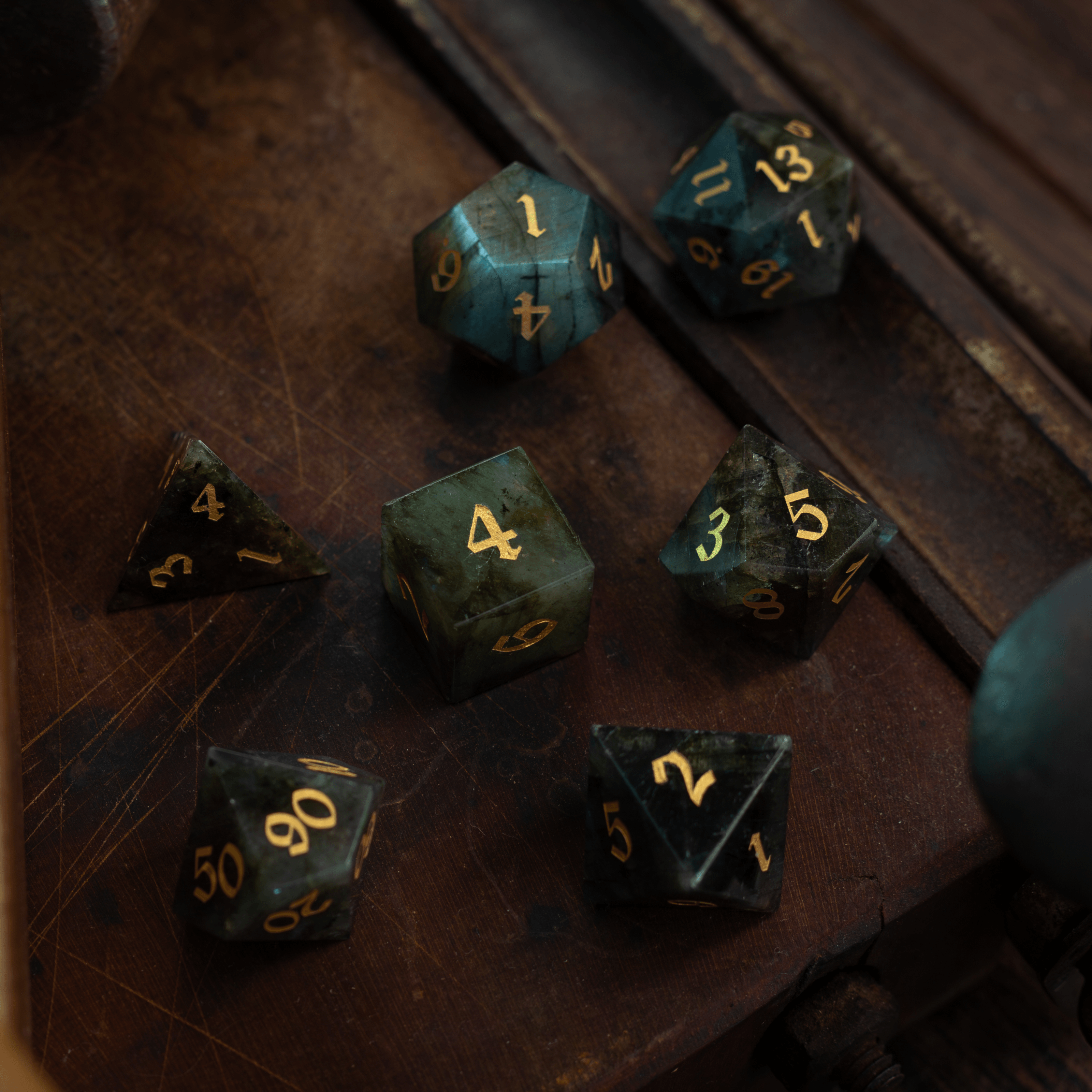
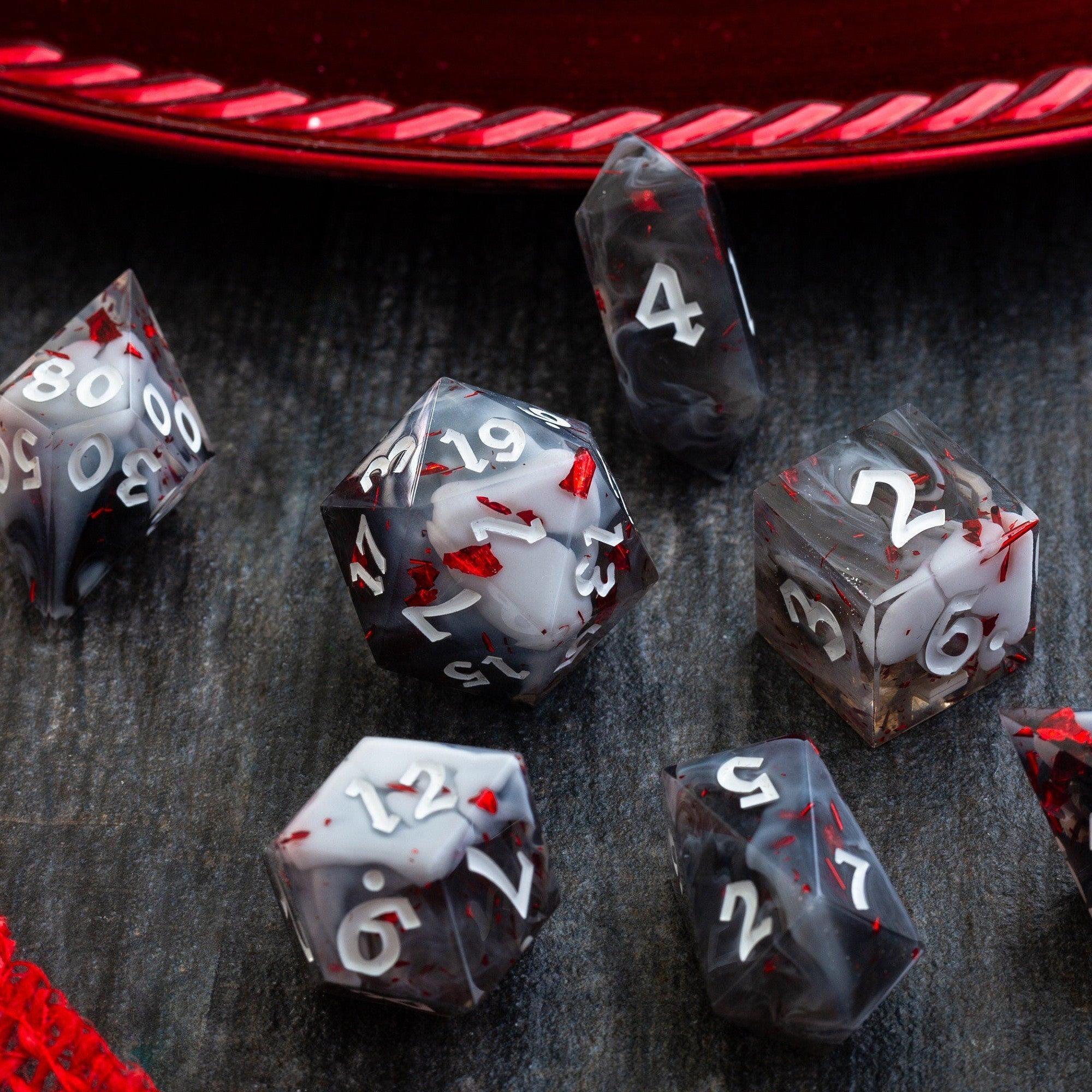
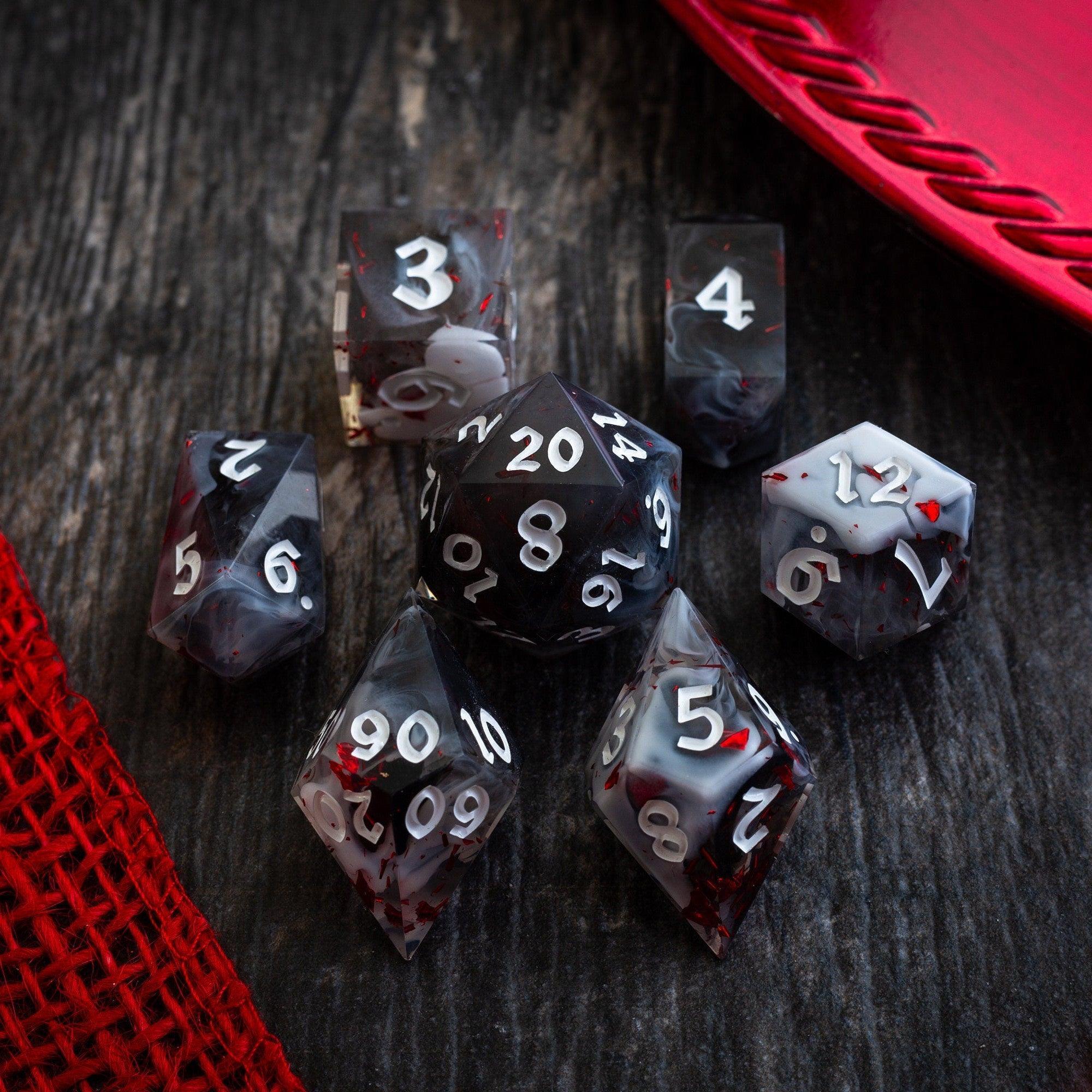
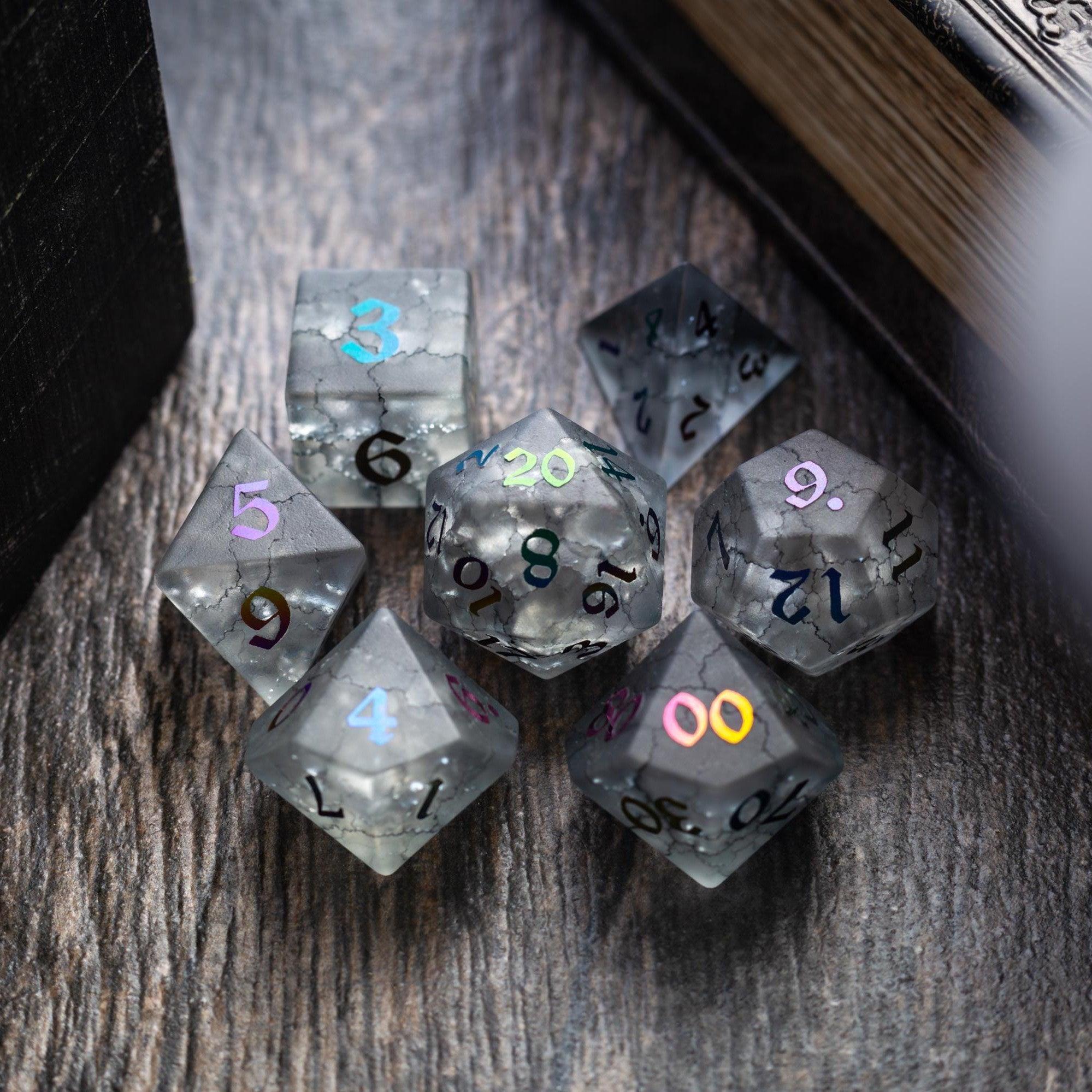
Dice Recommendations from Runic Dice
An Ultimate Predator thrives on precision, power, and instinct. The dice you bring to the table should carry that same energy: fierce, untamed, and sharp enough to strike fear into your foes. With the right DND dice set, every roll becomes a reflection of the hunter’s focus and lethal efficiency.
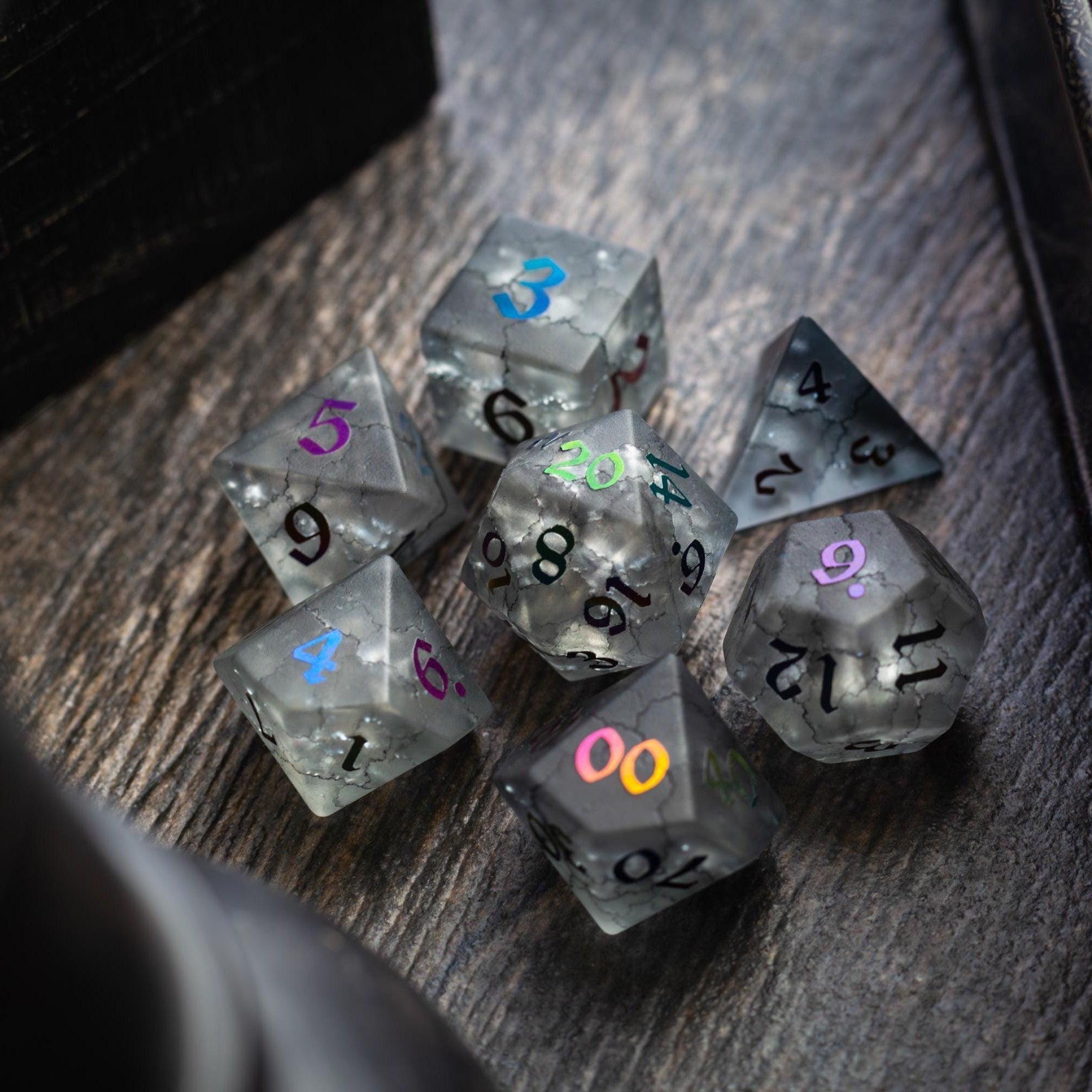
- Hunter’s Instinct: The Black Inked Lightning Cracked Glass DND Dice Set mirrors the raw ferocity of a predator’s strike. Its shattered, storm-like design embodies the chaos and inevitability of the hunt. This glass DND dice set is perfect for players who love a bold, dangerous aesthetic.
- Predator’s Eye: The Yellow Tiger’s Eye Gemstone DND Dice Set is carved from natural gemstone, offering golden hues with shifting bands that resemble the watchful eye of a hunter. As one of our most striking gemstone dice sets, it’s a reminder that predators see everything.
- Bloodfang Fury: For primal aggression and the heat of battle, the Blood Red Glitter Liquid Core Resin DND Dice Set is a stunning fit. Its swirling liquid core glimmers like fire in the dark, symbolizing the predator’s dominance and relentless pursuit.
- Savage Balance: The Green Glitter Liquid Core Sharp Edge Resin DND Dice Set captures the predator’s role as both hunter and guardian of balance. Its shifting green tones reflect the wilds where predators thrive, making it a premium polyhedral dice set built for characters tied to nature’s fiercest laws.
Each of these dnd dice sets connects to the Ultimate Predator’s themes of survival, focus, and raw strength. Whether you want the natural resilience of gemstone dice or the untamed energy of resin dice, your set should feel as primal and unstoppable as the archetype itself.
Advanced Tips and Tricks
Optimization Strategies
Best Feats for a Hunter Ranger
- Sharpshooter: Improves ranged attacks against covered, distant, and nearby targets. The revised feat no longer offers the original -5 attack and +10 damage option.
- Great Weapon Master: Improves damage with heavy weapons and suits Strength-based builds.
- Polearm Master: Provides additional attack opportunities with qualifying weapons.
- Speedy: Improves movement and helps you reposition during combat.
- Alert: Adds your proficiency bonus to initiative and allows initiative swapping with a willing ally.
- War Caster: Provides advantage on Constitution saving throws made to maintain concentration.
Best Multiclass Options
-
Ranger 5 / Rogue (Assassin) 15: The Shadow Executioner.
- Best For: Stealth, Sneak Attack, and opening-round damage.
- Strategy: Combine Extra Attack with the Rogue’s precision damage and initiative-focused abilities.
-
Ranger 6 / Fighter (Battle Master) 14: The Tactical Stalker.
- Best For: Martial versatility and battlefield control.
- Strategy: Use Combat Superiority maneuvers and Action Surge to create tactical advantages.
-
Ranger 10 / Warlock (Hexblade) 10: The Shadow Hexer.
- Best For: Experienced players interested in combining martial combat with Warlock magic.
- Strategy: Use the legacy Hexblade subclass with DM approval. Remember that Darkness and Hunter’s Mark compete for concentration, and this build requires investment in multiple ability scores.
For most beginners, remaining a single-class Hunter Ranger provides simpler progression, stronger Ranger spellcasting, and access to higher-level subclass abilities.
The Hunter Ranger remains a dependable choice for players who enjoy tracking monsters, dealing consistent damage, and adapting to different combat encounters. Its revised features reward thoughtful positioning, enemy knowledge, and careful spell selection.
Whether you want to become a legendary monster hunter, a skilled wilderness archer, or a relentless predator, the Hunter offers a flexible and rewarding way to experience the Ranger class in Dungeons & Dragons.












Leave a comment
This site is protected by hCaptcha and the hCaptcha Privacy Policy and Terms of Service apply.