

Samurai Fighter Guide for Beginners: Mastering the Samurai in D&D 5e

The Samurai Fighter is a disciplined warrior who relies on accurate attacks, determination, and careful timing. First introduced in Xanathar’s Guide to Everything, this D&D 5e subclass remains playable with the updated Fighter rules, labeled 5.5e on D&D Beyond in 2026. It suits players who want straightforward combat abilities with room for tactical decisions.
Samurai are especially effective when they need to land several weapon attacks in one turn. They also gain temporary hit points and stronger defenses against mental threats. You can play a traditional swordsman, a wandering ronin, or even an archer whose calm focus makes every shot count.
Why Play a Samurai Fighter?
Key Benefits
- Reliable Attacks: Fighting Spirit gives advantage on weapon attack rolls for one turn, making important hits more likely.
- Extra Durability: Fighting Spirit also provides temporary hit points to absorb incoming damage.
- Multiple Attacks: Like every Fighter, you gain two attacks with the Attack action at level 5 and three at level 11.
- Useful Social Skills: Elegant Courtier improves Persuasion and Wisdom saving throws.
- Flexible Character Theme: An honorable guardian, traveling duelist, or determined mercenary all fit the subclass.
Advantage also increases your chance of a critical hit, but critical hits are never guaranteed. The Samurai's main strength is consistency, not a special bonus to critical damage.
Core Features
Key Mechanics and Abilities
Bonus Proficiency (Level 3)
- Gain proficiency in History, Insight, Performance, or Persuasion, or learn one language instead. Pick a skill that matches your character's background.
Fighting Spirit (Levels 3, 10, and 15)
- Use a Bonus Action to gain advantage on weapon attack rolls until the end of your current turn.
- Gain 5 temporary hit points, increasing to 10 at level 10 and 15 at level 15. Temporary hit points do not stack with another pool.
- You have three uses and regain them after a Long Rest.
- Example: At level 5, activate Fighting Spirit before taking the Attack action so both attacks can benefit from advantage.
Elegant Courtier (Level 7)
- Add your Wisdom modifier to Charisma (Persuasion) checks.
- Gain proficiency in Wisdom saving throws. If you already have it, choose proficiency in Intelligence or Charisma saving throws instead.
Tireless Spirit (Level 10)
- When you roll Initiative with no Fighting Spirit uses left, regain one. This prevents you from entering a battle without your signature ability.
Rapid Strike (Level 15)
- Once per turn, when you take the Attack action and have advantage on a weapon attack, you can give up advantage on that roll to make one additional weapon attack against the same target as part of the action.
- You trade one more accurate attack for two normal rolls. This is especially useful against enemies you are likely to hit.
Strength Before Death (Level 18)
- When damage drops you to 0 hit points without killing you outright, use your Reaction to delay unconsciousness and immediately take an extra turn.
- You can attack, move, or heal yourself during that turn. Damage taken at 0 hit points still causes failed Death Saving Throws, and you fall unconscious afterward if you remain at 0 hit points.
- This feature returns after a Long Rest.
Suggested Ability Scores
- Strength or Dexterity: Your primary attack ability. Choose Strength for heavy melee weapons or Dexterity for finesse weapons and bows.
- Constitution: Raises your hit point maximum and helps you survive on the front line.
- Wisdom: Supports Perception and Elegant Courtier, but usually comes after your attack ability and Constitution.
Recommended Species
- Human: The updated Human offers an additional Origin feat, useful for building a versatile warrior.
- Orc: Relentless Endurance provides a second chance when a dangerous hit would bring you down.
- Goliath: Stone Giant ancestry offers a defensive reaction for a tough melee Samurai.
- Wood Elf: Extra movement works well for an agile swordsman or ranged combatant.
Under the 5.5e rules, ability score increases generally come from your background rather than your species. If your group uses older options such as Half-Orc or Shadar-kai, check their compatibility with your Dungeon Master.
Beginner Samurai Fighter Build
For a simple level 5 build, choose a Strength-focused Fighter with a greatsword, heavy armor, and the Great Weapon Fighting style. Prioritize Strength, then Constitution. Select Samurai at level 3 and consider Great Weapon Master at level 4 if you meet its prerequisites.
During a difficult fight, use Fighting Spirit as your Bonus Action, then make two greatsword attacks with advantage. If the enemy survives, Action Surge lets you take another Attack action for two more attacks that turn. Because Fighting Spirit lasts until the end of your turn, those additional weapon attacks also benefit. Save some uses for later encounters instead of spending them all immediately.
Playing as a Samurai Fighter
Role in a Party
- Damage Dealer: Concentrate attacks on a priority enemy when accuracy matters most.
- Durable Frontliner: Combine armor, Second Wind, and Fighting Spirit to stay active.
- Reliable Negotiator: Use Persuasion and your character's principles outside combat.
Tips for New Players
- Choose the right moment: Fighting Spirit is strongest when you can make several attacks, especially with Action Surge.
- Watch your Bonus Action: Fighting Spirit competes with Second Wind and some feat-granted attacks, so you cannot use all of them on the same turn.
- Use updated Fighter features: Weapon Mastery adds weapon-specific effects, while Tactical Mind helps with failed ability checks. At level 13, Studied Attacks can grant advantage after a missed attack.
- Remember your limits: Fighting Spirit does not give damage resistance or a guaranteed critical hit.
Roleplay Suggestions
- The Honorable Warrior: Protects companions and follows a personal code, even when it is inconvenient.
- The Ronin: Travels without a master, searching for redemption or purpose.
- The Mercenary Duelist: Values discipline and skill more than rank or reputation.
Gear and Dice Recommendations
Suggested Equipment
Weapons
- Katana (Longsword or Greatsword): A katana can be represented using the statistics of an existing sword, with your DM's approval.
- Rapier or Scimitar: Good choices for Dexterity-based melee Fighters.
- Longbow or Shortbow: Suitable for a ranged Samurai who fights from a safe position.
Armor
- Breastplate or Half Plate: Useful medium armor options, especially when Dexterity is 14 or higher.
- Plate Armor: Excellent protection for a Strength-based Fighter who meets its requirements.
Magic Items
- Flame Tongue: Adds fire damage to hits with its magical sword.
- Cloak of Protection: Improves Armor Class and saving throws.
- Belt of Giant Strength: Sets Strength to a powerful value, depending on the belt.
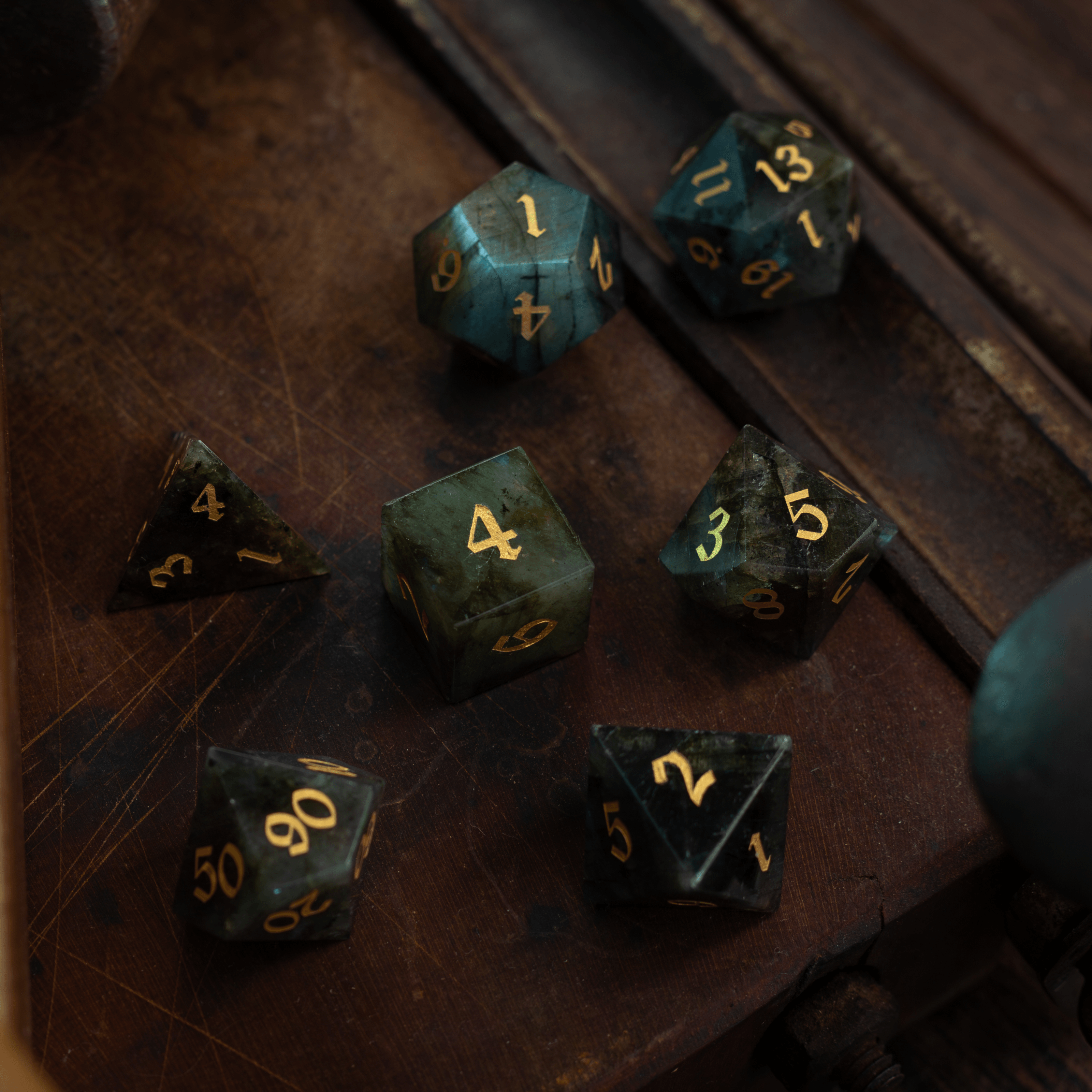
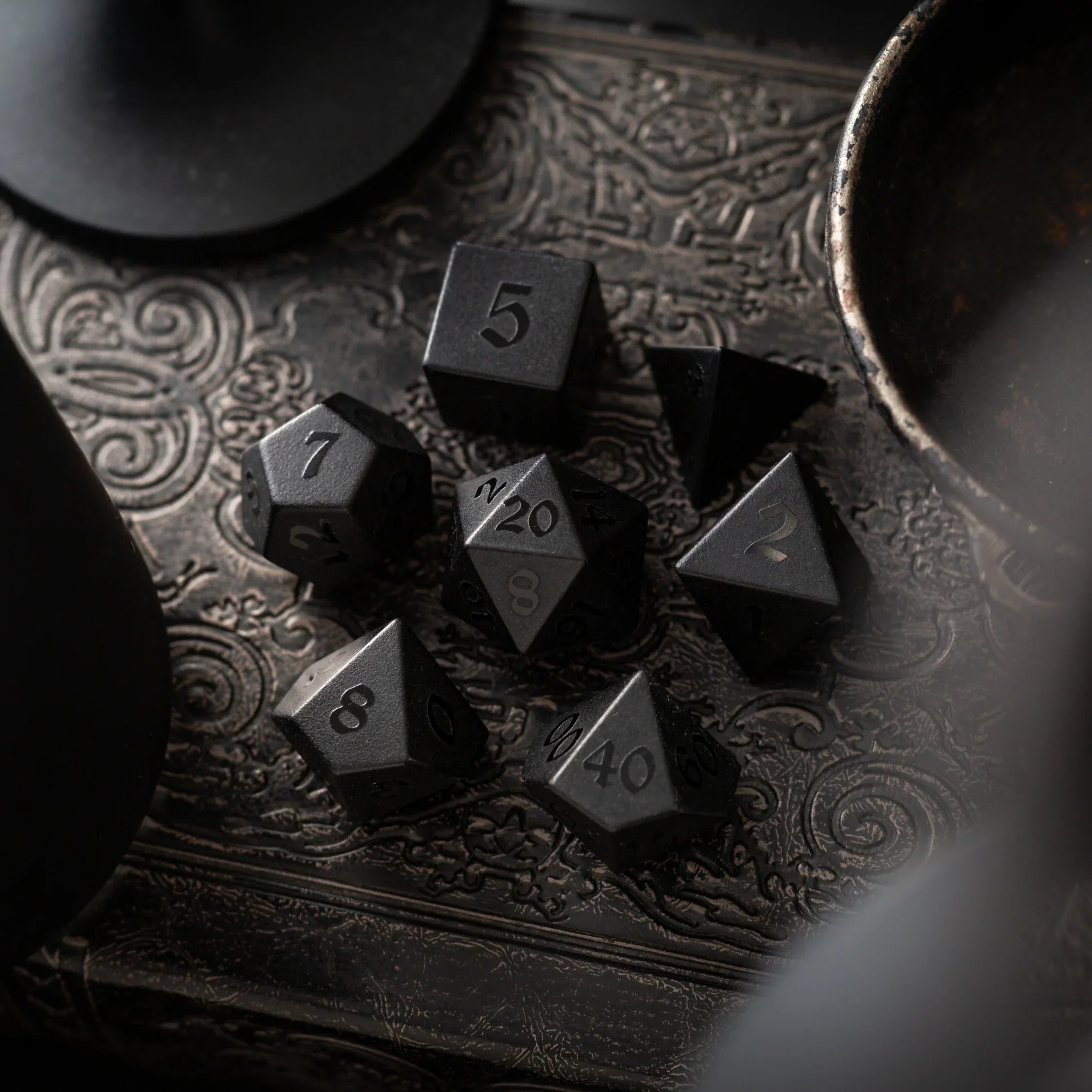
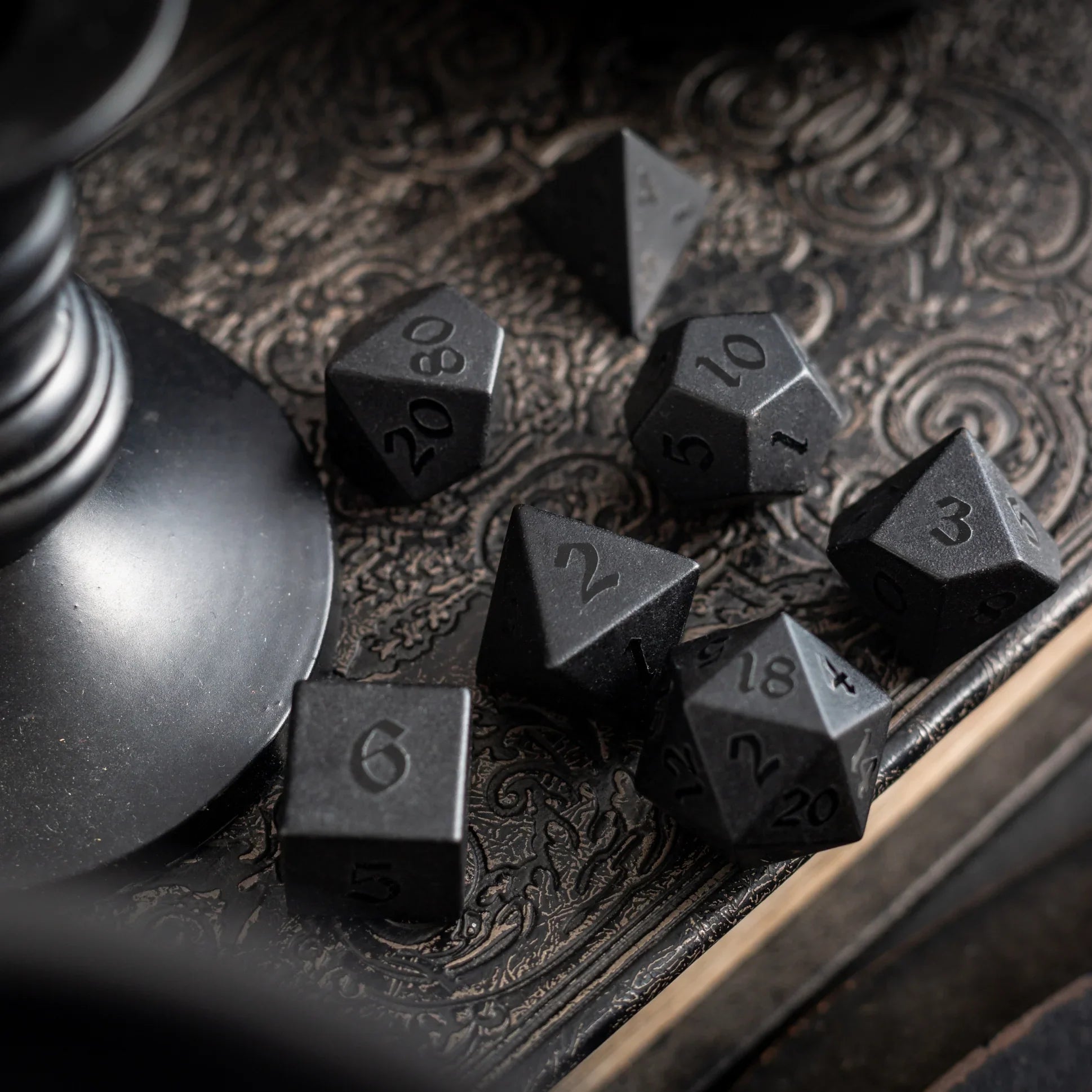
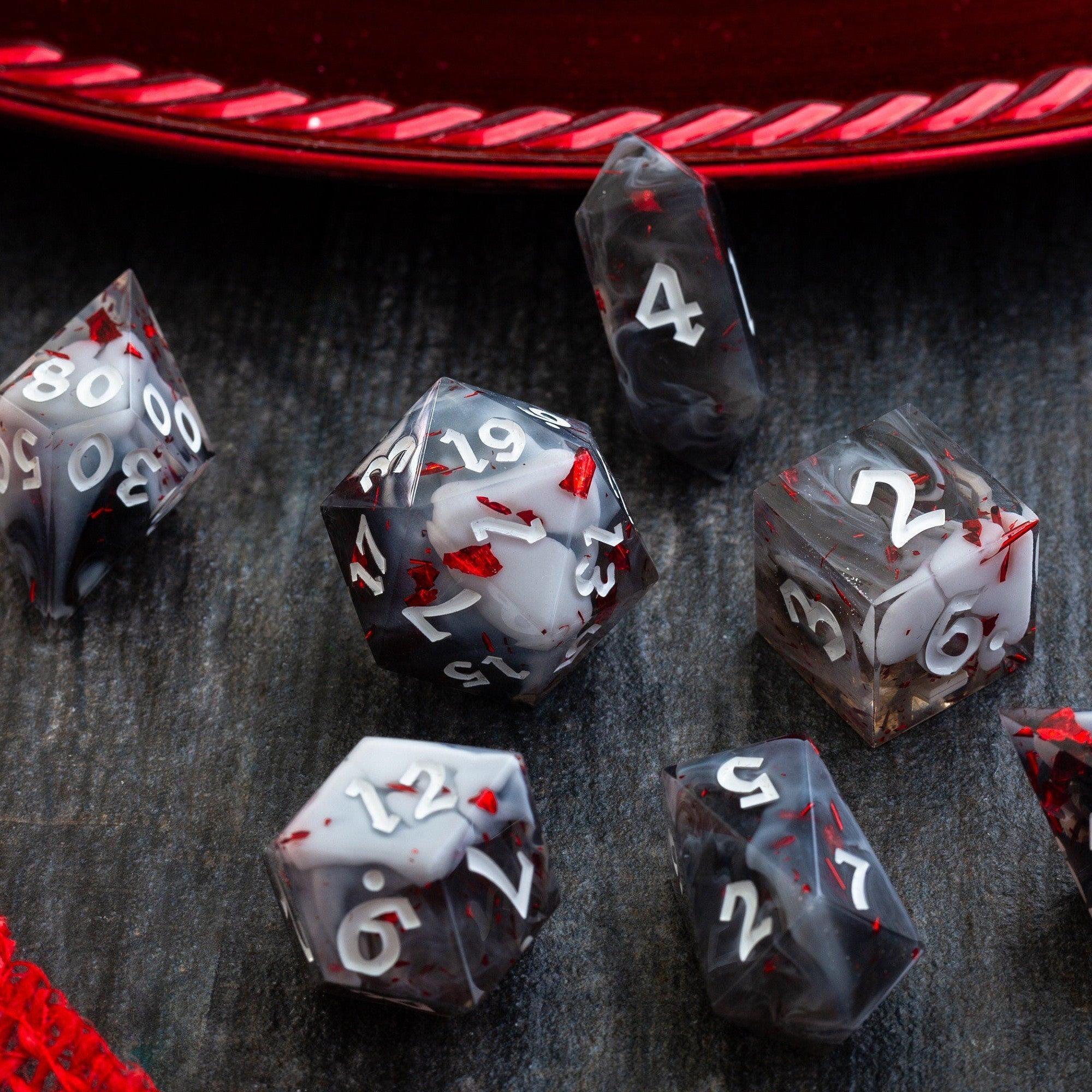
Dice Recommendations from Runic Dice
These dice sets suit different Samurai character themes:
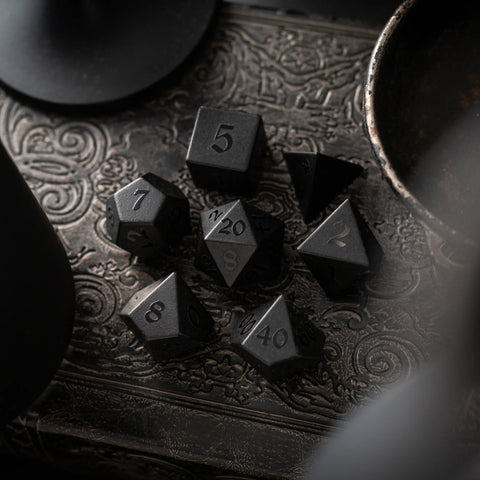
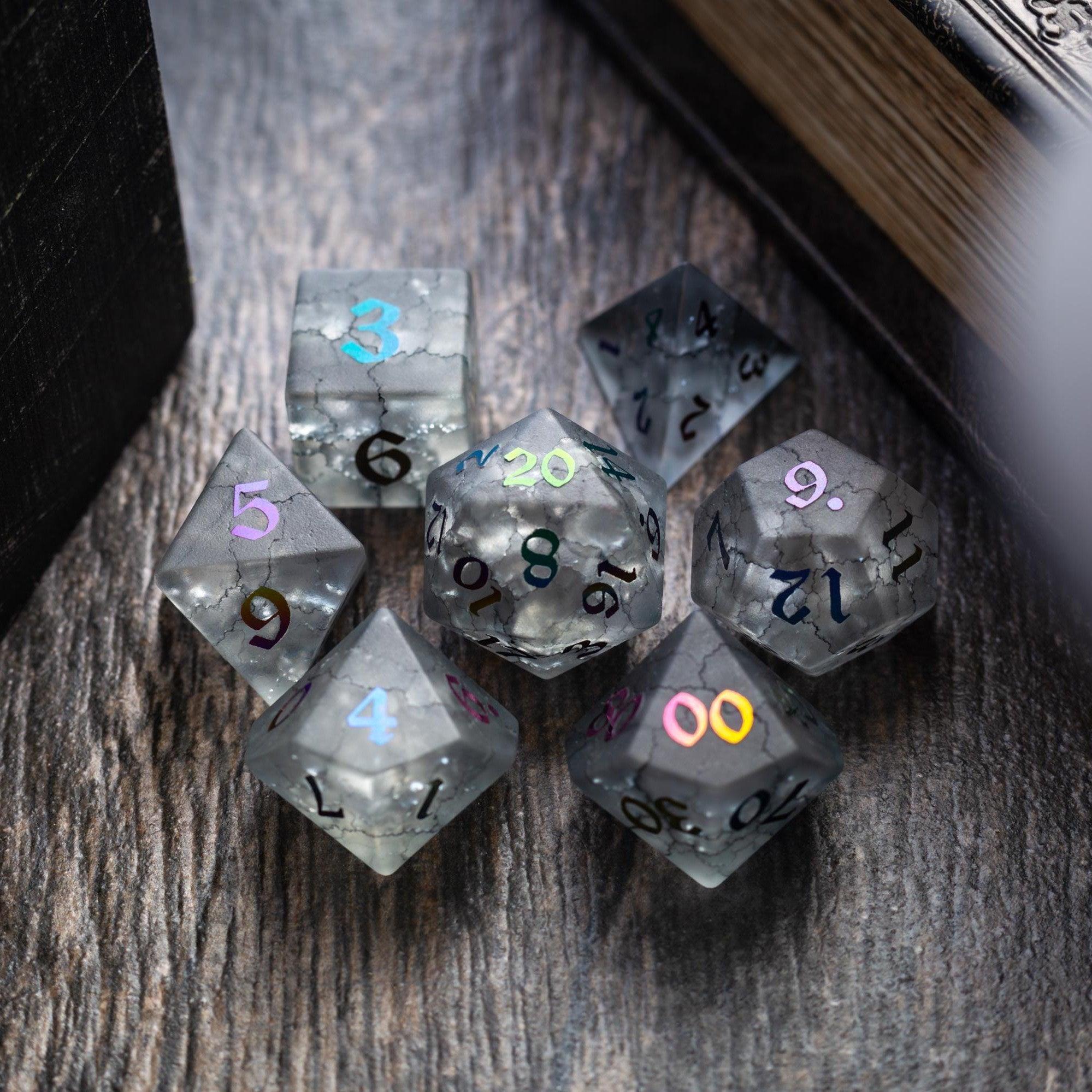
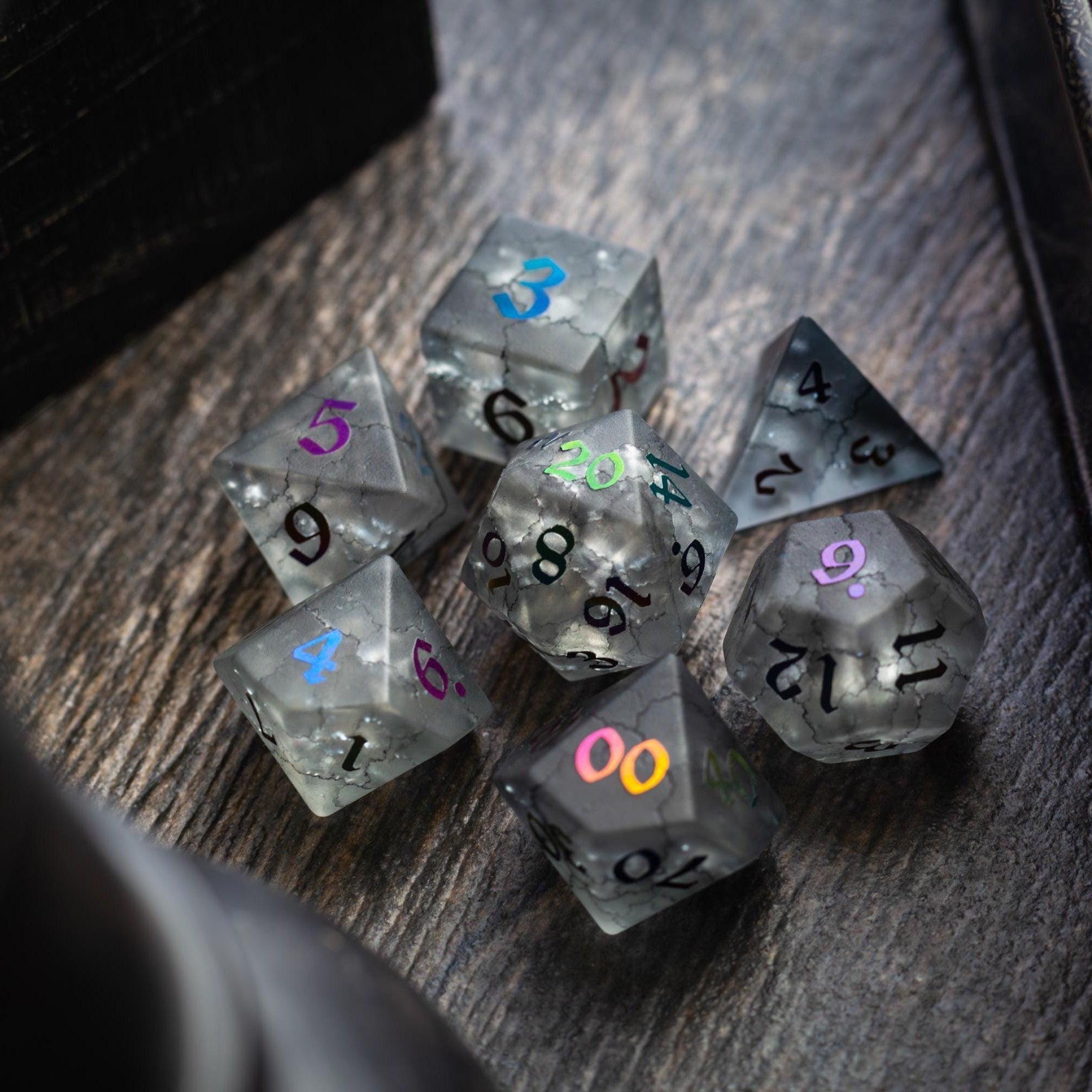
- Blademaster’s Honor: For a sleek silver and black design representing a master swordsman, consider the Black Inked Lightning Cracked Glass DND Dice Set. This set features a striking cracked glass design with black inked numerals, capturing the precision and elegance of a seasoned samurai.
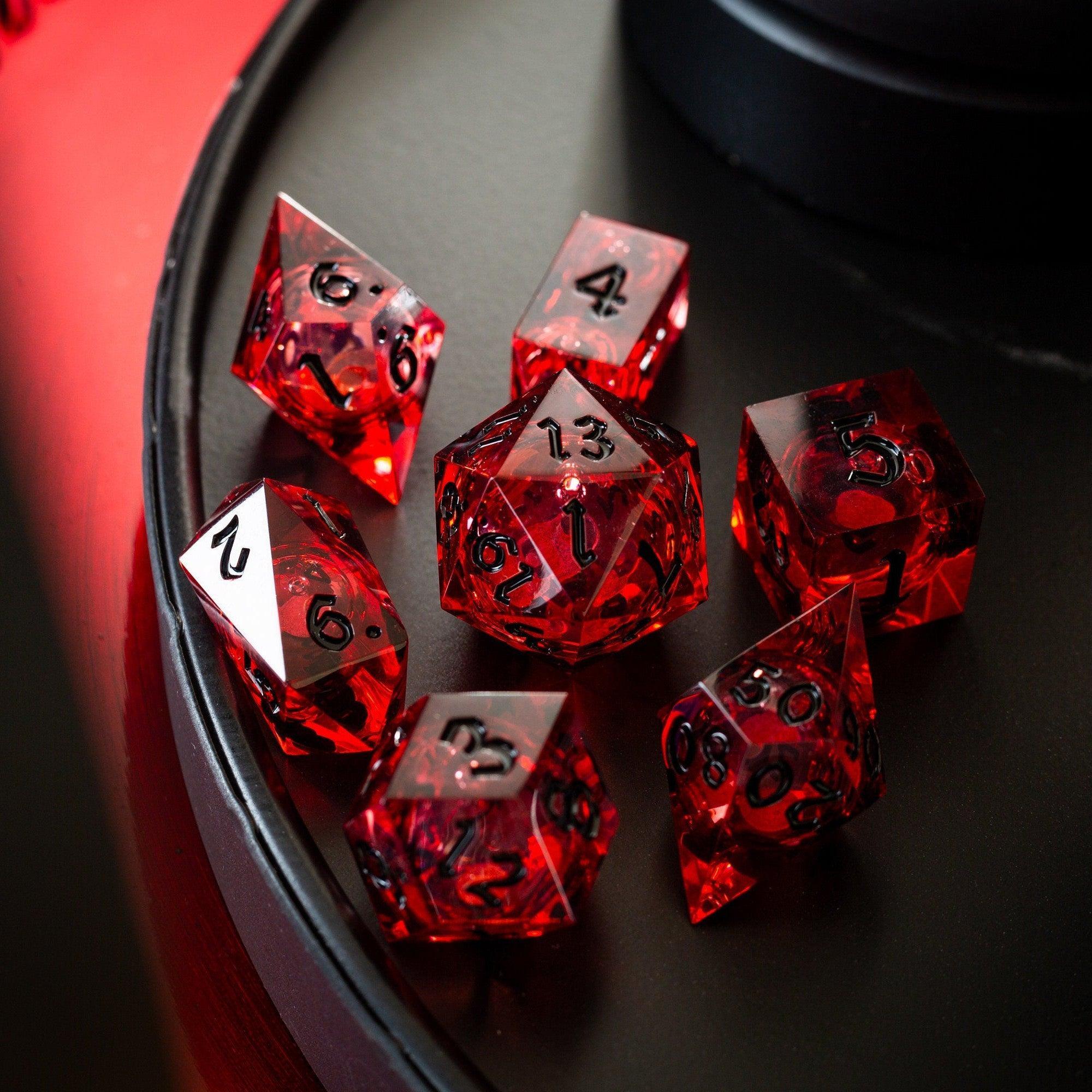
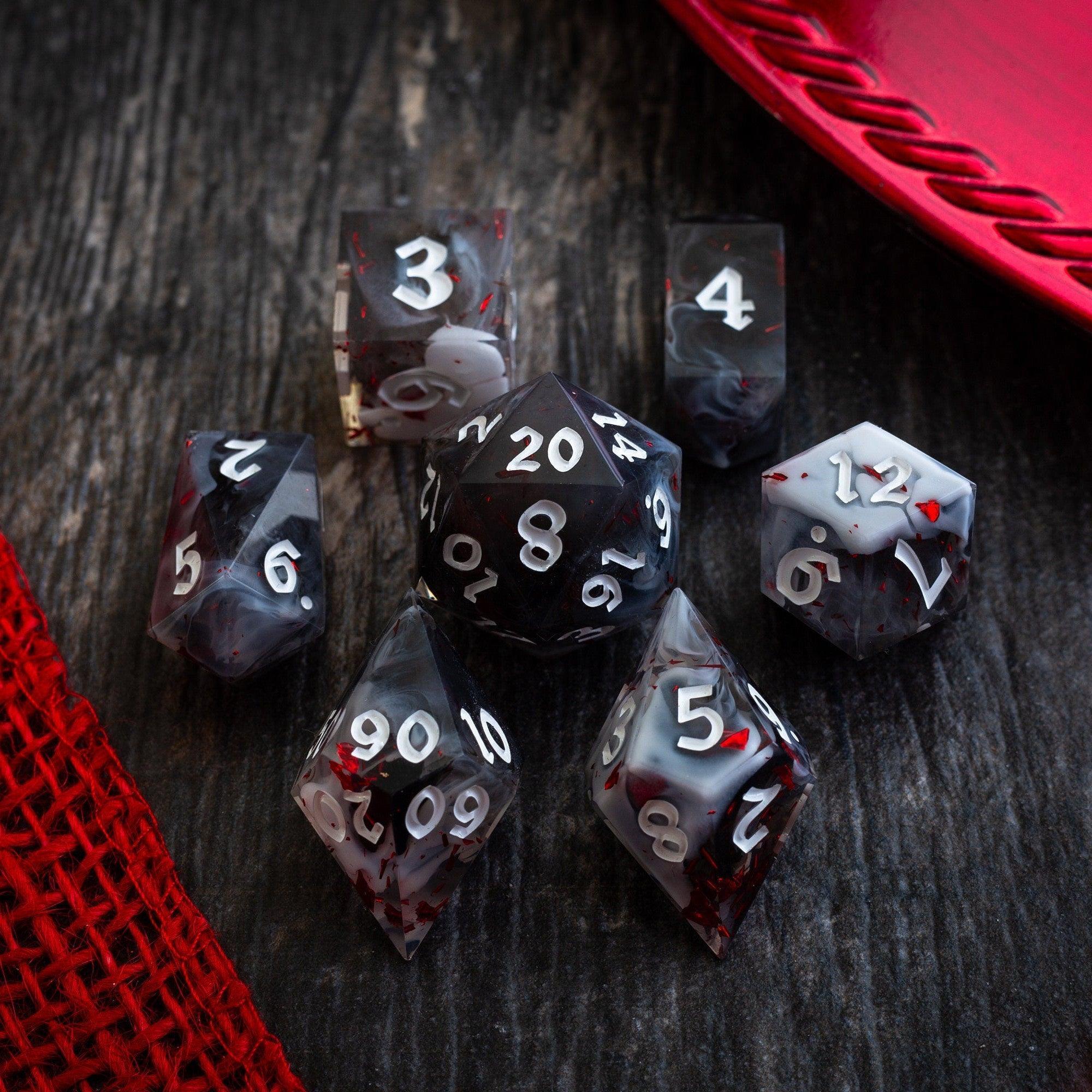
- Crimson Ronin: To embody a wandering warrior with deep red and dark steel hues, the Blood Red Glitter Liquid Core Resin DND Dice Set is an excellent choice. It showcases deep red tones with a dynamic liquid core, reflecting the solitary path of a ronin.
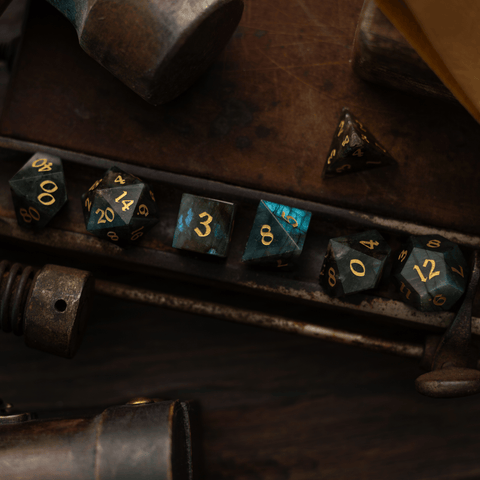
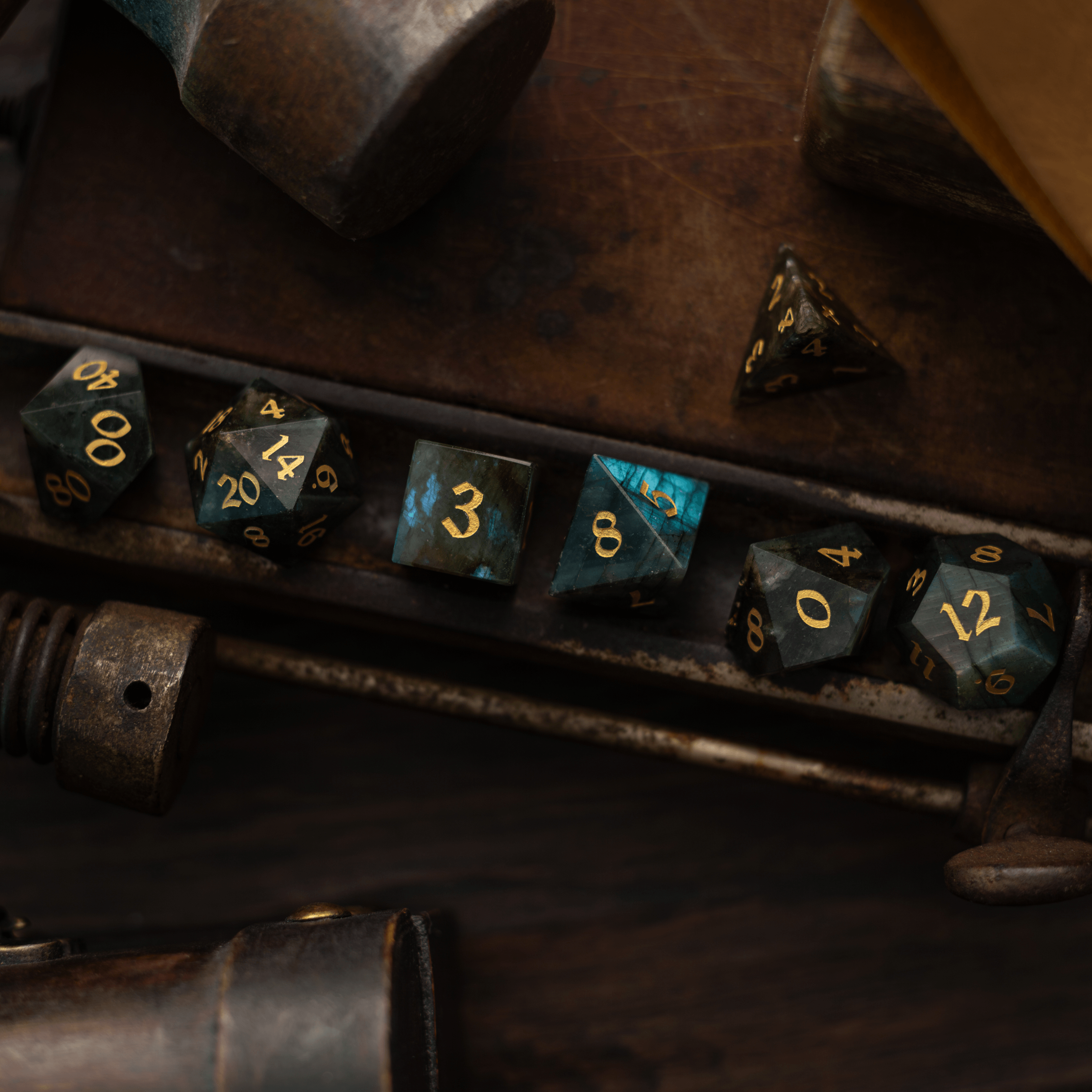
- Stormblade: For swirling gray and blue colors symbolizing the calm before the storm, the Blue Glitter Liquid Core Sharp Edge Resin DND Dice Set offers vibrant blue hues with a dynamic liquid core, embodying the poised strength of a samurai awaiting battle.
Advanced Tips and Tricks
Optimization Strategies
- Feats: Under 5.5e rules, Great Weapon Master adds your Proficiency Bonus to qualifying Heavy weapon hits made during the Attack action. Sharpshooter improves ranged accuracy against cover and at long range. Neither feat uses the old -5 attack penalty for +10 damage. Alert can help your Samurai act earlier.
- Multiclassing: Rogue can suit a Dexterity Samurai using a Finesse weapon or ranged weapon for Sneak Attack. Barbarian supports a Strength build, but Rage doesn't provide its usual benefits while wearing Heavy armor. Multiclassing delays higher-level Fighter features, so staying single-classed is often easier.
- Build Ideas: The Deathblade favors a greatsword and Great Weapon Master. The Bladedancer uses a rapier and shield. The War Archer uses a longbow, Sharpshooter, and Fighting Spirit for important shots.
The Samurai Fighter rewards smart timing more than complicated combinations. Whether you charge into melee or hold a distant position, use Fighting Spirit when accuracy matters, protect your limited resources, and let your warrior's personal code guide their choices beyond combat.









Leave a comment
This site is protected by hCaptcha and the hCaptcha Privacy Policy and Terms of Service apply.