
Dragonborn in D&D 5e: Complete Guide to Lore, Abilities, and Best Classes

Among the many playable species in Dungeons & Dragons 5e, the Dragonborn stand out for their draconic appearance, elemental abilities, and fascinating heritage. With powerful breath weapons, natural damage resistance, Darkvision, and temporary flight, Dragonborn are a versatile choice for both new and experienced players.
As of 2026, the revised rules introduced in the 2024 Player's Handbook make Dragonborn more flexible in combat and character creation. Whether you want to play a noble warrior, a mystical Sorcerer, or a battle-hardened adventurer, this guide explains Dragonborn abilities, draconic ancestry, the best classes, and practical character-building tips for your D&D 5e campaign.
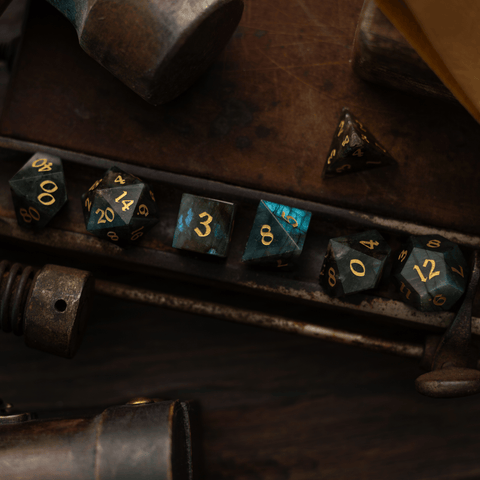
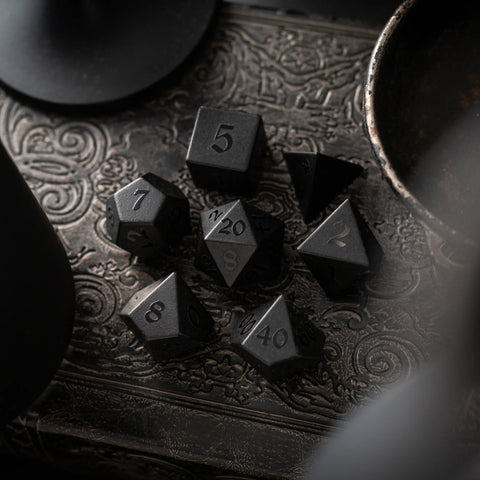
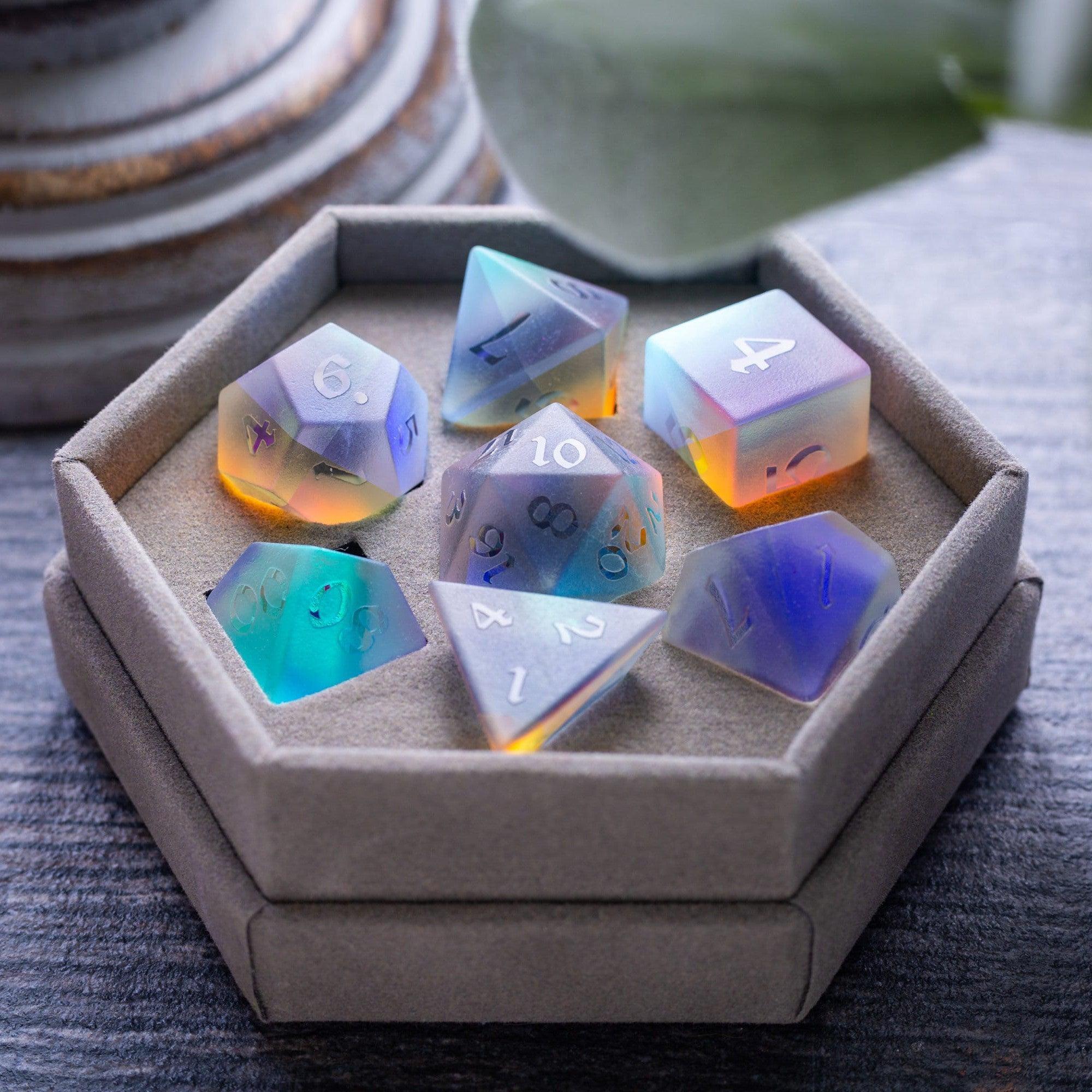
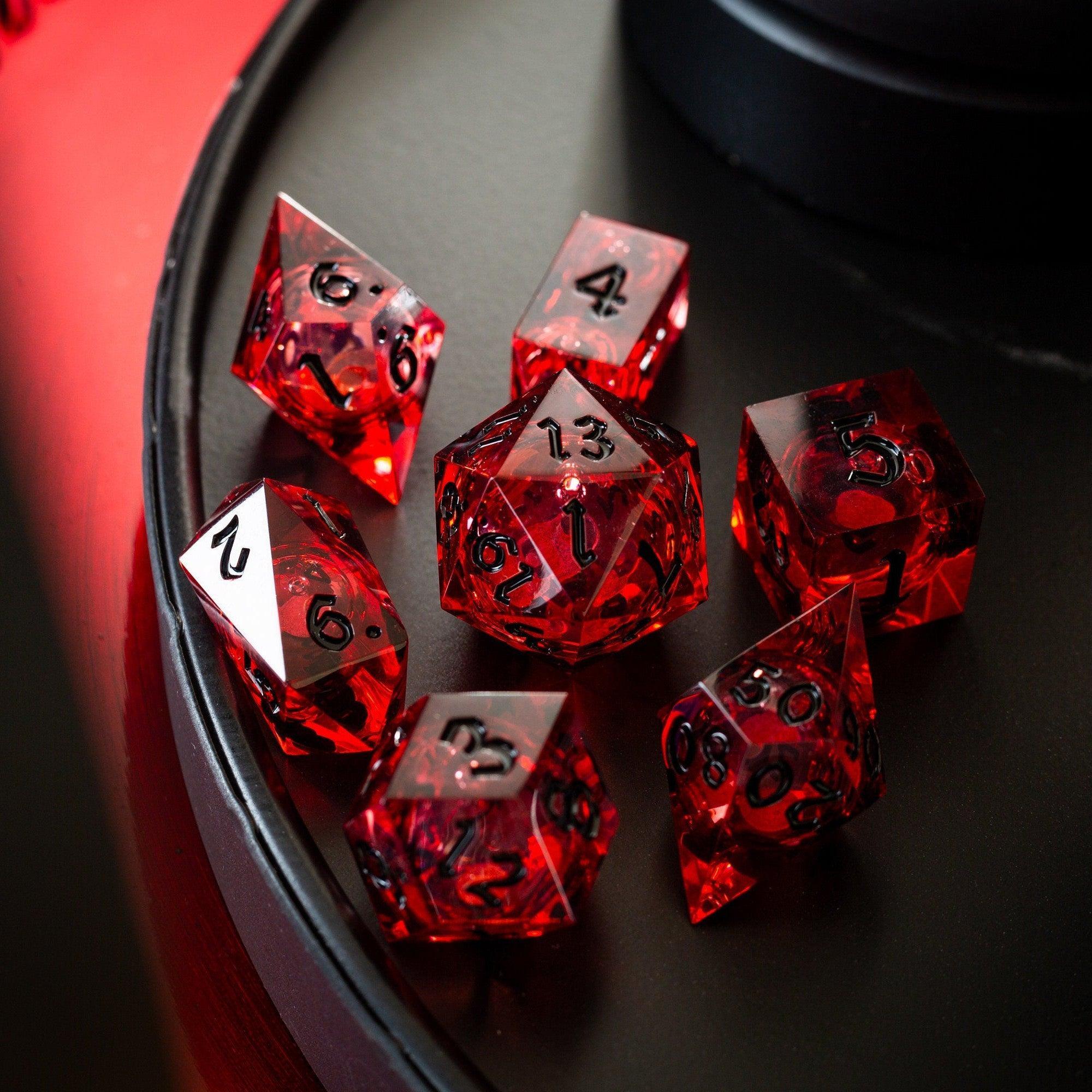
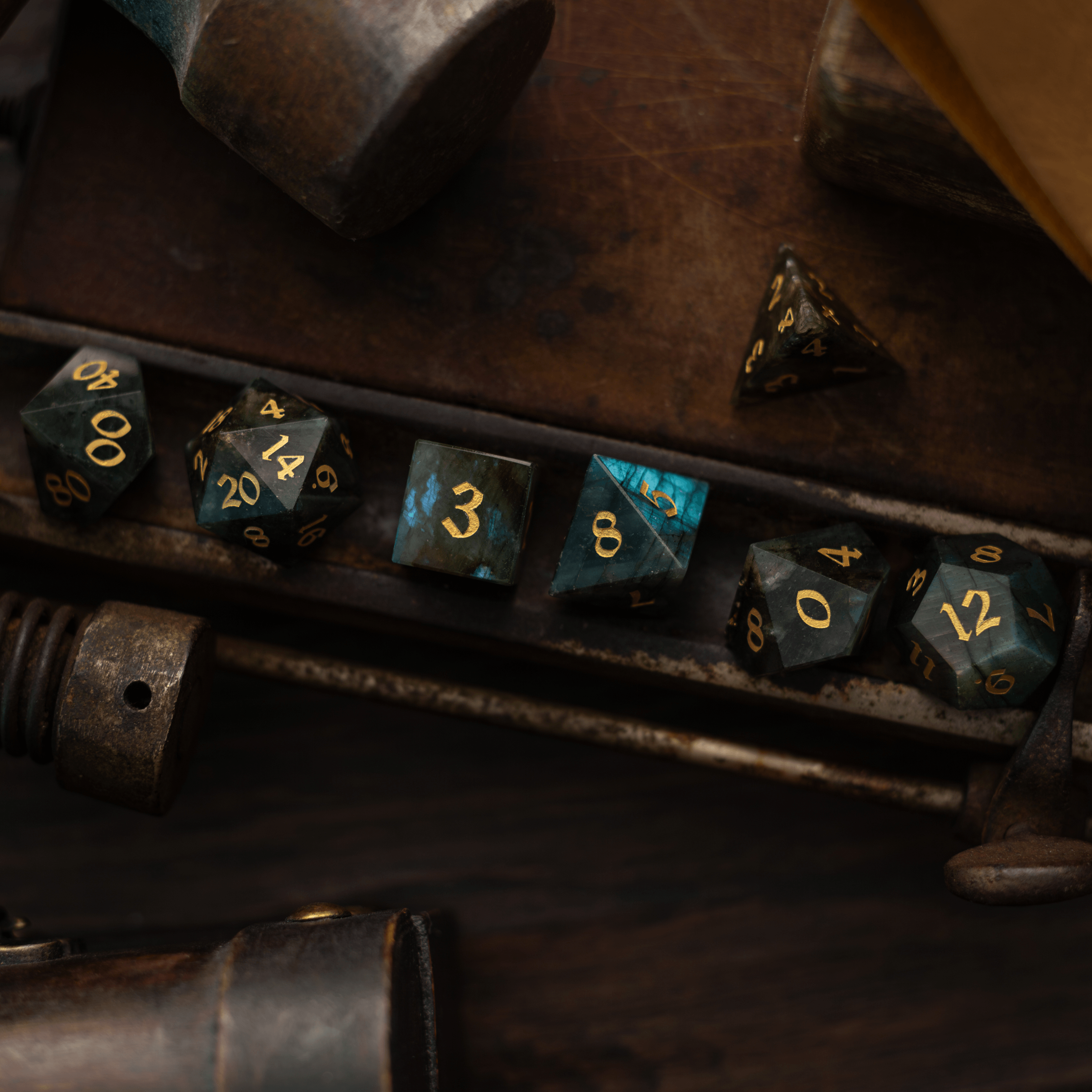
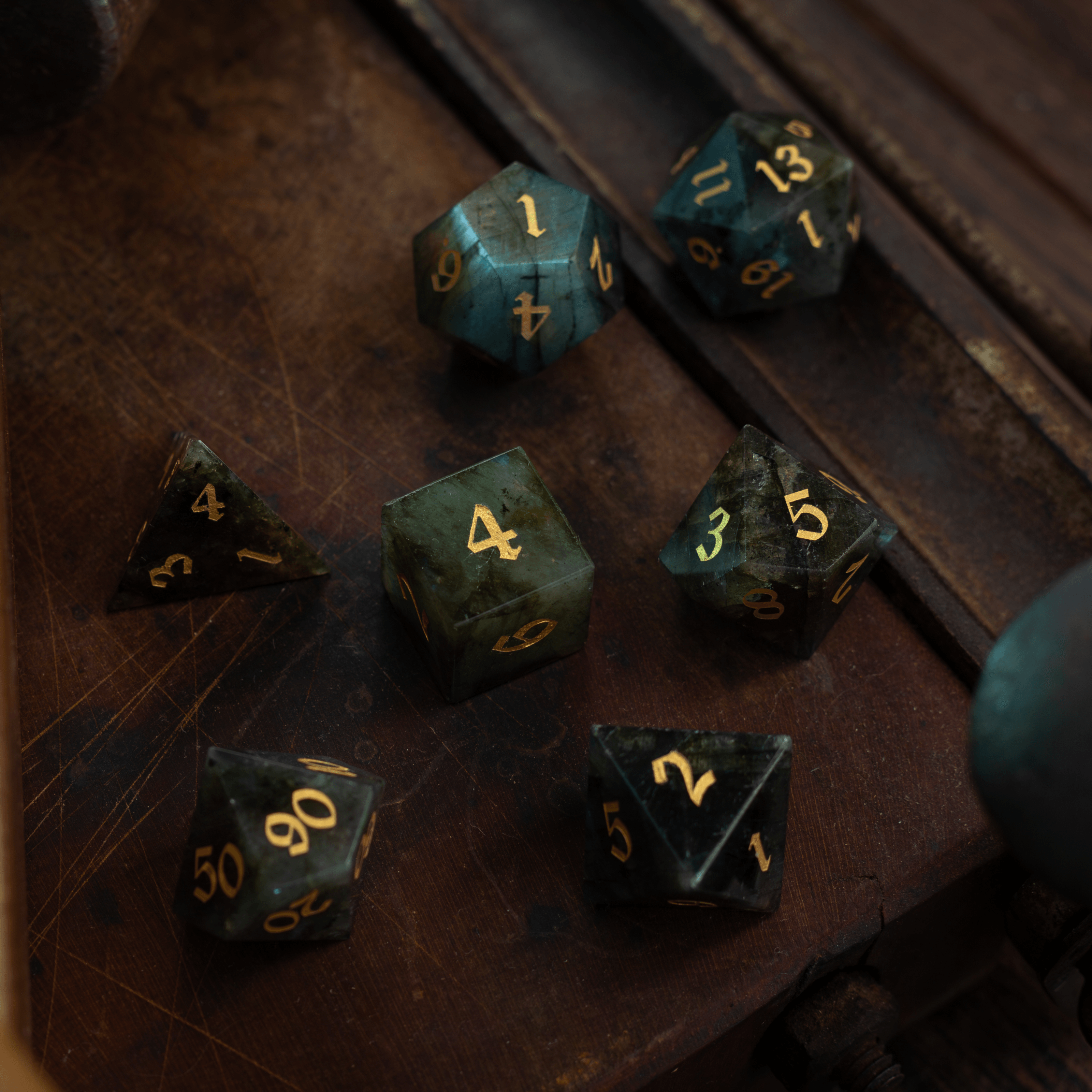
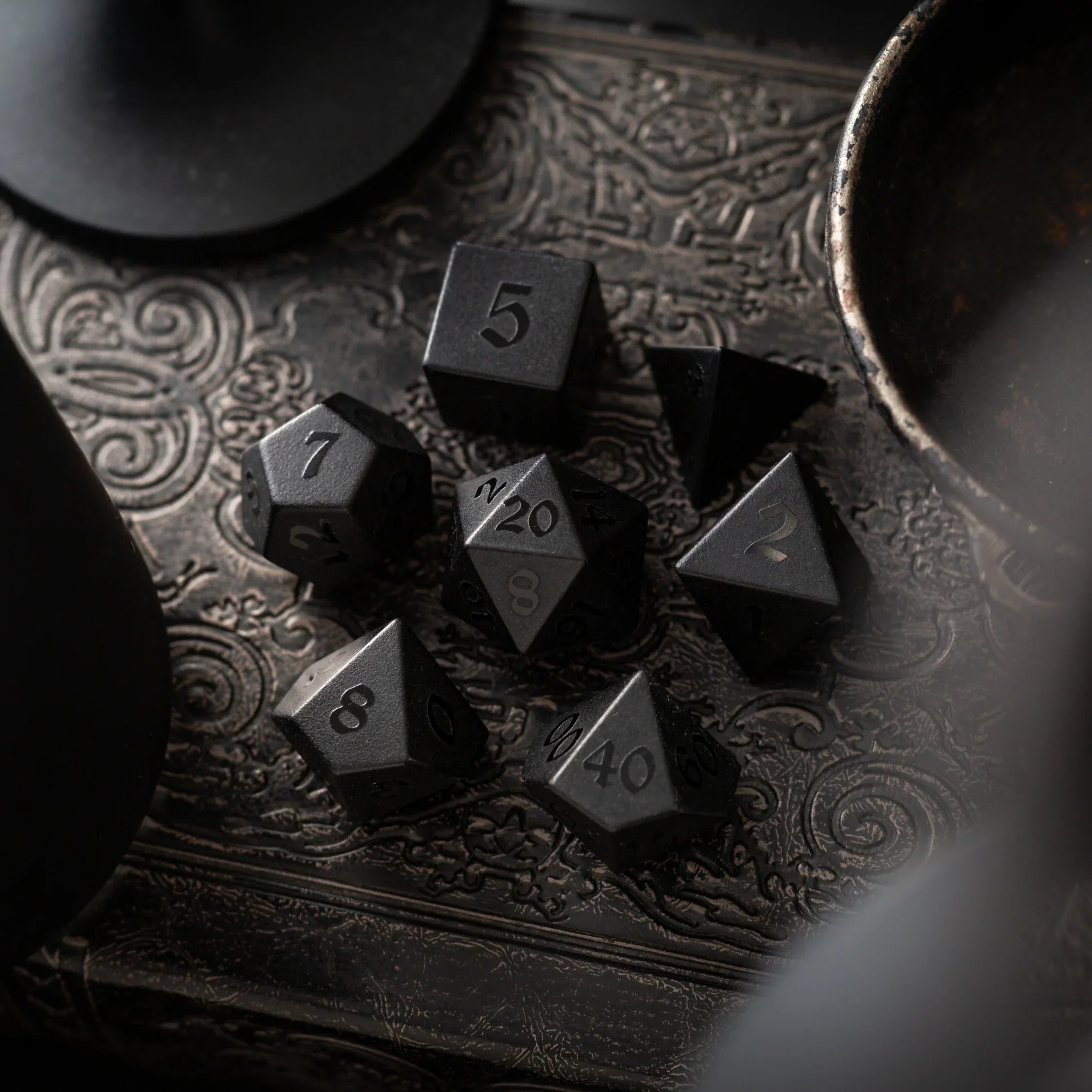
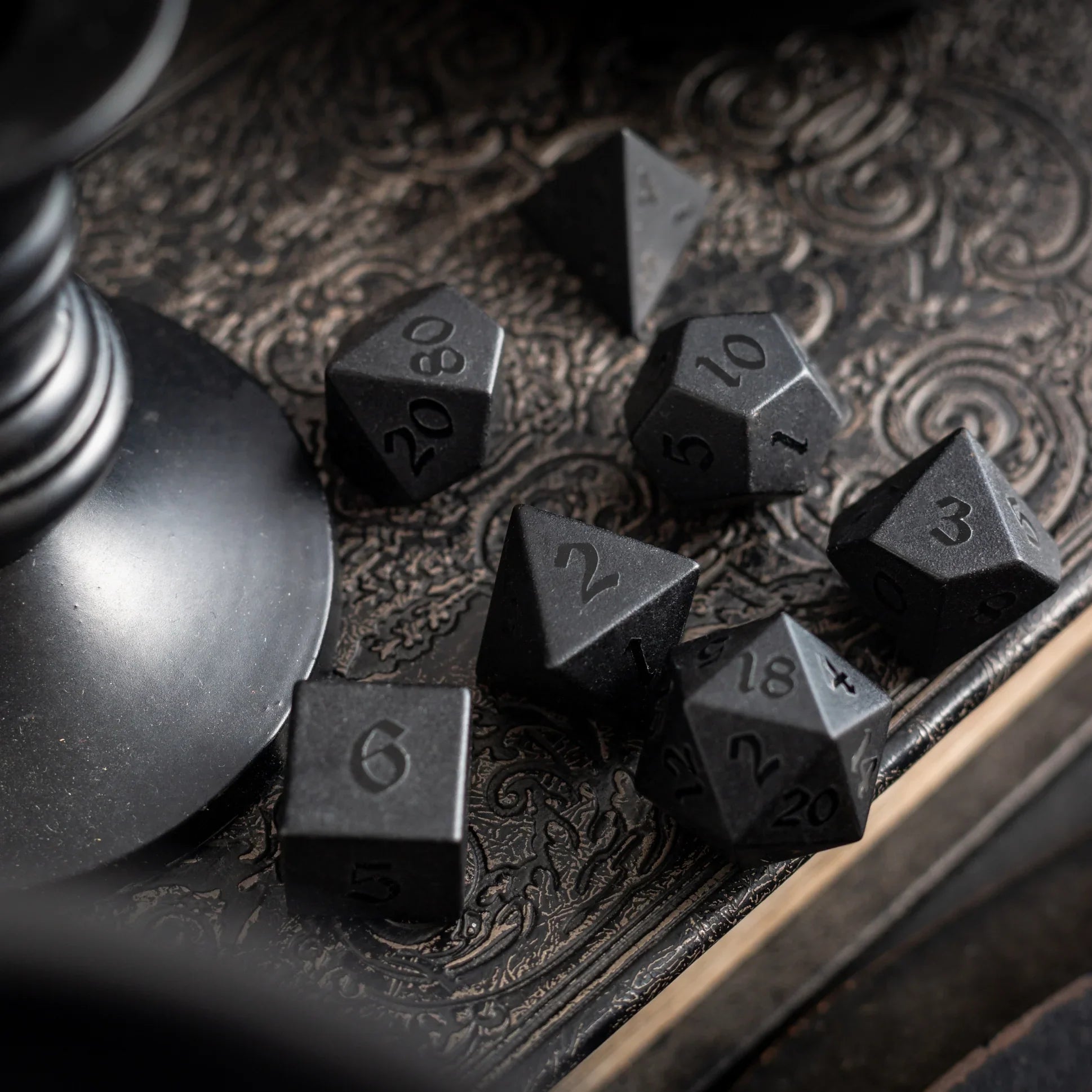
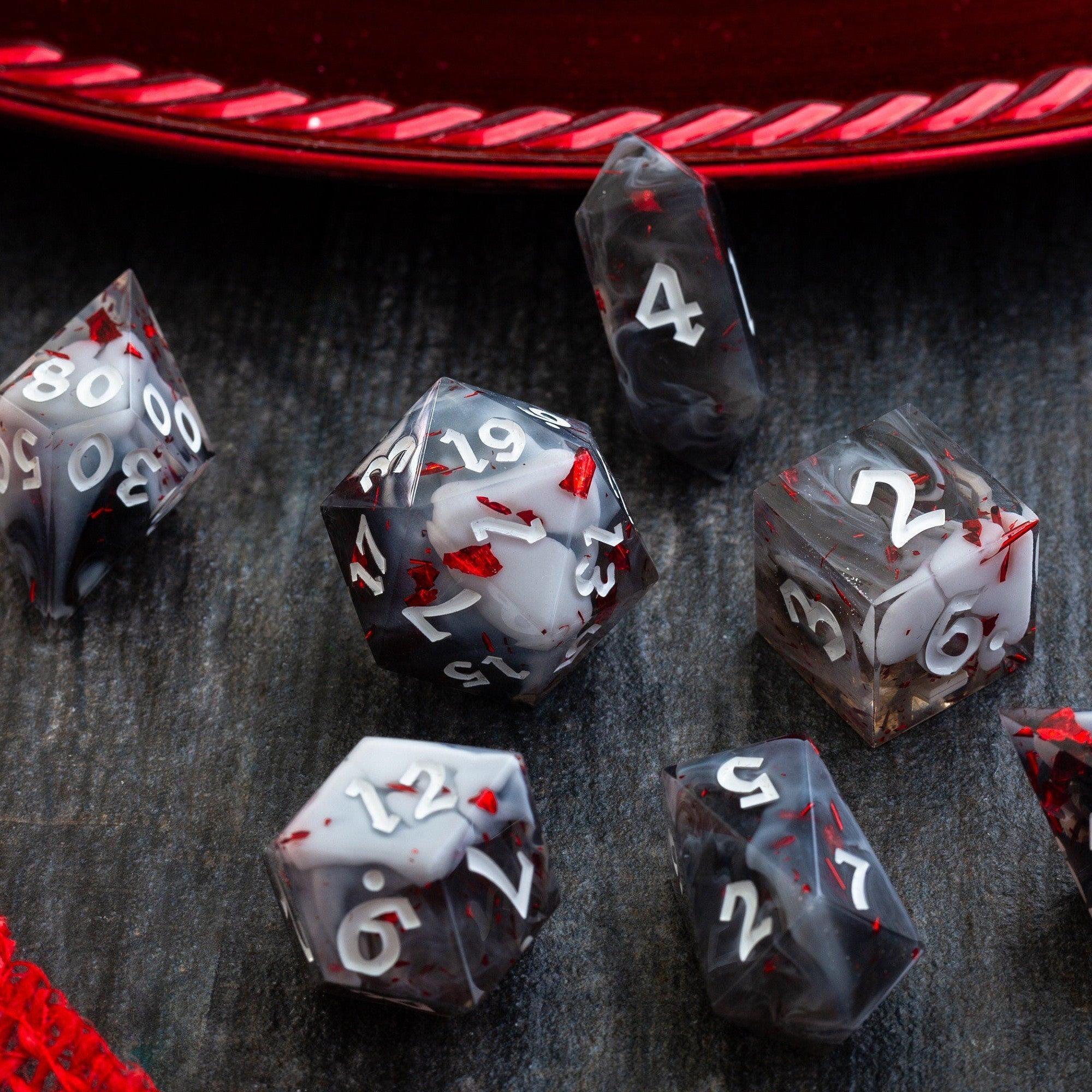
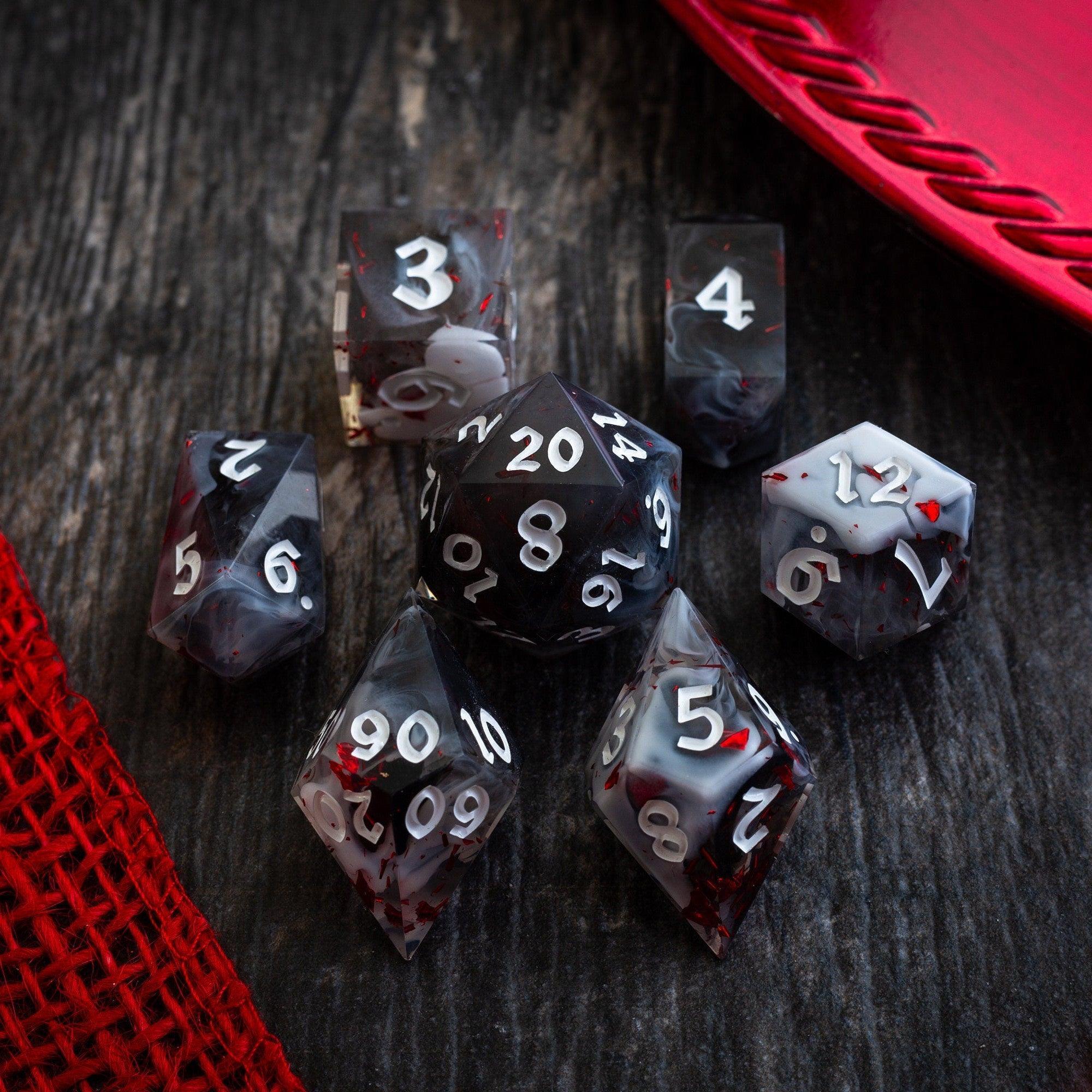
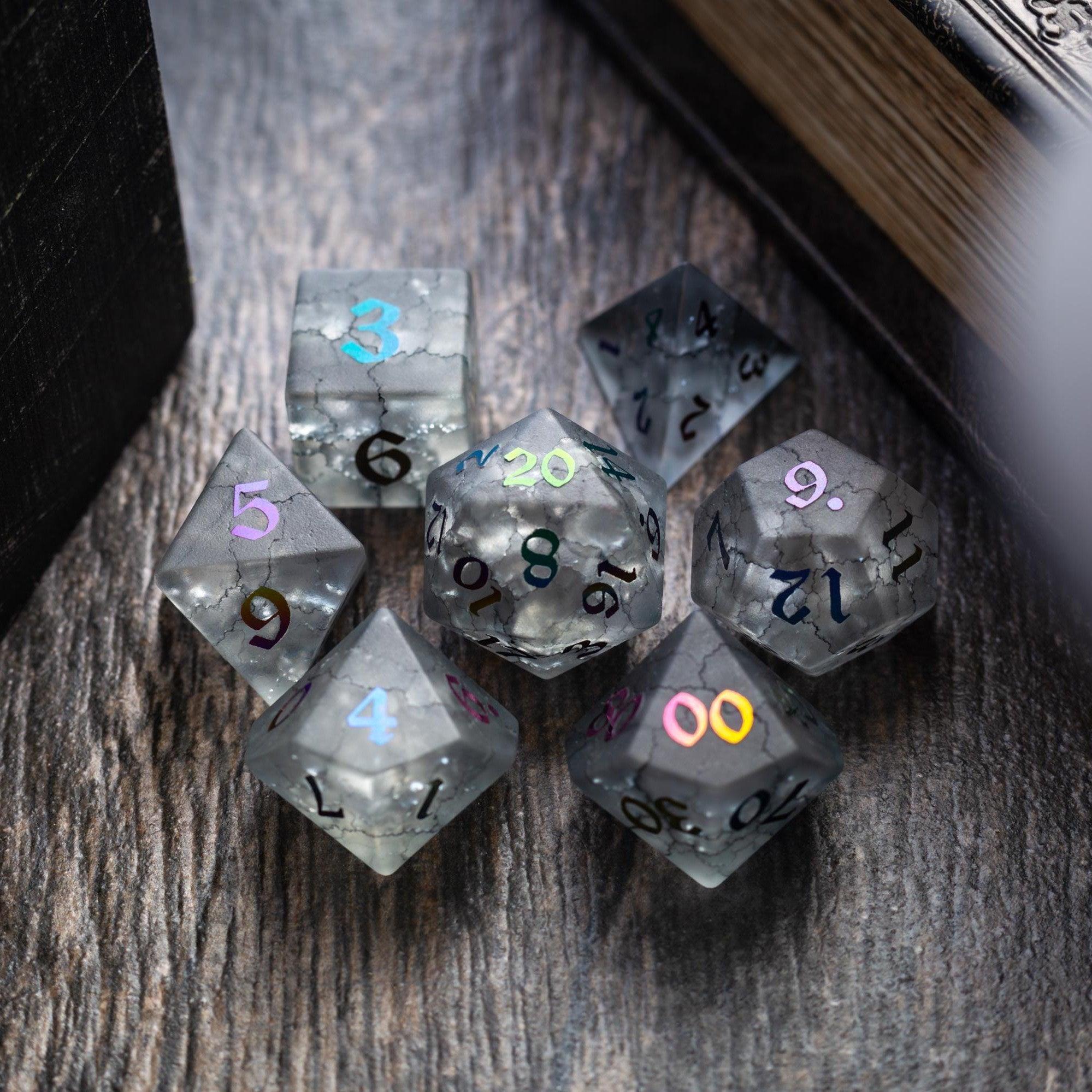
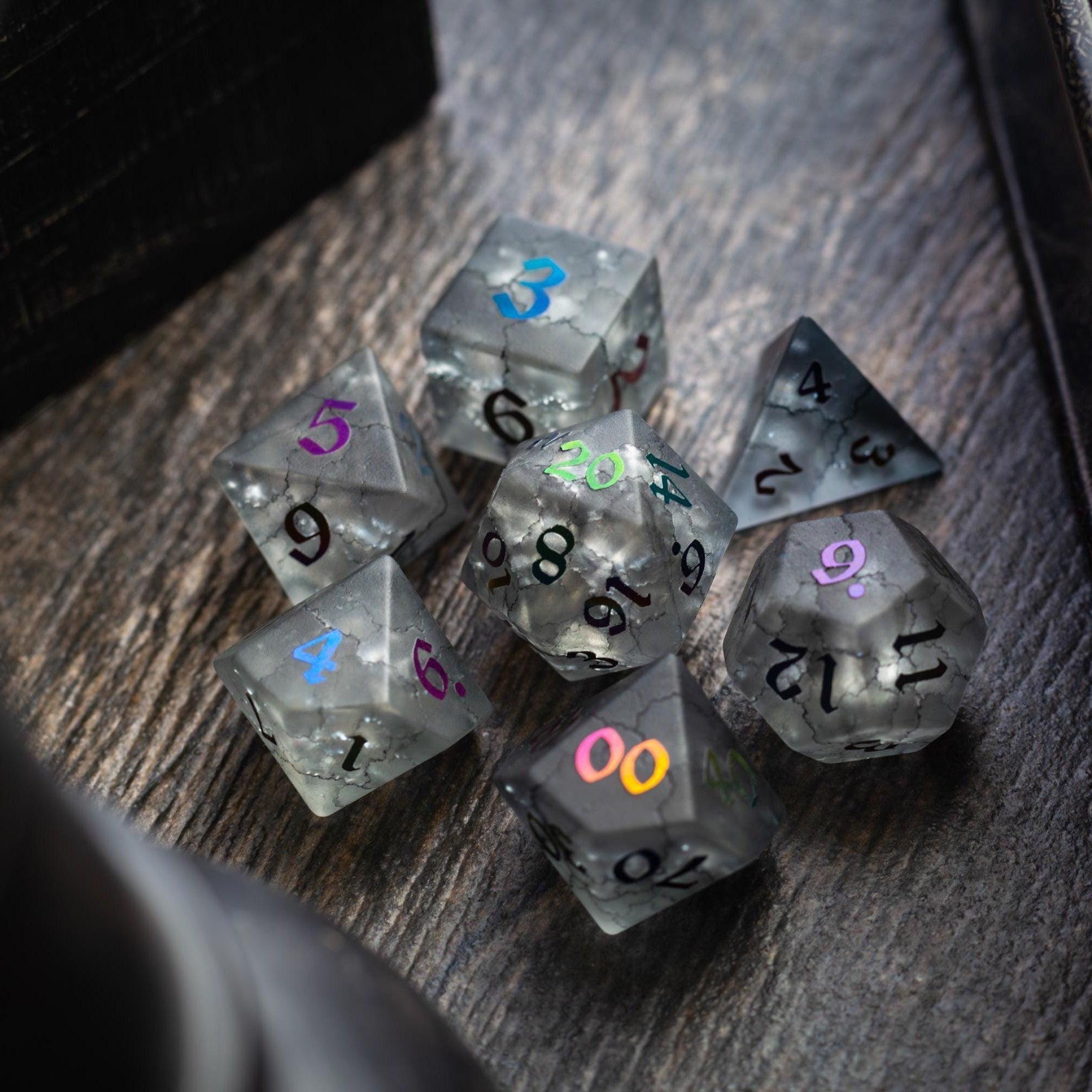
Dragonborn wear their lineage in every strike. Pick Dungeons & Dragons dice that echo fire, frost, acid, or lightning so each breath weapon, attack, and saving throw feels intentional.
Origins and Lore of the Dragonborn
Dragonborn are humanoids with draconic features, including scales, horns, and distinctive reptilian appearances. Different legends describe their origins, with some crediting the dragon gods Bahamut and Tiamat and others suggesting that ancient dragons created the first Dragonborn.
Their history, beliefs, and cultural traditions vary depending on the campaign setting.
Dragonborn in the Forgotten Realms
- Origins in Abeir: Many Dragonborn in the Forgotten Realms trace their heritage to Abeir, a world connected to Toril.
- Tymanther: A Dragonborn nation in Faerûn established following the events of the Spellplague.
- Bahamut and Tiamat: Some Dragonborn worship dragon gods, while others distrust dragons because of their people's history of enslavement.
- Culture and Society: Clan loyalty, independence, personal achievement, and honor are important traditions in many Dragonborn communities.
Dragonborn in Eberron
- Argonnessen: A continent closely associated with dragons and Dragonborn history.
- Q'barra: Home to ancient Dragonborn communities connected to the protection of sacred ruins and the Draconic Prophecy.
- Character Backgrounds: Dragonborn adventurers might be former soldiers, guardians of ancient secrets, mercenaries, or explorers.
These traditions provide useful inspiration, but your Dragonborn does not need to follow a particular culture, religion, or personality.
Dragonborn Traits and Abilities (Updated for 2026)
The revised Dragonborn species provides several useful combat and exploration abilities. The following traits use the official 2024 D&D rules applicable in 2026.
Ability Score Increases
- Ability score increases now come from your character's background rather than your species.
- Choose one of your background's three listed abilities to increase by 2 and another by 1, or increase all three by 1.
- Constitution is especially useful because it determines your Breath Weapon saving throw DC.
Size
- Creature Type: Humanoid.
- Size: Medium, typically between 5 and 7 feet tall.
Speed
- 30 feet of movement speed.
Draconic Ancestry
Your Draconic Ancestry determines the damage type of your Breath Weapon and the damage resistance you receive.
| Dragon Ancestry | Breath Weapon Damage | Damage Resistance |
|---|---|---|
| Black | Acid | Acid |
| Blue | Lightning | Lightning |
| Brass | Fire | Fire |
| Bronze | Lightning | Lightning |
| Copper | Acid | Acid |
| Gold | Fire | Fire |
| Green | Poison | Poison |
| Red | Fire | Fire |
| Silver | Cold | Cold |
| White | Cold | Cold |
Fire resistance can be particularly useful in campaigns featuring destructive spells and fire-breathing monsters. However, the best Dragonborn ancestry depends on the enemies you encounter and your character concept.
Breath Weapon (Updated for 2026)
- Replace a single attack during your Attack action with your Breath Weapon.
- Choose either a 15-foot cone or a 30-foot-long, 5-foot-wide line each time you use it.
- Affected creatures make a Dexterity saving throw, taking full damage on a failure or half damage on a success.
- Saving Throw DC: 8 + Constitution modifier + Proficiency Bonus.
- Total uses equal your Proficiency Bonus and return after a Long Rest.
Dragonborn Breath Weapon Damage Progression:
| Character Level | Damage |
|---|---|
| 1-4 | 1d10 |
| 5-10 | 2d10 |
| 11-16 | 3d10 |
| 17-20 | 4d10 |
Characters with Extra Attack can combine their Breath Weapon with a regular weapon attack. Position yourself carefully because your breath can also damage allies caught within its area.
Damage Resistance
- Take half damage from the damage type associated with your Draconic Ancestry.
- This resistance is always active and does not require an action.
Draconic Flight
- Available at character level 5.
- Spend a Bonus Action to manifest spectral wings.
- Your flying speed matches your normal Speed.
- The wings last up to 10 minutes and can be summoned once per Long Rest.
- The effect ends early if you become Incapacitated or dismiss your wings.
Draconic Flight is useful for crossing dangerous terrain, reaching elevated enemies, escaping ground-based threats, and exploring hard-to-reach locations.
Darkvision
- Darkvision extends up to 60 feet.
- This ability helps when exploring dark dungeons, caves, and underground passages.
- Darkvision does not normally allow you to see through magical darkness.
For the complete official species rules, consult the D&D Beyond Character Origins rules.
Best Classes for Dragonborn
Dragonborn work particularly well with martial classes because they can combine their Breath Weapon with regular attacks. However, their flexible character creation options also make them suitable for spellcasters.
1. Paladin
- Why? Damage resistance improves survivability, while the Breath Weapon gives Paladins an area damage option.
- Best Subclass: Oath of Vengeance or Oath of Devotion. Oath of Conquest is another option if your DM allows older subclasses.
- Recommended Ancestry: Red or Gold for fire resistance.
- Priority Ability Scores: Strength, Charisma, and Constitution.
2. Sorcerer (Draconic Sorcery)
- Why? Draconic heritage complements the Sorcerer's magical abilities, while temporary flight improves positioning.
- Best Subclass: Draconic Sorcery (formerly Draconic Bloodline) or Clockwork Sorcery.
- Recommended Ancestry: Silver or Blue.
- Priority Ability Scores: Charisma, Constitution, and Dexterity.
Choose a different resistance through Draconic Sorcery's Elemental Affinity feature when possible. Resistance to the same damage type does not stack.
3. Fighter (Eldritch Knight or Champion)
- Why? Fighters benefit from Extra Attack, allowing them to combine weapon attacks with their Breath Weapon.
- Best Subclass: Eldritch Knight for spellcasting or Champion for improved critical hit opportunities.
- Recommended Ancestry: Bronze or Brass.
- Priority Ability Scores: Strength or Dexterity, followed by Constitution.
4. Barbarian (Path of the Wild Heart)
- Why? High Constitution improves durability and Breath Weapon effectiveness. Dragonborn can also use their Breath Weapon while raging.
- Best Subclass: Path of the Wild Heart, formerly known as Path of the Totem Warrior.
- Recommended Ancestry: Gold or Black.
- Priority Ability Scores: Strength, Constitution, and Dexterity.
Dragonborn can also make effective Bards, Clerics, Rangers, Monks, Warlocks, and other spellcasters. There is no longer a species-based Strength or Charisma bonus that limits your class selection.
Beginner-Friendly Dragonborn Character Build
If you are creating your first Dragonborn character, a Gold Dragonborn Fighter offers a straightforward combination of defense, weapon damage, and elemental abilities.
- Species: Gold Dragonborn.
- Class: Fighter.
- Subclass: Champion at level 3.
- Background: Soldier.
- Starting Ability Scores: Strength 17, Dexterity 13, Constitution 15, Intelligence 8, Wisdom 12, and Charisma 10, using the standard array and background increases.
- Origin Feat: Savage Attacker.
- Equipment: Longsword, shield, and heavy armor.
- Damage Resistance: Fire.
- Breath Weapon Saving Throw DC: 12 at level 1.
This build lets you focus on protecting allies and fighting enemies directly. At level 5, Extra Attack and Draconic Flight introduce additional tactical options without requiring complicated spell management.
Roleplaying a Dragonborn
Want to bring your Dragonborn character to life? Here are some practical role-playing ideas to help develop their personality and backstory.
1. Honor & Pride
- Does your character value honor, duty, independence, or loyalty to their clan?
- Are they seeking revenge, justice, recognition, or redemption?
- How do they respond when their personal beliefs conflict with family traditions?
2. Draconic Ancestry
- How does your dragon ancestry influence your identity?
- A Red Dragonborn could be a patient healer, while a Gold Dragonborn might be a ruthless mercenary.
- Your ancestry does not determine your alignment or personality.
3. Physical Presence
- Consider how your scales, horns, voice, and appearance affect social interactions.
- Your Dragonborn might appear intimidating while having a gentle and approachable personality.
4. Legacy of Dragons
- Does your Dragonborn follow Bahamut, Tiamat, another deity, or no deity at all?
- Are they searching for a lost ancestral treasure or investigating an ancient draconic secret?
- What does their heritage mean to them personally?
Give your character a personal goal beyond their ancestry. A Dragonborn searching for a missing sibling or rebuilding a ruined hometown can be just as interesting as one pursuing legendary dragon powers.
Frequently Asked Questions About Dragonborn in D&D 5e
Can Dragonborn Fly in D&D 5e?
Yes. Under the revised rules, Dragonborn gain temporary magical flight at level 5 for up to 10 minutes once per Long Rest.
Do Dragonborn Have Tails?
Dragonborn appearance can vary between settings and character interpretations. Discuss cosmetic features such as tails with your Dungeon Master, as they do not automatically provide additional abilities.
Is a Dragonborn's Breath Weapon a Spell?
No. The Breath Weapon is a magical species trait rather than a spell. It does not consume spell slots and cannot be stopped with Counterspell.
Are Dragonborn Immune to Their Own Element?
No. Dragonborn have resistance, not immunity, to their ancestral damage type.
Are Dragonborn Good for Beginners?
Yes. Their straightforward abilities, natural resistance, and flexible class choices make them an accessible species for first-time players.
Where to Find Dragon-Themed Dice and Accessories
For Dragonborn players, using dragon-themed dice can make your gaming experience even more immersive! Check out Runic Dice for metallic and draconic dice sets that match your character's ancestry and breath weapon color.
Final Thoughts: Why Play a Dragonborn?
Playing a Dragonborn in D&D 5e gives you:
- Powerful species traits, including Breath Weapon, flight, and damage resistance.
- Strong synergy with martial and spellcasting classes.
- Deep lore and engaging role-playing potential.
- Flexible character creation options for beginners and experienced players.
Under the revised D&D rules used in 2026, Dragonborn offer a rewarding combination of combat abilities, mobility, and character customization. Whether you prefer a fire-breathing warrior, a lightning-wielding mage, or a quiet guardian with a complicated past, your Dragonborn's story is yours to shape.
Are you ready to breathe fire, wield a blade, and carve your own legend? Roll initiative!








Leave a comment
This site is protected by hCaptcha and the hCaptcha Privacy Policy and Terms of Service apply.