

Way of Mercy Monk Guide for Beginners: Mastering the Mercy Monk in D&D 5e

The Way of Mercy Monk is a martial artist who manipulates life energy to heal injured allies and punish enemies with precise strikes. Originally introduced in Tasha’s Cauldron of Everything, this subclass appears as the Warrior of Mercy in the updated Player’s Handbook (2024). This guide follows the revised D&D 5.5e rules for 2026 while retaining the familiar subclass name.
Unlike traditional healers, Mercy Monks combine martial arts, battlefield mobility, condition removal, and healing without relying on spell slots. They spend Focus Points to restore hit points or deal additional Necrotic damage, making them valuable in parties that need both combat support and reliable damage. For an overview of the revised rules, see D&D Beyond’s Monk update.
WHY PLAY A WAY OF MERCY MONK?
Key Benefits
- Healing and support: Restore hit points without preparing healing spells or spending spell slots.
- Extra damage: Add Necrotic damage to successful Unarmed Strikes through Hand of Harm.
- Condition removal: Starting at level 6, remove several dangerous conditions from injured allies.
- Flexible combat: Switch between attacking, healing, and protecting yourself depending on the situation.
- Excellent mobility: Reach injured companions and reposition quickly during combat.
- Roleplay potential: Play a wandering physician, masked guardian, or martial artist who studies life and death.
The Way of Mercy is a strong Monk subclass for players who enjoy supporting their party without giving up close-range combat. However, managing Focus Points and staying within reach of allies are important parts of playing it effectively.
Core Features
Key Mechanics and Abilities
Under the updated Monk rules, Focus Points replace the older term ki points. You gain them at level 2 and recover expended points after a Short or Long Rest. Your Martial Arts die starts at a d6 and eventually increases to a d12.
Uncanny Metabolism also allows you to recover all expended Focus Points and regain some hit points when you roll Initiative, once per Long Rest. This gives Mercy Monks additional resources during demanding adventures.
Implements of Mercy (Level 3)
- Gain proficiency in the Insight and Medicine skills and with the Herbalism Kit.
- Wear a plague doctor, raven, skull, or other distinctive mask if it suits your character. The revised feature no longer automatically provides a mask.
- Herbalism Kit proficiency supports crafting certain items, including healing potions, when the appropriate crafting requirements are met.
Hand of Healing (Level 3)
- Spend 1 Focus Point and use a Magic action to touch a creature, including yourself, and restore hit points equal to your Martial Arts die roll plus your Wisdom modifier.
- When using Flurry of Blows, replace one of its Unarmed Strikes with Hand of Healing without spending an additional Focus Point for the healing.
- Hand of Healing is not a spell and does not require spell slots.
For example, a level 3 Mercy Monk with a Wisdom modifier of +3 restores 1d6 + 3 hit points with Hand of Healing. Using it during Flurry of Blows allows you to attack and heal during the same turn.
Hand of Harm (Level 3)
- After hitting and damaging a creature with an Unarmed Strike, spend 1 Focus Point to deal additional Necrotic damage.
- The extra damage equals your Martial Arts die roll plus your Wisdom modifier.
- You can use Hand of Harm only once per turn.
- Because you activate this ability after a successful hit, you do not risk spending its Focus Point on a missed attack.
Physician’s Touch (Level 6)
- Hand of Healing can also remove one of the following conditions: Blinded, Deafened, Paralyzed, Poisoned, or Stunned.
- Hand of Harm can also inflict the Poisoned condition until the end of your next turn, without requiring a saving throw.
- Creatures immune to the Poisoned condition are unaffected by this additional effect.
Removing a condition can sometimes be more valuable than restoring hit points. Healing a Stunned ally before their next turn, for example, may allow them to return to combat immediately. Unlike the original subclass feature, the revised Physician’s Touch does not explicitly provide disease removal.
Flurry of Healing and Harm (Level 11)
- Replace any or all Unarmed Strikes from Flurry of Blows with Hand of Healing without paying additional Focus Points for each healing use.
- Apply Hand of Harm to a damaging Flurry of Blows strike without paying its usual additional Focus Point.
- Hand of Harm remains limited to once per turn.
- These enhanced benefits have a shared usage limit based on your Wisdom modifier, with a minimum of one use per Long Rest.
Since Flurry of Blows increases to three Unarmed Strikes at level 10, this feature allows you to deliver up to three healing touches during a single Bonus Action. Your ordinary level 3 healing and damage abilities remain available after these enhanced uses run out.
Hand of Ultimate Mercy (Level 17)
- Spend 5 Focus Points and use a Magic action to revive a creature that died within the previous 24 hours by touching its corpse.
- The revived creature returns with 4d10 hit points plus your Wisdom modifier.
- It also removes Blinded, Deafened, Paralyzed, Poisoned, and Stunned if those conditions were present at death.
- This feature requires no spell slot or costly spell component and can be used once per Long Rest.
Suggested Ability Scores
- Dexterity: Your main priority for attack rolls, weapon and Unarmed Strike damage, initiative, and Armor Class.
- Wisdom: Improves healing, Hand of Harm damage, Armor Class, Monk saving throw DCs, and level 11 feature uses.
- Constitution: Provides additional hit points and improves your survivability during close-range combat.
Recommended Races
Under the revised D&D rules, races are called species, and starting ability score increases generally come from your background. Choose a background that supports Dexterity and Wisdom, such as Guide.
- Firbolg: A thematic choice for a wandering physician connected to nature.
- Aarakocra: Flight provides additional mobility if your DM allows this species.
- Human: Gains an additional Origin feat, offering more character-building flexibility.
- Wood Elf: Increased walking speed helps you reach wounded companions and reposition during combat.
Firbolg and Aarakocra options come from earlier sourcebooks, so confirm their availability with your Dungeon Master.
Playing as a Way of Mercy Monk
Role in a Party
- Frontline combat healer: Fight alongside companions and restore their hit points through Flurry of Blows.
- Condition remover: Help allies recover from debilitating effects using Physician’s Touch.
- Mobile striker: Reach priority targets and weaken enemies through Hand of Harm.
Tips for New Players
- Manage your Bonus Action: Balance Flurry of Blows with Patient Defense and Step of the Wind.
- Save Focus Points: Keep resources available for emergencies instead of spending everything on damage.
- Prioritize unconscious allies: Restoring hit points to an ally at 0 HP can bring them back into the fight if they are still alive.
- Watch your positioning: Hand of Healing requires physical contact, so plan your movement carefully.
- Use Short Rests: Recover Focus Points between encounters whenever possible.
Roleplay Suggestions
- The Plague Doctor: A masked traveler who treats illness and investigates mysterious outbreaks.
- The Warrior Healer: A protector who believes ending a fight quickly can save lives.
- The Divine Punisher: A stern wanderer who offers compassion to the innocent and judgment to dangerous foes.
Gear and Dice Recommendations
Suggested Equipment
Weapons
- Quarterstaff: A useful Monk weapon that also fits the wandering physician theme.
- Unarmed Strikes: Essential for Hand of Harm and Flurry of Blows.
Armor
- No Armor (Unarmored Defense): Your Armor Class equals 10 plus your Dexterity and Wisdom modifiers while wearing no armor and using no shield.
Magic Items
- Bracers of Defense: Add 2 to AC when wearing no armor and using no shield.
- Amulet of Health: Sets Constitution to 19 unless your score is already 19 or higher.
- Ring of Regeneration: Provides gradual healing over time, subject to your DM’s treasure choices.
Dice Recommendations from Runic Dice
The Way of Mercy Monk thrives on balance, bringing both healing and pain in equal measure. The right DND dice set can reflect this duality, enhancing the roleplay of a monk who wears a healer’s mask but can also strike with deadly precision. Here are some fitting options from our collection:
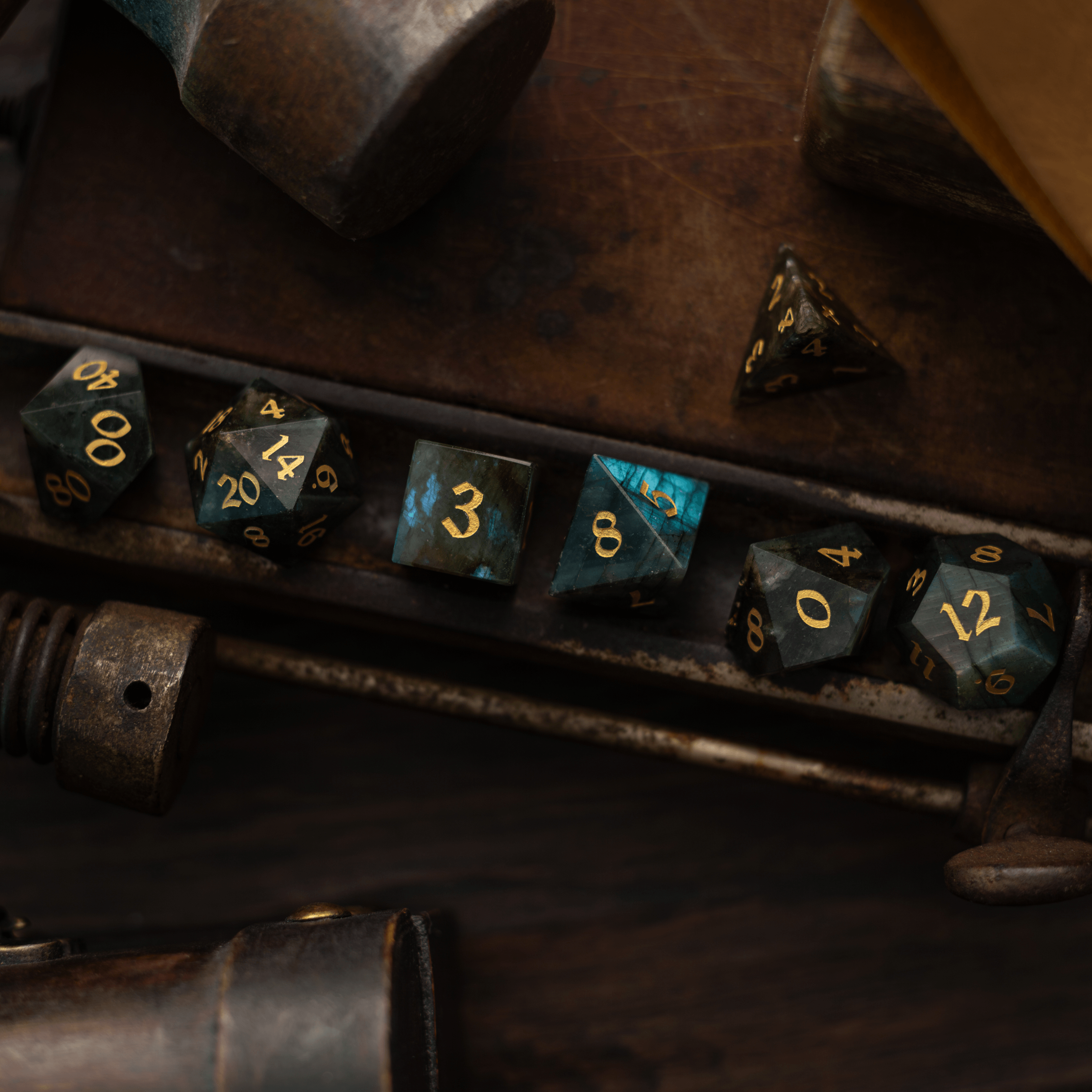
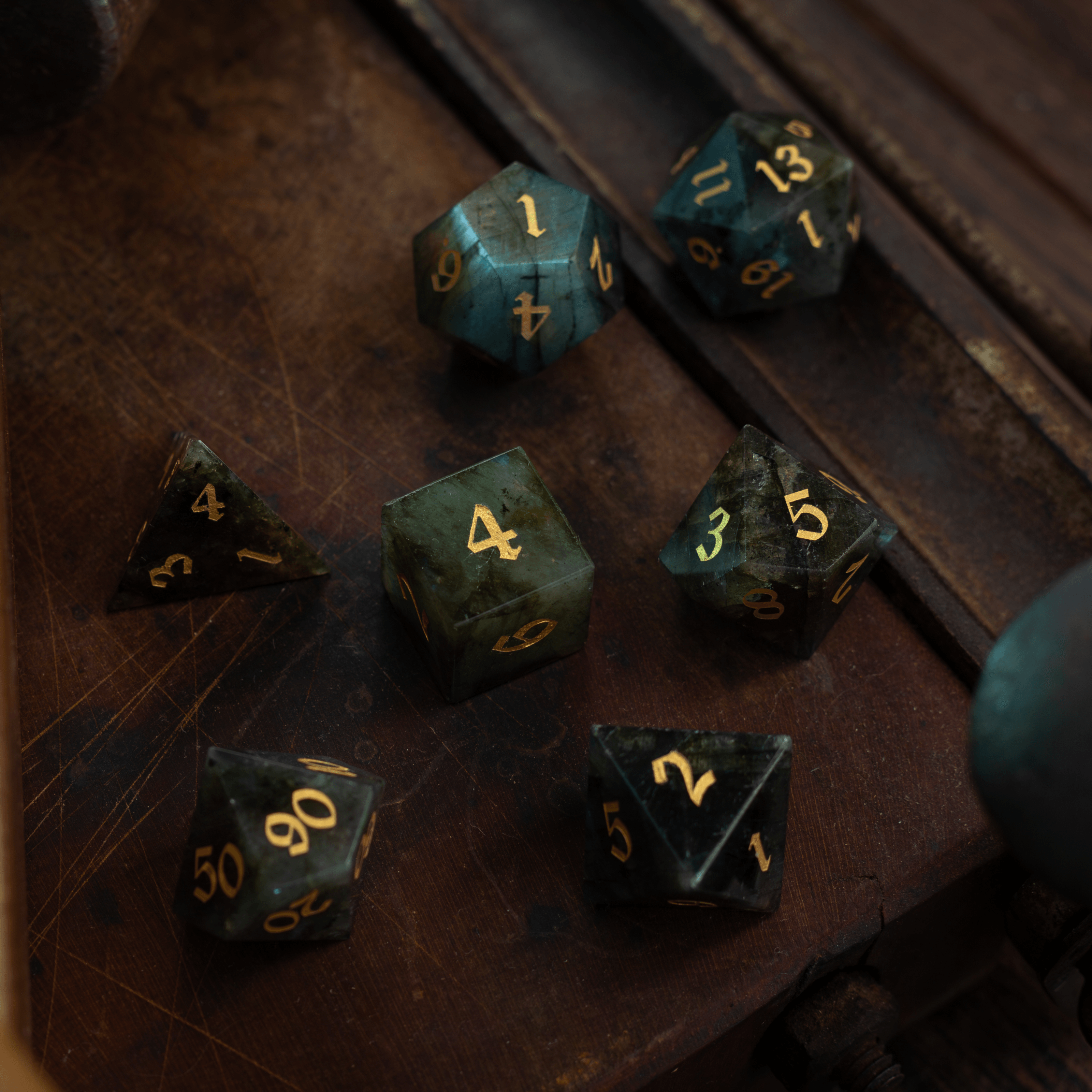
- Healer’s Grace: To embody the restorative side of the Mercy Monk, the Gemstone Opalite (Gold Font) DND Dice Set is a perfect match. Its glowing, milky white hues with golden numbers represent purity, light, and the soothing touch of healing hands.
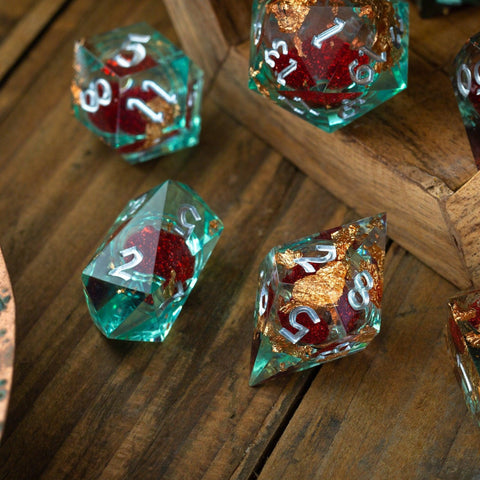
- Silent Remedy: For a cooler, more restrained theme, the Blue Glitter Liquid Core Sharp Edge Resin DND Dice Set captures the calm focus of a monk who channels life energy to mend wounds. The swirling blue core reflects serenity and the flow of life energy.
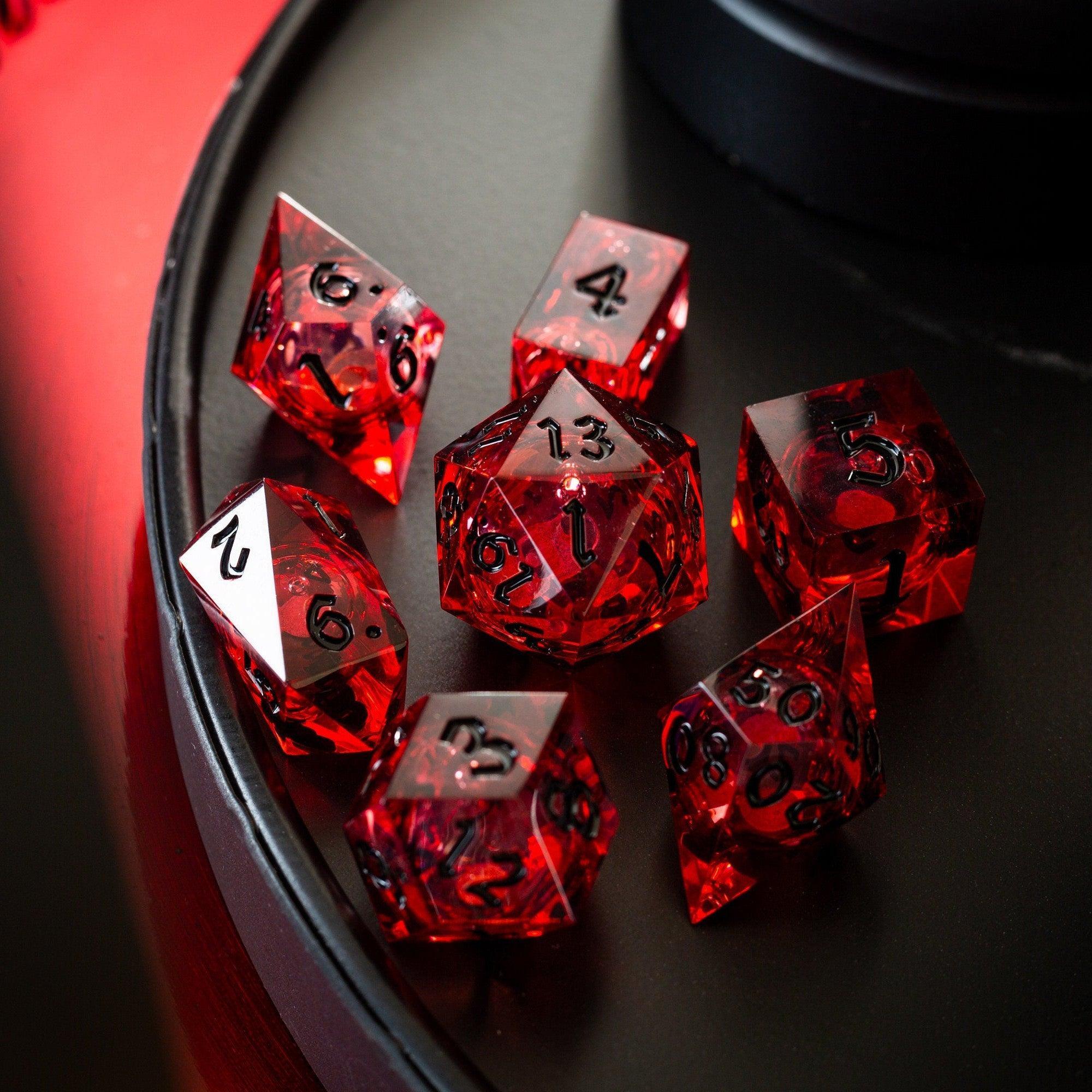
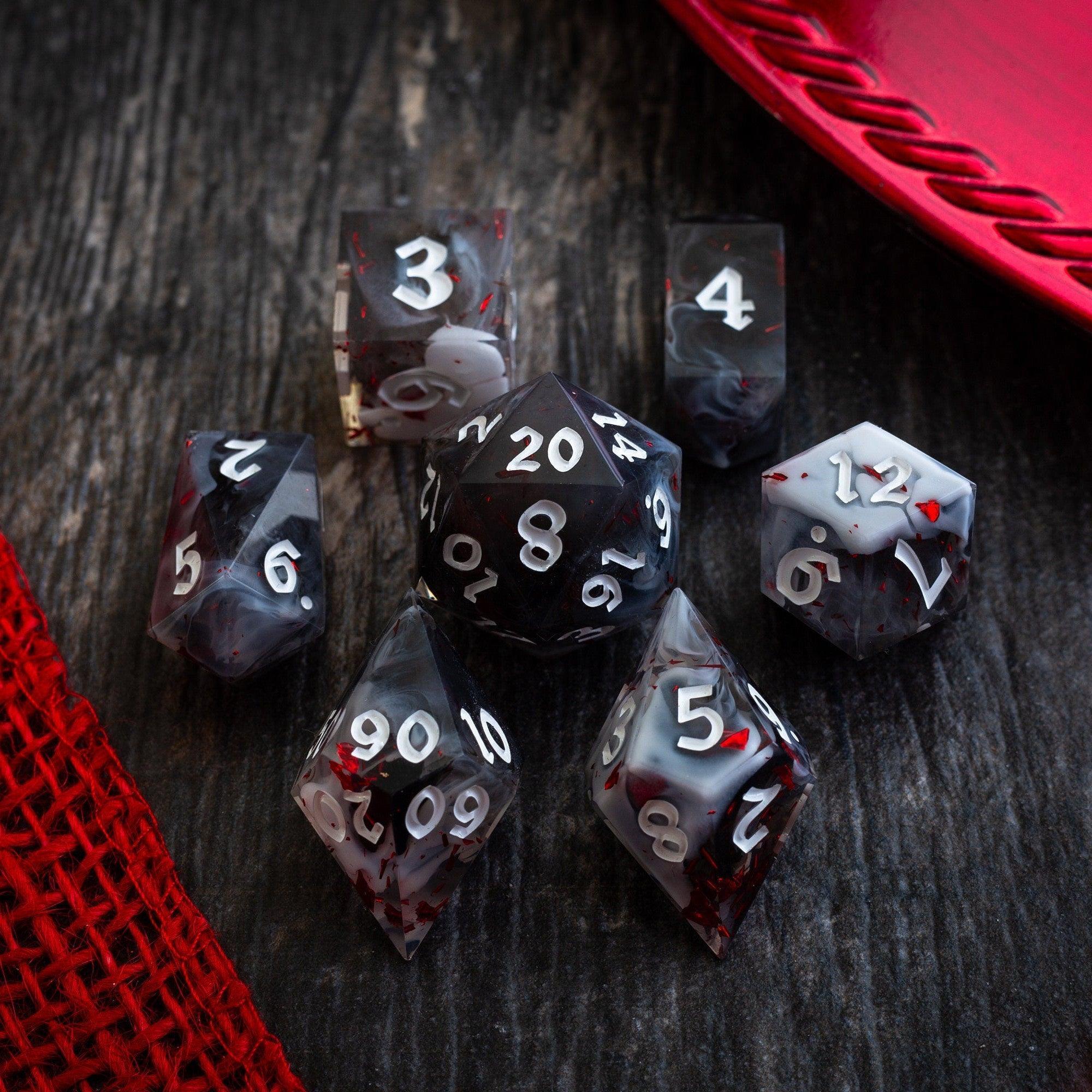
- Venom’s Kiss: Mercy is not without punishment, and the Blood Red Glitter Liquid Core Resin DND Dice Set embodies the subclass’s deadly touch. Its deep crimson tones and sparkling liquid core reflect the poisonous effects of Physician’s Touch, reminding your foes that healing hands can also strike with lethal intent.
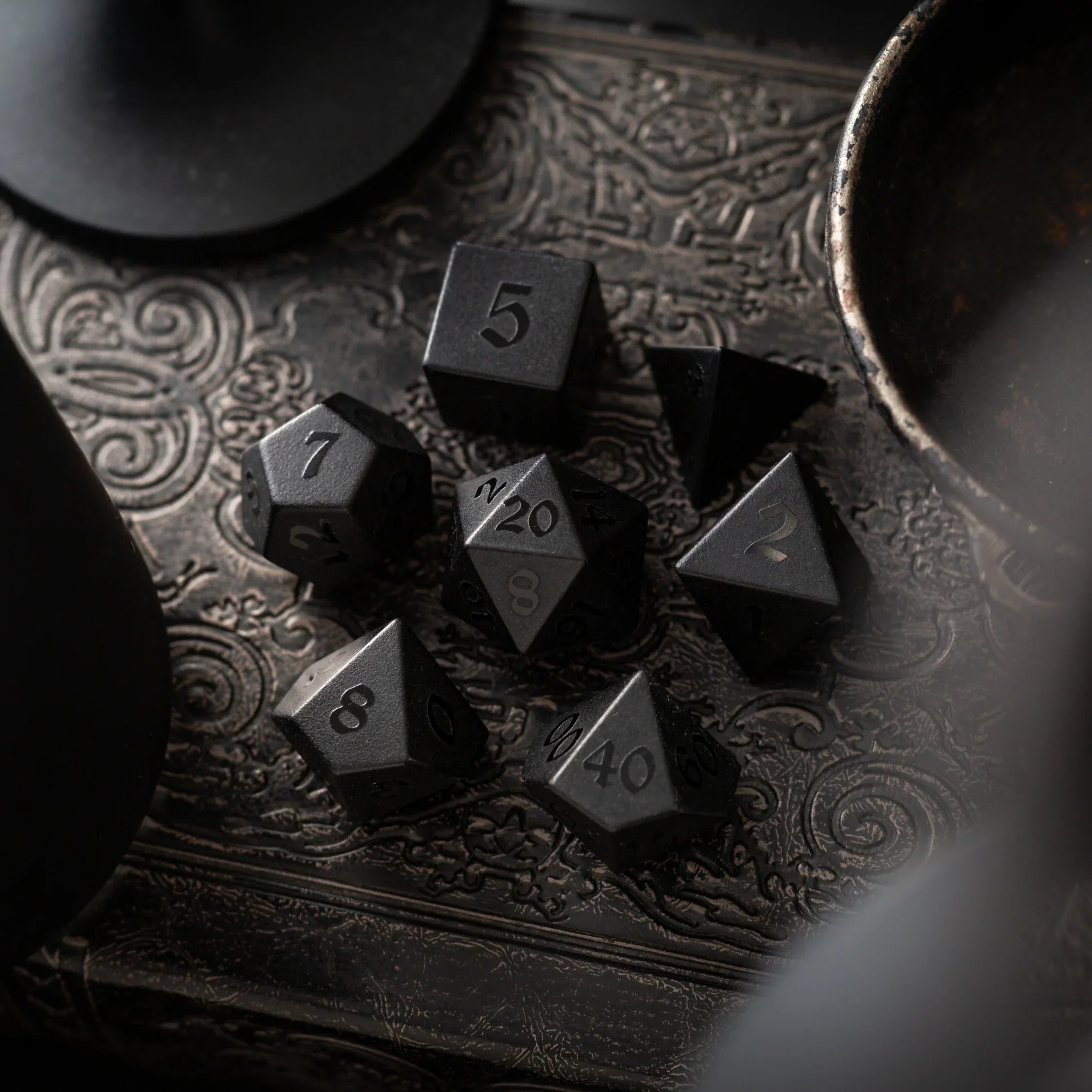
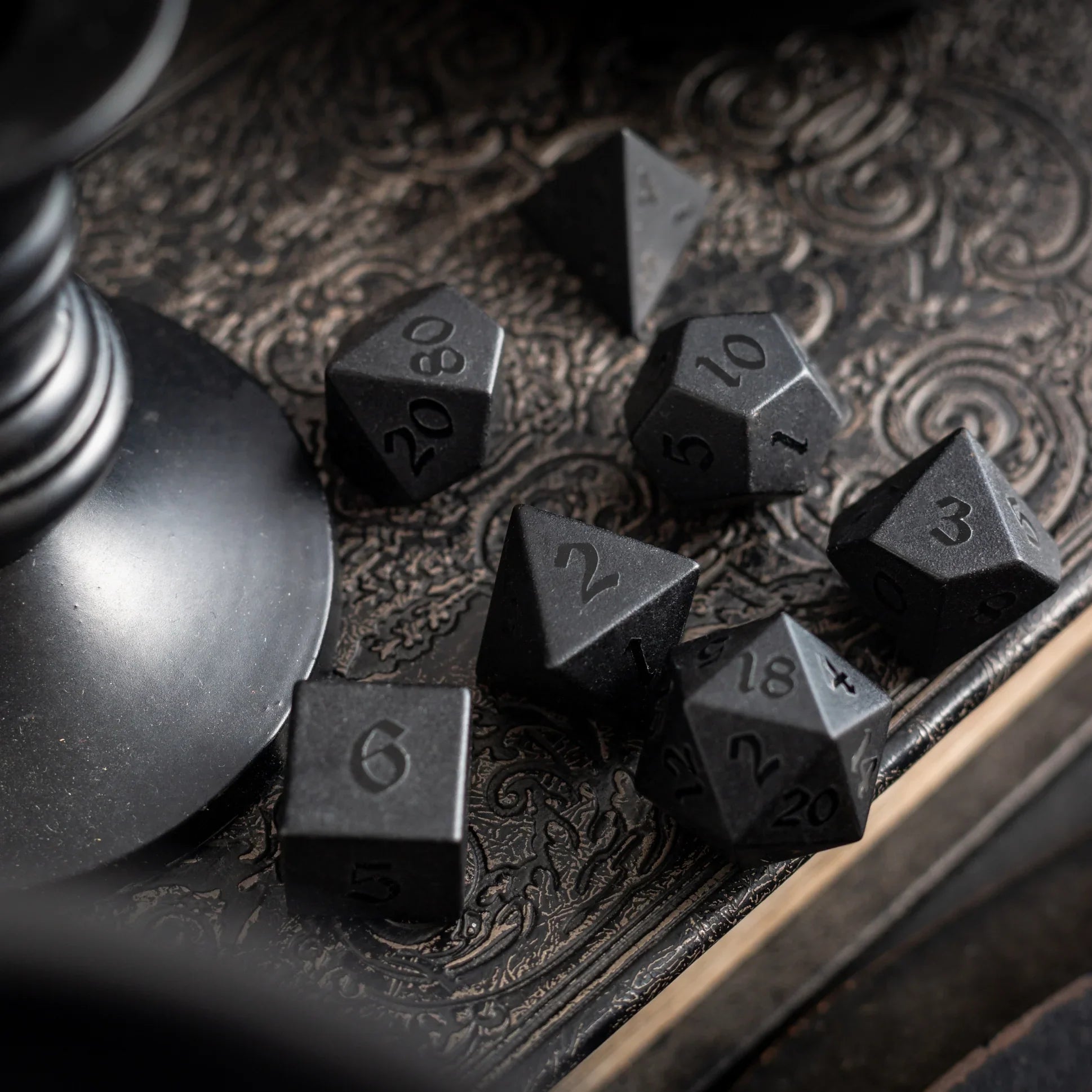
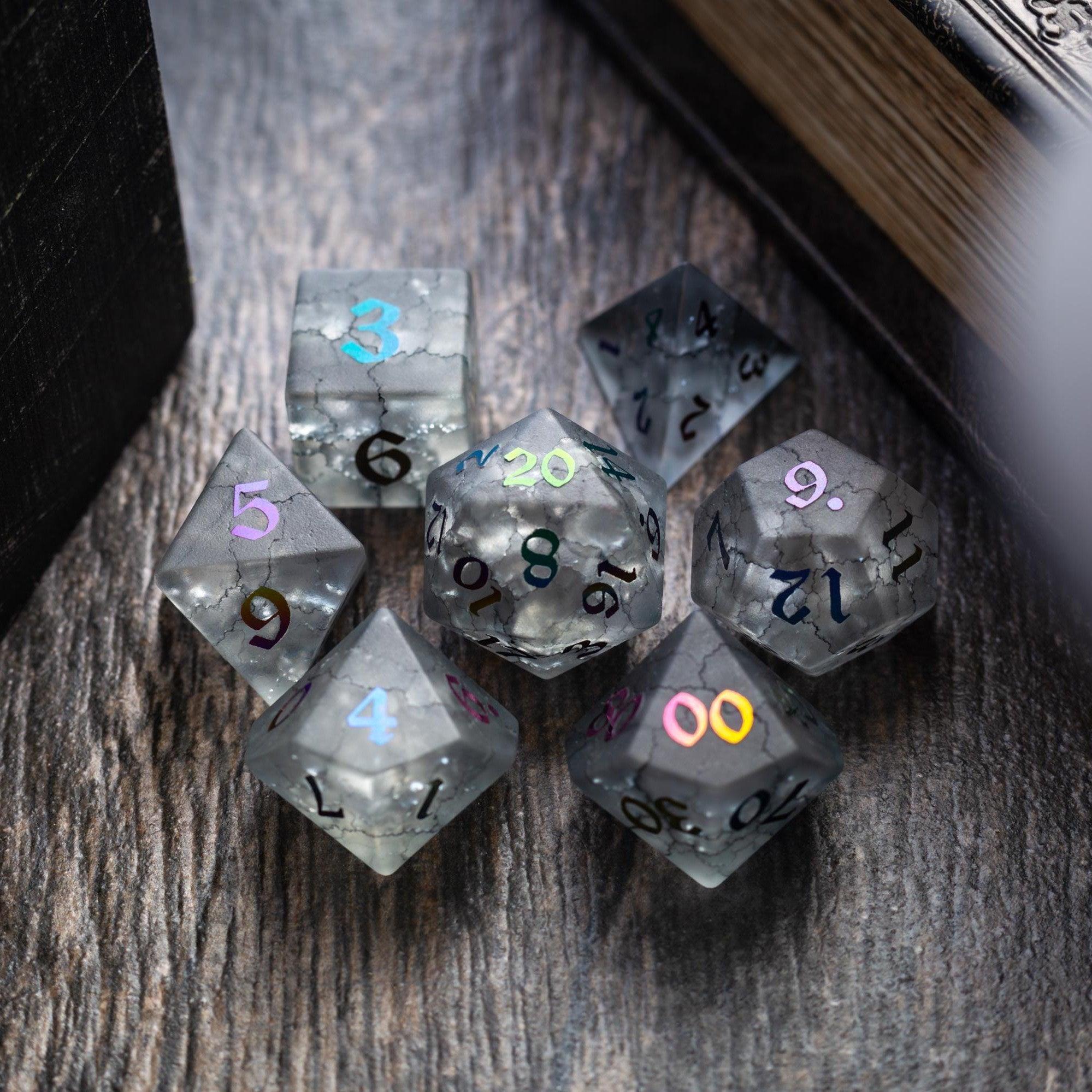
- Balance of Shadows: For those who want to lean into the mask-wearing, mysterious side of the subclass, the Black Inked Lightning Cracked Glass DND Dice Set is ideal. Its fractured design with dark accents mirrors the enigmatic, almost intimidating aura of the Mercy Monk.
These resin dice and gemstone dice sets balance themes of light, darkness, healing, and harm, making them the perfect match for the Way of Mercy Monk. Whether you see yourself as a holy healer, a shadowy punisher, or both, the right dice can bring your roleplay to life.
Advanced Tips and Tricks
Optimization Strategies
- Feats: Healer provides additional medical support, Tough increases survivability, Lucky helps with important rolls, and Speedy improves battlefield mobility.
- Multiclassing: Cleric or Druid levels offer additional healing spells but delay Monk features and Focus Point progression. Rogue provides useful skills, although Sneak Attack cannot be applied to ordinary Unarmed Strikes.
- Build ideas: A Divine Healer prioritizes Wisdom, a Death’s Touch Monk focuses on Dexterity and offensive abilities, and a Phantom Doctor emphasizes stealth and medical expertise.
Beginner-Friendly Way of Mercy Monk Build
- Species: Human.
- Background: Guide.
- Starting ability scores: Strength 8, Dexterity 16, Constitution 14, Intelligence 10, Wisdom 16, Charisma 10, using the standard array and background increases.
- Additional Human Origin feat: Tough.
- Level 4: Increase Dexterity to 18.
- Level 6: Gain Physician’s Touch.
- Level 8: Increase Wisdom to 18.
For most beginners, staying in Monk is the simplest way to develop reliable healing, strong attacks, and useful defensive abilities. The Way of Mercy Monk, officially called the Warrior of Mercy in D&D 5.5e, is an excellent choice for players who want to protect their companions while remaining active in close-range combat.












Leave a comment
This site is protected by hCaptcha and the hCaptcha Privacy Policy and Terms of Service apply.