
Mastering Skill and Feat Optimization for Balanced Builds
Updated on: 2025-12-29
If you’ve ever felt stuck choosing which proficiencies or perks to take next, you’re in the right place. This friendly guide shows you how to turn scattered notes into a simple plan that keeps your character fun and effective. We’ll walk through priorities, synergies, and gear that supports your style, plus smart ways to use skill and feat optimization references without getting overwhelmed. By the end, you’ll know how to make confident choices that feel good at the table.
- Introduction
- How to Use skill and feat optimization references
- Did You Know?
- Comparison: Pros & Cons
- Buyer’s Checklist
- Q&A
- Final Thoughts & Advice
Introduction
Optimizing a character shouldn’t feel like homework. You want a build that’s smooth to play, pulls its weight, and still has personality. This guide breaks down a clear approach to planning skills and perks, choosing upgrades that matter, and keeping your sheet easy to use during fast turns. You’ll learn how to map your goals, spot clean synergies, and avoid common traps like over-specializing too soon or neglecting basics like survivability and utility. I’ll also share quick tips on dice and accessories that help you track choices and keep your flow steady.
How to Use skill and feat optimization references
References are helpful, but only if you use them with intention. Here’s a simple approach that keeps you in control of your build, not the other way around:
- Start with a story goal. Write a one-sentence concept for your character’s role and vibe. Example: “Sneaky scout who handles recon and sets up allies.” This keeps your choices focused.
- Define your top three priorities. Think role clarity (what you do best), survivability (how you stay active), and utility (how you help outside of combat). When a guide ranks options, pick the ones that serve those priorities.
- Use a two-step synergy check. Every time you consider a new perk, ask: “Does it stack with what I do every session?” and “Will I use it at least once every two sessions?” If not, skip it for now.
- Plan for early, mid, and late milestones. Early picks should smooth your core loop, mid picks widen your toolkit, and late picks add style or signature moves.
- Keep notes in plain language. Replace jargon with what you’ll actually do. Instead of “+X to checks,” write “Better at scouting in dim light” or “Advantage when setting ambush.” It’s faster to use during play.
References aren’t rules—think of them as a menu. Your job is to order what fits your table, your party needs, and the story you’re excited to tell.
Did You Know?
- Small, reliable bonuses add up more than rare, flashy moves. Over a session, the consistent option often outperforms the dramatic one you forget to trigger.
- Your party composition matters more than perfect math. Filling gaps—like scouting, social leverage, or battlefield control—often brings more wins than chasing a top-tier rating from a guide.
- Simplicity increases impact. The fewer conditional rules you juggle, the more often you’ll remember to apply your advantages.
- Action economy is king. If a perk competes with your best action, it may never see play. Choose upgrades that enhance your main loop or add off-turn value.
- Theme boosts memory. When your tools match your character’s story, you’ll use them more. That leads to better results without extra effort.
Comparison: Pros & Cons
Generalist vs. Specialist
- Generalist Pros: Flexible in mixed challenges; covers party gaps; resilient to weird scenarios.
- Generalist Cons: Lower peak in any one area; can feel spread thin without careful planning.
- Specialist Pros: Very strong in a chosen lane; clear identity; great at solving specific problems fast.
- Specialist Cons: Vulnerable when the spotlight shifts; may need party support to shine often.
Early Power vs. Late Synergy
- Early Power Pros: Smooth low-level play; easy onboarding; immediate results.
- Early Power Cons: You might need retraining later; some picks don’t scale well.
- Late Synergy Pros: Big payoff when pieces come together; unique build identity.
- Late Synergy Cons: Slow start; requires patience and table support.
Complex Combos vs. Simple Tools
- Complex Combos Pros: High ceiling; exciting moments; creative problem-solving.
- Complex Combos Cons: Easy to miss triggers; longer turns; higher mental load.
- Simple Tools Pros: Consistent; fast turns; low risk of misplay.
- Simple Tools Cons: Lower peak; may feel “plain” if you crave flashy turns.
Buyer’s Checklist
Great gear can make optimization easier in practice—faster turns, fewer missed triggers, and a table presence that matches your character’s theme. Use this checklist when upgrading your dice and accessories:
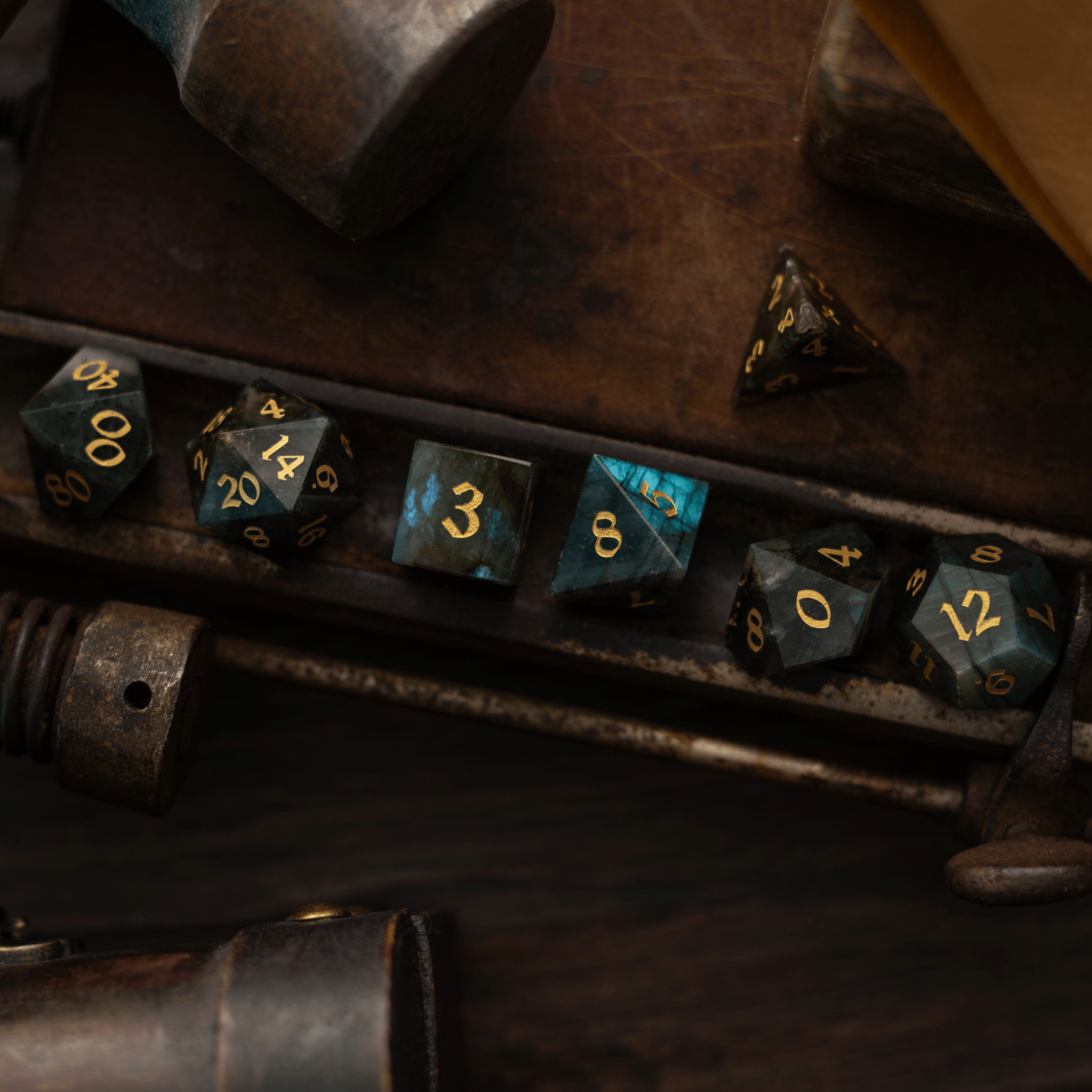
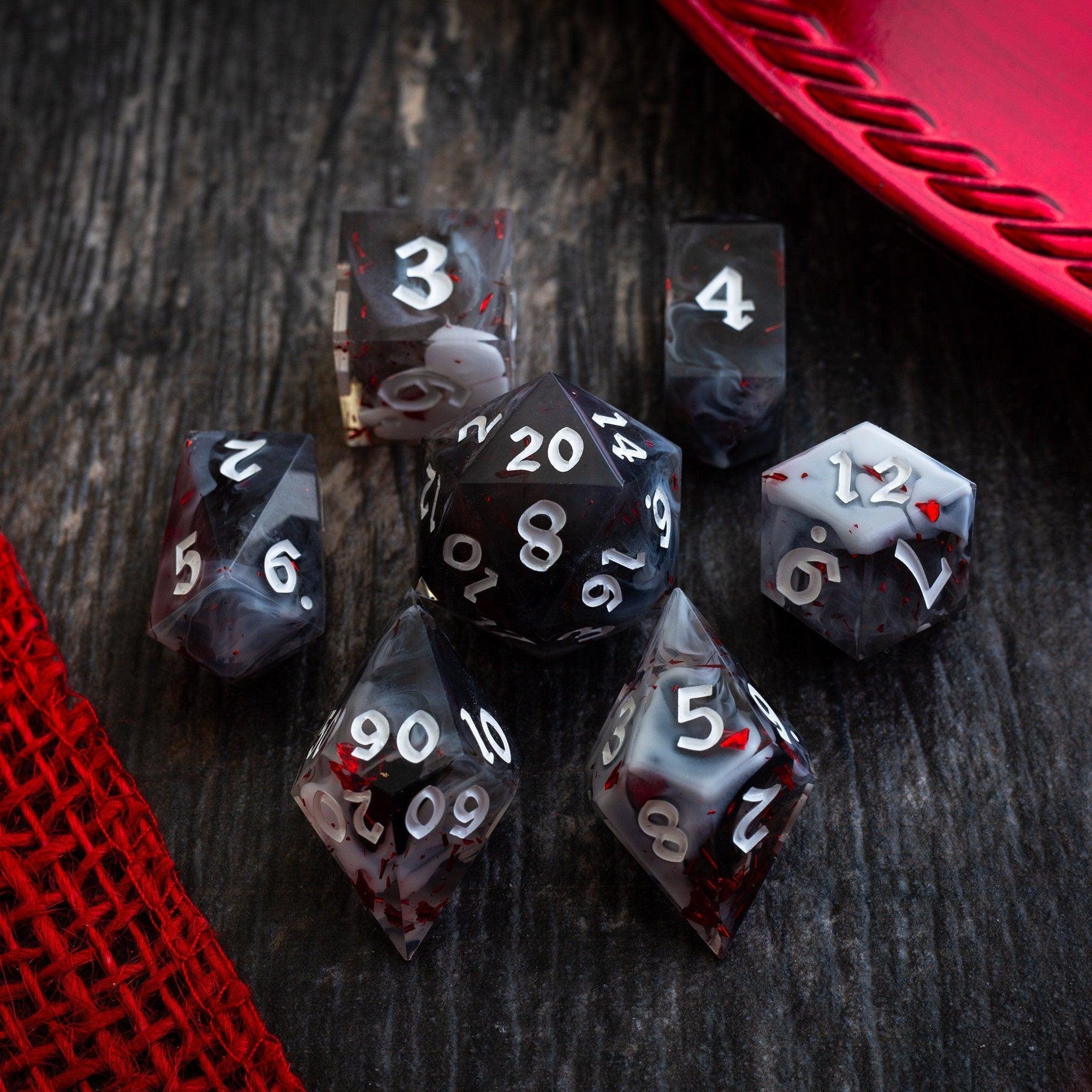
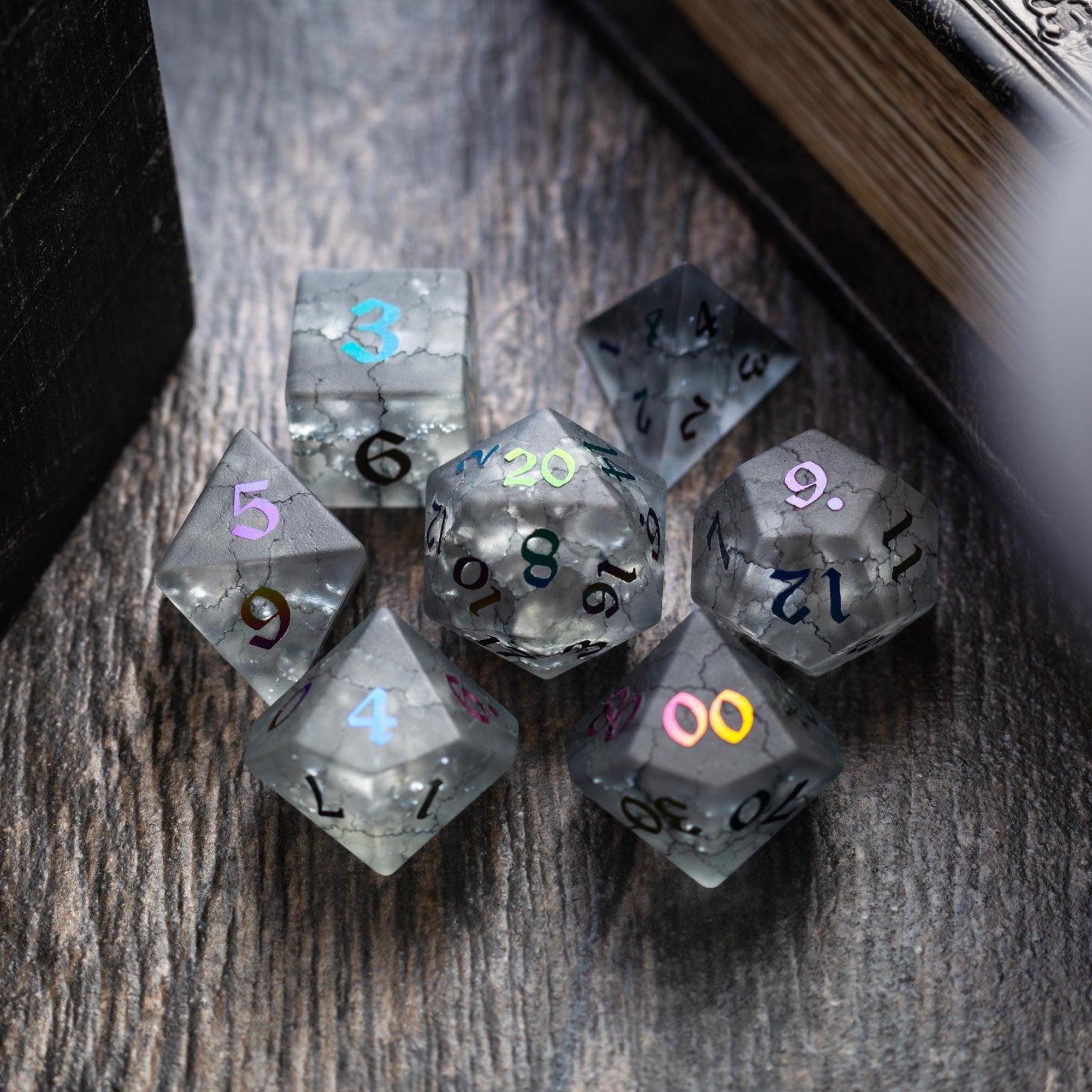
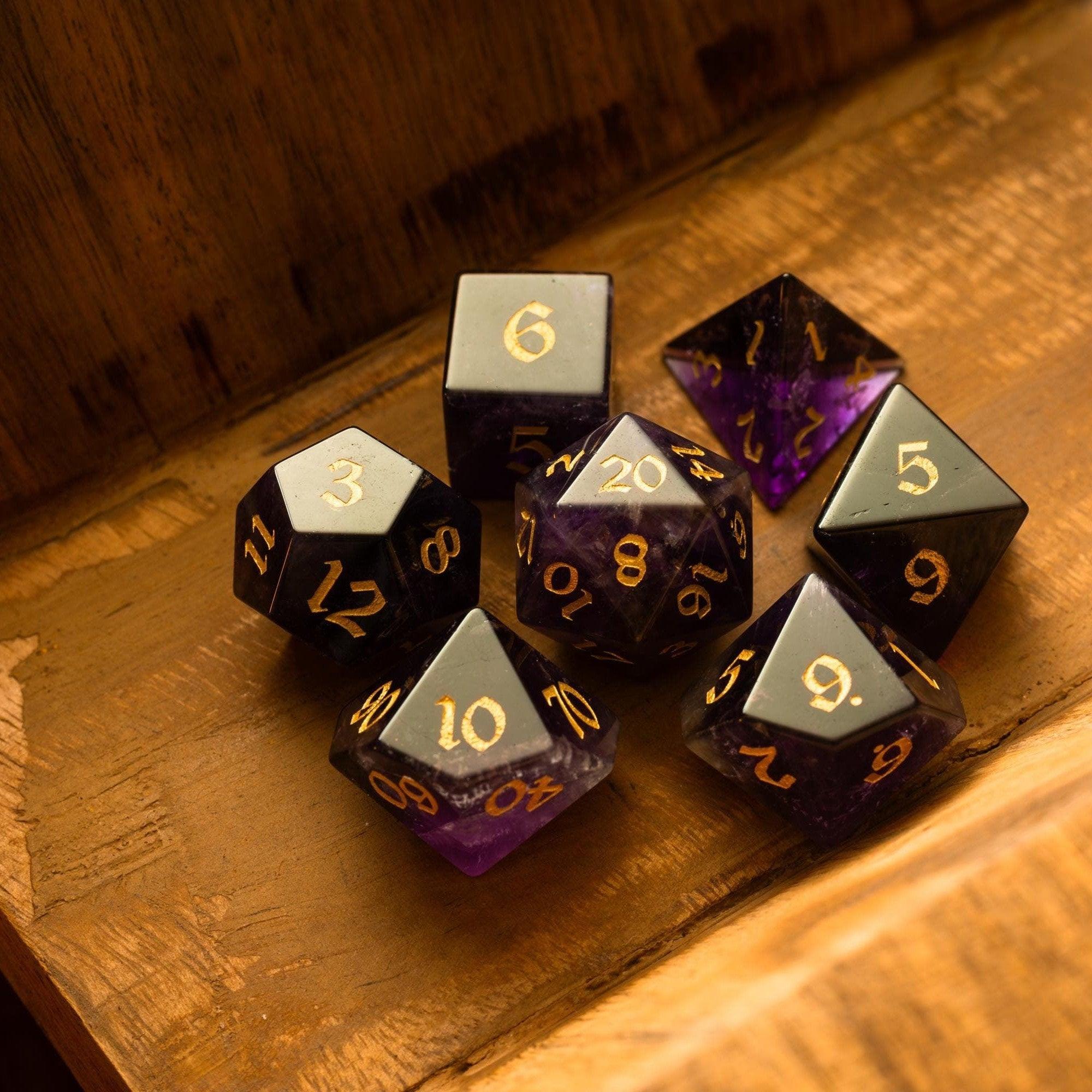
- Readability first. High-contrast inking and crisp edges reduce misreads. If you like a dramatic look, consider a bold set like the dwarf-cut gold set for standout visibility.
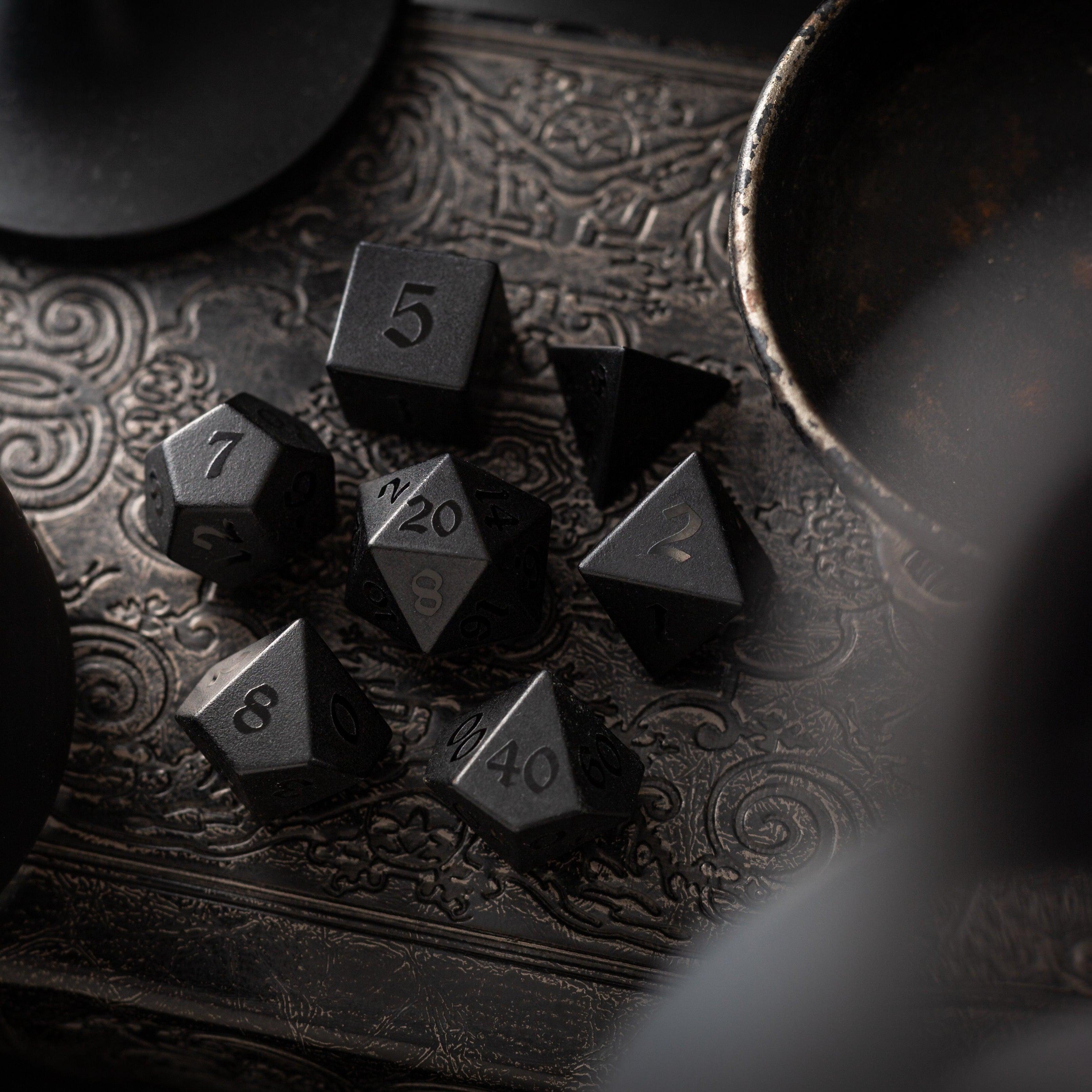
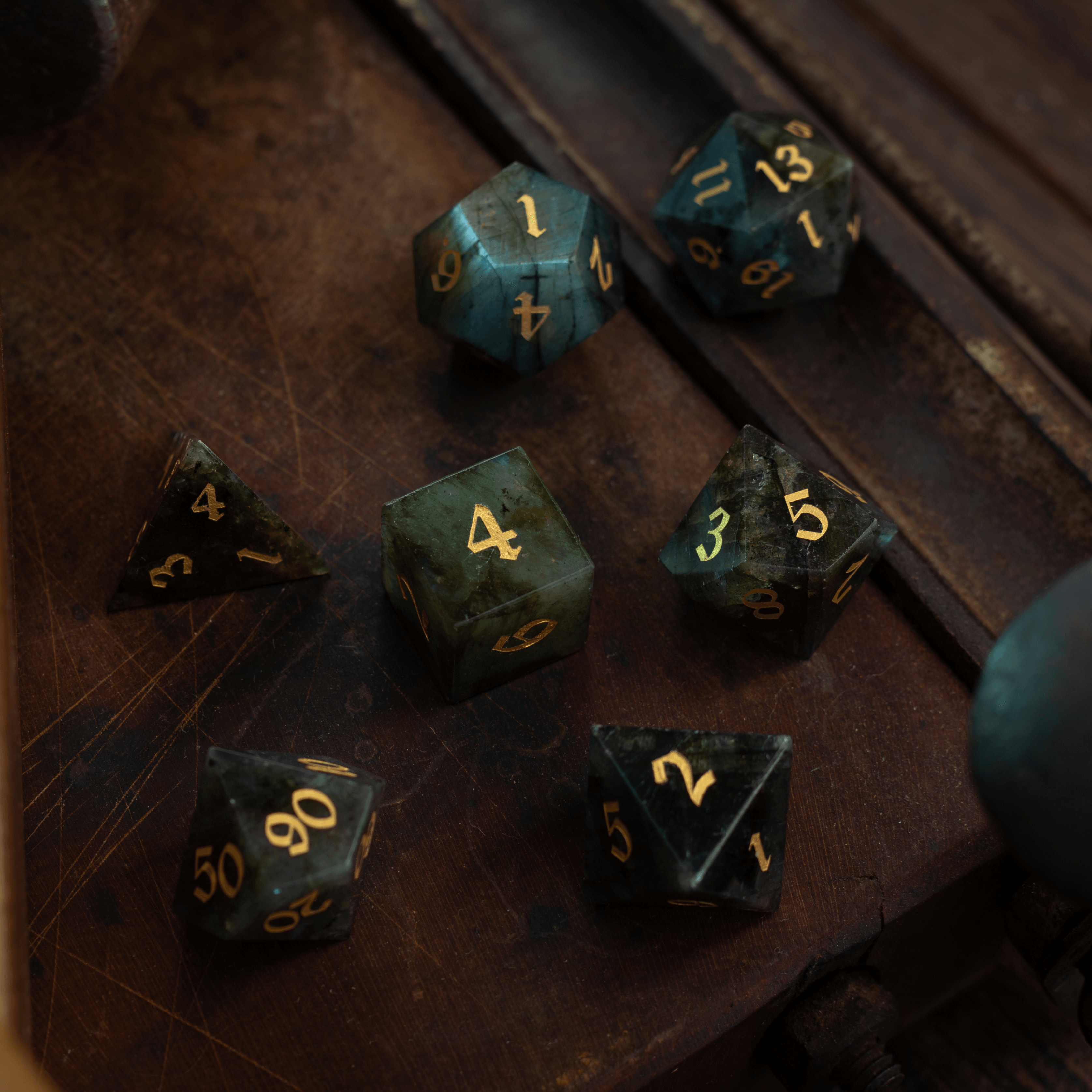
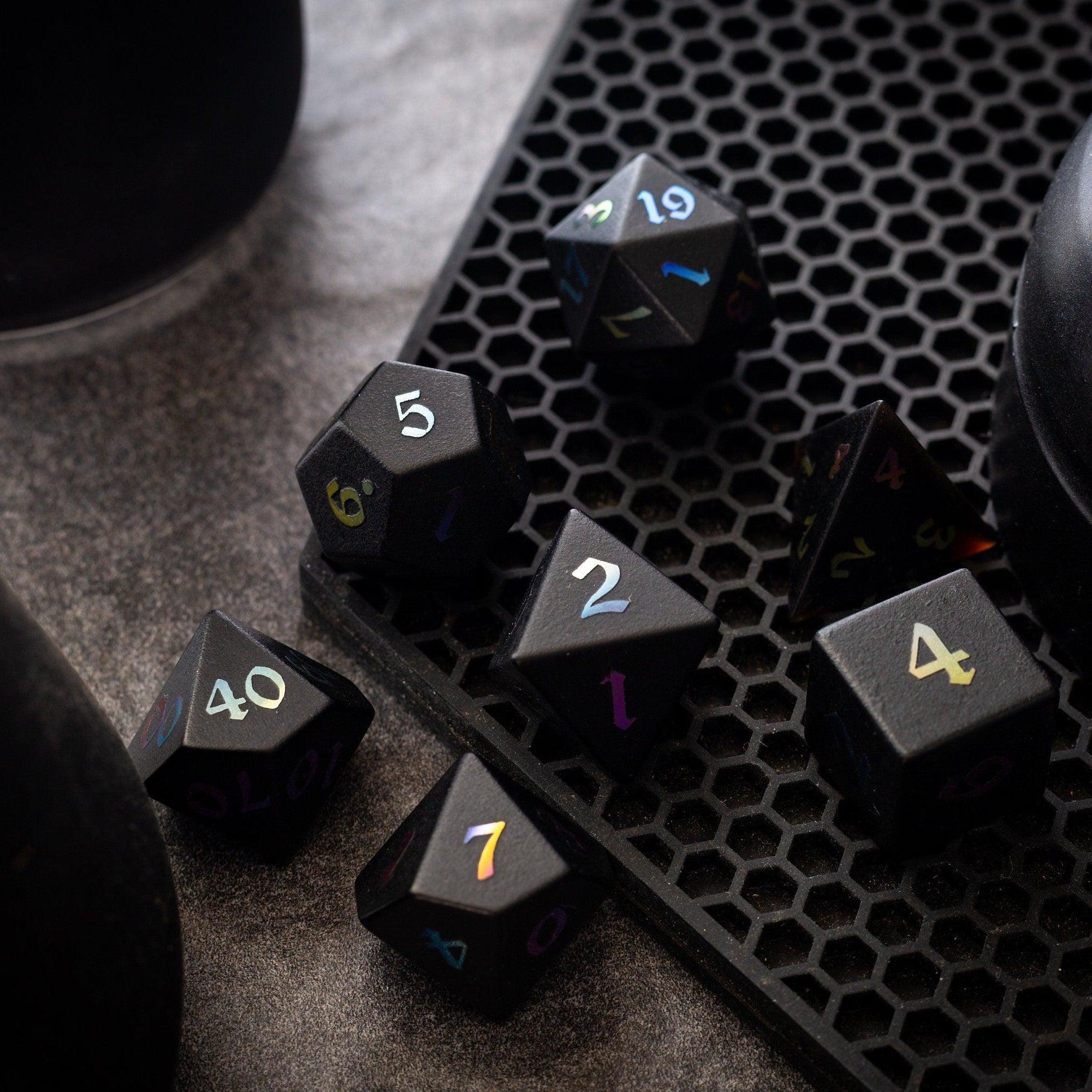
- Material that matches your vibe. If your character has an elemental or stealth theme, go for materials that feel aligned, like a sleek obsidian set or luminous glass.
- Consistency across rolls. A balanced set helps you trust your results and stay focused. Browse enduring options in the gemstone dice collection for durability and weight.
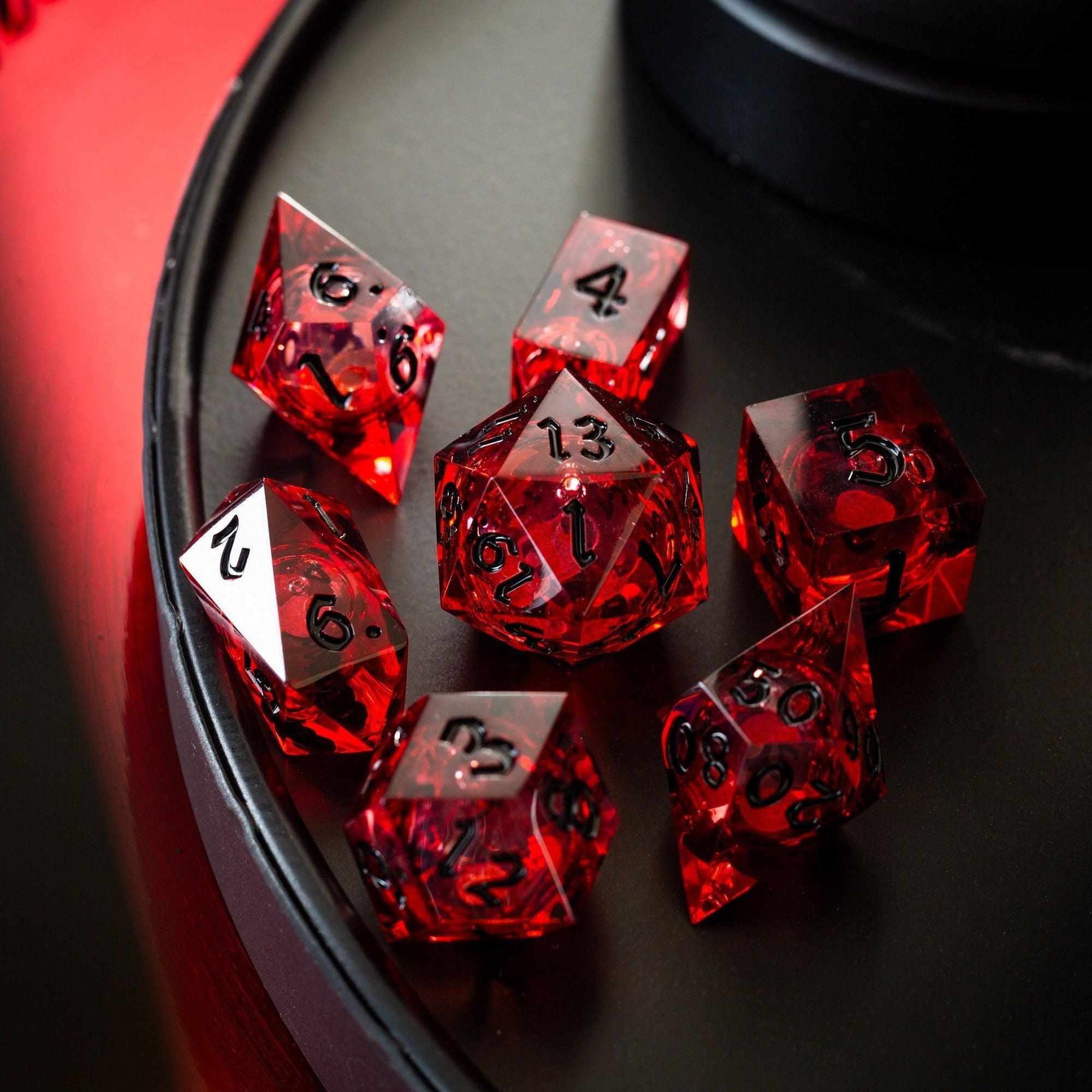
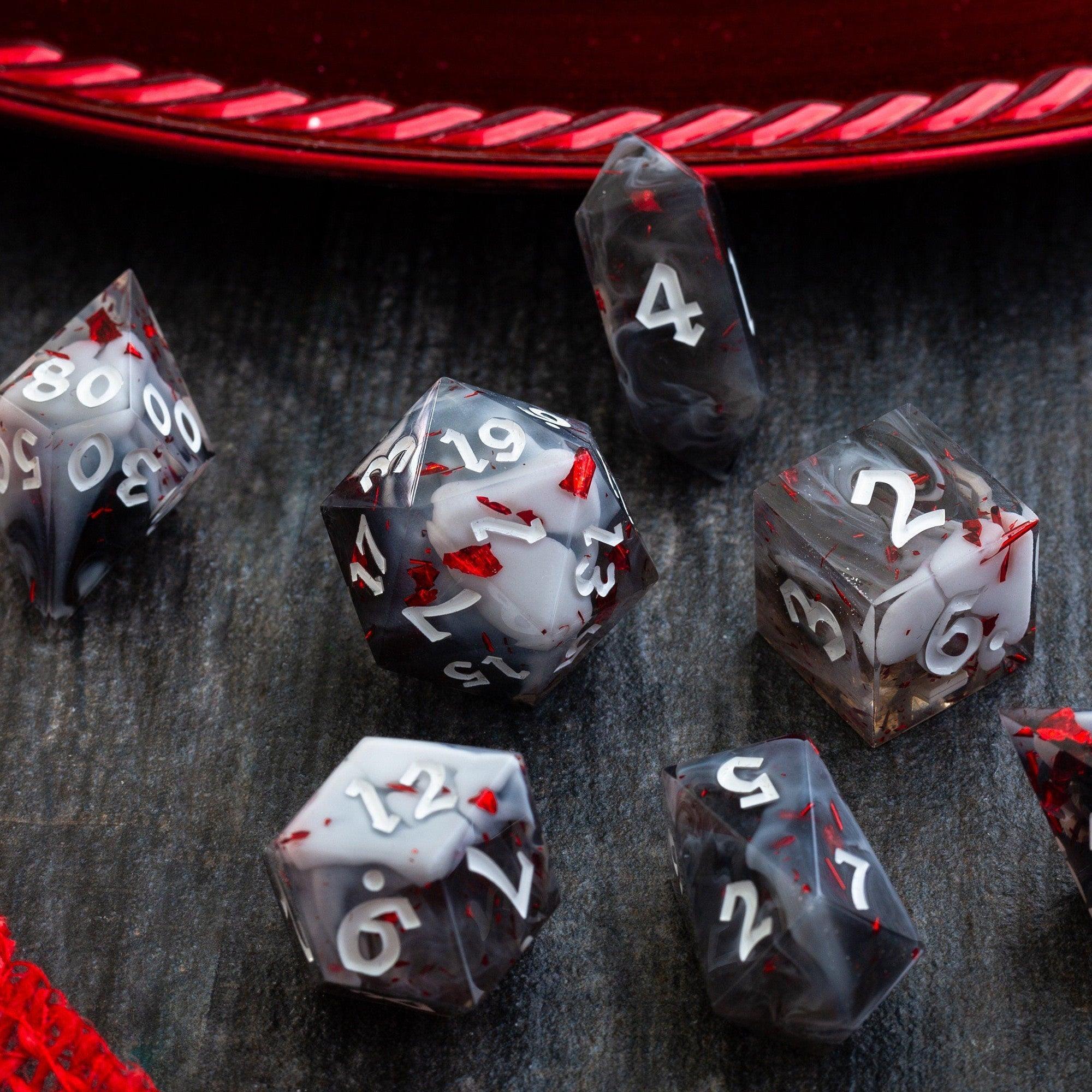
- Visual cues for triggers. Use a distinctive d20 for key checks, a different color for off-turn reactions, and a chunky advantage die for reminder cues. Liquid cores are great attention-catchers, like the liquid core dice collection.
- Storage and protection. A sturdy case keeps edges sharp and numbers clean so your set stays reliable and readable.
- Theme synergy. Choose colors and materials that reinforce your character’s concept. Your brain will remember to use tools that “look the part.”
- Comfort in hand. If you like rolling a lot, pick a set with tactile grip and a satisfying feel to reduce fatigue.
Q&A
How do I choose which skills to max first?
Start with your table’s most common challenges. If your group explores and scouts often, put points and tools into perception, mobility, and stealth. If social scenes dominate, lean into persuasion or insight and any perk that backs them up. Then layer one defensive pick that protects you when things go sideways, so you can keep using your strengths without getting sidelined.
What’s the easiest way to avoid analysis paralysis?
Cap your choices to “one improvement per milestone.” Pick a single upgrade that best supports your core loop, then stop researching. If you’re still unsure, default to the pick you’ll use every session. Consistency beats theoretical peak power that never hits the table.
How can I make my turns faster while staying optimized?
Pre-pack your top three move sequences on a small note: “Open,” “Sustain,” and “Escape.” Keep it next to your dice. Use color-coded dice for different actions and quick tokens for reminders. The less you have to look up, the more you can focus on synergy and teamwork.
Should I respec if my build feels off?
If you dread your turns or keep forgetting features, that’s your cue. Respec a little at a time—swap one perk, retrain a skill, or replace a situational pick with a reliable one. Keep the parts that fit your story; change the ones that cause friction.
How do I balance theme with efficiency?
Give theme the first and last word: open with a concept that excites you, then test each pick against your priorities. If a thematic choice is slightly weaker but you’ll remember to use it every session, it usually wins. Fun is a force multiplier.
Final Thoughts & Advice
Great builds aren’t about memorizing every rule—they’re about clarity, consistency, and a few well-chosen synergies. Start with your concept, lock in your role, and pick upgrades that you’ll remember in the moment. Let references inform you, not define you. Invest in simple table tools, like readable dice and clear notes, so your decision-making stays sharp when the spotlight hits.
If you want your gear to reinforce your character’s identity, choose a set that speaks to your style—sleek, bold, or mysterious—and keep it consistent across sessions. Your brain will thank you, your turns will speed up, and your character will feel like they were always meant to play this way. And when you need a quick refresh, come back to this framework and your favorite skill and feat optimization references to keep refining without the overwhelm.









Leave a comment
This site is protected by hCaptcha and the hCaptcha Privacy Policy and Terms of Service apply.