
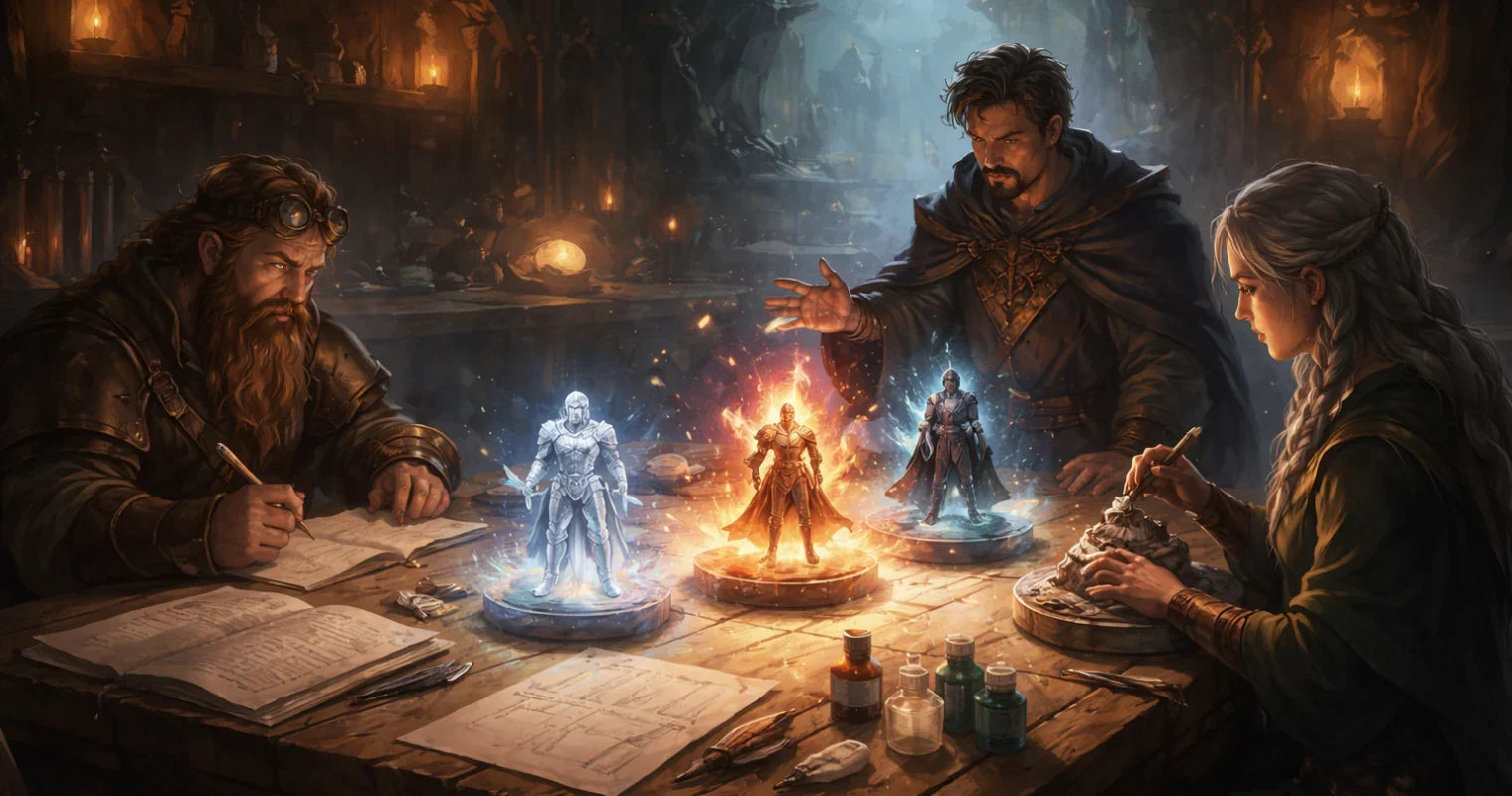
DND Character Customization Build Stronger PCs at the Table
Pros and Cons of Dungeons and Dragons Character Customization
Building your own character in Dungeons and Dragons offers incredible freedom, but it also comes with some challenges worth considering before you dive in.
Pros of Character Customization
- Complete Creative Control: You're not stuck with preset options. You can blend abilities, create unique backstories, and design exactly who you want to be at the table.
- Deeper Roleplay Connection: When you've built every aspect of your character yourself, you're naturally more invested in their journey and decisions throughout the campaign.
- Flexibility for Any Campaign: Whether your game is serious and dark or lighthearted and silly, you can tailor your character to fit perfectly with the story your dungeon master is telling.
- Learning Game Mechanics: Building a character from scratch teaches you the rules system and helps you understand how different mechanics interact with each other.
- Expressing Your Personality: Your character becomes an extension of your imagination and sense of humor, making gaming sessions more personal and memorable.
Cons of Character Customization
- Overwhelming Choices: With so many options available, new players sometimes feel paralyzed by decision-making and take forever to complete their character sheet.
- Learning Curve: Understanding ability modifiers, saving throws, and skill proficiencies takes time if you're unfamiliar with the rules.
- Balance Concerns: If you're not careful, you might create a character who's either overpowered or underpowered compared to the rest of your party.
- Potential Conflicts: Your character concept might not fit with your dungeon master's campaign setting or tone, leading to awkward rewrites later.
- Time Investment: Truly thoughtful character creation takes effort. You'll need to research options, run numbers, and think through your character's personality and history.
Step-by-Step Practical Guide to Character Creation
Step One: Choosing Your Race and Class
The foundation of any character starts with selecting your race and class. These two choices shape everything from your ability scores to your playstyle. Do you want to be a nimble elf with sharp senses, a sturdy dwarf with impressive constitution, or a creative human with extra feat options? Once you've picked your race, consider what class appeals to you. Are you drawn to the tactical thinking of a wizard, the straightforward power of a fighter, or the sneaky advantages of a rogue?
Don't overthink this step. Your race should feel right when you imagine yourself in that role. Your class should match how you want to contribute to your party. Some combinations are traditional—like a dwarf fighter or an elf ranger—while others are wonderfully unexpected, like a goblin cleric or a halfling barbarian.

Step Two: Rolling Stats and Assigning Abilities
Now comes the numbers part. Most dungeon masters ask you to roll four six-sided dice and drop the lowest result. Do this six times to generate your ability scores. You'll end up with numbers that you assign to Strength, Dexterity, Constitution, Intelligence, Wisdom, and Charisma.
Here's the trick: match these scores to your character concept. If you're playing a wizard, put your highest score in Intelligence. A cleric benefits from high Wisdom. A rogue wants high Dexterity. Constitution is always valuable because it affects your hit points, so most characters benefit from a decent Constitution score.
Some tables use alternative methods like point-buy systems or standard array options. Talk to your dungeon master about what method your table prefers before you start rolling dice.
Step Three: Developing Your Character Backstory
This is where your character becomes real. Ask yourself questions: Where did you come from? What do you want out of life? Why are you adventuring? What scares you? What makes you laugh?
You don't need a novel. A few compelling paragraphs work great. Maybe your character is seeking revenge for a fallen family member, trying to redeem themselves from a dark past, or simply looking for treasure and fame. Perhaps they're escaping a troubled home or searching for a lost loved one.
A strong backstory also gives your dungeon master hooks to pull into the campaign. If your character has unresolved conflicts or connections to important people, the dungeon master can weave those into the story, making your character's journey feel personal and meaningful.
Step Four: Defining Visual Identity and Personality Traits
What does your character look like? Describe their appearance in concrete terms. Eye color, hair, distinctive scars, tattoos, or clothing preferences all bring your character to life. Are they tall and imposing, small and quick, or something in between? Do they have a particular style or aesthetic they prefer?
Then think about personality. Is your character witty and sarcastic, serious and brooding, cheerful and optimistic, or something unique? What are their quirks? Do they have any habits or mannerisms that make them memorable? Think about how they interact with strangers, friends, and enemies.
Many experienced players use personality traits, ideals, bonds, and flaws to round out their character. These elements guide roleplay decisions and create moments of conflict or humor when your character's nature comes into play during the adventure.

Step Five: Selecting Equipment and Specialization
Your class determines your starting equipment, but you'll have choices within those parameters. Do you prefer a sword and shield or a two-handed weapon? Light armor or heavy protection? A simple staff or a variety of magical items?
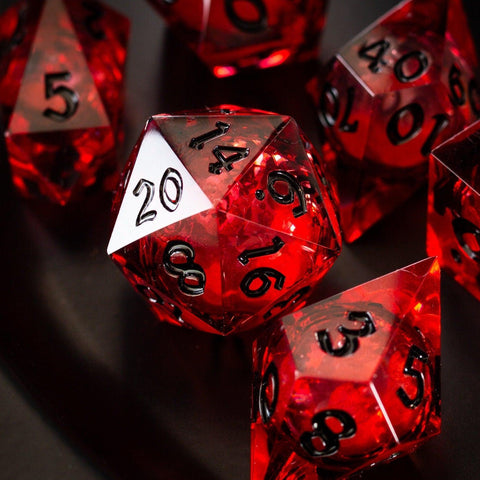
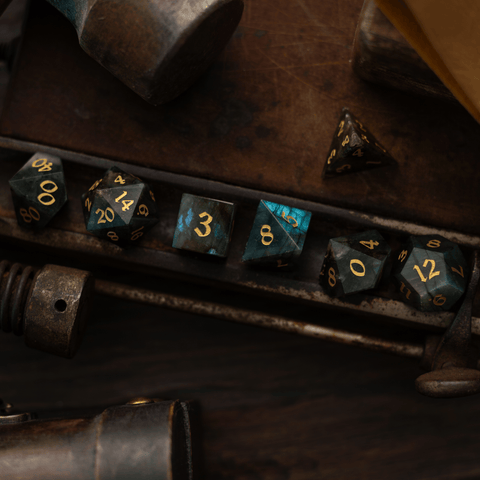
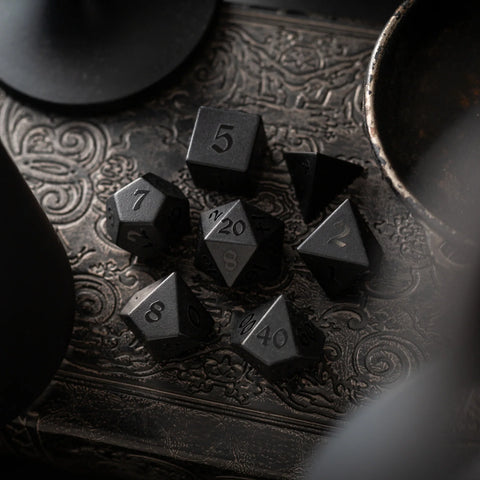
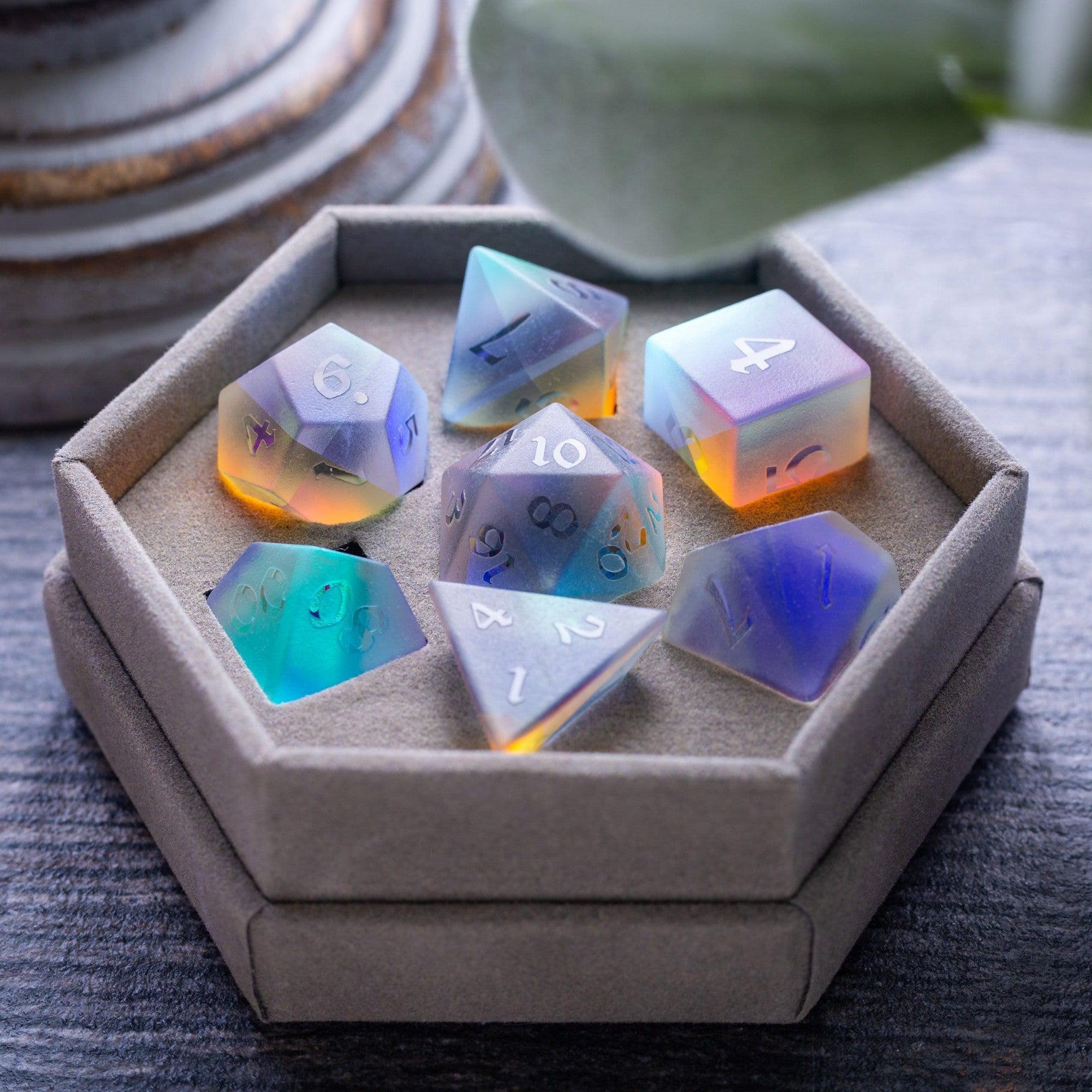
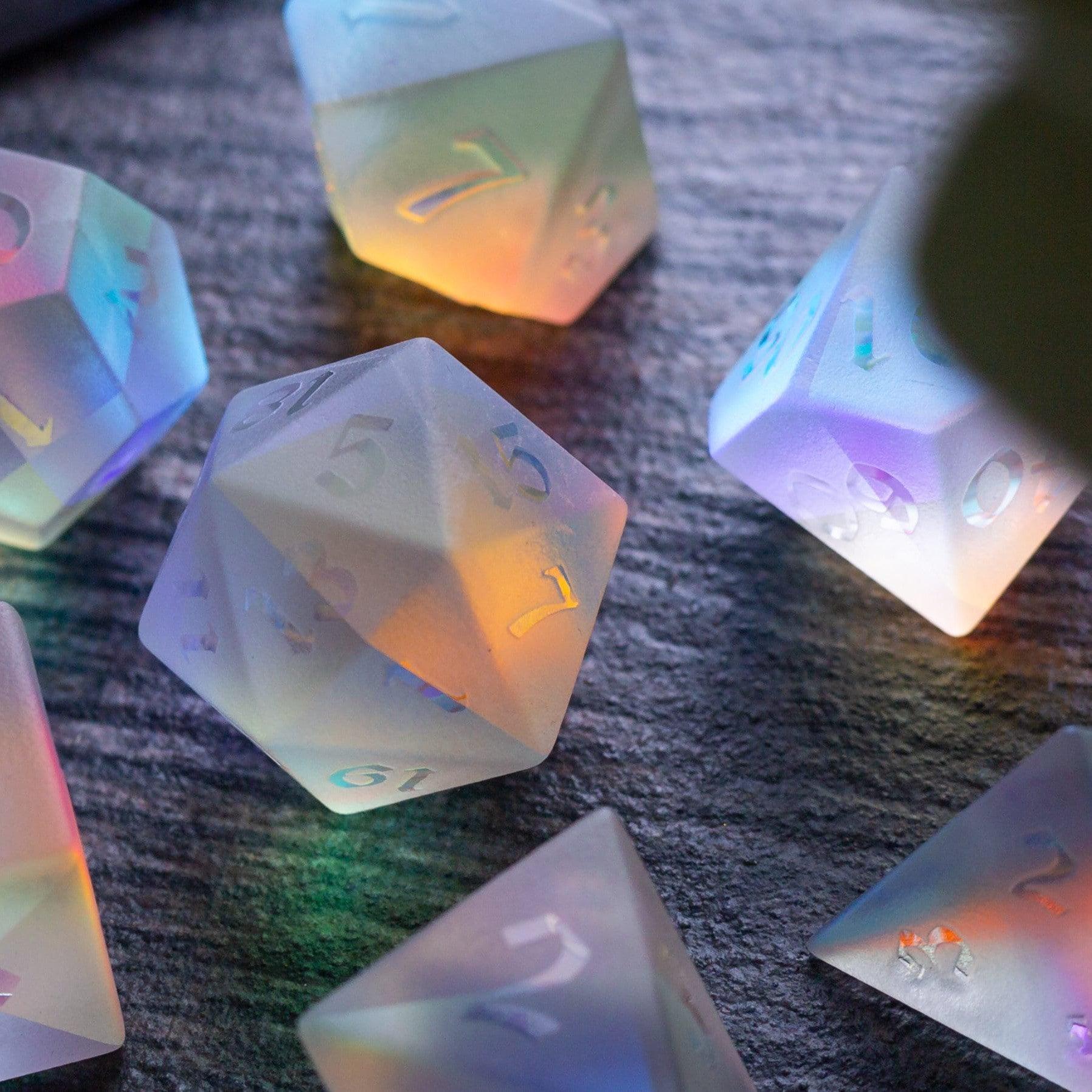
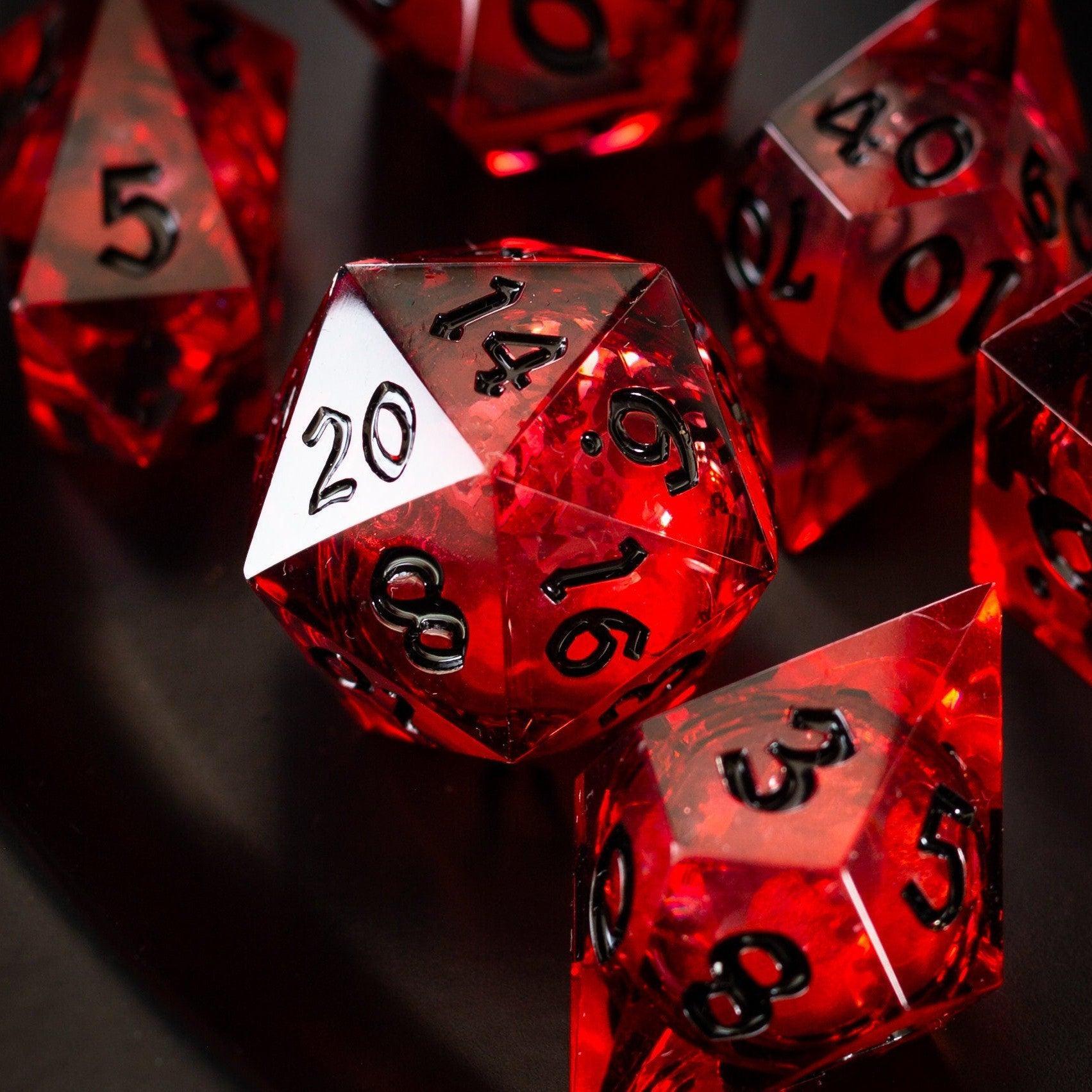
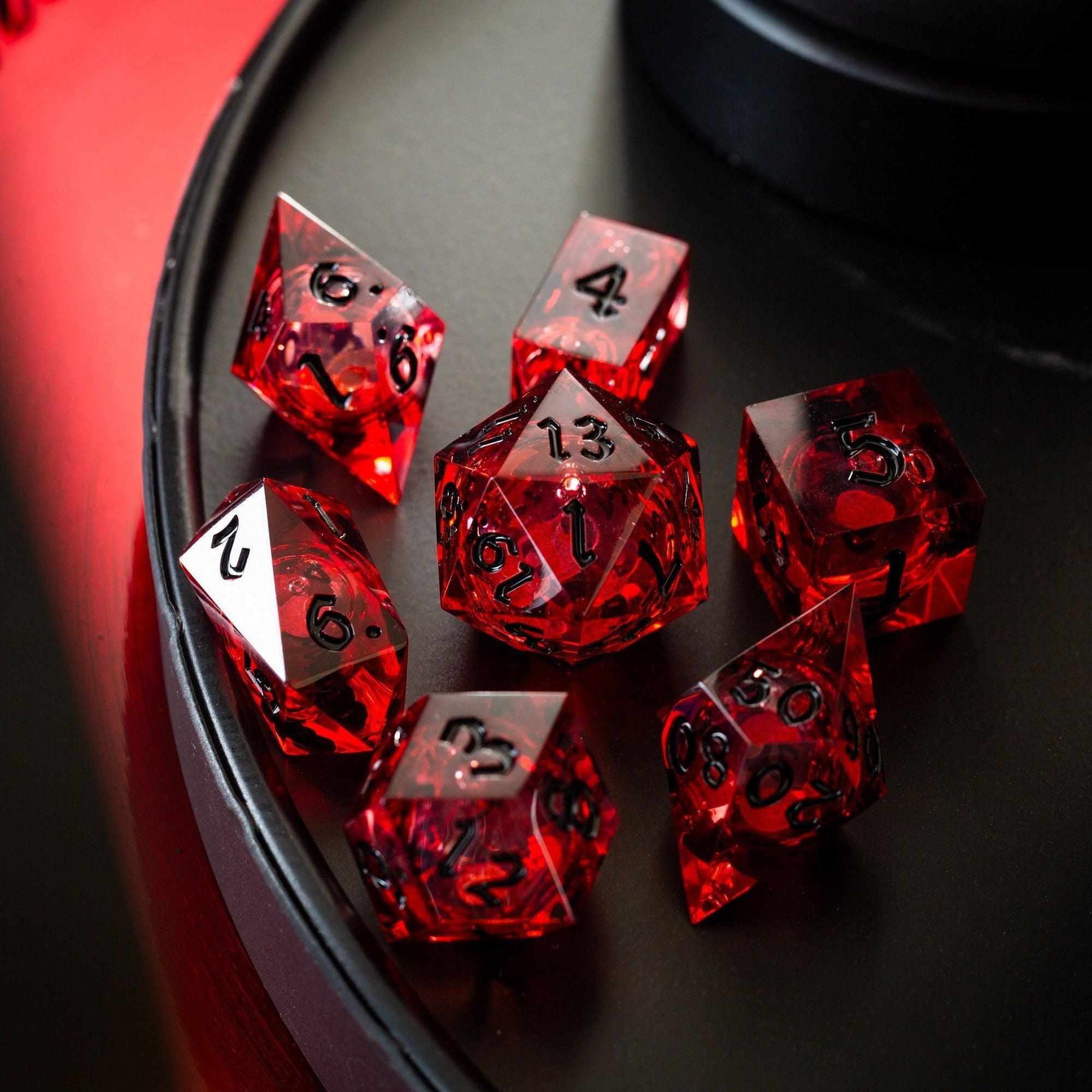
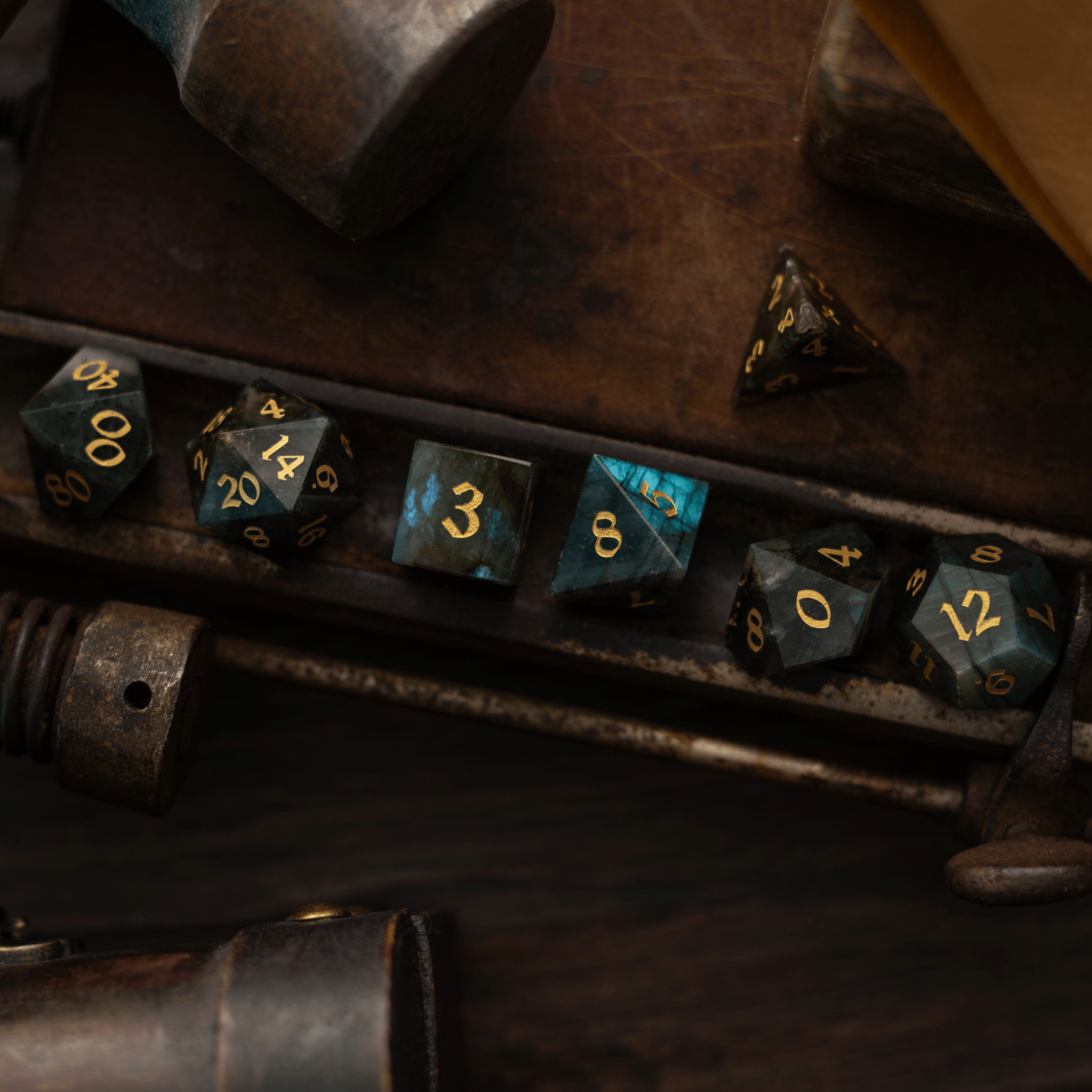
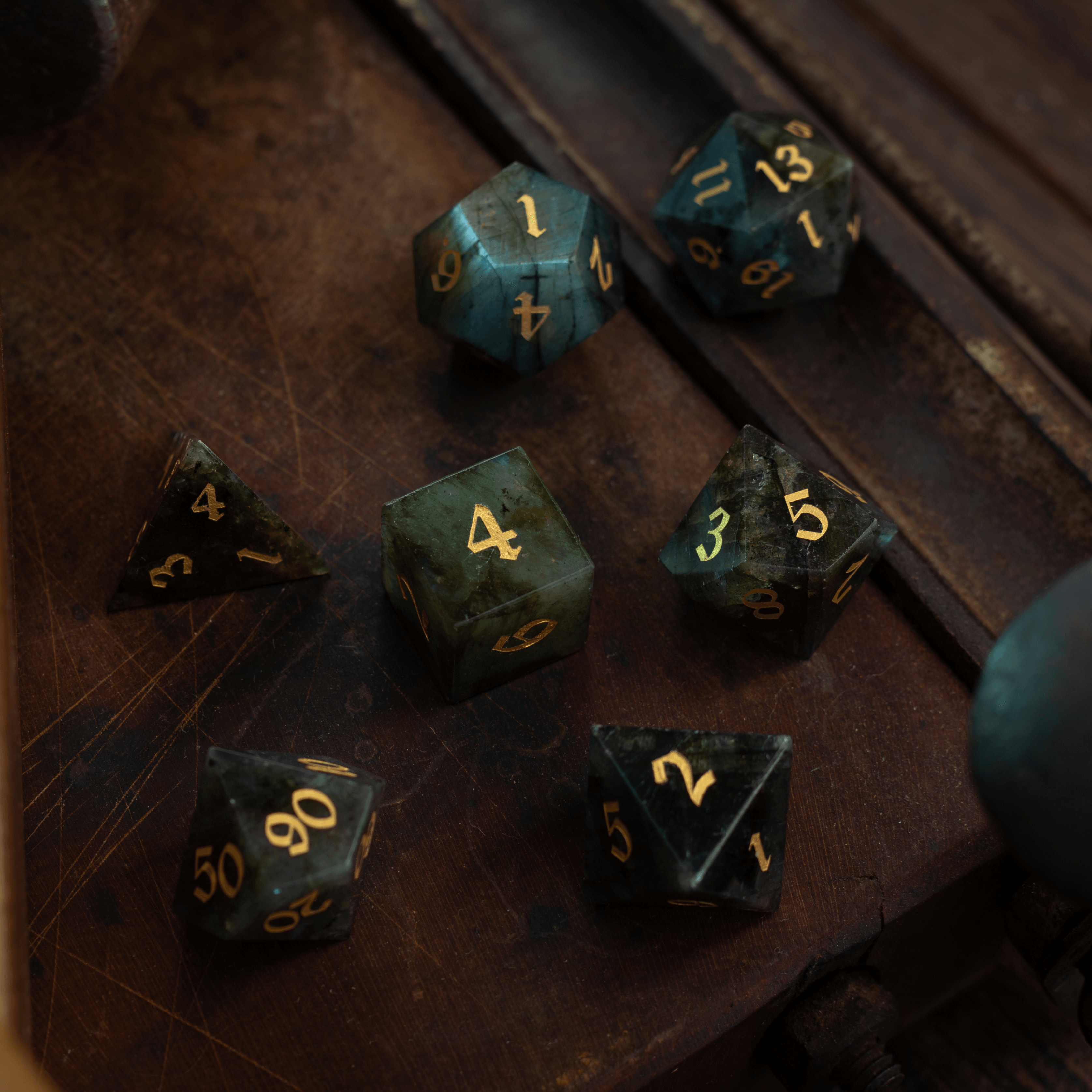
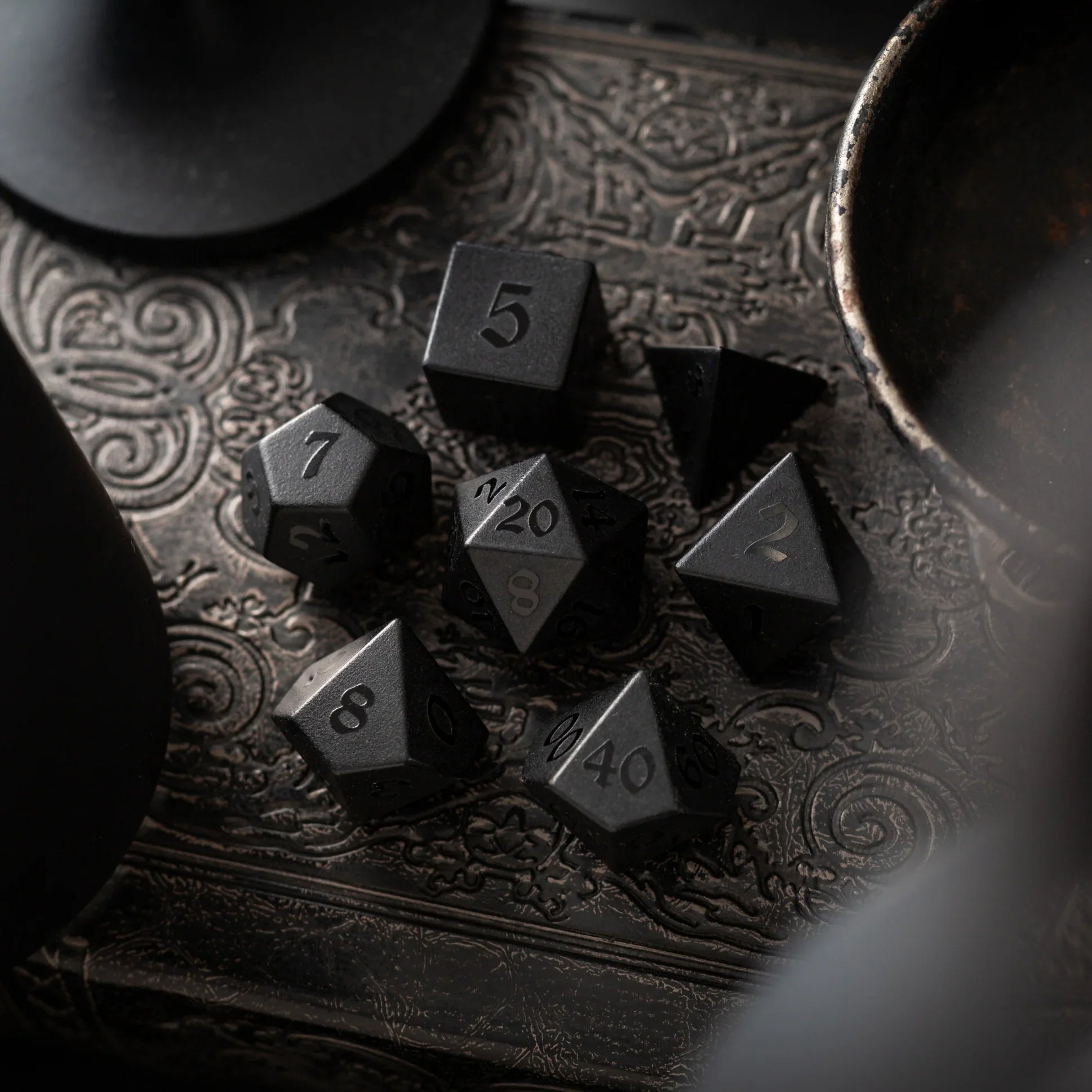
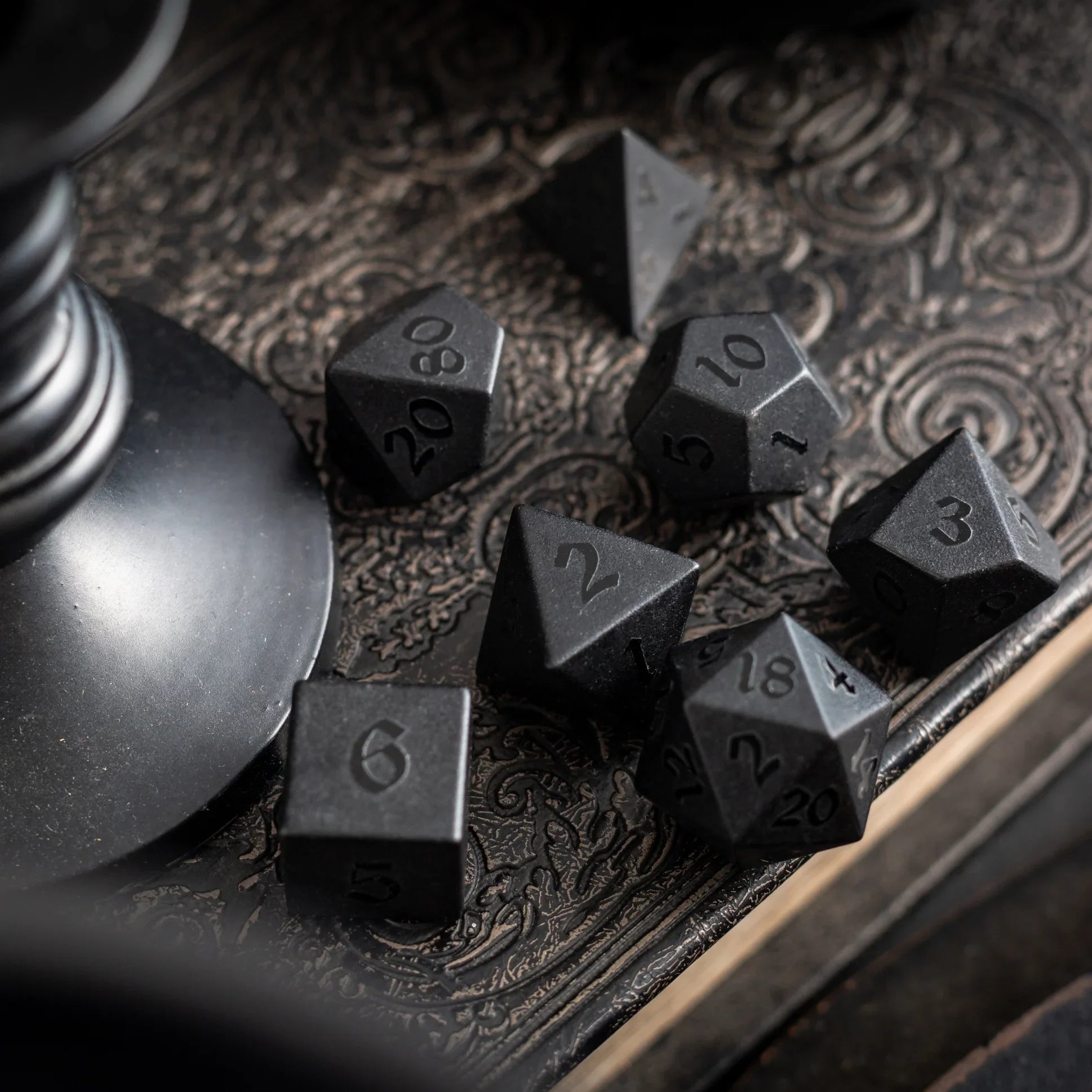
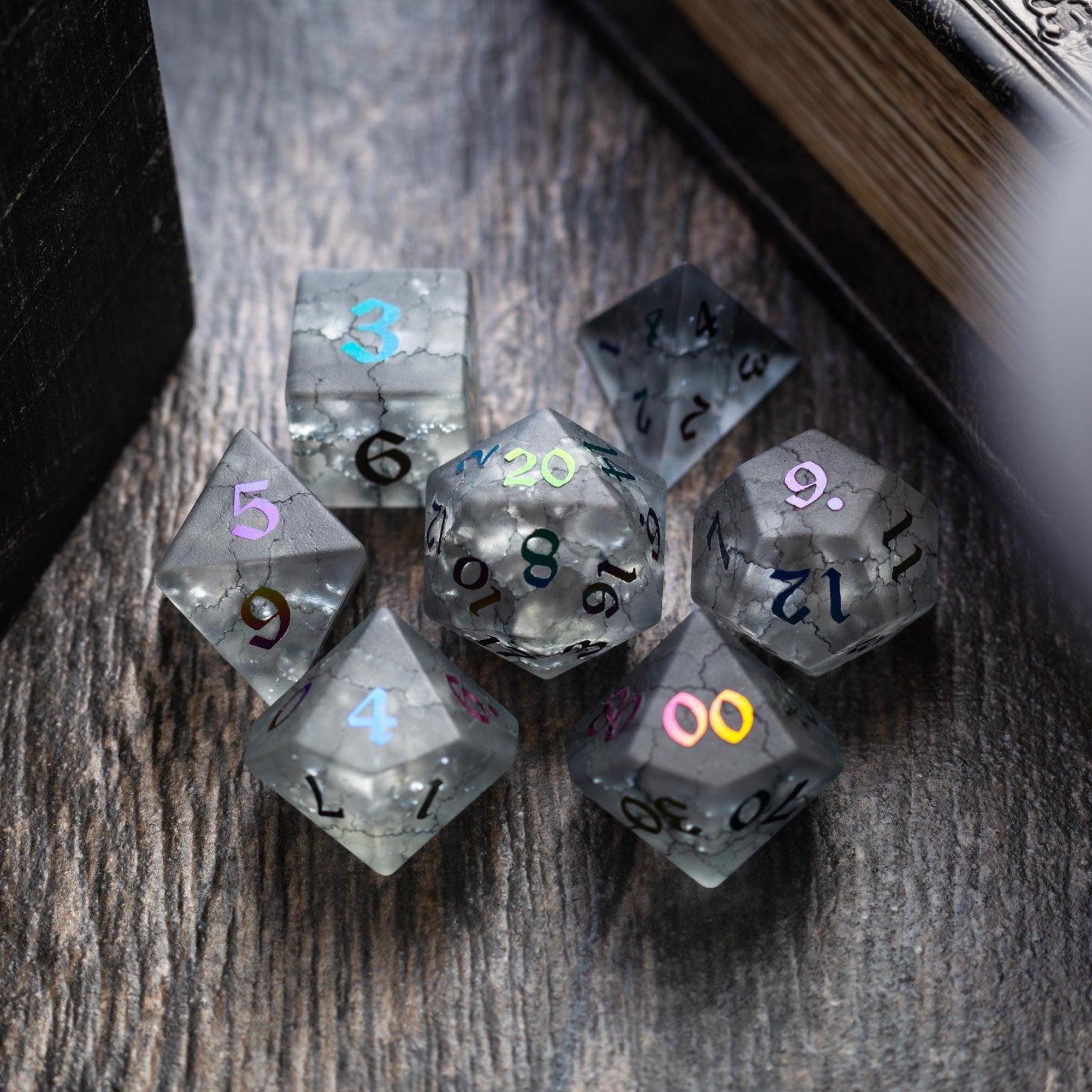
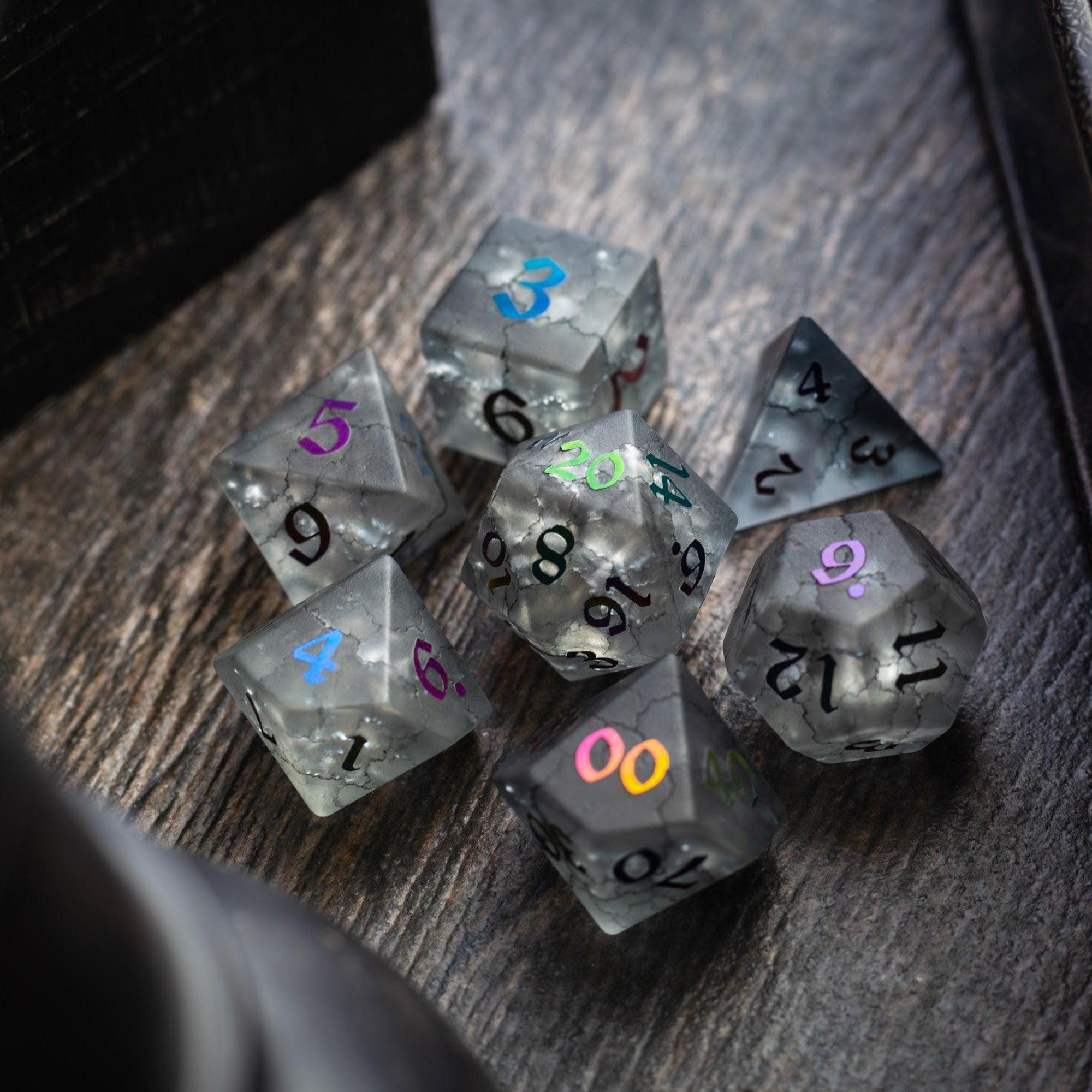
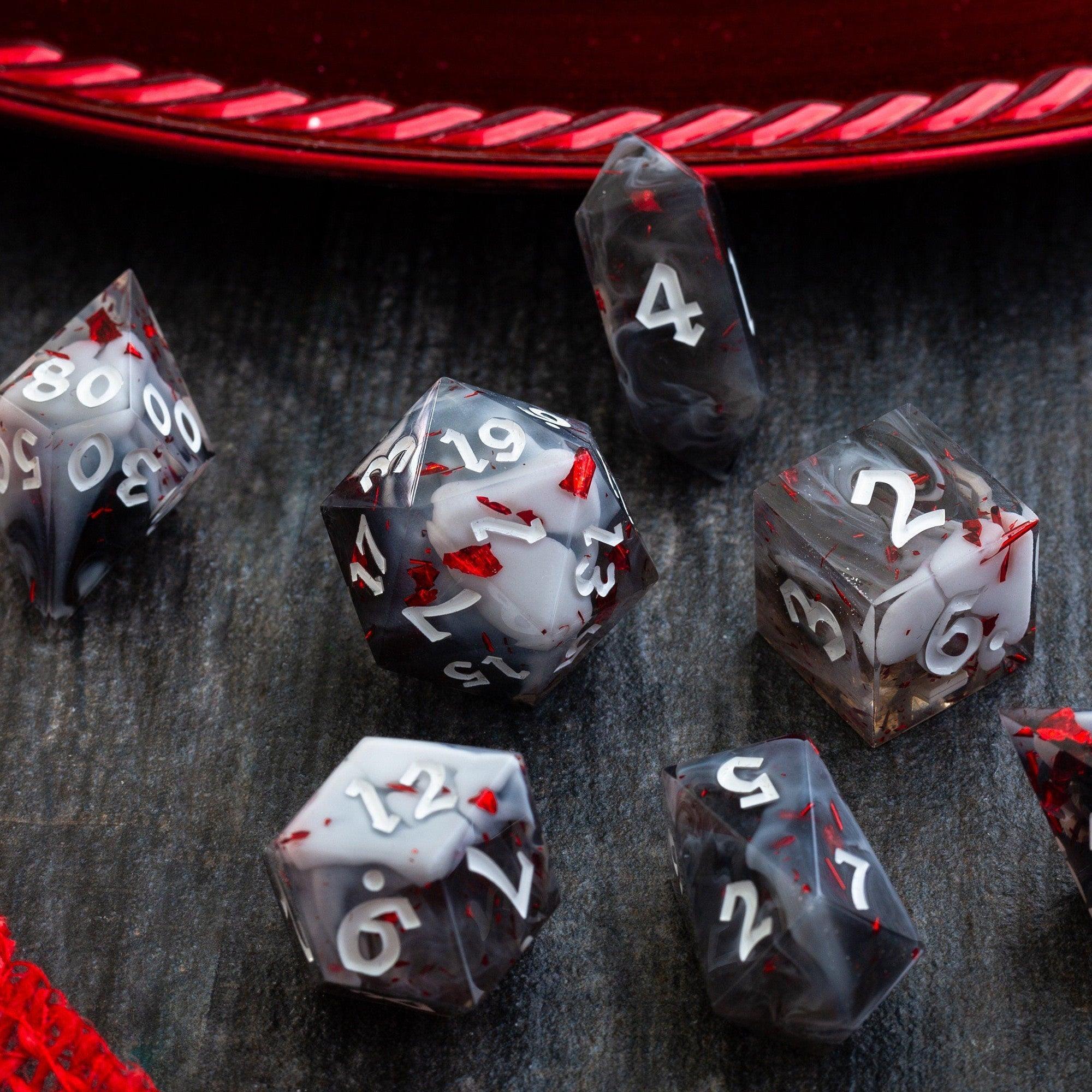
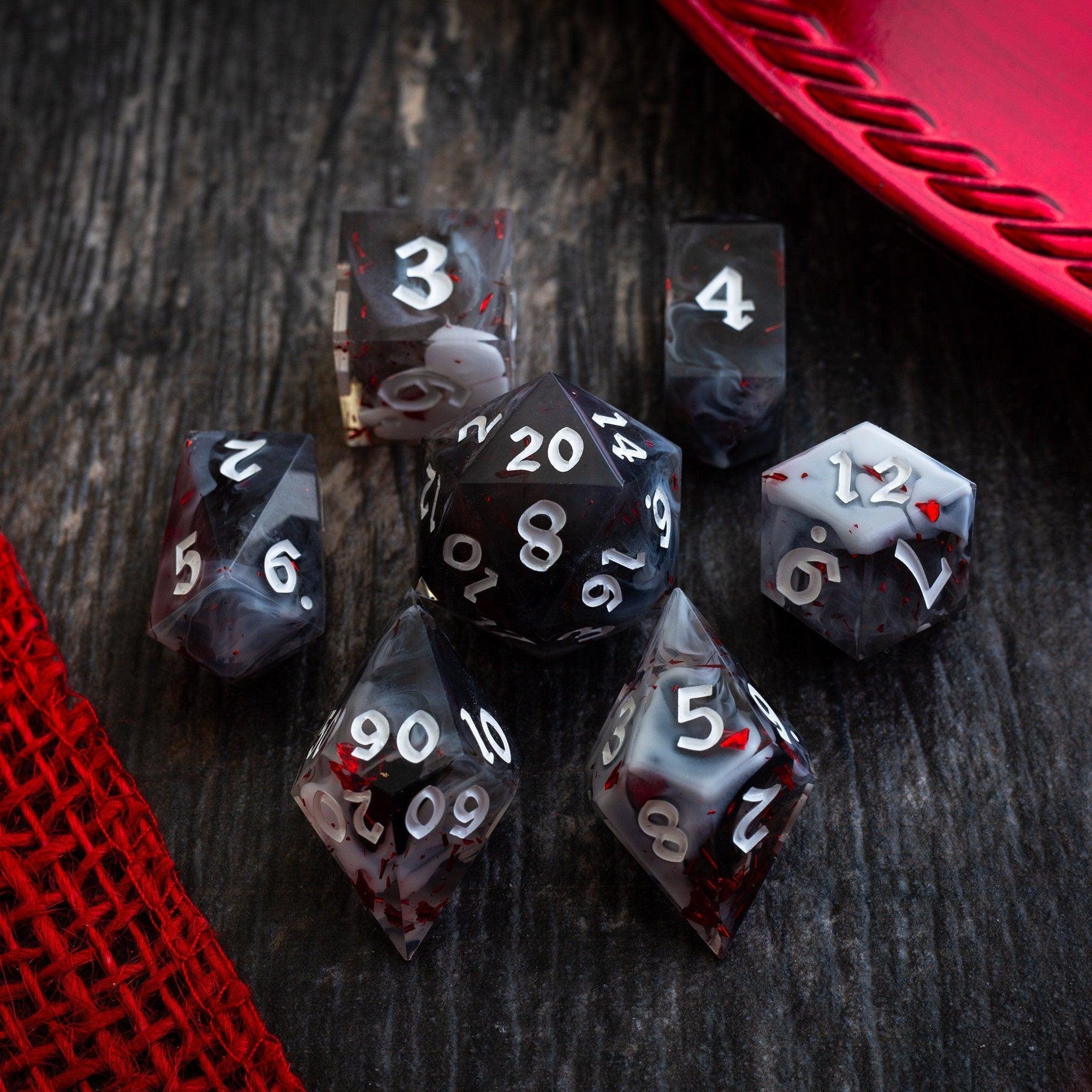
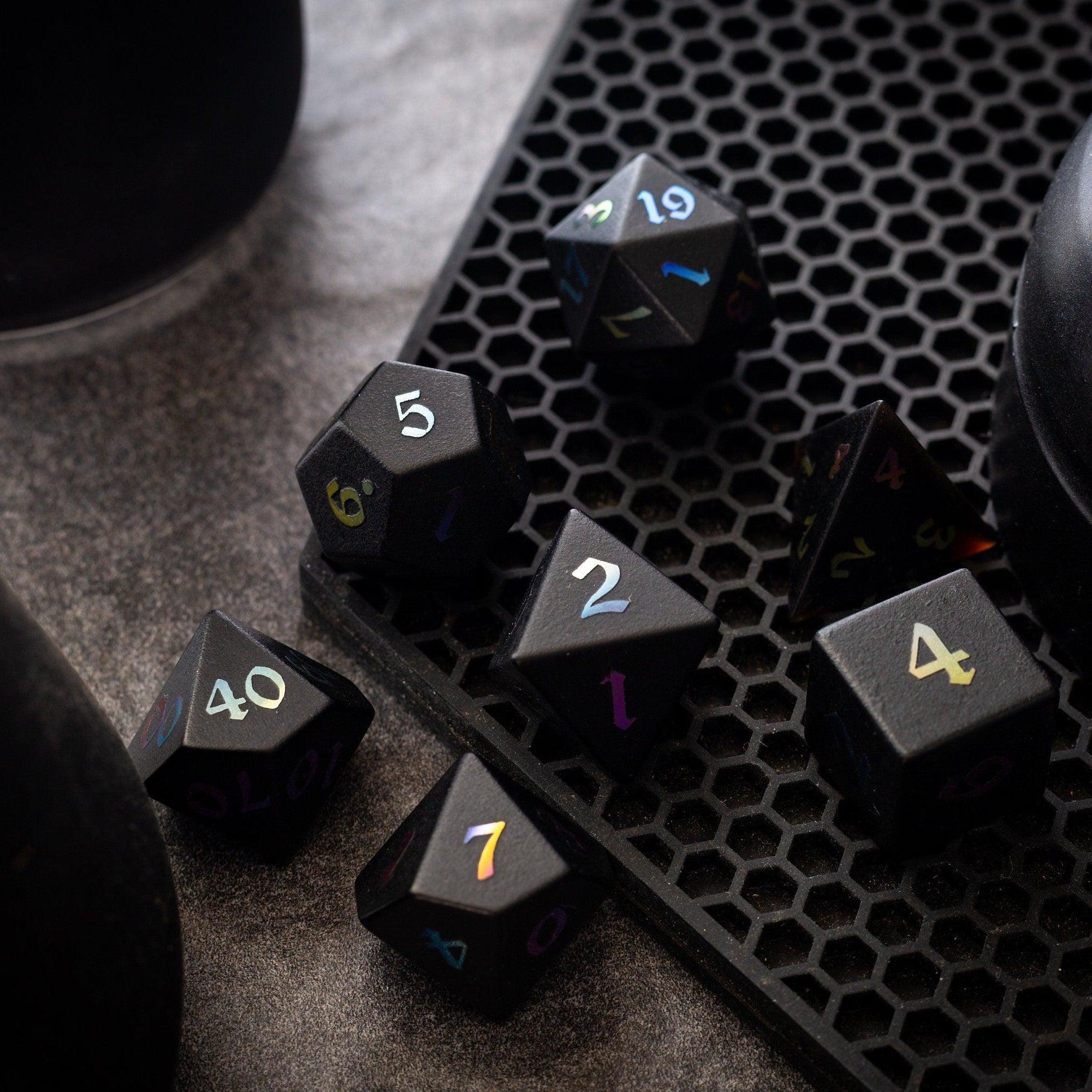
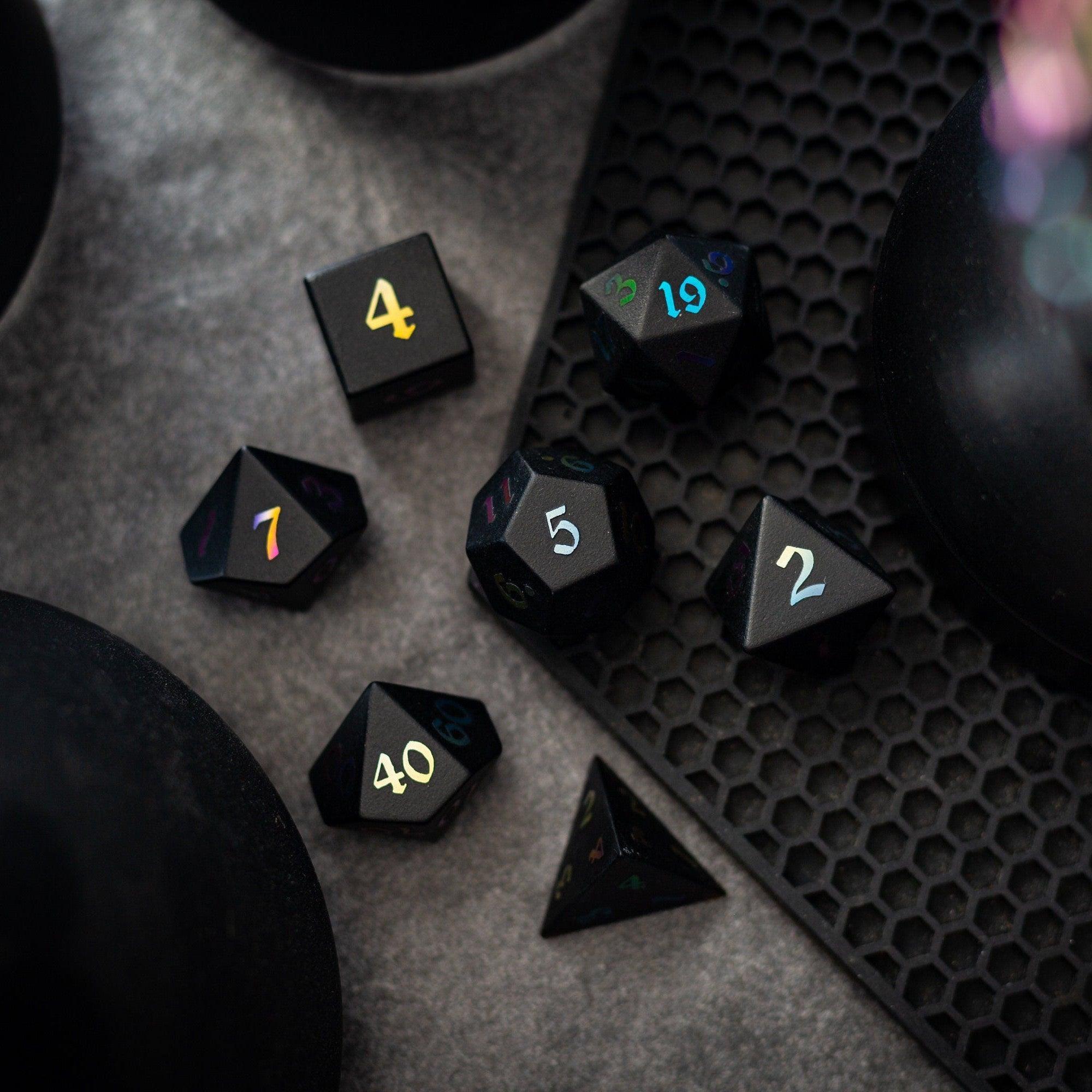
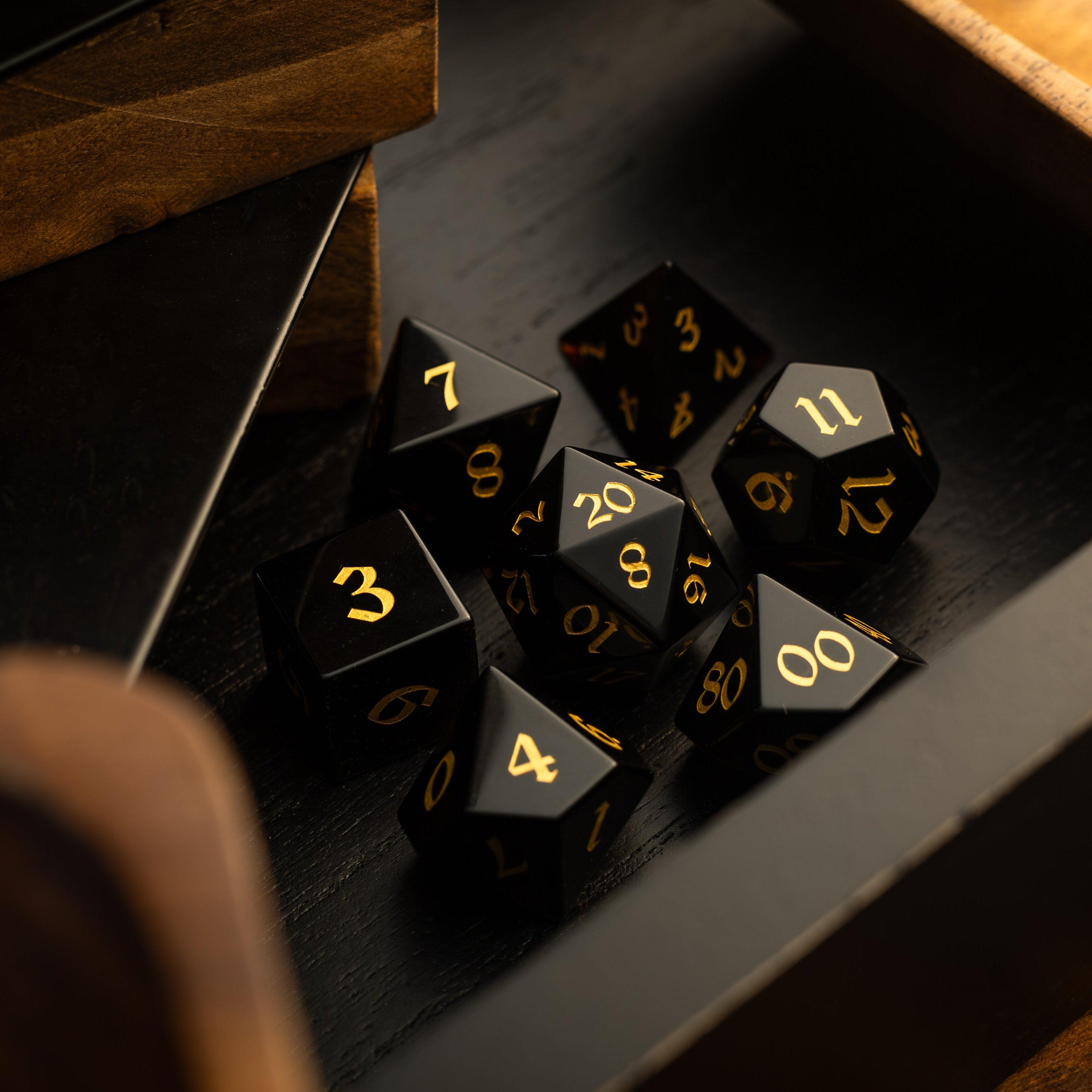
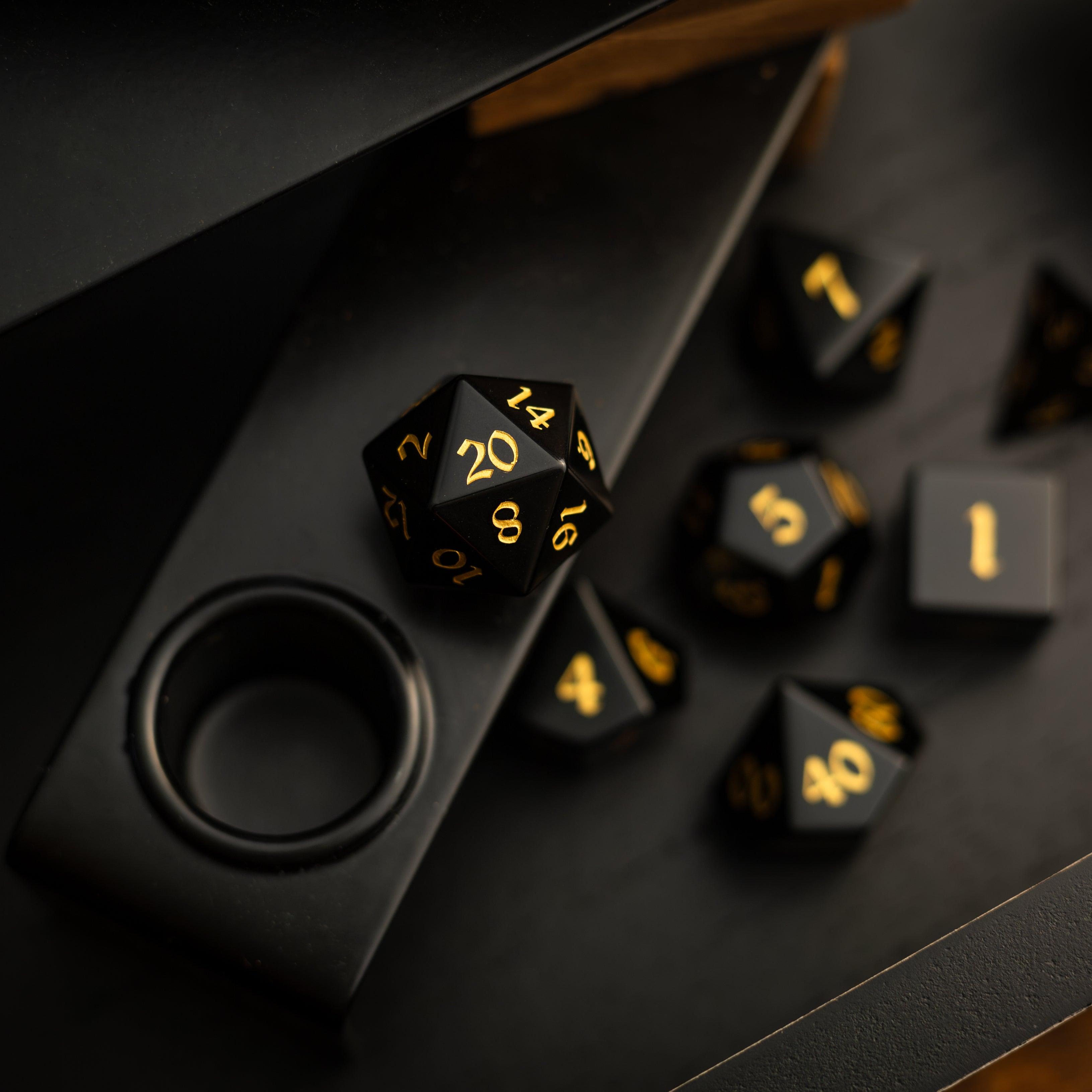
Consider what fits your character and your playstyle. If you love the idea of your character carrying special gemstone dice for luck during critical moments, that's a wonderful character detail. Equipment choices can be purely practical or wonderfully thematic.
Think about skills you want to specialize in, too. Your class gives you certain proficiencies, but you'll choose which specific skills matter most to your character. A sneaky rogue might focus on stealth and deception, while a scholarly wizard emphasizes arcana and investigation.
Frequently Asked Questions
How much should I customize my character versus following the rules as written?
Balance is key. The rules exist to keep the game fair and fun for everyone. However, most dungeon masters appreciate creative character concepts. Work with your dungeon master before the game starts. Talk about your vision and see if you can achieve it within the existing rules. Sometimes minor adjustments to ability score placement or skill selection satisfy your vision without breaking the system.
What if I'm overwhelmed by all the options?
Start simple. Pick a race and class that appeal to you immediately. Don't research every option before making your first choice. Roll your ability scores, assign them logically, write a few sentences about your background, and describe what you look like. You can always add complexity later. Many experienced players recommend rolling a fighter or rogue for your first character since these classes have straightforward mechanics.
Can I change my character after we start playing?
Talk to your dungeon master about this before the campaign begins. Some tables allow minor adjustments during your first session while you're still learning your character. Most games require you to commit to your character once play begins, though dungeon masters might approve changes during character development moments. Don't expect to completely rebuild your character mid-campaign, but small refinements are usually reasonable.
How do I make sure my character fits with the rest of the party?
Have a conversation with your fellow players and dungeon master about your campaign's tone and setting. You don't need identical characters, but understanding the group's direction helps. If everyone else is playing serious, heroic characters and you want to play a chaotic trickster, that might cause friction. Alternatively, if the group loves comedy and chaos, your serious brooding assassin might feel out of place. Coordination makes everyone's experience better.
Wrap-Up
Creating a character in Dungeons and Dragons is one of gaming's greatest pleasures. You're not just filling out a character sheet—you're bringing a new person into existence and deciding how they'll interact with a world full of adventure, danger, and possibility. Whether you approach character customization systematically or intuitively, the goal is the same: crafting someone you're excited to play.
Take your time with the process. Think about who your character is, what they want, and why they matter. Write down their appearance and personality quirks. Develop relationships and motivations that your dungeon master can weave into the story. And remember that the best characters often surprise you during play, revealing depths you didn't expect when you first rolled their stats.
The beauty of table-top roleplay is that your imagination is the only limit. Whether you're creating a noble knight, a cunning rogue, a mysterious sorcerer, or something entirely unique, your character is waiting to begin their story. Embrace the creative process, work with your dungeon master and party, and prepare for countless hours of unforgettable adventures. For the perfect addition to your character experience, consider handmade dice sets that match your character's personality and aesthetic.
Your next epic character awaits. Start rolling.

Leave a comment
This site is protected by hCaptcha and the hCaptcha Privacy Policy and Terms of Service apply.