
Mastering Magic Item Crafting for Legendary Gear Secrets
Updated on: 2026-02-05
Creating magical artifacts in tabletop games transforms your campaign into something truly unforgettable. This guide walks you through the essentials of designing custom enchanted items, balancing power with gameplay, and bringing your wildest magical visions to life. Whether you're a seasoned dungeon master or just starting out, you'll discover practical strategies to make your game world feel more immersive and exciting.
- What Is Magical Item Creation?
- Common Challenges When Designing Enchanted Items
- Building vs. Buying: Comparing Your Options
- Practical Steps to Get Started
- Summary and Key Recommendations
- Frequently Asked Questions
Understanding Magical Item Creation

Creating enchanted artifacts is one of the most rewarding aspects of running a tabletop campaign. It's the art of designing powerful, thematic items that feel special and give your players something meaningful to pursue. Magic item crafting isn't just about slapping powerful abilities onto a sword and calling it done—it's about storytelling, balance, and creating moments that your players will remember forever.
When you're designing magical items for your game world, you're essentially asking yourself: what does this artifact do, why does it exist, and how will it make the game more fun? The best magical creations have personality. They tell stories. A cursed amulet carries more weight than a generic ring of protection because it has history, consequence, and texture.
Think about your favorite magical items from books, movies, or games. They usually have names that stick with you. They've got quirks, limitations, and sometimes even drawbacks that make them feel real. That's what you're aiming for when you're crafting these pieces for your campaign.
Common Challenges When Designing Enchanted Items
Let's be honest—creating balanced, interesting magical items is harder than it looks. The most common pitfall is making something too powerful, which can trivialize challenges and leave your players feeling like they're playing on easy mode. On the flip side, items that are too weak feel like consolation prizes nobody wants.
Another huge challenge is repetition. If every magical item your players find does basically the same thing, your game world starts feeling generic and boring. You want variety. You want surprise. You want players to genuinely debate whether they should use the cool artifact they found or stick with their trusty old gear.
Many game masters also struggle with determining what items should cost in terms of gold, crafting time, or rarity. Without clear guidelines, you might accidentally hand out game-breaking equipment or make items so expensive that nobody can ever afford them. Finding that sweet spot takes practice and experimentation.
The final challenge worth mentioning is mechanical clarity. A magical item that's confusing or poorly explained leads to arguments at the table and slows down gameplay. You need to be crystal clear about what your creations do, when they activate, and what their limitations are. Ambiguity is the enemy of fun.
Building vs. Buying: Comparing Your Options
You've got essentially two paths when it comes to magical items: you can design them yourself, or you can use existing items from published sourcebooks and supplements. Let's break down the pros and cons of each approach.
Building Custom Items
Pros: Complete creative control, unique items tailored to your campaign's story, items that fit your world's magical rules perfectly, and the satisfaction of seeing your creations impact gameplay.
Cons: Time-intensive process, requires balancing knowledge, risk of creating overpowered or underpowered items, and the learning curve can be steep at first.
Using Published Items
Pros: Already playtested and balanced, saves time during prep, vetted by professional designers, and you can trust they won't break your game.
Cons: Less personal connection to your world, items might not fit your campaign's theme, and players might feel like they're using generic equipment.
Here's the truth: the best approach combines both. Use published items as a foundation and your baseline for balance, then customize them with unique twists that fit your campaign. Add flavor text. Change their appearance. Tie them to your world's history. This way, you get the reliability of tested mechanics with the personality of custom creation.
Practical Steps to Get Started with Enchanted Item Creation
Ready to start crafting? Here's a practical framework you can use immediately.
Start with a Concept
Begin with an image or feeling, not mechanics. What does this item look like? What does it remind you of? Is it beautiful or sinister? Does it feel ancient or newly forged? This emotional foundation makes creating the mechanics much easier.
Determine the Item's Purpose
What problem does this magical creation solve for the party, or what opportunity does it create? Does it make combat easier? Does it help with exploration? Does it unlock new story possibilities? Every good item should have a clear purpose.
Research Similar Items
 Look at existing published items that do similar things. This isn't about copying—it's about understanding how designers handle comparable abilities. Check out resources and inspiration from your favorite game communities to see how others approach design challenges.
Draft the Mechanics
Write down what your item does in simple language. Keep it concise. Include activation method, duration, and any limitations. Limitations are crucial—they create interesting choices and prevent the item from becoming too powerful.
Playtest and Adjust
The first draft is rarely perfect. Use your item in actual gameplay and watch what happens. Does it get used constantly? Never? Does it trivialize encounters? Adjust accordingly. This iterative process is where the real magic happens.
Add Story and Flavor
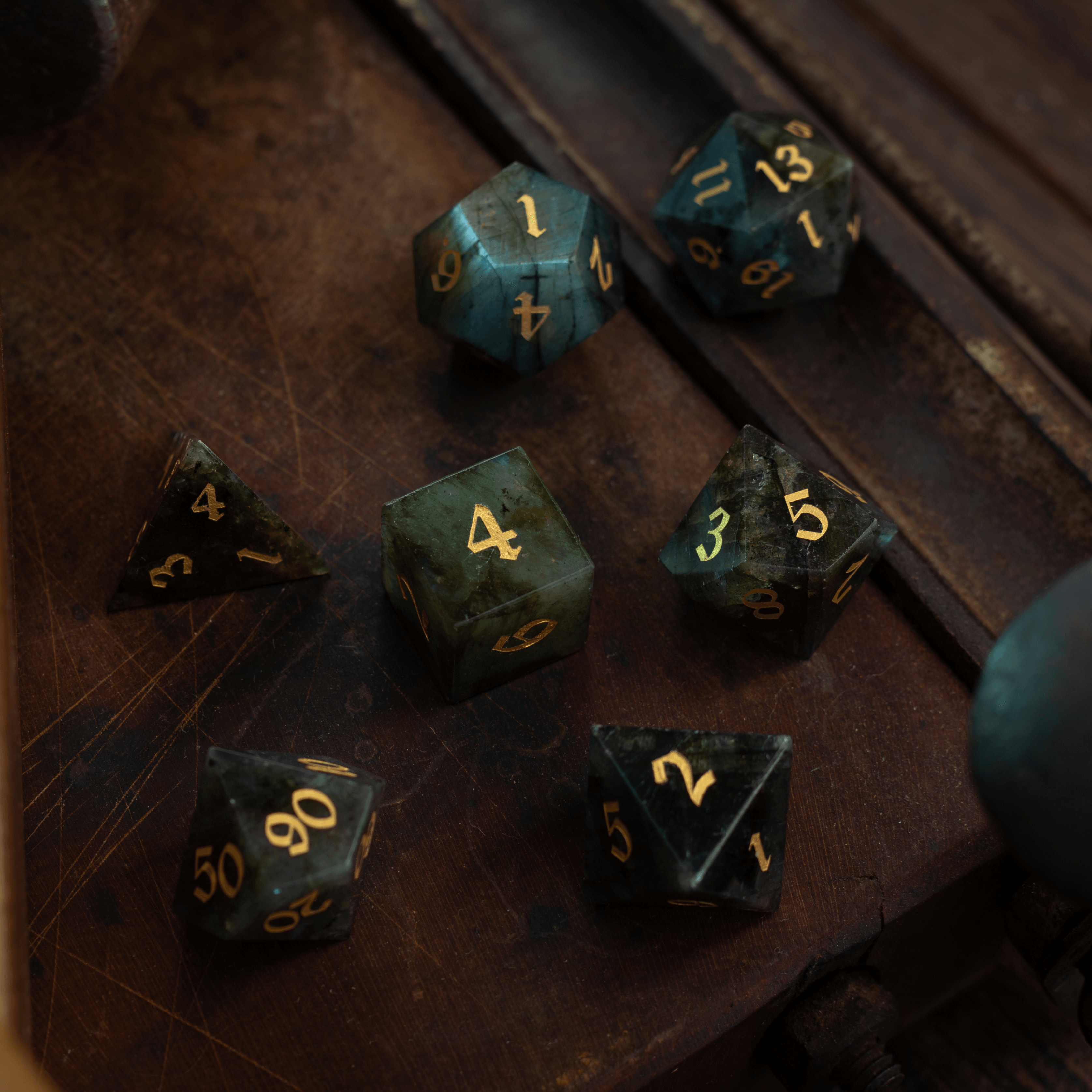
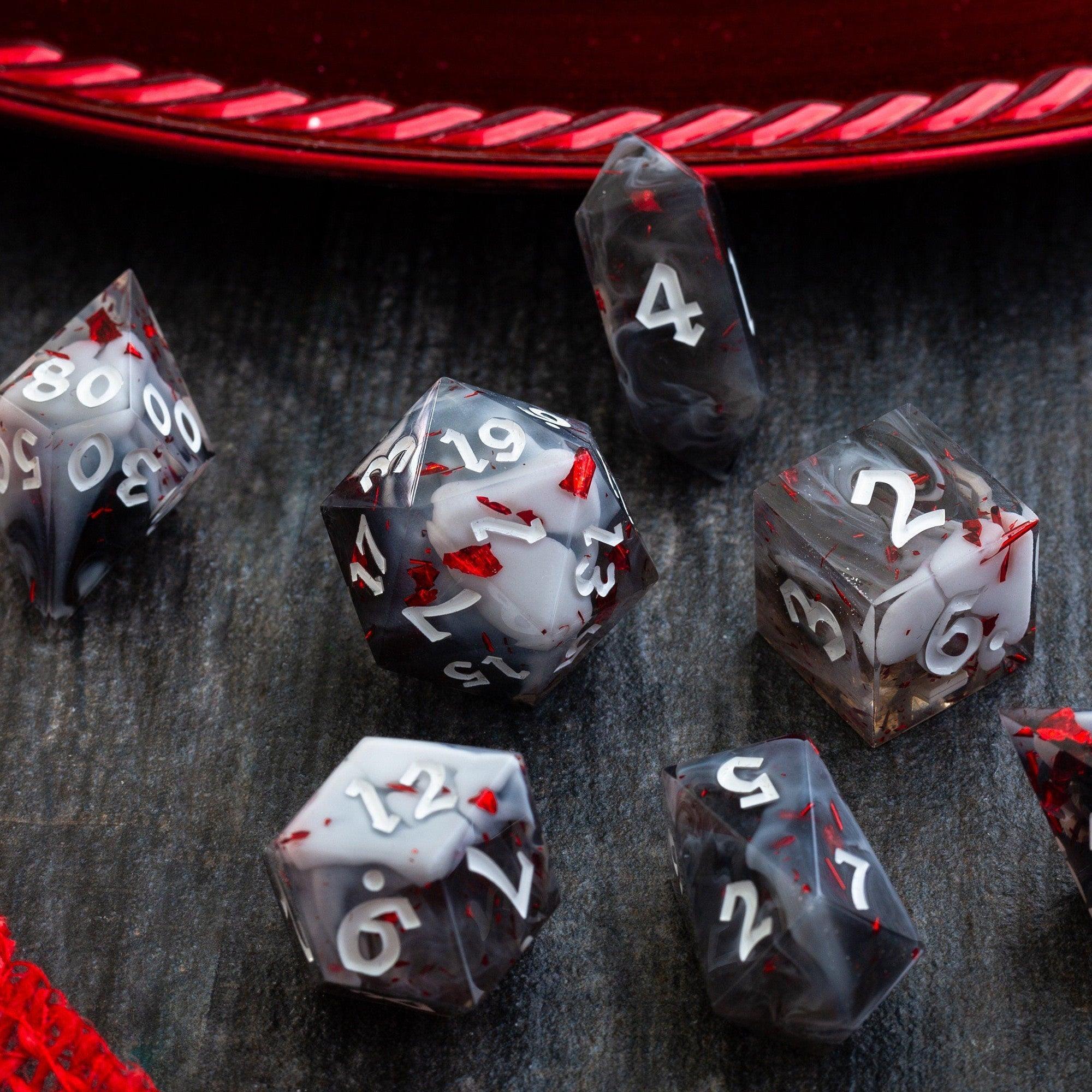
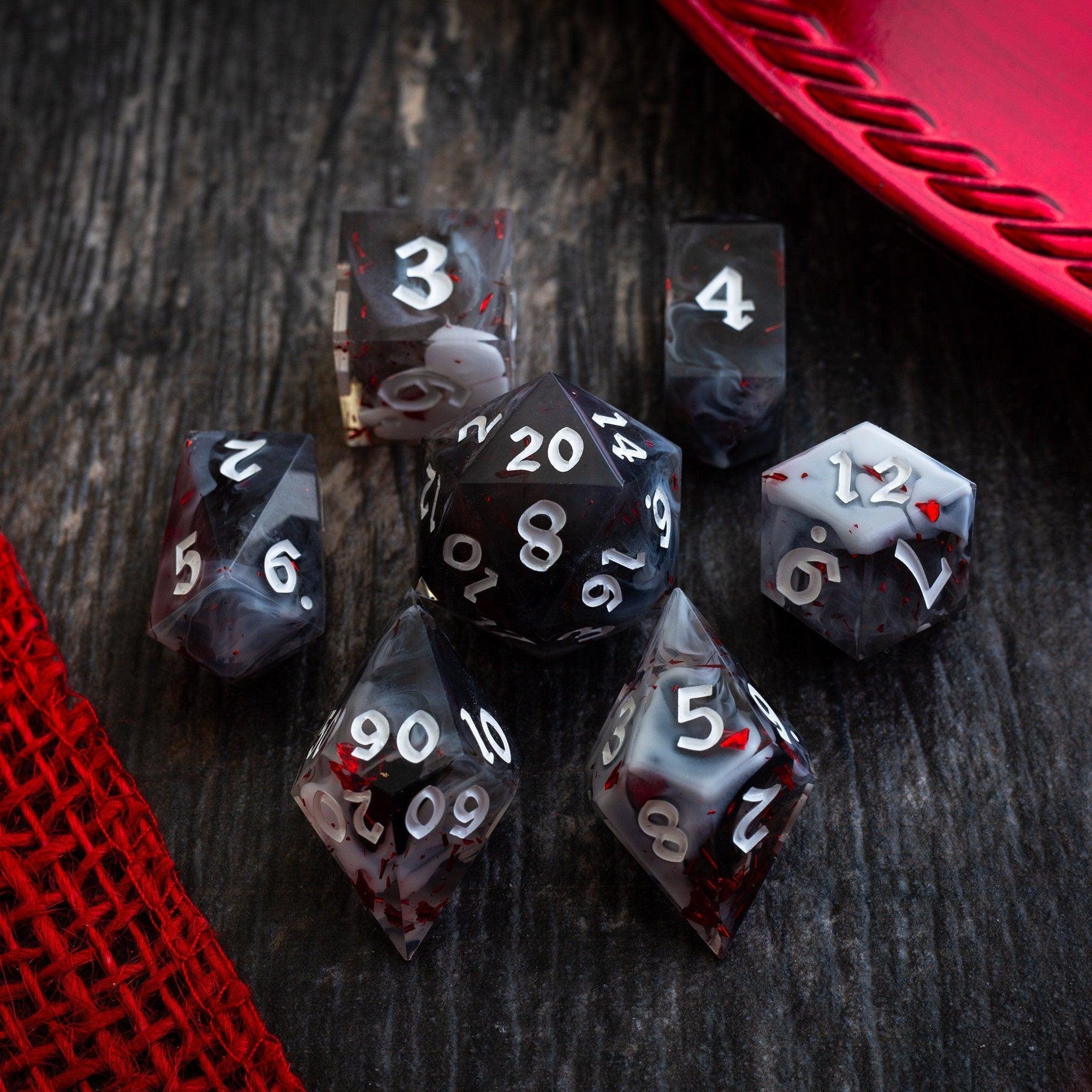
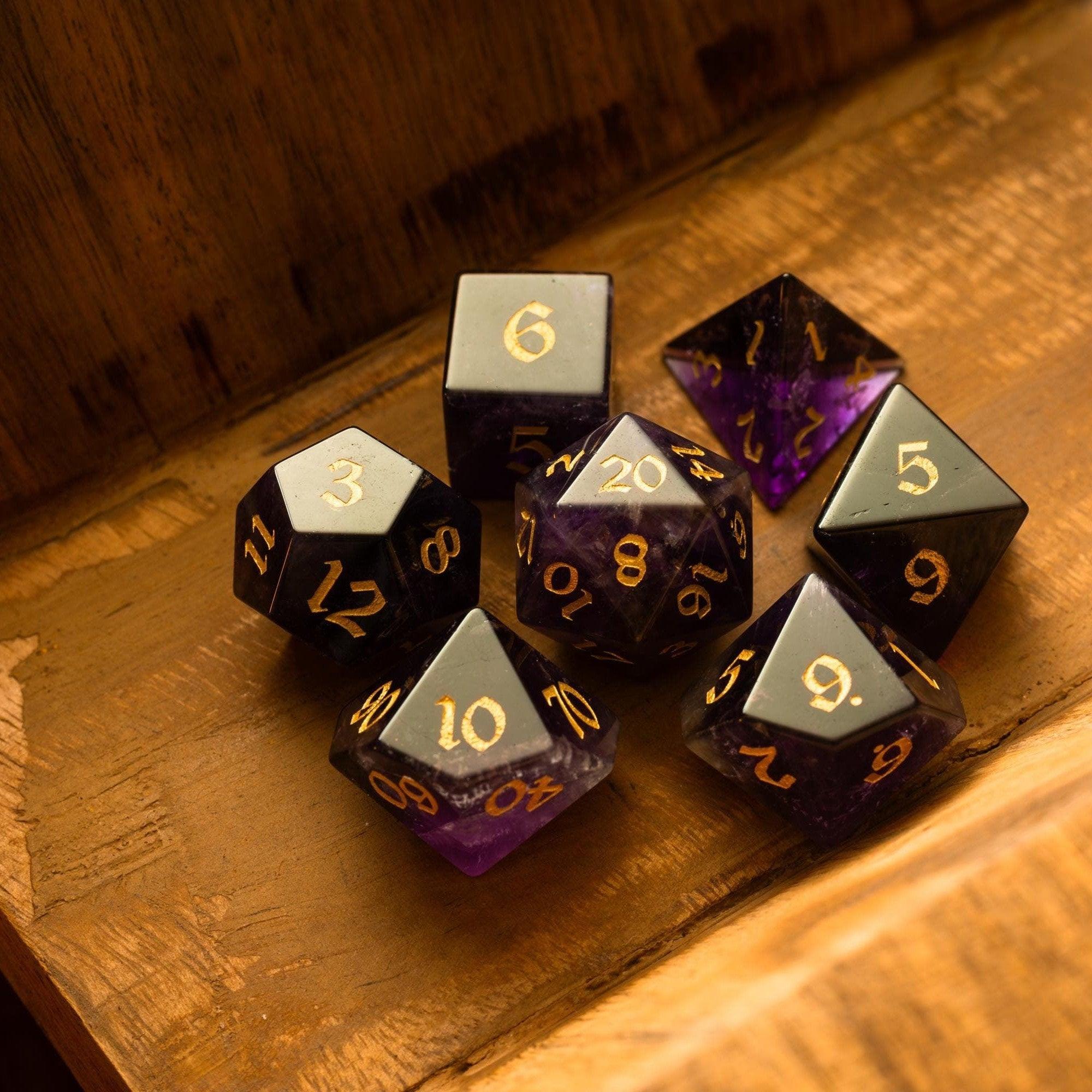
Once the mechanics are working, layer in the narrative. Who made this item? Why? What's its history? Does it have personality quirks or strange behaviors? These details transform a mechanical object into a memorable part of your world. Explore how themed items can enhance your campaign's atmosphere.
Summary and Key Recommendations
Creating magical items for your campaign is an investment that pays dividends in player engagement and fun. Remember that balance matters, but story matters more. Players forgive slightly overpowered items if they're narratively cool and meaningfully tied to your world.
Don't aim for perfection in your first draft. Design something, test it, and refine based on actual gameplay experience. Your instincts will improve with practice, and you'll develop a feel for what works in your specific game.
Mix custom creations with published items. This gives you the best of both worlds—reliable mechanics with personal flavor. Your players will appreciate items that feel unique to your world while still fitting within familiar game systems.
Most importantly, remember why you're doing this: to create memorable moments and give your players something cool to feel excited about. If an item does that, it's successful, regardless of whether it's perfectly balanced according to theoretical game design principles. Draw inspiration from various sources as you develop your personal design philosophy.
Frequently Asked Questions About Enchanted Item Design
How do I know if my magical item is too powerful?
Test it in actual gameplay and observe whether it trivializes challenges your party would normally find difficult. If the item completely removes tension from encounters, it's probably too strong. A good magical creation should make your players feel awesome without eliminating meaningful choice and challenge. You can also compare it to existing published items of similar rarity—if yours is clearly doing more, scale it back.
Should I let players know all the details of my custom items upfront?
Not necessarily. Magical items with hidden properties or emergent abilities create wonderful discovery moments. However, the core function should be clear—players shouldn't need to guess what something does. Save the mysteries for secondary effects or special triggers. This keeps things fun without creating confusion or frustration at the table.
How do I balance magical items between different party members?
Give items that serve different purposes and playstyles. The fighter gets something that enhances combat, the rogue gets something useful for stealth and deception, the spellcaster gets something that amplifies their magic. Each player should feel like their particular item is amazing for their character. You can also gift items at different times so no single player feels shortchanged.
Can I give players cursed items without them feeling like I'm being mean?
Absolutely, but it requires trust and communication. Cursed items work best when there's genuine challenge to removing the curse, not just arbitrary punishment. The curse should create interesting gameplay situations and story opportunities, not make a player's character useless. Signal to your party that cursed items exist in your world so they're not blindsided.
What's the best way to introduce a magical item into my campaign?
Connection matters more than the method. Whether they find it in a treasure chest, receive it as a reward from an NPC, or win it through a quest, attach story to it. Who made it? Why? Does it have a reputation? Players care infinitely more about items with history than about generic equipment. Enhance your storytelling with quality resources and inspiration as you craft these memorable moments.
Creating magical items is one of the joys of being a game master. It's where your creativity directly impacts player experience. Start simple, trust your instincts, and remember that your enthusiasm for an item's story is half the battle in making your players excited about it too. Happy crafting!

Leave a comment
This site is protected by hCaptcha and the hCaptcha Privacy Policy and Terms of Service apply.