

TTRPG Community Guides that Build Better Campaigns
Updated on: January 28, 2026
Building and nurturing a tabletop role-playing game community requires strategy, patience, and genuine connection. This guide walks you through creating welcoming spaces, fostering engagement, and establishing traditions that keep players coming back. Whether you're running a local gaming group or managing an online community, you'll discover practical approaches to strengthen bonds and create memorable experiences for everyone involved.
- Myths vs. Facts About Building Gaming Communities
- Step-by-Step Guide to Creating Your Community
- Keeping Your Group Engaged and Active
- Frequently Asked Questions
- Summary and Key Takeaways
Myths vs. Facts About Building Gaming Communities

Let's clear up some misconceptions that might be holding you back from starting or expanding your gaming group.
Myth: You Need a Huge Budget to Start
This simply isn't true. Many thriving gaming communities begin with just dice, character sheets, and enthusiasm. While quality materials like specialty dice sets can enhance the experience, they're not required to launch. Free digital tools, borrowed books, and creative players are enough to get rolling.
Myth: Only Experienced Gamers Can Lead
False. The best community builders are often passionate newcomers willing to learn alongside their players. Your enthusiasm and commitment matter far more than extensive experience. Many successful groups are run by people who picked up the rulebook just weeks before launching.
Myth: Online Communities Can't Be as Deep as In-Person Groups
Wrong again. Digital communities offer unique advantages—accessibility, flexibility, and the ability to connect with players worldwide. With video calls, voice channels, and shared digital tools, you can build equally meaningful connections and lasting friendships.
Step-by-Step Guide to Creating Your Community
Step 1: Define Your Community's Identity
Before you gather your first players, clarify what your community stands for. Are you focused on casual, fun storytelling? Competitive gameplay? Deep character development? Maybe you're running a specific system or setting? Your identity attracts like-minded players and sets expectations. Write a simple mission statement—something you can share with potential members that explains what they'll experience.
Step 2: Choose Your Platform and Format
Decide whether you'll meet in person at a local game shop, someone's home, or online via Discord and video platforms. Each format has benefits. In-person gatherings build strong bonds quickly, while online spaces welcome geographically diverse players. Many successful communities use both formats, offering flexibility for different lifestyles.
Step 3: Establish Clear Guidelines and Expectations
Create a simple code of conduct covering respect, attendance, table etiquette, and how conflicts get resolved. Share this upfront so everyone knows the standards. This isn't about being rigid—it's about building trust and ensuring everyone feels safe and welcome. Clear expectations prevent misunderstandings and drama down the road.
Step 4: Invest in Quality Game Materials
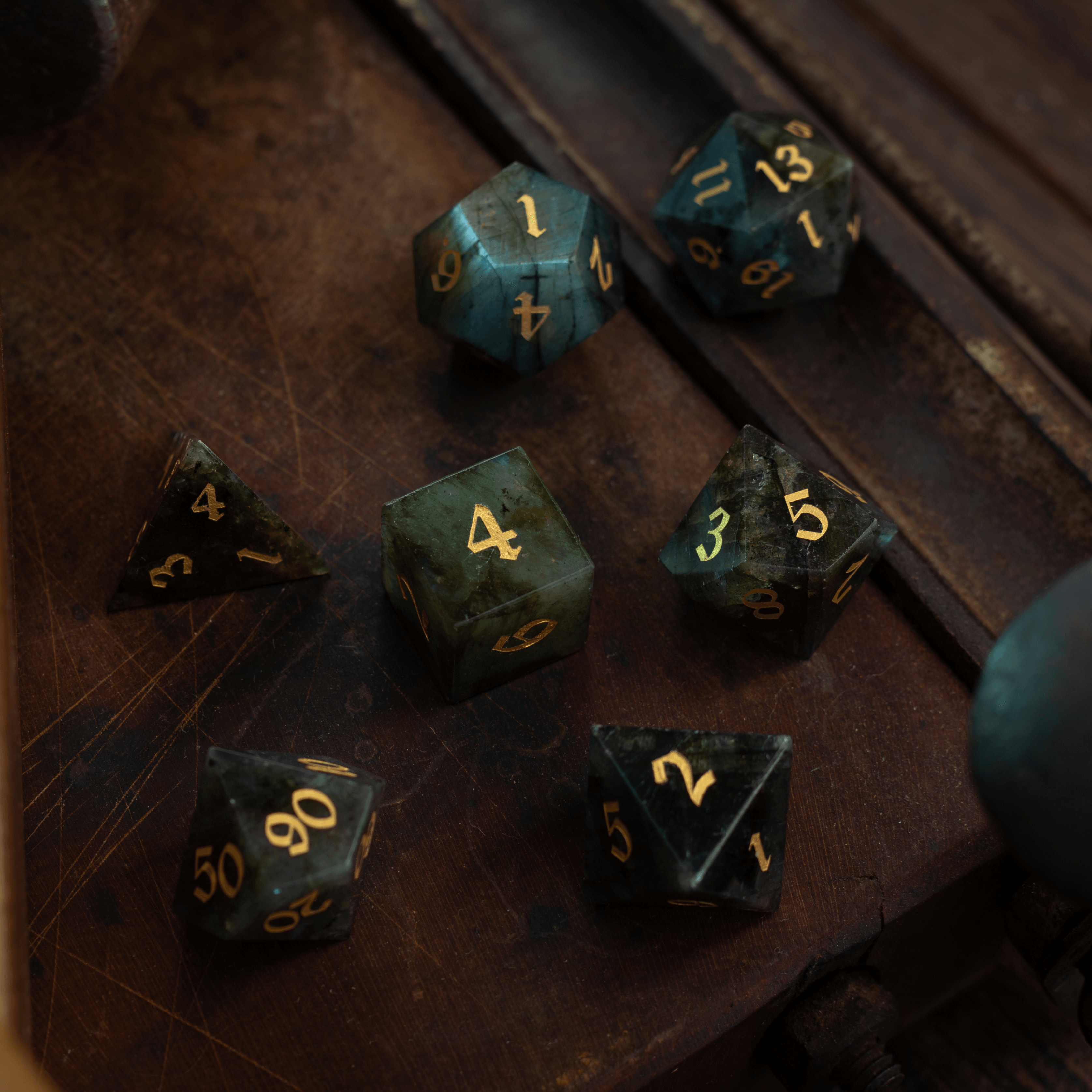
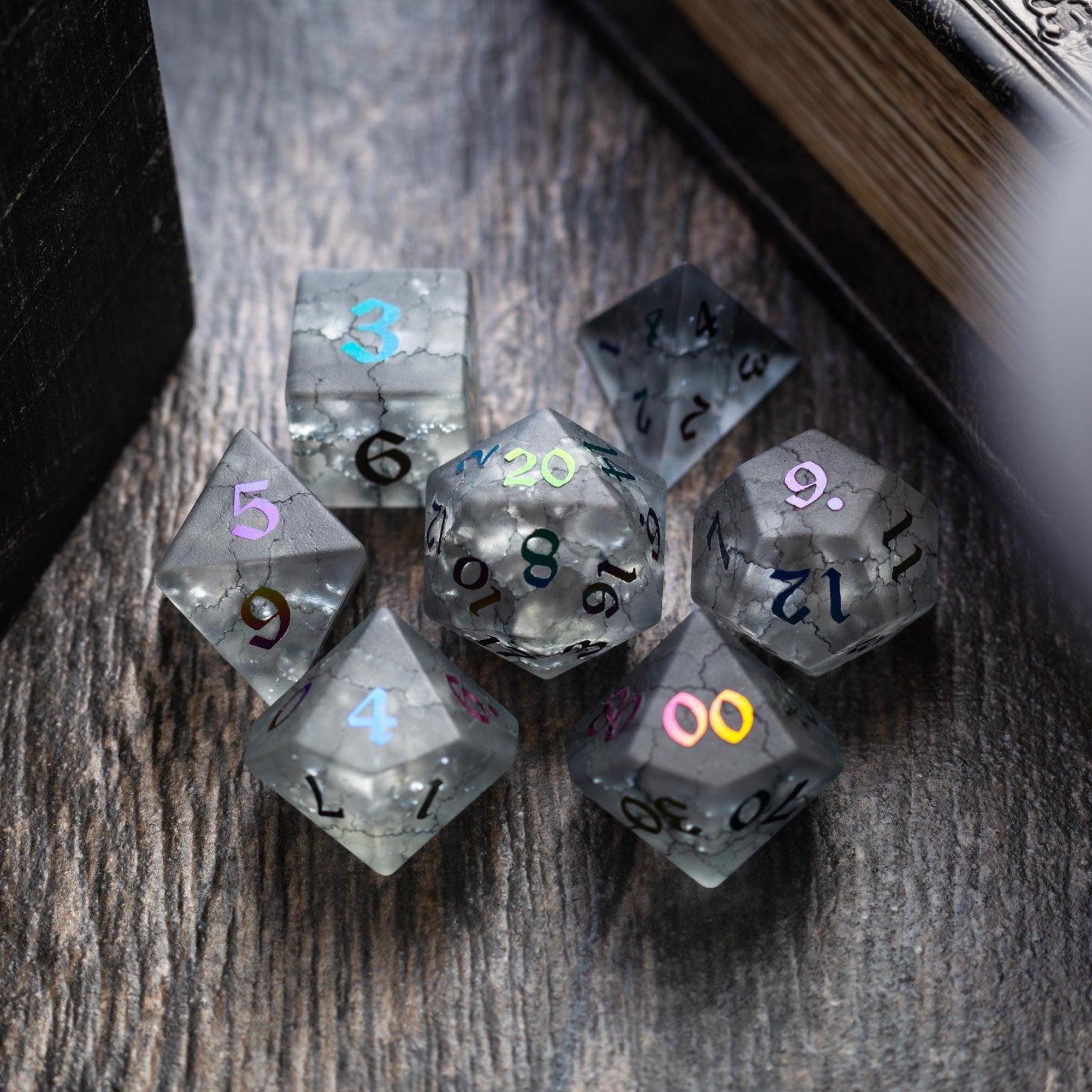
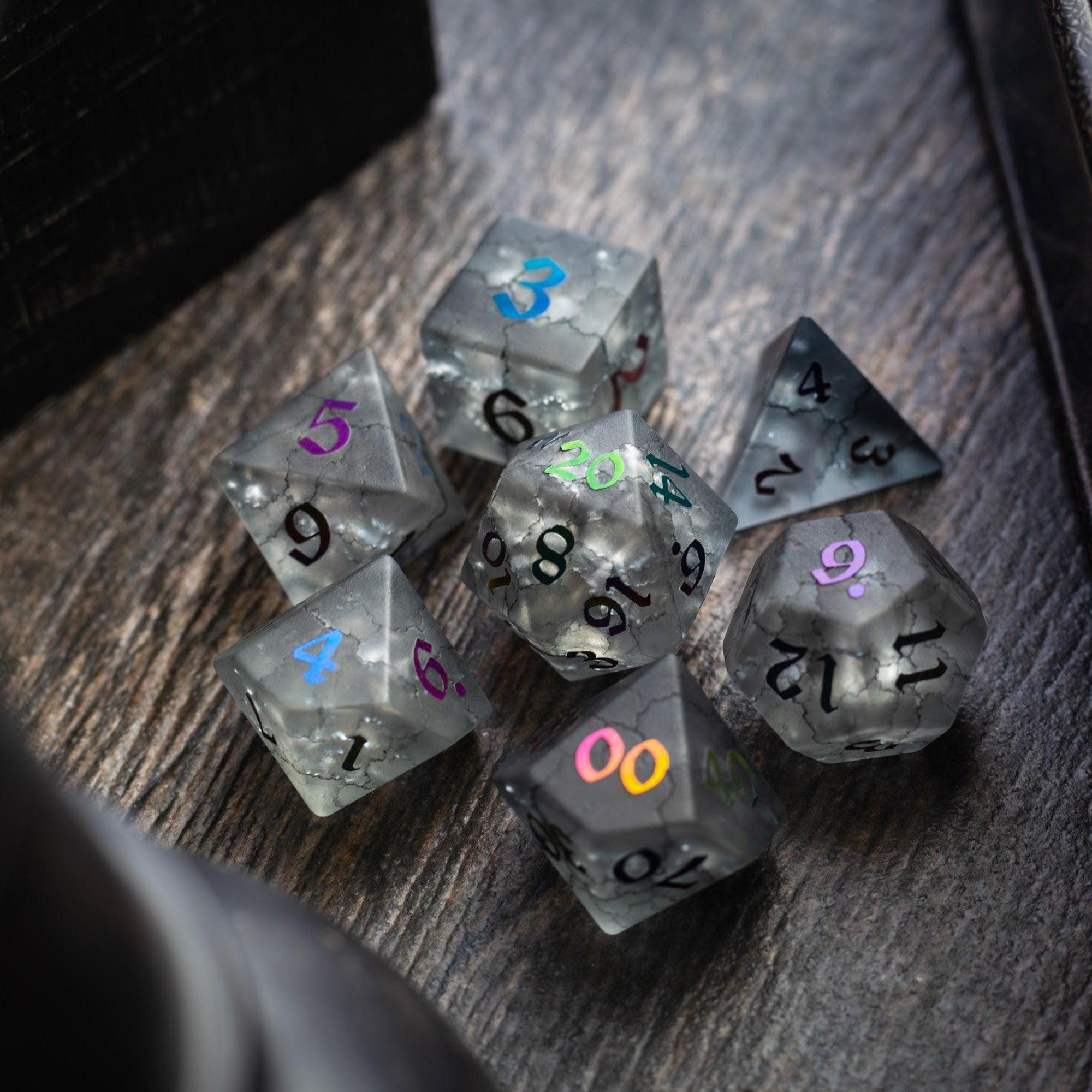
While you don't need expensive gear to start, thoughtful materials enhance immersion. Beautiful dice make rolls feel special. Explore gemstone dice collections or liquid core dice options that match your campaign's tone. Dice aren't just tools—they're part of the storytelling experience. Even modest upgrades show your community that you care about quality.

Step 5: Create Regular Meeting Schedules
Consistency builds community. Choose a recurring time that works for most players—weekly, biweekly, or monthly. Regular schedules help people plan around your sessions and create anticipation. When players know they can count on Thursday nights at your table, that reliability becomes part of your community's strength.
Step 6: Foster Inclusive Participation
Make sure every voice matters, regardless of experience level. New players shouldn't feel intimidated, and quiet players should be gently encouraged to participate. Ask follow-up questions about character motivations. Give everyone spotlight moments. This inclusivity is what transforms a gaming group into a real community.
Keeping Your Group Engaged and Active
Celebrate Milestones Together
Mark campaign anniversaries, character achievements, and player accomplishments. Host special one-shot sessions celebrating memorable moments. These celebrations strengthen bonds and create shared history that defines your community's culture.
Encourage Collaborative Worldbuilding
Don't shoulder all the creative burden alone. Ask players to contribute NPCs, locations, or plot hooks. Collective worldbuilding makes everyone feel invested in the setting. Players become storytellers, not just participants, deepening their connection to the campaign and each other.
Maintain Open Communication Channels
Use messaging platforms between sessions to keep momentum alive. Share character artwork, discuss recent events, or plan upcoming storylines. These touchpoints keep your community vibrant even when you're not actively playing. A simple Discord server works wonderfully for this.
Organize Community Events Beyond Play
Host pizza nights, art contests featuring player characters, or collaborative character creation workshops. These informal gatherings strengthen friendships and create memories outside the game. You might film character introductions or share fan art in a community gallery.
Recognize and Reward Participation
Acknowledge great roleplaying, creative problem-solving, or consistent attendance. Small rewards—bonus experience points, special items, or simple recognition—motivate engagement and make people feel valued. Everyone wants to feel appreciated for their investment.
Adapt and Evolve Based on Feedback
Regularly ask your community what's working and what isn't. Be willing to adjust rules, scheduling, or formats based on their input. Communities thrive when members feel heard. This flexibility shows you genuinely care about everyone's experience, not just running things your way.
Frequently Asked Questions
How do I handle conflict when players disagree with rules or story decisions?
Address conflicts calmly and privately when possible. Listen to concerns without defensiveness. Explain your reasoning, but remain open to compromise. Remember that your role is facilitating fun for everyone, not winning arguments. Sometimes reversing a decision shows wisdom and builds trust with your community. The best communities have leaders who can admit mistakes and adjust course.
What should I do if someone isn't a good fit for my community?
Have a direct, respectful conversation highlighting specific issues. Give people chances to adjust their behavior. If problems persist, it's okay to part ways professionally. Protecting your community's culture sometimes means difficult decisions. Frame it as "this group isn't the right fit" rather than blaming the person. Most people understand and appreciate honesty.
How can I make my community welcoming to marginalized players?
Actively communicate that all backgrounds, identities, and experiences are welcome. Use diverse imagery and materials that reflect various communities. Address problematic language immediately. Create a zero-tolerance policy for discrimination. Ask marginalized players how you can better support them. Listen to feedback and implement changes. Real inclusion requires ongoing effort and genuine commitment.
How do I keep things fresh when we've been playing together for years?
Introduce new rules, settings, or systems occasionally. Run shorter side campaigns between longer story arcs. Rotate who runs sessions if possible. Let players create villains or sidequests. Change the tone—alternate between serious and comedic. Long-running communities need evolution to stay vibrant. Fresh challenges keep everyone engaged and prevent burnout.
Summary and Key Takeaways
Building a thriving tabletop role-playing game community starts with clear vision and genuine commitment to your members. You don't need massive budgets or decades of experience—you need passion, consistency, and willingness to listen.
Remember these core principles: Define your community's identity clearly. Create a welcoming space where everyone feels valued. Maintain regular schedules that people can count on. Invest thoughtfully in materials that enhance the experience. Keep communication open, celebrate together, and adapt based on feedback.
The strongest communities emerge when leaders prioritize inclusion, foster collaboration, and recognize that games are really about building friendships and creating shared memories. Whether you're just starting or strengthening an existing group, these foundations apply universally.
Your role as a community builder is about more than running sessions—you're creating a space where people feel safe, appreciated, and excited to show up. That's powerful. Start implementing these strategies today, and watch your community flourish.
Ready to enhance your gaming experience? Explore premium dice options that bring magic to every roll, or browse our full resin dice collections to find the perfect set for your group's next adventure.














Leave a comment
This site is protected by hCaptcha and the hCaptcha Privacy Policy and Terms of Service apply.