

Creative DND Adventure Hooks to Spark Your Campaign
Updated on: 2026-02-06
Crafting engaging campaign storylines requires inspiration and creativity. This guide explores how to develop compelling narrative beginnings for your tabletop role-playing adventures. Whether you're a seasoned Dungeon Master or new to worldbuilding, understanding the fundamentals of plot initiation helps bring your stories to life. Discover practical techniques, common misconceptions, and expert recommendations to enhance your storytelling approach and captivate your players.
- Product Spotlight
- Understanding Narrative Foundations
- Myths vs. Facts About Campaign Beginnings
- Creating Compelling Story Initiators
- Maximizing Player Engagement
- Frequently Asked Questions
- Final Recommendations
Product Spotlight

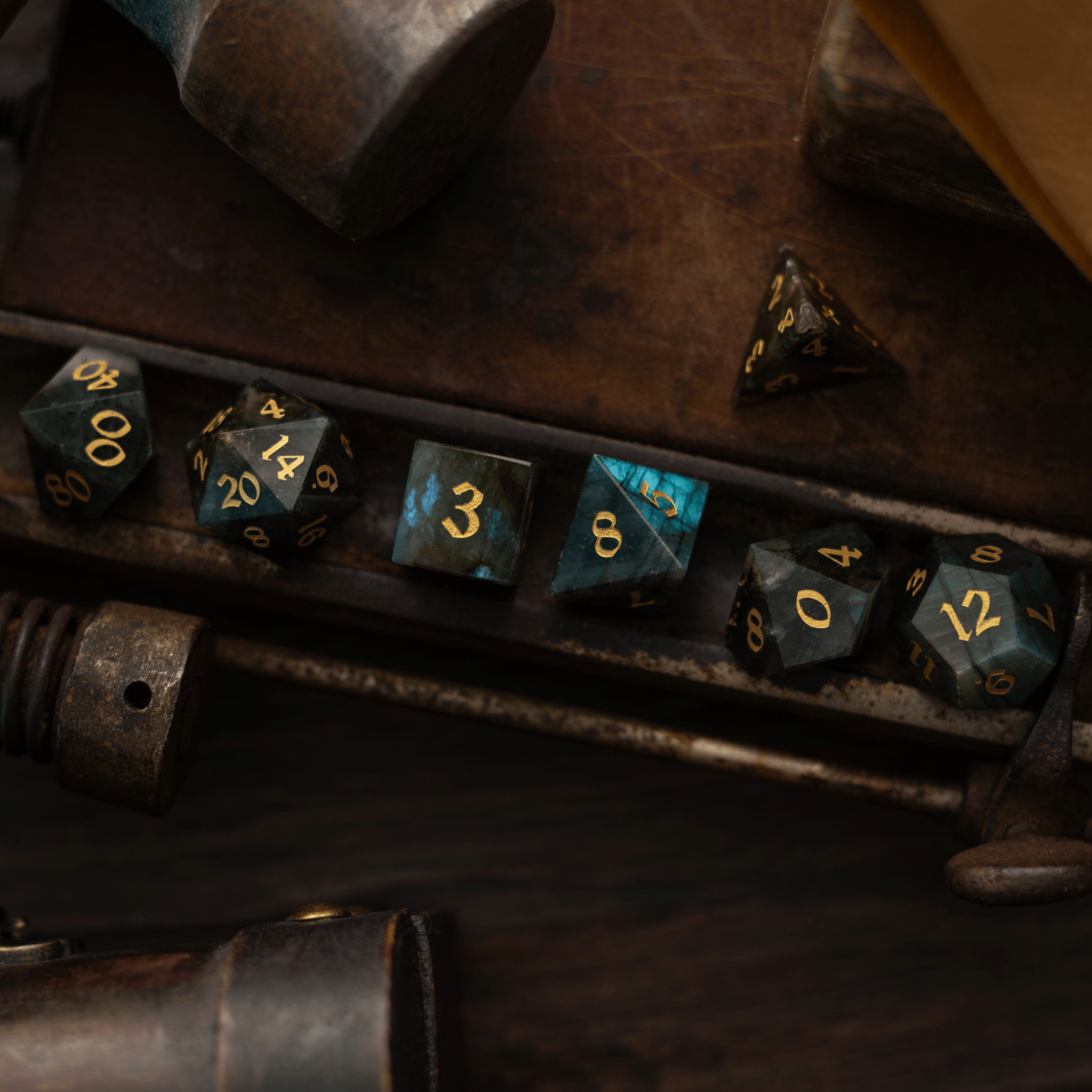
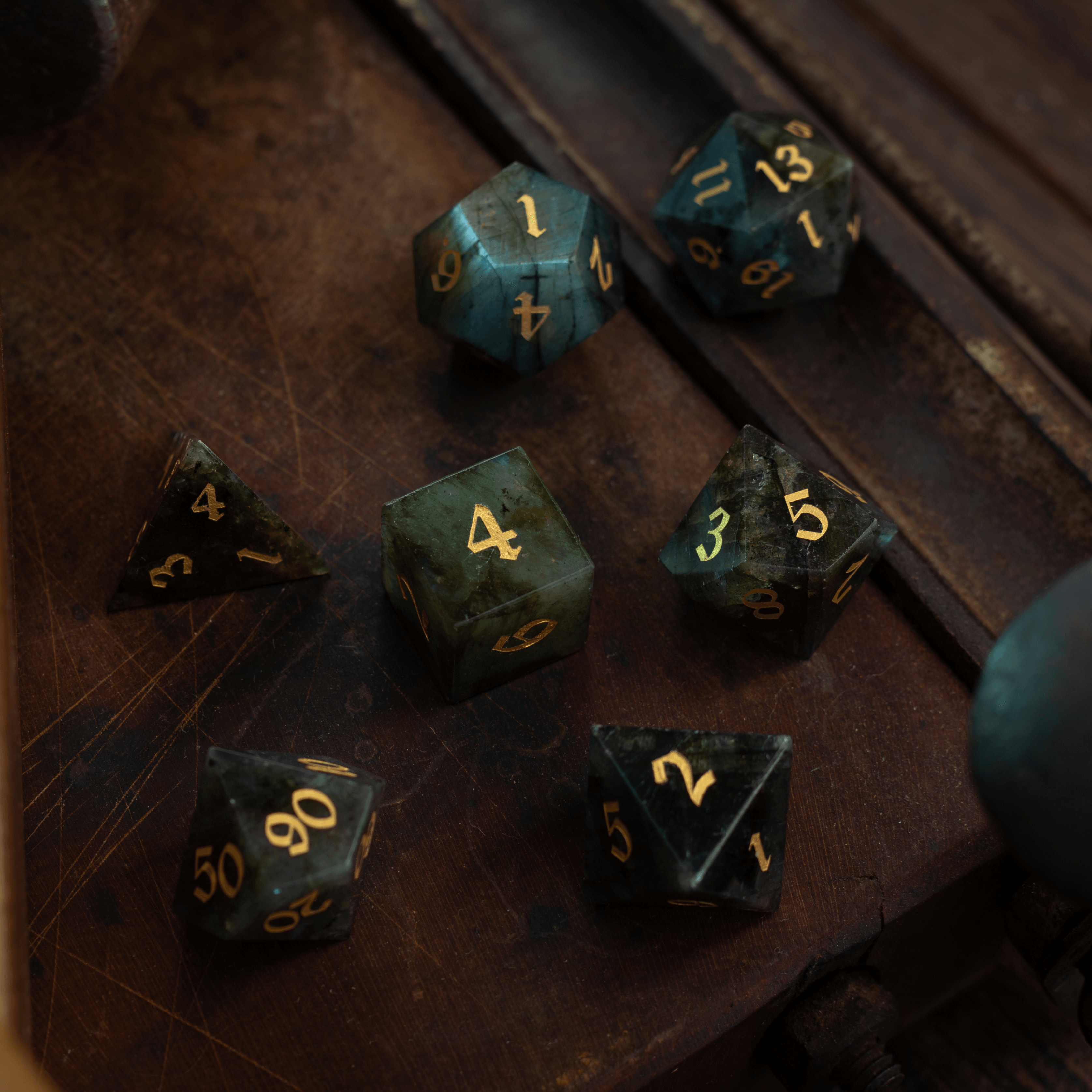
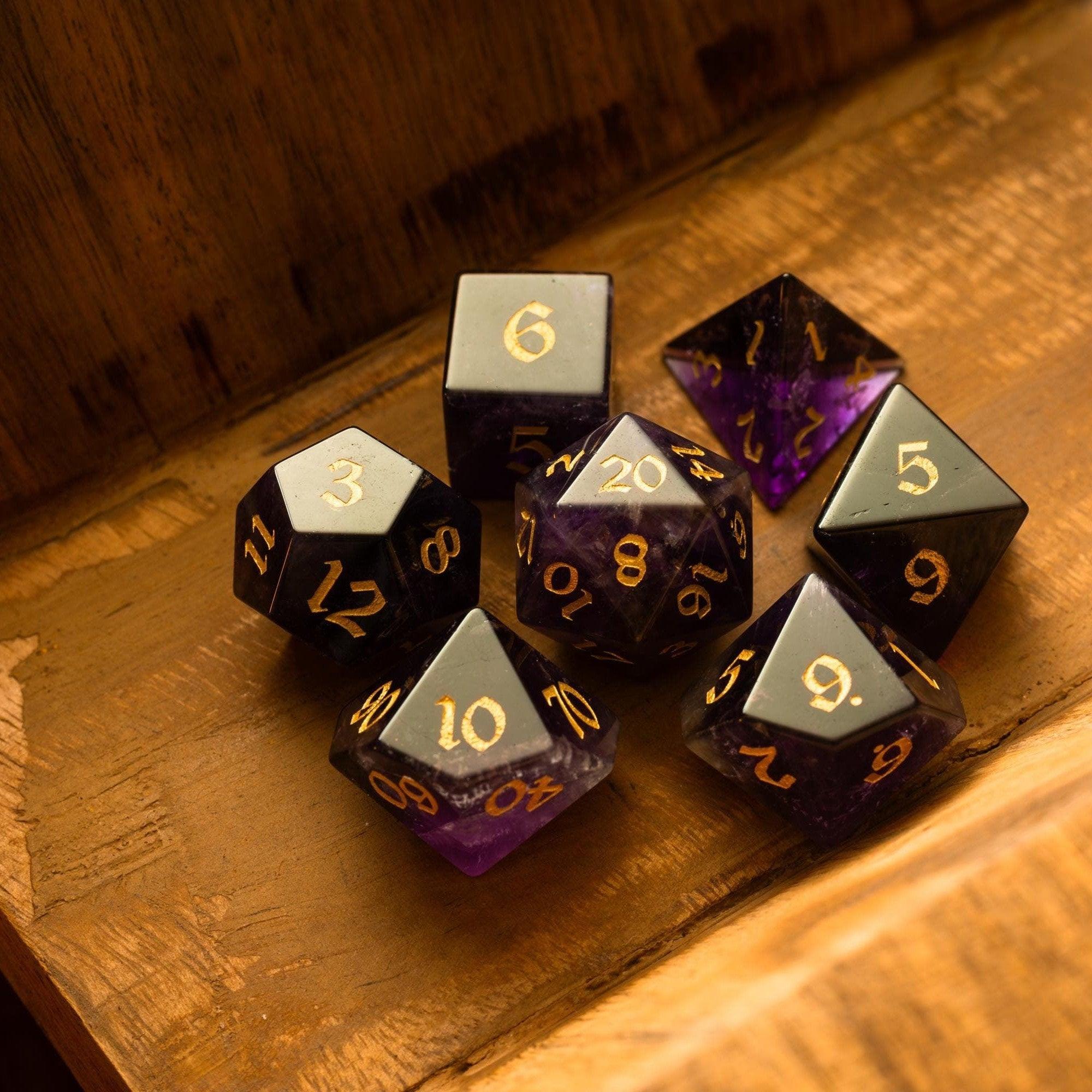
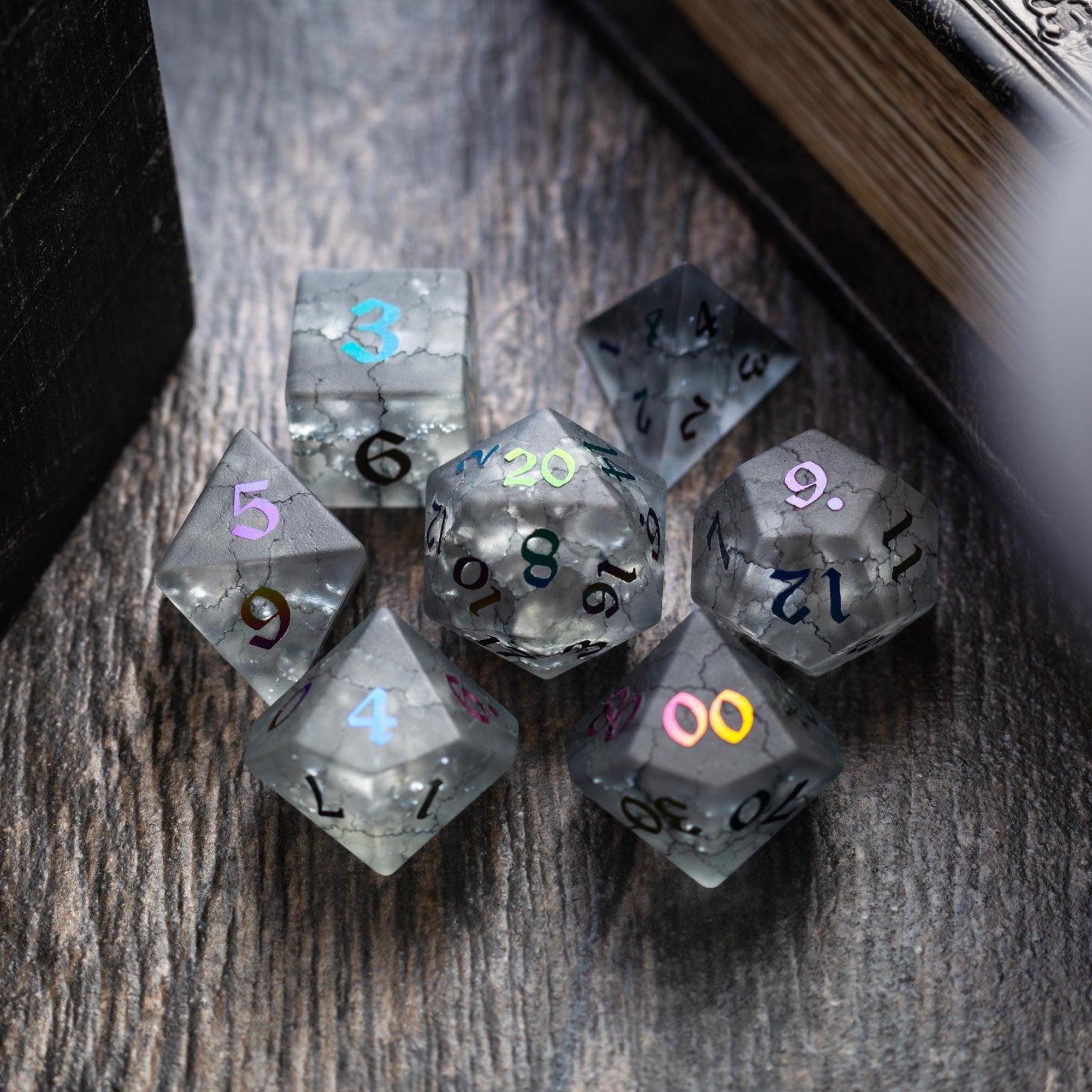
When you're preparing an exciting campaign session, having the right tools enhances the entire experience. Premium polyhedral dice sets elevate your storytelling atmosphere and help bring dramatic moments to life. Consider exploring quality gemstone dice options that combine functionality with aesthetic appeal. These carefully crafted tools add authenticity to your gaming table and inspire creativity during crucial narrative moments.
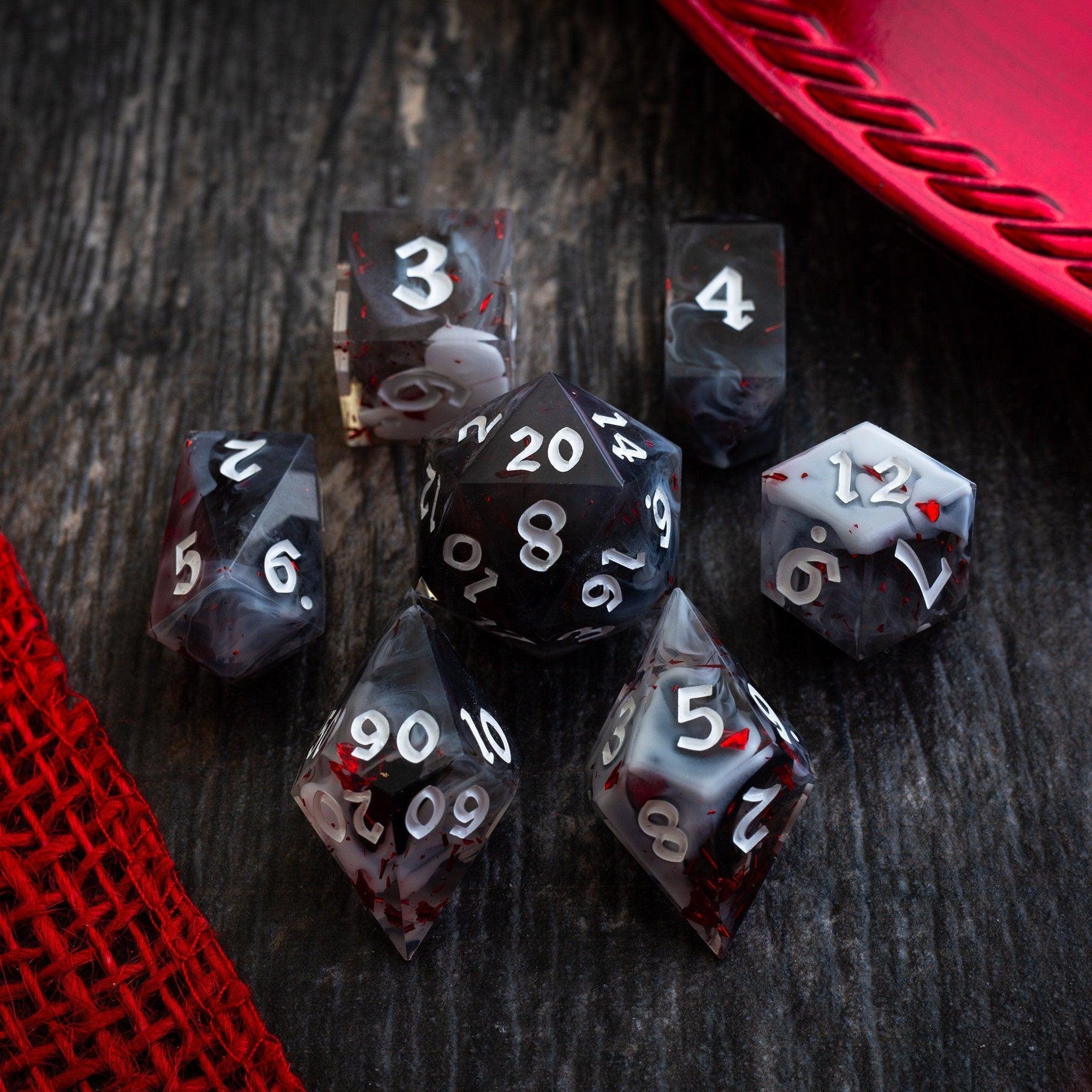
For those seeking distinctive dice collections, specialty liquid core dice collections offer visual uniqueness that captures attention during pivotal scenes. The craftsmanship in these pieces reflects the care you put into developing your stories. Having beautiful, tactile dice enhances the sensory experience of your gaming sessions and creates memorable moments when important rolls occur during your narrative sequences.
Understanding Narrative Foundations
Adventure hooks serve as the foundation for engaging tabletop campaigns. These narrative initiators function as the opening threads that draw players into your world and establish the tone for upcoming sessions. Effective story starters accomplish multiple objectives simultaneously: they introduce conflict, establish stakes, and create immediate reasons for character participation.
The most compelling opening scenarios combine mystery, personal stakes, and immediate action. Consider how your initial scenario presents problems that directly affect your player characters. When hooks connect to character backgrounds or motivations, players feel invested from the very beginning. This personal connection transforms passive observers into active participants who care deeply about outcomes.
Strong narrative initiators also provide flexibility. They should allow multiple solutions and accommodate various character approaches. Rather than forcing players down predetermined paths, effective openers present situations where clever thinking, combat prowess, diplomacy, or stealth all offer viable options for progression.
Myths vs. Facts About Campaign Beginnings
Myth: Complex Setups Generate Better Stories
Fact: Simplicity often outperforms complexity in opening scenarios. While intricate worldbuilding has value, the most memorable campaign starts frequently feature straightforward premises with compelling execution. A clear, engaging situation resonates more powerfully than an elaborate setup that confuses players. Focus on clarity and immediate engagement rather than overwhelming detail in your introductory sequences.
Myth: Players Always Need Direct Motivation
Fact: Curiosity and environmental intrigue can be equally powerful motivators. Rather than directly ordering characters into action, sometimes presenting interesting circumstances allows players to investigate naturally. A mysterious stranger, unusual occurrences, or strange rumors often propel characters into adventures more effectively than explicit quests. Trust your players' desire to explore and uncover mysteries.
Myth: Combat Must Occur Immediately
Fact: Effective story starters employ varied approaches to engagement. Some open with social encounters, investigation opportunities, or moral dilemmas. While action creates excitement, mixing opening approaches prevents predictability. Different scenarios call for different initiations—a political intrigue may begin with diplomatic meetings, while a dungeon expedition might start with exploration.
Creating Compelling Story Initiators
Developing effective narrative beginnings involves understanding several key components. First, identify the core conflict driving your scenario. What problem exists that requires character intervention? What consequences arise if characters ignore the situation? Clear understanding of your underlying conflict helps you present it compellingly.
Second, consider your characters' perspectives. How does the opening situation appear from their viewpoint? What information do they possess initially? What mysteries remain hidden? Effective setups reveal enough to generate interest while withholding sufficient information to create intrigue and encourage investigation.
Third, establish sensory details that bring your scenario to life. Rather than explaining abstract concepts, describe what characters see, hear, smell, and feel. A tavern hook becomes more vivid when you describe the flickering candlelight, the aroma of spiced ale, and the murmur of concerned conversations rather than simply stating that characters are in a tavern.

Environmental Hooks
Setting-based starters involve interesting locations that naturally invite exploration. A mysterious ruin, an abandoned estate, or a strange caravan traveling through town create immediate intrigue. Environmental hooks allow players to discover the story through exploration, rewarding curiosity and investigation. This approach works particularly well for parties who enjoy mystery-solving and environmental interaction.
Character-Driven Hooks
Scenarios centered on character relationships and backgrounds feel personally meaningful. Perhaps a character receives a letter from an old ally, encounters a long-lost relative, or discovers someone they trusted has betrayed them. When scenarios directly connect to player character histories, engagement deepens significantly. These narrative initiators transform generic adventures into personal sagas.
Crisis-Based Hooks
Urgent situations demanding immediate response create natural character involvement. A natural disaster, violent attack, or time-sensitive emergency requires swift action. Crisis scenarios work well for generating excitement and preventing characters from overthinking participation. The immediate nature of the crisis propels characters forward through necessity.
Maximizing Player Engagement
Beyond the initial scenario setup, several techniques enhance player investment throughout your opening session. First, solicit player input during setup conversations. Discuss what types of scenarios interest your group. Some players prefer intrigue and investigation, others enjoy action and combat, while some favor exploration and discovery. Aligning your opening with player preferences increases enthusiasm.
Second, provide early success opportunities. Allow characters to accomplish small victories within the first session. These early wins build confidence and demonstrate that character actions matter. Conversely, avoid opening scenarios where player choices prove meaningless or predetermined outcomes undermine agency.
Third, create opportunities for character spotlight moments. Ensure each player character receives individual attention during your opening. Whether through background connections, unique skill applications, or moral choices aligned with their values, letting each player experience their character's importance deepens engagement.
Finally, maintain pacing and momentum. Balance descriptions with action, explanation with discovery, and serious moments with lighter interactions. Varied pacing prevents sessions from feeling dragging or rushed. When players experience consistent engagement without overwhelming information density, they remain invested and eager for subsequent sessions.
Frequently Asked Questions
How Much Preparation Should I Complete Before the Opening Session?
Thorough preparation benefits your presentation and confidence. Prepare your opening description, key NPCs involved in the scenario, and potential complications that might arise. However, avoid over-scripting player responses. Create flexible frameworks rather than rigid scripts. Plan several directions your story might develop based on different player choices, but remain prepared to improvise when players surprise you with unexpected approaches.
What Should I Do If Players Reject My Opening Scenario?
Sometimes despite careful planning, players ignore or dismiss your setup. Rather than forcing involvement, adjust your approach. Consider why players avoided your scenario—perhaps it lacked personal relevance, seemed obtuse, or didn't align with character motivations. Use this feedback to refine your presentation. In future sessions, incorporate elements addressing player concerns. Flexibility and responsiveness to player preferences ultimately creates more satisfying campaigns than rigid adherence to predetermined scenarios.
How Can I Create Hooks That Work for Diverse Party Interests?
Incorporate multiple entry points into your scenario. Include mystery elements for investigative players, action sequences for combat-focused characters, and opportunities for social interaction and roleplay. When your opening addresses various play styles simultaneously, all players find engaging elements. A scenario involving a criminal organization might feature investigation, infiltration, combat, and negotiation opportunities—allowing different players to contribute meaningfully through their preferred approaches.
Should Opening Scenarios Feature Significant Stakes?
High stakes create urgency and importance but shouldn't overshadow player enjoyment. Moderate stakes work well for opening scenarios—situations important enough to justify player engagement without feeling insurmountable. Perhaps a missing person needs rescue, a merchant caravan has been attacked, or mysterious occurrences plague a village. These scenarios matter without carrying the weight of world-ending consequences that might feel overwhelming for brand-new campaigns.
Final Recommendations
As you develop your campaign opening, remember that effective scenario design balances structure with flexibility. Prepare thoroughly but remain ready to adapt based on player choices. Create scenarios that speak to your specific group's interests rather than following generic templates.
Consider incorporating sensory details that bring your world to life. Rich descriptions transport players into your setting more effectively than abstract explanations. Describe the sights, sounds, and atmospheres of your scenarios vividly.
Finally, remember that exceptional storytelling emerges from genuine enthusiasm. Choose scenarios that excite you personally. Your passion for your narrative translates into engaging presentations that captivate your players. Whether your opening emphasizes mystery, action, exploration, or personal drama, authentic enthusiasm transforms any scenario into a memorable beginning.
As you prepare future sessions, experiment with different opening approaches. Some will resonate powerfully with your group while others fall flat—this is natural and valuable learning. Each session teaches you more about your players' preferences and helps you refine your craft. Through iteration and attention to player response, you'll develop increasingly sophisticated and engaging storytelling approaches.
Remember to enhance your gaming table atmosphere with quality components like gemstone dice collections that add tangible beauty to your sessions. These thoughtful touches create immersive experiences that support your narrative efforts. When every element of your gaming table reflects care and intention, players feel that dedication and engage more deeply with your stories.












Leave a comment
This site is protected by hCaptcha and the hCaptcha Privacy Policy and Terms of Service apply.