Mastering Intermediate RPG Tactics and Builds for Growth
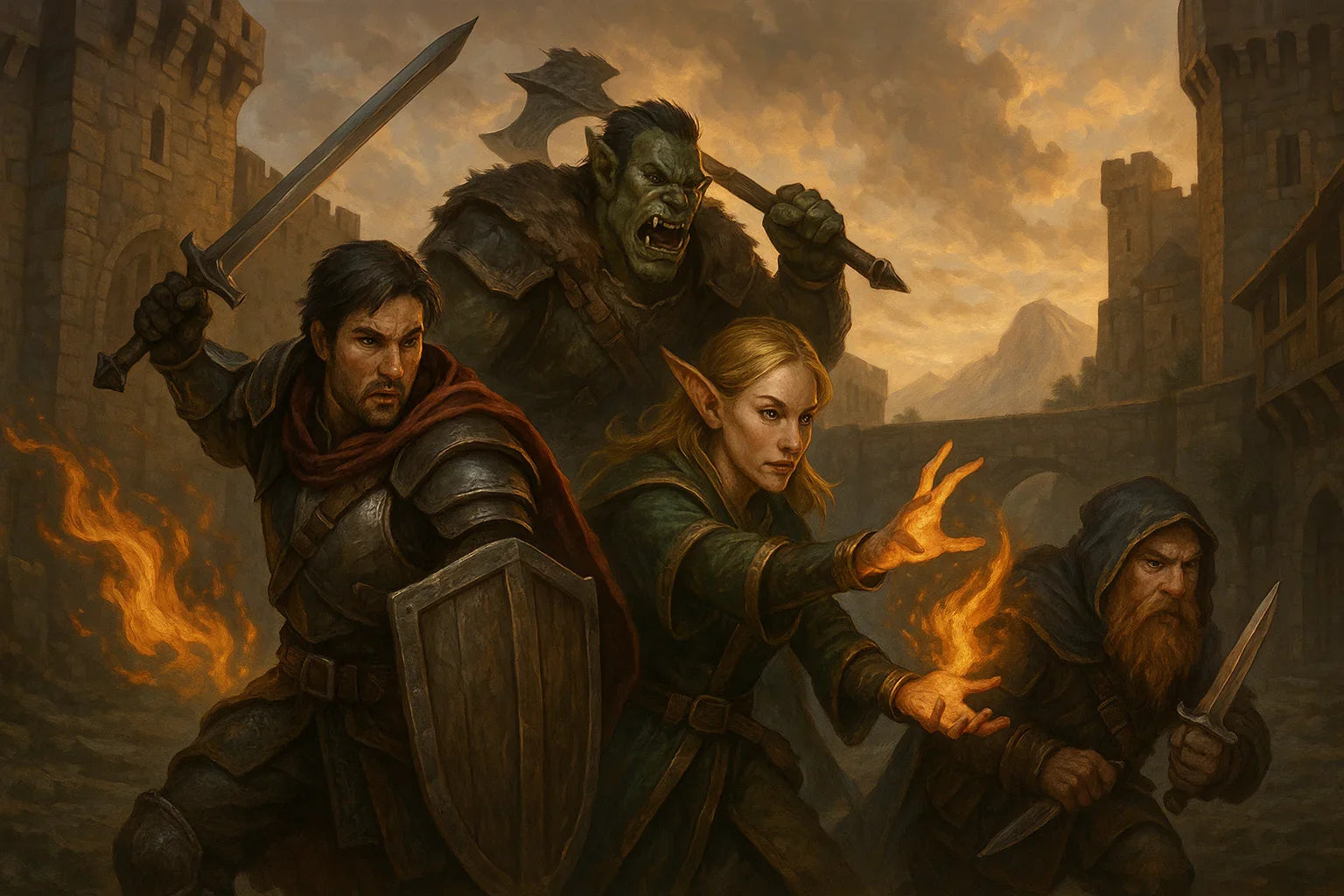
Moving from beginner to intermediate play is one of the most rewarding stages in any tabletop RPG. You already understand the basic rules, know how your class works, and have experienced enough adventures to recognize that winning encounters is about much more than dealing the most damage.
As campaigns become more challenging, enemies become smarter, resources become scarcer, and teamwork becomes increasingly important. Developing stronger RPG tactics and thoughtful character builds helps your character contribute consistently without sacrificing personality or creativity.
The biggest shift at the intermediate level is learning that no single build or strategy solves every problem. Effective tabletop RPG strategy depends on the campaign, the party's strengths, the Game Master's style, and the choices made during every session.
Whether you're exploring dangerous ruins, negotiating with rival factions, or surviving difficult battles, steady improvement comes from making better decisions before, during, and after every encounter.
Introduction to Intermediate RPG Tactics
Intermediate players begin thinking beyond their own character sheet.
Instead of asking:
"What is my strongest attack?"
They begin asking:
-
What does our party need right now?
-
Where should I stand?
-
Should I save this resource?
-
What happens after this encounter?
-
How can I help another player succeed?
This broader perspective separates experienced adventurers from newer players.
Strong tactical RPG gameplay focuses on:
-
Team coordination
-
Efficient use of abilities
-
Smart positioning
-
Flexible planning
-
Long-term character progression
These habits improve nearly every adventure regardless of the game system.
Signs You're Ready to Move Beyond Beginner Strategies
Most players naturally reach a point where simple tactics stop being enough.
Common signs include:
-
You rarely forget your class abilities.
-
You understand combat turns without needing reminders.
-
You begin planning several rounds ahead.
-
You think about how your actions affect teammates.
-
You notice patterns in enemy behavior.
-
You want your character to grow with future adventures instead of only gaining higher numbers.
This is the ideal time to begin exploring an intermediate RPG guide approach that emphasizes planning instead of reaction.
Building Characters With Long-Term Growth in Mind
One of the biggest improvements intermediate players can make is planning beyond the next level.
Instead of selecting every feature simply because it looks powerful today, consider how future abilities interact.
Ask yourself questions like:
-
Will this feature still be useful several levels from now?
-
Does it support my character's primary role?
-
Does it fit the campaign style?
-
Does it complement my party?
Good character progression is rarely about maximizing a single statistic.
It often involves balancing:
-
Combat effectiveness
-
Utility
-
Survivability
-
Exploration skills
-
Social interaction
-
Personal character story
For example, a heavily armored fighter in a political campaign may benefit from abilities that improve leadership or negotiation just as much as additional combat options.
Likewise, a spellcaster exploring dangerous wilderness may value utility spells alongside offensive magic.
Every campaign rewards different strengths, which is why no D&D character builds are universally best.
Improving Action Economy and Resource Management
Experienced players know that resources are limited.
Spell slots, special abilities, healing, consumable items, and powerful class features should all be managed carefully.
Good action economy means making every turn count.
Instead of focusing only on damage, consider actions that:
-
Protect allies
-
Control enemy movement
-
Improve positioning
-
Create opportunities for teammates
-
Reduce incoming damage
Sometimes helping another character succeed produces a greater overall impact than making another attack.
Resource management also extends beyond combat.
Think about:
-
Healing between encounters
-
Saving abilities for boss fights
-
Conserving spell slots
-
Managing equipment
-
Planning rests
Small decisions throughout an adventure often determine whether the party succeeds later.
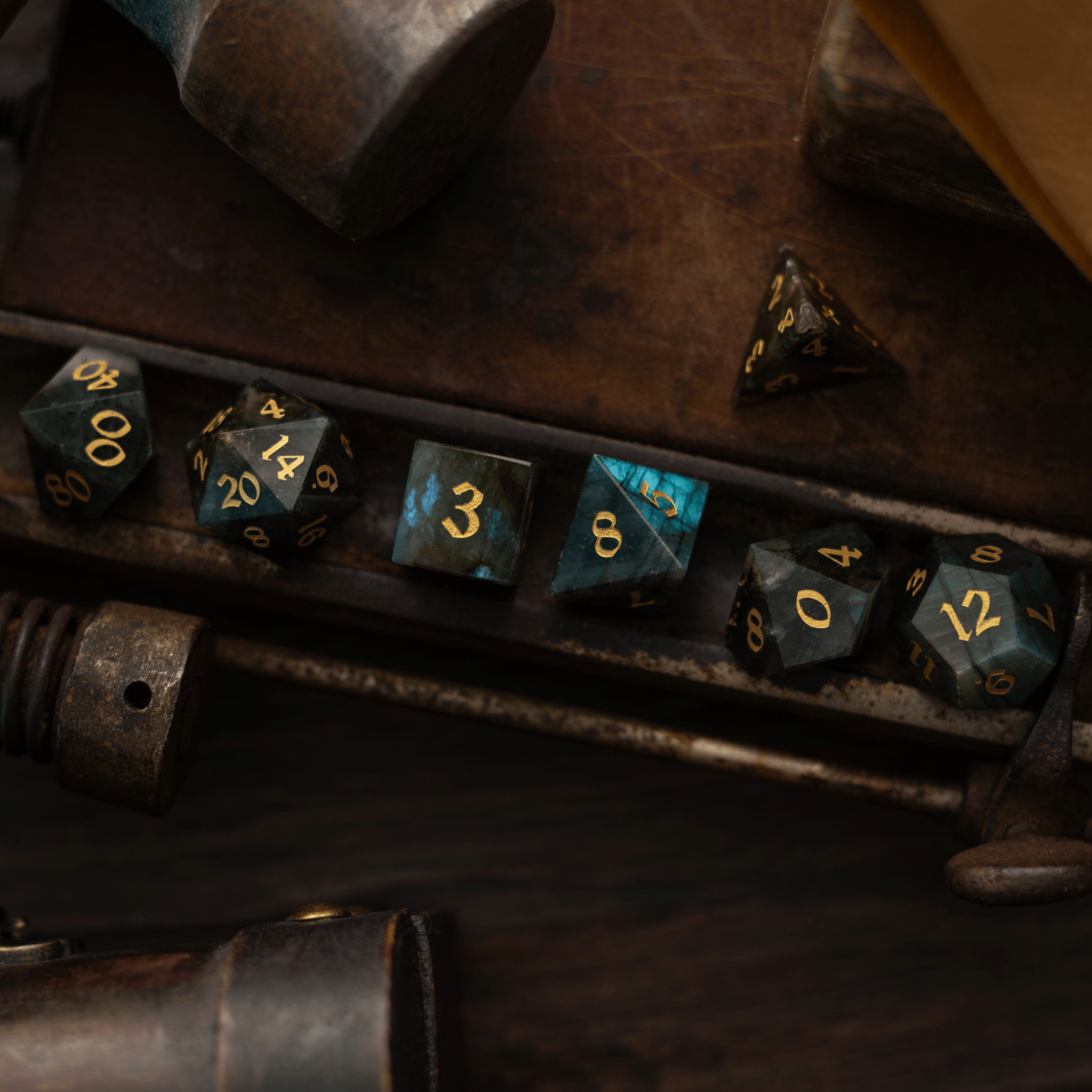
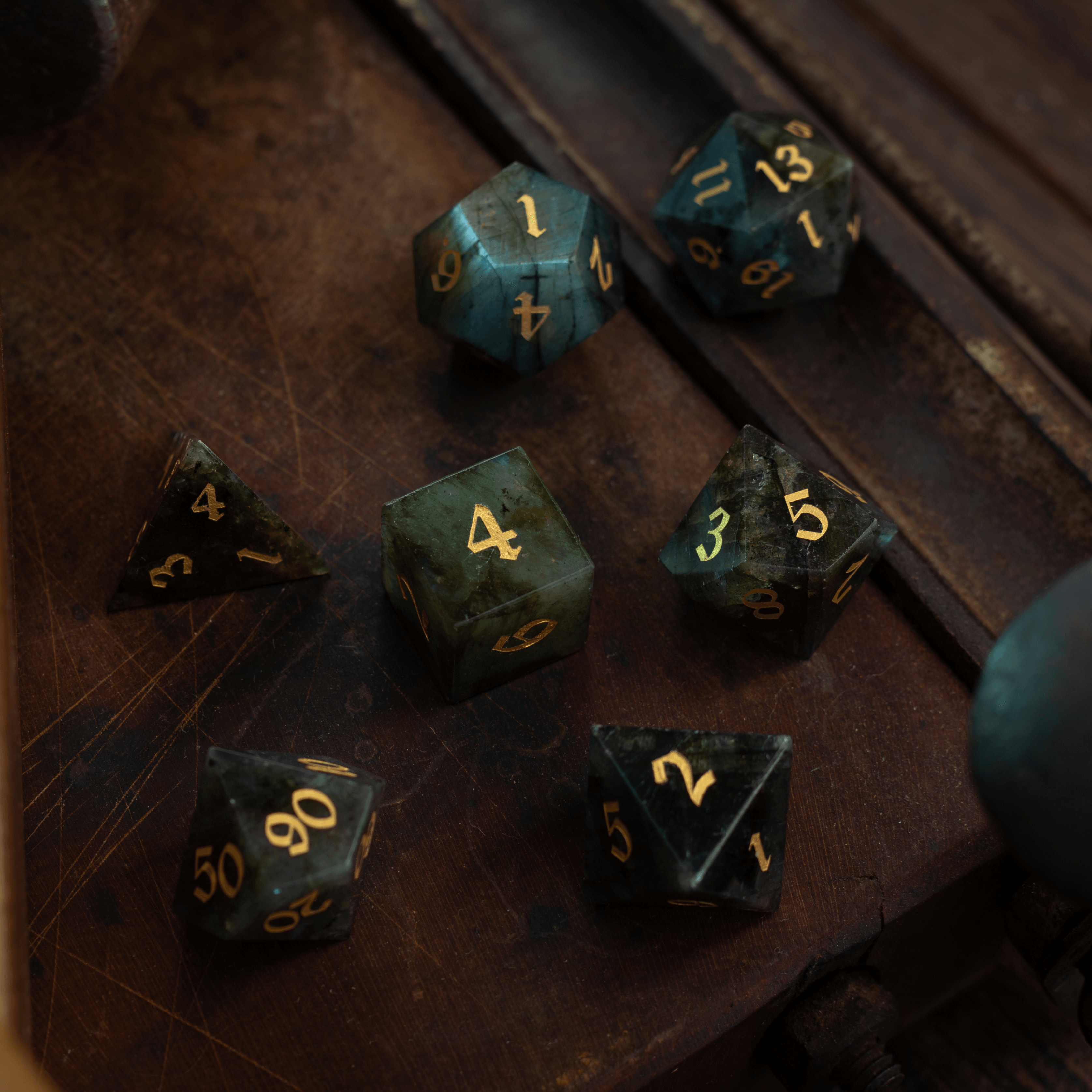
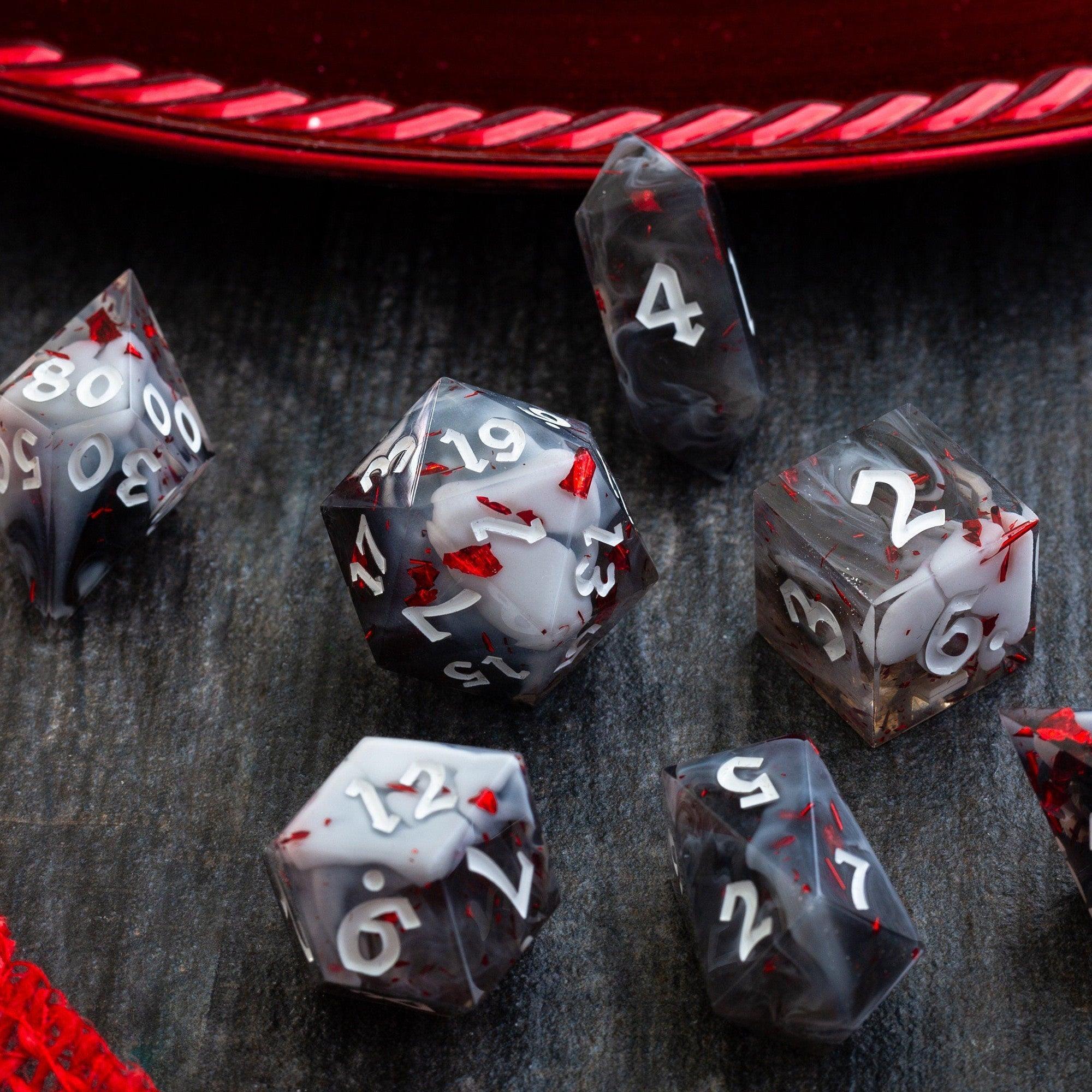
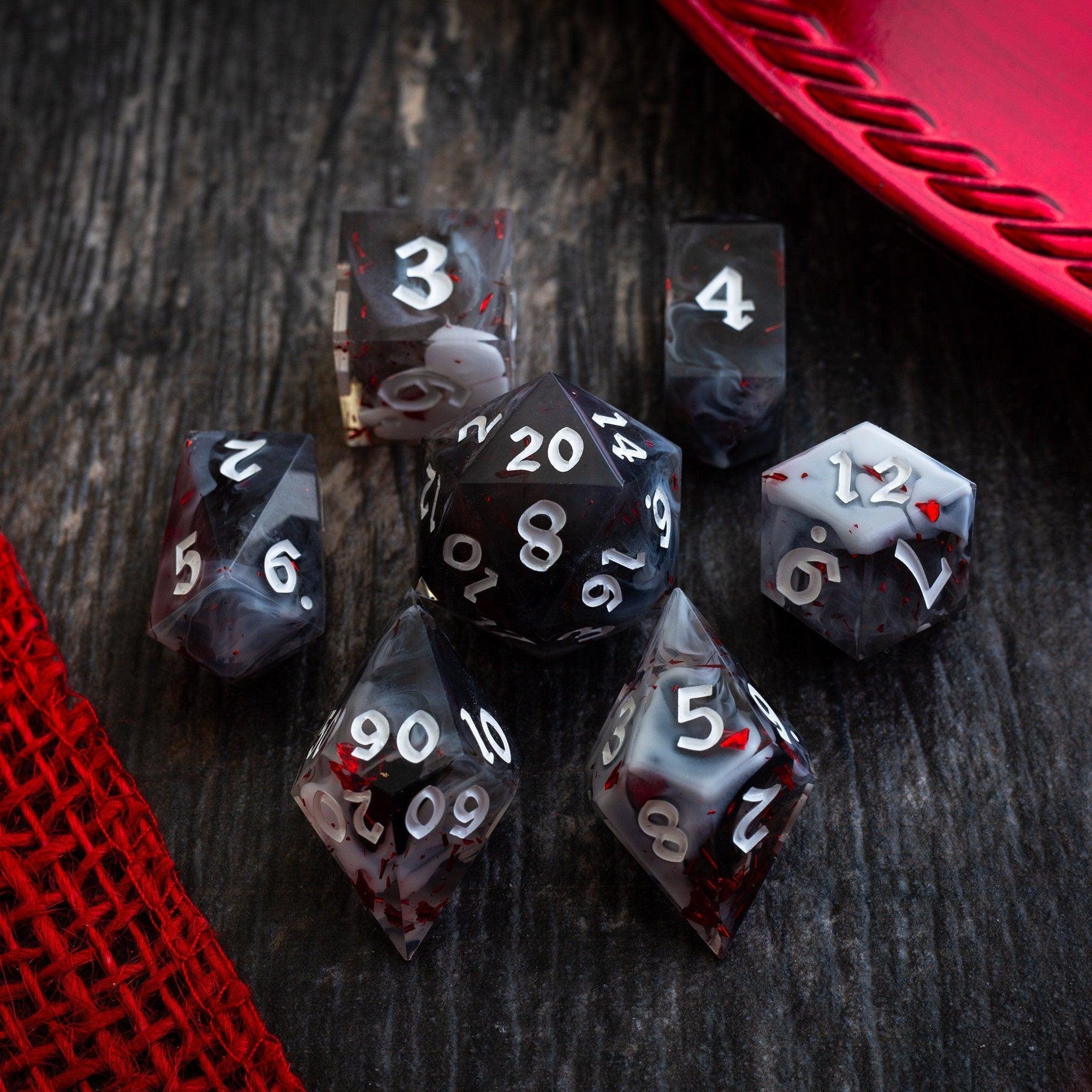
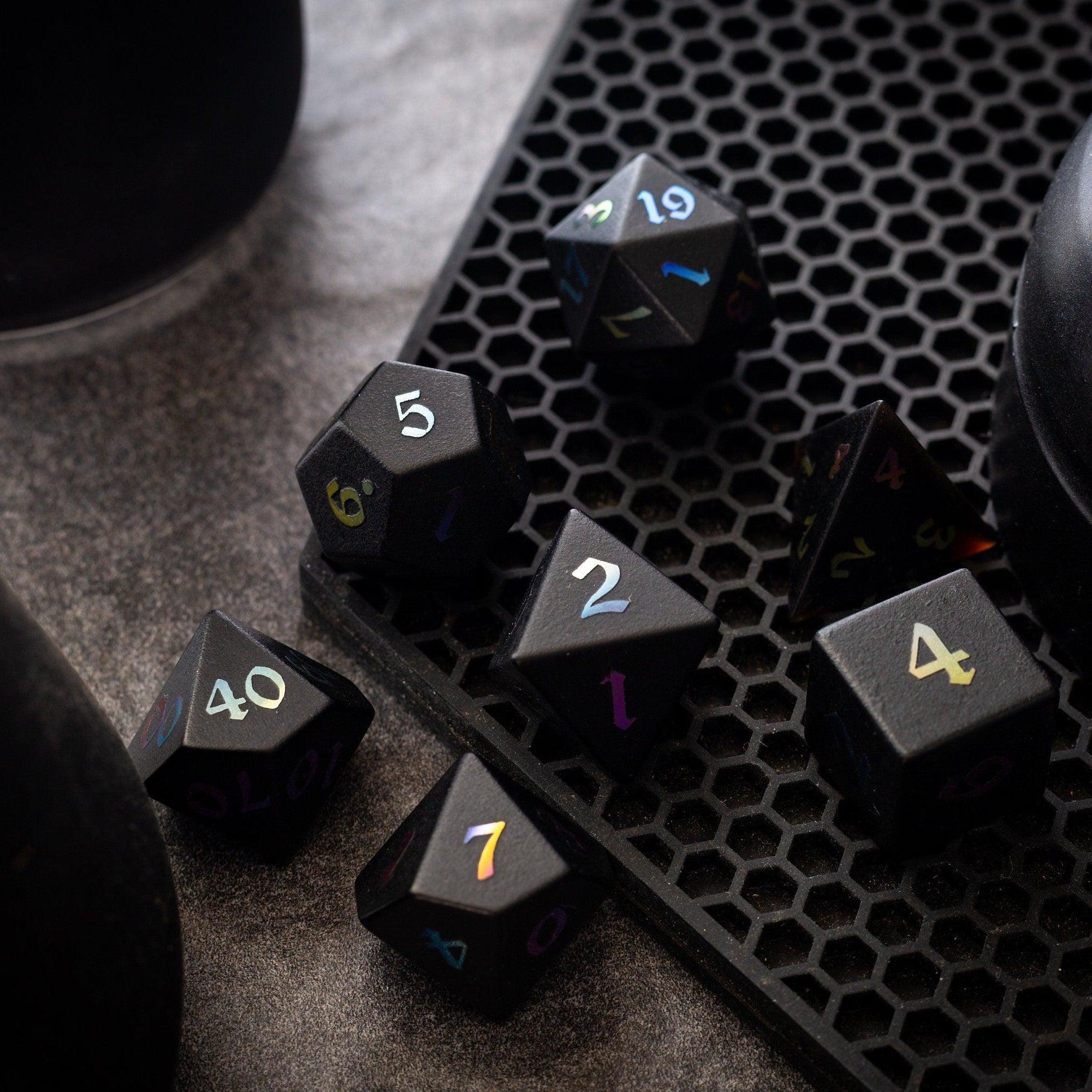
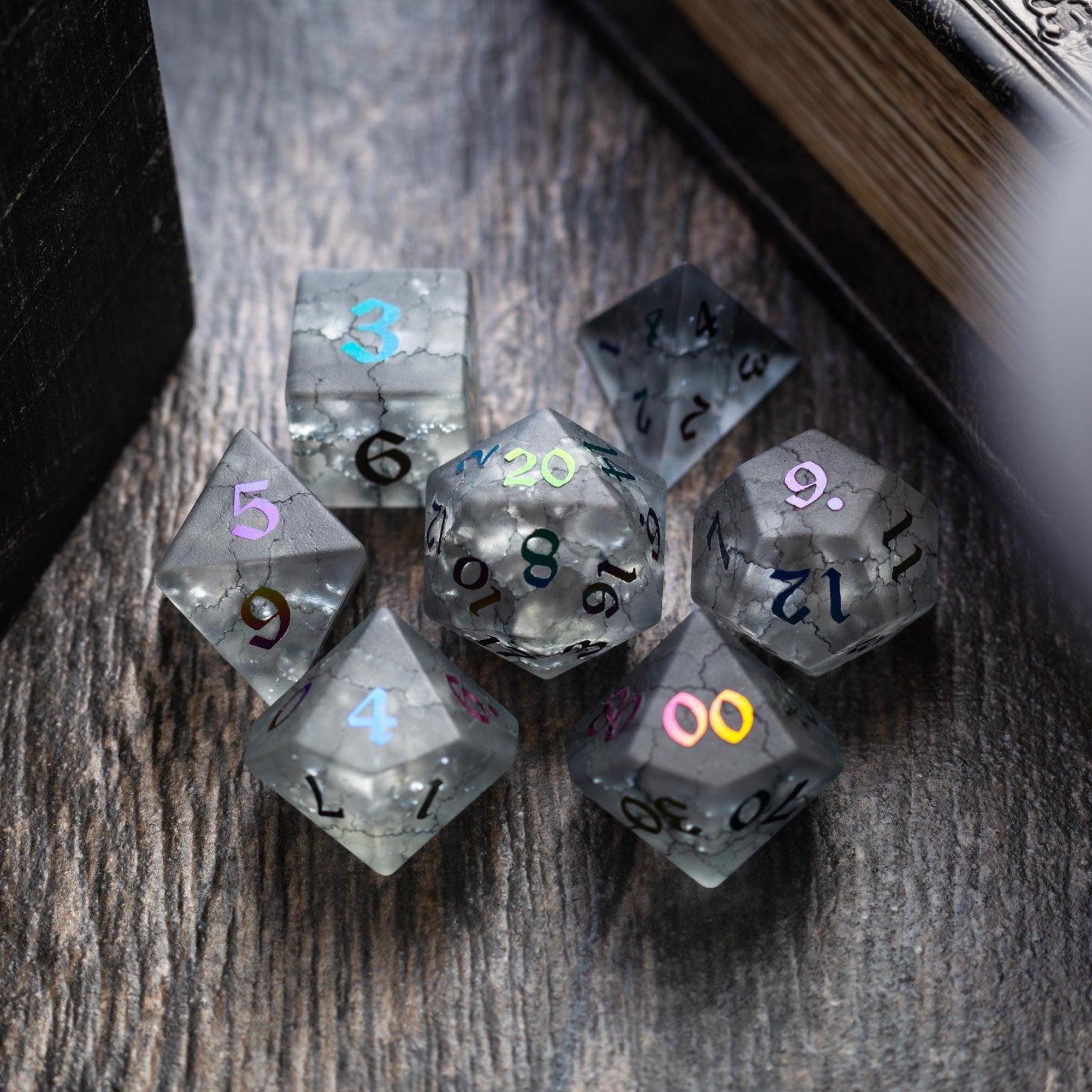
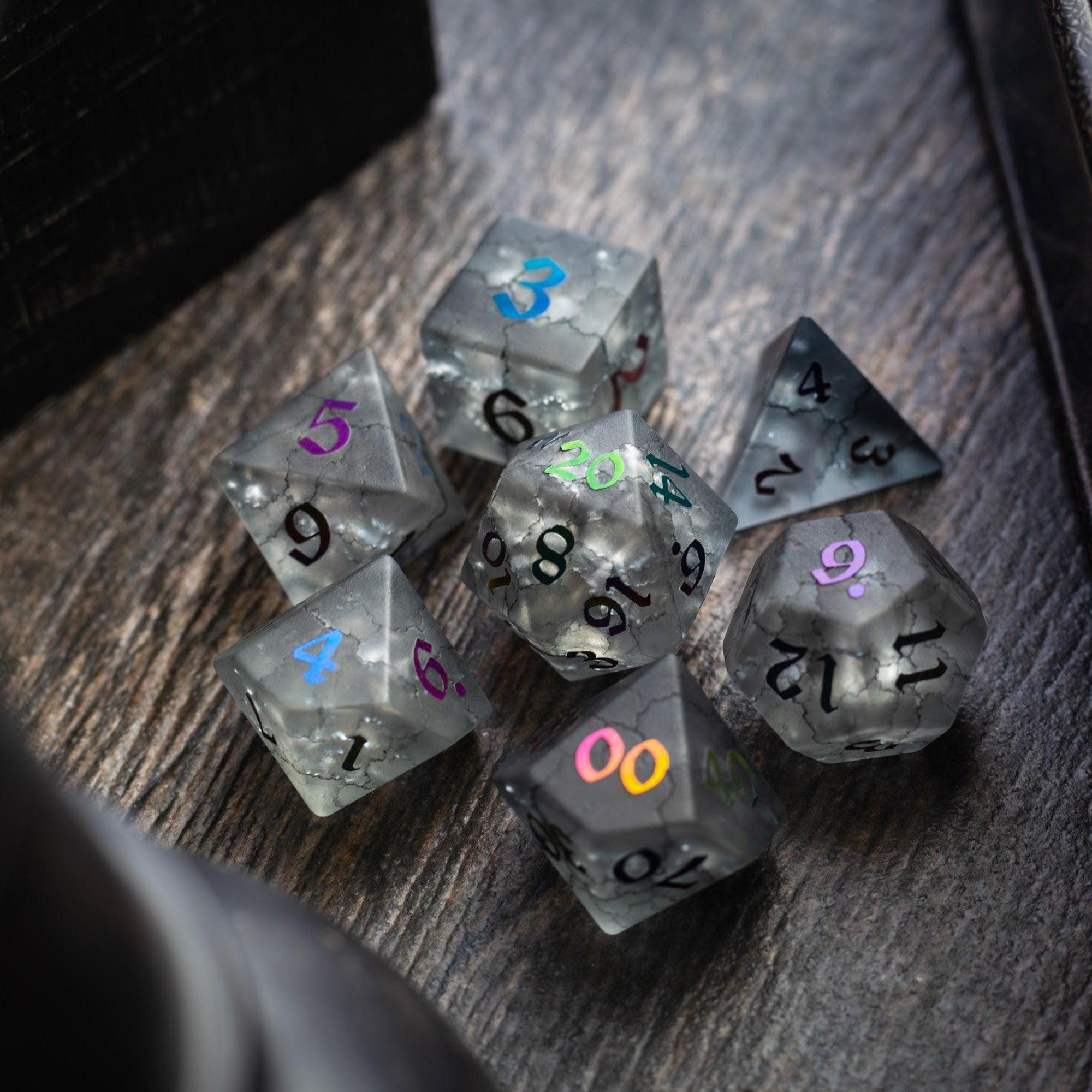
During longer sessions, organized accessories can also reduce unnecessary interruptions. Rolling inside a dice tray keeps important rolls contained, while readable resin, gemstone, or metal dice make results easier to identify during fast-paced encounters.
Character Build and Tactics Comparison
| Play Style | Strengths | Limitations | Ideal Party Role |
|---|---|---|---|
| Durable Frontline Defender | Protects allies, controls enemy movement, survives long fights | Lower mobility, may have limited ranged options | Tank, protector, battlefield controller |
| Mobile Damage Dealer | Excellent positioning, high mobility, flexible offense | Lower durability if isolated | Flanker, striker, scout |
| Support Spellcaster | Buffs allies, controls battlefield, provides utility | Resource dependent, vulnerable if exposed | Support, controller, problem solver |
| Versatile Hybrid | Can adapt to many situations, balanced abilities | Rarely specializes in one area | Flexible support, secondary defender, utility character |
The best character builds depend on:
-
Campaign objectives
-
Party composition
-
Adventure difficulty
-
Personal play style
-
Roleplaying goals
A balanced group often performs better than several characters trying to fill identical roles.
Positioning, Teamwork, and Battlefield Awareness
Many intermediate players improve more through movement than through additional damage.
Positioning affects nearly every encounter.
Consider:
-
Cover
-
Choke points
-
Line of sight
-
Escape routes
-
Flanking opportunities where applicable
-
Protection for vulnerable allies
Good party tactics involve constant communication.
Examples include:
-
Letting defenders engage first
-
Coordinating area effects
-
Avoiding friendly interference
-
Supporting retreating allies
-
Focusing attacks when appropriate
Battlefields are constantly changing.
Stay aware of:
-
Terrain hazards
-
Enemy reinforcements
-
Elevation
-
Difficult terrain
-
Environmental objectives
Players often benefit from using condition rings to track buffs, debuffs, concentration effects, or status conditions. Keeping these effects visible helps everyone make better tactical decisions without repeatedly checking notes.
Adapting Tactics for Combat, Exploration, and Social Encounters
Strong tabletop RPG strategy extends beyond combat.
Different situations reward different approaches.
Combat
Focus on:
-
Initiative order
-
Positioning
-
Target priority
-
Resource conservation
-
Protecting vulnerable teammates
Exploration
Consider:
-
Mapping carefully
-
Conserving supplies
-
Detecting traps
-
Observing environmental clues
-
Managing marching order
Social Encounters
Think about:
-
Understanding motivations
-
Gathering information
-
Supporting persuasive party members
-
Avoiding unnecessary conflict
-
Using character backgrounds creatively
The most successful adventuring parties adjust their tactics instead of using the same solution every time.
Balancing Optimization With Roleplaying and Character Identity
Optimization and roleplaying are not opposites.
Optimization focuses on mechanical effectiveness.
Roleplaying focuses on personality, motivations, relationships, and story.
Tactical decision-making sits between the two.
A well-designed character can:
-
Make smart combat decisions.
-
Stay true to their personality.
-
Support teammates.
-
Grow naturally throughout the campaign.
Perhaps your disciplined paladin always protects civilians first.
Maybe your clever rogue prefers avoiding unnecessary battles.
A wise wizard may reserve powerful spells until absolutely necessary.
These choices strengthen both gameplay and storytelling.
The most memorable characters are rarely remembered only because of statistics.
Common Mistakes Intermediate Players Should Avoid
As players gain experience, new habits can become just as limiting as beginner mistakes.
Watch out for:
-
Planning only for combat
-
Ignoring teamwork
-
Spending every powerful ability immediately
-
Standing still every round
-
Forgetting objectives beyond defeating enemies
-
Choosing every advancement solely for damage
-
Copying popular builds without considering the campaign
-
Overlooking exploration and social abilities
Remember that every Game Master creates different challenges.
An excellent build in one campaign may struggle in another.
Adaptability is often a greater strength than specialization.
Quick Tactical Improvement Checklist
Before each session, ask yourself:
-
Does my character have a clear role?
-
Have I reviewed my available abilities?
-
Am I coordinating with the party?
-
Do I understand today's objectives?
-
Am I saving resources when appropriate?
-
Have I planned for more than one type of encounter?
-
Can I support teammates if the situation changes?
-
Am I balancing effectiveness with roleplaying?
Before difficult encounters, many groups also appreciate consistent rolling habits. A dice tower can produce reliable rolls while keeping the play area organized, allowing everyone to stay focused on tactics instead of chasing runaway dice.
As your adventures continue, you'll discover that improving your tactics is less about finding a perfect build and more about becoming a better teammate, planner, and problem solver. Every campaign presents different obstacles, and every group develops its own strengths through shared experience.
Experiment with different approaches, adjust your combat strategy as your party evolves, and don't be afraid to refine your character progression over time. The most rewarding journeys come from learning alongside your fellow adventurers, adapting to unexpected challenges, and discovering new ways to contribute to the story. With thoughtful preparation, open communication, and a willingness to grow, each session becomes another opportunity to sharpen your skills and make every adventure even more memorable.












Leave a comment
This site is protected by hCaptcha and the hCaptcha Privacy Policy and Terms of Service apply.