
How to Run a Tabletop Campaign Made Simple for Your Group
Updated on: 2025-12-11
Wondering how to run a tabletop roleplaying campaign with confidence and care? This friendly guide offers a simple, repeatable process for planning sessions, setting expectations, and keeping your table engaged. You will find advice on session zero, pacing, improv, and tools that reduce prep pressure. We also share a gentle product spotlight and a clear pros-and-cons view to help you choose what fits your style. The FAQs at the end address common concerns so you can host smoother, happier game nights.

Welcome. If you are new to GMing, or returning after a break, this article aims to make your next campaign feel calm and manageable. You will learn how to align expectations, design flexible story beats, and keep players engaged without heavy prep. The ideas here work for many systems and settings. They focus on clarity, kindness, and play-first principles, so your table can enjoy consistent sessions with less stress.
How to run a tabletop roleplaying campaign: step-by-step overview
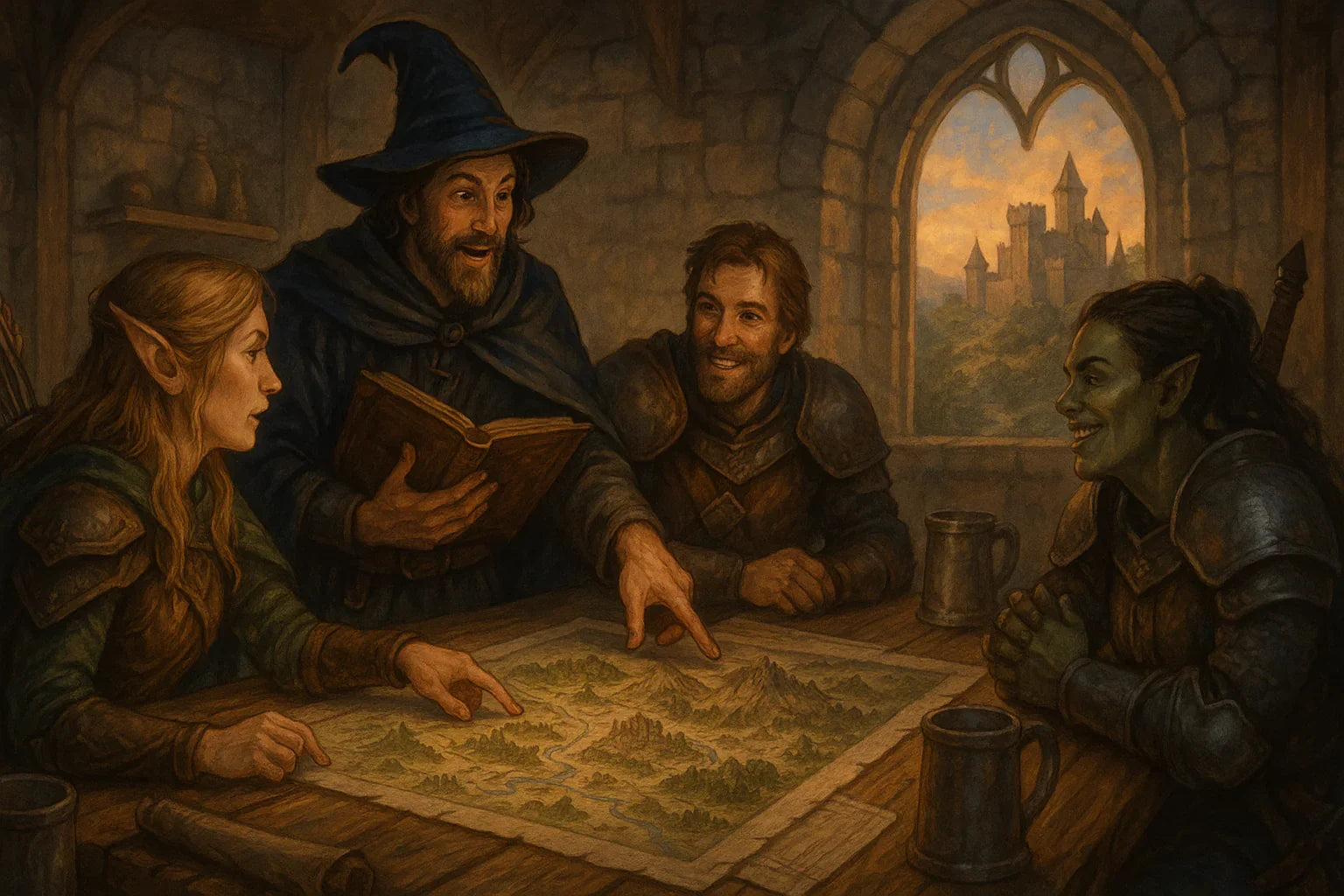
Start with a one-sentence premise. Keep it plain and evocative. For example, “Heroes defend a frontier city from rival guilds and creeping magic.” This premise becomes your compass when choices appear. Every scene can tie back to that clear idea.
Host a session zero. In this friendly meeting, discuss tone, lines and veils (content limits), and table expectations. Confirm the play style your group enjoys—tactical combat, character drama, exploration, or a mix. Invite players to craft character flags (interests or goals you can spotlight), and ask each person for one personal stake that connects them to the world. A short social agreement can cover schedule, attendance, devices, and note-taking. When everyone understands the plan, sessions move more smoothly.
Prepare in layers, not pages. Try a three-layer approach:
- Top layer: three front-and-center threats or mysteries that evolve if ignored.
- Middle layer: three locations with sensory notes, a short map sketch, and two NPCs each.
- Bottom layer: three rewards—items, favors, or lore—tied to player goals.
Each week, advance one threat, reveal one clue, and offer one reward. This rhythm makes your campaign feel alive and keeps prep brief.
Design encounters with multiple outs. Think about tempo, not just difficulty. Give players more than one path through a scene: parley, sneak, puzzle, chase, or clash. Offer strong cues so they can read the situation. A well-placed detail—footprints, a torn banner, or hushed rumors—gives the party meaningful choices.
Embrace “Yes, and” or “Yes, but” improv. When a player suggests a bold move, consider how it could work with a twist. Keep notes on consequences, not scripts. If a plan succeeds, let it change the world. If it fails, reveal a new clue or cost. This style keeps momentum even when sessions veer off your outline.
Use simple timers and clocks. Mark four boxes for a chase, six boxes for a ritual, or eight for a siege. Tick boxes when time passes or complications arise. Visual progress is easy to read, and it builds tension without heavy math.
Share the spotlight. Rotate focus across characters each session. A quick check-in at the start—“Whose story thread shall we touch today?”—encourages players to volunteer goals. Keep turns short, encourage table-friendly etiquette, and make sure quiet players have gentle openings to speak.
Write lightweight NPCs. A name, role, two traits, and a secret is enough. Link at least one NPC to a player’s background. Re-use faces across locations so the world feels connected. If a player befriends a rival or rescues a courier, let that relationship matter later.
Let advancement pace the story. Instead of XP micro-tracking, consider milestone gains tied to arcs. When the group resolves a faction plot or secures a district, grant an upgrade. It keeps the table focused on narrative goals more than counting numbers.
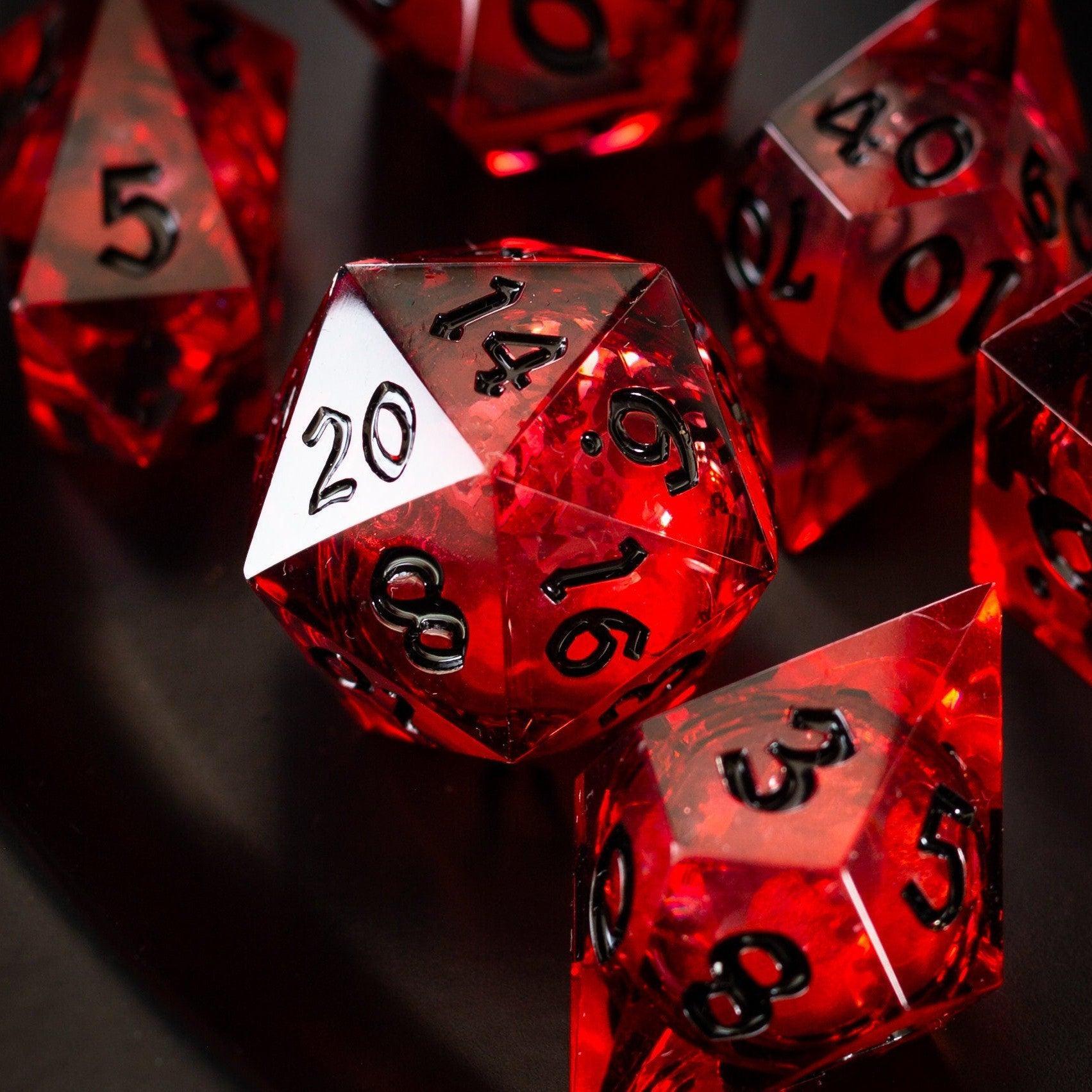
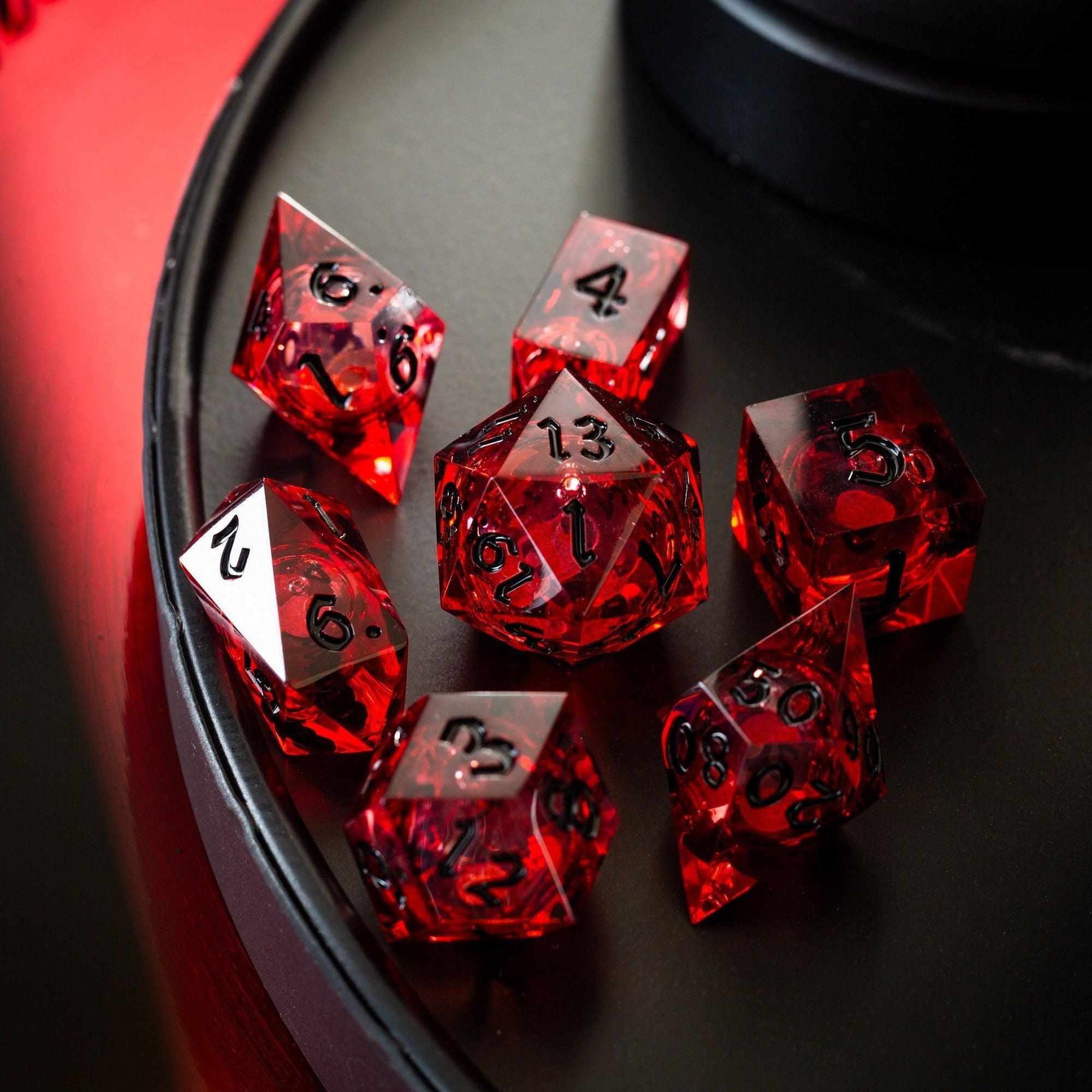
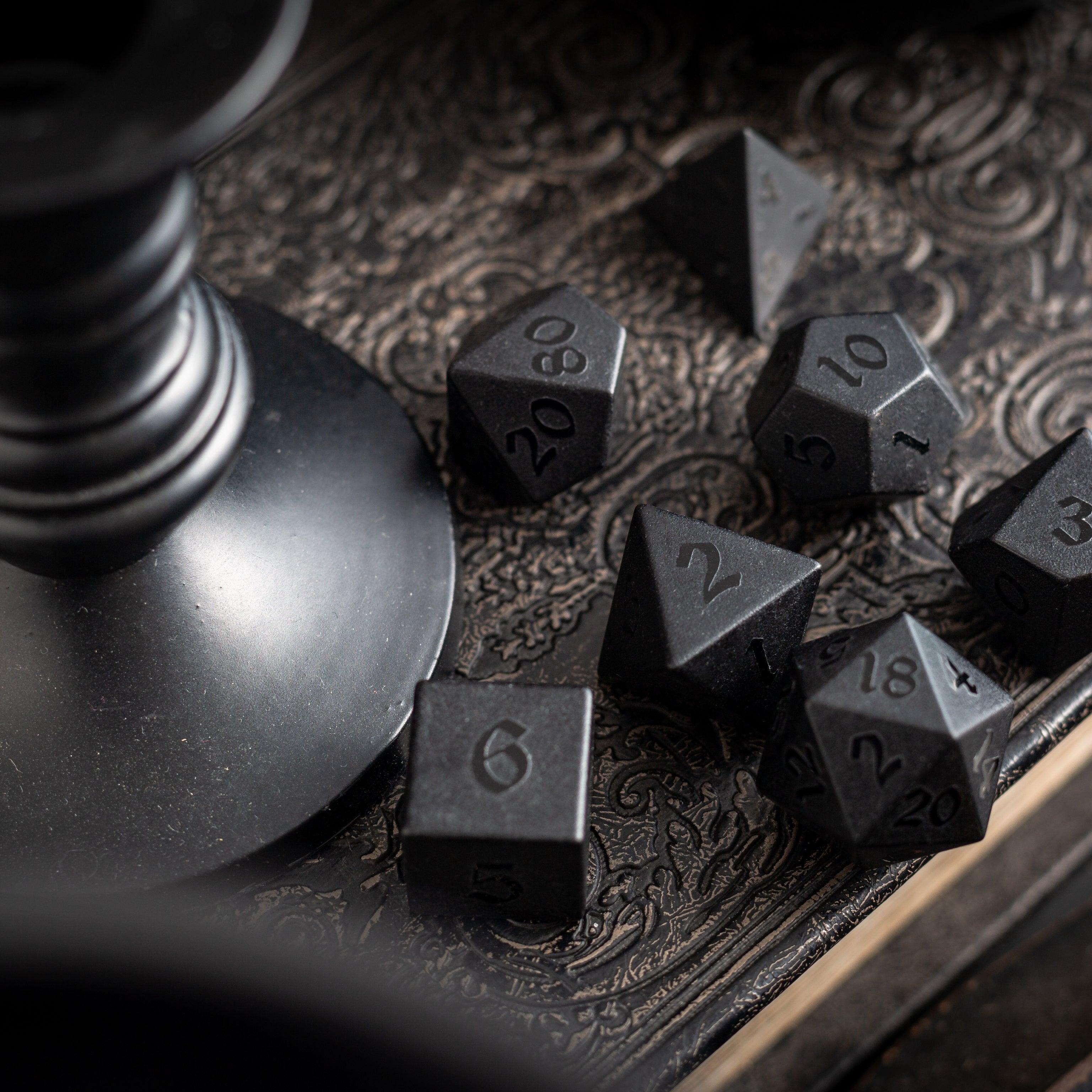
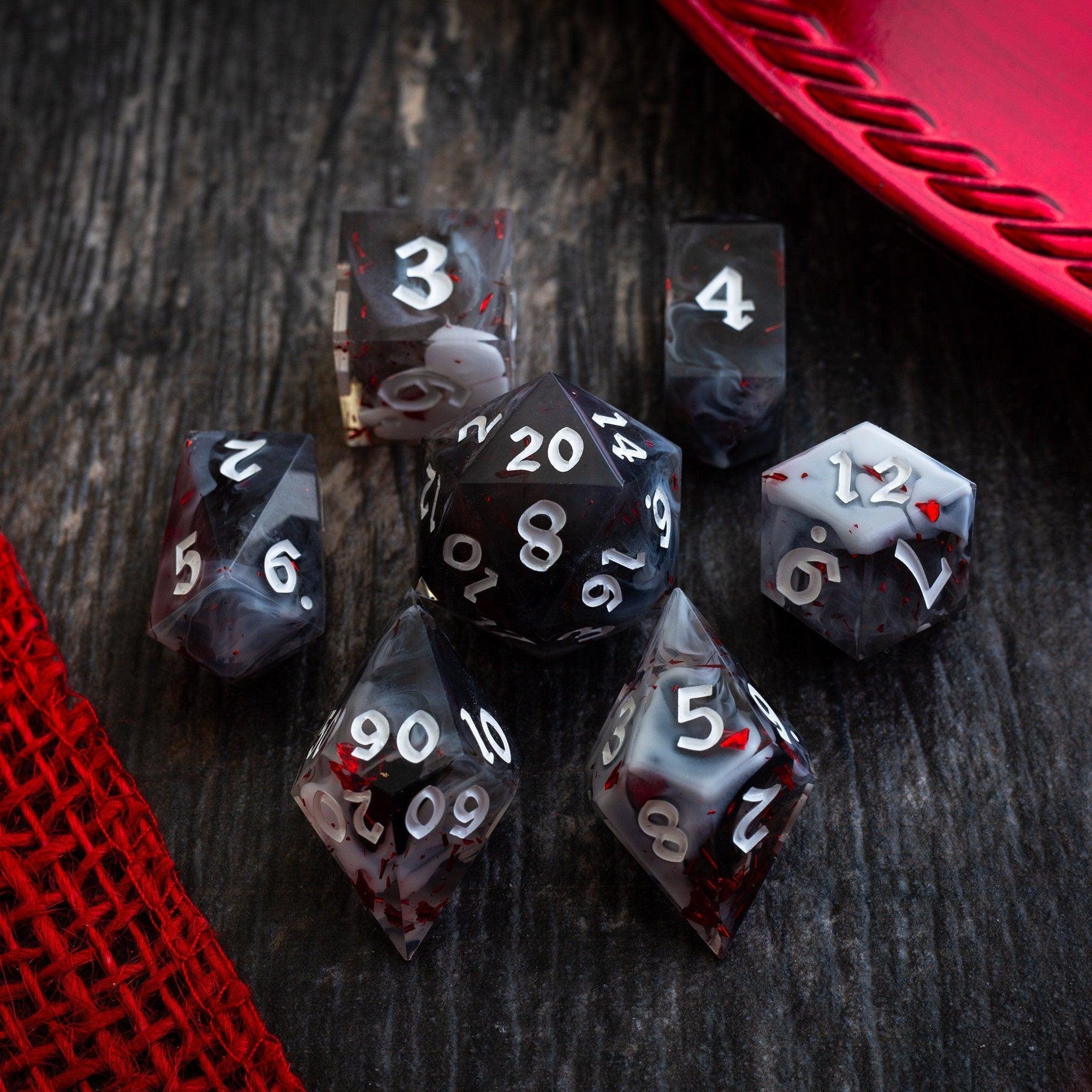
Keep a calm table toolkit. Many groups enjoy tactile components because they support focus and ritual. A tidy tray, a tower for fair rolls, and legible dice can reduce friction. The goal is ease: fewer drops, faster results, and a pleasing rhythm to the night.
Close with a short debrief. Ask three questions: What felt fun? What dragged? What should we try next time? Thank players for their ideas. Note 1–2 adjustments for your next session. A tiny feedback loop leads to steady improvement.

Plan your schedule around energy, not just calendars. A two-hour session with good pacing often beats a four-hour marathon. If someone cannot attend, decide together whether to run a side scene, a one-shot, or a downtime montage. Consistency matters more than length.
Finally, remember that your campaign is a shared story. When stakes grow from player choices and the world responds with kindness and fairness, everyone feels invested. That simple approach shows a warm, sustainable path for anyone learning how to run a tabletop roleplaying campaign.
Product Spotlight
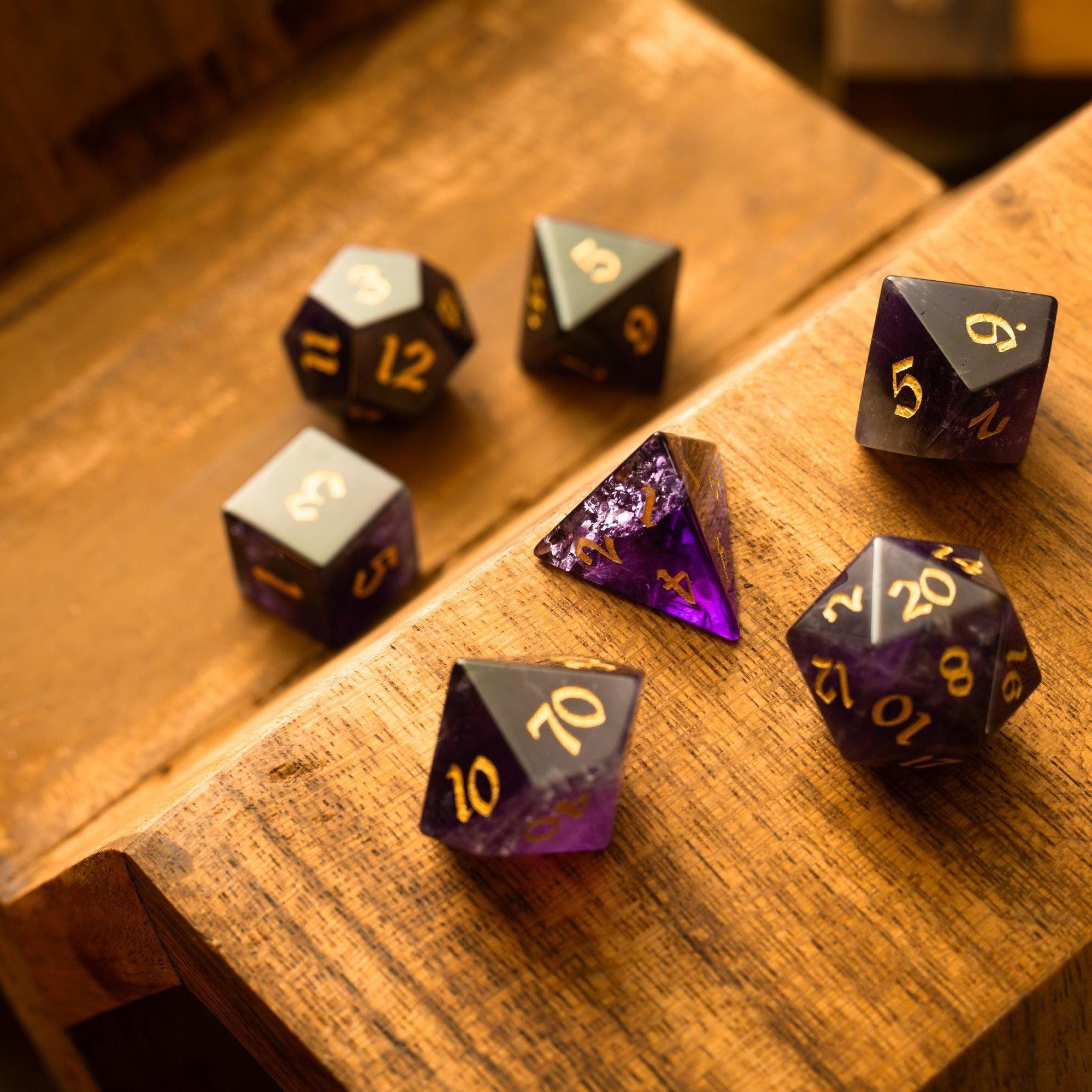
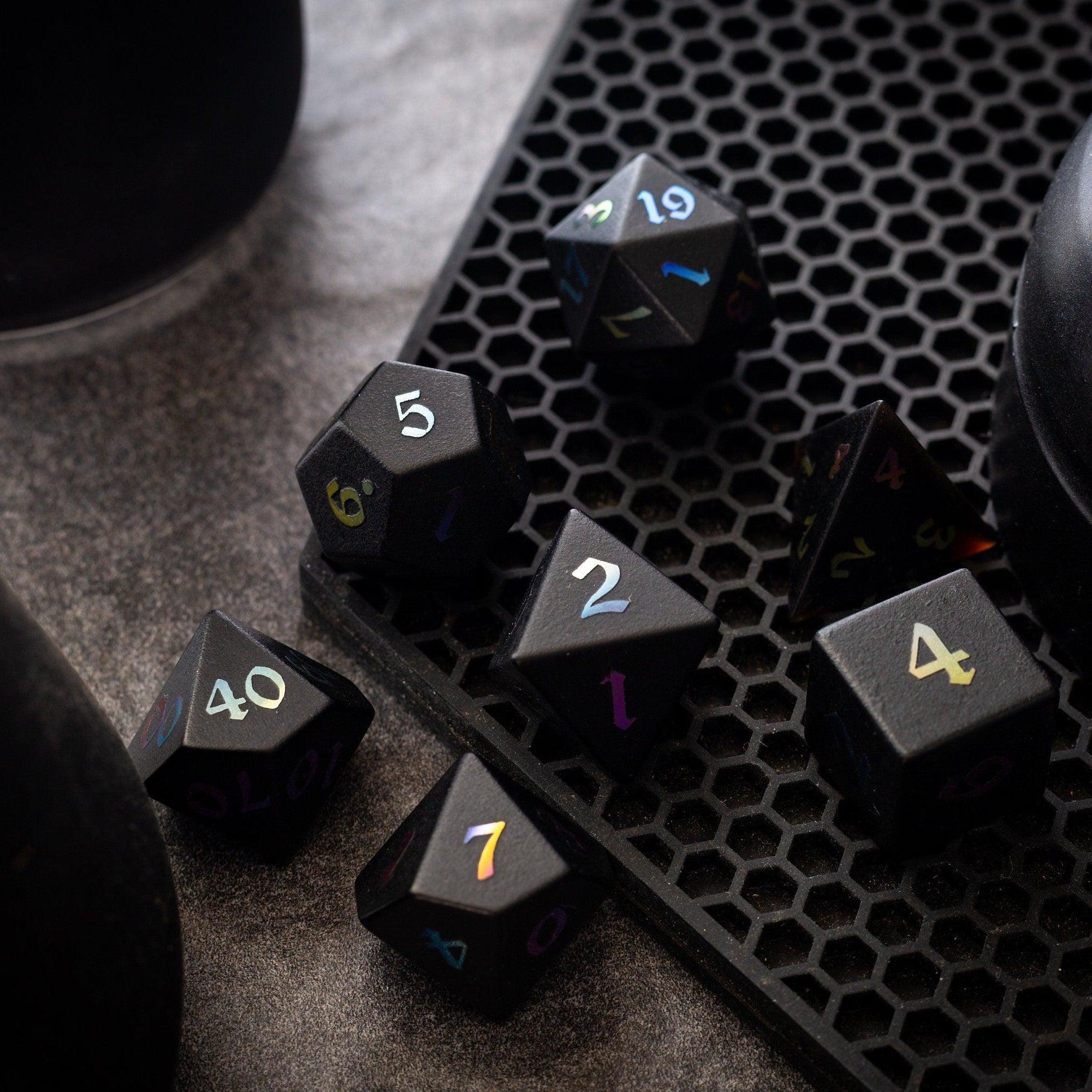
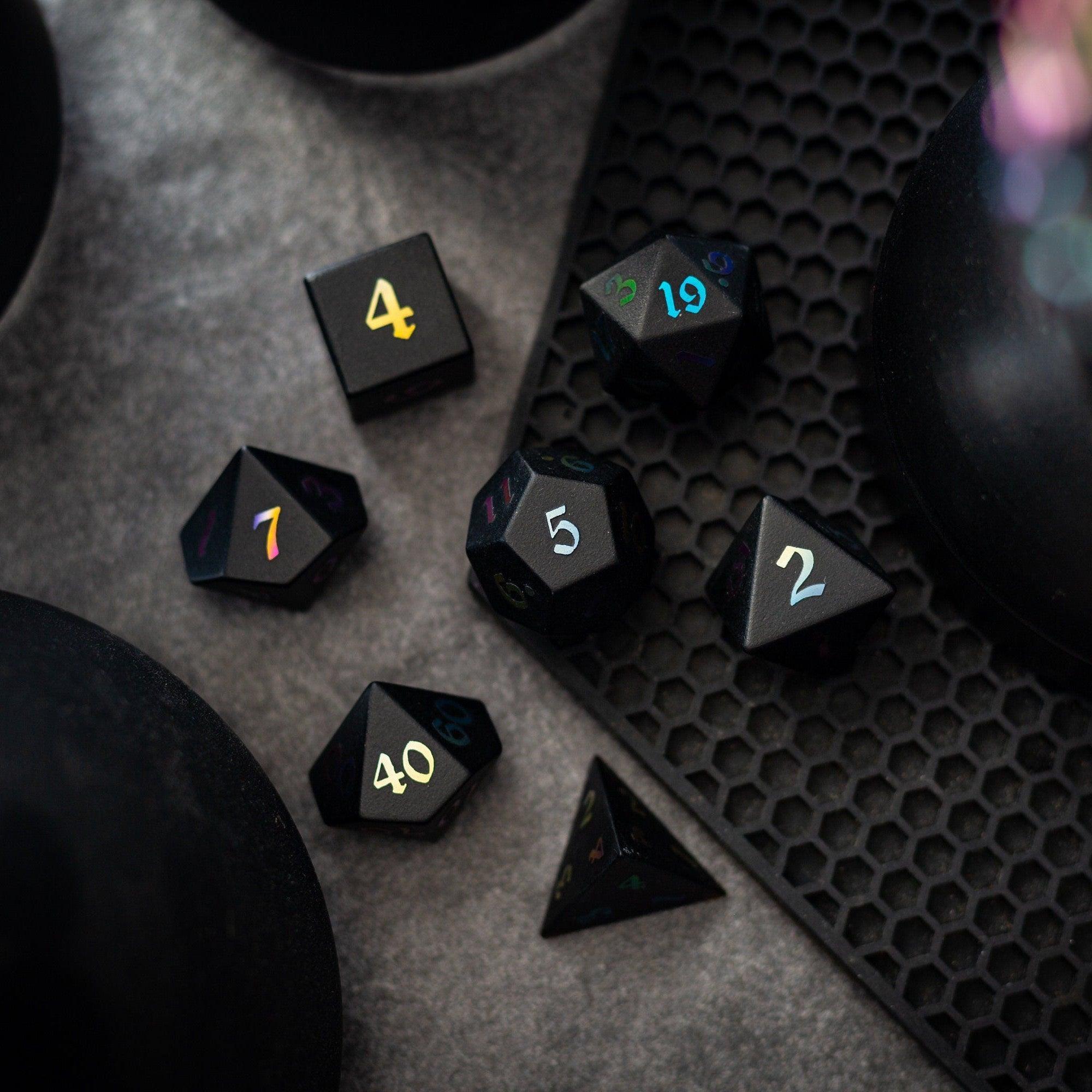
Small, thoughtful upgrades can make game night smoother and more delightful. If you enjoy a tactile, artisanal feel at the table, you may appreciate a dedicated set of dice and a dependable way to roll them.
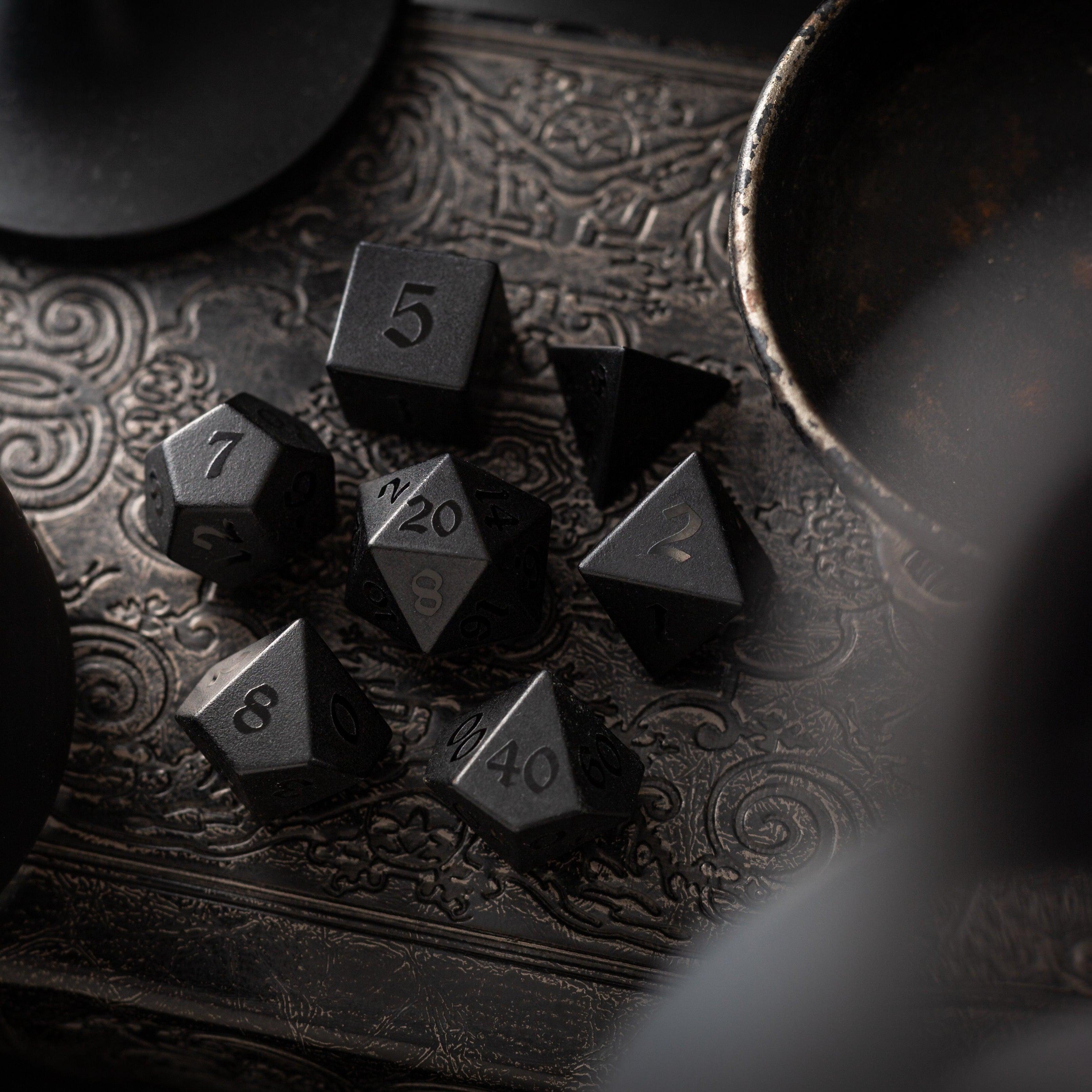
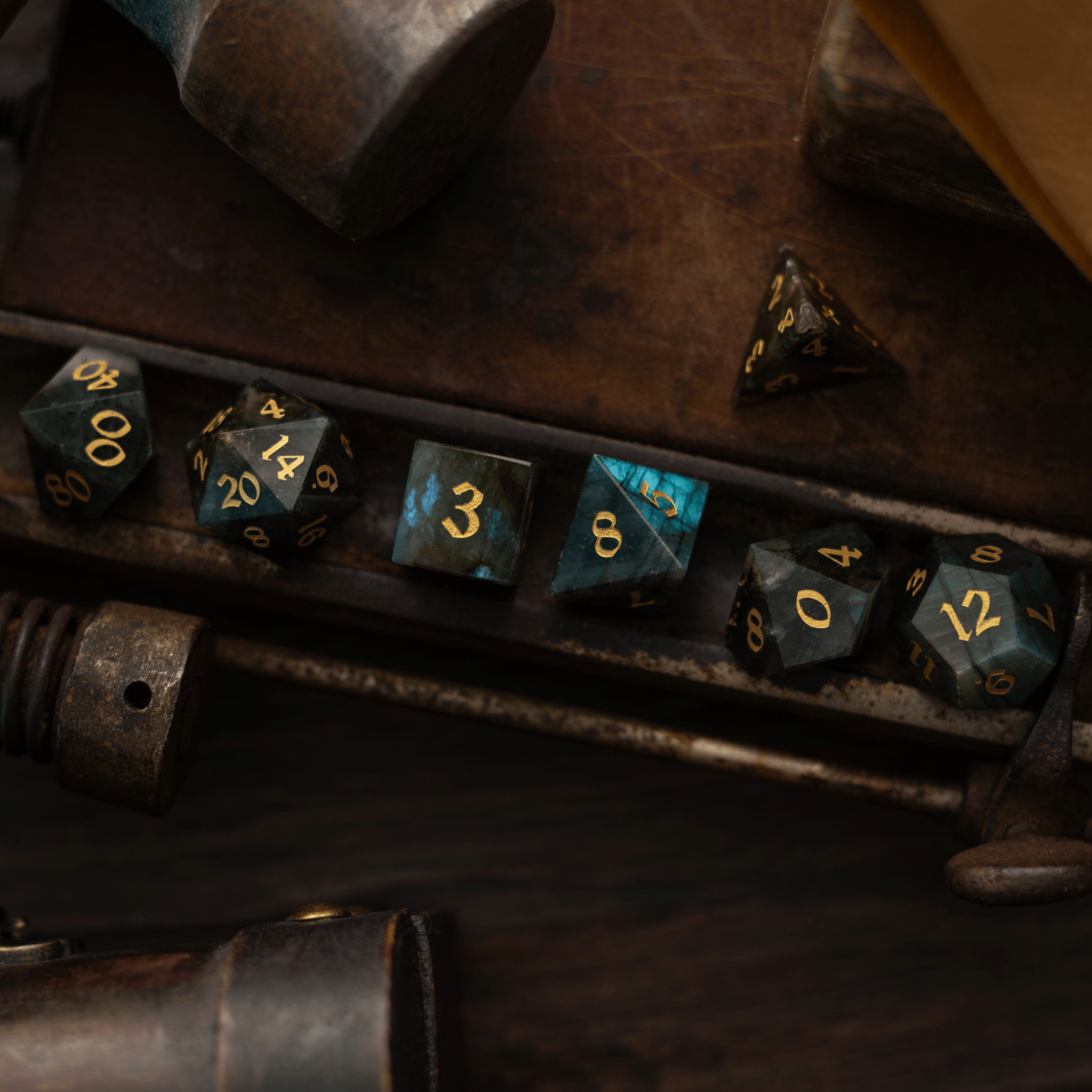
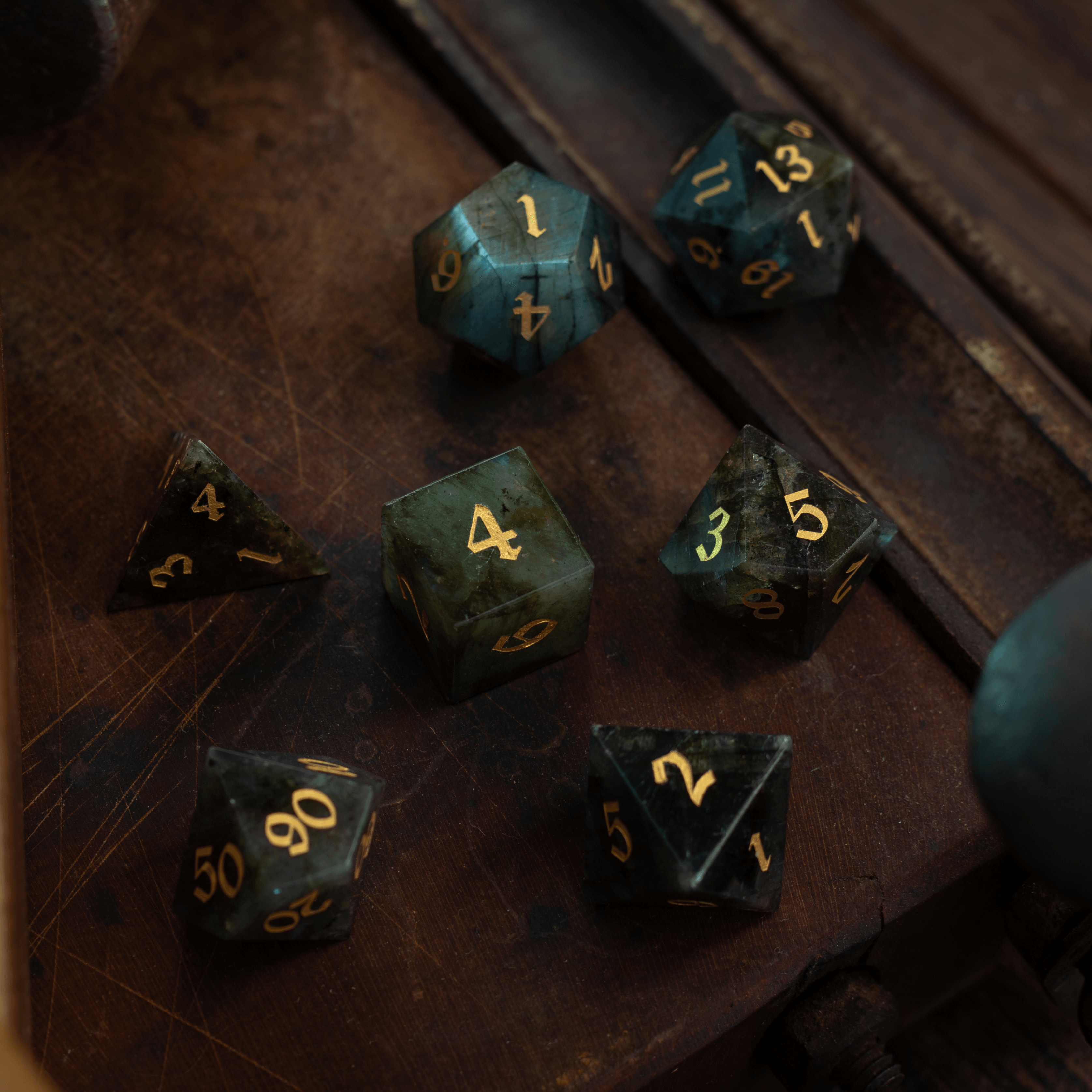
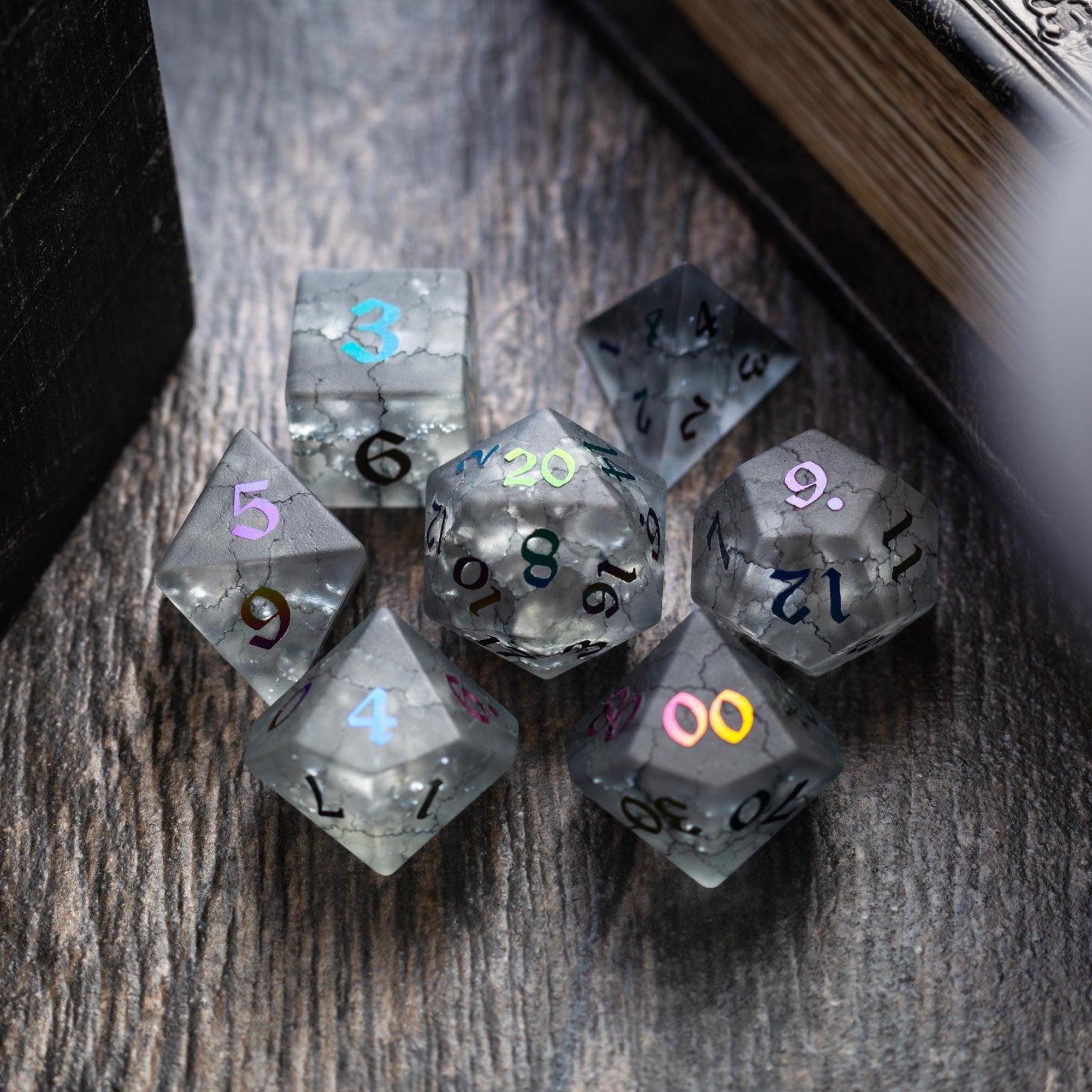
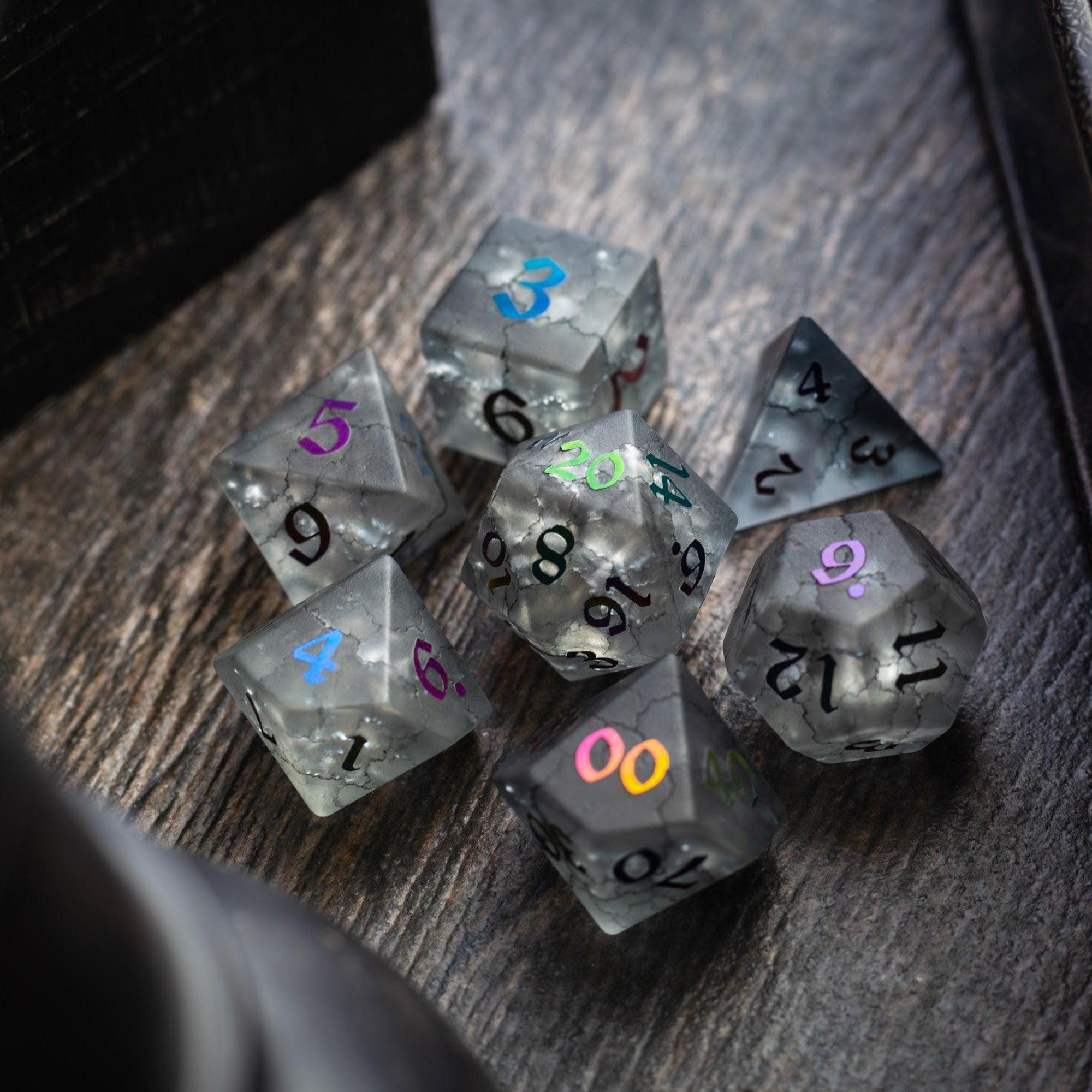
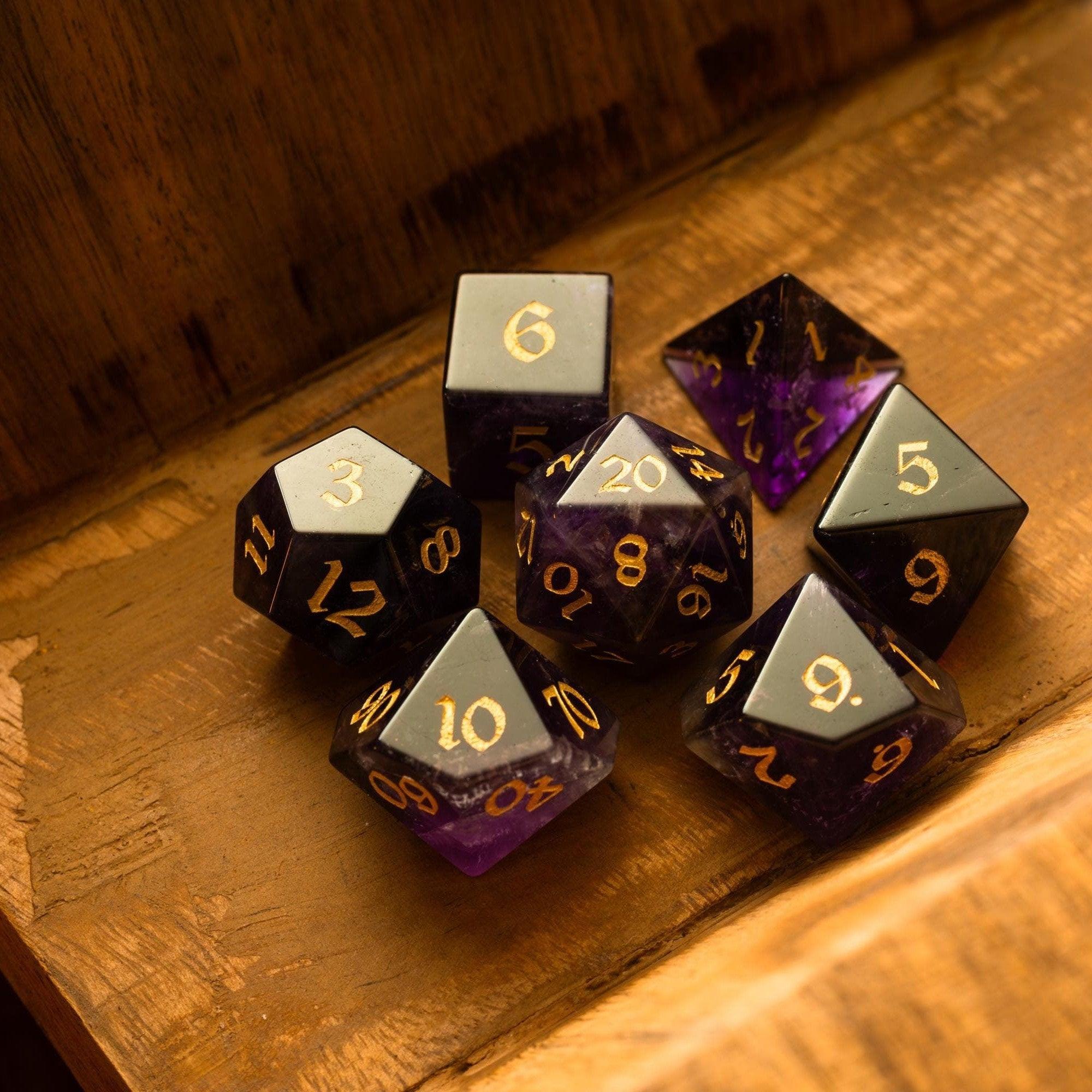
The shimmering polish and readable faces of gemstone sets can add calm focus to every roll. For a balanced blend of beauty and practicality, consider the elegant labradorite dice and box. The included storage helps protect your set between sessions while keeping the table clear. If a vibrant, classic look is your style, the rich tone of these green gemstone dice can complement forest adventures or arcane mysteries.
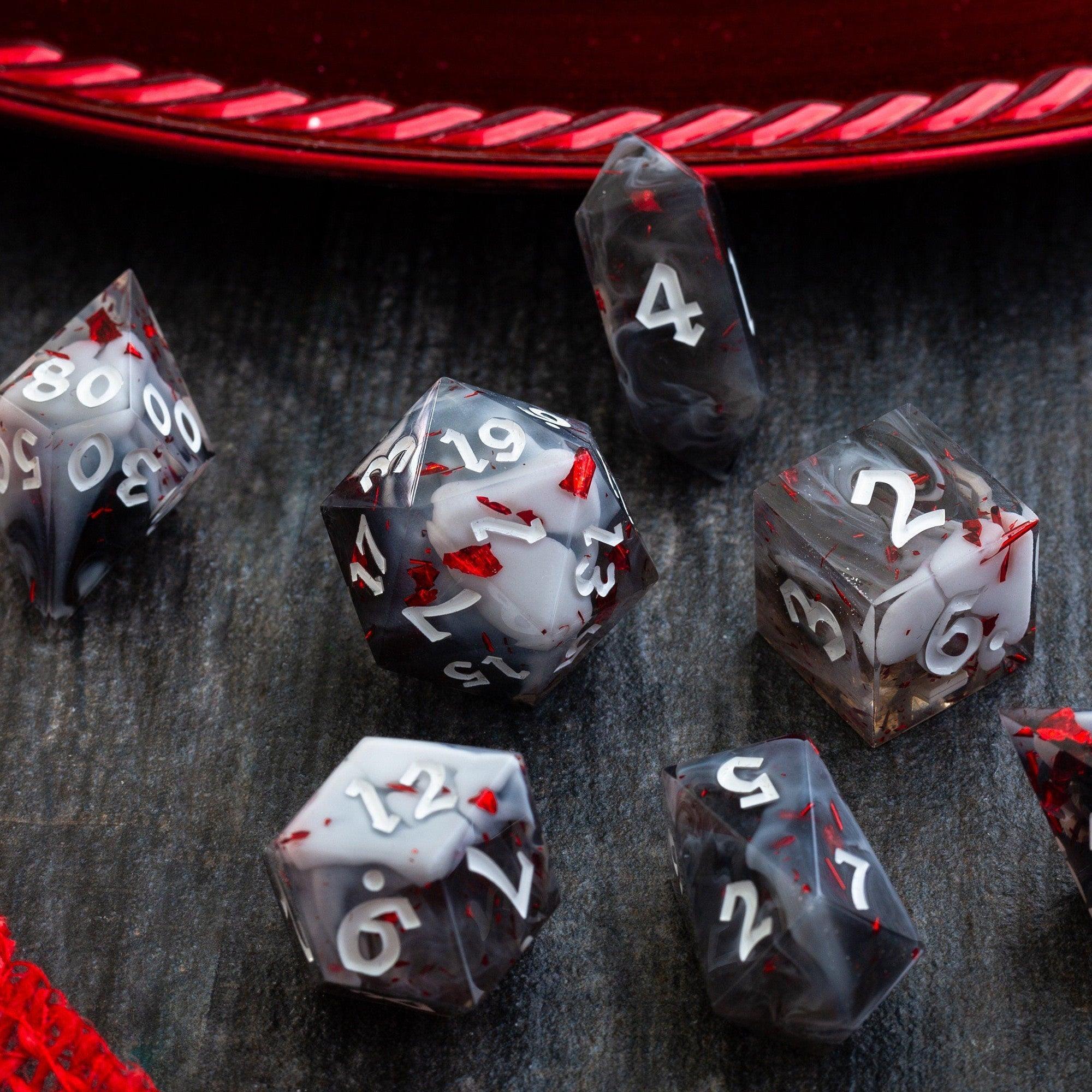
For groups that enjoy dramatic reveals, a smooth roll path supports fairness and clarity. A sturdy tower helps prevent cocked dice and keeps results easy to see. You might like exploring dice towers that pair well with both gemstone and resin sets. And if you prefer a lively, eye-catching effect during high-stakes moments, browsing liquid-core dice can bring a whimsical sparkle without complicating your game.
Did You Know?
- Session zero reduces misunderstandings by aligning tone, themes, and table norms.
- Short, modular prep lets you adapt to player choices without rewriting your plan.
- Timers and progress clocks create tension without complex math.
- Milestone advancement keeps attention on story arcs rather than micro-tracking.
- A brief debrief builds trust and improves pacing over time.
Pros & Cons Analysis
-
Prewritten module
- Pros: Faster start, clear structure, and ready-made maps and NPCs.
- Cons: May feel railroady if not adapted; some prep needed to fit characters’ goals.
-
Homebrew campaign
- Pros: Tailored arcs, high player agency, and easy integration of character backstories.
- Cons: More creative load on the GM; risk of scope creep without boundaries.
-
Hybrid approach
- Pros: Use published scaffolding while customizing key beats; balanced effort.
- Cons: Requires careful blending to keep tone and rules consistent.
FAQ Section
How much prep is enough for a weekly game?
Many GMs find one page of notes per session is plenty when those notes are modular. List three evolving threats, three useful locations, and three rewards tied to player goals. Add a few NPC names and traits. That compact plan helps you respond to choices without getting stuck to a script. If time is tight, prepare only your opening scene and a short list of evocative clues; let player decisions reveal which threads to follow next week.
How do I handle party conflict at the table?
Pause and check intent. Invite each player to share what their character wants in one clear sentence. Reflect what you heard and propose boundaries: time-box the debate, roll to resolve, or split the scene so everyone stays engaged. Affirm that player safety and kindness come first, then the story. If feelings run hot, take a short break and revisit with calm language. After the session, follow up privately to ensure all participants feel respected and heard.
What if I forget NPC names or details mid-session?
Keep a quick-reference list of names, roles, and two traits each. If you blank, be honest and check your sheet. Players appreciate clarity more than perfect recall. Repeat key details aloud after important scenes so they stick. Consider a simple table journal where a rotating player records names and clues. When you bring an NPC back, open with a strong reminder—voice, phrase, or item—so recognition is immediate.




Leave a comment
This site is protected by hCaptcha and the hCaptcha Privacy Policy and Terms of Service apply.