

Mastering Fantasy Dice for Tabletop Games A Practical Guide
Updated on: 2025-12-04
Table of contents
- What fantasy dice for tabletop are and how they elevate your game
- Benefits and reasons to choose fantasy dice for tabletop
- Types of tabletop fantasy dice and how to pick the right set
- How to choose fantasy dice for tabletop sessions step-by-step
- Care, storage, and fairness tips for tabletop fantasy dice
- FAQ: fantasy dice for tabletop

Fantasy dice for tabletop gaming are more than randomizers—they’re part of your story. If you’ve ever watched a D20 teeter on the edge while your party holds its breath, you know how much tabletop fantasy dice can shape the mood at the table. In this friendly guide, we’ll walk through what makes fantasy dice for tabletop special, the differences between materials, and how to choose a polyhedral dice set that fits your character, campaign, and budget.
What fantasy dice for tabletop are and how they elevate your game
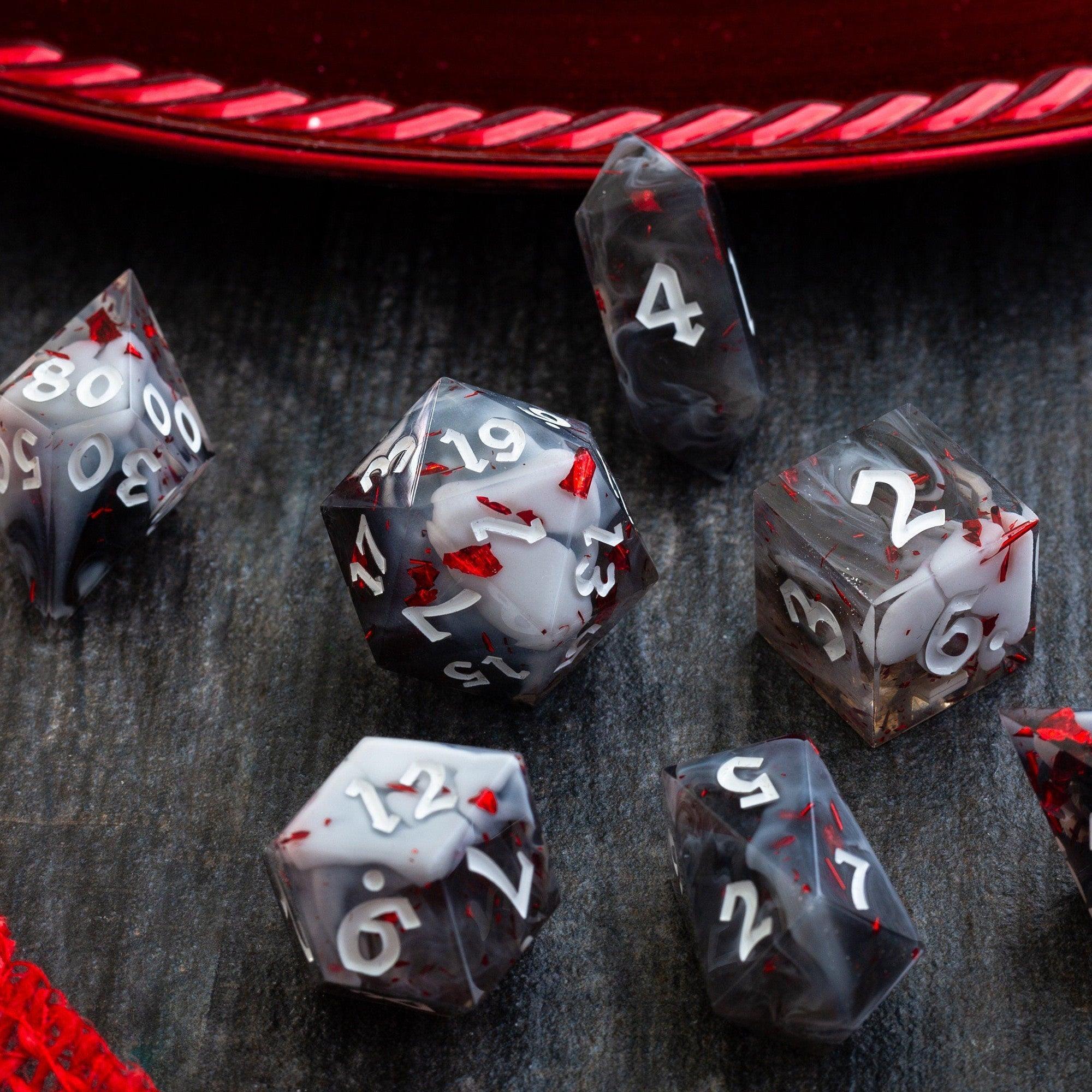
At a basic level, fantasy dice for tabletop games are a set of polyhedral dice—usually seven pieces—used to resolve actions, checks, and outcomes in role-playing systems. But they also carry personality. The swirl in a D20, the shimmer of a liquid core, or the heft of a metal D6 can make every roll feel cinematic. When people talk about the best fantasy dice for tabletop gaming, they’re balancing looks, legibility, durability, and a feel that matches their play style.
What are fantasy dice used for in tabletop gaming?
They power everything from attack rolls and skill checks to saving throws and spell effects. Different systems lean on different dice, but a standard tabletop RPG dice set gives you the tools to roll discreet probability ranges that match how the game is designed. In short, tabletop fantasy dice convert your choices and your character’s stats into dramatic outcomes you can actually hold in your hand.
What types of dice are included in a fantasy dice set for tabletop play?
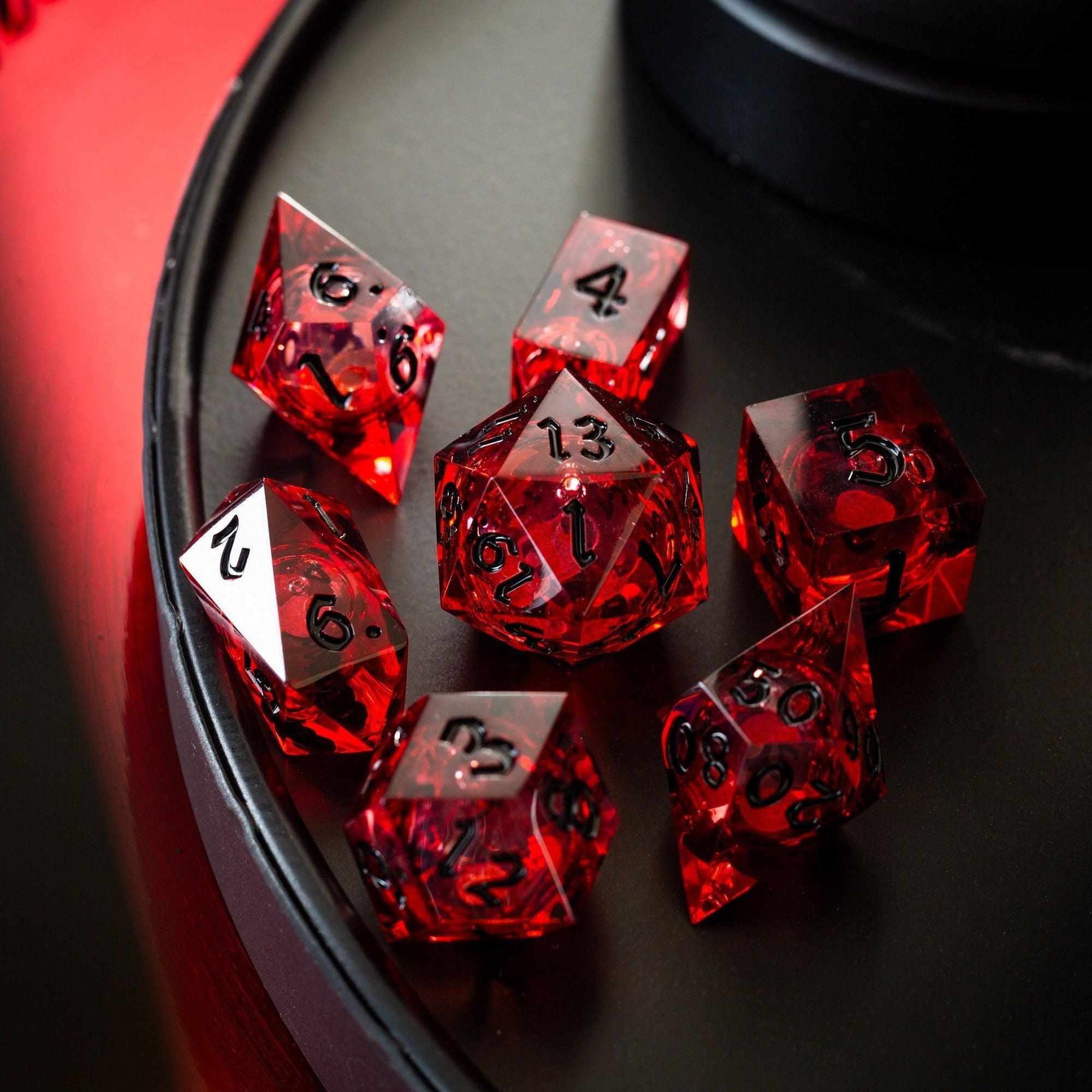
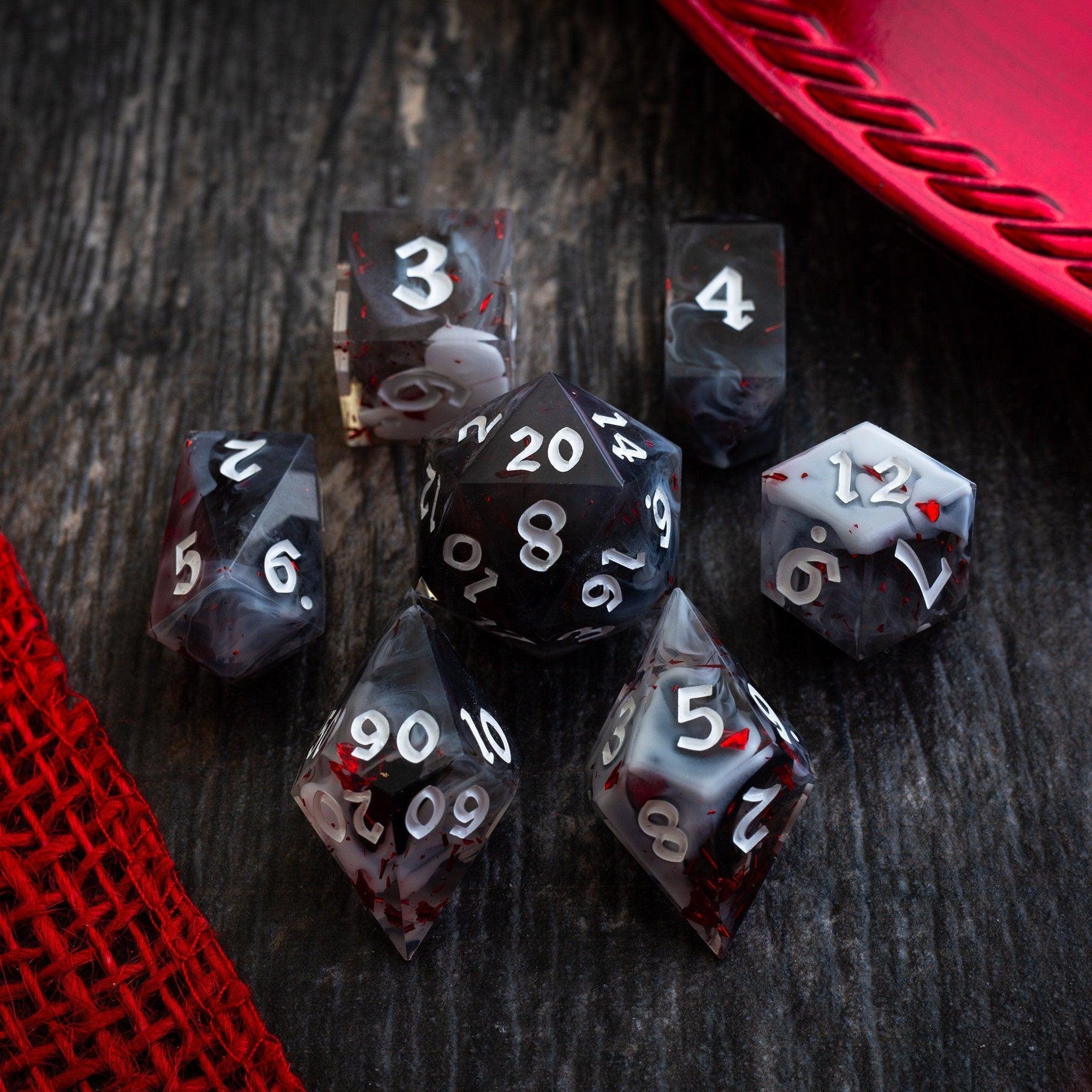
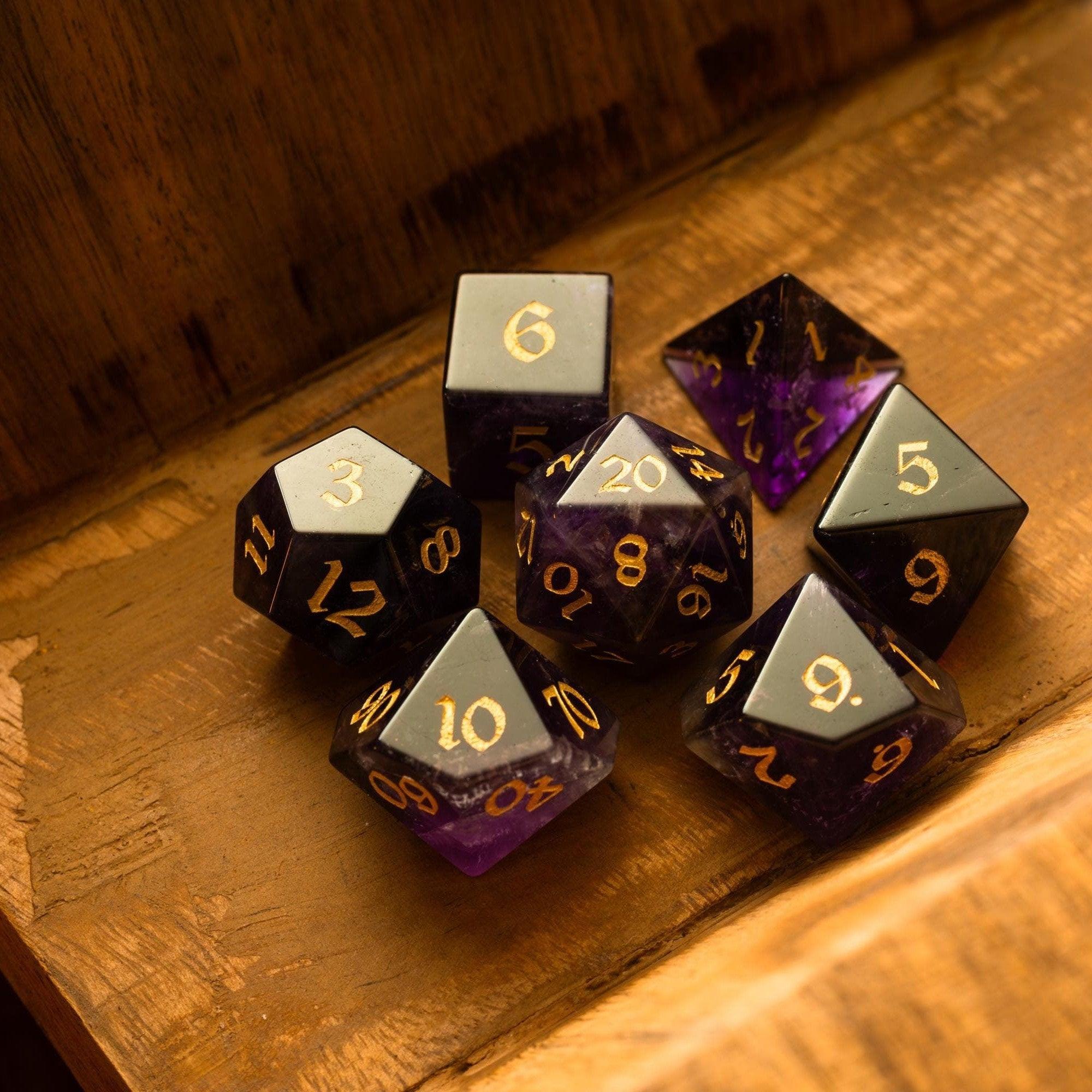
The most common seven-die polyhedral dice set includes one each of D4, D6, D8, D10 (numbered 0–9), D%, D12, and D20. Many players add a second D20 for advantage/disadvantage mechanics, and extra D6s for damage-heavy builds. Specialty or expanded sets might include multiple D20s, oversized chonks, or themed extras like a role tracker.
Benefits and reasons to choose fantasy dice for tabletop
Immersion and storytelling at the table
When your character channels a storm, rolling crackled glass dice feels right. When you’re a stoic dwarf, a stone or metal set adds gravitas. The tactile feedback and visuals of tabletop fantasy dice deepen immersion and give each roll a little ritual. Over time, your set becomes part of your character’s identity.
Readability and rolling consistency
Clear numbering, high contrast, and consistent edge profiles help you and your group read results quickly and reduce misreads. For sharp-edge sets, the defined corners can produce crisp tumbles across a tray. Rounded-edge sets tend to feel smoother in hand and are forgiving on softer surfaces. Either way, high-contrast inking and even faces help you track outcomes without squinting.
Durability by material
Material matters. Resin and acrylic are lightweight, versatile, and affordable. Metal dice are sturdy and satisfying but should be rolled on a tray. Glass and gemstone sets look stunning and can be durable with proper care, though they also appreciate padded surfaces. Choosing the right material is about matching your table setup and storage habits.
Gifts and collectibility
A striking polyhedral dice set is a standout gift for game nights, milestone sessions, or new campaigns. Many players build collections around themes—elemental, cosmic, arcane—or materials—metal, gemstone, liquid core. Curating a small lineup lets you switch sets to match different characters and adventures.
Types of tabletop fantasy dice and how to pick the right set
Resin and acrylic polyhedral dice set
These are the most common fantasy dice for tabletop, known for color variety and accessible pricing. You’ll find confetti inclusions, layered gradients, and crisp sharp-edge finishes. A resin polyhedral dice set is great for a first purchase or for building a themed collection without breaking the bank. If you want striking looks plus affordability, this is your sweet spot. Explore styles like Sharp-edge resin dice for clean edges and modern aesthetics.

Metal tabletop RPG dice
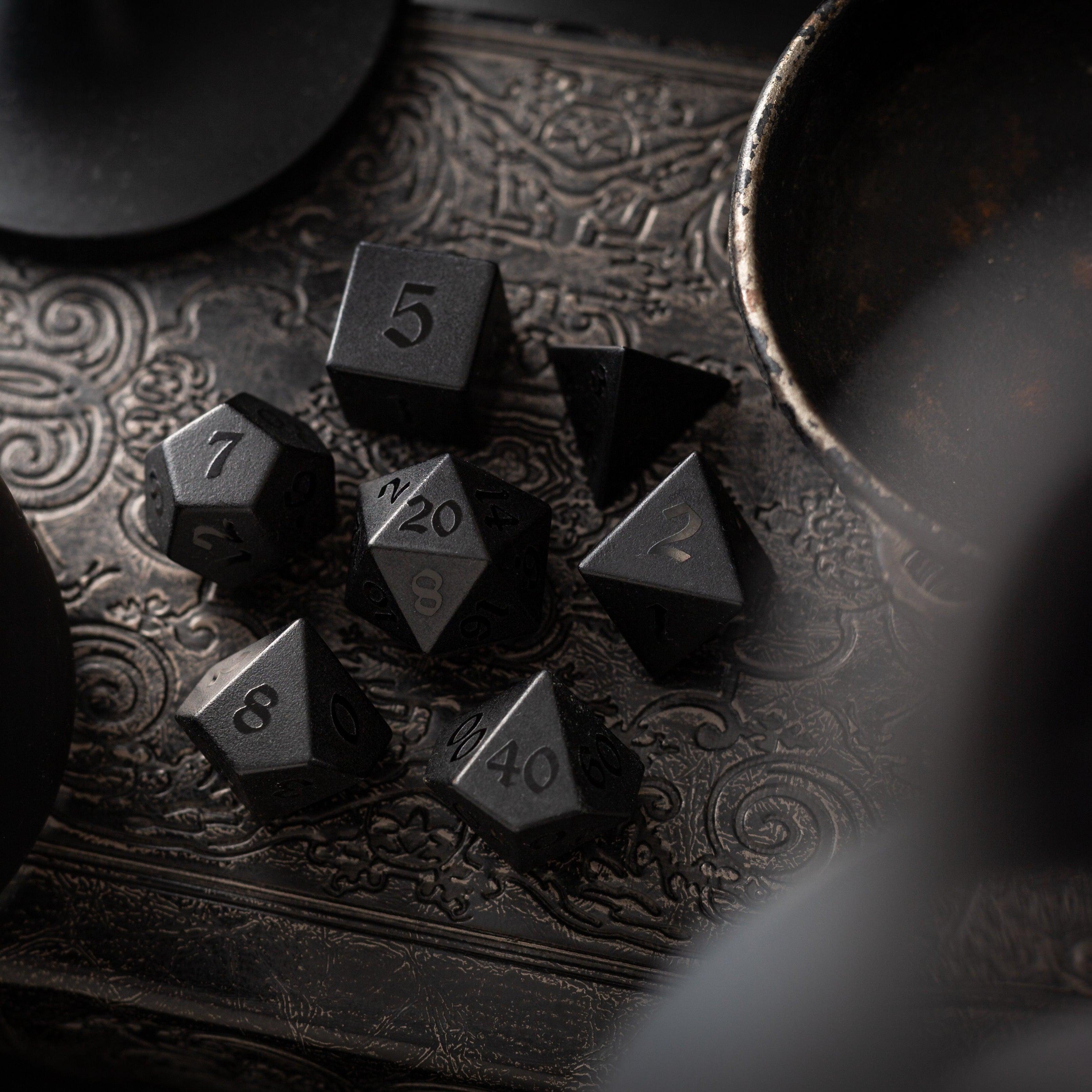
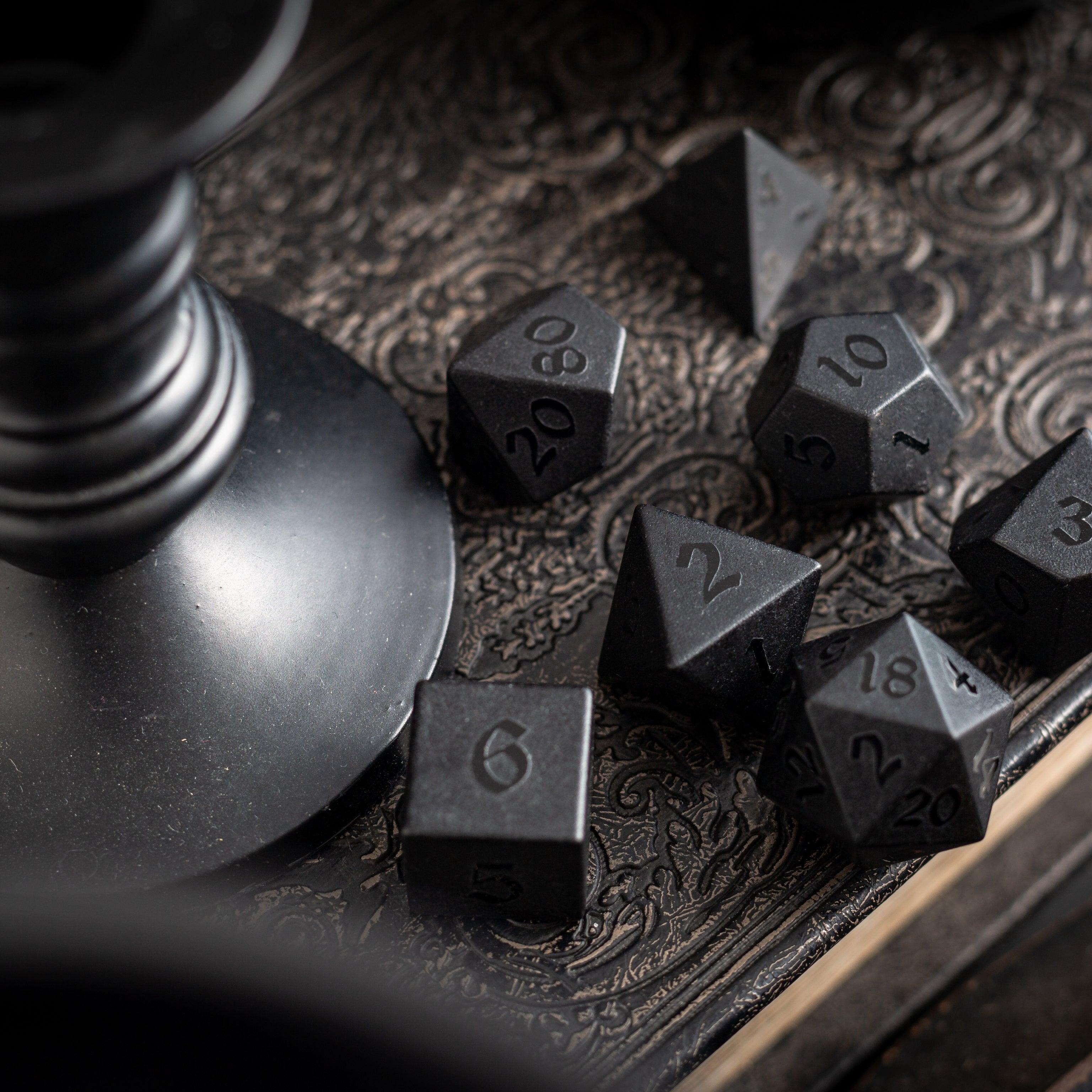
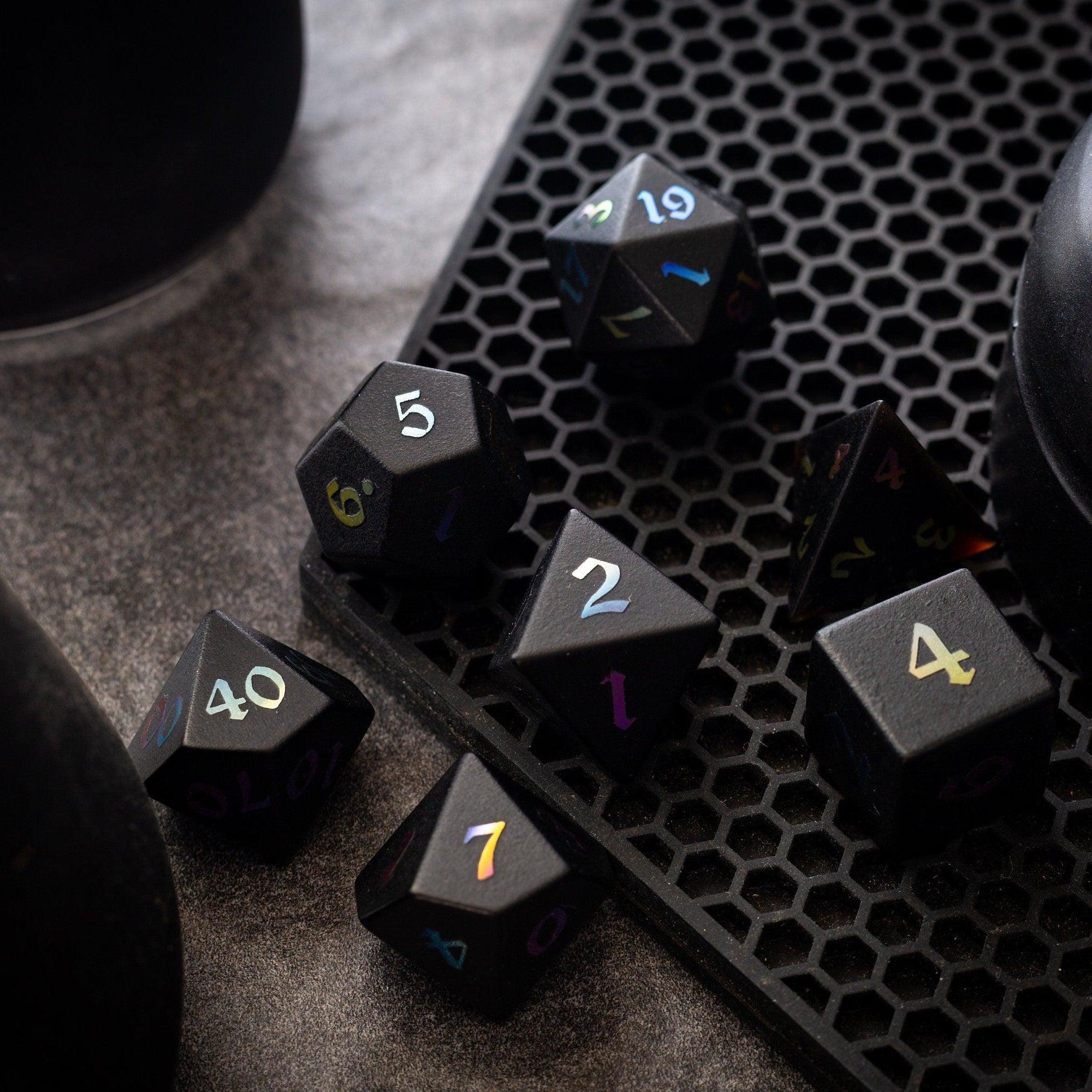
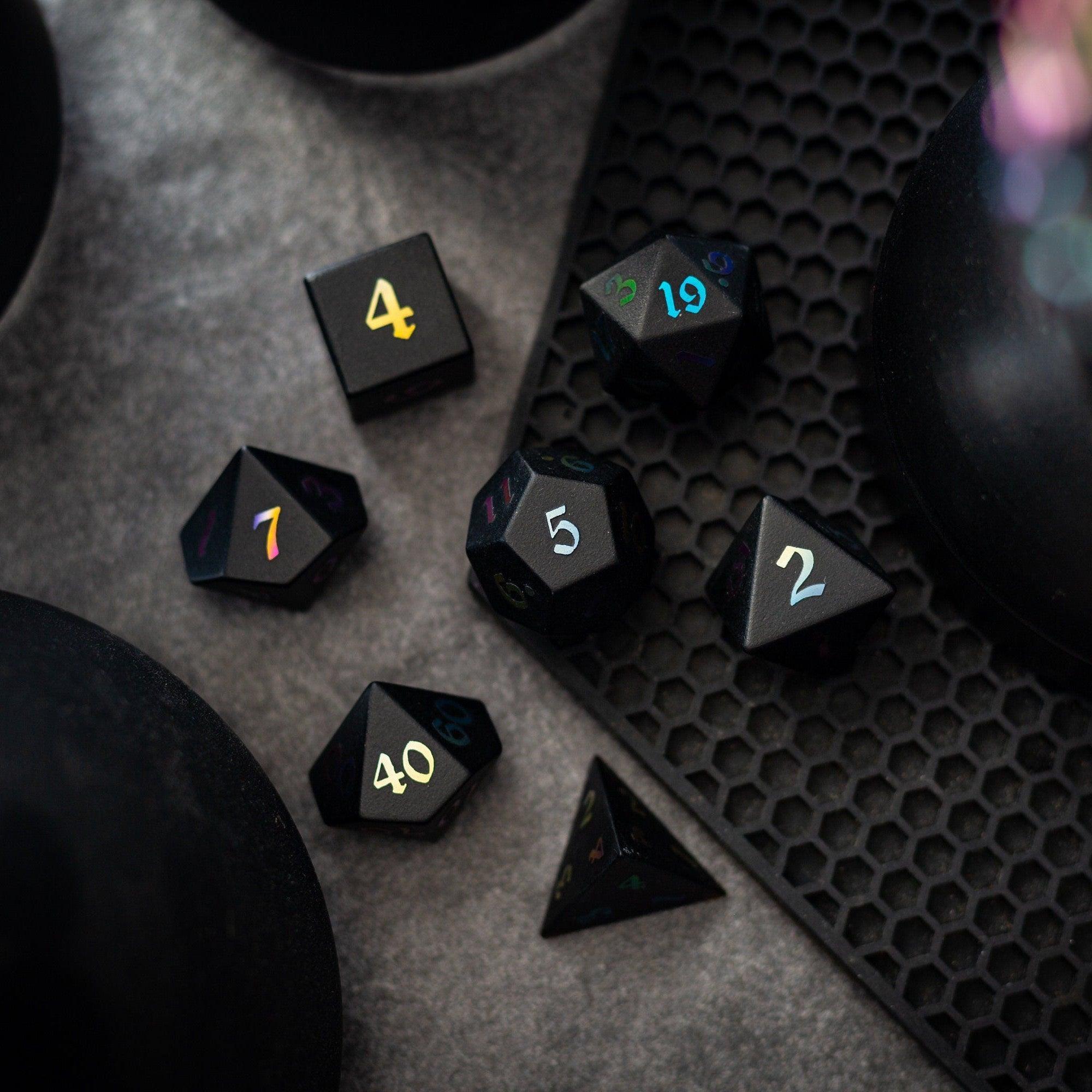
Metal dice bring weight and presence to the table. They’re often easier to read thanks to deep-etched numerals, and they feel powerful in hand—great for martial classes or any build that hits hard. They are best rolled on padded trays to protect both the dice and the table. If you love a confident clack and premium feel, browse Metal dice selections to find a finish that matches your character’s vibe.
Glass and gemstone sets
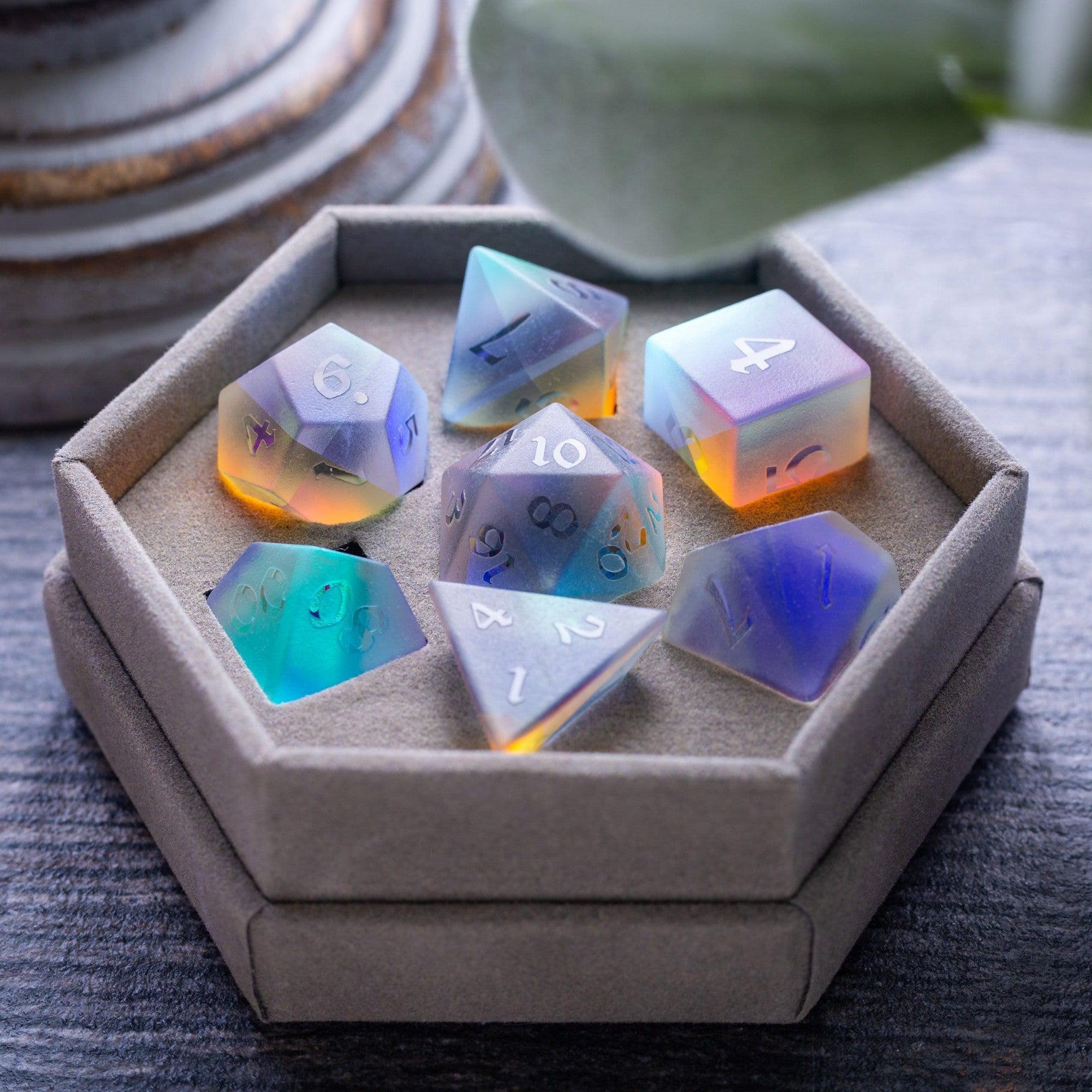
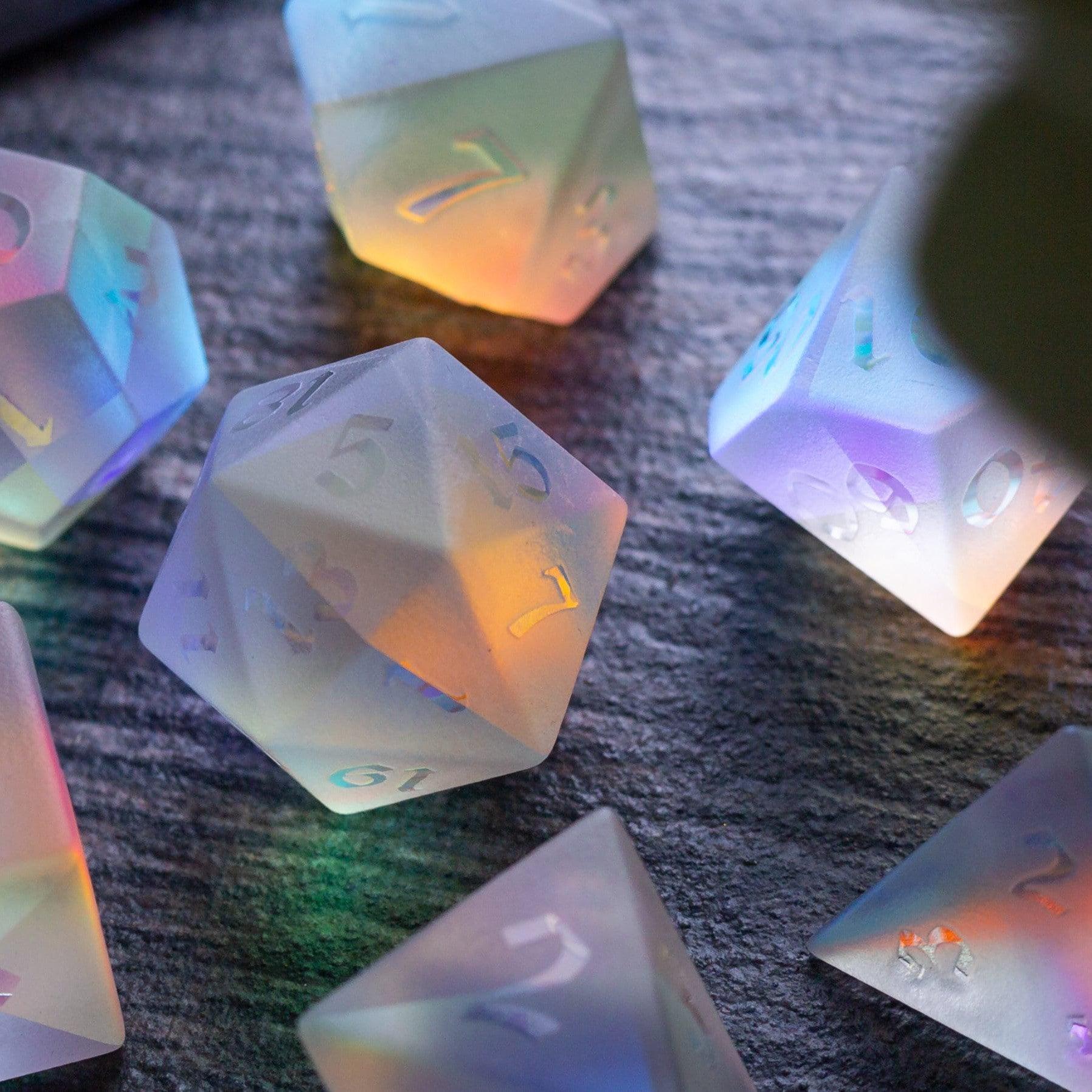
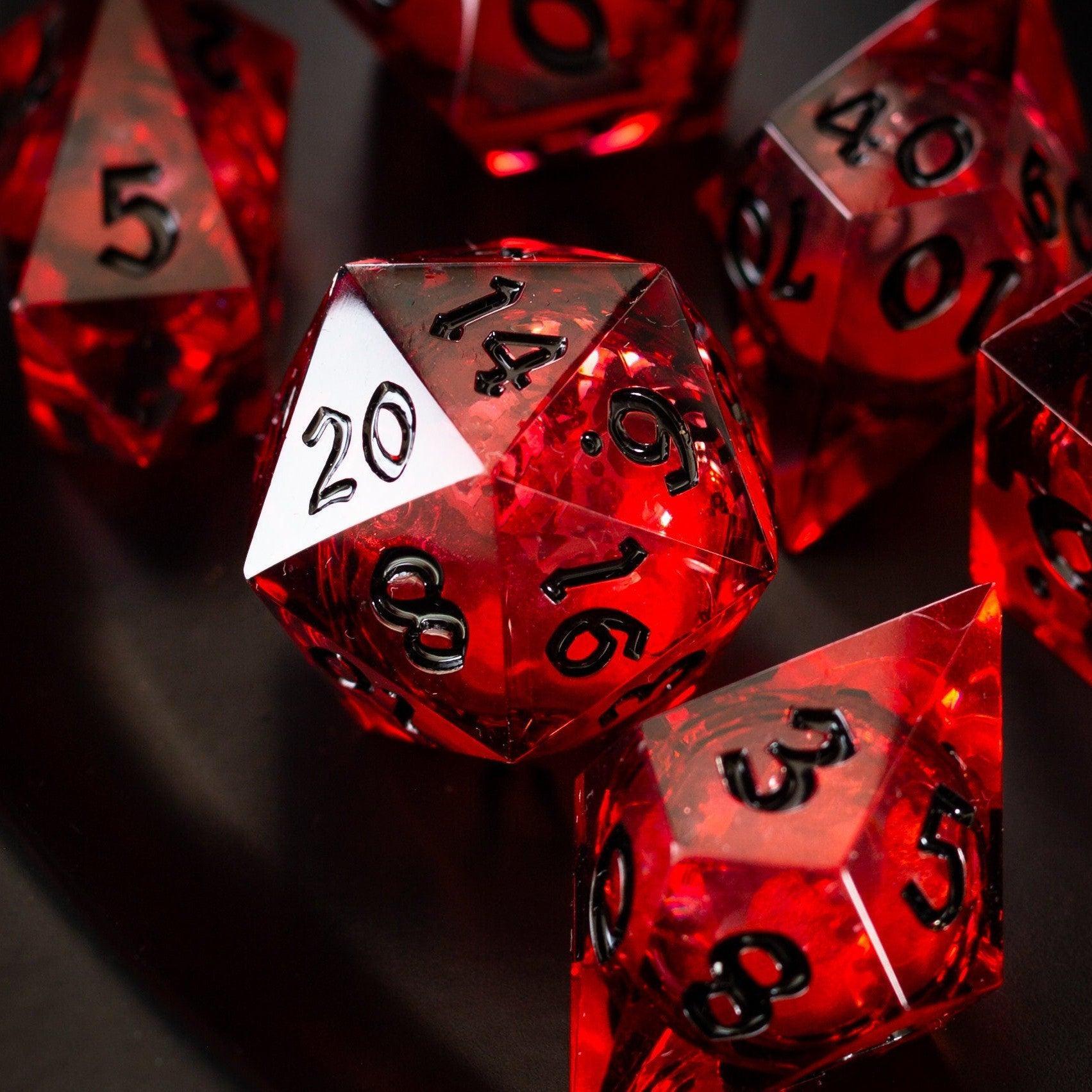
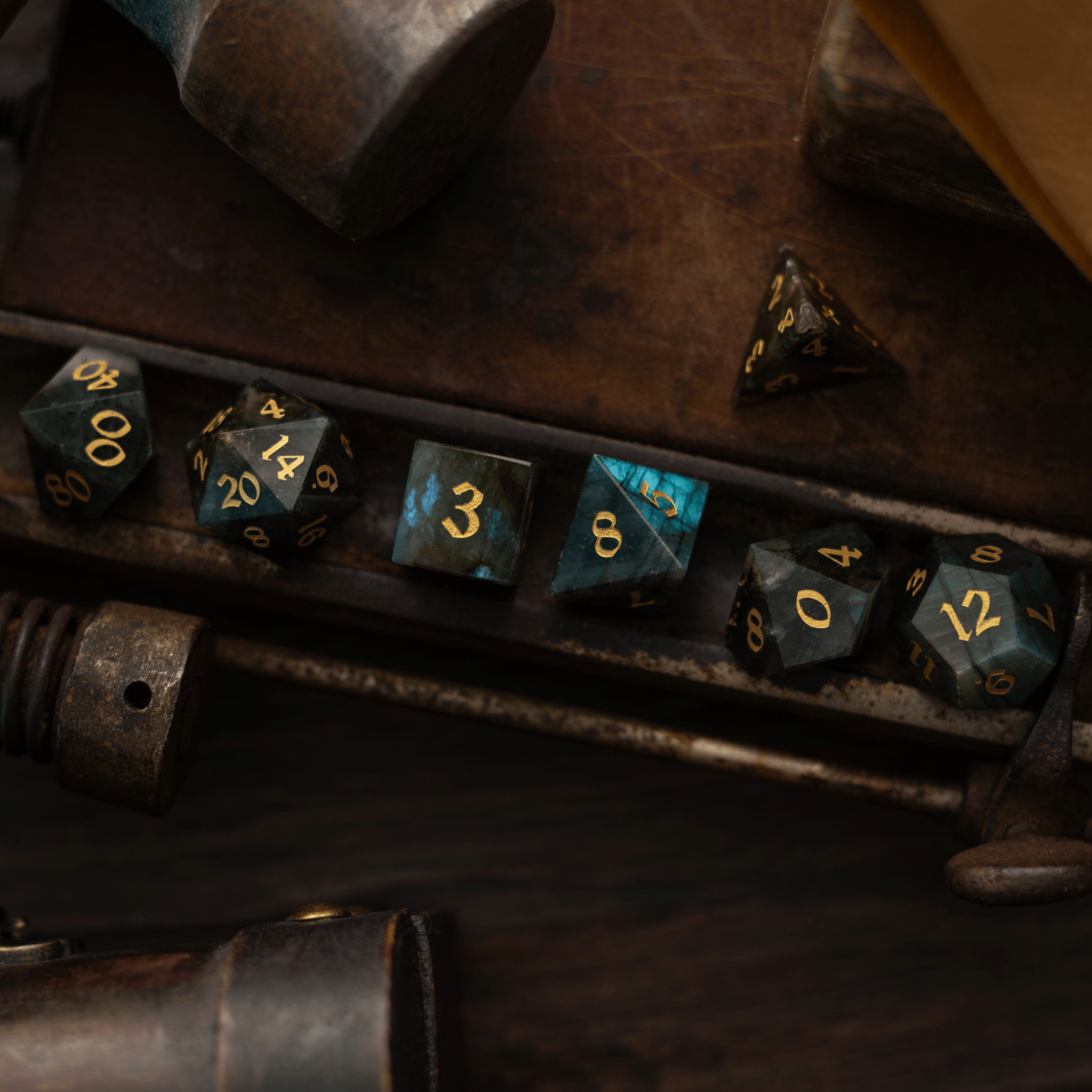
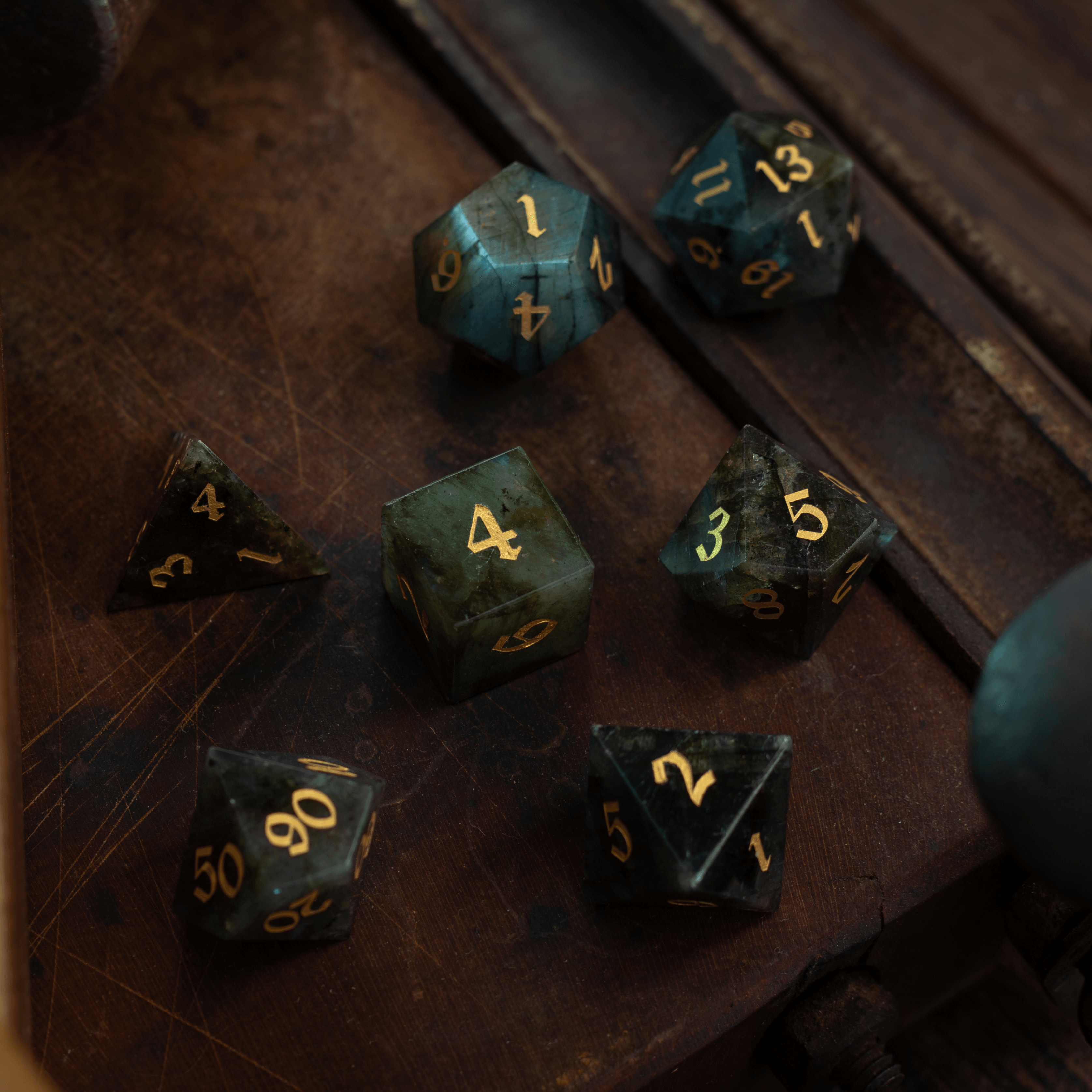
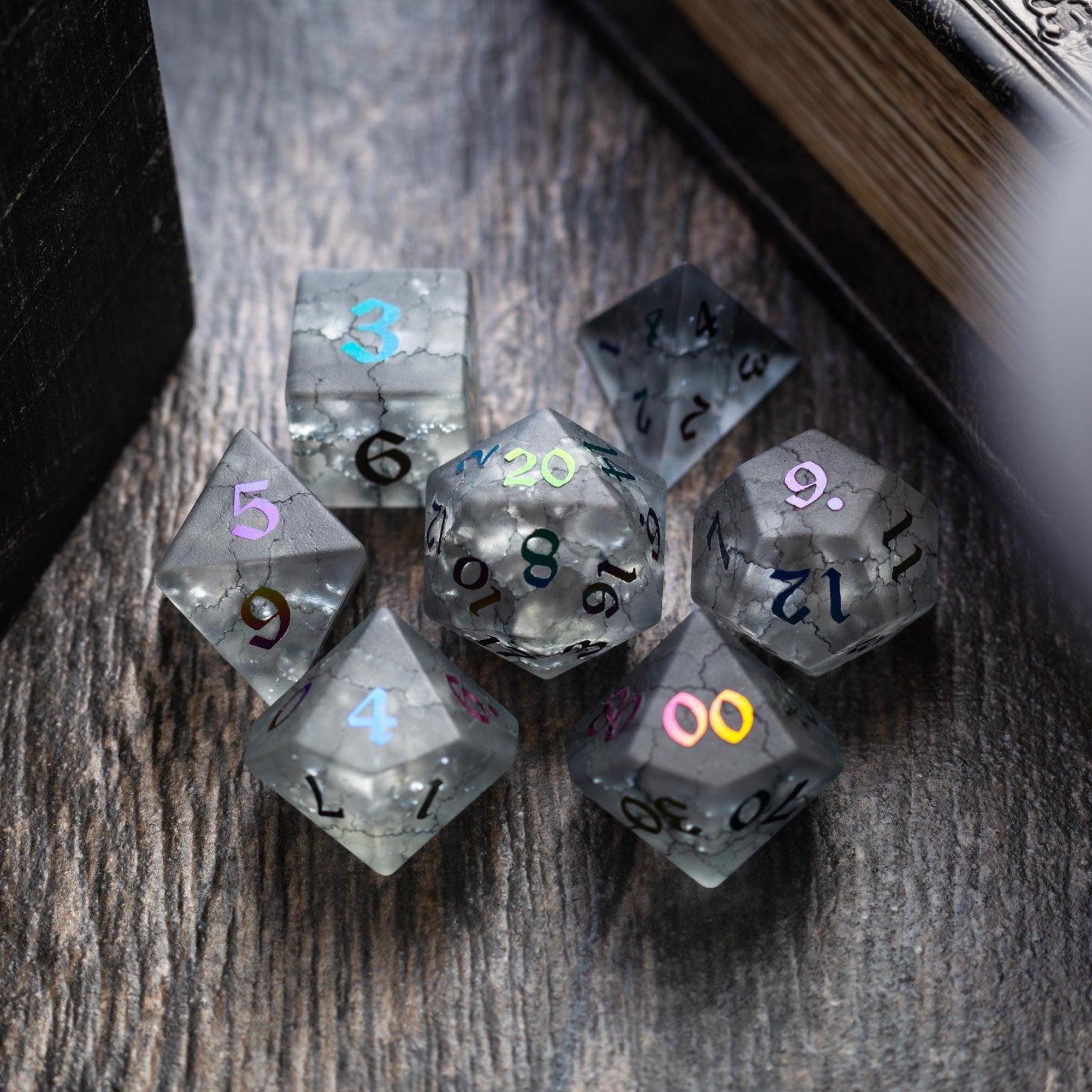
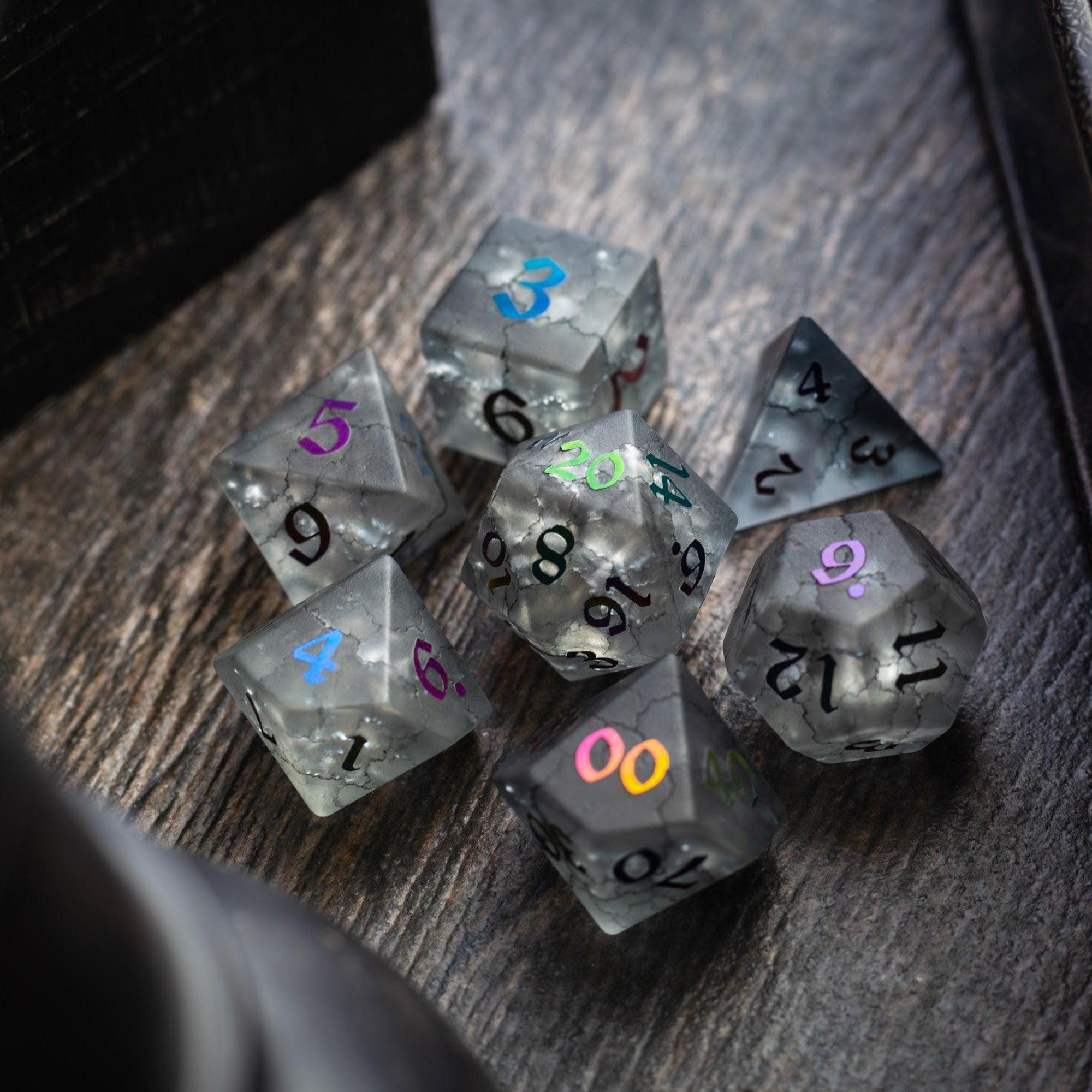
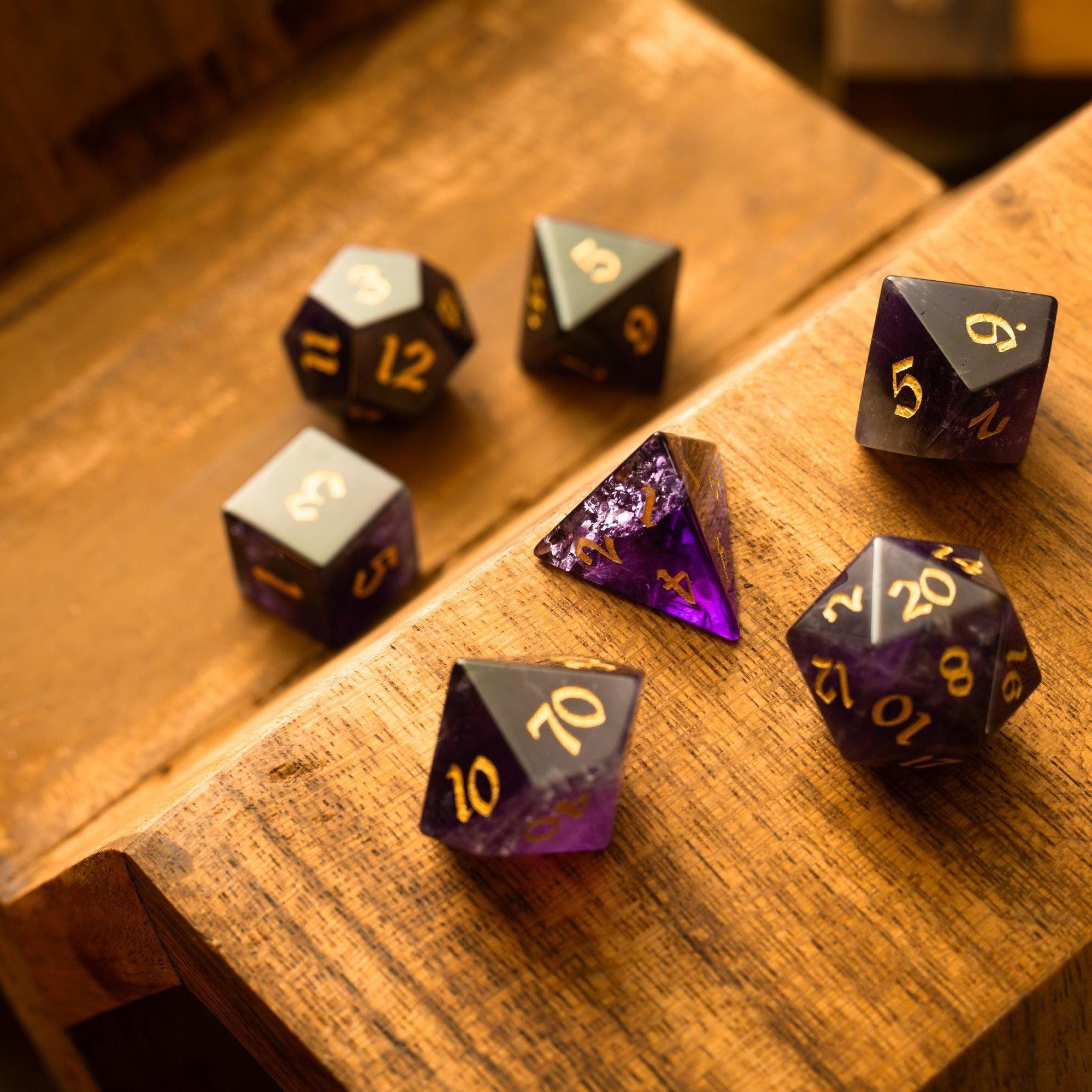
Glass and gemstone tabletop fantasy dice are the showpieces of many collections. From obsidian to amethyst and labradorite, they offer depth and brilliance that photographs can’t fully capture. They’re solid choices when you want the best fantasy dice for tabletop gaming in terms of visual impact. Roll them on padded surfaces and store them in cases to keep edges pristine. If you prefer living sparkle and mesmerizing motion inside the die, check out Liquid core dice—they’re captivating and table-friendly when used with a tray.
Sharp-edge vs. rounded-edge profiles
Sharp-edge dice accentuate faces and numerals with crisp lines and modern styling. They can feel more deliberate in the roll, gliding and tumbling with defined edges. Rounded-edge sets are classic and smooth to handle, with a softer look many players prefer. Both profiles are excellent; pick the one that best matches your tactile preference and table etiquette.
How to choose fantasy dice for tabletop sessions step-by-step
Here’s a practical, peer-tested approach to choosing tabletop fantasy dice that you’ll be excited to roll every session.
Step 1: Set budget and table norms
Decide what you’re comfortable spending and consider your group’s setup. If your table always uses a dice tray, heavier or delicate materials are in play. If you roll on a hard surface, prioritize resin or acrylic and add a mat later.
Step 2: Choose material and finish
Pick a material that aligns with your preferences. Want lightweight and colorful? Go resin. Want heft and dramatic presence? Go metal. Want a premium look with depth or shimmer? Consider gemstone, glass, or liquid core. Finish affects visibility too; matte or frosted surfaces reduce glare, while glossy sets pop under good lighting.
Step 3: Check readability and size
High-contrast inking and numerals you can read at a glance make play faster and smoother. If your group plays in dim lighting, aim for lighter faces with dark ink. Large numerals help when multiple players need to read results from across the table.
Step 4: Match theme to character
Connect your set to your character’s story. A druid might lean toward earthy gemstone tones; a warlock might favor dark glass with crackled veining; a sorcerer could shine with glittered or liquid-core effects. When your dice reflect your role, you’ll feel that spark every time you roll.
Step 5: Buy from reputable sources
If you’re wondering where to buy fantasy dice for tabletop games, choose sellers who clearly state materials, show accurate photos, and stand behind their products. Browse curated picks and new drops in one place at Browse all dice to compare styles side-by-side before you commit.
Pro tip: if you’re building a versatile kit, consider owning at least two full sets plus extra D6s or D8s for damage-heavy turns. That way, you can roll multiple effects without slowing the table down.
Care, storage, and fairness tips for tabletop fantasy dice
Protecting delicate materials
Use padded trays for glass or gemstone sets to prevent edge wear. Store dice in a soft pouch or a lined box, and avoid tossing them into backpacks without protection. Simple habits go a long way toward keeping your set crisp and ready.
Rolling surfaces and table etiquette
A dice tray keeps rolls contained and protects tables and dice alike. It also makes results easier to see. If you’re using metal dice, always agree on a rolling surface that won’t dent or mark. Consistency helps everyone trust the roll.
Cleaning and maintenance
Most resin and metal dice can be wiped with a soft, dry cloth. For smudges, a slightly damp cloth is usually enough—avoid harsh chemicals that could affect inking. For gemstone and glass, keep cleaning gentle and infrequent, and let everything dry before bagging or boxing.
Ready to bring a new set to the table? Compare finishes and find a theme that clicks for your next character. If you love modern edges and brilliant colors, explore Sharp-edge resin dice; if you want weighty presence and etched numerals, take a look at Metal dice; and if you’re drawn to mesmerizing motion, browse the latest in Liquid core dice. You can view the full catalog and find new arrivals anytime in Browse all dice.
FAQ: fantasy dice for tabletop
What are fantasy dice used for in tabletop gaming?
Fantasy dice are used to resolve actions, checks, attacks, saving throws, and other game mechanics. They translate character stats and probabilities into clear results you can read and apply at the table.
What types of dice are included in a fantasy dice set for tabletop play?
A standard seven-die tabletop RPG dice set includes D4, D6, D8, D10, percentile (D%), D12, and D20. Some sets add extra D20s or damage dice to speed up rolls.
Are metal or gemstone dice safe to roll on any surface?
Use a dice tray or padded mat for metal, glass, and gemstone sets to protect both the dice and your table. Resin and acrylic are more forgiving, but a tray still improves visibility and keeps rolls contained.
How do I choose the best fantasy dice for tabletop gaming on a budget?
Start with a resin or acrylic polyhedral dice set for the most variety per dollar. Prioritize high-contrast numbering and themes that match your character. Add specialty sets later as you find your style.
Where can I find reliable tabletop fantasy dice?
Shop dedicated dice collections that list materials clearly and provide detailed photos. Comparing across curated categories like resin, metal, and liquid core helps you choose confidently.


Leave a comment
This site is protected by hCaptcha and the hCaptcha Privacy Policy and Terms of Service apply.