

Adventure Module Recommendations Handpicked Campaign Boosters
Updated on: 2025-12-04
Choosing the right published adventure can make your next tabletop session smooth, exciting, and easy to prep. This friendly guide helps you narrow choices fast, match a module to your group’s style, and avoid common pitfalls. You’ll find practical tips, a clear process, and quick answers to popular questions—plus a few fun ways to elevate the table experience. Let’s make your next quest memorable without adding stress.

If you’re hunting for adventure module recommendations but feel overwhelmed by the sheer number of options, you’re in the right place. Picking a scenario shouldn’t be stressful, it should be exciting. The trick is matching the story’s scope, tone, and prep time to your group’s interests. With a few simple filters and a sensible process, you’ll land on a module that plays smoothly and delivers the kind of table memories that keep everyone coming back.
Key Benefits of Adventure Module Recommendations
- Time saved: You cut research time by focusing on modules that fit your group’s level, playtime, and tastes.
- Better table buy-in: When the themes align with what your players enjoy, sessions flow and everyone is engaged.
- Cleaner pacing: Pre-tested story beats and encounters reduce guesswork and keep momentum strong.
- Balanced challenge: Curated modules often include play-tested encounters that scale more reliably.
- Easier prep: Clear maps, concise read-aloud text, and organized stat blocks speed up your session planning.
- Flexible options: Great recommendations include guidance for one-shots, short arcs, or full campaigns.
- Stronger sensory vibe: A well-chosen module pairs nicely with props, music, and table accessories for immersion.
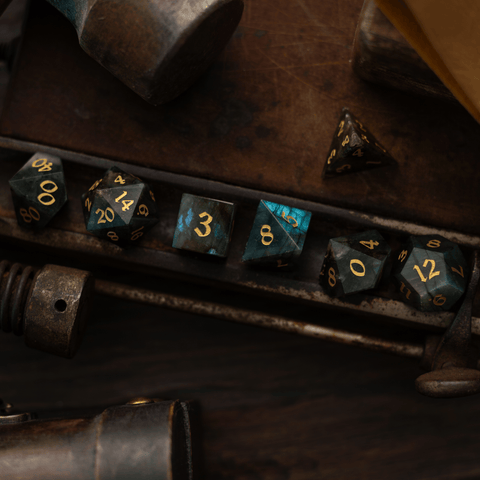
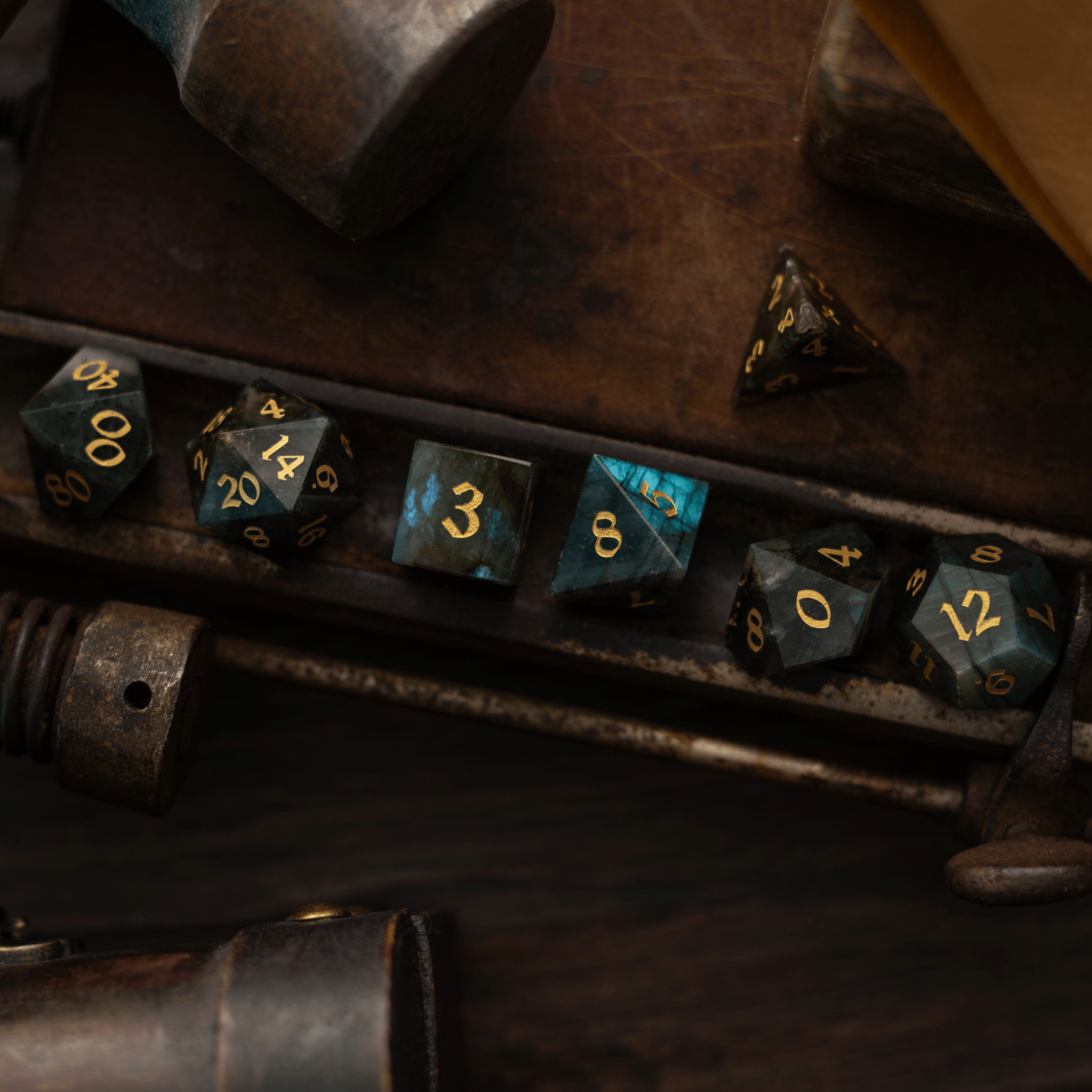
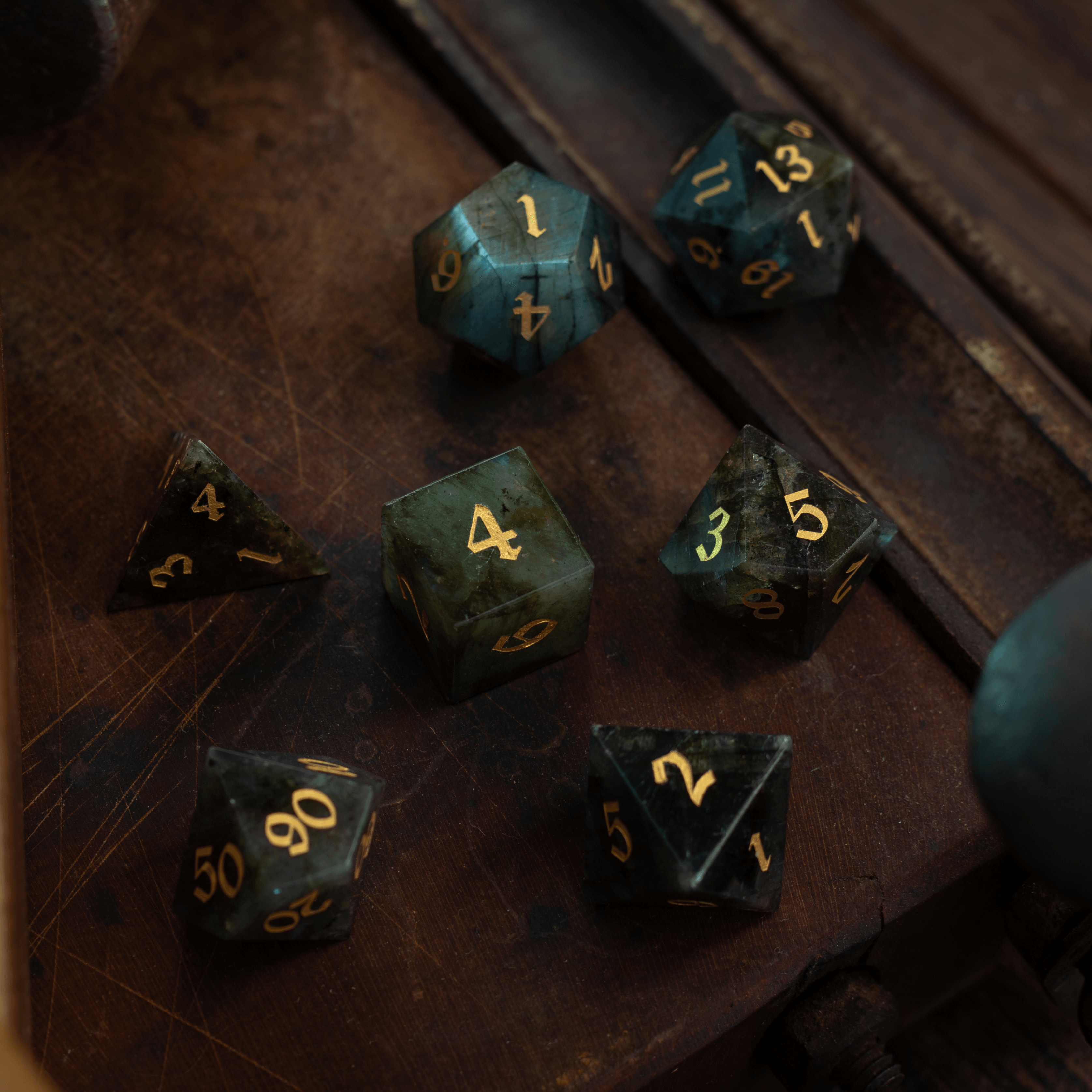
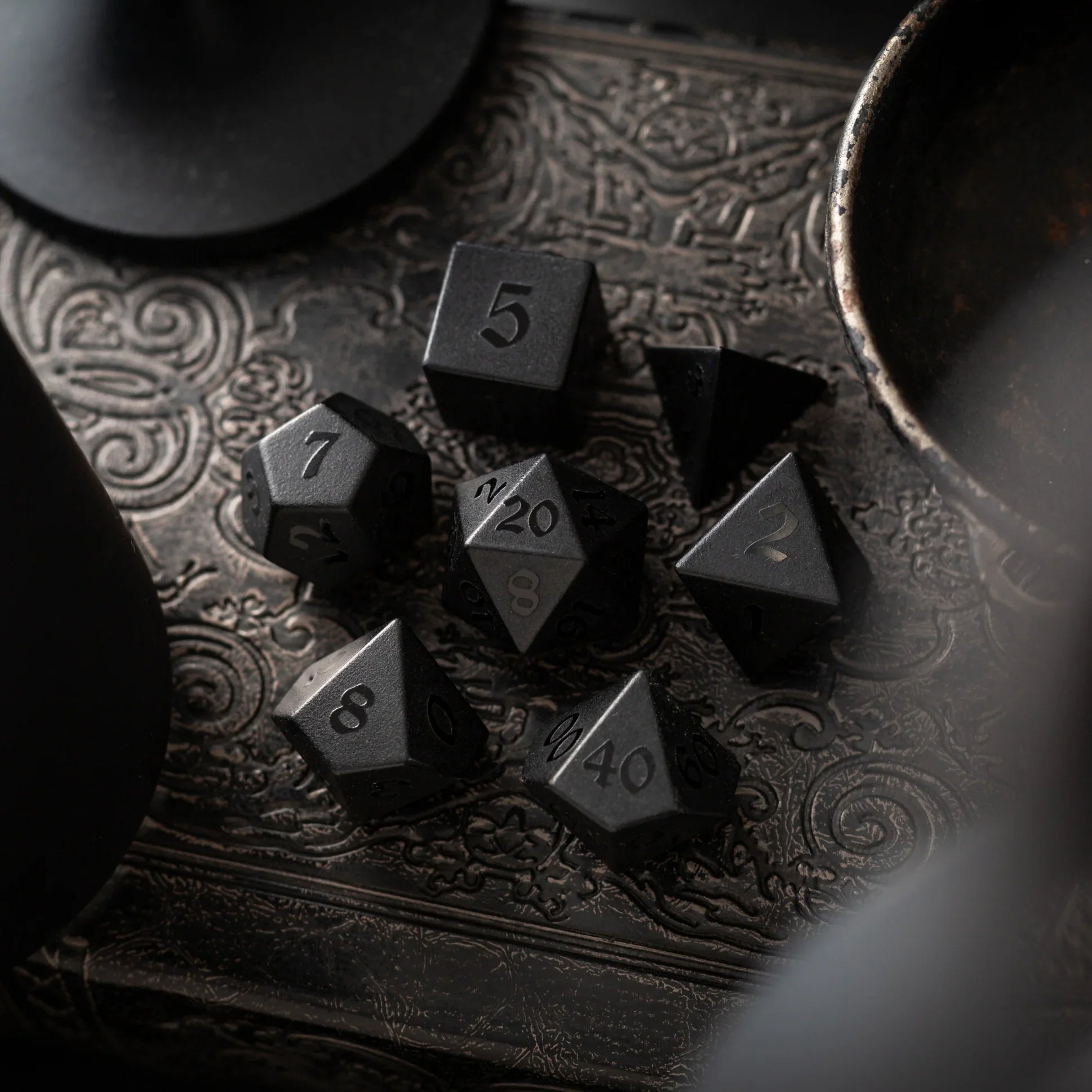
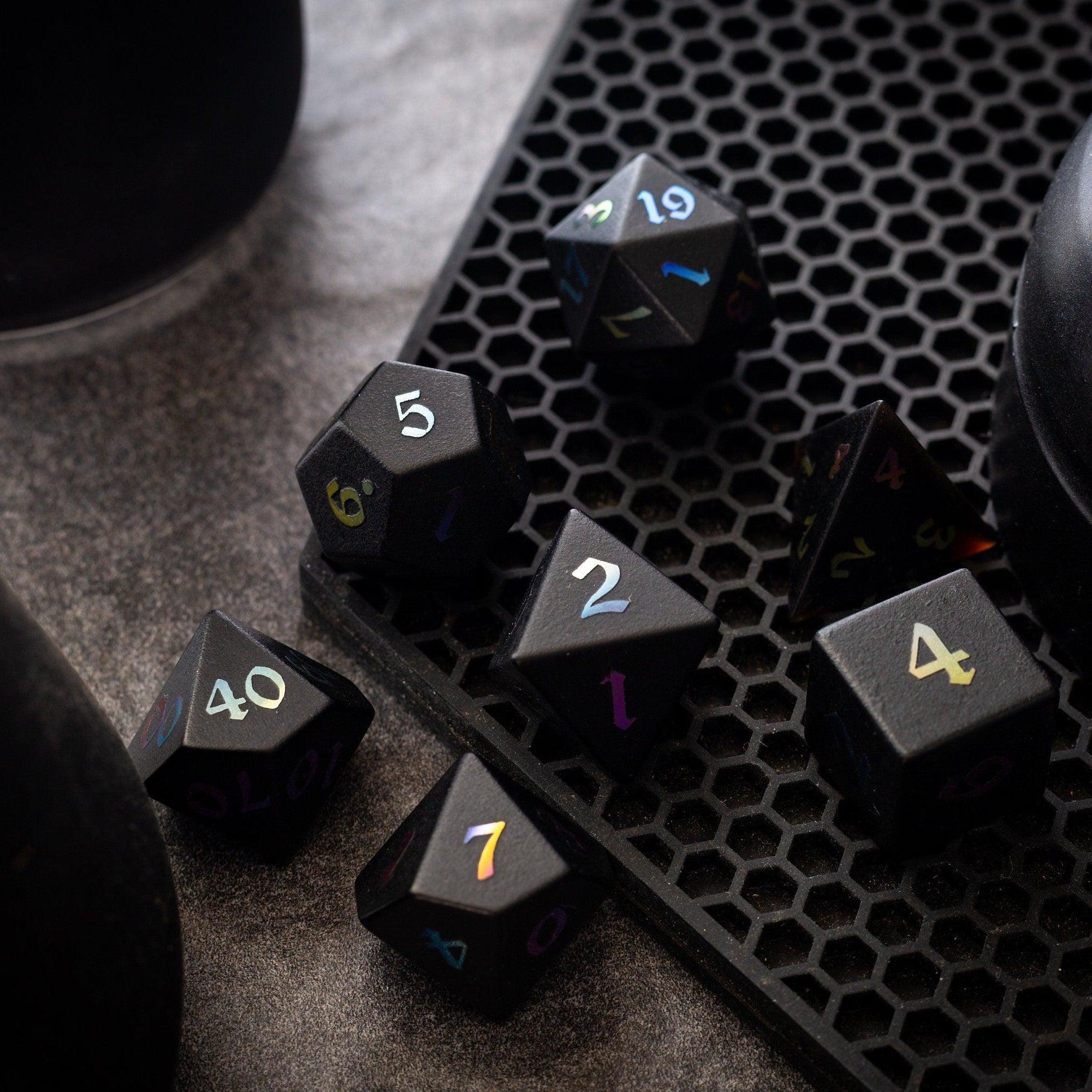
Want to add a tactile “wow” factor to your table? Matching the look of your dice to your module’s theme can be a subtle but delightful touch. If you’re running a glittering cavern crawl or royal intrigue, browse elegant gemstone dice to set the tone.
Step-by-Step Guide
Step 1: Know Your Table
Start with your players. What do they actually enjoy? Fast combat, social intrigue, puzzles, or exploration? Keep a quick list. Consider the attention span and schedule of the group too. If folks arrive tired after work, a complex mystery with branching timelines may be more effort than fun. Try to identify your group’s top two play preferences and one thing they’d rather avoid. This becomes your “fit filter.”
- Ask: “Do you prefer a daring heist, dungeon crawl, or character-driven drama?”
- Note average session length and frequency—longer play windows can handle deeper plots.
- Flag content they dislike, so you can sidestep modules with those elements.
Step 2: Decide the Scope
Scope determines everything. A one-shot is ideal for testing a new system or onboarding new players. A two-to-four session arc gives you room for character subplots without a long commitment. A campaign can be amazing—but it asks for reliable schedules and a shared appetite for longer stories. Choose the scope first; it immediately narrows your list.
- One-shot: Tight pacing, clear objective, a “punchy” ending.
- Short arc: A rising threat, a mid-arc twist, and a satisfying finale.
- Campaign: A layered villain, evolving stakes, and room for character growth.
Step 3: Match Theme and Tone
Two modules can be equally good but feel completely different. Identify a theme (heist, survival, investigation, wilderness trek, political maneuvering) and a tone (lighthearted, heroic, gritty, eerie). A spooky ruin with fragile resources sets a different mood than a swashbuckling raid on a pirate cove. The right pairing keeps your table aligned and avoids tonal whiplash.
- Theme hooks: “Recover the relic,” “Rescue the envoy,” “Seal the rift,” “Unmask the traitor.”
- Tone barometer: Write three adjectives—e.g., bright, uncanny, somber—to guide your module choice.
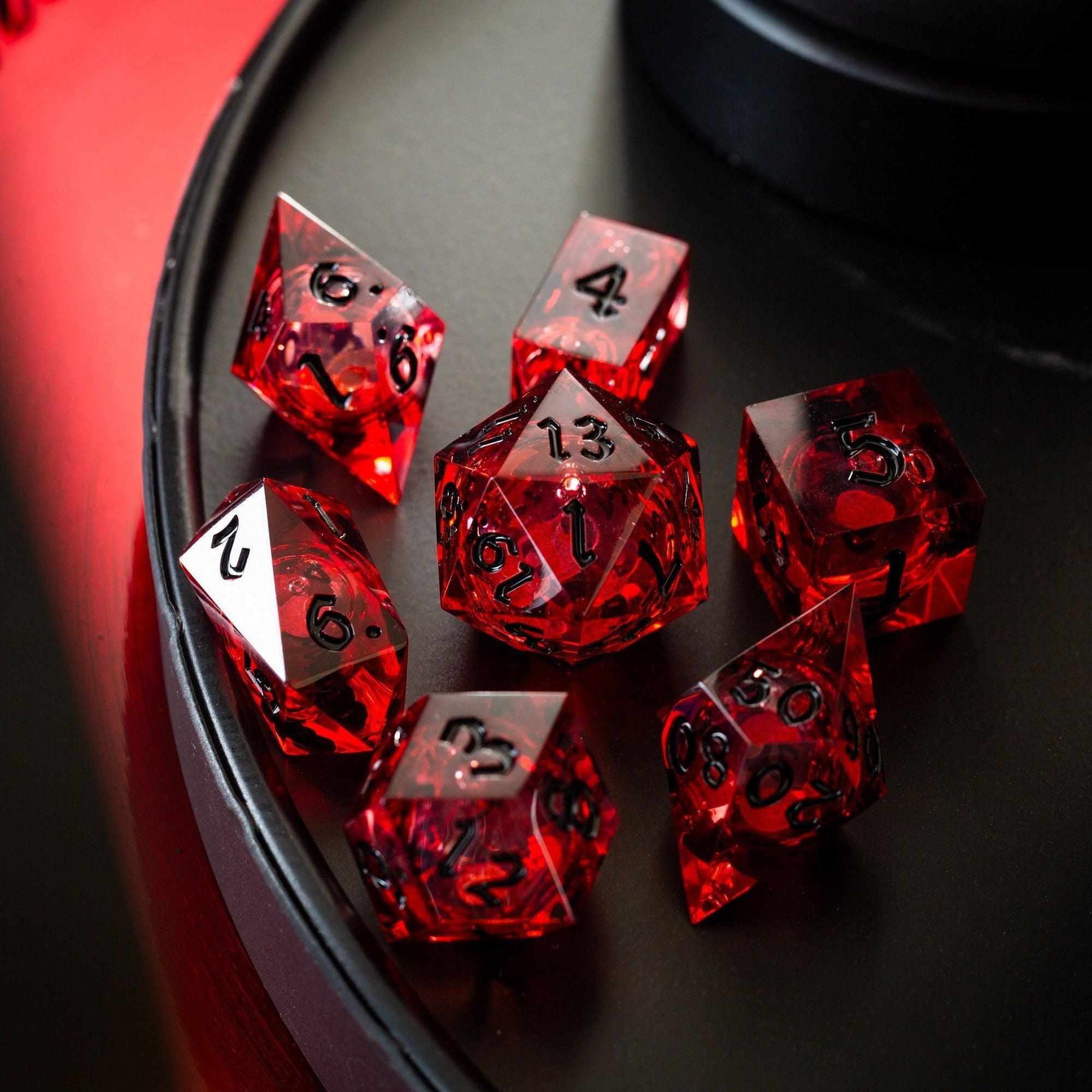
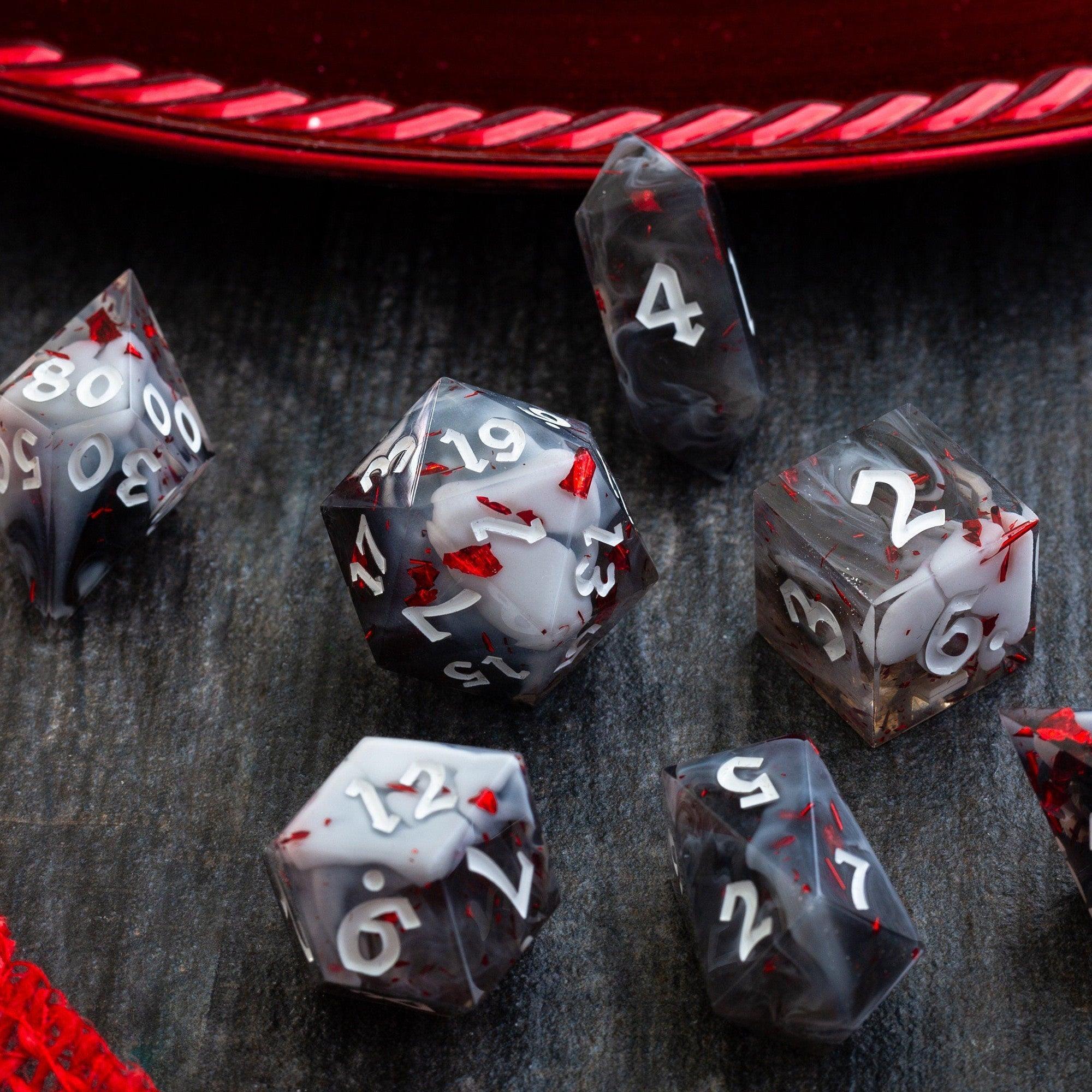
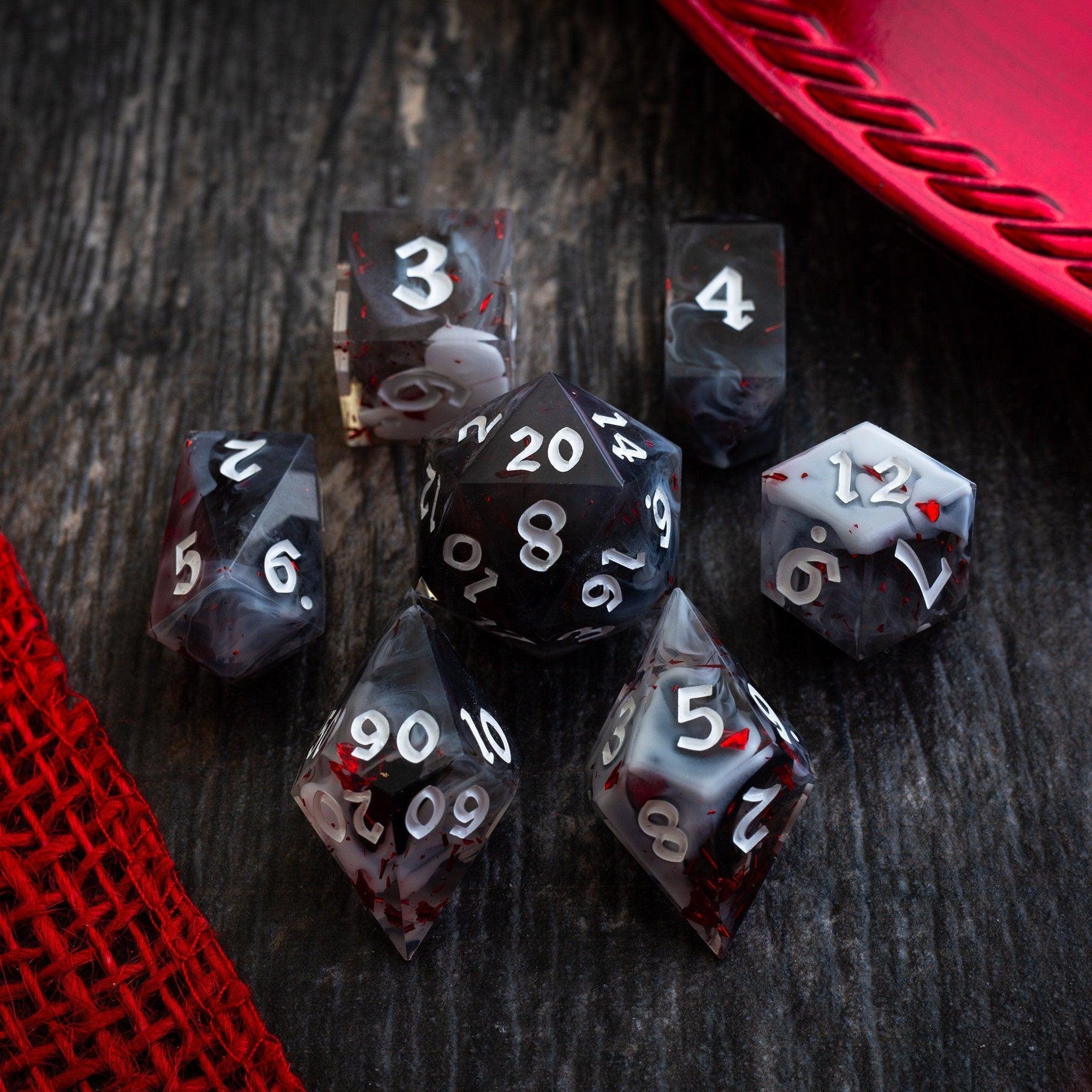
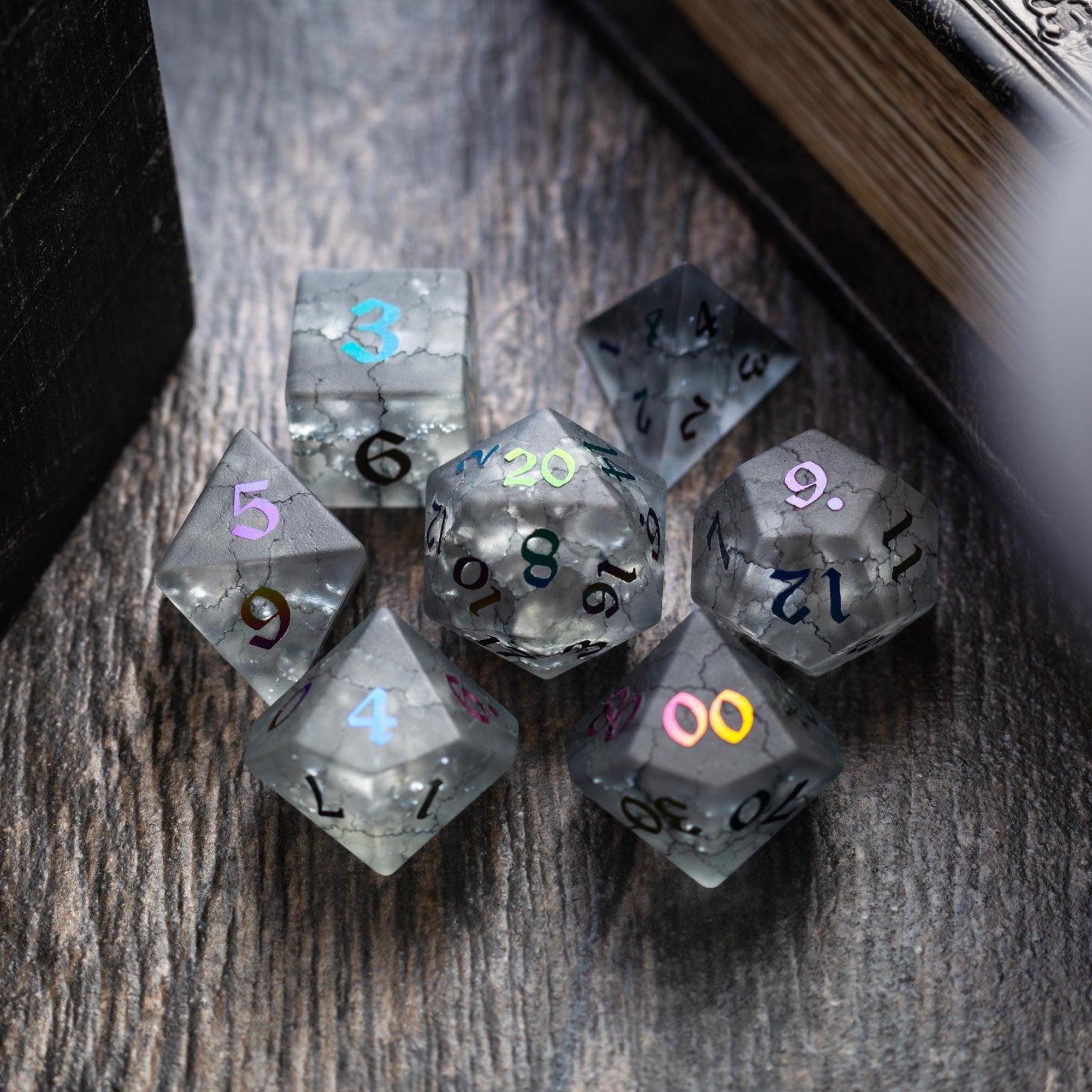
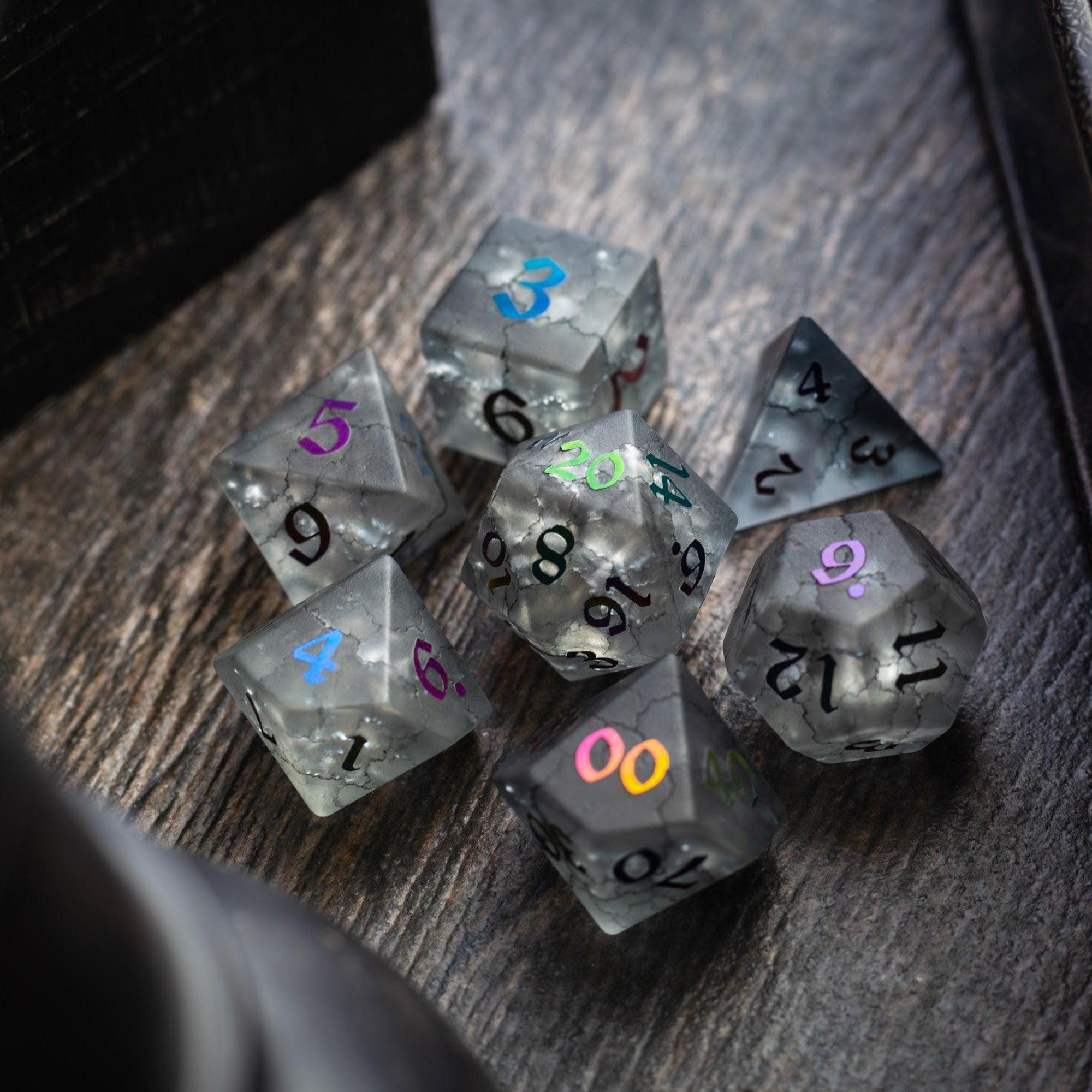
Want a visual flourish for eerie or cosmic vibes? Consider the shimmer of liquid core dice to match the mystery.

Step 4: Balance Difficulty
Difficulty should challenge without exhausting. Look for modules that give encounter ranges (e.g., easy-to-hard variants) or guidance for scaling puzzles. If your group prefers roleplay, favor scenarios with social conflicts over pure combat. If they love tactics, choose modules with clear encounter goals and terrain features that matter. As the GM, remember you can adjust enemy HP, add an escape route, or telegraph danger to preserve fun.
- Check level/tiers and expected party size.
- Scan for pacing breaks—social scenes, exploration beats, or safe rests.
- Keep a rescue lever: a friendly NPC, a hidden path, or a magical escape tool.
Step 5: Prep Like a Pro
Efficient prep beats exhaustive prep. Highlight read-aloud text. Mark rules that could slow you down. Pre-roll a few perception checks or random tables if the module suggests them. Sketch your session outline: opening hook, 2–3 big beats, and a wrap-up or cliffhanger. Finally, prepare one “surge moment” (a reveal, a dynamic terrain shift, or a dramatic countdown) to push energy when you need it.
- Print or screenshot maps with clear legend notes.
- Use table tents or sticky notes for NPC names and motives.
- Prep treasure and clues so they’re easy to grab during play.
Step 6: Customize Smartly
Keep the module’s spine and tweak the edges. Rename NPCs to fit your setting. Reskin creatures to match your theme. Replace a reward with something that ties into a character’s backstory. Small edits deliver big payoffs without ballooning prep time. If you adjust a monster, also adjust the narrative cues that foreshadow it—this helps the world feel consistent.
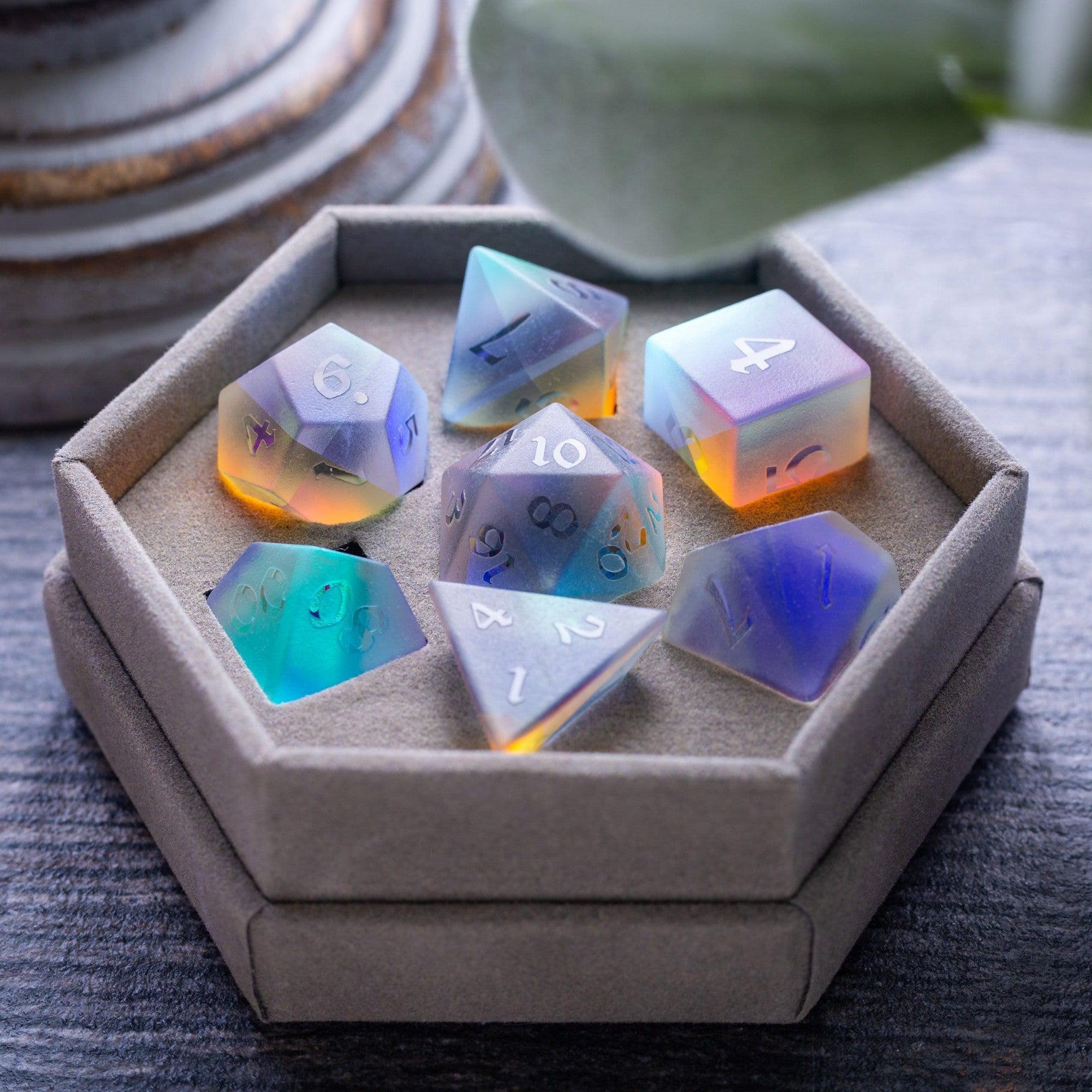
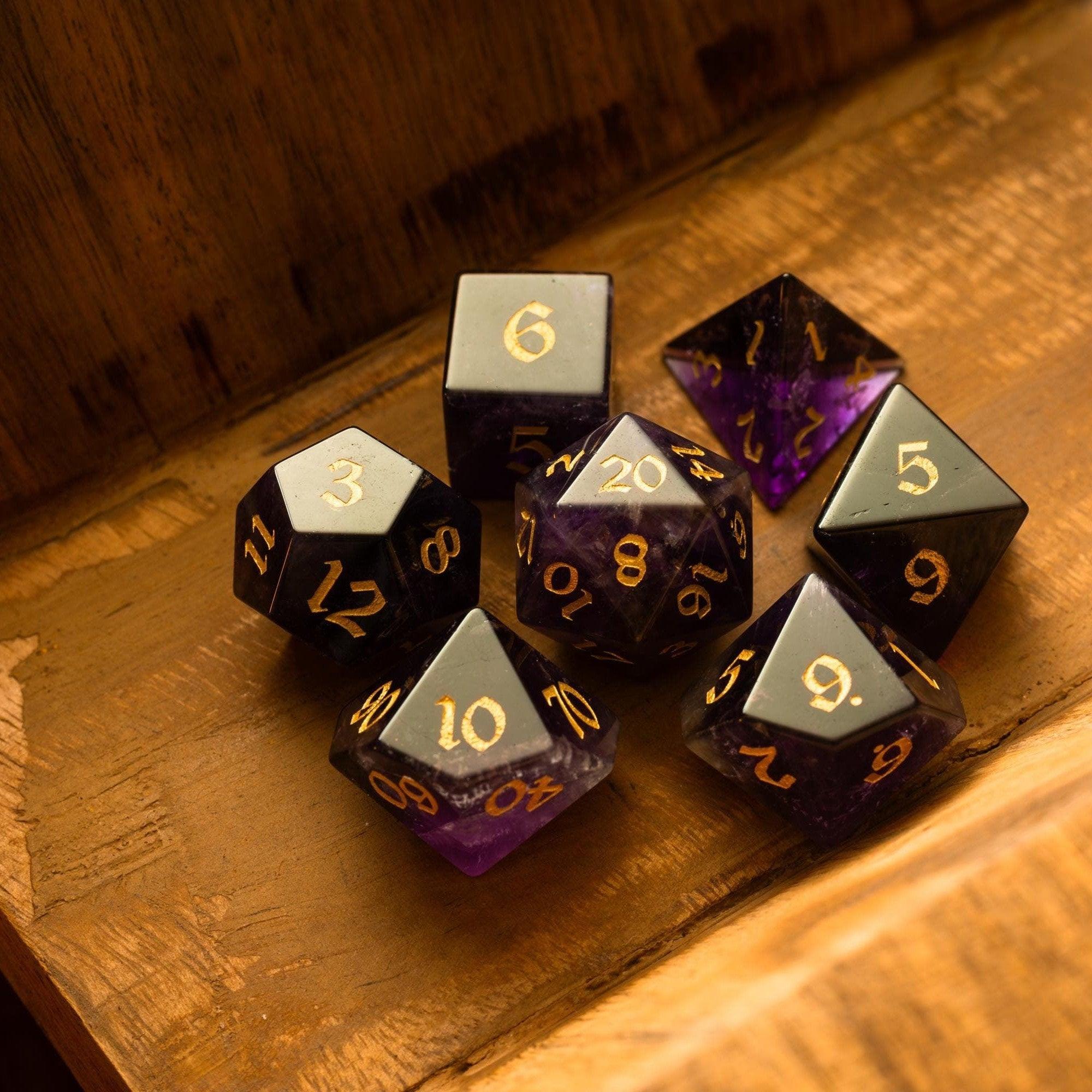
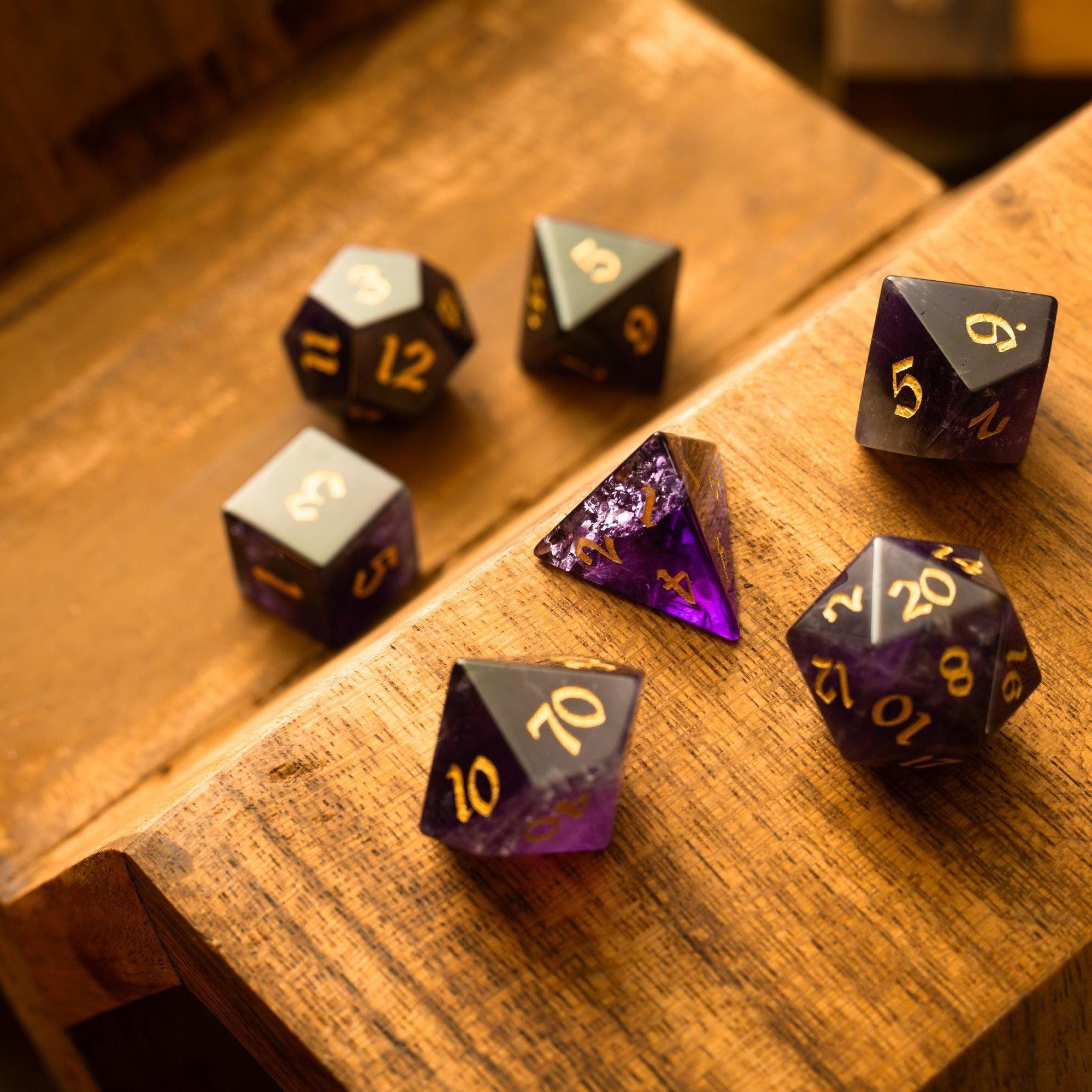
If you want a tactile reward for a gemstone-themed heist or noble court story, the elegant sparkle of an amethyst set can make big moments feel special.
Step 7: Run with Confidence
At the table, clarity beats perfection. Summarize choices. Reinforce stakes. Track time gently so you hit your finale. When players surprise you (they will!), favor fun outcomes that keep the story moving. After each session, jot two notes: one thing that worked and one tweak for next time. That quick reflection compounds into smoother sessions.
Want cleaner rolls and visibility for climactic checks? Consider adding a sturdy dice tower to keep the pace crisp and the table focused.
Here’s the best part: once you’ve used this process a few times, your intuition sharpens. You’ll spot modules that fit your table at a glance. And when you find that “just right” pick, the session feels easy in the best way—players are engaged, you’re relaxed, and the story sings.
FAQ Section
How do I pick a module for a mixed-experience group?
Choose a clear objective and short scope, then include optional side beats. Keep early encounters forgiving and add smart telegraphs for danger. Provide roleplay opportunities for veterans and straightforward cues for newer players. A flexible one-shot with a clean finale works great here.
What if my players love roleplay but dislike puzzles?
Favor social conflict modules with agendas, factions, and shifting alliances. Keep clues simple and tie them to NPC conversations rather than riddles. If a puzzle appears, provide in-world hints through journals, murals, or rumors so progress never stalls.
How much should I change a published module?
As much as needed to fit your table’s fun, but keep the core structure. Adjust names, reskin foes, or swap a location while preserving the sequence of scenes. This keeps prep time low and prevents unintended difficulty spikes.
How do I keep pacing tight in a one-shot?
Start in media res, trim travel, and limit scene count to three major beats plus the finale. Use timers or countdowns for tension and cut any subplot that doesn’t serve the main goal. End with a decisive resolution so the session feels complete.
Any tips for treasure and rewards?
Mirror the theme and tone: relics for mystic tales, rare maps for exploration, or storied weapons for heroics. Tie at least one reward to a character’s personal arc to boost buy-in. And sprinkle a visual flourish when the big prize drops to mark the moment.
Bookmark these adventure module recommendations and revisit them when your group’s tastes evolve. Even small tweaks—like swapping a villain’s motive or customizing rewards—can refresh a familiar scenario. And when you’re ready to dial up the table presence, browse shimmering gemstone dice or hypnotic liquid core dice to match the mood of your next quest.








Leave a comment
This site is protected by hCaptcha and the hCaptcha Privacy Policy and Terms of Service apply.