
Homebrew Content Platforms for Tabletop Games A New Edge
Updated on: 2025-12-03
Table of Contents
- Tools That Elevate a Homebrew Content Platform for Tabletop Games
- Did You Know? Facts About Homebrew Content Platforms for Tabletop Games
- Pros & Cons Analysis: Using a Homebrew Content Platform for Tabletop Games
-
FAQ: Homebrew Content Platform for Tabletop Games
- What is a homebrew content platform for tabletop games?
- How do I publish and share homebrew content for tabletop games on such a platform?
- Can I monetize my community-created content on these platforms?
- Which file formats work best for board game homebrew content sharing?
- How can I grow an audience for my tabletop RPG user-generated content?

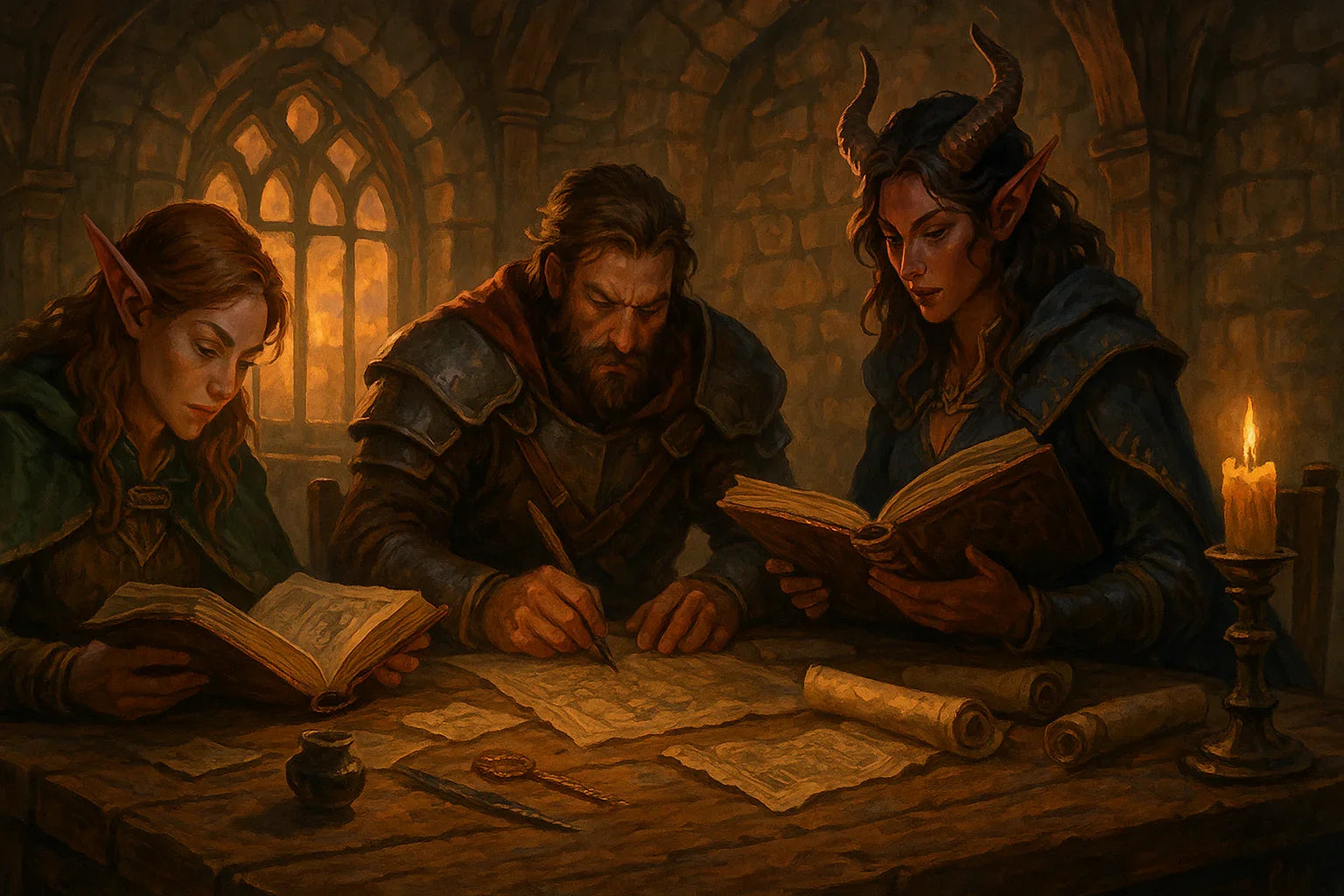
Ready to turn your ideas into adventures players actually use? A homebrew content platform for tabletop games makes it simple to publish, share, and find community feedback—whether you’re building a new RPG class, crafting a one-shot dungeon, or designing variants for your favorite board game. Think of it as your creative hub: a DIY homebrew content platform for tabletop games gives you tools to upload, tag, and showcase your work while meeting players where they’re searching.
Tools That Elevate a Homebrew Content Platform for Tabletop Games
While the engine of any community-created content platform for tabletop games is your creativity, the right table gear can boost immersion, improve playtesting, and make your published material feel premium. If you’re prepping a new one-shot, balancing a subclass, or testing a board game variant, tactile components can turn a good session into a memorable one.
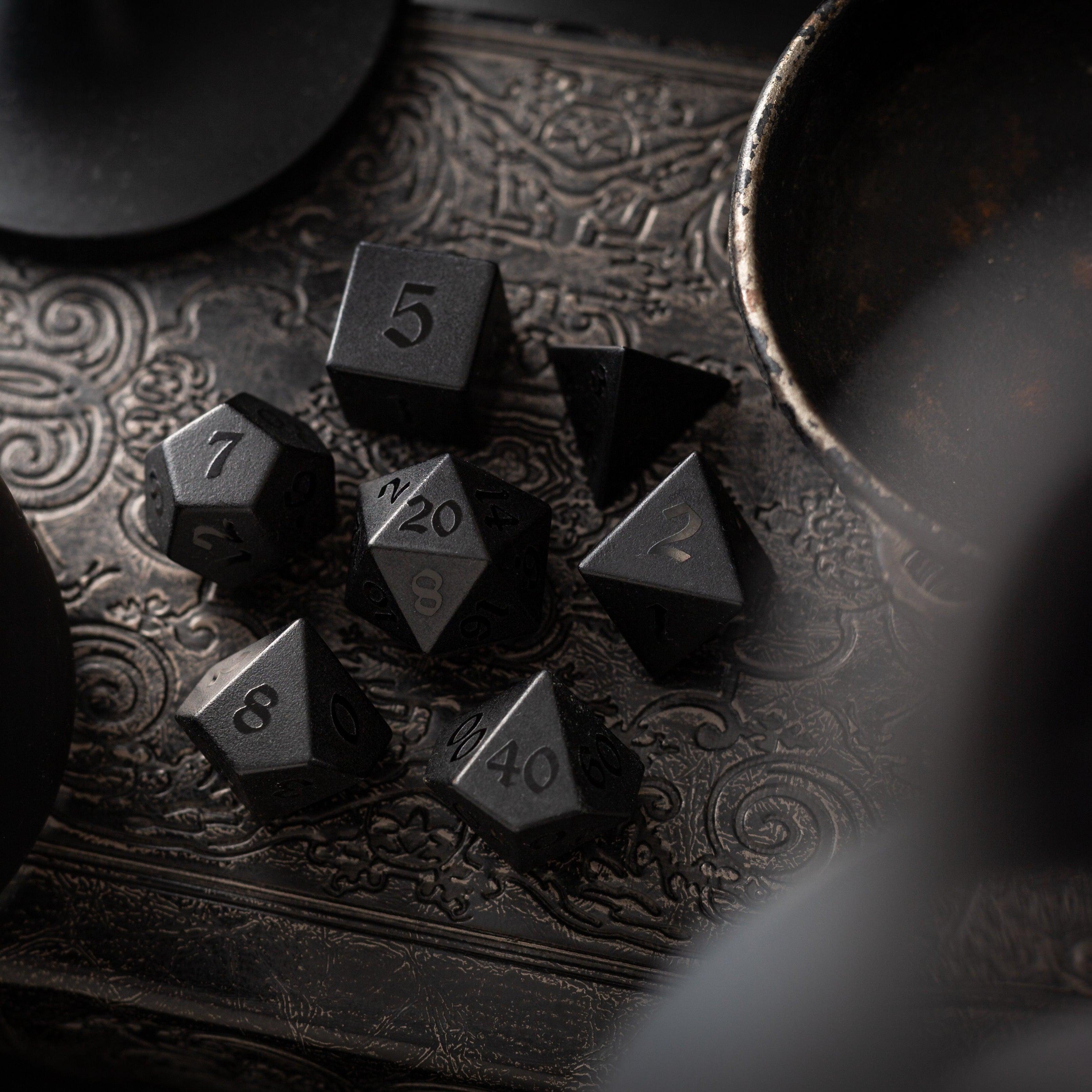
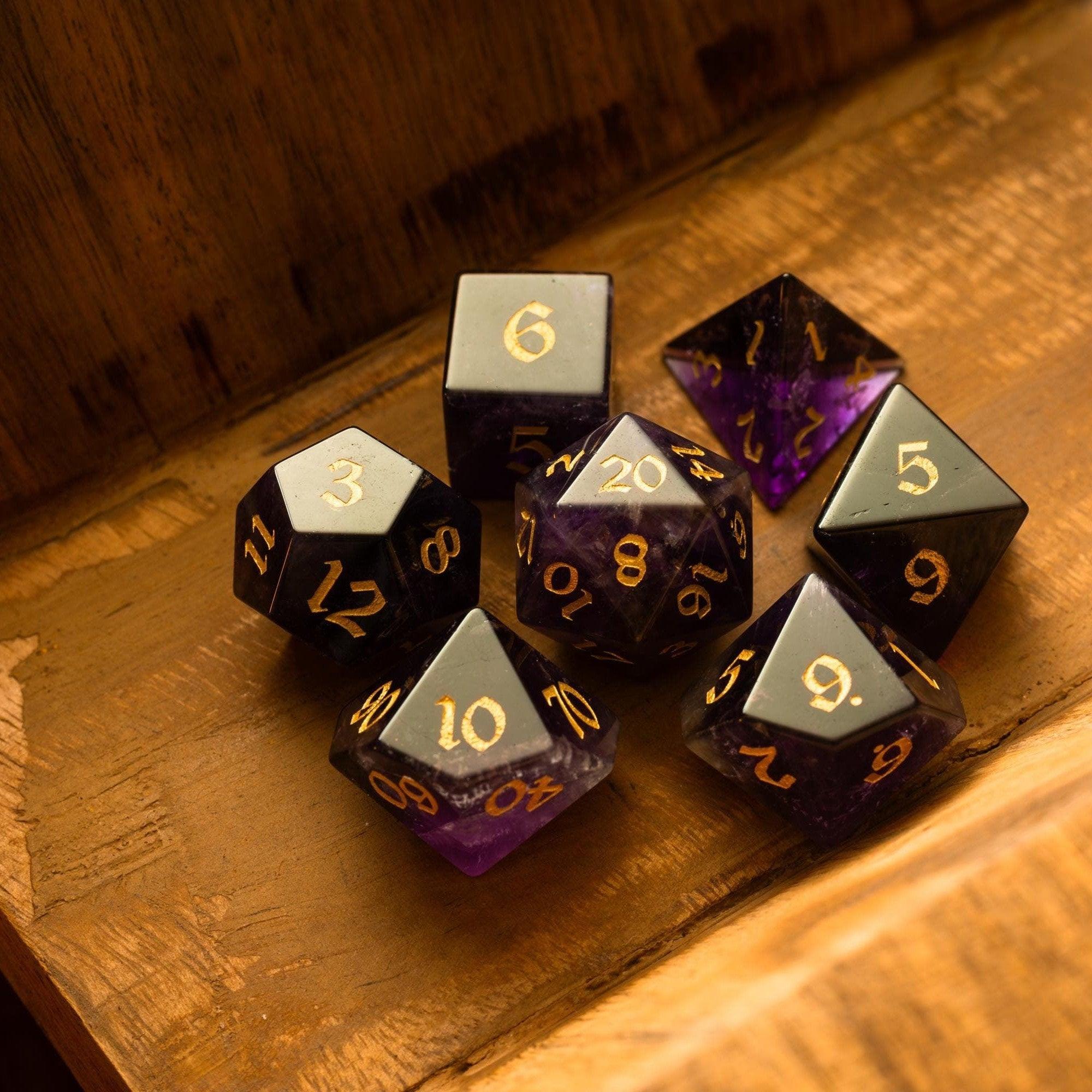
For example, a statement dice set can become your “signature” in photos or demo videos that you attach to your listing. A striking option is the Labradorite gemstone dice, pairing durable feel with shimmering color that looks fantastic in rulebook shots and character sheets. If you want a thematic set to match elemental or cosmic adventures, the swirling cores and suspended shimmer in the liquid core dice collection add drama to every roll—and to your photography.
Prefer an aesthetic that mirrors arcane artifacts or planar anomalies? The prismatic finishes in premium glass and dichroic designs can elevate your gallery images and session clips. As you assemble your creator toolkit, keep visual consistency in mind: using the same dice set across your promo images helps readers recognize your brand at a glance. Collections make it easy to pick a style and stick with it—start by browsing all gemstone dice or explore a distinct look like the dwarf-cut green dichroic glass set for an otherworldly vibe.
How to publish homebrew content on a tabletop game platform (step-by-step)
Here’s a straightforward workflow you can follow on most tabletop RPG user-generated content platforms:
- Define your scope: Is this a one-shot, a subclass, a monster pack, a map bundle, or a board game variant? State the intended system or base game up front.
- Set your goal: Clarify the player experience. “Fast, low-prep dungeon crawl” or “tactical boss fight with environmental hazards” helps readers opt in.
- Draft cleanly: Use readable headings, short paragraphs, and bullet lists. Keep stat blocks consistent with the game’s style.
- Edit for clarity: Simplify rules text and remove ambiguity. Add examples where needed.
- Playtest: Run at least one short session. Note friction points, confusion, or balance issues.
- Polish visuals: Add a cover image, a contents snapshot, and 2–4 clean photos of components, maps, or sample pages.
- Choose your license: Check the platform’s guidelines and any relevant open content policies to ensure you’re compliant.
- Upload and tag: Use accurate tags for system, level range, playtime, theme, and required components.
- Price or free: Decide on free, pay-what-you-want, or a fixed price. Describe the value (page count, maps included, printable tokens, VTT files).
- Respond and iterate: Monitor comments and ratings. Ship updates with a short changelog so early adopters feel heard.
Checklist to choose the best homebrew content platform for tabletop RPGs and board games
- Audience fit: Does the platform attract your system’s players and GMs?
- Search and tags: Robust filtering for system, level, theme, playtime, and content type.
- File support: PDFs, image packs, tokens, and, if relevant, VTT module formats.
- Licensing clarity: Clear terms for fan content, third-party content, and revenue rules.
- Review tools: Ratings, comments, and update notifications for followers.
- Creator analytics: Views, downloads, conversion rate, and traffic sources.
- Monetization: Free, PWYW, and fixed price options with transparent fees.
- Community standards: Enforced guidelines that keep discussions welcoming and on-topic.
- Support: Documentation and responsive help when you need it.
Did You Know? Facts About Homebrew Content Platforms for Tabletop Games
- Clear titles and concise summaries can increase click-through and improve discoverability on any DIY homebrew content platform for tabletop games.
- Publishing smaller, focused releases more often can build a steady audience faster than rare, sprawling releases.
- Cover images with readable, high-contrast text perform better in crowded listings.
- Including a one-page “Quick Start” boosts table readiness and earns positive reviews.
- Consistent branding (like using the same dice set and color palette) makes your creator profile memorable across a community-created content platform for tabletop games.

Pros & Cons Analysis: Using a Homebrew Content Platform for Tabletop Games
Publishing on a homebrew content platform for tabletop games has trade-offs. Here’s a quick comparison to help you decide:
-
Pros
- Built-in audience: Reach players actively searching for new content.
- Discovery tools: Tags, categories, and ratings surface your work to the right GMs.
- Faster iteration: Feedback loops help you refine balance and clarity quickly.
- Portfolio growth: A public catalog of releases builds credibility.
- Monetization options: Free, PWYW, or priced releases with transparent distribution.
-
Cons
- Platform fees: Revenue share reduces net earnings on paid releases.
- Licensing limits: Some systems have rules for what you can and can’t publish.
- Competition: Standing out requires consistent branding and quality.
- Algorithm shifts: Visibility can fluctuate based on platform updates.
Bottom line: If you want your content to reach new tables sooner, a tabletop RPG user-generated content platform is a strong start. If you prefer total control and fewer rules, self-hosting is an alternative—but it usually means slower discovery.
Safety, permissions, and community guidelines on a tabletop RPG user-generated content platform
Before uploading, review the platform’s rules for fan content, third-party stat blocks, and asset usage. Many creators publish under open licenses or fan content policies that set clear boundaries. Following these rules keeps your listing live and protects your reputation. It also helps players trust your work—when they know your monsters, maps, or variants are compliant, they’re more likely to use them at their table.
FAQ: Homebrew Content Platform for Tabletop Games
What is a homebrew content platform for tabletop games?
It’s a website or marketplace where creators publish fan-made or original material—adventures, classes, monsters, maps, lore, and board game variants. A homebrew content platform for tabletop games gives you tools to upload files, add descriptions and tags, and share your release with players who are actively looking for new content.
How do I publish and share homebrew content for tabletop games on such a platform?
Prepare a clear, edited document (usually a PDF), add supporting images or maps, and write a concise product description that explains system, level range, and playtime. Then upload your files, set pricing (free, pay-what-you-want, or fixed), and tag appropriately. After publishing, share a short announcement, post a few session photos, and ask for feedback to guide updates. For a deeper walkthrough, see the step-by-step list above.
Can I monetize my community-created content on these platforms?
Many platforms allow paid releases or pay-what-you-want. Always confirm the revenue share, payout schedule, and any licensing rules for the systems or assets you use. Transparent pricing, clear value statements, and honest previews help players decide quickly.
Which file formats work best for board game homebrew content sharing?
PDF is the most universal for rules, scenarios, and printable components. If your content includes tokens or maps, include high-resolution PNGs or JPGs. Some platforms also support VTT-optimized files, which can improve virtual play.
How can I grow an audience for my tabletop RPG user-generated content?
Release consistently, reply to comments, and keep your visuals on-brand. Offer a small freebie (like a one-page encounter) that points to your larger releases. Use clean photos featuring your table setup—matching dice sets, terrain, and minis can help your work stand out in thumbnails and social previews.
If you’re refreshing your table setup to complement your next release, consider a signature set that suits your theme. From shimmering cores to natural stone, you can explore curated options and find a look that matches your creative brand.
Quick creator tip: Keep a small “promo kit” folder with a cover image, two in-play photos, and a 50–80 word blurb. That way, each time you publish on a community-created content platform for tabletop games, you can promote faster and stay consistent.
Call to action: Level up your table visuals and give your next homebrew release the spotlight it deserves. Explore liquid core dice for dramatic photos, browse the full gemstone collection for a timeless aesthetic, discover the luminous dichroic glass set for arcane vibes, or anchor your brand with the versatile labradorite gemstone dice.
Disclaimer: This article is for informational purposes only. Always review platform terms, licensing policies, and relevant publisher guidelines before publishing or selling your content.
















Leave a comment
This site is protected by hCaptcha and the hCaptcha Privacy Policy and Terms of Service apply.