
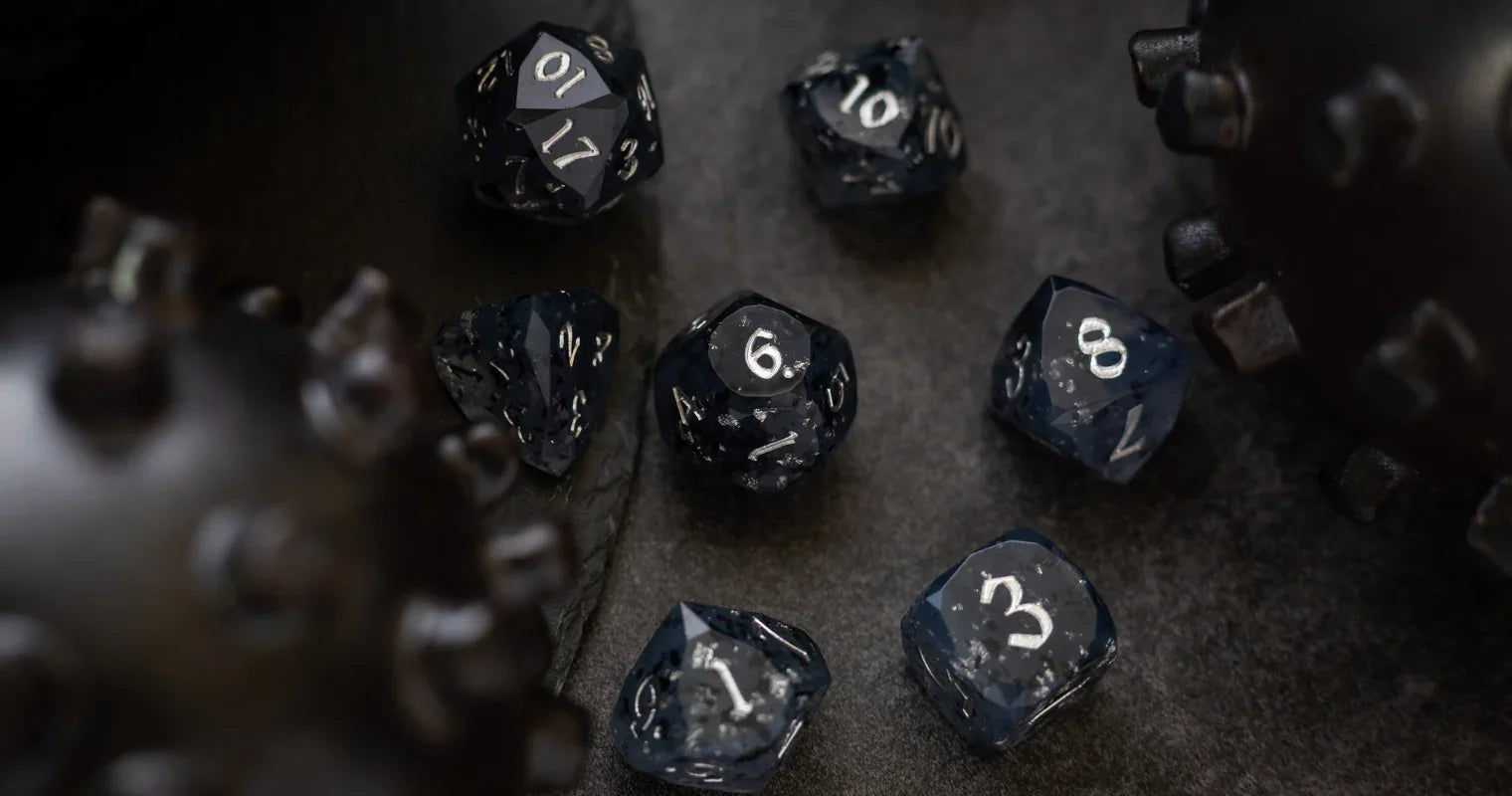
RPG Dice Balance Explained: How to Get Fair and Truly Random Rolls

There’s a special kind of silence at a tabletop RPG session right before a dice roll lands.
The wizard is down to one spell slot. The rogue is trying to disarm a deadly trap. The paladin needs a natural 20 to save the party from disaster. Every player at the table leans forward to watch a tiny piece of plastic, resin, or gemstone decide the fate of the moment.
That emotional connection is why players care so deeply about their dice.
For many tabletop fans, dice become part of the story itself. Certain sets seem heroic. Others feel cursed forever after a string of terrible rolls. Some players keep one trusted d20 for entire campaigns because it somehow “feels right” in their hand.
But behind all the rituals and superstition is a real question:
Are your dice actually fair?
In this RPG dice balance guide, we’ll break down what balanced DnD dice really are, how randomness works at the table, and how you can test your tabletop RPG dice without turning your game night into a science experiment.
What Does Dice Balance Actually Mean?
At its simplest, rpg dice balance refers to how evenly a die distributes its results over time.
A properly balanced die should have an equal chance of landing on every number. On a d20, that means each face should theoretically appear about 5% of the time over a very large number of rolls.
In reality, tiny imperfections can influence results slightly:
-
Air bubbles inside resin
-
Uneven polishing
-
Off-center numbering
-
Weight inconsistencies
-
Warped corners or edges
These issues can shift probability enough to matter in extreme cases, though most casual tabletop dice remain perfectly usable for regular gameplay.
The important thing is understanding that randomness naturally includes streaks. A fair die can still roll three natural 1s in a row. That doesn’t automatically mean the die is flawed.
True randomness often feels unfair because humans expect results to alternate more evenly than they actually do.
Why True Randomness Matters in Tabletop RPGs
Fair dice rolls help maintain trust at the table.
Players want combat victories to feel earned. Dungeon Masters want dramatic moments to feel authentic. Balanced dice support the shared storytelling experience by making outcomes feel unpredictable instead of manipulated.
That unpredictability is part of what makes tabletop RPGs magical.
A lucky critical hit becomes legendary because nobody knew it was coming.
A disastrous stealth roll becomes hilarious because failure was genuinely possible.
Without uncertainty, many of those emotional highs disappear.
Are Perfectly Fair Dice Realistic?
The short answer: not completely.
Even expensive dice are not manufactured with casino-level precision. Unlike professional gaming dice used in casinos, most fantasy RPG dice prioritize aesthetics, readability, and creativity alongside functionality.
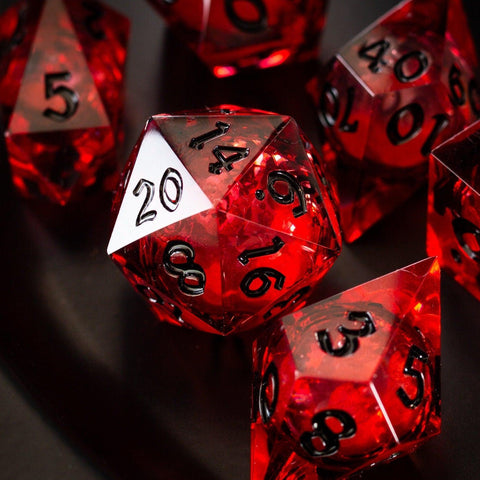
That’s especially true for visually elaborate dice like:
Fortunately, minor imperfections usually do not ruin gameplay.
Most balanced DnD dice are “fair enough” for tabletop sessions, especially when used casually among friends. The difference between a slightly imperfect die and a mathematically flawless one is often far smaller than players imagine.
In other words, your favorite d20 probably isn’t secretly sabotaging your campaign.
Common Dice Materials and Their Feel
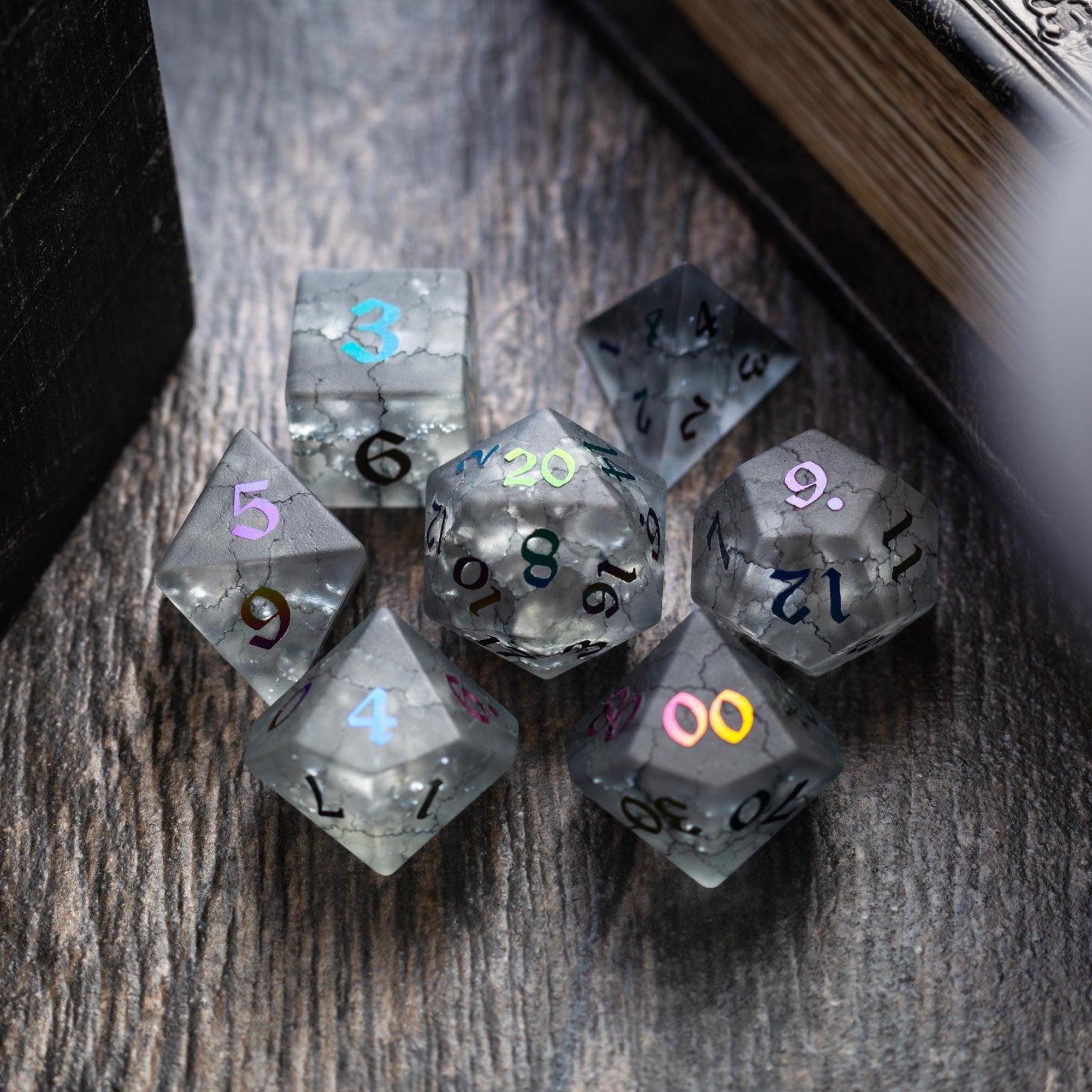
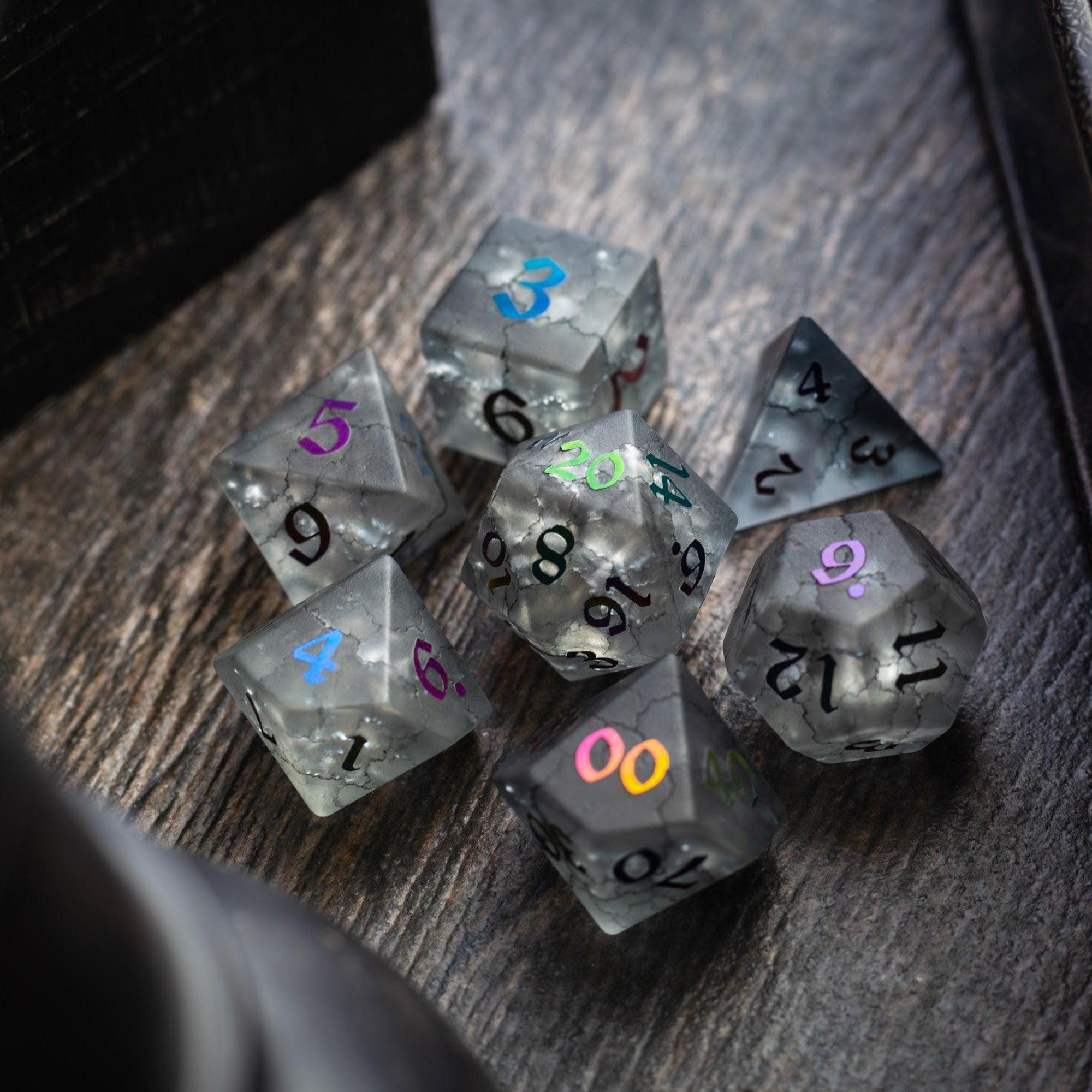
Different materials create different rolling experiences. While material alone does not guarantee fairness, it absolutely affects feel, handling, and immersion.
Resin Dice
Resin dice are the most common choice for everyday tabletop RPG dice.
They’re lightweight, affordable, colorful, and easy to roll across most surfaces. Many players prefer resin because it creates energetic bounce patterns without feeling too heavy or loud.
Well-made resin dice also tend to perform consistently for regular gameplay.
At Runic Dice, many players gravitate toward resin sets for long campaigns because they’re comfortable to handle during extended sessions and easy to read under normal table lighting.
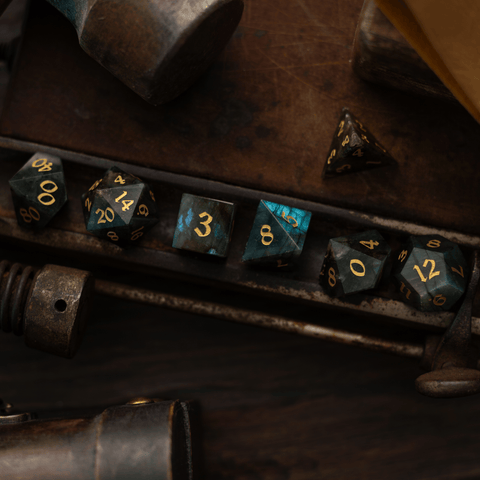
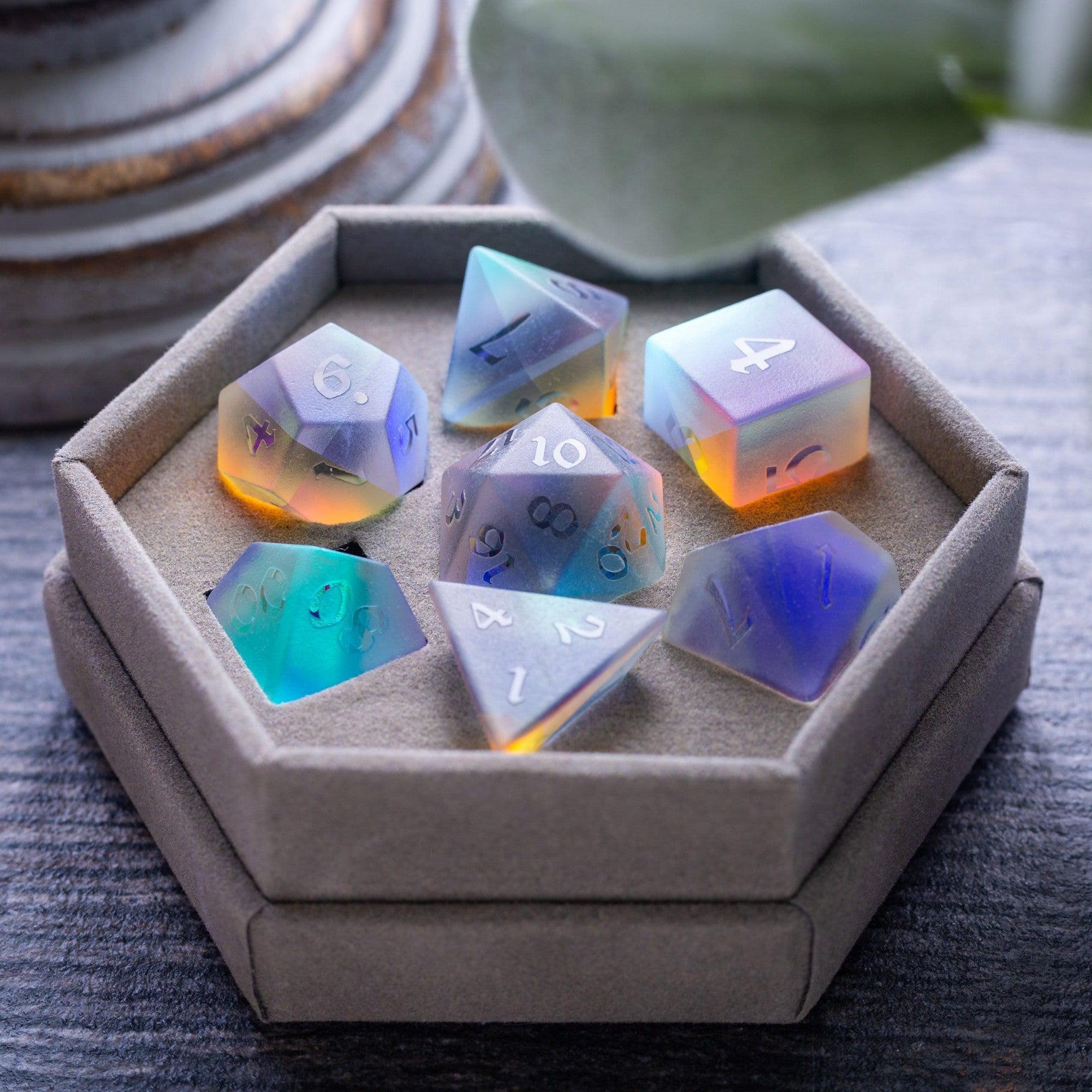
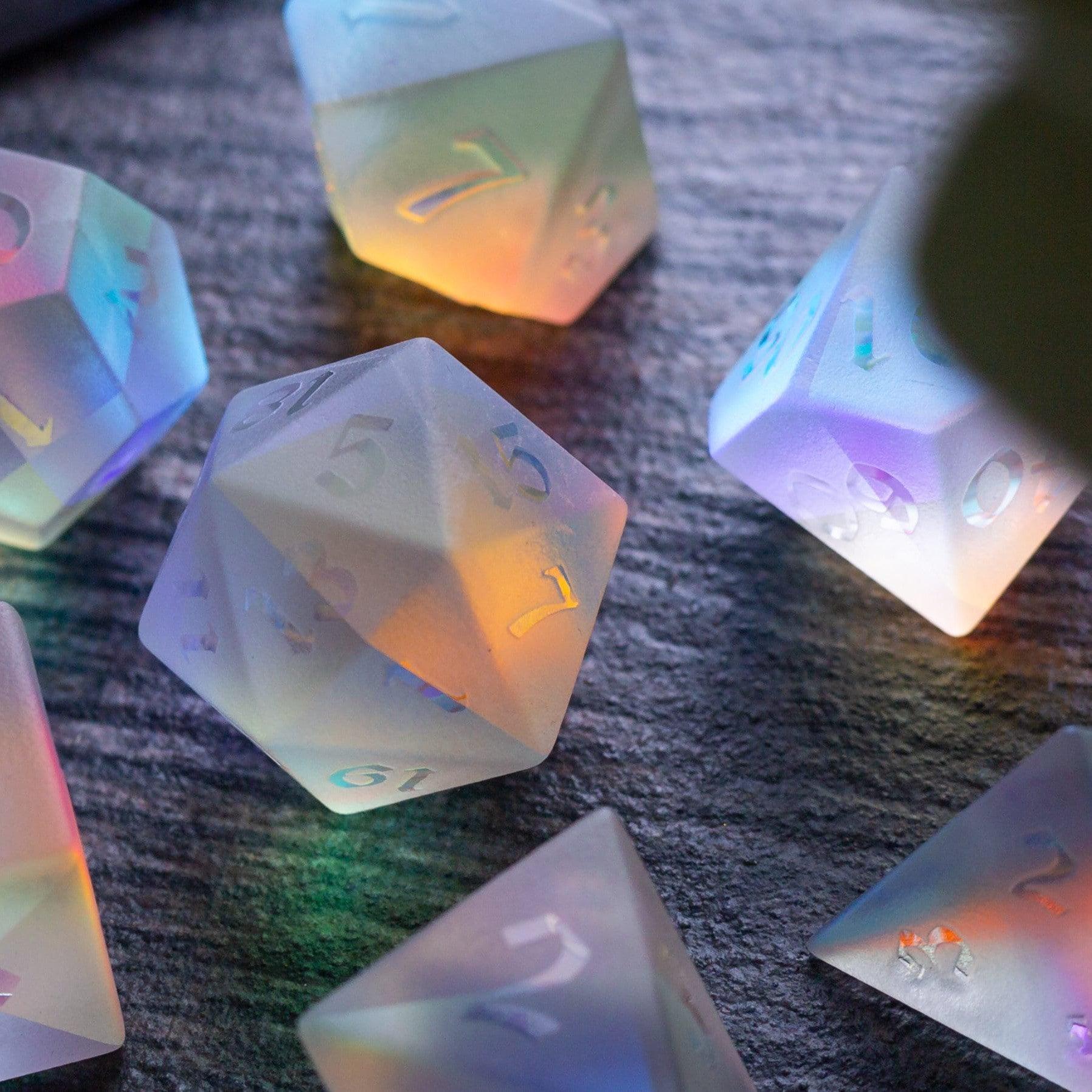
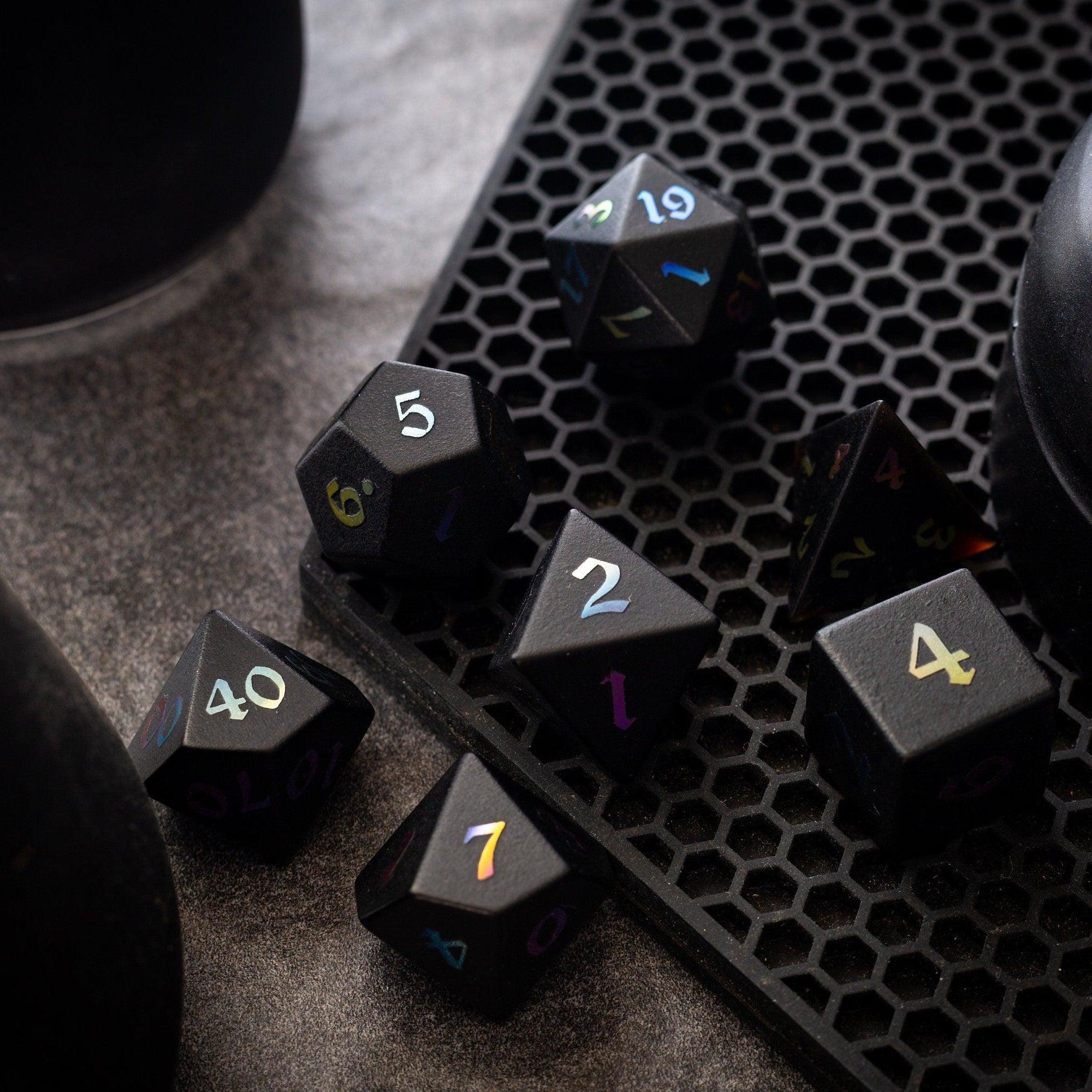
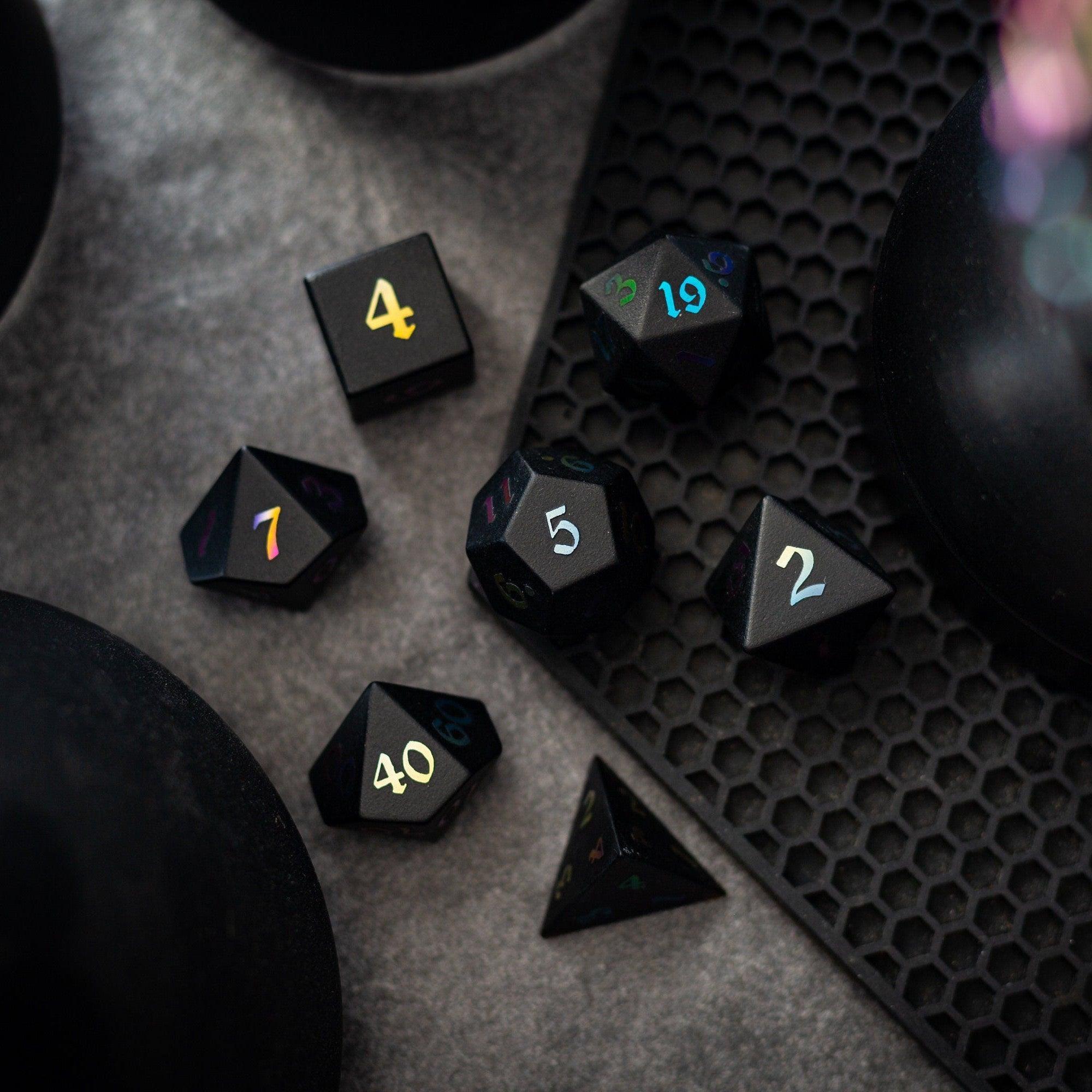
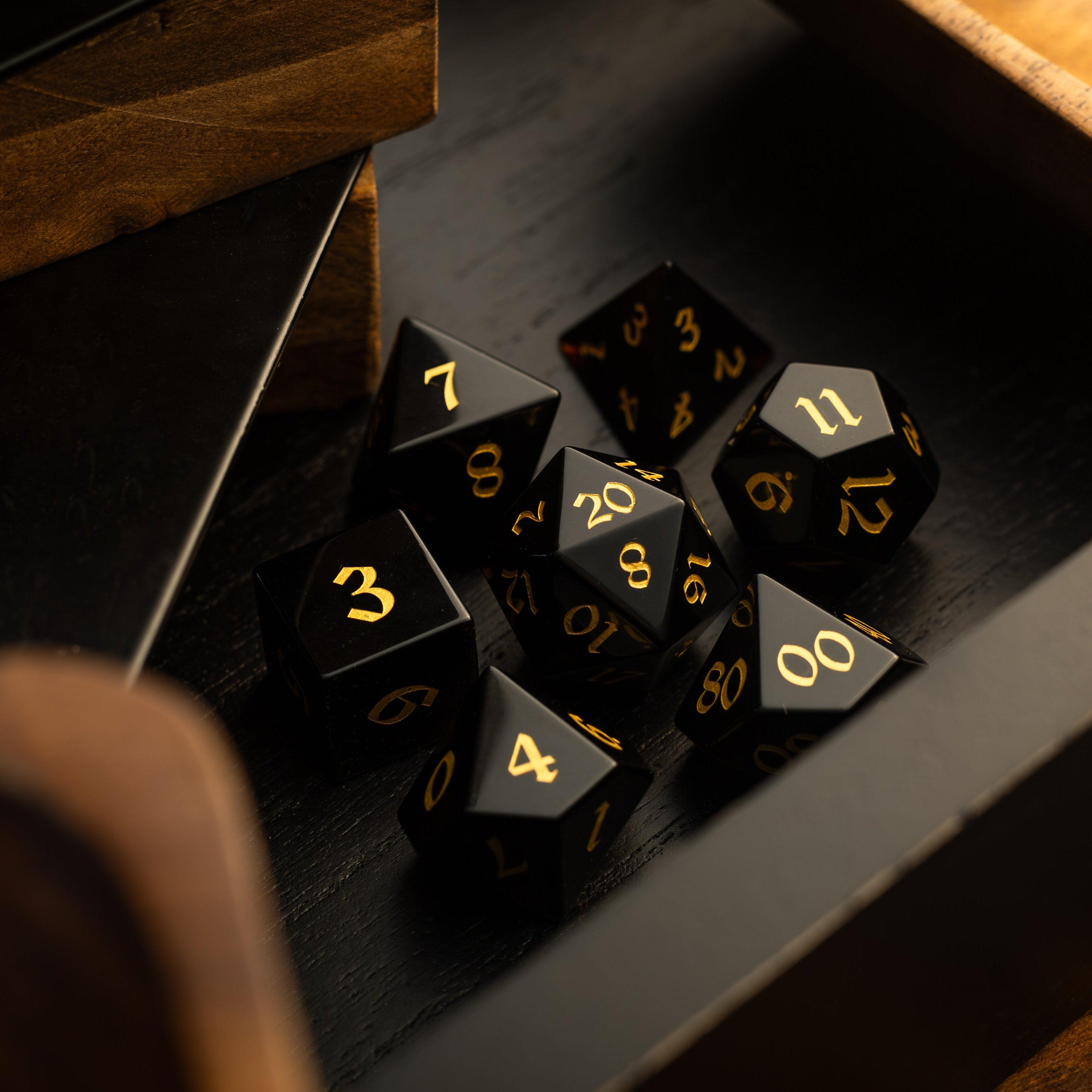
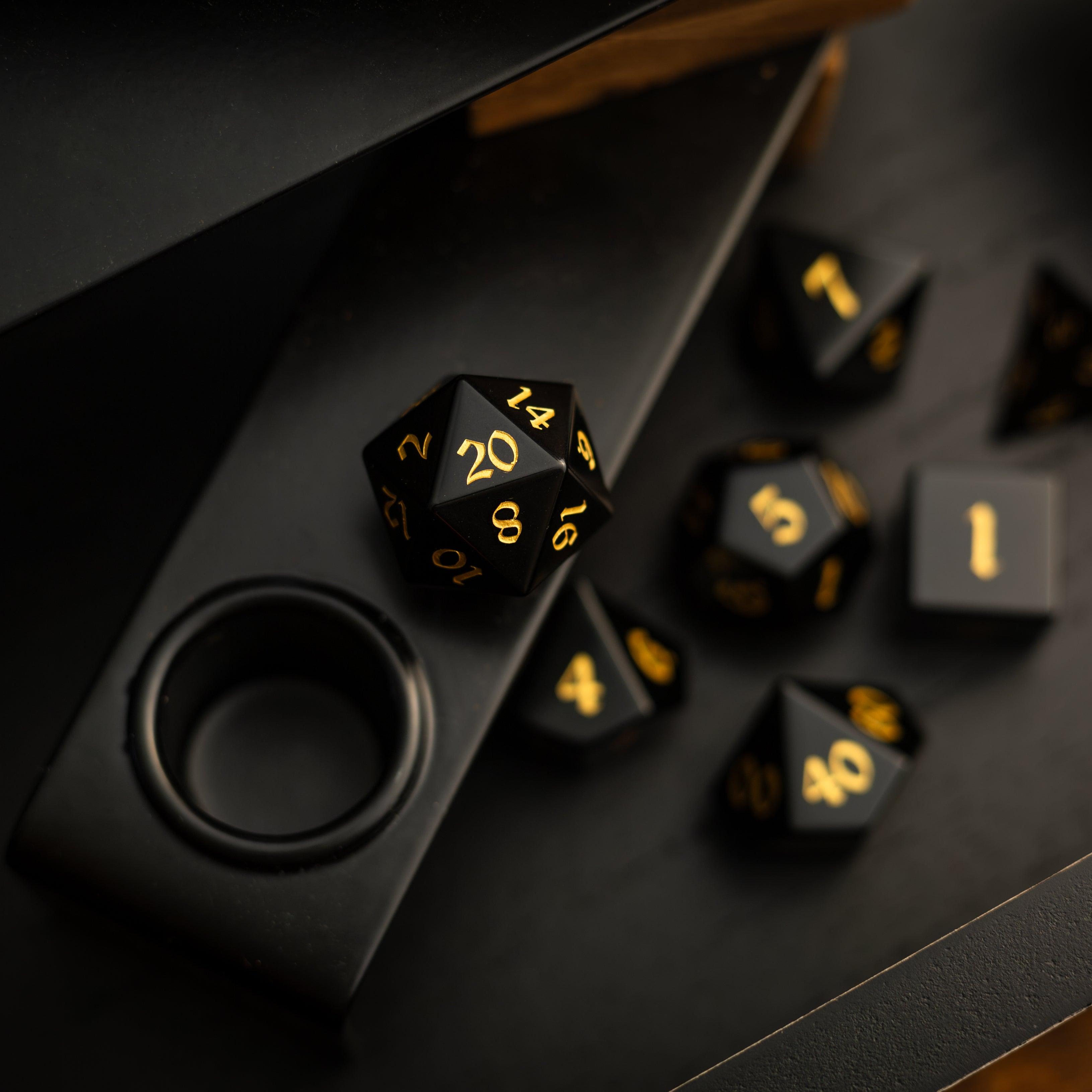
Gemstone Dice
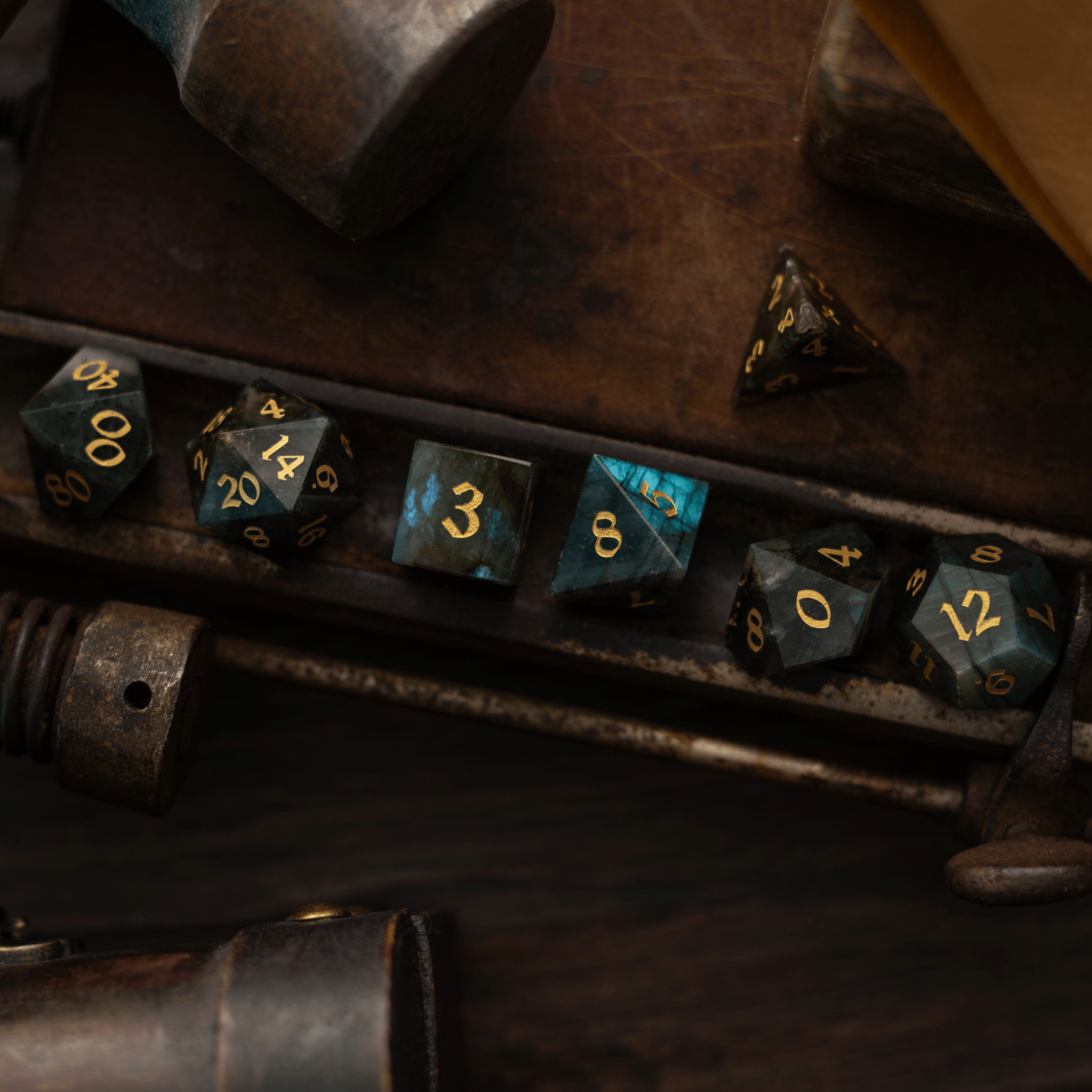
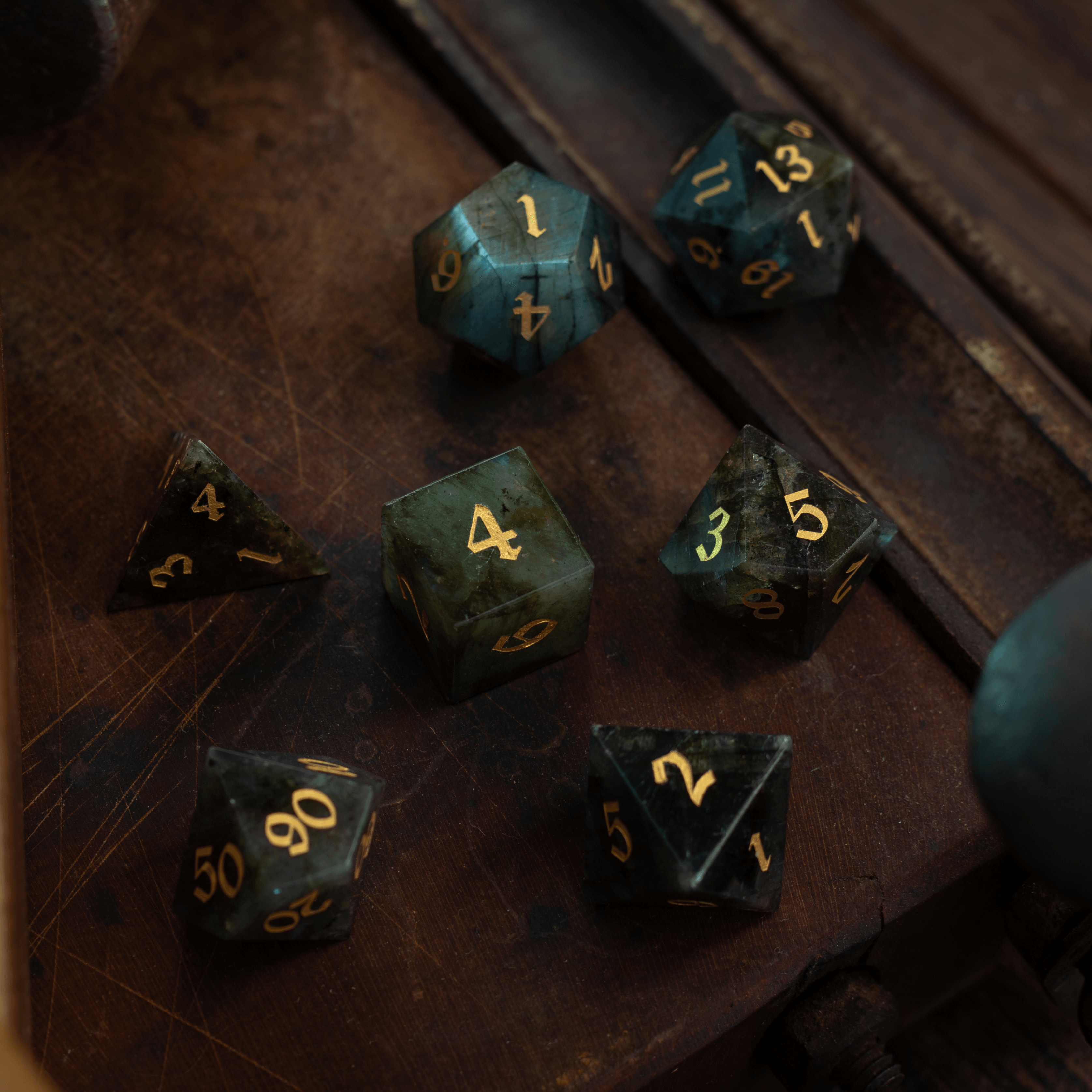
Gemstone dice feel entirely different in the hand.
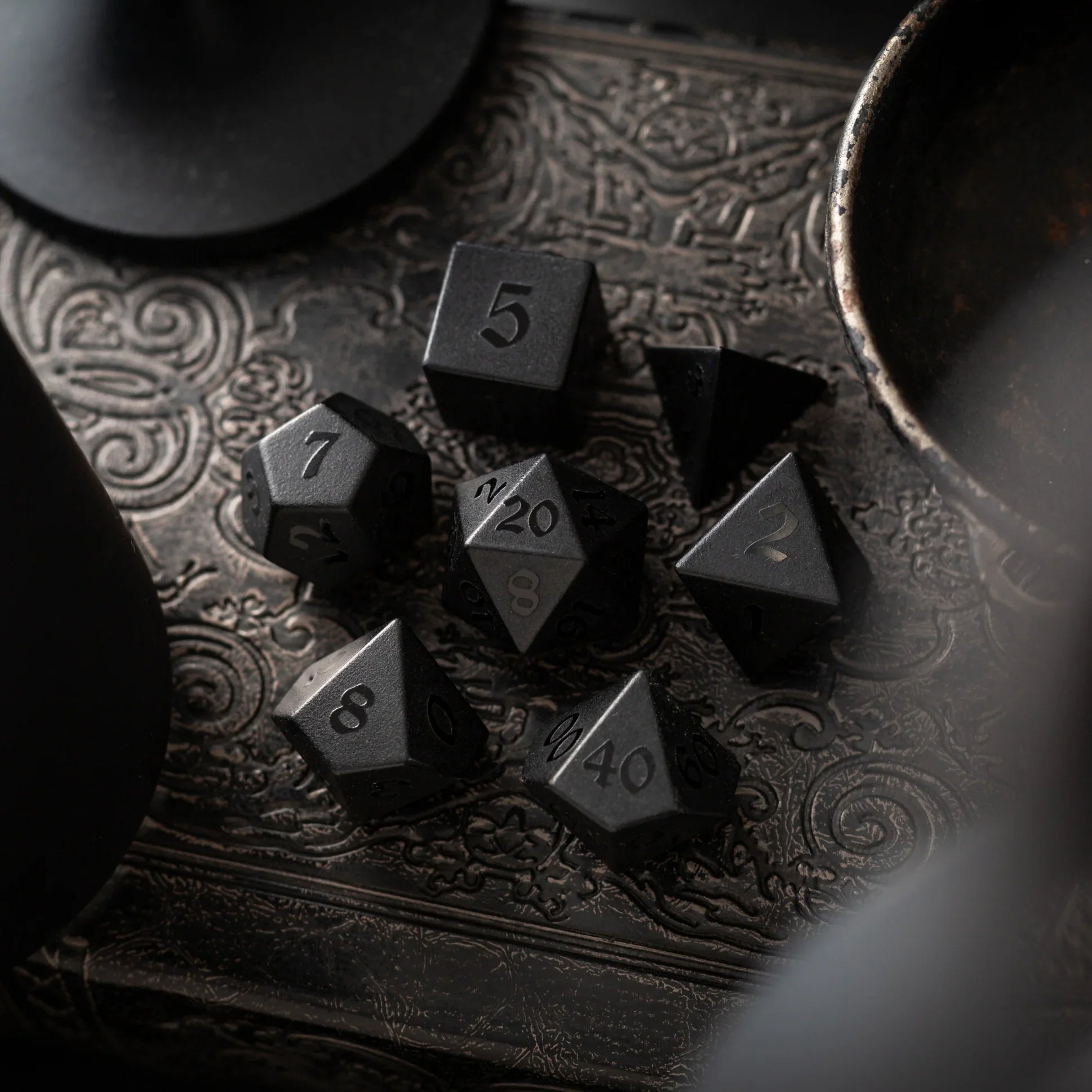
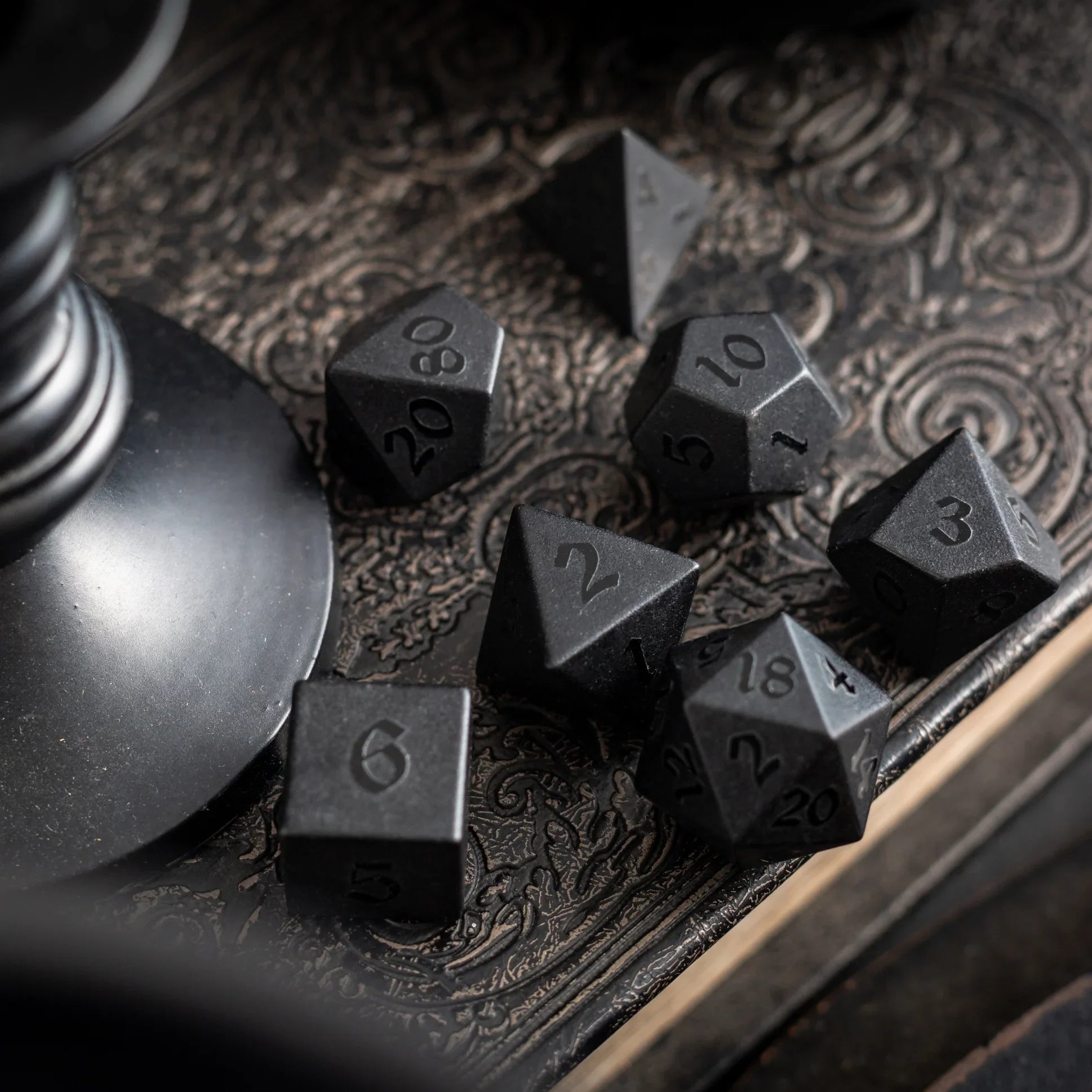
They’re heavier, smoother, and often roll with less bounce due to their weight. Rolling gemstone dice can feel ceremonial, especially during important boss fights or dramatic spellcasting moments.
Because gemstone dice are carved from natural materials, tiny variations can exist between sets. That uniqueness is part of the collector appeal.
Many players reserve gemstone dice for special characters or major campaign moments because they create such a strong sense of presence at the table.
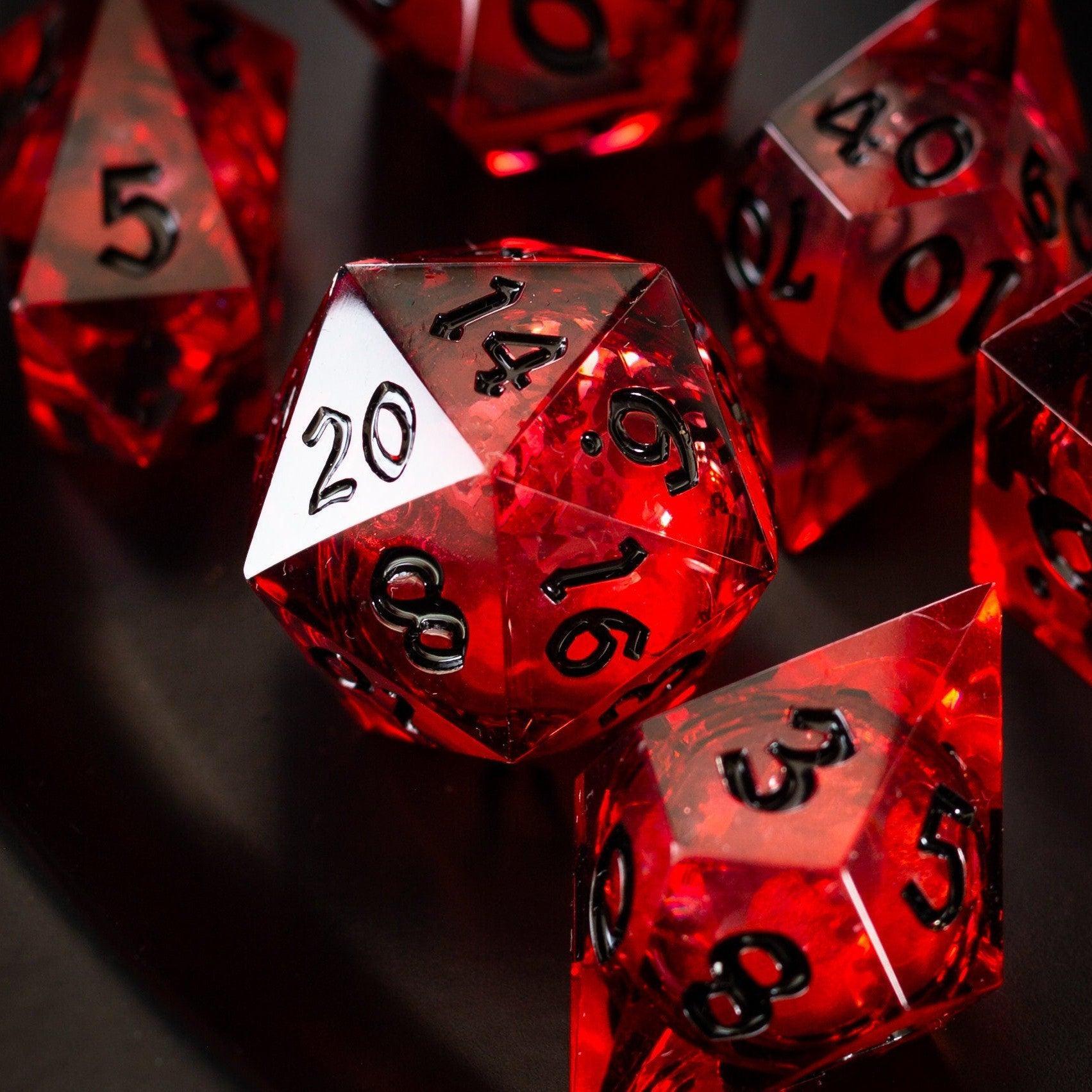
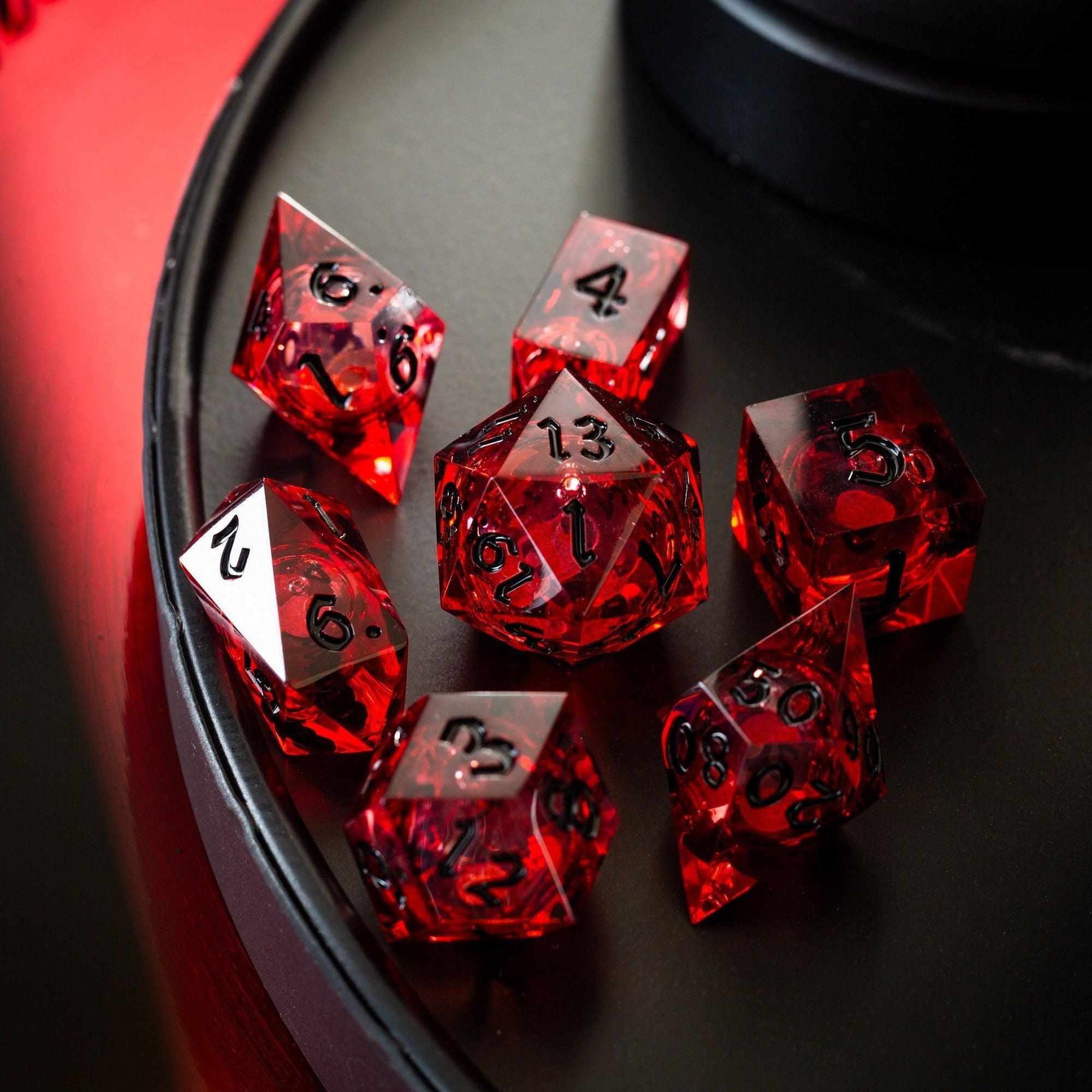
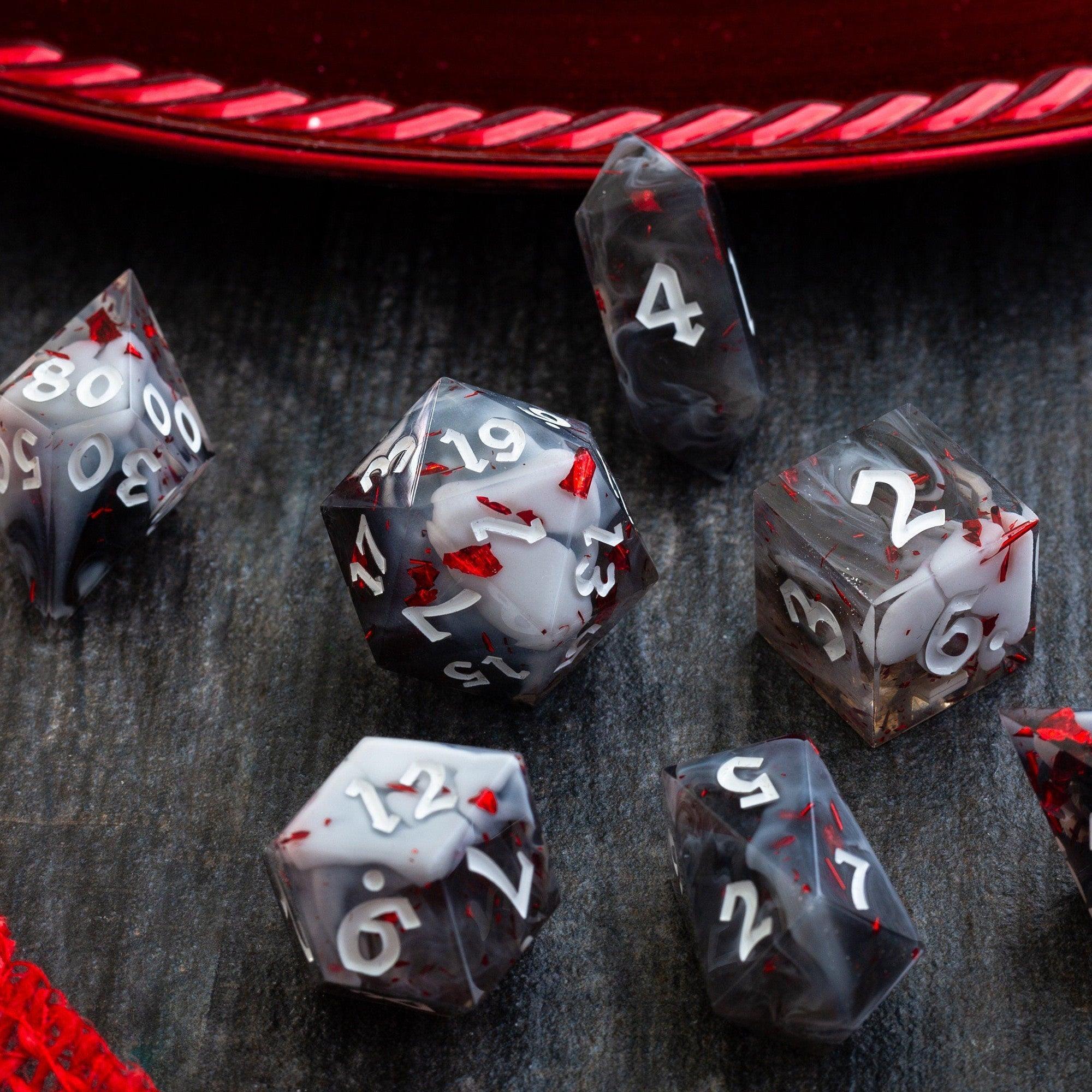
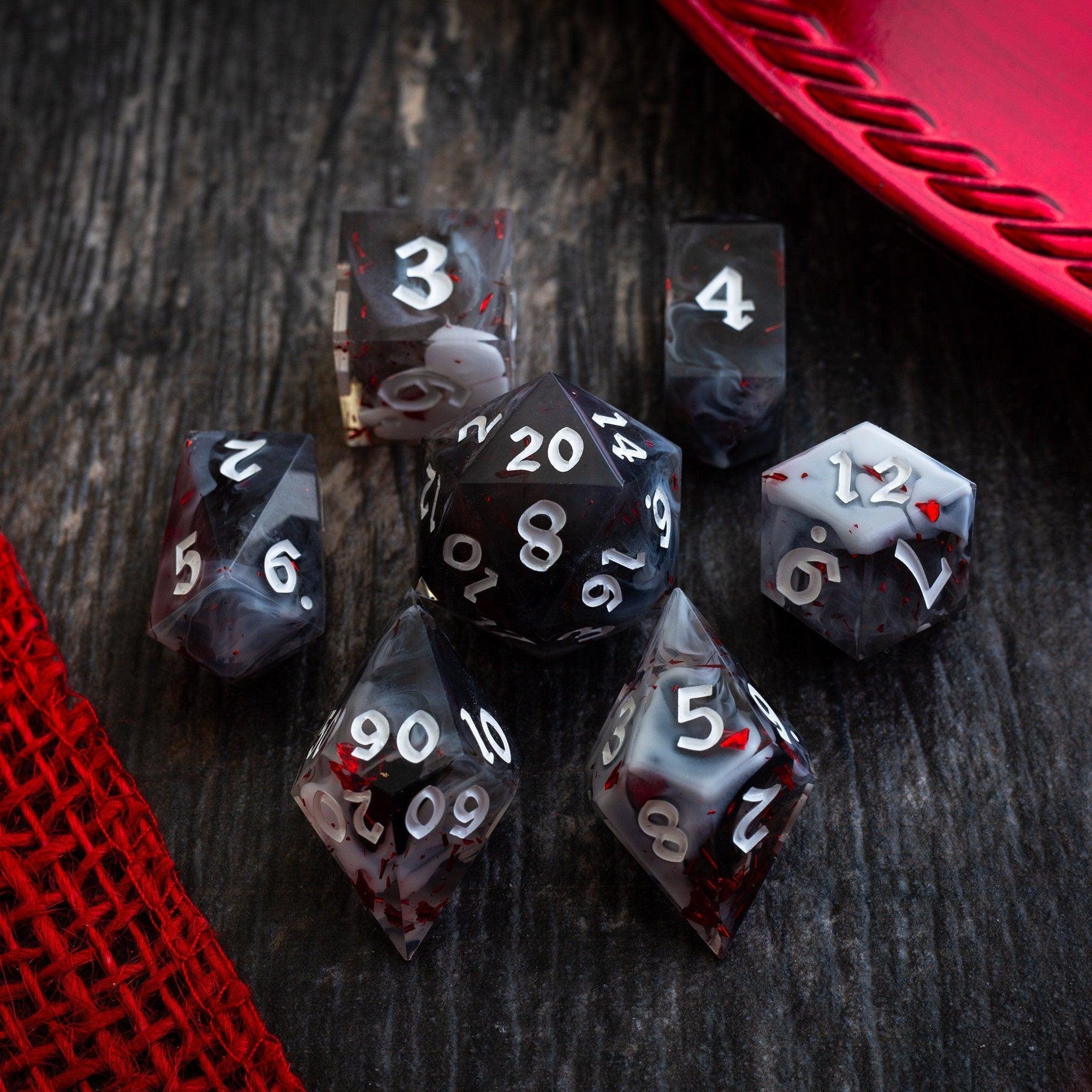
Liquid Core Dice
Liquid core dice combine visual spectacle with satisfying movement.
Inside the die, floating glitter or suspended effects swirl as the dice roll, creating a dramatic appearance that feels especially fitting for spellcasters and high-fantasy campaigns.
Players often associate liquid core dice with exciting moments because every roll becomes visually memorable.
Despite their artistic appearance, quality liquid core dice are generally designed carefully enough for standard gameplay use.
Resin Chonk Dice
Oversized resin chonk dice are all about drama.
These larger dice create louder impacts, heavier rolls, and unforgettable table presence. Many players use chonk d20s specifically for critical attacks, death saves, or finishing blows.
They may not always roll exactly like smaller dice due to size and momentum differences, but they absolutely contribute to the excitement and ritual side of tabletop gaming.
Dice Balance Comparison Table
|
Dice Type |
Rolling Feel |
Common Use |
Player Appeal |
|
Light, bouncy, fast |
Everyday gameplay |
Comfortable and versatile |
|
|
Heavy, smooth, deliberate |
Collector sets and dramatic moments |
Premium feel and immersion |
|
|
Balanced with visual motion |
Spellcasters and flashy rolls |
Visually exciting |
|
|
Heavy impact and dramatic bounce |
Critical rolls and special moments |
Memorable table presence |
How to Test Your Dice at Home
You do not need laboratory equipment to check how to test dice balance at home.
Simple observations can reveal obvious problems.
The Saltwater Test
This is one of the most popular casual testing methods.
You can create a saltwater mixture dense enough for plastic dice to float. Once floating, gently spin the die and observe whether certain numbers repeatedly rise or sink.
If the same face constantly settles upward, the die may have a weight imbalance.
Important note: this test is imperfect and works best as a rough indicator rather than proof.
Roll Frequency Tests
A practical approach is simply rolling the die many times.
Try:
-
Rolling a d20 around 100 times
-
Recording results
-
Looking for extremely unusual patterns
Minor streaks are normal. But if one number appears dramatically more often than others across large samples, something may be off.
Visual Inspection
Sometimes flaws are visible immediately.
Check for:
-
Uneven edges
-
Warped corners
-
Off-center numbering
-
Air bubbles near one side
-
Cracks or chips
Physical damage can affect rolling consistency more than tiny manufacturing imperfections.
Myths About “Cursed” or “Lucky” Dice
Every tabletop group has stories about cursed dice.
Maybe one d20 constantly fails saving throws. Maybe another somehow rolls critical hits during every boss encounter. Players naturally form emotional attachments because memorable outcomes stick in our minds.
This is largely due to confirmation bias.
People remember dramatic successes and failures far more vividly than average rolls.
But honestly, the superstition is part of the fun.
Many players develop rituals around their dice:
-
Retiring “bad” d20s
-
Saving favorite dice for important rolls
-
Organizing sets by character
-
Using different dice for different spells
These habits add personality and tradition to tabletop gaming. Even when players understand the statistics, they still enjoy the storytelling side of lucky dice.
And that’s part of what makes RPG culture special.
Why Rolling Style Matters Too
Players sometimes blame dice when the real influence comes from rolling conditions.
Dice Trays and Surfaces
A soft dice tray absorbs bounce differently than a wooden table.
Hard surfaces can produce more chaotic rolls, while padded trays reduce noise and control movement.
Throwing Technique
Rolling gently versus dropping dice aggressively changes how they tumble.
A proper roll should allow enough movement for randomness without turning the die into a projectile.
Table Texture
Uneven gaming mats, cluttered terrain pieces, and rulebooks can all affect how dice land.
Sometimes “bad luck” is really just poor rolling conditions.
Common Mistakes When Judging Dice Fairness
Players often jump to conclusions after only a few unlucky rolls.
Here are some common mistakes:
Expecting Perfect Distribution Immediately
Randomness takes time.
A fair d20 can absolutely roll multiple low numbers in a short session.
Overtesting Casual Dice
Fantasy dice are not precision scientific instruments.
Small imperfections are normal and rarely noticeable during actual gameplay.
Ignoring Emotional Bias
Bad rolls during important moments feel bigger emotionally.
Players tend to blame dice more after failed boss fights than after ordinary tavern encounters.
Choosing Dice You’ll Actually Enjoy Using
The best dice are not always the most mathematically perfect ones.
The best dice are the ones you genuinely enjoy rolling.
When choosing tabletop RPG dice, consider:
-
Readability
-
Comfort in hand
-
Weight preference
-
Rolling sound
-
Table presence
-
Character theme compatibility
Some players love lightweight resin dice because they roll quickly and clearly. Others prefer the heavier feel of gemstone dice because they create more dramatic moments.
Liquid core dice may appeal to players who enjoy flashy visual effects during spellcasting, while resin chonk dice often become centerpiece collectibles tied to unforgettable campaign stories.
Dice are tools, but they’re also emotional objects connected to shared adventures.
Why Dice Matter So Much in RPGs
Dice are tiny engines of tension.
They transform storytelling into uncertainty. They create suspense, triumph, disaster, comedy, and heartbreak in ways no scripted game can fully replicate.
Over time, players begin attaching memories to specific sets:
-
The die that landed the final dragon-slaying critical hit
-
The gemstone d20 used through an entire campaign
-
The oversized chonk die reserved for death saves
-
The liquid core set rolled during a wizard’s greatest spell
Those memories become part of the hobby itself.
And that emotional connection is exactly why players care so much about fair dice rolls in the first place.
Conclusion
At the end of the day, perfectly flawless dice are less important than many players think.
Good rpg dice balance matters because fairness supports trust, tension, and excitement at the table. But tabletop gaming is also about atmosphere, rituals, storytelling, and shared memories with friends.
A beautiful resin set that feels comfortable in your hand may become your trusted campaign companion for years. A gemstone d20 might only come out during climactic moments but still feel unforgettable every time it hits the table.
The important thing is finding dice that make the experience more immersive and enjoyable for you.
Because long after the campaign ends, most players won’t remember every rule or combat stat. They’ll remember the impossible critical hit, the disastrous natural 1, and the favorite dice set that rolled across the table when the story changed forever.

Leave a comment
This site is protected by hCaptcha and the hCaptcha Privacy Policy and Terms of Service apply.