
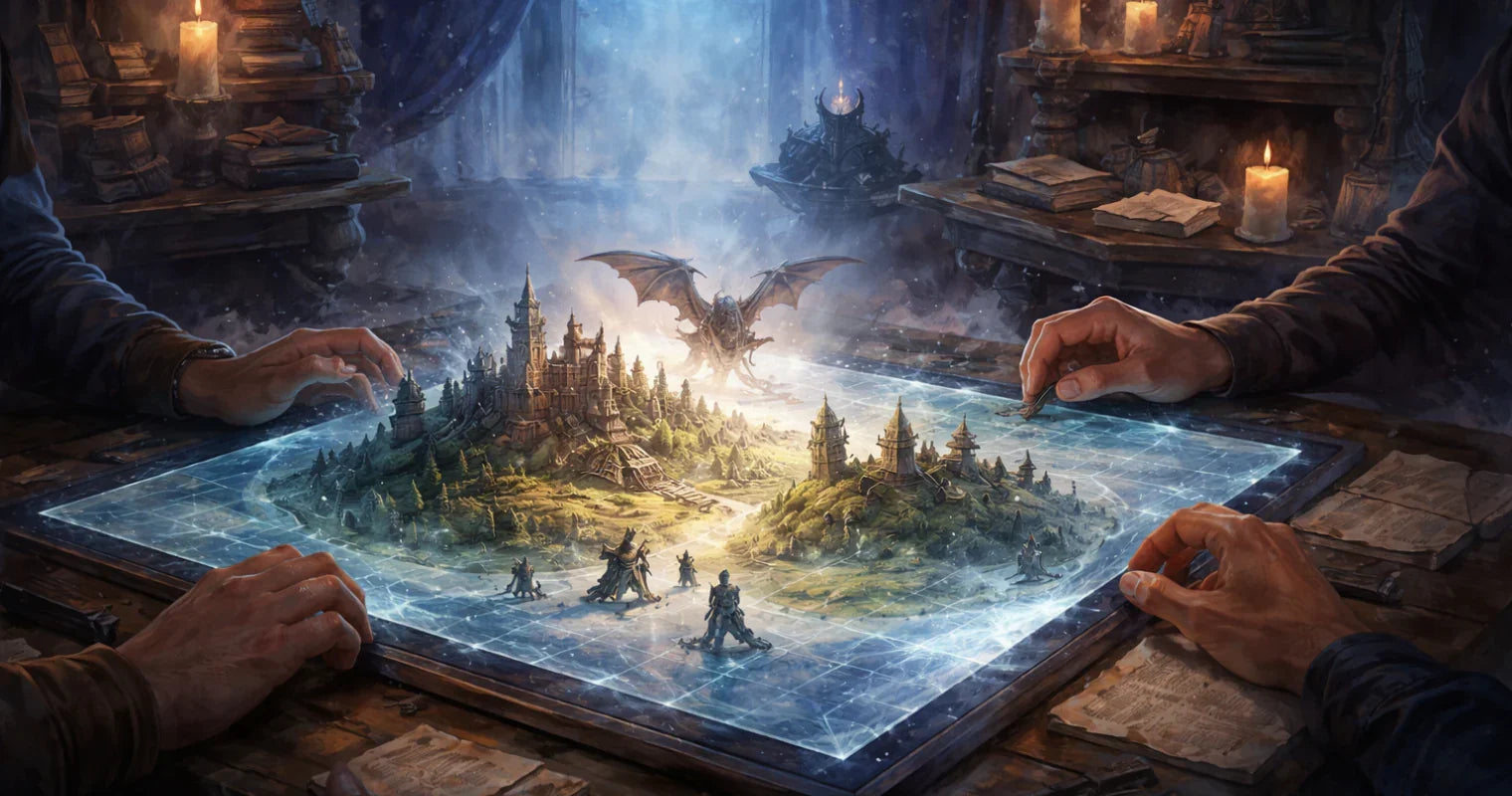
Mastering Dungeons and Dragons on Virtual Tabletops
Updated on: March 16, 2026
Wondering how to get started with online tabletop gaming? A Dungeons & Dragons virtual tabletop platform lets you play your favorite fantasy adventure from anywhere in the world. Discover the best tools, tips, and strategies to enhance your remote gaming experience and keep your party engaged for sessions to come.
- What is a Dungeons & Dragons Virtual Tabletop?
- Essential Tips for Online Gaming Success
- Detailed Step-by-Step Setup Guide
- Creating Engaging Campaigns Online
- Building Community With Your Players
- Summary and Key Takeaways
- Frequently Asked Questions
What is a Dungeons & Dragons Virtual Tabletop?

A Dungeons & Dragons virtual tabletop is an online platform that replicates the traditional in-person gaming experience. Instead of gathering around a physical table with character sheets and dice, players connect through the internet to explore dungeons, solve puzzles, and embark on epic quests together. These digital environments feature interactive maps, automated character sheets, and real-time collaboration tools that bring your fantasy stories to life.
Virtual tabletop platforms have revolutionized how tabletop roleplaying games are played. Whether you're separated by miles or just prefer the convenience of remote gaming, these tools make it easy to maintain regular sessions without geographical limitations. The beauty of this technology is that it combines the spontaneity and creativity of traditional play with the convenience of digital accessibility.
Essential Tips for Online Gaming Success
- Choose the Right Platform: Research different virtual tabletop options to find one that matches your group's needs, technical comfort level, and budget. Popular choices include Roll20, Fantasy Grounds, and Foundry Virtual Tabletop, each with unique features and pricing models.
- Test Your Technology: Ensure your internet connection is stable and all participants have working microphones and cameras. Technical difficulties can derail an otherwise great gaming session, so run a test call before your first adventure begins.
- Create Clear House Rules: Establish expectations around behavior, scheduling, and gameplay mechanics within your virtual space. Written rules help prevent misunderstandings and create a welcoming environment for everyone at the table.
- Invest in Quality Audio: Crystal-clear communication is essential for remote gaming. Consider investing in a decent microphone headset to enhance your voice quality and reduce background noise that distracts other players.
- Prepare Digital Assets: Gather character portraits, map images, and music soundtracks ahead of time. Organized preparation makes sessions run smoothly and keeps players immersed in the adventure.
- Take Regular Breaks: Online gaming can be mentally taxing. Schedule short breaks every hour to rest your eyes and stretch, keeping the energy level consistent throughout your session.
- Engage All Players Equally: Make a conscious effort to involve quieter party members in conversations and decision-making moments. Virtual environments can feel isolating for some players, so actively encourage participation.
- Keep Campaign Notes Organized: Use digital documents or note-taking apps to track important story details, character development, and plot threads. Accessible records help you maintain continuity between sessions.
Detailed Step-by-Step Setup Guide
Step One: Select Your Virtual Tabletop Platform
Begin by researching the available options and comparing their features. Each platform offers different strengths—some excel at automation, others prioritize user-friendly design. Invite your gaming group to explore options together and vote on which platform works best for your collective needs. This collaborative approach ensures everyone feels invested in the choice.
Step Two: Create Your Game Space
Once you've chosen your platform, set up your campaign or game world. Most virtual tabletop systems allow you to create custom worlds with personalized settings, backstories, and atmospheric details. Take time to design your world thoughtfully—players respond enthusiastically to immersive environments that feel lived-in and authentic.

Step Three: Invite Your Players
Send invitations to your gaming group with clear instructions on how to access the platform and create their accounts. Provide a simple getting-started guide or video tutorial to help less tech-savvy players navigate the system. Remember that patience during setup creates a positive experience from day one.
Step Four: Help Players Build Characters
Walk each player through character creation within your chosen platform. Most virtual tabletop systems include automated character builders that calculate stats, manage inventory, and track resources automatically. This eliminates math errors and speeds up gameplay significantly.
Step Five: Conduct Your Session Zero
Hold an initial meeting dedicated to establishing expectations, discussing campaign themes, and building party chemistry. Session zero is where you address player concerns, clarify house rules, and ensure everyone understands how your virtual table operates. This foundational meeting prevents headaches later.
Step Six: Run Your First Adventure
Start with a relatively short scenario to help everyone get comfortable with the platform's mechanics. Simple early adventures give players time to learn the interface while you focus on storytelling rather than complex rules explanations.
Creating Engaging Campaigns Online
Crafting compelling stories for a Dungeons & Dragons virtual tabletop requires thoughtful preparation, but the reward is incredible immersion. Unlike traditional gaming, digital platforms allow you to incorporate music, animated effects, and precisely timed reveals that enhance emotional impact.
Start by developing a central conflict that drives your narrative forward. This might be a rising evil empire, a mysterious plague affecting a region, or a personal vendetta affecting one of your characters. Clear central tensions give your campaign direction and help you improvise encounters that feel meaningful rather than random.
Build branching storylines that account for player agency and unpredictable choices. Players will inevitably surprise you—that's part of the joy. Create flexible scenarios that can adapt to different player decisions while maintaining narrative coherence. Rather than a railroad track, think of your campaign as a river with multiple channels flowing toward the same destination.

Use the visual capabilities of your virtual platform to create memorable moments. Animated transitions between locations, sudden visual reveals during dramatic turns, and atmospheric lighting changes all enhance storytelling. These digital tools are superpowers that in-person tables don't have—leverage them strategically.
Building Community With Your Players
The heart of tabletop gaming is human connection. While your virtual tabletop platform provides the mechanics, fostering genuine community keeps players returning session after session. Create spaces beyond the game table where players can interact—a Discord server, group chat, or collaborative document where they develop characters and share creative ideas.
Celebrate player achievements and character moments. When a player makes a particularly clever decision or their character experiences meaningful development, acknowledge it enthusiastically. Public recognition builds investment in the shared story and encourages more creative play.
Consider periodic off-table activities that strengthen bonds. Mini-games between sessions, one-on-one chats with players about their character arcs, and collaborative world-building sessions all deepen the community. These moments transform random players into genuine friends invested in each other's fun.
Remember that some players are quieter than others, and virtual environments can amplify social anxiety. Proactively create low-pressure opportunities for shy players to contribute. Direct questions, spotlight their character's unique skills, and build scenes that naturally involve their character in the action.
Summary and Key Takeaways
Playing Dungeons & Dragons through a virtual tabletop opens worlds of possibility for remote gaming communities. Whether you're a seasoned Dungeon Master or completely new to the hobby, these platforms democratize tabletop gaming by removing geographical barriers and making the experience accessible to everyone.
Success starts with choosing the right platform for your group's needs, ensuring stable technology, and establishing clear communication. Prepare engaging content, stay flexible when players make unexpected choices, and prioritize building community alongside gameplay mechanics. The technical tools matter less than the genuine human connection at your virtual table.
Your first sessions might feel clunky as everyone learns the interface, but persistence pays off quickly. Within a few hours of play, your group will find rhythm and flow. Soon you'll look back wondering how you ever gamed without these amazing tools.
If you're ready to embark on this adventure, start small, stay organized, and keep communication open with your group. The magic of tabletop gaming translates beautifully to virtual spaces—you just need the right platform and enthusiastic players ready to explore imaginary worlds together.
Frequently Asked Questions
What equipment do I need to play on a Dungeons & Dragons virtual tabletop?
You'll need a computer or tablet with a stable internet connection, a microphone for voice communication, and ideally a camera for video. A mouse or trackpad for clicking and navigating helps considerably. Some players also enjoy physical dice sets like gemstone dice collections to roll outside the platform, though many digital systems have built-in random number generators.
Is a Dungeons & Dragons virtual tabletop suitable for beginners?
Absolutely. Virtual platforms are excellent for newcomers because they automate complicated calculations and provide clear visual references. Character sheets display automatically, spell effects are clearly marked, and players don't need to memorize complex rules. Most platforms include tutorials and new-player-friendly documentation.
How much does it cost to use a Dungeons & Dragons virtual tabletop?
Pricing varies widely. Some platforms like Roll20 offer free basic accounts with paid premium features, while others like Foundry Virtual Tabletop require a one-time purchase. Many Dungeon Masters find that a modest investment in premium features is worthwhile for the enhanced experience and functionality it provides.
Can I use physical dice with virtual tabletop play?
Yes, many groups use physical dice rolled outside the platform while playing online. This combines the tactile satisfaction of quality dice—like handcrafted gemstone sets—with the convenience of digital gameplay. Some players find physical dice enhance immersion and give them something to hold during long sessions.
What happens if someone has technical difficulties during a session?
Have a backup communication method ready, such as a phone number or secondary video app. Most technical issues resolve quickly. Keep your campaign notes saved and synchronized so you can continue playing even if the primary platform experiences problems. Build patience into your group culture.
How do I maintain player engagement in a virtual environment?
Vary your session structure, use visual and audio effects strategically, give every player meaningful actions each session, and create compelling character-focused moments. Regular breaks prevent fatigue, and keeping sessions between two and three hours helps maintain focus and enthusiasm.

















Leave a comment
This site is protected by hCaptcha and the hCaptcha Privacy Policy and Terms of Service apply.