5e Character Building Practical Guide to Strong Characters
Updated on: March 16, 2026
Creating a Dungeons and Dragons character from scratch can feel overwhelming, but it doesn't have to be. Whether you're rolling up your first hero or your tenth, understanding the fundamentals of fifth edition character building will help you craft a memorable adventurer. This guide walks you through common pitfalls, essential decisions, and practical tips to make your next character truly shine at the table.
- Common Mistakes When Building Fifth Edition Characters
- Buyer's Checklist for New Adventurers
- Frequently Asked Questions
- Wrap-Up and Final Thoughts
Common Mistakes When Building Fifth Edition Characters

When you're learning about fifth edition character building, it's easy to stumble into some classic traps. The most common mistake? Ignoring your character's background story. Many players dive straight into ability scores and hit points without considering who their character actually is. Your background isn't just flavor text—it shapes your motivations, skills, and how you interact with the world. A character without personality feels flat, no matter how optimized their stats are.
Another frequent error is dumping mental ability scores without thinking through the consequences. Sure, your barbarian might not need high intelligence, but a dump stat below eight can create awkward situations in social encounters or roleplay moments. You don't need to be great at everything, but being incompetent at something can limit your fun at the table.
Many new players also overlook multiclassing pitfalls. While mixing classes can be fun and creative, spreading yourself too thin across multiple levels means you never reach the powerful abilities that define each class. A character with three levels in three different classes will feel weak compared to a specialized build. Plan your multiclass journey carefully if you go that route.
Overlooking the importance of Armor Class is another trap. New players sometimes invest heavily in ability scores while ignoring defensive options. A character with amazing attack rolls but low AC won't survive long in combat. Finding the right balance between offense and defense matters more than you might think.

Understanding Fifth Edition Character Building Fundamentals
Fifth edition character building starts with understanding the six core ability scores: Strength, Dexterity, Constitution, Intelligence, Wisdom, and Charisma. These scores determine everything from your attack bonuses to your spell save DC. The standard array method gives you scores of fifteen, fourteen, thirteen, twelve, ten, and eight to distribute however you like. This approach ensures balance while letting you prioritize what matters to your concept.
Your choice of race and class create the foundation of your character. Each race offers ability score increases and special traits that complement certain classes beautifully. A half-orc barbarian gets the benefits designed to enhance a melee powerhouse, while a high elf wizard gains a bonus to Dexterity and extra spells. Understanding these synergies helps you build something cohesive rather than haphazard.
Feat selection is where fifth edition character building truly becomes personal. Feats let you customize your character beyond class abilities. Want to be a spellcaster who's also deadly in melee? Grab War Caster. Prefer being the toughest character at the table? Resilient or Great Weapon Master might suit you. Your feat choices shape how you play and what you're good at doing.
Spell selection for casters deserves special attention. Your prepared spells or known spells define your capability in and out of combat. Picking purely damage-dealing spells leaves you vulnerable to problems your party's other members handle better. Balance offense with utility spells that solve problems creatively. Control spells, healing options, and buffs make you versatile and valuable to your group.
Buyer's Checklist for New Adventurers
Before you finalize your character, work through this checklist to ensure you're ready for the table:
- Have you chosen a race that appeals to you mechanically and thematically?
- Does your class choice align with your character concept?
- Are your ability scores distributed logically for your build?
- Have you selected skills that make sense for your background and class?
- Do you understand your class's core features and how they work?
- Have you picked spells (if applicable) that feel useful and fun?
- Does your Armor Class seem reasonable for your role in combat?
- Have you written a background that connects to the campaign world?
- Do you have at least one skill where you feel competent and valuable?
- Have you discussed your character concept with your Dungeon Master?
- Do you know how to calculate your attack bonuses and spell modifiers?
- Have you considered your character's personality and how they'll interact with the party?
Walking through this checklist takes the stress out of character creation. You'll feel confident and prepared when you sit at the table, ready to bring your adventure to life. Taking time during character creation pays dividends during actual gameplay.
Making Smart Choices for Your Build
Creating a strong character requires thinking ahead. If you're planning a melee character, you want high Strength or Dexterity plus decent Constitution for hit points. If you're building a spellcaster, prioritize your spell attack modifier—Wisdom for clerics, Intelligence for wizards, Charisma for sorcerers. Having a clear priority helps you allocate ability scores without second-guessing yourself.
Consider your party composition when building. If everyone else is a damage dealer, a support character like a cleric or bard becomes incredibly valuable. Conversely, if your group lacks damage output, you might lean into offensive capabilities. This doesn't mean you can't play what you want, but awareness helps you contribute in ways your party needs.
Don't underestimate skill expertise. Expertise doubles your proficiency bonus for specific skills, making you the go-to person for certain tasks. A rogue with expertise in Stealth becomes the party's scout. A bard with expertise in Persuasion becomes the face. Building around expertise helps you shine in your niche.
Equipment choices matter more than new players realize. The right armor keeps you alive longer. Magical items found later transform your capabilities. Even simple choices like carrying rope, torches, and basic tools solve problems without requiring dice rolls. Practical equipment thinking sometimes matters as much as character abilities.
Frequently Asked Questions
What's the best approach for fifth edition character building?
There's no single best approach because different tables and campaigns reward different strategies. However, starting with a clear concept—who is this character?—and then building mechanics around that concept works reliably. Let your imagination drive mechanical choices rather than chasing optimization at the expense of fun.
Should I always maximize my primary ability score?
Generally yes, but not obsessively. A wizard with eighteen Intelligence is powerful, but a wizard with sixteen Intelligence who invested in better Dexterity for Armor Class survives better. Balance optimization with survivability. Your character only participates in the story if they're still alive.
How do I avoid making a useless character?
Focus on having at least one thing you're genuinely good at. Whether that's dealing damage, controlling the battlefield, supporting allies, or exploring and solving mysteries, having a clear role prevents feeling helpless. Invest in that role, then branch out from there.
Can I change my character after creation?
Talk to your Dungeon Master. Most tables allow minor adjustments before playing begins. Some DMs permit respeccing between sessions early in a campaign. Building a character is a collaborative process, so communication with your table prevents regret.
What resources help with fifth edition character building?
Your Player's Handbook is the essential foundation. Beyond that, many online communities and builder tools exist, but they're supplements, not replacements, for understanding the core rules. Learning how your abilities work helps you make better choices than any tool can suggest.
Wrap-Up and Final Thoughts
Fifth edition character building blends mechanics and storytelling into something magical. The beauty of fifth edition is that you can build dozens of different characters within the same class—each one plays uniquely because of personal choices you make. Your dwarf fighter and your gnome fighter will feel completely different despite having the same class.
Remember that your character isn't fixed in stone before the campaign begins. You'll discover who they are through playing them. Their values shift, their relationships develop, and their capabilities grow. The character sheet is a starting point, not a final declaration.
Take your time with character creation. Read your abilities carefully. Talk with your group about your concept. Discuss with your Dungeon Master how your character fits the campaign. When you invest thought and care into building your character, you'll enjoy playing them immensely.
One last thought: don't worry about optimizing perfectly. Play something you're excited about. Enthusiasm at the table beats mathematical optimization every single time. Your excitement becomes infectious, making everyone's experience better. Build bold, play with heart, and let your character's story unfold naturally as you adventure together.
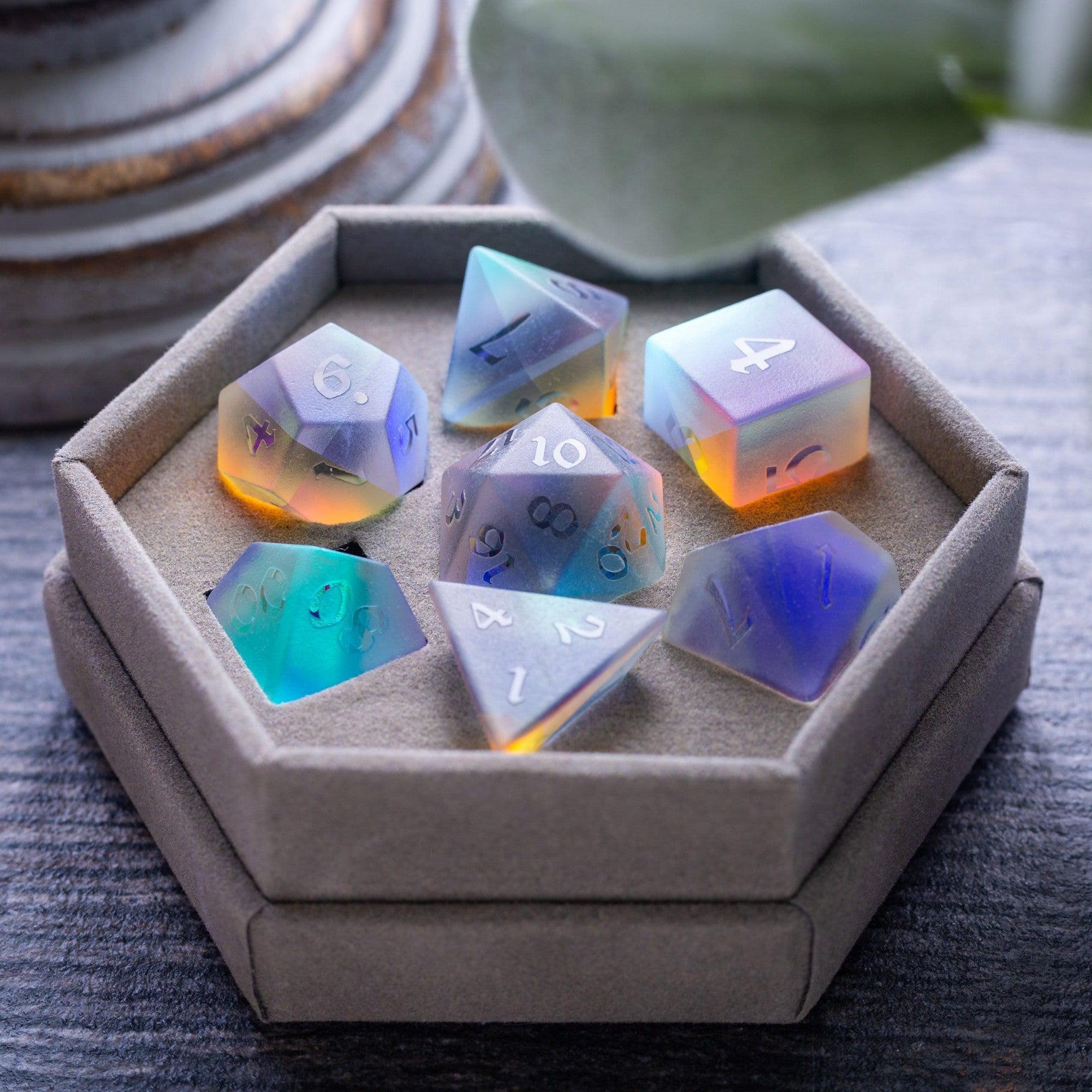
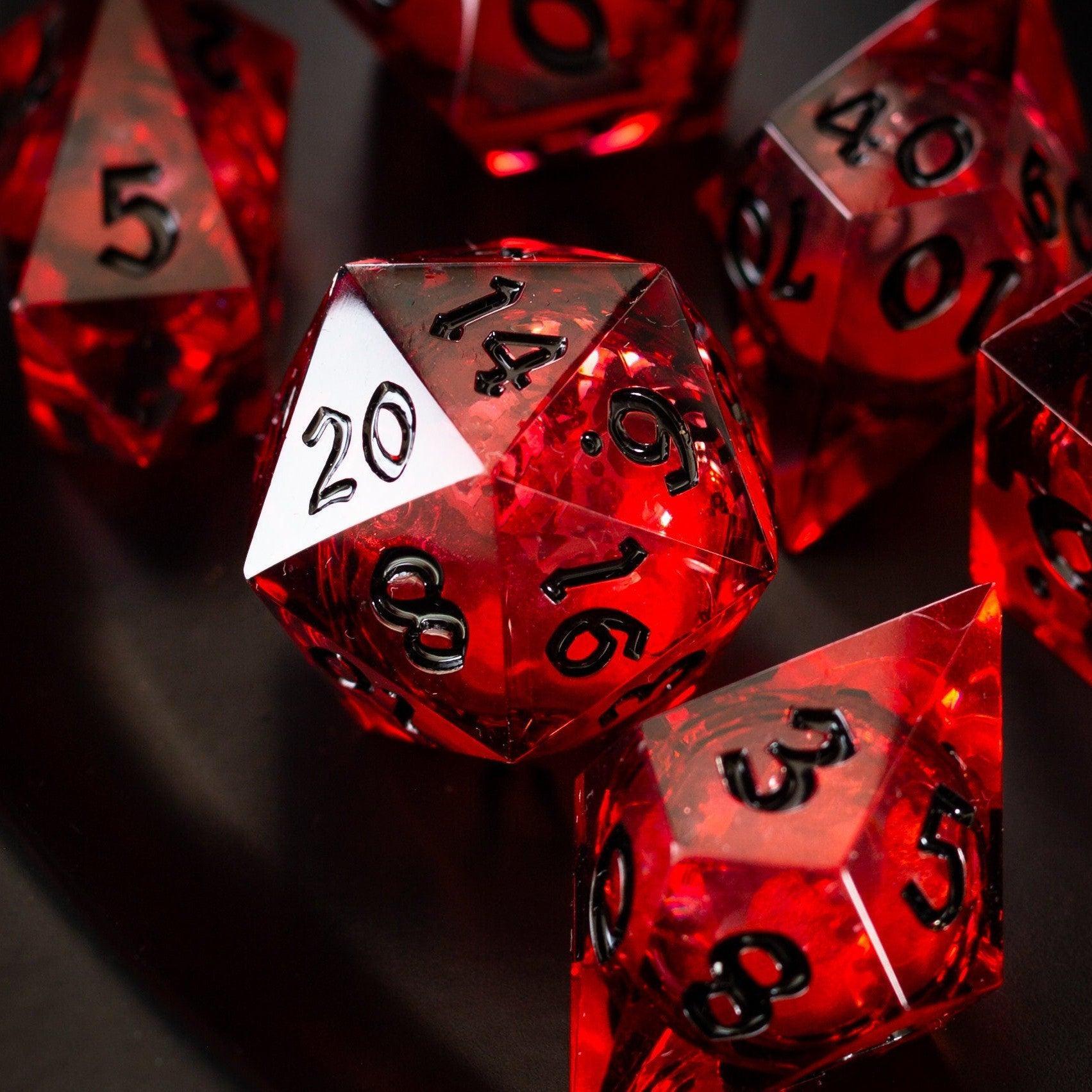
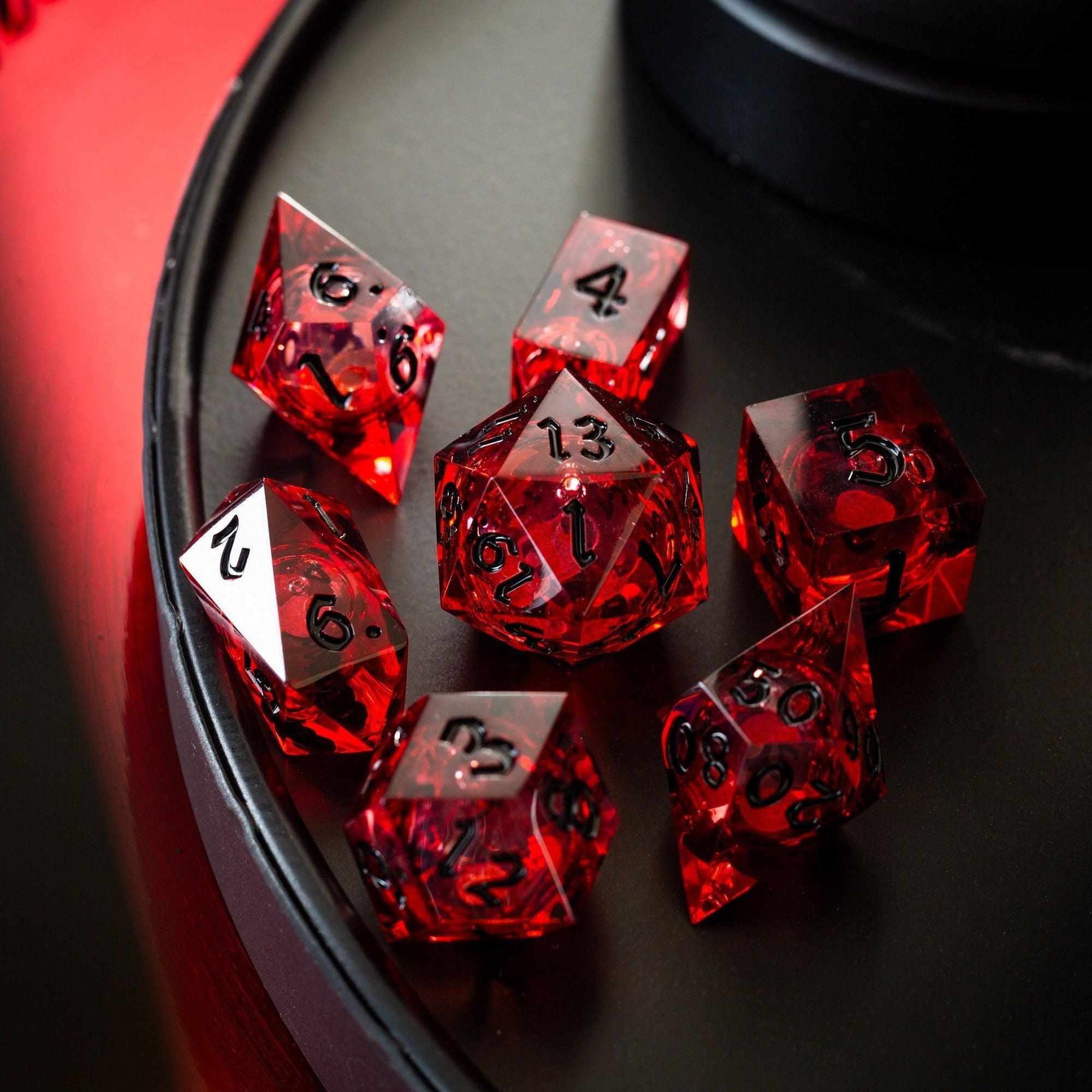
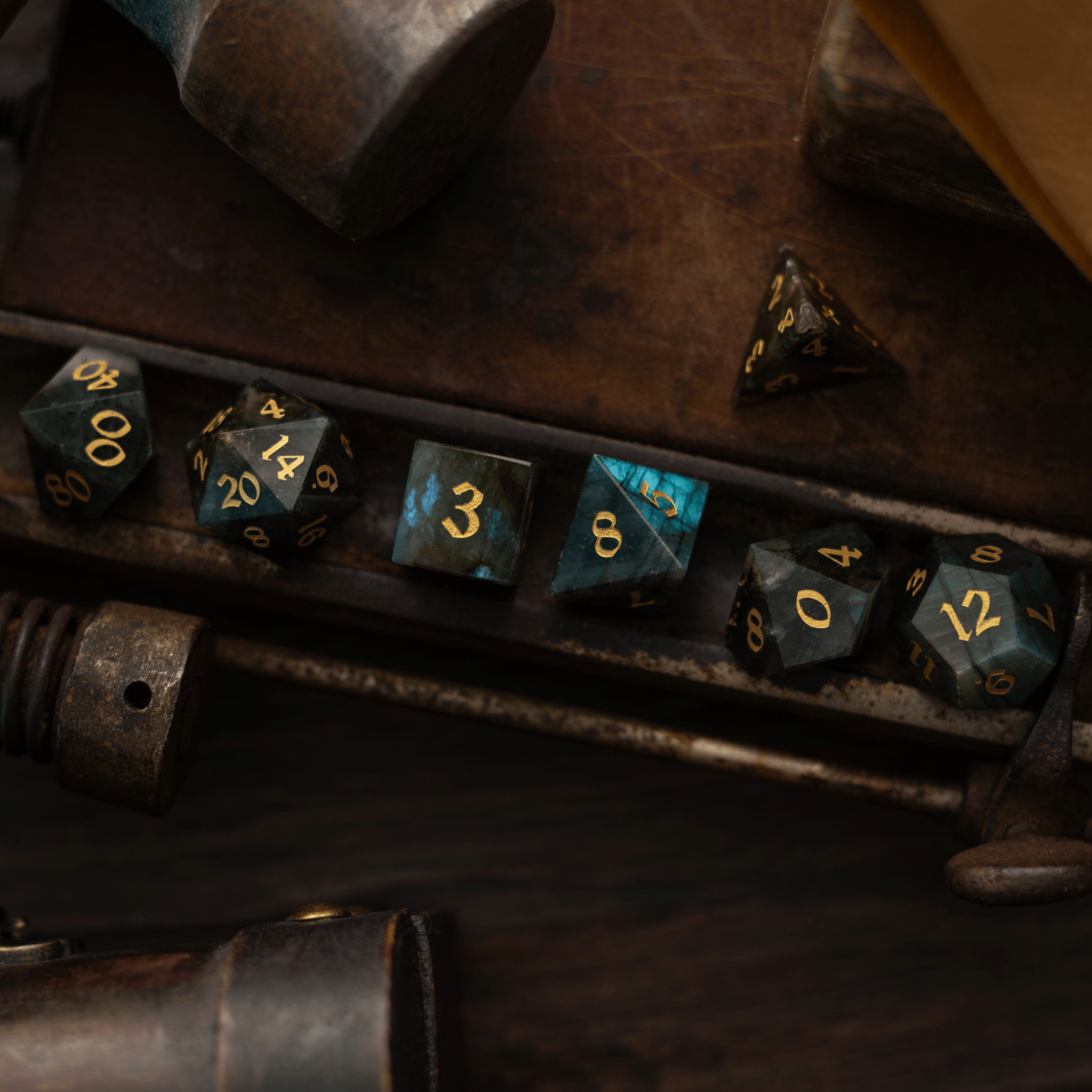
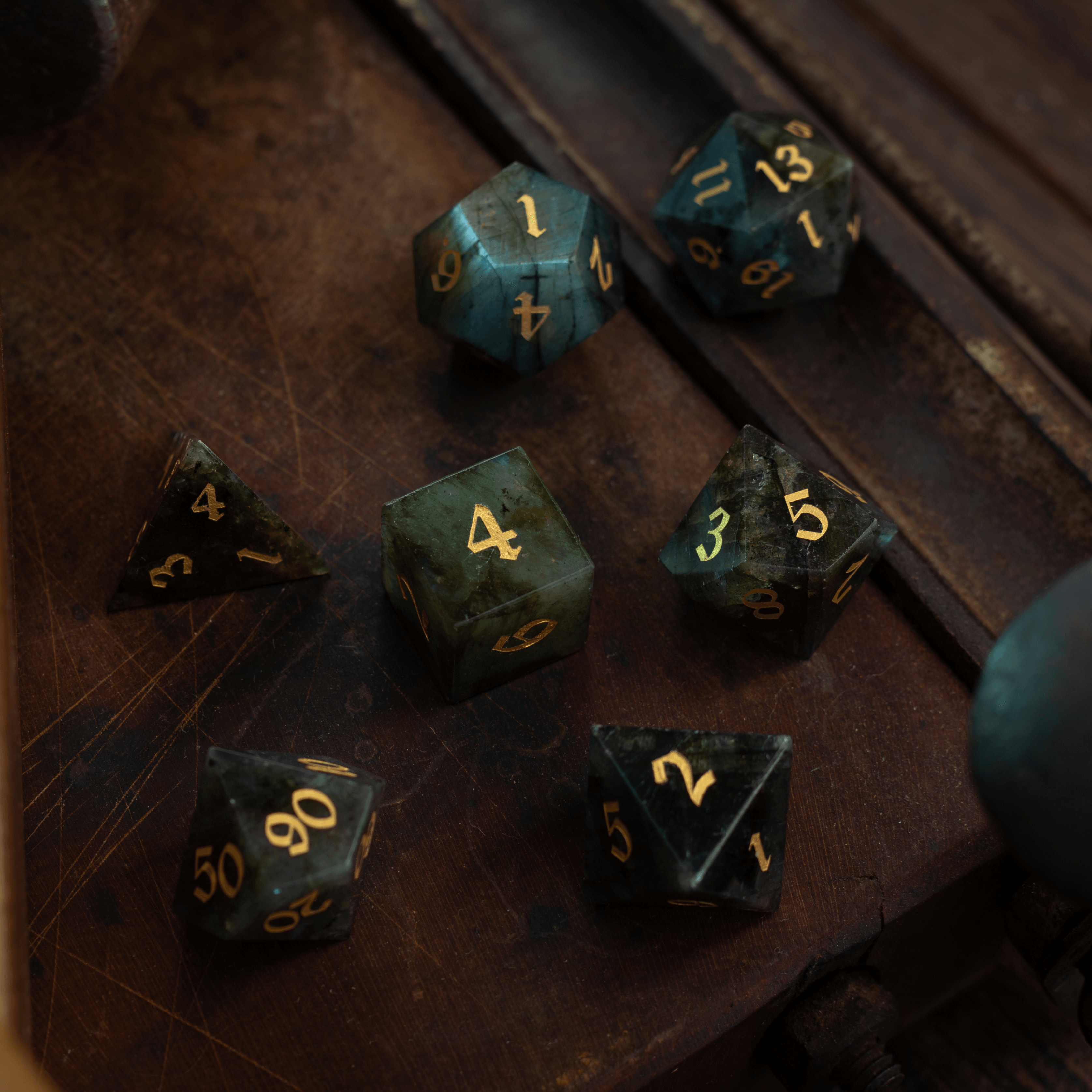
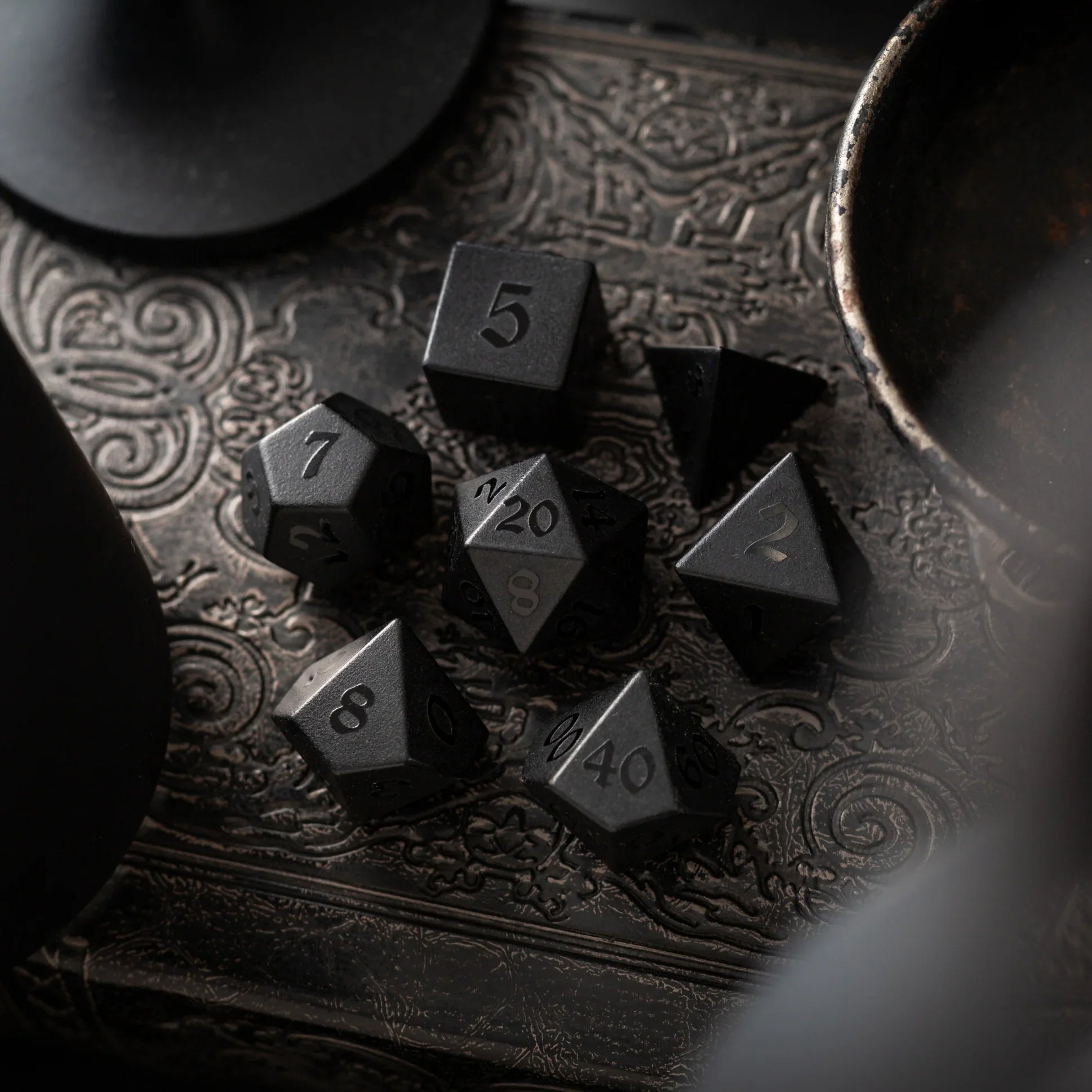
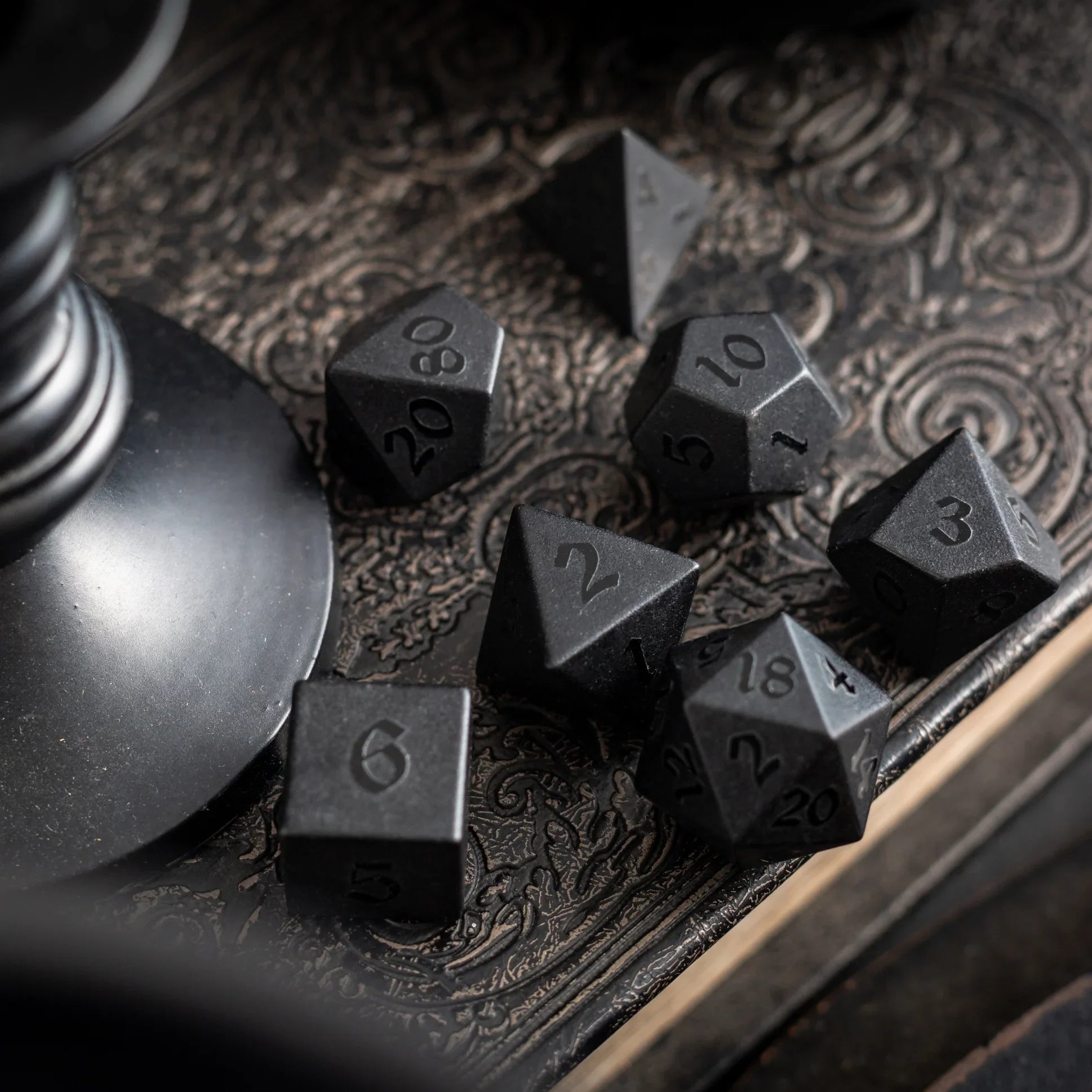
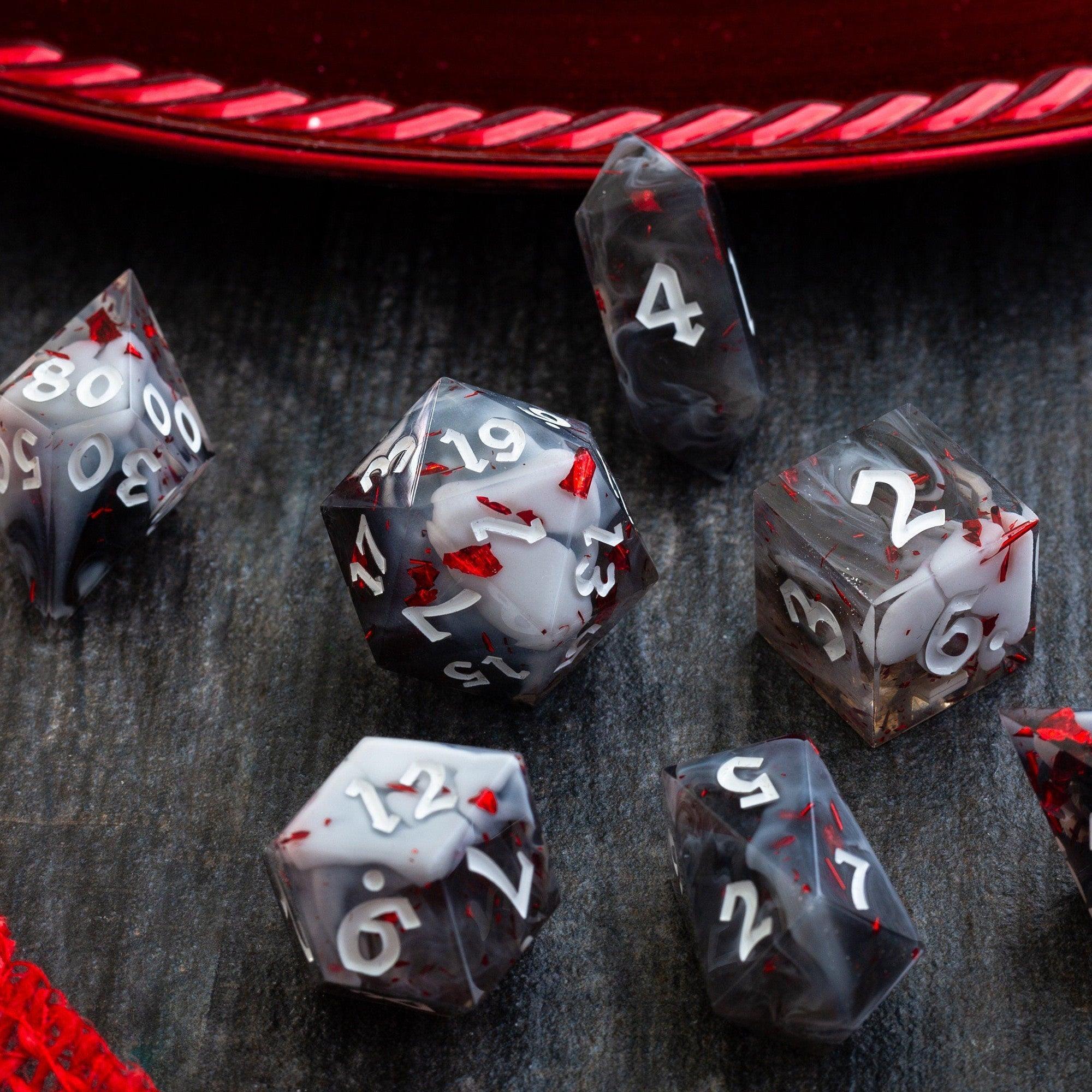
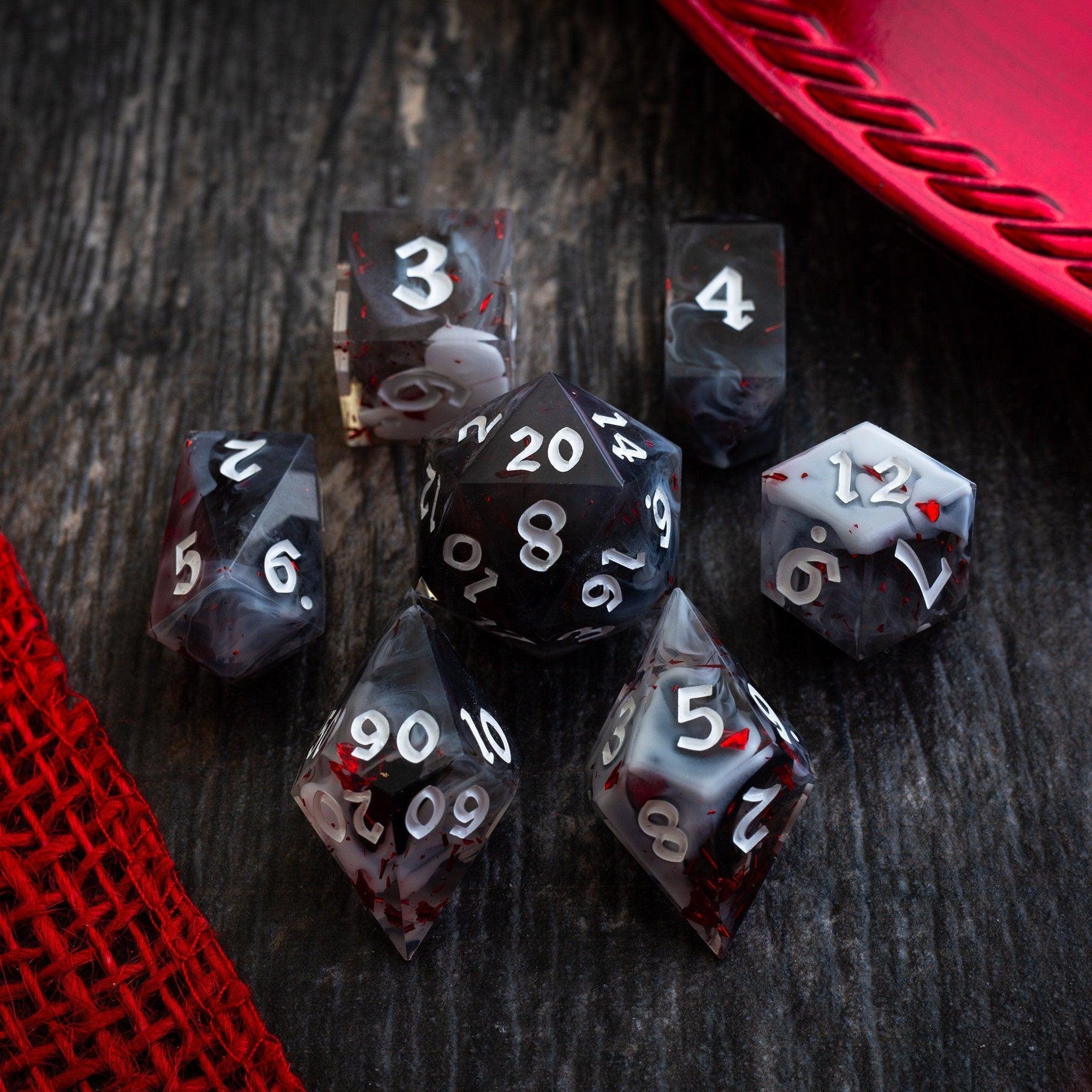
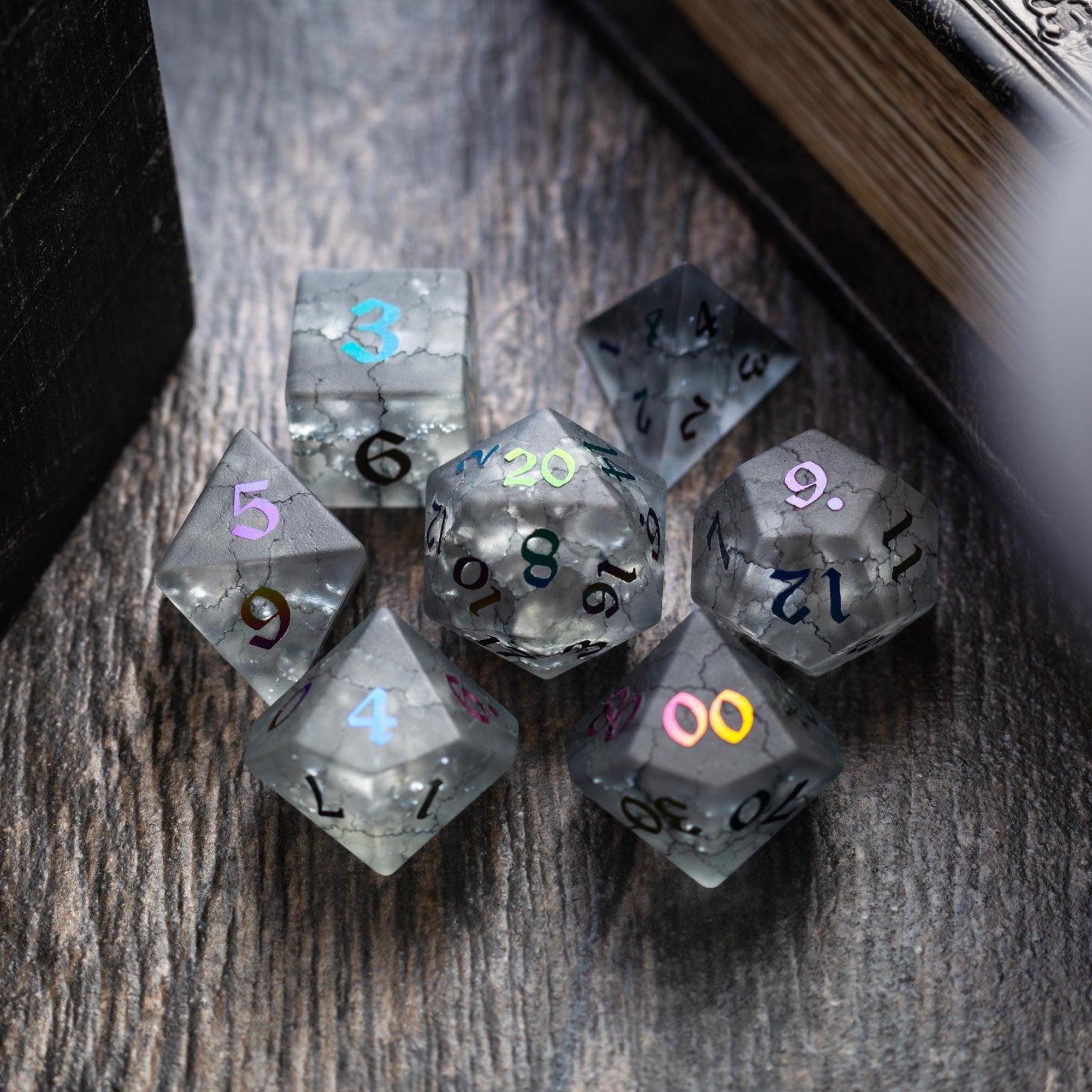
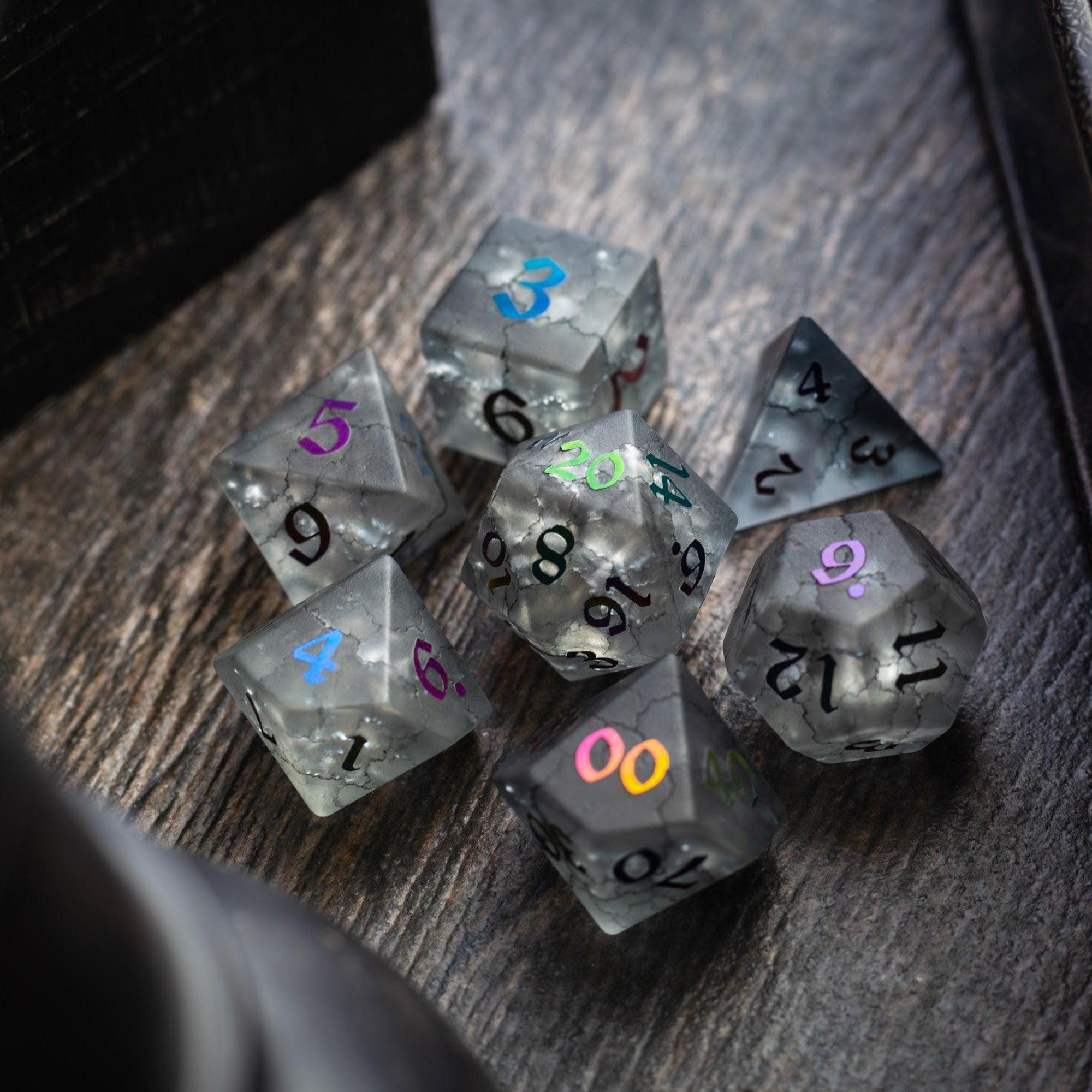
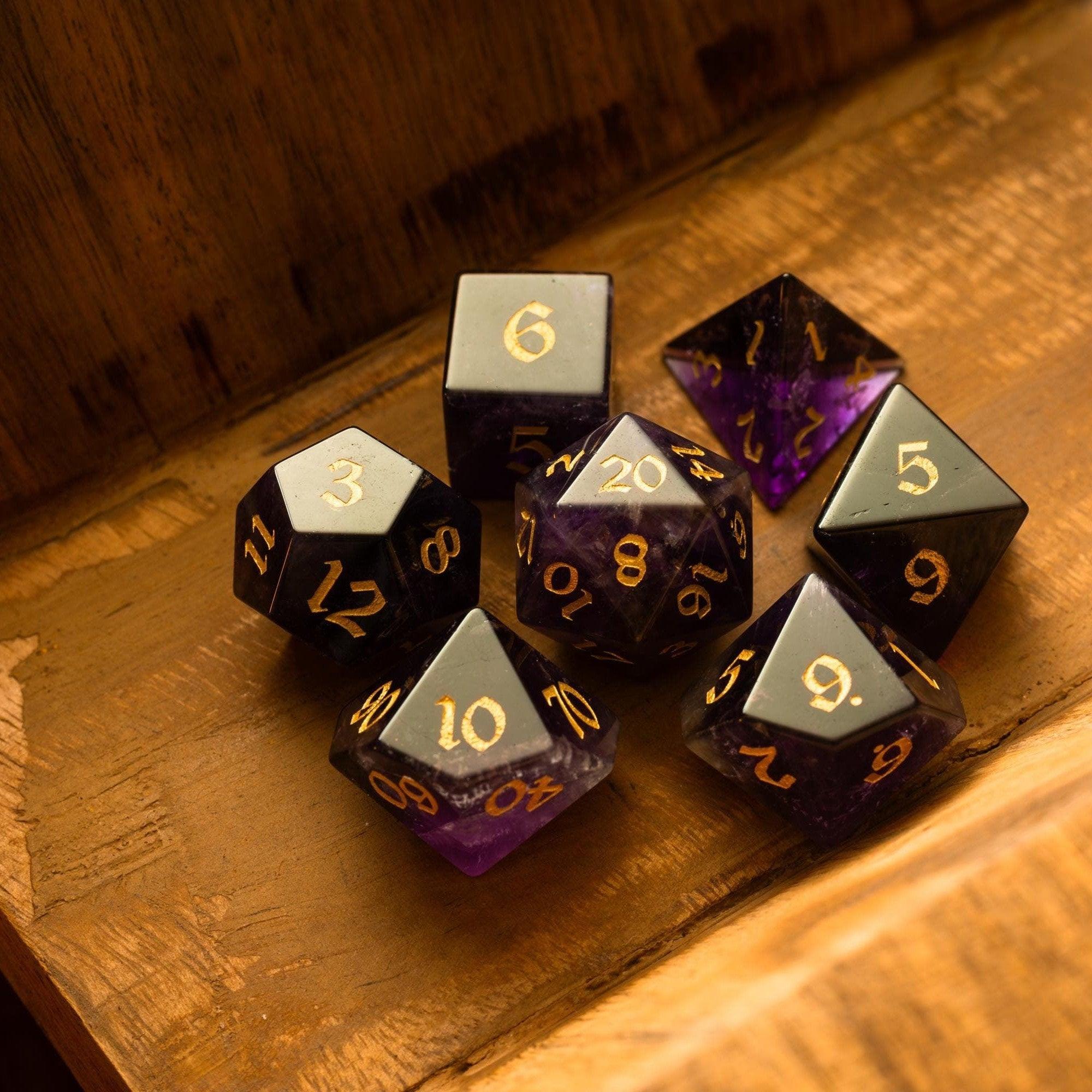
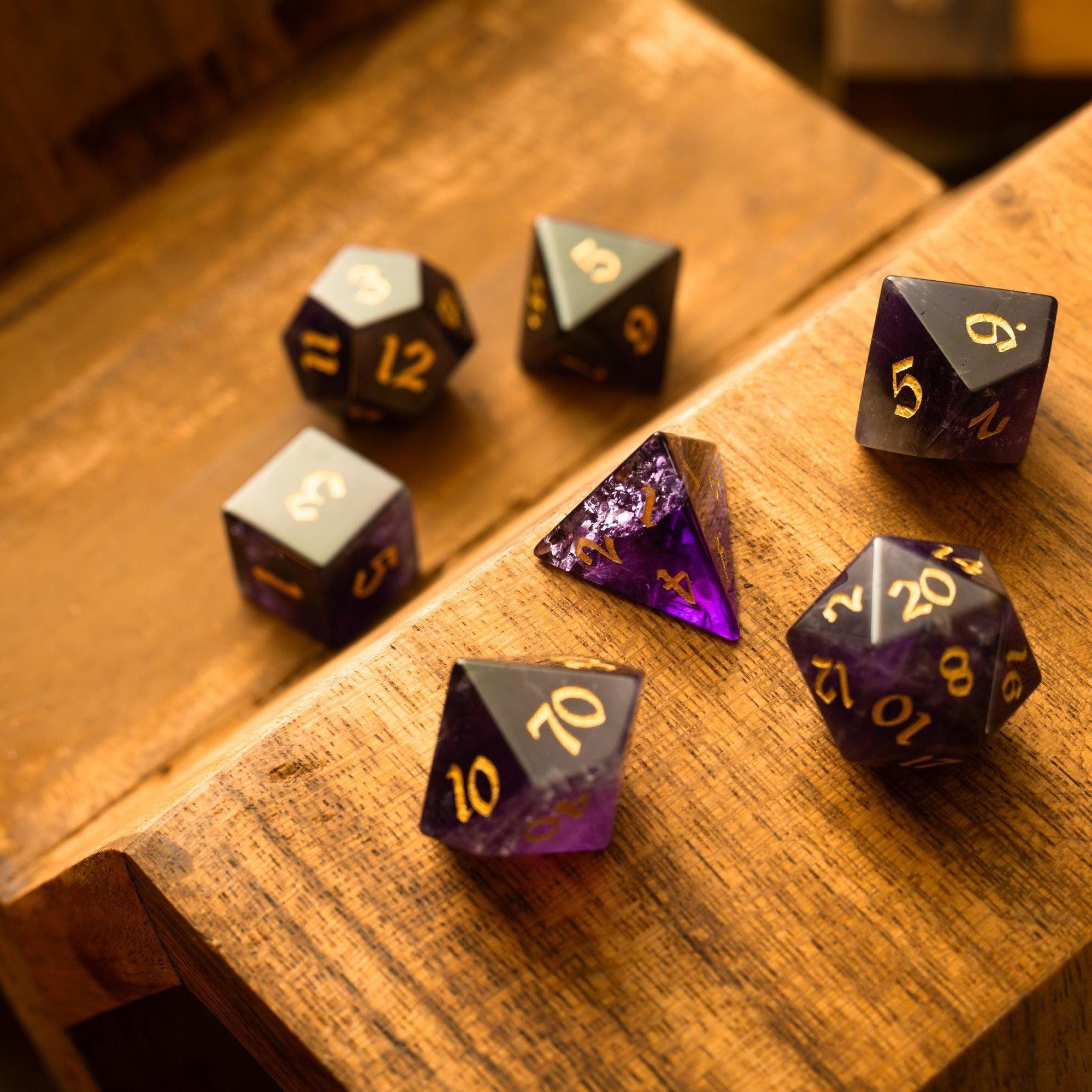
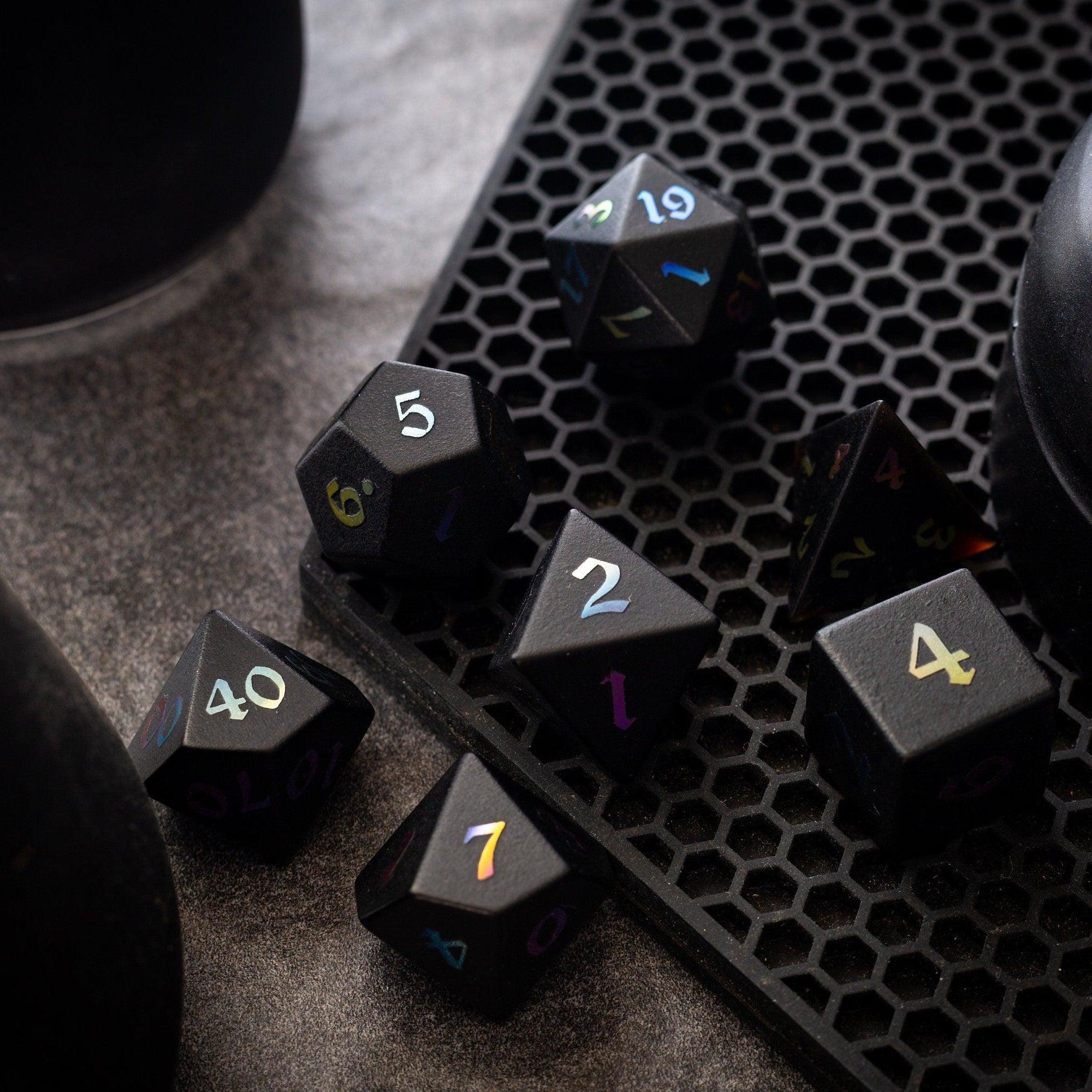
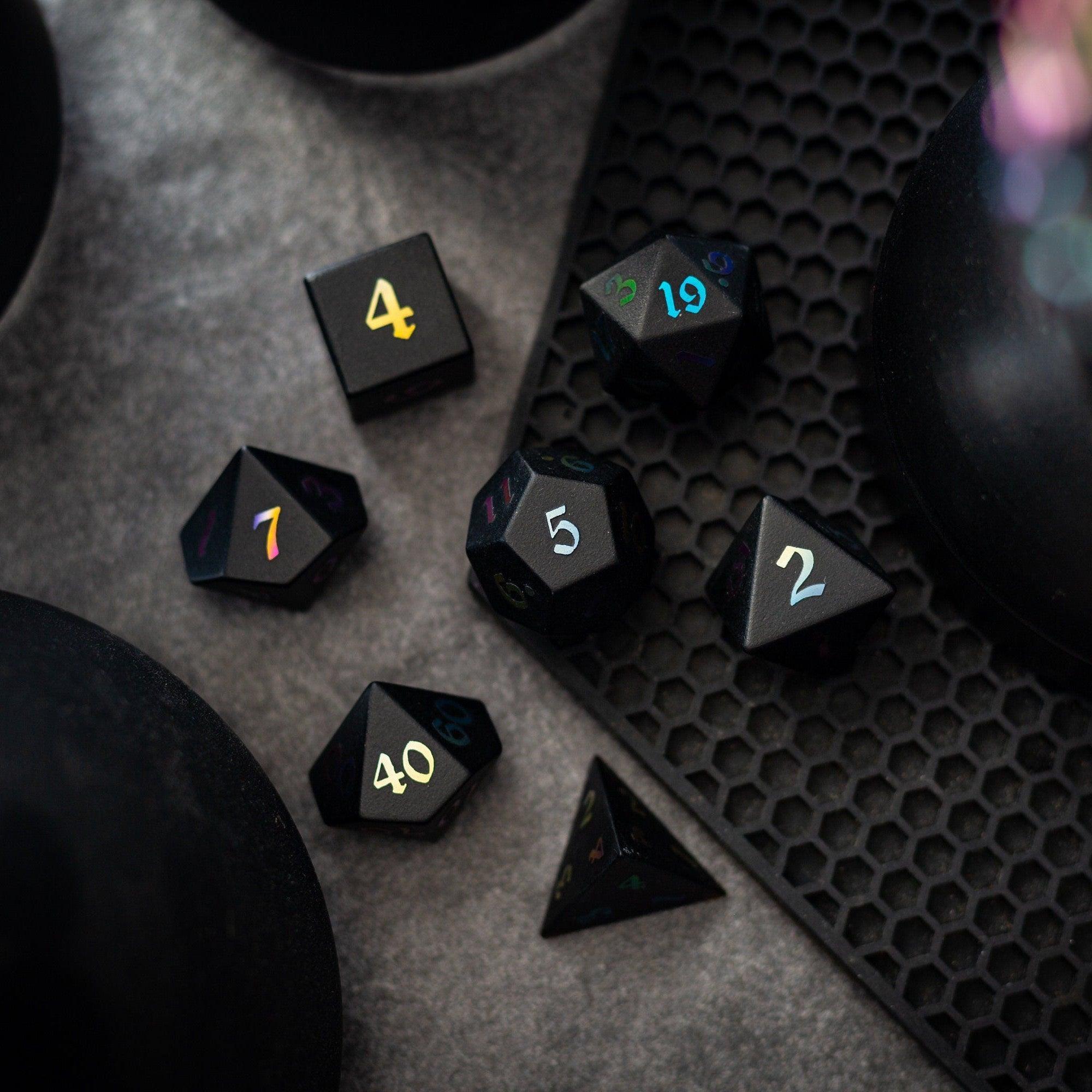
Ready to roll some dice? Consider equipping your character with quality dice sets from our collection that match their personality. From elegant gemstone options to striking liquid core designs, finding the perfect dice enhances your roleplaying experience. Whether you prefer classic aesthetics or modern flair, the right dice set becomes part of your character's identity at the table.


Leave a comment
This site is protected by hCaptcha and the hCaptcha Privacy Policy and Terms of Service apply.