

Mastering Dungeons and Dragons Fantasy Roleplaying
Updated on: March 16, 2026
Exploring the world of tabletop fantasy roleplaying games opens doors to incredible adventures, creative storytelling, and meaningful friendships. Whether you're a seasoned adventurer or stepping into your first dungeon, understanding the fundamentals of tabletop gaming transforms your experience. This guide covers essential tips, common misconceptions, and practical advice to help you build memorable campaigns and connect with fellow players.
- Getting Started with Tabletop Fantasy Gaming
- Product Spotlight
- Myths Versus Facts
- Frequently Asked Questions
- Final Recommendations
Getting Started with Tabletop Fantasy Gaming

Tabletop fantasy roleplaying has captivated millions of players worldwide for decades. The beauty of these games lies in their flexibility, creativity, and the bonds they forge between friends. Unlike video games, tabletop experiences rely on imagination, storytelling, and collaborative problem-solving. You'll create unique characters, face unexpected challenges, and celebrate victories with your group. The core appeal? Complete creative freedom and meaningful social connection.
Starting your journey doesn't require expensive equipment or years of commitment. Many groups begin with just a few friends, some paper, pencils, and a set of polyhedral dice. The game master, often called the dungeon master or game facilitator, guides the narrative while players control their characters and make crucial decisions. This balance between structure and improvisation creates stories that no two groups will experience the same way.
Understanding the basics helps you avoid early frustration. Learn your chosen game's core mechanics, which typically involve rolling dice to determine outcomes. Different games emphasize different aspects—some focus on combat strategy, others on dialogue and character development. Finding a game that matches your group's interests ensures everyone enjoys the experience equally.

Product Spotlight
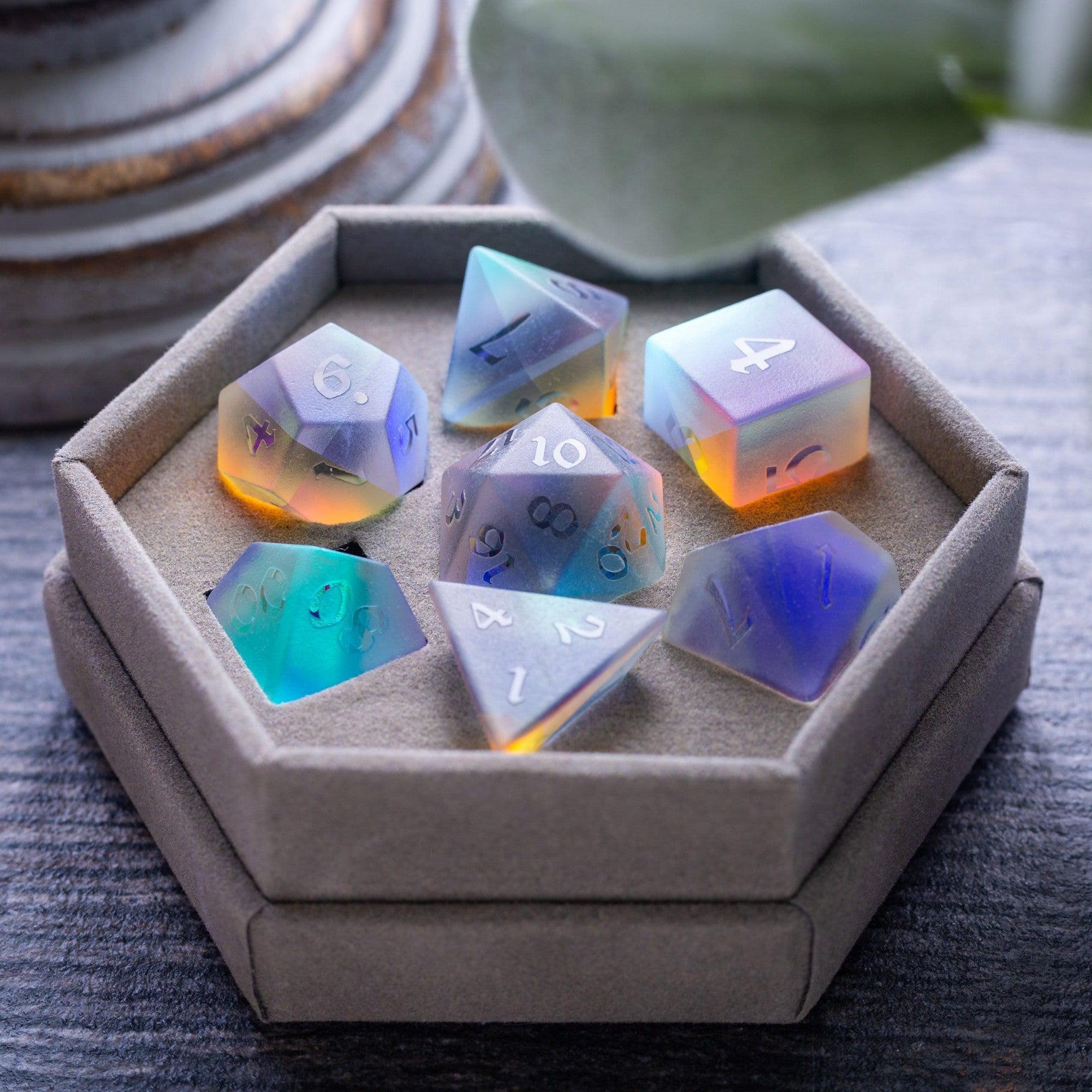
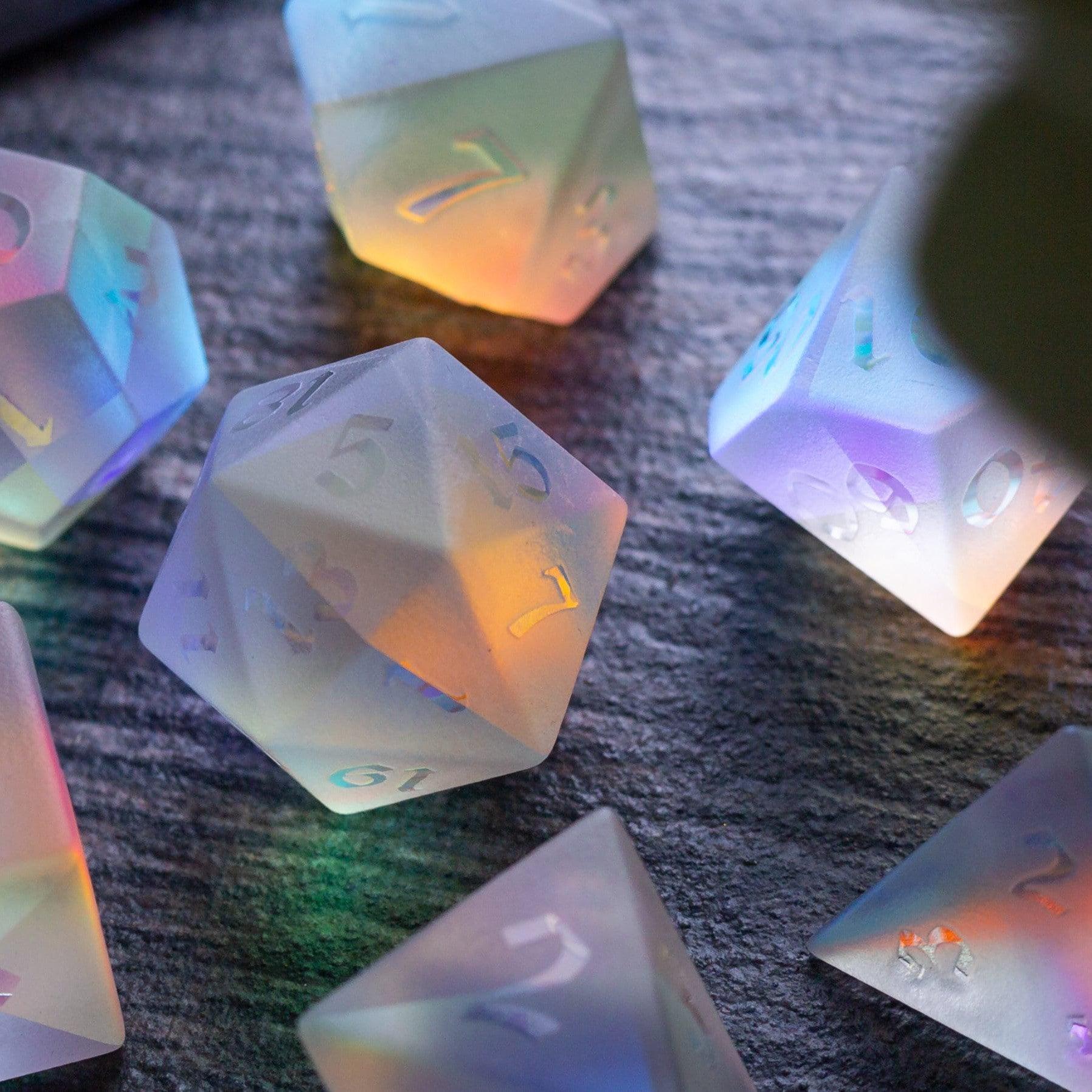
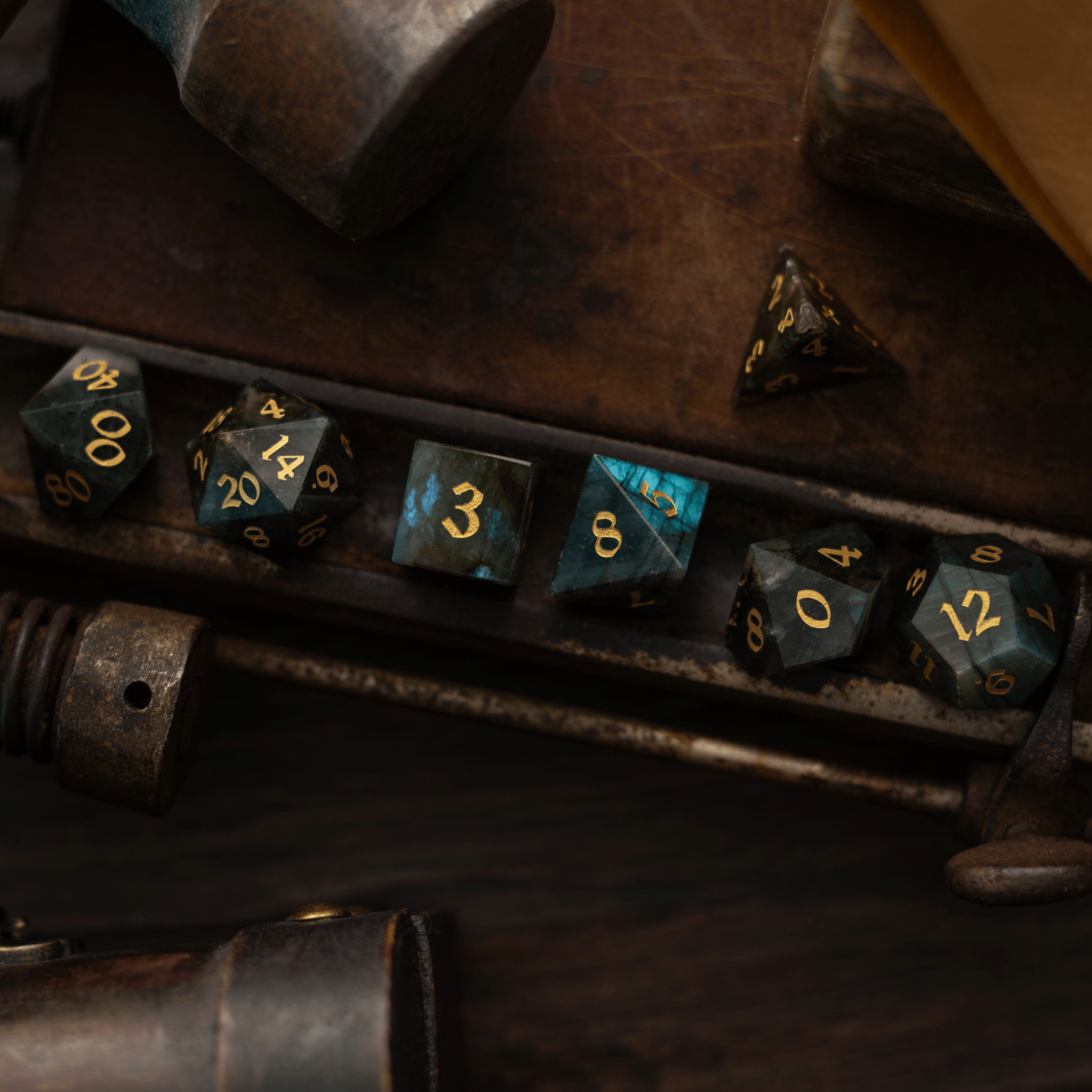
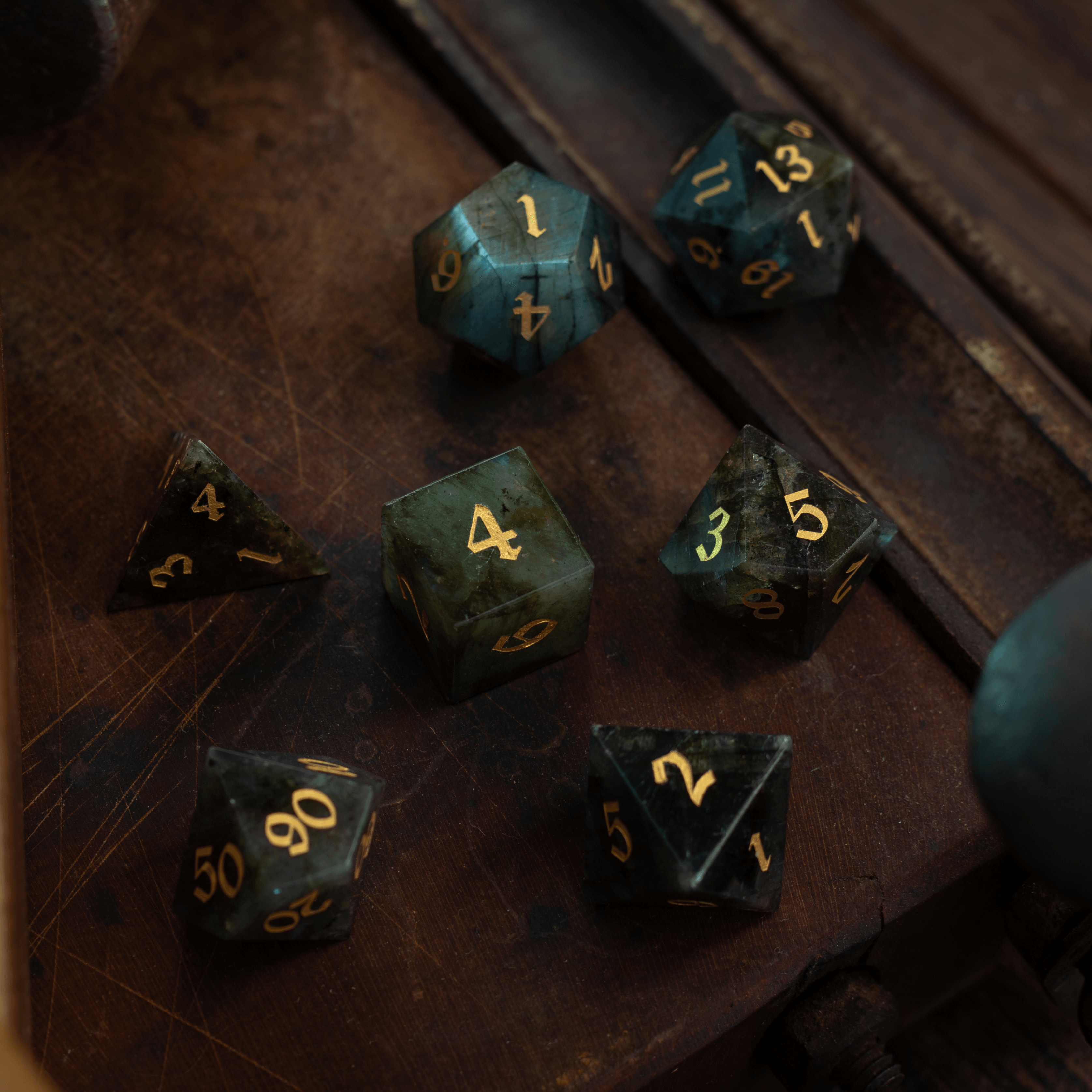
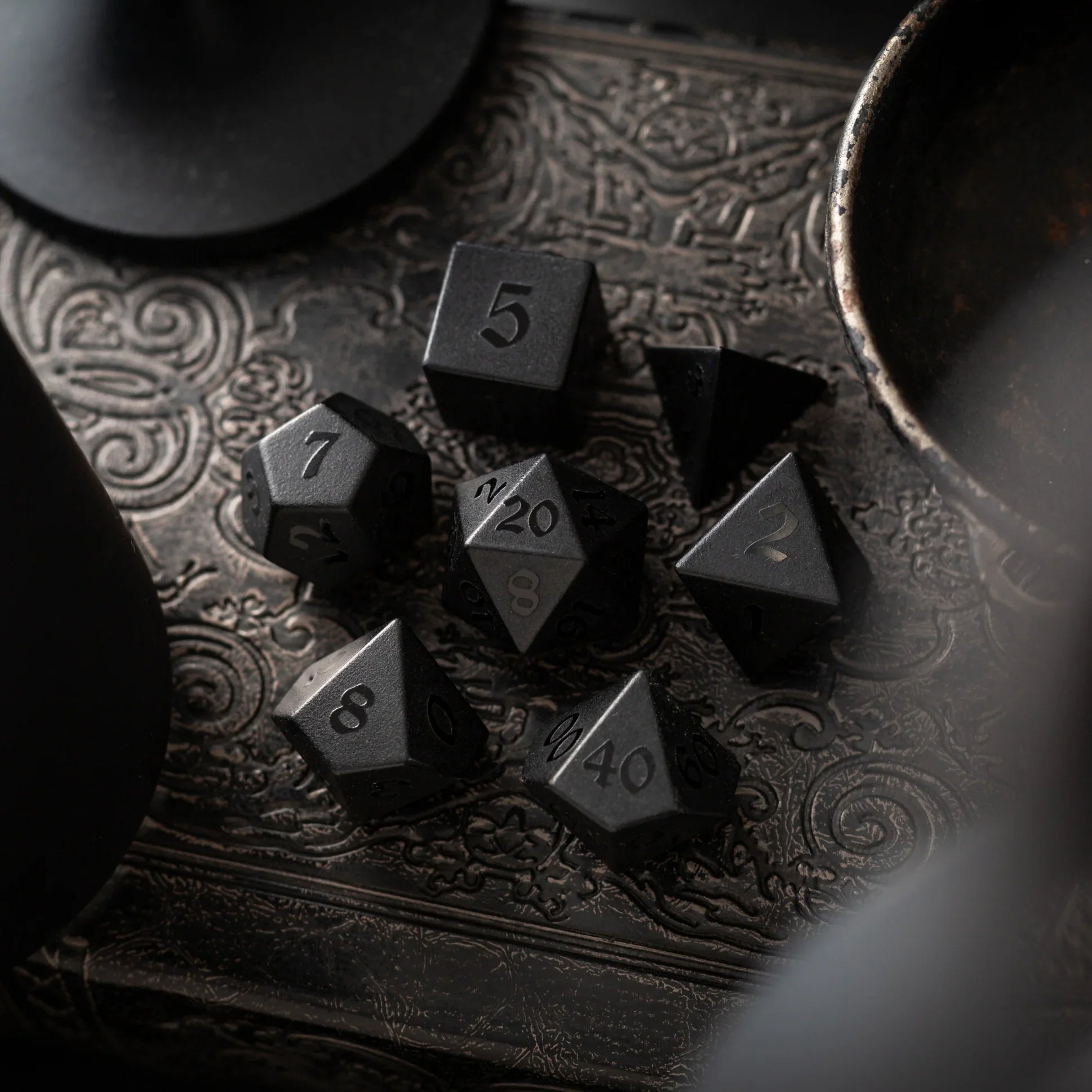
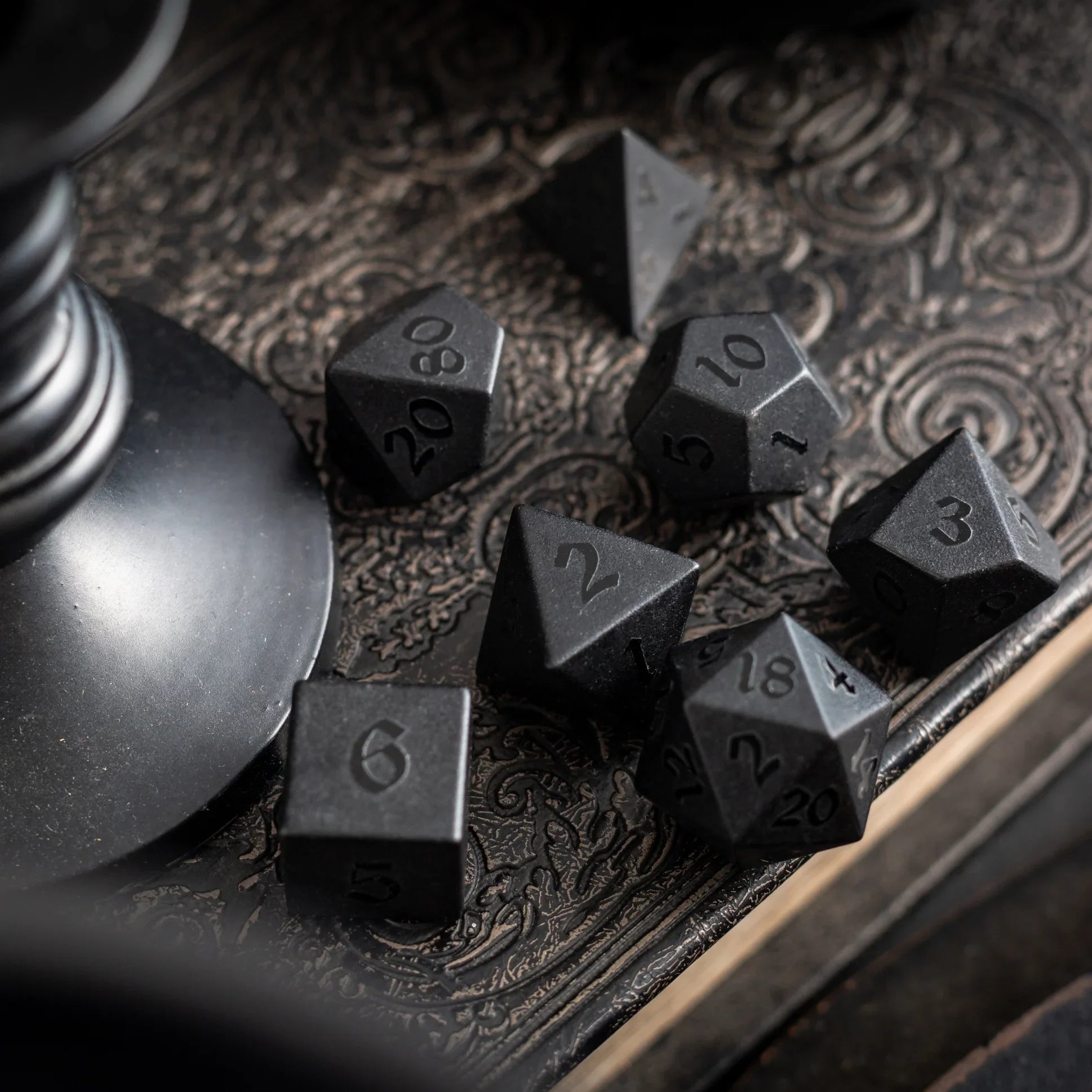
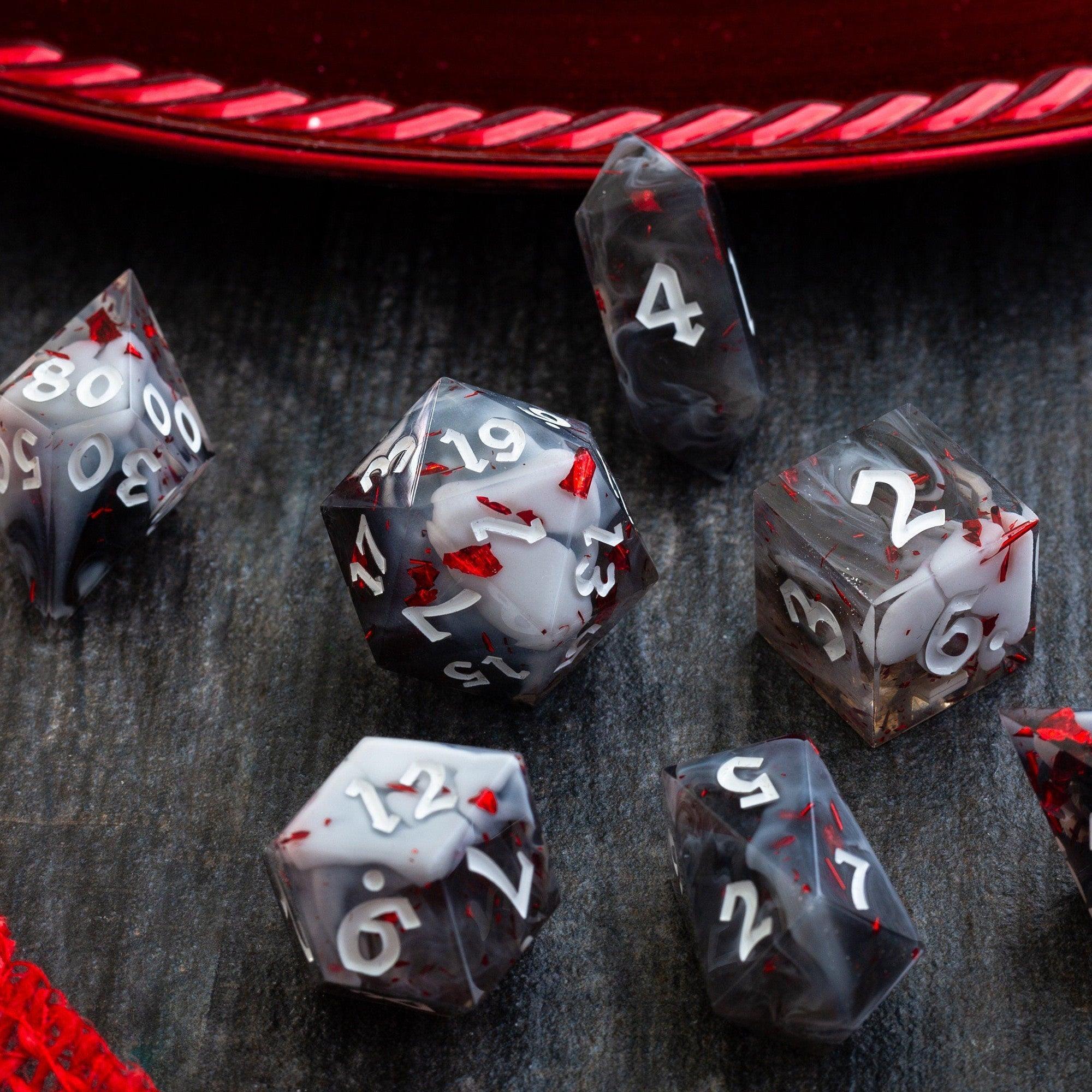
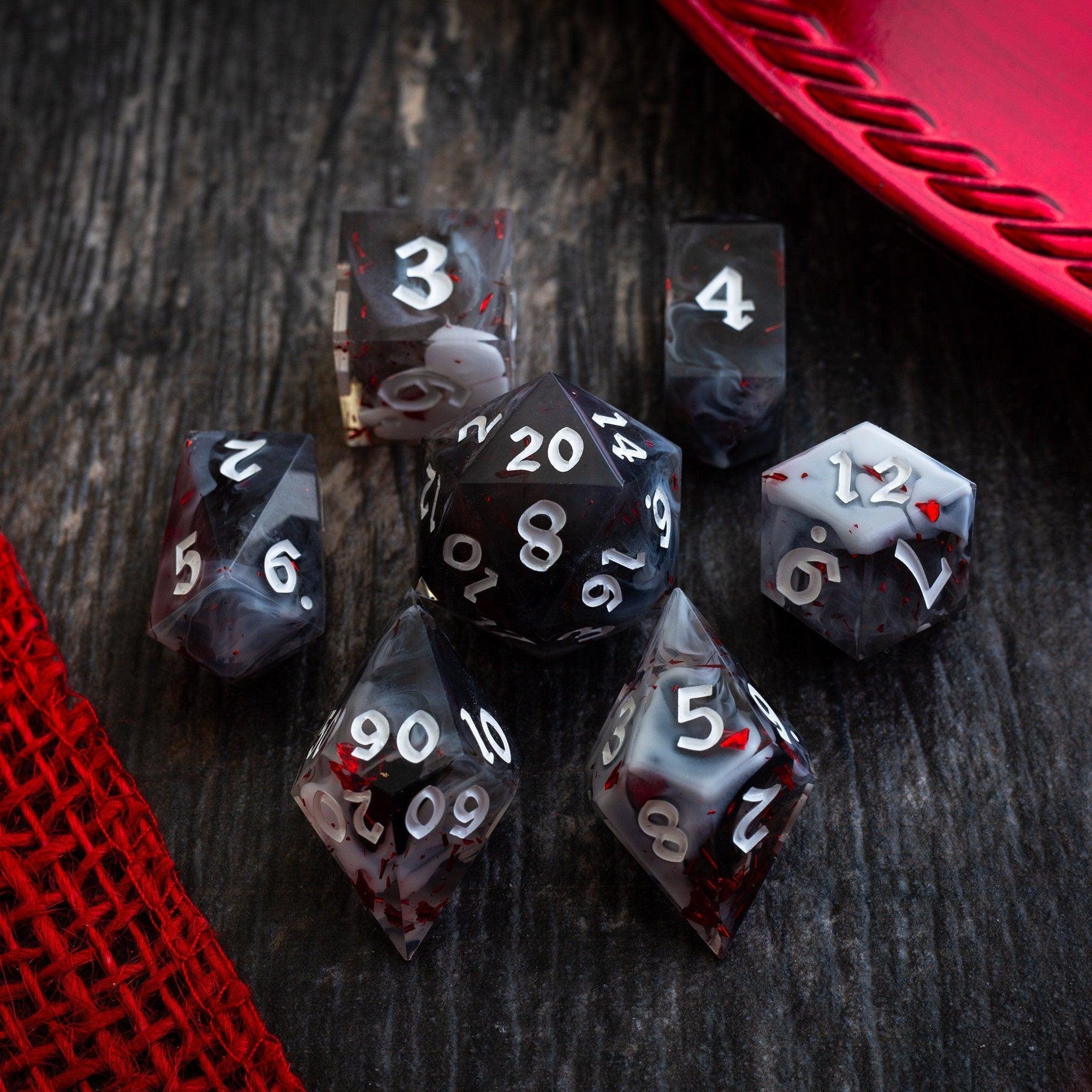
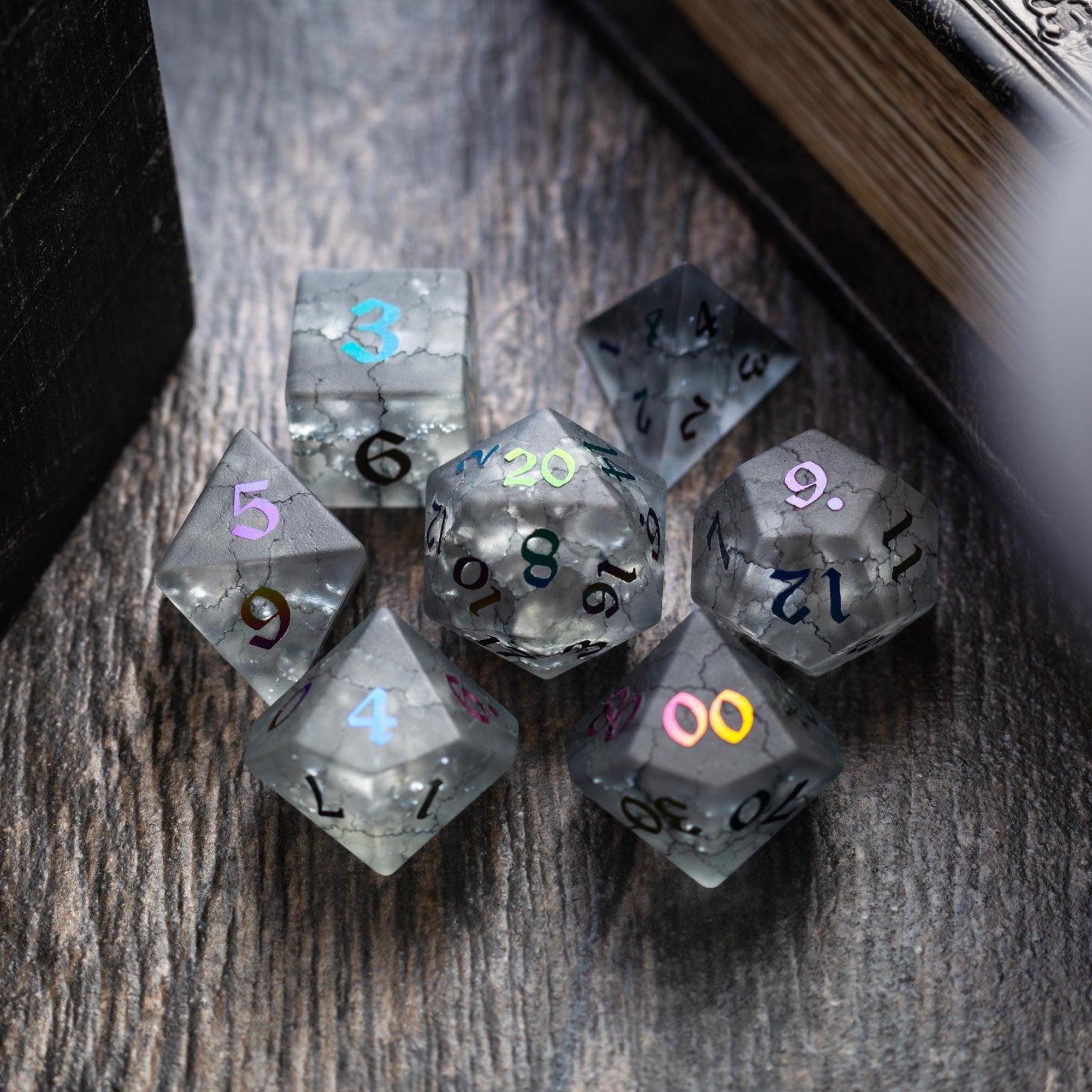
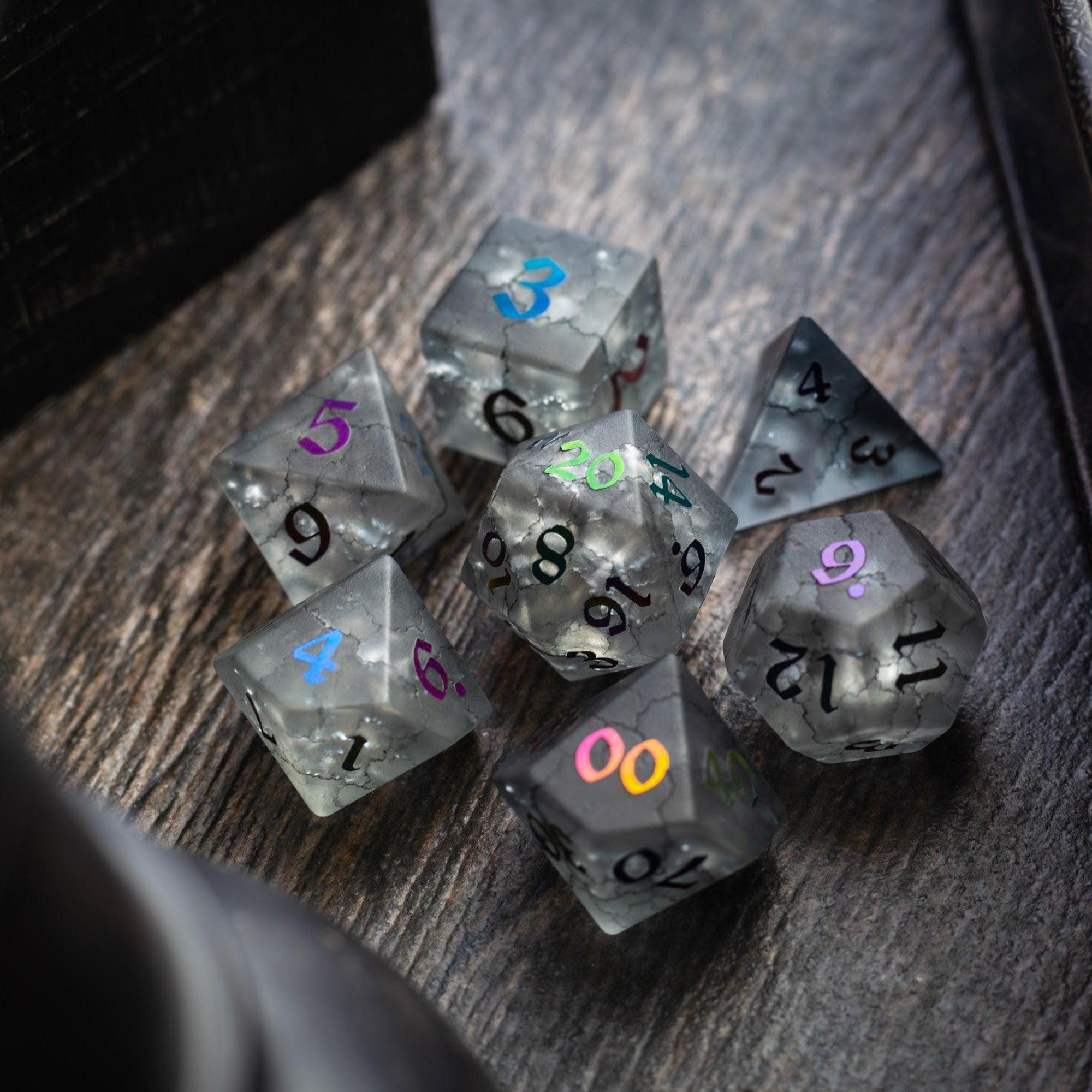
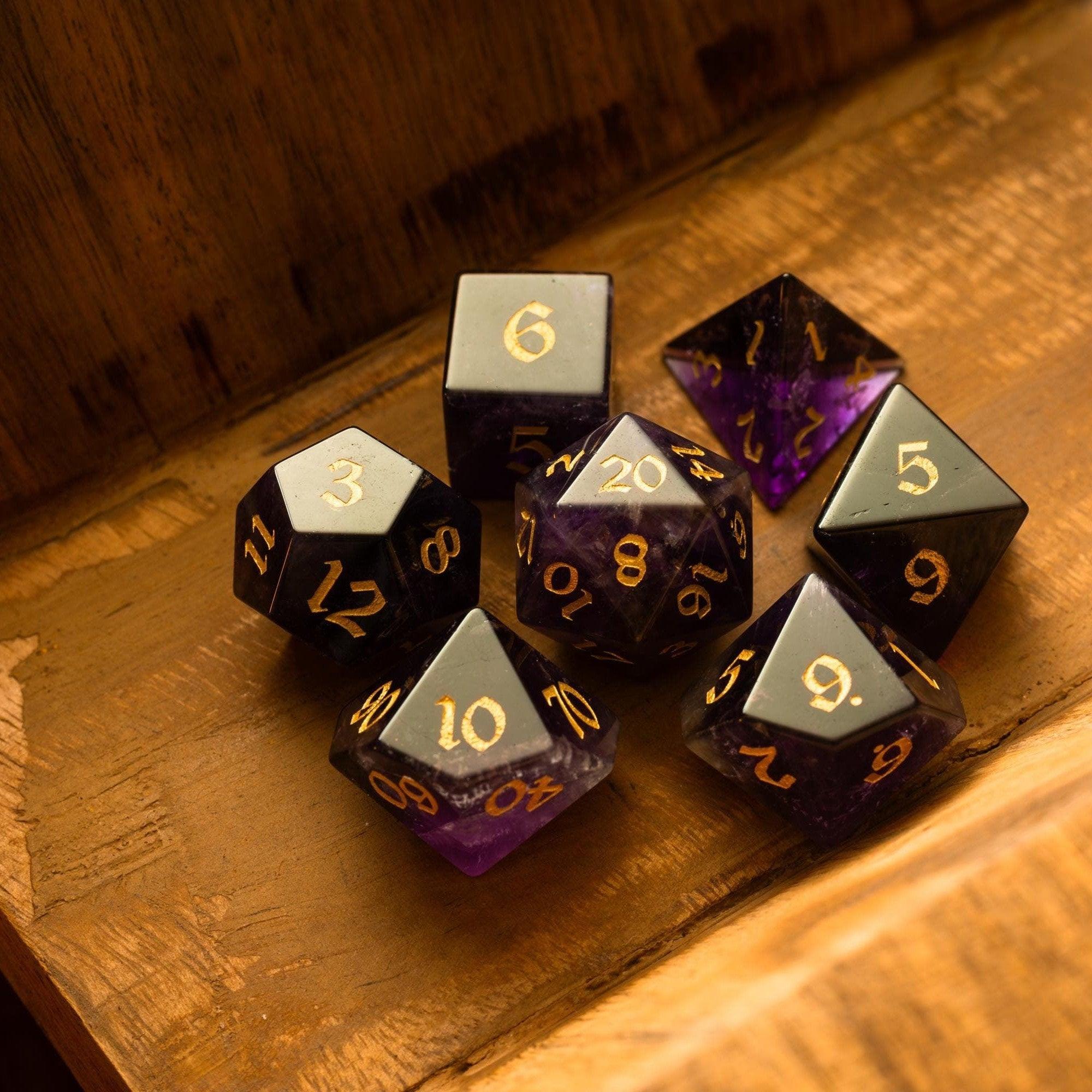
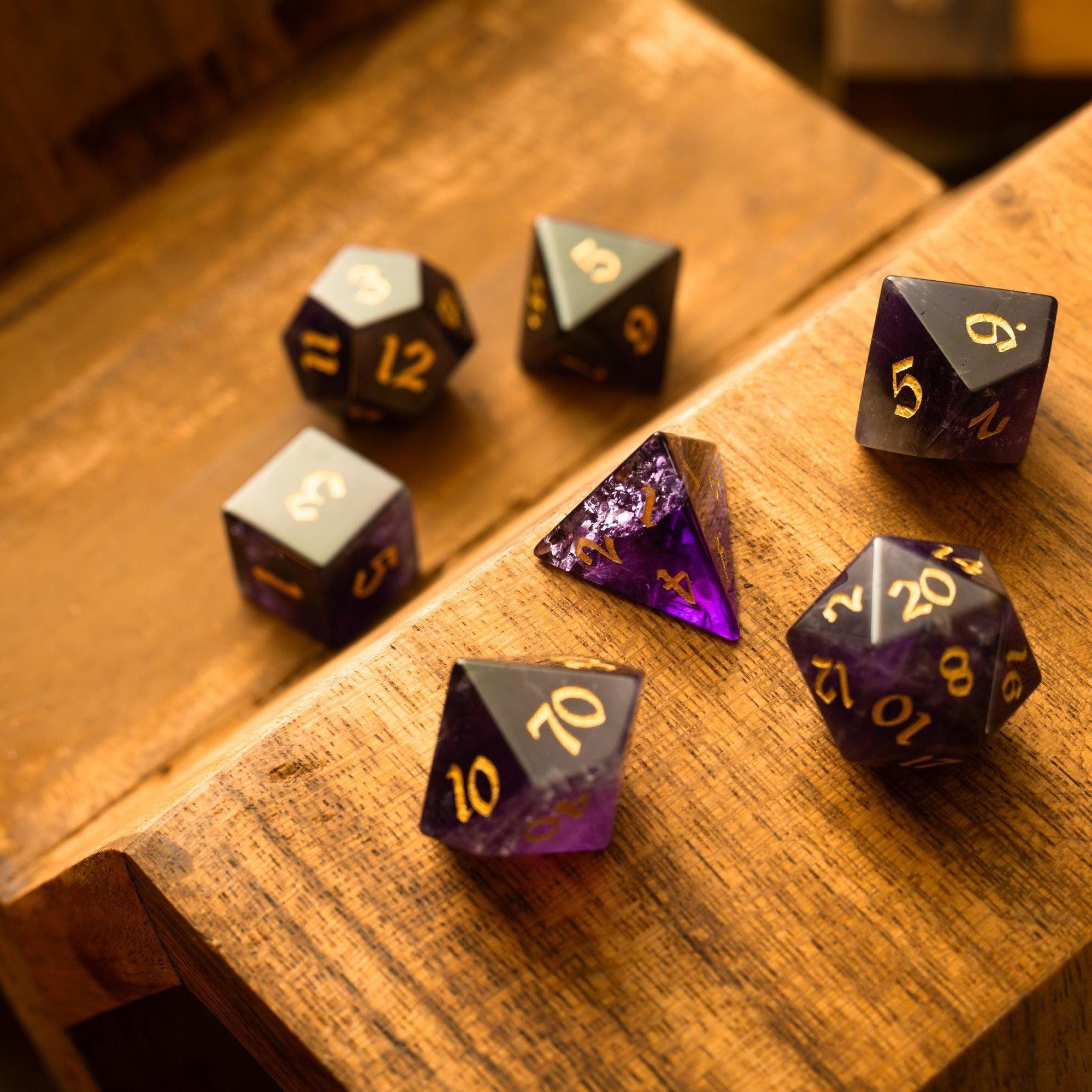
Quality dice elevate your gaming experience significantly. Many players invest in premium polyhedral dice sets that feel satisfying to roll and look visually stunning on the table. Gemstone dice sets offer durability and aesthetic appeal that standard plastic dice simply cannot match.
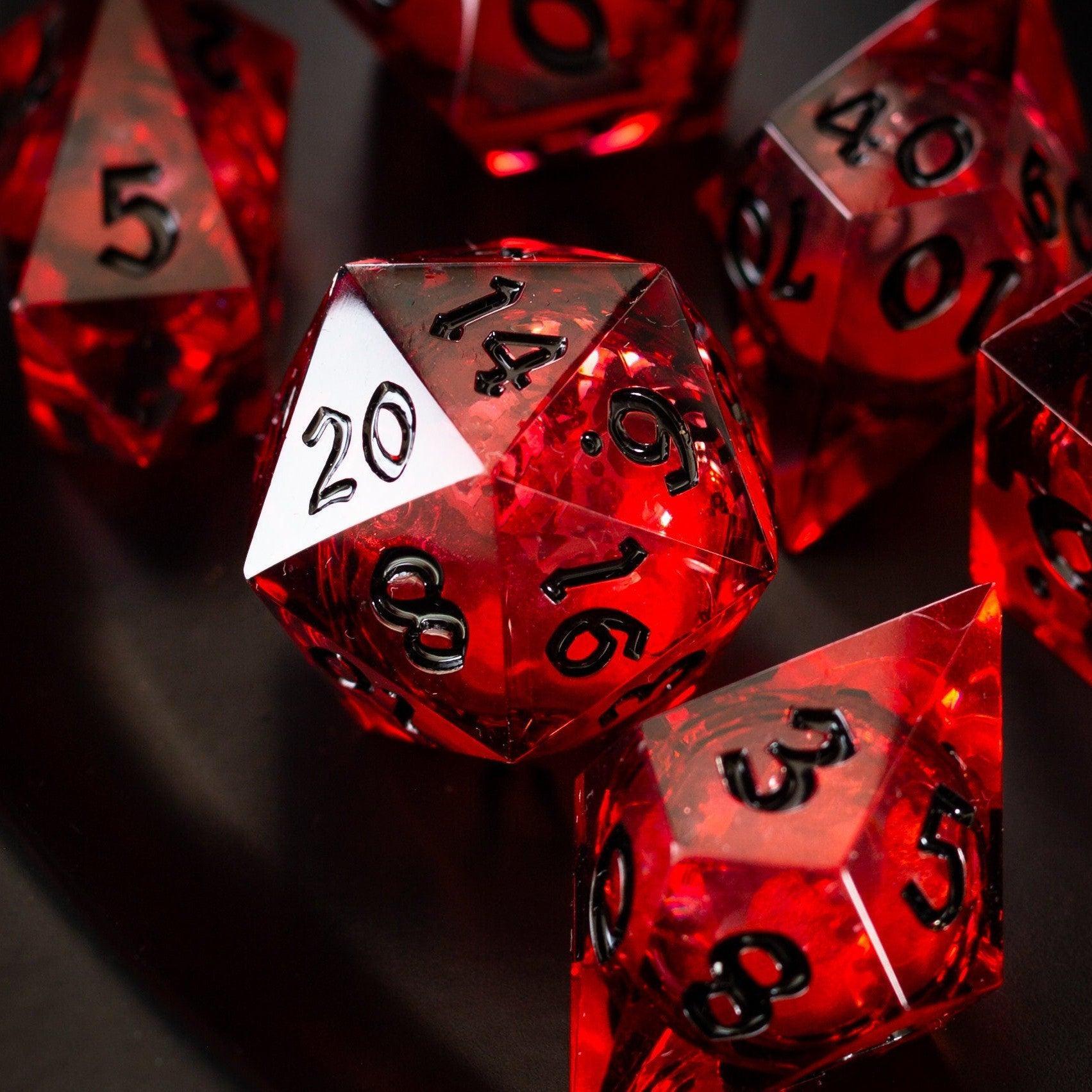
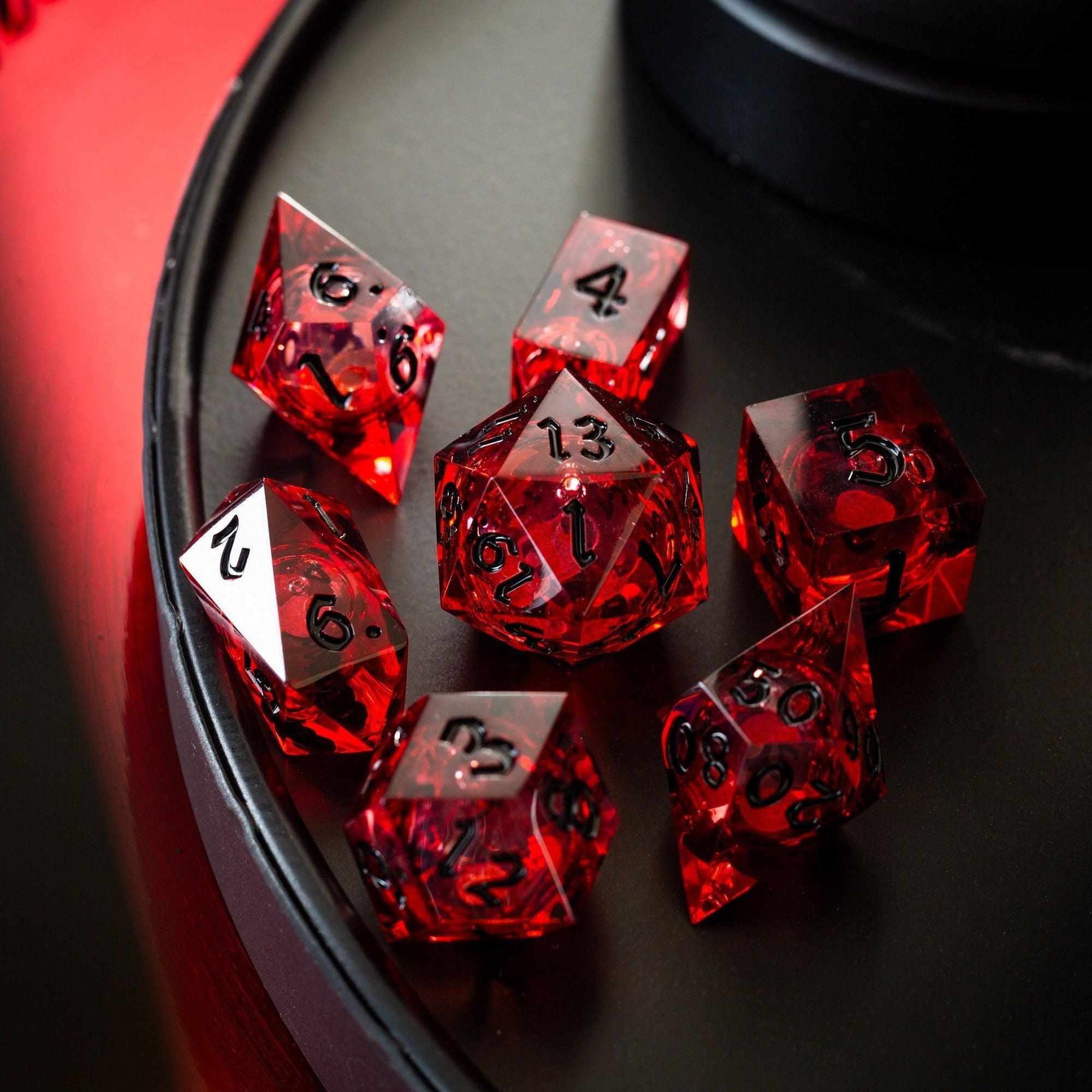
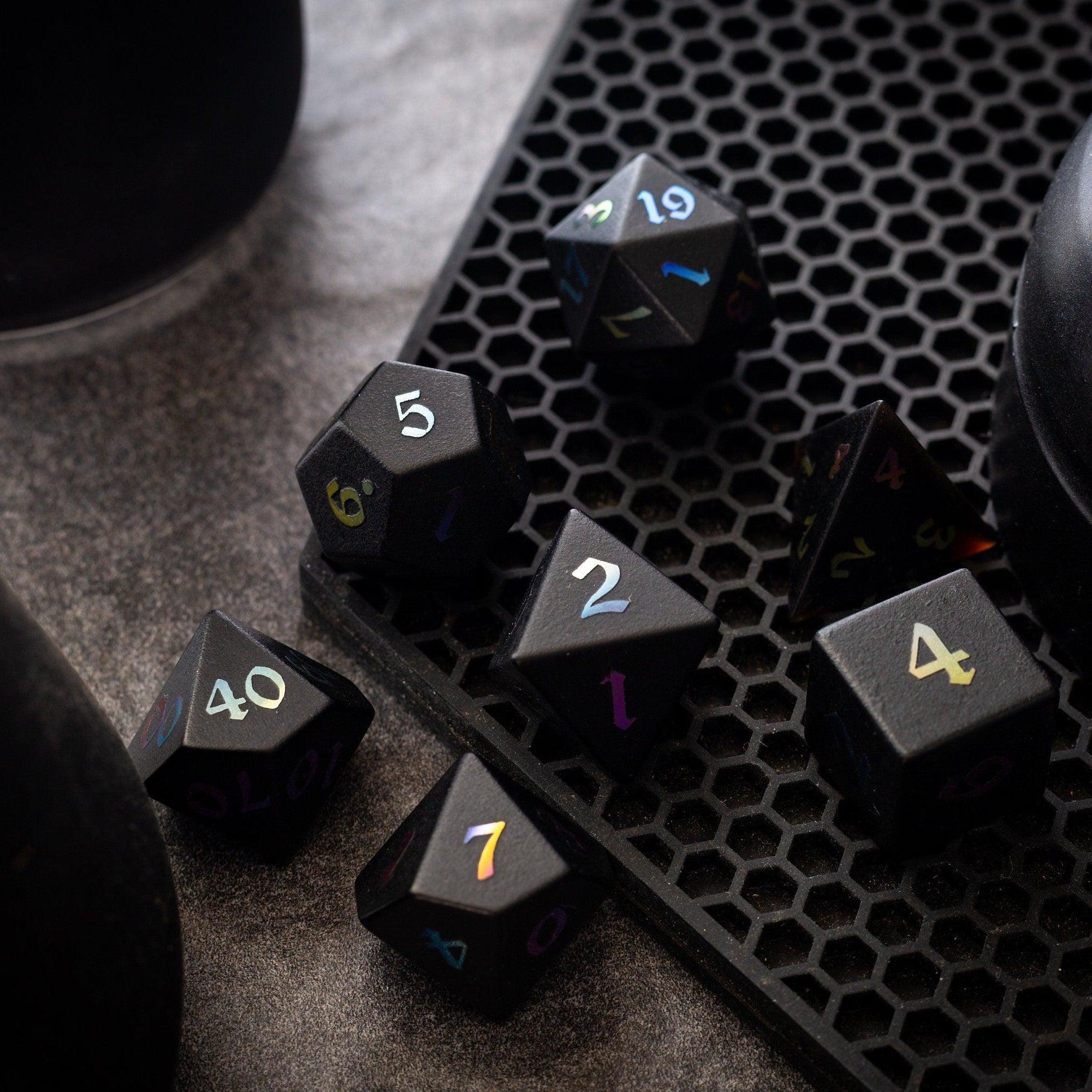
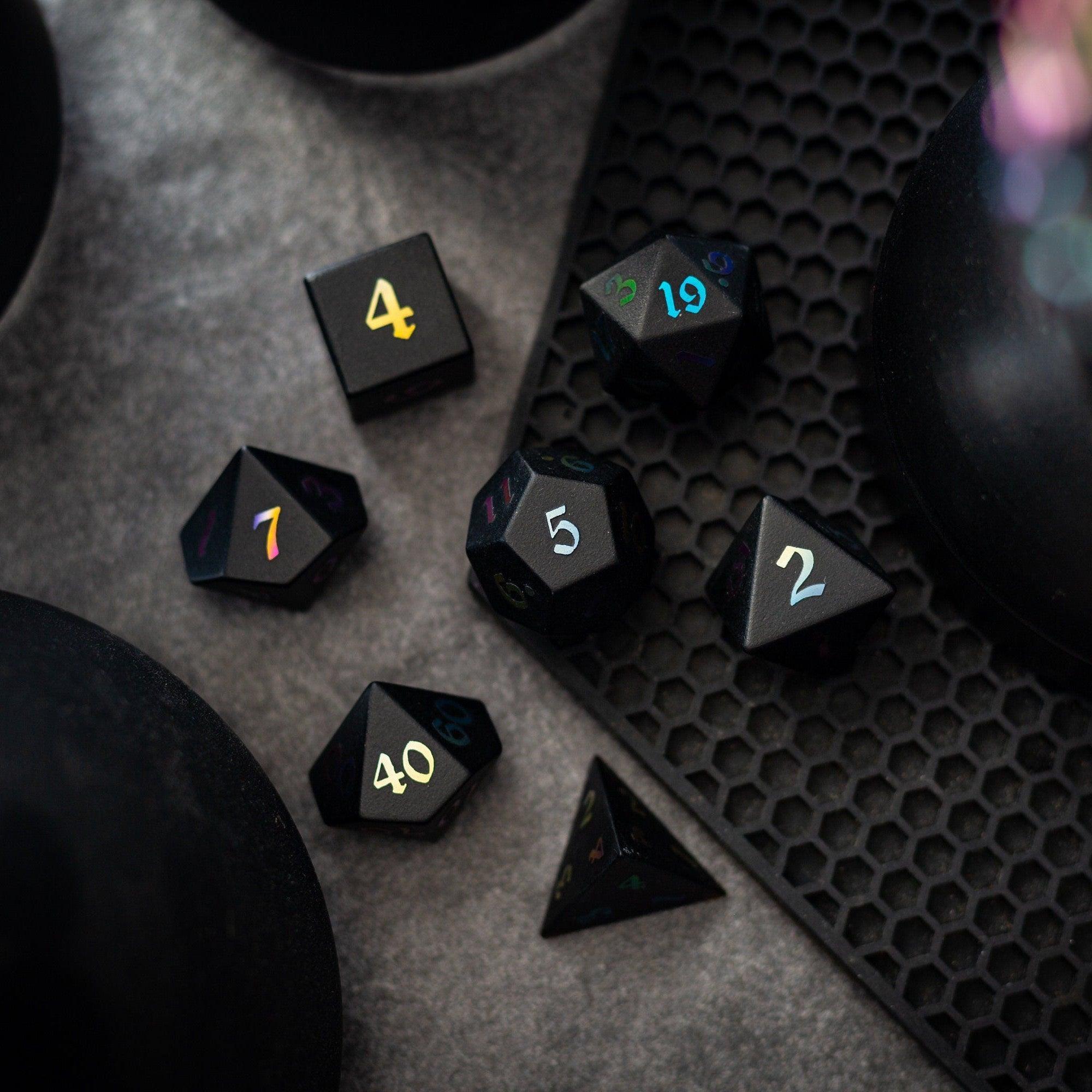
Consider dice that resonate with your character's personality or your campaign's theme. Specialty handcrafted options provide unique visual effects that enhance the atmosphere at your table. Beyond appearance, quality dice ensure accurate rolling without bias and withstand years of gaming sessions. Whether you prefer gemstone materials, resin varieties, or specialty designs, selecting dice that inspire confidence in your rolls matters psychologically and practically.
Many game masters collect multiple dice sets for different situations—one set for player rolls, another for enemy encounters, perhaps a unique set for critical moments. This collection aspect becomes part of the hobby's charm. Investing in premium dice collections shows commitment to your craft and creates memorable touchstones for your gaming sessions.
Myths Versus Facts About Tabletop Fantasy Roleplaying
Myth: You Need Extensive Rules Knowledge to Start
Fact: Modern games are designed for accessibility. You'll learn rules gradually during gameplay, and experienced players love teaching newcomers. Starting with the basics and adding complexity as you progress keeps things enjoyable. Many successful groups play for years while still discovering new rules interactions.
Myth: It's Expensive to Get Started
Fact: A basic setup costs less than many hobbies. You need a rulebook (often available free online), paper, pencils, and one dice set shared among players. Premium equipment enhances enjoyment but isn't mandatory. Many communities offer free starter kits and welcoming groups for new players.
Myth: You Must Be Naturally Creative or Outgoing
Fact: Creativity develops through practice, and gaming accommodates different personality types. Quiet players contribute through clever tactics and character development. Anxious players gain confidence in safe, supportive groups. Tabletop gaming welcomes introverts, extroverts, and everyone between. Your participation style matters more than matching a particular personality type.
Myth: Games Take Enormous Time Commitments
Fact: Session lengths vary from two hours to eight hours depending on your group's preference. Weekly, biweekly, or monthly schedules work equally well. Some campaigns last years, while others conclude in a few months. You control the pace and duration entirely.
Frequently Asked Questions
What Do I Need to Play Tabletop Fantasy Roleplaying Games?
At minimum, you need a rulebook, a game master, players (minimum three total), paper, pencils, and polyhedral dice. Many games provide starter sets containing everything except the players themselves. Beyond essentials, a table, character sheets, miniatures, battle maps, and specialty dice enhance the experience but aren't required initially.
How Many Players Does a Game Need?
Most games function best with three to six players plus a game master. Smaller groups of two or three work but require adjusted game mechanics. Larger groups of seven or more can play together but sometimes need additional rules modifications to keep everyone engaged. Quality of interaction often matters more than quantity of players.
Can I Join a Game If I've Never Played Before?
Absolutely. Most communities actively welcome newcomers, and experienced players enjoy helping beginners learn. Many local game shops host introduction sessions specifically designed for new players. Online communities also provide welcoming spaces for learning. Your enthusiasm and willingness to participate matter far more than prior experience.
How Do I Find a Gaming Group?
Check local game shops, libraries, and community centers for posted game schedules. Online platforms connect remote players with established groups. Discord servers and Reddit communities offer spaces to find like-minded players. Starting your own group with friends works too—you control the pace, frequency, and style entirely. Don't hesitate to reach out; many groups actively recruit new members.
What Makes a Good Game Master?
Effective game masters prepare reasonably without overplanning every detail, listen to player ideas and incorporate them creatively, maintain a balanced challenge level, and most importantly, prioritize everyone's fun. You don't need dramatic voices or perfect rules knowledge. Enthusiasm, fairness, and flexibility matter infinitely more than performance skills.
How Do I Handle Disagreements About Rules?
Establish a "rule of cool"—prioritize fun and story over technical accuracy. When disagreements arise, make a decision quickly and move forward. Resolve actual rule clarifications between sessions by checking official sources together. Most experienced groups develop house rules accommodating their playstyle. Flexibility and collaboration matter more than rigid rule adherence.
Final Recommendations
Start small and scale thoughtfully. Gather interested friends, choose an appropriate game system, and schedule your first session. Don't overwhelm yourself with extensive preparation. A simple scenario, basic character sheets, and enthusiasm carry you through your initial sessions successfully.
Invest gradually in quality components that enhance enjoyment. Curated dice collections become meaningful tools rather than mere accessories. Your dice choices reflect your character's personality and your commitment to the hobby.
Build a supportive community around your games. Create space for quieter voices, celebrate creative solutions, and maintain focus on collaborative storytelling rather than competitive gameplay. The friendships formed through shared gaming experiences often extend far beyond the table.
Keep learning and adapting. Each campaign teaches valuable lessons about pacing, player engagement, and storytelling. Successful game masters remain flexible, listening to feedback and adjusting their approach. Your second campaign will run smoother than your first, and improvement continues indefinitely.
Remember that tabletop fantasy roleplaying exists primarily for enjoyment. Whether your focus is tactical combat, character-driven narrative, or wild comedy, your approach is equally valid. Find the style matching your group's interests and embrace it fully.
Most importantly, prioritize showing up consistently and bringing genuine enthusiasm. The best games emerge from groups committed to spending quality time together, creating shared memories, and celebrating each other's creative moments. Your presence matters far more than your skill level. Step into that first adventure with confidence, knowing that countless players before you felt the same butterflies and emerged with treasured friendships and unforgettable stories.

Leave a comment
This site is protected by hCaptcha and the hCaptcha Privacy Policy and Terms of Service apply.