

Mastering DnD Spells Quick Guide to Perfect Spell Choice
Updated on: March 16, 2026
Dungeons and Dragons spells form the magical backbone of any adventuring campaign, offering players countless ways to overcome challenges creatively. Whether you are casting fireball in combat or using mage hand to solve puzzles, understanding spell mechanics enhances your gameplay significantly. This guide explores essential spell concepts, common misconceptions, and practical tips to help you master magical abilities in your next campaign.
- Myths versus Facts About D&D Spells
- Step-by-Step Guide to Casting Spells
- Frequently Asked Questions
- Summary and Key Takeaways
Understanding the Foundation of Magical Abilities

Magical abilities in tabletop role-playing games represent one of the most exciting aspects of character progression. When you learn how to harness magical forces effectively, your character transforms from a novice into a powerful force on the battlefield. The beauty of spellcasting lies in its versatility—spells serve combat purposes, exploration solutions, and creative problem-solving opportunities. Whether you prefer blasting enemies from a distance or supporting your allies with protective magic, there is a spell tailored to your preferred playstyle.
Every spell in the game follows established rules that govern how it functions, what resources it consumes, and what results it produces. Understanding these mechanics prevents disputes at the gaming table and allows you to plan strategies more effectively. Spellcasters range from wizards who master arcane knowledge to clerics who channel divine power, each bringing unique magical approaches to their adventures. Your choice of class dramatically influences which spells become available to you and how you develop as a magical practitioner throughout your campaign.
Myths versus Facts About D&D Spells
Myth One: All spells deal damage to enemies. This misconception leads new players to overlook the incredible utility spells offer. Many powerful spells provide benefits beyond combat damage. Healing word restores health to fallen allies, invisibility provides stealth advantages, and knock opens locked doors without requiring a key. Recognizing that spells serve multiple purposes expands your strategic options considerably.
Myth Two: Higher-level spells are always more powerful than lower-level alternatives. While generally true in terms of raw damage, this oversimplification misses important nuances. Magic missile, a first-level spell, reliably hits its target without requiring an attack roll, making it valuable in high-pressure situations. Meanwhile, some seventh-level spells require careful planning and specific circumstances to prove effective. Spell selection should match your tactical situation rather than simply choosing the highest-level option available.
Myth Three: Spellcasters can cast any spell whenever they want. Most spellcasters face resource limitations that require thoughtful planning. Prepared spellcasters select specific spells before each day begins, forcing you to predict which abilities you will need. Spellcasters with limited spell slots must choose when to expend valuable magical resources. Understanding your spell availability prevents frustration and encourages creative problem-solving within your constraints.
Step-by-Step Guide to Casting Spells
Step One: Verify Spell Availability and Requirements
Before attempting to cast, confirm that your character knows the spell and meets all prerequisites. Check your character sheet for spells in your spellbook or prepared list. Review whether you have sufficient spell slots at the appropriate level. Some spells require specific materials or conditions to cast successfully, so verify these details with your game master before proceeding.
Step Two: Declare Your Intent Clearly
Inform the table that you wish to cast a specific spell, stating its name and any obvious targets. This communication prevents misunderstandings and allows your game master to determine how enemies might react. If your spell requires concentration, acknowledge this requirement so the group understands that casting another concentration spell will terminate the first one. Clear declarations keep gameplay flowing smoothly.
Step Three: Determine if Saving Throws or Attack Rolls Apply
Some spells force enemies to make saving throws to resist their effects. Others require you to make attack rolls against armor class. Your spell's description clarifies which mechanic applies. Rolling dice and comparing results to appropriate bonuses determines whether your spell succeeds. This step ensures fairness and maintains tension in important magical moments.
Step Four: Apply Spell Effects and Track Duration
Once your spell succeeds, describe what happens and apply all mechanical effects to affected creatures or objects. If your spell lasts for a specific duration, note this clearly so you remember when it ends. Concentration-based spells require you to maintain focus, and taking damage might force concentration checks. Tracking these details prevents disputes later and maintains campaign continuity.
Step Five: Reduce Available Resources Appropriately
Mark off the spell slot you consumed, as most spellcasters cannot reuse spent slots until completing a long rest. Some spells have alternative resource costs, such as sorcerer points for subtle casting or warlock invocations. Recording resource expenditure ensures you accurately track your magical capabilities for future turns. This step prevents accidentally overspending your magical pool.
Selecting Spells for Your Character
Choosing which spells to learn represents one of the most impactful decisions you make when playing a spellcaster. Your selection shapes how you approach problems and contribute to party success. Consider your party's composition when selecting spells—if your group lacks healing options, learning cure wounds or healing word serves the whole party. If your companions already handle damage dealing effectively, control spells like web or hold person might prove more valuable.

Versatility often proves more valuable than specialization when building your spell selection. A wizard with fireball, mage hand, and invisibility handles combat, puzzles, and exploration effectively. By contrast, a wizard who knows only damage spells struggles when the party needs to solve environmental puzzles or navigate dangerous situations. Balancing offense, defense, utility, and control creates a well-rounded magical toolkit that serves you throughout your entire campaign.
Your character level dramatically affects spell availability and power progression. Lower-level characters rely on cantrips and first-level spells for most situations, gradually accessing more powerful magic as they advance. This progression feels natural and prevents newer players from becoming overwhelmed by too many options simultaneously. As you level up, revisiting earlier spells helps you appreciate how they retain value even when newer alternatives exist. This layered approach to magical progression keeps the game engaging across all experience levels.

Combat Applications of Magical Abilities
During combat encounters, spellcasting decisions happen quickly and carry significant consequences. Offensive spells like fireball and lightning bolt can eliminate multiple enemies but might endanger your allies if area of effect overlaps party members. Control spells such as hold person incapacitate dangerous foes without causing permanent harm, preserving options if negotiations become possible. Defensive magic including shield and mage armor reduces incoming damage, improving your survivability when enemies attack.
Action economy becomes crucial in combat—your spell choice must justify spending your action, bonus action, or movement for that turn. A spell that requires your action but produces only minor effects might waste valuable time when you could attack or use a more impactful ability. Conversely, a bonus action spell leaves you free to attack, cast a cantrip, or move strategically. Understanding how your spell choice impacts your turn efficiency prevents wasted actions and keeps your character contributing meaningfully to combat.
Positioning matters significantly when casting spells in combat. Many spellcasters prefer remaining distant from enemies to avoid melee attacks, but this positioning limits their ability to support allies in close quarters. Some spells require you to touch targets, forcing you into dangerous positions. Planning your movement and positioning before selecting your spell ensures you can execute your magical strategy safely and effectively.
Exploration and Problem-Solving with Magic
Beyond combat, magical abilities enable creative solutions to obstacles and puzzles your party encounters during exploration. Detection spells like detect magic reveal hidden magical auras, exposing invisible threats or revealing secret passages. Divination spells provide information about distant locations or future events, guiding your party's decisions. Transmutation spells alter objects and environments, allowing you to create bridges across chasms or reshape obstacles blocking your progress.
Utility spells often receive less attention than combat magic, but experienced players recognize their immense value. Mage hand creates invisible hands to manipulate distant objects without approaching danger. Prestidigitation produces minor magical effects for countless practical applications. Knock opens locked doors instantly. These seemingly minor spells frequently solve problems more elegantly than brute force approaches, rewarding creative thinking and magical knowledge.
Frequently Asked Questions
Can I change which spells I have prepared each day?
This depends on your spellcasting class. Clerics, druids, and many other prepared spellcasters can change their prepared spells after completing a long rest. Wizards can prepare different spells daily if they have access to their spellbook. However, classes like sorcerers and bards have known spells that do not change without special circumstances. Always consult your class description to understand your spell flexibility rules. When establishing a new character with your game master, clarifying these mechanics prevents misunderstandings later.
What happens if I fail a saving throw against an enemy spell?
Failing a saving throw means your character did not resist the spell's effects, and you suffer full consequences as described in the spell's text. Some spells reduce damage on failed saves rather than negating them entirely. Others impose conditions like being paralyzed or charmed. Your game master describes what occurs and applies all relevant mechanical effects. This creates tension and stakes that make combat encounters exciting and unpredictable.
How do I know which spell slots I have available?
Your character sheet displays a spell slots section organized by spell level. When you cast a spell, you expend a slot of that spell's level. For example, casting fireball (a third-level spell) uses one third-level slot. You regain spent slots after completing a long rest in most cases. Some classes and subclasses have special features that restore slots differently. Consulting your class features ensures you understand your exact spell slot recovery mechanics. Many players track slots using checkboxes, buttons, or digital character sheets to avoid confusion during gameplay.
Summary and Key Takeaways
Mastering D&D spells transforms your spellcasting experience from overwhelming to empowering. Understanding that magical abilities serve purposes beyond damage dealing opens new strategic possibilities and makes you a more valuable party member. Spells function through established mechanics that become intuitive with practice, allowing you to focus on creative applications rather than struggling with rules.
Your spell selection should balance offense, defense, utility, and control to create a versatile toolkit suited to various situations. During combat, consider action economy and positioning when choosing spells to maximize their impact. For exploration and problem-solving, remember that creative spell applications often prove more valuable than straightforward damage dealing.
Building spell knowledge takes time, and experimenting with different magical approaches helps you discover your preferred playstyle. Discuss spell options with your game master and fellow players, learning from their experiences. As you progress through campaigns, your understanding of spell mechanics deepens, enabling increasingly sophisticated magical strategies.
Whether you are just beginning your magical journey or refining advanced techniques, approaching spellcasting with flexibility and creativity ensures your magical abilities remain engaging and effective throughout your entire gaming experience. The magical world of tabletop role-playing games welcomes both strategic planners and creative improvvisers, offering rewards for different playstyles and approaches.
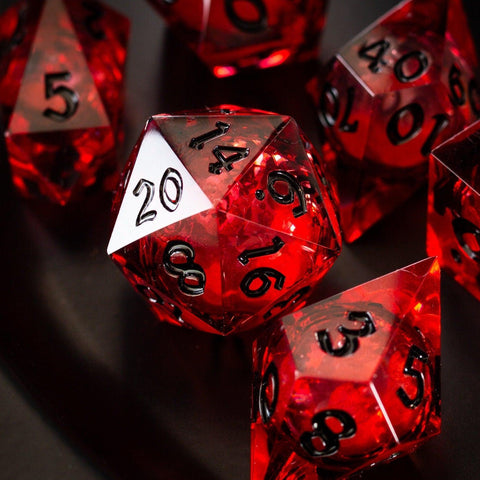
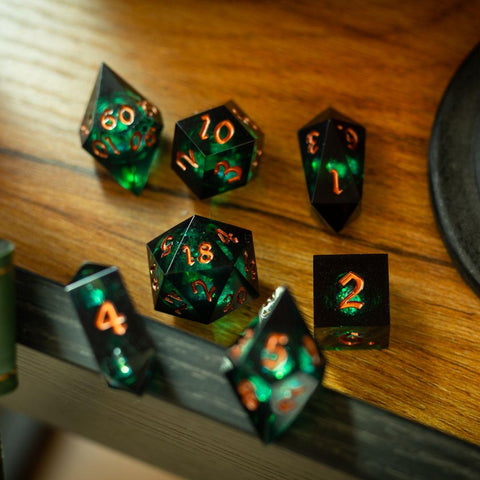
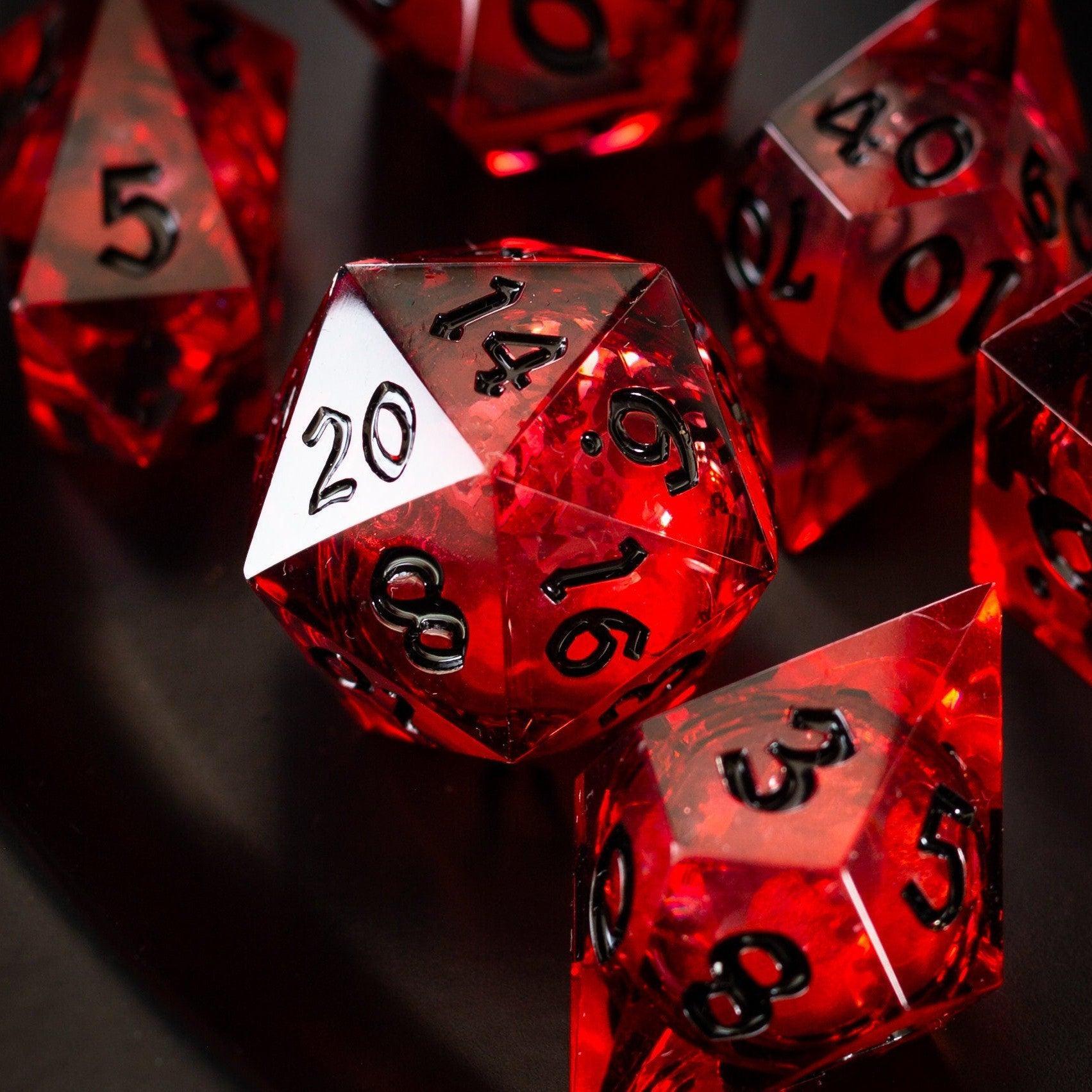
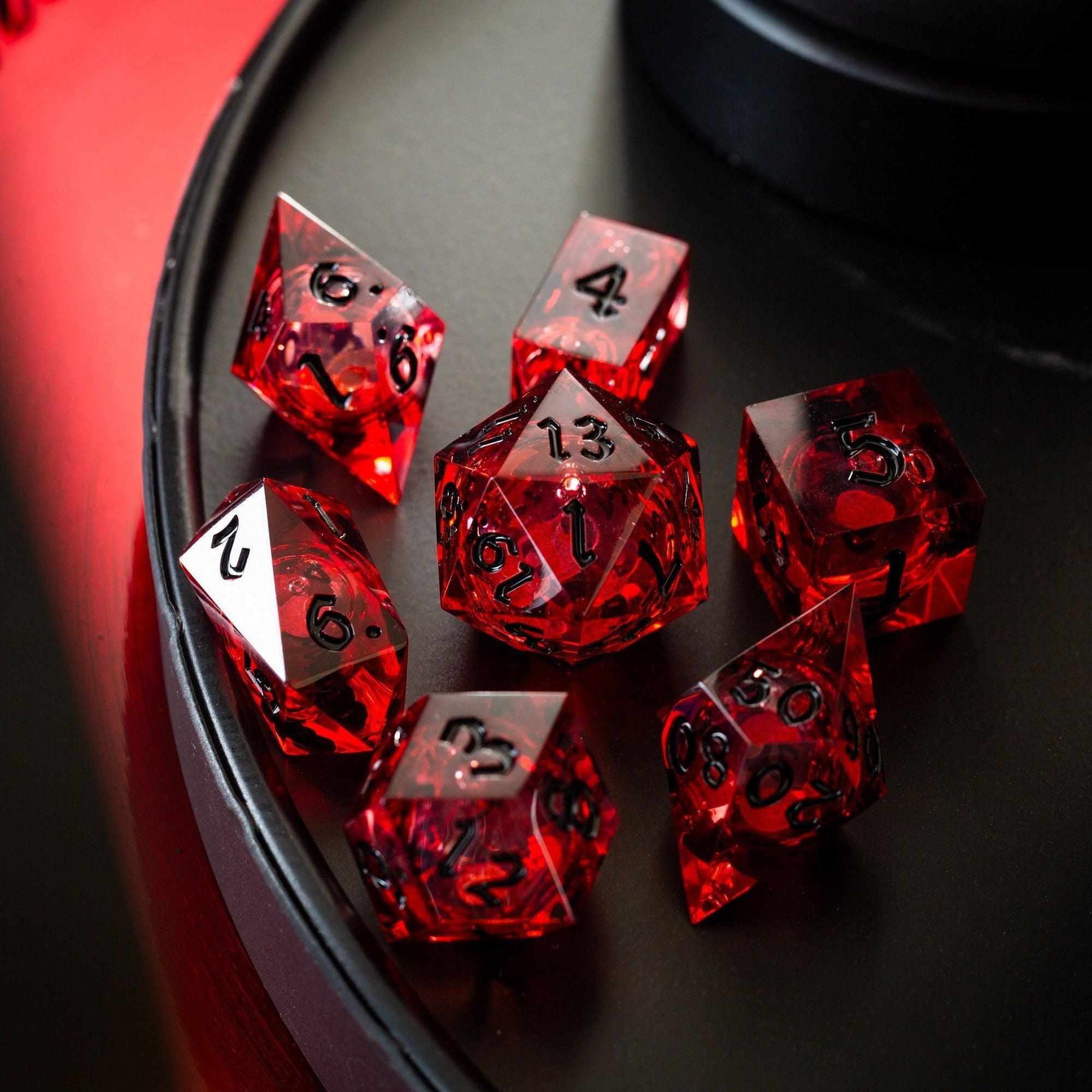
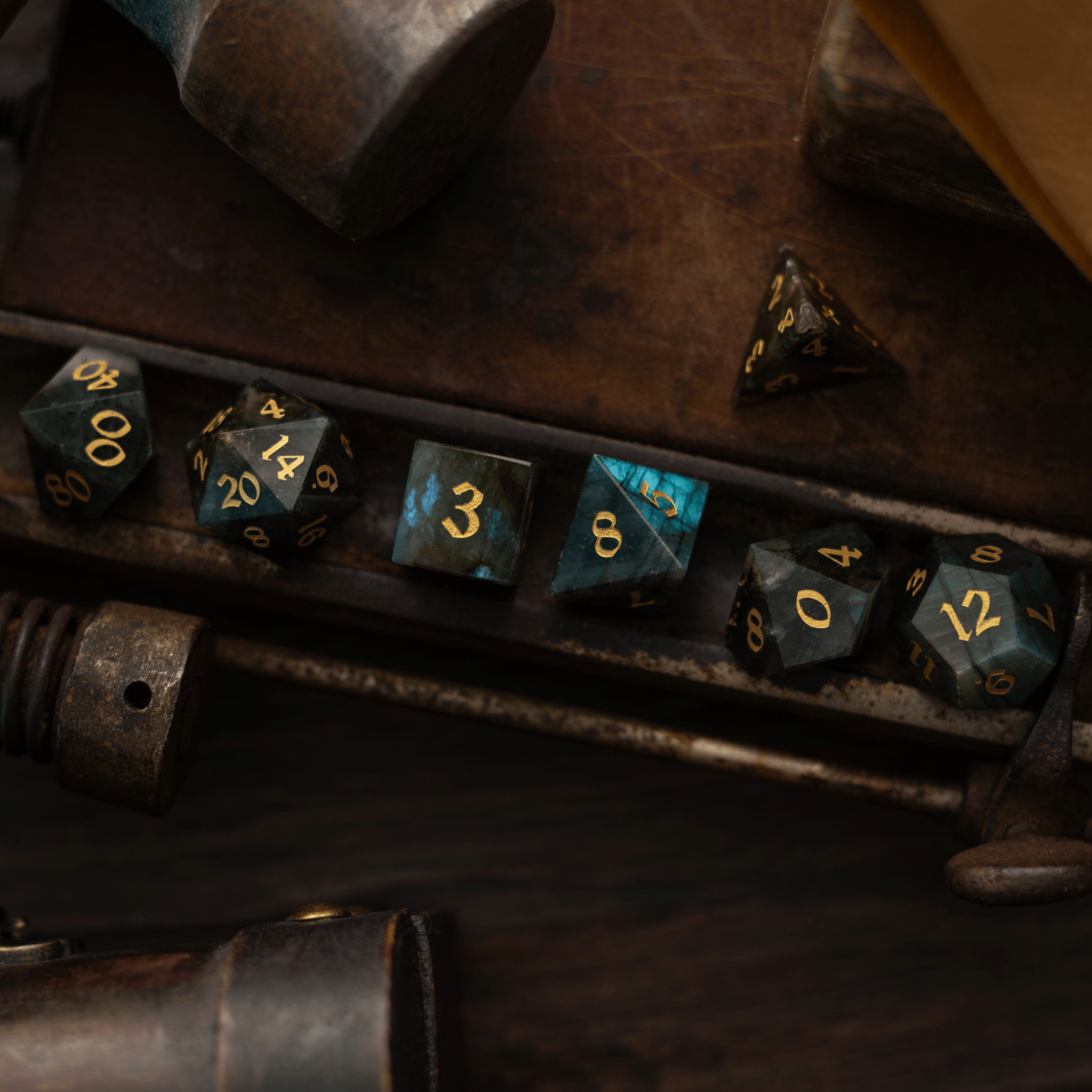
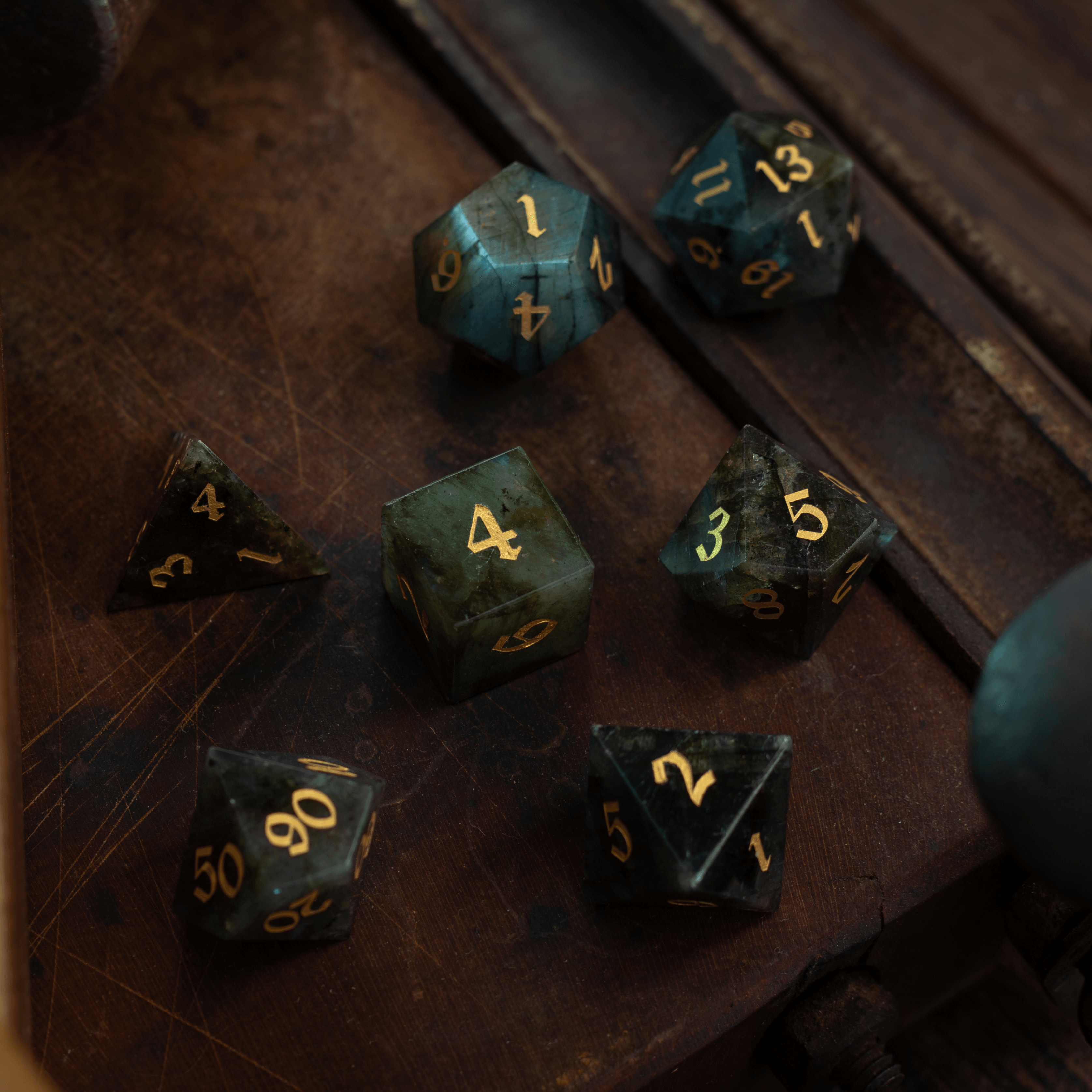
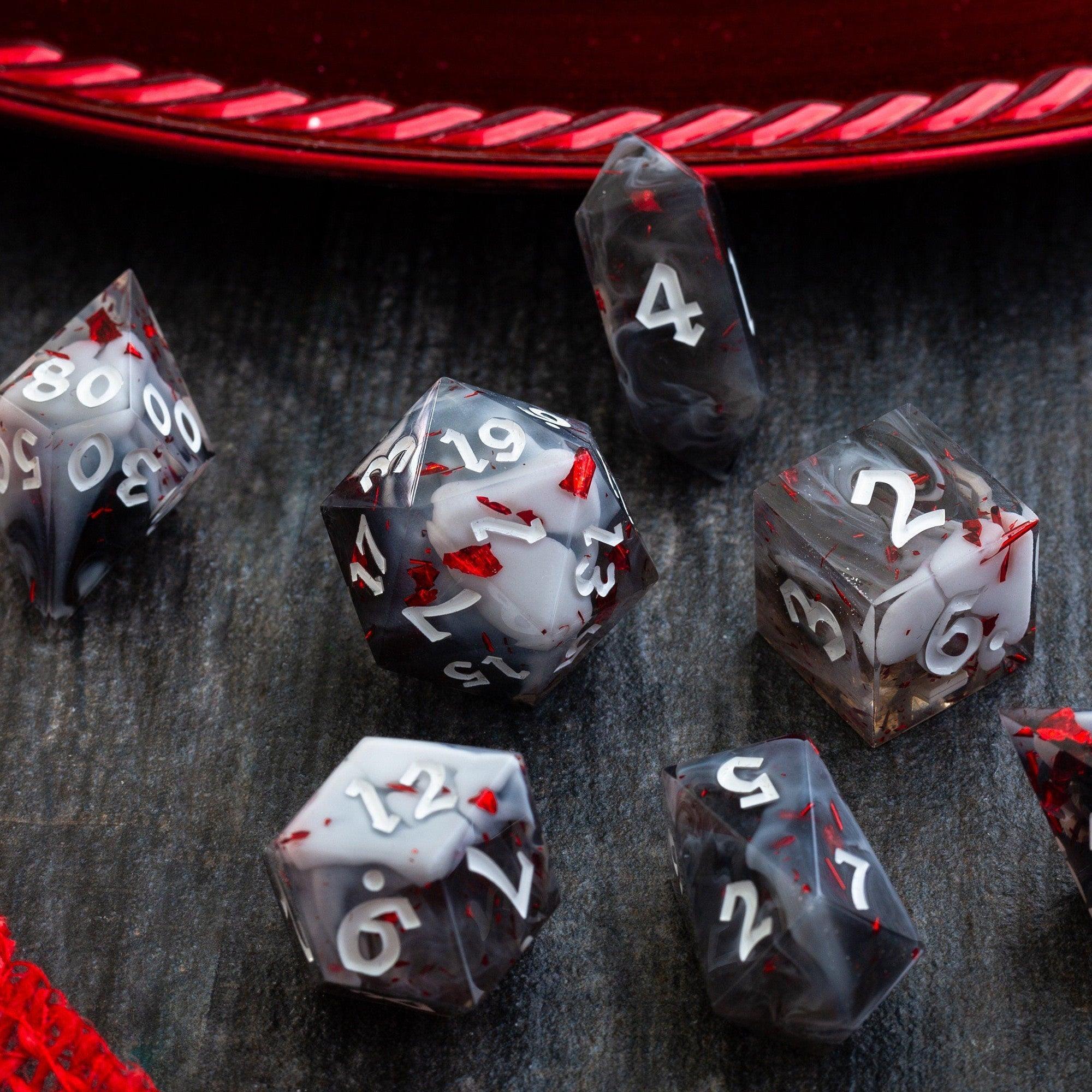
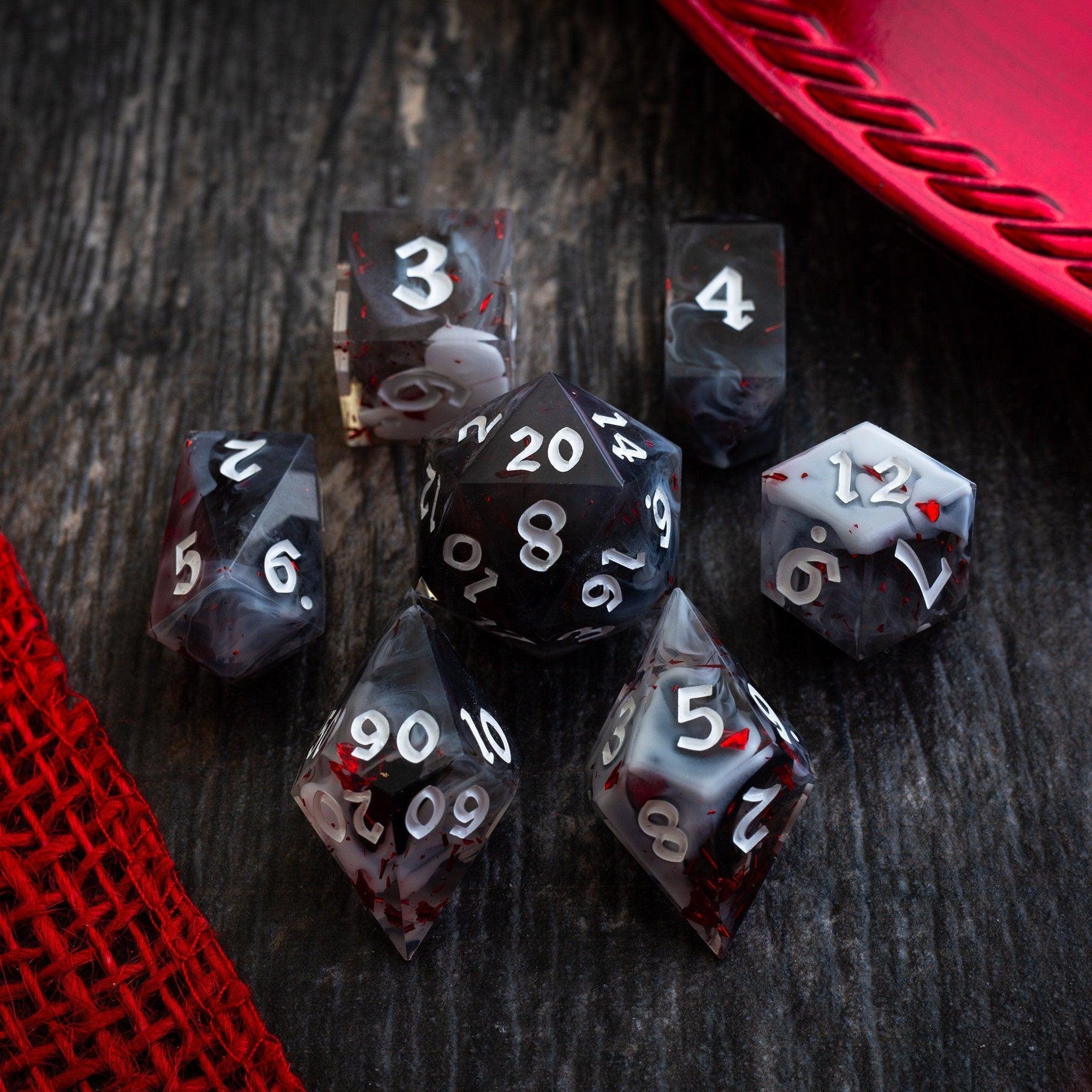
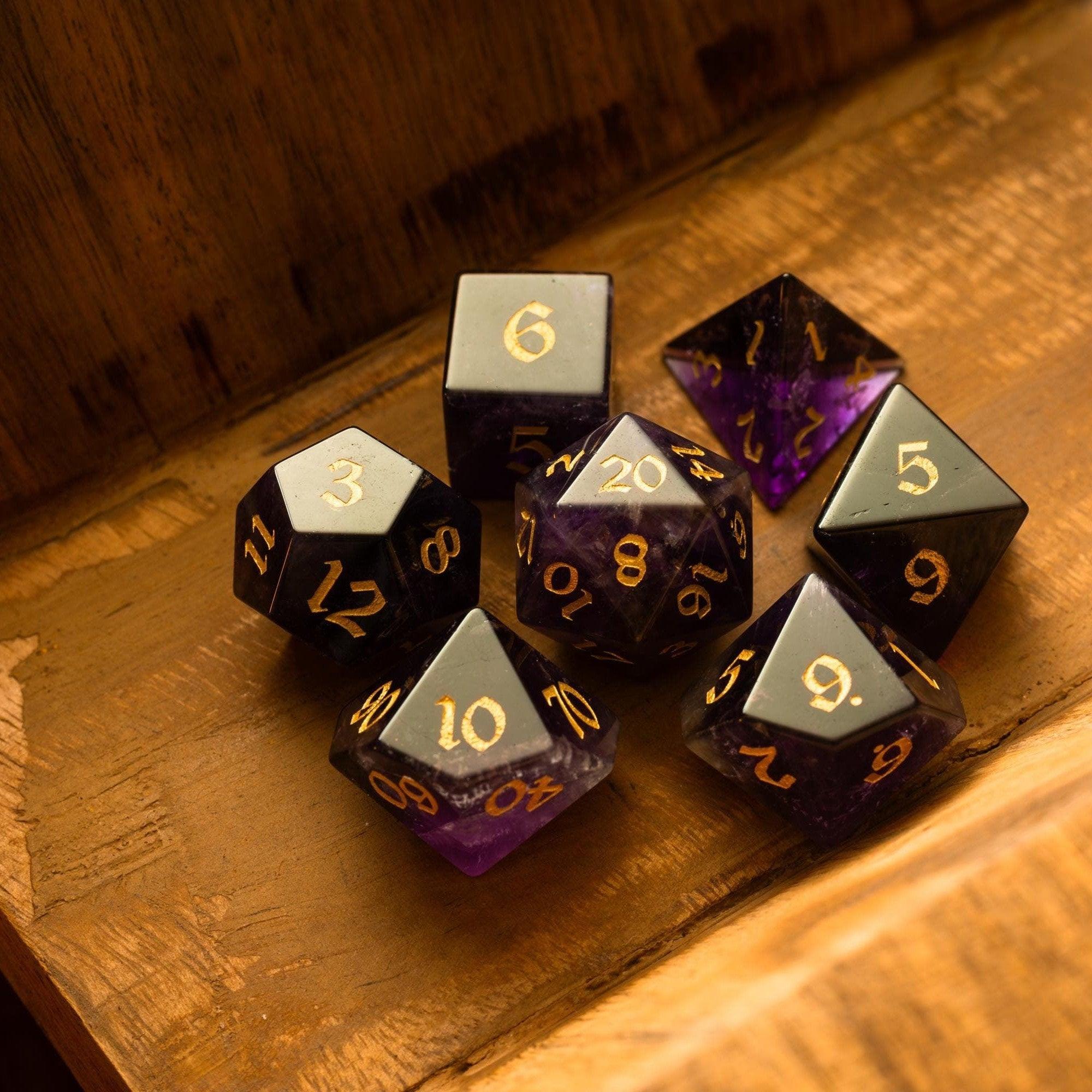
For an immersive gaming experience, consider exploring quality dice collections from gemstone dice sets that enhance your casting moments. Premium dice add tangible magic to your spellcasting rolls, making each magical effect feel more impactful. Beautiful gemstone dice transform ordinary rolls into memorable experiences. Whether rolling for saving throws or casting checks, quality dice elevate your gameplay atmosphere. Explore our complete dice collections to find the perfect set for your magical adventures, and discover how premium dice enhance every moment of your campaign.











Leave a comment
This site is protected by hCaptcha and the hCaptcha Privacy Policy and Terms of Service apply.